

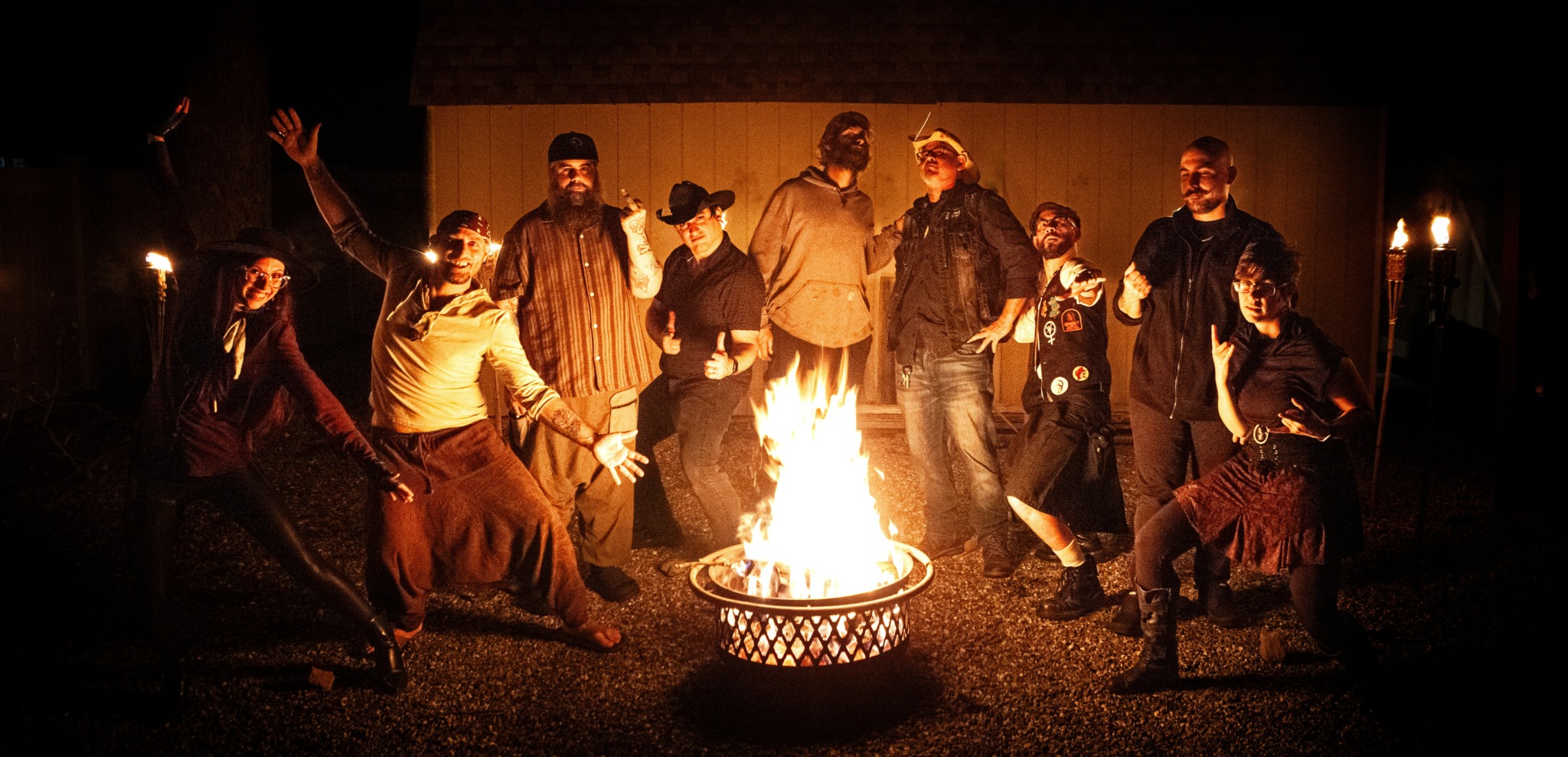

Often there is no book or course to learn how to do what you want to do – so how artists and creatives overcome such challenges? How have some of the most talented artists and creatives in the community managed to learn their craft?
Maria Luntz
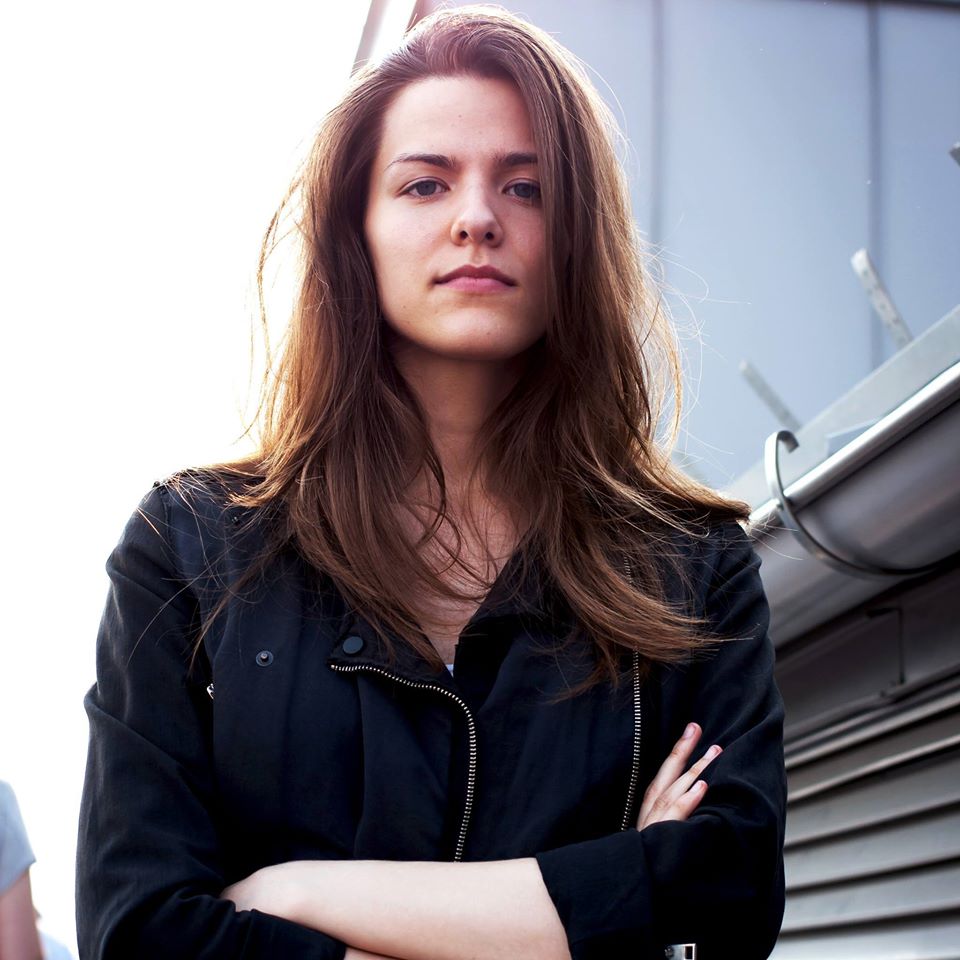
I’ve always been into storytelling. As a kid, I’d take apart comic books – cut out the panels, rewrite the dialogue, and basically reinvent the plot. It wasn’t anything noble; I just thought I could do it better. That, mixed with an unhealthy amount of movies and Disney animated features growing up, naturally led to an interest in video editing. Read more>>
Mark Ward
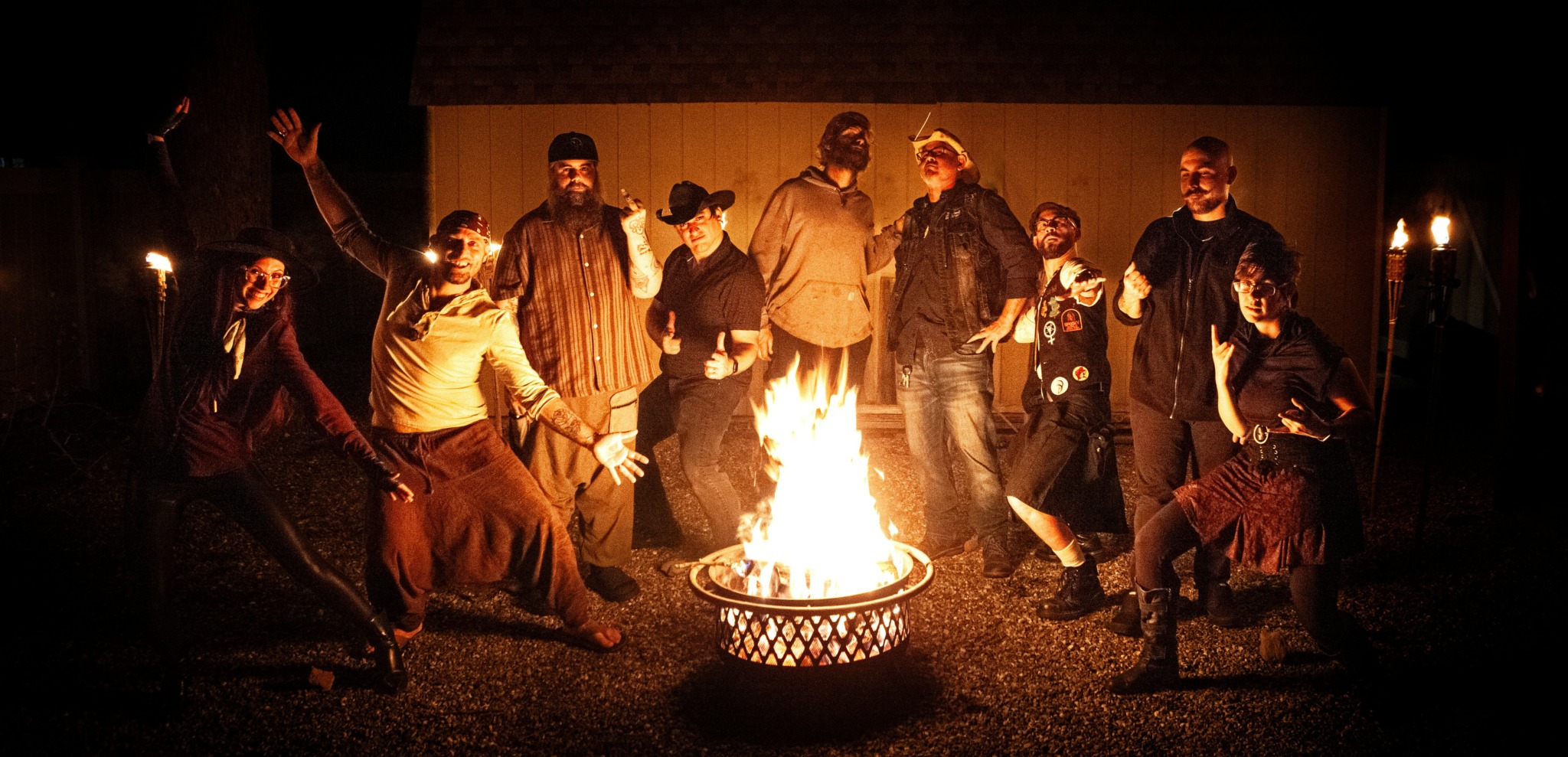
How I learned how to play any musical instrument or partake in every department of the filmmaking process or cook or cut hair or train Brazilian Jiu-Jitsu is the same way any skill is learned: slowly, and surely. Of course there are faster ways to pick up a skill, and burning the candle at both ends is a great way to end up as a puddle of wax on the floor, melted down and done with it all. The essential element here is patience, and grace with yourself. Mistakes are both inevitable and necessary. Mistakes are a blessing. Mistakes are an opportunity to improve. Mistakes are the impetuses that fuel progress. There’s no light without darkness, and no betterment without brick walls. Read more>>
Caleb Lowell
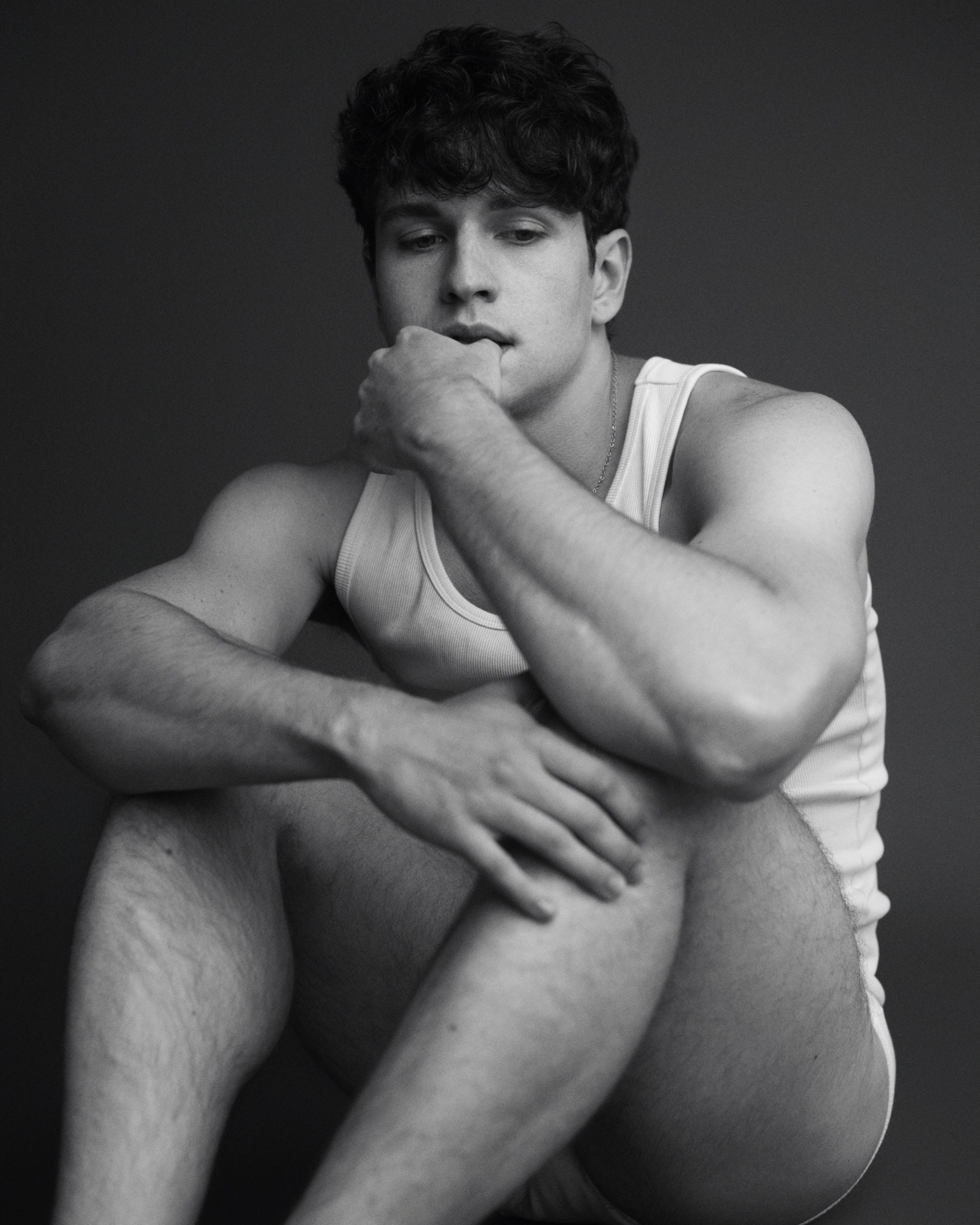
Thats a great question, one that I’m still figuring out myself honestly. I think there’s always been the kid in me who loved to “play pretend” and I learn a lot from him still. Nothing mattered to him he simply created elaborate fantasies in his back yard, he played. He didn’t over analyze if what he was pretending was good or not. or if the message came across or how it looked when he used tin cans as gauntlets and stick for swords, or if he’d ever “make it”. Learning to do what I do has come from letting go of everything I assume to. know each time action is called and just playing like I did when I was a kid. Read more>>
Bobby Haag
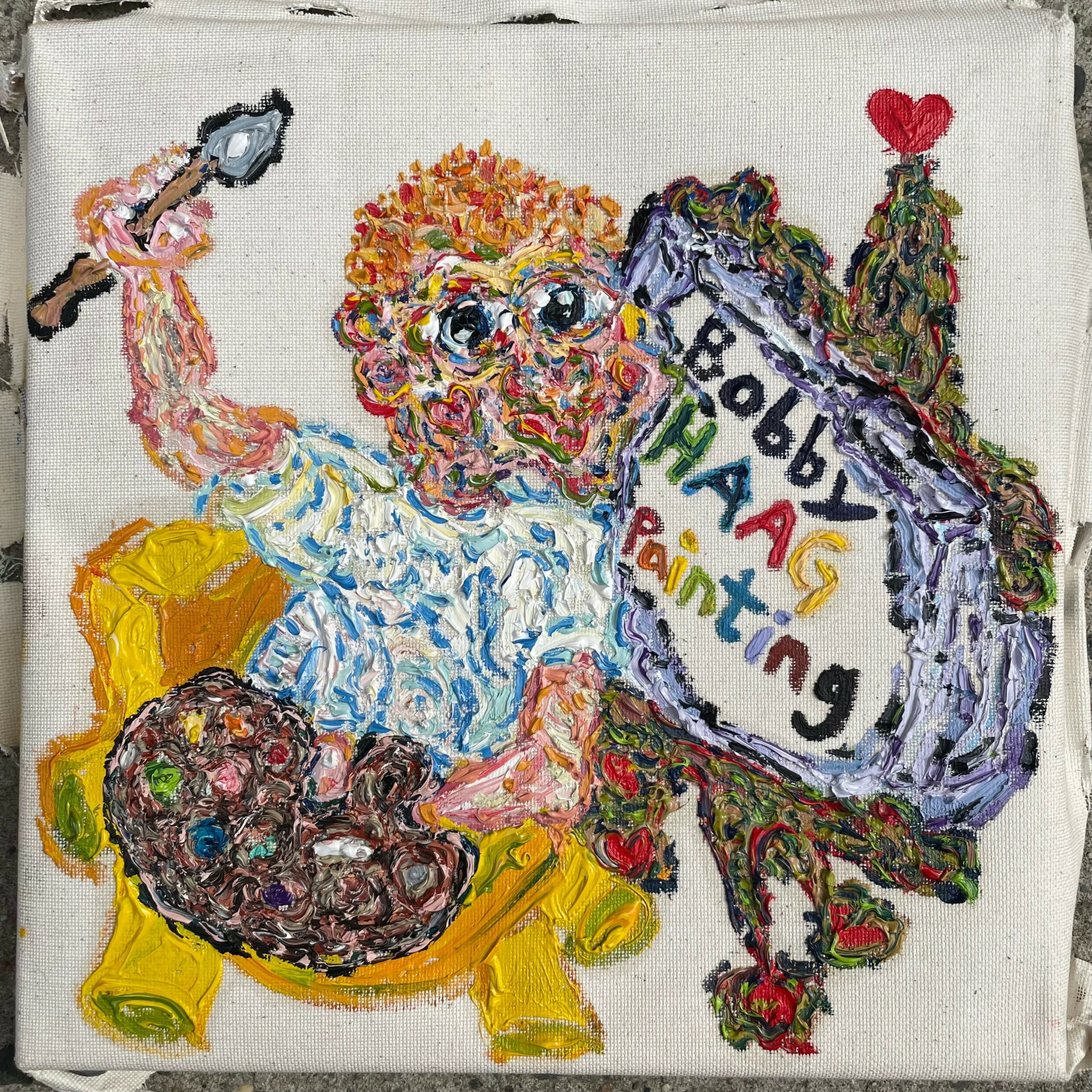
I was forced to move back home to Michigan from New York City in March 2025. I was there for three years, and that is how I got my “art education” (without going to art school). I started my own self made art-career my second year there in March, 2023 called “Bobby Haag Painting”. NYC blew my mind. Read more>>
Narmin Mammadli
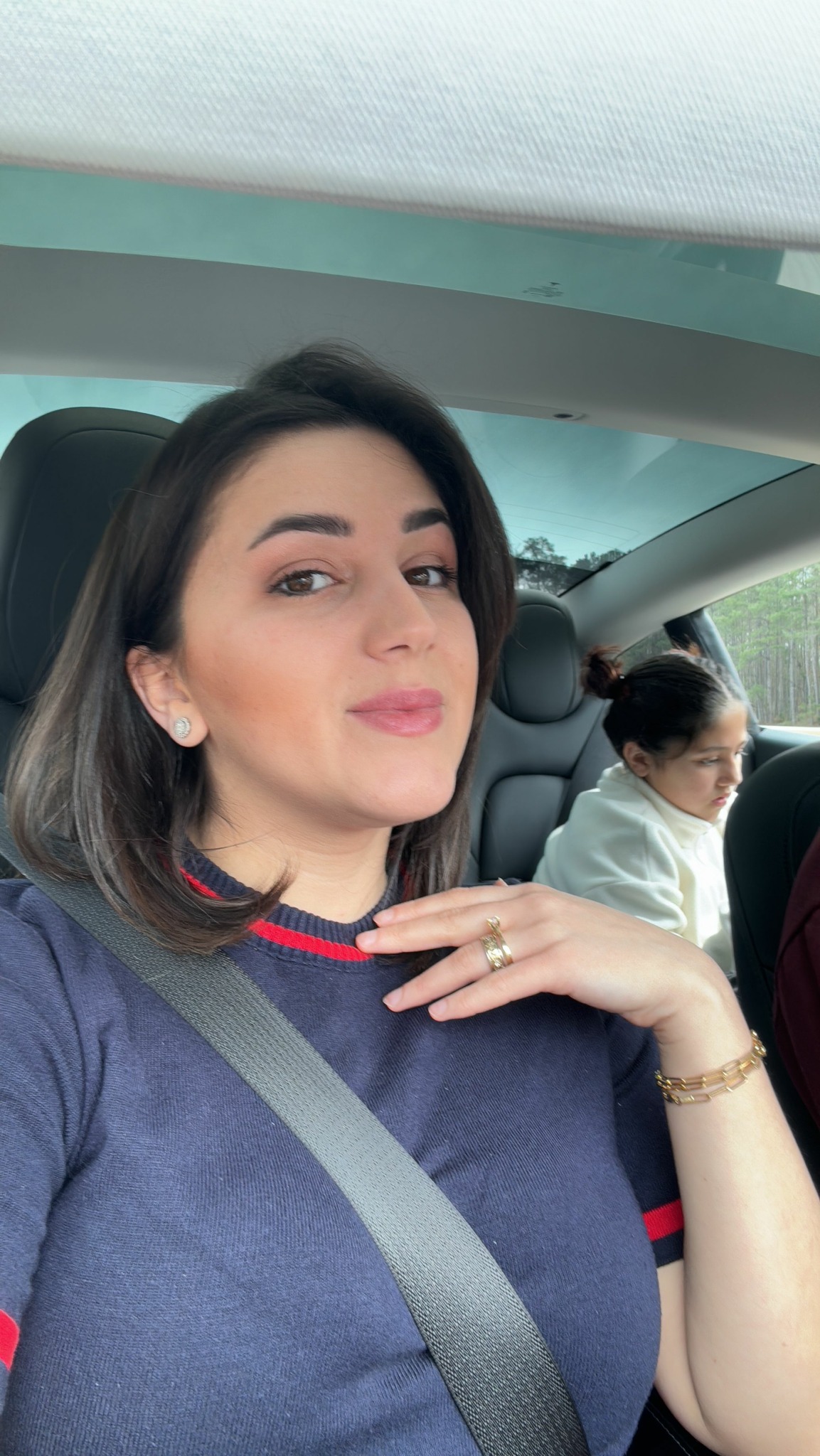
I learned from YouTube videos, channels, online courses.
Practicing! A lot practicing! Read more>>
Jason
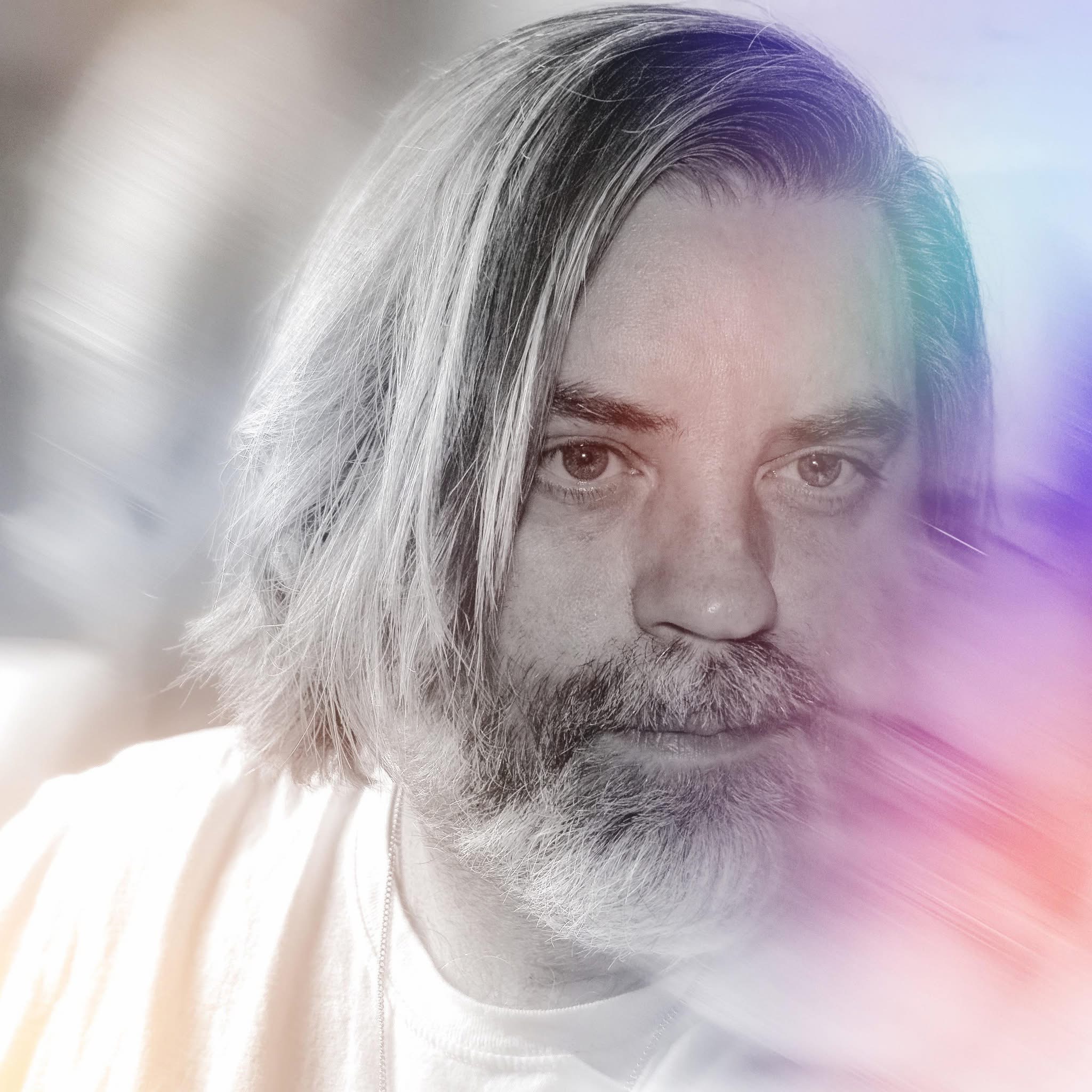
During COVID venturing out into nature was essential for my mental well being. Staying inside made me slightly stir crazy. I was into photography prior to COVID but I began breaking out the camera I had purchased when my daughter was young to bring with me out on walks.
It sparked an addiction. I began consuming as much media as I could. Mainly YouTube videos to help me learn. If I wasn’t good at certain aspects of photography I would study it more until I got better. Constantly going outside and striving to learn. Read more>>
Annette Ridge
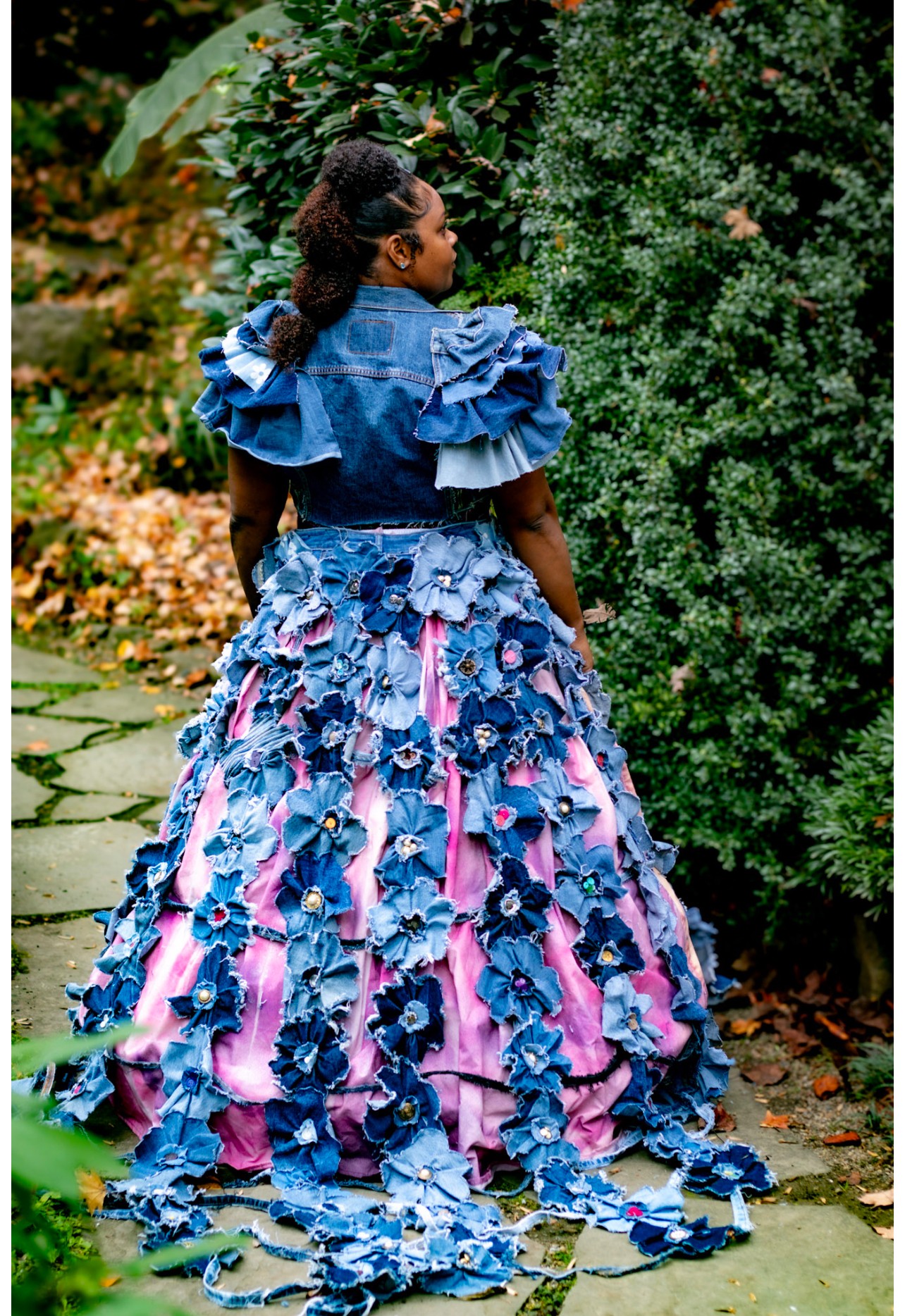
I’m completely self-taught—built by pure trial and error, stitch by stitch.
Looking back, if I could sit down with my younger self, I’d gently say: “Create more for you. Don’t chase custom orders, money, or the need to be validated. That noise will only pull you further away from who you really are.”
But the truth is, I needed that journey.
I had to go through the distractions, the doubts, and the detours—because that’s how I learned the most important skill of all: self-validation. Read more>>
Julia Brevetti
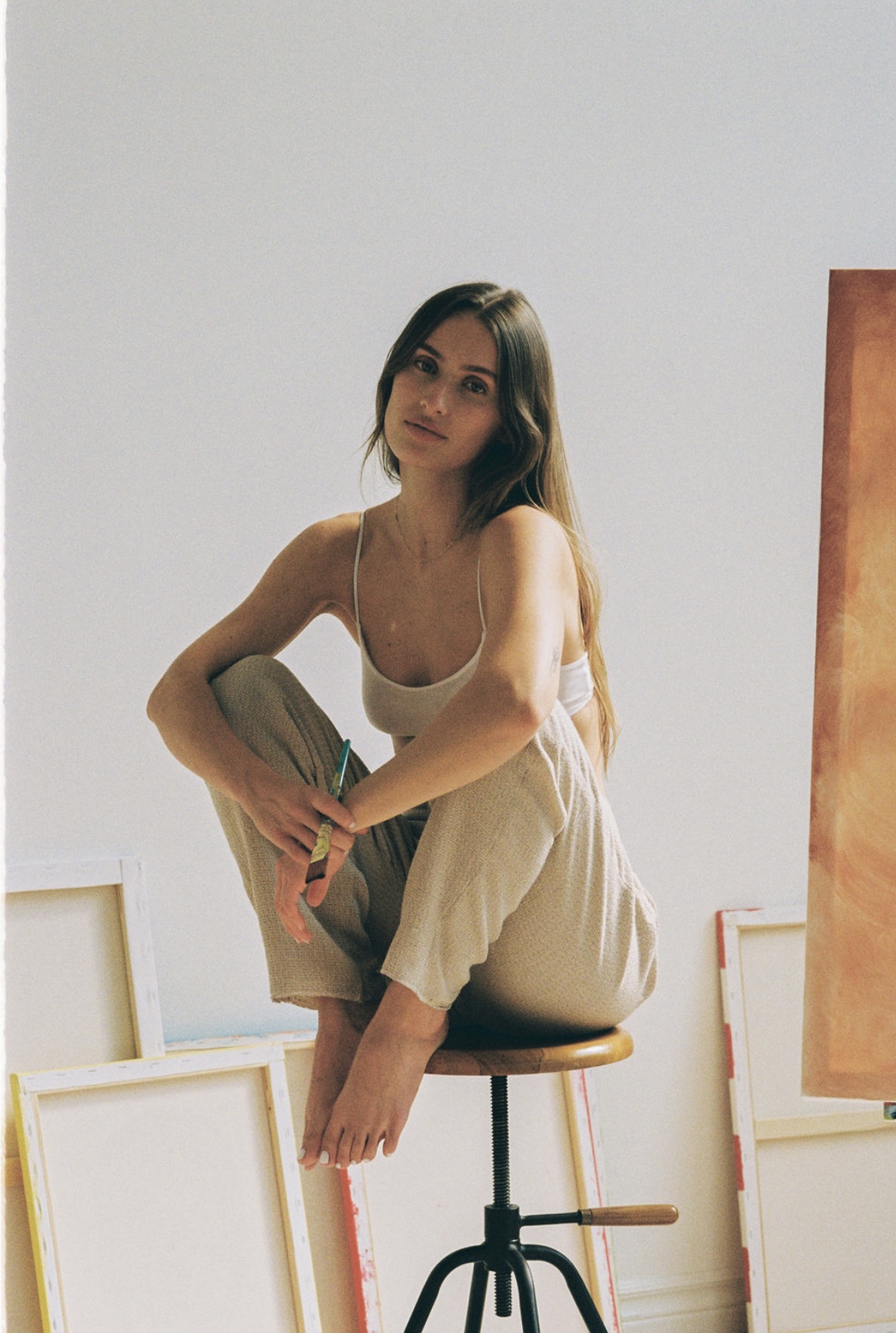
If I could go back, I would tell myself to stop procrastinating and start as soon as possible. I underestimated the challenges that come with being a full-time artist. I used to think it was as simple as creating art and making sales, but I quickly realized there are many layers to building a sustainable career in this field. Read more>>
Madison Brielle Hudson
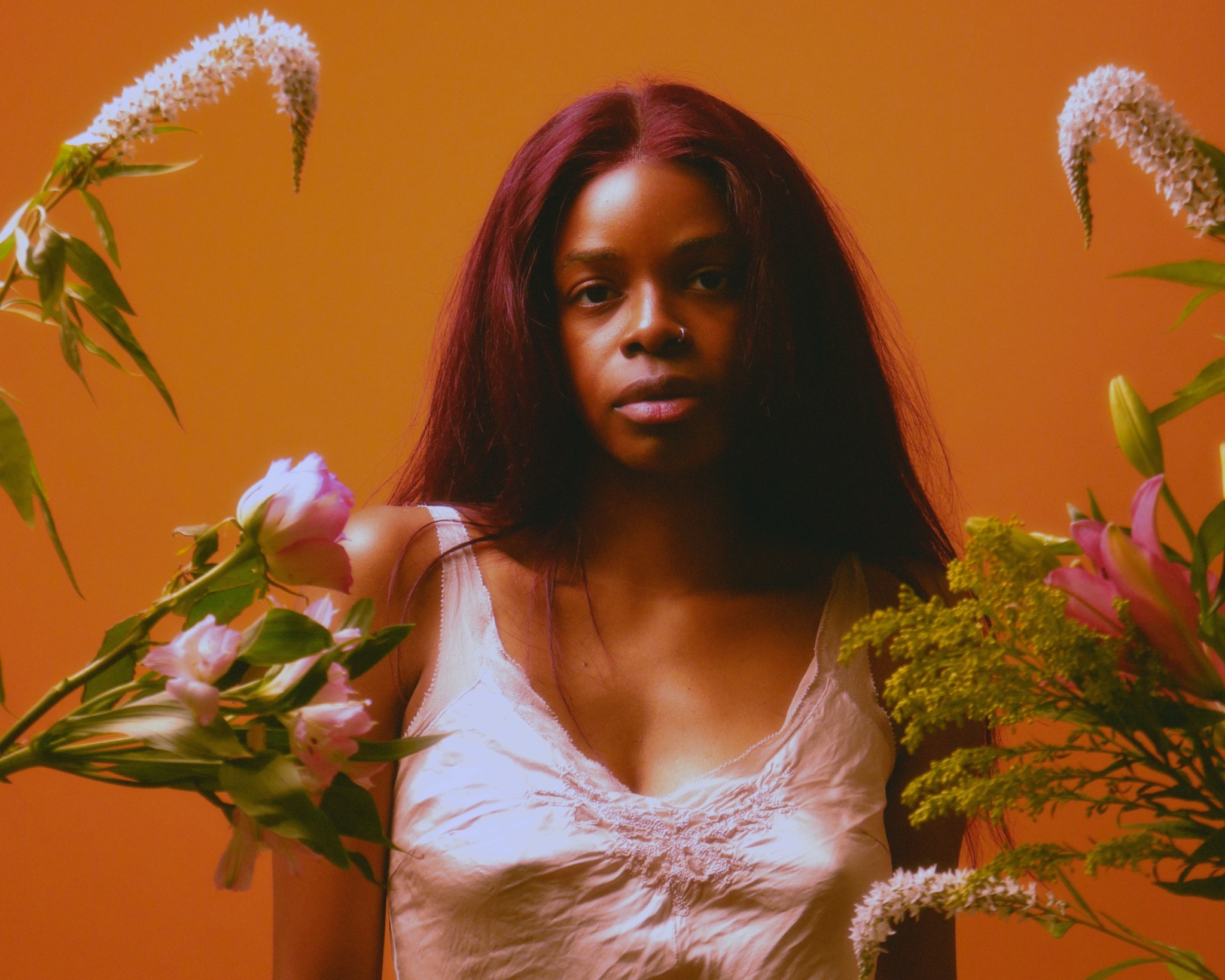
I still very much consider myself a student in my creative journey. I’m not in a hurry to be an “expert” or “master” of anything, and I don’t believe that diminishes my talent or potential. What pushes me forward is the constant desire to learn and integrate new knowledge into my filmmaking and other creative passions. Now more than ever, I value research, reading academic essays, and listening to lectures on a wide range of subjects. I believe one of the most beneficial things a filmmaker can do is to learn about topics entirely outside of film. While film school has its bonuses, I’ve found that my taste and craft have been most refined by watching international films and immersing myself in diverse subjects. This interdisciplinary approach broadens my perspective and enriches my storytelling in ways that focusing solely on being a cinephile cannot. Read more>>
Cody Cunningham
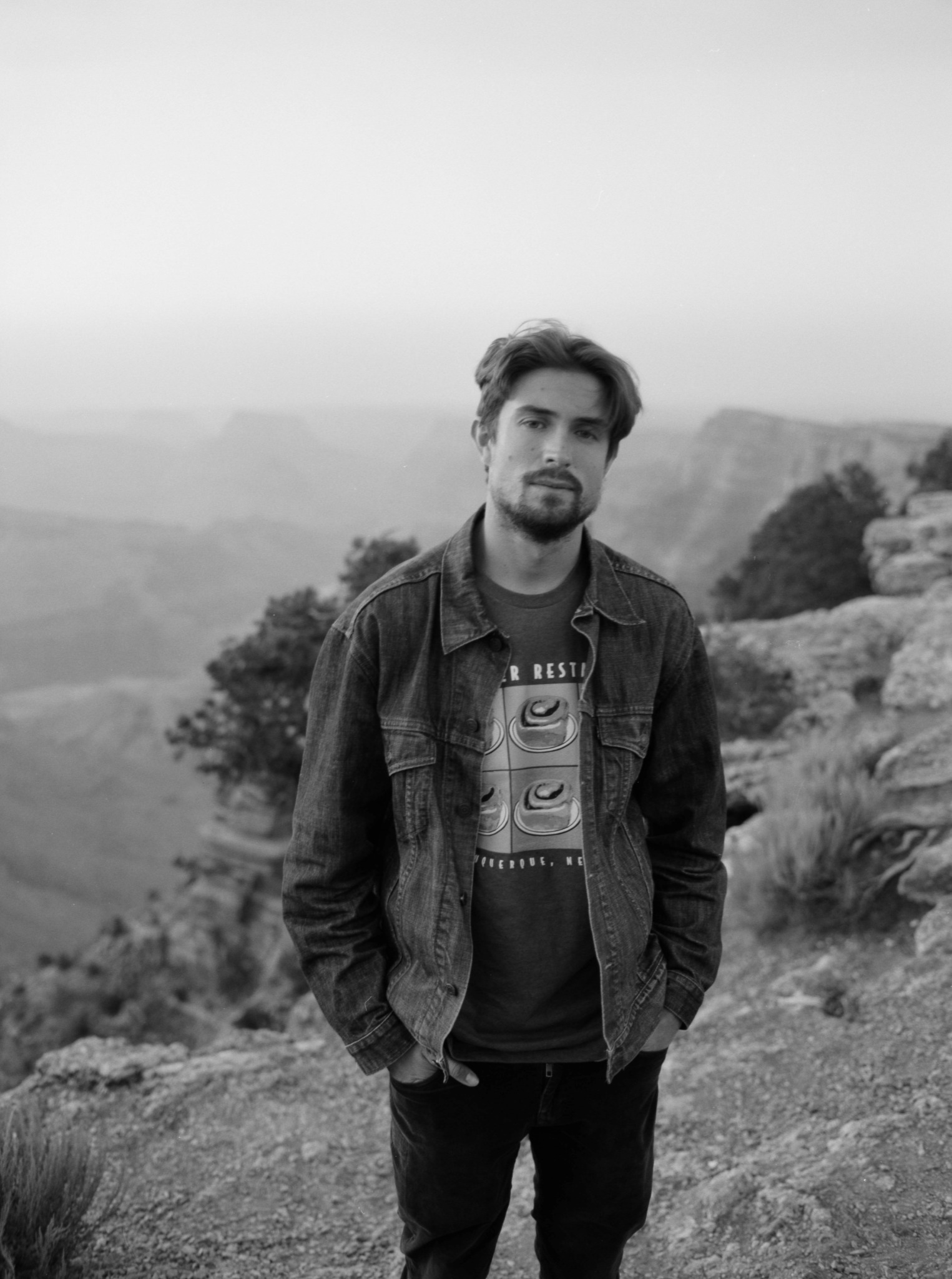
I think the best thing I ever did was just take the chance and try it. In a lot of ways, I let the craft come to me. I had felt inspired by the work of others, but I actually didn’t put a ton of effort into finding a camera of my own. It wasn’t until I was at a thrift store out in Claremont, CA, where I found this old 35mm camera – a 1975 Canon TX – for sale for around $40. I didn’t know a ton of what I was doing – I bought some rolls of film (everybody said Portra 400!) and took it on a couple road trips. It wasn’t until I saw the resolution and fine grain that film was capable of, that I truly felt the rush of inspiration. Read more>>
Cordell Ima

I learned to pursue acting through a combination of hard work, self-awareness, and a willingness to embrace vulnerability. Growing up, my focus was primarily on sports, particularly football, where I gained a deep understanding of discipline, resilience, and working toward a goal. Those same principles became the foundation when I transitioned into acting. The real transformation, however, began when I moved to New York City and enrolled at the New York Conservatory for Dramatic Arts. That’s where I was finally given the tools to channel both my physicality and emotional depth into meaningful performance. It was a humbling and intense experience—one that forced me to recognize that acting wasn’t simply about “performing,” but about connecting deeply with myself and others. The conservatory environment, combined with the mentorship I received there, helped me convert fear and self-doubt into curiosity and creative expression. Read more>>
Cal Slaton
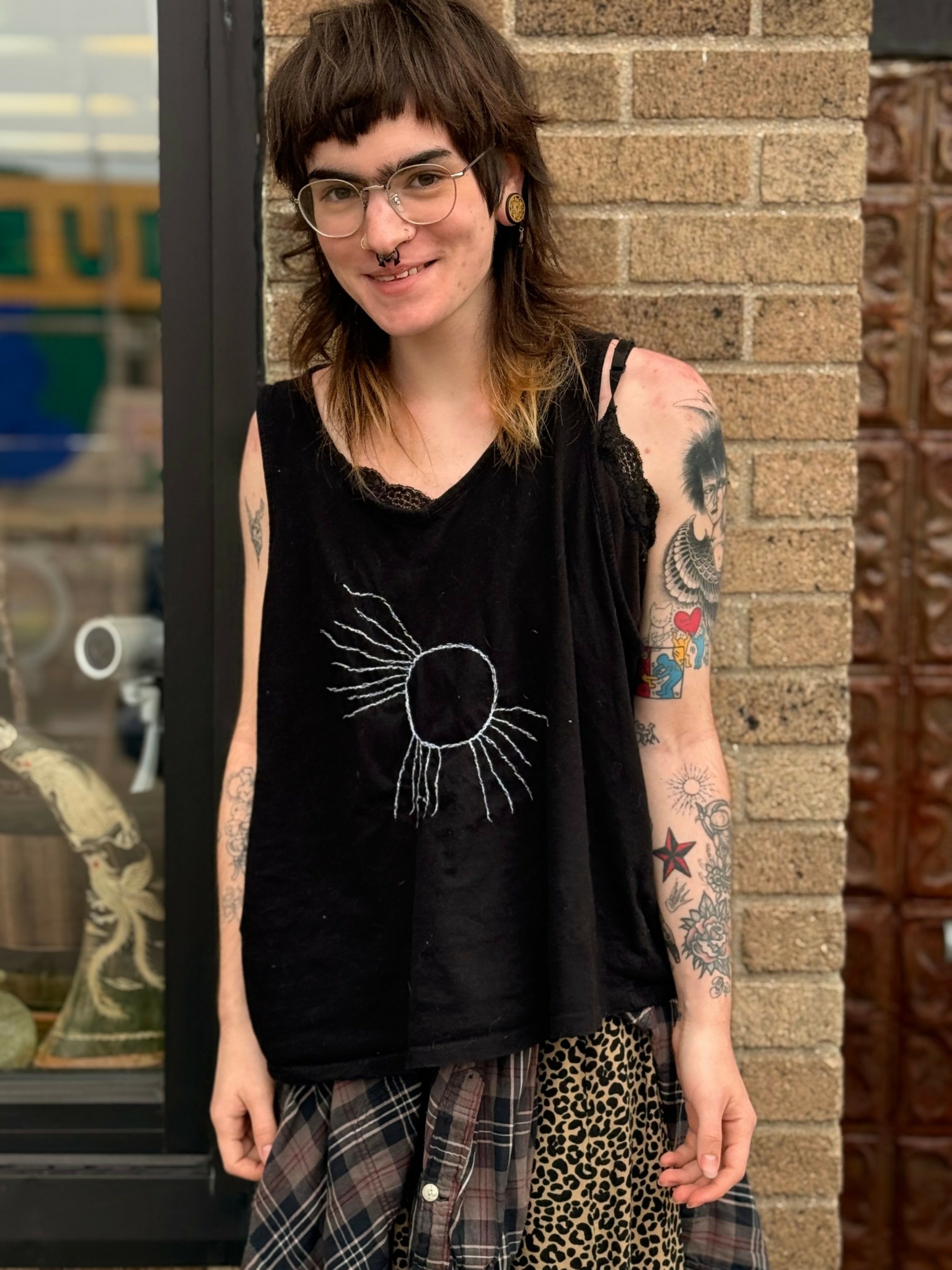
I started learning to draw different tattoo styles when i was 14. junior-senior year of high school is when i worked the most on my portfolio. i would draw for hours and hours a day, before i started tattooing i talked to a lot of tattoo artists and asked for portfolio reviews. this allowed me to make connections and learn what i was doing right, and what things i could improve on. it sort of allowed me to get my foot in the door, which was very encouraging. my favorite materials to work with were colored pencils, i always sketch in colored pencil and work in pen so i can’t erase. i would draw from art books, put random words in a hat, pick them out, and combine them. Read more>>
Christian Dinh
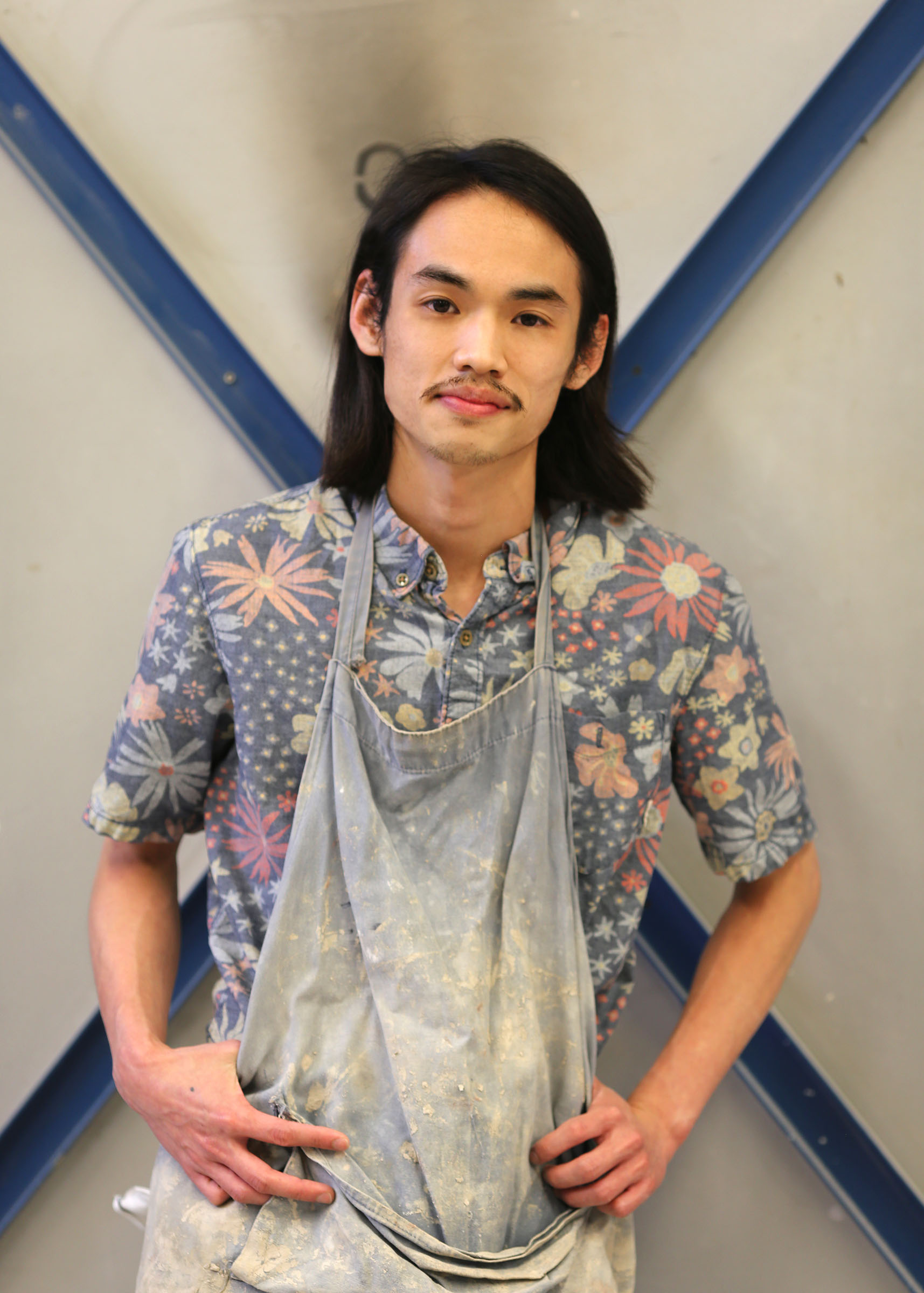
My art practice is more conceptual in nature and takes on different forms and materials depending on the idea of a project. However, my main area of expertise is ceramics. Ceramics was something I got into during my last semester in in college. I signed up for a pottery class, which was required to finish my degree in art. During that semester, two new ceramic professors began working in the program and they became huge influences on me. Studying under them, I was introduced to ceramic philosophies and methodologies that resonated with my way of working/thinking, that I still use till this day. If it wasn’t for that one class, my trajectory in art would have been completely different. Ceramics was the first medium that I committed to progressing in and after graduating I continued to seek a career path in the field. Read more>>
Charles Harris
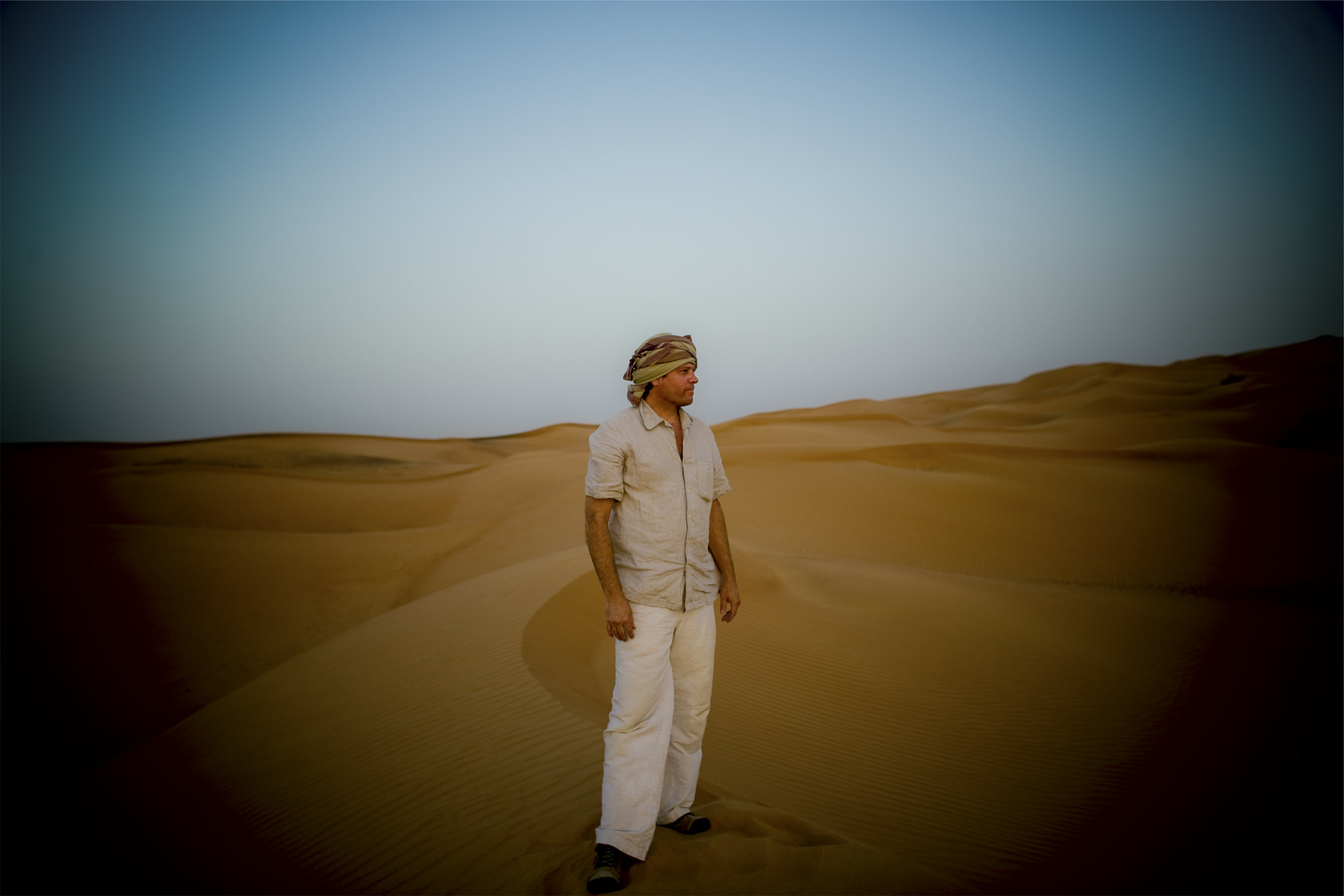
In the beginning I was self taught, referring to a beginners book by Kodak. This book was actually inspiring, as it had a ton of excellent photographs from the color masters of that era (late 70’s). One of the first things I set out to understand was exposure. Since I started on Kodachrome, precise exposure was a must or the image was useless. Read more>>
Juan Torres
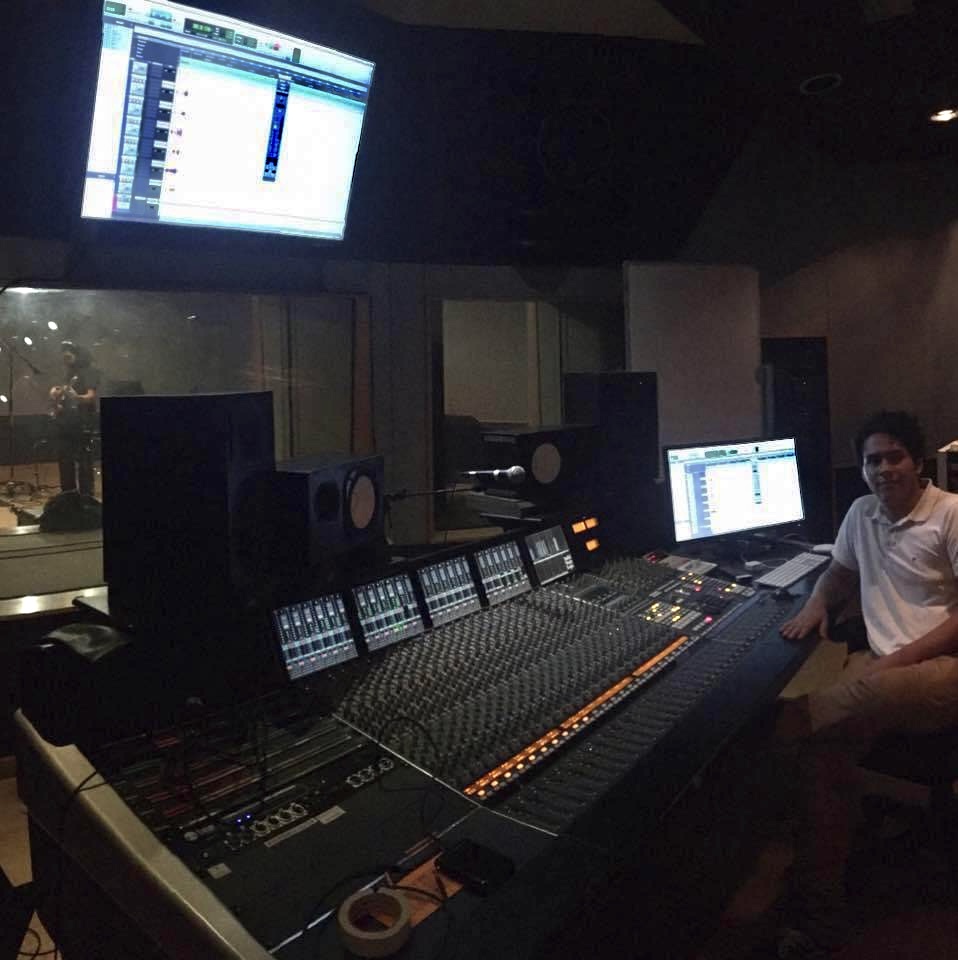
A lot of Discipline. It takes a while to develop your own sound especially with Music Production or Music Technology is that you cannot fake it at all..
Also all my mentors had me learning skipping steps that can be unnecessary, my young self always chose the hard route of doing everything my way, which proved to be inefficient. Ego can be extremely difficult to tame with time you learn to navigate around it. Peers also have knowledge in areas you probably have no experience at all. I think i’ve learned more from friends than anything. Read more>>
Maurice Morris
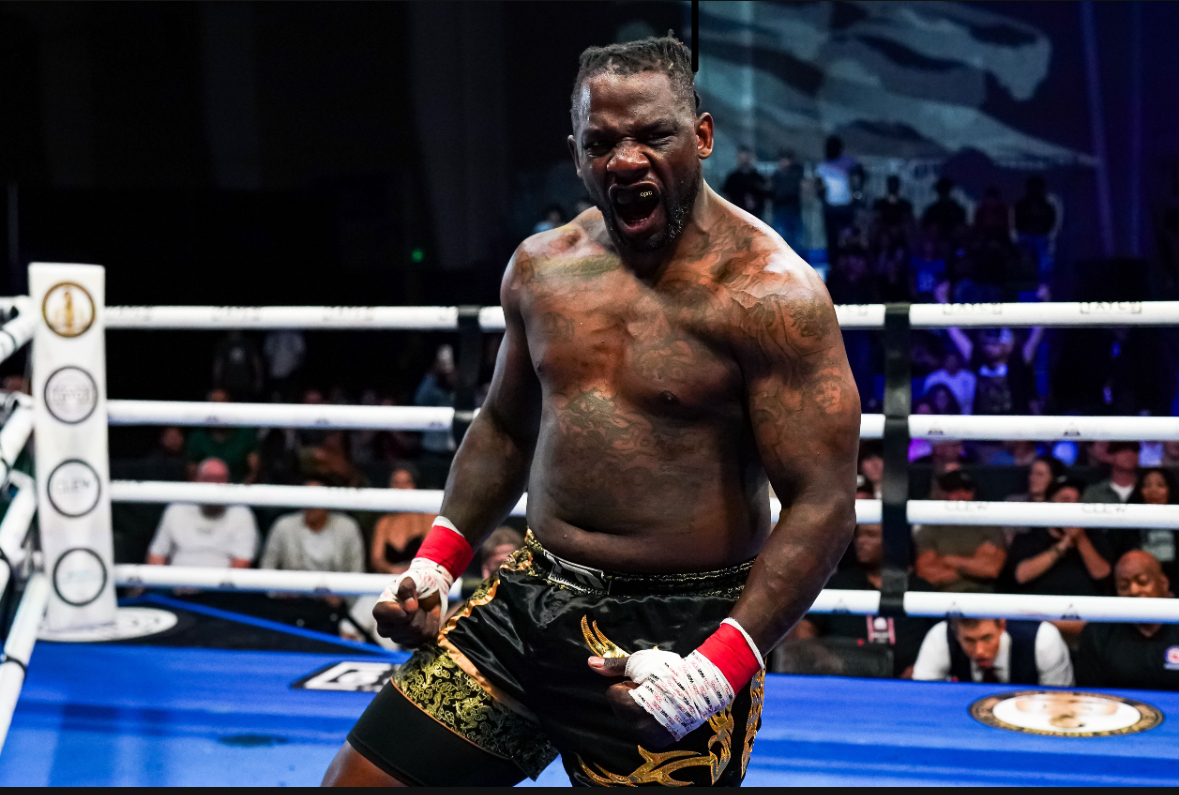
Learning my craft took a lifetime to learn it started as a kid in the country of South Carolina which installed hard work and mental toughness in me. As an adult I protected my craft training at the toughness gyms in the Carolinas against some of the top martial artists in the world. Read more>>
Sammy Mckenzie
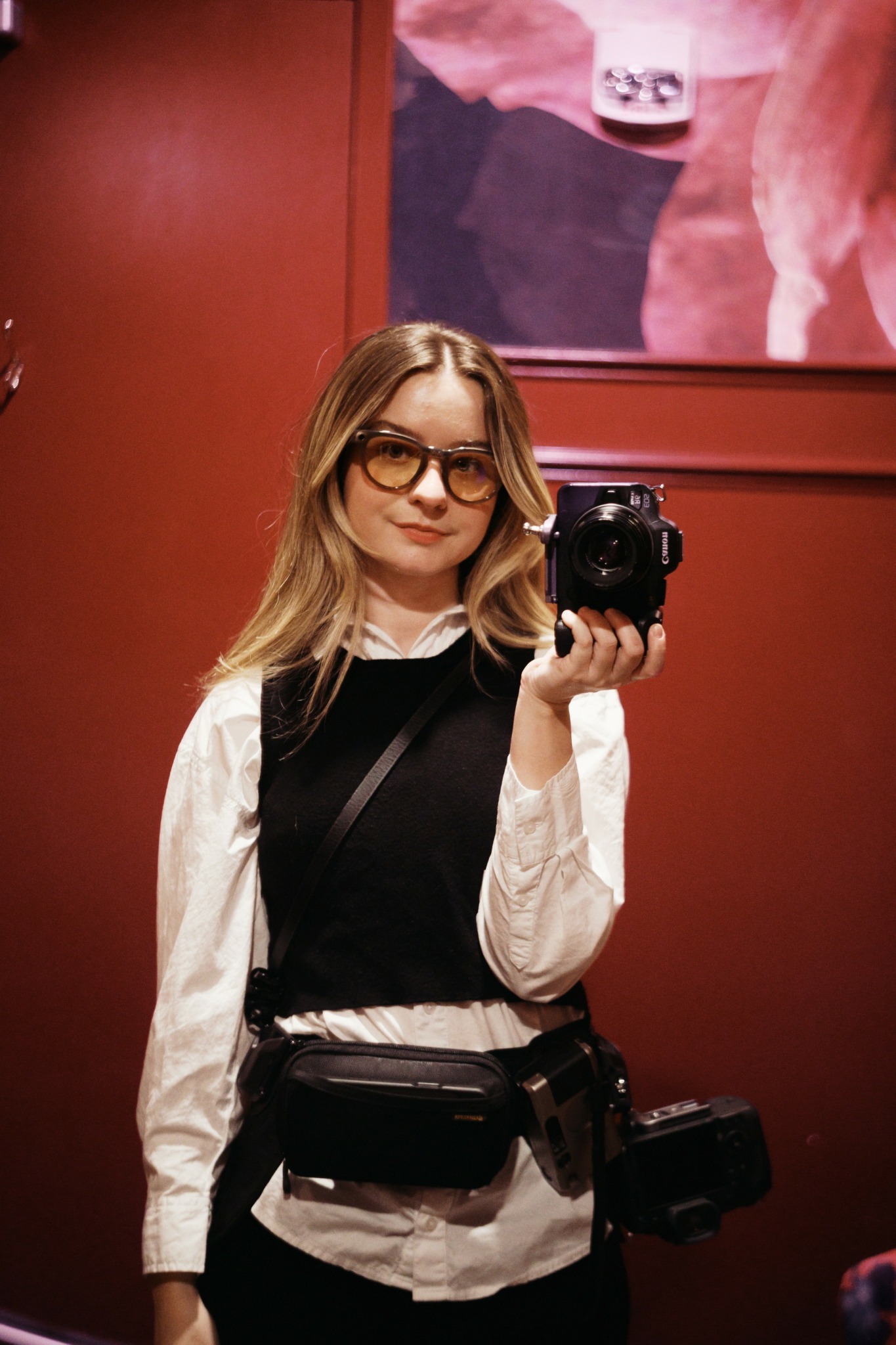
I’m completely self-taught, and it all started when I first picked up a camera in seventh grade and downloaded Lightroom Classic. From that moment on, everything I’ve learned has come through a mix of trial and error, research, experience, workshops, classes, and lots of good old-fashioned practice. Read more>>
Tia Kinsman
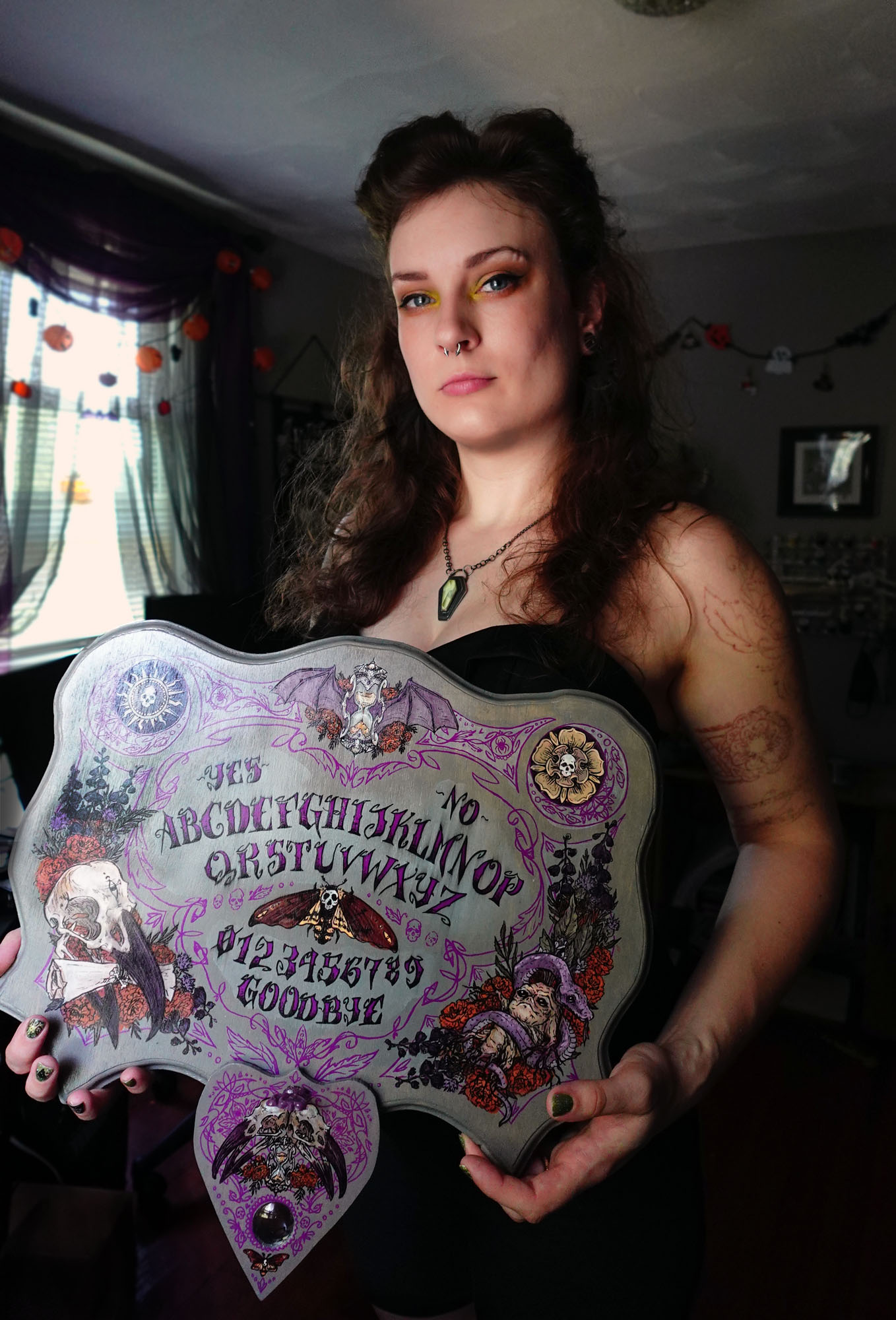
As a self proclaimed craft goblin, this is both the easiest and hardest thing for me to answer. Where do I even begin?
For my entire life I’ve loved learning new hands-on skills and crafts. The thrill of someone giving me the basic instructions and safety–maybe even a demo and the tools I need– then leaving me to my own devices to figure it out is unmatched. Heck, I based my entire career off of my love of just making whatever pops into my head, with whatever craft, and just figuring it out as I go! I have tried college, professional illustration classes, just about everything, and honestly for my learning style there’s nothing better than just…doing it! Read more>>
Izzy Rinehart
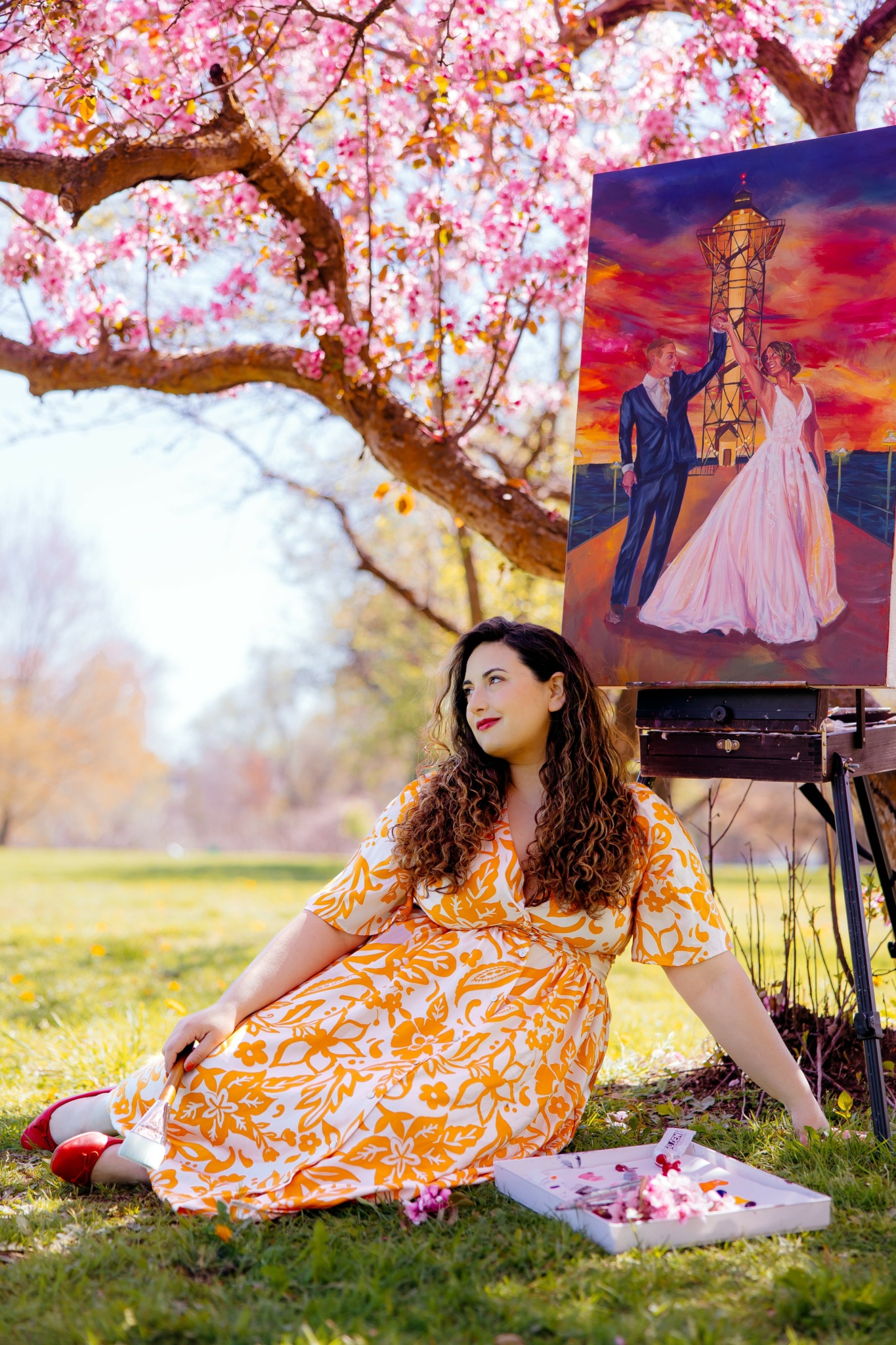
Live wedding painting is one of the most unique art forms I’ve ever encountered – it’s plein air, portraiture, and speed painting all rolled into one, executed live during one of the most emotional and high-pressure days of someone’s life. You’re not just creating art; you’re capturing a moment as it unfolds, surrounded by movement, energy, and unpredictability. Read more>>
Terri Robertson
Line dance for me has been such a powerful and relatable journey — from struggling with “two left feet” and relying heavily on instructors, to becoming a patient, welcoming instructor myself who really gets the challenges my students’ face. I’ve transformed my own experience into empathy and encouragement, which is such a gift for my students. Read more>>
Kara Garcia
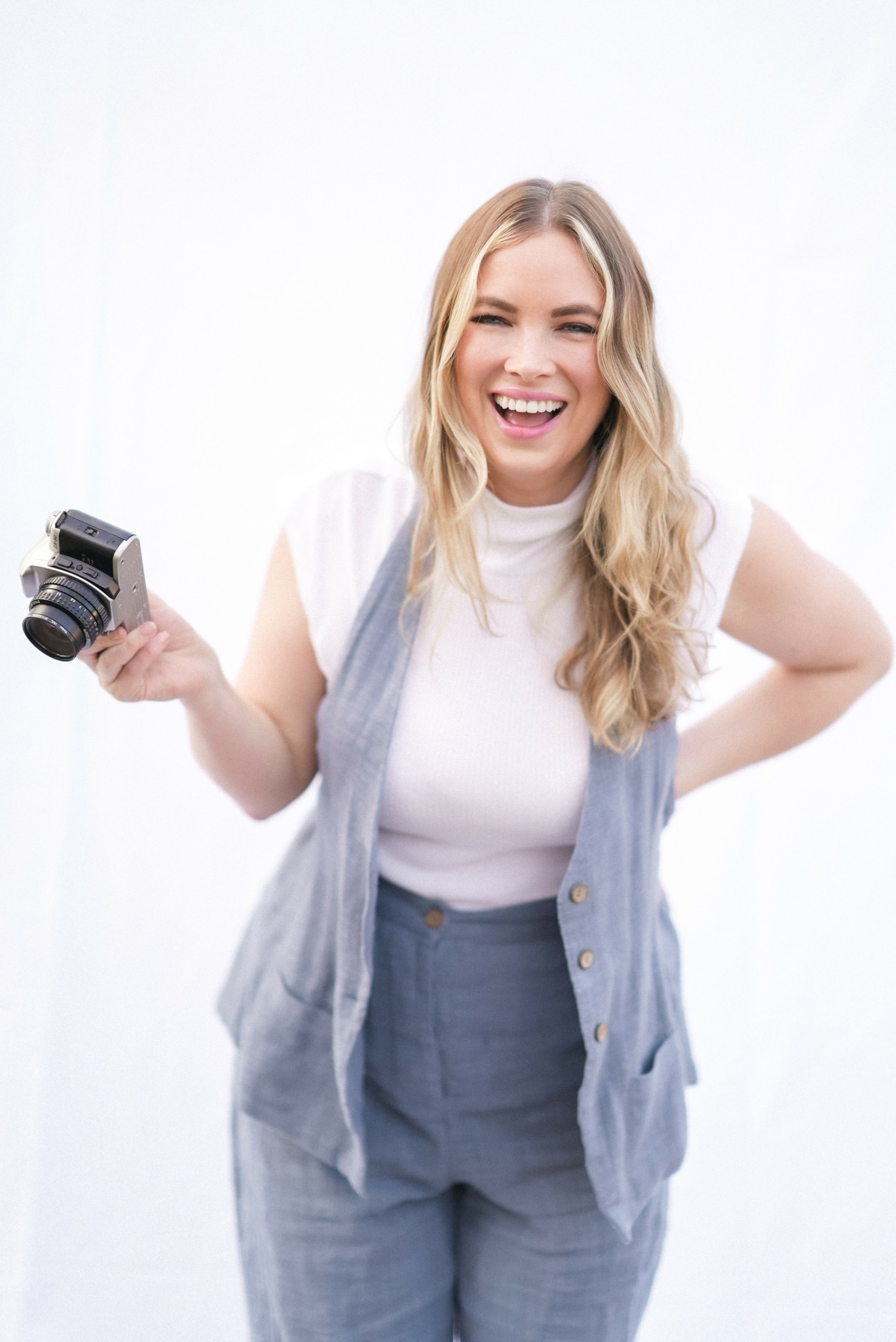
I grew up in the 90s in the generation of disposable cameras. Every now and then, I’d snag my mom’s point-and-shoot Kodak film camera and take a few shots. My parents noticed my love of photography and gifted me a Barbie polaroid for one of my birthdays. It was just a natural love of mine, and it was a hobby I carried with me for years. In college, I took a film photography class and learned the mechanics of film, aperture, shutter, and so on, while at the same time, working at a photo lab and developing film! Read more>>
Jordan Dean
When I was young I always had a sight that most would fight to fix. As I aged I learned that it was more of the public not seeing the beauty of the mind, so I lived to learn grown for self and build for others. I found my self running into wall after wall in silence so I didn’t overwhelm others mind while healing them. With out my will to heal life just might not have been what we thought or think it would be. My will to do regardless or doubt it my pure superpower and with out that strive I feel stiff and slugged, but my intuition it is a pure weapon. Only if I could count the time I asked Jesus’s to clear my mind from all this pain as someone stands before me and hear the truth to share with there families. But I have learned and am still learning. Read more>>
Dirk Martre
Time management, structure & discipline are all key factors in learning or mastering a craft. Reading books, researching different resources & talking to tenured professionals have aided me in my process. Knowing the things I know now, I would’ve been more adamant about removing unnecessary distractions for maximum focus. The only obstacle that stood in my way was myself. You can’t be lazy, doubtful or anything that would produce negative energy. Seeing things from more than just one spectrum & being comfortable with being uncomfortable helped me speed up my processes as I learned that success doesn’t come from contentment. Read more>>
Elaine Chou
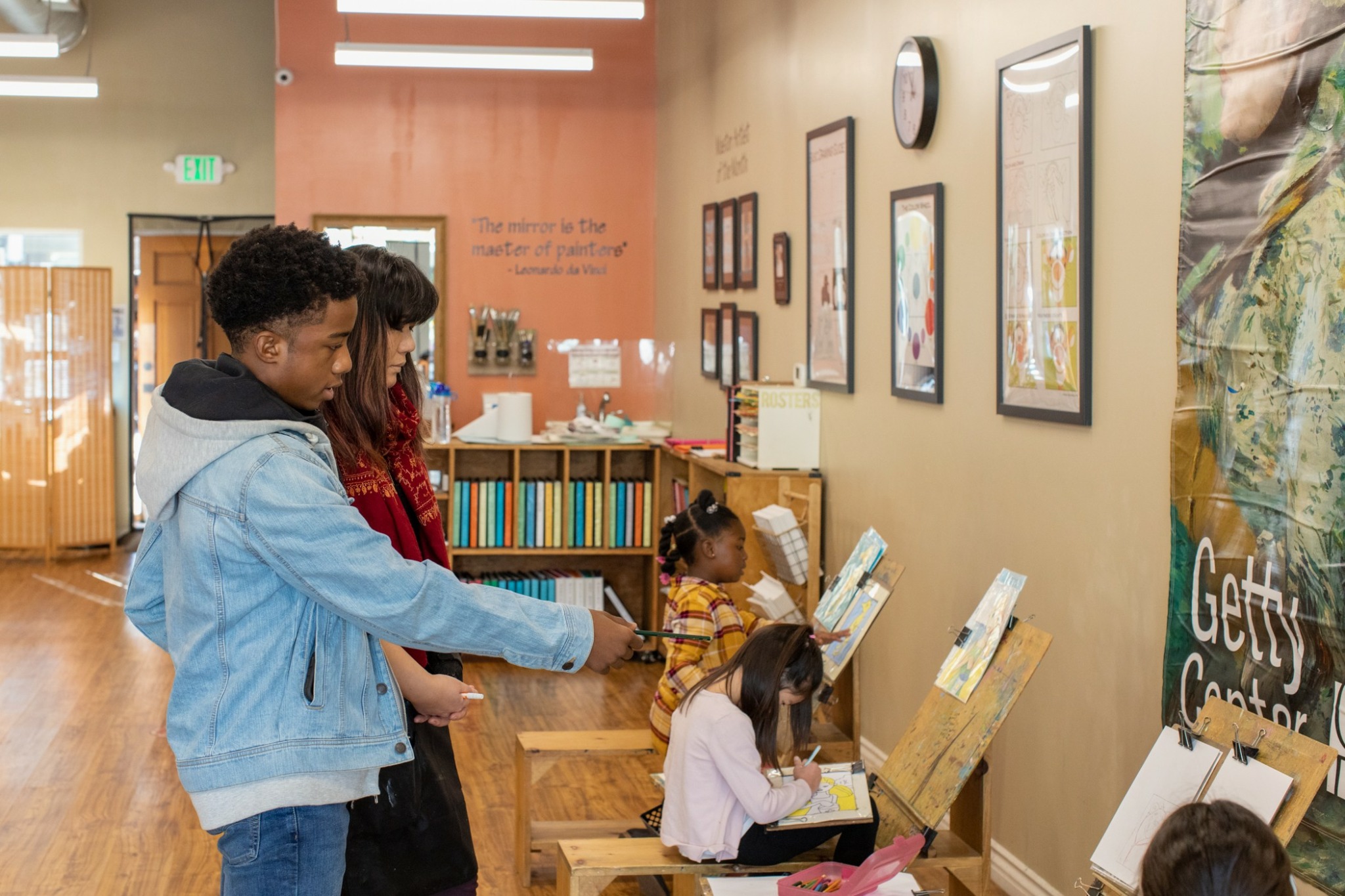
It didn’t matter which kind of visual art it was, I was always interested in learning the techniques and essentials of the craft. It is why I resonate so much with the philosophy of Drawn2Art: “Creativity follows mastery.” When I was young, there were too many times I would become frustrated with my capabilities, feeling like my artwork was subpar because it did not look the way I envisioned in my mind. As an adult who is confident in my skills, while also recognizing I still have much to learn, I understand the importance of giving myself grace and kindness with each sketch or artwork I do. Read more>>
Erasto Curtis Matthews
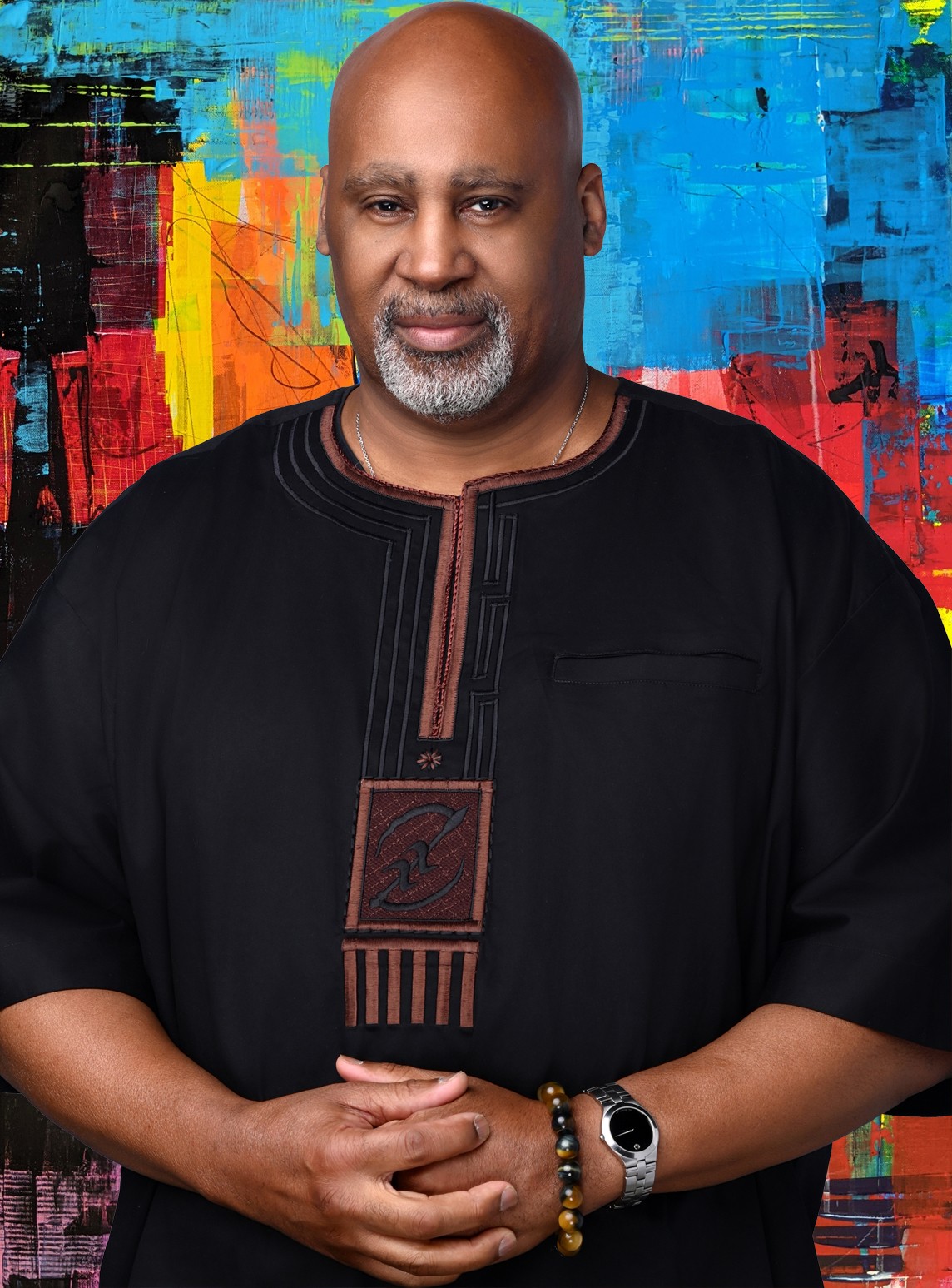
I stumbled into art completely by accident. I’ve always loved art, especially abstract art, but I loved it as a way to beautify my living spaces. I had an old abstract art piece that I had purchased from Ikea many years prior and one day I decided i was going to go to the art store and buy a tube of red paint and put it on this old store bought abstract art piece to make it fit into the new color scheme of my place. I figured, it’s an abstract piece that’s just sitting in my laundry room, how bad could I mess it up? Well, I messed it up pretty bad but I kept going back to the art store to buy paint to try and fix it. In that process of trying to fix it, I discovered something unexpected. In that moment, I became an artist. I kept going back to the art store and watching videos about painting and it quickly took over my life. Read more>>
Annette LaRue

I learned in 1989 with an extensive apprenticeship. I worked with a single person, a lady named Cindy. She and I worked together every day with the exception of Mondays, the day her studio is closed. We worked very closely together, and she made sure every day I was doing my homework, and I was learning what I needed to know. I don’t think I could’ve done anything to speed up what I did to learn. It was so much to learn and it takes time. A lot of it just takes experience you have to see what happens over time so you cannot speed up the process in my opinion. I don’t think it would’ve helped me to learn faster. I probably could’ve learned a little bit slower so I could have retained a little more. Read more>>
Dwayne Manuel
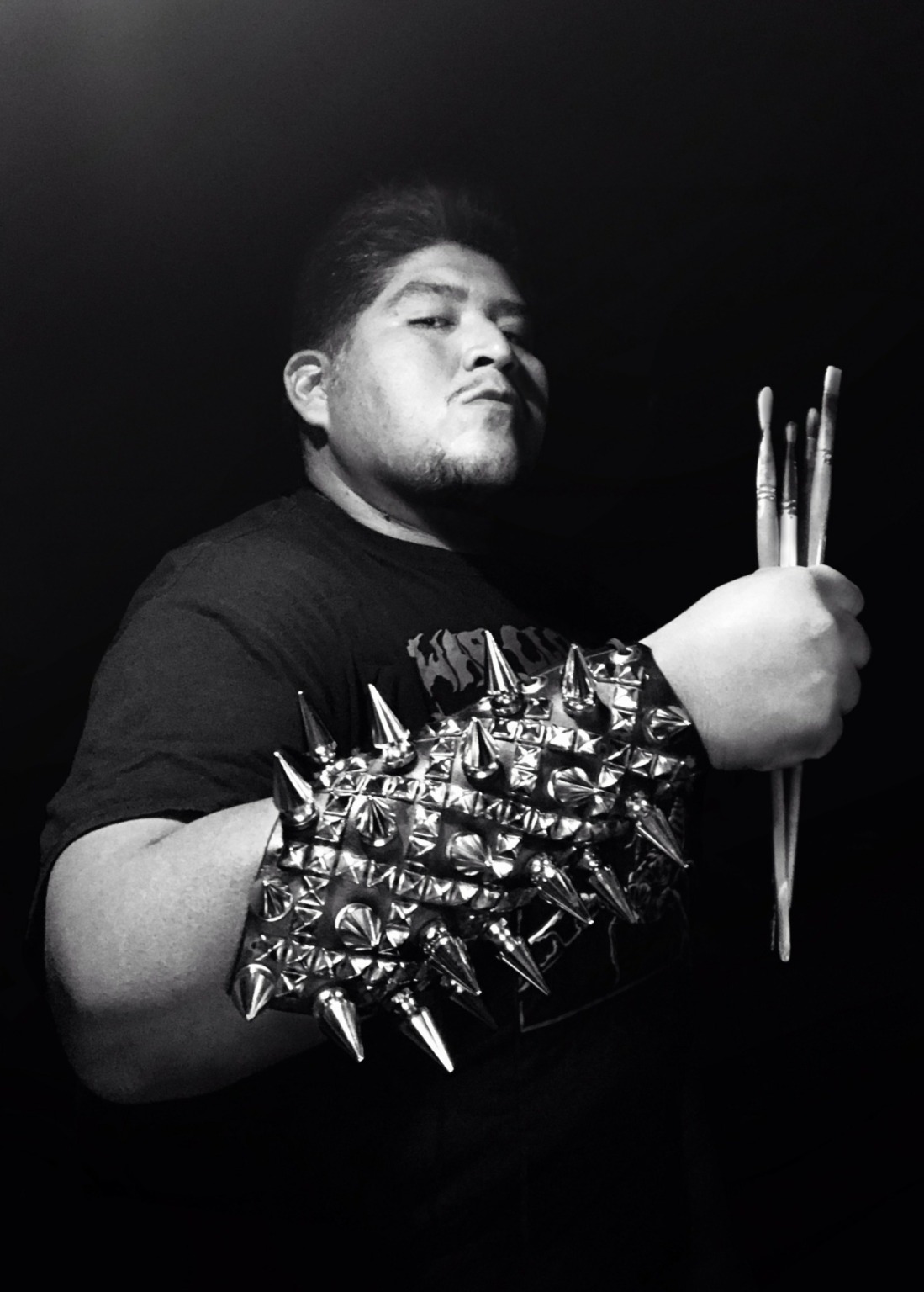
The skill that I feel is most essential in my field is drawing. Drawing is the fundamental root of visual art. Even in painting, you’re drawing with wet color, and in photography, you’re drawing with light. It’s important for visual artists to have some sort of habitual drawing practice in order for them to develop their skills and ideas. Read more>>