

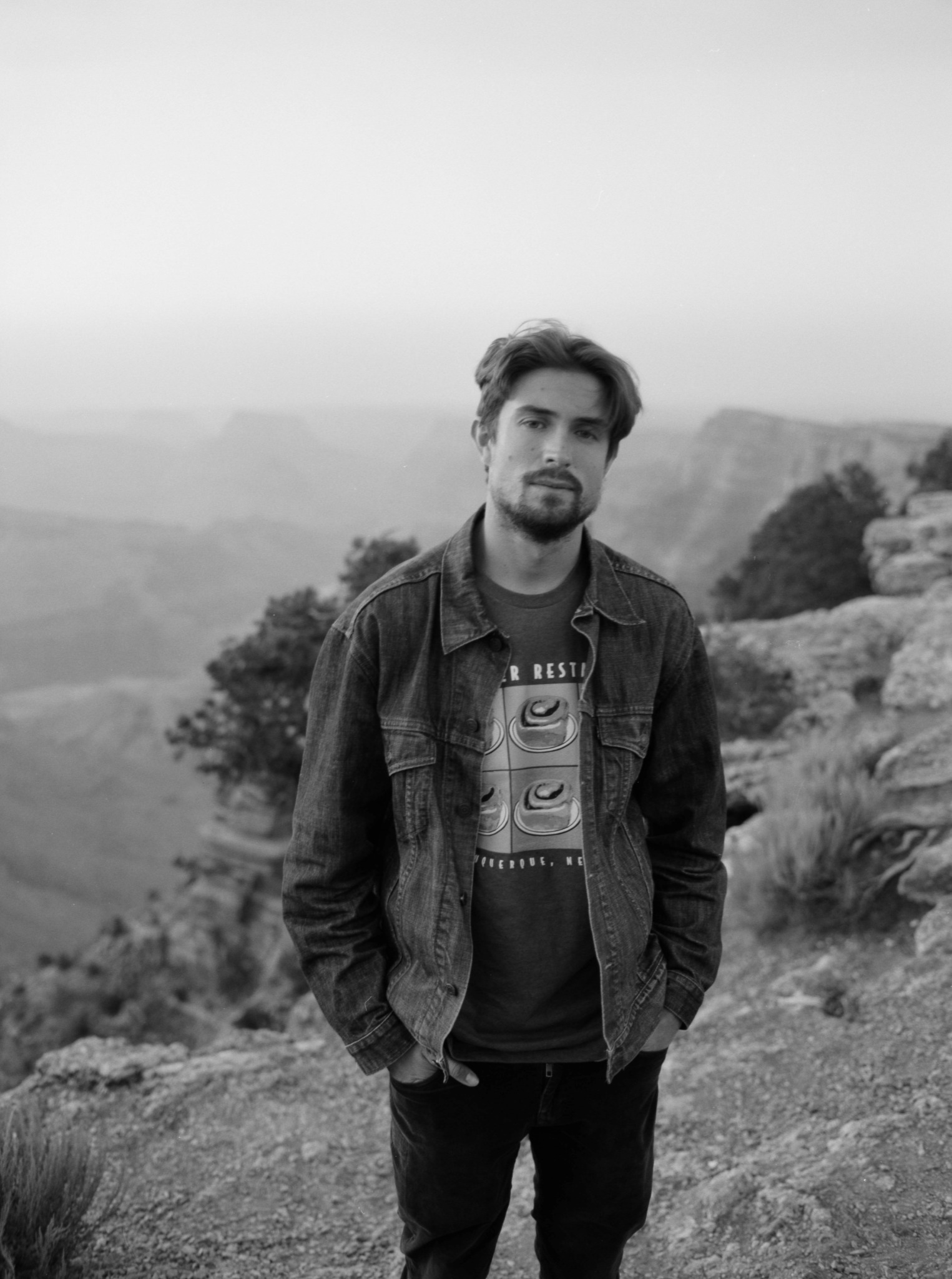

We were lucky to catch up with Cody Cunningham recently and have shared our conversation below.
Cody, looking forward to hearing all of your stories today. Can you talk to us about how you learned to do what you do?
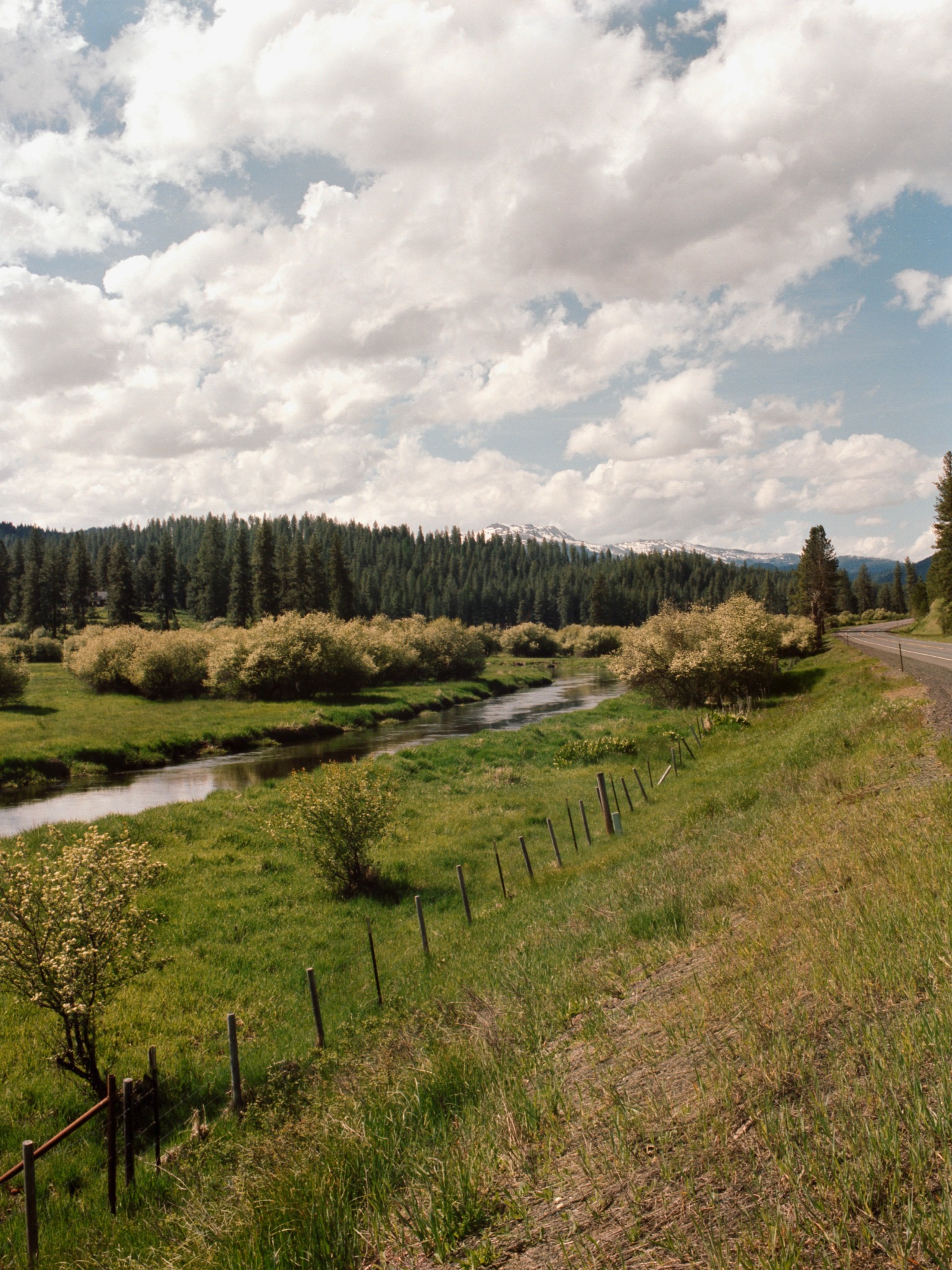
I think the best thing I ever did was just take the chance and try it. In a lot of ways, I let the craft come to me. I had felt inspired by the work of others, but I actually didn’t put a ton of effort into finding a camera of my own. It wasn’t until I was at a thrift store out in Claremont, CA, where I found this old 35mm camera – a 1975 Canon TX – for sale for around $40. I didn’t know a ton of what I was doing – I bought some rolls of film (everybody said Portra 400!) and took it on a couple road trips. It wasn’t until I saw the resolution and fine grain that film was capable of, that I truly felt the rush of inspiration.
Learning to shoot is a loaded question, and if I’m being honest I think the biggest part of it is feeling inspired, not just physical techniques. You can go on and on about those – f stop this, aperture that, shutter this, my camera does this, etc. but really, those things are quite fixed. The real question is, can you shoot what’s in front of you? The whole thing isn’t supposed to be a study guide; you gotta let the situation teach you, and if you don’t like what you see, what can you do next time? I’ve had some disappointments in my time shooting, but it was all a part of film’s patience game. The other big lesson is, are you shooting a photo that says something? I’m not saying everything needs to be a masterpiece, but what in the frame is creating a composition? I try to think of every frame as a story that I’m trying to encapsulate.
Developing at home was a whole different journey. Initially, I started to save money. Buying and shooting film (sadly) is a luxury these days and to get it developed, you can be looking at near $30 (or more) for a singular roll. I started with 35mm black & white film (a roll of Fomapan 400) with Rodinal as my developer. And you know, I’ll never forget the feeling of pulling those negatives out of the tank – I’m not going to speak on technical things here, but the feeling is really magical, Since then, I’ve never gone back.
Learning to develop was a little more technical than shooting – to try and keep it simple, the processes for black and white and color require different chemistry and, consequently, times and temperatures change with them. I did intensive research into both, took notes, and spent time understanding the function of each chemical being used in the process. If you can understand all those by function, you can master control. As you learn the process of developing, it becomes the second half of “crafting the composition”. Again, it’s magical, seeing these images come alive and knowing you controlled the process right. Developing yields so much room for creativity – ESPECIALLY in black and white! You can really foster a whole new love for black and white film through developing.
Great, appreciate you sharing that with us. Before we ask you to share more of your insights, can you take a moment to introduce yourself and how you got to where you are today to our readers.
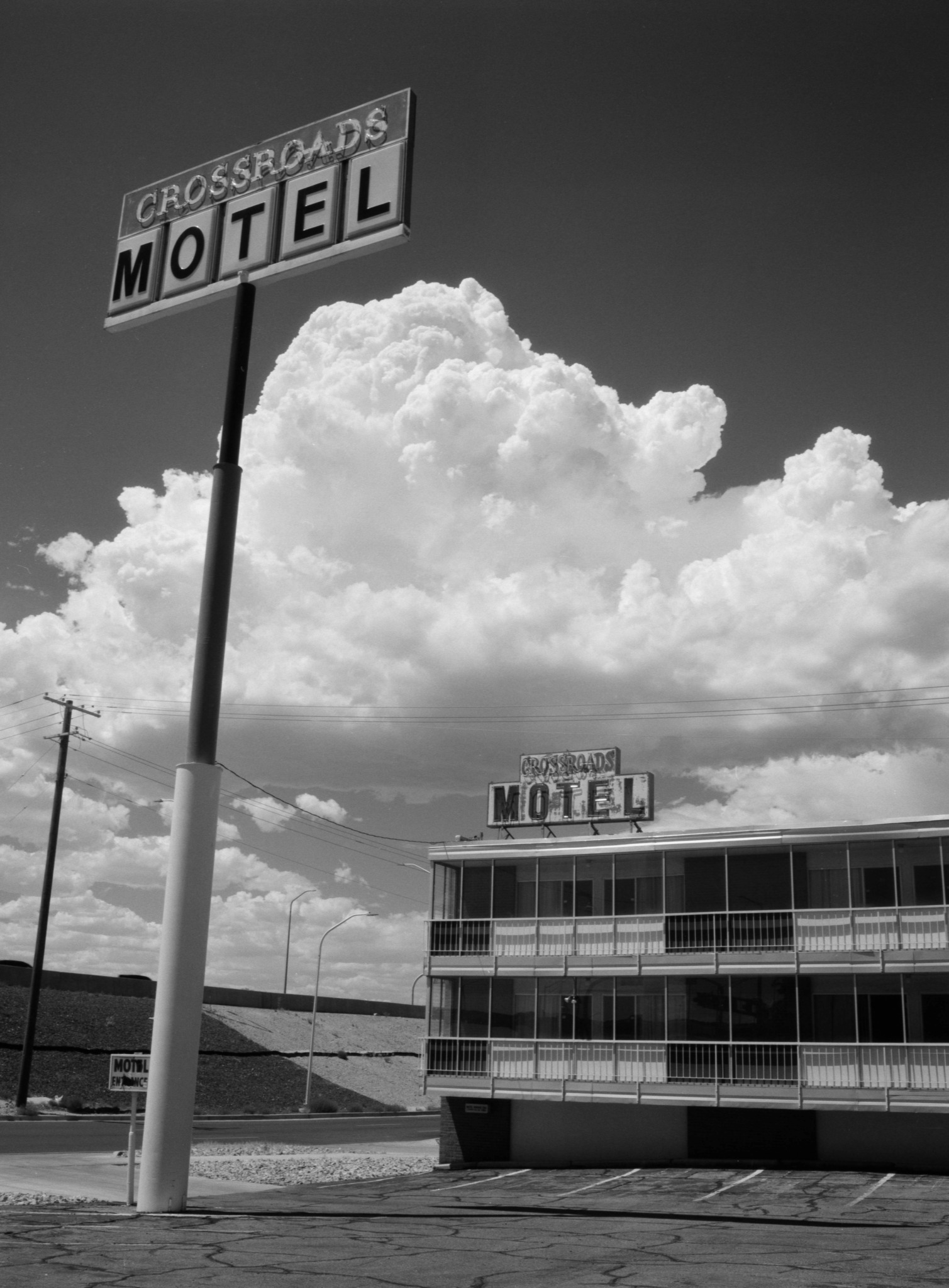
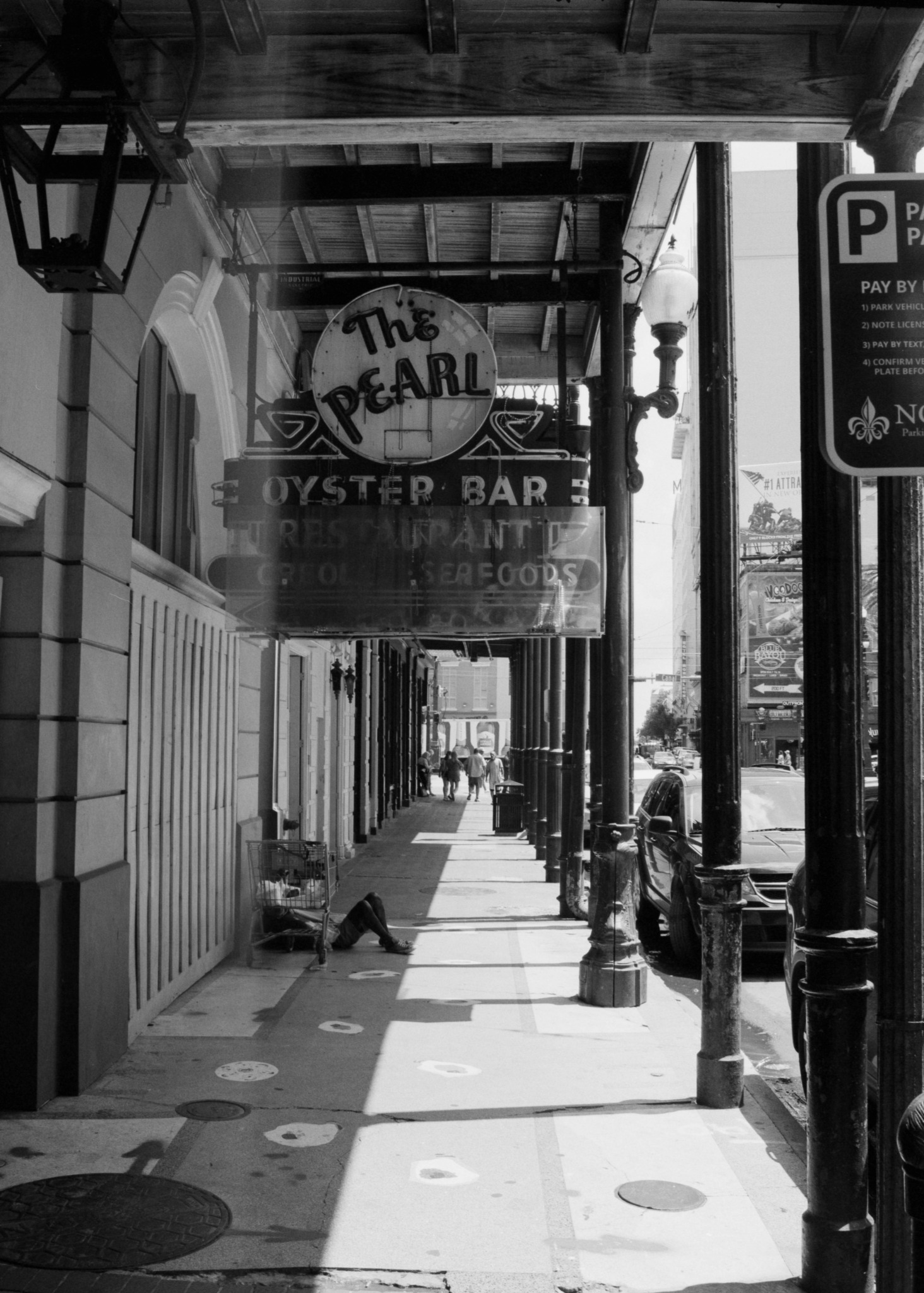
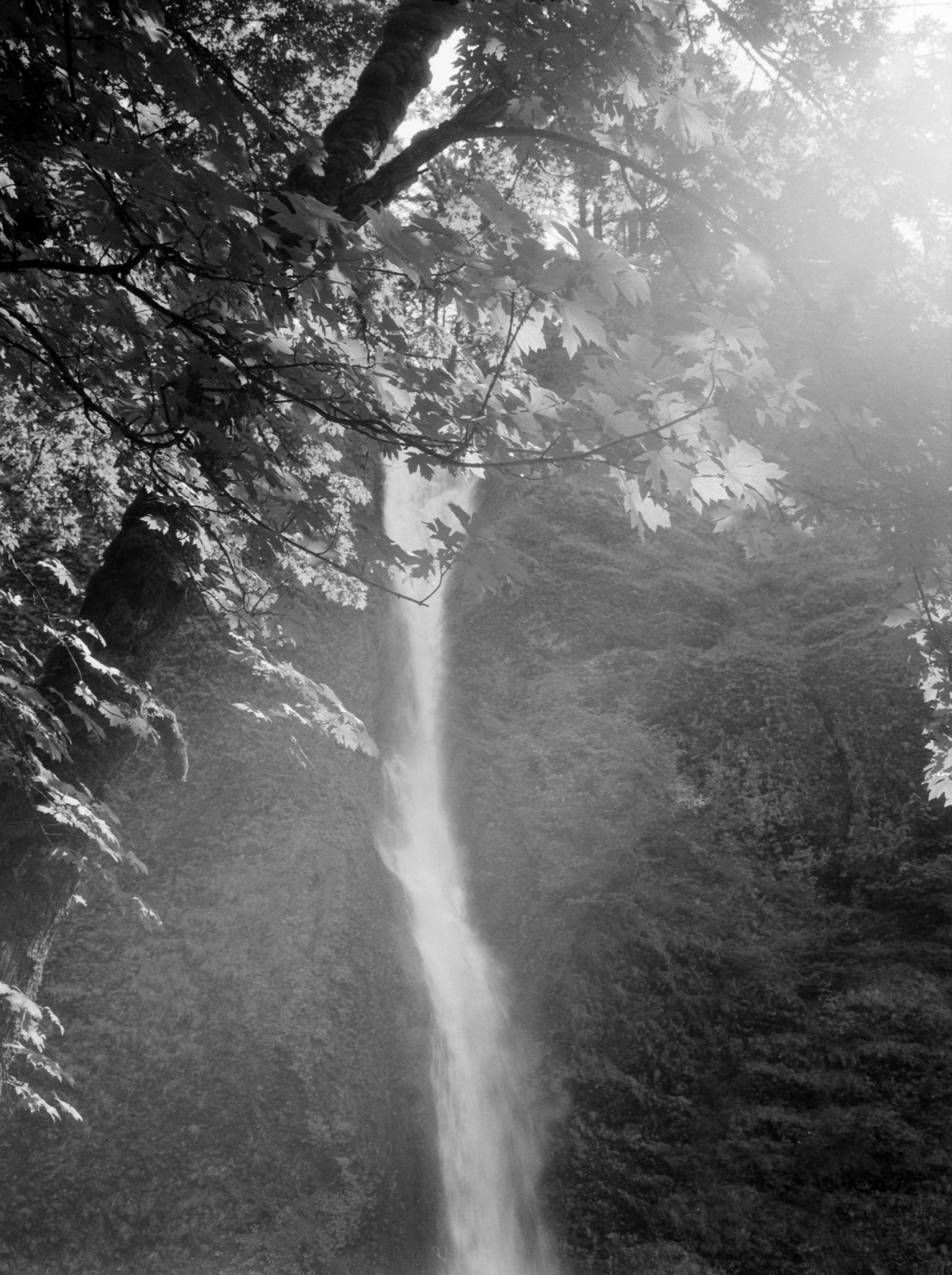
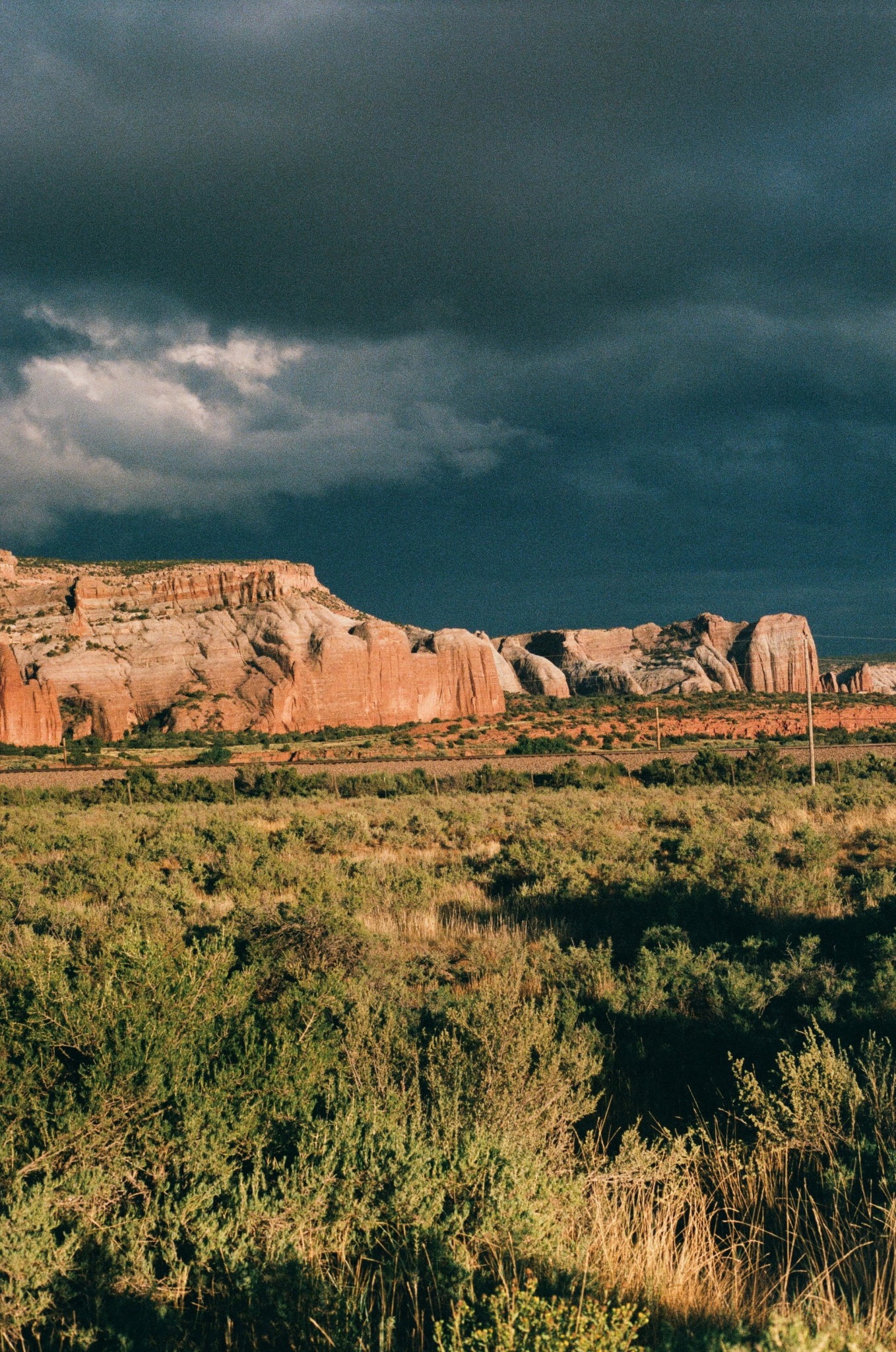
My name is Cody Cunningham, I’m 25 years old, born and raised in Southern California, originally raised a small town desert kid in Boron, CA, but have been living in the Inland Empire now for almost 8 years. My relationship with film is what I’d call a “focused hobbyist” (or perhaps obsessed). Most of my shooting has taken place over the last two years over a series of road trips across (initially) the Southwest region of the country, but lately even further up the PNW, Midwest, and East. While I haven’t compiled all my current images yet, one of my goals is to create a photo book documenting these journeys, perhaps under the title “The Great American Road Trip”. There’s a philosophy and spirit that I want to capture in that work, mainly the relationship between the artist and the wealth of different cultures they endure in their explorations. Heavy and “authentic” travel requires a true open mind, and a willingness to see into different cultures (even domestically), and to try and capture these experiences and feelings to the best of their ability. I hope my work can carry that sentiment as it has been felt within my heart.
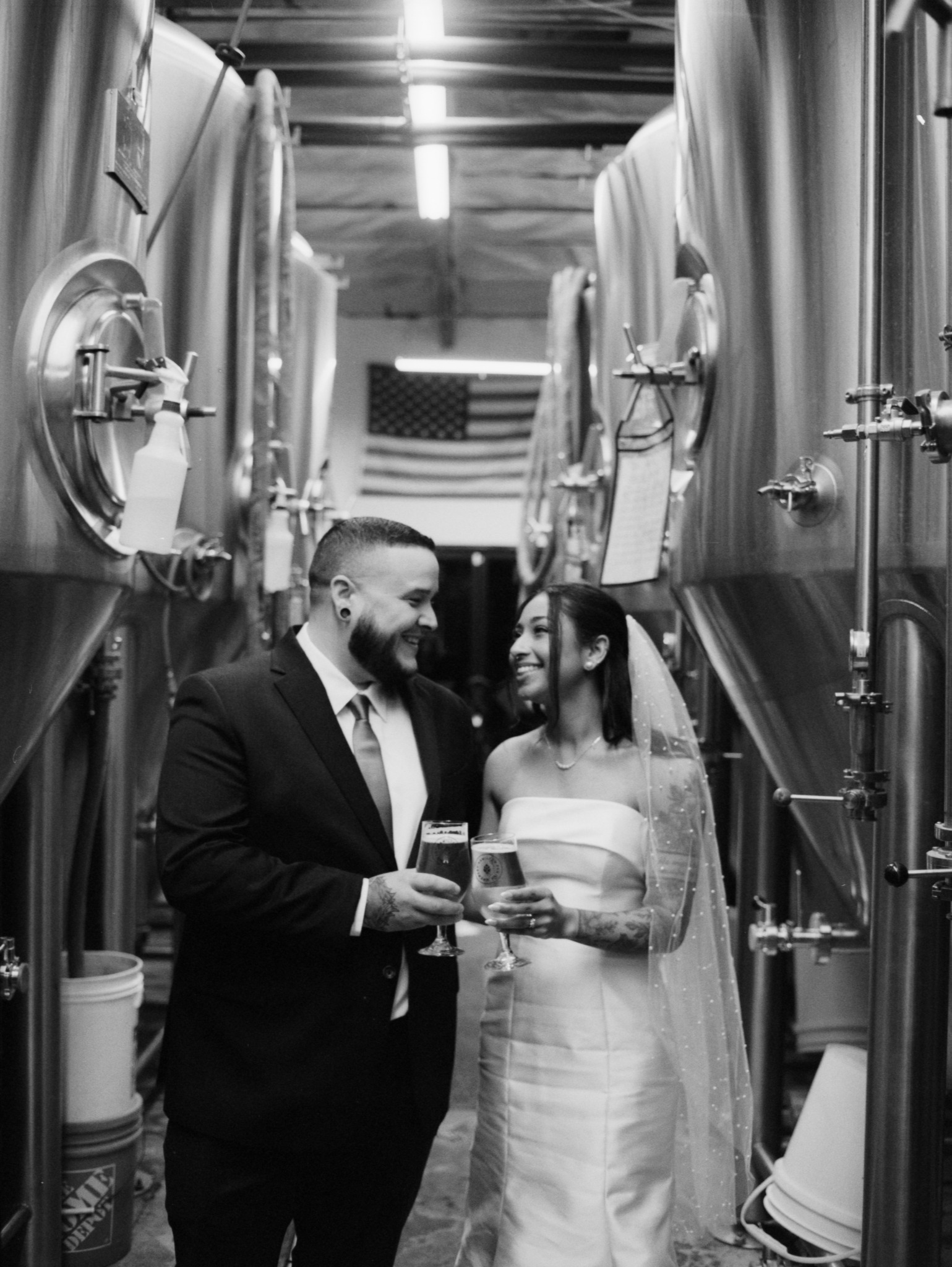
I have done a few commissioned works for friends, and am always open to this style as it challenges me to think outside my box. One of my favorite sessions was a series of wedding photos I did for a couple friends of mine in a local taproom; there’s something so simple but genuine about them. I appreciate them for affording my the opportunity to give it a shot.
If there’s one thing I want people to know about my work, it’s not that I’m shooting film to try and be “vintage” (though there’s nothing wrong with that), it’s because I have been amazed by the possibilities of it. The resolution for one; there’s a reason that even some films in recent years have been shot on Kodak’s infamous Vision3 films – it is unmatched. Film creates a sense of depth within in an image I have never seen the same way in digital – shapes, shadows, lines, etc. all are beautifully crafted and complex. To fully dive into film requires incredible focus on painting a picture from conception to development.
Is there a particular goal or mission driving your creative journey?
While part of my shooting is comprised of photo series and projects across road trips, I have a personal album of my photos that I am holding onto for my future family. My childhood was missing a lot of details. It was just my grandma and I; I never had a connection to my parents due to their substance abuse issues and because of those complications, it was almost like living a story that needed writing. Being so isolated in the middle of nowhere with just my grandma (who fought her own demons), life was a disconnect between inspiration and exploration. I didn’t come into contact with my grandpa until I was older through a series of phone calls, and he advised me to “live while I was young”, so, once my twenties hit, I started doing that.
My grandma has long since passed (back in 2016), and I don’t really have any other biological family that is in any sort of parental role in my life. I think that lack of a safety net has fueled some of my hunger and creative aspirations more than I voice out loud. Not because it’s a sob story, but because life is temporary, and I consider it a great offense to not try and create with whatever margin of time we have been given.
I don’t know precisely what the meaning of life is. I don’t know if my photos will change the world, and frankly, I’m not sure it’s my responsibility to care about that either. If my photos inspire someone to pursue whatever their artistic talent is, that is enough. If my photos can capture the story of my life and journeys for my kids (if I have them), then at least they’ll have the stories I was missing growing up. That means a lot to me.
What do you find most rewarding about being a creative?
Living in probably the worst possible era to be in your 20s-30s, there is freedom in being a creative and openly pursuing it. There is a great deal of pain in this world that we can’t control by the flesh or callouses on our own hands, but I believe in pursuing the heart and soul of our dreams, we are truly one step towards a better world. Many of our parents (mine included), grew up in a time where artistic visions, hobbies, emotions, and passions were subdued to find a career, and consequently, they suffered. Sadly a lot of the world we see today is still generated around this model, but as we create and openly share our artistry, we are one step towards a deeper reality. A new conception of life. While I light up inside seeing the fruits of my own labor (finished photos, developed negatives, etc.), there’s no feeling more beautiful than seeing someone light up at my work and say, “I want to make something of my own.”
Contact Info:
- Website: https://www.instagram.com/cody.cunninghamm2/
- Instagram: @cody.cunninghamm2
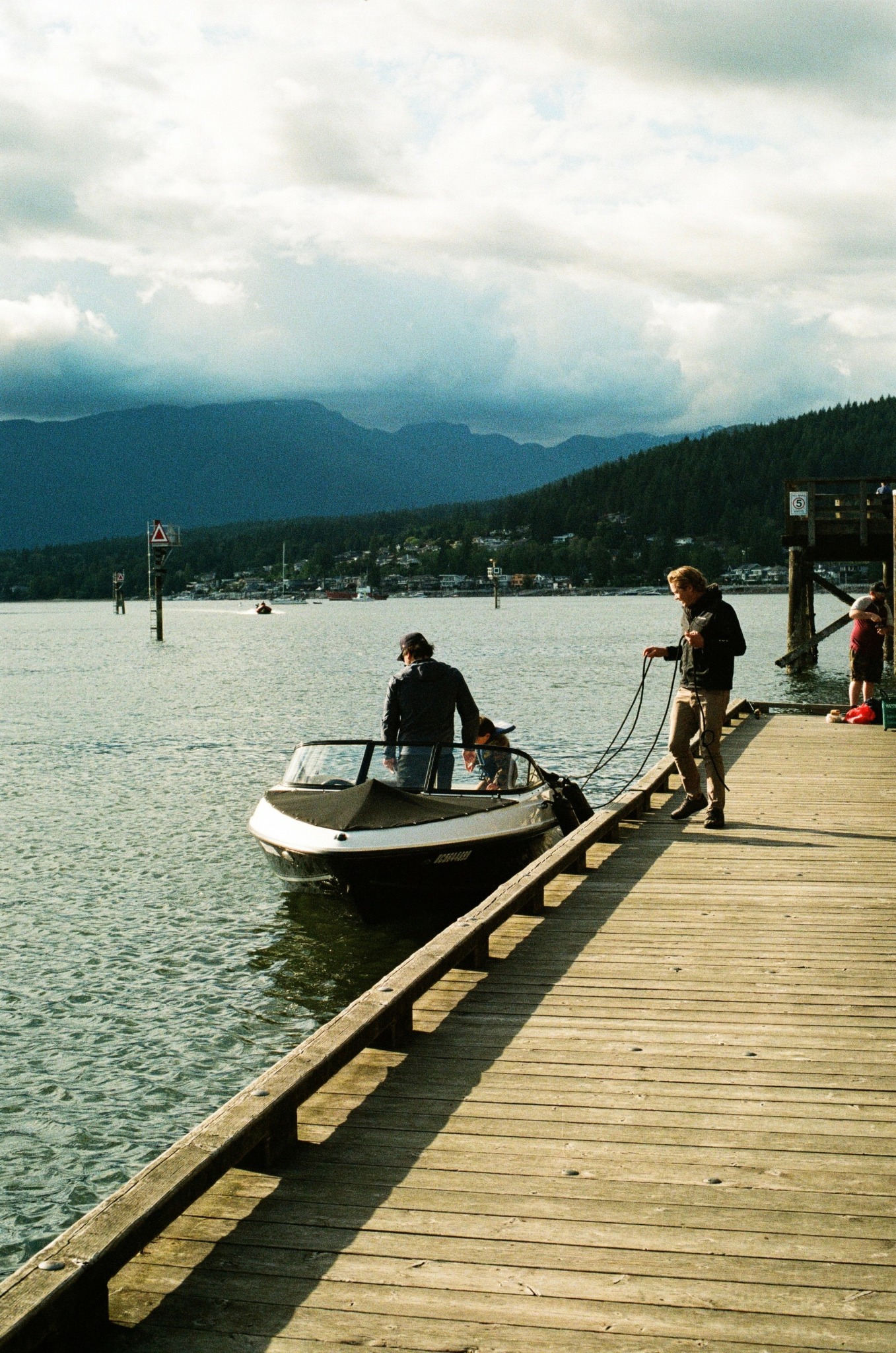
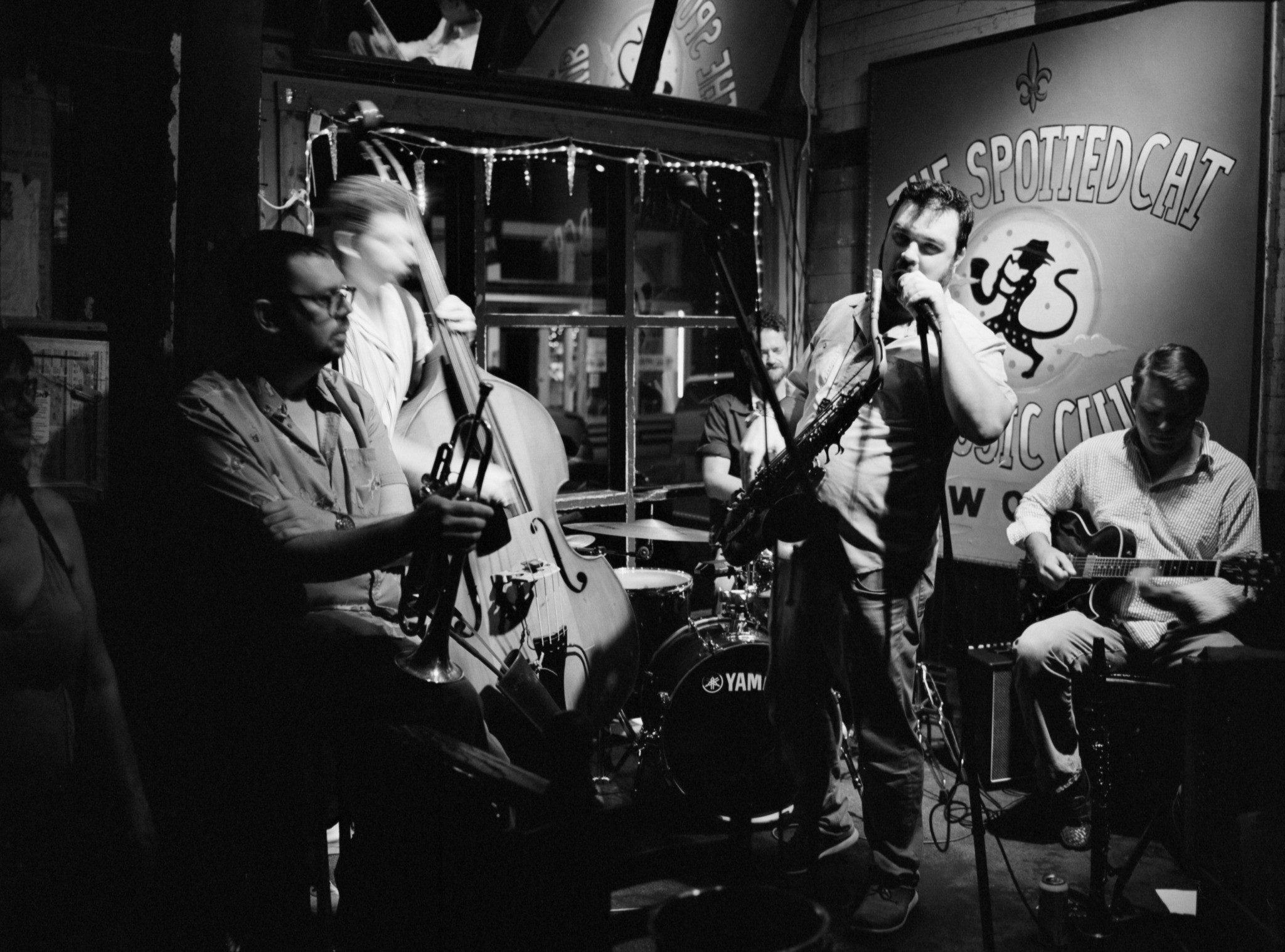
Image Credits
All custom made :)