



We caught up with the brilliant and insightful Terri Robertson a few weeks ago and have shared our conversation below.
Terri, appreciate you joining us today. Can you talk to us about how you learned to do what you do?
Line dance for me has been such a powerful and relatable journey — from struggling with “two left feet” and relying heavily on instructors, to becoming a patient, welcoming instructor myself who really gets the challenges my students’ face. I’ve transformed my own experience into empathy and encouragement, which is such a gift for my students.
I recognize that many students don’t practice at home and that life often interrupts their learning. That kind of understanding can make all the difference in helping students feel comfortable and motivated.
My approach helps students stick with line dancing longer or feel more confident by continuing to go over steps as well as give them resources, such as link to the choreographers’ dances. One piece of advice I would give to students starting out is to be patient. Don’t allow yourself to be discouraged. We’ve all been where you are. And lastly don’t be afraid to ask for help. A support system/group is nice to have as well.

Great, appreciate you sharing that with us. Before we ask you to share more of your insights, can you take a moment to introduce yourself and how you got to where you are today to our readers.
Back around 2015, my husband and I went out to dinner at a local restaurant that had a bar and dance floor. As we walked in, we noticed several people on the dance floor doing line dances to a few upbeat songs. At first, I thought it might be a sorority or fraternity gathering doing a few familiar routines together. But after about five or six songs—each with its own unique choreography—I realized this wasn’t a one-time group or performance. These people were doing different line dances to every new song played.
I was both annoyed and intrigued. Annoyed because no one was teaching the dances—I felt like I had stumbled into a “secret society” I didn’t know existed. But I was also intrigued because they looked like they were having so much fun. Everyone was dancing in sync, no partner required, just good music and positive energy.
A few months later, I learned that line dance classes were being offered at my job. I decided to go in with an open mind and a willingness to learn. At first, it took me a while to catch on. The steps, turns, and rhythms were unfamiliar. But I stuck with it, and eventually, I got the hang of it.
I started traveling to other line dance events to experience different styles and music choices. Every event added a new layer to my understanding and appreciation of the community. I saw how line dancing brought people together—how it created space for joy, movement, and connection.
Fast forward a couple of years, and I was asked to take over teaching that same class at my job. Saying yes felt natural. By then, line dancing had become more than just a hobby—it was something I genuinely enjoyed and felt confident sharing with others.
What I’m most proud of is finding an activity that brings me joy and helps relieve stress. It’s also become a wonderful way to network and meet new people. Line dancing has truly enriched my life, and I’m grateful for that unexpected night out that first opened the door.
What’s the most rewarding aspect of being a creative in your experience?
One of the most rewarding aspects of being a line dance instructor is watching people build confidence and joy through movement. Line dancing is accessible to a wide range of ages and abilities, so instructors often get to witness beginners—some of whom may have never danced before—grow more comfortable, coordinated, and expressive over time.
Here are a few deeply fulfilling elements instructors often mention:
Fostering Community: Line dance classes tend to be very social. As an instructor, you’re not just teaching steps—you’re creating a space where people connect, laugh, and form friendships.
Seeing Progress: Watching someone go from stumbling through the first few steps to confidently leading a routine is incredibly gratifying. You get to see tangible results of your teaching in real time.
Spreading Joy: Music and movement naturally lift people’s spirits. Helping others unwind, smile, and celebrate their bodies—especially after a long day—is a unique and heartwarming privilege.
Personal Growth: Teaching requires clarity, patience, and creativity. Instructors often find that leading classes sharpens their communication skills and deepens their own understanding of dance.
Inspiring Others: You become a role model—especially when your passion and energy inspire others to step out of their comfort zone or even become instructors themselves.
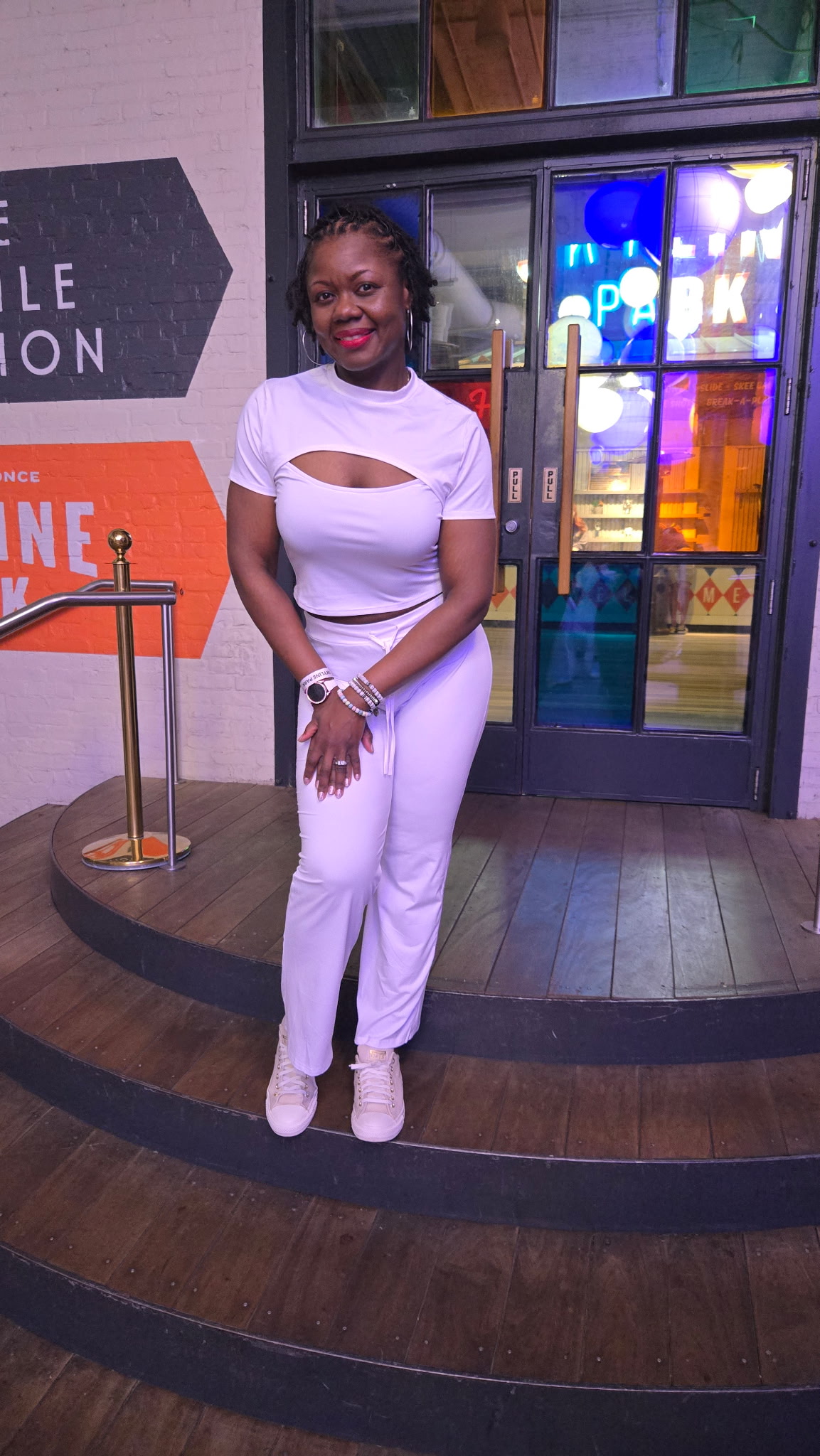
We often hear about learning lessons – but just as important is unlearning lessons. Have you ever had to unlearn a lesson?
When I first start teaching, I assummed that everyone learned the same way. it’s common to assume that what worked for one person or for most students will work universally. But over time, I likely realized that:
Some dancers are visual learners, while others need to feel the rhythm or count out loud.
Beginners can feel overwhelmed if steps are introduced too quickly—even if they’re “basic.”
More experienced dancers may get bored or disengaged if the pace is too slow.
Unlearning this one-size-fits-all approach pushes me to become a more empathetic, flexible, and effective instructor—tuning into your students’ energy, adjusting explanations, and being okay with modifying routines to meet the group where they are.

Image Credits
Terri Robertson