

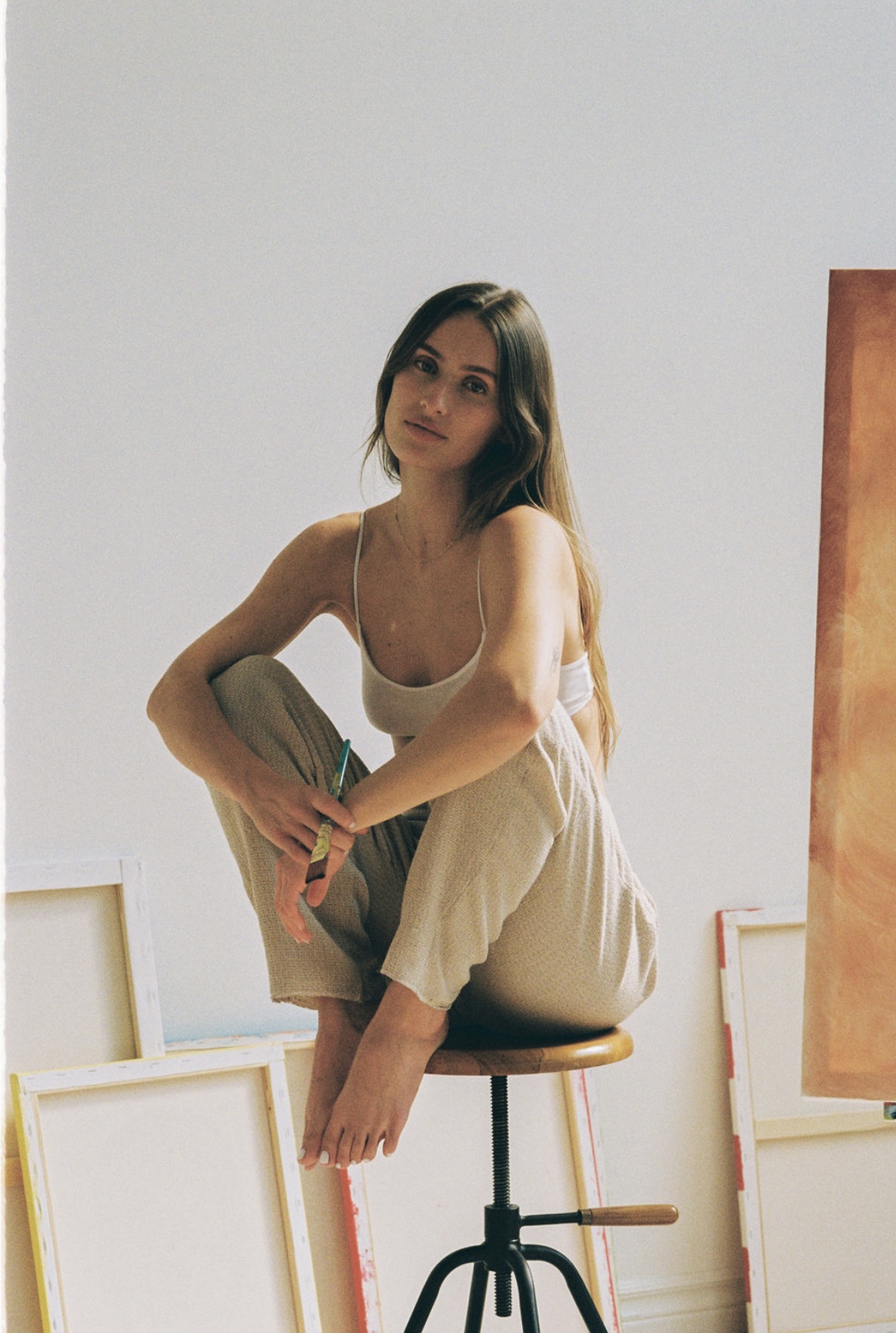

We’re excited to introduce you to the always interesting and insightful Julia Brevetti. We hope you’ll enjoy our conversation with Julia below.
Hi Julia, thanks for joining us today. Can you talk to us about how you learned to do what you do?
If I could go back, I would tell myself to stop procrastinating and start as soon as possible. I underestimated the challenges that come with being a full-time artist. I used to think it was as simple as creating art and making sales, but I quickly realized there are many layers to building a sustainable career in this field.
There have been moments where I’ve felt behind—especially when comparing myself to others who seem further along. But I’ve come to understand that many of them have been doing this much longer than I have. I knew early on that I wanted to pursue art full-time, but the fear of instability and the uncertainty of betting on myself held me back.
Looking back, I wish I had taken the leap sooner. I always believed that if I worked hard, it would pay off. Discipline and consistency have been the foundation of my progress. Once I fully committed and removed the self-doubt, things started to align. I’ve learned that success in this field is less about talent alone and more about showing up, staying focused, and putting in the work every single day.
Julia, love having you share your insights with us. Before we ask you more questions, maybe you can take a moment to introduce yourself to our readers who might have missed our earlier conversations?
My name is Julia Brevetti, and I’m a Canadian visual artist known for blending bold pop art with realism. I’ve always been a creative person, but my journey into the art world as a full-time career didn’t begin until I finally allow myself to take the leap, despite all the fear and uncertainty that comes with betting on your own creativity.
I started painting during a time when I was feeling unfulfilled in my work life. I was bartending to pay the bills, but I knew deep down that I was meant to be doing something more meaningful and creative. Eventually, I gave myself permission to take the risk and pursue art full-time. It was one of the hardest decisions I’ve ever made, but also the most rewarding. I quickly learned that building a sustainable art career is about so much more than just painting—it involves discipline, consistency, marketing, networking, and showing up every day whether or not you feel inspired.
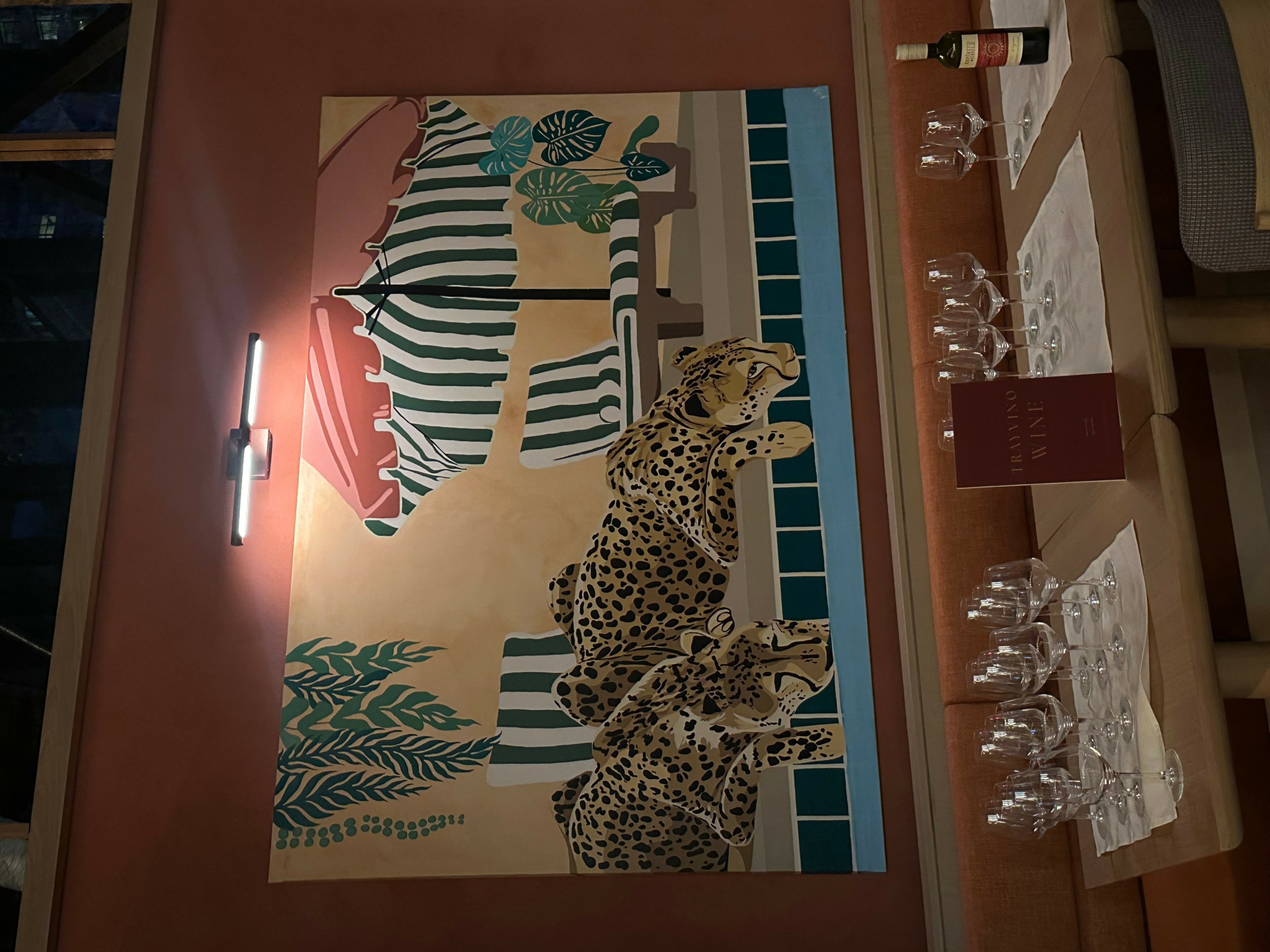
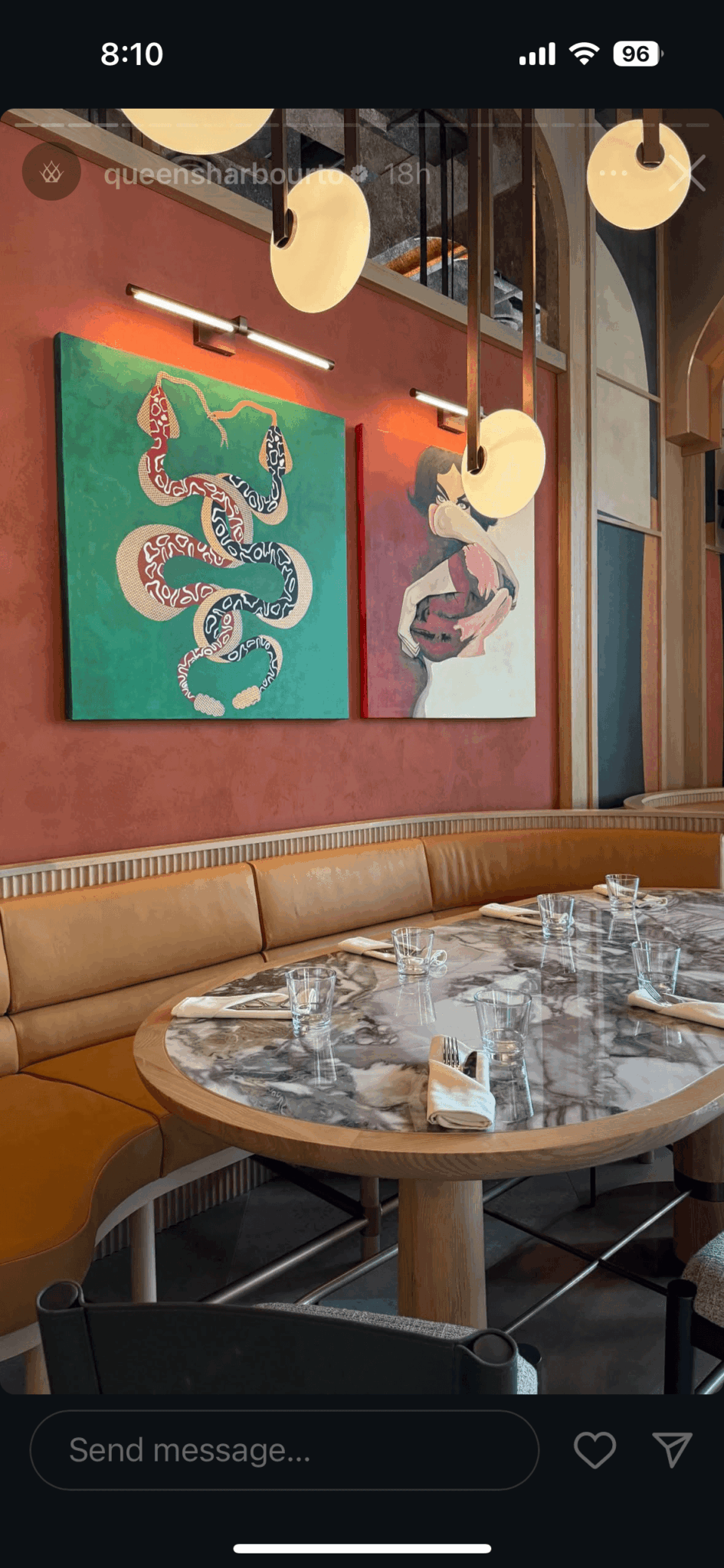
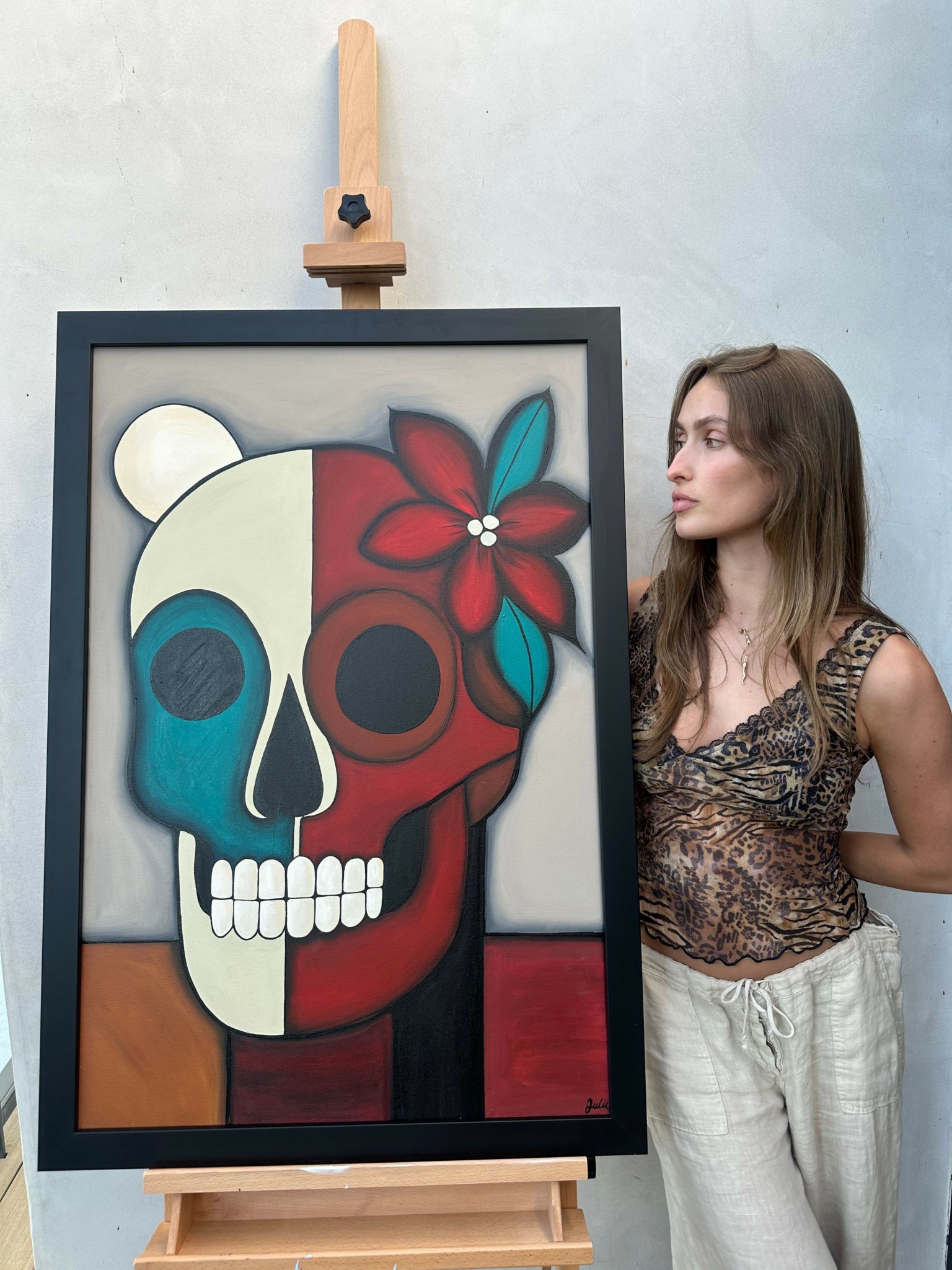
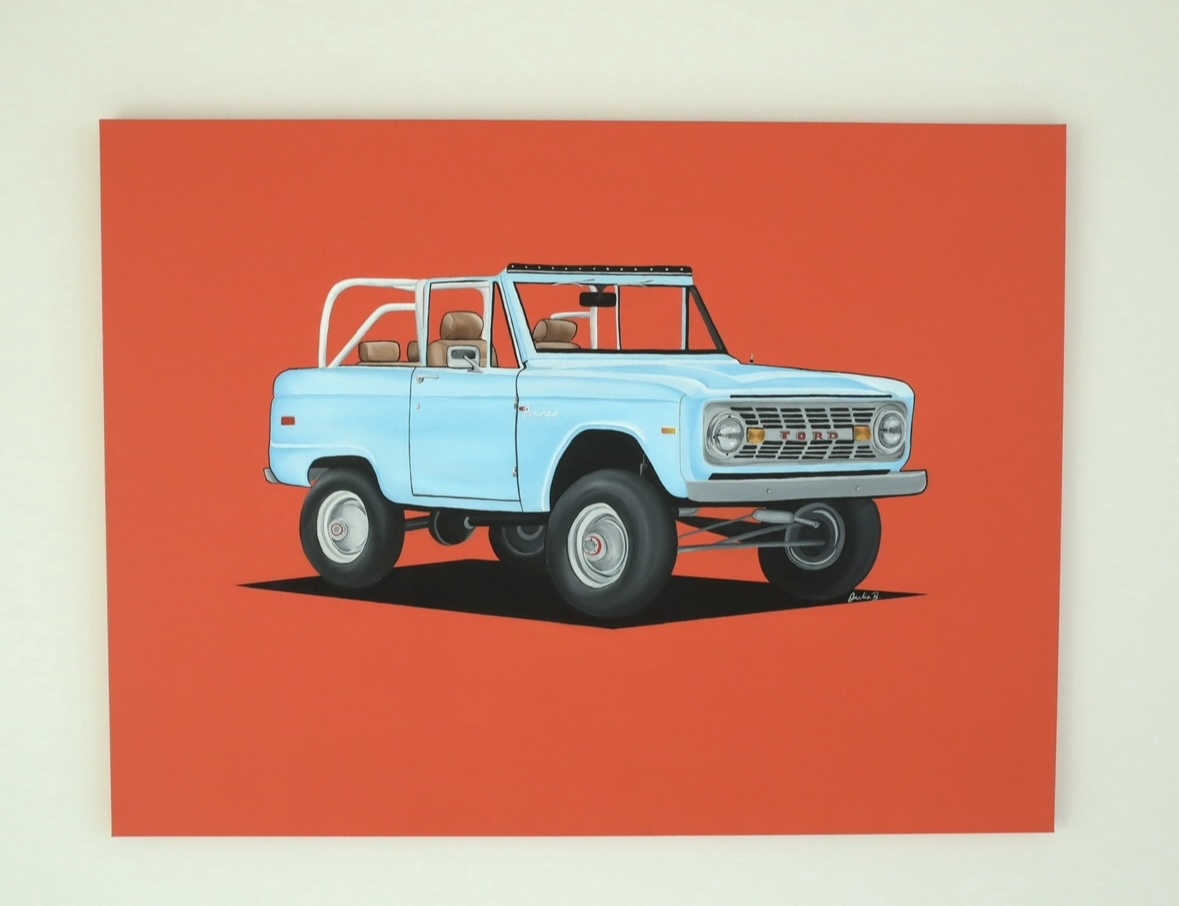
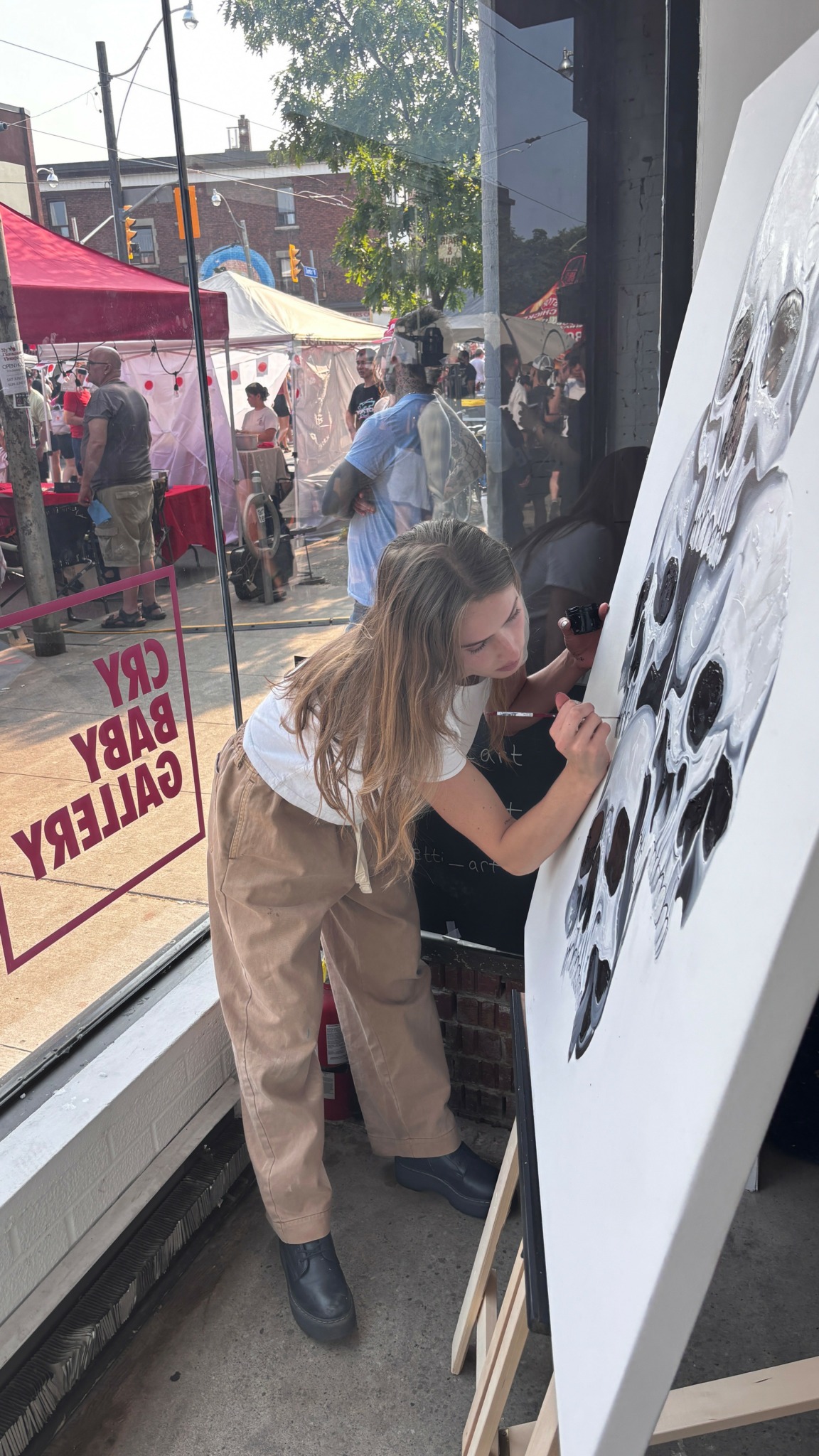
My work spans across pop art and realism. In my pop art pieces, I often explore nostalgic symbols like vintage cars, skulls, and iconic objects—but I reimagine them in a style that’s bold, playful, and emotionally provocative. In my realism pieces, I tend to focus on wildlife and animals, drawing attention to the quiet power and vulnerability in nature. I also do commissioned pieces and collaborate with brands, events, and hospitality spaces—offering both original artwork and large-scale live painting experiences. One example of this was my live art performance for StackTV and Rick and Morty at Departure Fest, which allowed me to merge my painting with entertainment and brand storytelling.
I’m most proud of how far I’ve come, especially given how overwhelming and isolating the start of this journey felt. I’ve grown an engaged online audience, reached millions of people through platforms like TikTok, and sold my work internationally. I’ve achieved something I’ve only every dreamed of and this is only the beginning.
For anyone discovering my work for the first time, I’d want them to know this: my brand is rooted in authenticity, hard work, and emotion. I’m not afraid to evolve, experiment, or show the behind-the-scenes reality of what it takes to pursue a dream. Whether you’re buying a painting, attending an exhibit, or following me online, I hope you feel inspired—not just by the art, but by the story behind it.
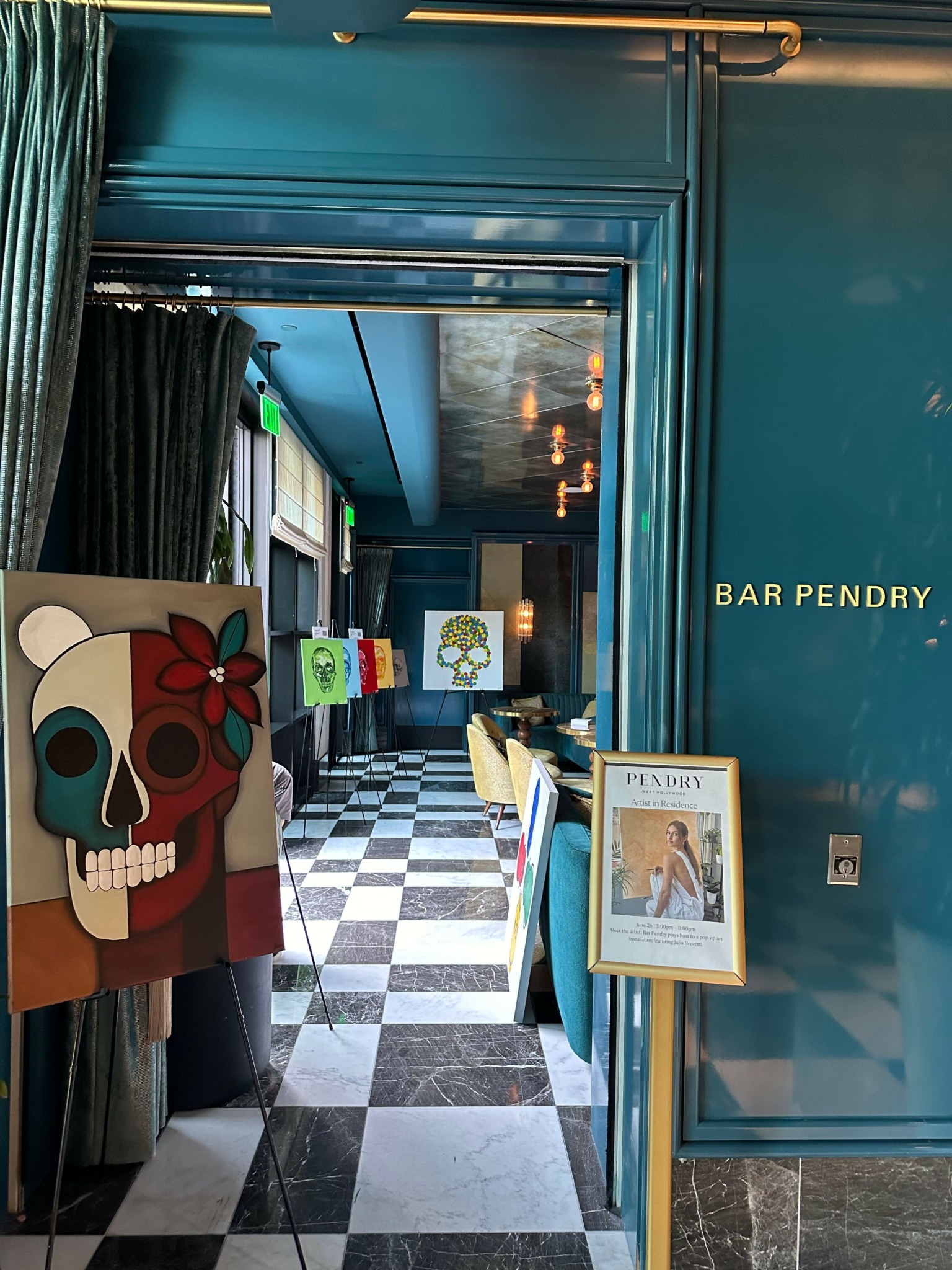
For you, what’s the most rewarding aspect of being a creative?
Creating something that will hopefully make a lasting impact on the world and on people. Using art to tell a story, share an important message, or evoke emotion in the viewer. I also love being able to bring people’s creative visions to life. When I create a commission for someone and they send me a photo of it hanging in their home, all the hard work feels worth it—it’s the most rewarding feeling.
Is there something you think non-creatives will struggle to understand about your journey as a creative? Maybe you can provide some insight – you never know who might benefit from the enlightenment.
Creating something that will hopefully make a lasting impact on the world and on people. Using art to tell a story, share an important message, or evoke emotion in the viewer. I also love being able to bring people’s creative visions to life. When I create a commission for someone and they send me a photo of it hanging in their home, all the hard work feels worth it—it’s the most rewarding feeling.
I don’t think people outside the creative world truly understand the struggle and uncertainty that comes with being an artist. When your income depends on your ability to be creative, it can be incredibly stressful—especially on the days when you feel stuck. The pressure builds quickly because if you don’t find a way out of that slump, it can affect your ability to pay the bills.
Taking breaks is essential to avoid creative burnout, but even that can feel difficult when you’re constantly thinking about your next sale. The fear of not knowing when your next source of income will come in is very real. A lot of my friends work traditional 9-to-5 jobs, and they don’t fully grasp what it’s like to live with that kind of uncertainty.
It’s a rollercoaster—but at the end of the day, you have to keep believing that it will all work out.
Contact Info:
- Website: https://Juliabrevetti.com
- Instagram: brevetti_art
- Youtube: Julia_Brevetti
- Other: TikTok: Julia_Brevetti
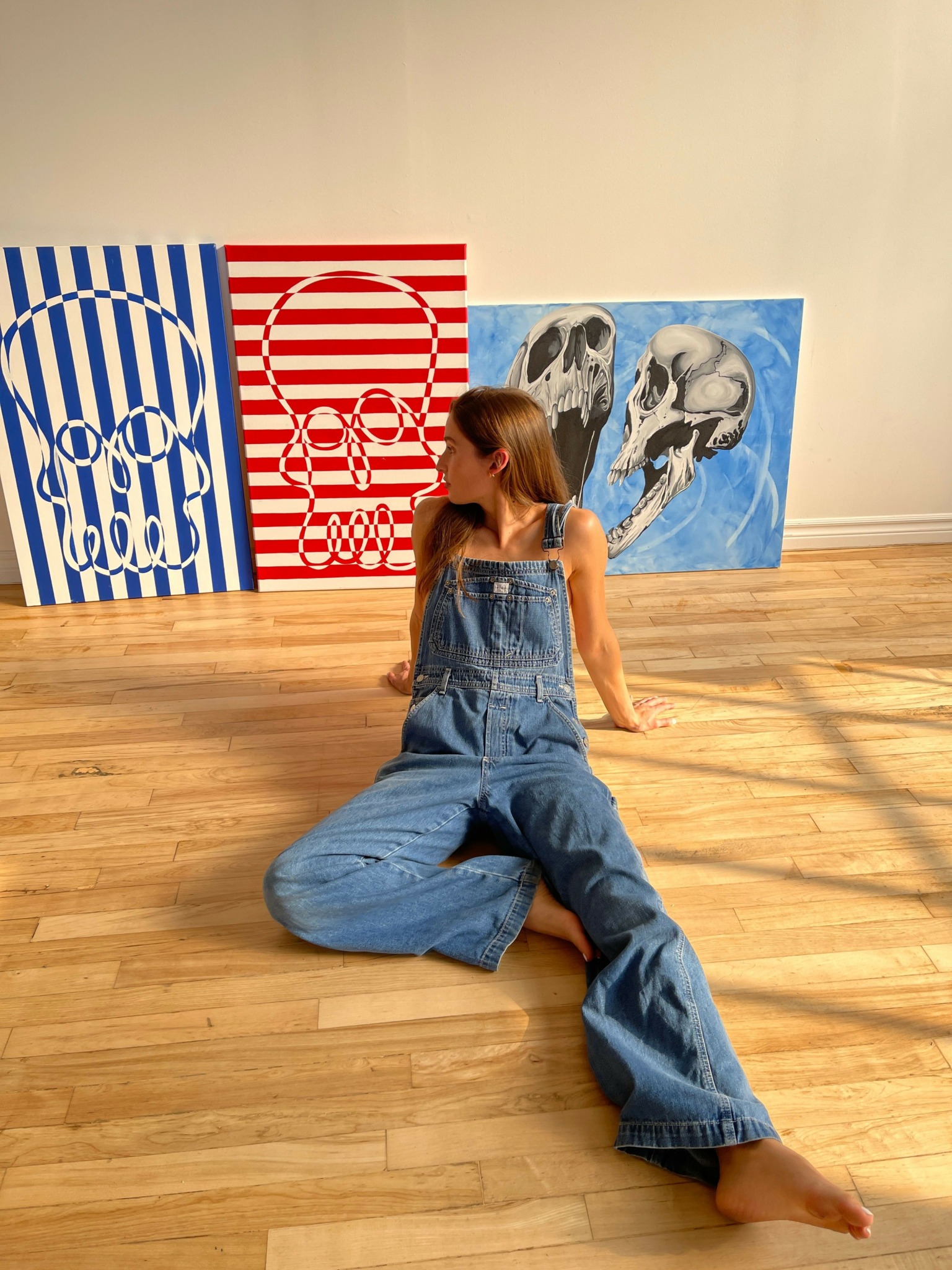
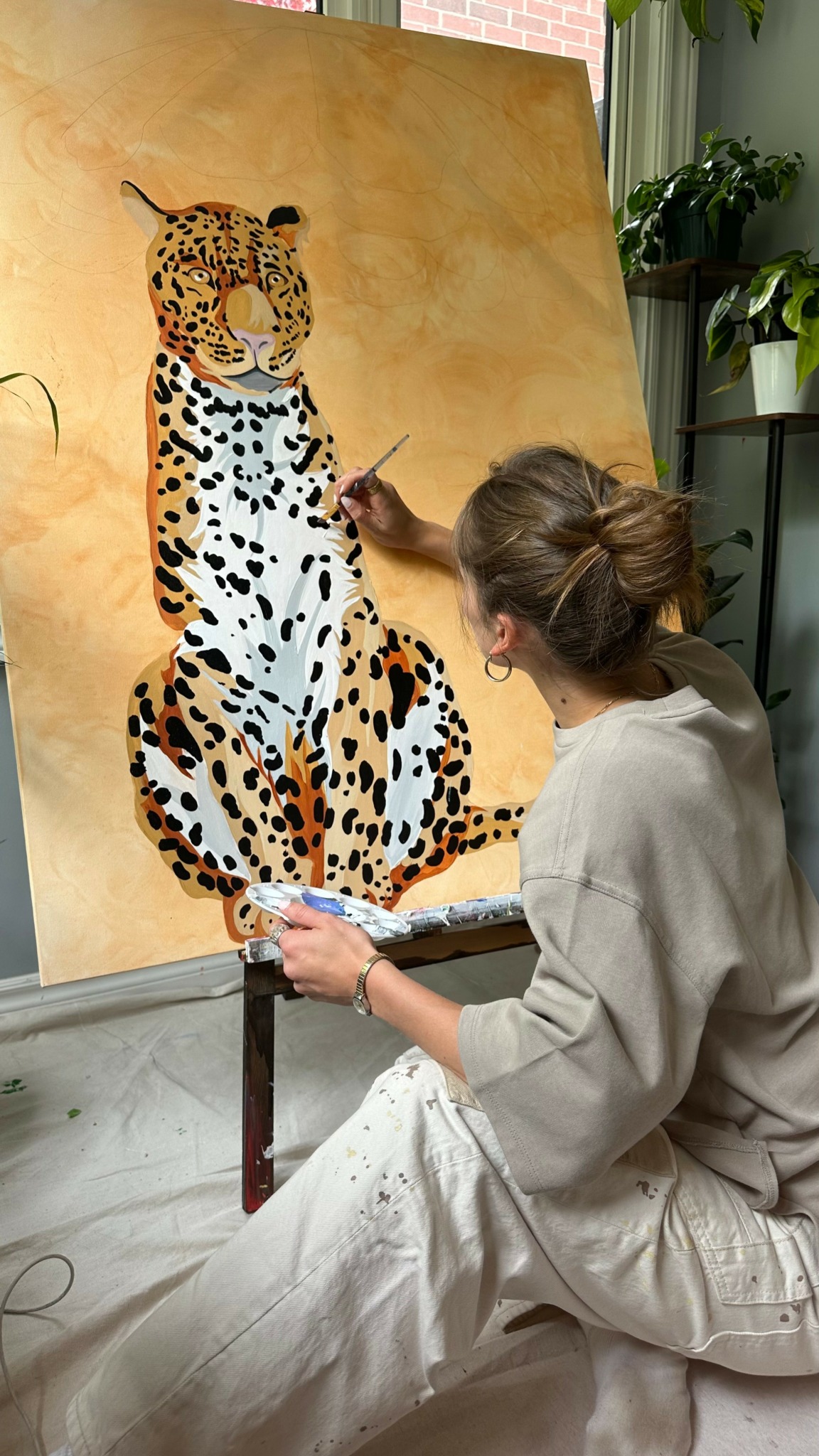
Image Credits
Andrew Obtinalla