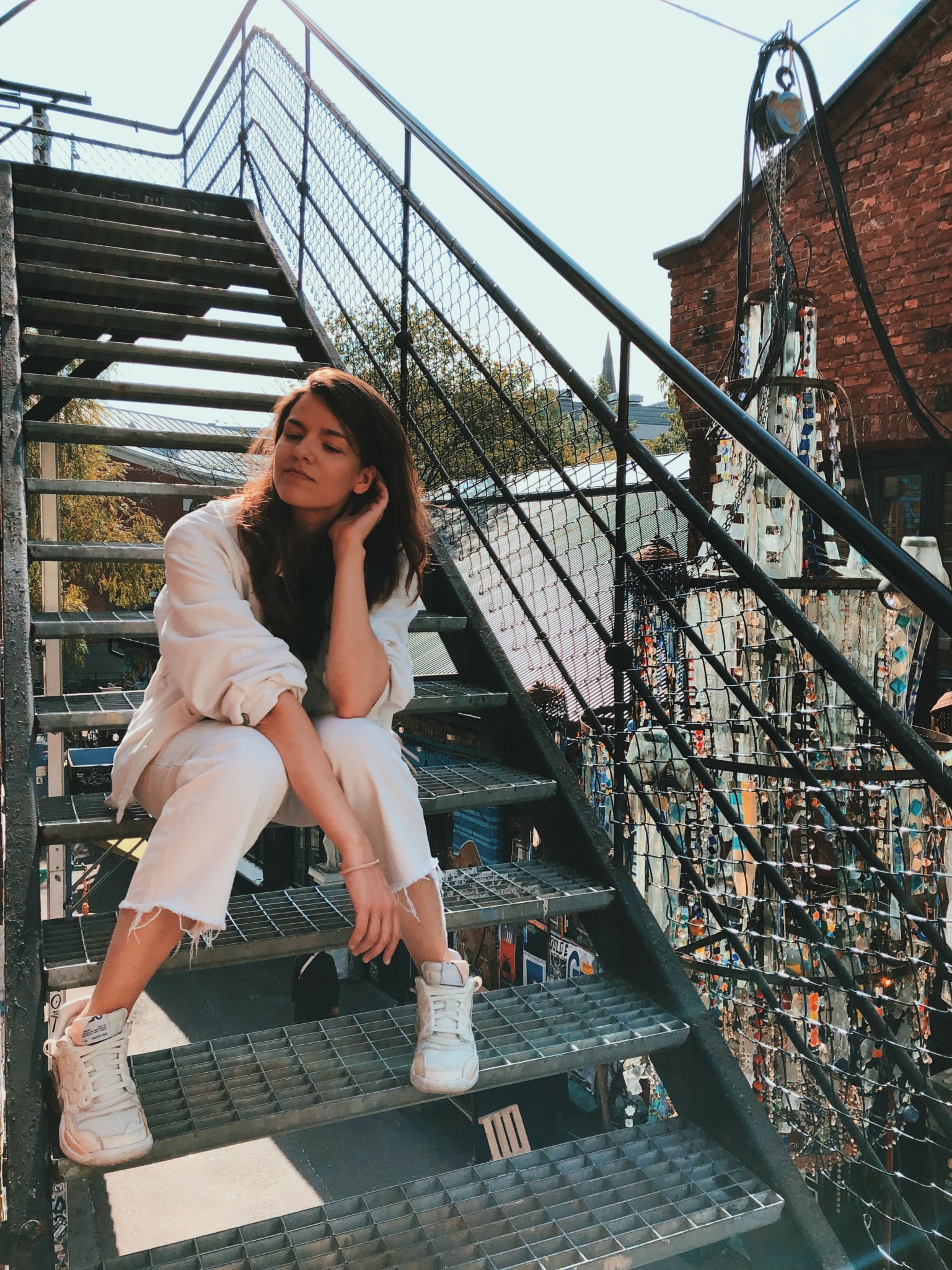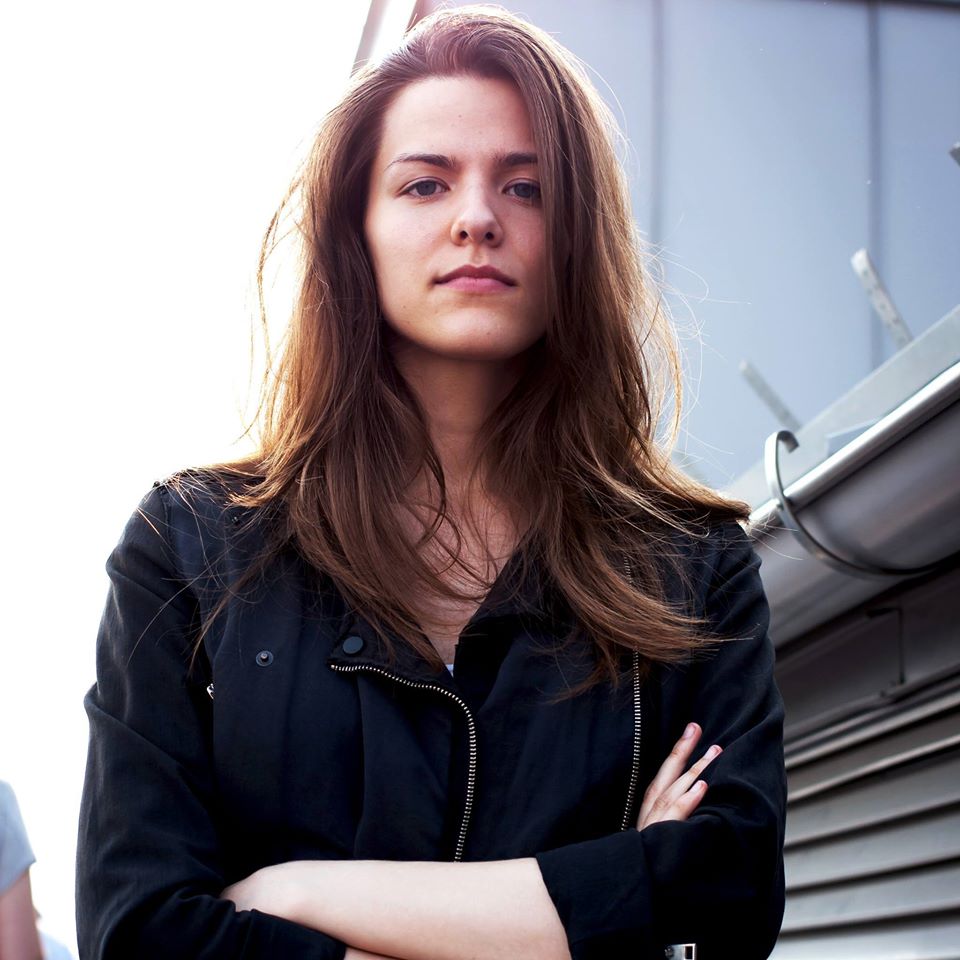

Alright – so today we’ve got the honor of introducing you to Maria Luntz. We think you’ll enjoy our conversation, we’ve shared it below.
Maria, thanks for joining us, excited to have you contributing your stories and insights. Can you talk to us about how you learned to do what you do?
I’ve always been into storytelling. As a kid, I’d take apart comic books – cut out the panels, rewrite the dialogue, and basically reinvent the plot. It wasn’t anything noble; I just thought I could do it better. That, mixed with an unhealthy amount of movies and Disney animated features growing up, naturally led to an interest in video editing.
I was lucky to have incredible teachers early on, so I learned how to actually use the software properly. I put a lot of value on proper project organization, efficient shortcuts, and building a workflow that won’t make my future self want to scream. It might sound minor, but these things add up and save time – yours, and everyone else’s.
Of course, the tools are always evolving. What’s standard one day is outdated the next, or at least everyone pretends it is. Part of the job is knowing when a trend is worth your attention and when it’s just noise.
That said, none of it compares to working on real projects with real people. You learn fast that clients don’t have time, and directors don’t have patience. They want to see ideas executed immediately, preferably without watching you rotoscope something in After Effects while sweating through your shirt.
And feedback? It’s rarely gentle. Learning not to take it personally and not to cling to your first edit like it’s sacred text is what keeps you moving forward. It’s not about being precious; it’s about getting better, faster, and staying sane while doing it.
Maria, love having you share your insights with us. Before we ask you more questions, maybe you can take a moment to introduce yourself to our readers who might have missed our earlier conversations?
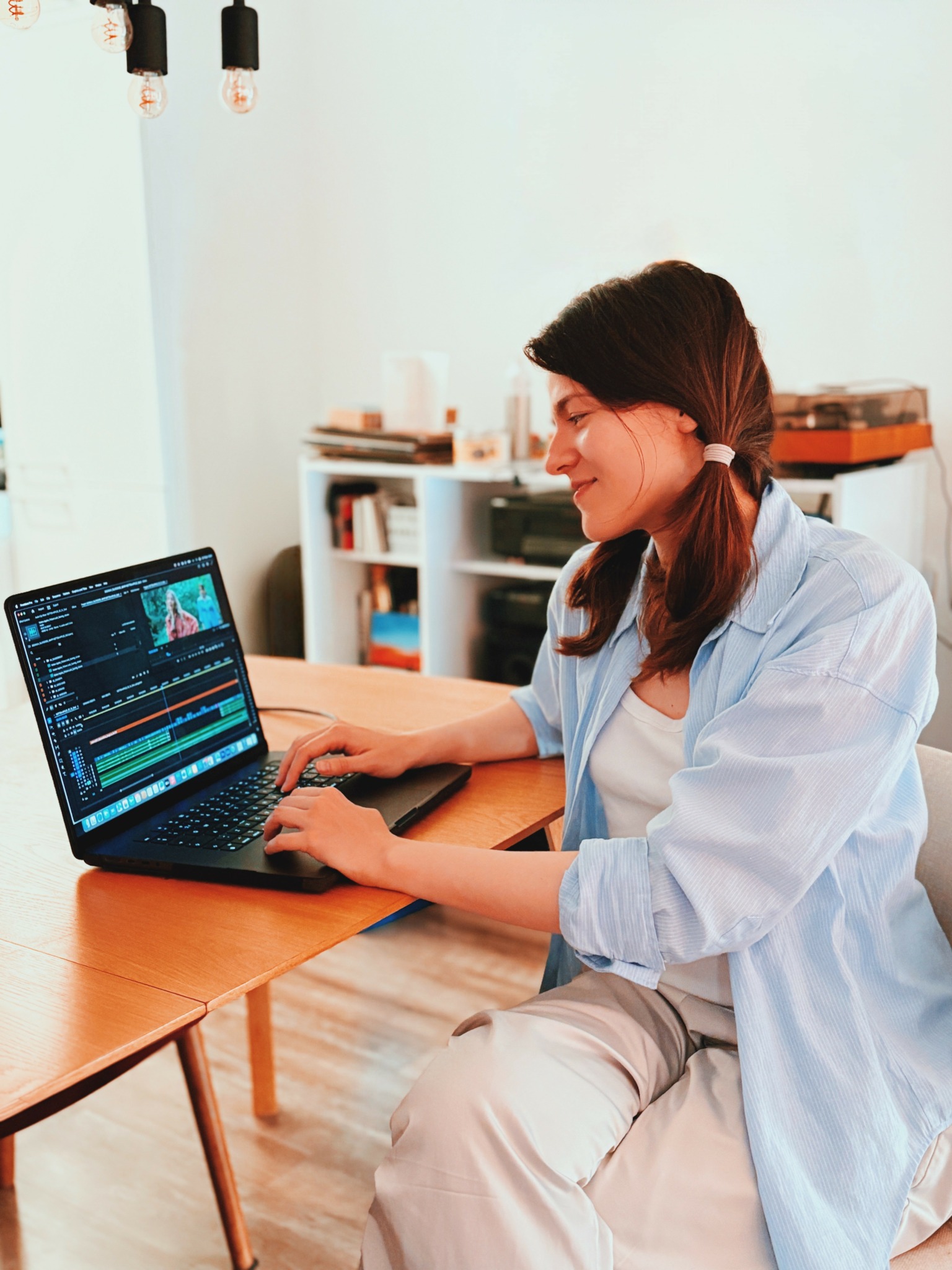
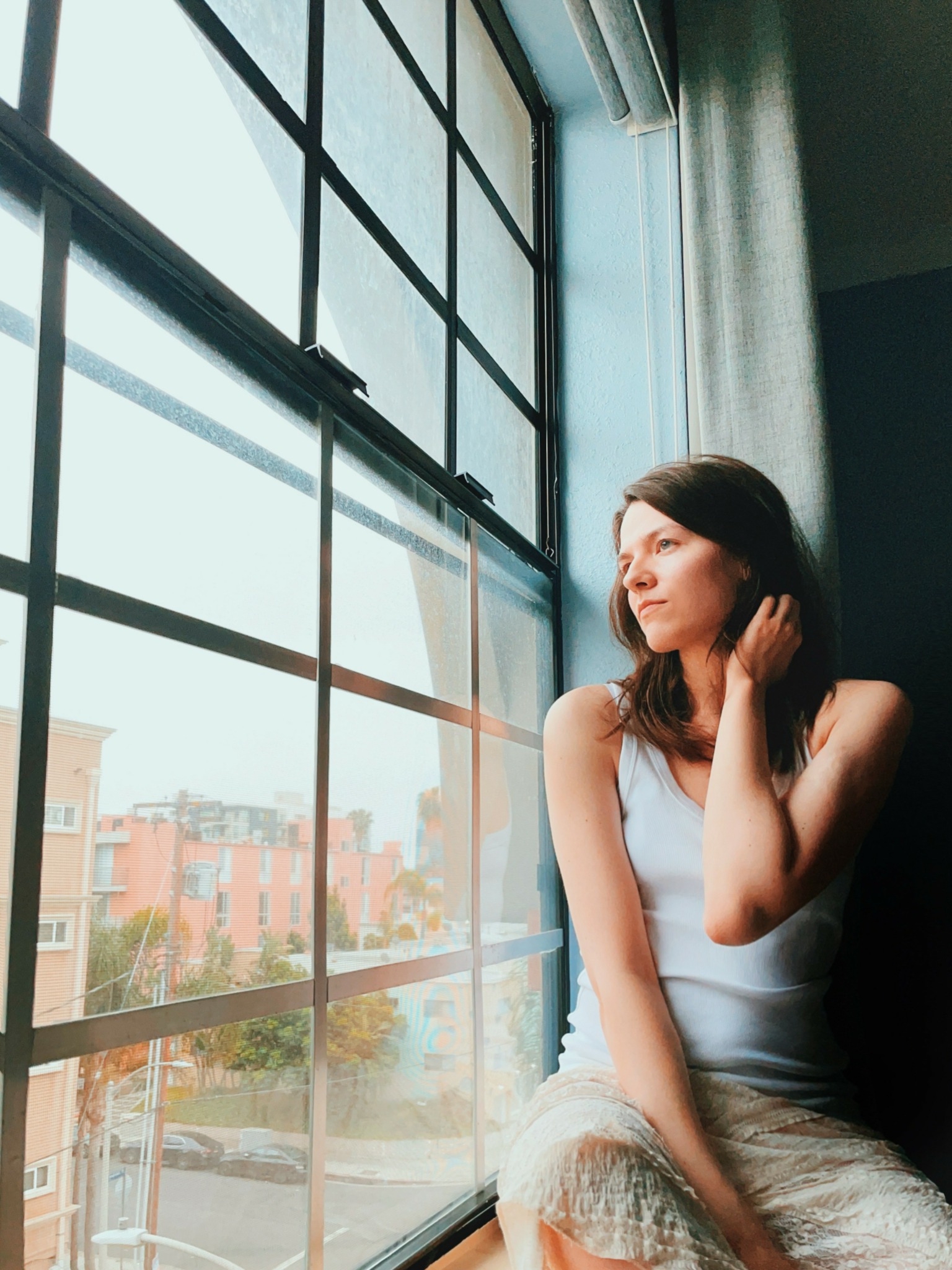
I’m Maria, a video editor with a background in filmmaking and a tendency to obsess over story structure. I studied filmmaking, but when I moved to the Netherlands, I first ended up working in video on demand. When COVID hit and everything stopped, I suddenly had more time than I knew what to do with. So, I turned my focus to refining my editing portfolio; not because I had some noble creative awakening, but mostly because I didn’t want to go stir-crazy.
Amsterdam has a strong digital and advertising scene, so it made sense to break into the industry here. What I do now is edit content that actually works, whether that’s for a global campaign, a YouTuber, a music video, or a commercial promo. I try to make sure there’s some kind of story in there, even if it’s just a few seconds long. The goal is to make it impactful and intentional, not just flashy.
I started editing in Premiere Pro but quickly realized that wasn’t enough. I picked up After Effects for animation and compositing, Adobe Audition for sound mixing, and DaVinci Resolve for color grading. I don’t believe in sticking to one tool, I just use whatever helps bring the story to life and gets the job done well.
In this industry, you’re either handed zero context and a chaotic folder of clips, or you’re working under a storyboard so rigid it feels like breaking the rules of physics if you’re one frame off. I’ve learned to move between those two extremes and, more importantly, not to lose my head in the process.
That adaptability didn’t come naturally. It took time. But it’s the thing I’m proudest of, being able to meet any kind of project where it is and still push it forward creatively. Yes, sometimes you have to fight for your vision. The people you work with want to see that you care just as much about the outcome as they do. But there’s also a point where you need to step back and compromise. Content creation is a collaborative process, and I’ve learned that I can’t just push for *my* version of the story. The real challenge (and the reward) is in shaping something together that still feels honest and sharp.
What I want people to know about me is this: I’m not here to pump out high-volume content just to check a box. I care about rhythm, emotion, and clarity. Whether it’s a big glossy ad or a stripped-down montage, I want the final cut to feel like it matters.
Looking back, are there any resources you wish you knew about earlier in your creative journey?
If you want to be a good editor, you need to be a good storyteller. Yes, that word usually gets tossed at screenwriters, but editing is where the structure actually takes shape, second by second, frame by frame. You can’t just slap clips together and call it a day. You need a sense of what the footage wants to become.
And no, I found out that there’s also nothing embarrassing about using storyboard stickers or scribbling things out. Sometimes my brain is running ten versions of the same idea, and unless I externalize it somehow, the whole thing just stalls. Better to map it out.
I also wish I’d gotten my hands on John Yorke’s Into the Woods: A Five-Act Journey Into Story sooner. It breaks down why stories hit the way they do and why we’re hardwired to respond to certain arcs, even if we don’t realize it. Highly recommend if you like your storytelling advice with fewer buzzwords.
Is there a particular goal or mission driving your creative journey?
It feels a bit strange to use words like “goal” or “mission” when talking about editing. At the end of the day, I’m creating something the world probably doesn’t need, but maybe it wants it. I’m not providing you with any solutions necessarily, but I’m definitely giving you a minute to escape.
I really believe we sometimes have to bend the storyline of our own lives just to make sense of it all. Maybe that’s why film is so powerful. The fact that an idea, a loose thought, a rough concept jotted down, can eventually become a full-blown audiovisual experience still gets me every time.
I still get moved by a perfect cut on a big screen. I still catch myself feeling completely energized by great sound design. I still fall for seamless visual effects that let me forget I’m watching something made.
And that’s what keeps me going: the idea that I get to build something that people can come back to. Something that might resonate and stay with them longer than they expected.
Contact Info:
- Instagram: https://www.instagram.com/wishtheworldaway/