


We were lucky to catch up with Elaine Chou recently and have shared our conversation below.
Alright, Elaine thanks for taking the time to share your stories and insights with us today. Learning the craft is often a unique journey from every creative – we’d love to hear about your journey and if knowing what you know now, you would have done anything differently to speed up the learning process.
It didn’t matter which kind of visual art it was, I was always interested in learning the techniques and essentials of the craft. It is why I resonate so much with the philosophy of Drawn2Art: “Creativity follows mastery.” When I was young, there were too many times I would become frustrated with my capabilities, feeling like my artwork was subpar because it did not look the way I envisioned in my mind. As an adult who is confident in my skills, while also recognizing I still have much to learn, I understand the importance of giving myself grace and kindness with each sketch or artwork I do. Art is a process, and a skill. It takes time, dedication and a tenacity to always be learning and improving. Naturally, there are always going to be people who have more of an aptitude towards the arts; maybe they are more careful, or their hand eye coordination is stronger than the average person. However, I believe it is the drive to learn and the desire to improve that is going to be the best skill for anyone who wants to pursue the arts.
As always, we appreciate you sharing your insights and we’ve got a few more questions for you, but before we get to all of that can you take a minute to introduce yourself and give our readers some of your back background and context?
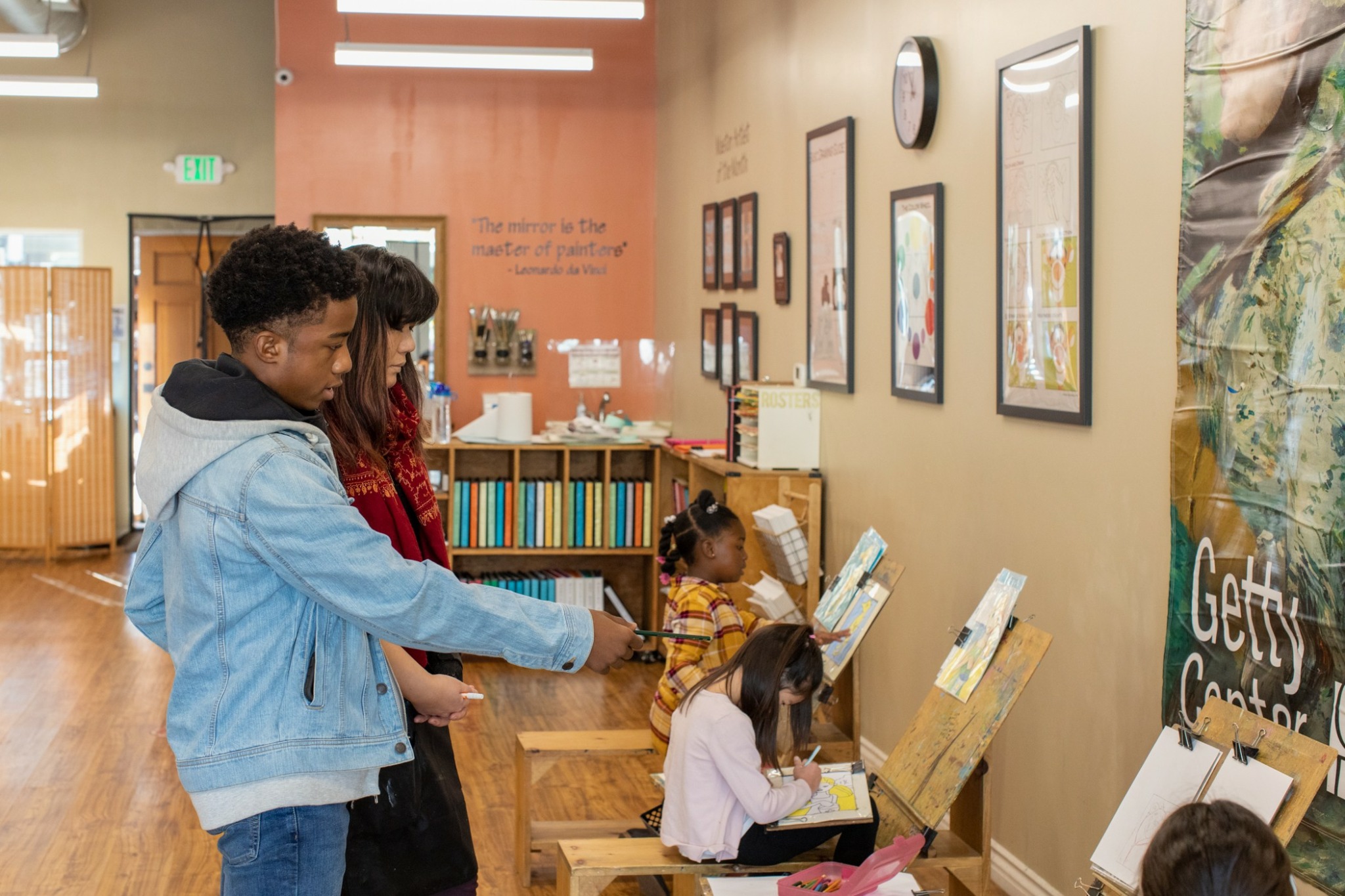
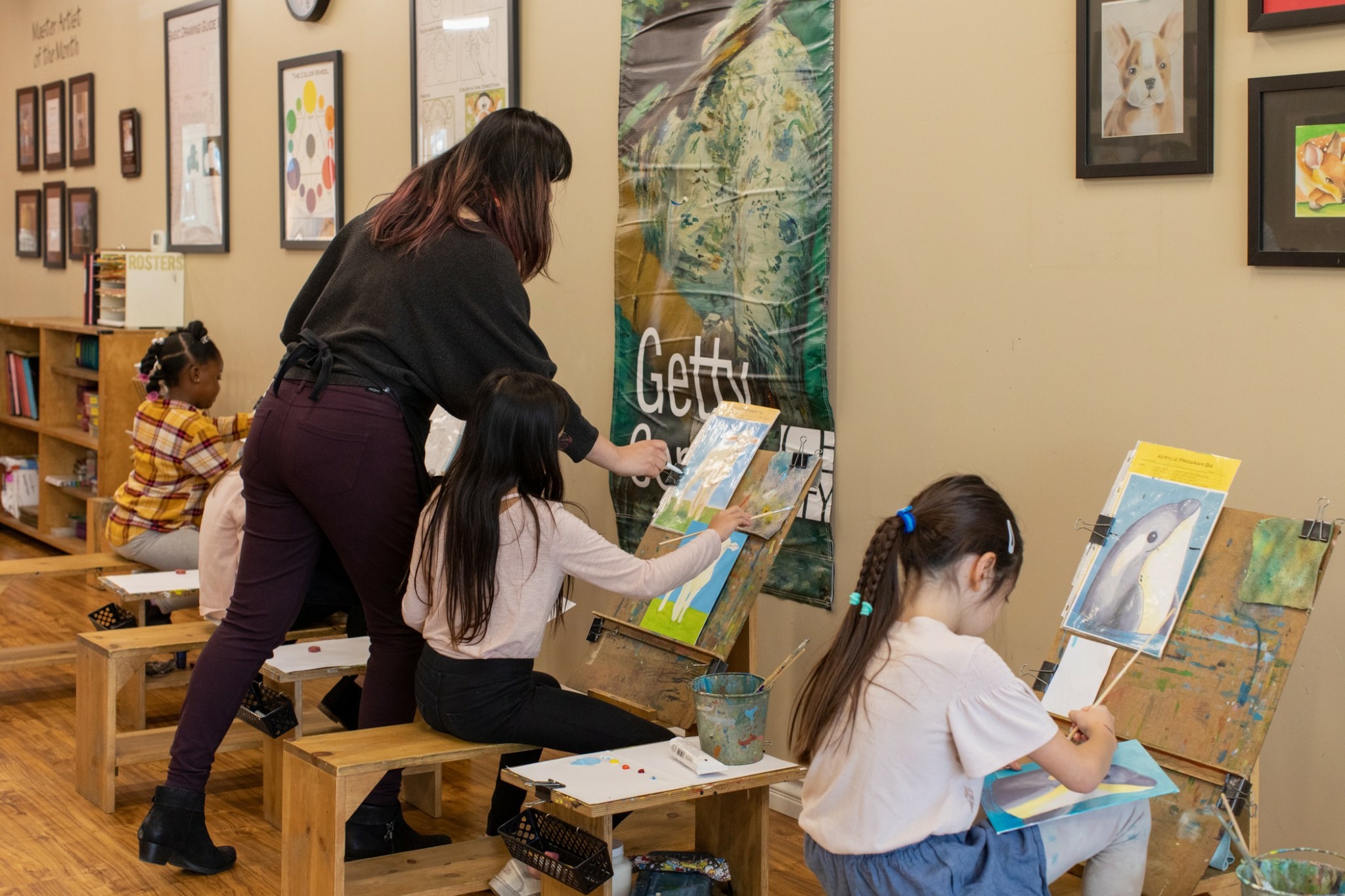
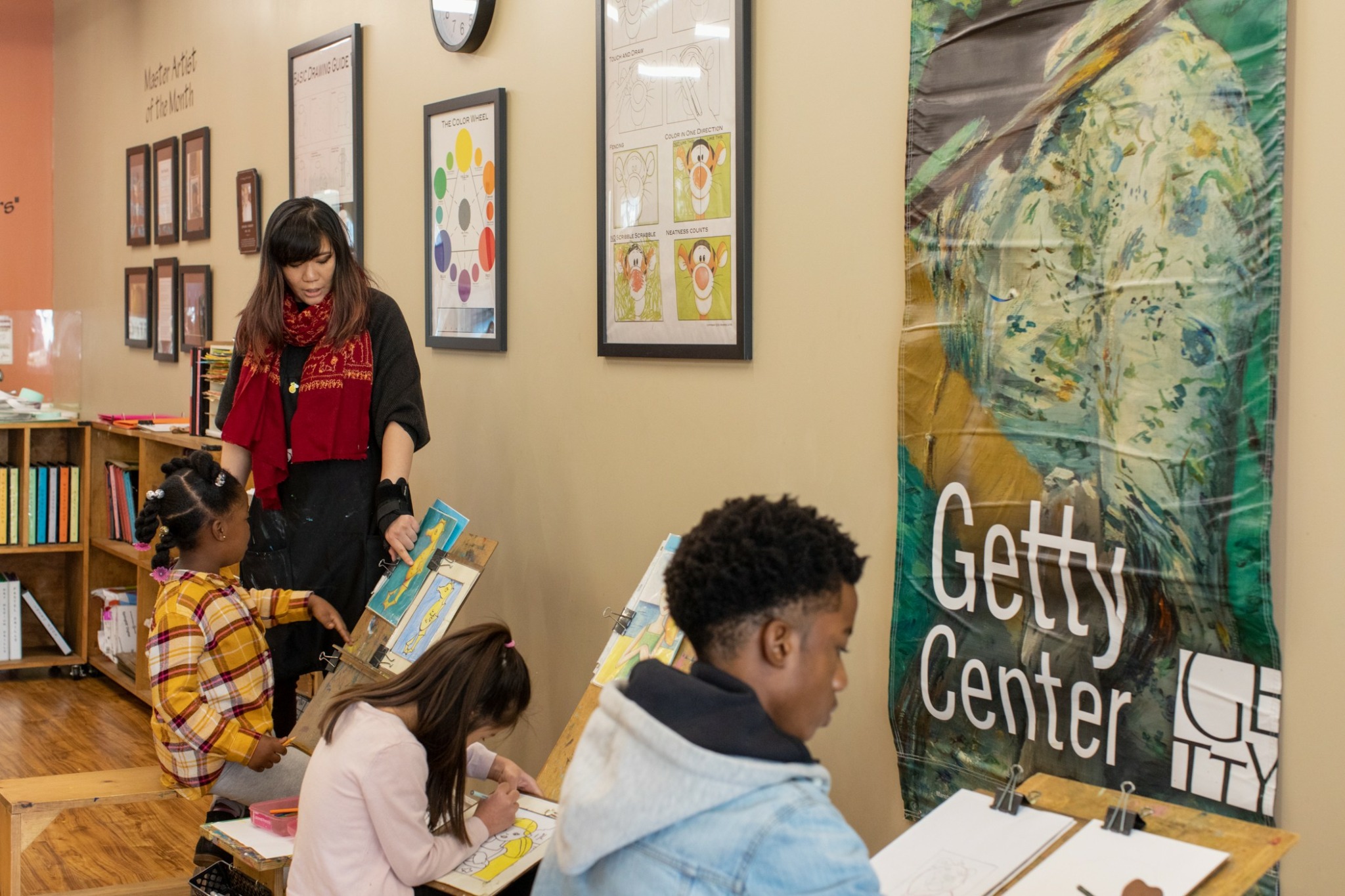
Drawn2Art offers fine art drawing and painting lessons for students ages 4 to adults. Our philosophy is that a strong foundation of artistic skills will enable students to eventually follow any artistic path they choose. The step-by-step method Drawn2Art utilizes to educate students strikes a balance so aspiring artists feel challenged with their artworks, but not overwhelmed and defeated. The last thing we ever want is for a student to reject the arts because they think it isn’t for them, or that they aren’t good enough to be an artist. While the instructions take place in a group setting, teachers give personalized instructions to each student in the classroom, making sure each student is heard and acknowledged with any concerns they may have with their art.
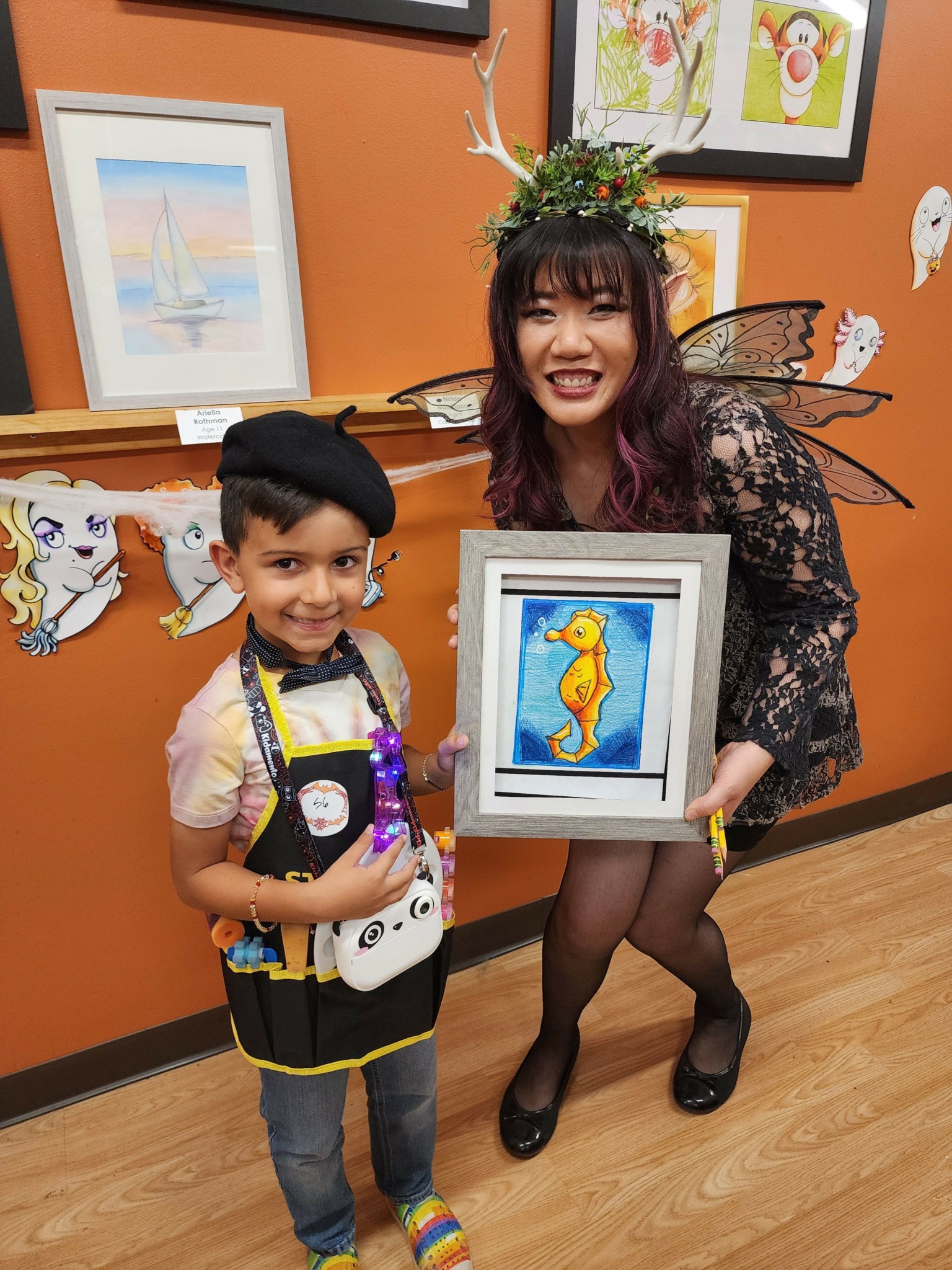
At the beginning as a college student majoring in illustration, I didn’t necessarily care where I worked, so long as it was art related. What an incredible relief and joy it was for me to discover that not only was I good at teaching, but that it was also incredibly rewarding. The reward I feel when a student finally understands a concept or skill we’d been working towards, or a previous student reaches out to inform me how much I’ve changed their lives makes my career such a blessing.
On top of the joy teaching brings to me, the other unexpected boon has been the kindness and care for others working at this company has taught me. Through incredible mentorship from the higher ups, I am much more capable of recognizing mine and other’s skills and highlighting accomplishments as opposed to focusing on shortcomings. The open communication and gentleness Drawn2Art fosters with the students is now a skill I use in my personal as well as professional life.
For you, what’s the most rewarding aspect of being a creative?
The most rewarding part of being an artist is being able to experience the world creatively and appreciate the skills needed for creation. For non-creatives, they may just see a nice painting in a gallery. As an artist, I see the vision behind the color choices, subject matter, composition layouts and cultural awareness for each artwork and design. Even choices such as a button on an application turning a different color once it’s been clicked are deliberate choices a designer had to make. As an artist, our goal is to draw the viewers’ eyes to our works and to keep them engaged in the artwork. That requires so many different skill sets that are hard to quantify, and each artist has a different process to achieve that goal. It’s incredibly gratifying to be aware of how much effort is put into an artwork, I feel it allows me to be able to connect easily to other people and appreciate the beauty in the world around us.
What’s a lesson you had to unlearn and what’s the backstory?
Growing up, I constantly felt the need to “find my art style.” It’s a term used a lot in the visual arts community as a way to differentiate your artwork from other artists and it can become a slightly stressful topic for some people. Having a personal art style allows companies and art directors to have an idea on what kind of artwork they will receive from the artist and can be easier for artists to find a steady career. But it can be especially difficult for an artist to develop a technique or method that feels like their voice, especially if you’re like me and love to experiment in a variety of mediums, subject matters and techniques. It really wasn’t until I stopped caring about how others viewed my artwork and made art for me that I felt more confident in my “art style.” Over time I realized that personal art styles are ever changing, and can be achieved even by seeing other artist’s works, wanting to replicate their techniques, and doing that over and over again until my art style becomes a love letter to every artist that has ever inspired me. I think that is beautiful.
Contact Info:
- Website: https://www.drawn2artstudios.com/encino
- Instagram: https://www.instagram.com/drawn2artencino/
- Facebook: https://www.facebook.com/Drawn2ArtEncino/
- Yelp: https://www.yelp.com/biz/drawn2art-encino-encino?utm_medium=biz_embedded_content&utm_source=biz_badge
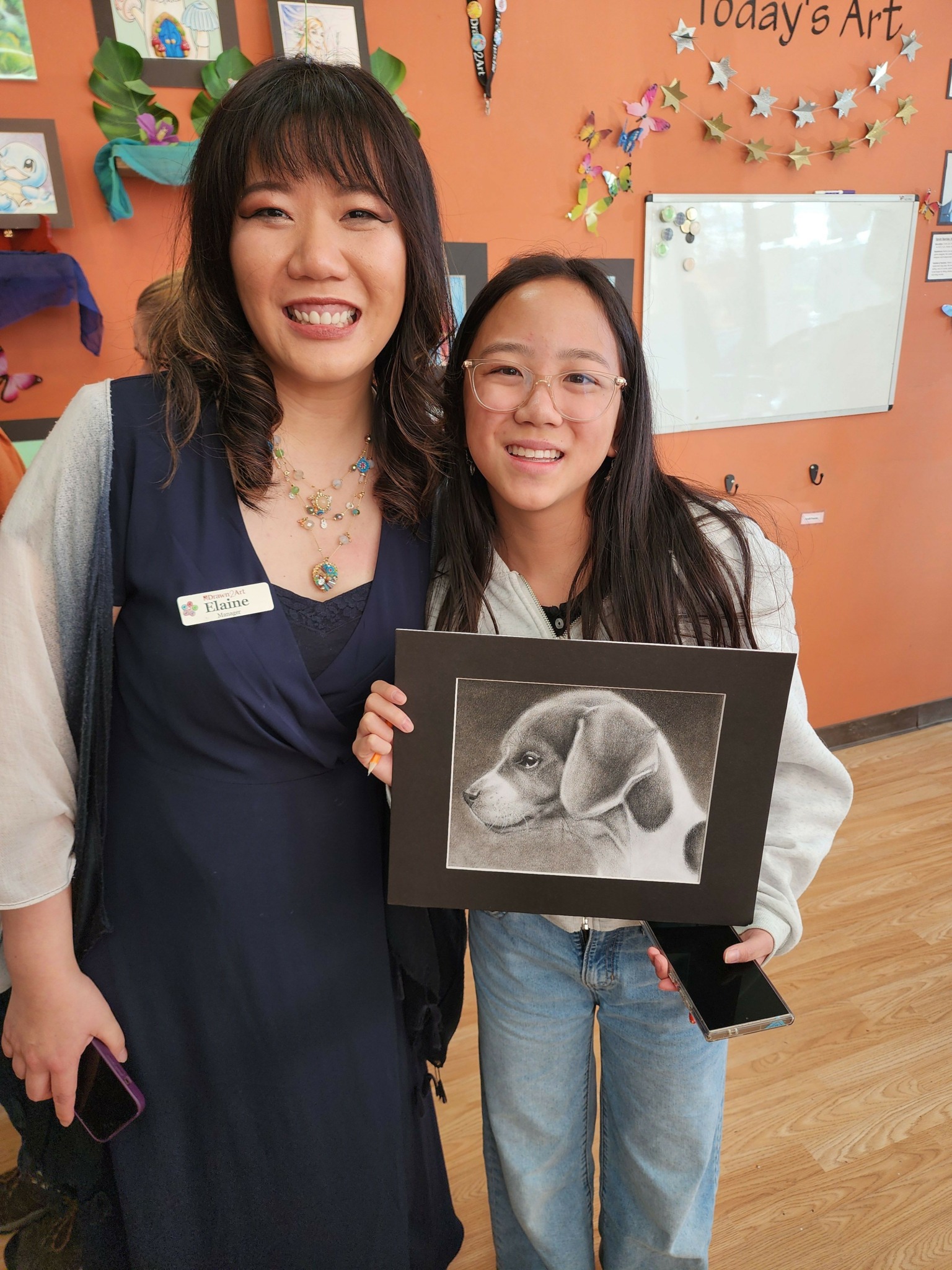
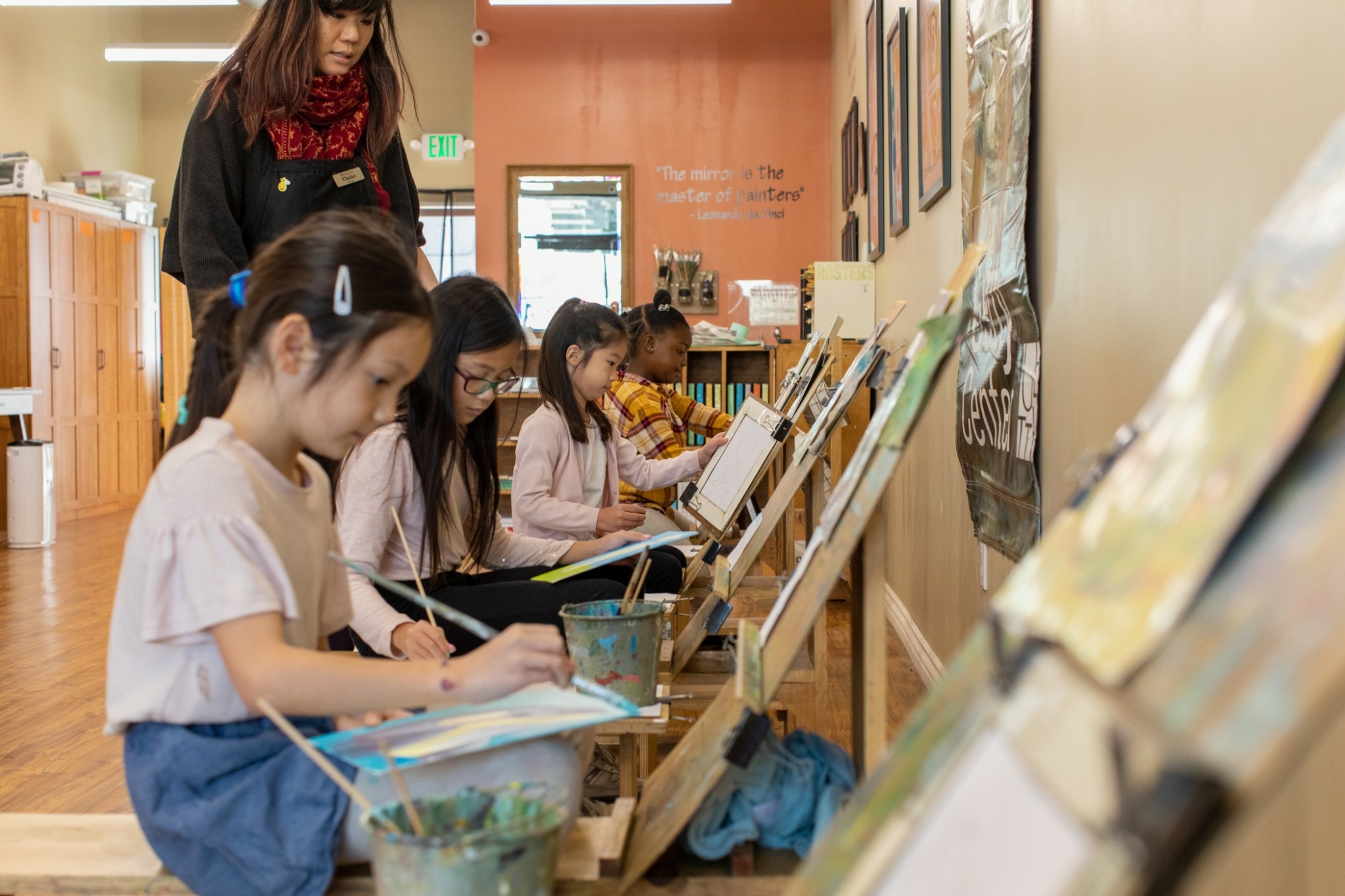
Image Credits
Genean Jue, Cole Montgomery, Kim Chatham