


Wanting to be an artist or creative is step one. Following through means investing in learning your craft, but we’ve heard from so many aspiring artists and creatives who feel unsure about where to start and so we’re incredibly grateful to the artists and creatives who’ve agreed to share their stories of how they learned their craft.
Jinyun Li
I learned to do what I do through a combination of formal education, hands-on experience, and a lot of self-driven exploration. I took design courses, practiced consistently, and sought out real-world projects that pushed me to grow. Every project became a learning opportunity, as I was constantly experimenting with new tools and refining my understanding of user experience and visual storytelling. Working on diverse projects and with cross-functional teams taught me invaluable lessons about collaboration and adaptability, skills that became central to my growth. Read more>>
Jackie Wong
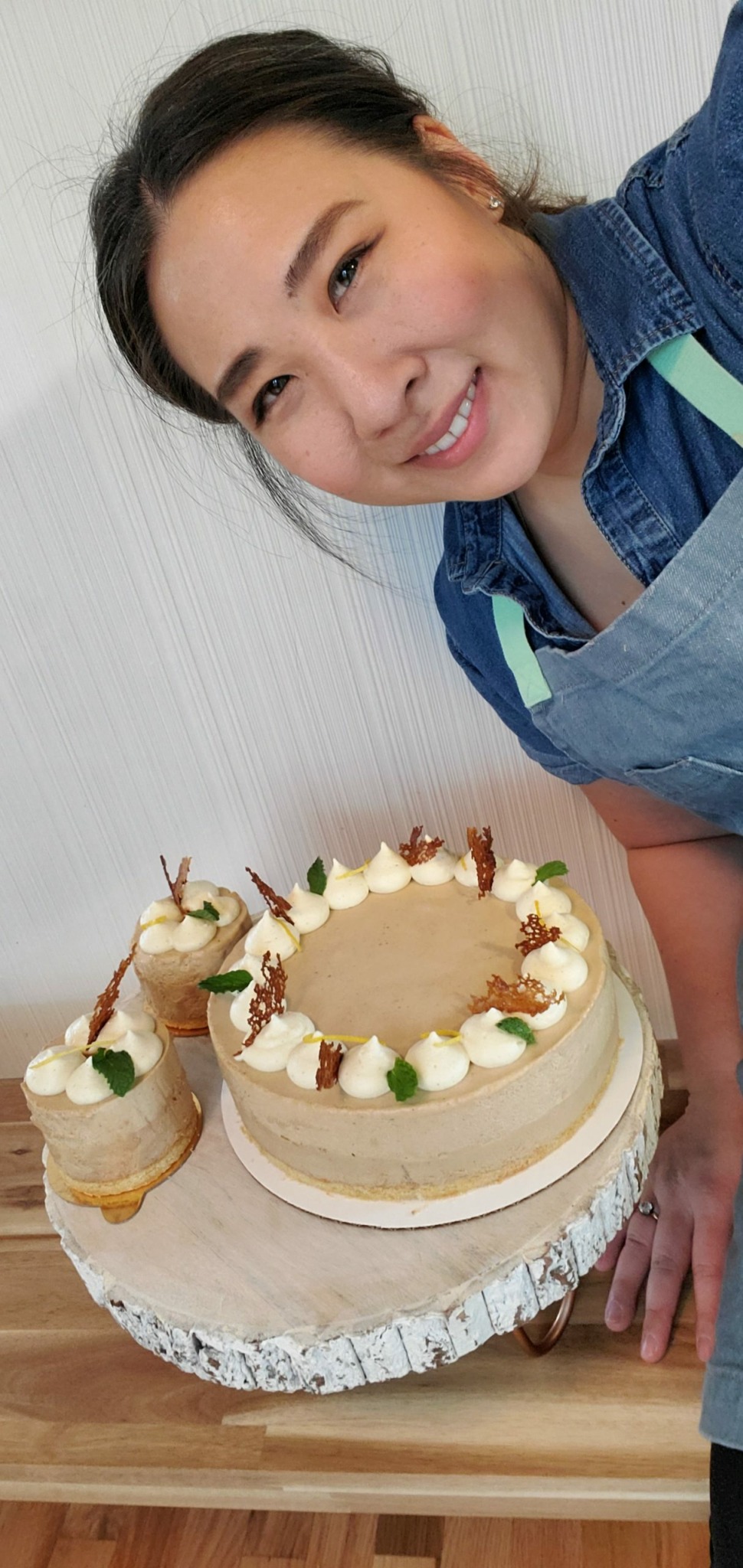
I’m a self-taught baker with no formal training. Most of the basic skills I learned from scouring YouTube and a lot of trial and error. I have two engineering degrees and apply a lot of my experience with measurement, mechanics, thermodynamics, and tooling to my baking processes. However, YouTube has its limits, and I had to dig a little deeper to refine my craft. Last year I finally bought an online course from a cake shop I truly adored (Tortik Annuschka), and it was a game changer for me. I learned really special recipes and techniques not covered in usual YouTube videos. The building blocks are helping me elevate my cake aesthetic, and I’m bringing in other inspirations such as traditional English piping skills and my love of modern art and architecture. Read more>>
Kenyatta Alexander Reed

I’m a 46 year old actor that’s born and raised in Los Angeles, I grew up in the South Central Los Angeles area in the 1980’s where there were Drug related activities and welfare increases.when the mayor of Los Angeles at the time was deducting Los Angeles county checks,I caught the bug of learning about music watching MTV,Soul Train. I use to write music and perform music. When the 1990’s decade came along I started promoting my talent but a lot of rejection opportunities that came across, in 2003 I caught the Acting bug of doing acting background on popular major tv shows.In 2004-05 I attended AIU American intercontinental university BFA program media production. 2021 I attended NYU Integrated Digital media specialization. Read more>>
Fanny Lecendre
For me, filmmaking has always been more than just capturing images, it’s about telling stories that resonate, that heal, and that bring people close to one another. I realized that the act of storytelling, whether through acting or directing, is a way to process my own experiences and share something deeply personal with others. Every film I direct (regardless of whether I write it or not), every role I take on, is a little piece of my own journey. In addition to the schools I attended, learning the craft became synonymous with getting to know myself and opening up to my own vulnerability. It takes time. Read more>>
Shanel James

For me i feel like it was a matter of what i wanted to do and how i wanted to do it. I knew i wanted to travel and create content. Which i was already traveling so i thought to myself why not actually do what you like which is traveling, trying new places , and letting the people know about it. Read more>>
Xavier Lewis
YouTube is an essential tool for any producer starting out. Looking up tutorials for whatever style or genre you want to emulate is crucial to finding your sound. You have to be willing to absorb new information on a daily basis. A big mistake that I made was feeling as though I didn’t need to keep looking for new techniques or shortcuts to get better after learning the basics. There’s always something to learn and improve upon when honing your craft. Read more>>
Arya Samrit
From an early age, I have been driven by an innate curiosity, always seeking to understand the “what,” “why,” and “how” behind things. My journey into audio engineering began at the age of 16 when my interest in electronic music led me to enroll in a certificate course to grasp the fundamentals—ranging from software mechanics to the physics of sound. This passion ultimately brought me to Full Sail University in Florida, where I began honing my craft. Now I am a graduate student at NYU looking to learn more about the depths of audio. Read more>>
Mauricio Villanueva
1. I have had always the urge to produce a music performance the way I IMAGINE. In the beginning I did not know how to do it but by joining other musicians projects and bands that I admired I was consciously taking notes of how to deal with it. I am still learning the administration side of it, the finding the venue, musicians, rehearsals spaces, music arrangements, group communication, and focus on the process of final product as well. 2. I wouldn’t change anything knowing what I know now, I am certain that I needed the experience I learned so far to be able to see my plan through. Read more>>
Marilyn Ivy
I have been blessed with my life as an artist and art teacher. Whether you come to art at the beginning of your career or discover your love of art later in life, becoming an artist is very rewarding. I started down this path in high school with my art teacher, Beatrice Dunning who influenced, not just my artmaking, but my becoming an art teacher. She was a role model who valued students and delighted in their individual creativity. After high school I chose a traditional degree plan at Texas Christian University to become a painter: majoring in painting and also picking up secondary teaching credentials to teach art. I think both artmaking and teaching come from personal passion and there are as many paths to an art career as there are artists! I loved my years teaching all types of art in high school and a few years as an art education coordinator at TCU. Read more>>
John Bender

I learned a majority of my culinary talent on the job. I was fortunate enough to start my career in a respectable role as kitchen manager at the age of 18. Then just a year later a sous chef role at a Relais & Chateaux achieving 5 AAA Diamond and 5 Mobile Star awards. To then go on to work for Michelin Star chef Jean-Georges Vongerichten. I guess I could’ve gone to culinary school first but I don’t believe that would have been beneficial. Most essential skills in the hospitality industry would’ve been commitment, dedication, passion, consistency, creativity, and merit. Obstacles that I faced would’ve been limited because I refused to give up learning and am always trying to better myself and my business. Read more>>
Tyrone Meijer

I have always been drawing ever since I was a kid and I did eventually went to collage for Graphic Design and 3D, This led to a long and successful career working in the design and 3D world at a large global sports brand. But this career drove me towards more of the management, tech and operational side of the creative work. In 2015 I got the itch to explore the more traditional way of working. I had worked with paints and pencils a bit in collage but the focus was more on digital. So I enrolled into a three day watercolor paint workshop where I learned a lot and became more interested. This led me to learning and experimenting with a lot of different paints, tools and paper. Read more>>
Kaiyan Wang
Well, I grew up in a business family in China, so from a young age, I was surrounded by the world of entrepreneurship, learning the intricacies of negotiation and strategic decision-making. My family really taught me how business works, especially when it comes to connecting people, creating opportunities, and navigating complex situations. So when it came time to step into artist management, it honestly felt like the most natural thing for me to do. Read more>>
Delena Lacy
I learned to do what I do by, specifically learning the craft of DJing, I’ve always had a knack for remembering songs, in the aspect of hearing a song and then thinking like “mmm, this song sounds like this song, that was on this album, but this also sounds like this song that so & so produced.” So eventually, close friends started to compliment my “musicology,” without really going to school for musicology, ultimately complimenting my knowledge, my ability to remember and blend similar sounds together, from the past and present. Read more>>
Stevie Garcia
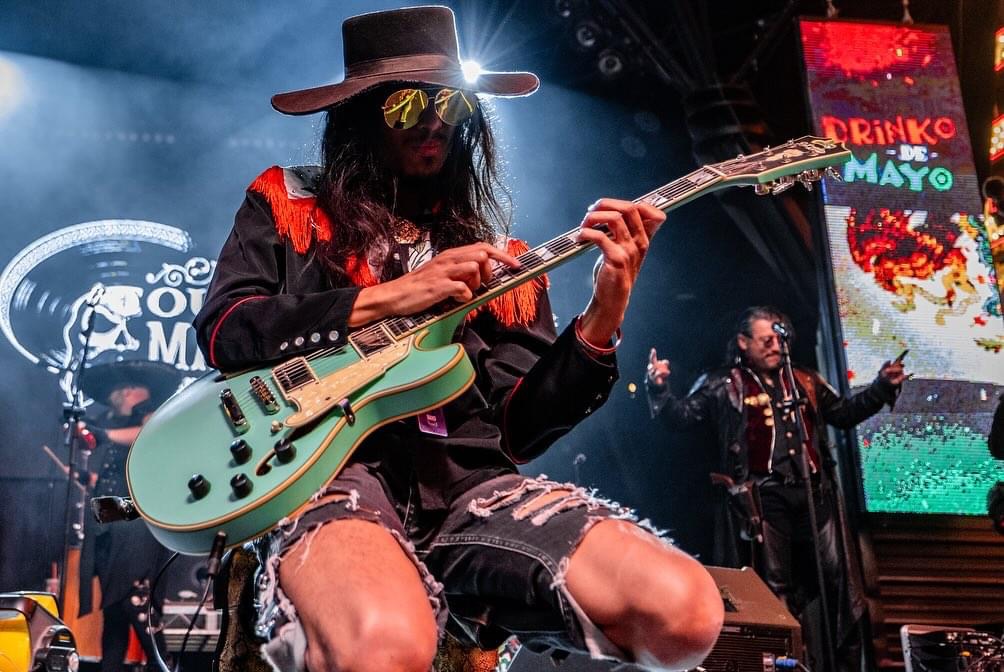
Learning the craft of playing instruments, writing music, and improvising is definitely a life-long endeavor. I started on the electric guitar at the age of 11, inspired by Eric Clapton and other blues-rock guitarists. At first I found out about guitar tabs online and would use those to learn how to play songs I enjoyed on the radio stations like: KROQ (Alt. Rock), or KLOS (Classic Rock). It didn’t take long for me to realize; a lot of the tabs were wrong. I had to listen carefully and figure out the correct notes for myself, on the guitar. Few for the first few years I didn’t know anything about music theory, but I would just find out what spots/frets sounded correct. What used to take hours to figure out on the guitar, now might take seconds. I started out primarily self-taught, but I learned from others more in high school. I joined the choir with my sister, and had a great music teacher who taught me how to sing and sight-sing / read music. Read more>>
Stef Emery
I have been a musician basically my whole life, but when it comes to being a singer I really learned from listening. Growing up listening to other artists that I was obsessed with really molded me into the singer I am today. I studied vocals with coaches along the way as well and learned proper technique, but learning “feel” and “style” really developed more from my musical influences. Knowing what I know now, I think learning how to have more confidence would have sped things up a bit…but confidence tends to come with experience so I wouldn’t necessarily say it slowed me down, but was more of a build in that area. Having a good vocal coach was essential to learning how to use my instrument properly. Developing the foundation of my voice from a technique standpoint was absolutely necessary, and I’d also say live performance experience was essential to developing my craft. Read more>>
Elisa Smit
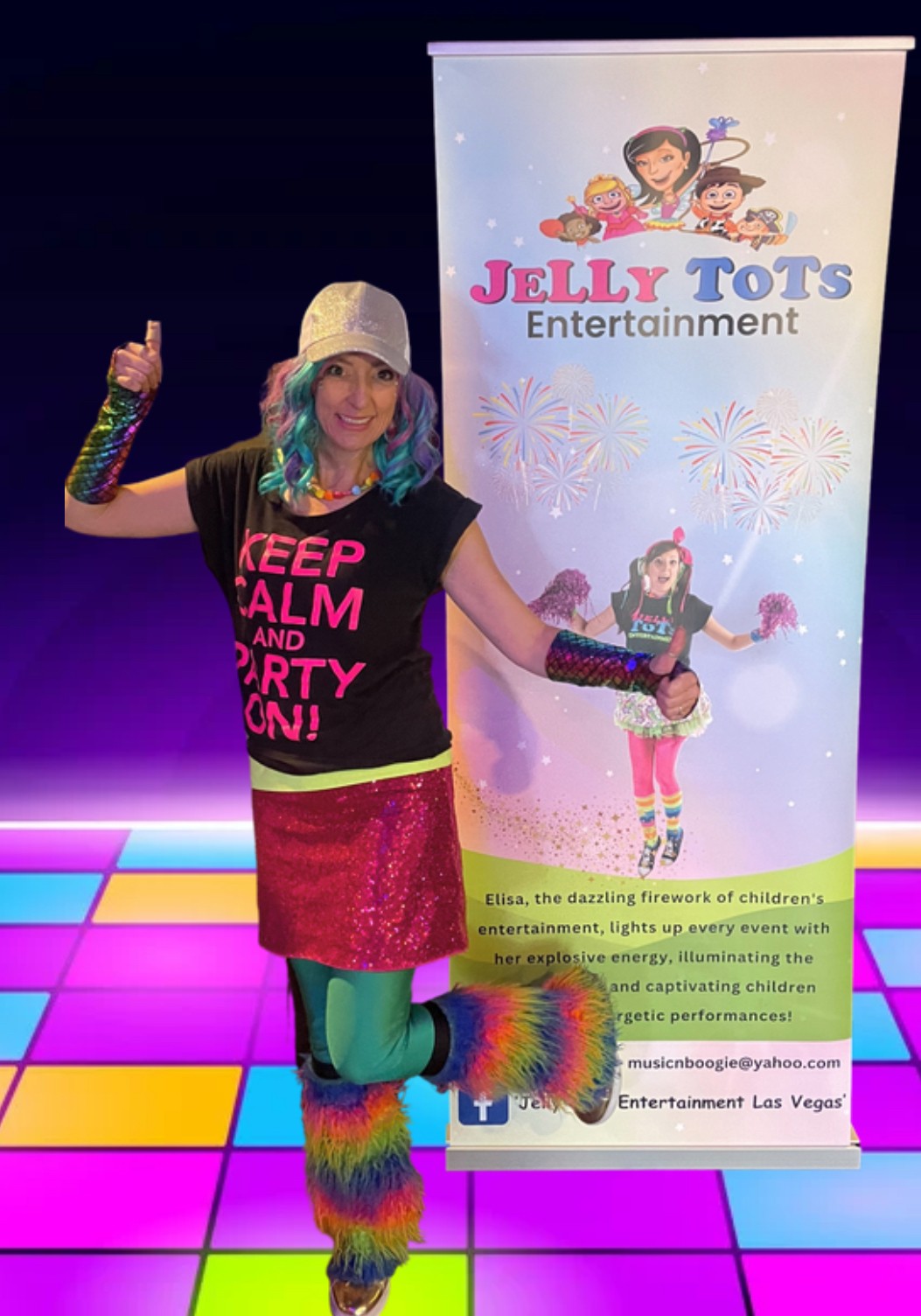
I started my entertainment career with P&O cruise ferries in the UK, where I hosted a kids’ club and performed as a costumed character while sailing to France and Belgium. From there, I moved to Spain and Tenerife in the Canary Islands, where I worked in hotel resorts, compering live cabaret acts and hosting fun game shows on stage. One of the highlights of my entertainment career was working as a Christmas storyteller at a log cabin resort in Lapland, Finland, where I provided children with a “North Pole Experience.” These diverse experiences played a significant role in shaping my skills and contributing to the entertainer I am today. Read more>>
Yiran Li
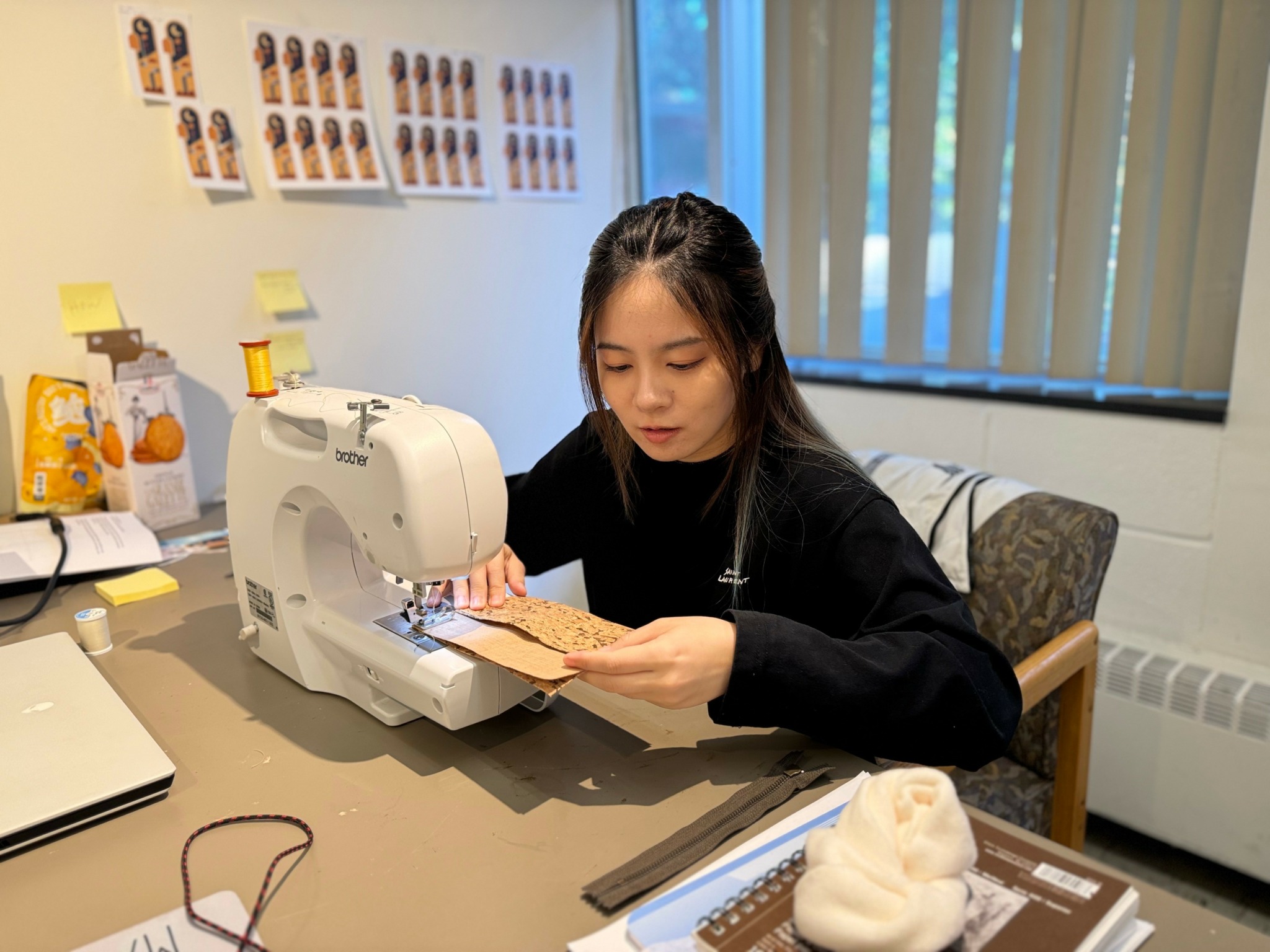
Most of my skills were developed over years of study, from my BFA to my MFA. I had a wide range of interests and tried to take as many classes as possible, from papermaking to upholstery. I was also very active in the workshop, which provided a great opportunity to quickly learn new skills and gain a foundational understanding. I feel that all the skills I’ve learned are like what my professor used to say: ‘Every skill you learn goes into a drawer. You never know when you’ll need it, but one day, you’ll open a drawer and apply everything you’ve learned to a project.’ One challenge, however, is always time. Now that I’m back in school, I need to manage my time better so I can continue learning and practicing the skills I’ve acquired. Read more>>
Beth Prestom
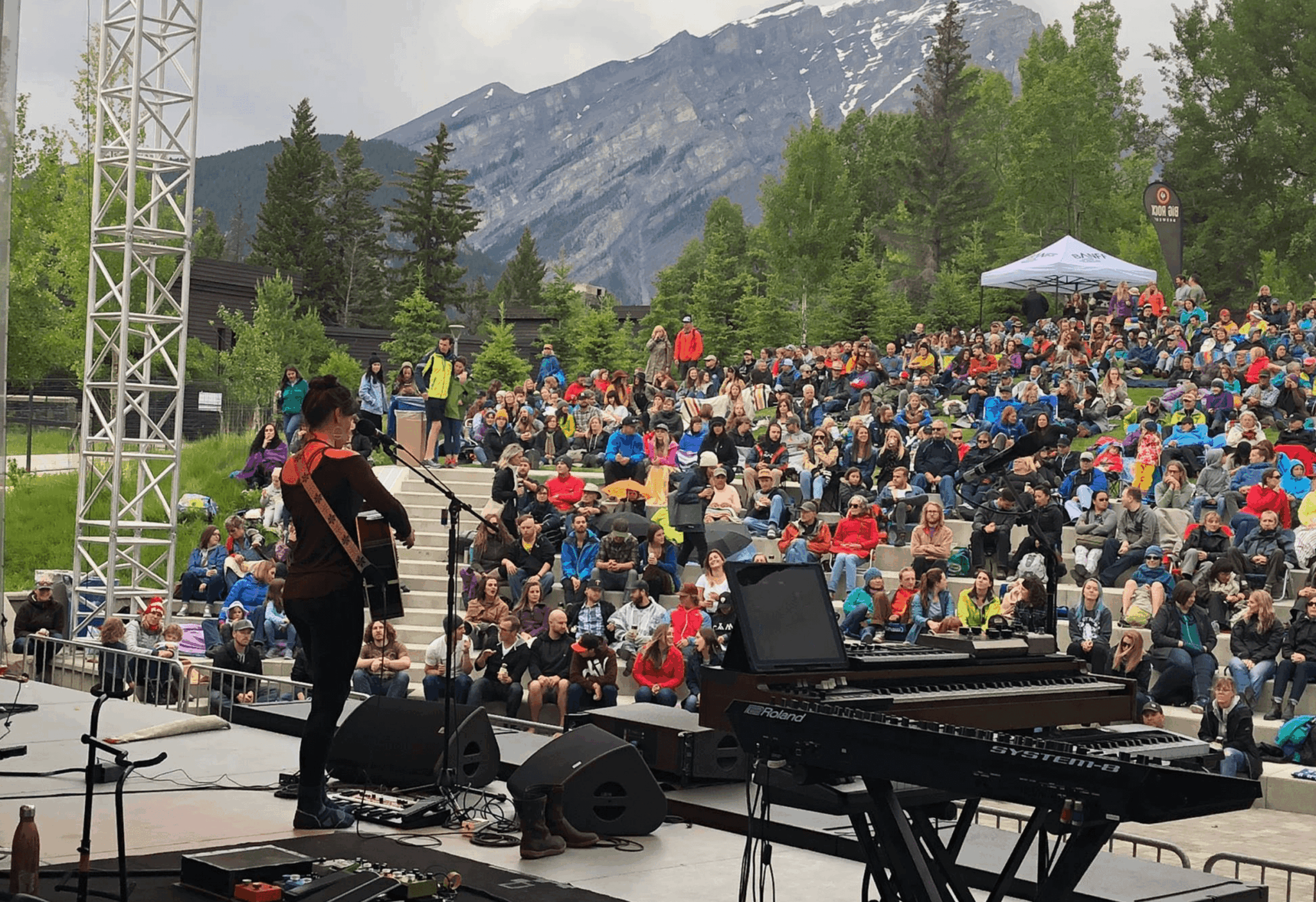
I leared a lot about music and performing from my parents, who were both full-time performing musicians and songwriters. But a lot of what I have learned came from listening to music and artistic philosophies from other experienced songwriters and steeping in what they do. Whenever I do this I always come away with new inspiration, be it musical, philosophical, or tools for deepening the craft. When I was younger I never actually realized that people could get a degree in something like songwriting. Eventually I took some courses at Berklee, and started tapping into other resources for development and growth as a songwriter and artist (such as School of Song which is an amazing resource for songwriters and musicians of all levels) and it catalized a lot of growth for me as a songwriter. I wish that I had realized long ago that there were resources like this, and how much I would realy benefit from them, although I’m glad I have tuned into them at this point in my life, and to a wider community of professional and aspiring songwriters. Read more>>
Cecelia Comito
For much of my adult life, I practiced law, navigating the high-pressure and often contentious world of the legal profession. Over time, I felt the need for a creative outlet to bring balance to my life. At 38, following the unexpected loss of my mother, I realized I couldn’t keep putting off my desire to embrace creativity. True to my methodical nature, I devised a plan: start with the basics. I enrolled in a beginner’s drawing class through the Chicago Art Institute’s adult education program. Over the next several years, I immersed myself in workshops and classes, learning to carve out time for art amid a demanding career. My early efforts weren’t polished—my perspective was skewed, my drawing passable, my painting serviceable—but I loved every second of it. Then I discovered mixed media, and everything changed. Mixed media gave me freedom: if something didn’t work, I could collage over it; if the colors clashed, I could scrape them away. It was art without rules—just endless opportunities to explore. Read more>>
Tera Hendrickson
Many of my fellow artist friends had childhoods steeped in the creative arts, followed by drama or music tracks in high school and college. My background and preparation differed from the bulk of my peers. While I did study piano for a couple of years as a child, that chapter closed early and there was no additional formal training during those formative years. Even so, I had an ardent love of story and music from the time I was very young. This fascinationhas only increased over time and fueled the drive to study on my own. For both acting and music, my learning program was self-directed and fairly intense. I consumed information and knowledge voraciously, through private classes, books, and observation of the masters of the field. I was fortunate to find inspiring acting coaches (some that I still follow today), and exceptional music teachers that changed the arc of my career. Even when I started to work regularly as an actor and musician, I continued with classes and self-study. There is always more to learn in the arts, which I find both stimulating and humbling. You never know it all, and if you think you do, either pride or apathy can infest. Read more>>
Lily Talmers

My musical journey has been a slow patchwork of a process! It started with an ear-training heavy education in classical piano, and continued into public school orchestra. I think the cello’s reverberation on my chest was huge in developing a sense of my own voice. I have an acute memory of sitting in youth orchestra during high school, where I’d drive myself 45 minutes just to sit and struggle through the music on my cello, and wondering “why am I here?” somehow also trusting that it was important for my musical development. I look back on that experience now as so essential in teaching me what it’s like to be part of an ensemble, and how to really immerse oneself and hear the different musical features of a big work. Read more>>
Krist Wingate

When I was in middle school I had an art teacher I was always trying to prove myself to. I have always loved art and was so excited to learn more and grow as an artist. We had weekly sketchbook pages where my imagination would take over and I would spend entire weekends on a single assignment. However, this teacher was very critical and I was very sensitive. Her grading of my work tore down my self esteem, and it impacted my love for my art and myself for years to come. I became unwilling to try because I would always find myself feeling inadequate. I stopped drawing, and had basically given up on art. Read more>>
Alida Moon
I think I learned how to write because I was allowed to. What I mean by that is pretty simple, even though layered. I always say I am a “writer first, human second.” As in, writing has always been a part of me. I was that kid that made up words to fit her rhyme scheme, who gave her parents poems on their birthdays, who wrote stories in her spare time. I didn’t think of it as learning something—rather, I was simply doing it. And I did it consistently because I loved it; because I needed it to navigate the world. Read more>>
Ashley Denise Robinson

I learned how to do what I do from watching. And likely from being an only child, too. I was entertaining myself at an early age, doing school plays from the first grade, writing stories, talking to myself a lot. I was always very aware and watchful and so I’m able to imitate people really well and also have a good memory, in terms of being able to quote people precisely. To speed up my learning process, you know, there were some years where I didn’t have television so there are a lot of TV shows and movies that I’ve just missed out on simply from not having a TV so… I know that this is strange advice, but, being able to watch more TV and see more shows and refine my taste better would’ve been helpful. The skills that I think are most essential are being authentically yourself and not trying to produce something that you think other people will like. I’ve gone to grad school, I’ve taken acting classes outside of school, I’ve taken writing classes outside of school – I’ve done it all so now an adult, I don’t think that there are any barriers to my learning. Also, making sure that I don’t fall into comparison is really important and creating my own authentic voice and learning how to do what I do without comparison. That’s really important. Read more>>
Michelle Trujillo

I have always been drawn to creating things since I was a child. Since childhood I have engaged in different types of making as a way of understanding myself and the world around me. When I was a teenager, I landed on filmmaking as the outlet that I wanted to invest more of my time in. I learned the technical skills I needed for filmmaking in college. I feel that my most formative creative moments were in grad school. This was a time where I learned to take my art-making and voice seriously and allow myself to show vulnerability in what I created. Letting myself be more vulnerable and 16mm analog film skills were the most precious things that I learned in that space. Being the first person in my family to go to graduate school, I walked in with no sense of what to expect, how things worked and a big case of imposter syndrome. I was very lucky to have some amazing mentors there who guided me through this learning curve until I reached the point where I knew that I deserved to be there just as much as anyone else. Read more>>
Bua Kanjanapongporn
Art has always been an important part of my life. Growing up, I spent a lot of time drawing, often teaching myself through YouTube tutorials and experimenting with different techniques. This love for creativity eventually led me to pursue a degree in Visual Effects at the Savannah College of Art and Design. Even outside of my classes, I was constantly looking for ways to improve my craft—whether that meant diving into new tutorials or experimenting with different styles. Whether it’s 2D or 3D, I believe that a big part of growing as an artist is simply having the drive to learn in your free time. One skill I’ve found to be crucial in my development as an artist is learning to take constructive feedback. It’s easy to take critique personally, but I think the key is being able to separate your sense of self from your work. This is especially important when working on a team, where collaboration and open communication are essential. I’ve learned that embracing feedback from others—especially fellow artists—can only make your work stronger. Read more>>
David Sharp
Mastering any craft—and specifically writing—is a kind of fluency. There are many technical aspects to learn, but committing Strunk & White’s Elements of Style to memory is not going to make anyone a great novelist. The technical side is important and should not be ignored, but fluency comes from immersion. The first, best advice for any aspiring writer is to first be a great reader. Story has a language of its own. I believe that’s true of other creative pursuits, too. Then, I think you have to commit to being really bad at something for a while. We like to talk about how creative people are talented. Talent plays a part. But I don’t think it deserves the spotlight we give it. Rugged determination is far more important. I wrote nine full versions of Lost on a Page before it ever landed a publisher. Each of those had major revisions in between, but when I rewrite a manuscript, I open up a blank document and transcribe every word from the previous copy, revising as I go. Maybe it’s not the most efficient method, but it undermines any tendencies to be lazy. These days, I complete most manuscripts in four drafts, giving myself to make the first one awful. Perfectionism is a roadblock, especially in the outset. You have to be willing to make yourself cringe. Make something first. Make it good later. Read more>>
Jarin Rafa
My journey into leadership and operations started early when I helped my parents manage their small business. This hands-on experience taught me the importance of resilience and adaptability in a business environment. At the same time, participating in competitive activities like chess tournaments shaped my ability to handle both wins and losses with grace, reinforcing the value of perseverance. Later, I volunteered with youth organizations, organizing events and working in teams. These experiences were crucial for developing leadership and coordination skills. By the time I reached university, I was eager to use what I had learned meaningfully. Volunteering with “Leaders for the Nation” and working with underprivileged children taught me empathy, which became a key element of my leadership approach. Read more>>
Don Zolidis
Writing has energized me for as long as I can remember, at least from grade school. I can remember being thrilled to have a chance to write creatively in third grade. I do remember the moment when I decided that’s what I wanted to do with my life – I was sixteen, in the back of my parents’ car, on the way to a swim meet, when it suddenly struck me that I knew what I wanted to do: make stuff up and get paid for it. It was like a bolt from the blue, the idea that I could choose a life that prioritized creativity, that allowed me to pursue my passions and whatever flights of fancy were out there. I remember feeling absolutely elated that I knew what my life’s goal was. Read more>>
Eljon Wardally
I’ve wanted to be a writer since I was a child, but it wasn’t until after college that I gained access to the resources I needed to truly develop my craft. Before that, I taught myself by writing short scenes—plays, short films, anything I could imagine—and keeping them to myself, hoping that one day I’d see my work come to life on stage or screen. My first formal playwriting class at Primary Stages was the key. It opened my eyes to the deeper elements of storytelling—character, world-building, structure. Read more>>
Leilani Santos
Learning my craft has been a journey of exploration and dedication. My skills come from a blend of hands-on experimentation, continuous practice, and learning from other artists. I drew a lot of inspiration from nature, music, and emotions, and I let these influences shape my work, especially with resin, alcohol ink, plaster, and concrete. Watching tutorials, connecting with the art community online, and studying different techniques have all played a part, but it’s really been the hours of creating and sometimes redoing projects that taught me the most. If I could go back, I’d focus on finding a mentor or structured courses sooner, especially around resin art, as that would have sped up my learning process significantly. I’d also have invested in higher-quality materials from the start to reduce trial and error. As for skills, patience and perseverance were critical working with resin and other media demands a lot of it. An eye for detail, color harmony, and spatial balance are also essential, along with the ability to channel emotions and ideas into a visual form that connects with others. Read more>>
Carla Mchattie

I was 14 when I learned to make pots from Peter Leach in St. Paul MN. I overheard Peter, our neighbor, asking my brother if he was interested in learning to throw, and after my brother said no, I jumped in with an enthusiastic yes. I spent three summers as Peter’s apprentice in my teens, went on to study Studio Art in College, and Ceramics with Ted Vogel and Victoria Christen at Lewis and Clark College in Portland Oregon. Continued to study after college with Stephen Mickey, Don Sprague, and Jan Edwards at MHCC. I still feel like I am engaged in a continuous study of the craft. Read more>>
Christion Cochran

Understanding the craft was realizing a lot has to deal with mental ,confidence and not allowing your mind to foreshadow what others are doing by comparing your work to there’s not allowing you to see the work within yours it self. What I could have done to speed up my learning skills was simply Focusing on myself, in not going out for unnecessary fun that was blocking me from my full potential. Skills that were truly essential was understanding how the camera works in how to adjust The different settings in understanding different view points some of the obstacles that stood in the way was caring what other think rather they would love my work and not judge that I’m not focus on one aesthetic. For a while I was really insecure on my facial structure, but I have allowed myself to love it. Read more>>
Jonathan Batista
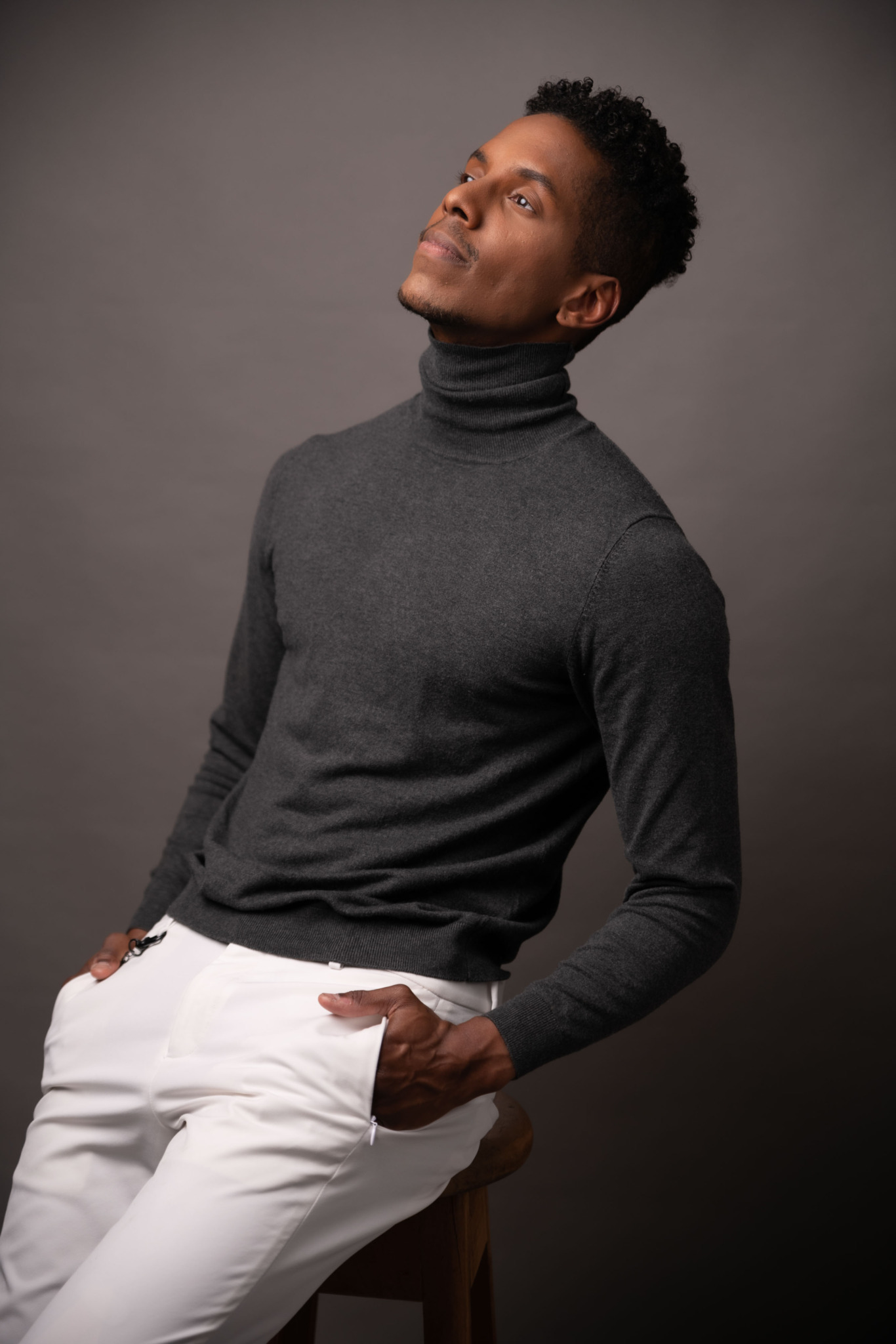
1- Learning about ballet is much like learning any other profession—it requires dedication and discipline. However, it’s your unique essence that allows you to truly connect with it and discover who you are. This journey demands a high level of vulnerability and honesty. You must set aside your ego, confront your true self, and embrace the process wholeheartedly. 2- If there’s one thing I could have done to accelerate my growth, it would be to filter the multitude of opinions that inevitably come with a career in ballet. The best way to achieve this is by trusting your gut instinct before external opinions evolve into overwhelming noise. I’ve learned to remind myself that there is a unique gift, calling, and purpose within me—something only I can fully understand and pursue. Read more>>
Tay Bhogadia
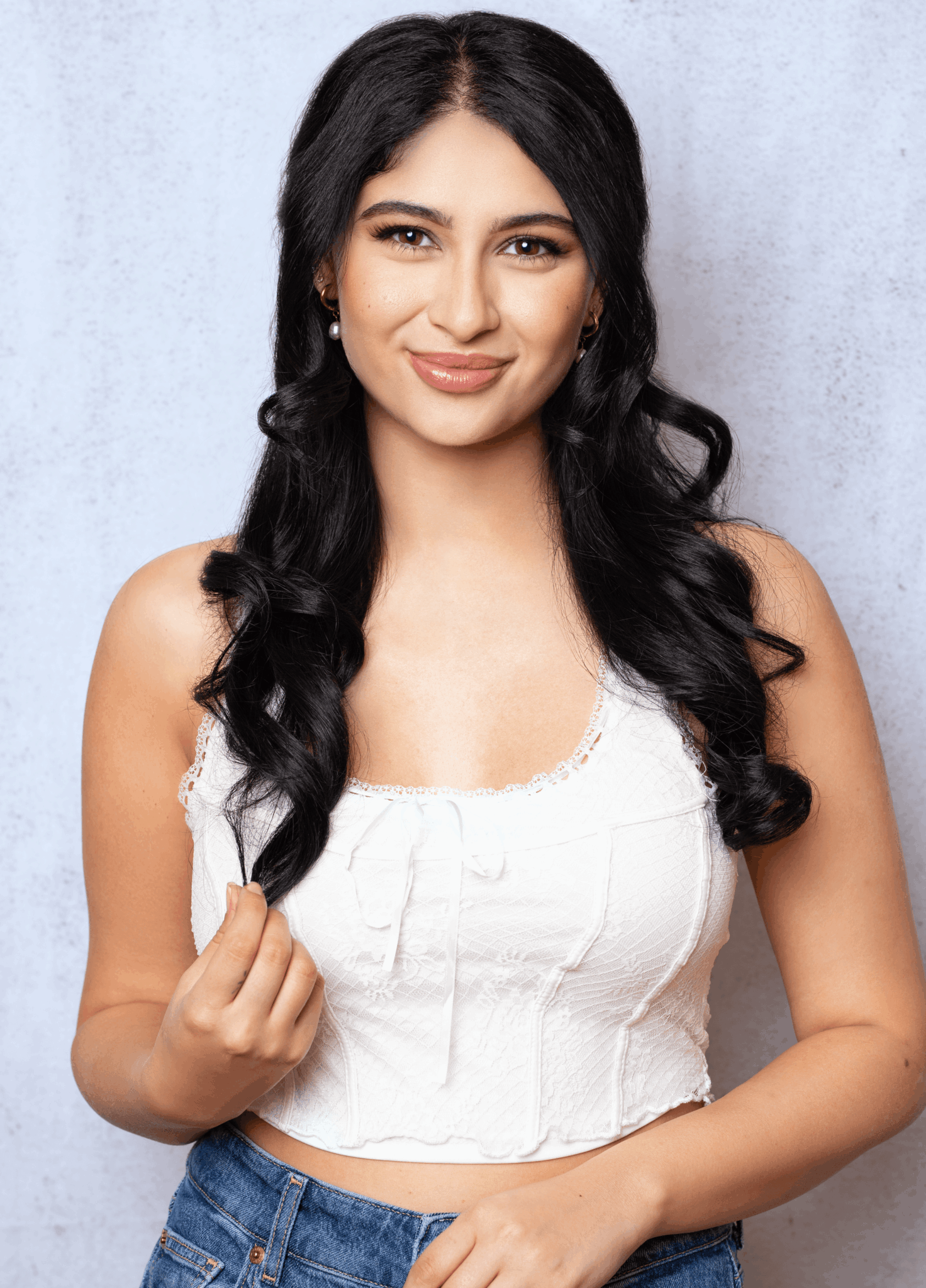
I don’t believe you can ever fully know everything about acting—or anything, for that matter. You’ll always be a student, and as long as you have that mindset and keep learning, you’ll continue to improve. I think it’s important to learn at your own pace, but just never stop completely, especially if it’s something you love and have a deep passion for. If you rush through the process, you might miss important steps. You also don’t want to put too much pressure on yourself, as that could lead to hating what you do. When it comes to skills, I would say it’s important to immerse yourself in different techniques to see what works for you. I’ve studied Meisner, Stella Adler, and more. They won’t work for everyone, but by learning different techniques, you can discover what suits you best, and that’s when you can begin to develop and refine your skills. As for obstacles that stood in my way of learning, time would have to be the biggest one. But remember, you have to make time for what you love, as it gives life purpose and fulfillment. Read more>>
Jill Poyerd

I grew up with a mother who was an artist so I was surrounded by fine art throughout my life. My parents even hosted national painting workshops at their country inn in the Pocono Mountains when I was young. I took some fine art classes in college and then added watercolor to my repertoire by studying under Jean K. Gill, an accomplished watercolorist. But I think perhaps my most valuable step in the learning process was when I branched off on my own and started learning through researching subjects, studying nature, and finding my own solutions to mistakes. This time period of pushing myself and striving was how I feel I was able to develop my own artistic style – something critically important to me. I wanted my own voice. As I got more engaged in research for my online content, I came across a quote by Winslow Homer that confirmed what I was suspecting from my own path. He said, “Look at nature, work independently, and solve your own problems.” With all of the artists in the world, past and present, I feel like it’s one of the secrets to success in painting. Read more>>
Conner Christensen
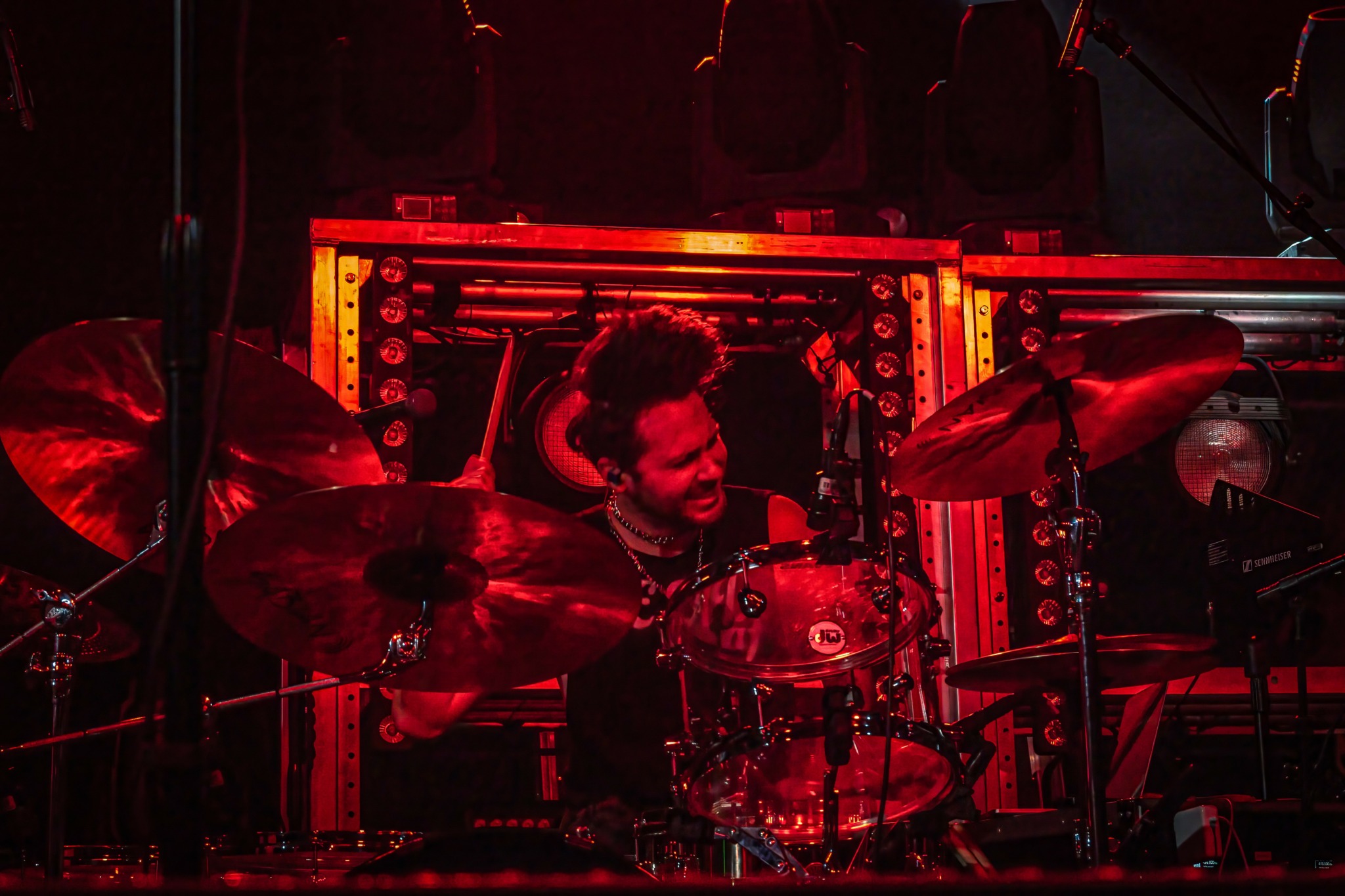
One day at a time, one failure at a time. Of course there’s thousands of hours of learning and smoothing out the work you want to showcase. Being a creative in a tough spot sometimes feels like you’ve got one foot in the door and the other out. Everytime I feel like this, I go lock all the doors and get back to my roots. I either define, redefine, or remind myself of my WHY. It’s easier for me to navigate if the WHY is clear to me, the HOW is much easier to execute. I think one of the hardest and most important things to learn is patience. Trusting the process involves a lot of patience. Read more>>
Antonio Giovanni

Learning to do what I do was a process of immersion. I started with an obsession—spending hours just playing and messing around with sounds until something felt right. I didn’t go the conventional route, so it was a lot of trial and error, and that’s where most of my learning happened. I’d listen to tracks I loved, dissect them, figure out why they hit me a certain way, and try to recreate that feeling with my own twist. If I could go back, I’d have sought out mentors or even just more musicians to collaborate with. Working alone gives you freedom, but it can also slow down the learning curve since you’re only seeing things from your own perspective. Just having someone to bounce ideas off of, or to show you a shortcut in production or technique, would have sped things up. Read more>>