

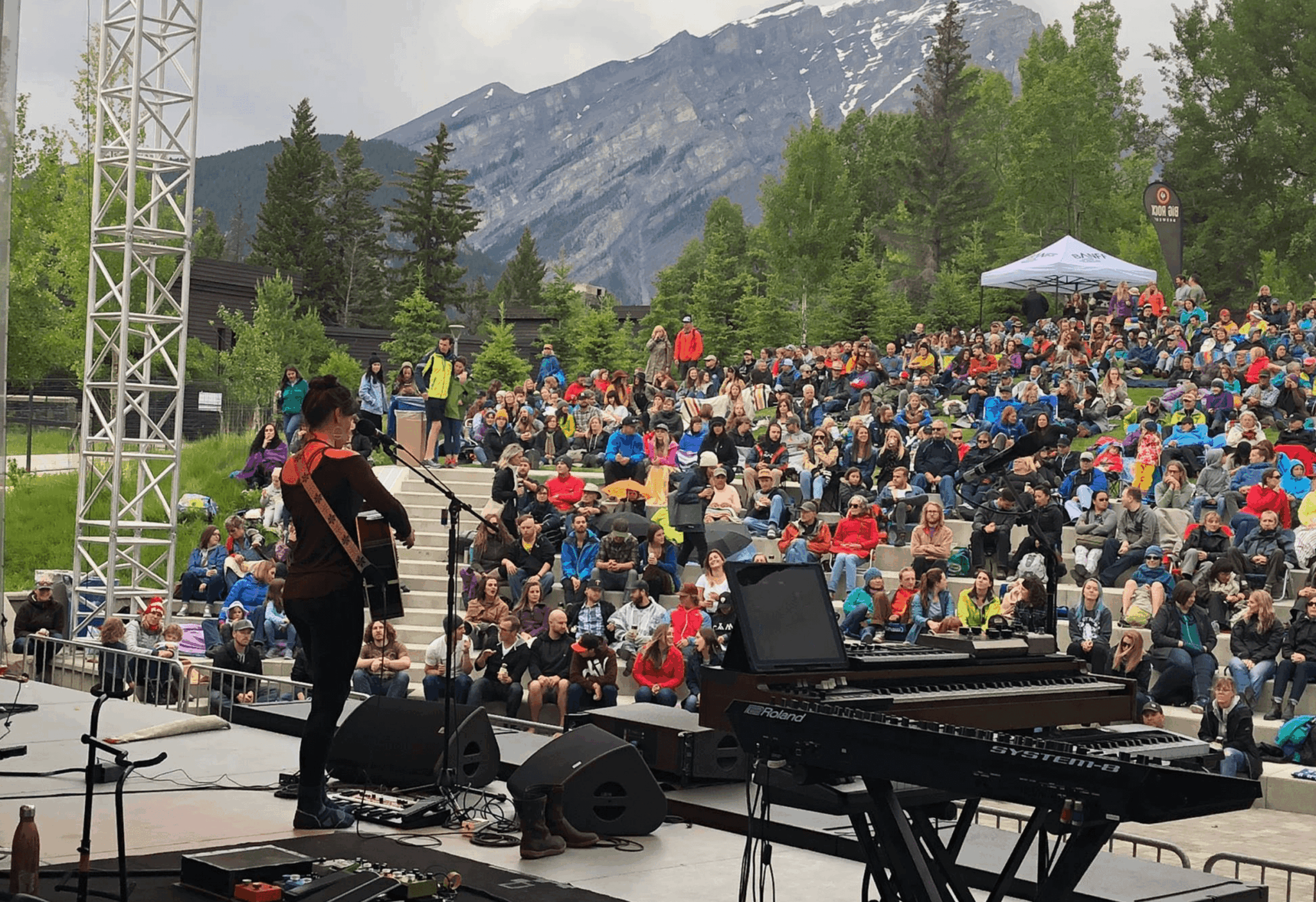

We’re excited to introduce you to the always interesting and insightful Beth Prestom. We hope you’ll enjoy our conversation with Beth below.
Hi Beth, thanks for joining us today. How did you learn to do what you do? Knowing what you know now, what could you have done to speed up your learning process? What skills do you think were most essential? What obstacles stood in the way of learning more?
I leared a lot about music and performing from my parents, who were both full-time performing musicians and songwriters. But a lot of what I have learned came from listening to music and artistic philosophies from other experienced songwriters and steeping in what they do. Whenever I do this I always come away with new inspiration, be it musical, philosophical, or tools for deepening the craft. When I was younger I never actually realized that people could get a degree in something like songwriting. Eventually I took some courses at Berklee, and started tapping into other resources for development and growth as a songwriter and artist (such as School of Song which is an amazing resource for songwriters and musicians of all levels) and it catalized a lot of growth for me as a songwriter. I wish that I had realized long ago that there were resources like this, and how much I would realy benefit from them, although I’m glad I have tuned into them at this point in my life, and to a wider community of professional and aspiring songwriters. There is a level of maturity that it seems I had to reach before I could be organized and humble enough to make the best use of the resources and opportunities that were available to me. Organization, follow-through, discernment, humility, and balance were definitely the most essential skills that I had to develop as a foundation to learning all the more tangible skill of songwriting, like developing lyrics and melody. But the biggest foundational skill, which is ultimately a lifelong practice, is knowing myself and being in touch with my authentic experience. When I was just starting out I had lots of motivation but did not have these foundational life skills developed or intact (though my heart was in it and I was doing my best.) It takes time to deepen and develop these things, but I could have probably sped the process up if I had gotten some professional coaching or counseling with a mentor, a solid peer group, or even some intentional ongoing internet searches about organization and workflow. I feel like with these foundational skills under my belt I have a lot more economy of motion and energy to create.
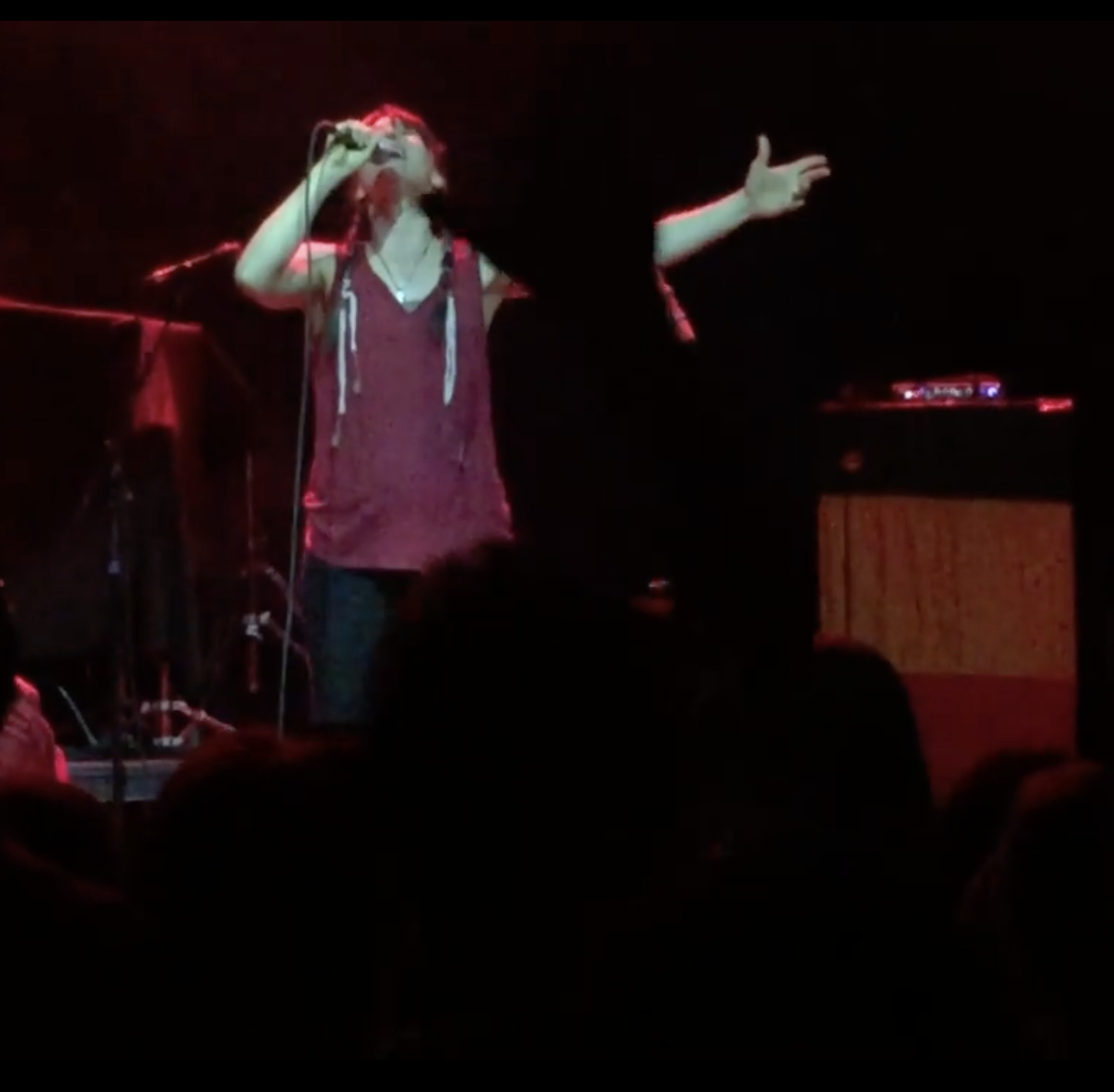
Great, appreciate you sharing that with us. Before we ask you to share more of your insights, can you take a moment to introduce yourself and how you got to where you are today to our readers.
I fell headlong into music because having grown up with the parents that I did, music was the over arching factor of the life and culture. I went into music because it was simply natural. And there was an element of being driven psychologically because it was my tribe, but inherently I have always been on this path because it is organic and simply wants to happen, like breathing, and it is largely where the pulse of my excitement and satisfaction arises. Not to say that it’s always easy and flowing, but to choose it and want to do it always feels natural. The music that I create tends to focus on understanding an experience of human-ness and all the challenge, beauty, struggle, and victory that arises out of that human-ness, because that understanding is what I value in my life. So that’s naturally what spills into my songs. I gave up long ago including any elements of blame or projection into my music because those things stopped feeling like the deepest truth, and felt less and less like the authentic purpose that I was creating music for. Each person that we see has a difficult experience that they’ve been effected by or are currently trying to overcome, and with so much happening in the world and happening for each person, I feel that it’s the artist’s job to help people make sense of it all and put words, feelings, and sounds, to the experiences in a way that people may or may not have been able to do yet. For me, there always has to be an element of understanding, of humility. So in that way I think the music that I create has the ability to touch people on a deeper level because they might feel more in touch with themselves, validated or understood. And that can be in any kind of song, any genre or style of song, not just in the ballads or lyrically intricate songs. So, even if I present a dilemma or painful element in the context of a song I always try to point back to a solution or resolution. And offering that, from my heart, is certainly what I’m the most proud of in my career and hope that people can really get something good from. I feel that if we commit to investing some understanding or element of our own real felt experience, our real heart, into our art then it can come across with maximum positive impact. That way our art can truly help people and create healing, and if nothing else, a deeper feeling. So that is what I always try to offer through my music.
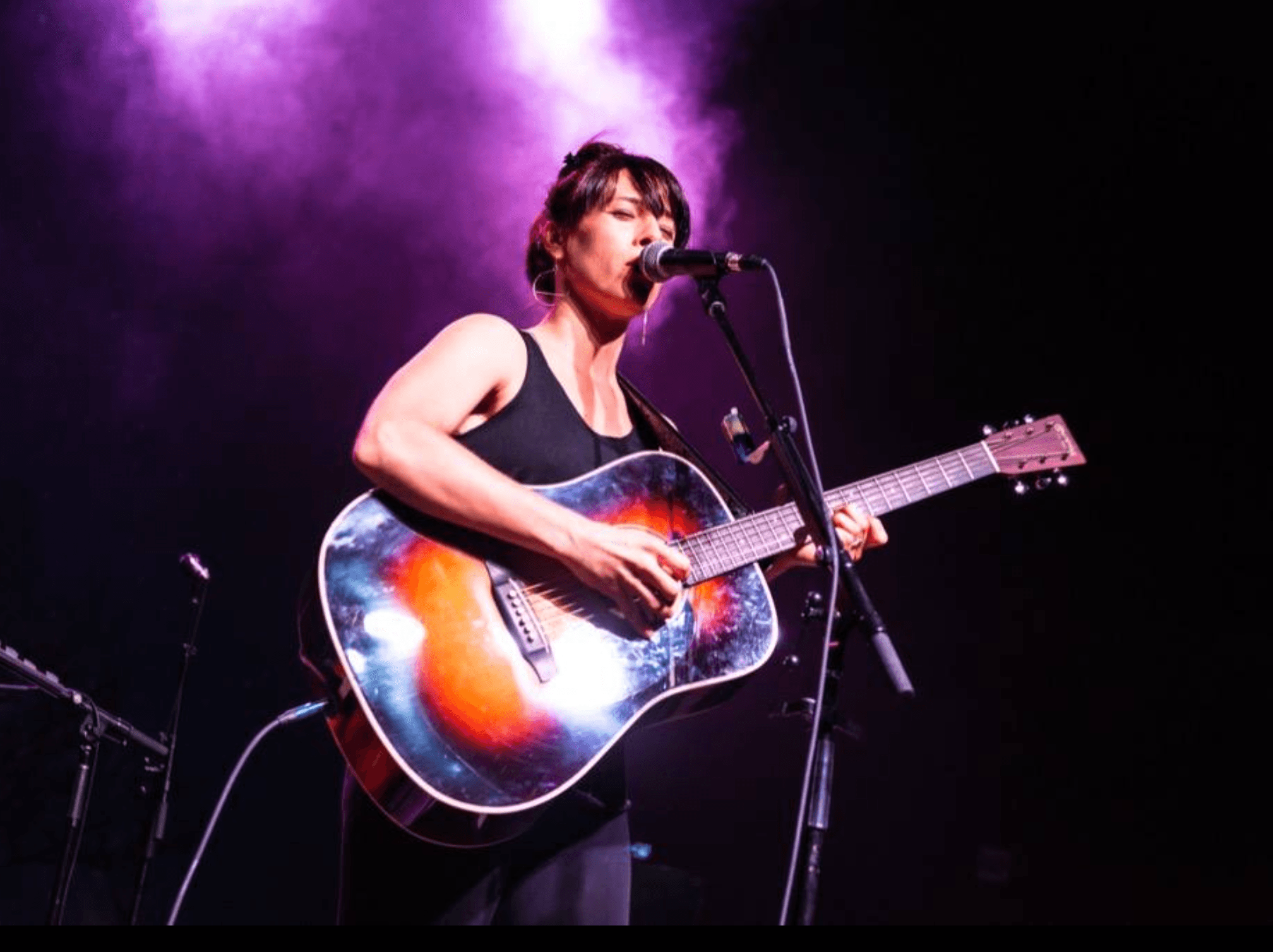
What do you find most rewarding about being a creative?
For me the most rewarding aspect of being a creative is sharing a work with someone who is deeply impacted by it. it is so deeply powerful and satisfying to connect with another person through the exchange of a creative work, because I feel it gets to the deeper cut of being human and in that way we can feel more alive and less alone, more inspired, and even more present in our own lives and relationships.
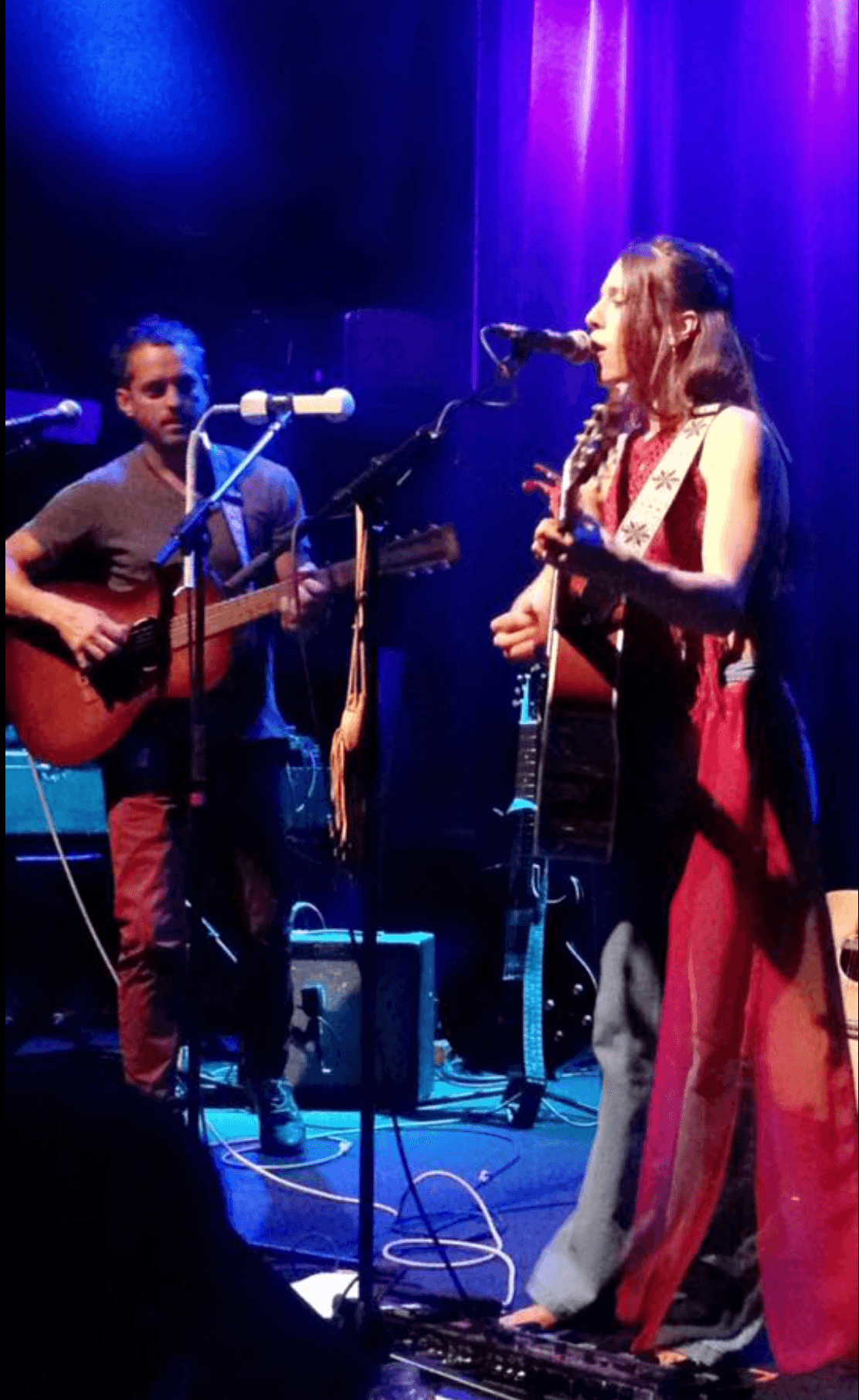
Any resources you can share with us that might be helpful to other creatives?
There are so many resources and tools I wish I had known about sooner. Learning logic and the art of mixing was a huge leap for me in that I could record my own songs, as many up ad coming artists know, the cost of recording and mixing is a huge hurtle to jump. Udemy has some great courses to learn different DAWs and learn to mix. Some of my other favorite resources for recording and writing are: local songwriter’s feeback groups, online, literary, or in person classes and coaching especially: Pat Pattison books, Berklee school of Music online (even their youtube channel is rich with free content for developing songwriters), School of Song (very affordable and classes are OH. So. rich.). And jsut remember: any hurtle that you are trying to overcome, there is a person who has done it and is talking about it on youtube. You can do it, too! Baby steps, and try to get help or find resources when and where you can. Focus on economy of motion and creation, and don’t let anything inhibit the fluidity of those things.
Contact Info:
- Website: https://www.bethprestonmusic.com
- Instagram: https://instagram.com/bethprestonmusic
- Facebook: https://facebook.com/bethprestonmusic
- Youtube: @bethprestonmusic
- Other: https://tiktok.com/@bethprestonmusic
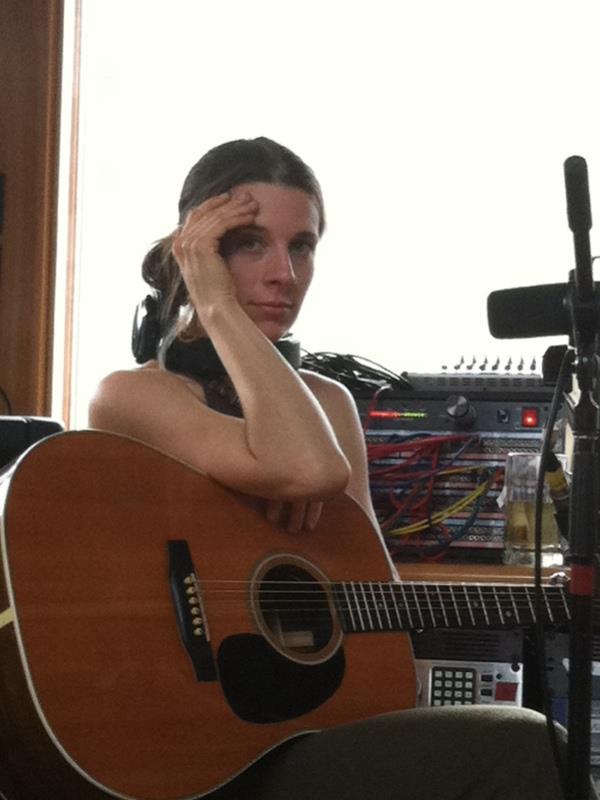
Image Credits
Peter Billig, Gene Baines, Paige Frisone