


One of the most daunting aspects of pursing a creative or artistic career for many aspiring artists is not knowing how to learn the craft. So, we asked some very talented artists and creatives to talk to us about how they learned their crafts and we hope their stories will help you in your journey.
Solomon Roller
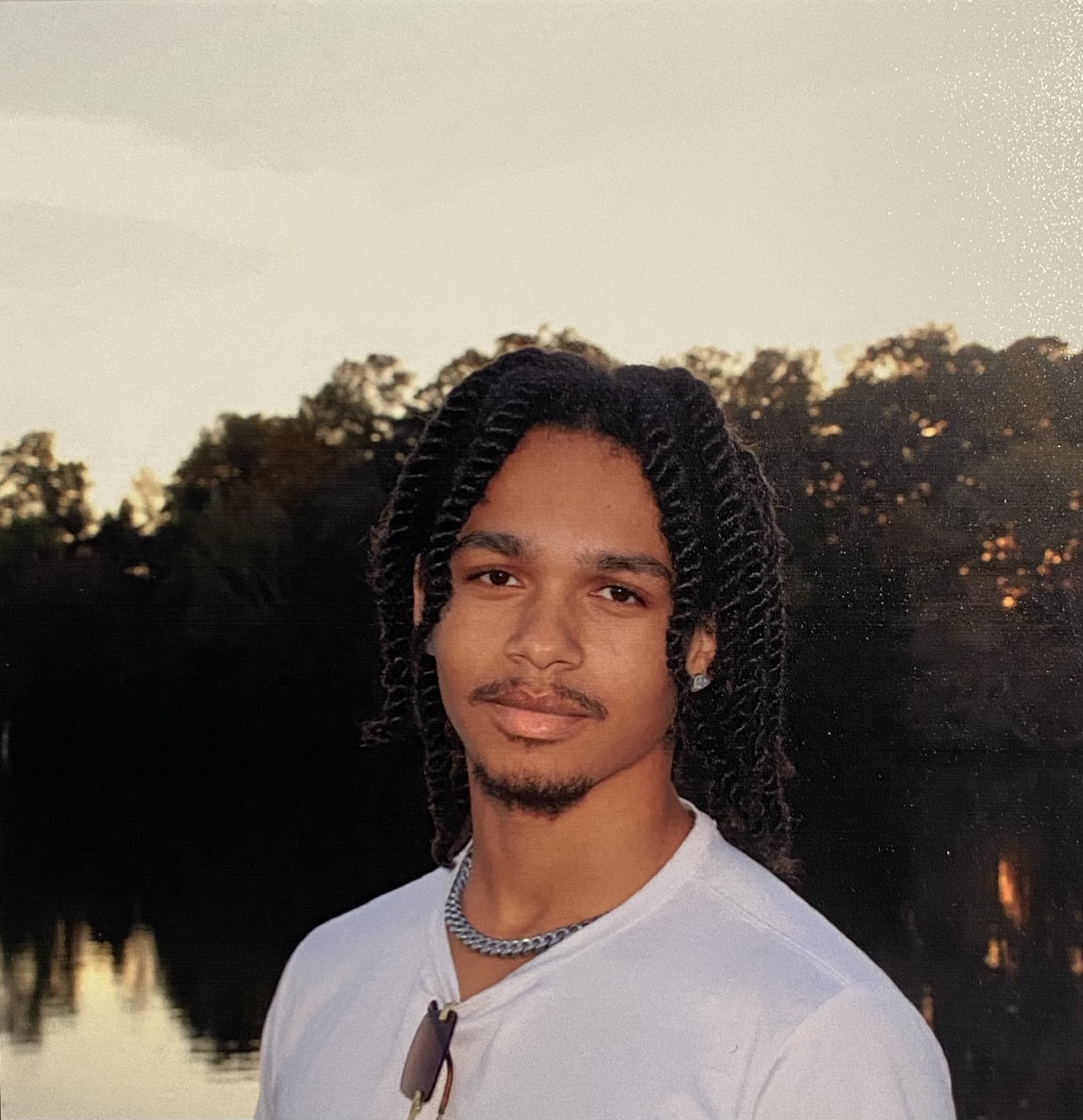
I started off by teaching myself, both as a dancer and a writer. These things were not in my immediate surroundings but I found a love for them early on. I made a decision, however conscious it was, that I would not sit around and wait for the opportunity to do these things come to me. So I helped myself with no expectation, and to me that’s the most beautiful part of the process. The Doing, the presence and pure curiosity of it before all the foresight comes into play. I watched Michael Jackson and James Brown performances on repeat until the movements started to feel good in my body. I started writing stories before I could even write my alphabet. I would draw these wild pictures and I would make one of my parents write out these detailed stories verbatim on the page. The second I could start to write full sentences on my own, I took over. That quickly turned into journaling, poetry, and songwriting, a practice I’ve kept up on my own since age 10. Read more>>
Rebecca Ls Buchanan
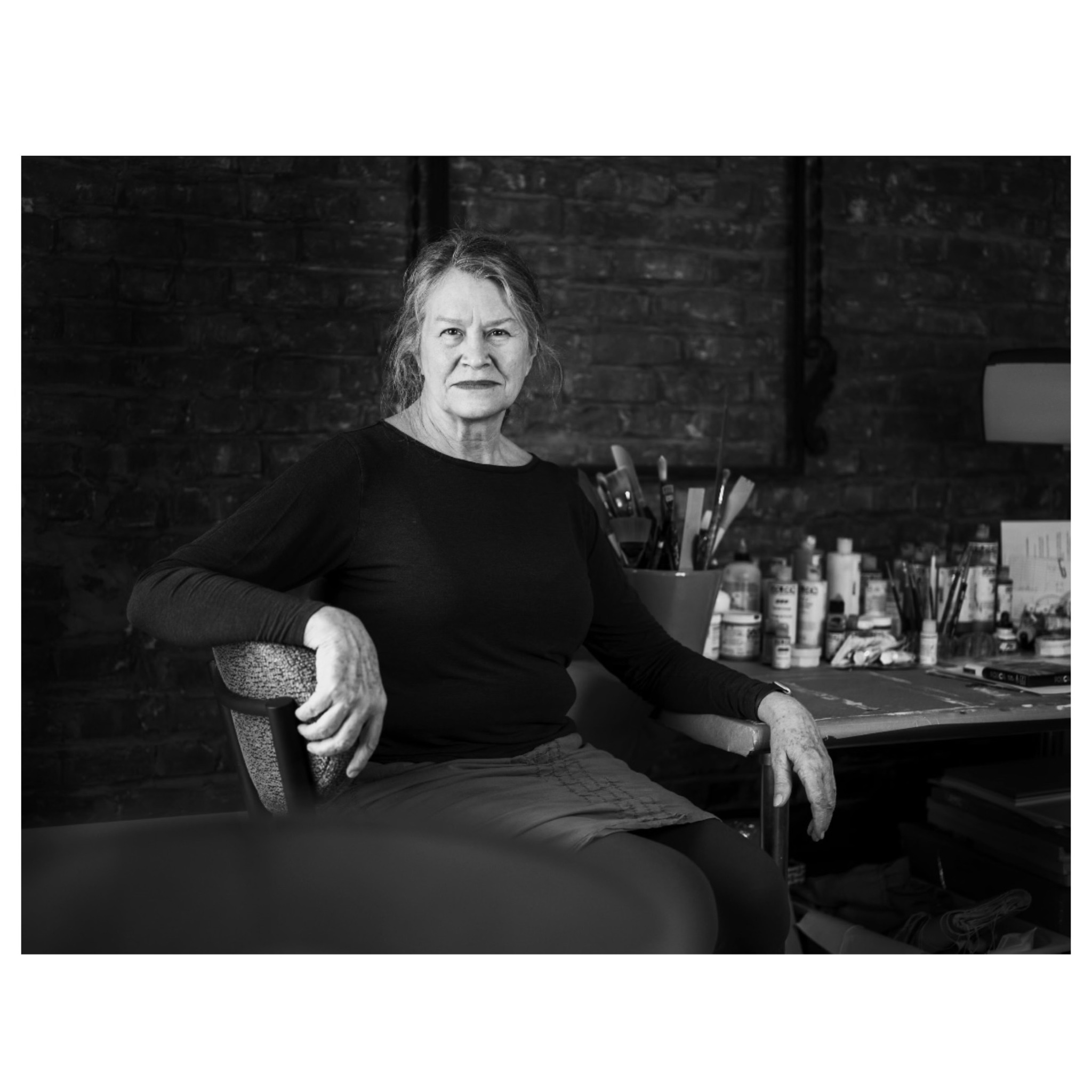
I started taking painting courses at night at a community college. Everything was always laid out what we were painting, whether it was a still life, a portrait or a figure model and there were some fun games, that I also introduce to my students, such as the Painting Machine. The Painting Machine were choices such as Halloween or Christmas, Tacos or Pasta, etc. and whatever you circled, the key was on the back to what format you would paint, portrait or landscape, secondary colors vs. monochromatic and more. I loved this game of chance. Read more>>
Kiarra Velasquez
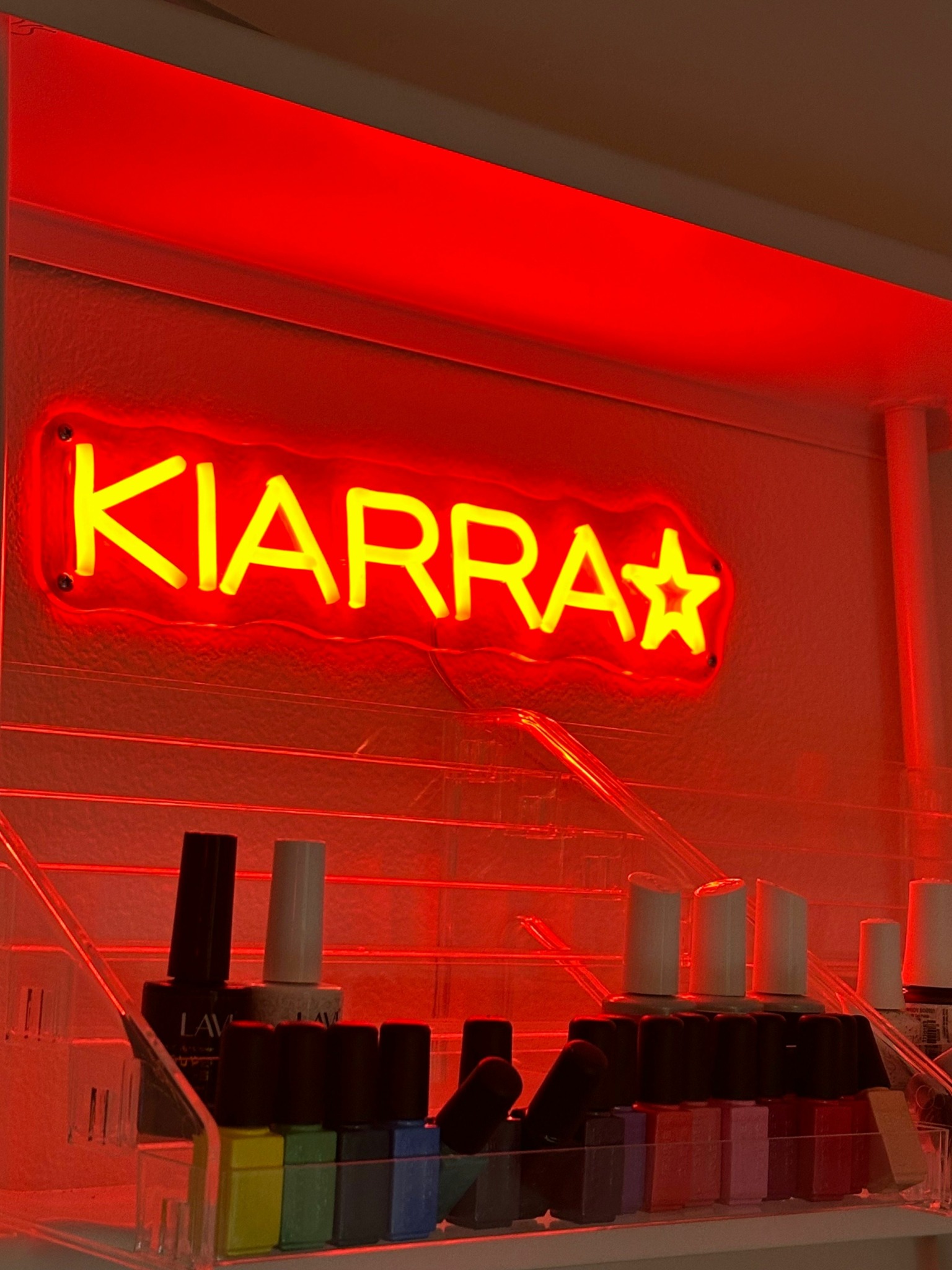
For as long as I can remember, I have always had the insatiable urge to make everything “look pretty.” What started out as just making sure my poster boards and PowerPoint presentations in school were visually appealing, it then naturally blossomed to dedicating thousands of hours to my physical and digital artworks. It came to nobody’s surprise when my artistry translated so well into an equally meditative hobby like doing nails. Read more>>
Ryo Tomishima

I learned my skills by doing it over and over again. I was learning Earth and Environmental science as my undergraduate degree. After 2 years of study, I finally got to the conclusion that I am not suitable for this subject. Few things changed my mind to become a musician, including Covid. I was in my junior year of my Environmental science degree and it was too late for me to switch to a different major at the time. My family wanted me to at least have a degree other than music, because they didn’t wanted me to go to that direction. Read more>>
Joanne Lee
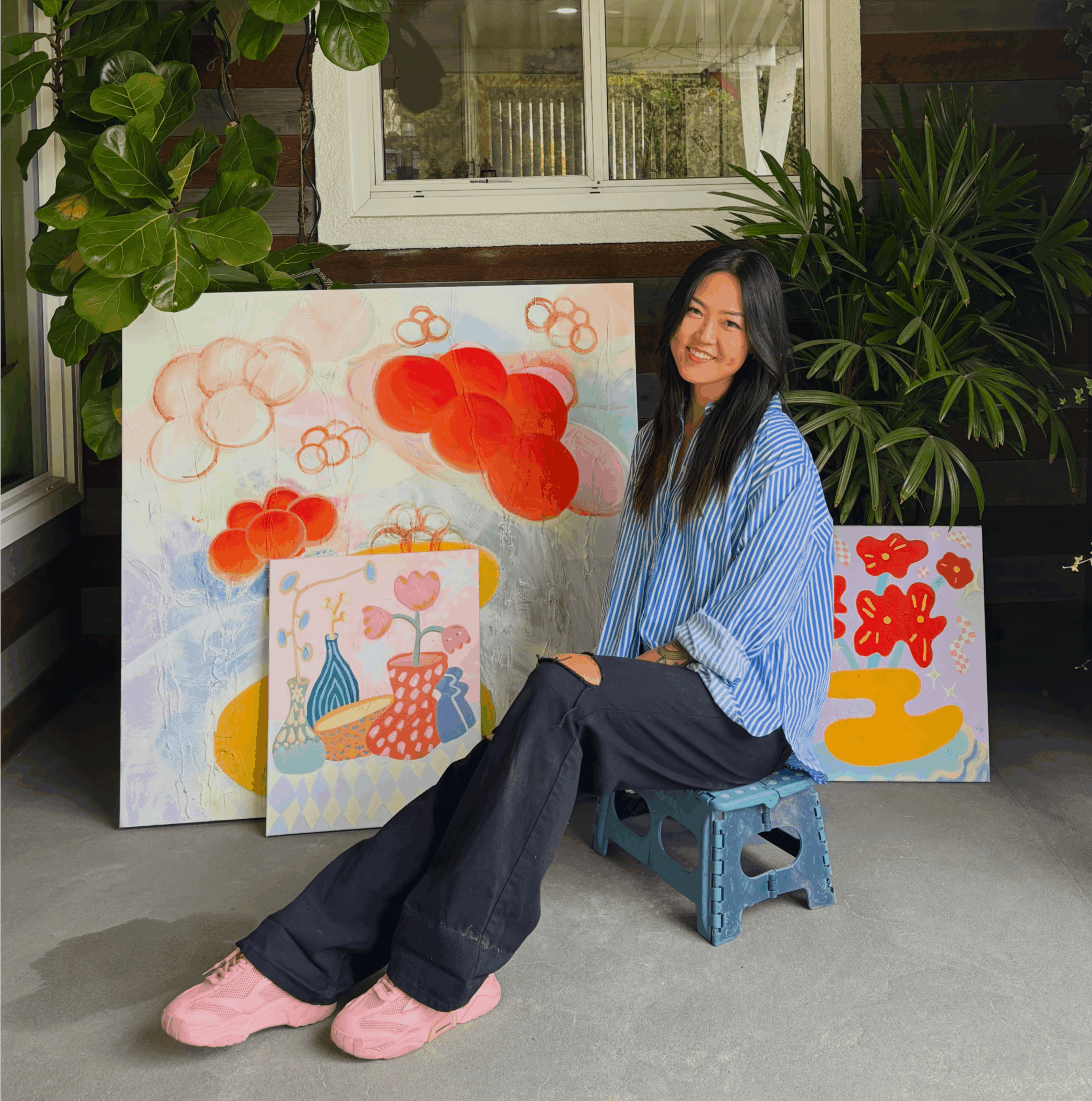
My creative journey has taught me several valuable lessons. Firstly, the act of creation itself is paramount. From childhood, I found joy in crafting: beading, drawing, and eagerly anticipating art class. While accolades were gratifying, the process of bringing something new into existence was most fulfilling. Secondly, cultivating passion requires dedicated effort. At nine years old, I pursued formal art lessons, eventually leading to an audition for a specialized arts high school. This experience instilled the discipline to invest time and energy in honing my craft, experimenting with various mediums like pastels and oils. Read more>>
Kalle Saarinen
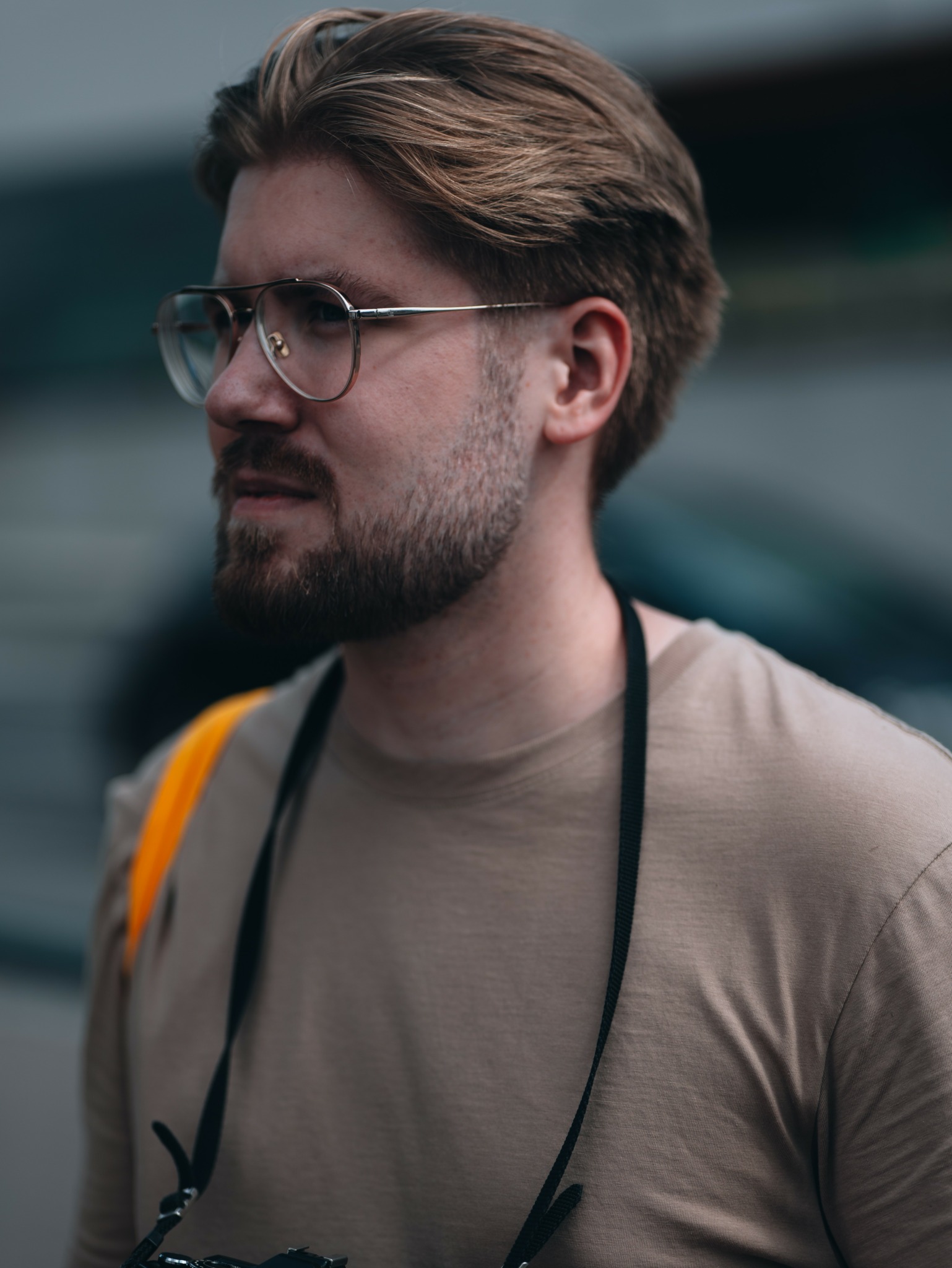
Five years ago, I began my journey as a filmmaker and photographer with nothing more than an iPhone and a passion for storytelling. My goal was to learn the fundamentals without relying on expensive equipment or a large crew. My first short film taught me to focus on composition, lighting, movement, and, most importantly, storytelling. I watched a ton of films and studied online as much as I could to build my skills. If I could go back, I’d seek out a mentor or community sooner to speed up my learning and provide guidance. Adaptability and storytelling proved to be the most essential skills, helping me turn limitations into opportunities for creativity. Read more>>
Myles Twitty
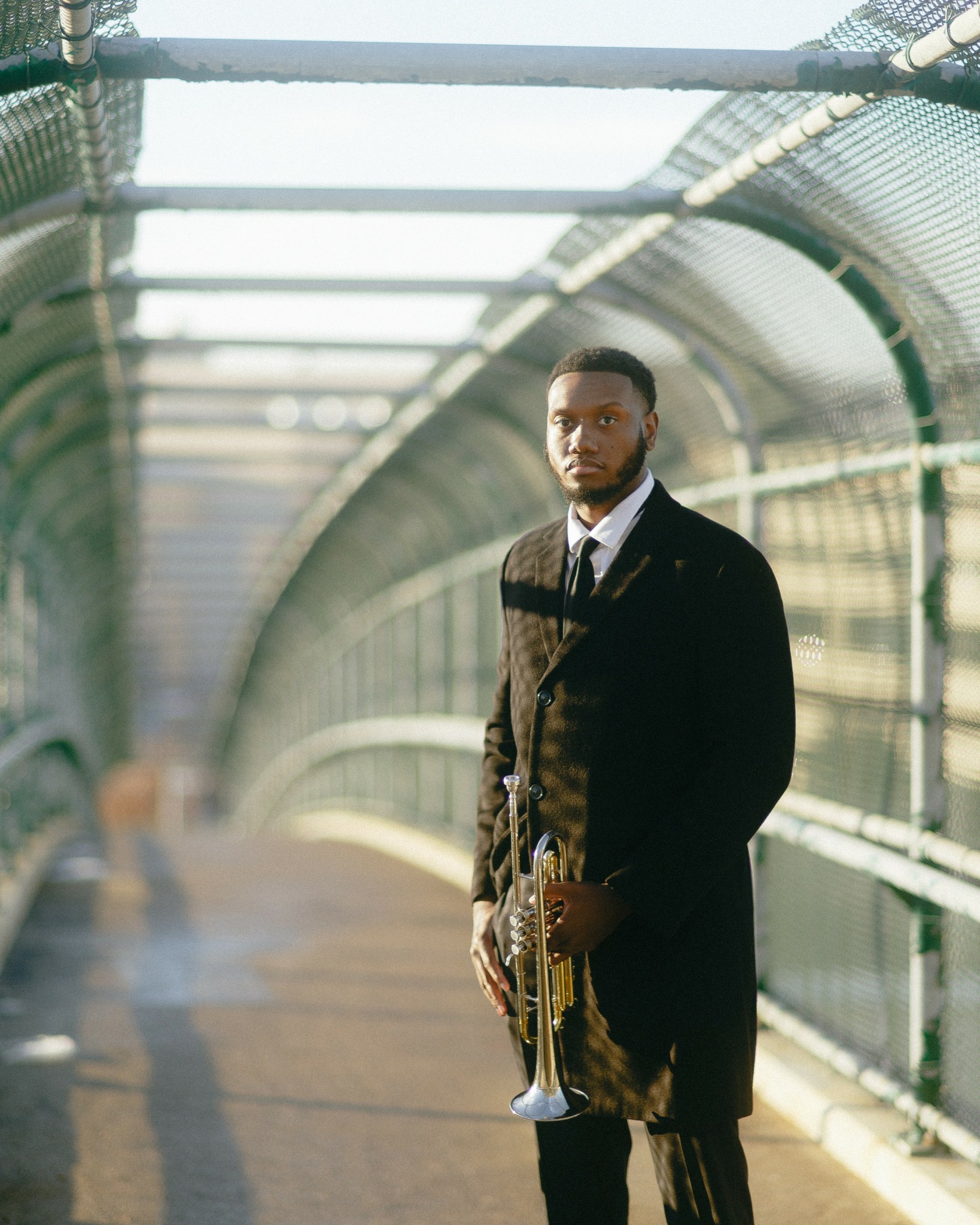
In order to play music at a professional level, there are three key components I believe you should be striving to master: your instrument, music theory, and the music you choose to specialize in. My experience with music has been unique because I grew up in a household where my dad was a professional musician and band teacher. He started working with me from home at a young age on music theory fundamentals and helping develop the necessary skills to play the trumpet. He, along with my many other band teachers and mentors, gave me a lot of the information I have needed to develop my skills as a musician. That being said, the best teachers in the world are of no use if you don’t practice consistently. Read more>>
Philip Parker
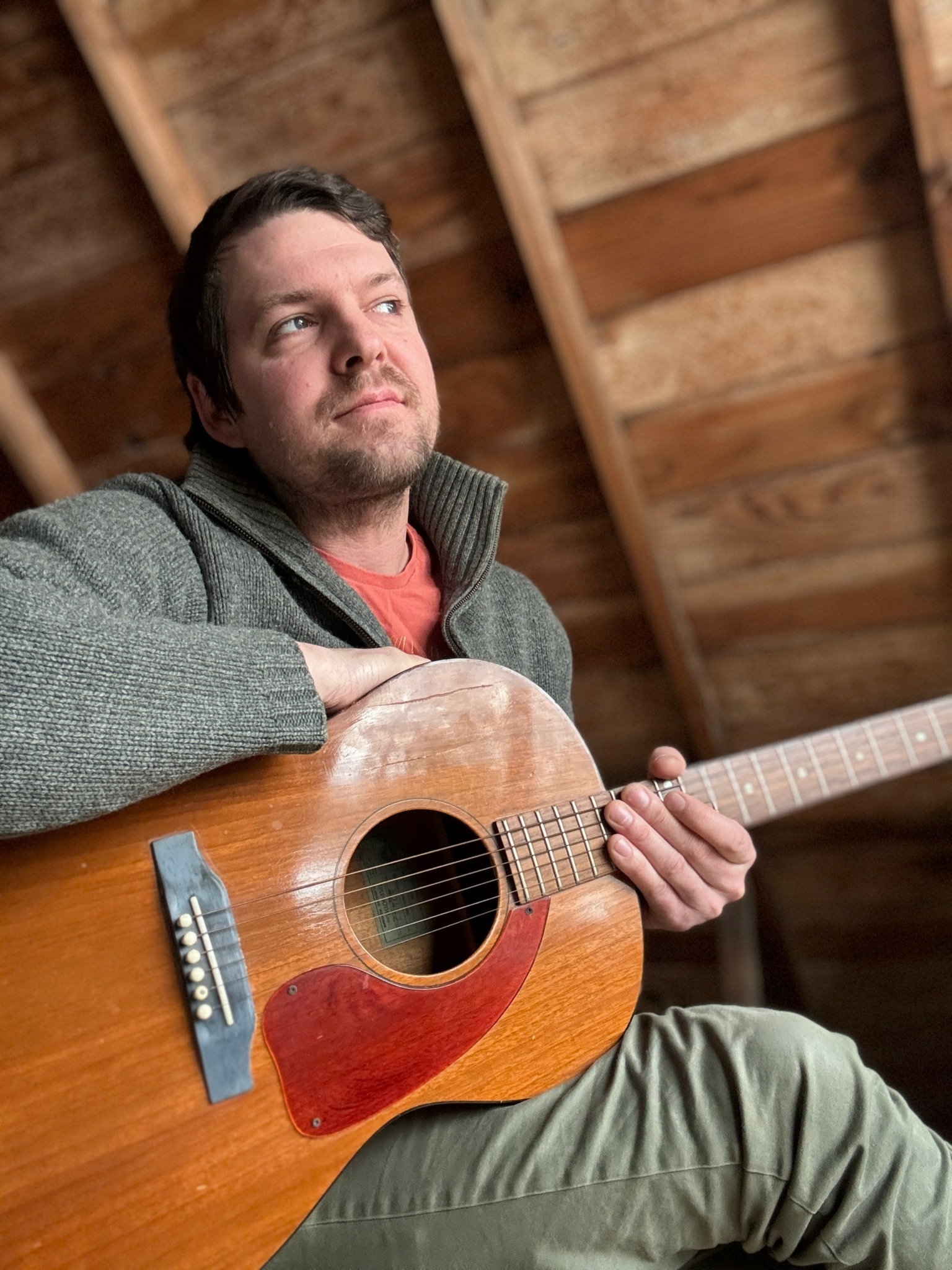
I am largely self taught, except for an expensive degree in classical music that doesn’t get much use these days! This is such a great question, and something I don’t think I’ve ever really ruminated on, but here goes: I think all art (wether it is design, music, production) is truly rooted in process – and the implementation of that process to an end result. That being said, some of the most compelling work that I’ve been involved with has been the result of accidents in the recording studio. Things that were unplanned and of the moment. I think most artists experience this. If I could go back and coach my younger self on how to propel my creative career I would probably just say “take more chances”. Read more>>
China Pharr
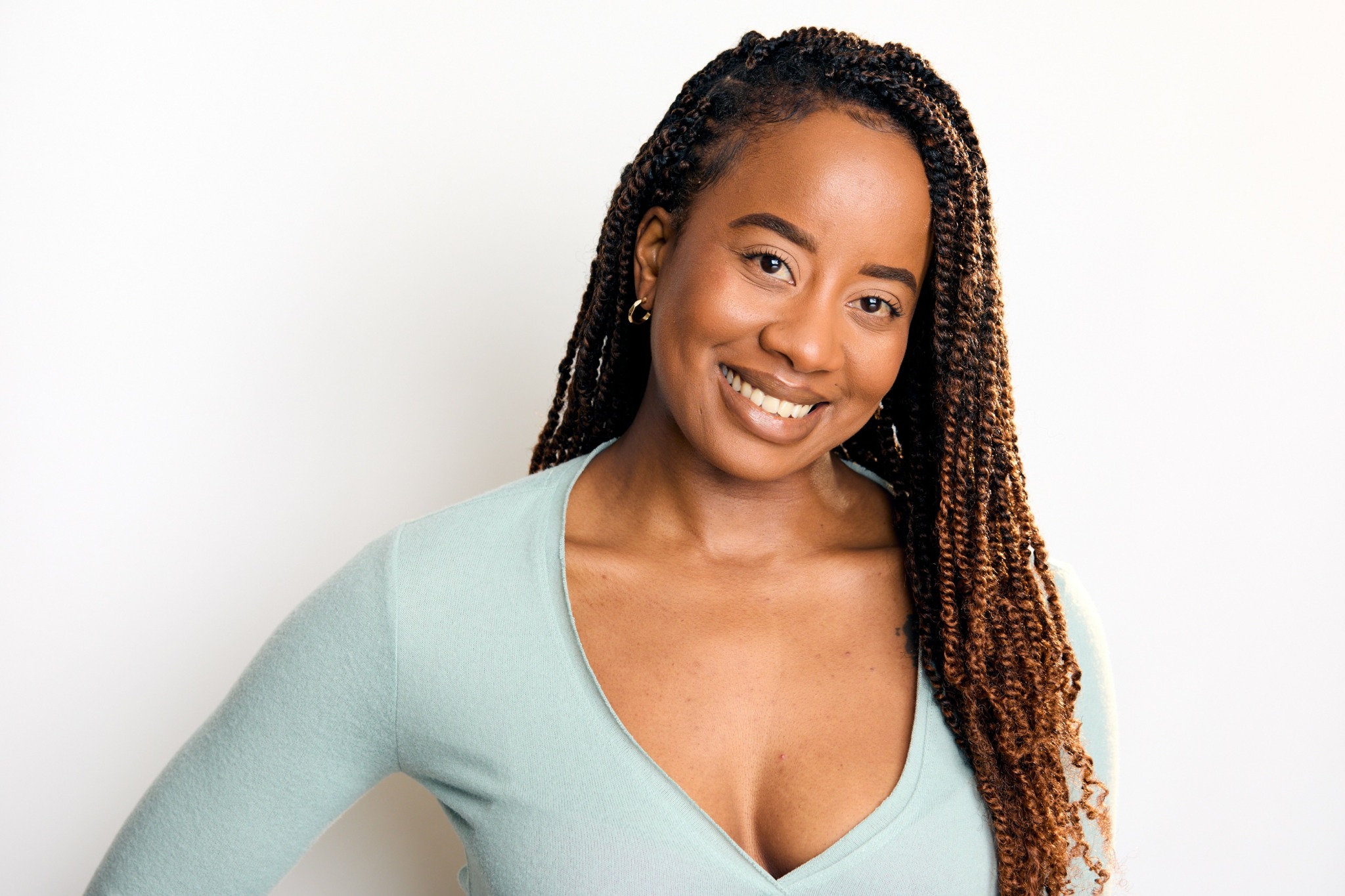
I learned the techniques of acting by attending The Stella Adler Studio in NYC. I applied on a whim and was accepted to the three year Day Conservatory program, I graduated April 2023. Learning the technique was one thing, but I also learned to trust my instincts. I learned that there is no timing to the process and that it’s better to surrender and trust the universe. I learned that I am usually where I need to be and that’s the hardest aspect to trust. As a creative, we see so many things on social media about how to make money off of your craft, quitting your day job, all that is great but I think the most important thing is learning to trust your instinct. It will never lead you astray. Read more>>
Sofia Chitikov
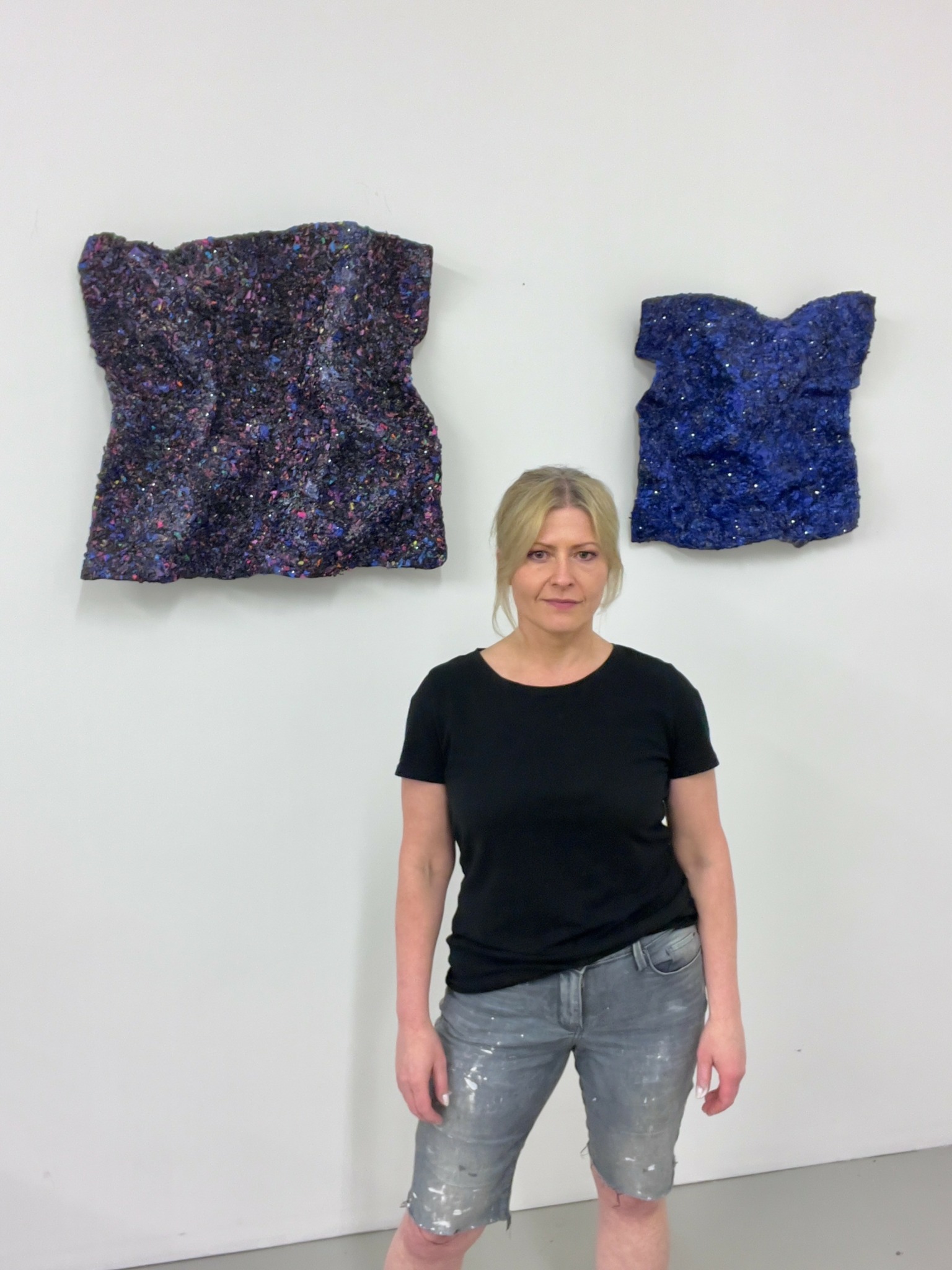
I’ve never had a formal art education beyond a few high school art classes, but my growth as an artist has been shaped by constant curiosity and self-directed learning. I don’t consider myself entirely self-taugh because I’ve learned and continue to learn from countless other artists and craftsmen through platforms like YouTube and social media. I’ve discovered that artistic skill develops best when you’re open to new ideas and methods. I started out focusing on acrylic painting, exploring techniques, experimenting with different tools, mediums, and paint qualities. Over time, I began mixing in other materials, learning how to incorporate resin in diverse ways, and through trial and error in my studio, I even devised my own method for creating unique acrylic textures. Eventually, I found myself drawn to more tactile work and started learning elements of sculpting, enjoying the physicality of shaping and molding my pieces. Read more>>
Michele Scott
I just did it over and over again. Client projects, personal projects, little one off illustrations. Drawing and paintings everyday made get better at linework, physical features, memorize references, I’d try out new styles for eyes and hands and ultimately leads to the styles you see today. I still do this too. I’m curious what my work will look like in 5-10 years I don’t know if I’d do anything differently. Mainly with this topic I guess. I’d do things differently in other areas of my work, on the business side. But learning and developing your style/work is not a process that should go slow or fast or sped up. Read more>>
Niasyu Woods
I learned to do what I do through years of trial and error, observing the world around me, and immersing myself in both traditional and contemporary art. Throwing paint at the wall and seeing what sticks. Being self-taught, I didn’t have the benefit of formal instruction, so I relied heavily on books, online resources, and a lot of practice. I spent hours studying the works of artists I admired, like Betty Saar, Charles White, Lois Mailou Jones, Faith Ringgold, and more, trying to understand their techniques and translating them into my work. Over time, I developed my style, refining it through constant experimentation. Read more>>
Michael Verity

Other than a graduate level photography class back in the 1980s, I’ve had no formal training as a photographer. Everything has come from the love of art form as a unique visual language, enthusiasm for the artistic process and willingness to try new things and make mistakes. The most rewarding photographs I’ve made — and the most fun I’ve had as a photographer — are when I invite a client to “go make a mess” and they enthusiastically participate in finding our way to the coolest pictures. Read more>>
Emily Machan

I started my photography journey in 7th grade, experimenting with my dad’s camera and learning through trial and error. By 11th grade, I became more intentional, watching YouTube tutorials and organizing mock fashion editorial shoots with my high school friends. Those early collaborations sparked my love for fashion photography and taught me the value of teamwork in creative projects. Even now, after years of being self-taught, I continue to learn new techniques and push myself to achieve different results. Read more>>
Nichole Rathburn
I learned a lot about fabrication and bronze casting by interning for a year at my current job. One big obstacle in my way was money – I would intern during the day and then work at a media production company at night doing transcription to pay the bills. Another obstacle was the learning curve. I had zero foundry experience when I started and several times I was so frustrated that I wasn’t immediately good at everything I thought I should quit. Patience became an essential skill as well as taking feedback without getting defensive. Read more>>
Corey Sampson
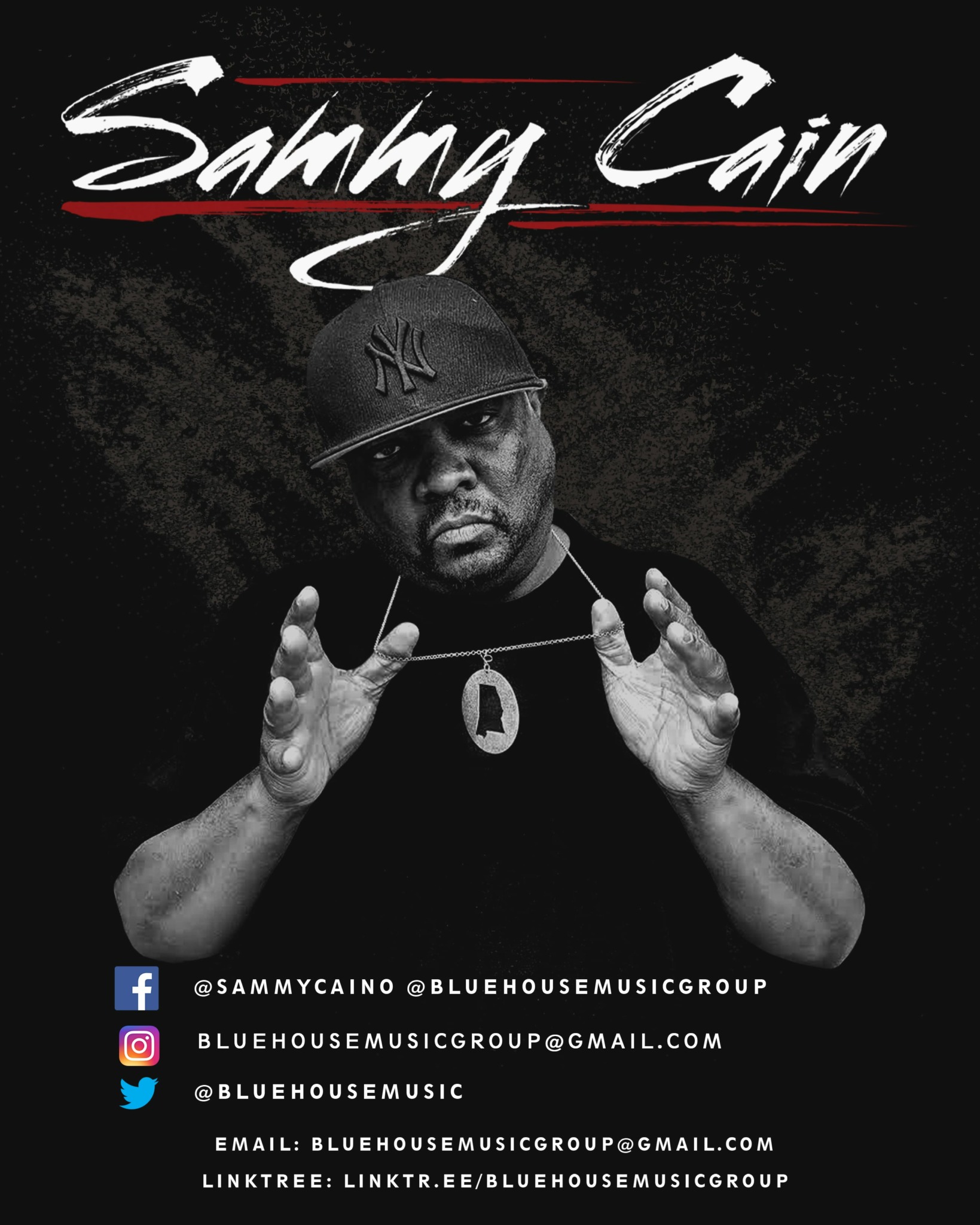
As a recording artist you never stop learning or developing new skills and concepts to better your craft. My primary genre of music is Hip Hop, however back when I started Hip Hop was just making a wave and I actually became a fan first. I would mimic other artist and copy their cadences, and recite their songs. I had little ambition to be a artist myself I was just inspired by the music. I realize now I was becoming a student of the game and started developing my own rap and song writing skills. As far as speeding up the learning process I don’t think there is a formula for that other than learning the business side of the industry first, which has also been the the biggest obstacle I have faced so far. My mission was always to inspire and motivate through my music, it was something I loved and have passion for. I consider learning every aspect of song creation the most essential skill to have. Once you learn the process of creating a song or project from start to finish the rest is just handling the business end. Read more>>
Erin Micozzi

A career as a live-event artist is unlike any other; the only way to learn to be a live-painter is to experience it first hand. Having a background as a trained artist is imperative, but there are many aspects to this career that one won’t learn in art school. Unlike most artists, who have full control of their studio space, time management, progress and deadline; a live-event artist paints in unique locations with unforeseen variables. This form of painting is known as ‘en plein air’, a French term that means “in the open air”, which translates to painting in new locations, climates, and physical spaces with each unique event. Although this can be exciting and exhilarating for some artists, the unpredictability can certainly impact the artist and the painting progress if one is not experienced in this unique industry. Read more>>
Ella Lindström
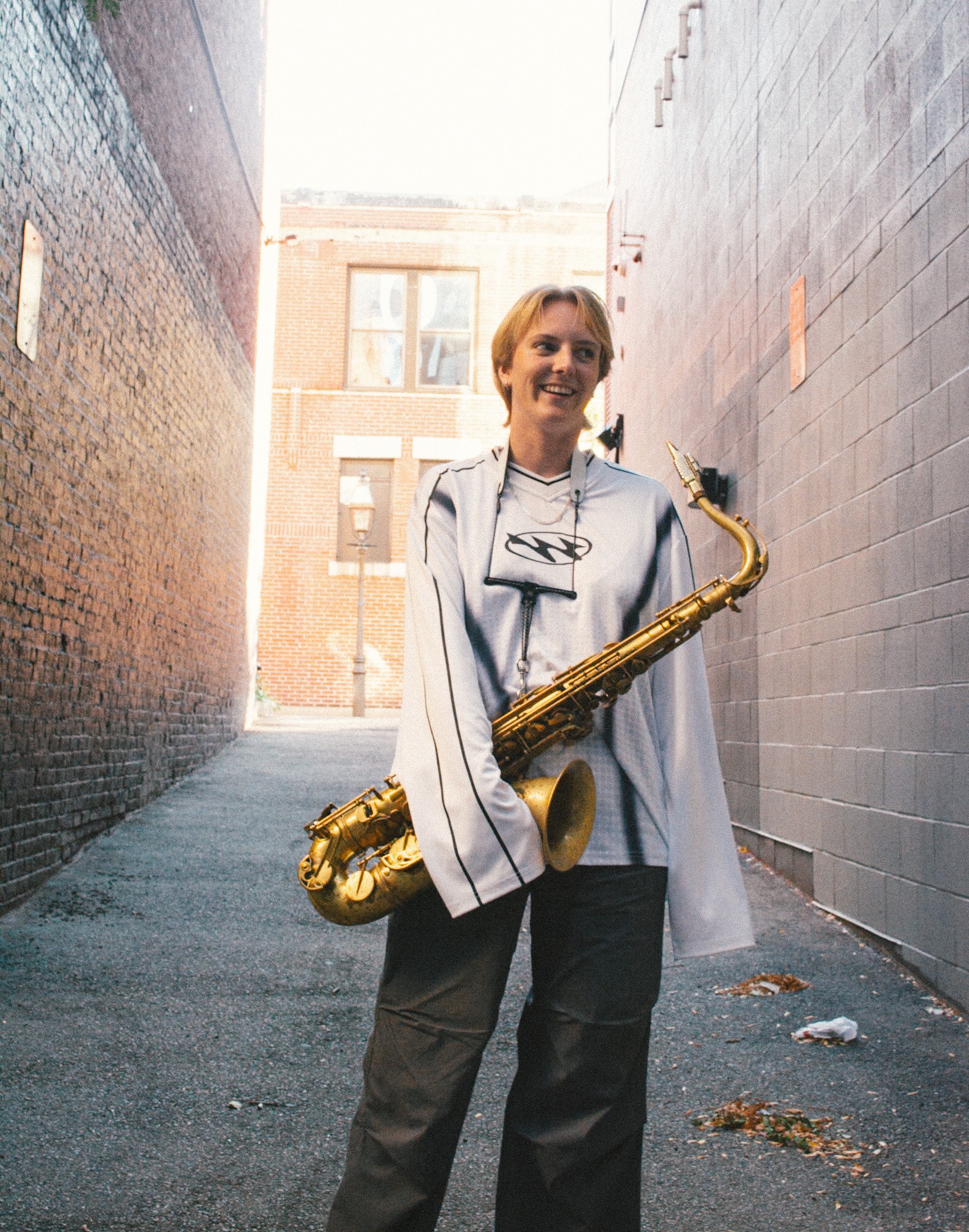
I’ve learned my craft through a combination of consistent practice and the education I received at various music schools. Practice was and still is a huge part of my growth. Spending focused time with my music, experimenting, and challenging myself to improve has been essential. At the same time, attending music schools gave me access to incredible teachers, peers, and experiences that has taught me things I wouldn’t have learnt on my own. Read more>>
Christian Lombardo
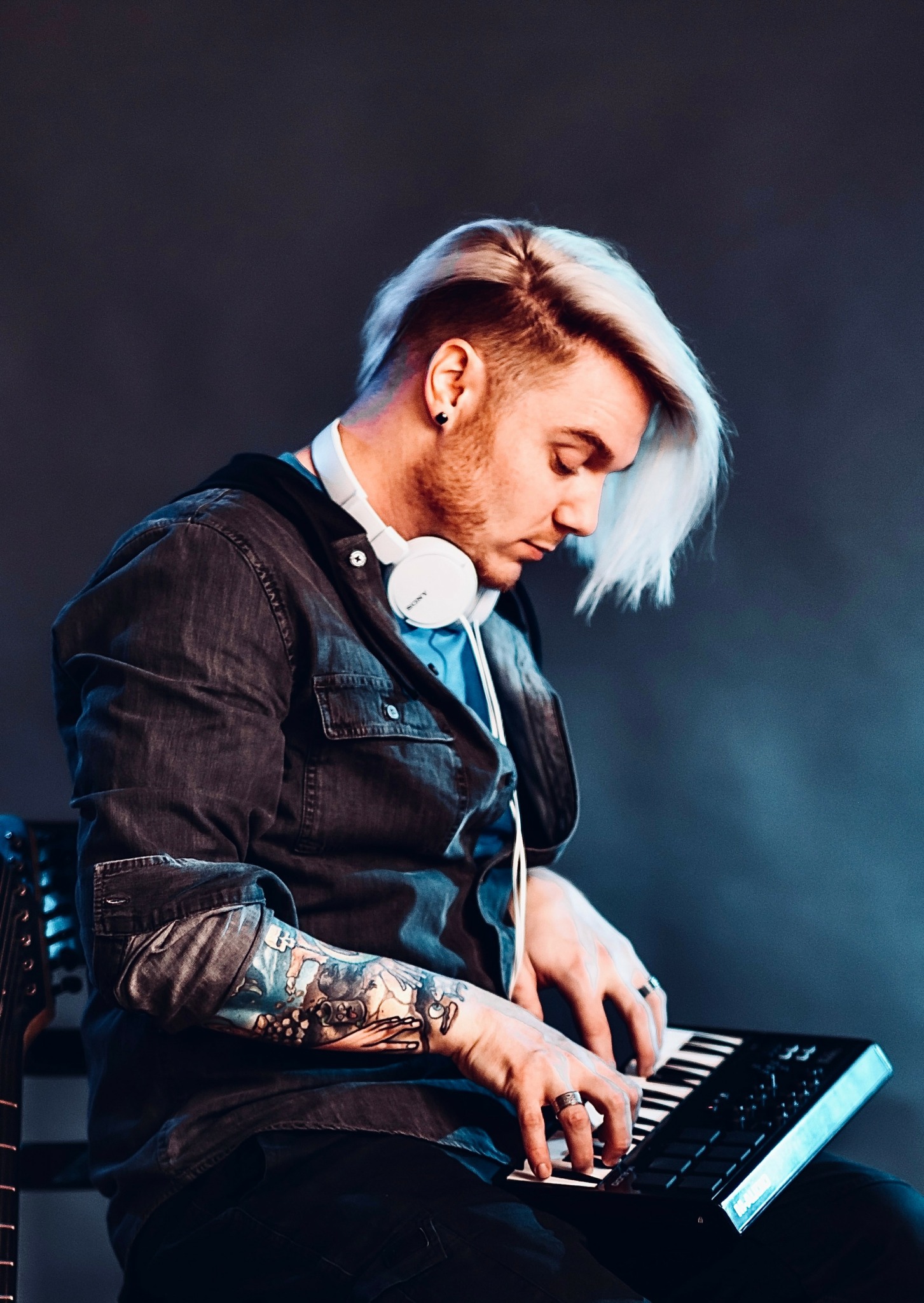
Most of what I learned how to do has been through trial and error. Lots of failures and learning by example. I’m still failing and learning constantly. The small wins are worth it though. The biggest obstacles are usually monetary investment. Like with most things, having money would open a lot of doors but I do think the “struggle” part makes you better at your craft, more authentic and honest. Read more>>
Tylee Hansen
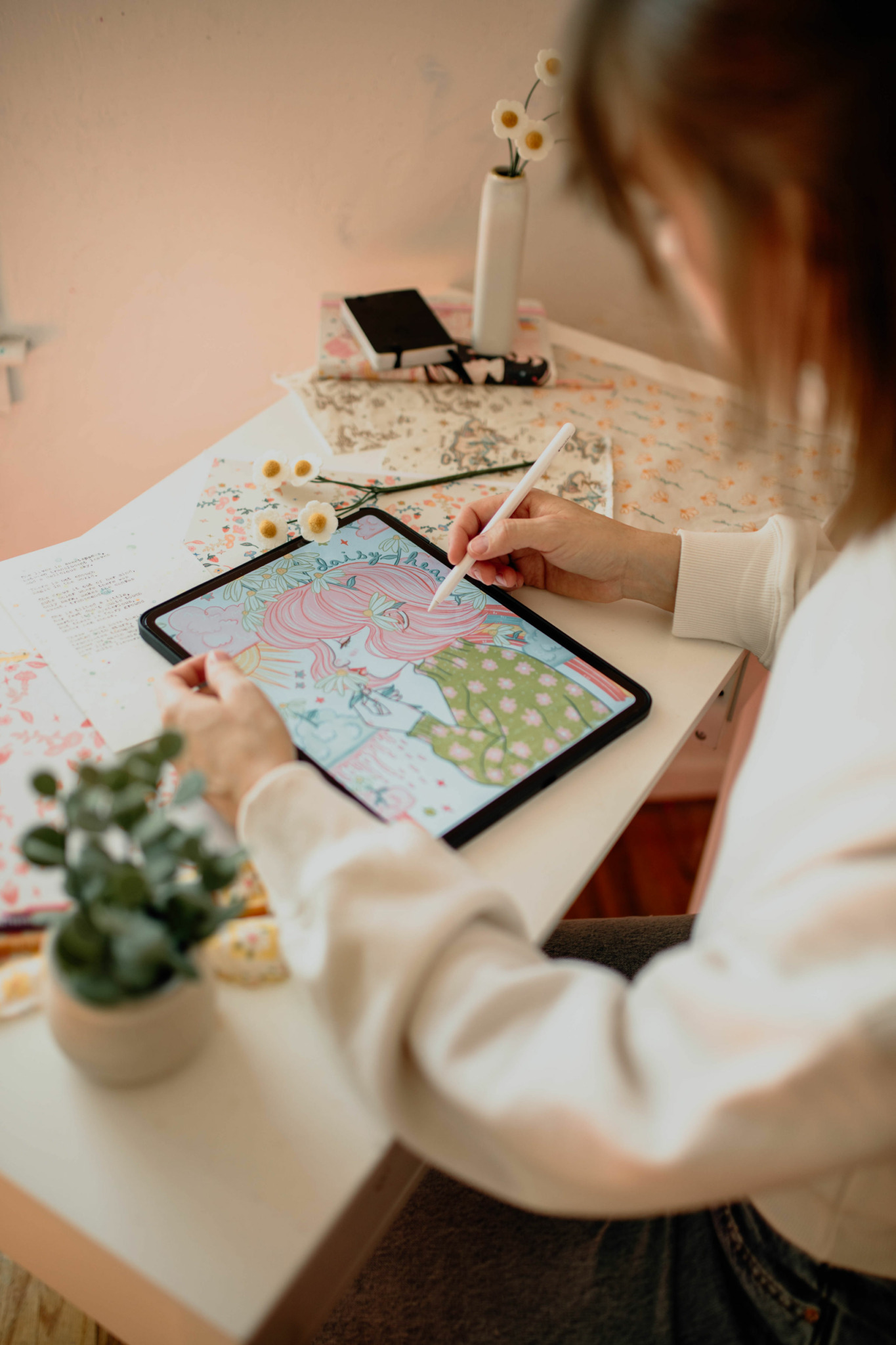
I’ve been drawing since I was six years old, but I learned how to draw on my iPad about 4 years ago. I taught myself how to use the app called Procreate which is what I use to draw all of my patterns and artwork for my clients. I think the most essential skill I’ve learned is how to keep the quality of my artwork high and to prevent it from turning pixelated when I’m working. I have to create a couple of draft sketches when drawing the final artwork to maintain a high quality image. It’s been a learning curve, for sure! Read more>>
Briana Hill
I learned how to cook the way that I do because of my father. Growing up I was a “picky” eater so my parents would substitute or make me separate meals and sometimes I would sit and watch them. I should have stayed in the kitchen and been more hands on to speed up my learning process. I think love was most essential you have to cook with love and everything else will follow. I think the only obstacle that stood in the way of me learning more was patience, I am very eager to learn but I want to do certain things right then and there instead of doing research. Majority of the time it works out in my favor. Read more>>
Liza Sargent
Art was always the place I went to disappear, the thing I turned to when the world felt a little too loud. As a kid, it wasn’t something I thought about—I just did it, instinctively. I never cared much for doing things the “right” way. I wanted to mix mediums, break rules, constantly trying to find new ways to express an idea. Looking back, I think the only real skill that matters is wanting it badly enough to keep showing up. If you have that, the rest will follow, slowly but surely. The hardest part is holding onto that rhythm, especially when doubt creeps in or life gets in the way. You kind of have to operate with blinders on and just focus on your vision. The world can become loud but just focus on becoming as prolific as you can be. If I could have learned faster, it would’ve been by doing something every single day, no matter how small. Even a single doodle can build momentum. Once you have the momentum hold onto it. Art, I’ve learned, isn’t about being inspired all the time. It’s about trusting that the act of creating, again and again, will carry you forward. Read more>>
Victoria Langford

I am an artist, musician, and yoga instructor. Early in my life, I learned how to practice from training as a classical and jazz musician. Each of these skill sets demanded daily practice. I think the arts are a genre that people consider to be a “gift” or “talent,” but they still require development like any other intelligence. Like going to the gym, tremendous amounts of work occurs behind the scenes in order to present a product that appears effortless. I’ve always been involved in multiple pursuits, so I needed to learn how to discipline my time optimally, especially since I prefer working independently. Everyone has different schedules when it comes to their best productivity, but the bottom line is: perseverance is key. It doesn’t have to be an endless grind—rest is also essential to integrate the work. Faltering is part of the process, but it is crucial not to give up. Begin again. People have accomplished great things by simply not stopping. Read more>>
Bria Maiden

I learned to do what I do through consistent practice and an unwavering passion for the arts. Creativity has always come naturally to me, and it’s something I’ve pursued with genuine love and dedication. I believe there’s no way to truly “speed up” the creative process—it’s a journey that requires patience and a willingness to embrace the path of skill development. To grow as an artist, I’ve found that taking risks, trying new things, and stepping outside of my comfort zone have been essential. These moments of discomfort push both my creativity and my body to new heights. For dance, in particular, consistent exercise, stretching, and proper nutrition have been vital. Keeping my body in peak condition allows me to fully express myself physically and artistically. Read more>>
Chelsea Chavez

My name is Chelsea. I am a self-taught portrait and wedding photographer living between Los Angeles and Hong Kong. I specialise in creating fine-art-inspired photography that imparts an ethereal, soft, and romantic feeling to the audience. My photography inspiration comes from both eastern and western cultures, which I find unique and unlike any other. I am proud that I am a self-taught photographer and am able to get featured by popular wedding magazines like Bride & Breakfast within the first year of my career. I I first started photography when I was in Hong Kong and had just gotten engaged. Experiencing the joy of being captured in the celebration of special life moments inspired me. I wanted to be the one who could capture the authentic moments and emotions that people cherish. Photography, to me, is about capturing a passing moment that is true. Read more>>
Adrian Lopez
Honestly, everything was done by me, I didn’t need any tutorials, I just learned how to do things myself, and when I needed the help, I’ll kindly ask my friends or parents to help me figure something out, I don’t think anything could’ve sped up my learning process as everything I would craft music-wise would take me maybe 3-5 hours, music should be something every artist should take their time and care into it no matter how long its gonna take for something to sound completely finished. The skills I thought were the most essential were the tools. Microphones, Interface, Laptop, anything that could’ve gotten the job done really. The obstacles that stood in the way of my music process was writing, as it was a little bit of a struggle for me to start writing things that could fit in a actual song, but that got better as the more i dived into listening more and experiencing things in life. Read more>>
Caroline Perkins
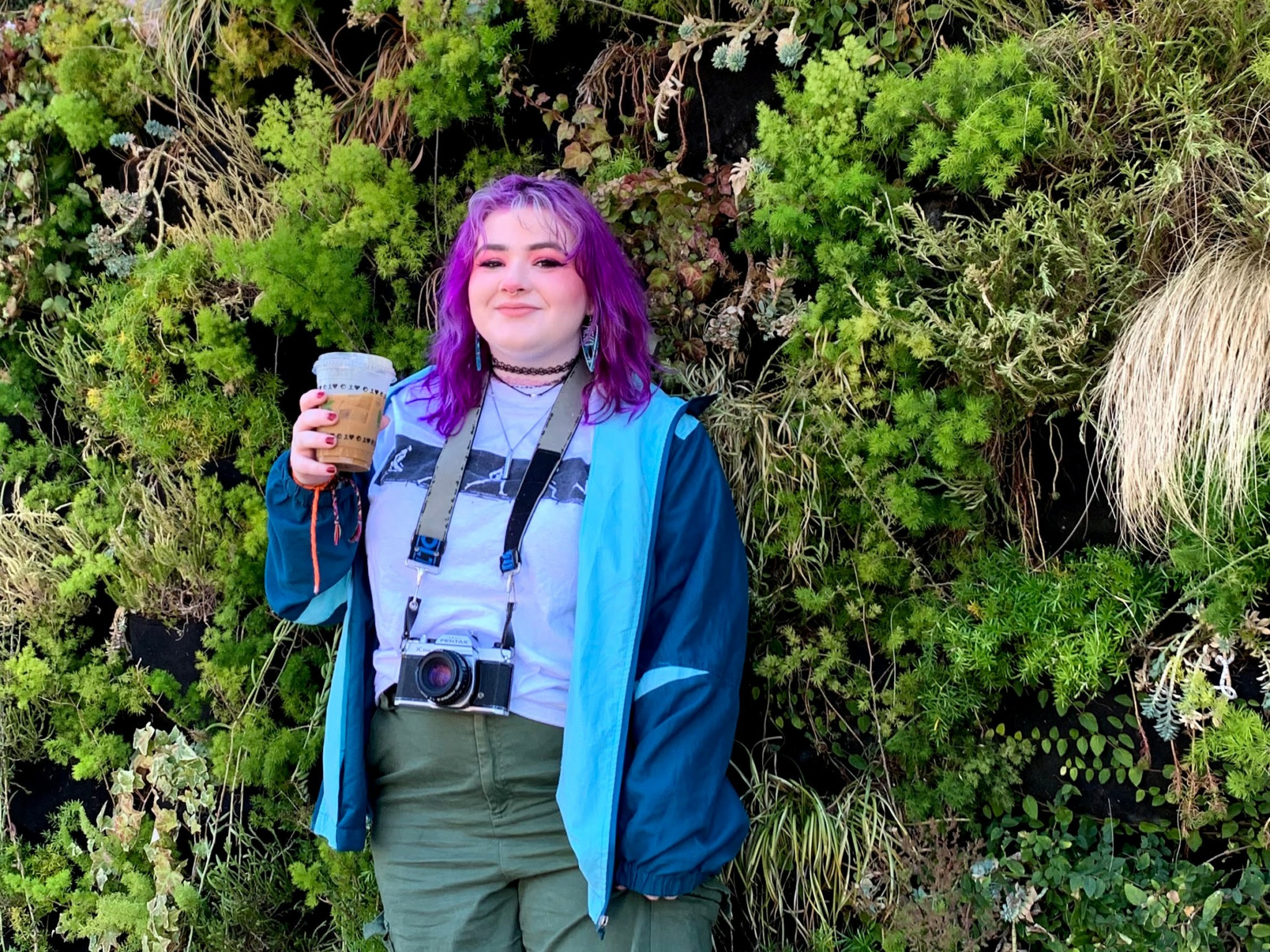
I’ve been taking pictures for as long as I can remember, when I was really young I had this Hannah Montanna camera that superimposed pictures of her onto the photos you take and I remember using it until it broke. After that, I would use my mom’s little Nikon and take it with me everywhere I went. I never really considered it could be more than just a hobby until I got a Nikon of my own for Christmas when I was about 13. From then on, I took every photo class I could in school. When I graduated from high school, I took a film photography class at my local community college and I knew then, I had found what I wanted to do for the rest of my life. If I could go back, I would have tried to get more involved in community photography groups sooner. I feel like that’s the best way to get better at something, by surrounding yourself with a community of like-minded people. It can make a huge impact on your work to have other people around you who are doing the same things and you can learn so much from each other. Even though at the time I was getting into it film was fizzling out in the mainstream, I did as much research as I could and even bought some developing equipment and an enlarger from a high school that was getting rid of their darkrooms. I think trial and error is so important in any craft, especially photography. Having my own equipment allowed me to try out a lot of things that I hadn’t learned in my class, and it helped me gain a deeper understanding of the process which in turn helped me better my work. Read more>>
Anna Browning
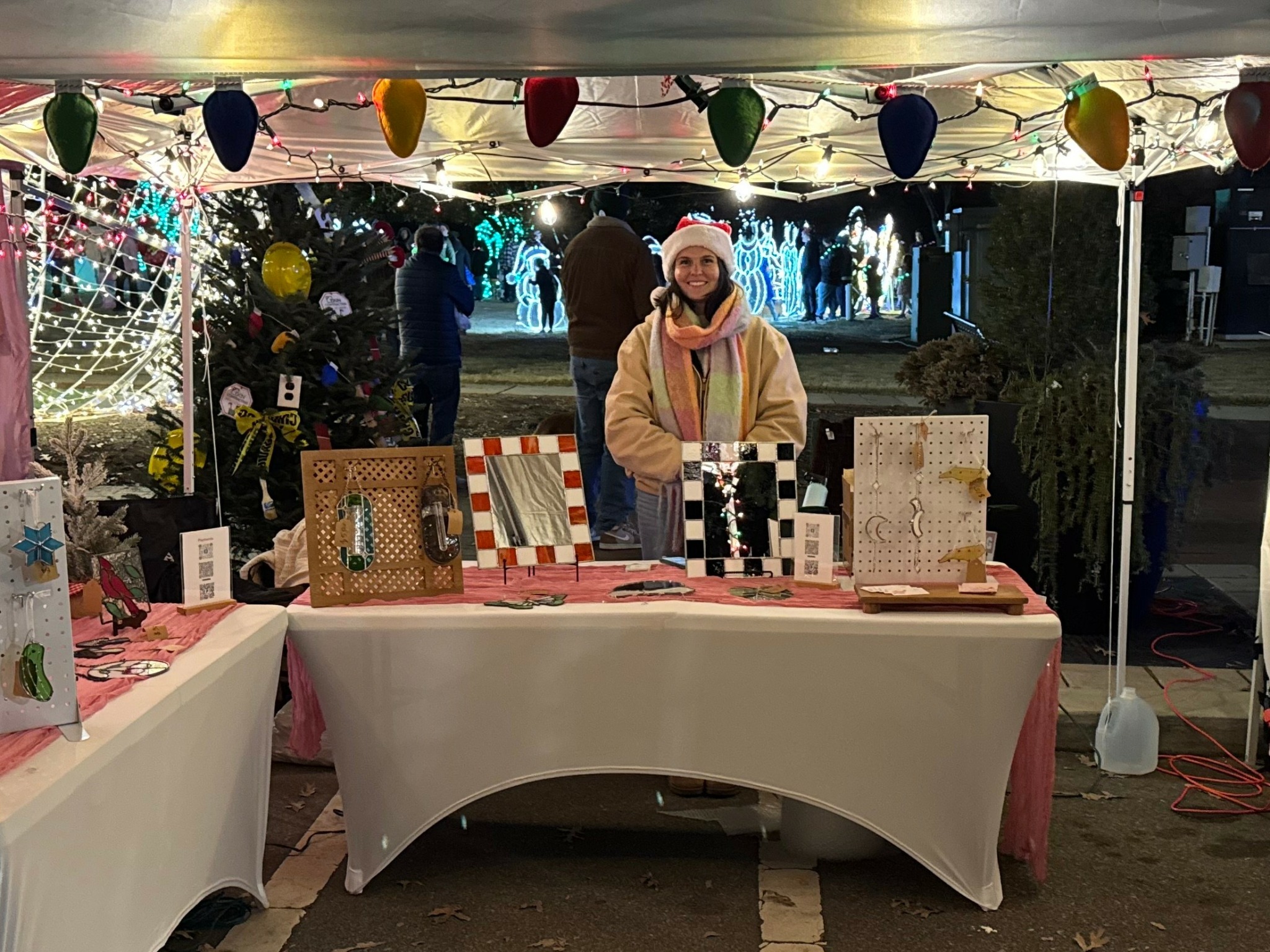
Stained glass has always caught my attention. At the beginning of 2024 I decided I wanted to try my hand at stained glass. As a self taught stained glass artist, I made a lot of mistakes in the beginning. I think in the beginning I thought I could figure it out without much help. So, my first pieces weren’t the best. But, I kept at it. I kept watching videos and reading blogs to get tips and advice on what I was doing wrong. I kept creating more pieces and eventually they started getting a lot better. I just had to keep practicing. Read more>>
Cassandra Duffy
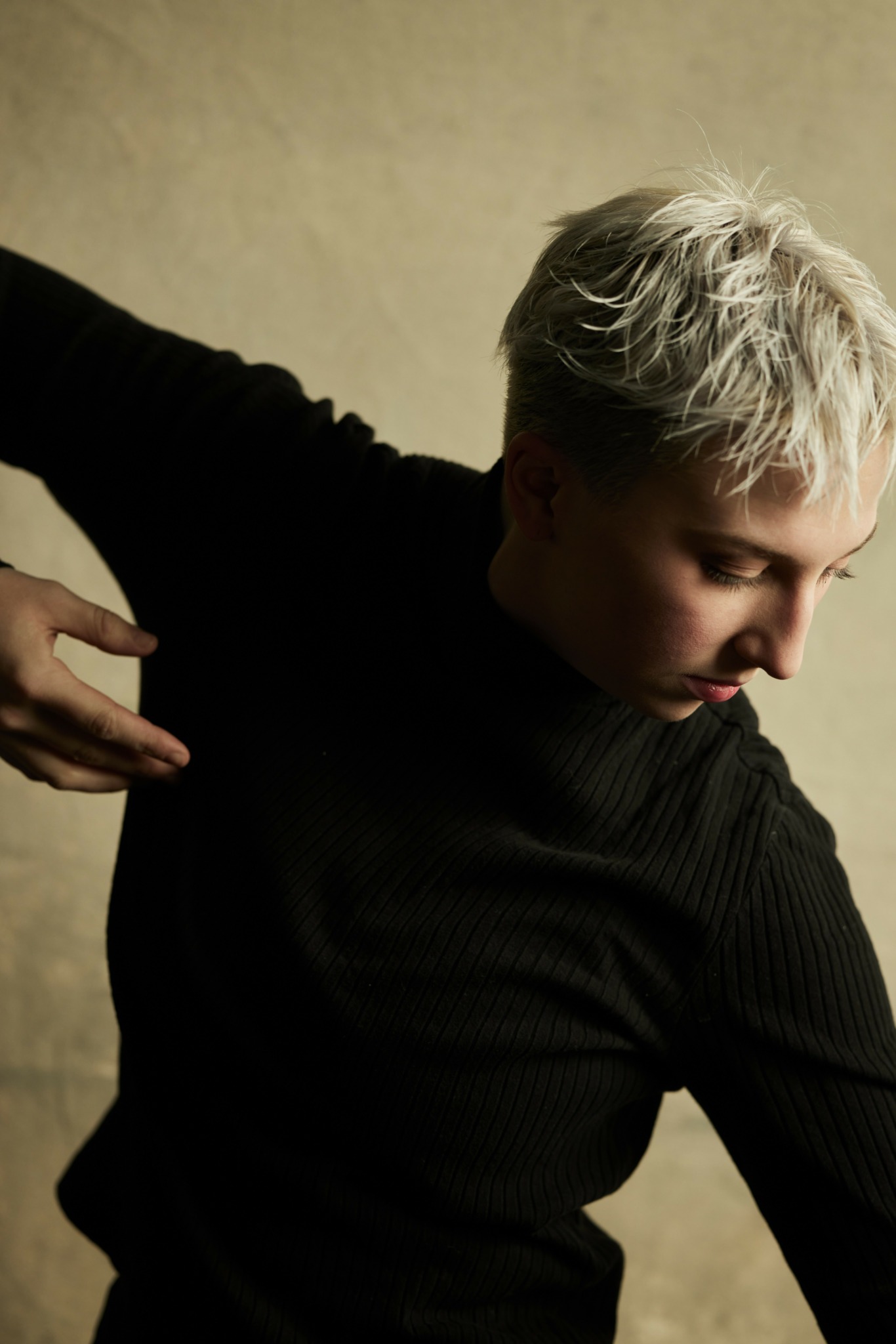
I started my creative career at a young age after having been randomly assigned dance as a summer class at a camp I attended. I was devastated when I first received my schedule as growing up I was a shy and socially intimidated individual. I didn’t like the idea of having to move or perform in front of others. However it turned out to be my favourite class that summer! Which led me to trying out dance long term at my local dance studio; Dance South Performing Arts located in White House, Tennessee. I was invited to join the conservatory company that gave me the ability to train in a variety of dance genres with a multitude of performance opportunities. These opportunities shaped me into a well-rounded individual and gave me the essential skills to further my professional career. During my last years at the studio I worked as a student assistant, which helped develop my social and leadership skills. I greatly benefited from this as I used these skills during my collegiate career as a student assistant, choreographer, and company member. Read more>>
Jeff Martinez
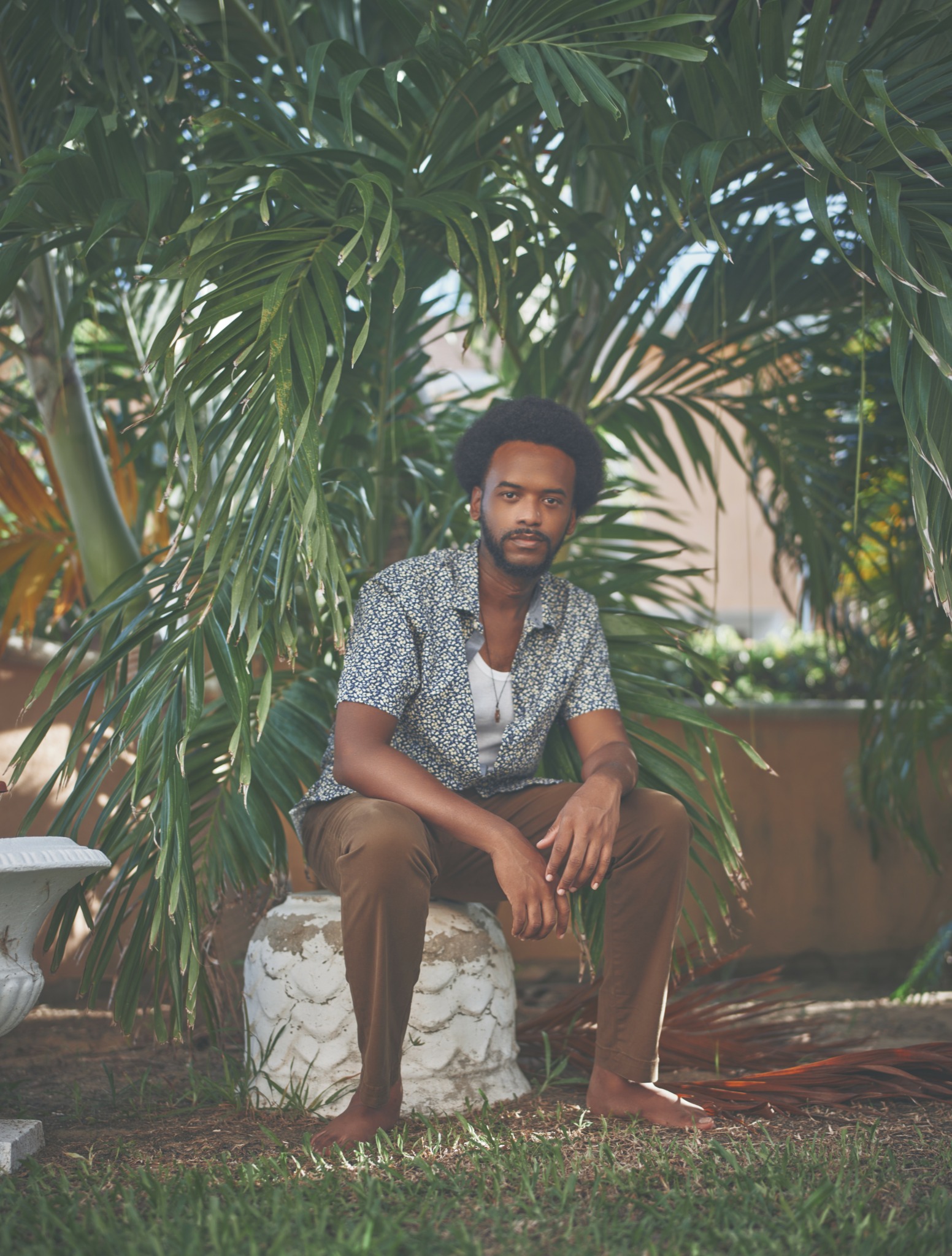
– Everything I’ve done in photography up to this point in my life was self-taught. I didn’t have a mentor, school, or YouTube to teach me or show me how everything was done. It was more of trial and error, from learning about exposure, focal length, and shutter speed, to working with clients and creating a studio. – I believe everything happened in perfect timing for me. However, I now believe I have the right tools, equipment, and gear needed to get the job done. I have a better mindset and more focus. My vision of what I want to capture and do when it comes to creative work is different now, I would say evolved because I have already experienced so much. I couldn’t rush the process even if I wanted to. I am blessed to have met the right people and have gone through trial and error to become better at my craft. Read more>>
Neil Wachs
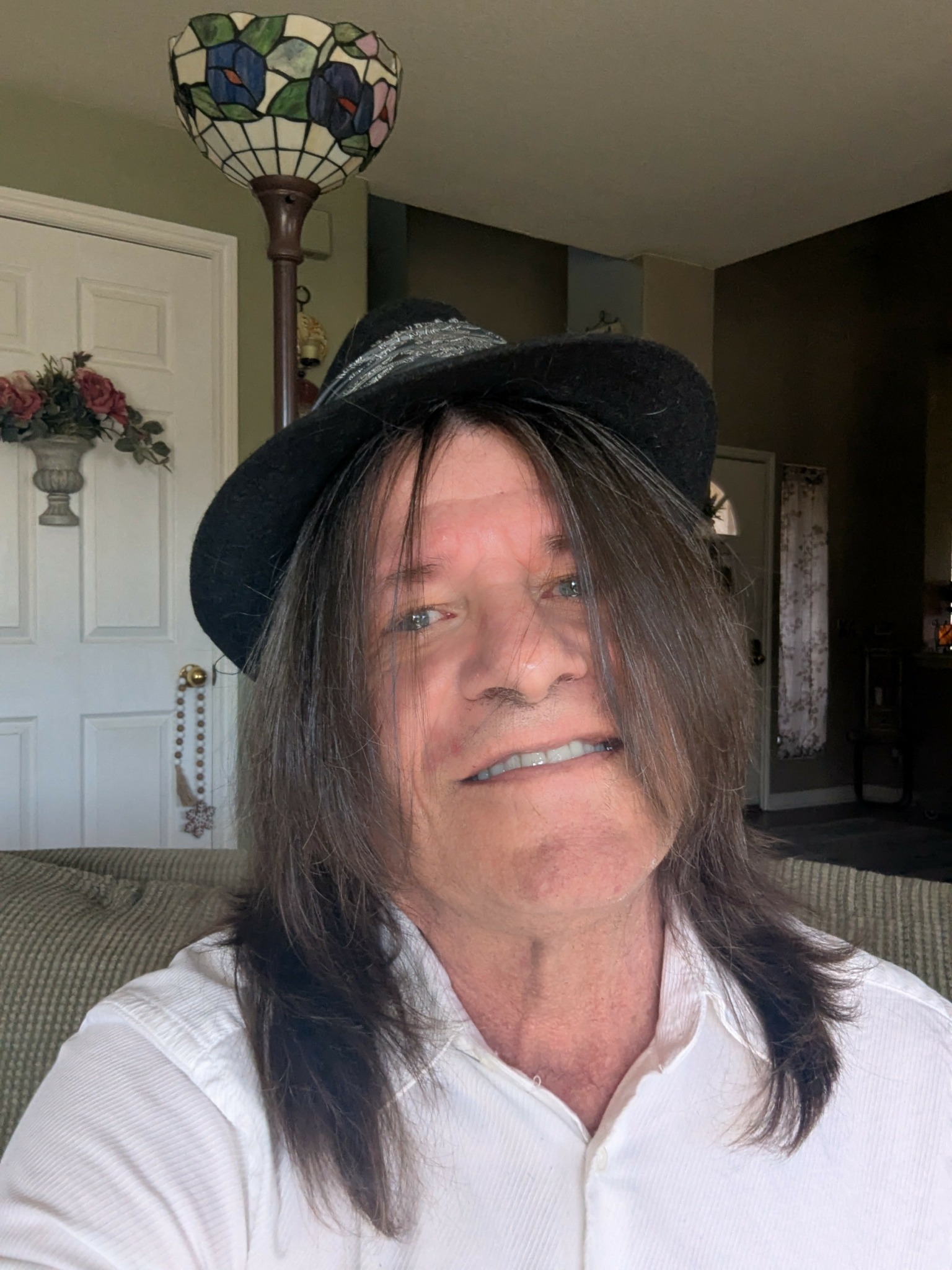
I actually learned how to act by watching others. I don’t know if the process could have been sped up. I am given a part and I try to imagine being that person. Some call it method acting, I call it pretending. Regardless, the skill of pretending or acting to be someone else is needed. Read more>>
Allison Scavo

When I was first gifted my camera, I had no idea how to use it. I started playing around with the settings as I took photos around the house. I started taking our own family portraits that year. But it mostly sat in the closet. When I started going to shows, I would mess with every individual setting in between each photo – just finding out what each button did. Going to local jams helped me the most because it was free entry, I started to make friends, and everyone was grateful for the photos. I would learn on the spot, basically, and if criticism was given it was kind and constructive. After a few months, once I understood the ins and outs, I traded my camera in for a nice one and lenses. From there I didn’t need to mess with the settings as much due to the difference in quality but it was imperative to have a foundational understanding of what they do. I don’t necessarily think I would have done anything to speed up my learning process considering that I was going to these open jams about four nights a week. Read more>>
Paisley Lee

I’ve been shooting with film since high school. I really ramped things up around 2016, a year after moving to Portland Oregon from Bend Oregon. I never attended school for photography or had any formal training, so most of what I’ve learned is self-taught. If I could go back and give myself advice, it would be to read the manual! It may seem obvious, but if you’re like me you start using your tools before you even know what they really can do. This has led me to discover new things my camera can do much later than I should have. Most manuals especially for older things, are pretty thorough and spell it out very clearly. Read more>>
Meredith Dietz

When it comes to comedy, I’m acutely aware that I’m still cookin’. I’m not famous, which feels like both a failure and a relief. It’s a failure in terms of fame being the most obvious metric of success in comedy; it’s a relief in terms of me being able to find and shape my voice without too many eyes on my many missteps. Read more>>
Kim Becker
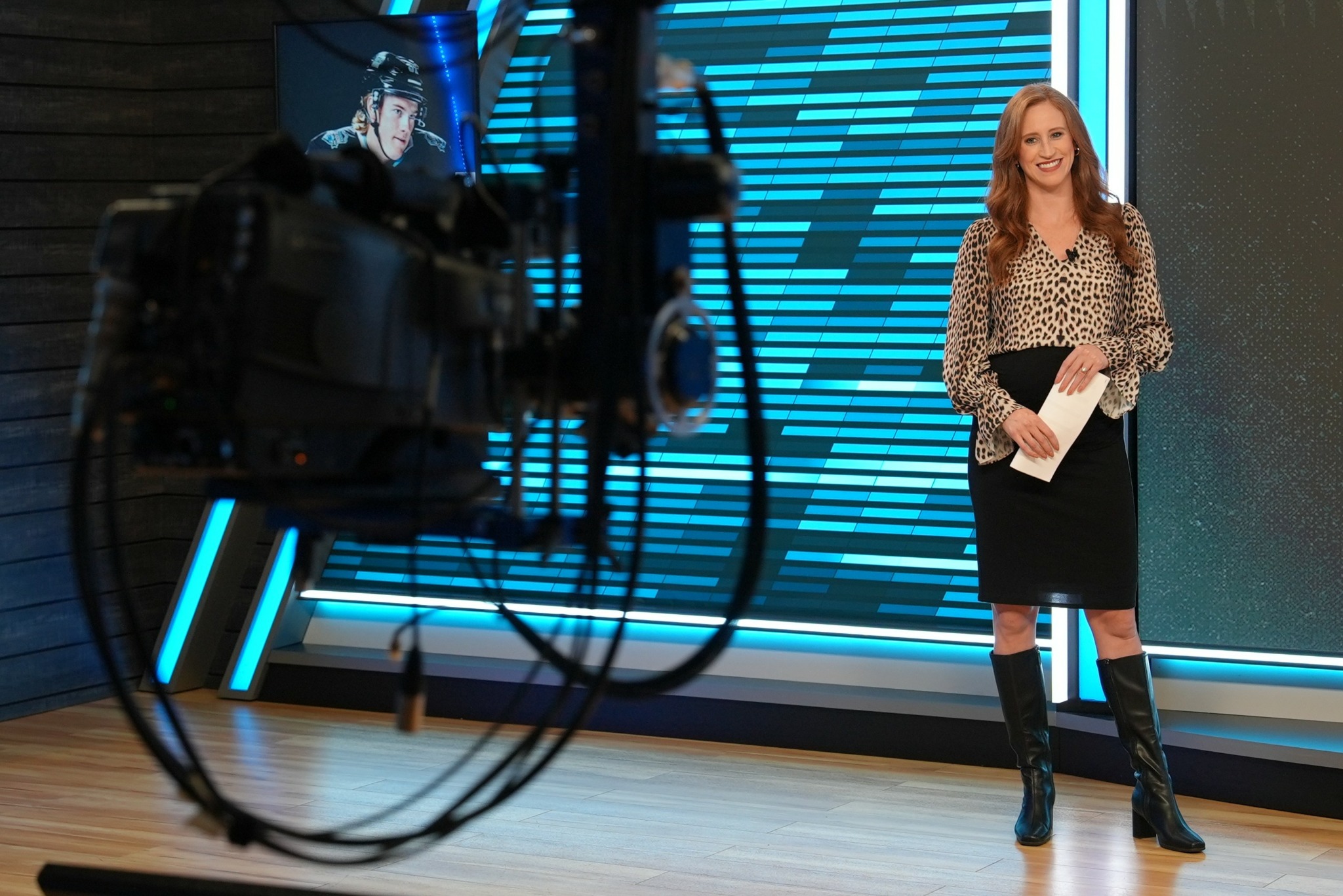
I was a performer with Disney On Ice for ten years, and loved the artistic and performing aspect of ice skating and touring with the show. During my last year, I was the Live Host of the show, interacting with the audience and skating around on a microphone. That is when I realized how much I loved being in front of people live, the adrenaline was like nothing else. When I hung up my skates in 2018 I went to college for Broadcast Journalism and knew I wanted to be a sports reporter, so that I could combine my love for being in front of a live audience with my love of being an athlete, and around others that share that lifestyle. Read more>>
Matthew Lo Re’

Winter mountain structure of the remnants of a memory. A blue flame of the real , after the castle from electric lite. Enter the Hertz of even and a floor . Concealed openings , escapes or passageways. 3 lay before , to open a mere door is the portal. Under the keys and behind a rest , the same are there for the entrancing. In the 11th of dreams , to remain in this place. Away from the condemning backdrop. Stay in your home and levitate . 13 candles lit , spinning oscillation, deep within a meditative world within world. In the back lies a pocket containing a fragment of an unresponsive submission, birthed new and all that remains. Syncopation , odd flow but easily entrancing. The vision from 3, is real as can be , whatever that is not. 5,7,9. 5,7,9. 3. 5,7,9. 5,7,9. 5,7,9. 3. 5,7,9. 5,7,9. 5,7,9. 3. 5,7,9. 5,7,9. 5,7,9. 3. 5,7,9. 5,7,9. 5,7,9. 3. 5,7,9. 331. Start to begin. Read more>>
Felix Macnee
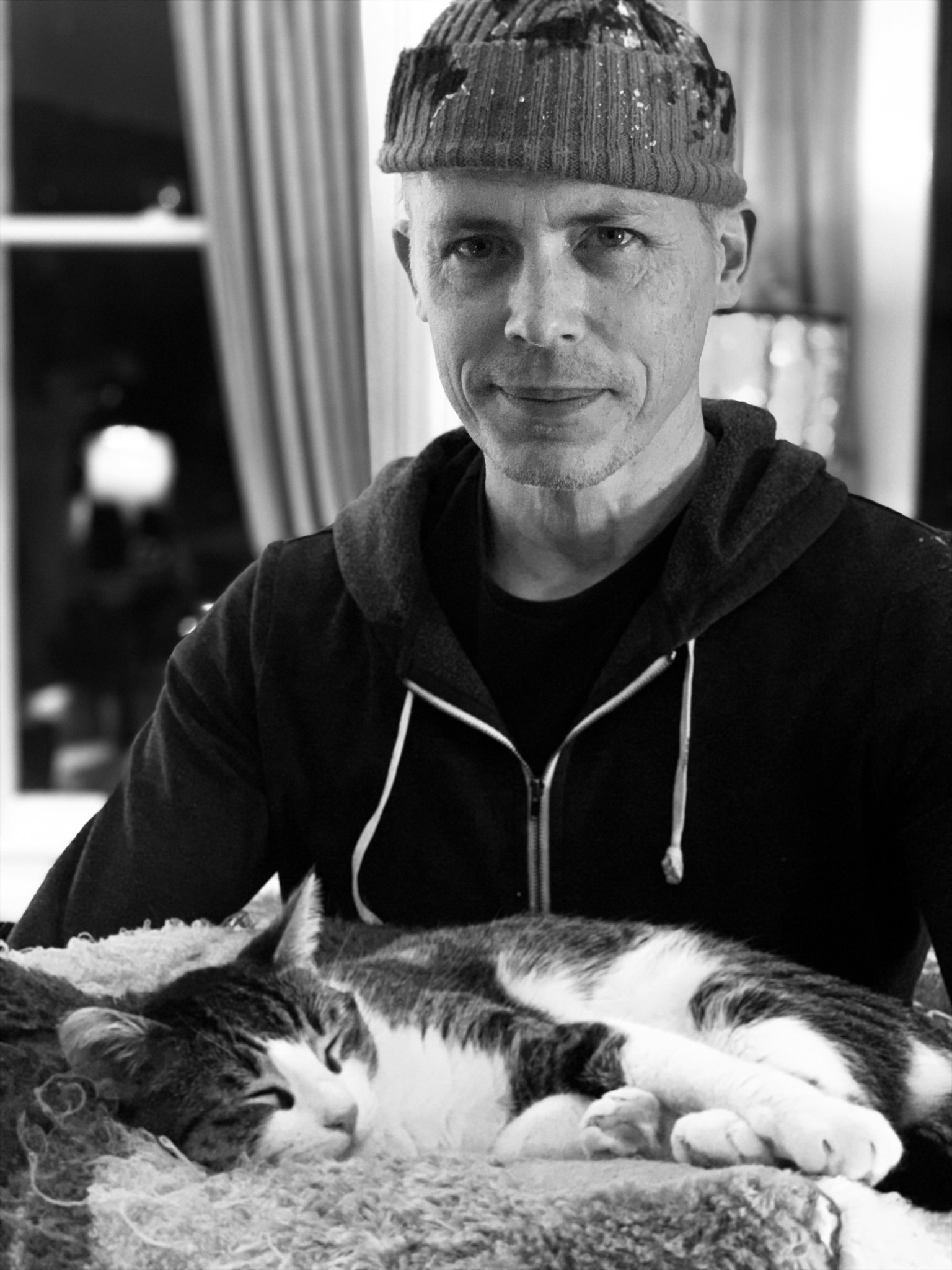
Learning to paint really started with learning to draw, and learning to draw began by sitting with my grandfather and watching him draw. Oddly enough, what I remember most when thinking back is the sound of his pen scratching the paper. It was hypnotic and intimate, seeing his thoughts become visible on the page. We’d sometimes look at cartoons in the New Yorker together, and though I didn’t always get the joke, I could see the life in the drawings. It was a language much more direct than words. Read more>>
Sadie Goodwin
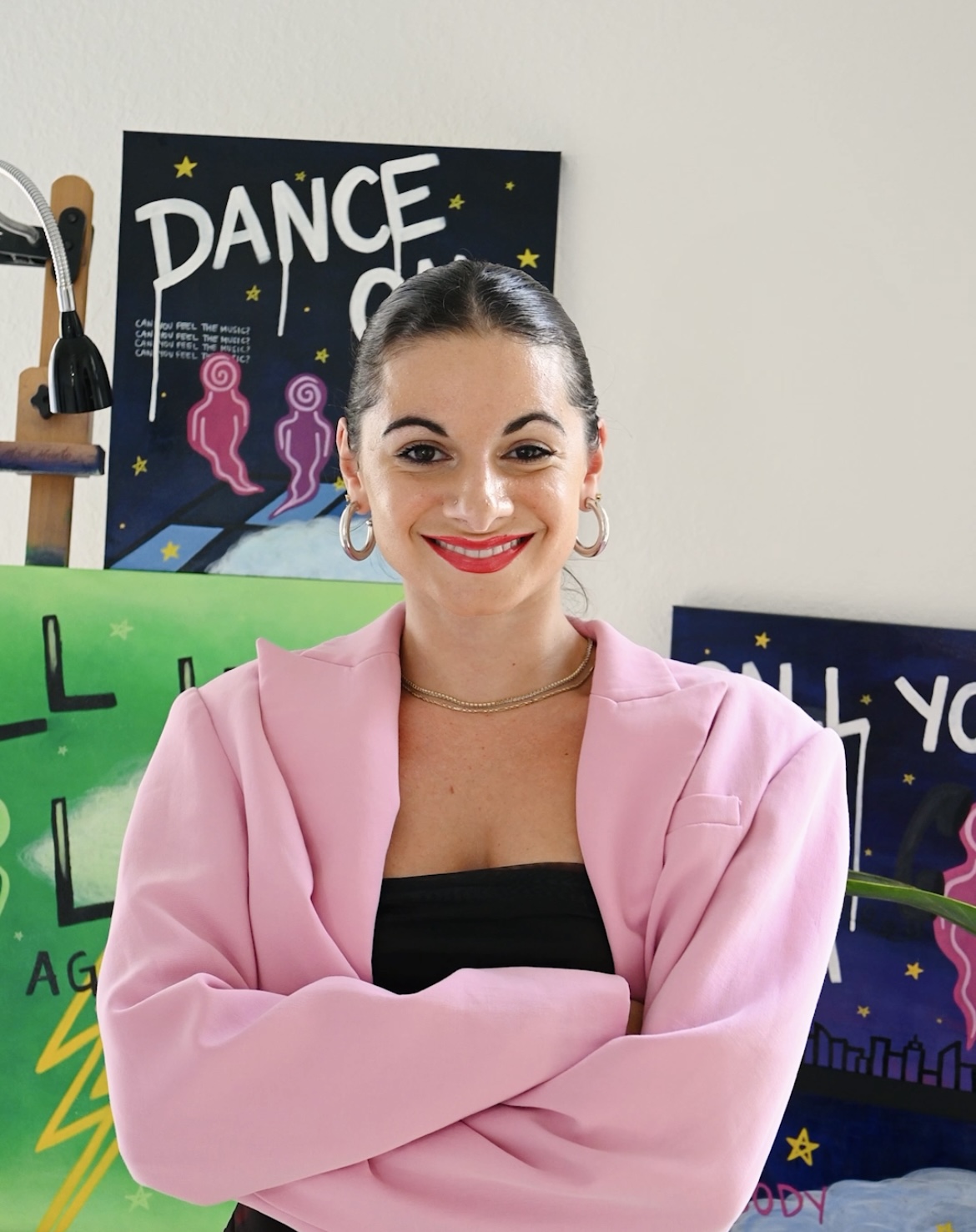
For me personally, the best way that I learn is through experience. When I started my career as a photographer, I used to walk around the city with friends or just by myself, and take photos of scenes that inspired me. Being a beginner, often requires working for free, but, this part of the process was a lot of fun for me. I would get back home to edit the photos, and be so proud of the work we created, while also critiquing myself. Read more>>
Noah Huebert
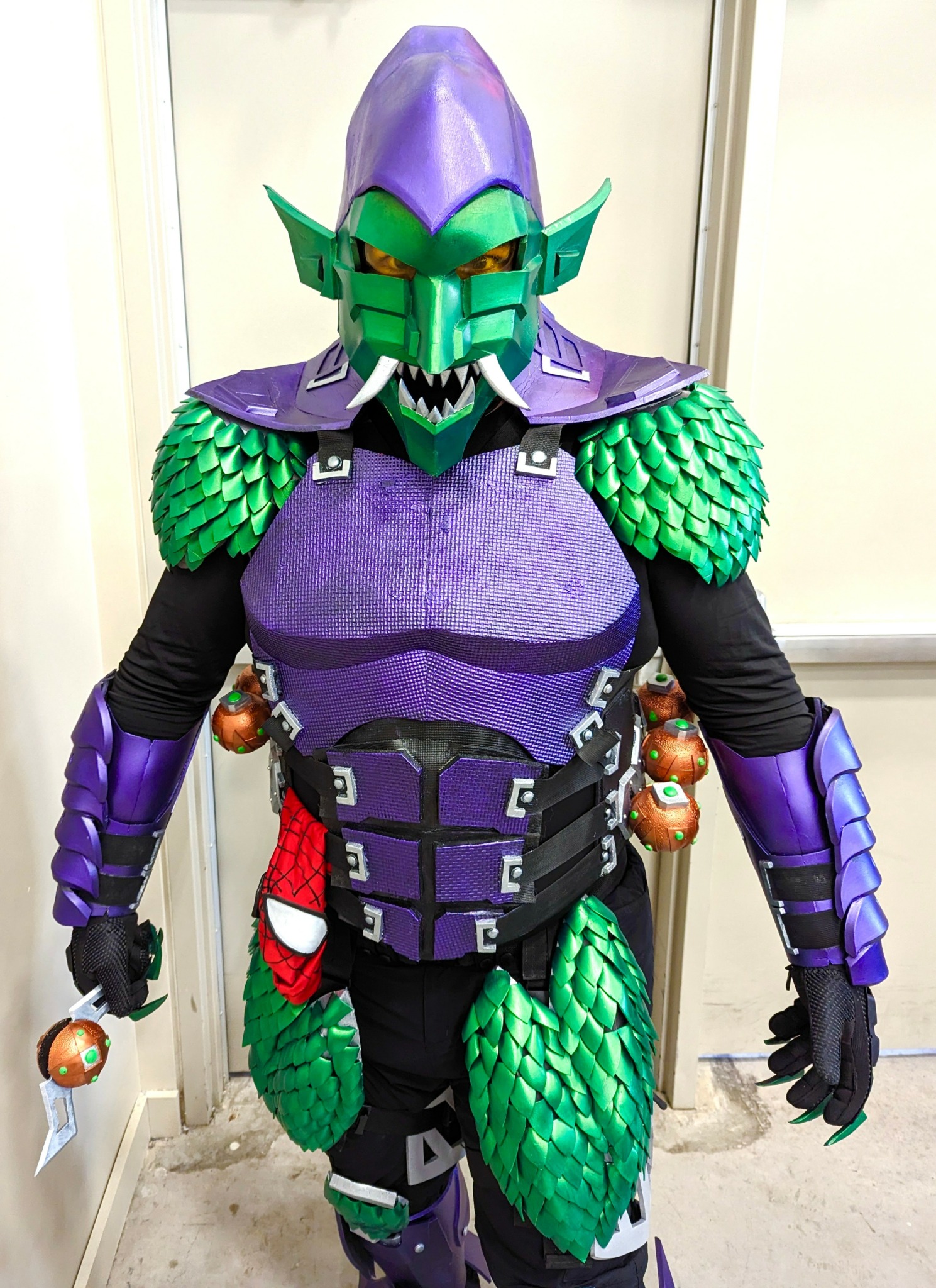
My mission statement if you will, when creating costumes is; is what I am making telling a story / what story is this costume telling. In my case, story telling started at a very young age and, as a Christian, I believe that being story tellers is engrained in the human genetic makeup. My dad really fostered this idea of story telling and encouraged me throughout my life to do so. I practiced story telling through drawing, building Lego/Bionicle, or through directly writing stories. This has since translated into costume design. What someone wears is in many cases a first non-verbal conversation two people can have. This is exacerbated in the realm of super heroes where most of my cosplay and costume designs reside. Shape and colour theory tell the viewer A TON about whether or not the costume belongs to a hero or a villain, an alien or human, a mortal or super soldier. Thus costume designers need to be aware of what story their costumes are telling. Read more>>