

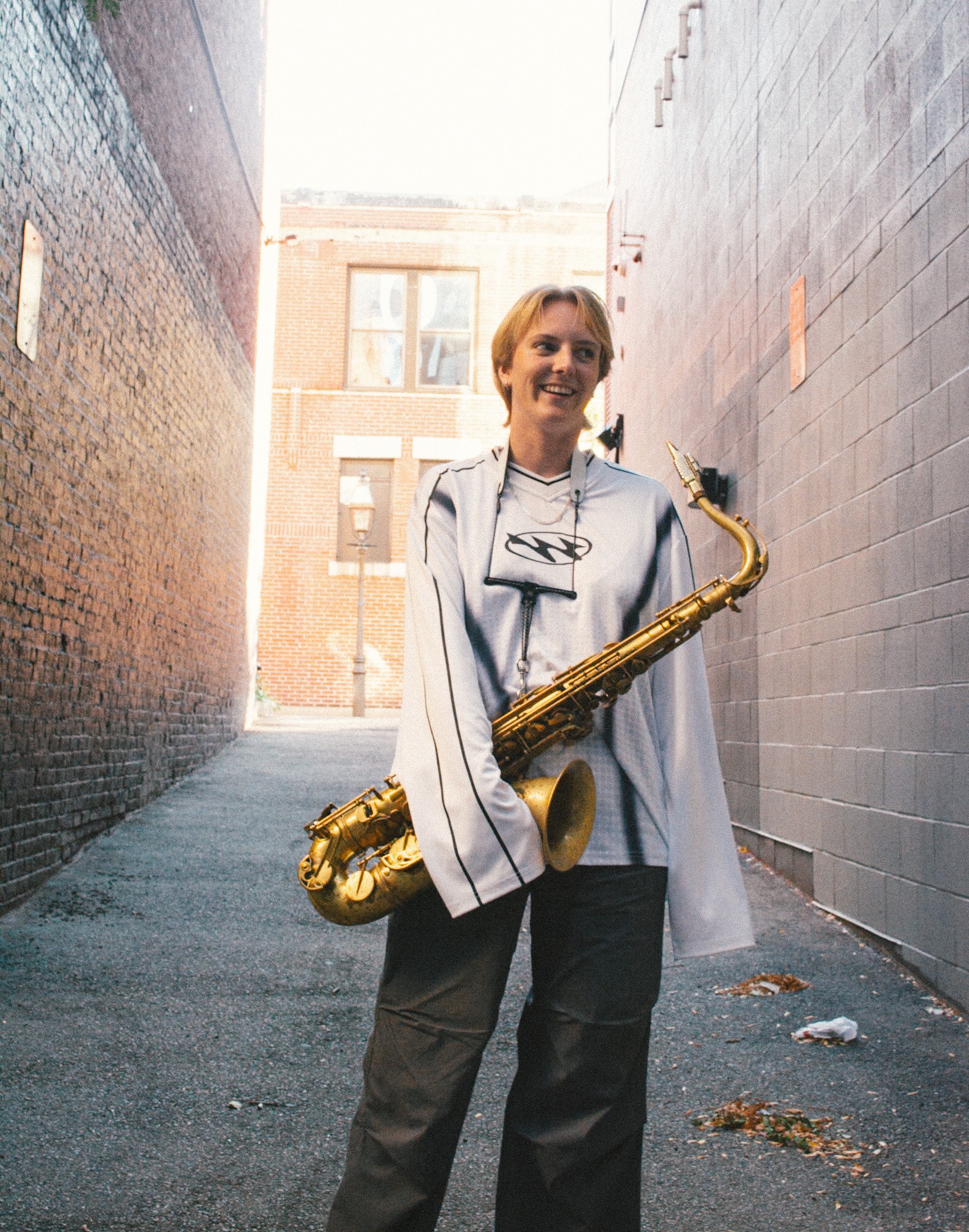

We caught up with the brilliant and insightful Ella Lindström a few weeks ago and have shared our conversation below.
Hi Ella, thanks for joining us today. How did you learn to do what you do? Knowing what you know now, what could you have done to speed up your learning process? What skills do you think were most essential? What obstacles stood in the way of learning more?
I’ve learned my craft through a combination of consistent practice and the education I received at various music schools. Practice was and still is a huge part of my growth. Spending focused time with my music, experimenting, and challenging myself to improve has been essential. At the same time, attending music schools gave me access to incredible teachers, peers, and experiences that has taught me things I wouldn’t have learnt on my own.
I think there have been periods where I could have been more productive, but life just gets in the way sometimes and that’s okay. I’ve realized that things have to take their time, and there are moments when forcing progress just isn’t the answer. Some of those slower periods were actually important, they gave me space to reflect and find new inspiration.
The most essential skills I have is my work ethic as well as being a highly structured person. I also find it important to always be humble and respectful, be open to feedback and learning from others. One of the biggest obstacles I faced was dealing with low confidence at times because it can hold me back, but i try to remember not compare myself to others and that it’s all about the process, I’m just finding my own path.
Ella, love having you share your insights with us. Before we ask you more questions, maybe you can take a moment to introduce yourself to our readers who might have missed our earlier conversations?
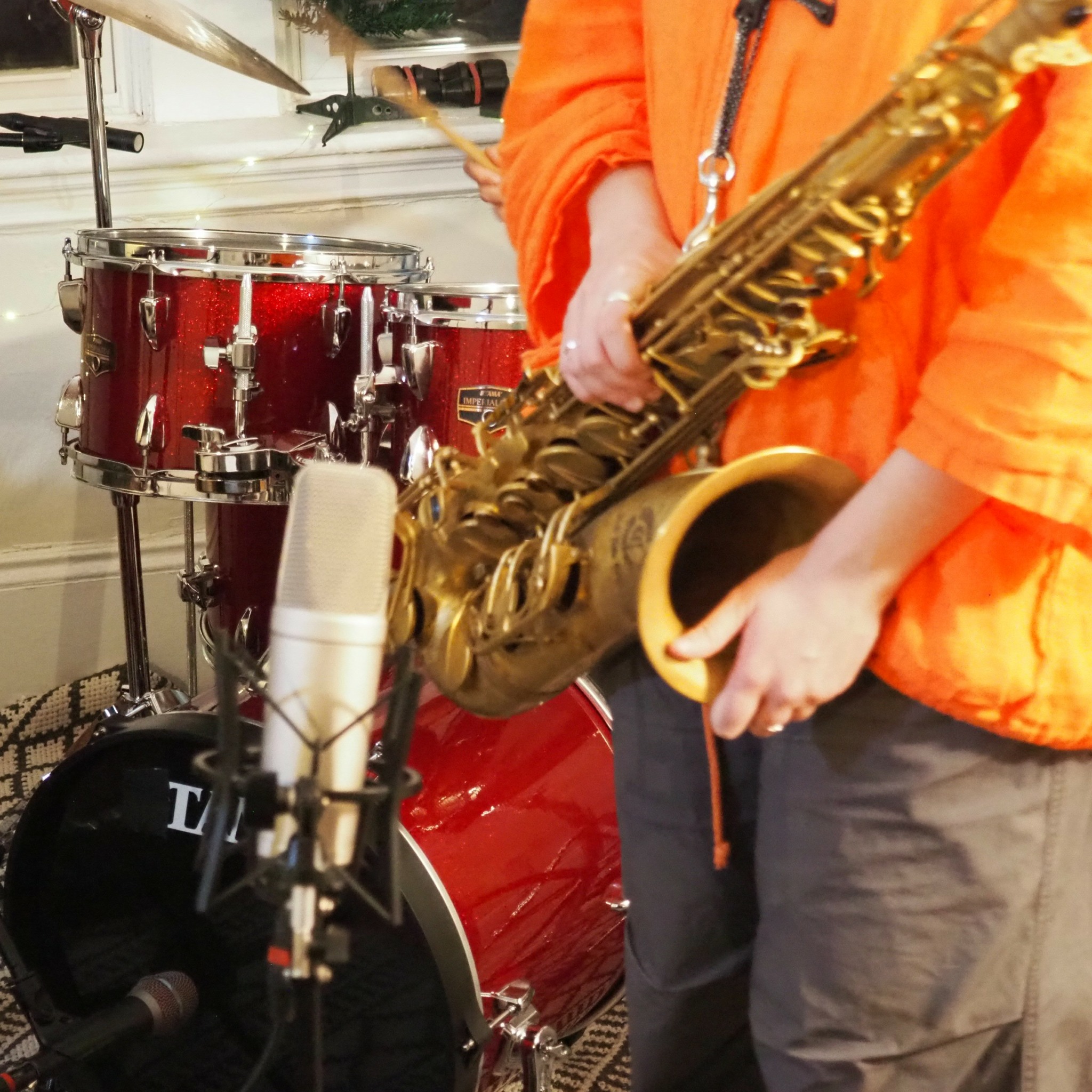
Growing up in Gothenburg, Sweden, I was always surrounded by music through my family, and I started music school when I was 6. First, I played the cello, then moved to the flute, but I always had my eye on the saxophone—I thought it looked cool and matched my vibe (I still think so!). I picked it up at age 9, but back then, it was just something I did for fun after school. I didn’t take it too seriously until I was placed in my first big band. Being the youngest and one of the less skilled players in the group sparked a lot of motivation in me. I wanted to get better, and the feeling of nailing something challenging for the first time was so satisfying. That’s when I really started practicing and made up my mind that I wanted to be a professional musician.
I dove into jazz, which became my focus throughout high school, where I played in various big bands, small groups, weddings, and cocktail gigs. After high school, I enrolled in a jazz program at another school, but after a while, I realized I wasn’t really enjoying the music. Looking back, I think it was because I’ve always been drawn to different sides of music, and focusing solely on jazz saxophone performance just didn’t feel right. That’s when Berklee College of Music popped up in my Facebook feed. I’d known about Berklee since I was a kid and had sometimes dreamed of studying in the U.S., though I never seriously considered it. I submitted an application kind of spontaneously. I liked that Berklee seemed more open to different genres and all aspects of making music. I ended up receiving a full-tuition scholarship and decided to go for it!
Now, I’m in my third year, focusing on jazz composition, arranging and music production. It’s been challenging sometimes, but I feel that I’m learning things every day, and I’m able to develop all of my musical skills and interests. I’m currently working on my own music and putting together a band to start playing shows and record a live session.
I’d say my biggest strength is arranging for horns. I’ve done it a lot in different settings, and I often get compliments on my horn writing. I think I’ve developed a unique sense of phrasing and rhythm—like the specific beats where I start and end phrases. I feel confident about that, even though it’s a subtle detail others might not notice. My influences are a mix of different things, like everyone’s, but that’s what makes each person’s choices unique. Knowing no one else would make the exact same musical decisions as I would is reassuring, and it keeps me inspired to make more music.
Have you ever had to pivot?
There was a pivotal moment in my life when I decided to shift my focus from wanting to be a jazz performer to exploring music production. For most of my early years, I saw myself as a saxophonist and a performer. But over time, I started feeling that it wasn’t what I wanted to be doing full time and that there’s so many sides to making music that i didn’t know anything about, so I got curious.
That’s when I began diving into music production, which felt like a whole new universe. It was exciting to experiment and think about music in a completely different way. Eventually, though, I found myself gravitating toward arranging and composition, which is where most of my focus is now. I’m really happy that I explored these different areas because it gives me a broader view on the process of making music and I believe that being versatile is always a god thing. It also gave me a better view of what my strengths are and what I enjoy more.
We’d love to hear a story of resilience from your journey.
I think a good example of that is when I decided to move from Gothenburg, Sweden to Boston for studies at Berklee college of Music. Moving to a new country is a huge transition and it took a lot of resilience and courage.
Contact Info:
- Instagram: https://www.instagram.com/ellawilhelminaaa/
- Facebook: https://www.facebook.com/ella.lindstrom.397
- Youtube: https://www.youtube.com/@ellawlindstrom
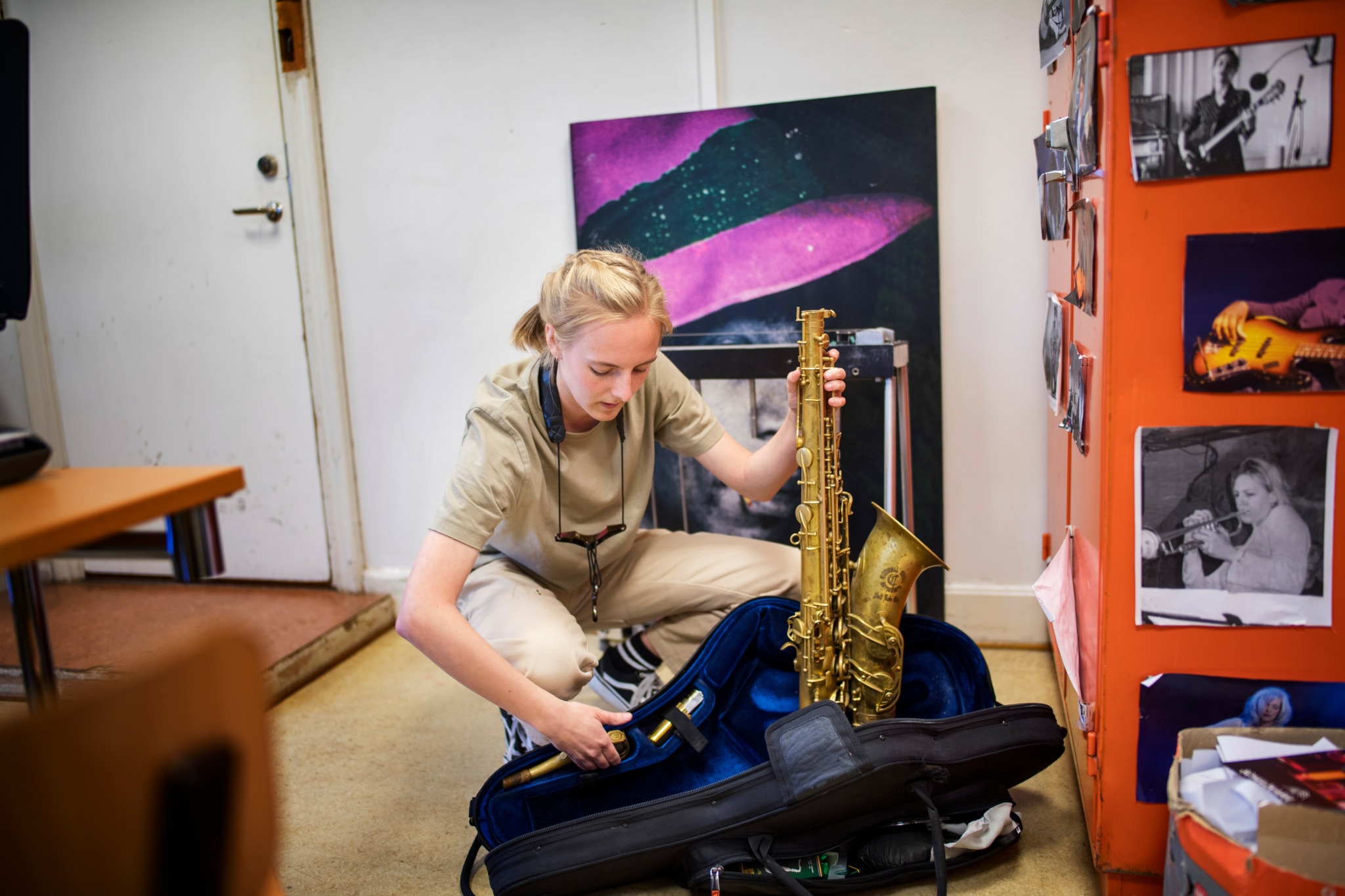
Image Credits
Ari Mei-Dan
Jordan McGowan