

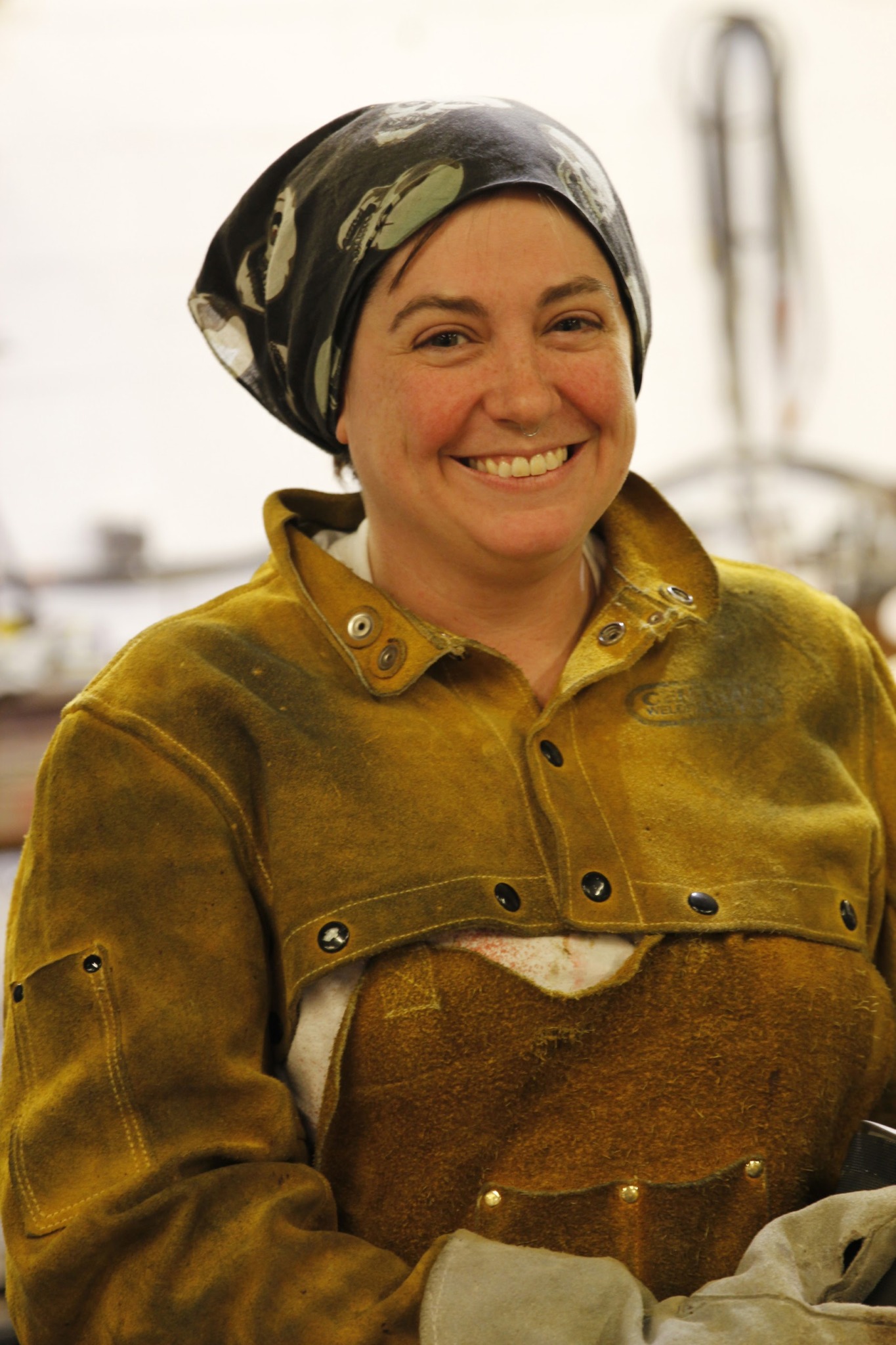

We recently connected with Nichole Rathburn and have shared our conversation below.
Nichole, looking forward to hearing all of your stories today. How did you learn to do what you do? Knowing what you know now, what could you have done to speed up your learning process? What skills do you think were most essential? What obstacles stood in the way of learning more?
I learned a lot about fabrication and bronze casting by interning for a year at my current job. One big obstacle in my way was money – I would intern during the day and then work at a media production company at night doing transcription to pay the bills. Another obstacle was the learning curve. I had zero foundry experience when I started and several times I was so frustrated that I wasn’t immediately good at everything I thought I should quit. Patience became an essential skill as well as taking feedback without getting defensive.
Surrounding myself with people that had those fabrication and casting skills a little earlier in my career would have probably sped up my learning process. I still learn new things all the time and I hope it stays that way!

Nichole, love having you share your insights with us. Before we ask you more questions, maybe you can take a moment to introduce yourself to our readers who might have missed our earlier conversations?
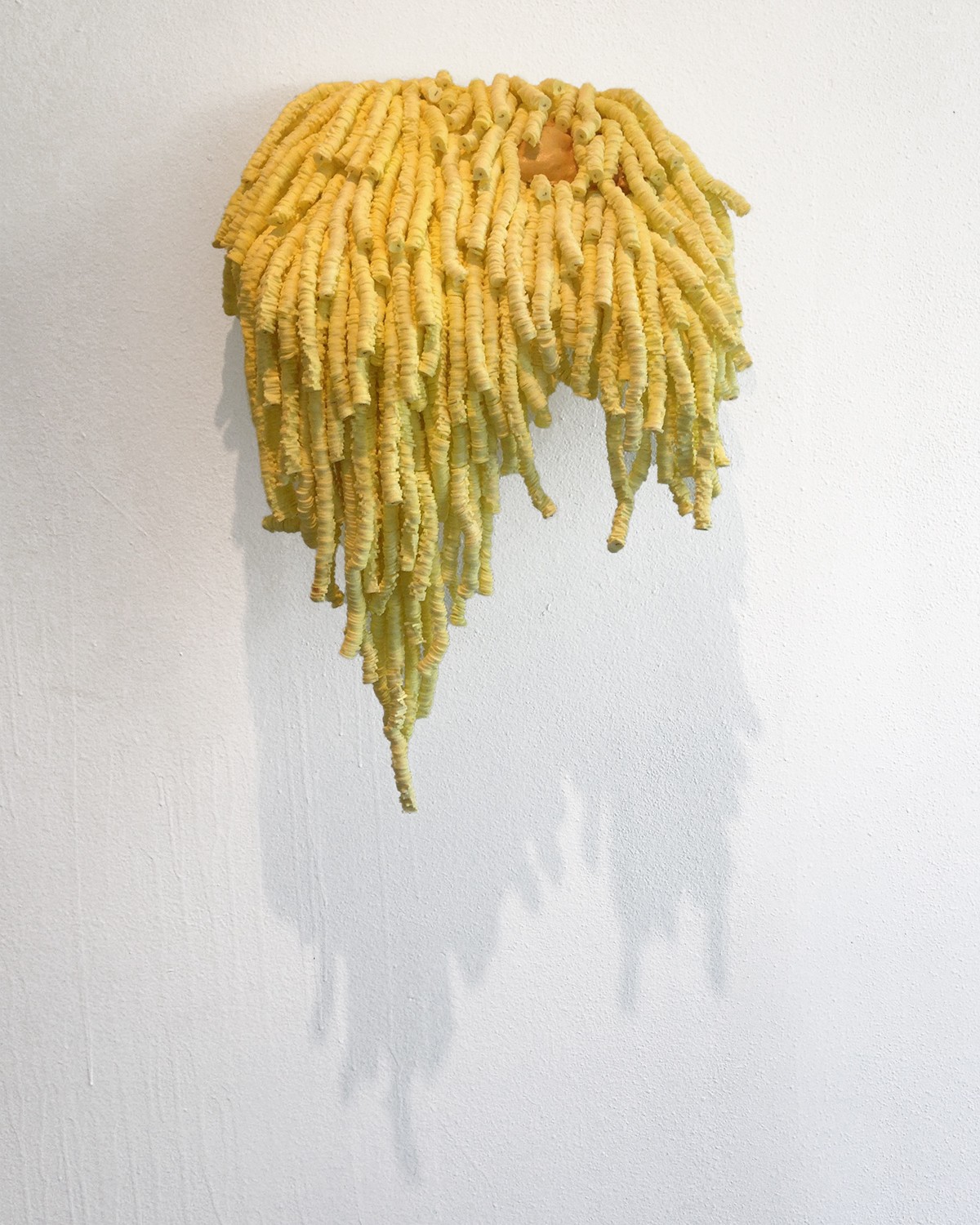
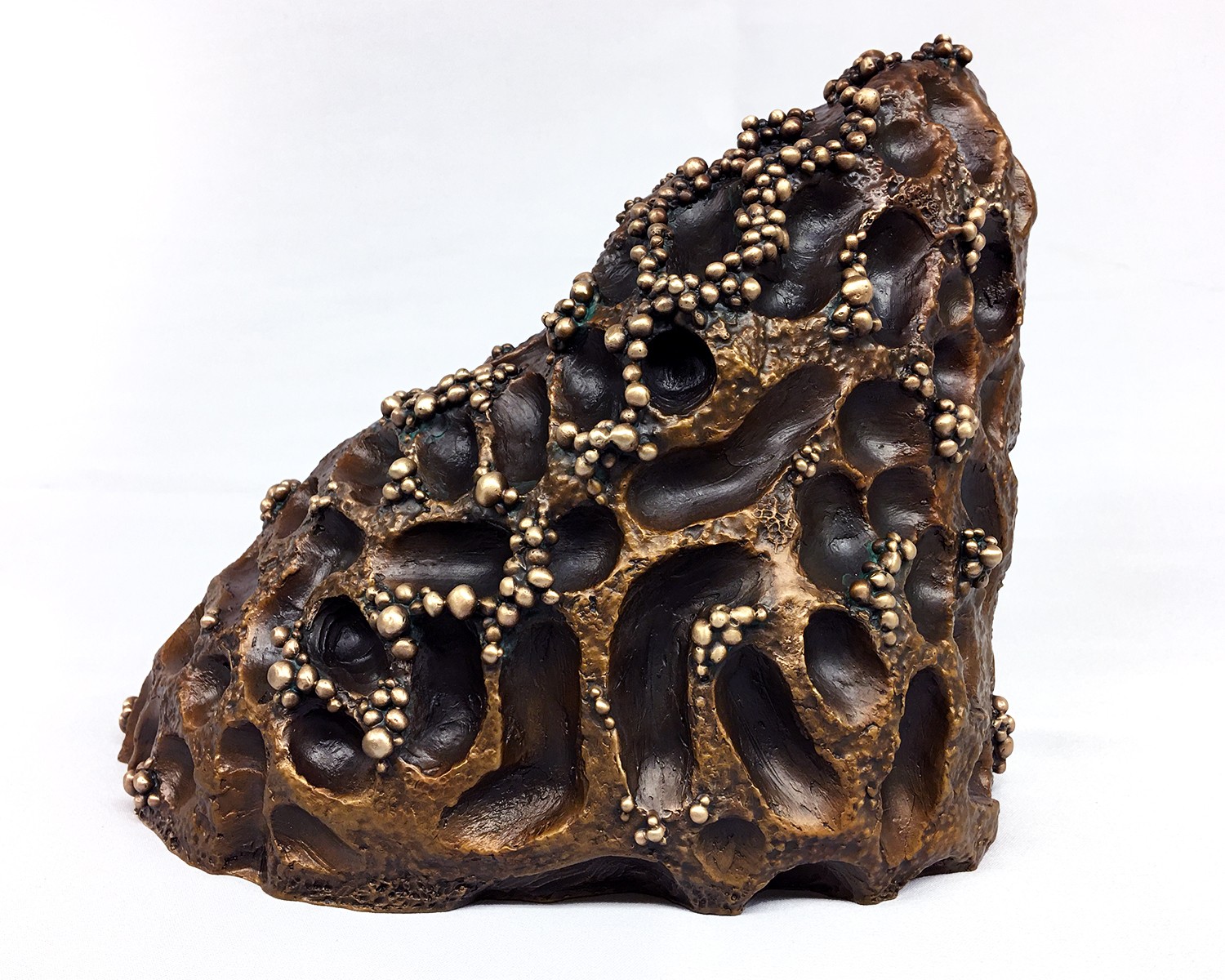
I am a sculptor and foundry artisan based out of Tacoma, Washington. After earning my BFA from a school in Seattle in 2010, I was looking for work and ended up with an internship at a small art bronze foundry run by a friend of a friend. I stuck around long enough for them to offer me a full-time job; I eventually relocated to Tacoma and am now becoming one of the business owners. While I learned some technical skills in college, doing foundry work cracked open a whole new world of materials and processes for me. I don’t consider myself solely a bronze artist but utilizing the skills I’ve learned on the job has expanded my artistic practice in ways I never imagined possible.
Public art is important to me and I’ve been lucky enough to have both temporary and permanent installations throughout the Pacific Northwest. In 2018 I was awarded the commission to create “Little Makers,” a site-specific bronze sculpture for Dune Peninsula, a new park honoring Tacoma-born Frank Herbert. I sculpted, cast into bronze, and permanently installed (with my awesome team!) four sandtrout, the larval form of the sandworm from the Dune series, for the park. I was glad to go into that project with knowledge of how to make safe and durable artwork, and I learned a lot about the non-creative side of putting artwork in public. I have been grateful to combine those skills and extend them to other public art projects, including a permanent installation at Pathways Park in Seattle, and temporary installations in Seattle and Tacoma.
I hope when I put my artwork out into the world that I am creating connections for viewers; between person and place, between people experiencing the artwork at the same time, or maybe even between the viewer and me. Those connections help us all feel less alone, making everything around us seem a little kinder.

For you, what’s the most rewarding aspect of being a creative?
A big part of my artistic practice involves creative problem-solving and I love to see how that affects other parts of my life. I think those problem-solving skills help me beyond making art – they’ve helped me navigate tough times, manage a team of people at work, and help run a small art business in a sometimes unfriendly economic environment.
Trying to figure out how to make a sculpture work is also a great opportunity to learn from other artists as well as those in other industries with different skill sets. Brainstorming and implementing solutions together is definitely community building (even when the solutions don’t work!), and it’s rewarding to be able to share resources with others. Those shared experiences ripple outwards and make the world a better place and I hope that is reflected in my work.


Do you think there is something that non-creatives might struggle to understand about your journey as a creative? Maybe you can shed some light?
I think sometimes people wonder why artists would work so hard for something that is probably not, and maybe never will be, very lucrative. Between my day job and creating my own personal pieces I often work seven days a week. I feel compelled to make art; while that doesn’t always translate to financial success, I feel very lucky to get by on putting in the effort.
Contact Info:
- Website: https://nicholerathburn.com
- Instagram: @nicholerathburn

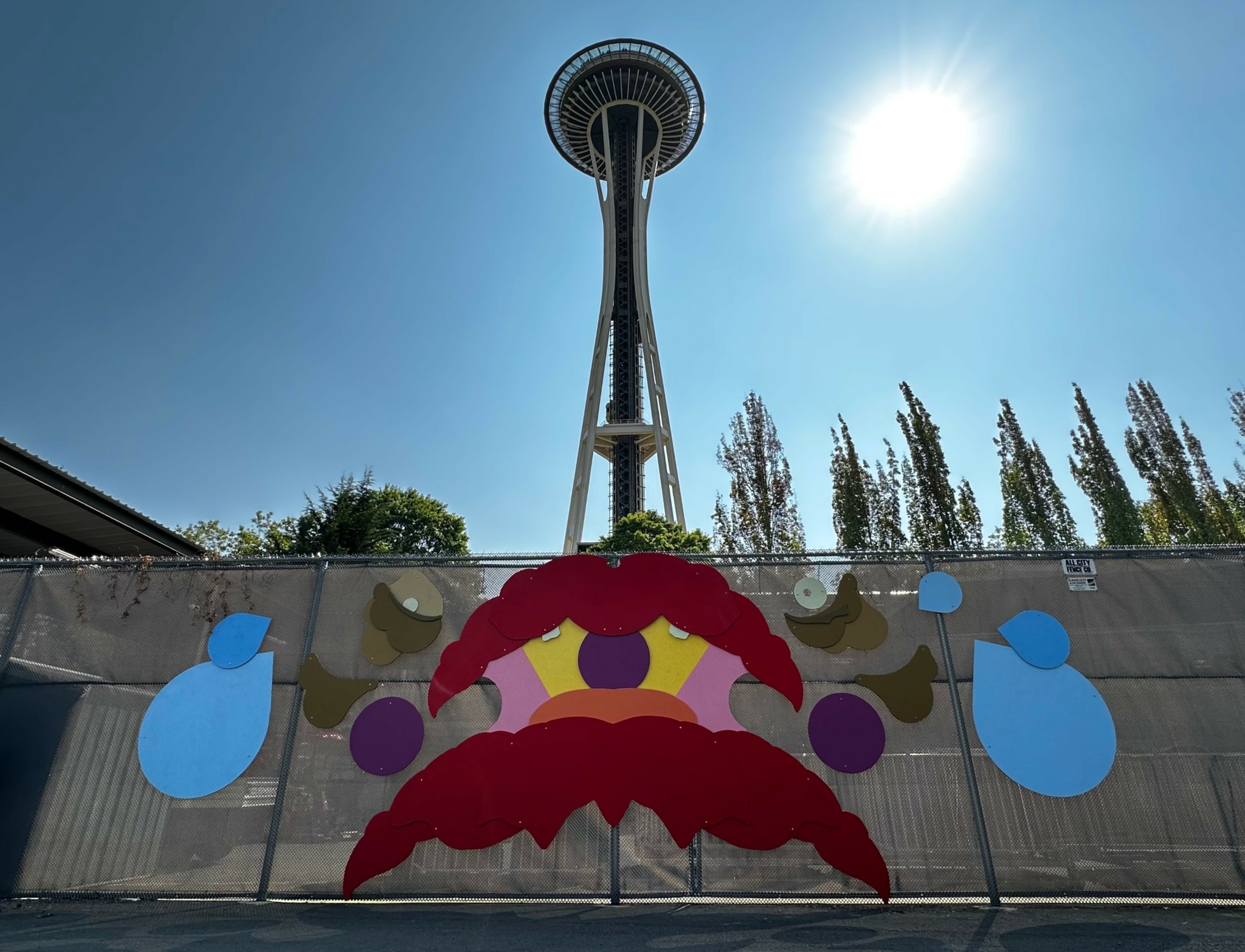
Image Credits
Nichole Rathburn