

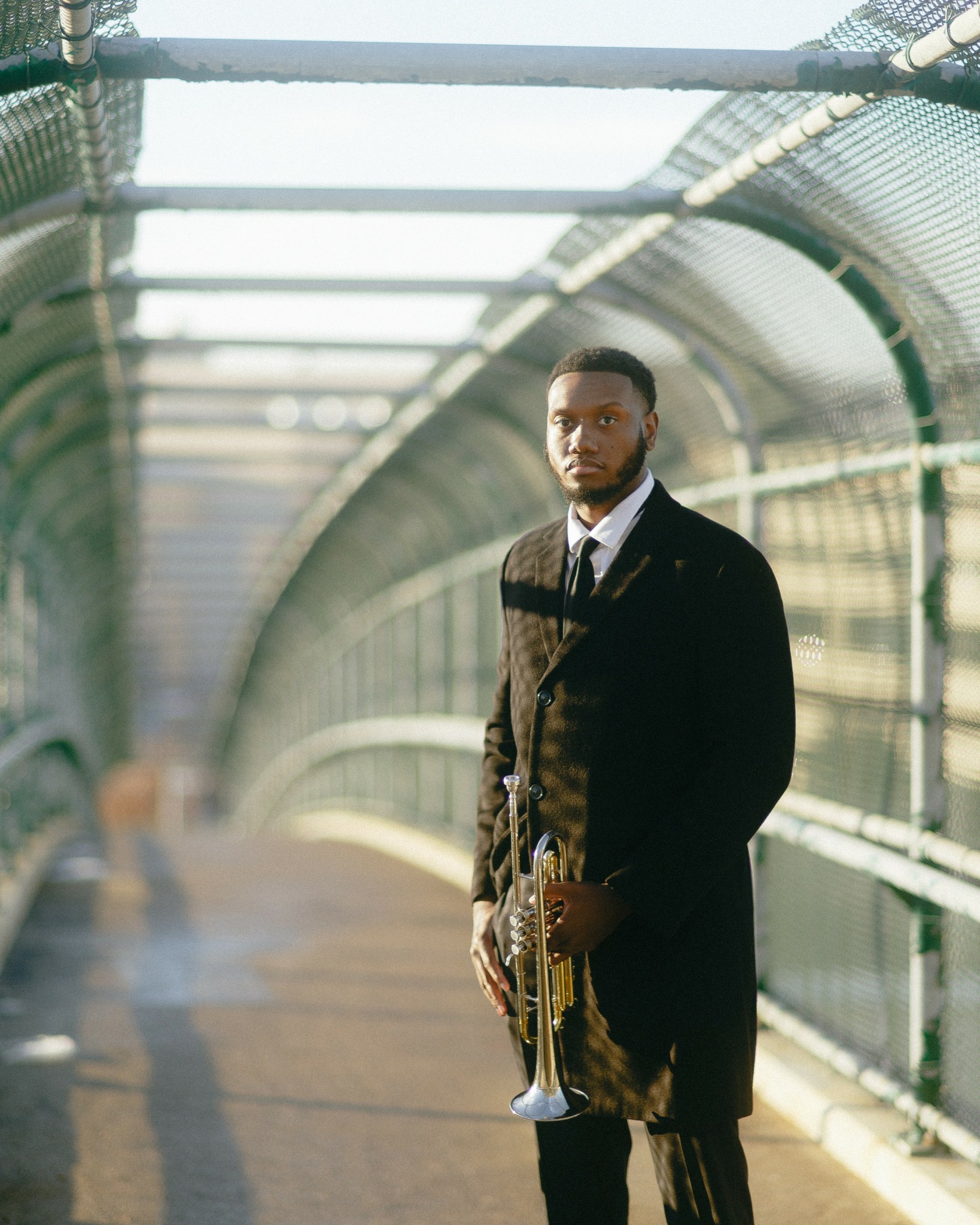

Alright – so today we’ve got the honor of introducing you to Myles Twitty. We think you’ll enjoy our conversation, we’ve shared it below.
Myles, appreciate you joining us today. Can you talk to us about how you learned to do what you do?
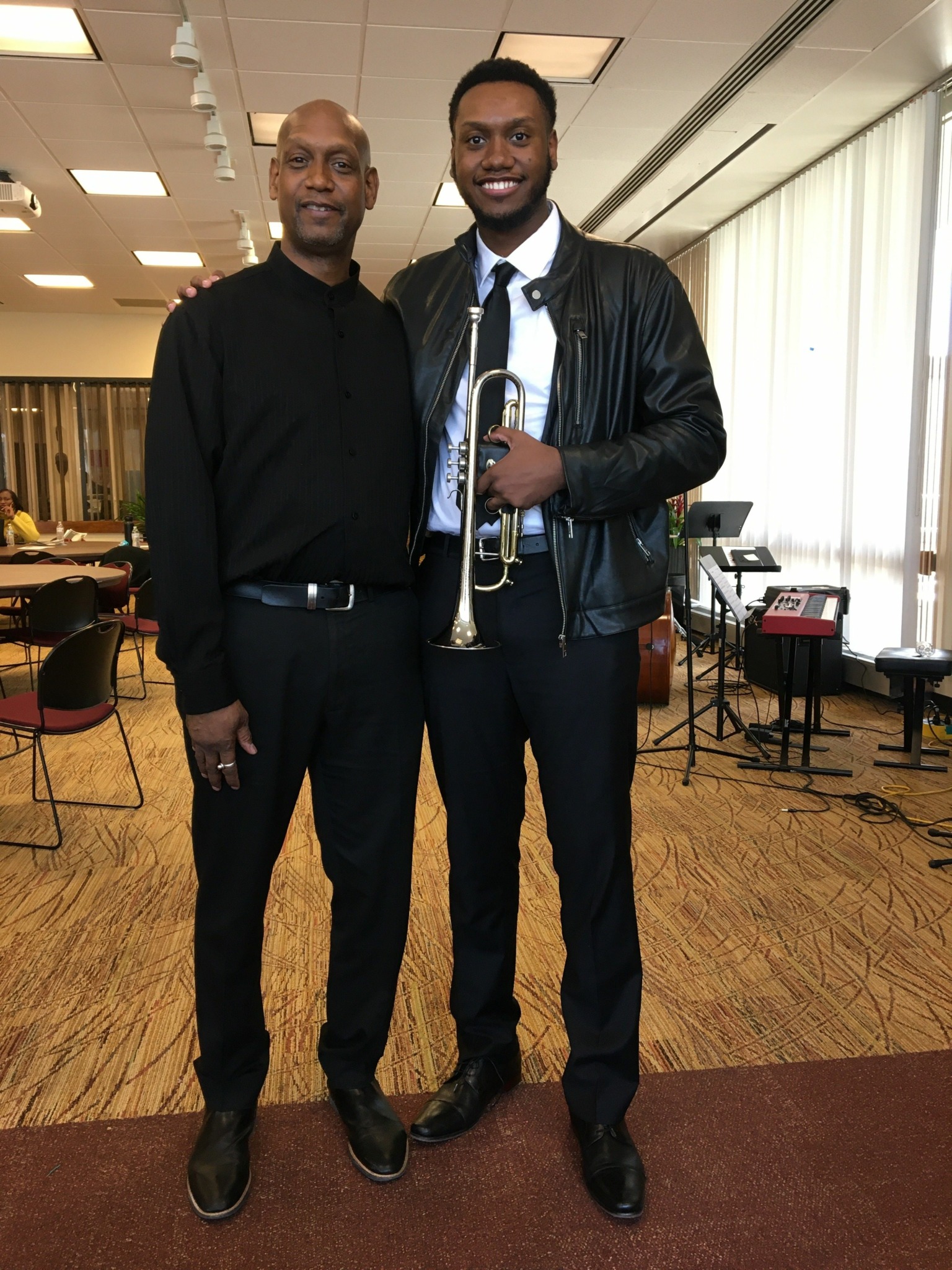
In order to play music at a professional level, there are three key components I believe you should be striving to master: your instrument, music theory, and the music you choose to specialize in. My experience with music has been unique because I grew up in a household where my dad was a professional musician and band teacher. He started working with me from home at a young age on music theory fundamentals and helping develop the necessary skills to play the trumpet. He, along with my many other band teachers and mentors, gave me a lot of the information I have needed to develop my skills as a musician. That being said, the best teachers in the world are of no use if you don’t practice consistently.
One of the most essential skills that has gotten me where I am is my humility. Typically, humility is something that is thought of as a quality more than a skill, but I disagree. Rather than being something you’re just born with, I think of humility as something you can improve upon everyday by simply acknowledging that you don’t know everything and being open to learning from others. A quote from William Shakespeare that reinforces this for me says that, “The fool doth think he is wise, but the wise man knows himself to be a fool.”
Knowing what I know now, I think my anxieties around failure really held me back from developing quicker when I was in high school. I was so afraid of trying as hard as I could and still failing regardless that it was almost paralyzing. If I could talk to my younger self, I would encourage him to learn through failure as much as possible because that will allow you to develop quicker.
Awesome – so before we get into the rest of our questions, can you briefly introduce yourself to our readers.
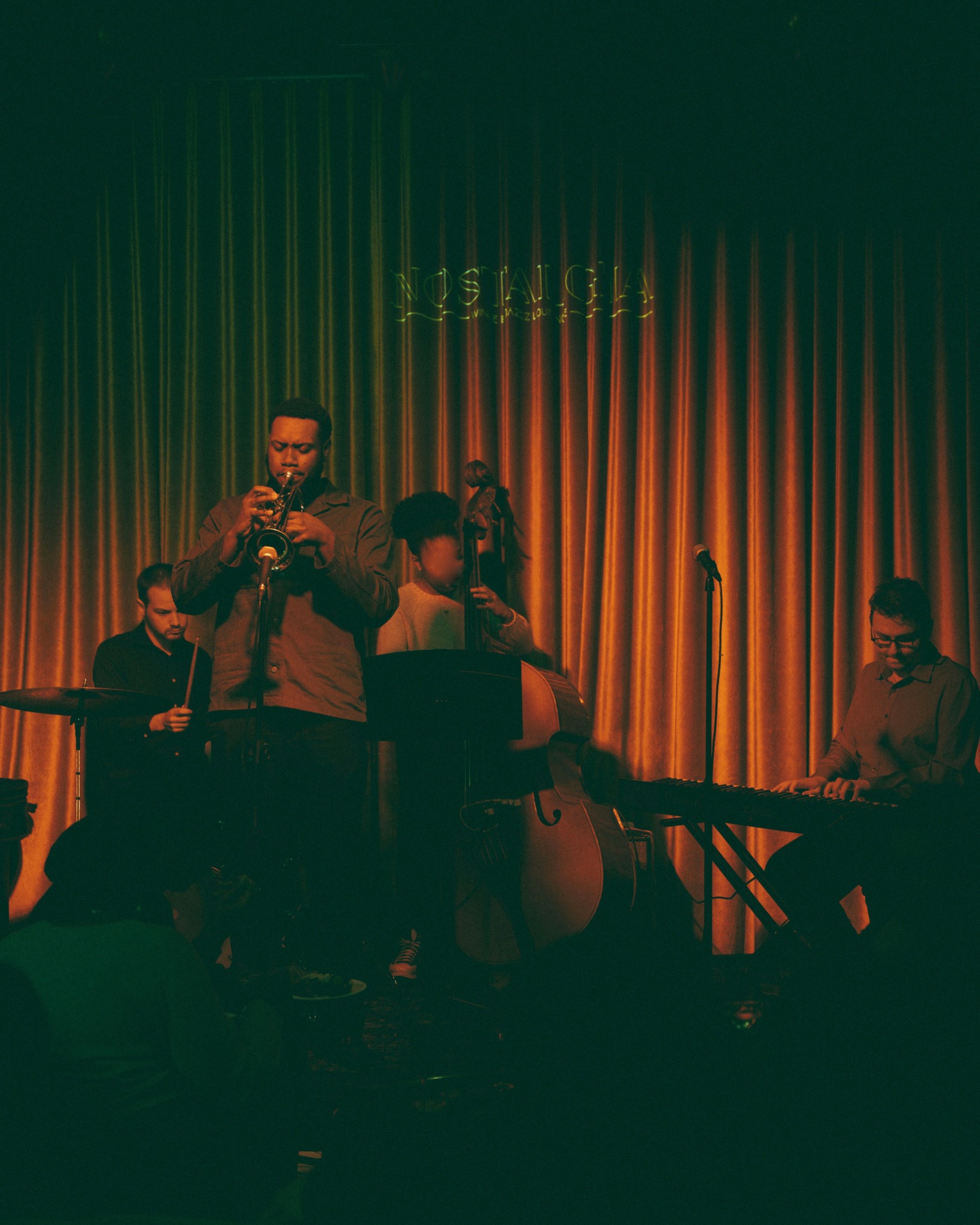
I began playing trumpet when I was six years old after my dad, Terry Twitty, brought several instruments home from one of his band classes for me to try. I remember wanting to play the trombone because that’s the instrument my dad plays, but it was too big for me at the time. Naturally, this led me to pick the closest thing to a trombone that could fit into my hands. I mostly played around the house because there was no band program at my school, but once I went to a school where that was available I started to develop my love for making music with others. Up until the age of 13, I’d only ever played in concert bands where we primarily studied European Classical music. When the opportunity arose for me to join my high school’s Jazz ensemble, I jumped at the chance to learn more about the music I’d been hearing for most of my life. I played in the Jazz ensemble through the rest of my time in high school and developed some lifelong friends that I still perform with today. From there, I attended the University of Cincinnati – College Conservatory of Music (UC-CCM) and graduated with my B.M. in Jazz Studies and a minor in Entrepreneurship in 2022.
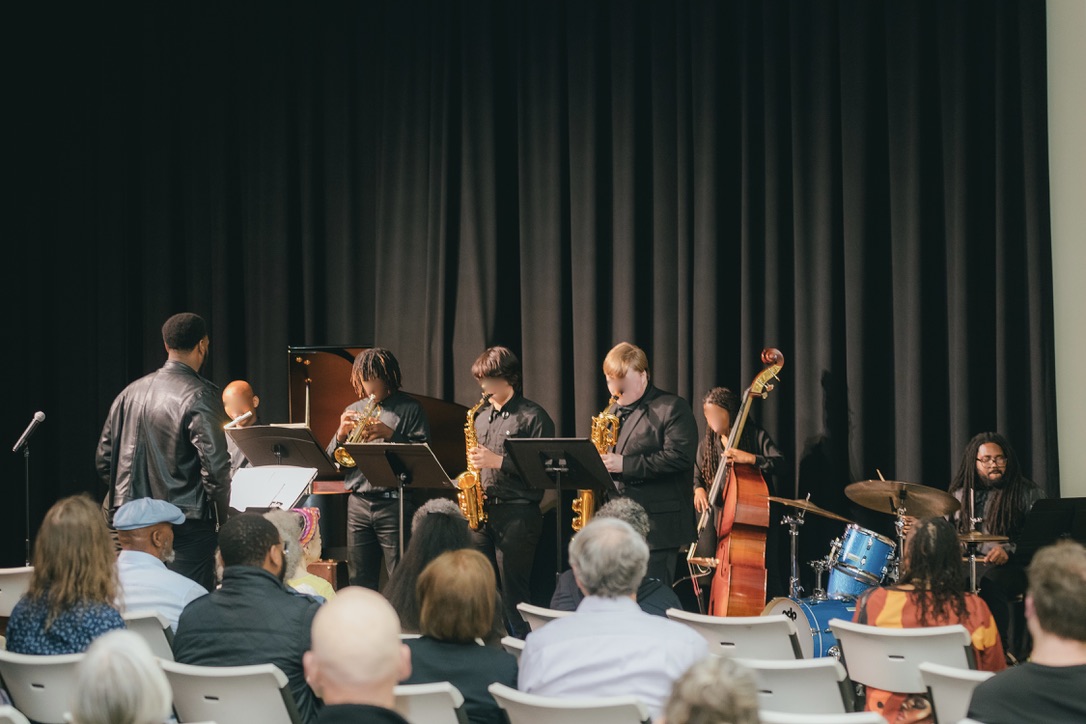
I’m very proud of my work as bandleader, arranger and trumpeter, but I would say I’m most proud of my work as an educator and mentor. I’ve been teaching private trumpet lessons at the Cincinnati Jazz Academy, founded by Dr. Isidore Rudnick, since I started college in 2018. Upon graduating, I became the Assistant Director of this same program. In this role, I have been fortunate enough to work with dozens of students of varying skill levels and see in real time how they develop from week to week. As a mentor, I’ve been able to have some exceptional students play shows with my band while giving them the tools they need to lead their own groups when they’re ready. Mentorship is something that I feel is missing from the Jazz scenes of today. I think that my attempts to address that is something that sets me apart from my peers.
How can we best help foster a strong, supportive environment for artists and creatives?
A major contribution that people can make is to treat music as something to be appreciated rather than exclusively as entertainment. I and several of my peers have had numerous shows where we are at performance venues and the audience is completely disengaged with the music we are playing. There are certainly times when we are hired to specifically provide ambience for an event where talking over the band is expected, but the issue is that this attitude does not discriminate between those situations and any other live performance. I encourage audience members to keep an open mind and ear when it comes to music that you may be less familiar with – – like Jazz.
Is there something you think non-creatives will struggle to understand about your journey as a creative?
In general, people overestimate the value of “natural talent”. Having a certain affinity for your art form is definitely great, but I wouldn’t consider it an advantage in any way other than it can motivate you to practice in order to hone your craft. I grew up in a household where I was surrounded by music and so when I started pursuing it I really enjoyed it and the word “talented” was thrown around a lot especially when I was younger. There came a point in my development however where loving music was not enough and I wasn’t able to meet the musical demands put in front of me until I dedicated myself to a consistent practice schedule. On the other side of this, just because a child doesn’t express a natural ability for the arts doesn’t mean they can’t improve with practice. As stated by painter and art instructor Bob Ross, “Talent is a pursued interest. Anything that you’re willing to practice, you can do.”
Contact Info:
- Website: https://www.mylestwittymusic.com/
- Instagram: https://www.instagram.com/myles.twitty/?hl=en
- Facebook: https://www.facebook.com/profile.php?id=100070105023349&ref=page_internal
- Youtube: https://www.youtube.com/channel/UC0-lABGFCtHsngn6hV__-Rw
- Other: https://linktr.ee/mylestwittymusic?fbclid=PAZXh0bgNhZW0CMTEAAaYAwJjaOFwz8xAvHGFZ3j8MYicUWjHumEONWv70fLAYBiYBk87clpiursM_aem_ZBuNHPrXnEwinfYYcqnHxw
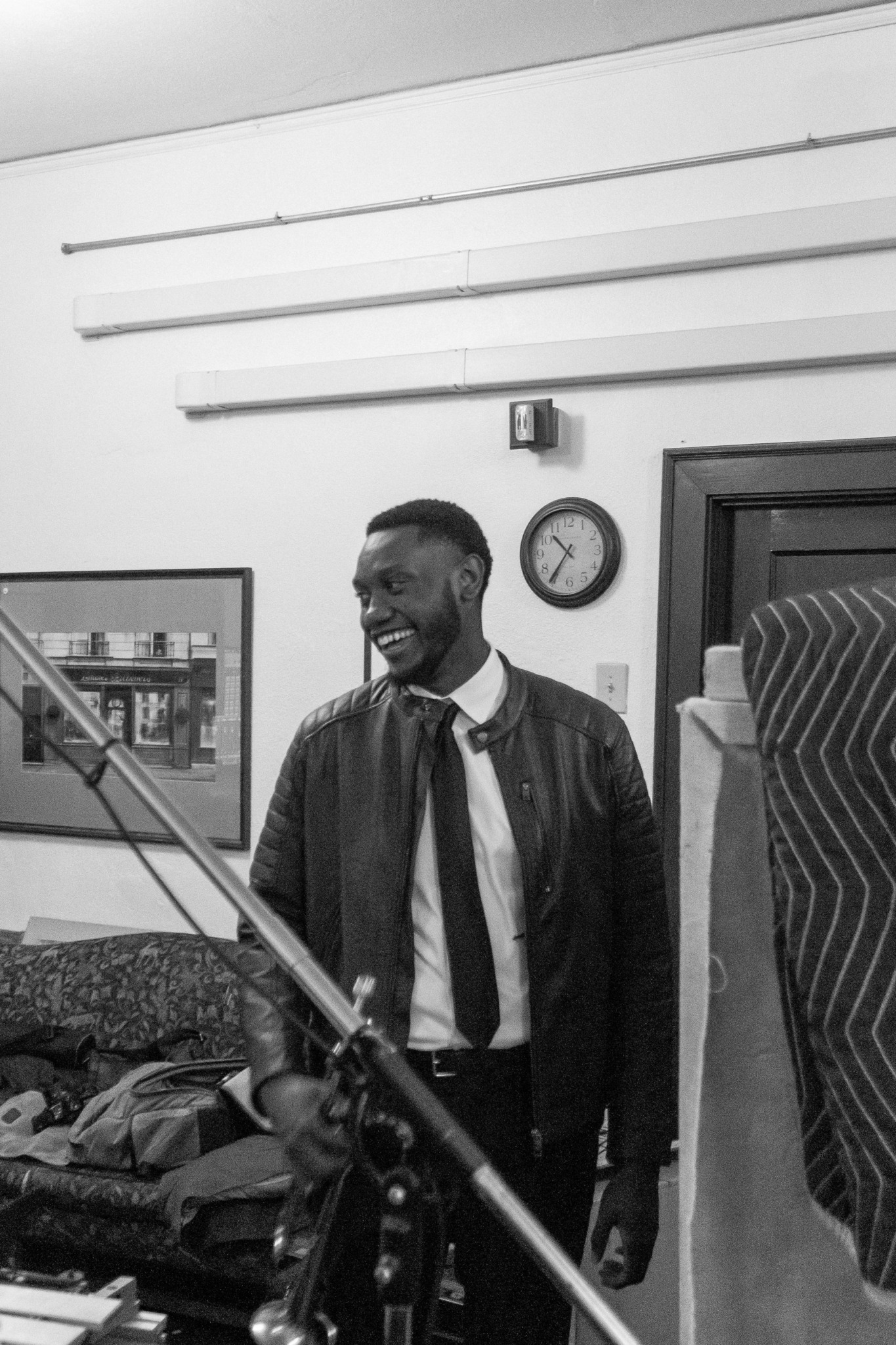
Image Credits
Frank Young
Ryon Time