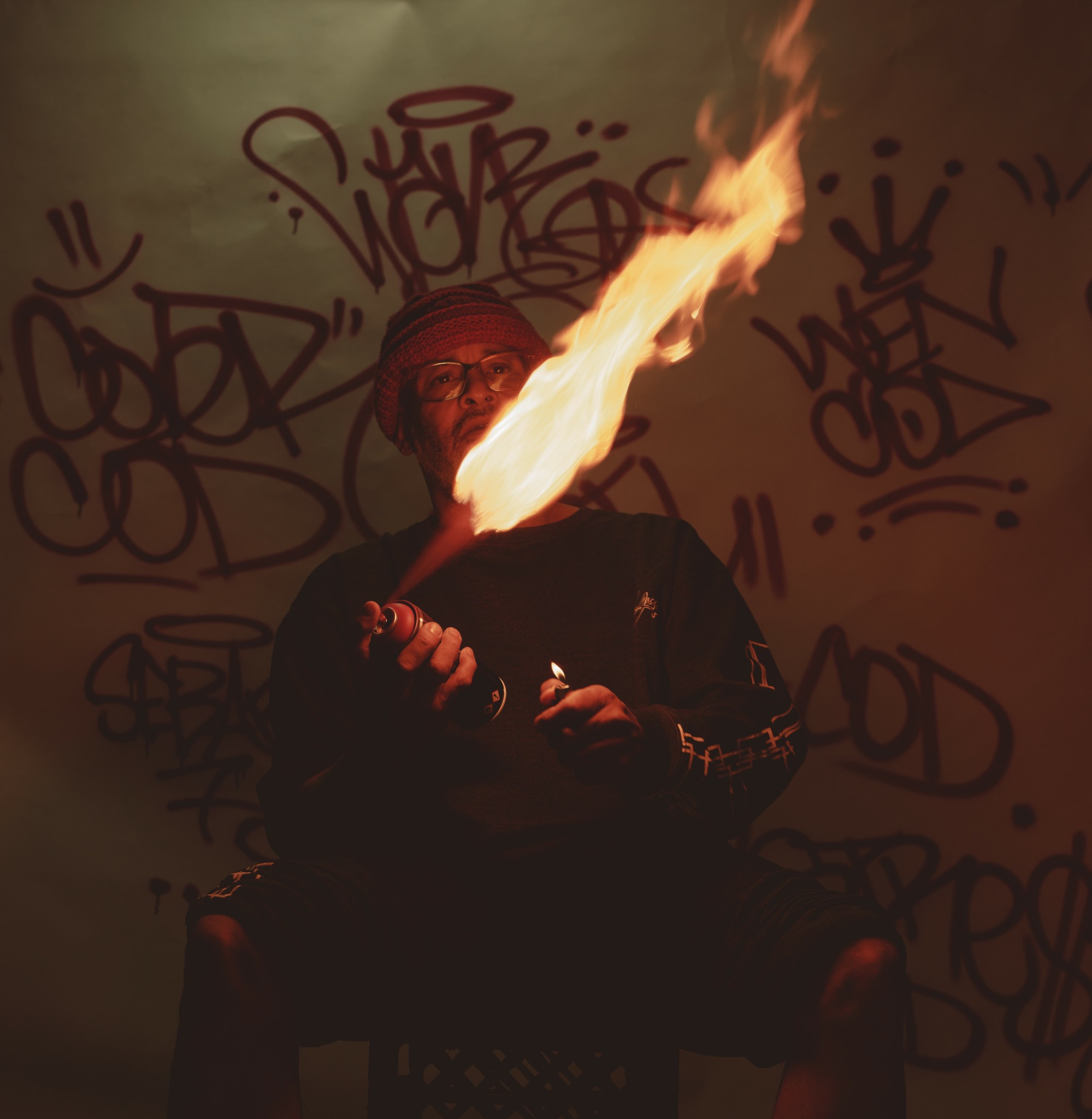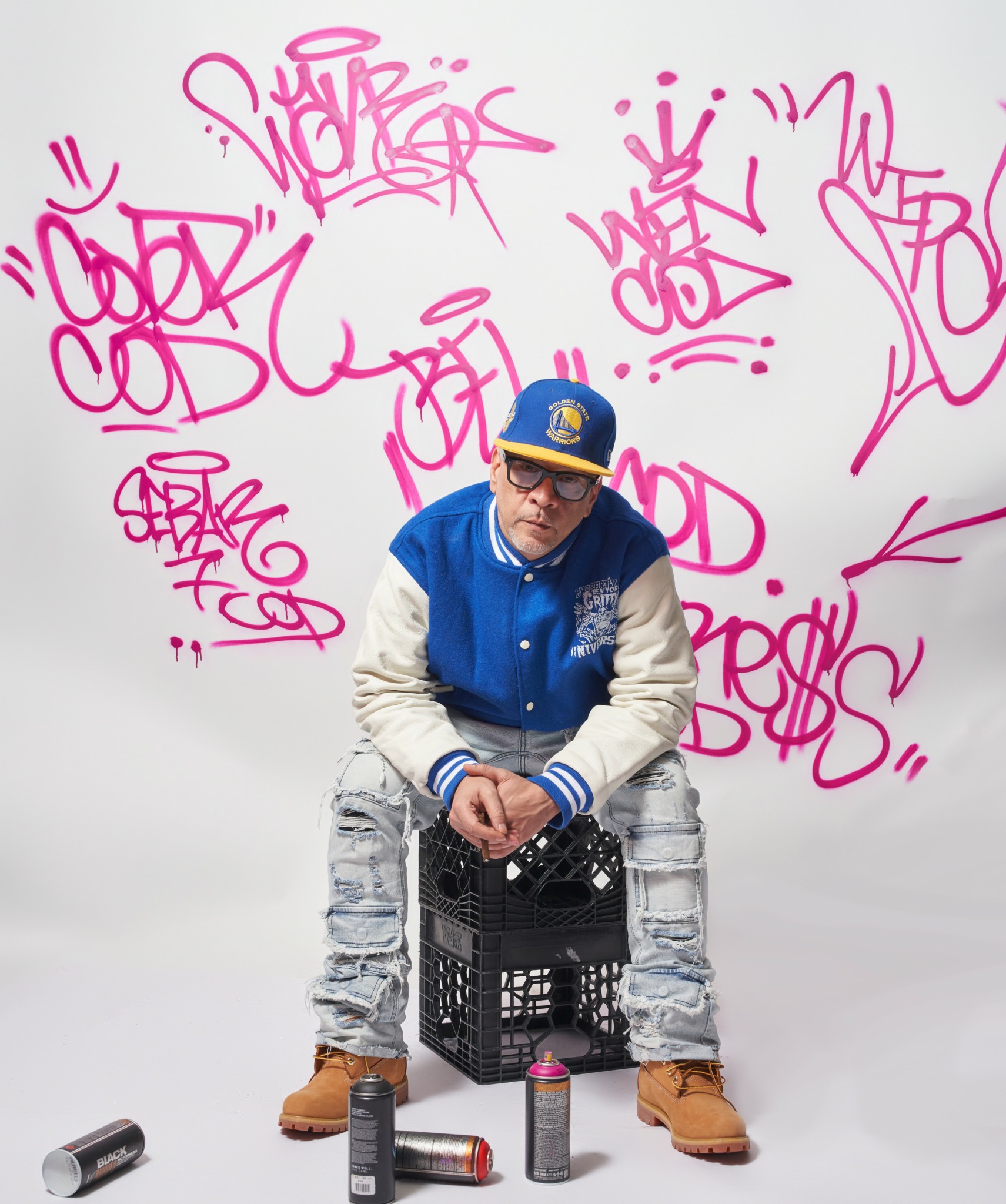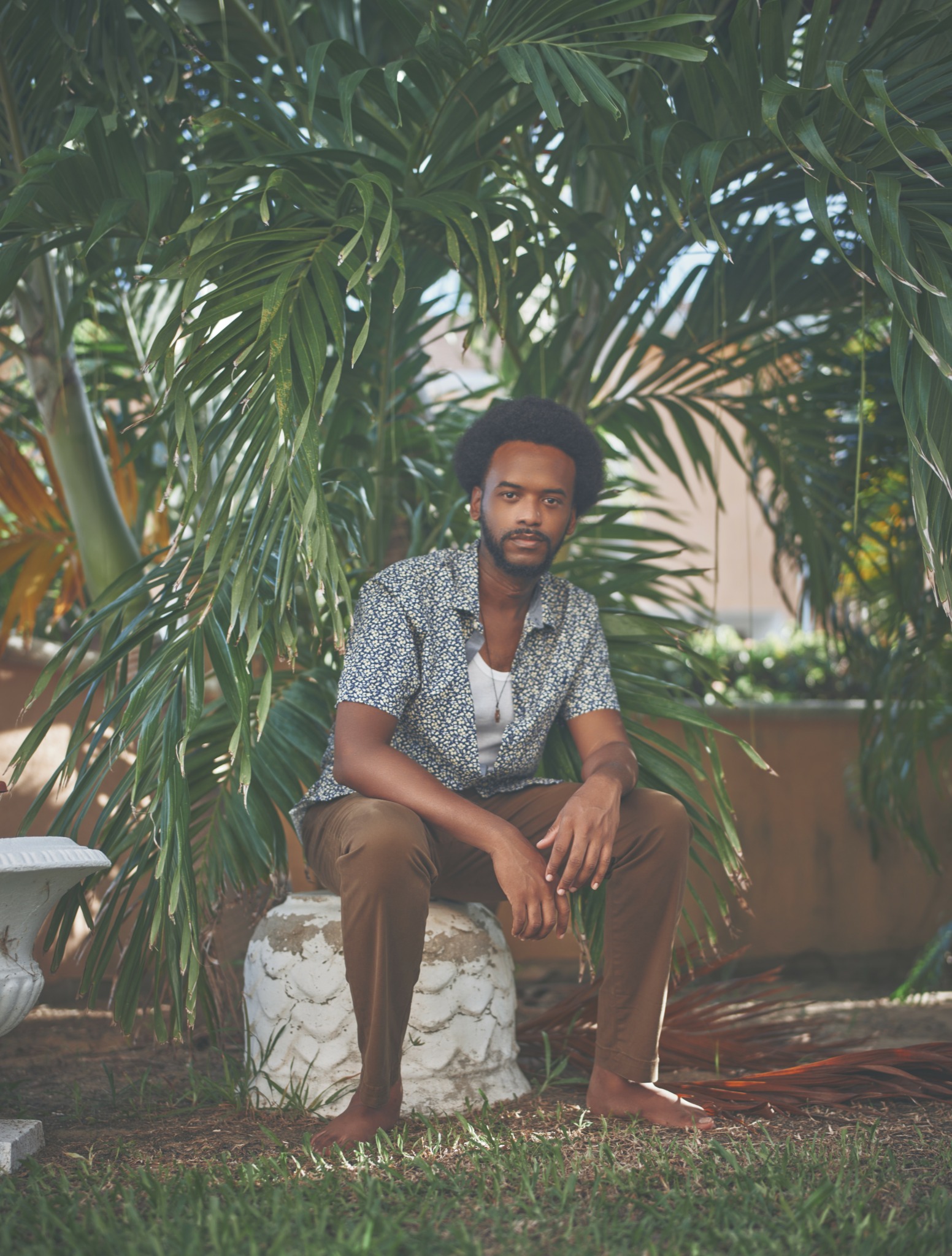

We recently connected with Jeff Martinez and have shared our conversation below.
Alright, Jeff thanks for taking the time to share your stories and insights with us today. Can you talk to us about how you learned to do what you do?
– Everything I’ve done in photography up to this point in my life was self-taught. I didn’t have a mentor, school, or YouTube to teach me or show me how everything was done. It was more of trial and error, from learning about exposure, focal length, and shutter speed, to working with clients and creating a studio.
– I believe everything happened in perfect timing for me. However, I now believe I have the right tools, equipment, and gear needed to get the job done. I have a better mindset and more focus.
My vision of what I want to capture and do when it comes to creative work is different now, I would say evolved because I have already experienced so much. I couldn’t rush the process even if I wanted to. I am blessed to have met the right people and have gone through trial and error to become better at my craft.
– An essential skill is patience and awareness. Waiting for the right moment and being aware of that right moment to capture it. That applies to everything in photography and what kind of field you’re in, Street photography, Wildlife, Wedding, and fashion. That rule applies to every type of photography.
Another skill I would like to add is taking a risk. The worst thing someone can say to you is no thank you, what’s worse than that is missing that one moment you could experience or capture. Maybe that one moment could have been life-changing for you or could inspire someone else’s life. We can be our own worst enemy, we allow ourselves to hold us back from our potential. It’s better to just do it, and take the risk.
– An obstacle was learning that gear doesn’t always matter, it can make things easier. I look at it like this, people are willing to buy the most expensive gear, cameras let’s say, and they all want to achieve a film look.
People would spend thousands of dollars just to edit their photos or videos to look like it was shot on film.
I didn’t want to learn more at one point because I believed the camera I was using at the time wasn’t the best on the market. However, I worked with what I had at the time and made the best out of it. Being creative with what you have can be an obstacle that photographers/upcoming photographers aren’t aware of.
There’s no perfect camera, and that’s on purpose of course.
I overcame that obstacle by going out and shooting, It didn’t matter if I was photographing flowers, pets, or just random people. Finding my identity and working in creative ways helped a lot.
I would also say resources, I mentioned before that I didn’t have a mentor or YouTube at the time.
I was learning more about my style of shooting and that was an obstacle itself. Experimenting, meeting other photographers, asking them questions, exchanging creative ideas, and working together helped.
My grandfather was into photography, he did it as a hobby after World War 2. By the time I decided to get into it, I already lost him when I was a teen.


Great, appreciate you sharing that with us. Before we ask you to share more of your insights, can you take a moment to introduce yourself and how you got to where you are today to our readers.
I am Jeff, a photographer from The Bronx New York. I grew up playing with my grandfather’s cameras, I thought they were cool looking and were toys of course. So I used to pretend to be him and capture his photos.
He did it as a hobby of his after he served in World War 2, he would tell me his stories all the time about tanks, how he got his hearing aid from saving someone from a bouncing Betty and almost died, yeah, All kinds of stories.
He would also show me stacks of photos. Just imagine two Bibles stacked on top of each other, he traveled and photographed a lot.
Also, Growing up as a child, Spiderman was one of my favorite superheroes. So I loved how he would climb walls and capture photos. So I was going by the name of Jeff Parker because of course I was climbing things and taking photos like him with my grandpa’s cameras.
I got into the industry with no intention of being a photographer at first. Actually, I wanted to lean more into graphic design, Back when Photoshop had a master collection suite. So, I started off designing other people’s photos. I wanted to practice more, so I started taking pictures of myself and my family using a flip phone which by the way only had 10mega pixels. Then on my birthday I bought myself a point and shoot Fuji camera, I had that for a while until the screen gave out, and couldn’t see what I was capturing. Then a girl I was dating at the time was inspired by my photos and design so she got me a Canon T1 as a gift. from there that’s when I started to focus more on capturing photos and doing more street photography.
I started doing outdoor photoshoots and would take pictures at friends/family events because I was the one who had a camera, then I captured more photos of other events and I ended up being in nightclubs, weddings, and photographing celebrities. Before I knew I was having clients not exaggerating that’s exactly how it happened.
Everything began to fall into place, and I eventually had I business going without me realizing I had a business going if that makes sense. So I had to learn about pricing, and working with other people (which can be every introvert’s nightmare). It was never my intention to get paid or be booked for photographing,
I just wanted to shoot. I went from designing and editing photos to capturing beautiful moments for money with zero awareness of how quick the transition was.
When I got my camera, I just wanted to capture moments for people, make them happy, and see them smile. However, getting paid to do so was just a bonus for me.
So now, I do a bit of everything, photographing events, photoshoots indoors and outdoors, street photography, helping people bring their brands to life, Videography, working with drones, and the list goes on.
I am doing everything I can to evolve and grow.
When it comes to working with clients, being creative, flexible, communicating, and understanding helps. People come to me because they trust that I have the ability and the vision that they don’t or they can’t execute alone. Working with people to help bring an idea to life is easy when you know this one thing and it’s knowing your idea field of interest. If you’re shooting events, it’s self-explanatory but capture the event. Showcase the people having fun and living in the moment.
Brands? know the brand you’re working with and you must have some kind of interest and understanding of what vision the brand is trying to achieve otherwise it won’t work. However, that’s what I love about photography, not only do I enjoy working with other creative people, but it’s something I believe that can’t be mastered and is constantly growing as you grow. That’s why I am always interested in doing all types of photos and expanding creative ideas. I don’t believe in limitations and when you just stay in one field of photography like just shooting one type of thing, is a limitation itself, at least that’s my opinion. You have the ability to capture anything, newborns, newlyweds, cars, houses, pets, there’s so much freedom you have to expand your eye. Not to mention, inspire others in the process.
Learning and unlearning are both critical parts of growth – can you share a story of a time when you had to unlearn a lesson?
1) Comparing yourself to others, and their work. “Why my photos don’t look like this or that, why my videos don’t look like this or that”. Comparing can lead to depression or a feeling of anger which then can lead to being competitive. When you’re good at what you do, there’s little to no competition. Not to mention, it’s about creating not seeing who can do it better. Everyone has their own vision. Create your own identity 9/10 other people are copying someone else idea and style.
2) “Having this gear will make you better”. It doesn’t it just makes things a bit easier. I have seen people who have the best gear and still get hired and provide crappy work for their clients.
3) Saying yes because of the money. Not all pay is good pay. Don’t be afraid to say no when accepting opportunities that don’t align with you. Know that 90% of clients mean well and a small amount doesn’t and would want you to do more than what you offer and sometimes doing so isn’t good enough for them. Some clients will try to pay you less or say “Well, this person would do it for cheaper”. Just don’t be quick to say “ok i’ll do it” or Yes to things like that.
4) Don’t be offended when you go above and beyond to please your client and they don’t appreciate it. If I provided a photoshoot for you, shot your event both video and photo, gave you drone footage edited video and photos in a timely matter, and captured the best moments at your event while having your guest message me about how beautiful and what amazing job I did, and somehow you aren’t satisfied with the service. I’m just saying. You might get a few clients that won’t appreciate you and that’s ok.
5) Contracts. I used to shoot events without them, even though I haven’t had a need for them. Still, it’s always good to look after yourself. I would do events and say to myself nothing can go wrong I’m just capturing.
Well, Just because you have a great client, doesn’t always mean they’re surrounded by like-minded people. You may have an event where people are drunk and messy or somehow your gear ends up missing and damaged. Maybe someone is expecting you to do this or that and that wasn’t part of the agreement. What’s worst of all someone isn’t trying to pay you for your time, if they booked you and canceled the list goes on. Don’t look at it as a trust thing, look at it as we came to an agreement and this is proof of our acknowledgement.
6) “Because I provided a service, I would get paid on time or after I am done, right?” Always have a non-refundable deposit. Combine that with contracts and you should be good.
Some people would waste your time.
I’ve done an event who was a friend of a family member of mine, his son’s first birthday. Shot the event photos were ready within a day, the guy said “Hey can I pay you for half the photos and give you half the money? You know it’s the first of the month and my rent was due so I can’t pay you all the money”.
7) Watermarks, I used to think I could trust anyone, but sadly, it doesn’t always work out that way. I shot a video for a club. The promoter wanted to see how good I was, so I shot and edited the video within the same night. The plan was for us to work together in the future, but he ended up using my video and tried cropping my credit out of the video to show to other venues to get the deal. Then, he ended up using his own photographer that he worked with for X amount of years. He had the club thinking it was him (his personal photographer that he works with) who edited and shot the video + photos.
Listen all I wanted to do was shoot and share my vision, how did I end up dealing with that?


What do you think is the goal or mission that drives your creative journey?
Helping and inspiring others to grow their creative eye.
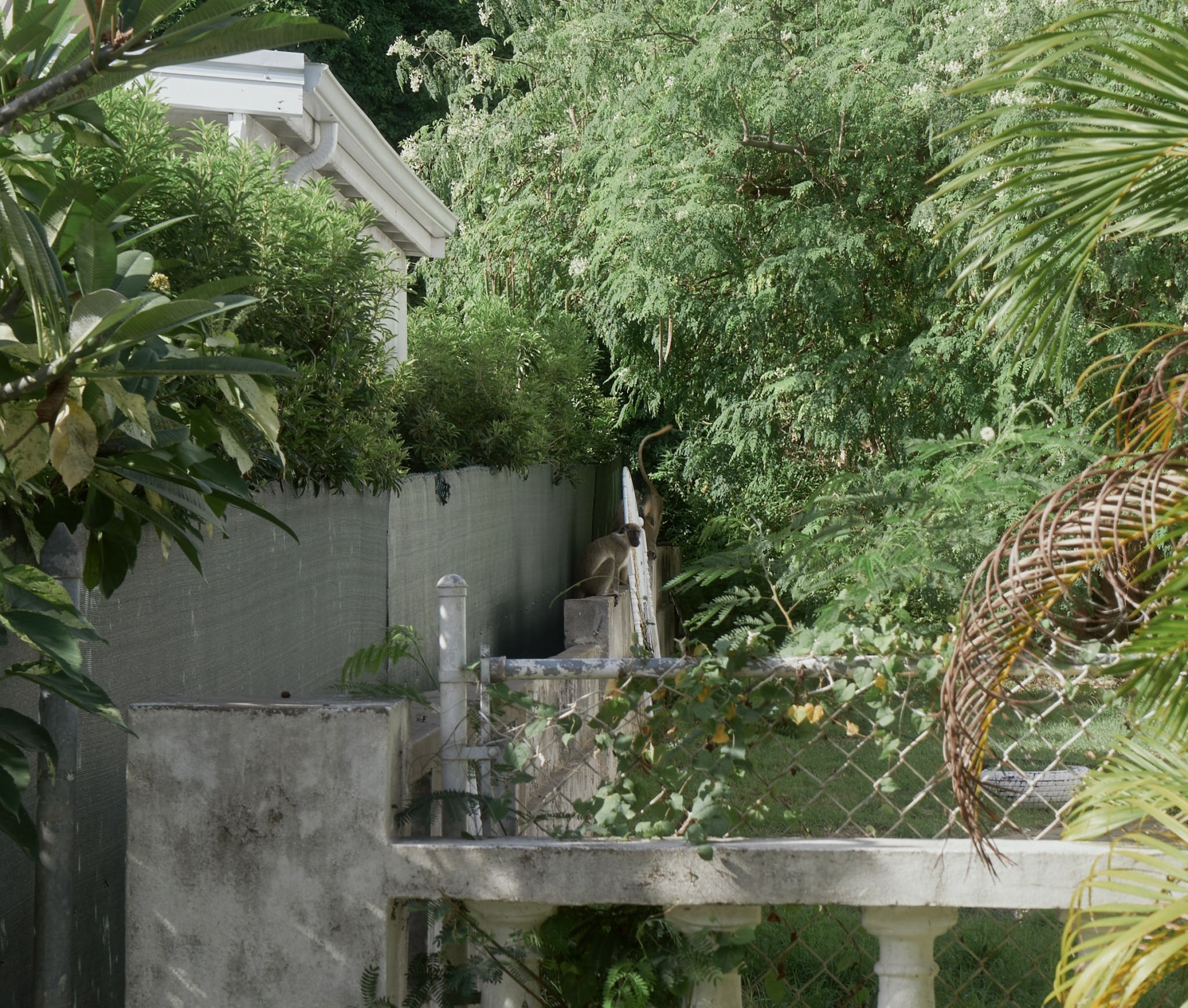
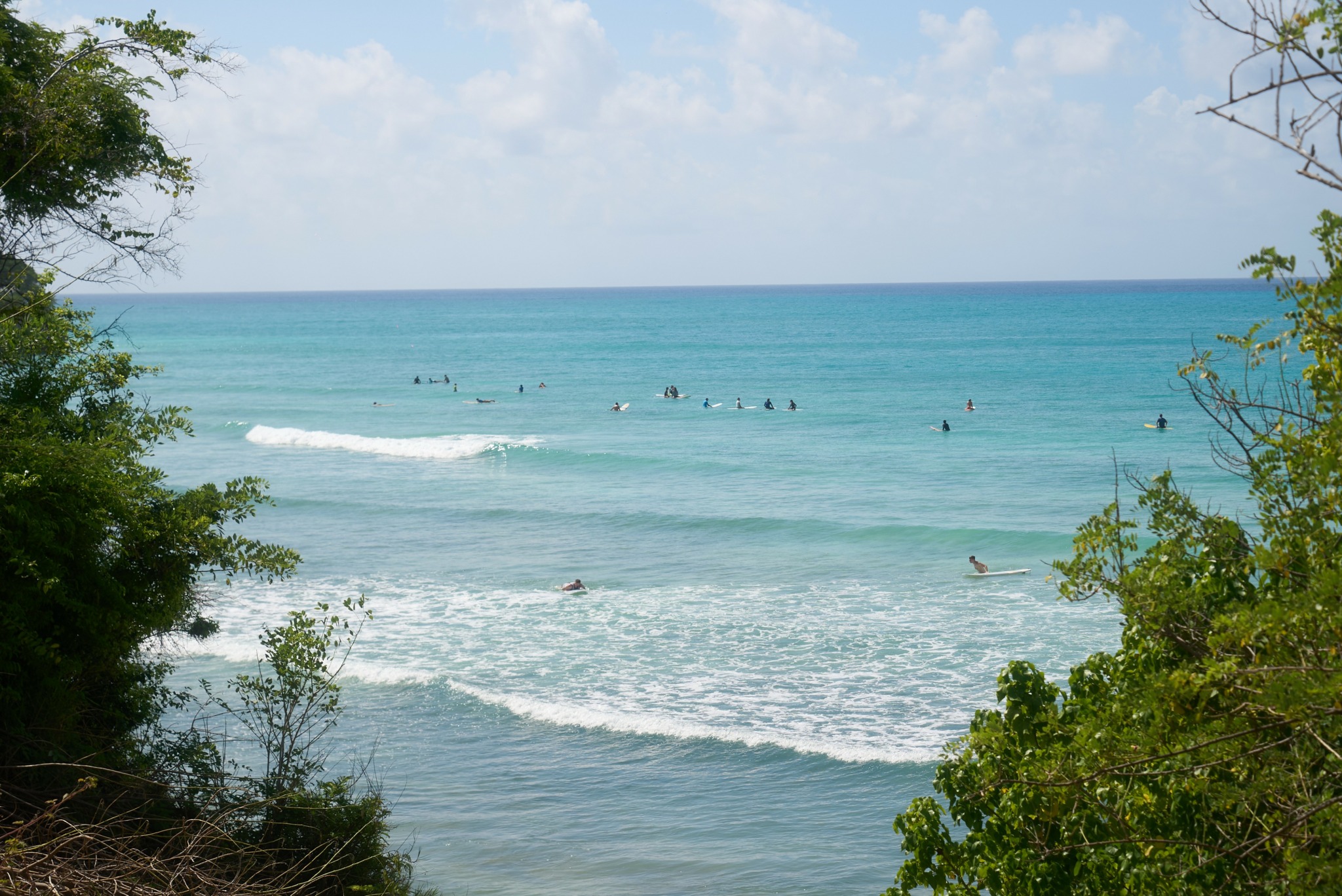
Traveling has become one of the new missions, seeing the world outside of the United States has inspired me to see what else the world has to offer. I am from the city, but when I go out of the city into a different country that’s where the new journey began for me. Recently I came back from Barbados and it was beautiful. The culture, the water, the food, and the beaches were amazing, it felt unreal. People say good morning was a big deal for me, trying to photograph a monkey might have been my biggest challenge there. For me, living in the city of New York, I see the same tall buildings, and it’s nothing new to me.
Seeing more would help with doing more in my creative journey. Going there to Barbados, and experiencing a different culture, and a different environment from home influenced me in ways I really can’t express.
However, I think I can say maybe this is the same feeling my grandfather had when he traveled and started taking photos.