
Alright – so today we’ve got the honor of introducing you to Sofia Chitikov. We think you’ll enjoy our conversation, we’ve shared it below.
Hi Sofia, thanks for joining us today. Learning the craft is often a unique journey from every creative – we’d love to hear about your journey and if knowing what you know now, you would have done anything differently to speed up the learning process.
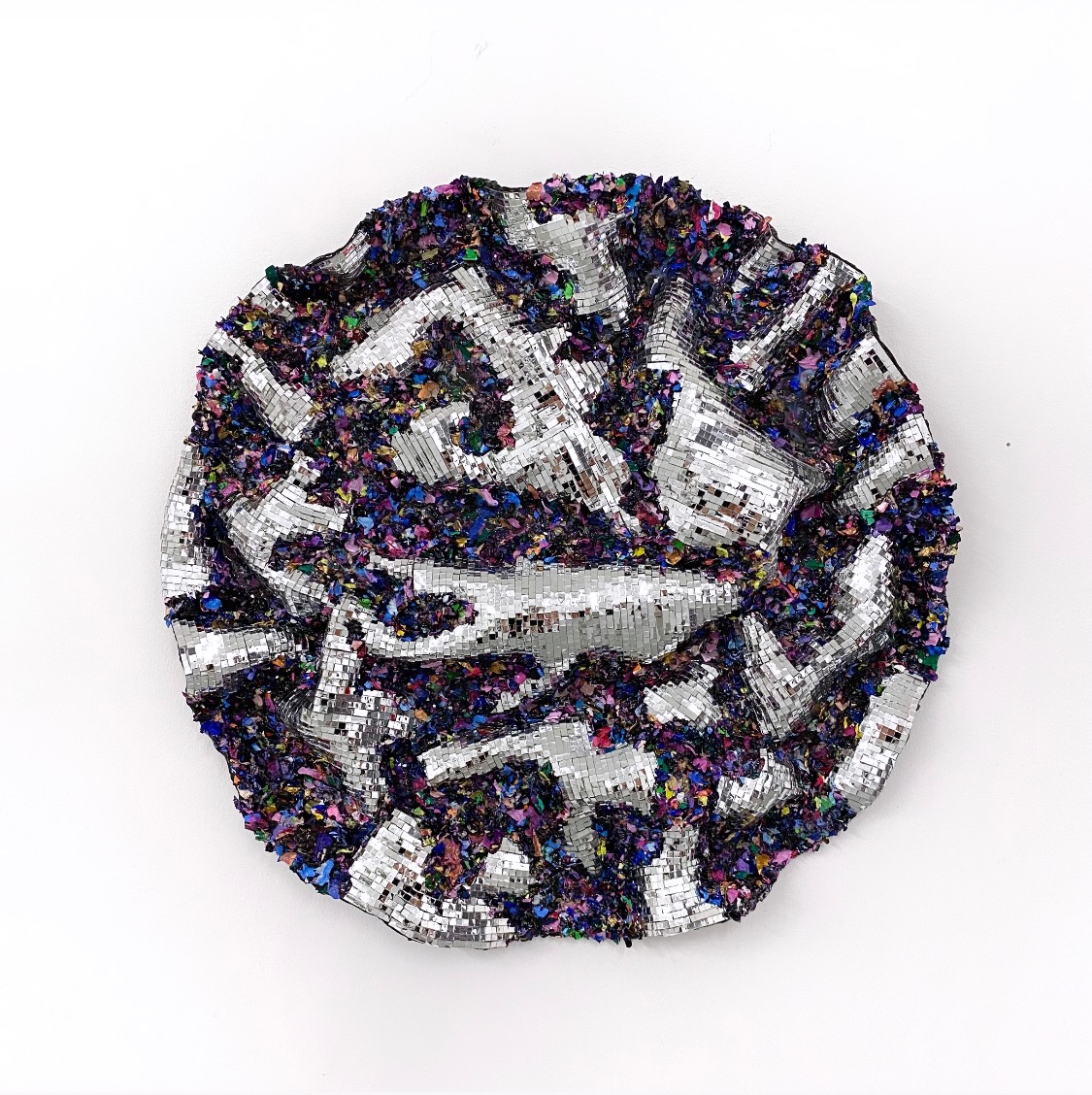
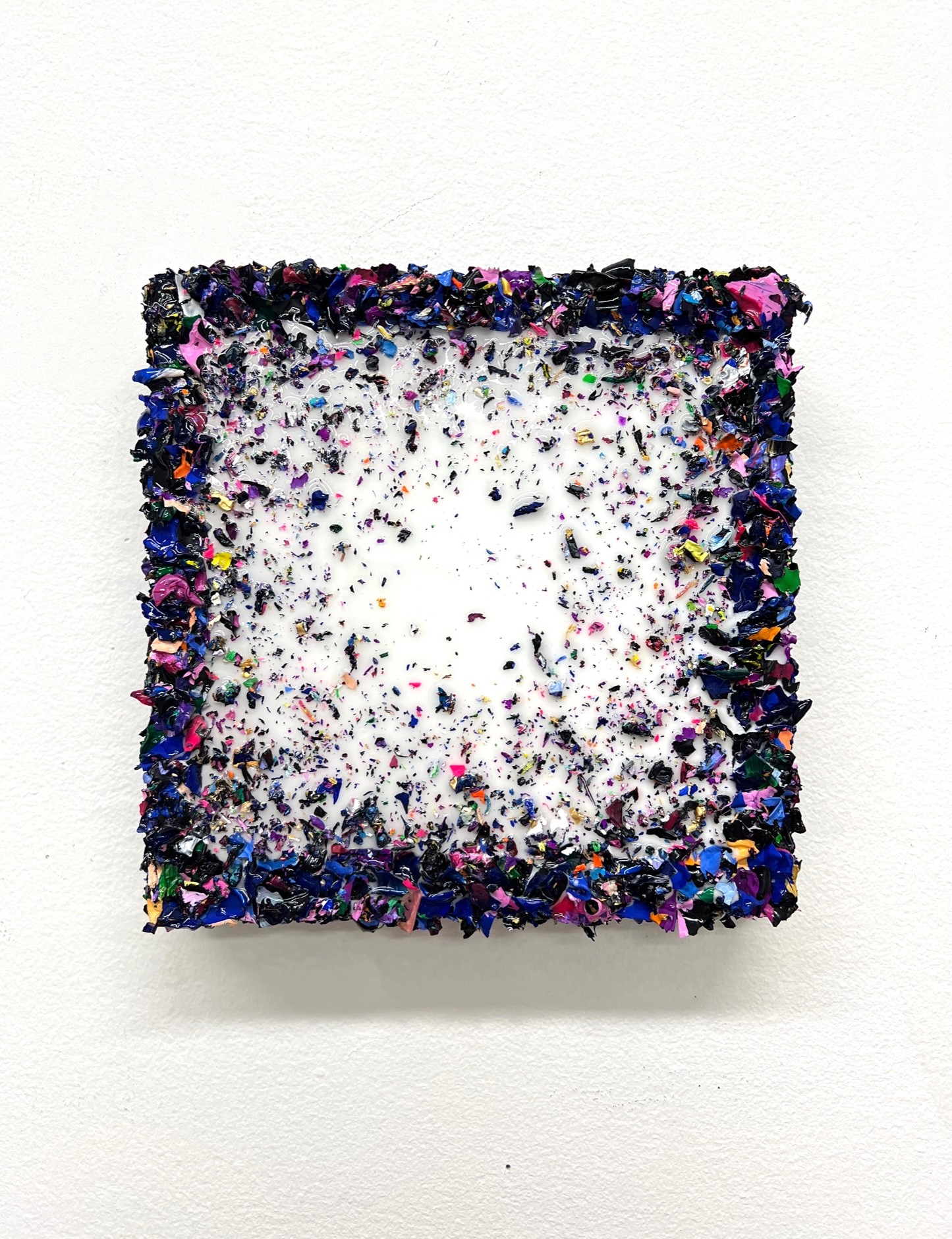
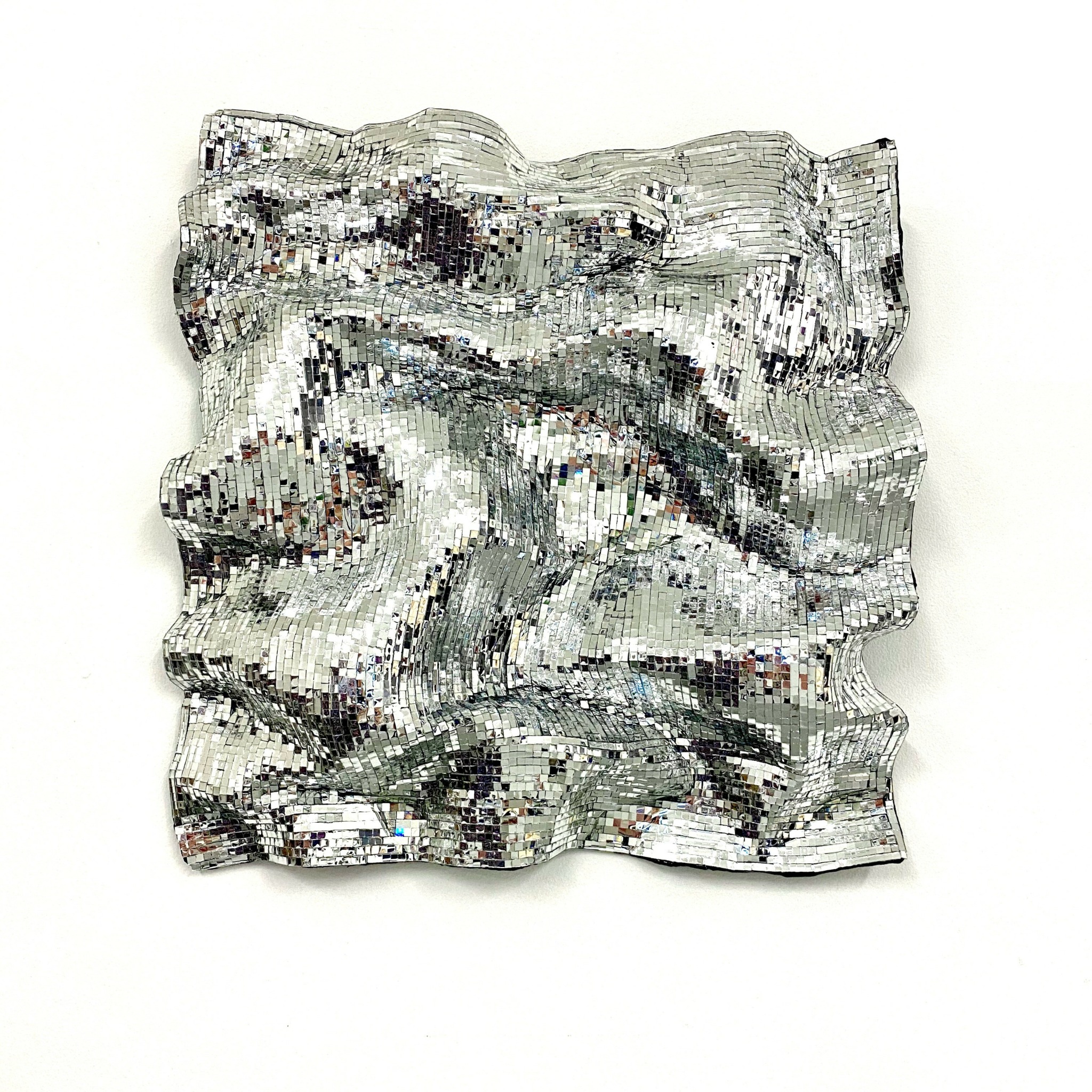
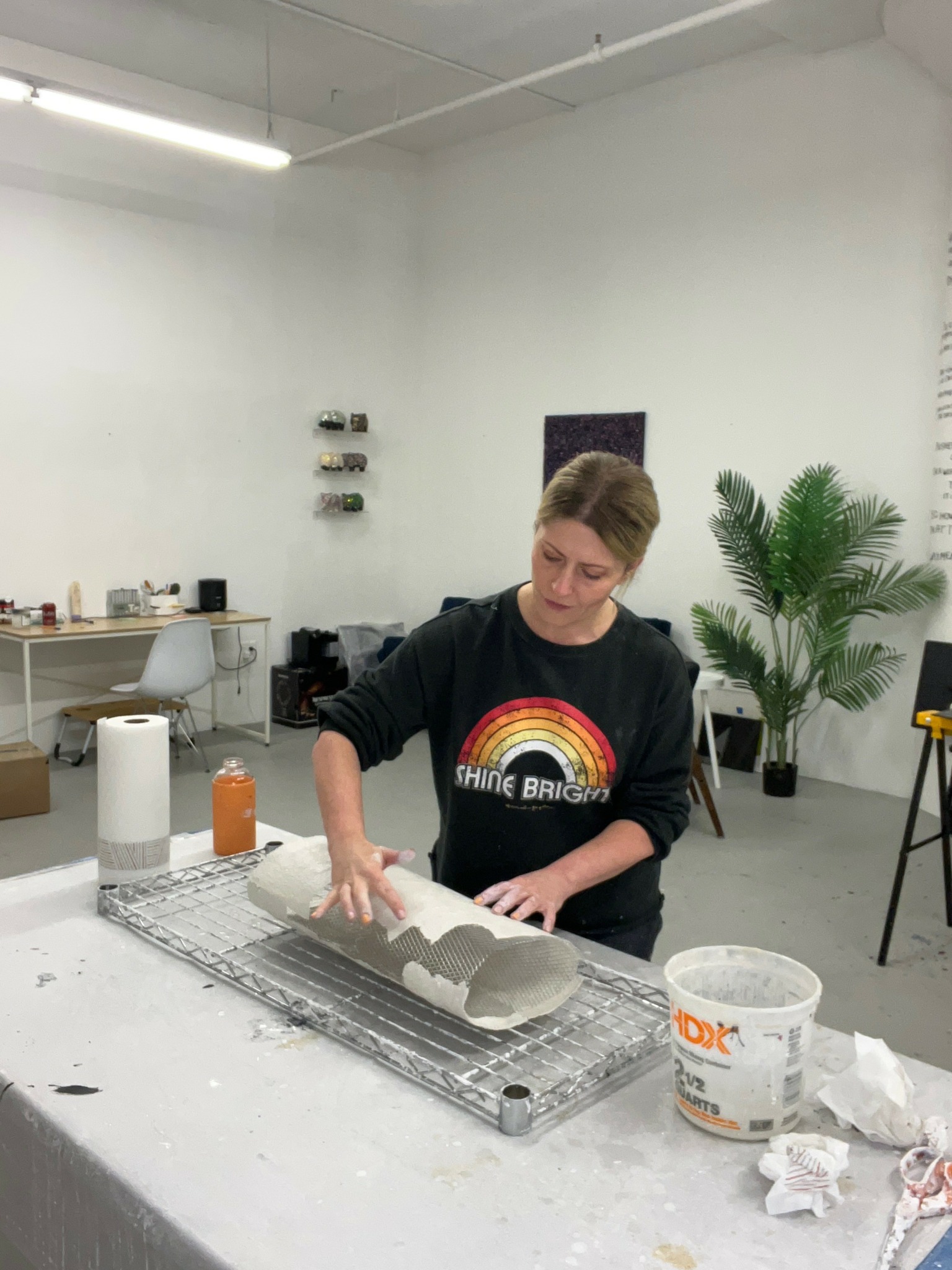
I’ve never had a formal art education beyond a few high school art classes, but my growth as an artist has been shaped by constant curiosity and self-directed learning. I don’t consider myself entirely self-taugh because I’ve learned and continue to learn from countless other artists and craftsmen through platforms like YouTube and social media. I’ve discovered that artistic skill develops best when you’re open to new ideas and methods. I started out focusing on acrylic painting, exploring techniques, experimenting with different tools, mediums, and paint qualities. Over time, I began mixing in other materials, learning how to incorporate resin in diverse ways, and through trial and error in my studio, I even devised my own method for creating unique acrylic textures. Eventually, I found myself drawn to more tactile work and started learning elements of sculpting, enjoying the physicality of shaping and molding my pieces.
One thing that has remained consistent is my commitment to problem-solving. If I have a concept in mind but I’m unsure how to bring it to life, I research various approaches, experiment with small test pieces, and refine my methods as I go along. The more ambitious or “out there” the idea, the more I learn and grow. In that sense, I’m always in a state of active learning—each new challenge helps me fine-tune my craft and discover what’s possible.
Awesome – so before we get into the rest of our questions, can you briefly introduce yourself to our readers.
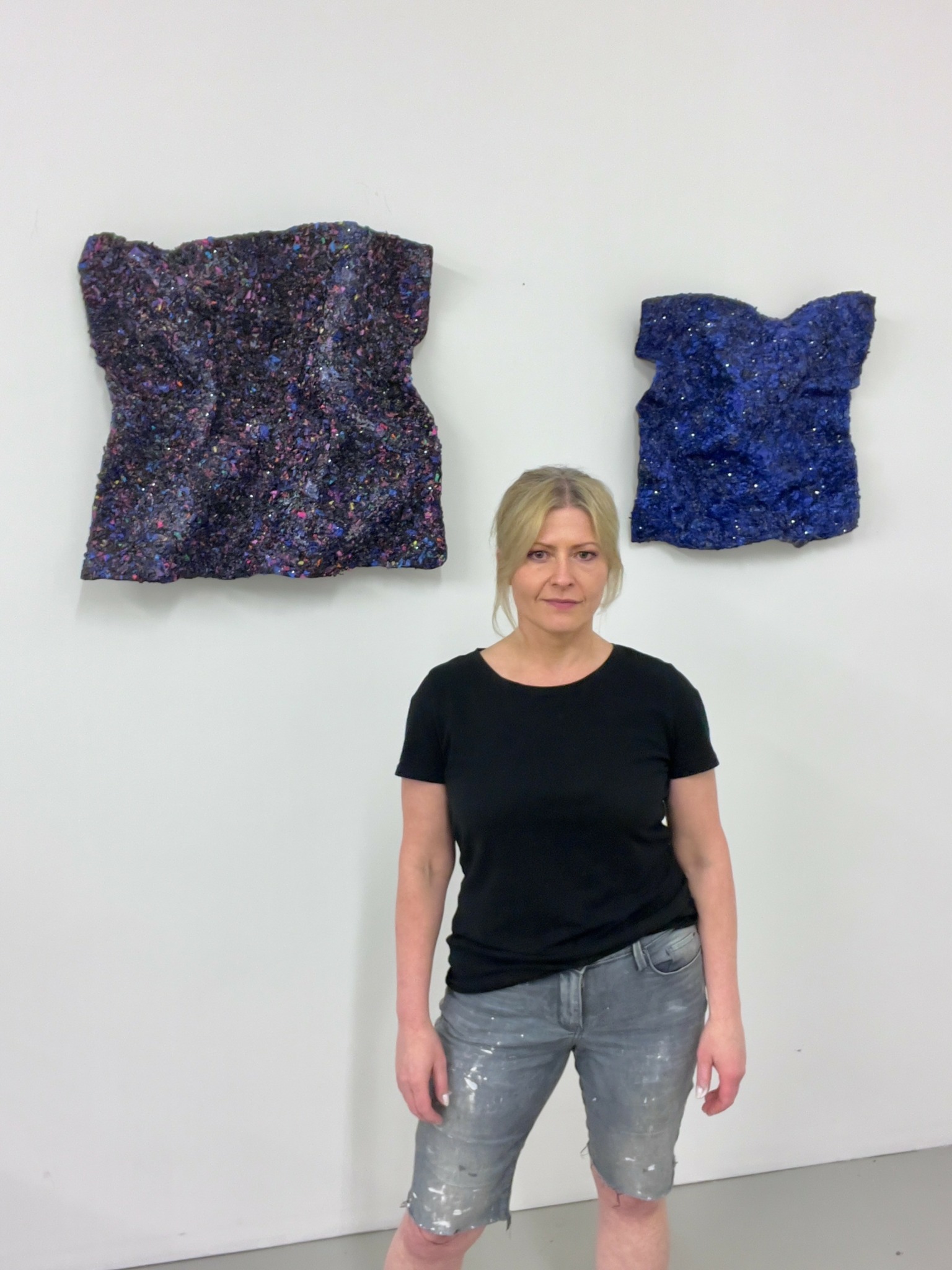
I was born in the Soviet Union and immigrated to the United States with my family when I was a teenager. My early years were spent adapting to a new country and culture, while pursuing my education, eventually earning a BS from the University of Florida and an MBA from Northwestern University. I worked in product development and innovation for 15 years, but in 2017, I felt the pull to explore my long-standing passion for art. The leap into an art career was a natural progression, blending my background in innovation with creative expression.
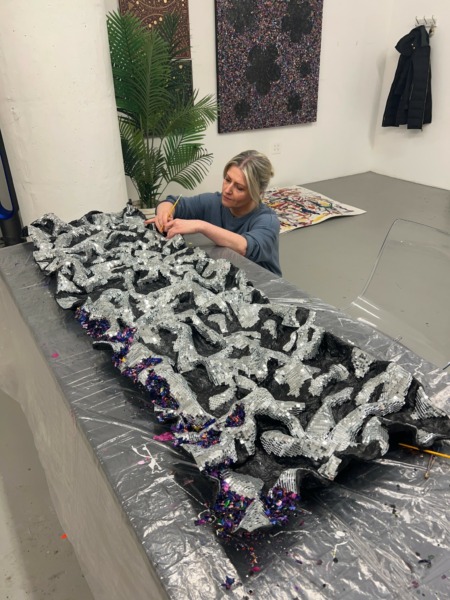
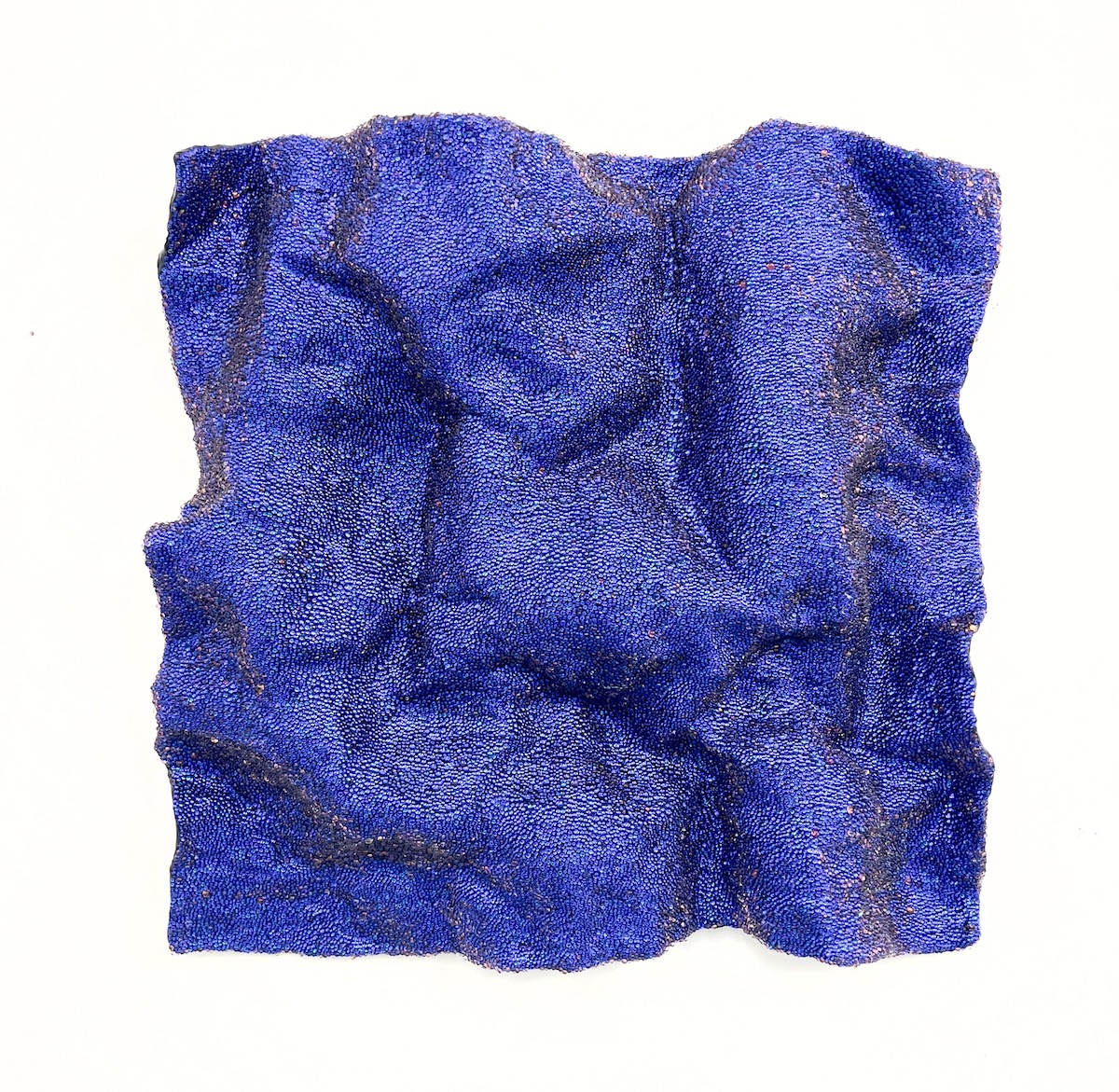
I specialize in abstract wall sculptures and mixed media pieces that explore themes of spirituality, mysticism, and science. My process involves creating custom materials from acrylics and other media to develop rich, vibrant compositions. Over the years, I’ve exhibited at prestigious art fairs such as The Other Art Fair in NYC and Chicago, and my work has been acquired by collectors in cities like Miami, Washington DC, and London.
My work is as much about about visual beauty as it is about intellectual curiosity. It resonates on multiple levels.
Through my vibrant wall sculptures, mixed-media compositions, and abstract paintings, I aim to do more than decorate a space—I want to spark conversation, challenge perceptions, and inspire a deeper exploration of self and reality.
How did you build your audience on social media?
Building a social media audience often feels like a full-time job. It can be overwhelming, especially when my limited creative energy should ideally be focused on my artwork rather than crafting social media content. However, in today’s world, it’s a necessary part of being an artist. My approach can be summed up in three words: consistency, variety, and engagement.
I started building my audience on Instagram, dedicating significant time to learning from others, experimenting with my own content, and interacting with a wide range of art accounts. Early on, I realized that simply posting photos of finished artworks wasn’t enough to drive meaningful engagement. Instead, people were drawn to process videos, behind-the-scenes glimpses, and occasionally, finished pieces. Now, I share a mix of content to connect with different types of audiences. For instance, art galleries are more interested in my portfolio and high-quality images of completed works, other artists enjoy seeing my creative process, and potential collectors appreciate interior shots featuring my art.
Engagement, in my opinion, is the cornerstone of any successful social media strategy—though I’ll admit, it’s an area where I could improve. Bringing my real-life network into my online presence has been a valuable tactic. I follow my collectors, fellow artists I’ve met at shows, galleries I’ve worked with, and others I interact with outside of social media. I make a conscious effort to engage with their content regularly, keeping myself visible and fostering genuine connections. This not only builds relationships but also ensures I stay top of mind in an increasingly competitive space.
Is there something you think non-creatives will struggle to understand about your journey as a creative? Maybe you can provide some insight – you never know who might benefit from the enlightenment.
The art world is often glamourized by those looking in from the outside, but the reality is that being an artist, while deeply rewarding, can also be incredibly demanding. Creating art in your studio—immersed in your own creative process—is undoubtedly amazing, but it’s only one piece of the puzzle. Over my journey, I’ve learned that being a successful artist, particularly one who sells their work consistently, requires a wide array of skills beyond creating. Without these skills, it’s easy to feel stuck or struggle to make progress as a professional artist.
One of the most crucial areas is self-marketing, which involves understanding branding, telling a compelling story, and crafting clear messaging about your work. You need to be able to articulate what sets you apart, why someone should buy your art, and why galleries should exhibit it. A key part of this process is identifying your “why”—the driving force behind your creations—and communicating it effectively. Creating beautiful pieces alone isn’t enough; having a backstory that resonates and being able to express it eloquently is equally important. This can be challenging for visual artists, as we naturally communicate through our medium, and writing about our work requires accessing a different part of our brain. However, it’s a skill worth developing, as it bridges the gap between the art itself and the audience’s understanding and appreciation of it.
Another essential skill is networking and building genuine connections. Success in the art world is often as much about who you know as what you create. The more authentic relationships you cultivate, the more opportunities you open up—for collaborations, exhibitions, sales, and more. For many artists, especially introverts, networking can feel uncomfortable or even painful. Yet, stepping outside your comfort zone to connect with the right people can be transformative. Building meaningful relationships, rather than just transactional ones, creates a supportive network that helps you grow both creatively and professionally.
In short, being an artist requires wearing many hats, and developing these supplementary skills is just as vital as honing your craft. Balancing creativity with strategic thinking can be tough, but it’s also what makes the journey so dynamic and rewarding.
Contact Info:
- Website: https://www.sofiachitikov.com
- Instagram: https://www.instagram.com/sofiasartlab/
- Facebook: https://www.facebook.com/SofiaChitikovArt