

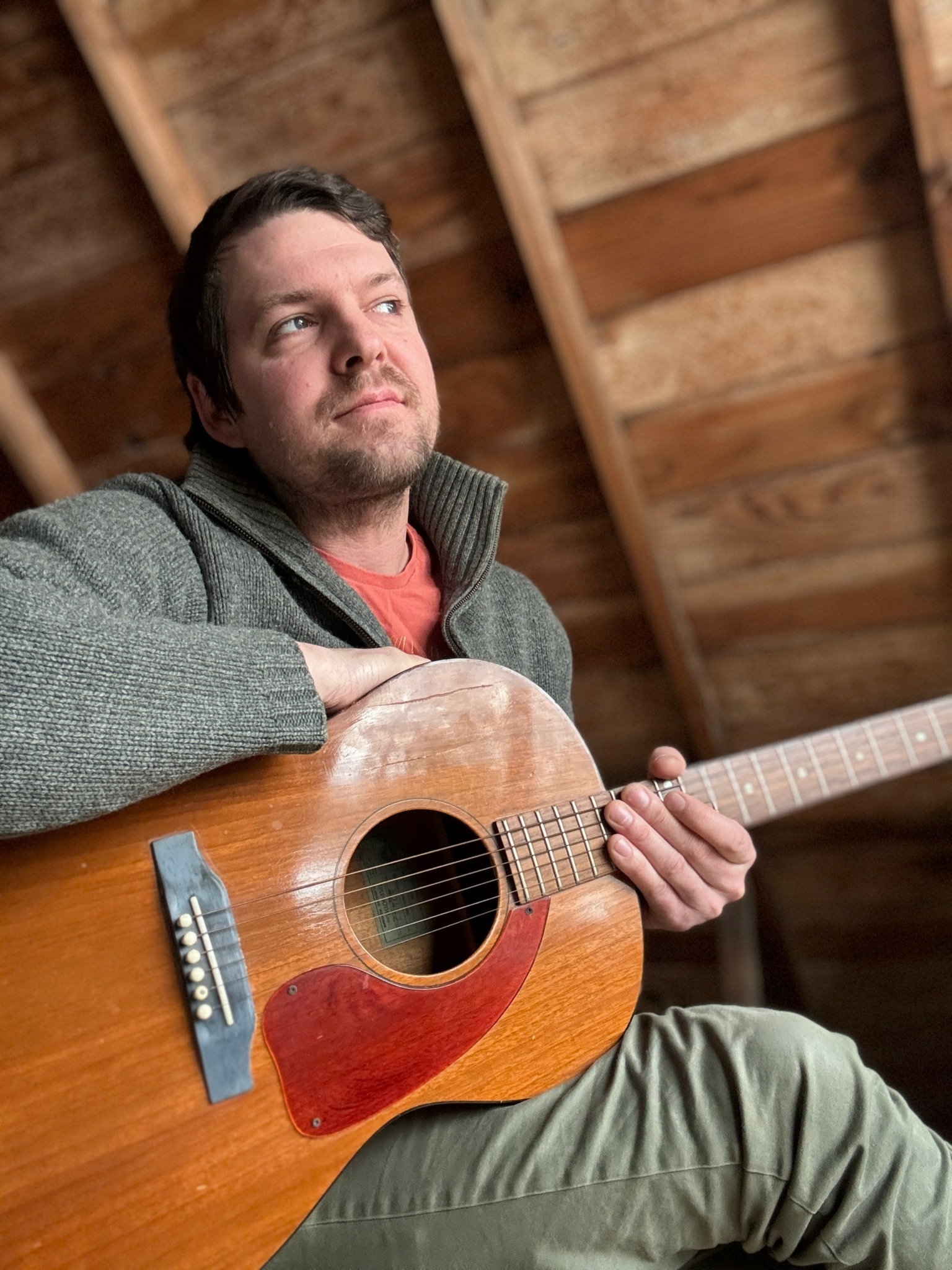

We recently connected with Philip Parker and have shared our conversation below.
Alright, Philip thanks for taking the time to share your stories and insights with us today. How did you learn to do what you do? Knowing what you know now, what could you have done to speed up your learning process? What skills do you think were most essential? What obstacles stood in the way of learning more?
I am largely self taught, except for an expensive degree in classical music that doesn’t get much use these days!
This is such a great question, and something I don’t think I’ve ever really ruminated on, but here goes:
I think all art (wether it is design, music, production) is truly rooted in process – and the implementation of that process to an end result. That being said, some of the most compelling work that I’ve been involved with has been the result of accidents in the recording studio. Things that were unplanned and of the moment. I think most artists experience this.
If I could go back and coach my younger self on how to propel my creative career I would probably just say “take more chances”.
Risk is this odd thing within the human condition, and it is counterintuitive to the survival part of our brains, but without it we have a tendency to repeat our process, and impede artistic growth.
Skills evolve, obstacles are a constant – those two hurdles will always be present – just don’t let them dictate the creative spirit of “what if”.

Philip, love having you share your insights with us. Before we ask you more questions, maybe you can take a moment to introduce yourself to our readers who might have missed our earlier conversations?
I moved to Boulder in 2005 after I was accepted into the CU College of Music for Cello performance. At the time I was living with my cousin who had been in Boulder for some time, and through that connection met my good friend Tres Altman who has a musical project called The Paper Stars. Tres is one of the most natural musicians I’ve ever met, and a damn good songwriter.
The Paper Stars were playing a show at the Laughing Goat sometime around 2007, and after the show I met my (now) good friend Greg Isakov who needed a cellist to play on the album he was recording. We went to a studio in north Boulder, which was my first exposure to recording and production, and I was totally enthralled with the studio environment from then on.
I played in Greg’s band for 15 years. We went from playing shows to literally no one in dive bars to selling out Red Rocks, and everything in between. When I wasn’t on tour, I was recording and producing records for other Colorado artists out of my second bedroom, and learning the very unique craft of being a “producer” (even though I kind of detest that term”.
In your view, what can society to do to best support artists, creatives and a thriving creative ecosystem?
A few years ago I got to play Newport Folk Fest for the first time, and we were fortunate enough to play directly after Leif Vollebekk and see his whole set. None of us had ever heard of this guy, and we were all completely floored at what we were hearing. Leif is a another one of those natural musicians who sort live in the craft in a way others don’t. He is also one of the funniest people on the planet.
Leif ended up opening a bunch of tours with us, riding on the bus, and we all got to know each other really well. Leif was a recipient for a grant through the Canadian government (he lives in Quebec) that paid for the recording of his next record.
When I heard this I was totally floored. What a concept! Anyone who’s made an album and toured/promoted it will tell you how atrociously expensive it is. It is truly inspiring to see a society collectively support emerging artists through real, financial support. I would love to see things like that become more commonly implemented here in the states.
Do you think there is something that non-creatives might struggle to understand about your journey as a creative? Maybe you can shed some light?
This job – and all creative jobs – is, at its core, entrepreneurship.
Some types of creative jobs mimic the traditional pantomime of running a small business, but in music the goal is to provide a FEELING.
Can you imagine how traditional business owners or non creatives would approach such a task? What an ask! Go sell a feeling.
It is remarkably difficult, and the success rates reflect that. Now imagine selling a feeling and the bottom drops out of the income model with things like piracy in the early 2000’s and now streaming.
We in the music world are tasked with reinventing how we make a living, and it’s a moving target with gobs of caveats.
Contact Info:
- Instagram: p_parkinen
- Youtube: @metalbubbletrio
- Other: Metal Bubble Trio is a musical project I’m involved with here in Traverse City. It is the brainchild of my good friend Andrew Dost, of the band Fun.