

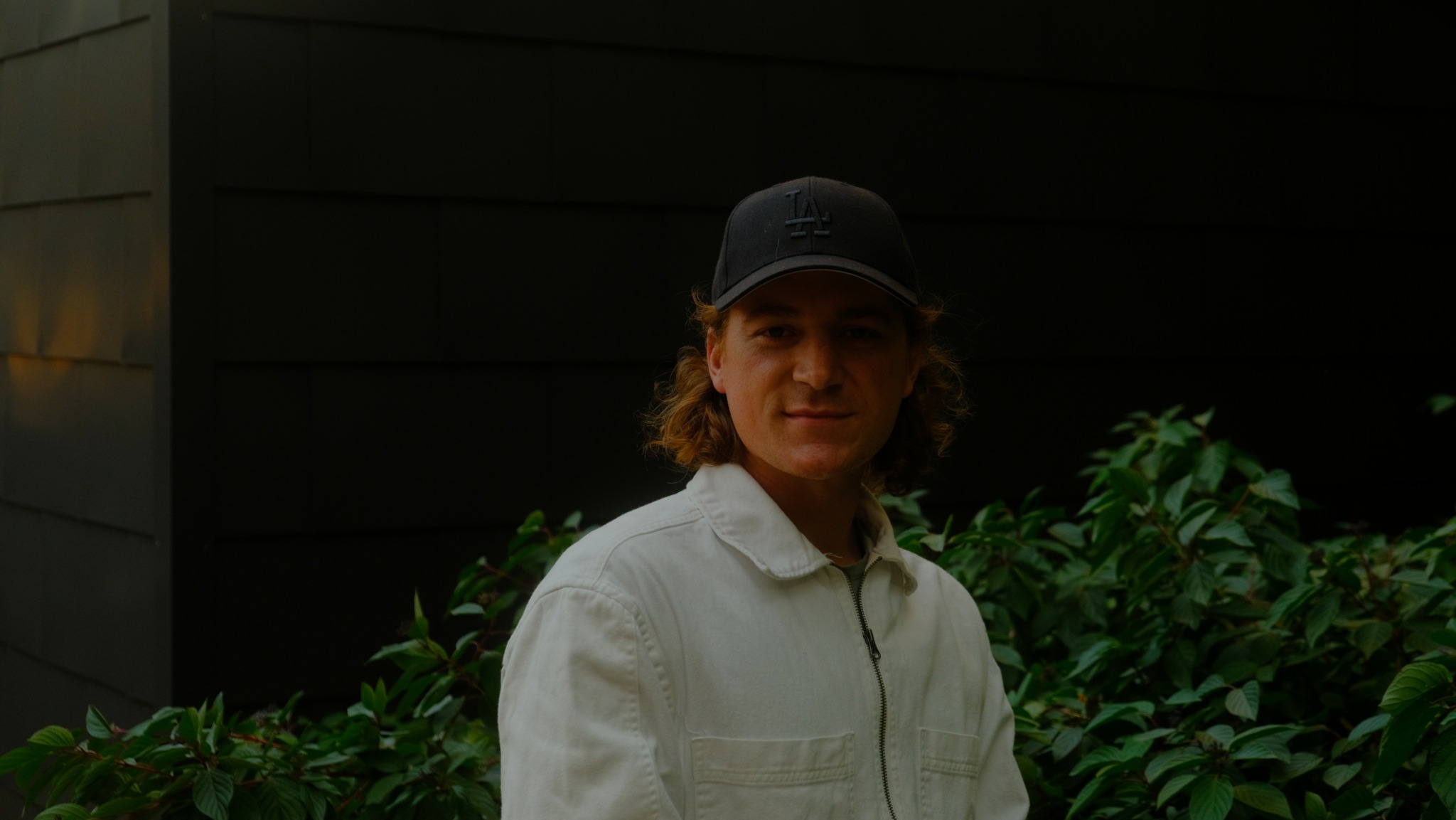

Often there is no book or course to learn how to do what you want to do – so how artists and creatives overcome such challenges? How have some of the most talented artists and creatives in the community managed to learn their craft?
Onnoleigh Sweetman

I have always been involved in the arts. I started off tap dancing on tables at the age of three and was enamored with film and television since childhood. Acting and dance was my first love that I trained in, but I took and electric detour in my early twenties. I started going to raves in 1999 and would spin glow sticks off of shoe strings. That’s when inspiration struck me and I had a vision to take all the artistic elements of rave culture and put them on stage. By 2002 I was learning to twirl fire and was grabbing every type of street dancer and ballerina I could find to put them on stage to live DJ’s in a neo- psychedelic dance show. This is where I learned to become a producer and spent years putting on all types of events. I learned to be a director and producer through good ole fashion trial and error. There was no blueprint that I was following and looking back, just getting out there in world and having a vision of creation and just doing it, is the best hands on education. Read more>>
Sean White
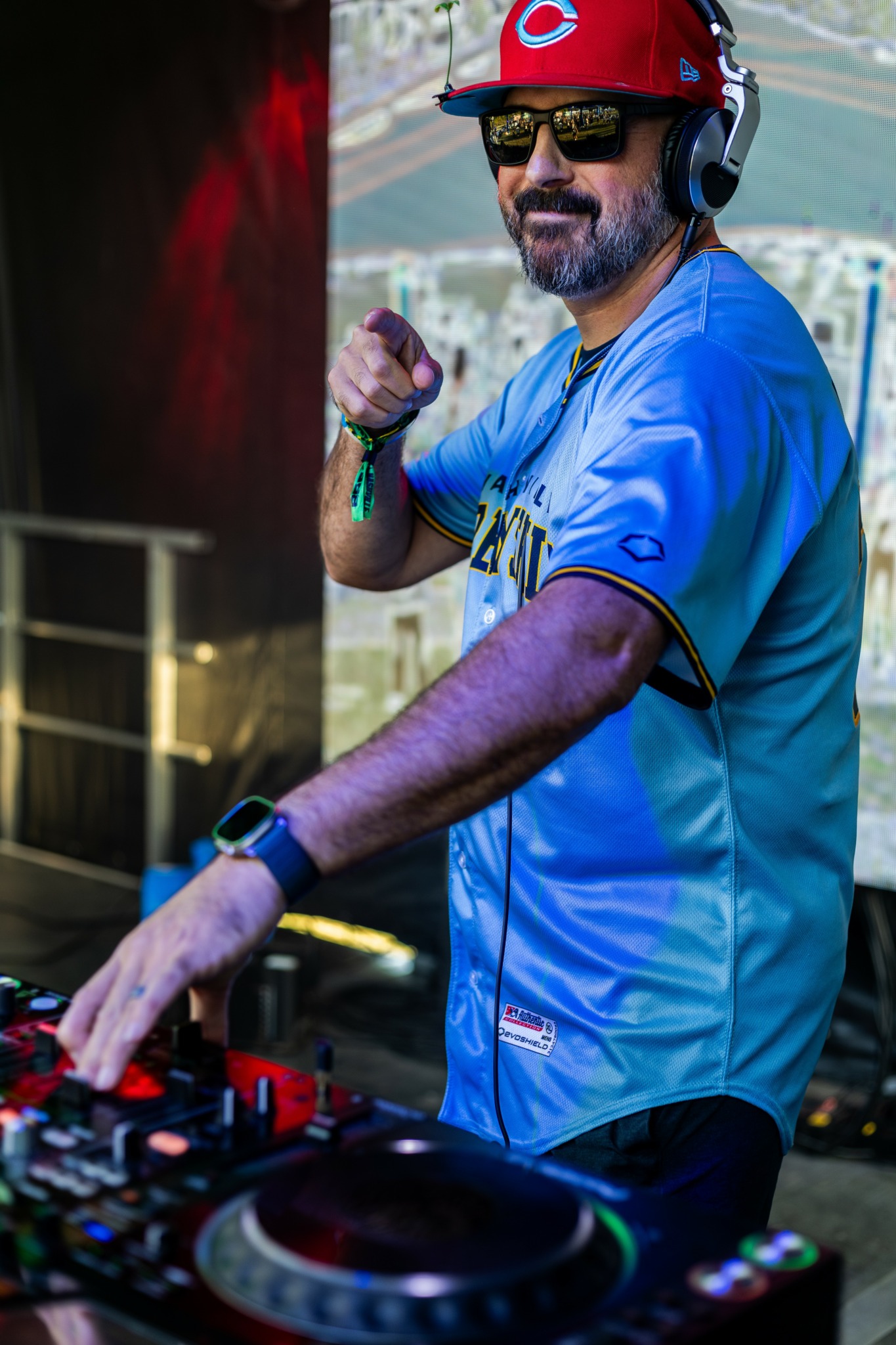
I first learned how to mix records when I was younger just by practicing over and over in my bedroom. I had a standard DJ setup of two Technics 1200’s and Pioneer mixer and I had about 15 House records that I would just practice mixing for hours. Then life happened and I had to get rid of those things. Fast forward about 20 years and everything had totally changed. DJing is all digital now and YouTube is a powerful resource. I also had some help from a friend who’s been DJing professionally for over 20 years. He helped me through the basics and then I was off and running. I jumped right back in pretty easily but spent almost a year practicing and going out and listening to other DJs before playing my first gig. I have learned that technical ability in mixing is not a DJs most essential skill. It’s reading the crowd and knowing how to keep them engaged and keep them dancing. Read more>>
Mackenzie Salzberg
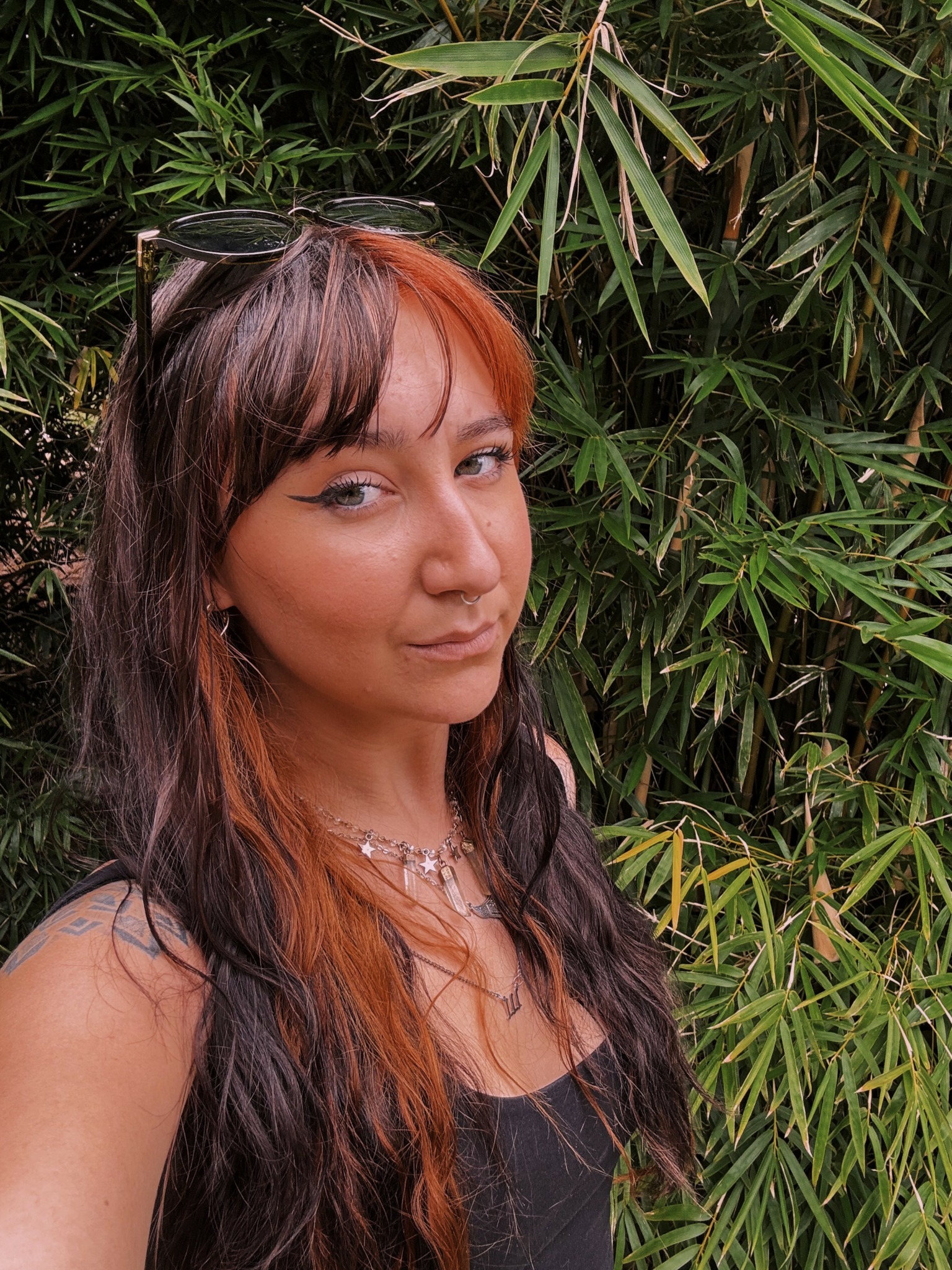
I learned how to tattoo by doing your typical apprenticeship. I created a portfolio of my art and went into an interview with the owner of a shop. I started my apprenticeship the next week! I spent 6 sometimes 7 days out of the week and many full length days dedicating my time to learning the craft. I started out by just learning how the shop itself ran and then would practice lines and tracing on paper. About a month of that is when I actually started to tattoo. I never got to start on fake skin, I just went straight into tattooing people. I wouldn’t of sped up any part of the process. If anything I wish it took longer for me to become an official artist. Luckily I did have some background knowledge in art, so that does help tremendously with translating to tattooing. Read more>>
Dj Meet

I learned how to DJ from the living legend DJ M Dollaz. He needed a DJ to cover for him one night and he taught me the ropes. Mixing-wise, the process for me was super quick. To this day I’m unsure if I’m a quick learner or just meant to be but 16 years later I’m still here. Knowing what I know now, I wouldn’t rush any part of the process. In life, you gotta pay dues in some capacity. I will say I wish I learned the dark side of the business quicker. Just like any other business in this world, You can stay on a straight path or sell your soul in the sense of not standing on business. The main skill you need to be a successful DJ is first figuring out what type of DJ you want to be. No matter what type of DJ you want to be you have to know how to mix. Being an open DJ is very important as you can master every genre of music and stay booked and have that versatility. Along with mixing is crowd reading and being mindful what songs and playing songs together in key. An obstacle being in a way of learning more is just pure ignorance. Be open-minded. Thats how you separate yourself from other DJs. Read more>>
Dan Persitz

My mom is a professional violinist and music teacher, so it was a given that I would take violin lessons. I didn’t love it right away (I far preferred playing with Legos!) but grew into it, especially once I reached a decent level. The most important skills for me are discipline and self-analysis. Learning an instrument or any craft only works if you chip away at it regularly. There are good and bad days but with regular practice, improvement happens over time. In terms of speeding up my learning, I think it could’ve been useful to expose myself to a few other teachers over the years. Just to examine differing points of view on technique and musicianship. Youtube has become a great resource for that. Read more>>
Tez& Majia
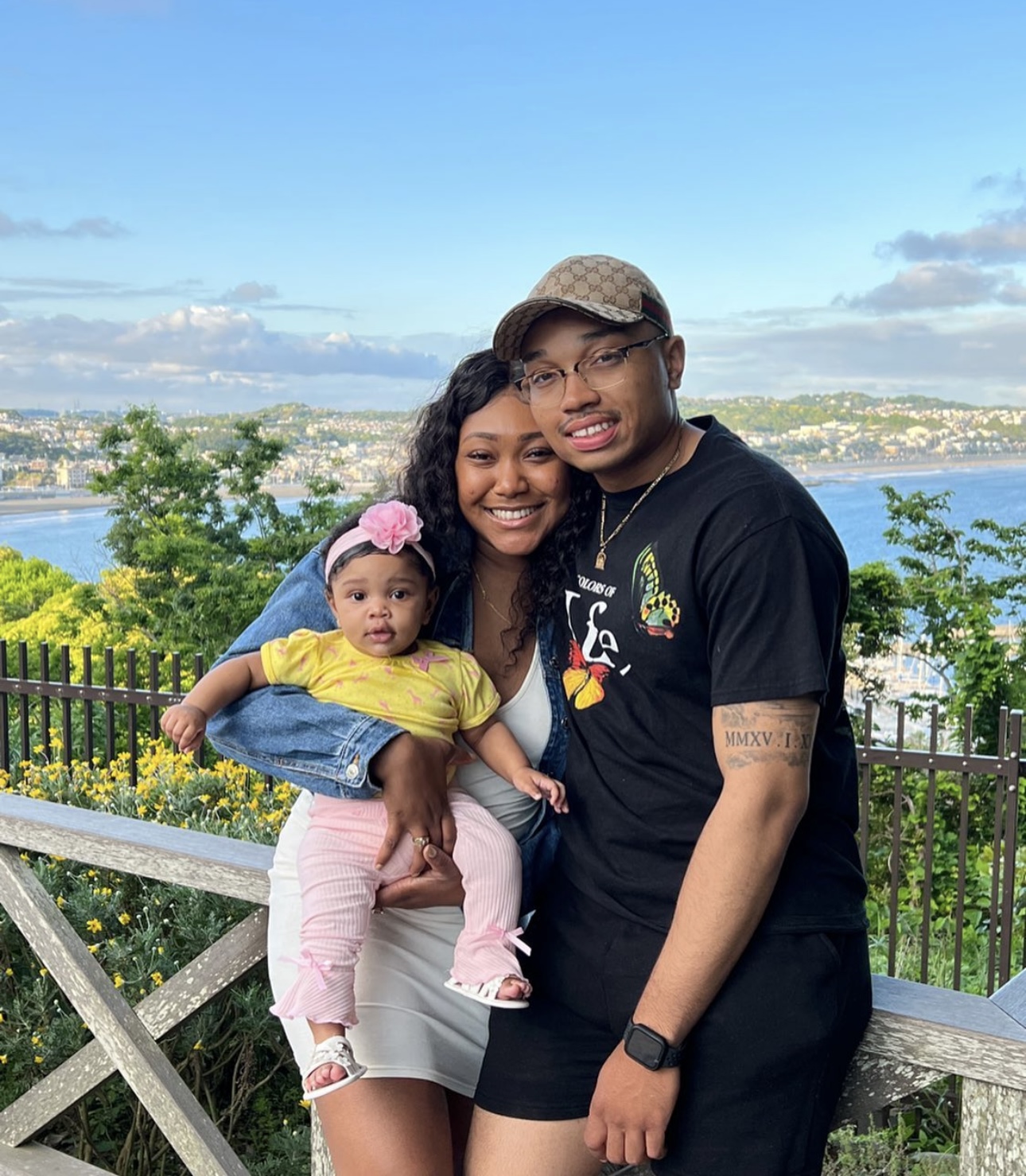
We started content creation in Japan to document our life with a newborn and all the traveling we had been doing. What started as a personal project turned into a passion as we’ve progressed.Consistency was key, but hard to maintain with our jobs and child. If we could go back, we’d prioritize a posting schedule and connect sooner with other creators for advice and support. The most essential skill was patience, not every video will get views. When the time is right everything will happen as it should. Balancing content creation with frequent moves and raising a toddler made consistency difficult. Each relocation disrupted our routine, and finding time to create was a challenge. But those experiences taught us resilience, and now that we’re settled, we’re focused on growing steadily. Read more>>
Al Nouri
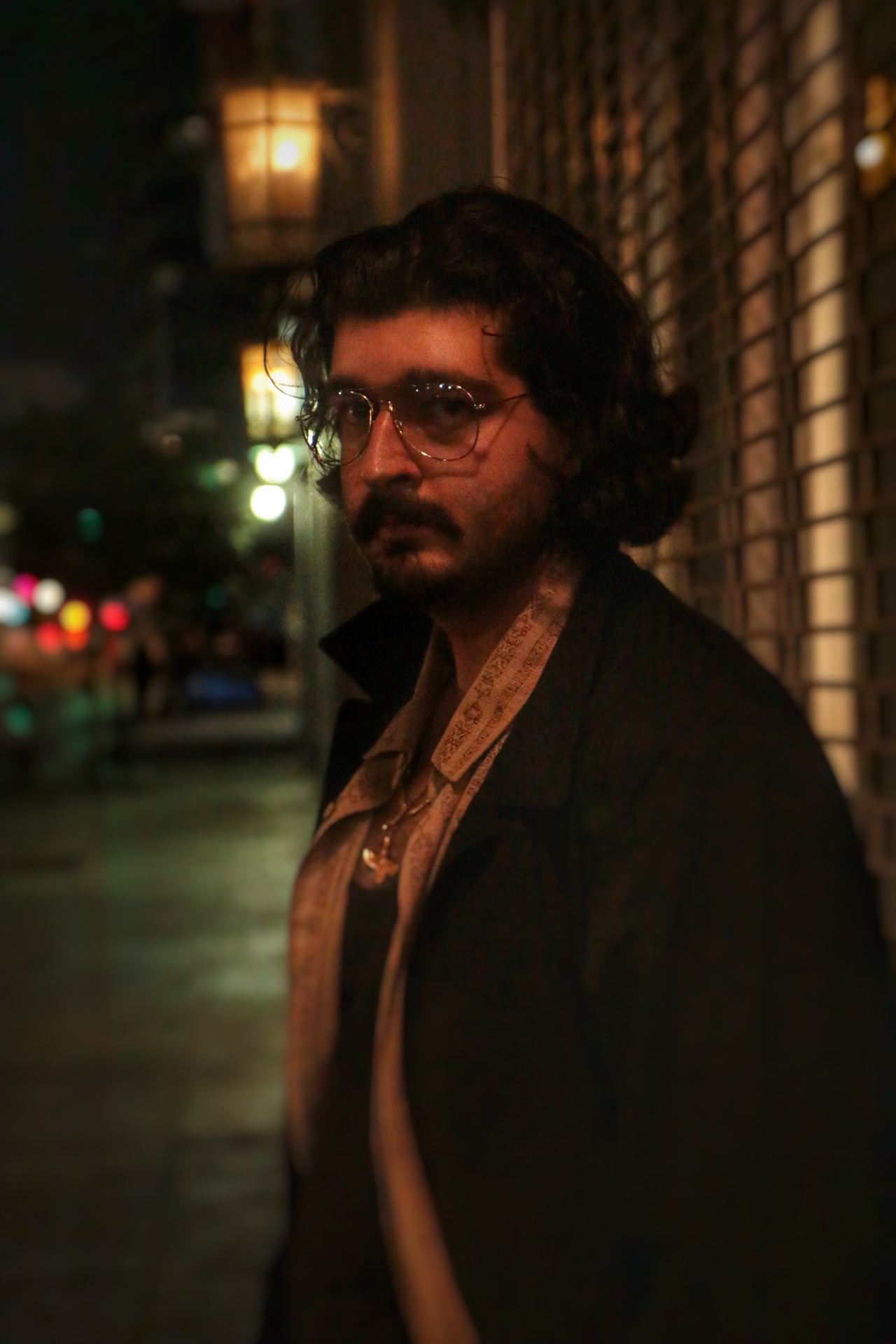
I was very fortunate throughout my acting education to experience a varied and multifaceted approach to the craft. Including today, as many fellow creatives can attest to, the learning never stops. There is reference material and inspiration all around us that can be accessed and utilized at any point, in both the present as well as the future. It is not only incumbent on the artist to be a hunter, seeking out such inspiration and stimuli, but more organically to stay open and allow forces to present themselves and penetrate the artist’s creative mind and heart. I believe this phenomenon, in some sense, may also harken back and relate to the old wisdom of “less is more”. This point specifically enforces the strength of relaxation and malleability for an actor, and how paramount I have found these qualities to be in my years of further developing and honing my craft. Read more>>
Trevor Rogers
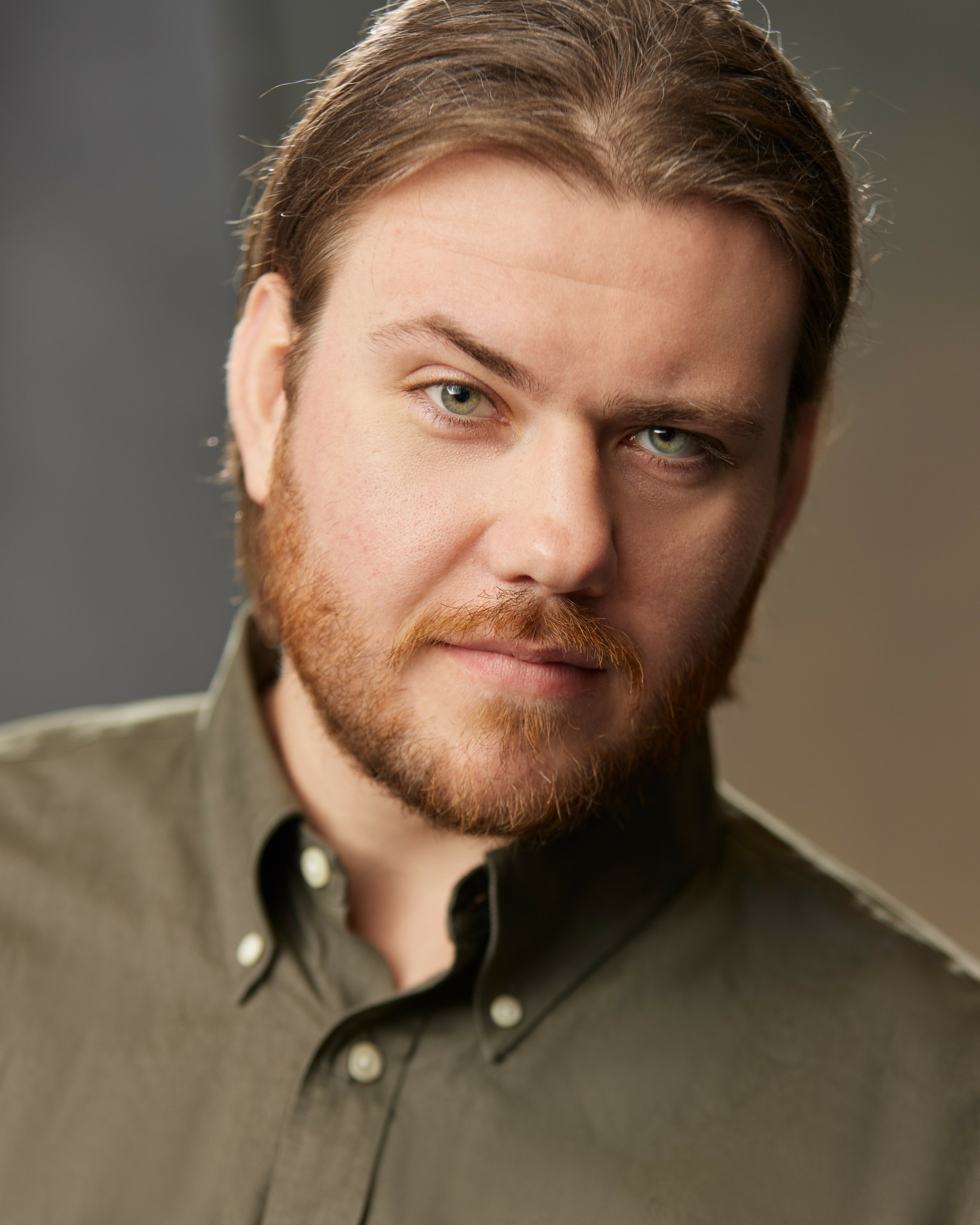
I went and studied Theatre Arts in college. I was lucky enough to receive an athletic scholarship to play football, which helped further my dream. The overall training I received helped me set a great foundation for the future. I do wish I would have taken it more seriously at the time, but that’s life. Lessons learned and you keep going. Getting to know my classmates was essential, learning to trust them with different things during productions showed me that it takes a village for most things. Read more>>
D’angelo Leysath
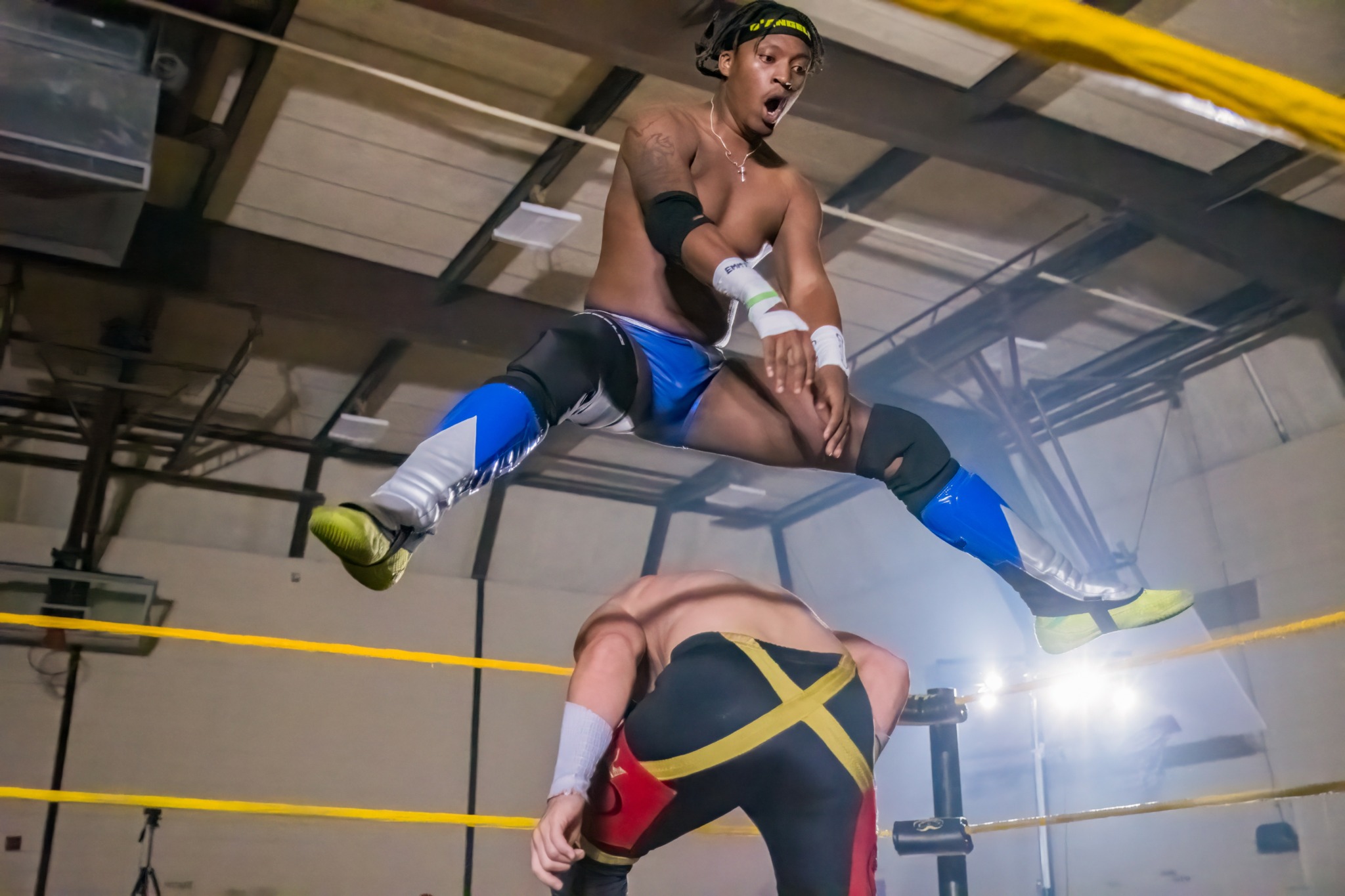
I learned how to wrestle at a facility based in Irmo, SC called the Palmetto Wrestling Academy. My trainers invested a lot of time and effort into shaping me into the performer that I am today. Through my training experience I feel that I could’ve sped up the process by displaying more confidence out of the gate, however it is hard to be fully confident until you feel that you’ve perfected the craft. In a way I feel that I did speed up my process by being an early stand out and being the first of my wrestling class to make their debut. The most essential skill that I continue to apply is technique. There are a lot of great athletes in wrestling that are very strong, acrobatic, and fairly talented, but only the good ones stand out because they can do the little things right. Read more>>
Chamisa Kellogg
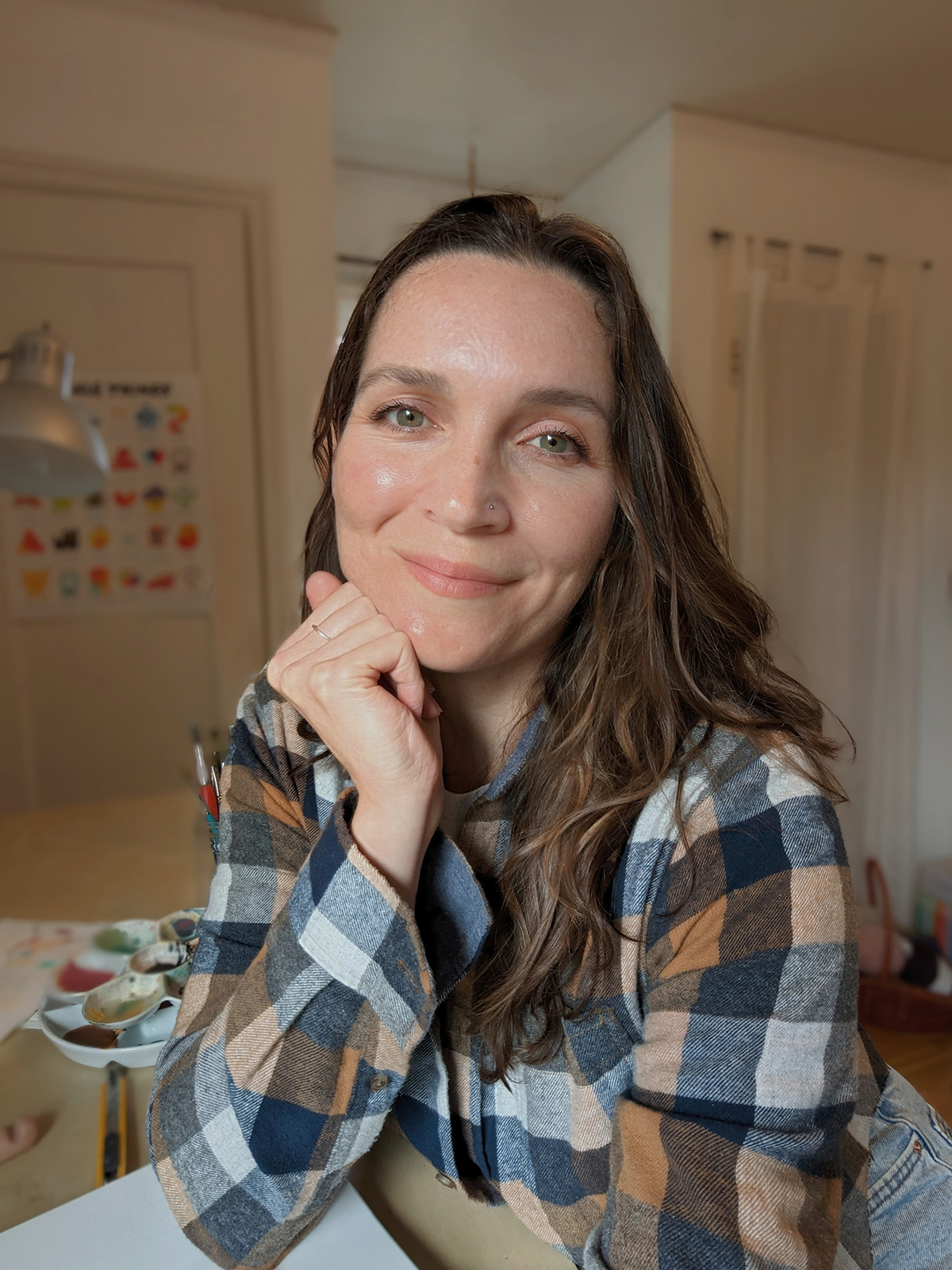
When I think about how I’ve learned to be an illustrator over the last 15 years, there’s not much I would change if I were to do it all over again. Yes, I went to art school, and I continue to take classes. Keeping the practice fresh by learning from lots of different teachers has been so important for my growth. Having some consistency and creating art regularly, especially with parameters i.e. making art for the children’s book market, has helped me develop a voice. But more importantly, everything in life, even the times when I got sidetracked and forgot about art for a while (though never for long), contributed to how I think and make things as an artist. I suppose that’s the advice I would give my past self: don’t feel guilty if you don’t feel as dedicated or serious as you think you ought to be. Notice what interests you, what you pay attention to. What’s worth making art about? It took me many years to trust myself and my taste in order to make art that felt really me. Read more>>
Larry Johnson
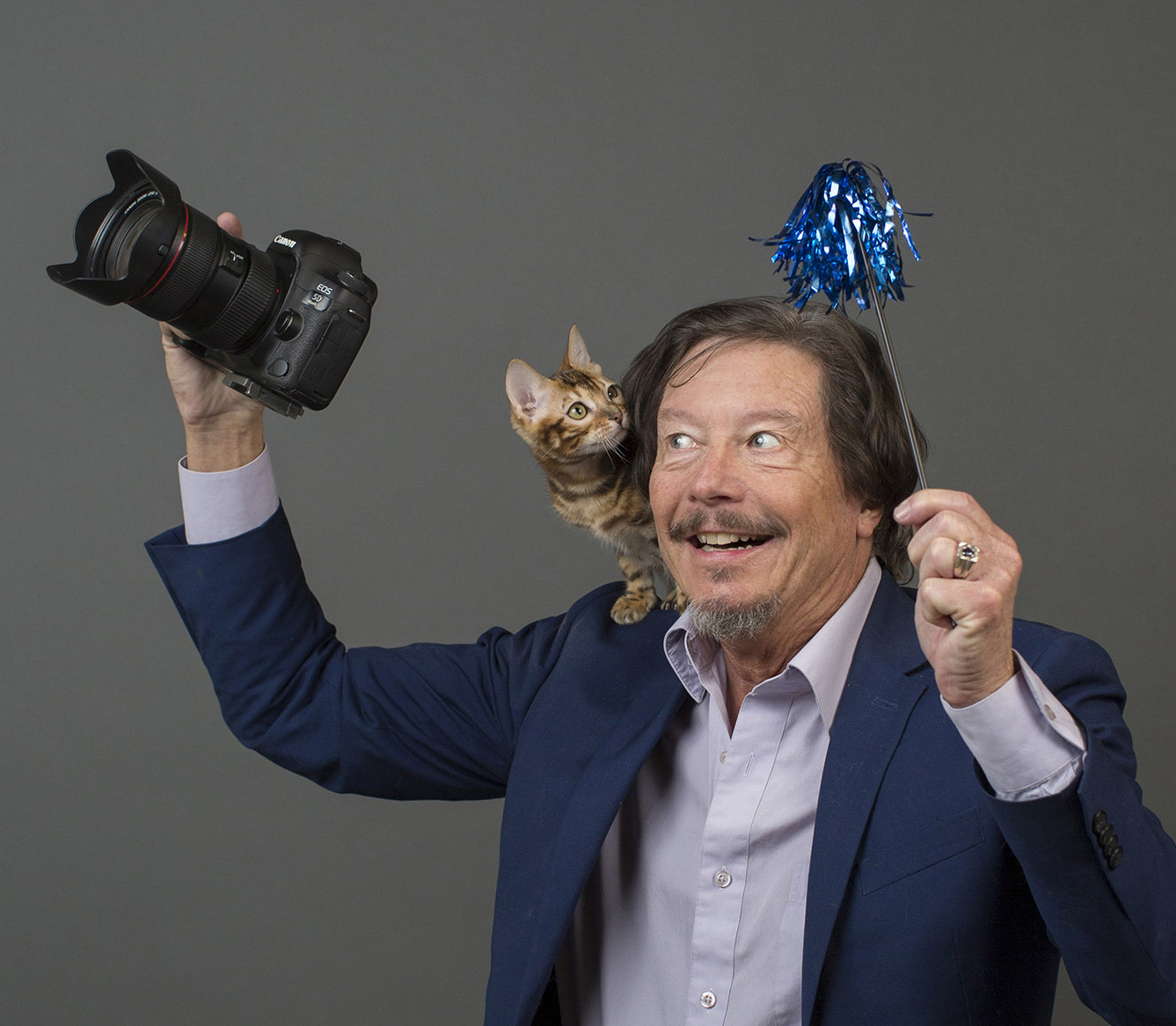
Photography basics are essential. Studying the masters, attending workshops and seminars, and hands on photographic workshops, are a must to honing one’s skills to a level of artistry, technique and character. My skills as an animal photographer that primarily create images for highly discerning clients in the Cat or Dog fancy (breeders and owners of pedigrees). I do many other animals and non-pedigrees, but my skills are in the study of the different breeds and their characteristics, personalities and standards to create superb images for the web and publications. One must photograph and critique your work through camera clubs or professional associations (PPA, ISAP) and visually seeing what your clients are looking for, a pet photo or a formal portrait. The skills in lighting, lenses, cameras, formats and animal handling are most necessary. Knowing when to press the shutter at exact time when the animal is relaxed, happy and engaged with you. You must engage with the client and your subject to be able to see what images are best. Read more>>
Brendan Bradshaw
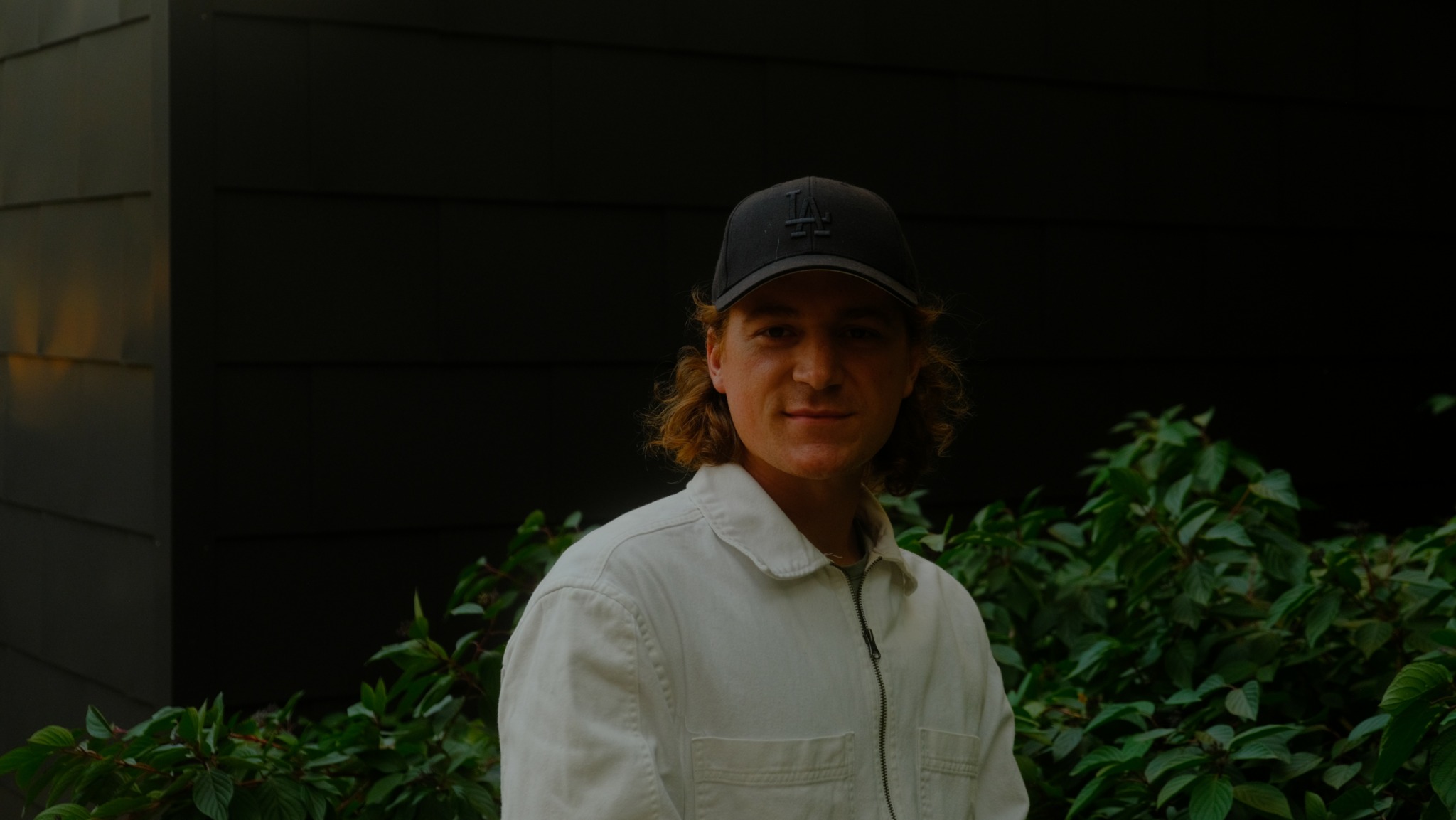
At the very beginning, I was BAD! I had no idea what I was doing. I didn’t know how to properly frame a subject or how to compose a story within a scene. These things really never came to me until I had discovered what inspires me to want to take a photo and capture a moment. I had to expose myself to a lot of different styles of photography and mediums to learn and understand framing, composition, and of course lighting. Along my journey through understanding this craft my biggest hurdle is trying to stay motivated. Something I still struggle with. Read more>>
Amir Bayat

I started learning music and piano at the age of 5 at the “Mstislav Rostropovich” School of Music in Azerbaijan. At that time, music was one of the most important professions to study in Azerbaijan, and because of that, the training was very serious. We had 8-hour daily practices with no weekends off, which was really tough. However, there were certain essential skills that weren’t taught to us, skills I believe every artist should have. I learned many of these through social experiences and partly from my father, who was also an artist. As for speeding up the learning process, I don’t think it’s that important. Nowadays, due to social media, everyone wants to learn everything quickly, but true learning isn’t something that can be measured by speed. The most essential skills were a combination of musical techniques and the ability to understand a broader artistic and cultural context. Read more>>
Brett Kane
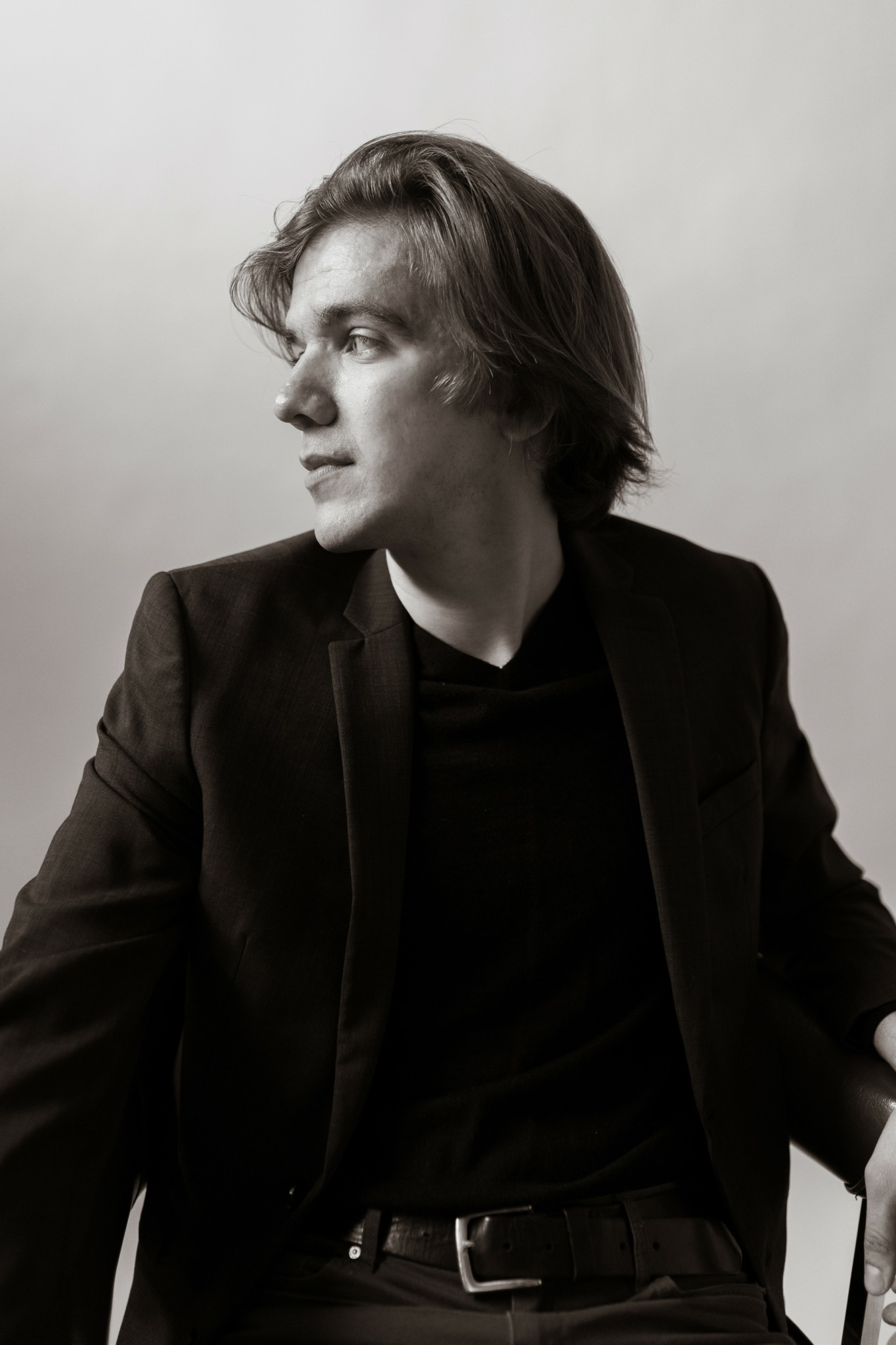
It wasn’t originally my goal to be a photographer. I went to college to study film, which is where I first learned the basics of using a camera. When I graduated, I even had plans to move to California and pursue a career in the industry. When those plans fell through, though, I was stuck in my hometown without any idea what to do next. It was then that I used what little knowledge of the camera I had to teach myself photography, doing portrait shoots with my friends and learning as I went along. I suppose being self-taught made honing the skills a little more tedious. Everything was learned through trial-and-error. I had to be able to recognize what I was doing wrong and what I needed to improve on – being your own critic is both difficult and essential. You won’t grow as an artist if you can’t acknowledge your own faults, or even admit you don’t know what you’re doing. Even though I’ve been doing this for several years now, I know that I still have a ton of room to improve. Read more>>
Nicki Panick

Once I set on cosmetology as a new career, I went to Capri learning centers to get my education. All of the instructors at Capri played a big role in what I know now. They taught me all different kinds of techniques, and showed me which I like best and how to build off of it. They really take their time with you at this school and make sure you understand the basics of each component. While learning here, I found my passion lies more in fun hair coloring, different haircuts to match a person’s style, and barbering. Read more>>
Barbara Haynes
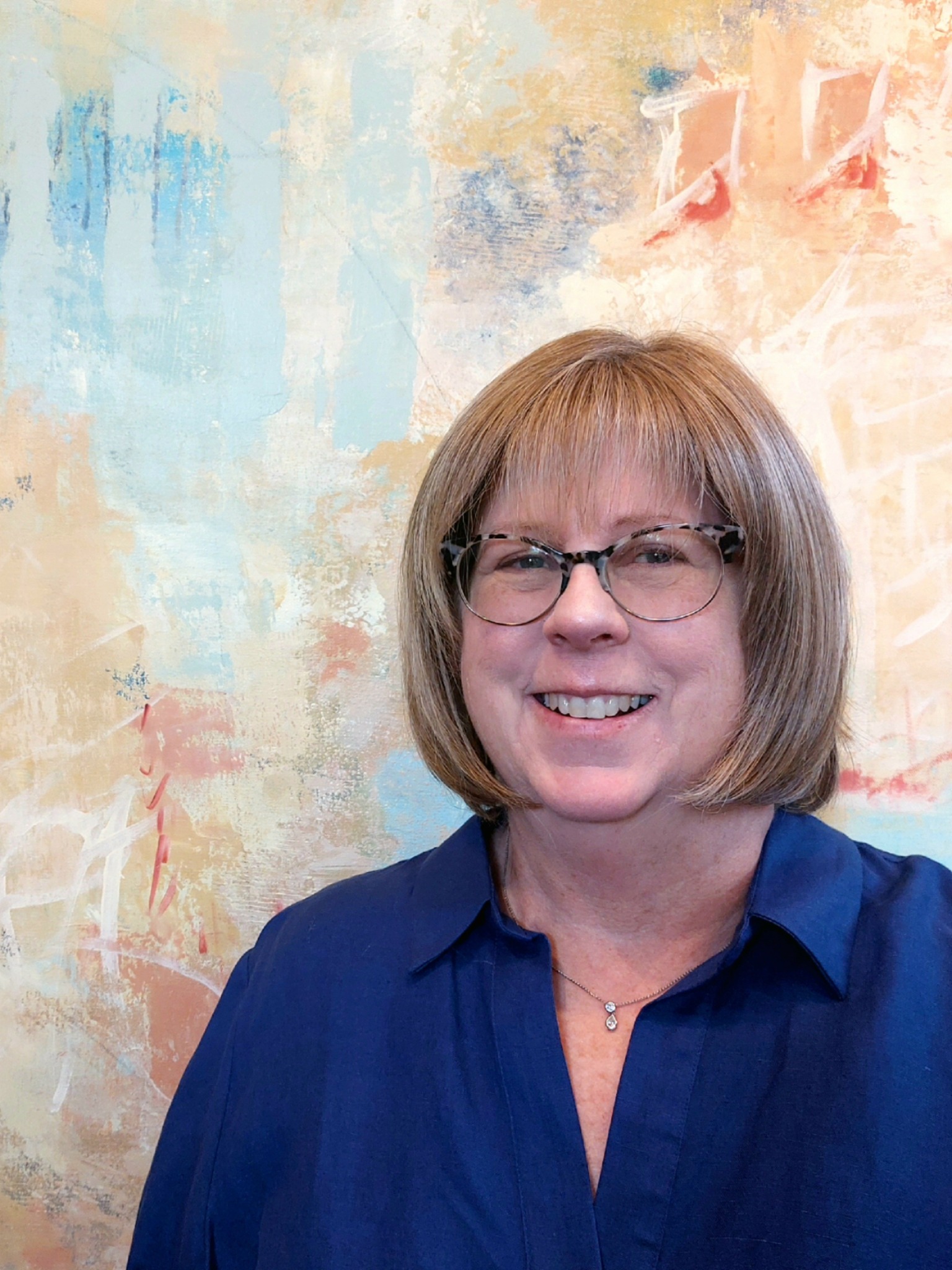
I’ve always dabbled in paint and drawing materials from the time I was young. I tried to take art classes when they were available to me from primary school to college. My parents discouraged me from pursuing art as a career but ended up using art in my career as an educator. I took classes at local art centers and also traveled to Santa Fe to take workshops from a mixed media artist who taught me to explore and play in various materials to create amazing layered pieces. I don’t think I would change anything with regard to speeding up my learning process. It’s important to remain open to ideas at any time of your life so you can continue to build your skills. I would describe myself as a life-long learner who enjoys trying new ideas to see where it will lead. Sometimes those ideas are brilliant and can enhance your work and other times you try things that just make you go, “meh.”Read more>>
Tyler Mcauley
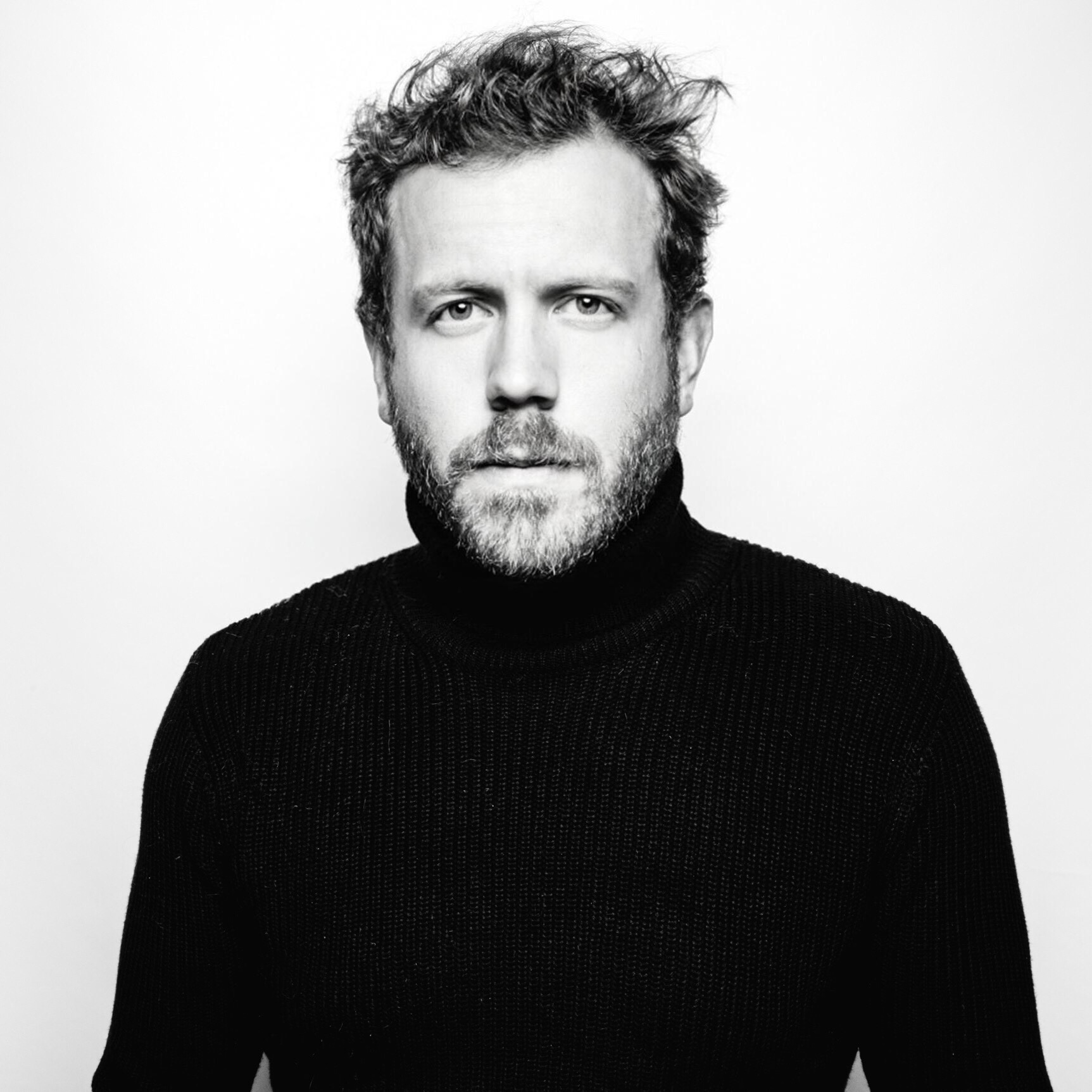
I’ve always been drawn to photography, but it wasn’t until I dove into the world of fine art and portraiture that I truly began honing my skills. My learning process has been a mix of formal education, personal experimentation, and a lot of trial and error. I’ve spent countless hours shooting, reviewing my work, and refining my approach. I also drew inspiration from emotions and theater, which helped me bring mood and motion into my compositions. Looking back, I think immersing myself in communities of like-minded photographers earlier would have sped up my growth. Workshops and networking with professionals can fast-track your learning because you gain firsthand insights that aren’t always available in books or tutorials. Read more>>
Jamie Stever
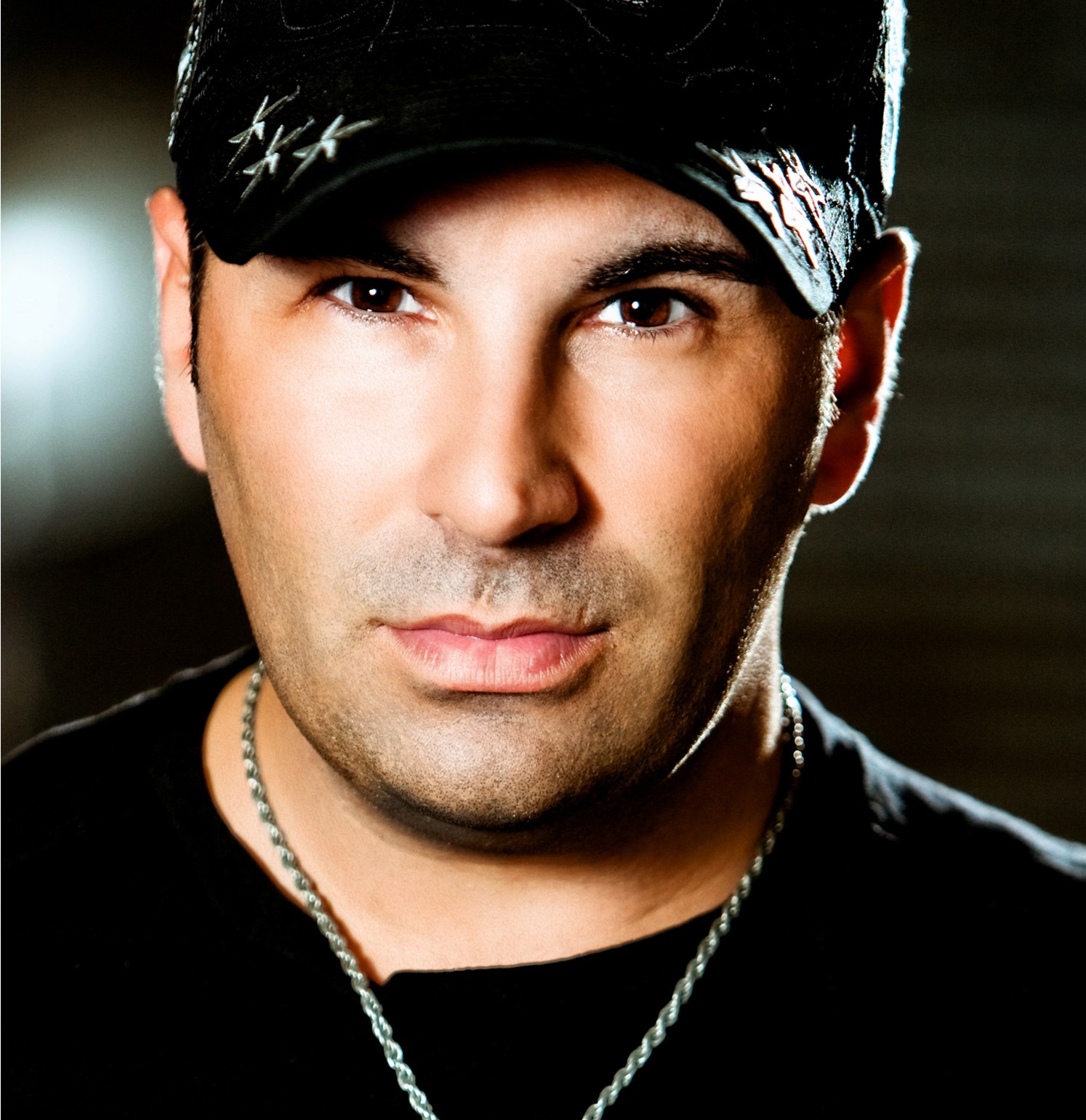
My passion for music came at the age of fourteen when my older brother brought home a guitar, it wasn’t long before I got my hands on it and never put it down. I was self taught until attending a Classical Music Performance course in College. A few years after College I became very interested in becoming a professional songwriter and made my way to Nashville, Tennessee where I honed in on my skills and was persistent on perfecting the craft. Read more>>
Loisse Ledres
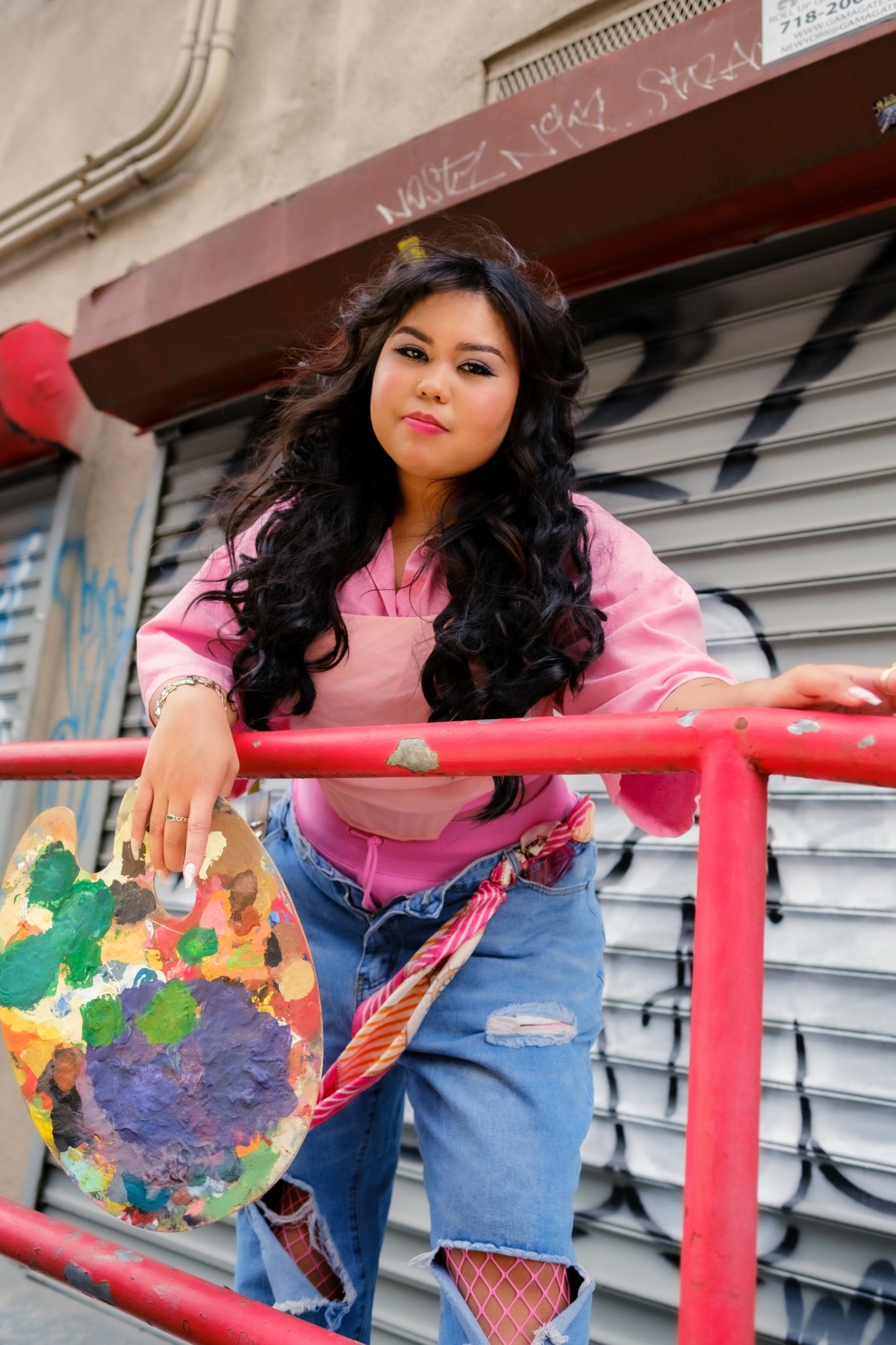
A few years ago, a mentor told me the advice that “the next step is whatever you want to learn next”. Funny enough, I didn’t have a final goal when starting this artist journey. I just knew I wanted to create and the “job title” for that was never set in stone. I realized I’ve just been following my interests my whole life to become a multimedia artist and I’m continuing to do that. I’m someone who likes to move from one medium to the next, and a connecting theme throughout these art explorations has always been about immersing people in the world of art and making them experience something, whether it’s a feeling or a story. Some examples are: -In elementary and high school, I did theater shows because culturally performing was embedded in me through my mom, who taught me how to sing. Read more>>
Kait Madison

Growing up, I loved singing little melodies and I thought making up lyrics was fun! At first, I was a bit naive to the depth of songwriting. When I turned eleven, I was given a keyboard. I never took lessons but I tinkered my way around it. I played a lot of terrible notes to find out what sounded good. I wrote my first real song at eleven, journal and all. It was the first verse to my song, “Dreams.” “I’m dreaming, they’re sleeping. Where did the time go? Oh, it was lost long ago. Had to grow up so fast, had no time for growing.” Those lyrics were based on genuine life experience. Music was (and is) my outlet – to connect with God, to yearn for more, to heal hurts I was facing at a young age. I continued writing. My family believed in me, which was so essential. My grandparents sent me to a handful of workshops to better understand the “rules” of songwriting. Read more>>
Christine Lisa
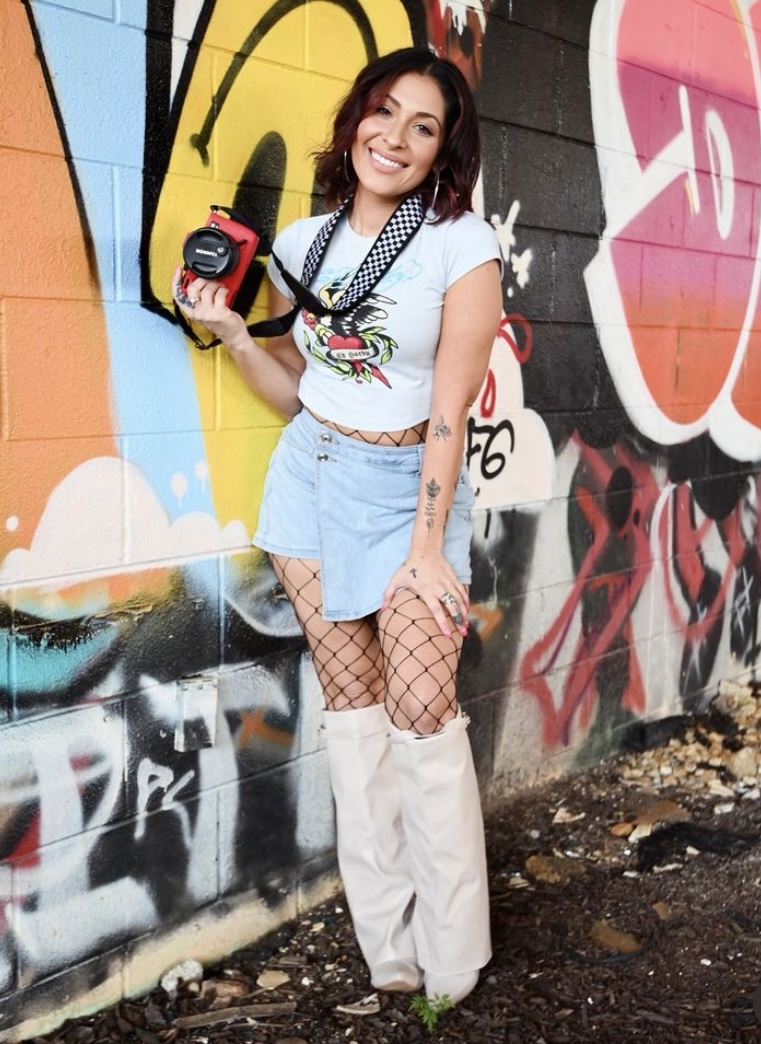
As a female photographer, my journey began with a deep passion for visual storytelling. I started by experimenting with my camera, taking classes, and seeking feedback from peers and mentors. Over time, I honed my technical skills through practice and dedicated study of photography techniques. Looking back, I realize that networking more actively could have sped up my learning process. Engaging with other photographers and participating in workshops would have offered valuable insights and inspiration. The most essential skills for me included mastering composition, understanding lighting, and developing a strong editing style. These fundamentals helped shape my unique perspective. Obstacles I faced included self-doubt and the challenge of finding my voice in a competitive field. Additionally, access to resources and opportunities was sometimes limited, particularly in the early stages of my career. Overcoming these hurdles required resilience and a commitment to continuous learning. Read more>>
Yosuke Nagayama
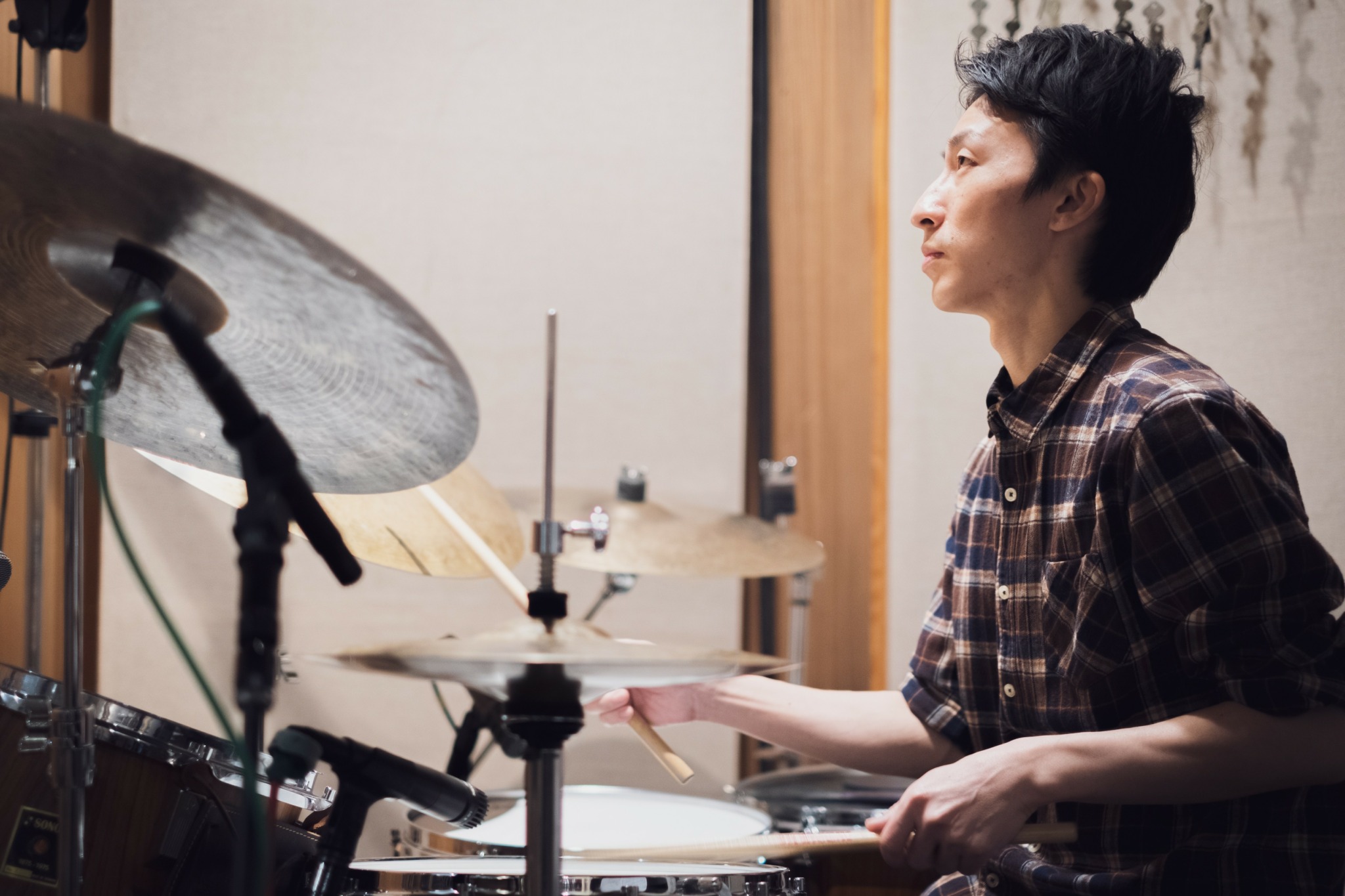
I started playing drums at age of 12 under my parents’ musical influences. My father is a drummer and my mother is a classical pianist and I was surrounded by many kinds of music when I was a kid, mostly jazz, fusion and classical music. My father taught me basic drum techniques and I started taking drum lessons from a drum teacher. My first drum teacher was a professional jazz drummer and his lessons improved my drum skills a lot. He also introduced me many jazz drummers and it opened my door to jazz. Learning those drum techniques helped me for gaining my musical skills definitely, but to me, listening many jazz albums, getting familiar with the sound of jazz and trying to understand what musicians were playing in those records really developed my musical listening skill that is able to catch and understand what is happening in the music. Read more>>
Robin Schwartzman

When I was in 7th grade art class, we were learning the concept of perspective and were assigned to do a drawing of a house. I remember having a lot of fun with this, adding all sorts of textures and embellishments to the facade. When I turned in my drawing and looked through the stack of other students’ work, I realized for the first time that I could draw a little better than my peers. From that moment on (and honestly, even before that moment), I fell in love with drawing and never stopped. I drew caricatures at a local amusement park for my high school summer job and continued doing that for the next 13 years. I went to college for art and went on to get a Masters in Fine Art. I currently teach art. And even now, 26 years later, I make all types of art and still draw daily for both practice and fun. Read more>>
Freddrick Scott
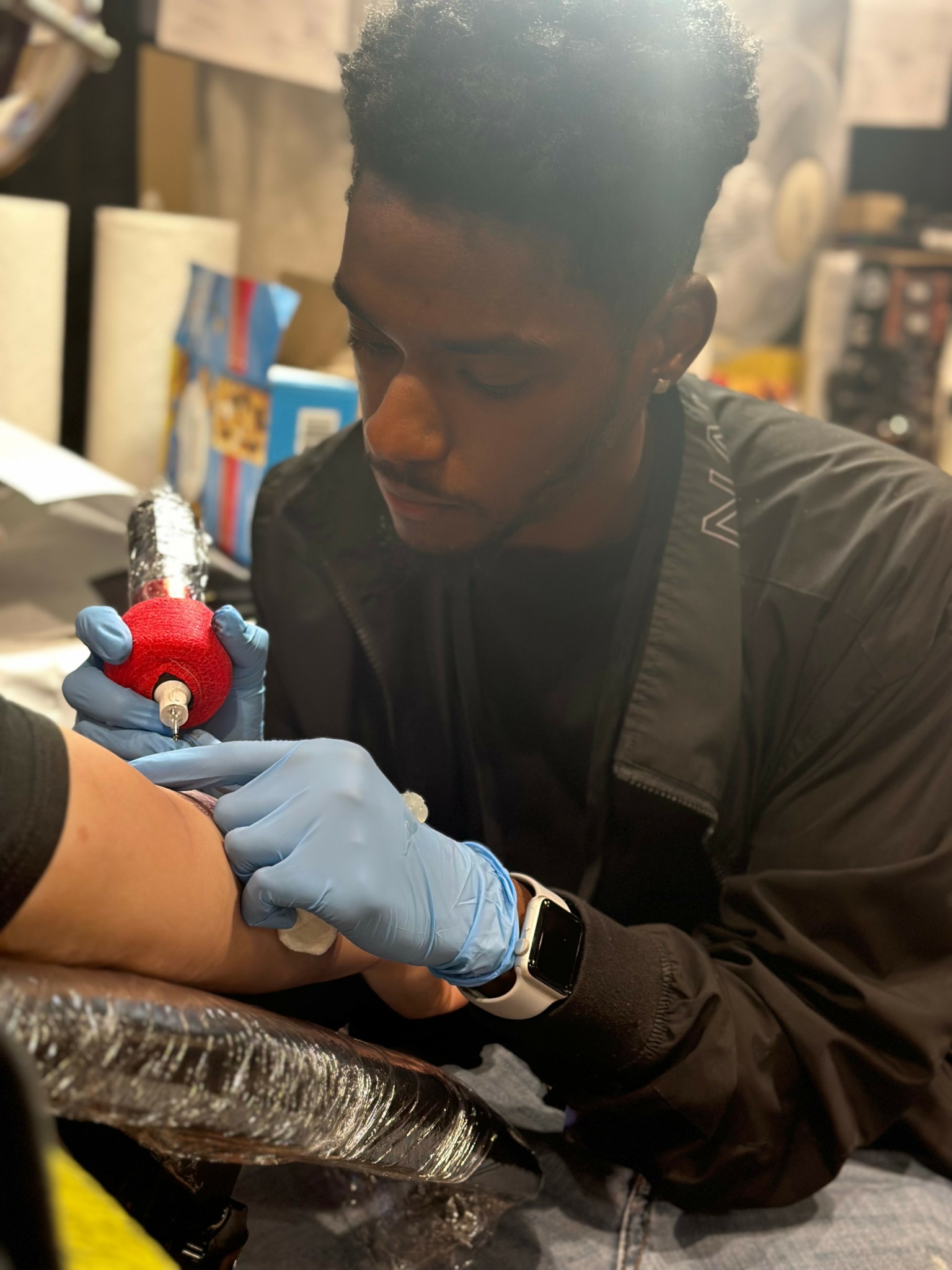
As a tattoo artist, learning the craft was a mix of passion, dedication, and mentorship. I started by immersing myself in art—drawing every day, studying anatomy, and experimenting with different art styles. I also spent a lot of time studying tattooing as a specific medium. The biggest leap forward for me came from my apprenticeship with Coco. Watching him work, absorbing feedback, and eventually practicing under his guidance taught me things I couldn’t have learned just by reading or watching videos. Knowing what I know now, I could have sped up my learning process by networking with more tattoo artists early on, asking more questions, and continuously trying new things. Read more>>
Nadia Parsons
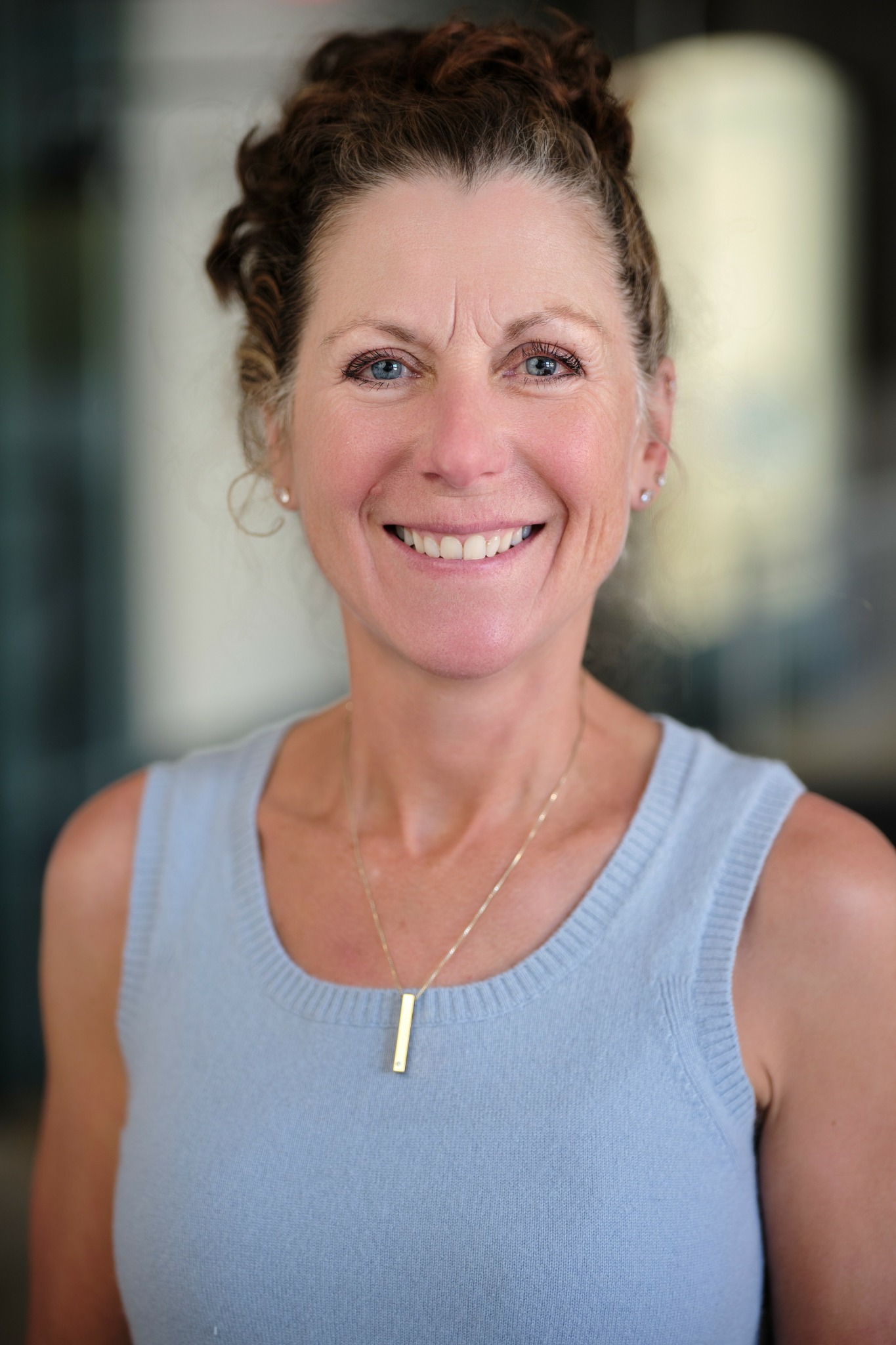
I have always been involved in the arts. Making 2D art has always been a part of my life and a great resource and expression for me. I kept my art fairly private for a long time. I tried to be consistent in my painting times and disciplined about painting regularly. When I decided to go back and take classes I was really ready to grow. I also had figured out what I wanted to paint. If I had been willing and able to invest in myself sooner, I would have sped up the process. Taking a class at the time I did really accelerated my progress, growth and confidence. The skill that is the most essential I am still reminding myself to do and that is to trust my intuition in painting. My obstacles are the harsh self critic who tells me my work is terrible. Read more>>
Decorey. (dj Silk) Young
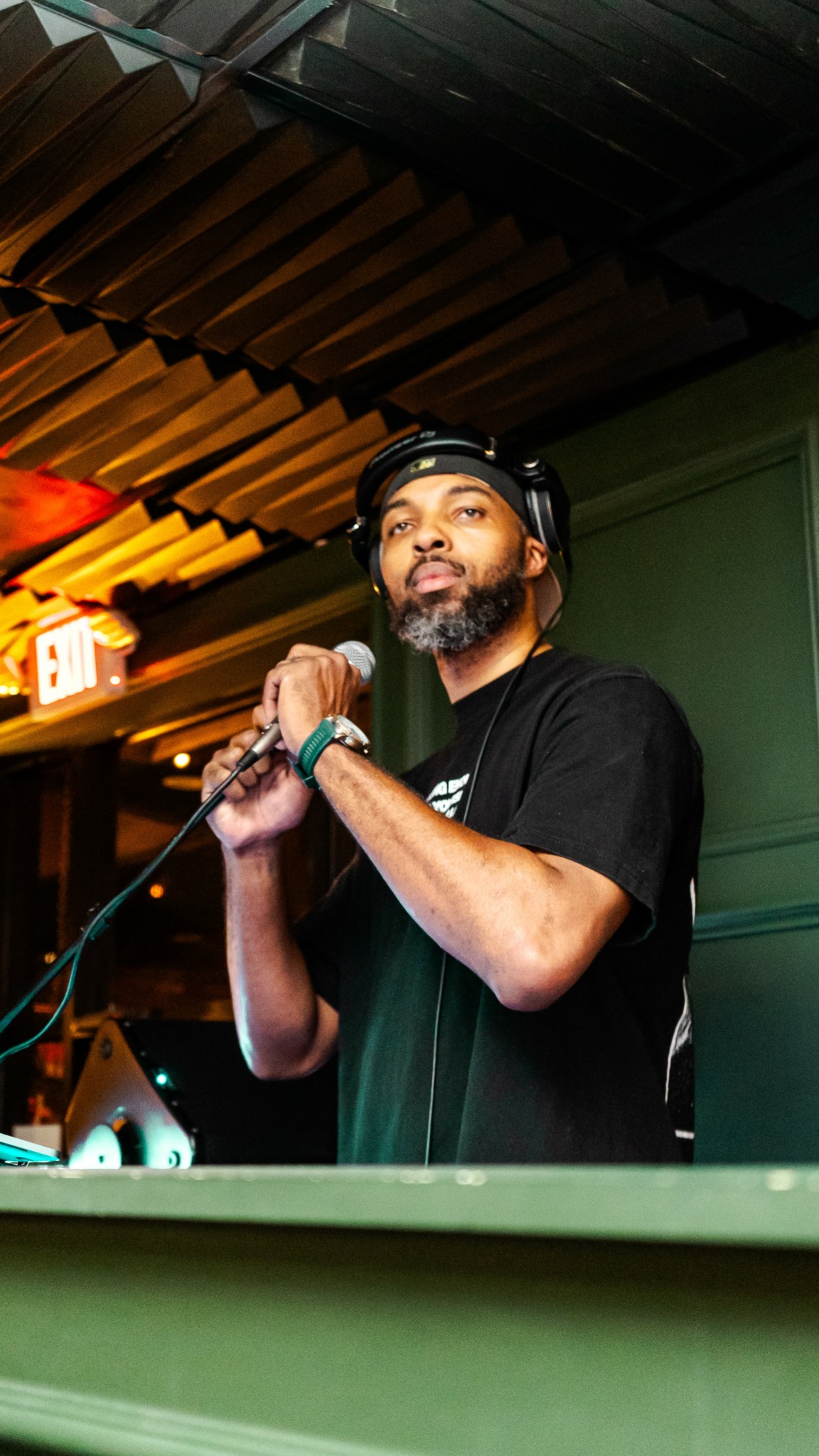
“I’m a Houston-based DJ who first discovered my passion during the pandemic. I was at a kickback, and a DJ I didn’t know at the time was letting people experiment on the turntables. When it was my turn, I ended up playing for four hours straight! I was hooked. I immediately bought a little setup and started practicing. My skills really took off when I had to isolate for two weeks with COVID. Locked in my mancave, I spent hours and hours on YouTube, learning the technical skills of DJing and mastering techniques like beat matching, blending songs, and transitioning from song to song. Read more>>
Jon Blaq
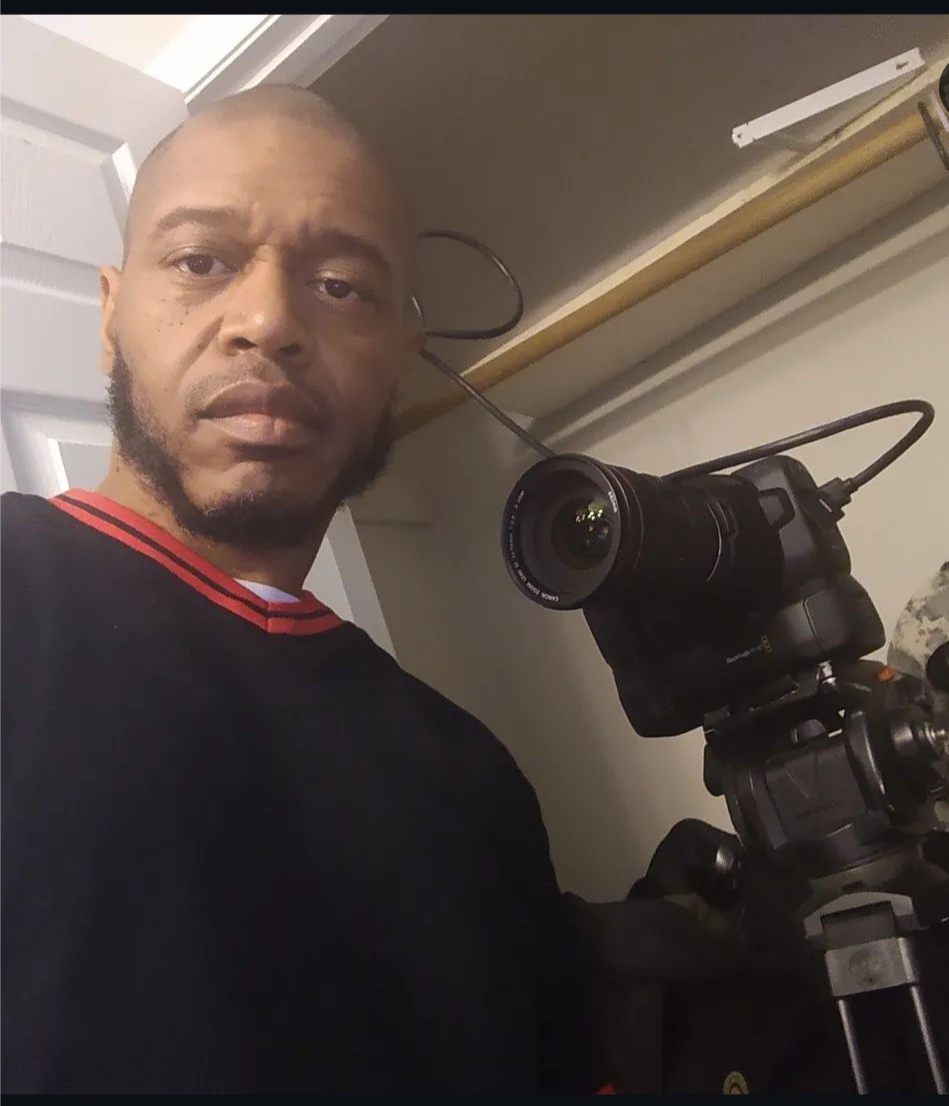
When I first started acting I would go on line and YouTube acting videos, order books about acting and film making and when I would get to be on set I would watch observe and ask questions, eventually I was able to take acting classes with my coach Patrick Ferrara. Not sure what I could have done to speed it up acting is a process so you just have to learn as you go. The skills I found most essential was the ability to focus and take direction. The biggest obstacle was finances because classes can be somewhat expensive but my coach happened to be offering free work shops and that was a blessing. Read more>>
Lj The Angel

My learning especially with music came from a lot of trial and error. When I was first starting to make music, I reached out to established rappers and artists from my hometown but I didn’t receive much feedback or instruction from them. So instead of waiting or giving up because I didn’t have the support I wanted, I began to teach myself and through many hours of experimenting, creating, and studying artists I admired, I learned skills that I still use to this day. One thing I could’ve done to speed up my learning is staying consistent with my practice. To me, consistency is the only skill that an artist needs to succeed because with consistency comes the most growth. Regardless of whether a piece is “perfect” (nothing ever is), or not, working on it and putting it out is the best thing to do. But the focus of your consistency has to be to get better and not just to “get it over with”. Consistency without improvement is stagnation. Read more>>
Eugene Lagana
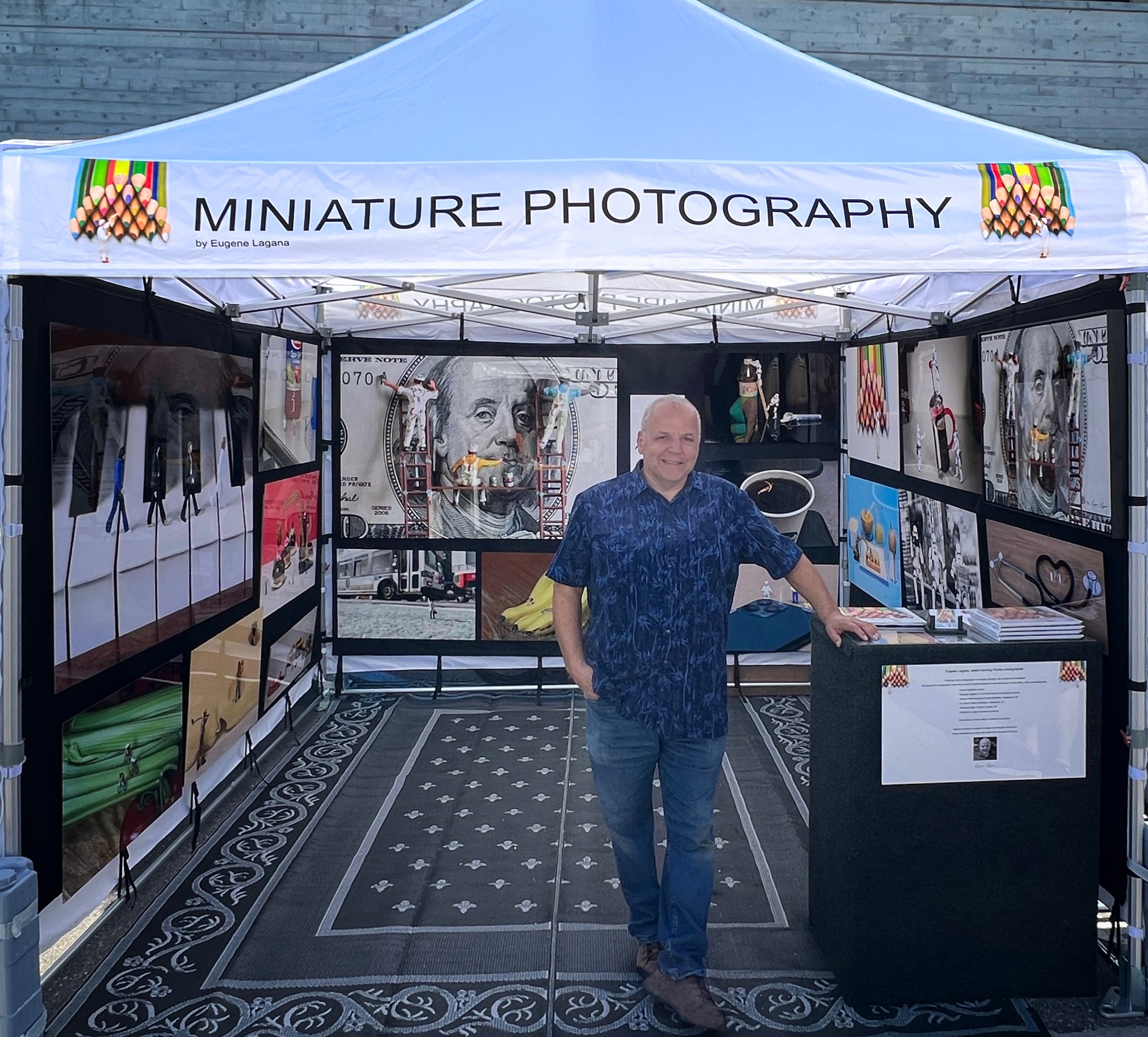
I am self taught, mostly from following photographer as I admire. I am happy with the pace at which I learned photography. It was an enjoyable journey, I am happy with the results for the amount of time I put in to learning. There are two important components to creating a good image, one is pure creativity and the second is understanding the technical side of photography. Read more>>