

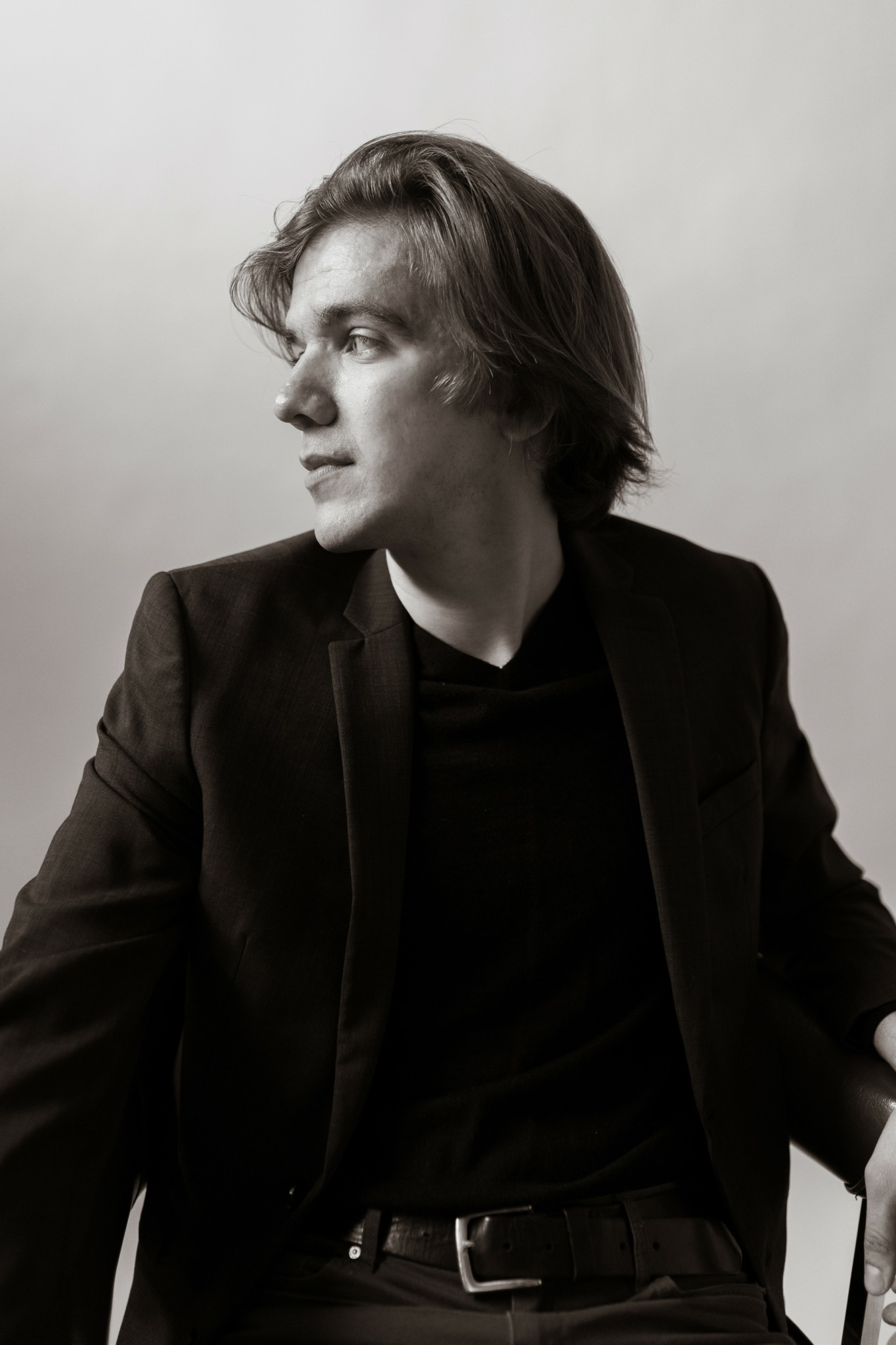

We were lucky to catch up with Brett Kane recently and have shared our conversation below.
Hi Brett, thanks for joining us today. Can you talk to us about how you learned to do what you do?
It wasn’t originally my goal to be a photographer. I went to college to study film, which is where I first learned the basics of using a camera. When I graduated, I even had plans to move to California and pursue a career in the industry. When those plans fell through, though, I was stuck in my hometown without any idea what to do next. It was then that I used what little knowledge of the camera I had to teach myself photography, doing portrait shoots with my friends and learning as I went along.
I suppose being self-taught made honing the skills a little more tedious. Everything was learned through trial-and-error. I had to be able to recognize what I was doing wrong and what I needed to improve on – being your own critic is both difficult and essential. You won’t grow as an artist if you can’t acknowledge your own faults, or even admit you don’t know what you’re doing. Even though I’ve been doing this for several years now, I know that I still have a ton of room to improve.
I sometimes wonder where my photography career would be now if I had discovered my passion for it five or ten years earlier than I did. But I also think that being self-taught makes the successes I’ve had all the more rewarding. The learning process may have been a slow one, but that’s growth as a photographer – being proud of a photo at first, and then looking back on it a few days, weeks, months, even years later, and realizing you weren’t as good as you thought you were.
Great, appreciate you sharing that with us. Before we ask you to share more of your insights, can you take a moment to introduce yourself and how you got to where you are today to our readers.
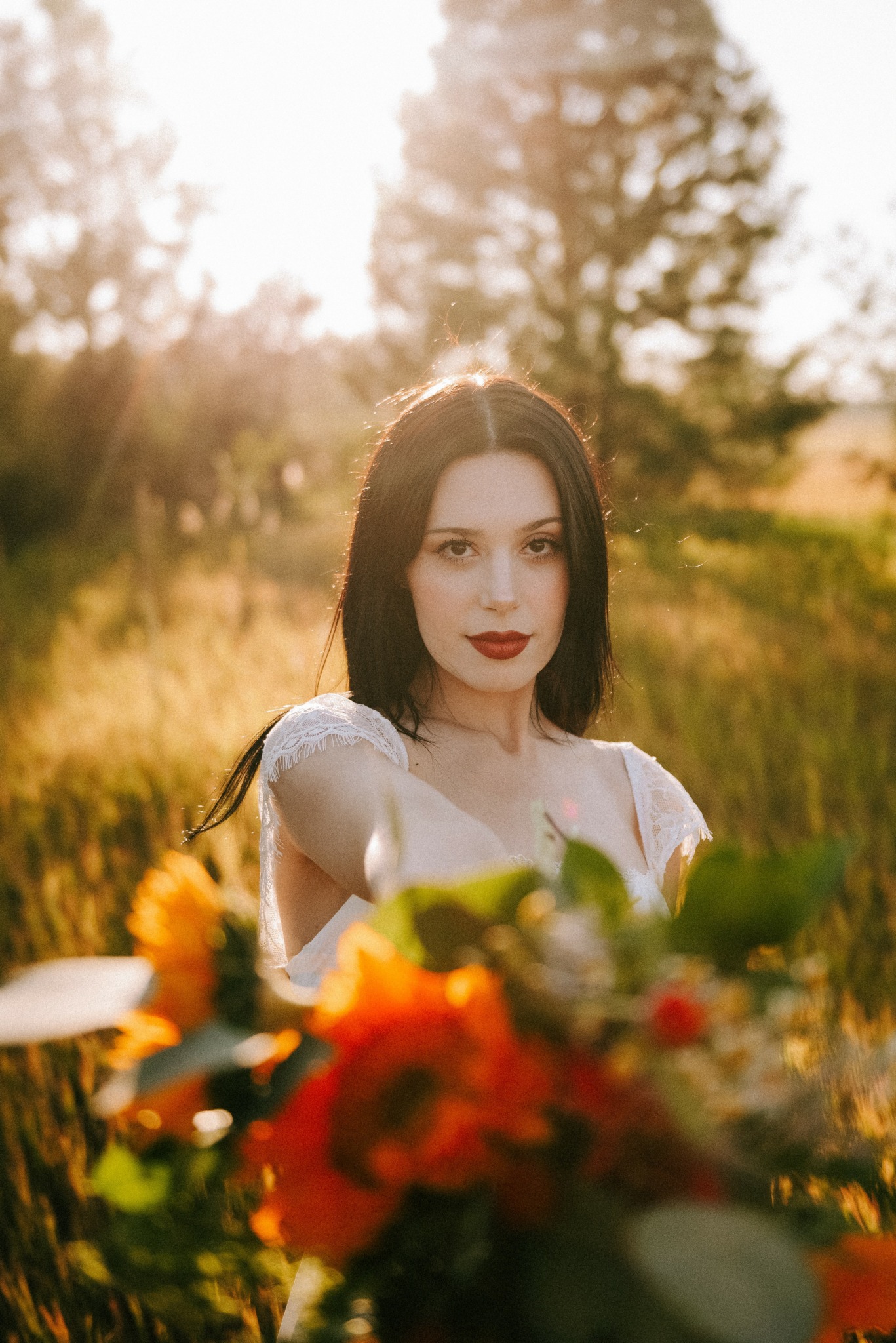
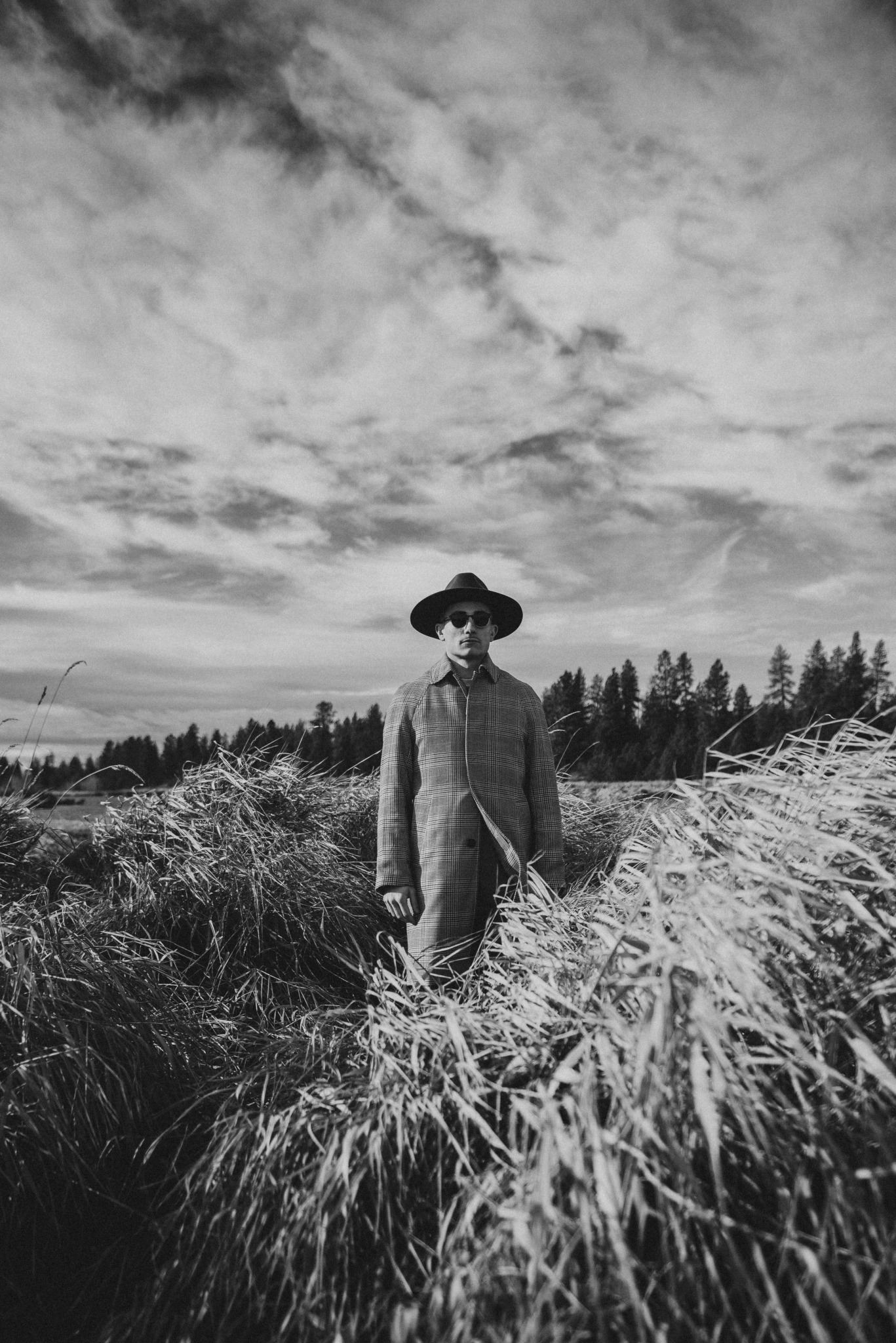
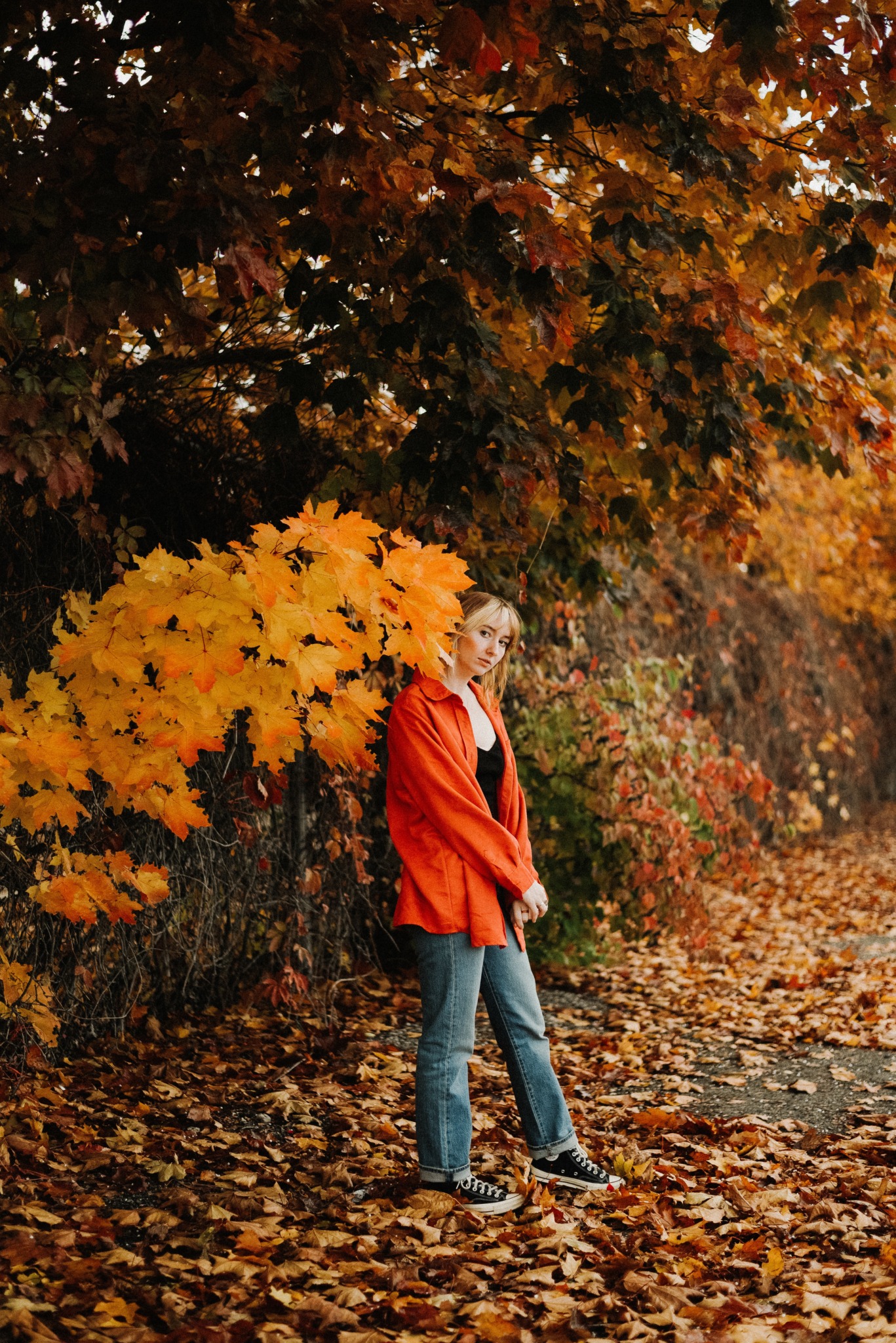
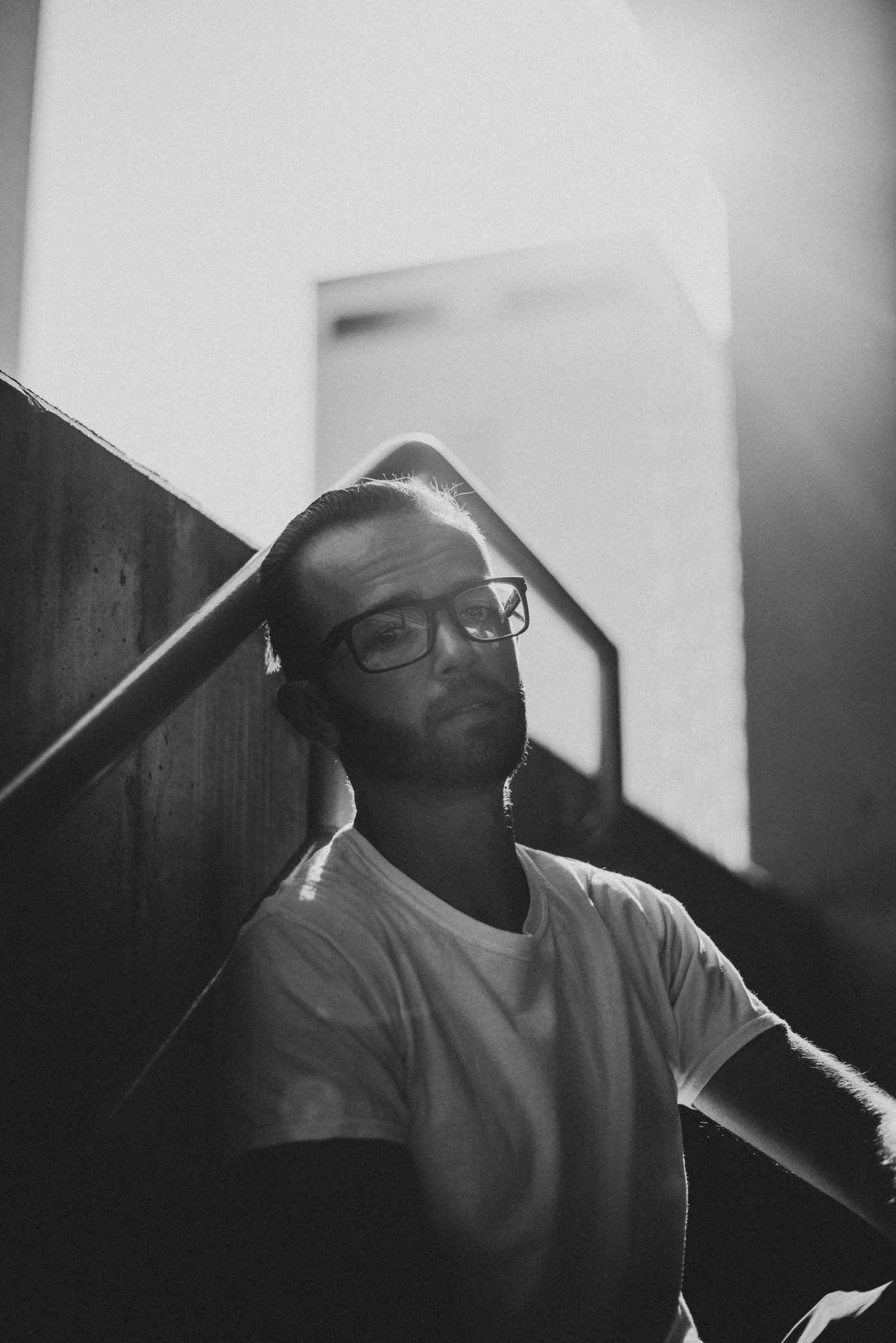
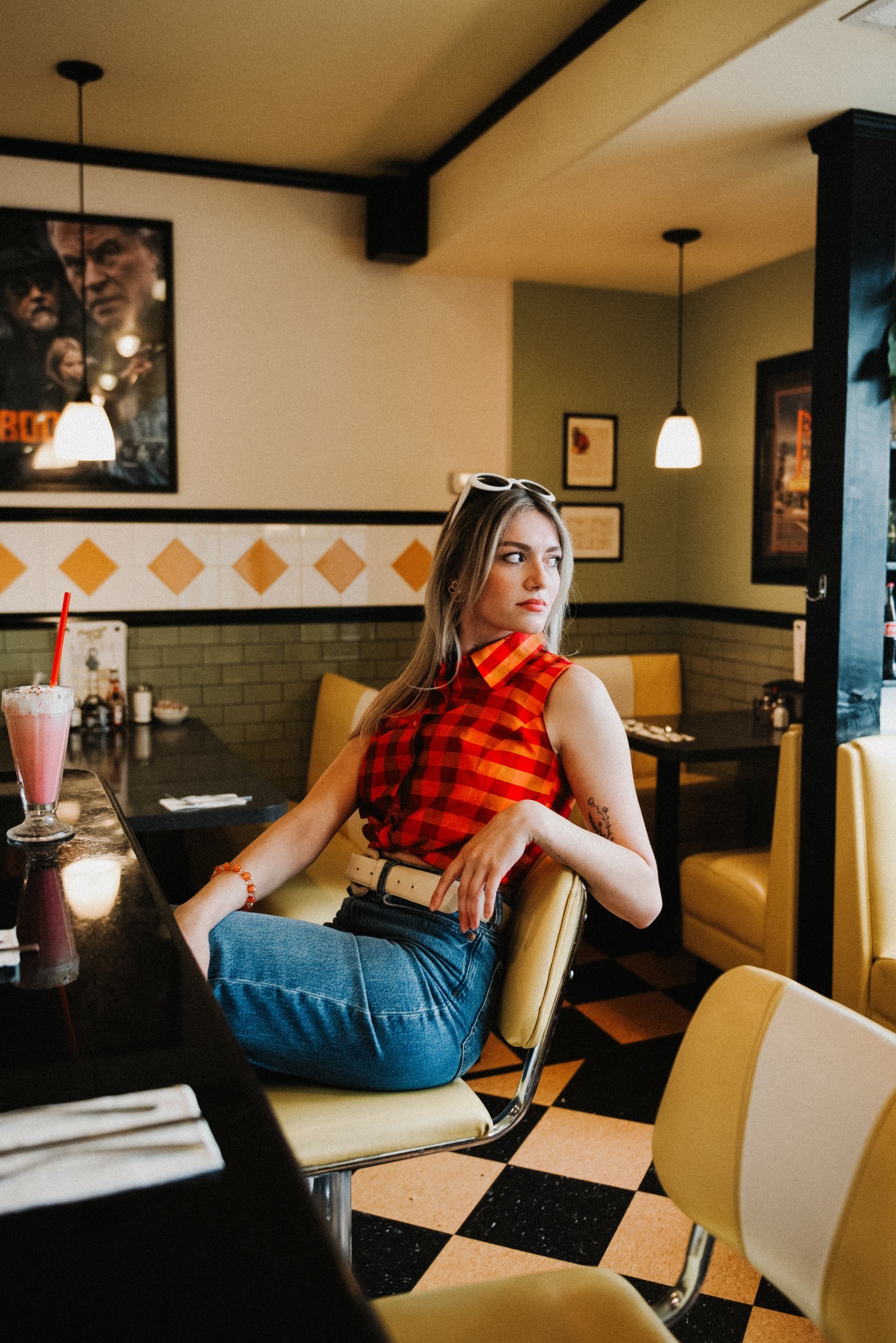
I’ve been a photographer for about seven years now. Although I wanted to work in the film industry when I was younger, photography became my biggest passion after college, when I was in desperate need of a creative outlet. I offer all kinds of photography services – from portraits, to concerts, engagements, weddings, lifestyle, and branding.
I prefer to maintain natural colors and lighting through my editing to provide a nostalgic, timeless product for my clients. I want them to look back on the photos I took of them and feel like they’re right back in that moment. I’ve always loved the look of 35mm film, and while I primarily shoot on digital, I like to emulate that grainy, dreamy, romantic look that film has. It’s that style of editing that I feel enhances my work and makes the moments I capture – whether it’s a first look at a wedding or a climactic moment in a concert – feel all the more vivid and lively.
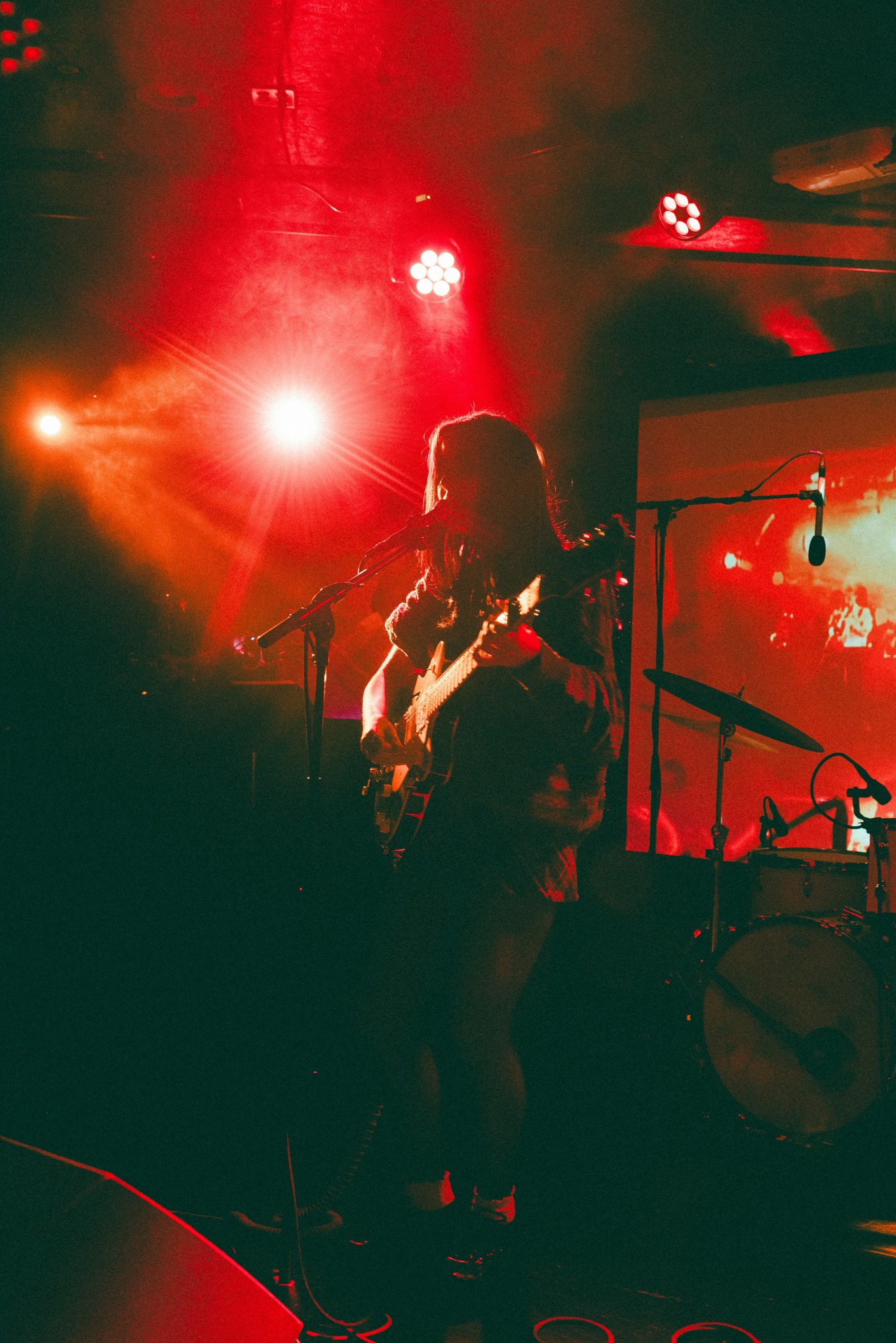
Above everything else, I’d say I’m most proud of my concert photography. Ever since starting photography, it’s been my biggest goal to shoot concerts of any and all genres and sizes. While I’m by no means a pro at it, it’s been incredible dipping my toes in the waters of live music photography, and I’d love to make a living out of it one day.
Can you talk to us about how you funded your business?
I got my first DSLR camera as a Christmas gift from my parents. I was maybe 19. I had no plans of being a photographer at the time – I just needed a camera to get by in the film classes I was taking in college. It was on that camera that I eventually learned the basics of photography, though, and it was also on that camera that I shot my first jobs for clients. Thanks to those initial few jobs (that I, still to this day, consider myself extremely lucky for getting) that I was able to scrape together enough cash to upgrade my equipment – namely a better body and lens.
I don’t believe that good gear makes a good photographer, but I do think you need a decent camera that’s capable of keeping up with you as you improve your skills. The more clients I got over the years, the better gear I was able to afford. Photography is an expensive passion that also takes a lot of patience.
How did you build your audience on social media?
My social media following pales in comparison to many others, and growing it is still something I’m learning how to do. Not to sound like a broken record, but Instagram has completely changed the rules of how artists promote their work. You need to post at the right times of day, every day. Not just photos, but reels and stories, too. You need to stick to the ever-changing algorithm if you want any kind of engagement, and it’s tough keeping up with.
If I had any advice to give, it’s to not let Instagram and your engagement distort your perception of your work. You might share a photoshoot that you’re really proud of, the algorithm will bury it, and no one will see it. That isn’t a failure. You aren’t a bad photographer. Keep sharing your work, and more importantly, keep being excited about your work. Clients and Instagram followers will come if you don’t give up.
Contact Info:
- Website: https://brettkanephoto.mypixieset.com
- Instagram: @brettmkane
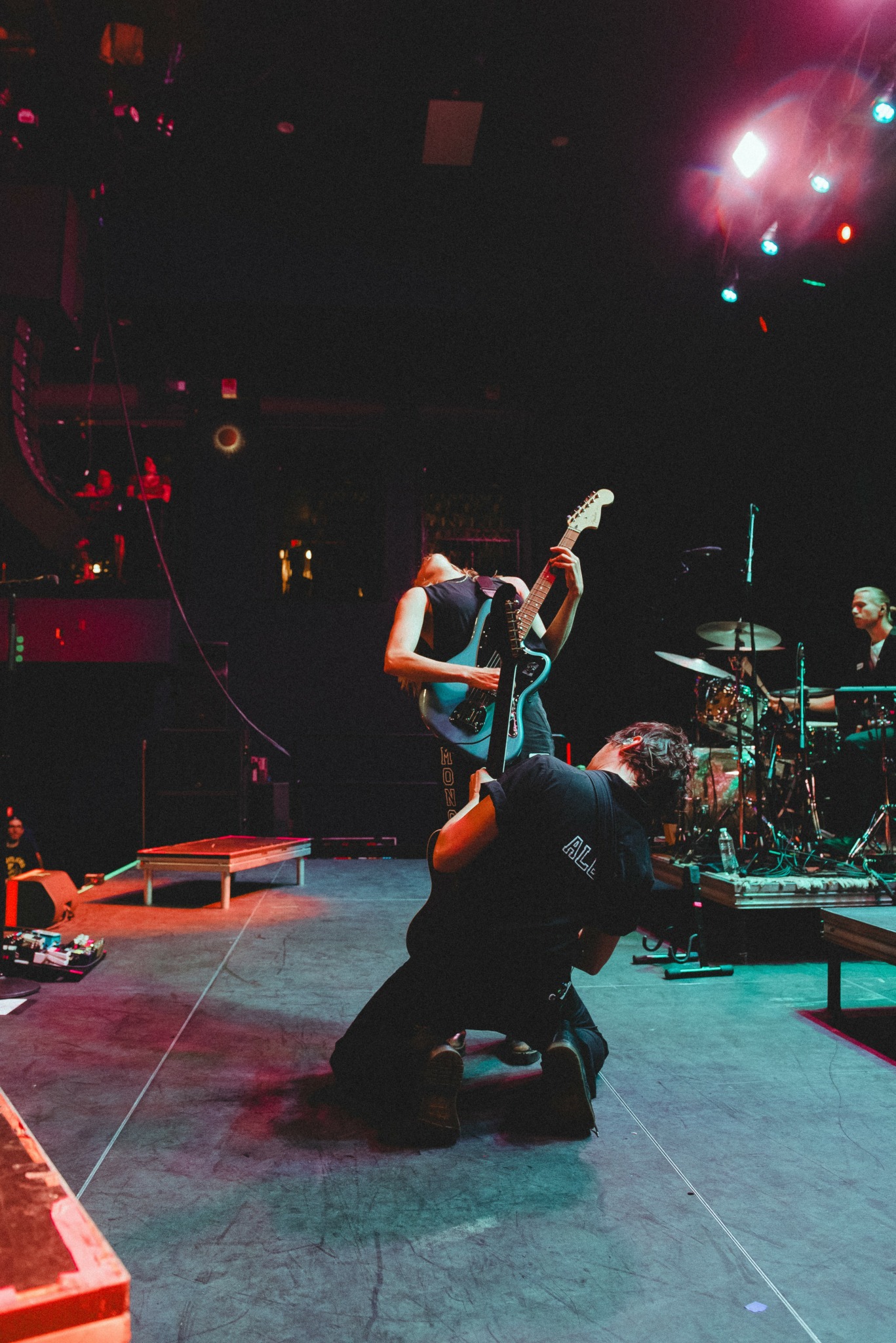
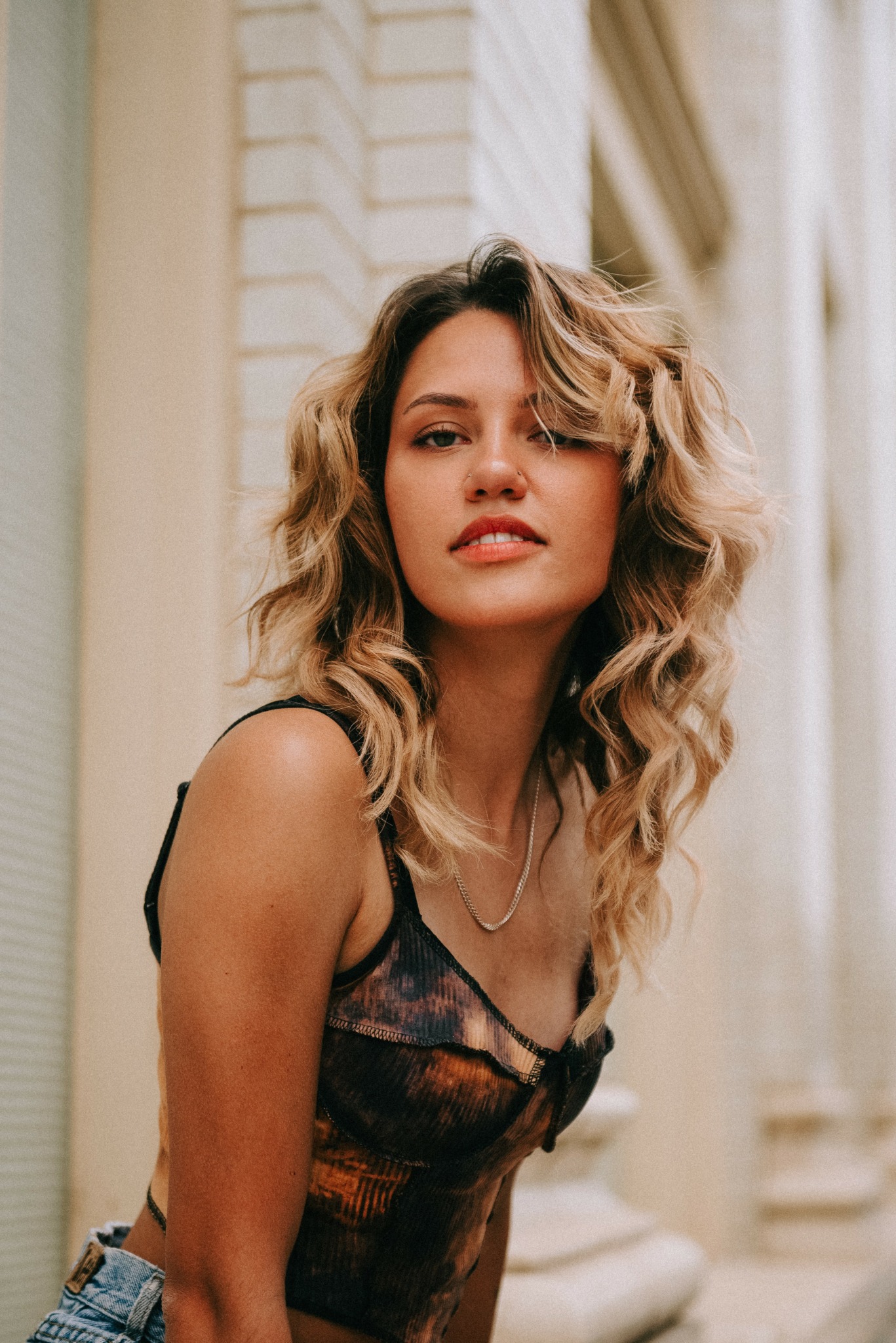
Image Credits
The photo of myself is by Golden You Media.