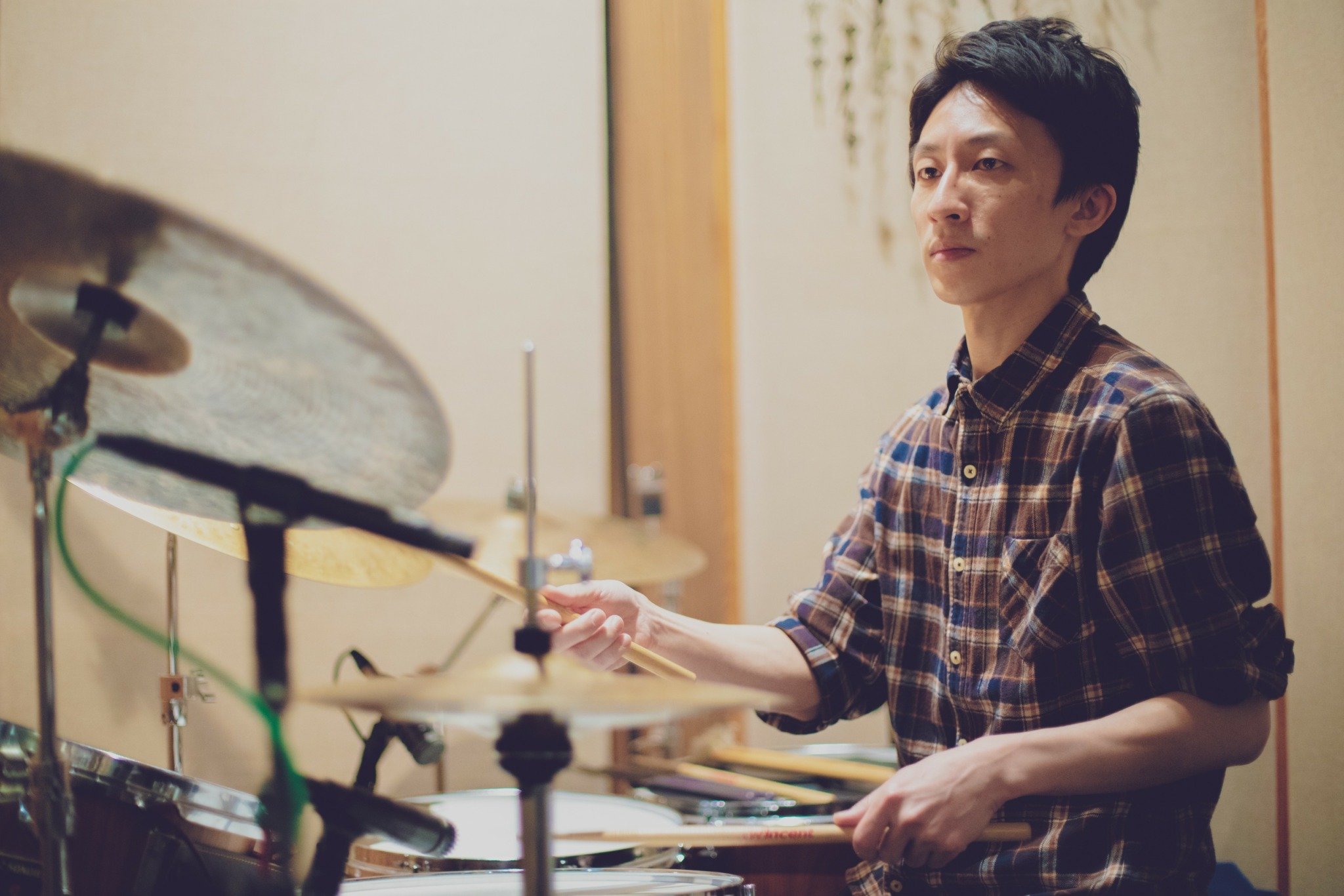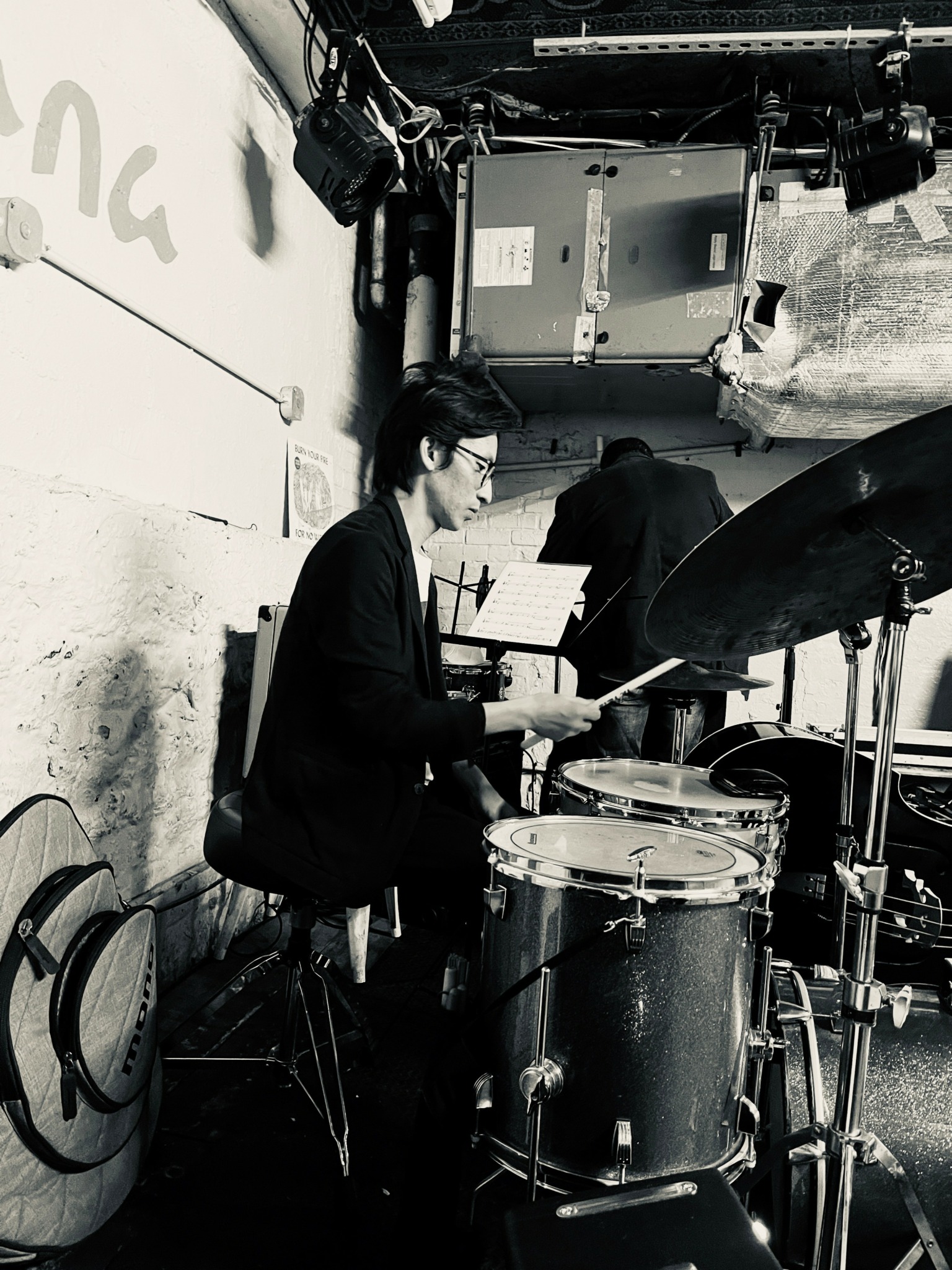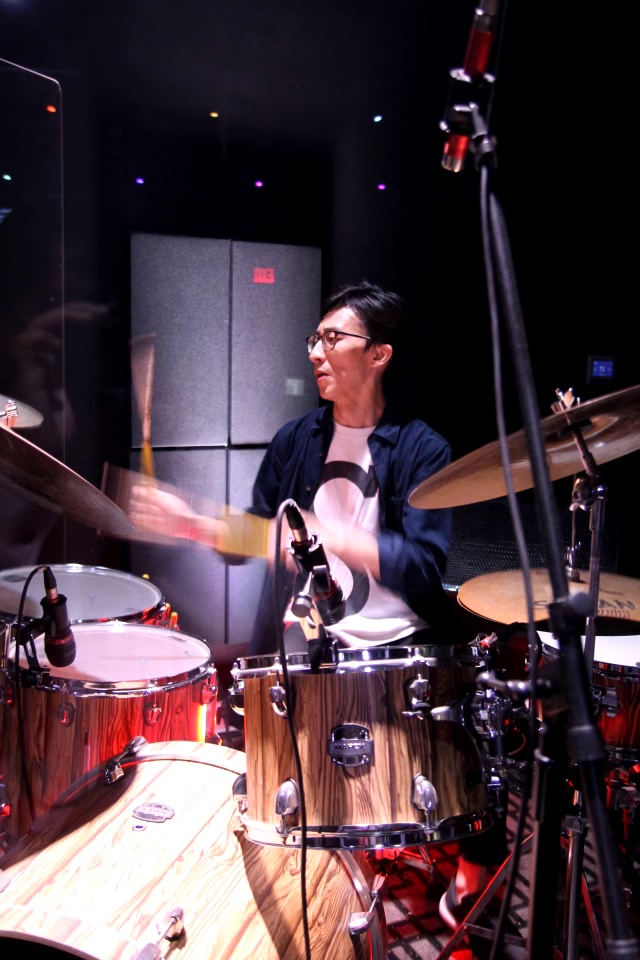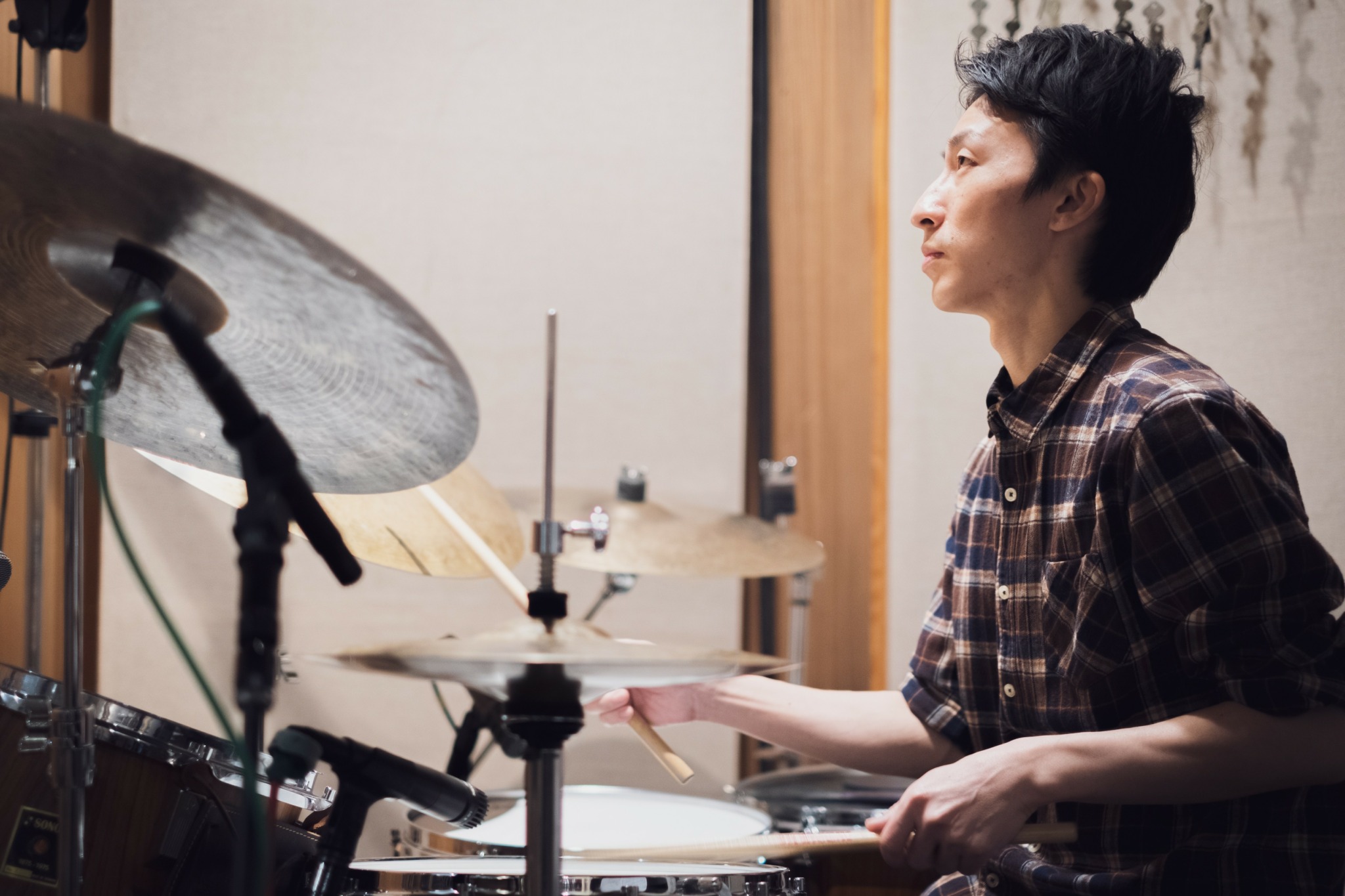

We’re excited to introduce you to the always interesting and insightful Yosuke Nagayama. We hope you’ll enjoy our conversation with Yosuke below.
Yosuke, appreciate you joining us today. How did you learn to do what you do? Knowing what you know now, what could you have done to speed up your learning process? What skills do you think were most essential? What obstacles stood in the way of learning more?
I started playing drums at age of 12 under my parents’ musical influences. My father is a drummer and my mother is a classical pianist and I was surrounded by many kinds of music when I was a kid, mostly jazz, fusion and classical music. My father taught me basic drum techniques and I started taking drum lessons from a drum teacher. My first drum teacher was a professional jazz drummer and his lessons improved my drum skills a lot. He also introduced me many jazz drummers and it opened my door to jazz. Learning those drum techniques helped me for gaining my musical skills definitely, but to me, listening many jazz albums, getting familiar with the sound of jazz and trying to understand what musicians were playing in those records really developed my musical listening skill that is able to catch and understand what is happening in the music. This listening skill is always helping me on the performance stages, so I can say “listening” is the most essential skill as a musician. I also would like to address that playing with an actual musicians when I was a beginner speeded up my learning process. I used to go to local jazz clubs for open jam sessions when I was a teenager and it helped developing my skill as a drummer because playing live music with real person requires different skills compare to playing an instrument just by yourself at home. Since other musicians always play differently on the stage and the music changes the shape every time, and you need to react and adapt immediately where the music goes. That is one of the skills that you can’t learn at home and I was fortunate that I was able to learn the skill as a teenager and I believe it made me a better drummer at my early musical stage. Even though after I have played many gigs and gained many musical skills over my career in Japan, where I was born and raised, I faced one obstacle when I moved to New York to pursue my music career. It was about “rhythm and language”. That happened one night at the gig I was playing in New York after I just moved there. During the song, I played a short drum solo and I thought I played very clearly so other musicians were able to come back easily, but when I ended the drum solo, no one came back to join the song. I was confused because I played my solo with the same way as I always do in Japan and I never had any problems before. But after listened back to the recording of the night and compared to other musicians’ playing, I noticed that my drum playing had a lack of rhythm. At that night, I probably played a decent musical drum solo, but since there was a lack of fundamental strong rhythm/groove/time feel on my playing, other musicians simply couldn’t find the beat over my solo and couldn’t understand what I was playing. The reason why I didn’t have the same problem in Japan was because musicians were listening to other musicians’ playing based on mostly their musical phrases or notes, not the rhythm or groove. I believe that is related to a language that you speak. Japanese language sounds light and soft, doesn’t have much dynamics or many stresses in the word or in the sentences. Whereas English has a lot of dynamics and many stresses, and sounds rhythmic and strong. So I feel that Japanese musicians’ playing tend to sounds lighter and softer and construct their solos with mostly musical idea or phrase, not the strong groove. That is why I didn’t have any problems because we were playing music in “Japanese” and were able to understand each other easily. I don’t mean that Japanese musicians are not good. There are actually many amazing Japanese musicians. I believe it’s just a cultural difference. One time, when I was playing at the nursing home in New York, I saw elderly people dancing along with the 70’s pop music and I was surprised because I have never seen that in Japan. Then I realized that the dancing/feeling the beat/enjoying the groove is part of their culture in America and that made a difference between Japanese musicians’ playing and American musicians’ playing, which I both find it beautiful.
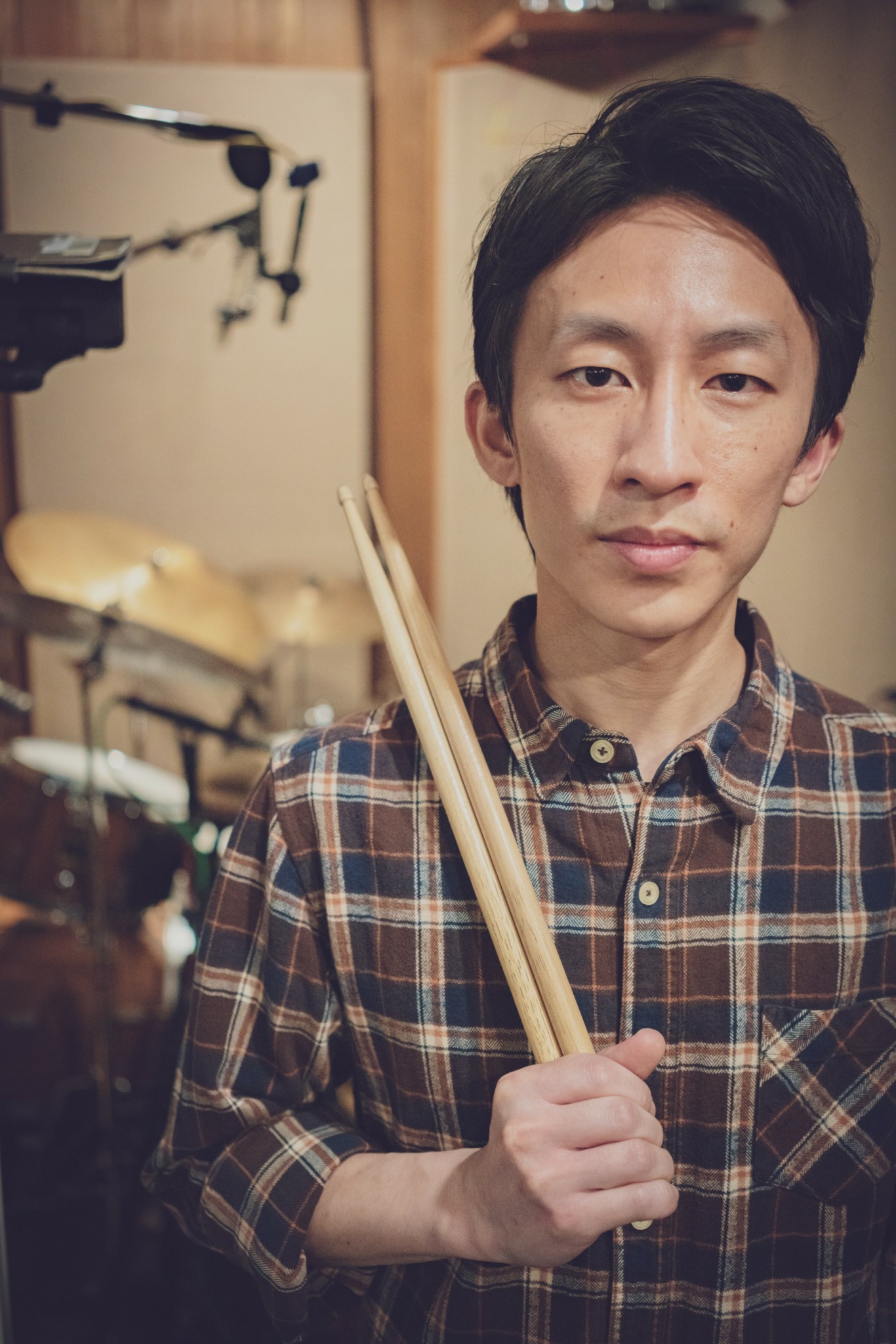
Yosuke, before we move on to more of these sorts of questions, can you take some time to bring our readers up to speed on you and what you do?
I’m a professional Japanese jazz drummer and composer, living in New York. I started playing as a professional when I was in music college in Japan. The music college that I went to had amazing teachers and talented students, so I got many opportunities to play with them at jazz venues in Tokyo area. I also used to go to open jam sessions to build a musician network and was able to meet many great musicians and started playing gigs with them as well. During over 10 years of my musical career in Japan, I was able to establish my drumming style by playing multiple gigs, jazz festivals, recordings. I have always been sensitive about volume and touch since I started playing the drums and I have seen drummers playing little too loud in the band multiple times, so I always tried to play the drums with the sensitive touch and the clear tone, not too loud but maintaining the energy. I believe that my drumming concept had built my own unique drum voice and set it apart from other drummers. I also believe that my sensitivity about sound and tone came from the influence of my mother’s piano playing style. She used to play many classical pieces in my home and she played them with the most sensitive touch and the most beautiful notes, so my ear accustomed to the sensitive sound over my childhood and it became a big influence to my drum playing eventually. Listening my mother playing classical music made influences on my compositions as well. She used to play French composer’s pieces by Maurice Ravel or Claude Debussy, so I always feel like I’m hearing those sounds in my head when I’m writing a song. I believe my first album titled “Start”, that I released in 2021, displays well about combining the essence of my influences from classical music to contemporary jazz.
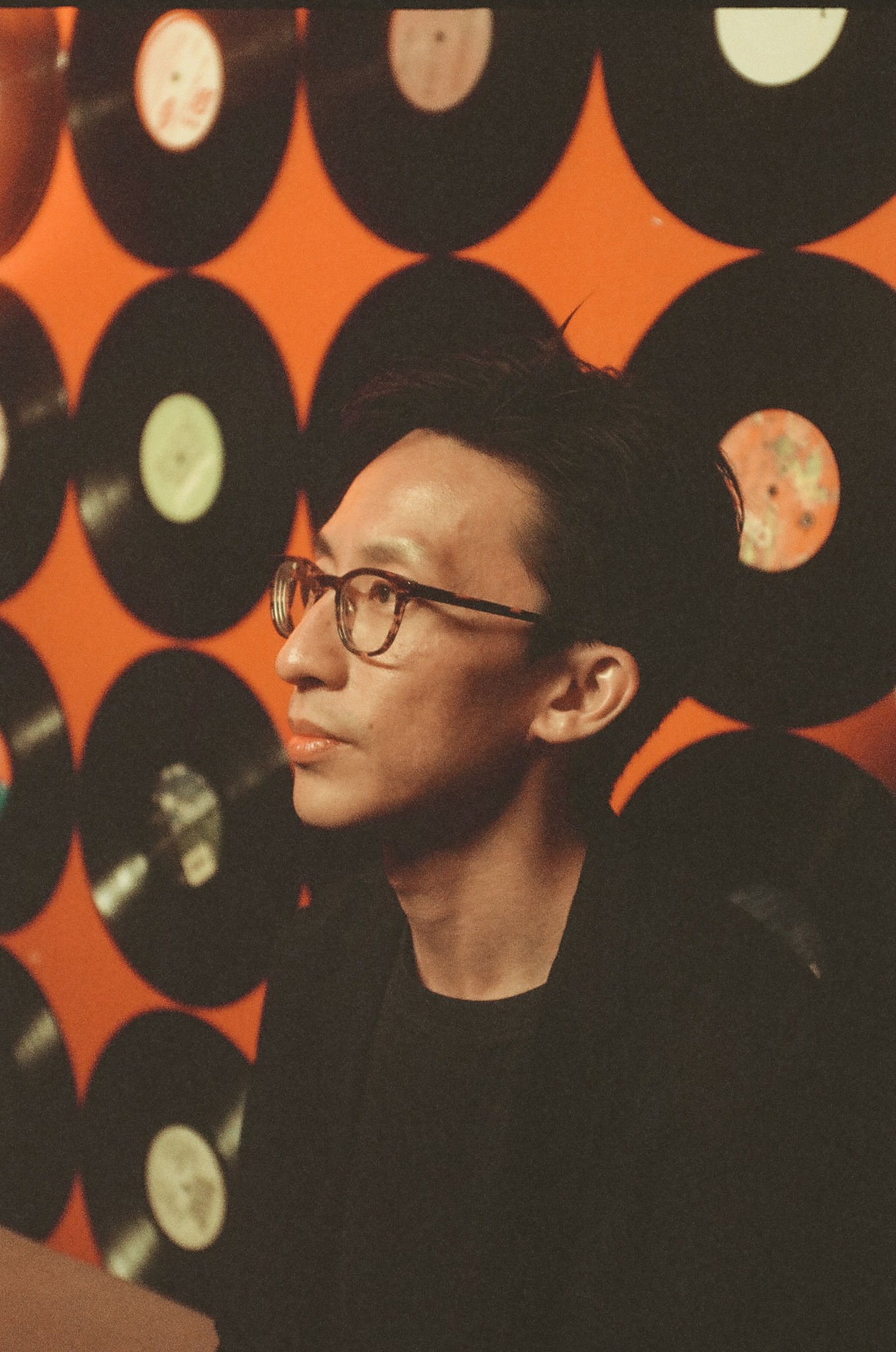
Is there mission driving your creative journey?
My mission as a jazz drummer is to keep the music alive on the stage all the time. I remember vividly when that thought occurred, and it also began to shape clearly as I spending more time playing music. It happened when I was in the jazz ensemble class with the teacher/trumpeter Tomonao Hara in the music college in Japan. In the class, after I played one song with him, he told me “play like you’re doing a drum solo.” The next song, I started to playing like almost I’m taking a drum solo while he was taking a trumpet solo, which usually doesn’t work because the drummer’s role is to keep the time basically. But on the next song, the music sounded completely deferent. Suddenly, the music started sounds like it was breathing, moving around like a creature, felt very organic. It was like I was inside of the music, being a part of it. It felt like I was in the mud or water and hearing the music with my entire body. I’m pretty sure that my playing was really sloppy and my notes were just all over the place, but after finishing the song, he said “See, that’s it!” And he also explained “At the very early stage of jazz history, everybody was just playing simultaneously, no soloist or no accompanist. Just playing together, almost like collective soloing.” I think I didn’t fully understand it at the time but after a while, I started to realize that it was about “giving the idea”. Until that ensemble class, I was always trying to listen to what the soloist was playing and respond to it quickly as I can. It was nothing wrong musically, but it was almost like just attending a meeting in a conference room and just sitting on a chair without saying anything unless someone ask you an opinion. For playing music, even though I was playing the drums in the ensemble, I was just basically waiting and doing nothing until something happens and I just react only when someone play something. But in order to make the music sounds better, you need to participate and contribute to the music by giving the ideas, not just waiting and taking other’s. In that lesson with Mr, Hara, I believe that the reason he made me to play that way was to keep me displaying musical ideas by playing drum solo, and those ideas made him or other musicians play something different. With the ripple effect of those ideas, the music just becomes lively, colorful and more interesting. With the idea, there is always happening in the music: someone might go along with the idea or someone might ignore the idea and keep going. Either way, there is always an action and the action makes the music alive. For me, it is alway an amazing experience to be part of that process and I would like to share it with other musicians and audiences.
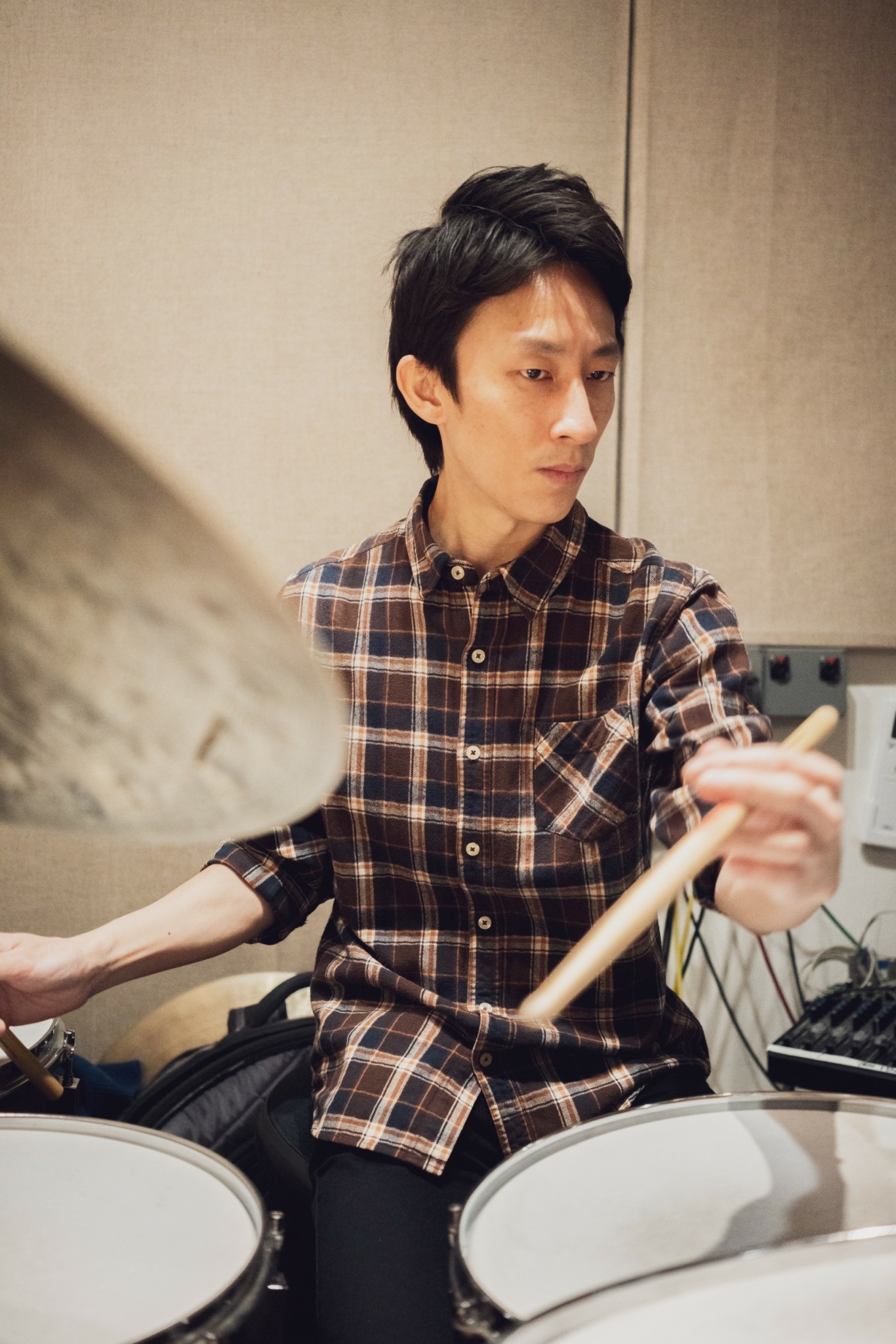
What do you find most rewarding about being a creative?
Through my music career, music has always been teaching me that I need to keep my mind open and respect others. When we play music, we’ll never know what’s going to happen because everyone has own unique ideas and has different understandings even on a very famous song or any simple materials. I started realizing it more often after I moved to New York because there are so many musicians from all over the world and everyone has their musical voices and everyone plays differently. I’ve encountered many situations that the music went different direction than I anticipated because of different understanding and opinion of the each musicians, but there was actually nothing wrong with it. Everyone just played them to make the music sounds better. I just didn’t expect it because my mind was “Ok, if we play this, then we would play that as usual.” I used to struggle while I was playing because my mind was so closed that I couldn’t go anywhere. But I understood that the only way to make music work is to accept with no judgment. No matter what kind of notes the other musician plays, even it’s totally wrong theoretically, just let it come and make it music. If you deny it, that means you are denying the person because the music or any notes that the person just played is a portrait of himself/herself. The music came from the person is the result of the craft that the person has been working on through whole his/her life and we need to respect it. Once you accept it, the music starts flowing and you’ll see many possibilities and you can go anywhere. I’m still on the learning process of this musical journey, but the music is always showing me the important elements to be a good human being and telling me how it’s important and necessary to be kind to others, and it’s the most rewarding aspect of being a musician for me.
Contact Info:
- Website: https://yosukenagayama.com
- Soundcloud: https://soundcloud.com/yosukenagayama/start?si=a926809f69174074933e24739a8cdc14&utm_source=clipboard&utm_medium=text&utm_campaign=social_sharing