


Often there is no book or course to learn how to do what you want to do – so how artists and creatives overcome such challenges? How have some of the most talented artists and creatives in the community managed to learn their craft?
Zoo Rass
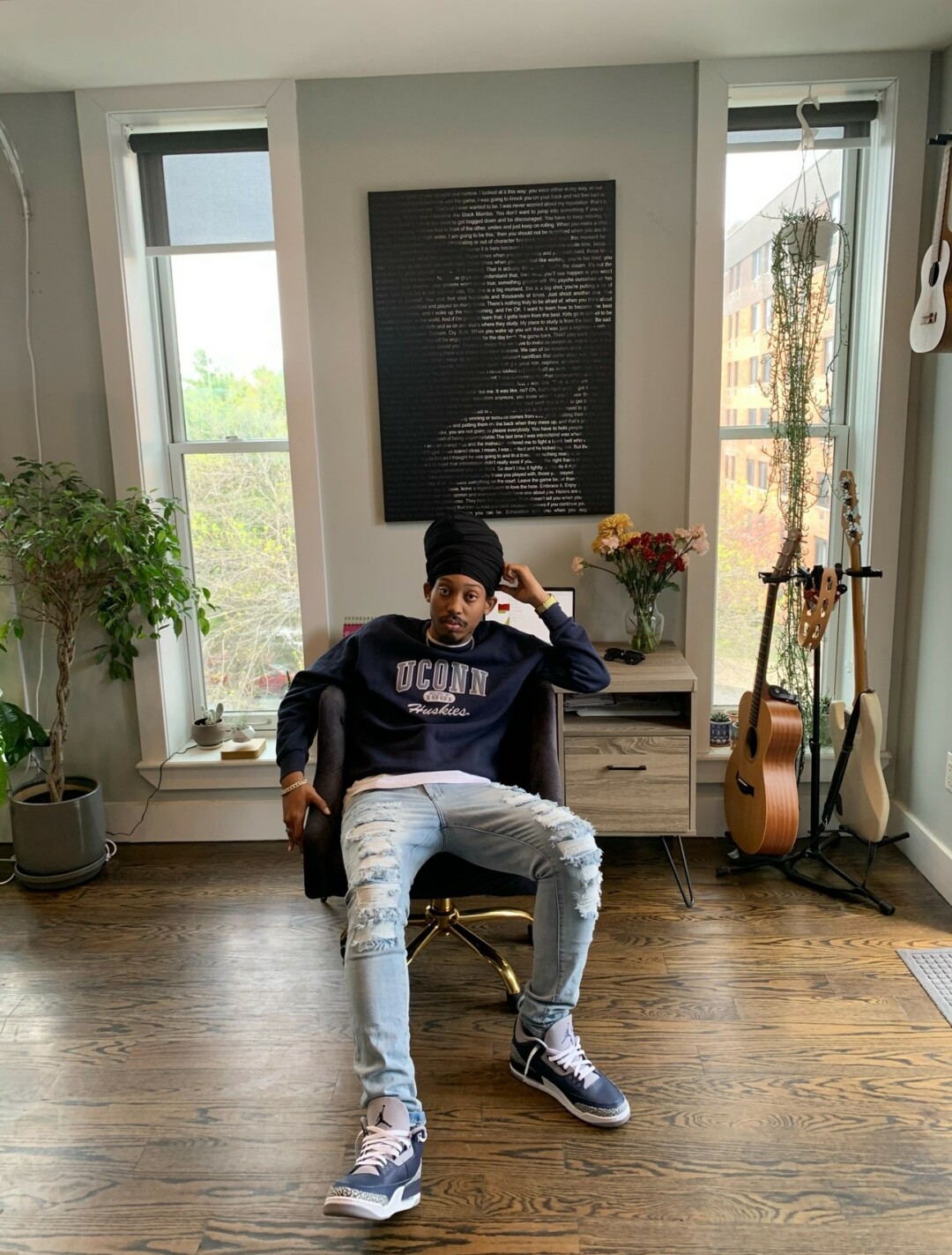
I gained my expertise from my previous experience as an artist. I’ve always had solid music marketing strategies for my own career, so in a way, I was my first client. Along the way, I also dove into books and courses from both music marketing experts and digital marketing professionals from various fields. I stay up-to-date by listening to top industry leaders and marketing experts to keep improving. If I could go back, I’d start my digital marketing journey a bit earlier—it would have accelerated my progress. The key skills I’ve learned are storytelling, creating engaging content, understanding client needs, and mastering the nuances of each social media platform. As for obstacles, I haven’t faced many, as platforms like YouTube and TikTok, plus networking, have made continuous learning easy. Read more>>
Rhyuhn Green
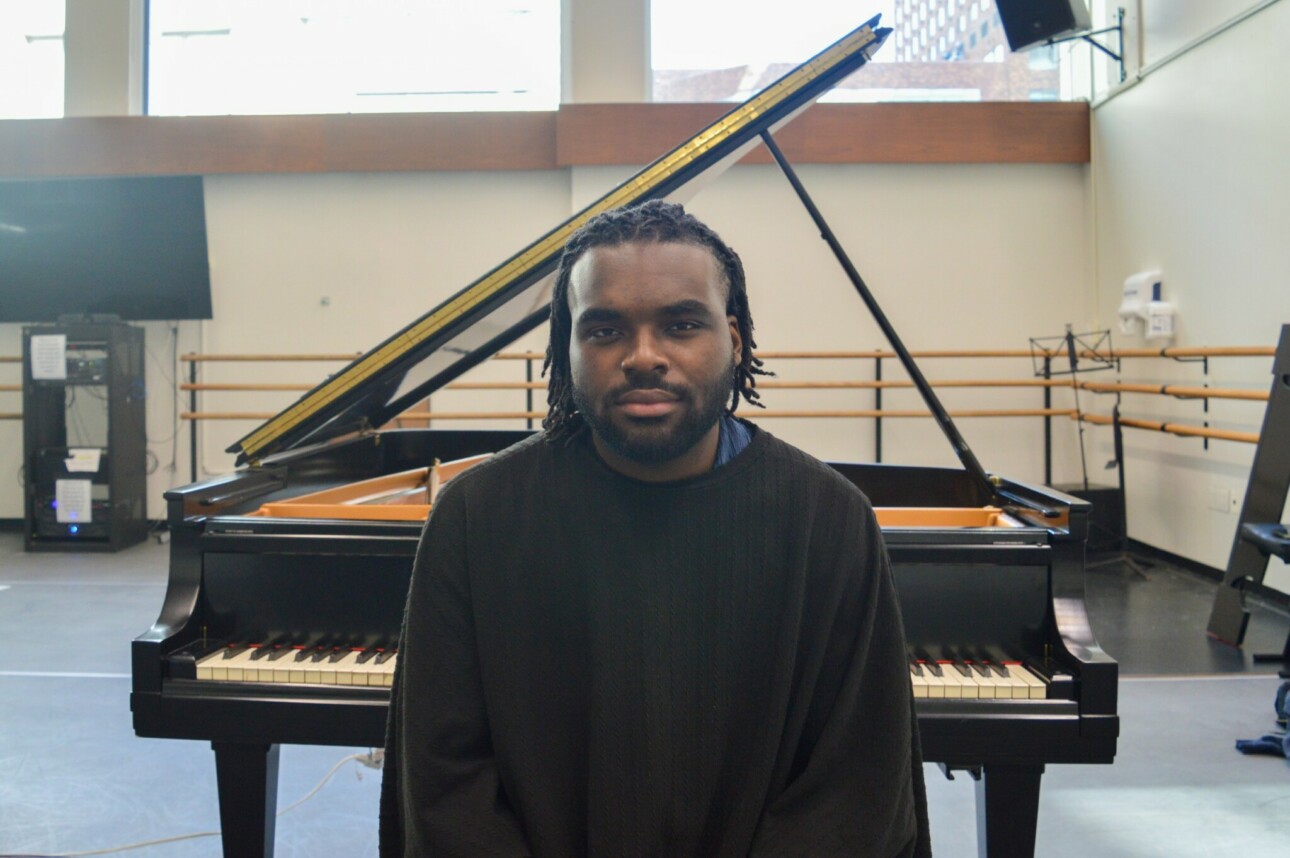
I began learning to play the piano at age 2. My aunt, who knew the basics of piano, taught me the names of the keys, scales, and simple pieces. Then, at age four, I began taking lessons with Brigette ReDavid at a small town piano shop outside of Philadelphia. From there, I began to learn the art of performance and different styles of music. I took my art to various stages, such as Rock Allegiance 2015, opening concerts for Rob Zombie, Korn, and Five-Finger Death Punch, among others, at the age of 9. Around that same time, I did a piano summer program at the Delaware School of Music, where I met the now-grammy award winning Michelle Cann. She took me under her wing, bringing me to The Curtis Institute of Music every week for lessons. Read more>>
Jennifer Shaw
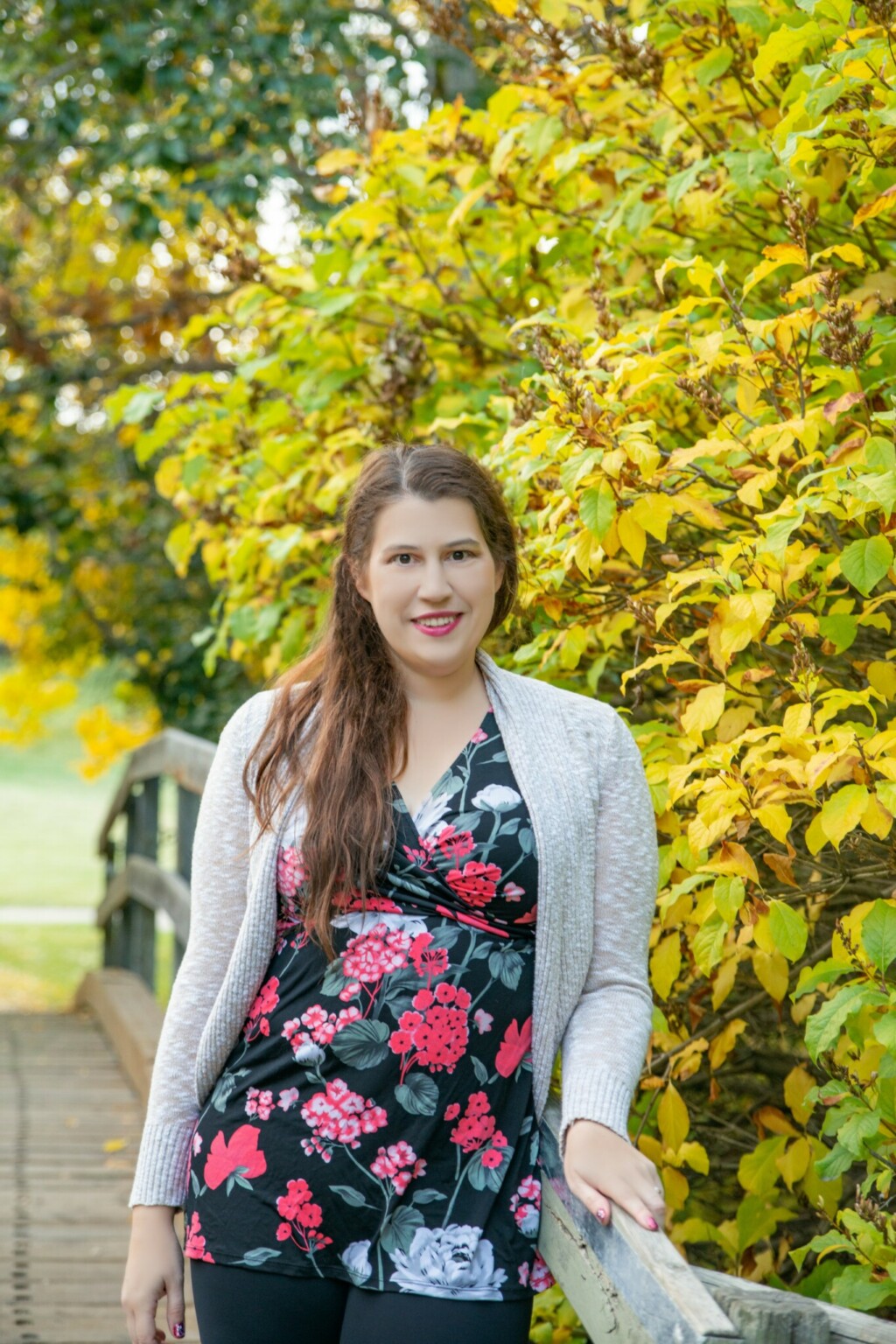
As an introvert, I enjoy my alone time and spent much of it observing the world around me, pondering life and exploring “what if” scenarios. While I use my musing and life experiences to inspire my creative works, I am not much of a story planner. That said, I always have a good idea of where to start my novels, where to end, and approximately what needs to happen in the middle to move my story toward a resolution. The rest is undecided. Beyond this loose plan, I usually have an overarching theme that I weave into my novels. Read more>>
Emily Wynns
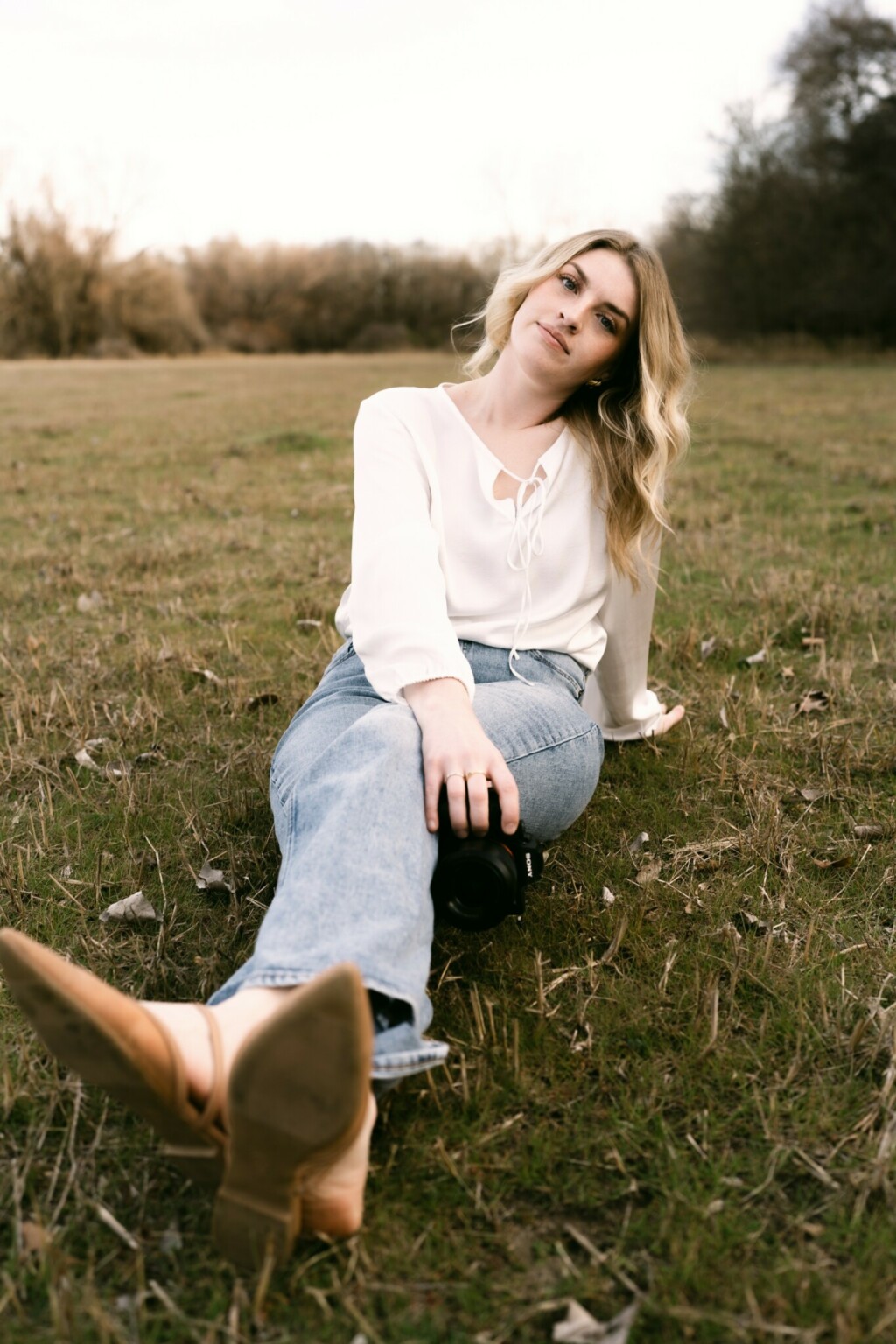
I received my very first camera at 10 years old. I had absolutely zero knowledge of how to use it or produce the captivating images I so desperately wanted to create. All I knew was that I had a passion for freezing moments in time to be remembered forever. I loved seeing life and it’s moments from behind the lens. Fast forward to 7 years ago when I was given my first DSLR camera, again with zero knowledge of how to use it. I learned by trial and error. I began experimenting with various settings, lighting scenarios, and volunteers. Over time, I have invested in various educational resources from photographers I admire and look up to. Whose work was similar to what I aspire mine to be one day. Read more>>
Josie Liederman
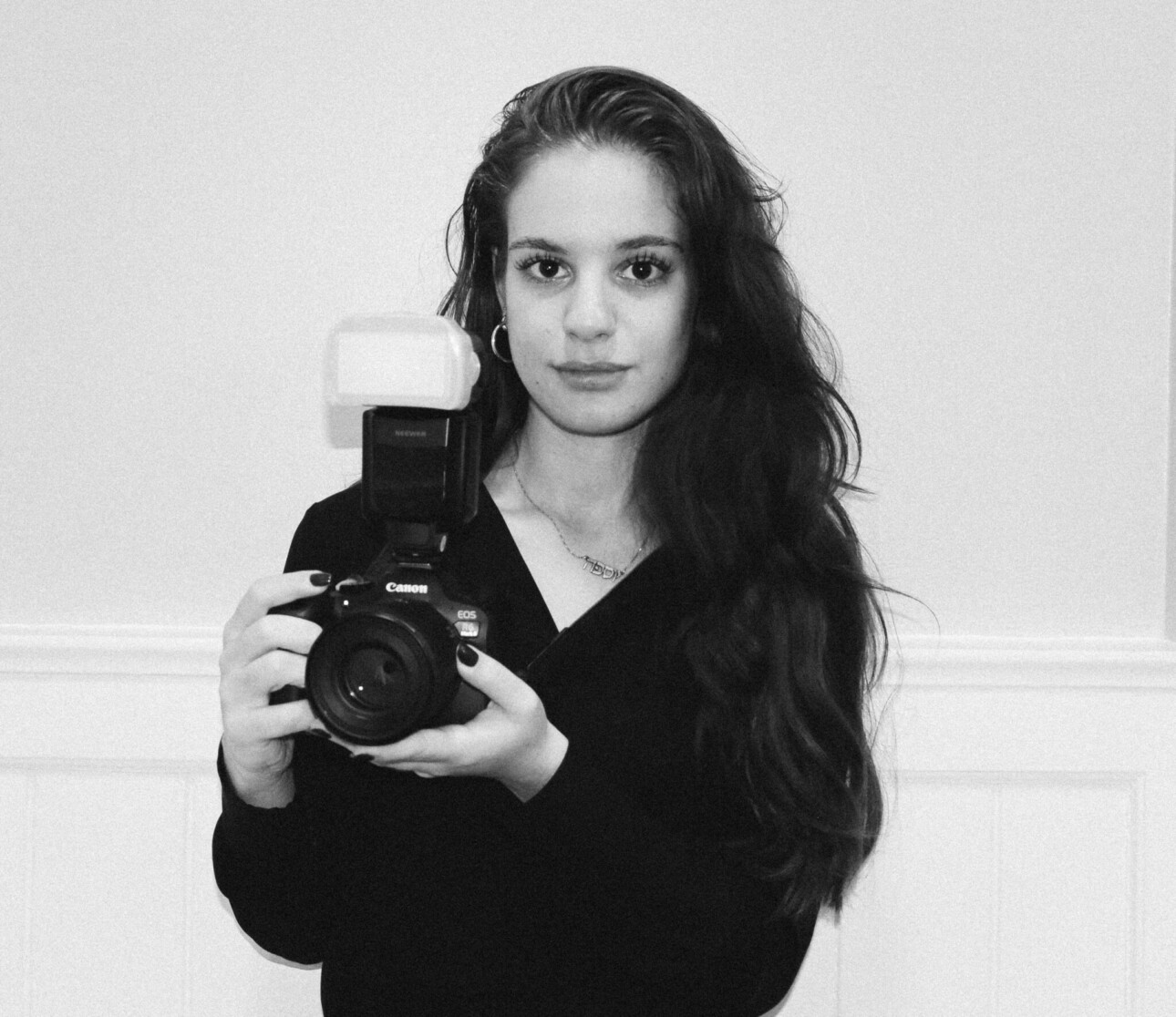
Learning how to take quality photos was not as easy as I thought it was going to be. Admittedly, I bought a used DSLR camera thinking it would be as simple as pressing the shutter release button and magically producing a great photo. After taking my newest toy to my friends’ concert to try and take pictures for them, I realized that cameras are a whole different beast. I think it took me 3 or 4 concerts of dark, blurry, and unusable photos for me to learn about shutter speed, aperture, and ISO, and how to use all three simultaneously. After much trial and error (and some sort of twisted determination that would just not let me watch a tutorial on YouTube), I finally learned that for concert photography there is no perfect camera setting or formula. Read more>>
Jon Rubins
One of the biggest issues I’ve faced when using AI image writers is getting the program to capture the image I have in mind, whether that’s the generator completely misinterpreting what I want, or when it decides omit/add random details. For me, I found the key to writing a successful prompt is to figure out how the generator thinks. I will generate a very simple prompt to test image quality and a very complex one to intentionally overwhelm the system and see its boundaries and capabilities. From there, I can figure out how complex of an image the generator can successfully generate, because now I know what it can and cannot do. For instance, if I want to generate an image of “a cartoon sunflower with a smiling face in a field”, I’ll dumb down the prompt a lot. I’ll generate an image of a sunflower in a field just to see how the blades of grass and the sunflower itself look, and make sure the petals don’t look strange and uncanny. Read more>>
Michelle Bergamo
I’ve always loved to write. I grew up performing original shows with my sisters and friends. My one friend and I used to perform plays for our 5th grade class. In that same class, I won a “Future Playwright” award at the end of the year. I will never forget that. I got involved in theater in high school and that sparked a lifelong love. In college (Rutgers) I studied Journalism, which was a great way to gain writing experience, but I think I always knew that hard news was not for me. I yearned for a more creative path. After college I accepted a full-time position in theater marketing, which was somewhat creative or “creative adjacent” as I’ve heard people say…but I wasn’t completely fulfilled. I learned about playwriting by simply watching performances and reading scripts during my time in the industry. I began taking non-credit classes, online workshops, reading scripts, studying films and TV shows and making outlines. Read more>>
Meaghan Sutton

When it comes to photography, I first learned with digital cameras in high school in Louisville, Kentucky. It wasn’t until I moved to Portland, Oregon three years ago where I found an abundance of film photography stores and resources that I decided to give it a try. It didn’t take me long to find analog was the medium for me. That initial experience sparked a deep curiosity and a desire to understand every facet of the medium. Over time, I came to see film not just as a method for capturing an image, but as a language that tells stories in grain, texture, and nuance. It’s a process that demands patience, attention, and a willingness to embrace unpredictability—qualities that have deeply influenced my approach to photography. Read more>>
Arkady Thompson
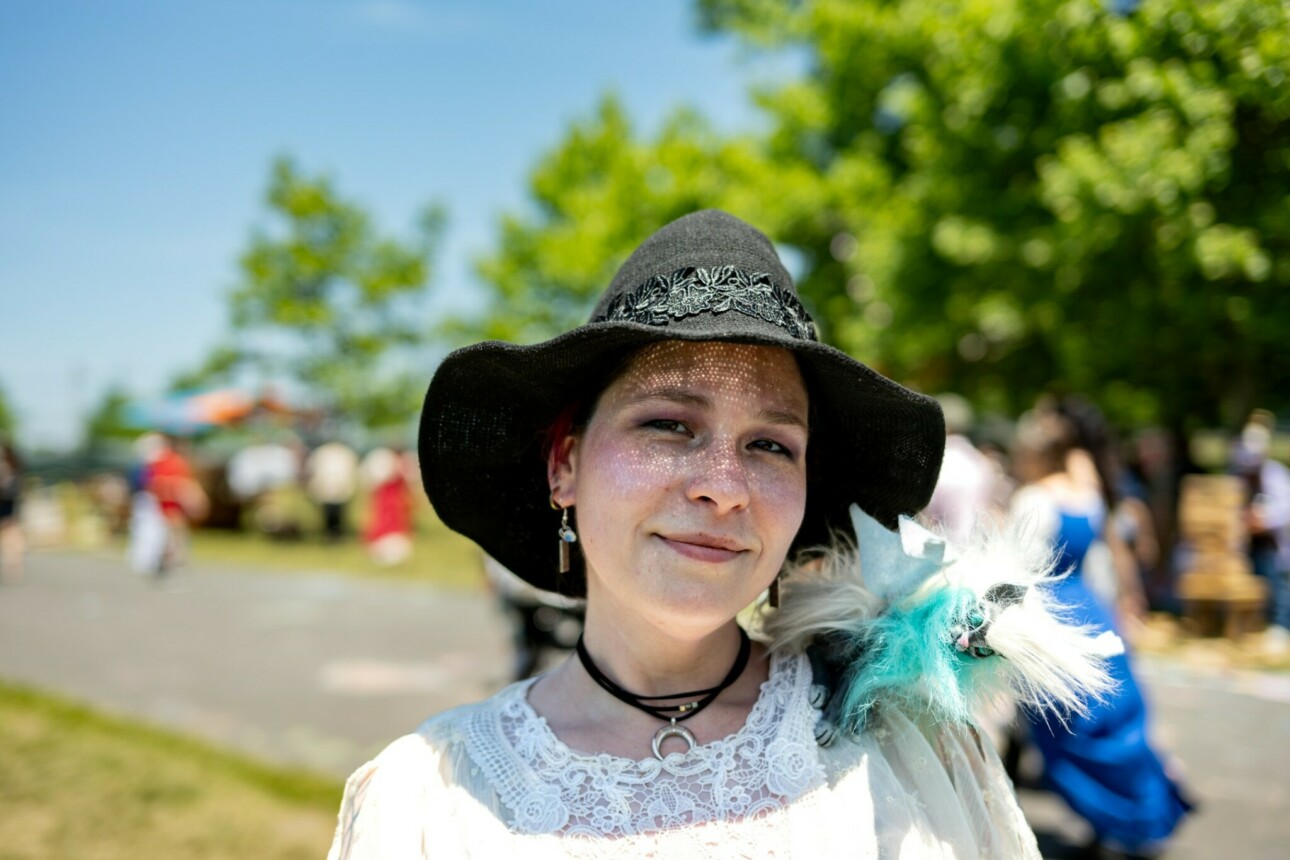
I have had my hands in art since I was little. My parents always supported my love of creating. It wasn’t until my undergrad at Hood College, that I fell in love with ceramics. I was completely taken in by the feel of the clay and the unpredictability of it. I fell in love with the challenge of putting something I created into the kiln and surrendering control to the “fire”. I had a wonderful professor, Michael Cohen Holdahl, who really let me explore the creative process and pushed me to push myself. She also taught me the importance of patience. Clay is very predictable when you know it well. She taught me how to get to know the clay in order to push the limits of what it could do. Read more>>
Devon Bennett
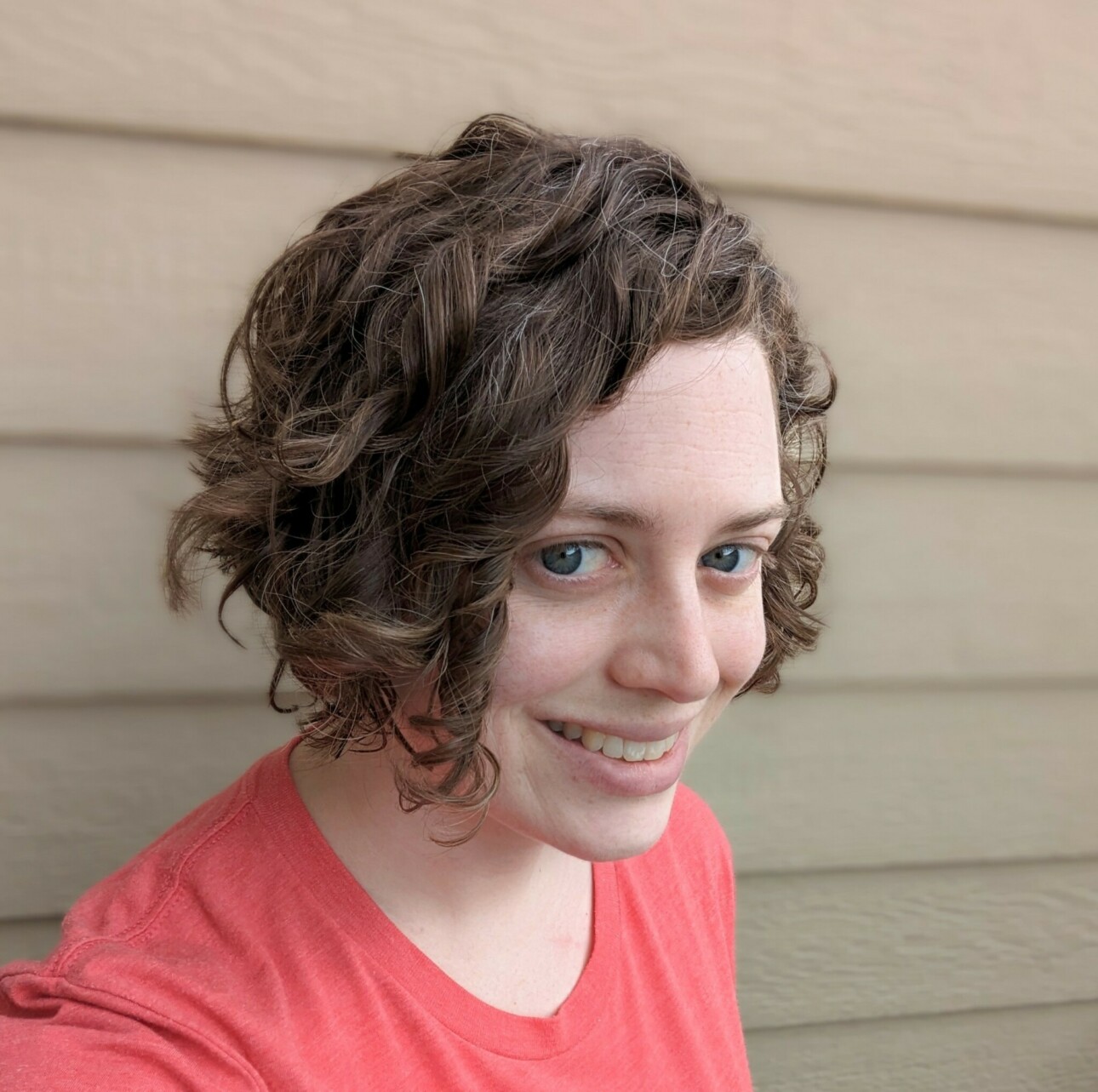
I’m an almost entirely self-taught artist. I’ve been making art my whole life, and I took art classes in the summers and at school growing up, but I never considered that I could be a professional artist. In fact, I took a drawing class at a community center after college and was told I was so bad I should stop drawing (which honestly reflects poorly on the instructor, not me). Read more>>
Keeley Wolf
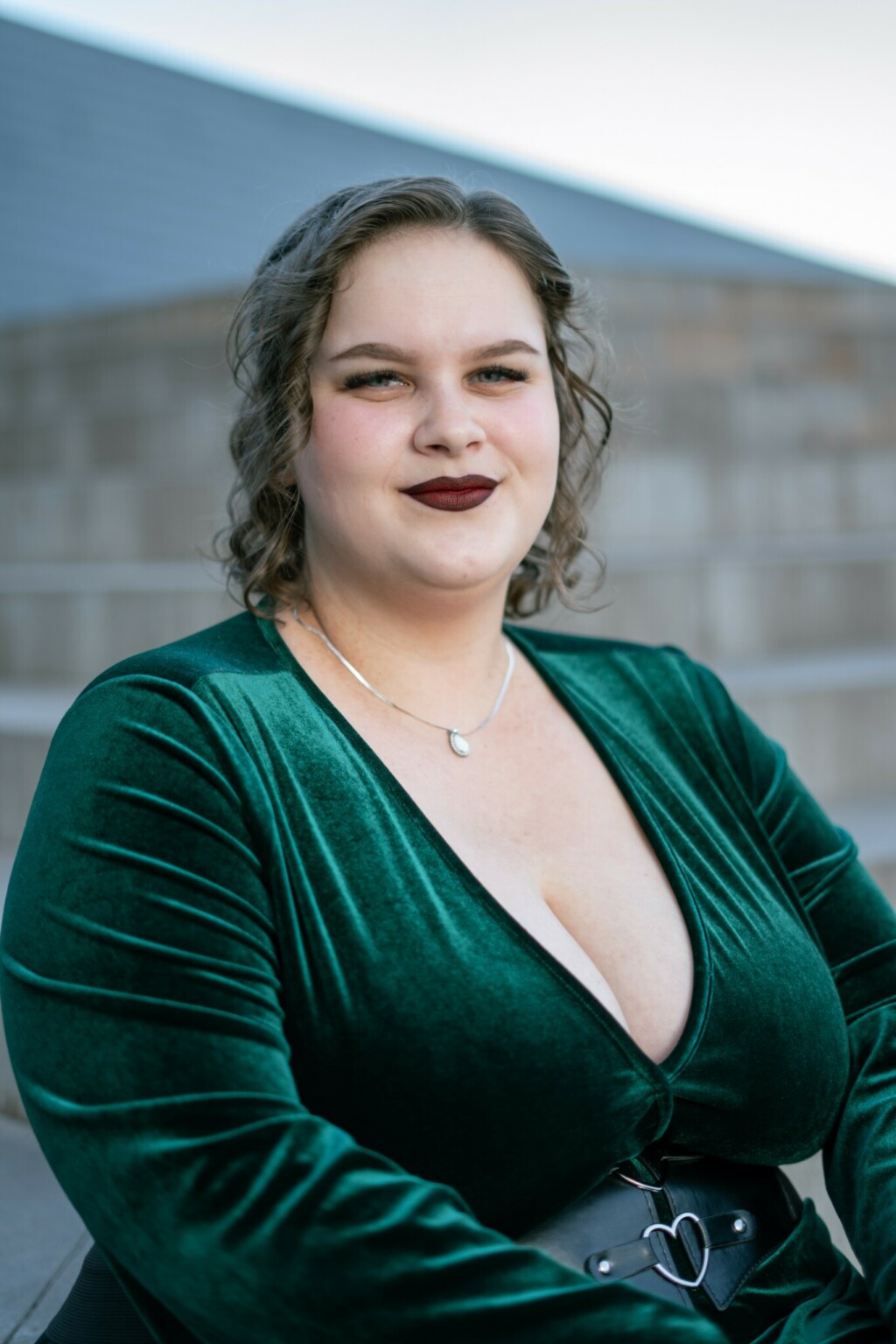
I have always been passionate and thoughtful about comedy. When I first started performing, I would research and ask questions. Such as “How do you write a joke?” Or “How do you connect the audience to your material?” Those were the questions I brought with me when I decided to attend a comedy class. This helped me to conduct and write jokes that not only resonated with my life but also captivated my audience. Read more>>
Mars Fitch
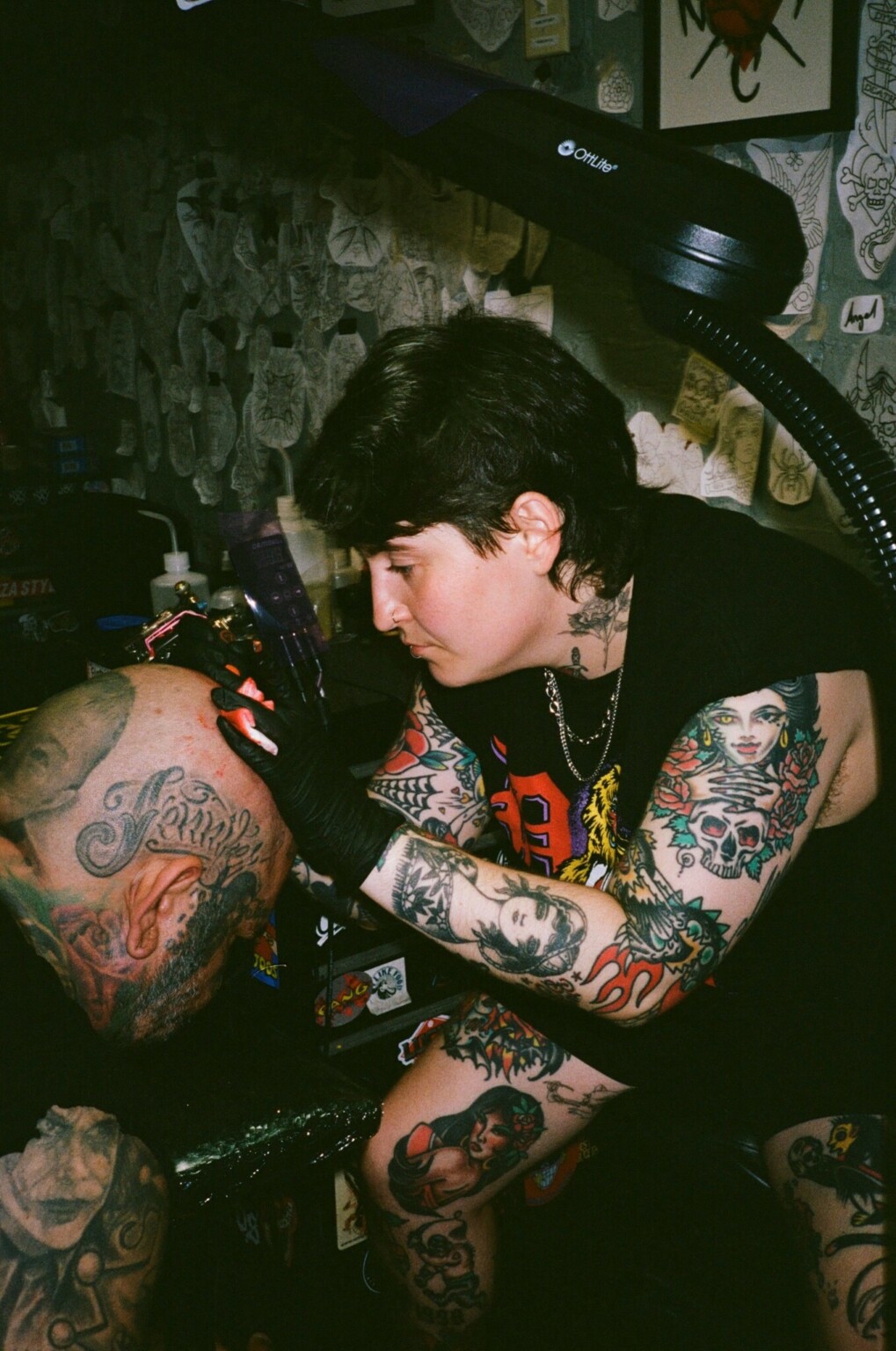
I’m still a very young tattooer, but I learned to tattoo thru an apprenticeship in Midtown. It was a small, brand new shop so it was different from other apprenticeships in that the business was slow to begin with and took a lot of personal effort to grow interest/clientele, whereas getting an apprenticeship at a shop with a lot of hype/business throws you into the mix faster. That being said I was taught very thoroughly the basics of being in the skin, and how to be a walk-in tattooer tattooing a bunch of styles. That was the way that all tattooers used to learn, being thrown into it at a busy street shop and taking whatever comes thru the door. It’s not very glamorous by Instagram standards, but that world is what taught me to be a tattooer, more than a person who makes tattoos. Read more>>
Ramiro De Loza
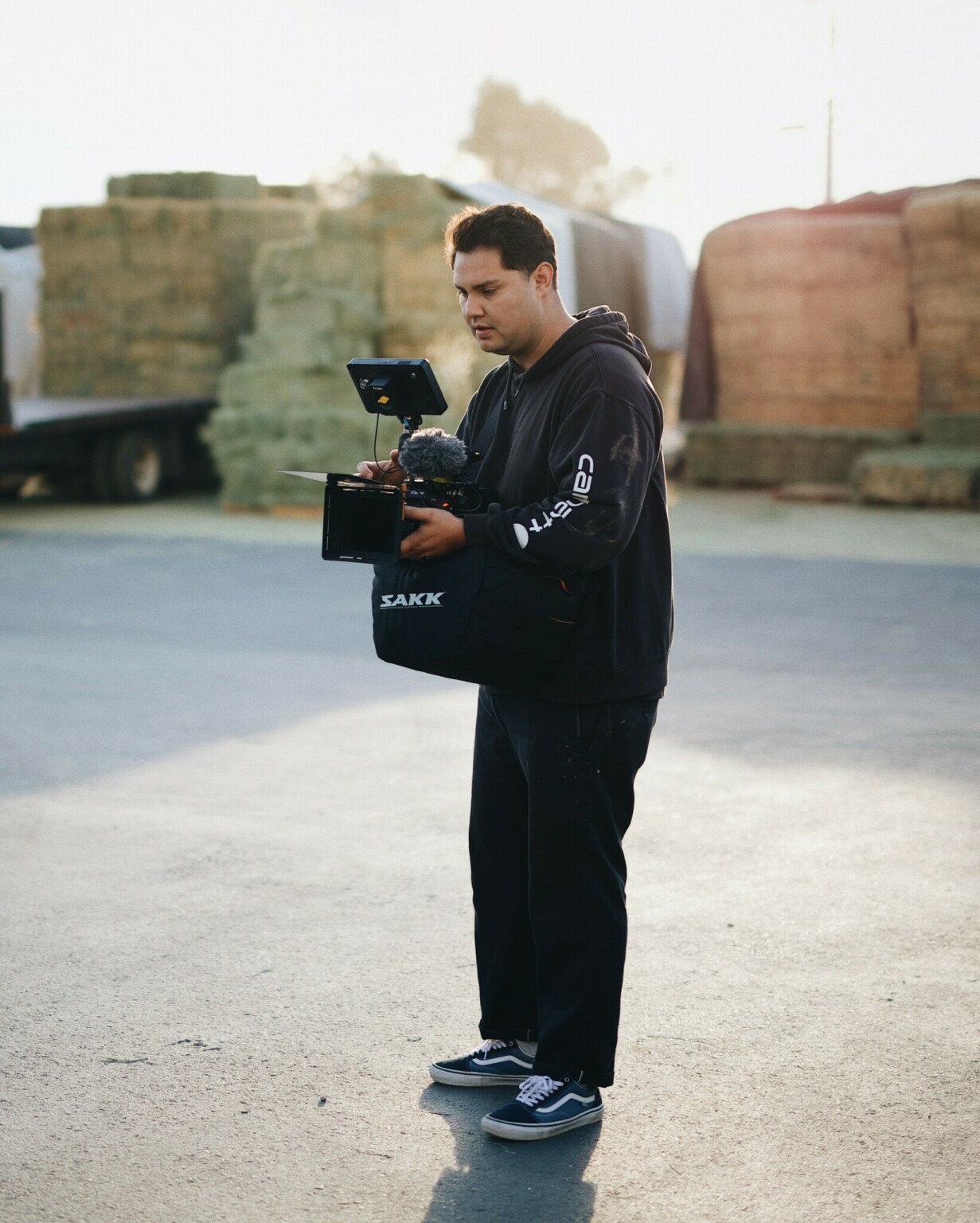
I think almost everyone dabbles with a camera at some point—snapping photos on a phone, filming random moments—but my journey really started when I realized I had an eye for it. People told me I had an eye before I even fully understood what that meant, and looking back, I can see why. I was capturing moments and framing shots in a way that felt right, even if I didn’t yet have the technical knowledge to explain why. Read more>>
Britt Galvin
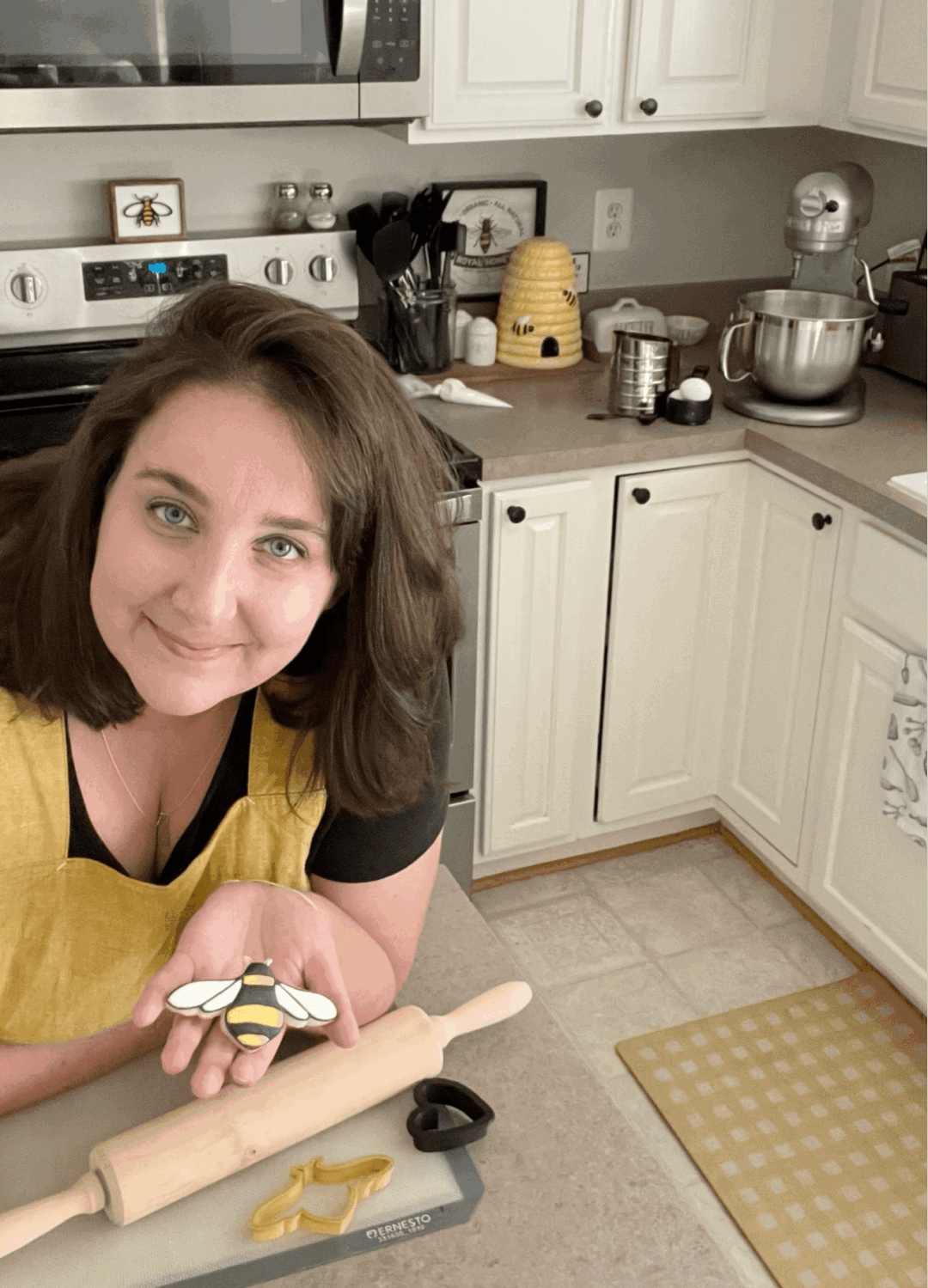
I learned by doing, by experimenting and testing what works and doesn’t. Cookie Decorating gets to involve baking and being artistic. There are so many tools now in 2025, that I actually am grateful I learned to decorate cookies in 2016-2018 because I got more practice with what was available vs having all the right stuff from the start. While I could have had a speedier process by maybe attending a class or paying for information, I think my process was just right. I was so lucky that so many Cookie Decorators before me shared their knowledge through blogging & YouTube. It’s was okay to fail, I remember the failures & the successes. Failing just becomes muscle memory – it’s a way to problem solve for the next time. Read more>>
Gary Brooks
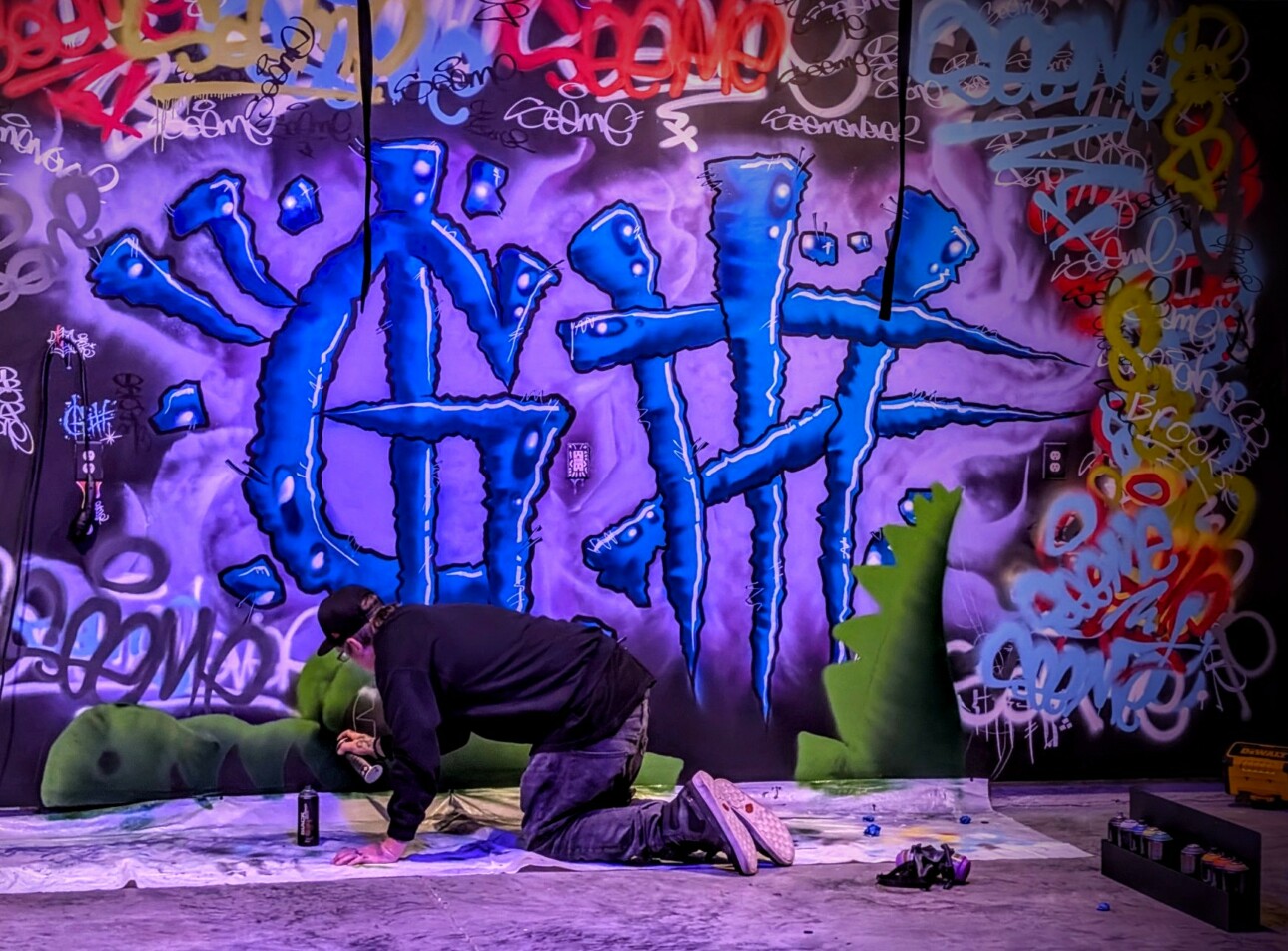
I learned to paint and draw at a young age. I grew up close to a train yard and saw graffiti everyday. Nothing can speed up the process but consistently working on the craft! The most essential skill is to always try new things be uncomfortable in what you do! Police stood in the way in my early years haha. I paint a lot locally and I have a nice garage wall I paint all the time. Read more>>
Kenneth Lieberson
Love, fascination, desire, attraction drew me to music. My parents told me that when I was a few months old i sat up, perhaps for the first time, when passed a church where Bach was being performed. Even though I was too young to know how to talk, I must have made it very clear that I did not want to leave this magnificent sound. Read more>>
Hannah Trollope
Most of what I know came from me teaching myself and from school. When I got my first camera as a kid I went around my neighborhood and took pictures of everything and it was a really great way to get comfortable with my camera and to learn how ISO, shutter speed, F-stops, etc works. Then when I got to high school, I took photography class for three years and that helped to really solidify my knowledge on photography and the ins and outs of a professional camera. One of the most essential skills I learned was how to take a good picture on a professional camera without using the auto mode which adjusts all the settings on the camera for you instead of you adjusting it yourself. Read more>>
Rockstarliiife
I learned almost exclusively from my failures. I’ve never received a loss in life only another lesson to learn from. I’m grateful for every hiccup, for every speed bump, and for every mountain I decided to climb. I learned most from pushing myself when people said I could not do whatever it is I wanted to improve upon. They said I could not rhyme good so I practiced rhyming until I became great. They said I could not make a song that was good so I made 1000 bad songs until I made one good one the most essential skill that you can have is trusting your abilities and determination in the face of outward doubt. Read more>>
Carol Baldwin
Becoming a novelist is not an overnight business. Before I started Half-Truths, I wrote for newspapers and magazines and published two nonfiction books. After receiving success in those endeavors, I started working on my dream–writing a book for young people.
Although I had written non-fiction, plunging into fiction was harder. I didn’t know where to begin or how to write a novel. I read a lot of craft books, took classes, attended writing workshops and conferences, and soaked up every bit of information I could. I was already a member of the Society of Children’s Book Writers and Illustrators (SCBWI) which provided networking opportunities. I started and led a local SCBWI critique group for many years. Each experience added to my fund of knowledge. Read more>>
Katya Gudaeva
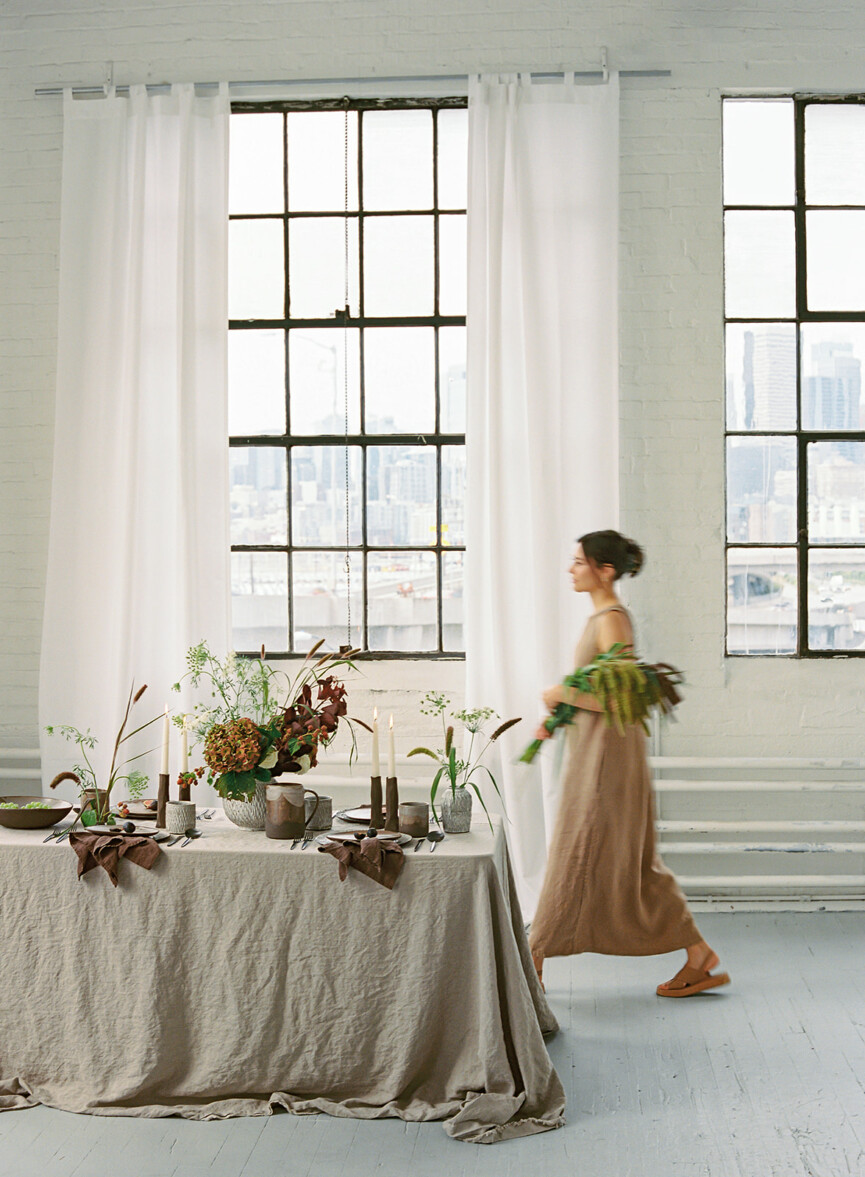
My journey in ceramics began just two years ago, and it’s been a fulfilling and transformative experience. While I am still considering myself a beginner, I truly appreciate the long learning curve that comes with this art form. There’s so much to master, and that’s one of the aspects I find most inspiring about ceramics. I wouldn’t want to speed up the learning process, as the process of learning itself is what makes it so interesting, so I try to enjoy the ride as much as possible. Read more>>
Loren Eiferman
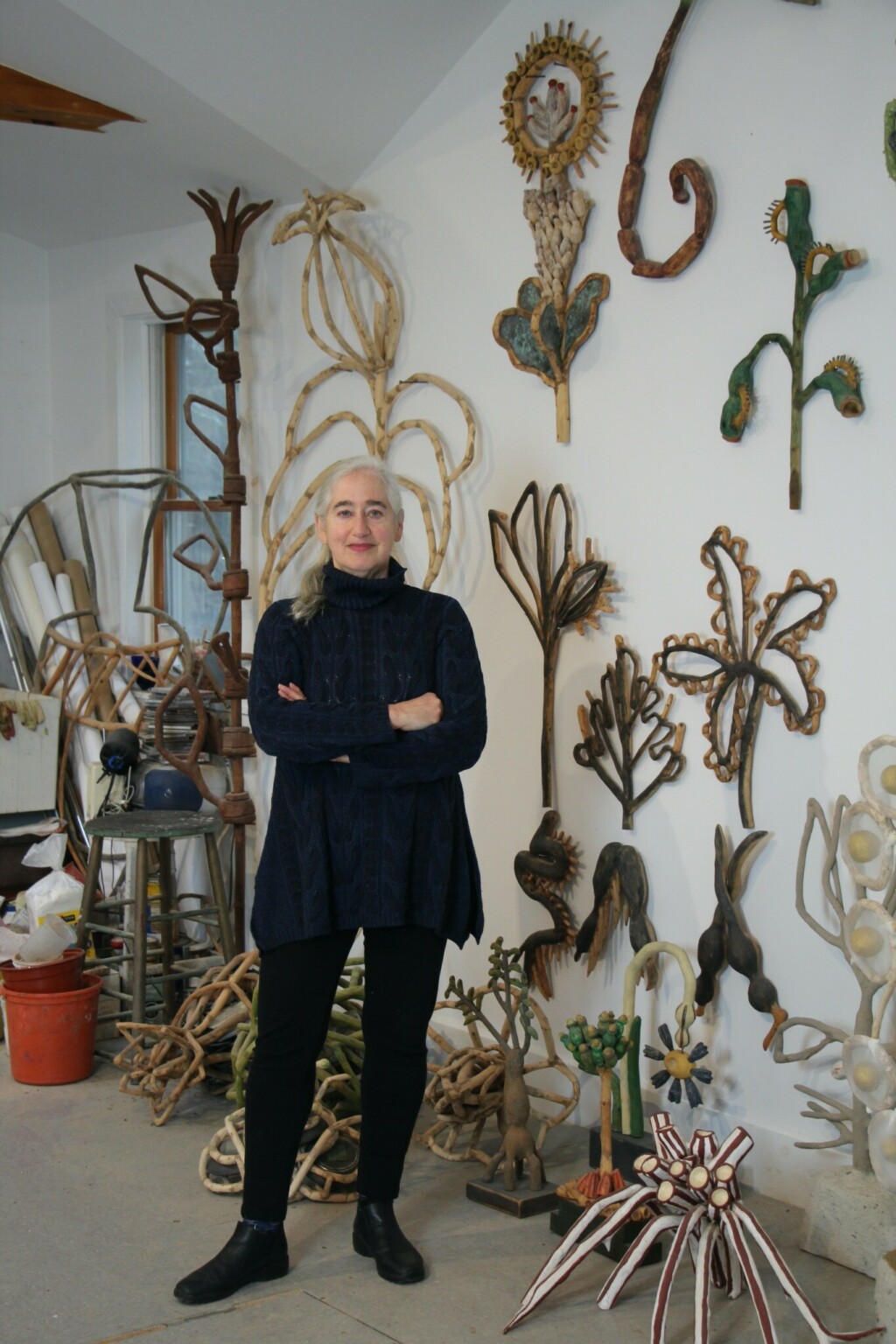
No one works with wood the way I do. My process wasn’t taught to me, instead it’s been an evolving craft that I have developed over many decades. I start out every day with a walk and collect tree limbs and branches that have fallen to the ground. I never chop down a living tree. I carry those sticks back up into my studio. I then let the wood sit for many months in what I call my “sea of sticks” to make sure the wood is dry and won’t check or crack. I usually do a drawing first and that drawing acts as a road map of where I want the sculpture to go. From there, I start looking for shapes found within each stick to correspond to the lines found in my drawing. I then cut small naturally formed shapes, joining these small pieces of wood together using dowels and wood glue. Read more>>
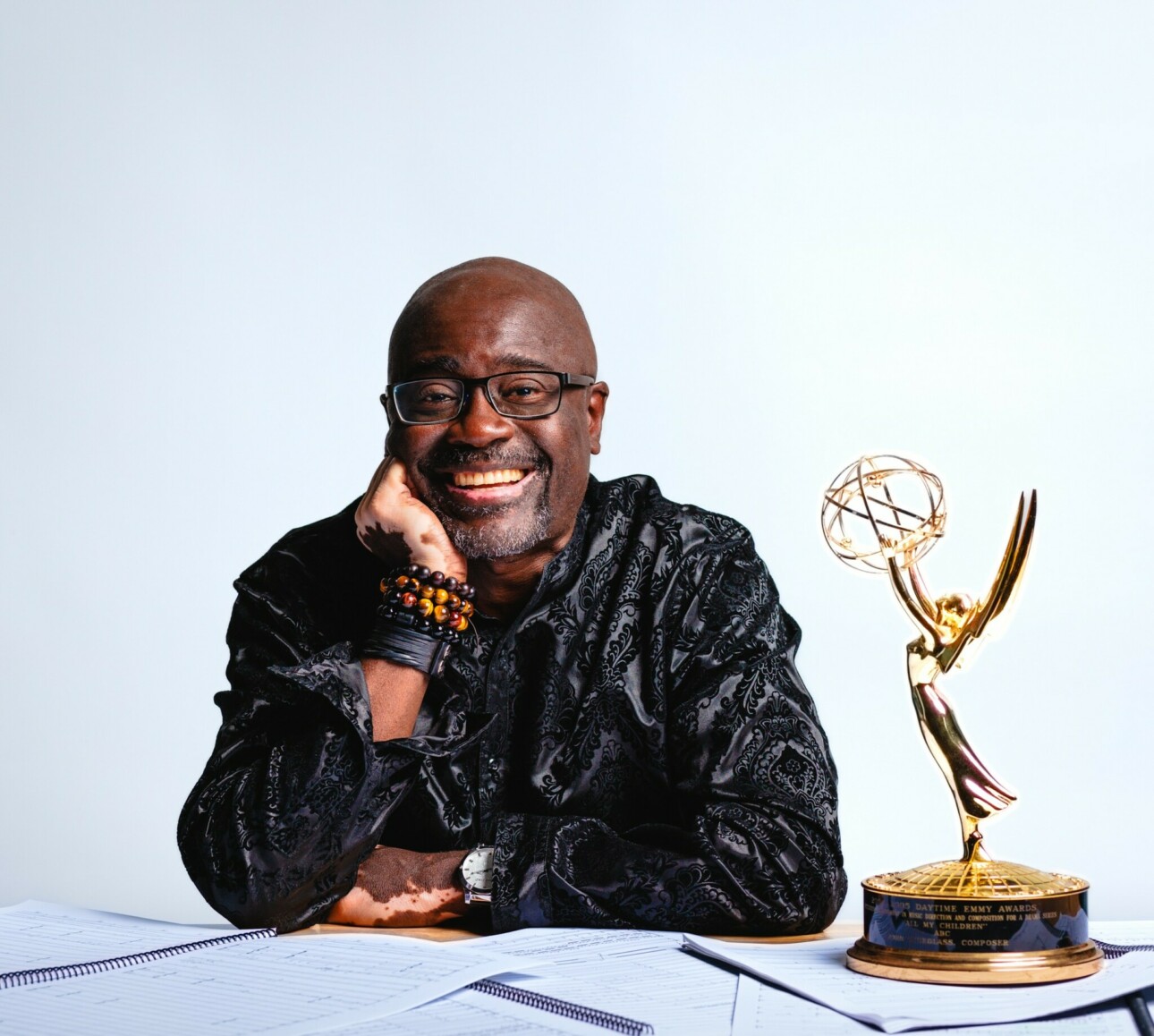
John Wineglass
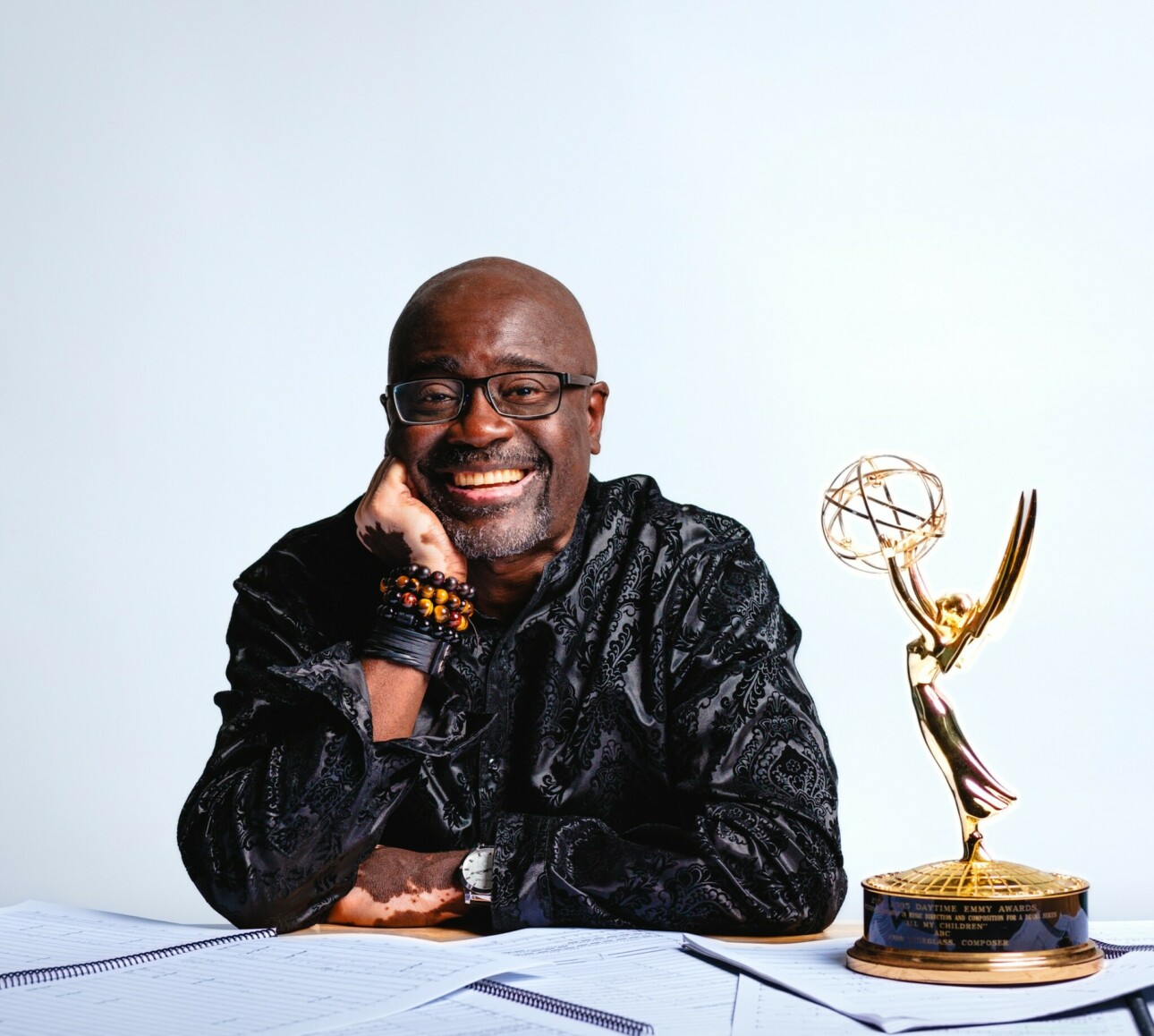
Initially, what I have learned to do as a creative began as essentially a God-given gift of perfect pitch and synesthesia between the early ages of five-six years old. My sister took piano lessons and from constantly hearing her play Beethoven’s Moonlight Sonata, I simply picked it up by ear on the piano. My mom immediately enrolled me into music lessons in the orchestral classical sphere and the rest is history. Along with honing my ear skills in church music and eventually exploring various jazz idioms, I ventured into higher education with ultimately a master’s degree in Music Composition with a cognate in Film Scoring for Motion Pictures, Television and Multimedia from New York University. Read more>>
Sean Morrison
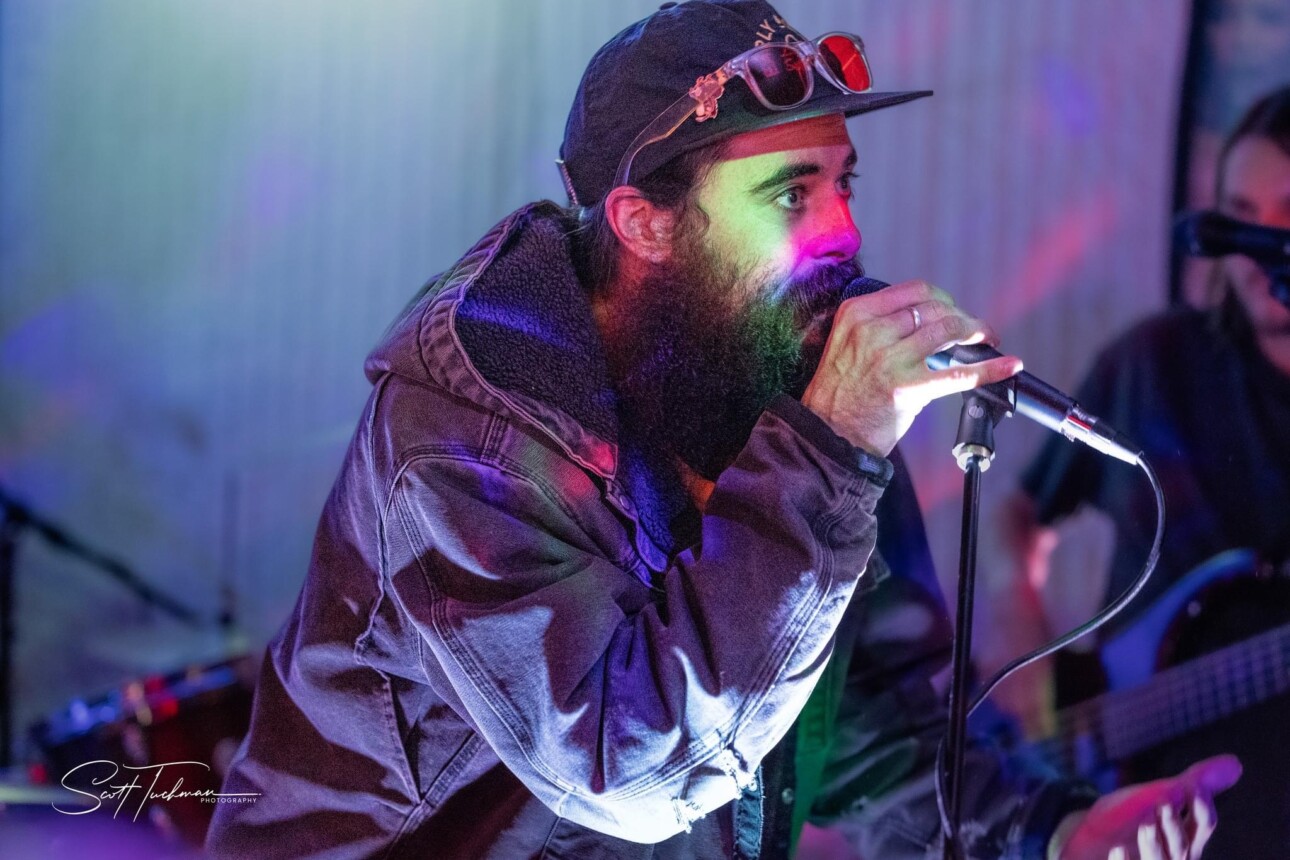
I learned to do what I do by growing comfortable in my understanding that what I do, and who I be as an artist will be a perpetual evolutionary process, full of challenges, risks, and rewards.
I think that I could have sped up my artistic process, and learned faster, if I had taken the time to be more graceful with myself around my growth, my self worth, and my recurring battles with perfectionism. Read more>>
Rebecka Vigus
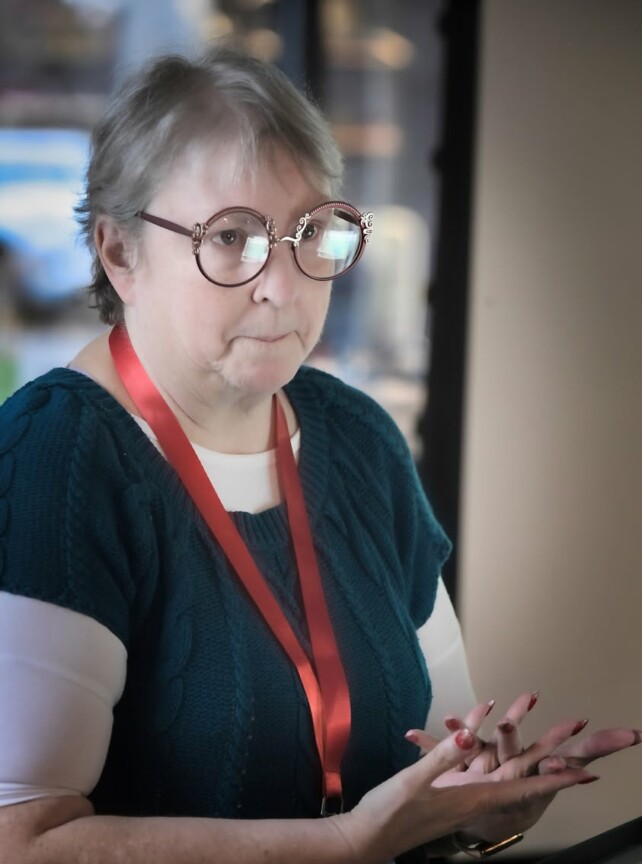
I learned by trial and error. There was nothing I could have done. I had a college professor tell me, I had talent but she didn’t know how to help me develop it. I started reading everything I could get my hands on about writing. I studied that between other college classes. I should have taken the study more seriously, but because it was on my own, I didn’t. Perseverance. I stuck with it and learned from the masters. Life got in the way. I had a child, I started work. I only wrote in my spare time. Sometimes I went weeks without writing. My writing didn’t have a support group. Read more>>
Keaton Rose
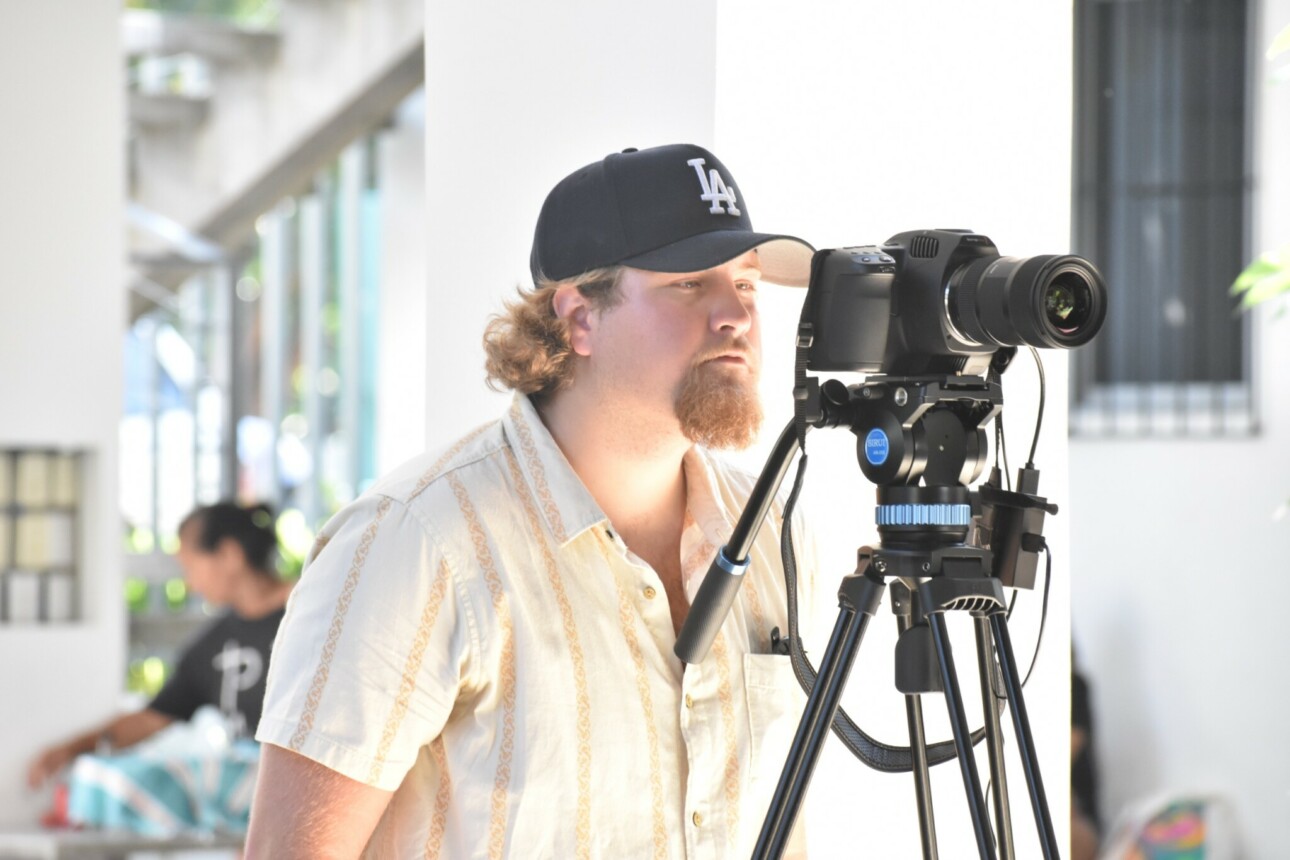
The way that I learned to do what I do was a long and difficult process that will forever be unfinished. I first had to learn how to learn, then I had to let mentors and collaborators into my life that could guide me to being a better artist. I spend a lot of time taking information in, and learning the craft from people I trust and look up to. Being open to new experiences and new points of view has been invaluable to me. Knowing what I know now, I wish I could tell myself that the best way to learn quickly is to do. As a creative we spend so much of our time thinking, planning, and imagining. Although that is valuable, you learn the most by doing. It is easy to be paralyzed by analysis, but if you take action I promise you that you will learn ten times as much as you can just thinking about the process. Read more>>
Janessa Reimer
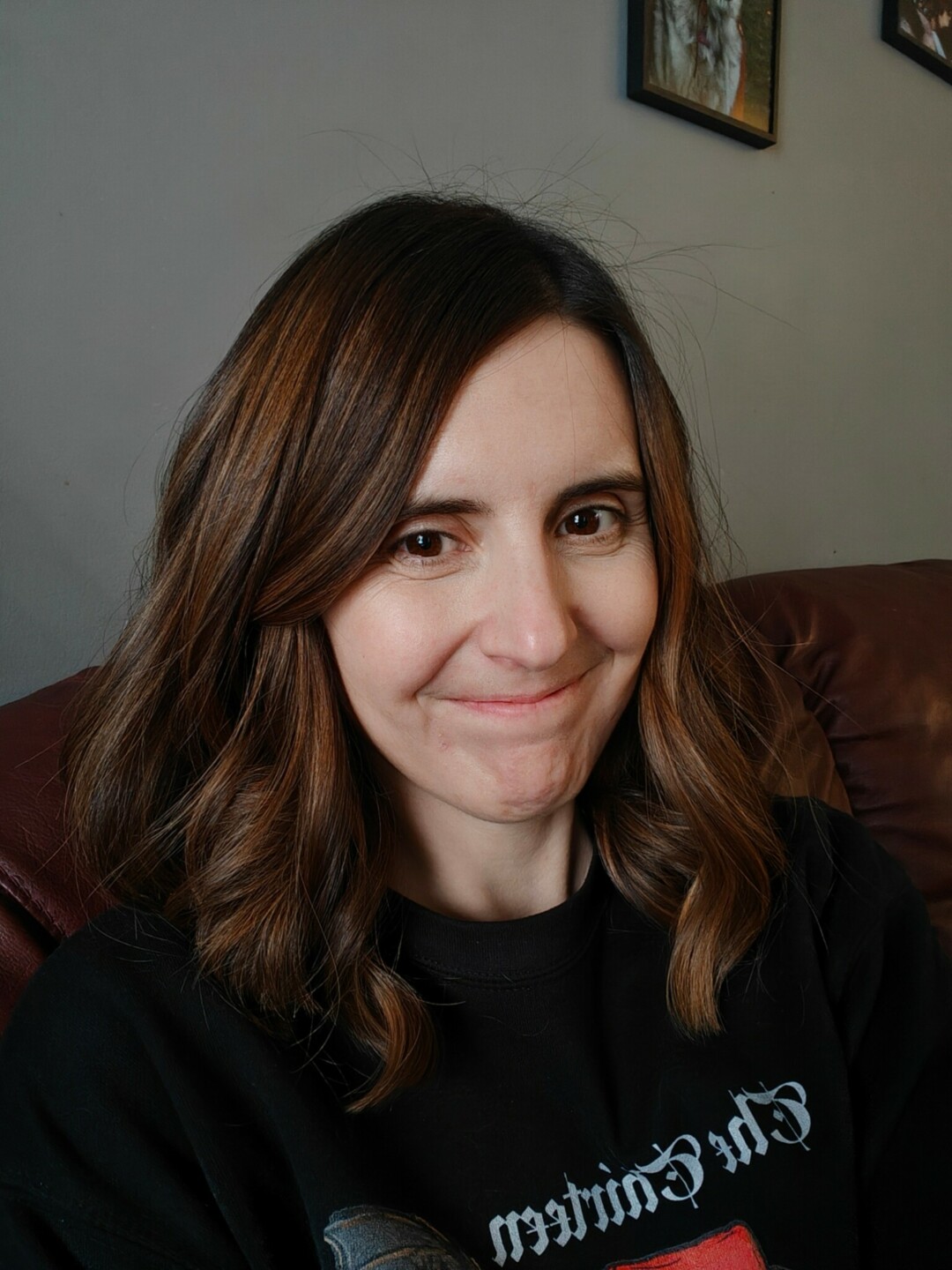
I first started painting back in 2020 when the world shut down. I was a new mom, struggling with severe postpartum depression and needed something to help my mental health. I found an artist offering free virtual paint nights and decided to give it a try. To my surprise I really enjoyed myself. I started practicing drawing, painting with acrylics every day. I painted for my family and friends to start. Read more>>
Georgya Mazier
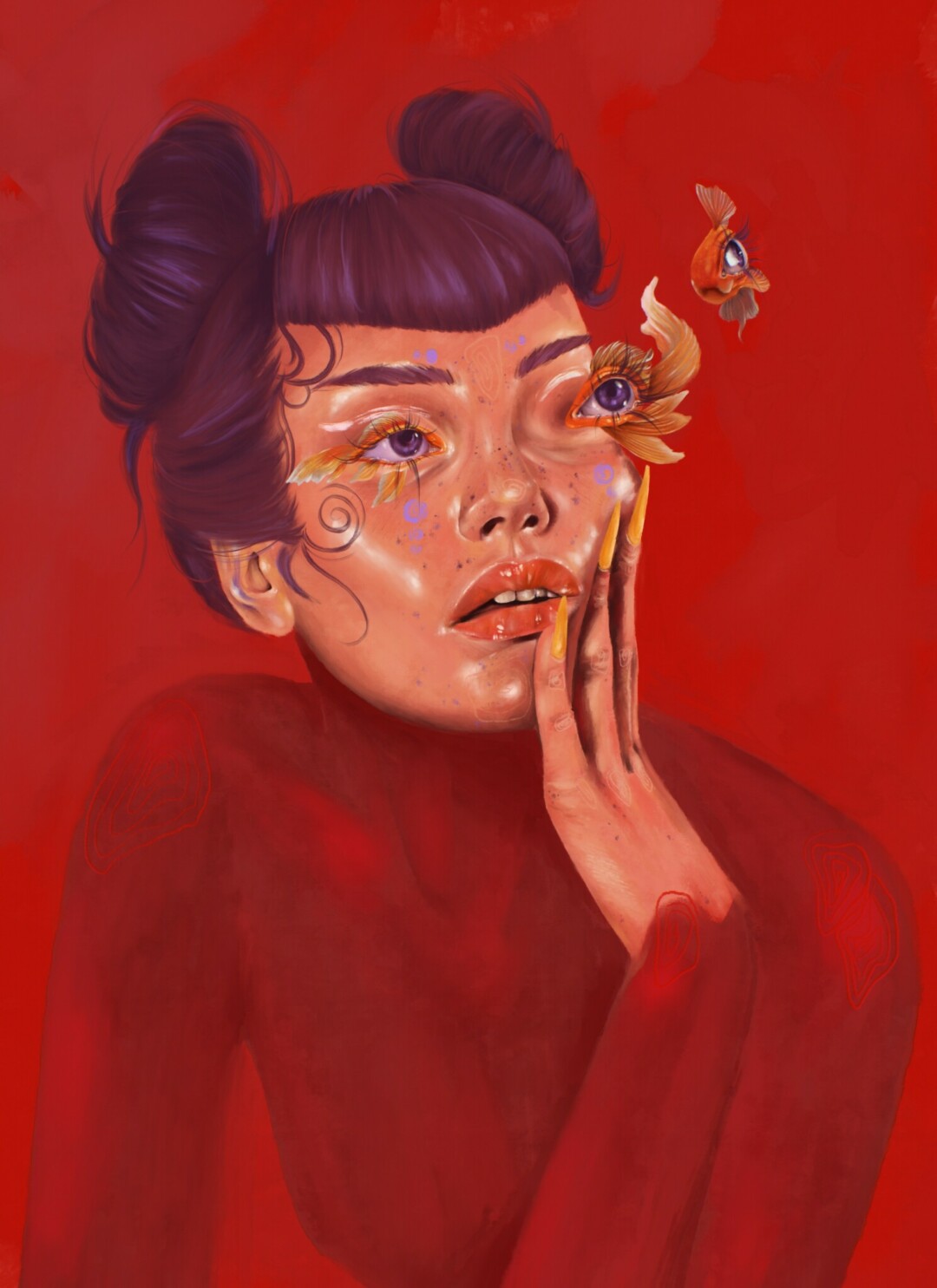
I was a quiet kid growing up, spending a lot of time in my room drawing. It started with doodles of cartoon characters from computer games I’d play to movie characters and costumes for book characters. I would create my own versions to pretend that I was a part of that movie/ book, as I did theater and would love to imagine myself in my favorite roles. Read more>>
Anderson Fortune Jr
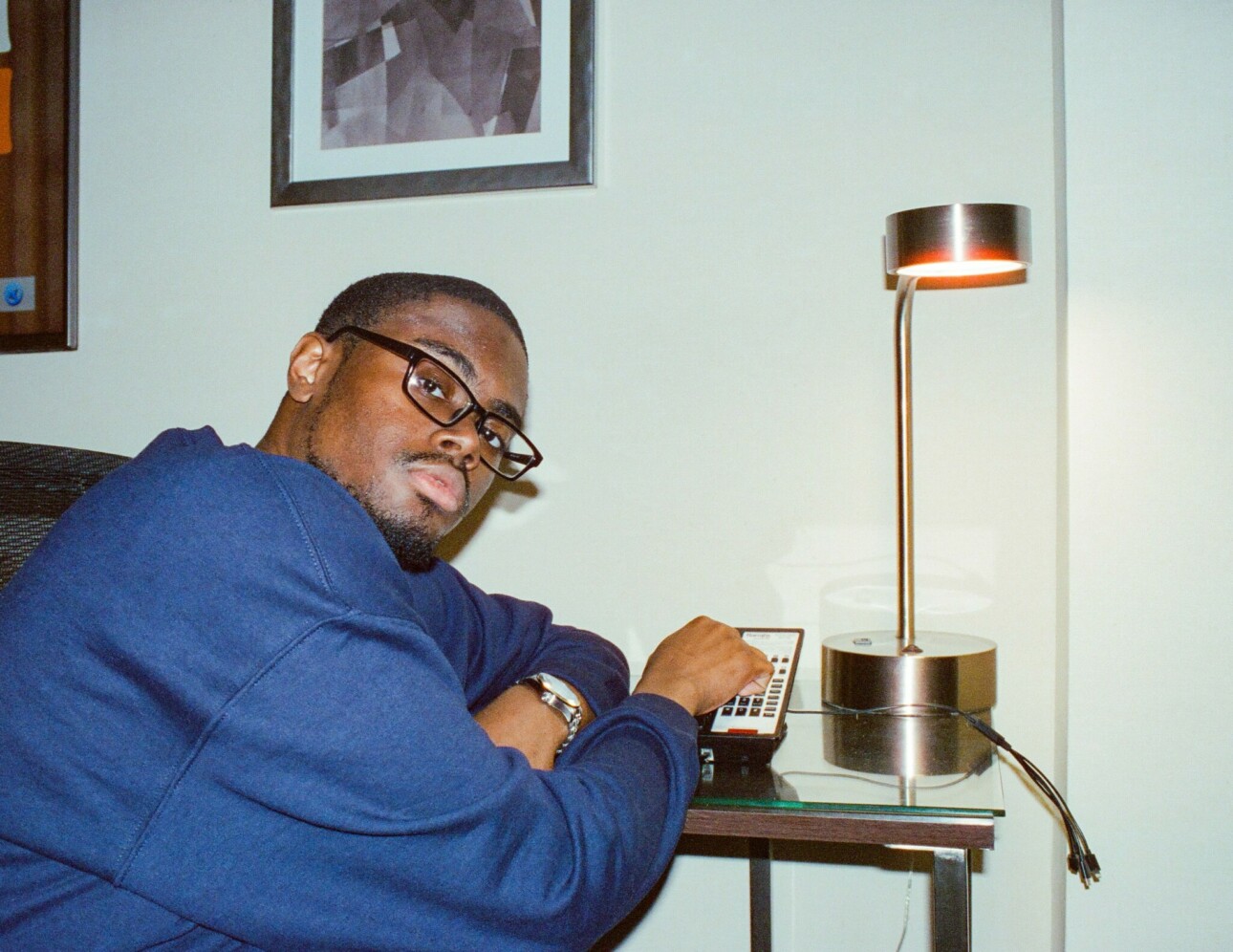
It would be May of 2022 when I’d come across the artful craft of photography. Being an everlasting fanatic of Hip-Hop music, I’ve learned that being the one rapping, singing or even producing aren’t the only ways to contribute to the genre I love. Watching interviews of my favorite photographers responsible for the memorable album covers and front-page magazine issues, such as: Jonathan Mannion, Kwaku Alston and Piotr Sikora, I figured that since my vocal delivery and musical acumen cannot be implemented as perfectly as I intended, perhaps picking up a camera to compose what I view is Hip Hop can be a potent way to leave a mark in history! Looking at Mannion’s composition style in his portraiture, Alston’s ability to have his subject embody the theme of their album and Sikora’s will to surround his subject with an environment suited to their preference, I felt comfortable composing and creating my images no matter the subject nor the concept. Read more>>
Just Mary
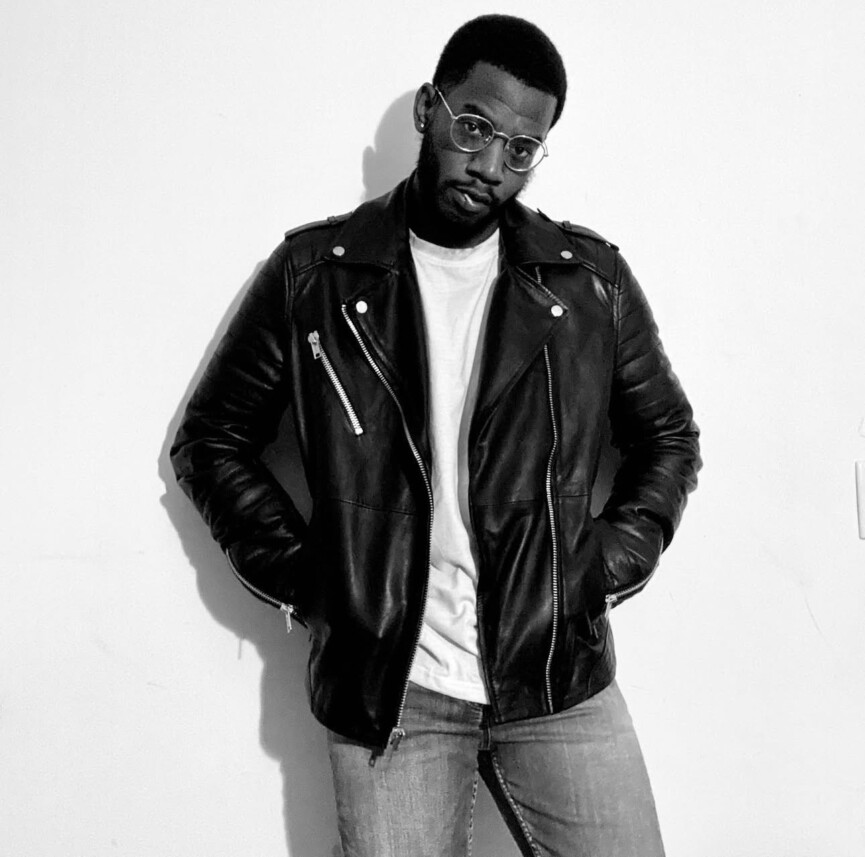
I learned by watching and studying others, I come from a family of artists, engineers, etc. My older brother dre would take me to studios and i’ll watch his process, i was 14, and to me i was just hanging with my big brother, spending time. So indirectly it became a full circle moment when it was time for me to get into music, By the time i was 16/17 me and some friends from Highschool created a group and at that point I had an idea, because of the prior experience. Read more>>
Nate Riggins
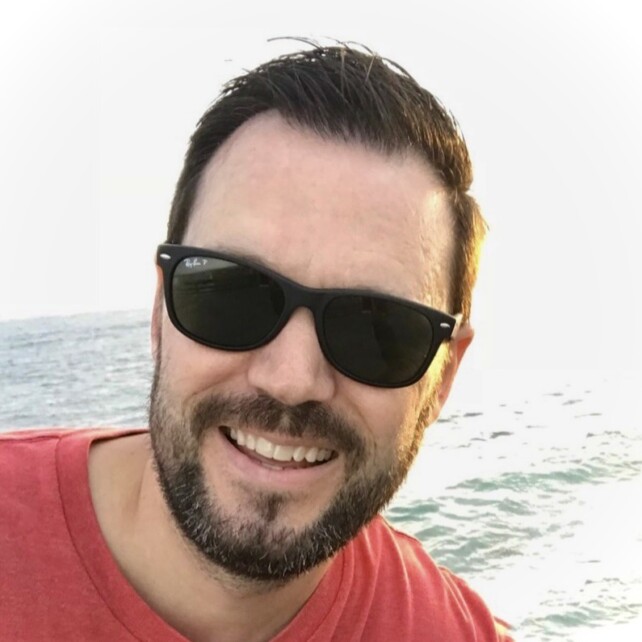
I started with an old Kodak Advantix camera when I was younger. I continued to move up with better equipment as I progressed with my skills. The next step was a Canon built in zoom camera, and then eventually worked my way up to my current setup of Sony Mirrorless cameras and Sigma Lenses. I’m also a Graphic Design major so that really helped me out with learning the software side of things. Read more>>
Sophia Green
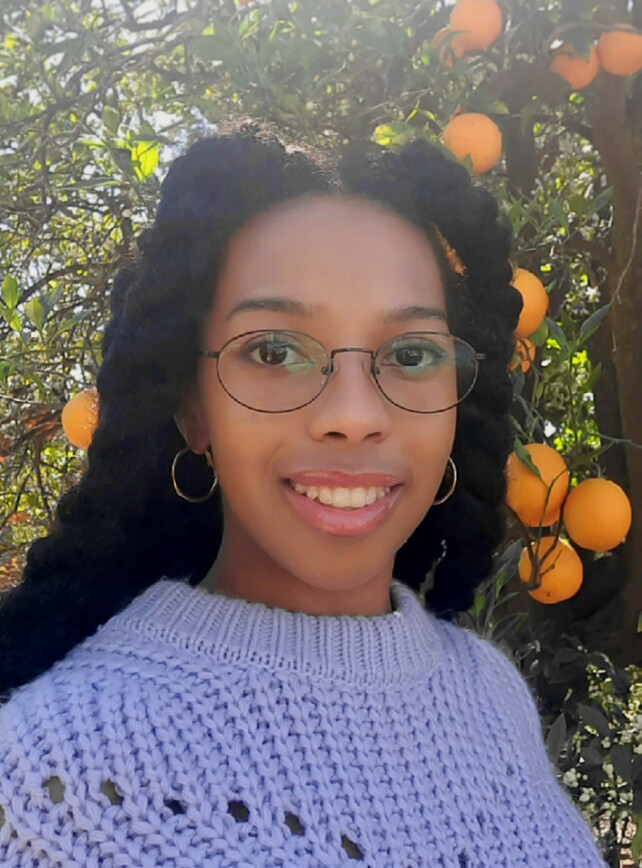
I don’t know if I would call myself self-taught or traditionally taught. Its might be a little bit of both. I to become really interested in art at age 7. I studied every drawing/art book in the public library. I watched tv solely to study the art style. I finessed my parents to let me go to art school. I went to school for animation. I graduated in 2019. But learning is a lifelong journey so I am constantly taking online courses. Read more>>
Christopher Sweet
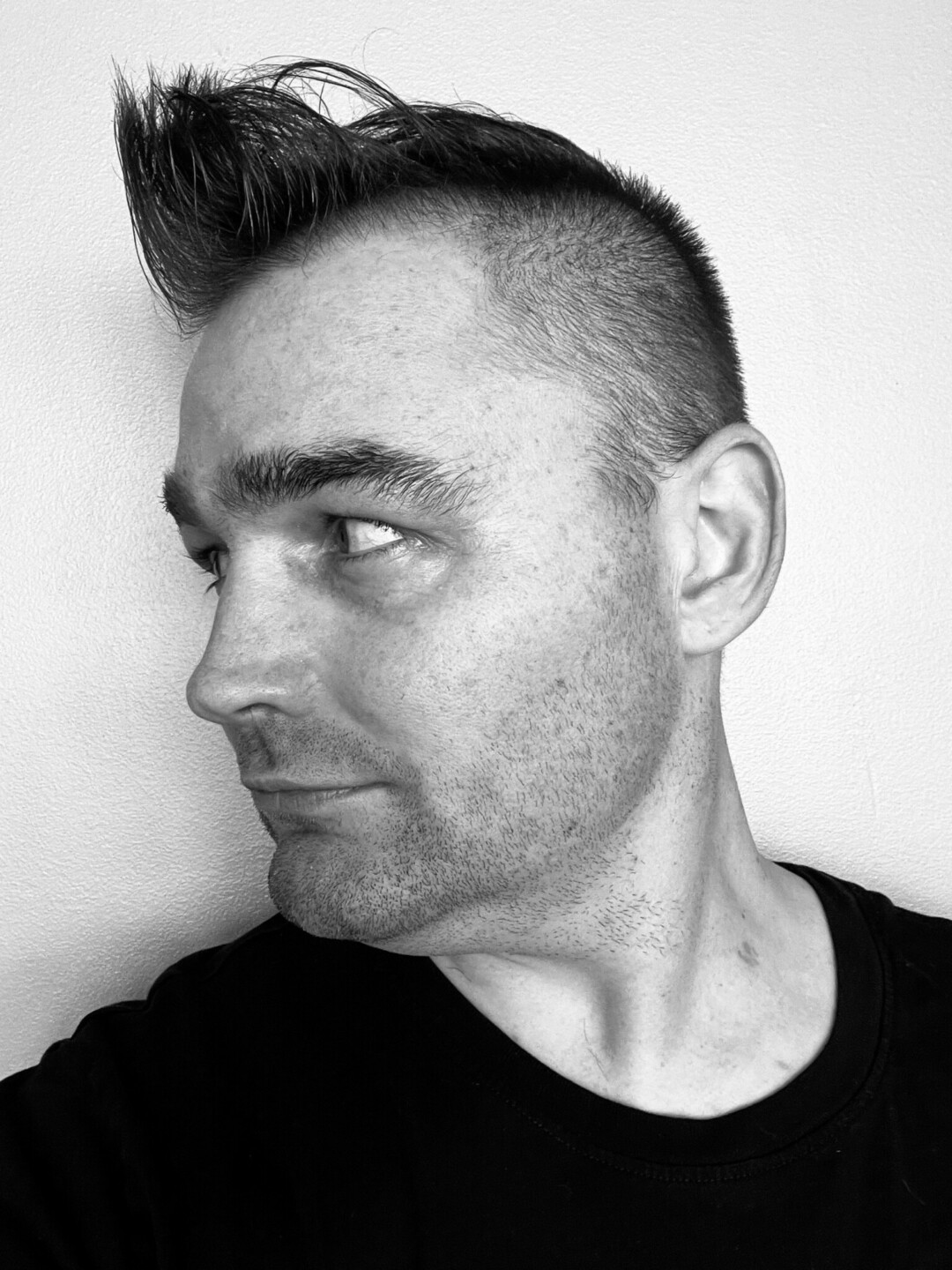
Like many authors, much of my learning came from reading, especially early on in life. As a kid, I was a voracious reader and swiftly graduated from R.L. Stine’s Goosebumps to the works of Stephen King. A large part of my passion for reading came naturally, but at least some of it must have been thanks to my childhood obsession with monsters. I wasn’t usually allowed to watch horror movies (though, of course I did, every chance I got) but my parents would buy me almost any book I asked for, which was great. My appetite for the strange and spooky was fed almost exclusively through reading. Of course I also wrote constantly, alternating between short stories and poetry for much of elementary and secondary school. Read more>>
Jean Ogilvie
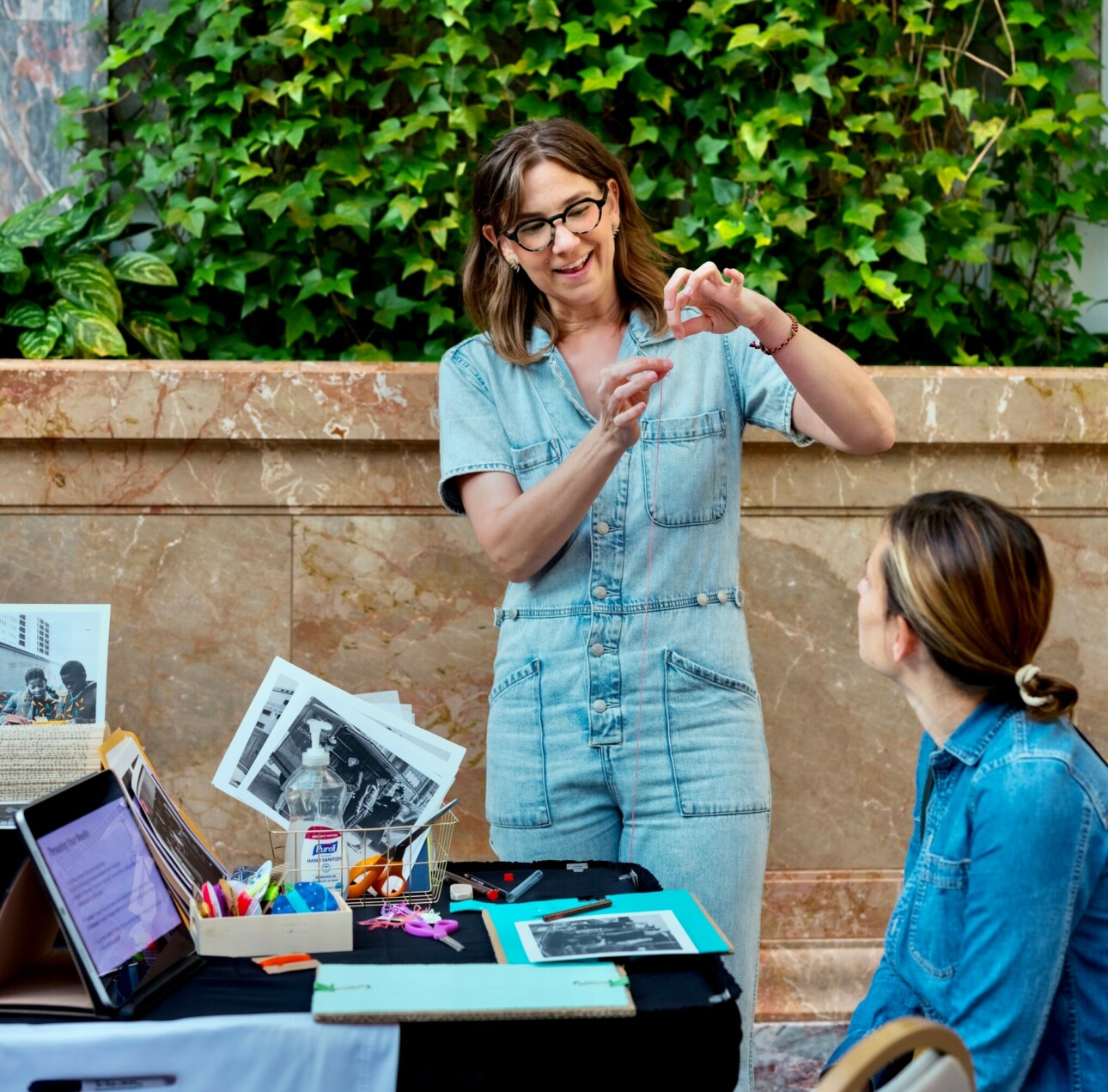
The medium I work in is hand embroidery. I learned the basics from my mom and aunt, who gave me cross stitch kits and sewing machine lessons as a kid. In junior high, I started experimenting on my own – embellishing vintage clothes from rummage sales, turning my jeans into skirts, and making little pouches and things. I kept it up through college and later – but only as a hobbyist. Read more>>
Carolina Mancias
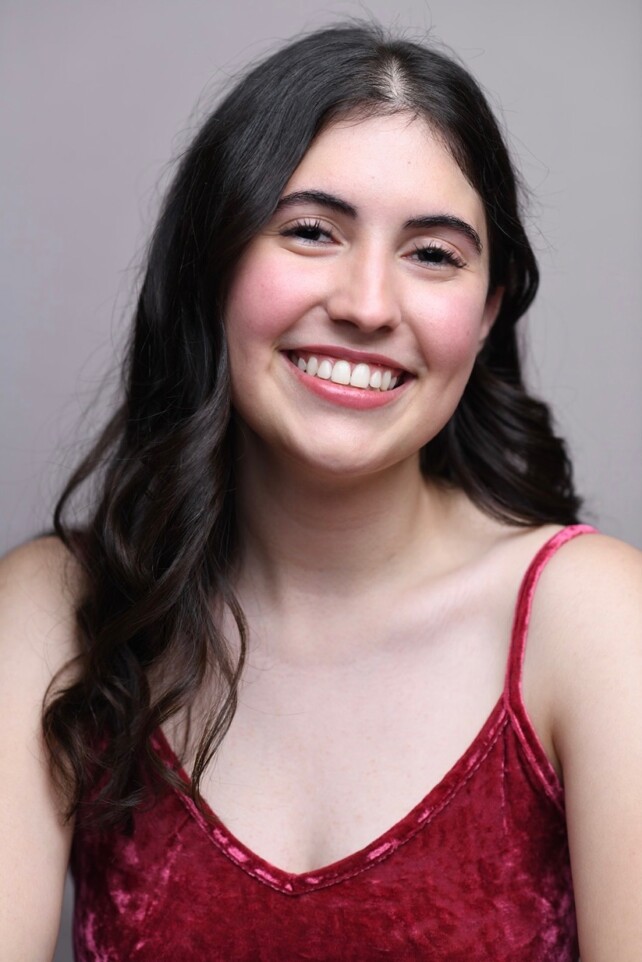
I learned to be an actor and performer through formal training, on a performing arts college, and through practical experience from auditions, performances, and collaborations. Putting yourself out there is where you learn the most in this industry. I quickly realized that while technique and training are key, they’re the foundation of everything, they’re not what makes it an art. What I mean is, sometimes you watch someone perform, and they may not be the most technically perfect, but they captivate you, making you want to keep watching and listening. The artist allows you in, and that isn’t achieved through training alone but through vulnerability. Over time, I realized that beyond technique, the core of acting is vulnerability, allowing yourself to become everything you are, everything you’re not, and even what you’re afraid of. Read more>>
Jessica Carlson
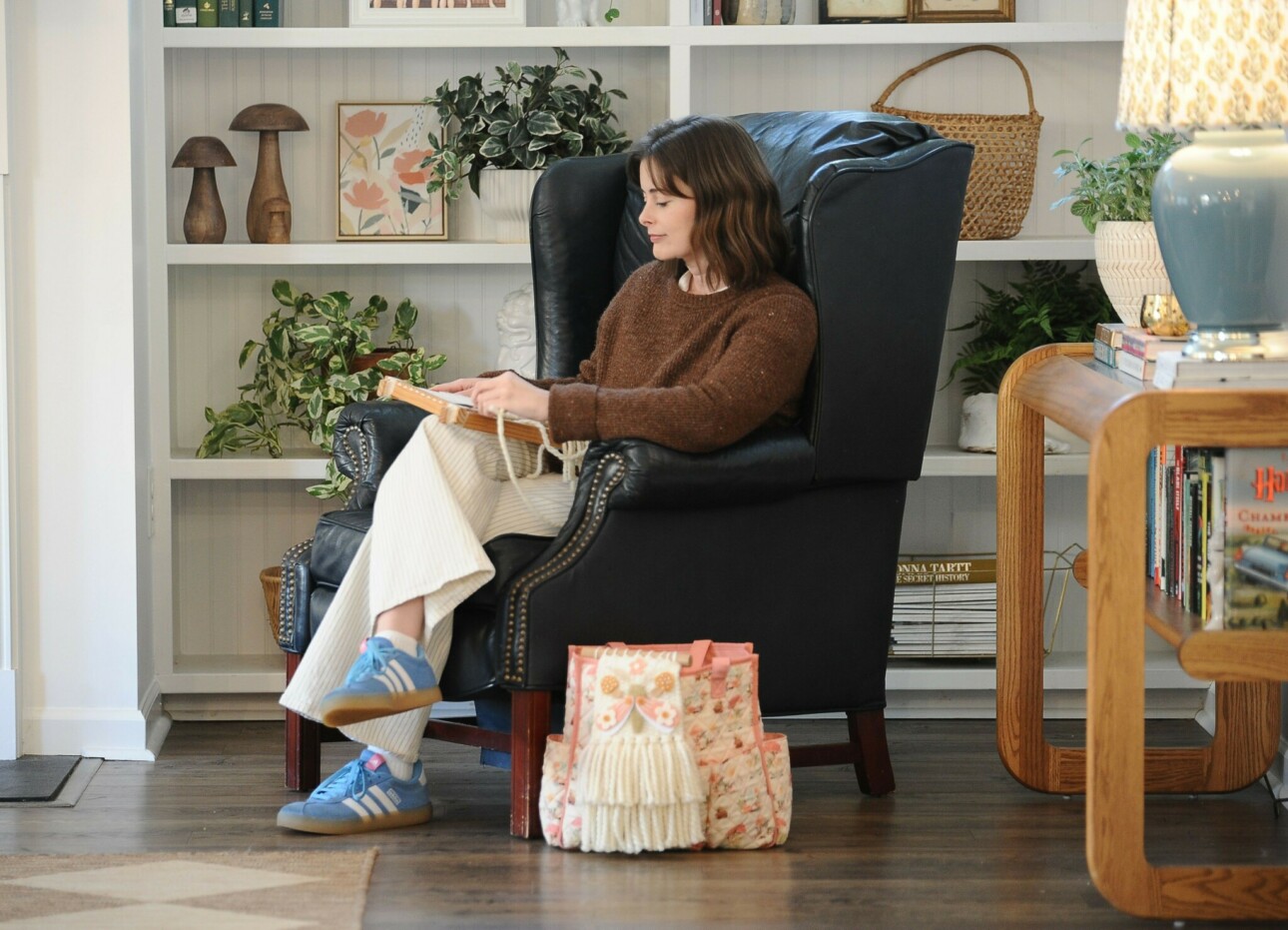
I first learned to weave in 2015 from a magazine article in Molly Makes. The magazine came with a tiny little loom that I made my first piece on. At the time, weaving was just starting to come back into style, and there weren’t a lot of tutorials online. I had to figure out a lot on my own, which was both exciting and challenging. Read more>>
Andrea Laviolette
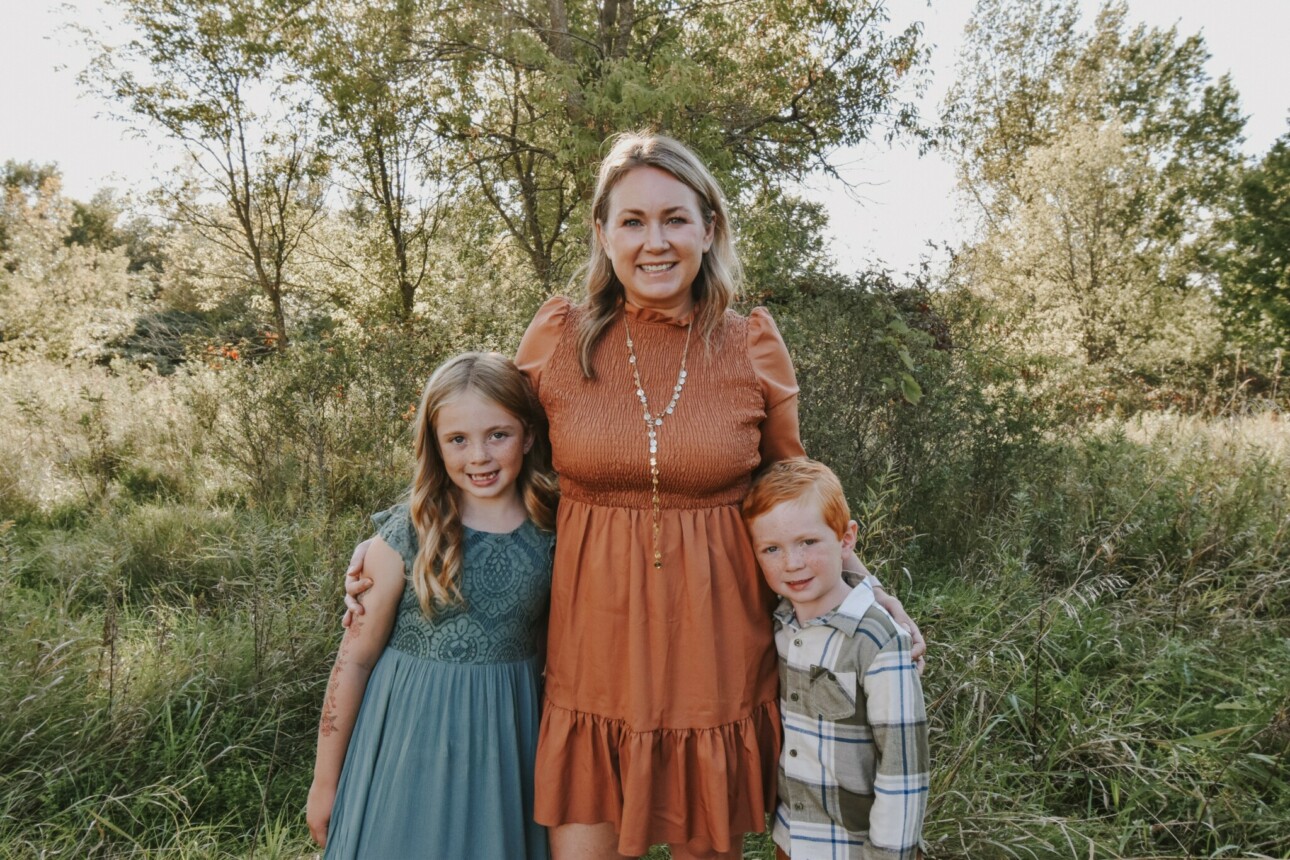
Learning the art of cookie decorating takes PATIENCE. I see all the time in my cookie groups (yes, they have those!) people trying to bypass the “learning” part of cookie decorating, and jumping straight to sales. So many times the “issues” these people are having with their icing, for example, would be corrected by having the patience to truly learn the craft. Learn what makes royal icing special, how to stabilize it. If it’s cratering, what can you do to minimize that? If it’s bleeding, what tools can you use to eliminate that issue? All of these things will come naturally to you by simply DOING. You cannot skip the process of learning and practicing, it’s just not possible! Read more>>
Nimrod Shoval Shrem

The place I am now as a musician is very different from where I started 17 years ago, not only in terms of level and skill, but in where I’m going and how I see and define myself. My musical journey started when I was 9, I decided I wanted to play guitar, following idols like Slash, Kirk Hammet and all those other guitar heroes. I played guitar everyday and gradually got better and better, with the goal of being able to play cool rock and metal solos, ingrained in my mind. About 5 years had passed and I got into writing music as well. I tried to write my own music, inspired by bands such as Guns N’ Roses, Metallica, Queen, and others in those genres, but also by different musical influences I had, from sources like video games, specifically music from the ‘Sonic’ and ‘Rayman’ games. Read more>>
Adam Conte
When I first started making videos, the most valuable thing I did early on was not being afraid to just make things happen. I didn’t have my own camera, homework, or a set curriculum. I would produce shoots, come up with ideas, and just go for it. I wasn’t afraid to make something that might ‘fail’ because I knew I needed more practice and repetitions. Read more>>
Phillip Frazier
For me learning Media Production & Acting is 1st a lot of hands on training, 2nd trial & error, 3rd watching a lot of videos online and lastly picking up a few books on my craft. I am currently in Acting Classes which teaches you the business as well as the craft and both of those elements are very important to understand.
The younger Me would have wanted to speed up the process but the older Me is enjoying the journey and soaking up as much information as possible. Read more>>
Joshua Frederick
As a book designer, I’ve had this conversation with designers before of where to start learning how to design books. While many graphic design courses go through the principles and theories of layout and the grid, it seems that there is a gap in learning specifically about book design. Branding, packaging, and digital design have seemed to eclipse book design in popularity. Read more>>
Rebecca Rebouche
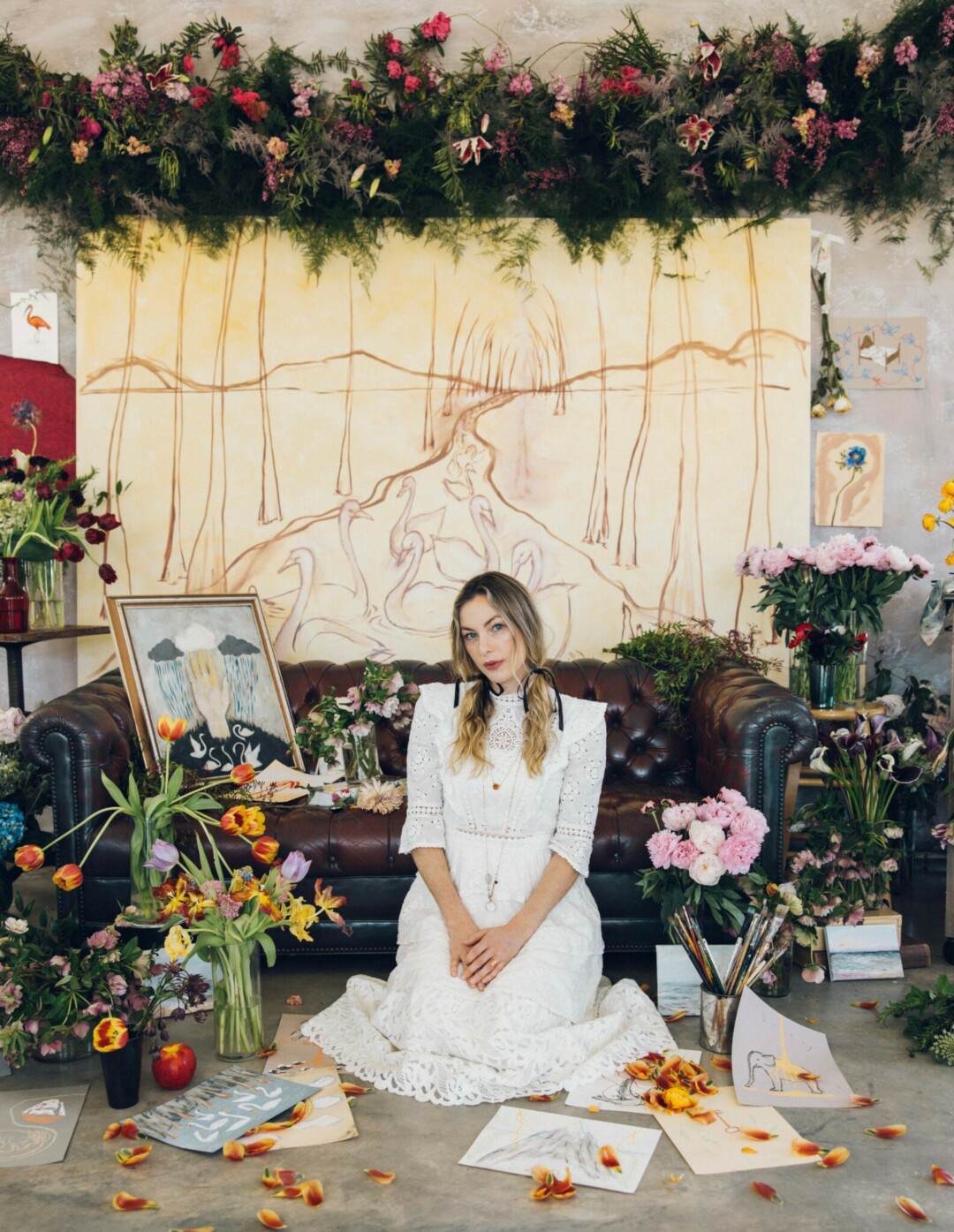
I always had a creative impulse and a natural talent for drawing. I learned painting in college and developed my personal style years later. It wasn’t until I really made art for a living that I was able to hone my particular style of visual storytelling.
There wasn’t much way to speed up the process because learning itself is a process with a key ingredient being time. I went about it in the most direct path at the beginning. Once I decided to fully commit to my practice of painting, the journey from part-time artist to full-time painter was fairly quick. You learn by doing and so it’s not about time as much as it is hours on the job. Read more>>
Kylah Edge
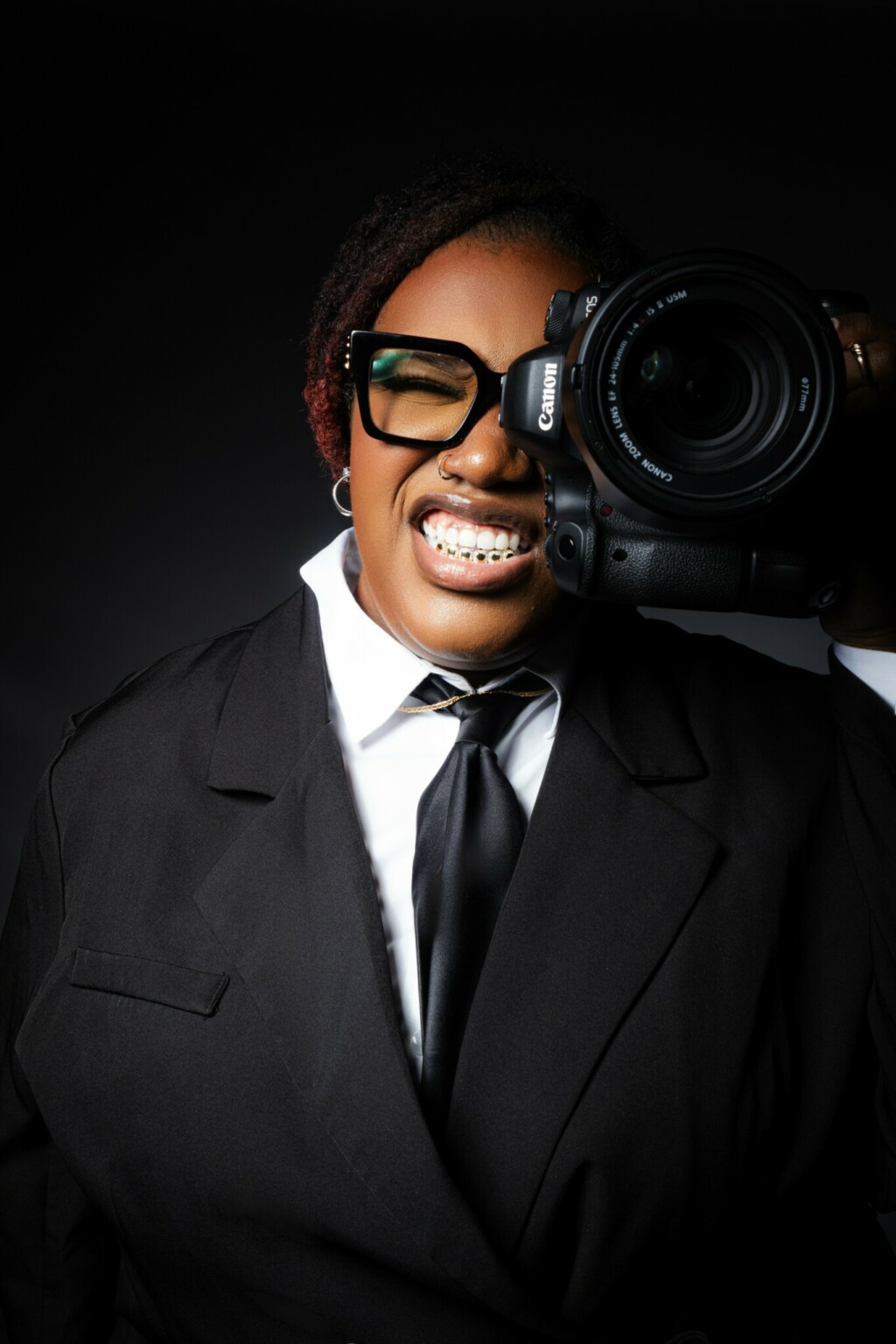
Learning photography has not been easy honestly. Compared to my other passion which is music, learning how to shoot, and edit takes time and extreme patience. When I first picked up a camera, it was just as a hobby, I didn’t realize there were so many logistics when even comes to snapping a picture. Framing, settings, specific lenses etc. But it took me a while to actually want to sit down and learn everything that comes with being a photographer/videographer. Knowing what I know now, I wish I would have been more serious about being a professional photographer and promoted myself as such, as opposed to just doing it as a hobby. Read more>>
Hezekiah Trevino
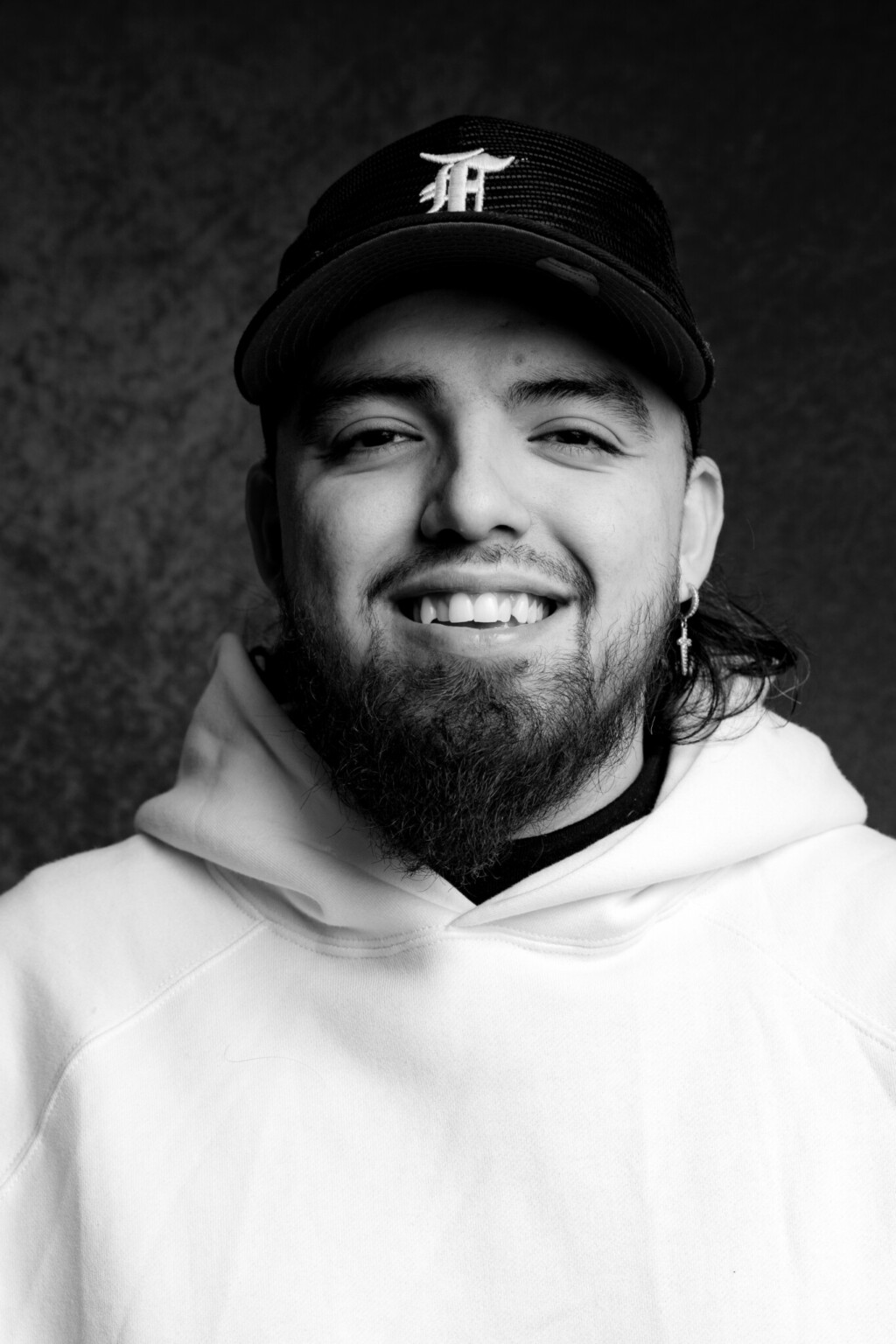
I grew up playing music in the church so the musicians I was around really helped shape me as an artist.
I also come from a musical family which rubbed off on me from a young age.
I am Hispanic, and I grew up in a predominately hispanic church that my dad pastored. This provided me an opportunity to become familiar with latin styles of music. Then later on, when I was about 11, my dad joined.a predominately black church organization, so I became immersed in traditional black gospel music. Read more>>
Lauren C. Teffeau
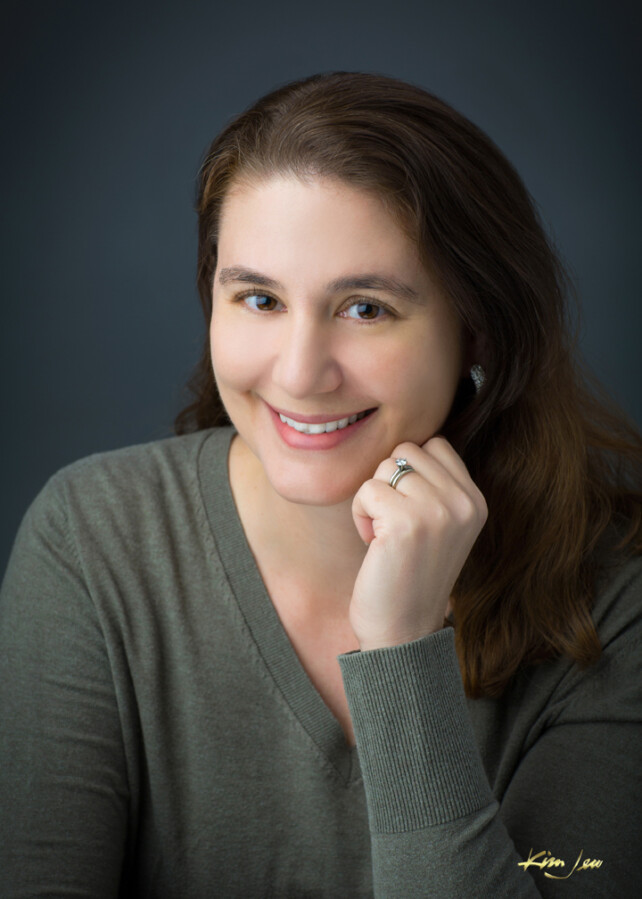
I would say I’ve spent too much of my life in denial I wanted to be a writer. I distinctly remember learning that it was people who were writing all the books I took out of the library in vast quantities at a young age. I decided I wanted to do that when I grew up, but the constant messaging I got at home was being a writer was too risky, that I should look elsewhere for a career. So I pushed that desire deep down as I went to school, then college, then graduate school, trying to do just that. But I still gravitated to English and humanities classes and wrote in secret around the edges of my life. Eventually, I grew tired of trying to deny that part of myself. Read more>>
Damon Pennington
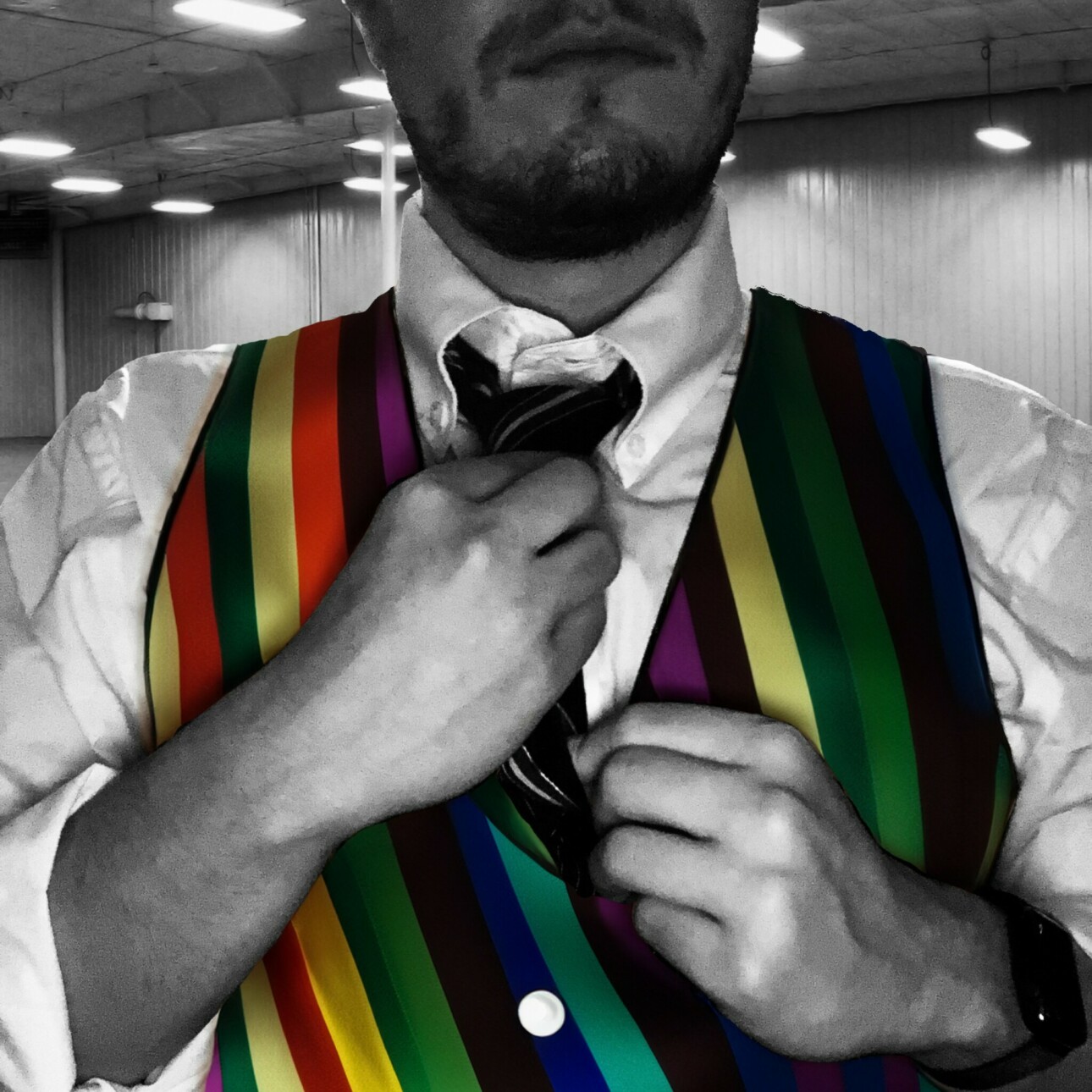
The first time I picked up a camera, I was 10 years old; it was my dad’s new camcorder. Not to be so cliché, but filming something and watching it back felt like a superpower. As if suddenly I had access to placing myself on the Blockbuster shelves that we rented from weekly. In seventh grade, I had saved up enough money to finally buy one of my own. I had just seen the film “The Ring” and felt that I needed, for some reason, to create my own cursed tape. The plan was to craft the weirdest series of shots I could, record them onto a VHS tape, and leave it on a shelf at Blockbuster itself. However, my penchant for and love of comedy got in the way of my punk horror ambitions. Instead, my brother and I continued making more and more videos. Ideas became sketches, sketches became shorts, shorts became a film. Read more>>
Stefanie Hubbard
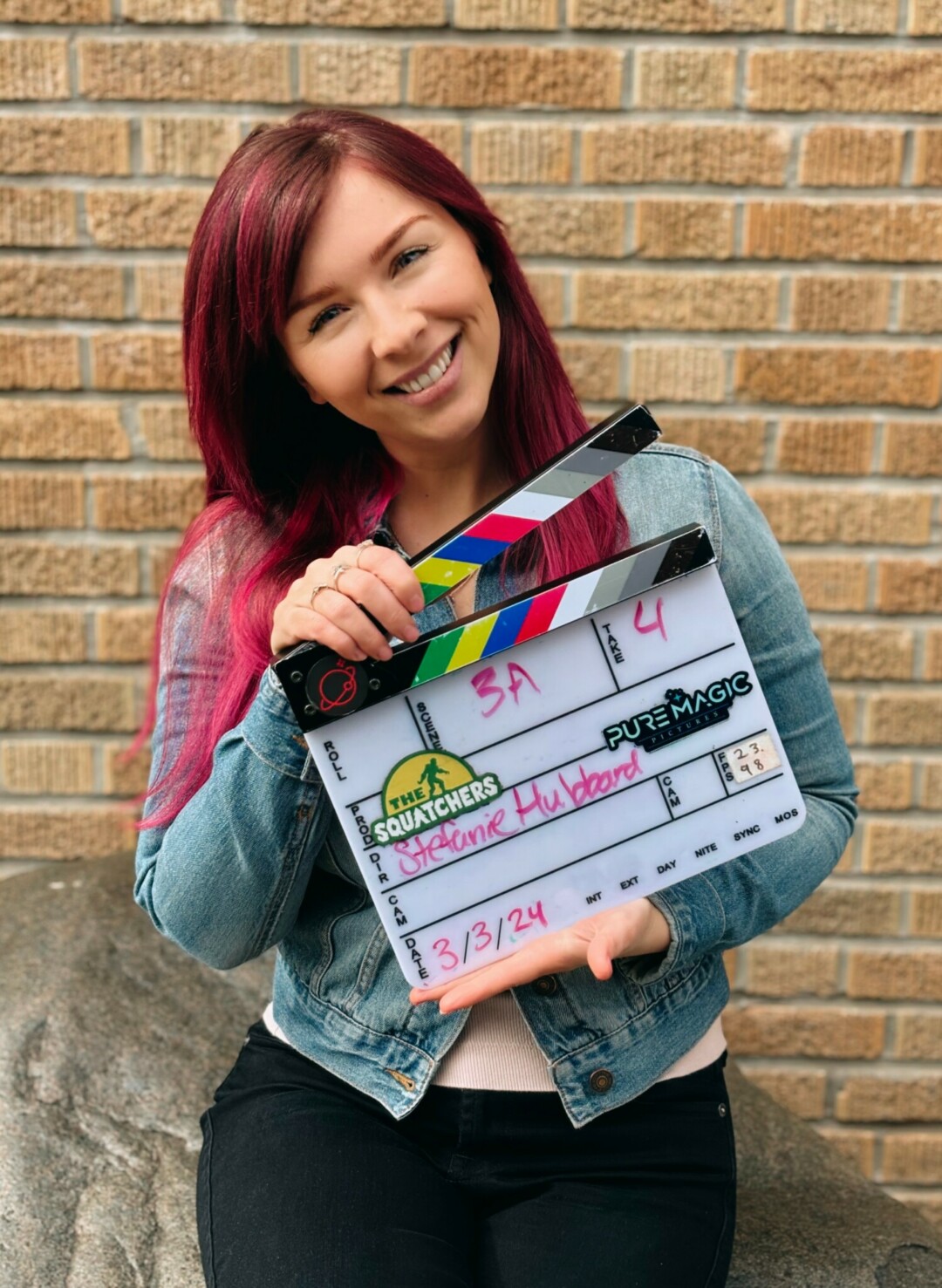
I learned filmmaking by doing. The more films I produce or direct, the more practice I get at this craft, the better I become. It’s really that simple. I didn’t feel ready or qualified when I produced my first movie “Plunder Quest, The Adventures of Thomas Waters” and I felt even less ready when I wrote/directed for the first time for my movie “Lily Darling” a punk rock romance. If I had waited until I felt ready and practiced, I still would not have started yet today. It’s a catch 22. In order to be practiced enough to step out in your craft, you must practice your craft. Read more>>
Cat Mccaughey
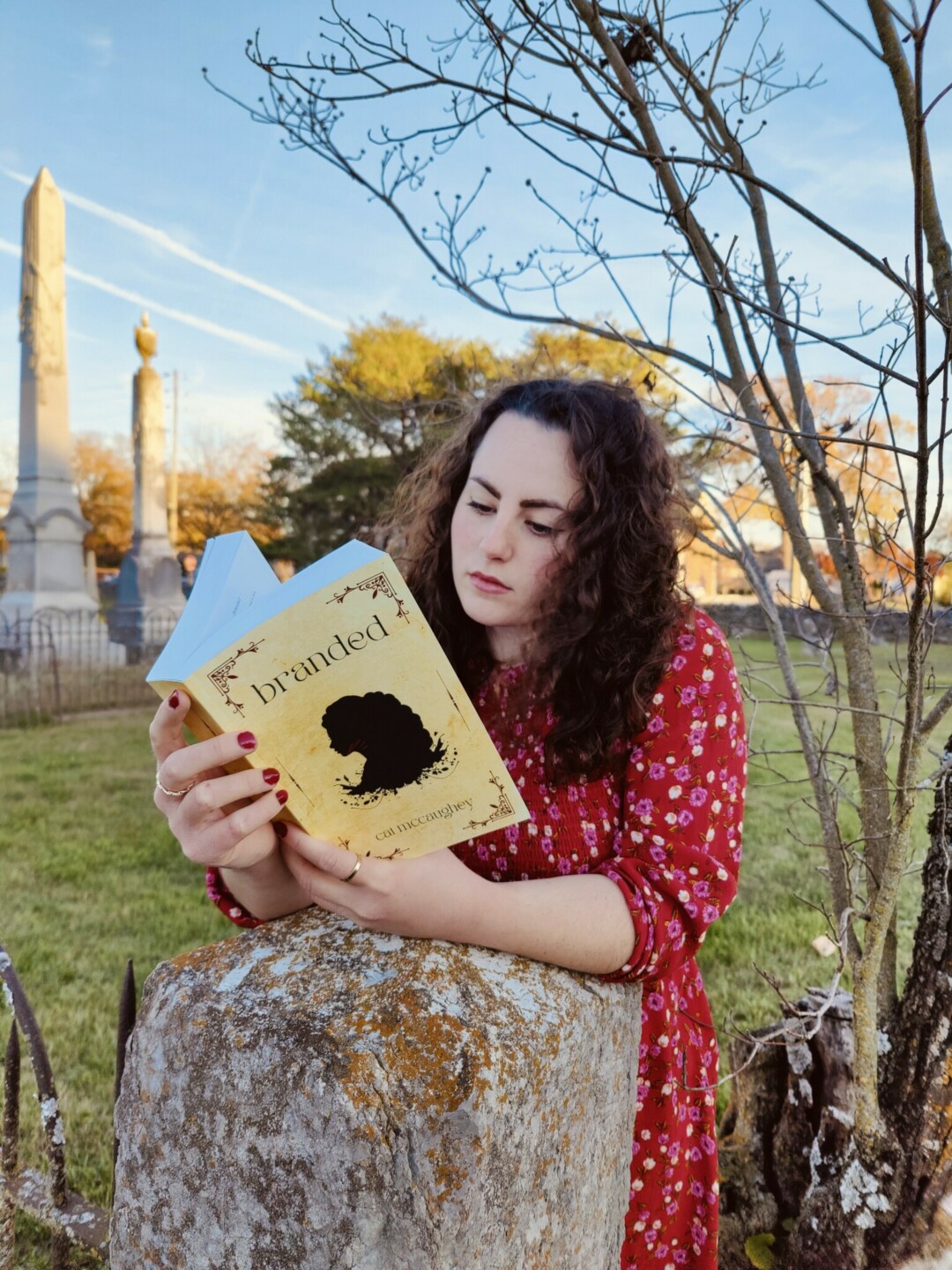
The more I work in the writing industry, the more I realize that to write well, you have to read well. That was never a problem for me, since I love reading! It’s a joy to read good writing and getting to see new ideas and new perspectives. If I’m reading different authors from different generations in different genres, then I get a much wider scope of “story” than I would if I only stuck with one author or one genre. After this many years of reading, I tend to find what I like and gravitate toward that, but one of my favorite things to do is research some of the more popular books from past decades and the present day and try to pinpoint what makes them popular, either by reading them or by surfing reviews and online opinions. Read more>>
Tyreek Voltaire
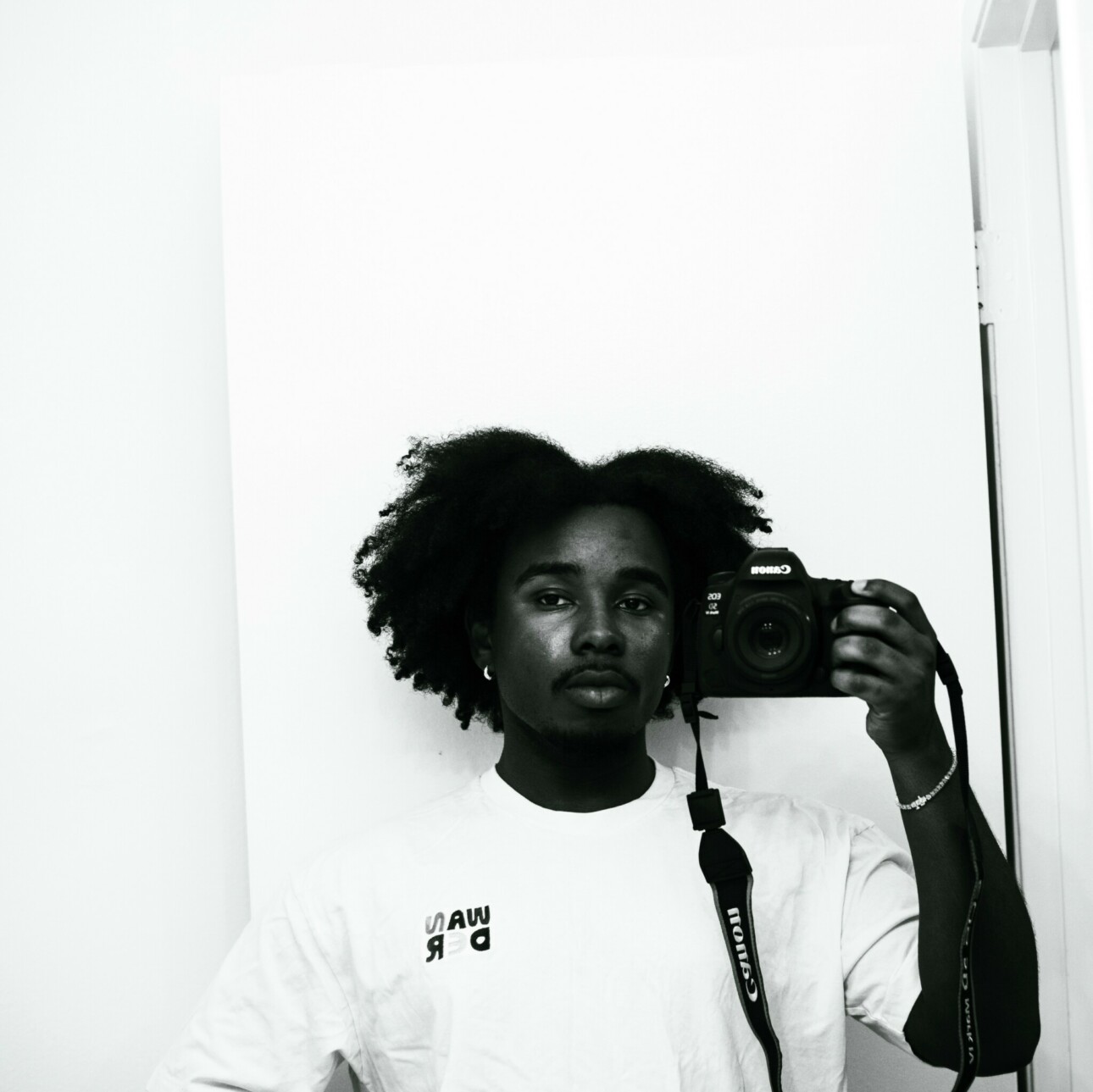
As a self taught photographer, I learned a lot of what I know now from trial and error. I used to do fun shoots with friends and local models I reached out to on IG or something to just get consistent. Through that I got better at understand how to balance iso, aperture, and my shutter speed. I learned about lighting when I had my first in house photographer job as a senior in college. I used to just mess around with lighting set ups on shoots and when you’re in Atlanta, people are always looking to shoot. I account the times I was excited to have a camera in my hand, not stressed about outcome but how the act of creating made me feel. Read more>>
Ryan Brady
There are several roles in comic book creation: writing, penciling, inking, and coloring being the main ones. Any comic book you pick up today will usually have one person specializing in one area. I, however, do it all.
I’ve been drawing since I was a kid and I always had the dream of being a comic book artist, but I did not know how to accomplish it. It seemed so huge, so beyond me. Youtube tutorials were nonexistent, so it was down to anything I could glean from magazines or comic books themselves. I would buy “How-to-Draw Comics” books and try to work things out for myself; perspective, anatomy, foreshortening. I made little comics for myself where I played with plotting: the layout of the panels to tell a story sequentially. Read more>>
Ria Githuku-muraglia
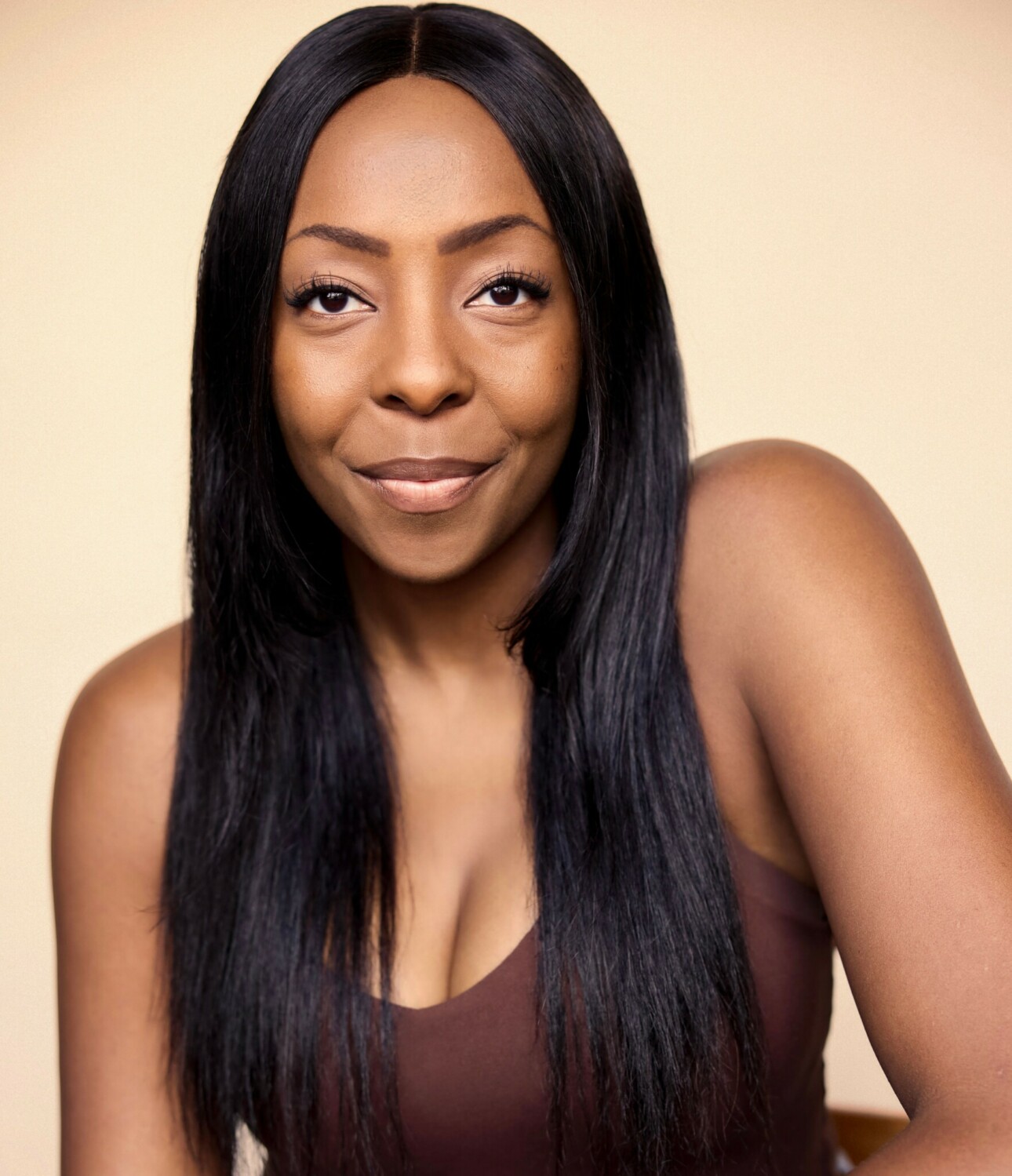
As an actress, singer, and writer, much of my journey has been driven by a natural talent that I’ve always been eager to nurture and refine. In high school, I realized my love for the arts through creative writing and theater classes, which further fueled my passion for storytelling. I was in plays throughout high school and college, and recorded my first original songs at 15 years old. I studied theater arts in college where I explored screenwriting, sketch comedy, and even wrote and performed an original one-woman show. Read more>>
Jessica Walker
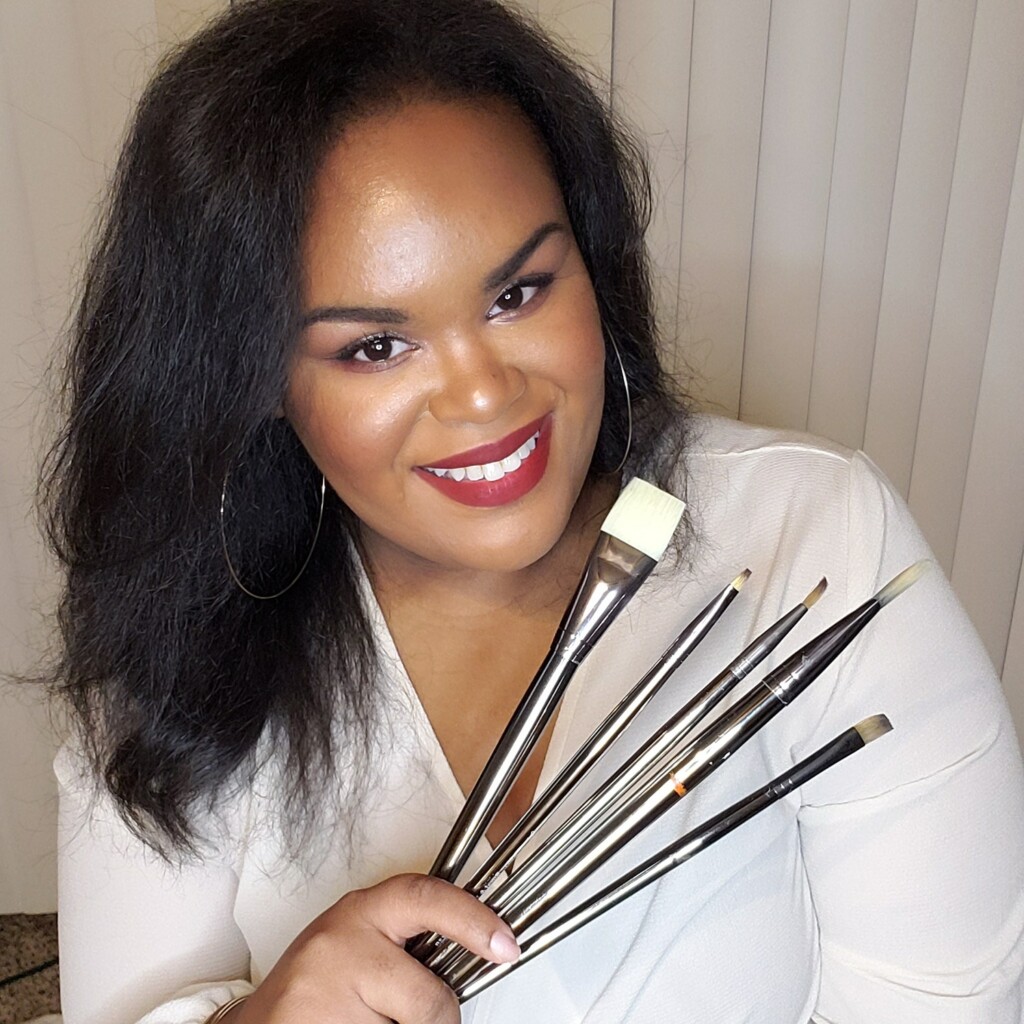
My ability to paint and create is a God-given gift. He blessed me with both the passion and the talent—I simply took the steps to develop it. My very first art teacher was my big brother, Jason. Growing up, I would watch him sit at the table with his paper and pencils, drawing superheroes and characters from our favorite shows. I was fascinated and asked him to teach me. Although he wasn’t the most patient or encouraging teacher, God allowed him to show me that I had a natural talent. Read more>>