
Alright – so today we’ve got the honor of introducing you to Jon Rubins. We think you’ll enjoy our conversation, we’ve shared it below.
Jon, appreciate you joining us today. Learning the craft is often a unique journey from every creative – we’d love to hear about your journey and if knowing what you know now, you would have done anything differently to speed up the learning process.
One of the biggest issues I’ve faced when using AI image writers is getting the program to capture the image I have in mind, whether that’s the generator completely misinterpreting what I want, or when it decides omit/add random details. For me, I found the key to writing a successful prompt is to figure out how the generator thinks. I will generate a very simple prompt to test image quality and a very complex one to intentionally overwhelm the system and see its boundaries and capabilities. From there, I can figure out how complex of an image the generator can successfully generate, because now I know what it can and cannot do. For instance, if I want to generate an image of “a cartoon sunflower with a smiling face in a field”, I’ll dumb down the prompt a lot. I’ll generate an image of a sunflower in a field just to see how the blades of grass and the sunflower itself look, and make sure the petals don’t look strange and uncanny. Next I’ll ramp up the contents of the prompt by entering “a cartoon sunflower with a smiling face in a field gently blowing to the side from a small gust of wind”. My hope is that I can see which details the generator can get right, as well as which ones it gets wrong. If it seems like the gust of wind gently blowing the sunflower is an issue, then I know to omit that in the next round; so much of this is just trial and error to see what a generator is capable of .
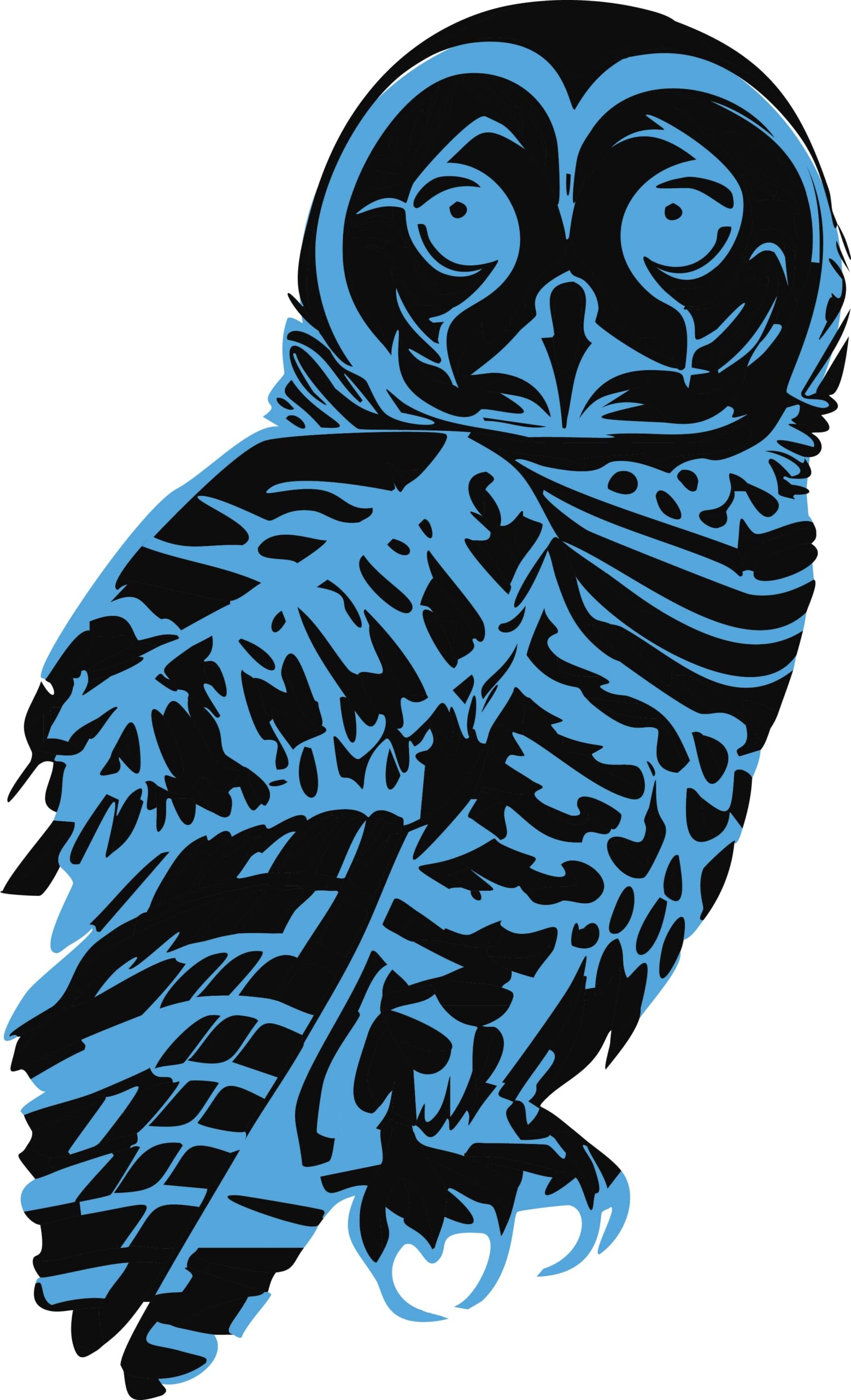
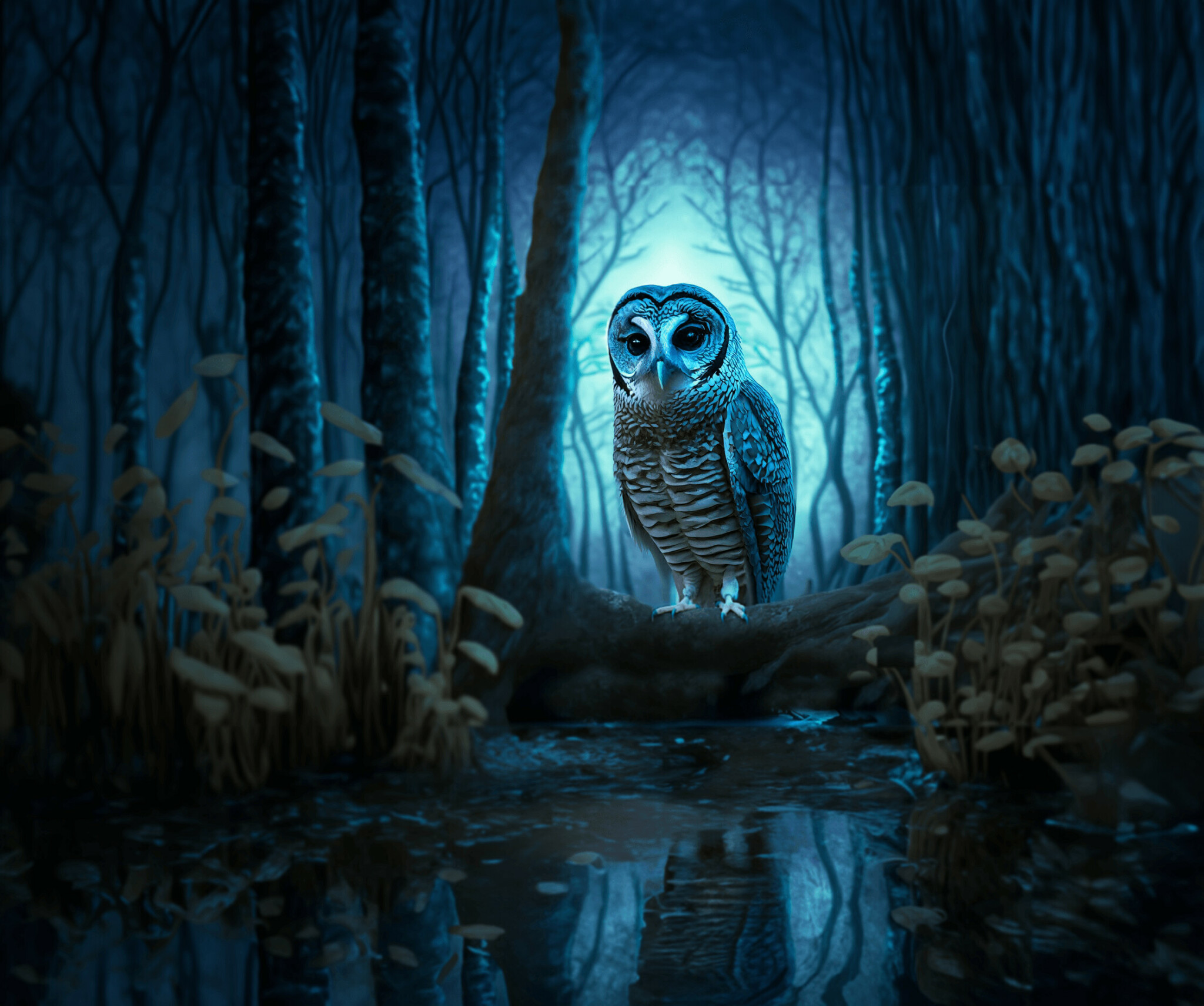
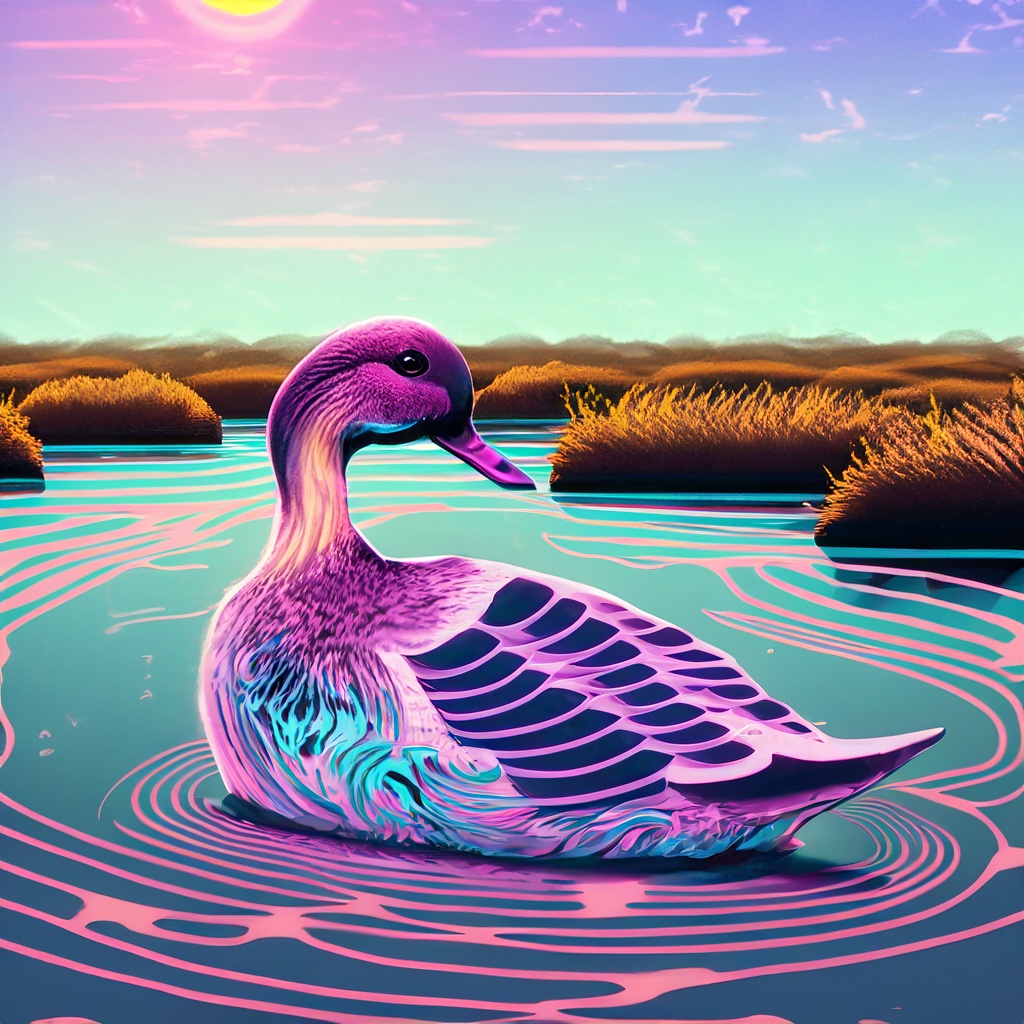
Another important part of testing out an image generator is having a sample prompt. For me, that was “a blue ghost barred owl in a nighttime swamp”. There I could see how the generator handles different components of the prompt such as successfully generating a barred owl (a species of owl common in the eastern half of the United States) and not a generic owl, making said barred owl blue and ghostlike/semi transparent, and creating a setting with a specific habitat, lighting, and a reflection from the swamp’s water. This way I can see what capabilities an image generator has, and what additional changes I can make to give it new effects such as a “pink background glow” or having the owl fly over the swamp.
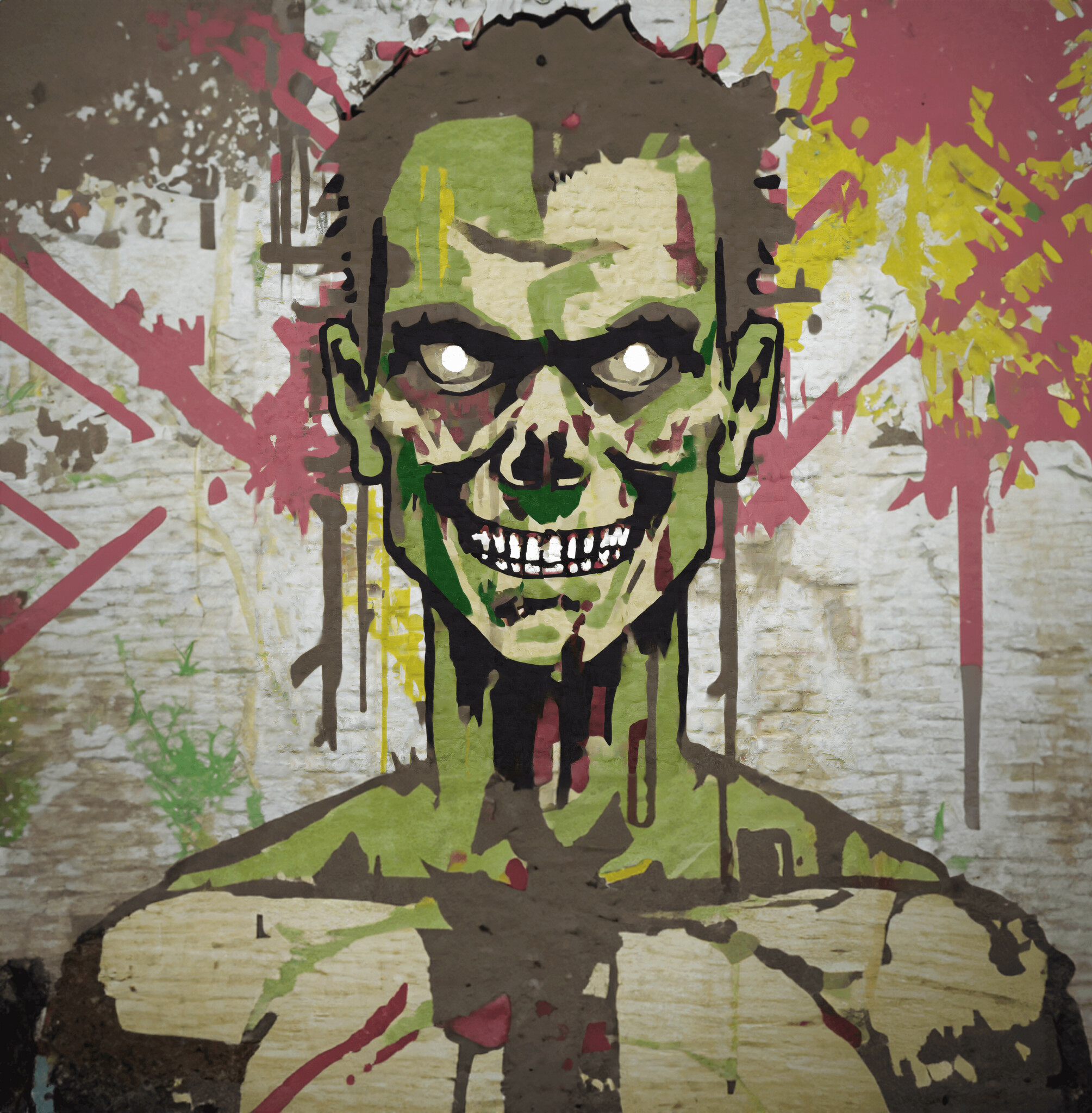
Another challenge I faced with creating images with AI was making sure they don’t have that uncanny and glossy look that so many AI images have. By retouching images in Photoshop by hand, I was able to add filters and fix strange details, such as an uncanny tree branch or extra finger, in the image to make them into pieces of art. A lot of people believe that AI is the be-all-end-all, and that it can replace human designers. From my perspective, AI is just a tool; it’s a powerful tool, but still a tool that needs people to make things possible.
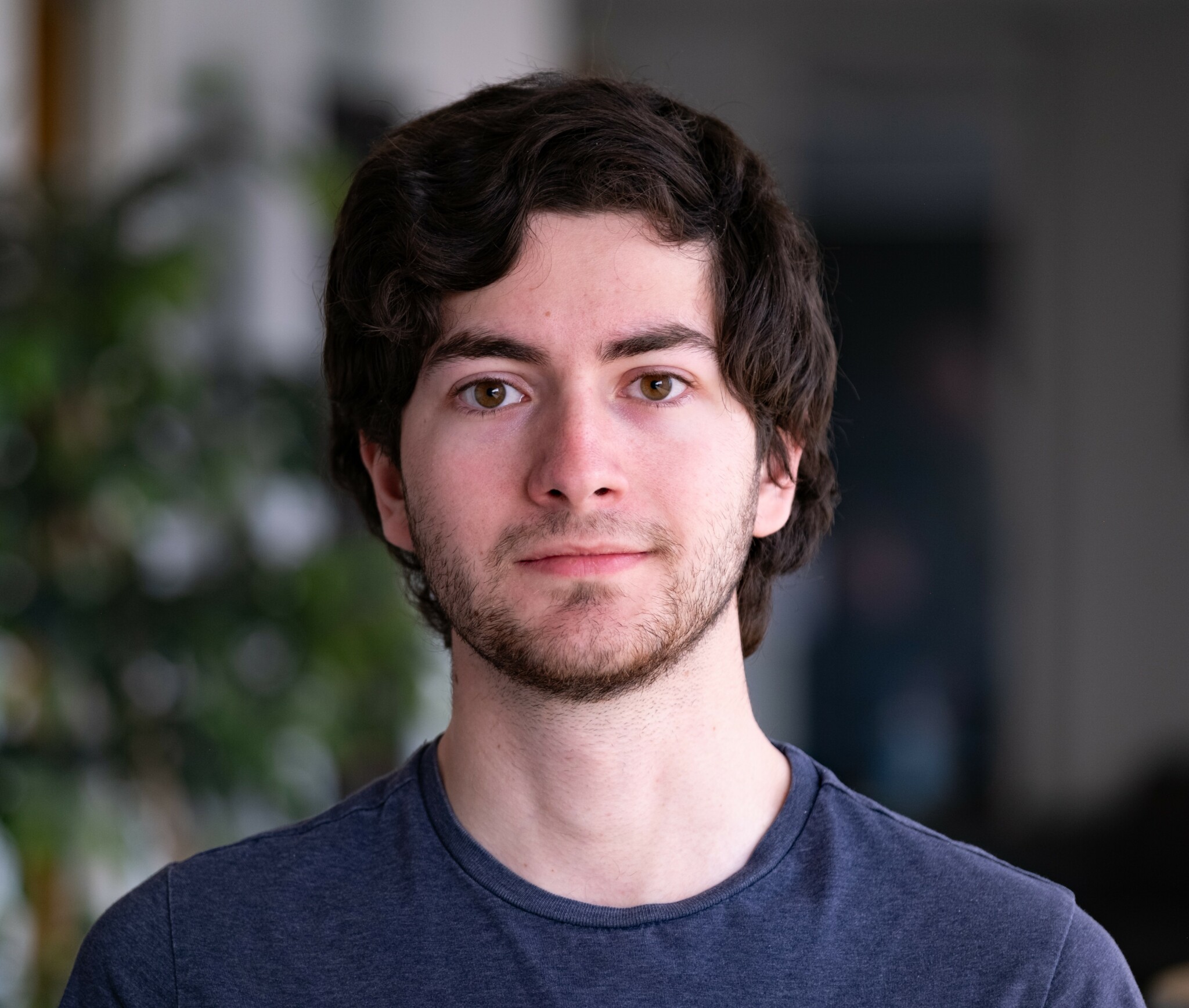
Great, appreciate you sharing that with us. Before we ask you to share more of your insights, can you take a moment to introduce yourself and how you got to where you are today to our readers.
I got into the world of generative AI in my junior year of college when I started messing around with free AI image generators and chatbots. I went to the University of Colorado Denver for a Bachelor’s of Fine Arts. There I learned about many different aspects of design such as graphic design, web design/HTML, video editing/motion graphics, and UX/UI. One major field of technology that was barely touched on (due to how new it is) was artificial intelligence, especially considering how significant it is in the world of design. Since I didn’t know much about AI tools, I decided to research them and their impact on the world of design, and write my thesis on my findings. While they are very impressive, I don’t believe they will ever truly replace human artists and designs but these tools can be used to help said artists and designers succeed. In another class I used the DALLE-3 image generator to design concept art to make a strong mood board, and as a result of my strong planning stage, my final design was far better than it would have been otherwise. I found that if someone uses AI image generation as a cheap shortcut, the results will be poor, but if it’s used to boost productivity, it will lead to better results.
What do you find most rewarding about being a creative?
For me, the most rewarding part of being a creative is bringing my ideas to life, as cliché as that may sound. There’s something incredibly fulfilling about taking a fleeting thought and turning it into something, whether it’s a sketch in my notebook, a little piece of art on my computer, or even just a collection of scattered ideas slowly coming together in the form of a rough mood board. The process itself is satisfying, watching the empty space fill up with unique details, each mark adding to something bigger, which I can view later or can show to others. If an idea stayed trapped in my mind, I would eventually forget about it, but giving it form makes it real. It allows me to not only express myself but also share a piece of my perspective with others. That act of creation, of transforming a simple thought into something visible and concrete, is what makes being a creative so rewarding.
We’d love to hear a story of resilience from your journey.
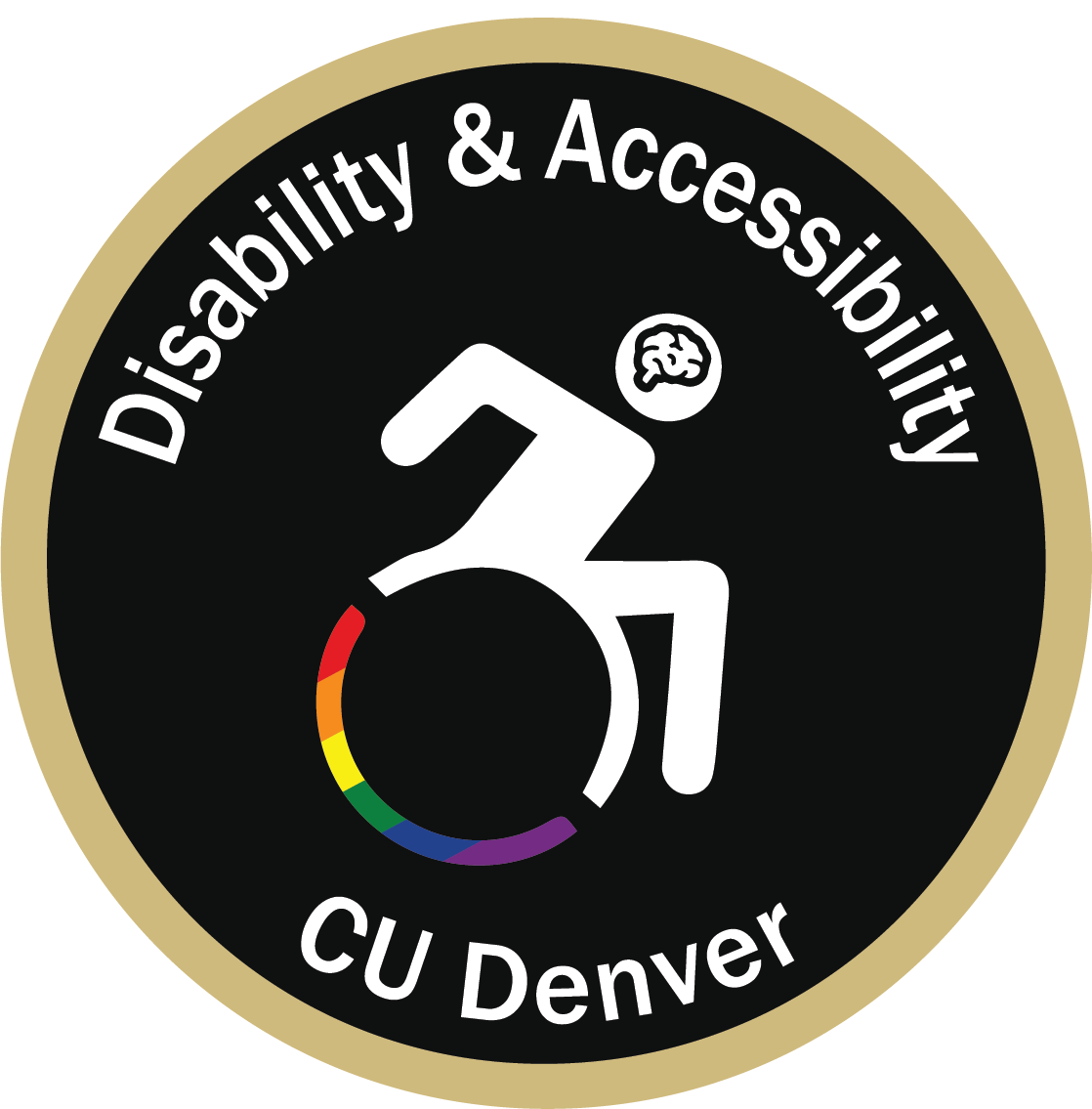
In my final year of college, three of my fellow classmates and I were tasked with helping rebrand the CU Disability and Accessibility committee for our university (the University Colorado Denver). I was personally tasked with rebranding and redesigning the main logo entirely. At the time I was also writing my thesis on AI image generation and their use as tools in design. I created a very strong mood board with concept art for logos, and started mocking up new ideas by hand (AI was only used in the early planning stages of this). I pitched my initial rough drafts to the committee and they liked the head start. Every week they had me redo the logo with new changes, and I would make multiple new variations with colors and details and patterns. Every time I made a new version, they had new changes and ideas for me to make. After five or six weeks and a dozen meetings to make my logo more inclusive, they were super satisfied with my final design and made it their official logo. It was printed on posters, pins, and stickers, and I was actually given a pin and several stickers with my own logo.
Contact Info:
- Website: https://jonrubins.art
- Linkedin: https://www.linkedin.com/in/jonathan-rubins/