

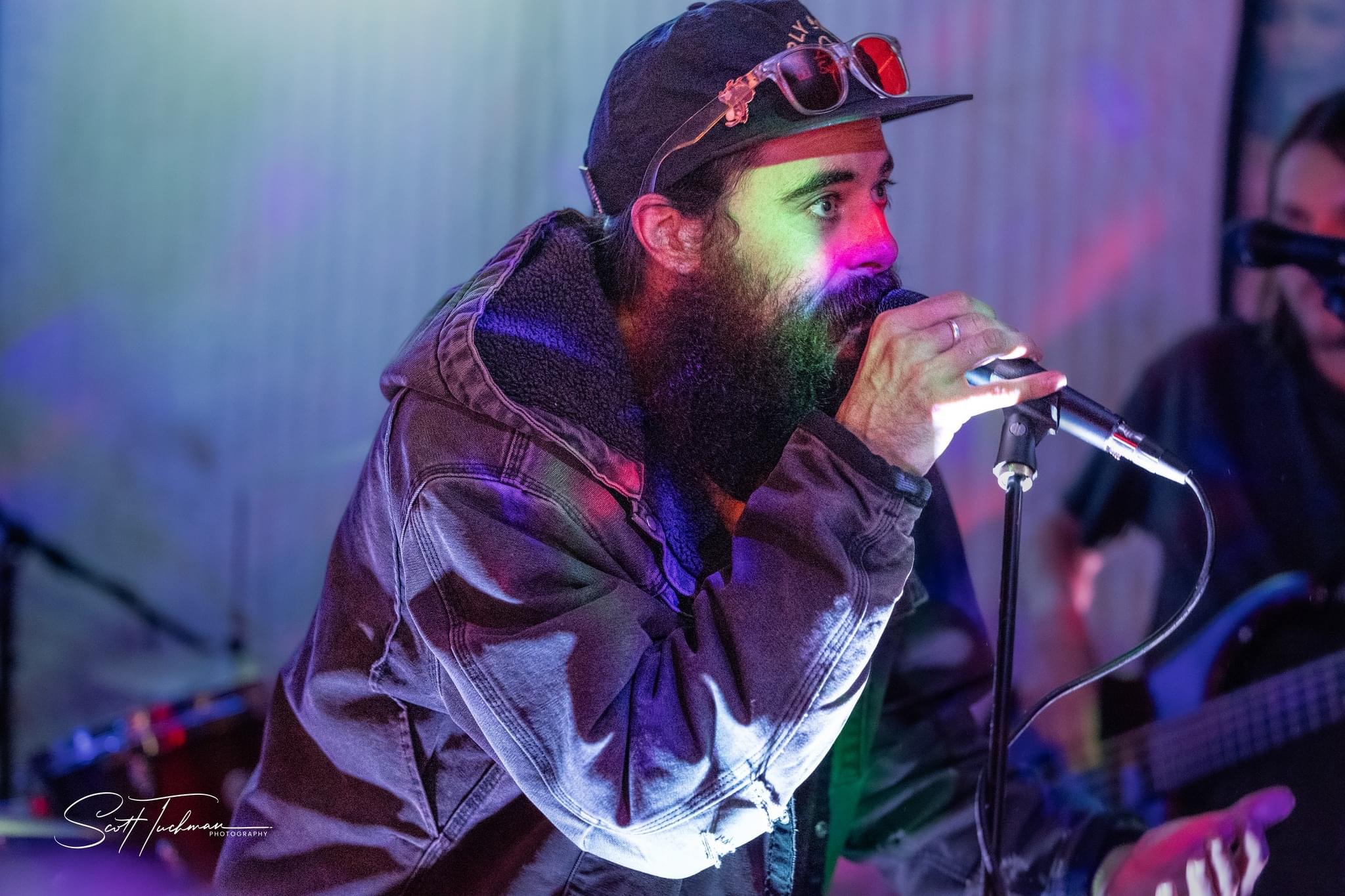

Alright – so today we’ve got the honor of introducing you to Sean Morrison. We think you’ll enjoy our conversation, we’ve shared it below.
Sean, thanks for joining us, excited to have you contributing your stories and insights. How did you learn to do what you do? Knowing what you know now, what could you have done to speed up your learning process? What skills do you think were most essential? What obstacles stood in the way of learning more?
I learned to do what I do by growing comfortable in my understanding that what I do, and who I be as an artist will be a perpetual evolutionary process, full of challenges, risks, and rewards.
I think that I could have sped up my artistic process, and learned faster, if I had taken the time to be more graceful with myself around my growth, my self worth, and my recurring battles with perfectionism.
The skills I have found to be most essential to my path have been my vocabulary and my vulnerability. This pairing has allowed my appreciation for my value systems around Honesty, Respect, Communication, and Love. The obstacles that stand most directly in the path of my productivity and pursuit of knowledge are those which repeat and recur. Fear, doubt, hesitation, shame, denial. Giving space to detrimental thoughts and beliefs has hindered my growth and understanding of self over the course of this creative life and journey.
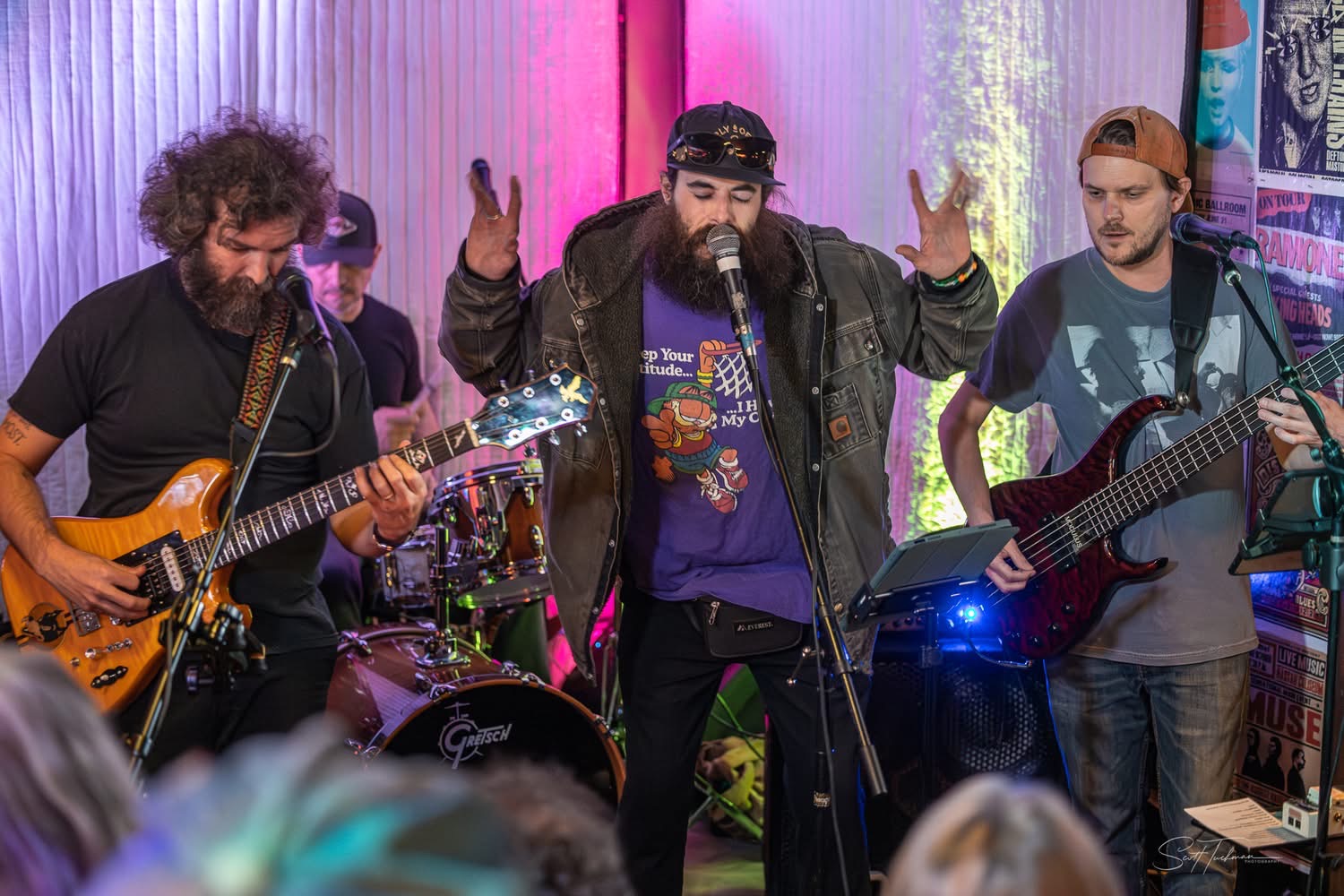
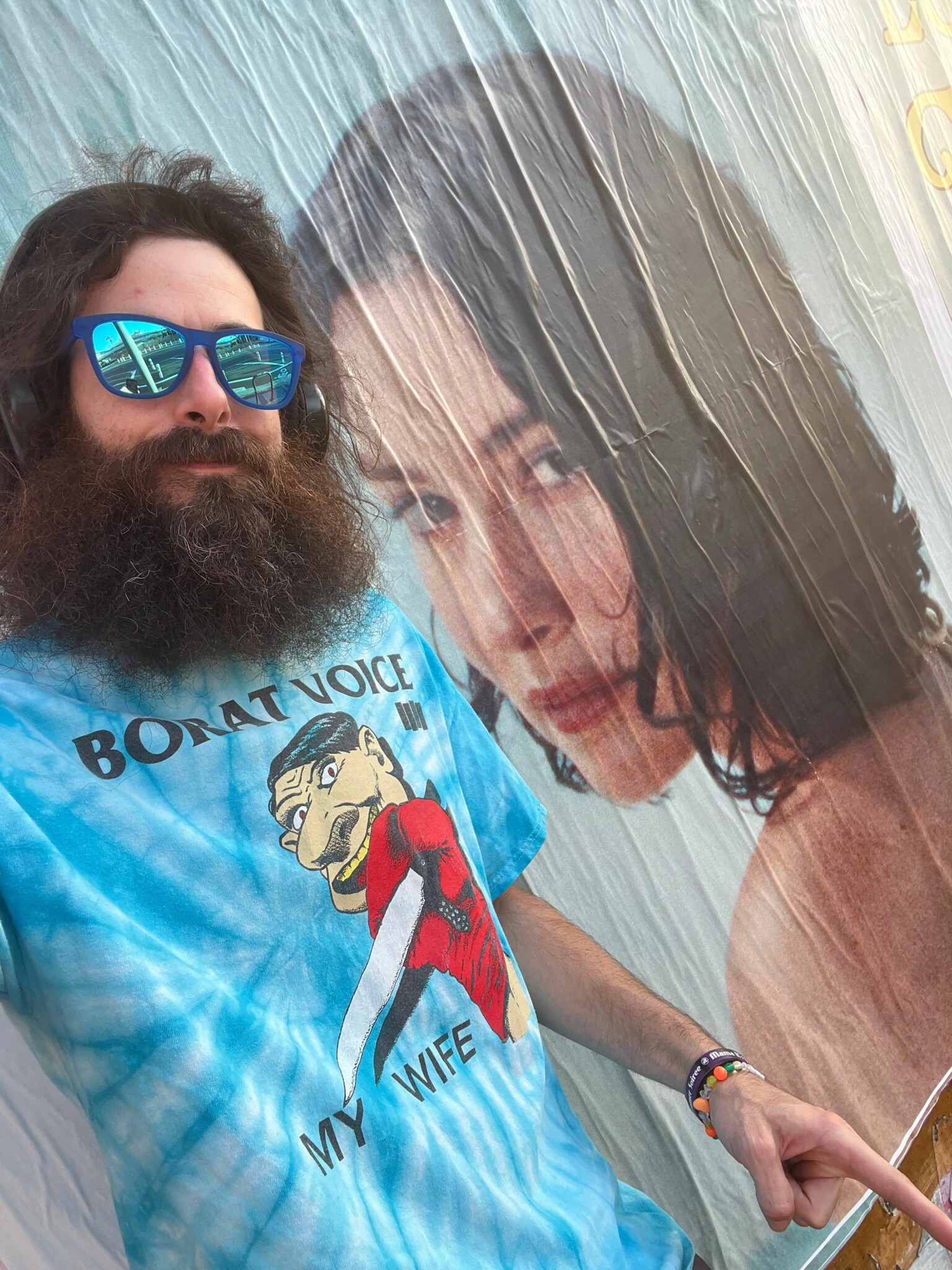
Sean, before we move on to more of these sorts of questions, can you take some time to bring our readers up to speed on you and what you do?
I got into the music and activism arenas through lived experience, and through an urgency to survive.
I am a survivor of institutional child abuse via the “Troubled Teen Industry”, Worldwide Association of Specialty Programs, and the Ivy Ridge Academy Facility they owned and operated. I was escorted by hired transporters who would take me by car in handcuffs to my new “home” in upstate New York. I would remain in isolation for 24 months, where I would endure repeated mental and physical abuses. I returned home confused and abused, with Complex Post Traumatic Stress Disorder.
Language and Music kept me alive, and it became clear to me that Hip Hop would house my temple of damaged goods while repairing my brain and body. My poetry went into motion around 2006, and it never stopped moving.
I’ve been fortunate to provide hope, entertainment, and change through my lived experiences and artistic offerings.
I am most proud of my local, regional, and global musical collaborations, to which I take great pride in the communities and soundscapes that develop and grow through my intellectual properties and creative offerings.
My tangible portfolios for my musical endeavors can be found under my emcee name, ESAREM ONE. This stands as an acronym for “Even Suckas Act Real Entering Moments Of Near Extinction”, and also serves as a phonetic pronunciation of my first, middle, and last initials, SRM, Sean Russell Morrison.
Equally as proud am I of my advocacy and activism work for youth and youth rights. Of all my efforts, two projects have and will continue to change my life and the lives of those across the globe forevermore.
First came the creative process in writing, recording, and filming for a song and music video concept that serves as a living testament to my abuse, my youth trauma, and my survival. It is called, “Believe”, and it features my good friend Liz Bills on the Chorus vocals. I filmed the video on the location of the abandoned facility grounds in New York.
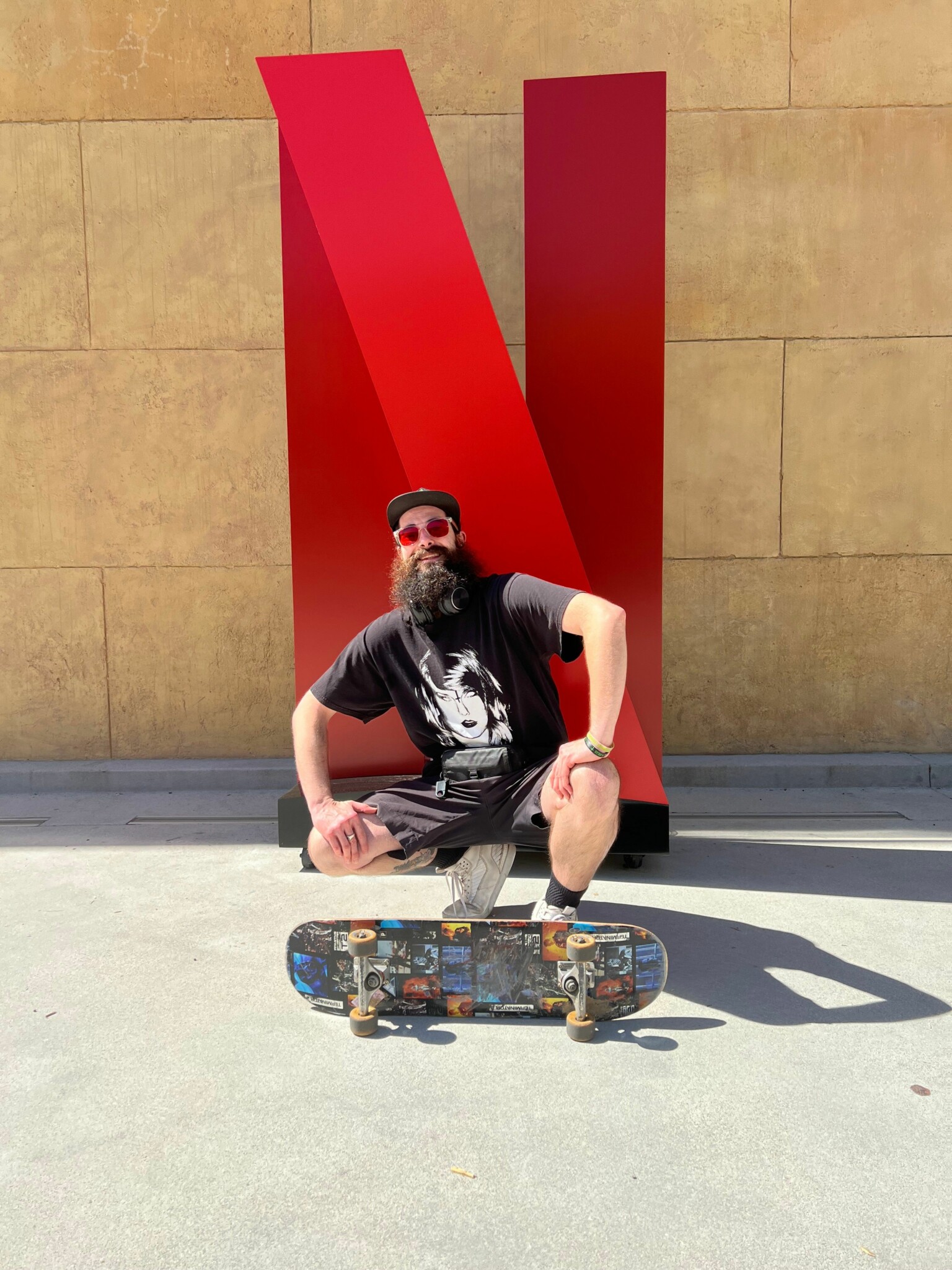
Second, came the creation and the global release of my dear friend Katherine Kubler and our all encompassing and full spectrum docuseries: “The Program: Cons, Cults, and Kidnapping”, which released on Netflix on March 5, 2024, to an overwhelming and gigantic audience, where it remains impactful and critically acclaimed. This was a decade plus process, and it will serve as absolute, substantiated truth to the greed, abuse, power, and cult of a Billion Dollar Industry, that leaves Trillions of Dollars in pains, sufferings, damages, and therapeutic resources for those used and abused by such an unregulated industry.
I encourage all survivors of institutional abuse to break silence, and tell their truths, while emphasizing the importance of everyday people gaining more awareness, insight, and calls to action and justice for the youth of America and the World at Large.
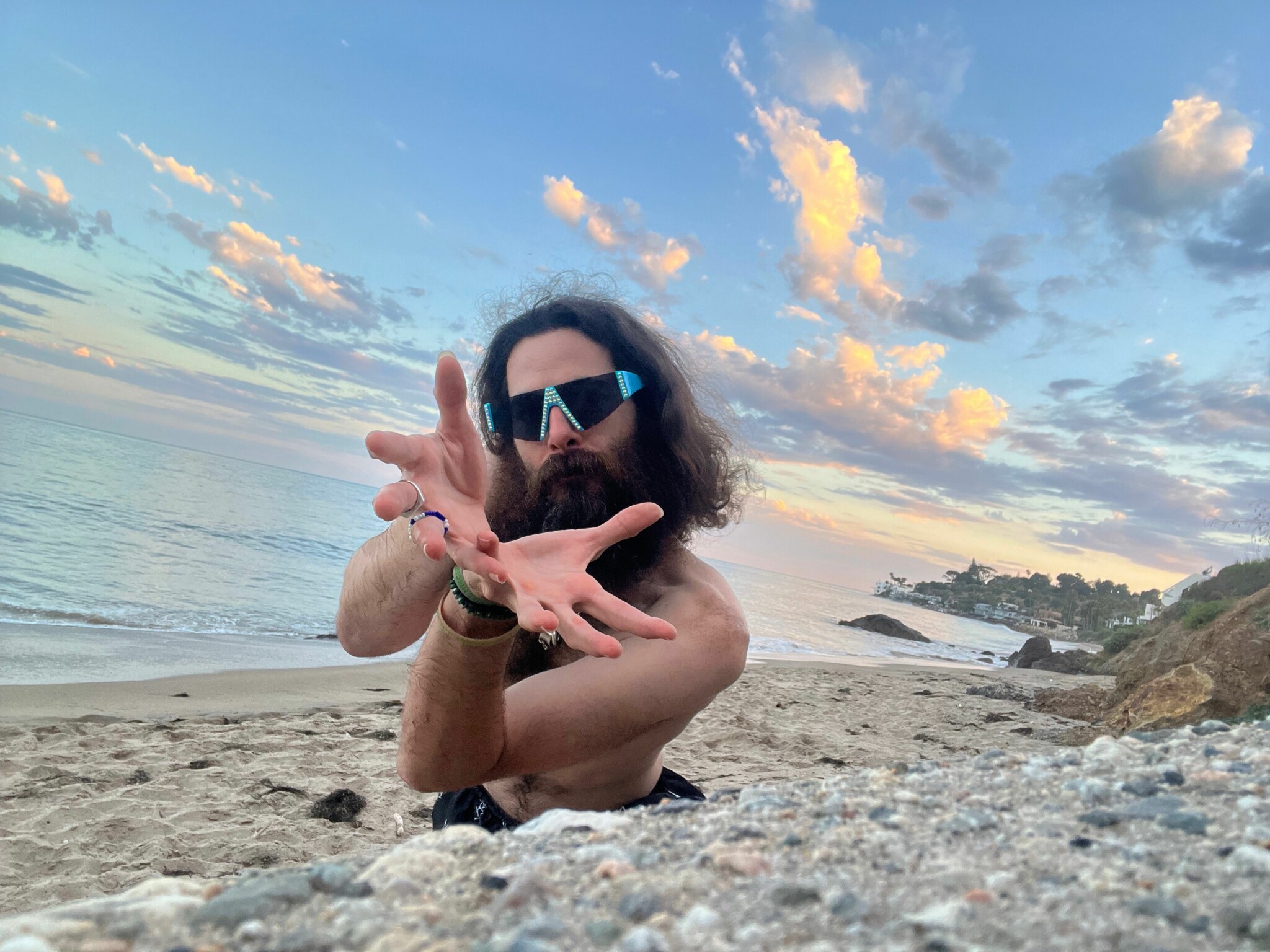
What can society do to ensure an environment that’s helpful to artists and creatives?
I think society can grow collectively to accept and encourage and ensure there are safe places within and beyond their communities for creativity and the arts to flourish freely, without obstruction or condemnation.
This can be assisted by ensuring that there are artistic resources in schools, as well as in and around recreational and community facilities in each citizen’s respective locations of residence.
For you, what’s the most rewarding aspect of being a creative?
The most rewarding aspect of being an artist and a creative is the synergy. Sacrificing ego and individual needs to gestate a collective greatness that is larger than the sum of the parts creating it. When you organically capture metaphoric lightning in a bottle, it is difficult not to marvel at the miracle of it all.
Contact Info:
- Instagram: https://www.instagram.com/esarem_one?igsh=NTc4MTIwNjQ2YQ%3D%3D&utm_source=qr
- Youtube: https://youtube.com/@esaremone?si=c1Gf9Dq7JyZRiqtL
- Other: https://open.spotify.com/artist/32Us0aIQ8P7Trh0Op66H0T?si=PHGVjHAFQkq30-OsJbgxCA
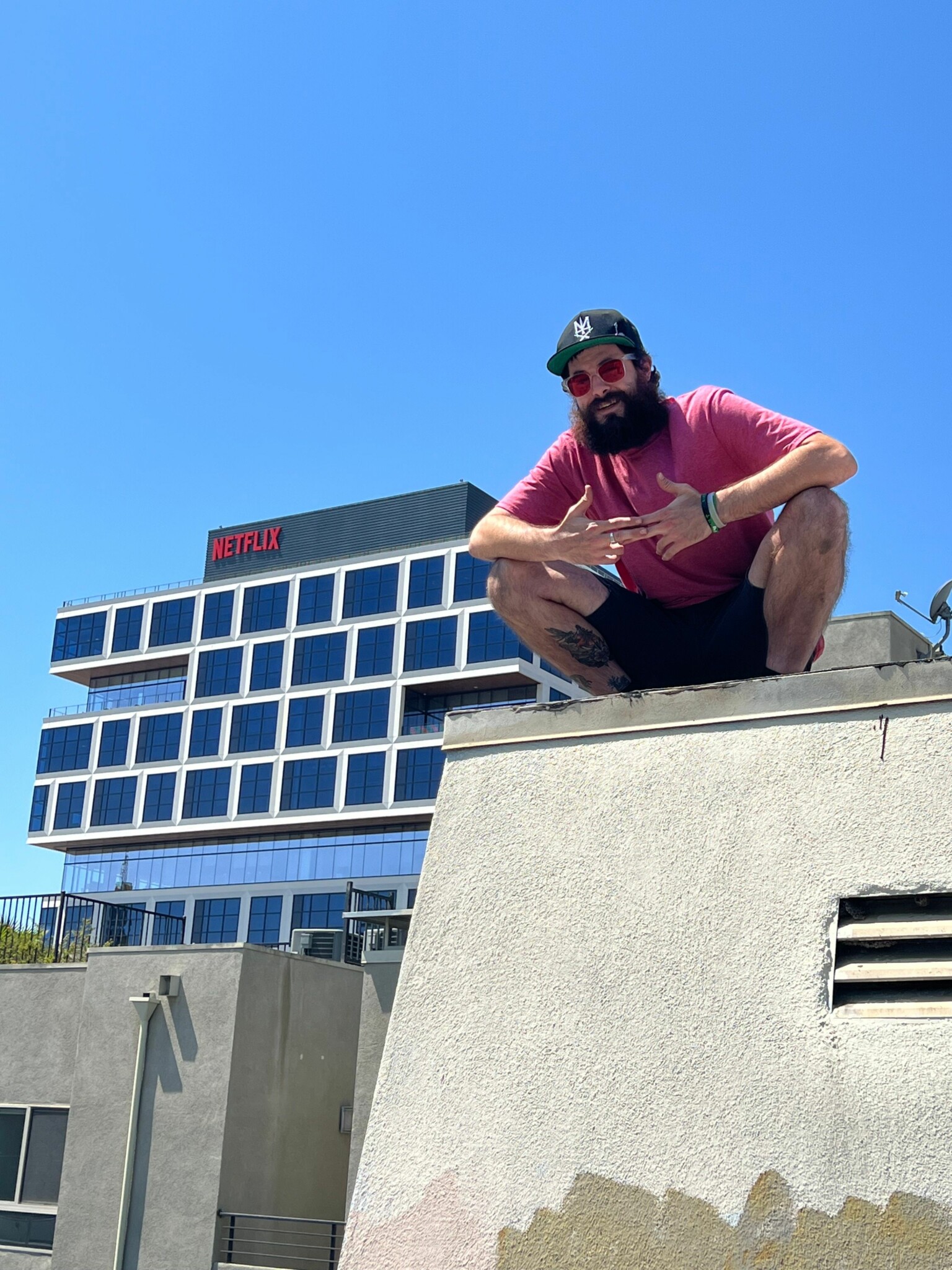
Image Credits
Scott Tuchman