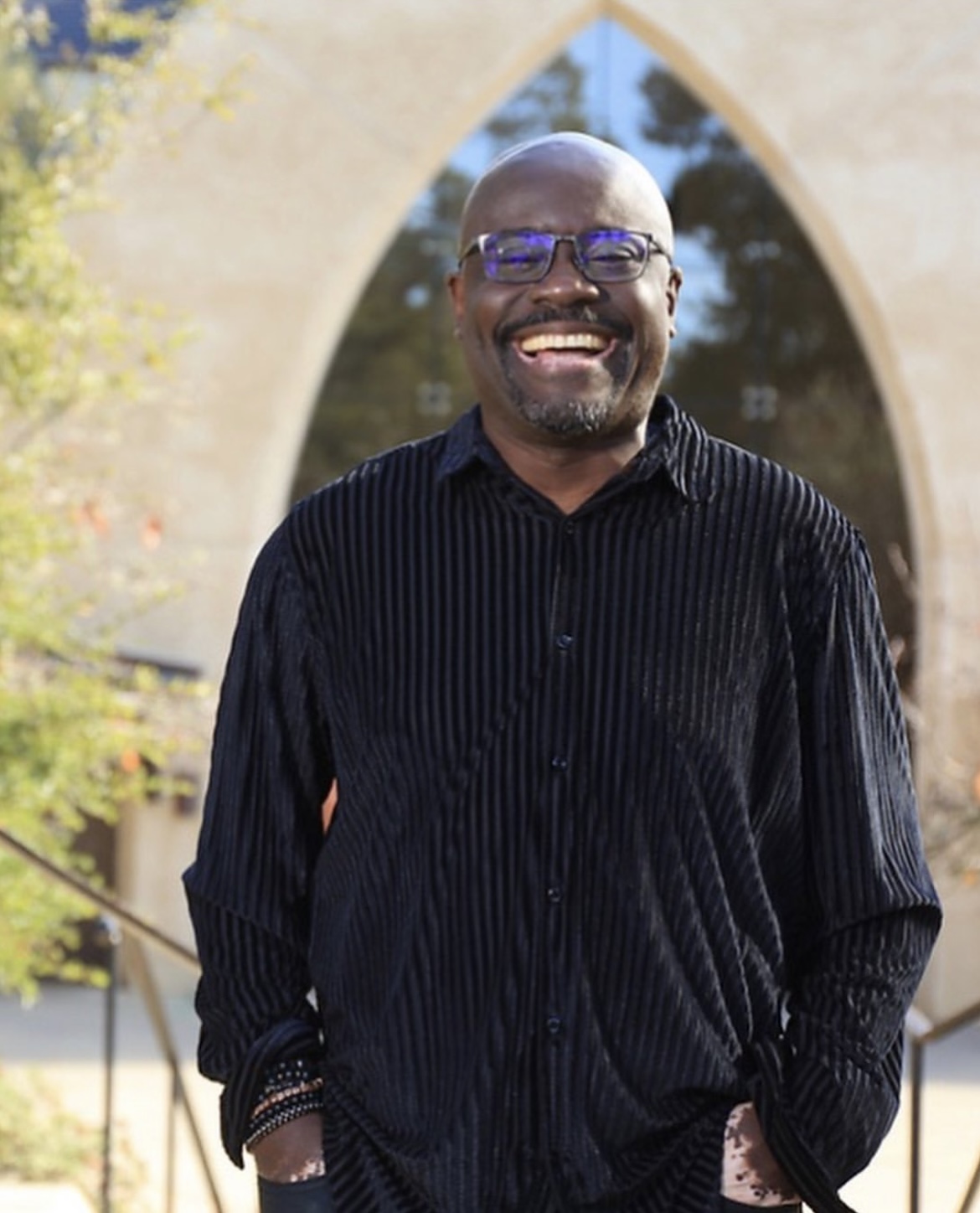
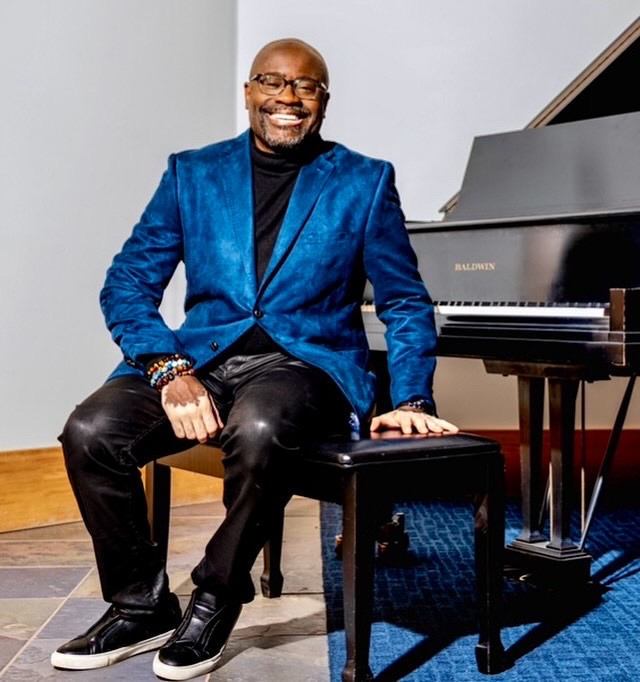
We caught up with the brilliant and insightful John Wineglass a few weeks ago and have shared our conversation below.
John , looking forward to hearing all of your stories today. Learning the craft is often a unique journey from every creative – we’d love to hear about your journey and if knowing what you know now, you would have done anything differently to speed up the learning process.
Initially, what I have learned to do as a creative began as essentially a God-given gift of perfect pitch and synesthesia between the early ages of five-six years old. My sister took piano lessons and from constantly hearing her play Beethoven’s Moonlight Sonata, I simply picked it up by ear on the piano. My mom immediately enrolled me into music lessons in the orchestral classical sphere and the rest is history. Along with honing my ear skills in church music and eventually exploring various jazz idioms, I ventured into higher education with ultimately a master’s degree in Music Composition with a cognate in Film Scoring for Motion Pictures, Television and Multimedia from New York University.
As far as speeding up the process, the only thing I could think of is perhaps briefly not flirting with business degrees in both undergraduate and graduate levels. But then again, I would never really be assured and tested that this was the ultimate pathway for my life. Besides, the business acumen I achieved through those brief educational experiences have shaped my success and thinking in the business of music today. So, I have and live with no regrets as to my pathway.
Learning the traditional rules of composition and theory in order to learn to ultimately break some of those rules are skills I think are essential to a well-verse and well-rounded composer today who can not only walk the red carpet at events because of their mastery of DAW (digital audio workstations) systems BUT can also command the attention of students in a classroom of graduate studies around the world.
Obstacles for me in particular included professors, studio executives, directors and gatekeepers who continue to pigeon-hole black and brown (or any color for that matter) voices into certain styles of music. Although there has been significant headway in this area, this implicit bias continues.
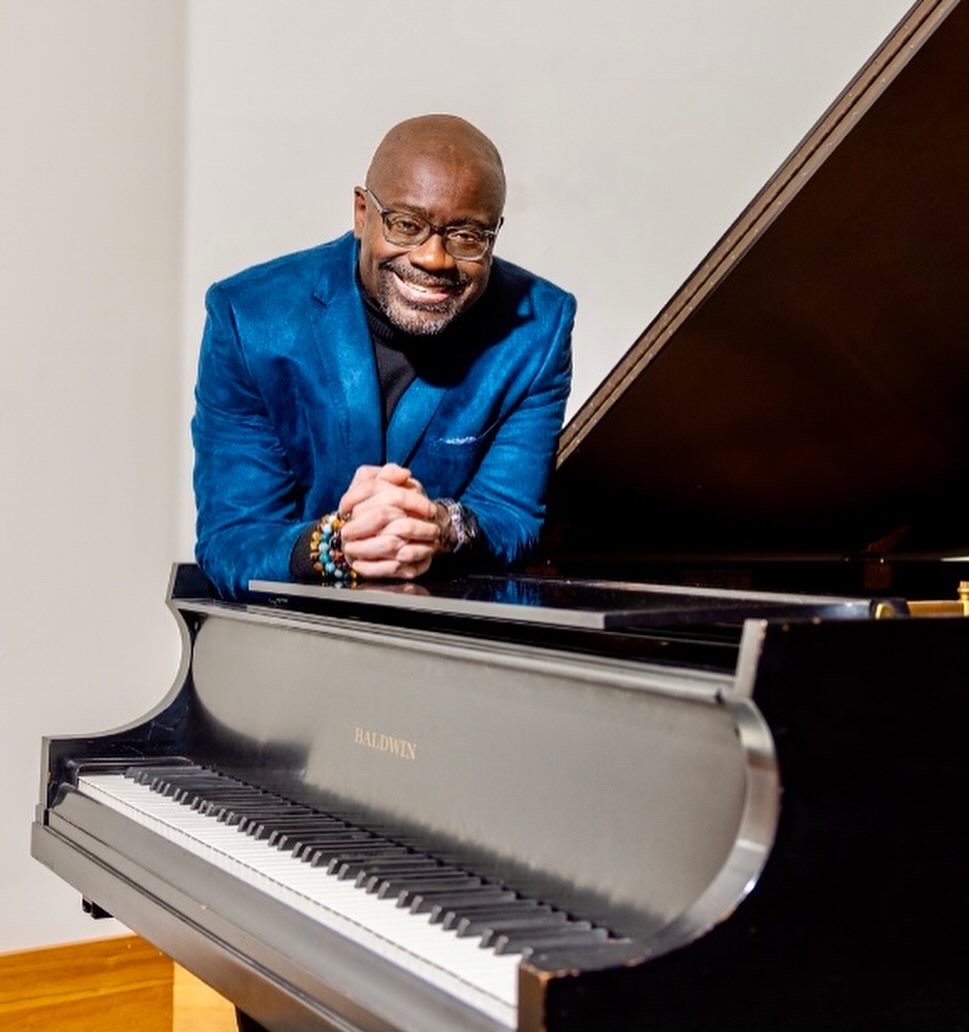

As always, we appreciate you sharing your insights and we’ve got a few more questions for you, but before we get to all of that can you take a minute to introduce yourself and give our readers some of your back background and context?
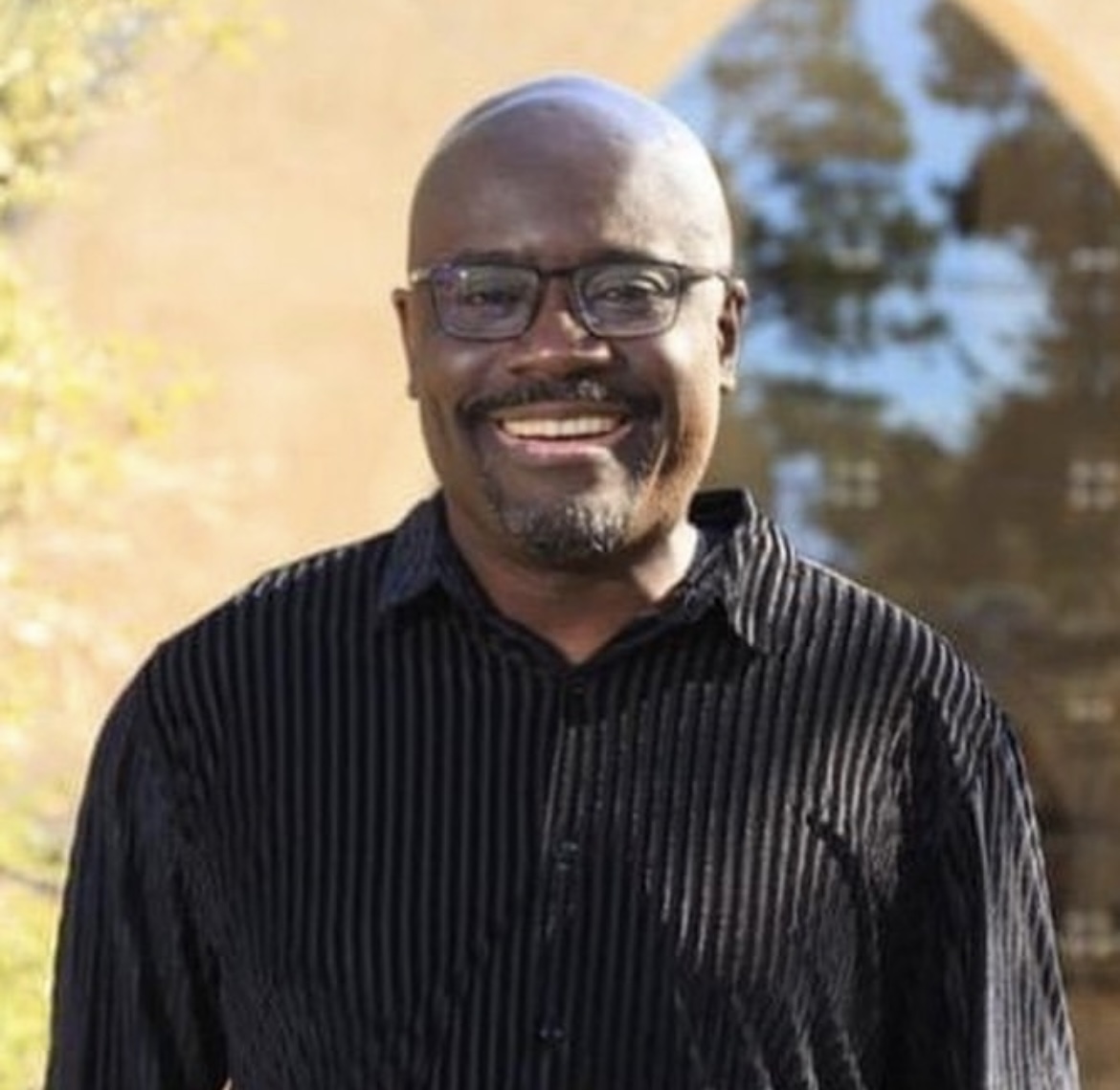
JOHN CHRISTOPHER WINEGLASS has written several scores for shows on MSNBC, CNN, NBC, CBS and ABC as well as documentaries on Headliners & Legends with Matt Lauer for The Brady Bunch, Kathy Lee Gifford and Farah Fawcett. Having scored mainly independent films, several of his nationally syndicated commercials include music for the United States Army, American Red Cross and Texaco as well. As a recipient of three (two consecutive) ®Daytime Emmy Awards for Outstanding Achievement in Music Direction and Composition for a Drama Series, and three ASCAP Film and Television Music Awards, Mr. Wineglass holds seven ®EMMY nominations.
In the classical music genre he has garnered commissions from the Cabrillo Festival of Contemporary Music w/Maestra Marin Alsop to the Kennedy Center Concert Hall, with The Washington Post describing his concert-hall work as having ‘iridescent colors in the world premiere of a beautifully crafted suite’ while conductor Marvin Hamlisch introduces and congratulates the occasion by commenting ‘… with a name like Wineglass, it had to be good.’
Wineglass’s ‘iridescent’ (WP) compositions are inspired by the beauty of creation and the splendor of nature – as well as bringing to light social issues of the past and present. Recent commissioned works in the 2018-2019 season alone included four symphonic works – two with full SATB chorus. He has received major commissions from The National Endowment for the Arts, The Pittsburgh Foundation, The Alfred P. Sloan Foundation, The Benjamin Harris Memorial Fund, The Heinz Foundation and the Opportunity Fund along with a wide cadre of private sponsors.
His latest symphonic 2019 premiere of three movements, Unburied, Unmourned, Unmarked: Requiem for Rice was dedicated to the lives of millions and numerous contributions of African and African-American forced laborers who cultivated the immense, expansive, and particularly wealthy rice economy in the Lowcountry. With a libretto and extensive research by historian Dr. Edda Fields-Black of Carnegie-Mellon University, this work has taken them with a team of researchers and film documentarians from the shores of South Carolina to the inner villages of Senegal, Guinea-Bissau and The Gambia.
In just the one season of 2021-2022, he made his debut symphonic recordings released on Navona Records with the Prague Radio Symphony Orchestra, the Zabreb Festival Orchestra, the Brno Philharmonie and lastly the esteemed London Symphony Orchestra at St. Luke’s recording his stunning mini-violin concerto #elijah – a direct tribute to not only the life of Elijah Jovan McClain but to the lost lives of many people of color at the hands of those who are entrusted to serve and protect.
Mr. Wineglass is currently serving as Composer-In-Residence with the Monterey Symphony where both of his pandemic response works, Alone for Solo Violin, Live EFX and Electronica and Alone Together for Percussion, Harp and Strings have been included in the permanent collection of the COVID-19 response art at the Library of Congress. The subsequent film for Alone for Solo Violin, Live EFX and Electronica directed by filmmaker Doug Mueller has won international acclaim.
John received his Bachelor of Music degree in Music Composition with a minor in Viola Performance at The American University and later received his Master’s degree in Music Composition with an emphasis in Film Scoring for Motion Pictures, Television and Multi-Media at New York University, studying primarily with Justin Dello-Joio of the Juilliard School.


What’s the most rewarding aspect of being a creative in your experience?
The most rewarding aspect of being an artist or creative is my ability and opportunity to work on something of my own creation virtually unabated in most of my creative spaces at the moment.
Ultimately, a man can not find his vision (or voice) in another man’s vision.
What can society do to ensure an environment that’s helpful to artists and creatives?
In a digital world that doesn’t pay for music anymore, one can support artists by going to live concerts, actually buying music, buying merchandise and promoting artists on your all your social media platforms and ALL other outlets.
Contact Info:
- Website: https://www.johnwineglass.com
- Instagram: jwcomposer
- Facebook: https://www.facebook.com/john.wineglass
- Linkedin: https://www.linkedin.com/in/john-wineglass-17797819/
- Twitter: https://x.com/JohnWineglass
- Soundcloud: https://soundcloud.com/user-492271258