

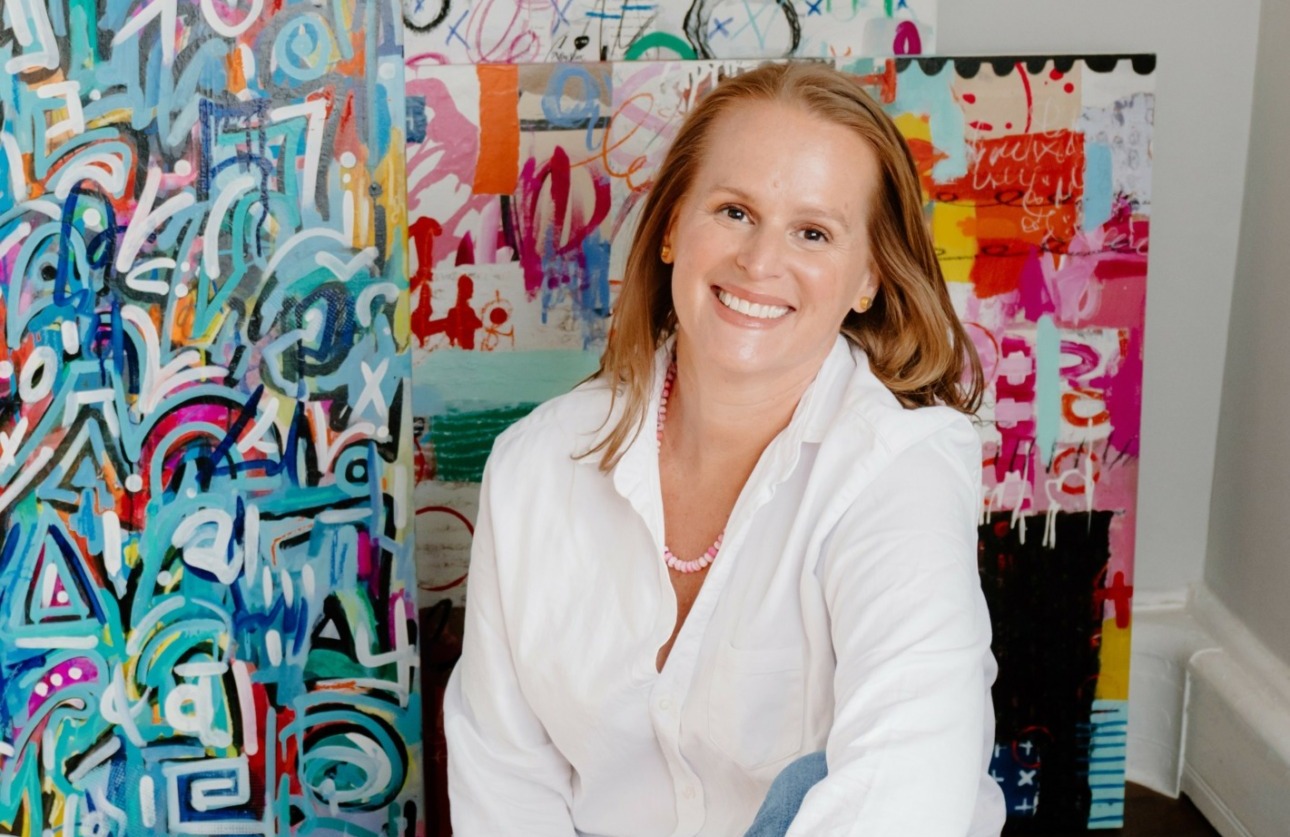

Wanting to be an artist or creative is step one. Following through means investing in learning your craft, but we’ve heard from so many aspiring artists and creatives who feel unsure about where to start and so we’re incredibly grateful to the artists and creatives who’ve agreed to share their stories of how they learned their craft.
Chad Reineke
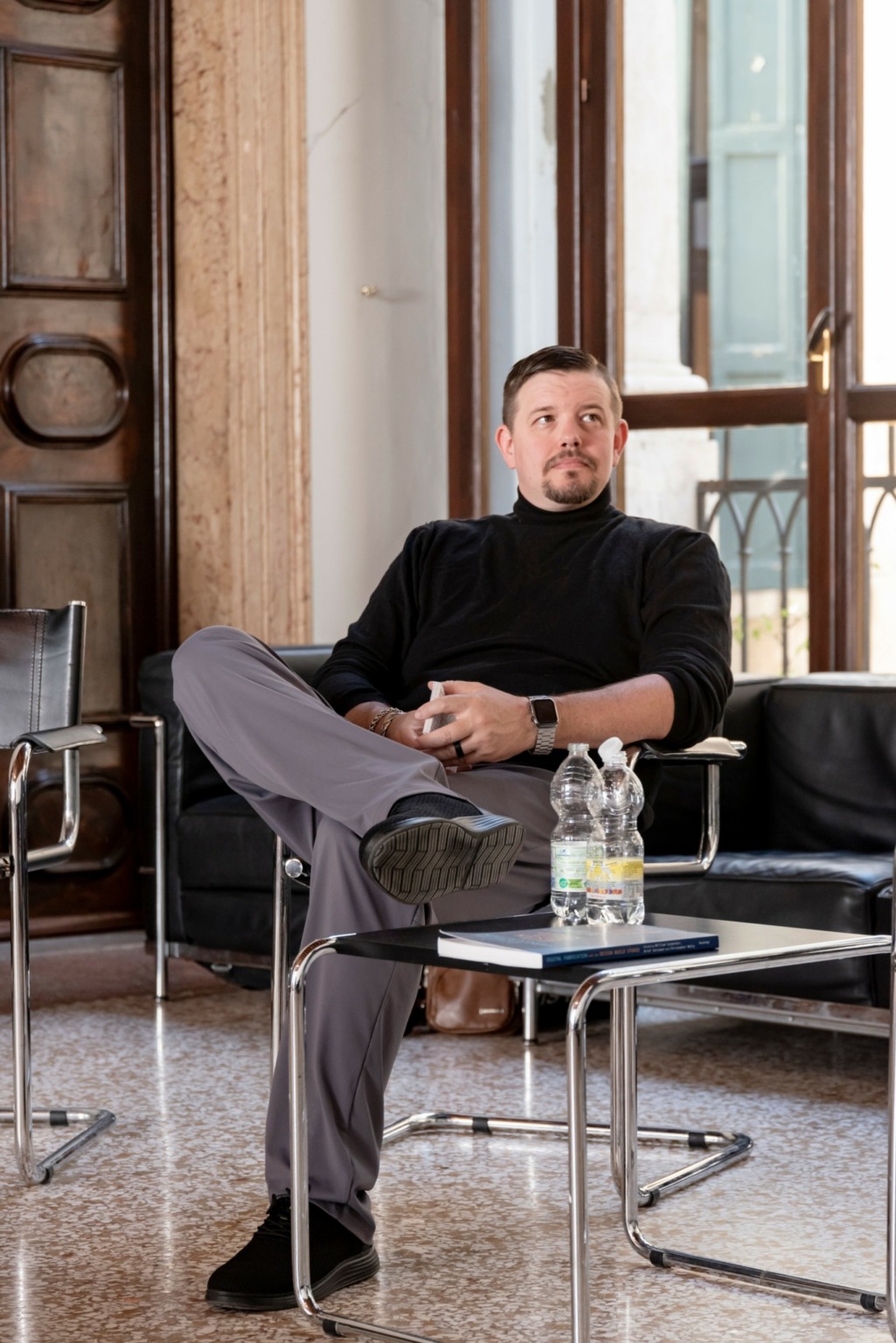
My learning came from an overlapping mix of formal education, real-world experience, mentorship, and a continual process of self-refinement. I didn’t take a linear path—before I was an architect, I was a carpenter. That hands-on beginning grounded me in the material realities of construction, which has continued to inform my design thinking to this day. I earned my Bachelor of Science in Architecture from Bowling Green State University and my Bachelor of Architecture from Southern Polytechnic (now Kennesaw State University). While those degrees gave me technical proficiency and introduced me to architectural theory, they were just the beginning. Read more>>
Adrian Moore
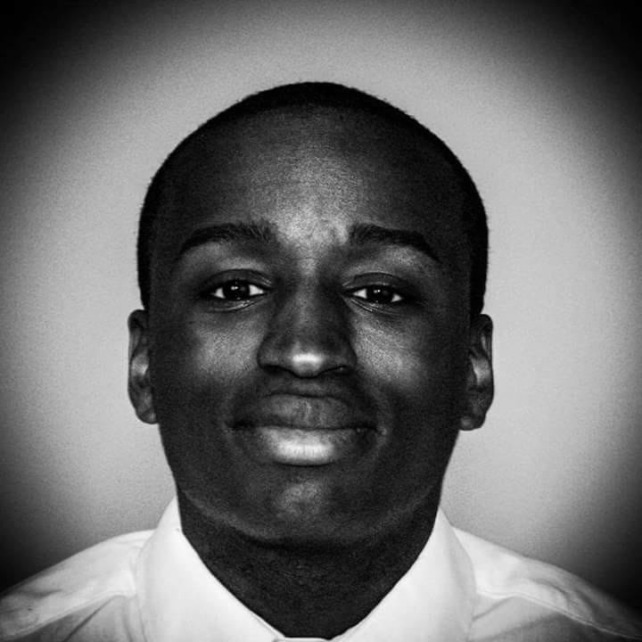
Through a mix of a very loud but helpful professor from my college days, my visual eye thanks to watching anime and reading comics, and growing up during the age of music videos being on weekly tv I used elements from all of those things to make my photography style. Read more>>
Alissa Leigh
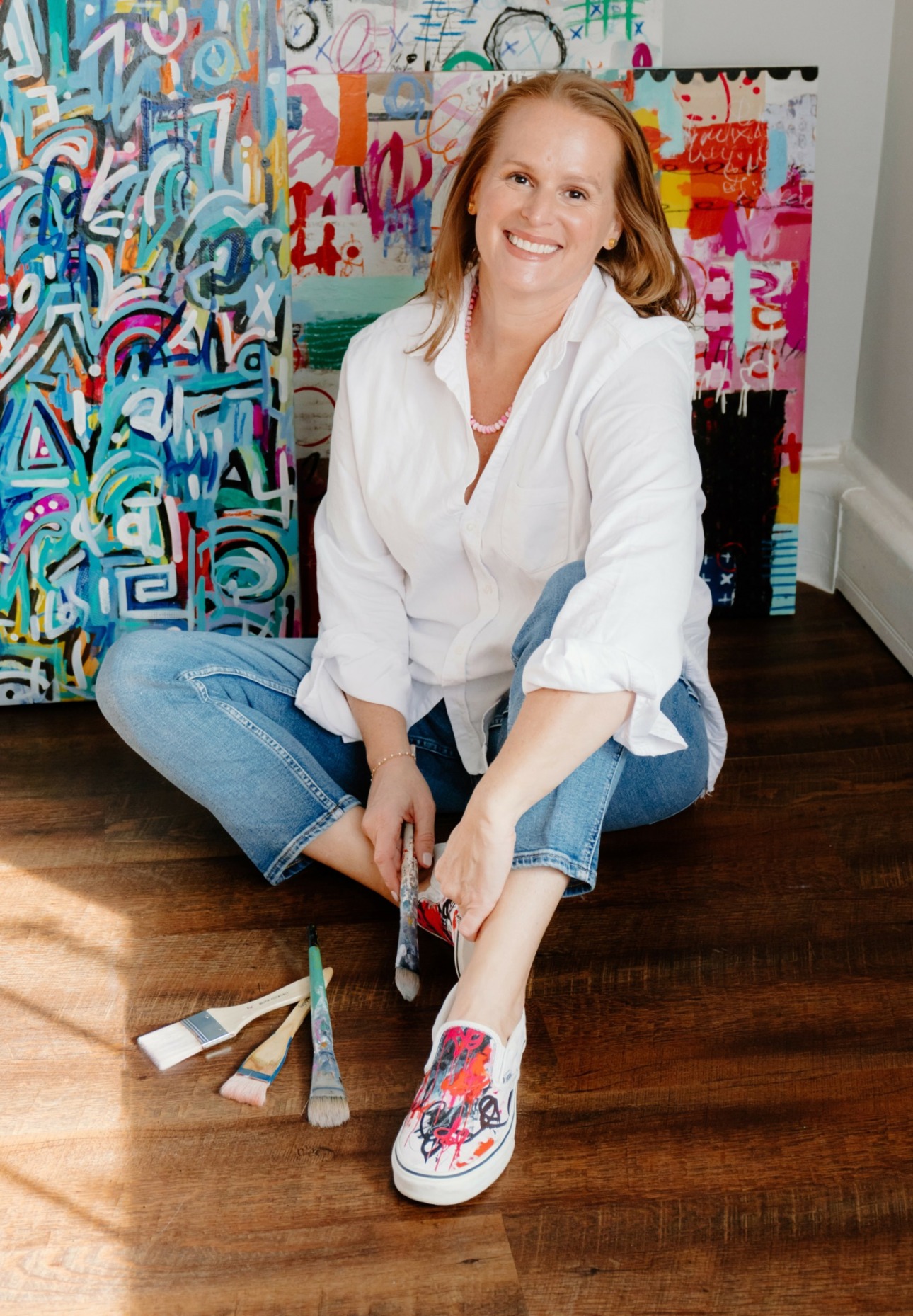
I am a self-taught artist. I didn’t go to art school and I haven’t really had much formal training – instead, I learned by doing. I followed my curiosity, my instincts, experimented constantly and made a lot of mistakes. Over time, I found my voice through color, gesture, and texture. The process was not always pretty, but that’s what made it fun. Looking back, I think I could have sped things up by trusting myself more and worrying less about getting it “right” and making art I thought people would like. Read more>>
Gloria White
My reading skills in grade school was a very slow process for me. Back then we didn’t have the programs we do now, for kids to learn in their own way and at their own pace. You just tried your best in whatever subject you were in and hope for the best. So my “go to” for book reports was resorting to the blurb on the back cover. At the time I thought that was good enough, but I learned quickly that it wasn’t the best thing to do, when my teacher found out. And so the jig was up. But that prompted my teacher to help me. Read more>>
Estefania Pascual
I honed my craft through dedication, consistent practice, and embracing the lessons that came from making mistakes. Looking back, one thing that might’ve helped me grow faster was simply trusting myself more. I’ve learned that I do my best work when I feel confident and at ease—because that’s when I’m most open to learning and improvement. Read more>>
Ligero Luz
A lot of it was trial by fire. I started off just trying to express myself through music, but over time I became obsessed with the process—producing, writing, performing, even the branding. YouTube University helped, but most of my real learning came from doing the wrong things first. I wore every hat until I figured out which ones fit best. Read more>>
Eric Hagemann
My skills are rooted in trial and error, continual learning, and a growing understanding of the subtleties; the “in between” moments beyond rules and formulas.
I create black and white photographs. Many view black and white as a fallback—something to use when color doesn’t work. But I approach it from a different angle: What if I chose black and white from the beginning? How would I approach the work. Read more>>
Jeff Strong
When I started, there was a fair amount of information online about how to spray paint using layered stencils, though my exact method required gleaning bits and pieces, here and there. I had lots of technical hiccups learning file types, sizing, effective materials, etc. I created my first 8-10 pieces using an exacto knife to cut the image layers on hardstock. While meditative, it took forever. Frankly, it was the only way I knew how. Having my eyes opened to the joy of a Cricut machine was a game changer! Efficient speed and precision cutting allowed me to work much faster and in great detail. Read more>>
Wildarius Tolbert
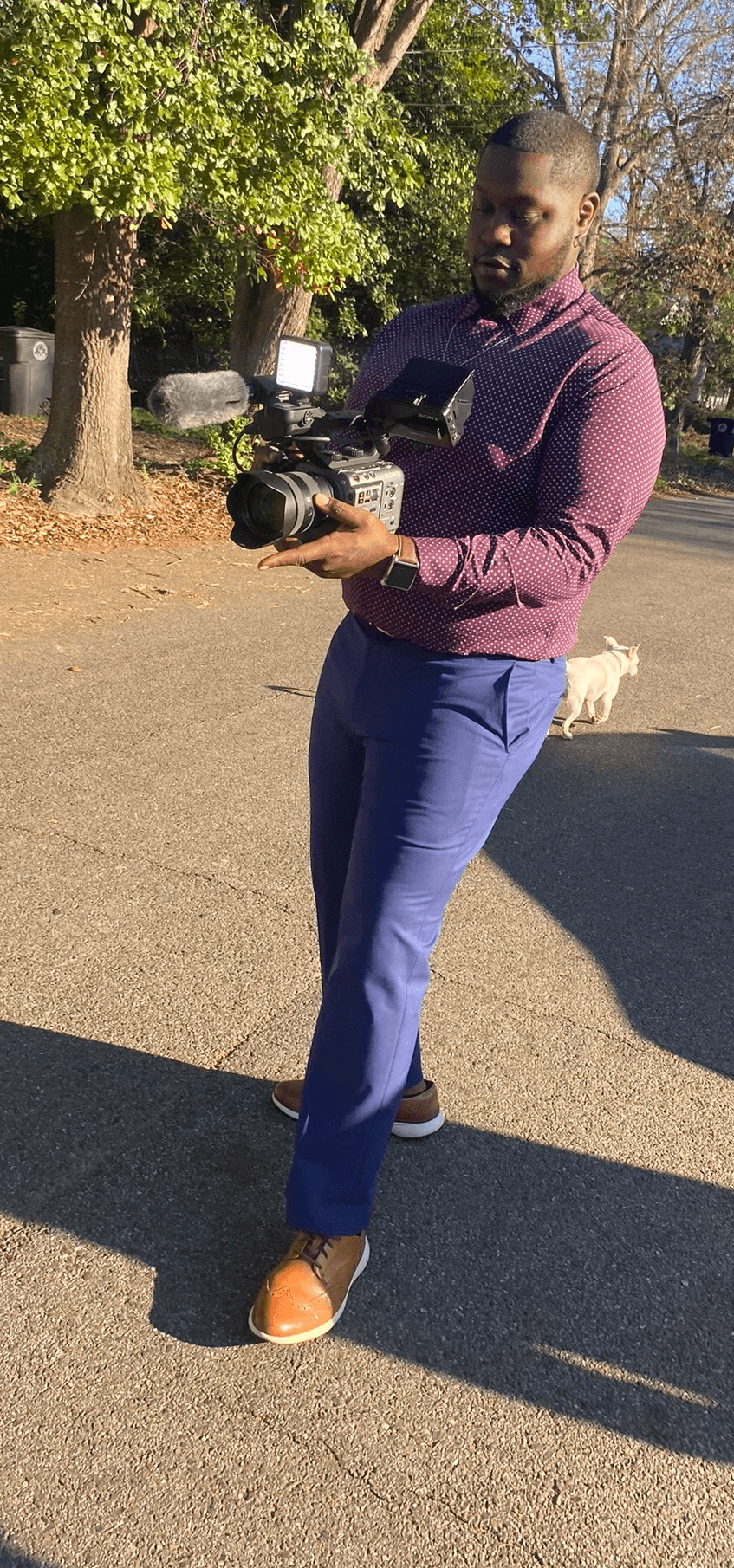
I learned the craft of videography and cinematography by attending college online but mostly through trial and error. I made a lot of mistakes that I learned from along my journey to becoming a professional cinematographer. I believe had I put all my focus in a few years sooner my learning process towards the degree would not have been as long What is always more to learn the process sometimes will take longer than expected, but worth it in the end. The skills that I feel were most essential what time management skills, resourcefulness and I would say alertness. Read more>>
Whitney House
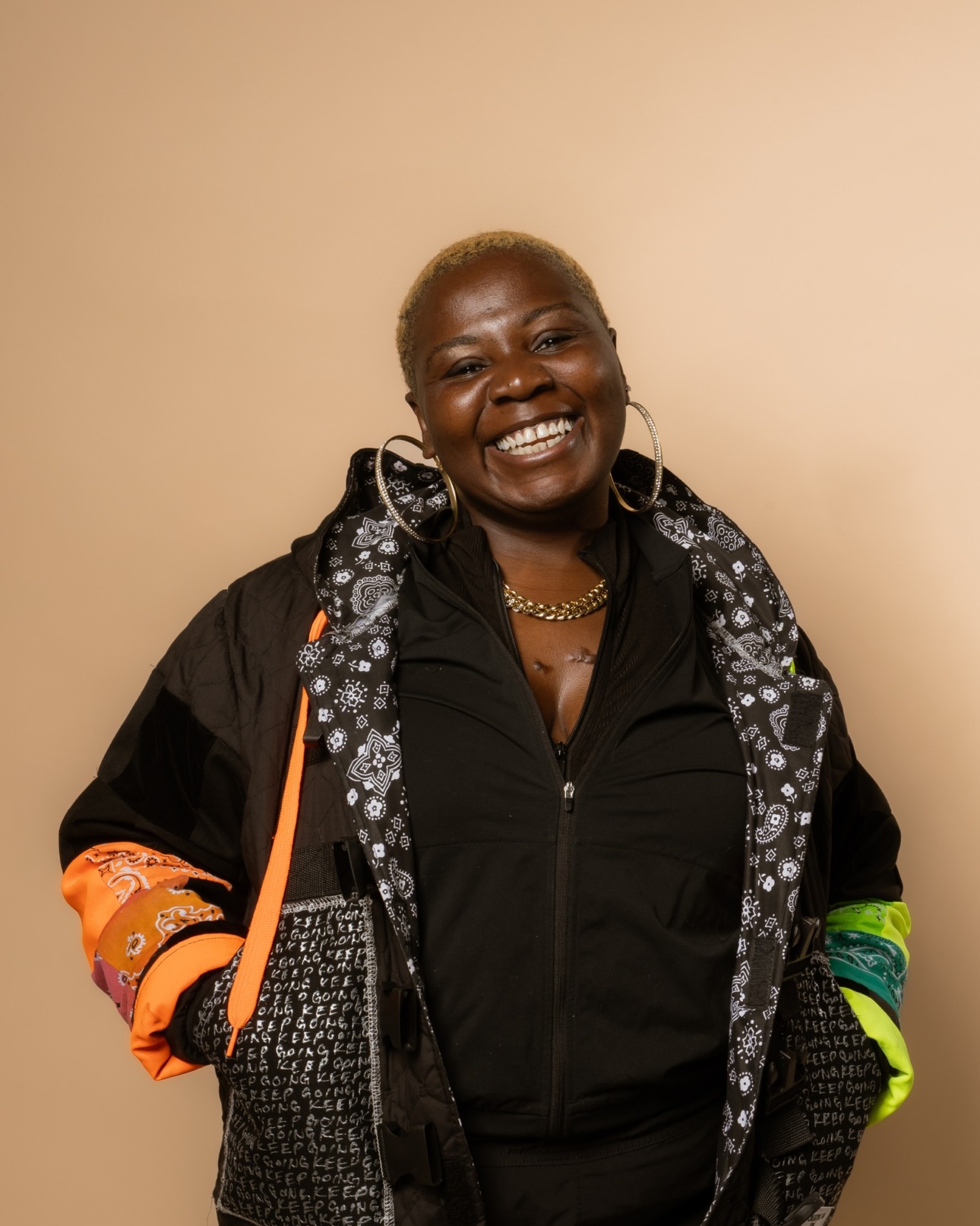
I’ve learned to how to customize my clothes by a simple accident, acrylic paint spilled on my clothes. I tried to wash it off. It never came off. From that point on I’ve customized my clothes with acrylic or fabric paint. Knowing what I know now, nothing could have sped up the process. I feel as though everything takes time. The skills that are the most essential is staying consistent and always learning something new. Read more>>
Caroline Chase
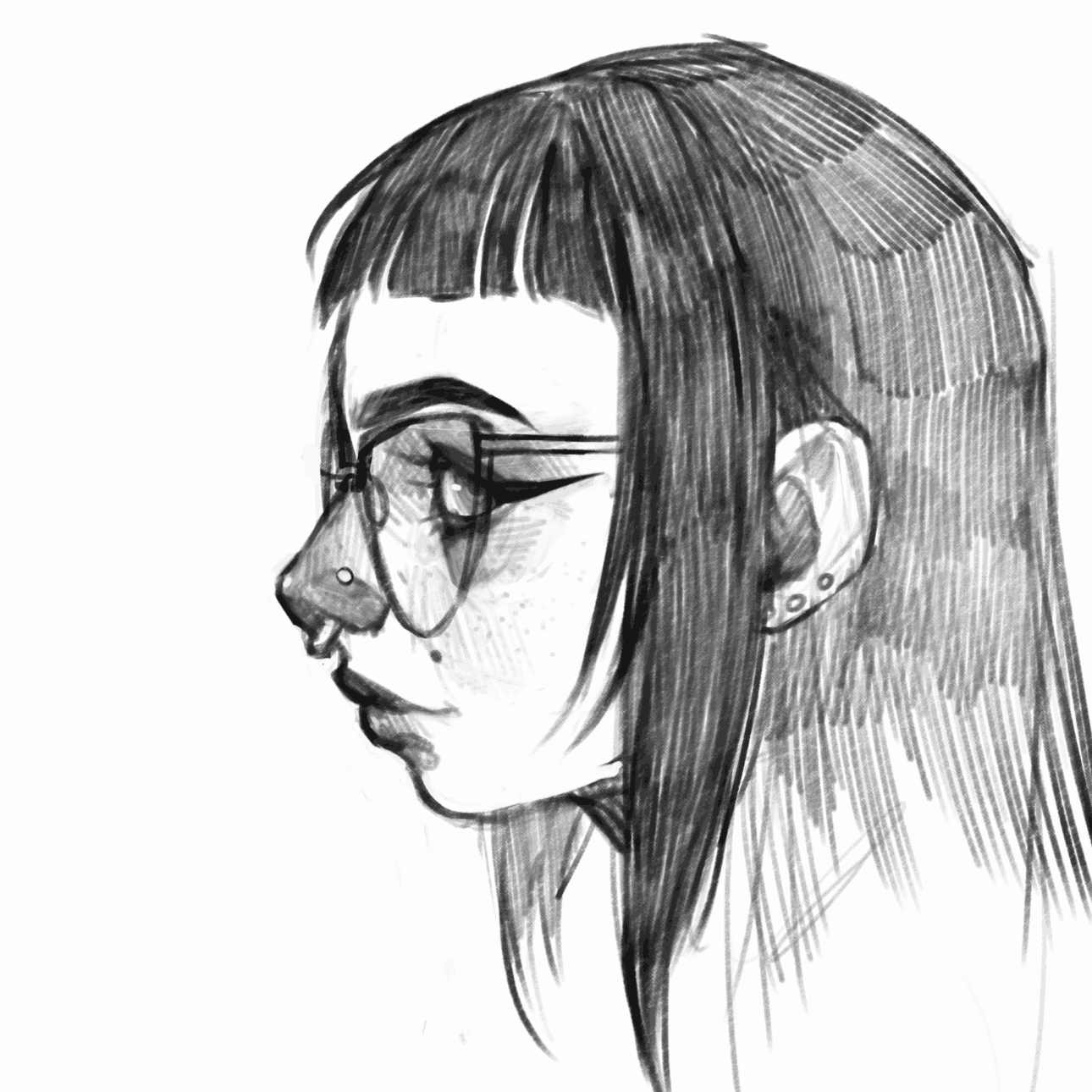
I’ve always loved to draw, but when I was younger I used to look up tutorials on how to draw anime on YouTube, I watched a lot of videos on digital painting techniques as well when I became more interested in digital art. I also looked at several “How To Draw…” books and I would copy the tutorials from those. While I loved the art style of anime, in hindsight it would have been more beneficial for me to study from life earlier on, when I first started taking art seriously. Read more>>
Morgan Kelsey
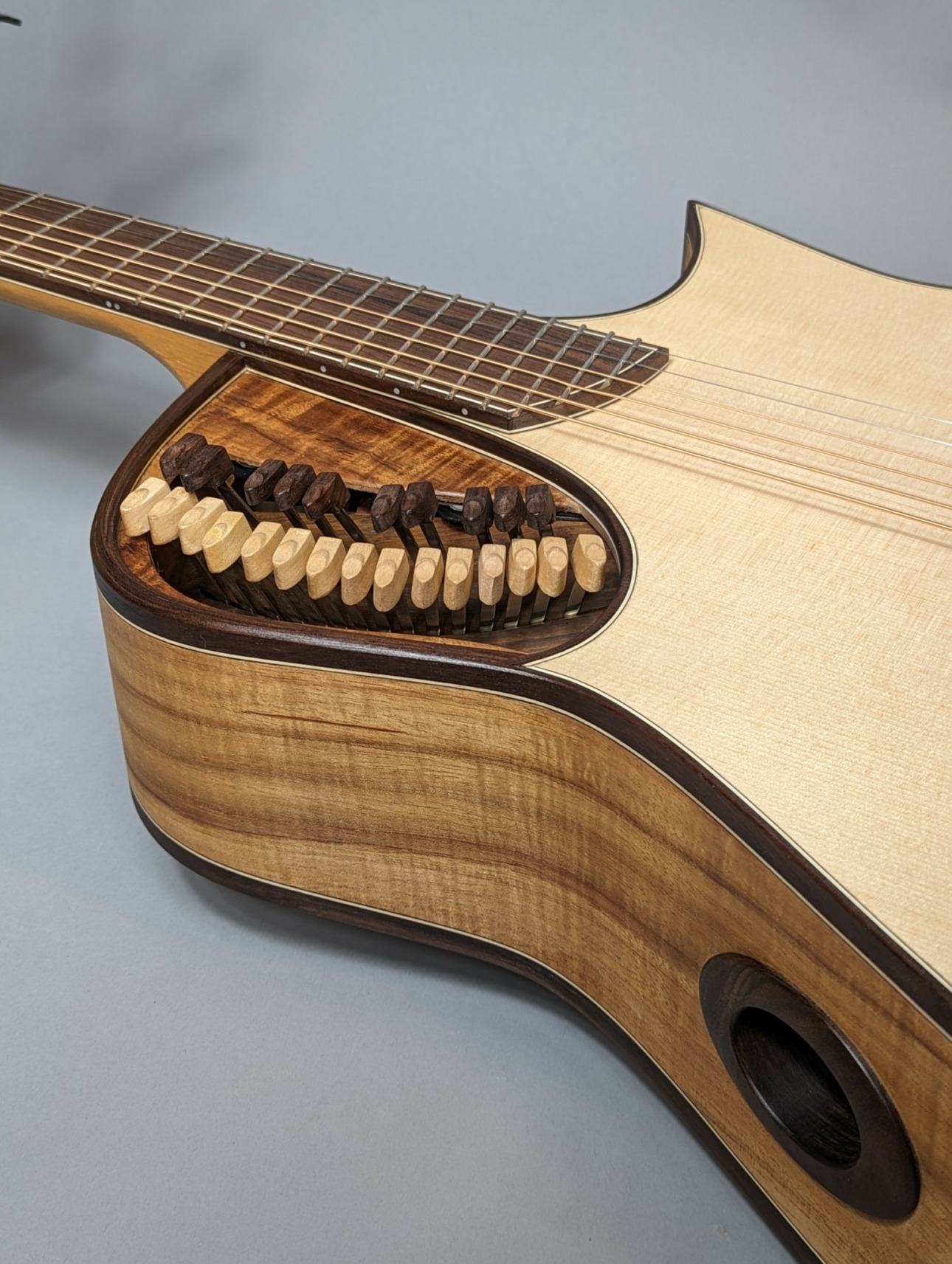
I grew up surrounded by woodworkers and artisans. and was taught very early on how to work with my hands. My father is a woodworker and built most of the furniture we had in our home. I learned some basic woodworking from him as a child, but more importantly he instilled a strong work ethic in me and showed me that you could do almost anything if you tried hard enough. He would carefully plan out his projects and saw them through to the end. Completing projects is sometimes the most difficult thing to do and I’ve always admired his follow through. Read more>>
Charles Jackson Jr.
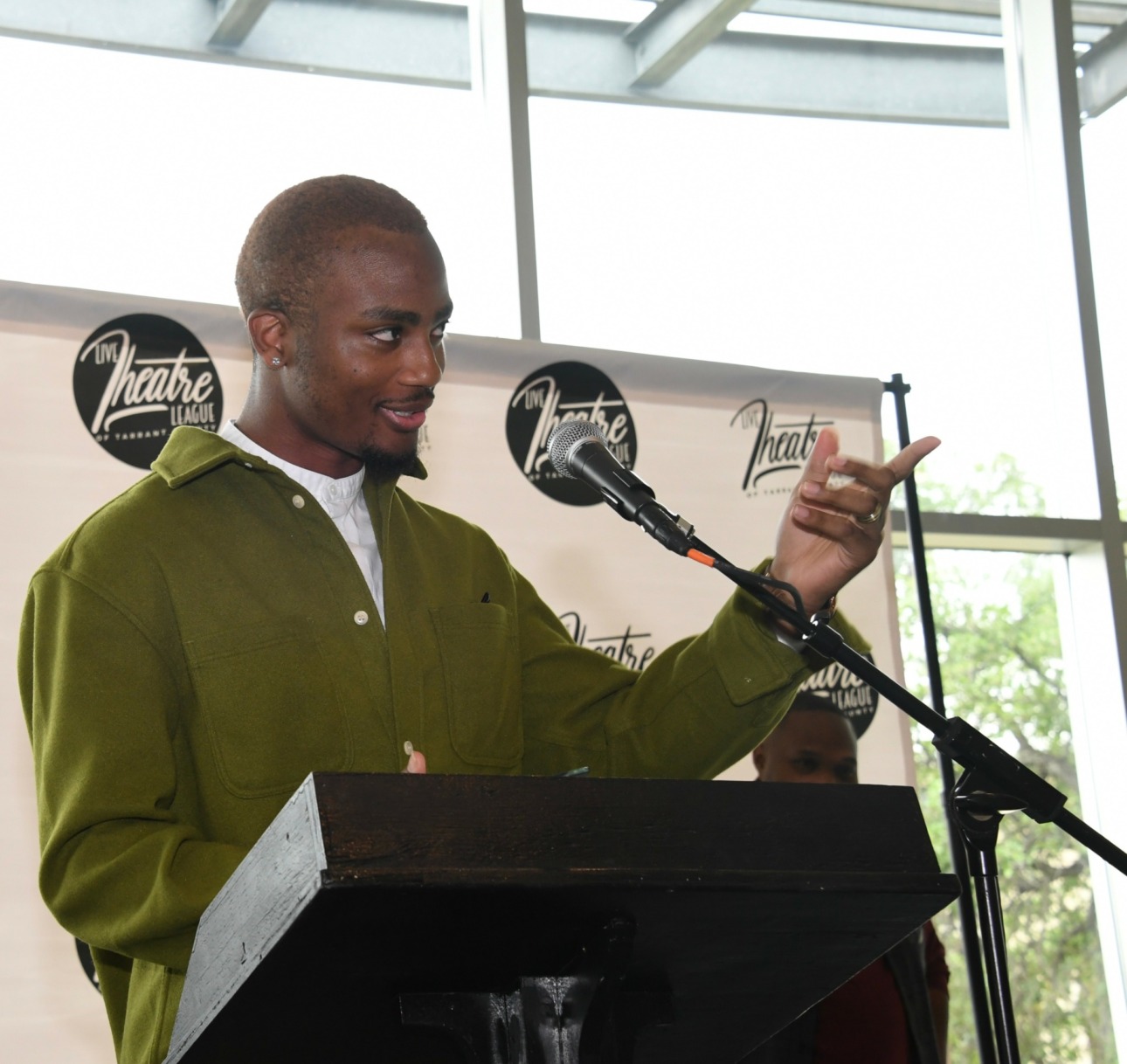
I learned to be a producer by deciding to be a producer. While it may sound unusual, my undergraduate program didn’t offer a specific track in producing, so I had to teach myself the skills needed. My mentality has always been that I won’t wait for someone else to provide me with an opportunity; instead, I will create my own opportunities. I apply this same mindset to producing. Read more>>
Angee Gonzales
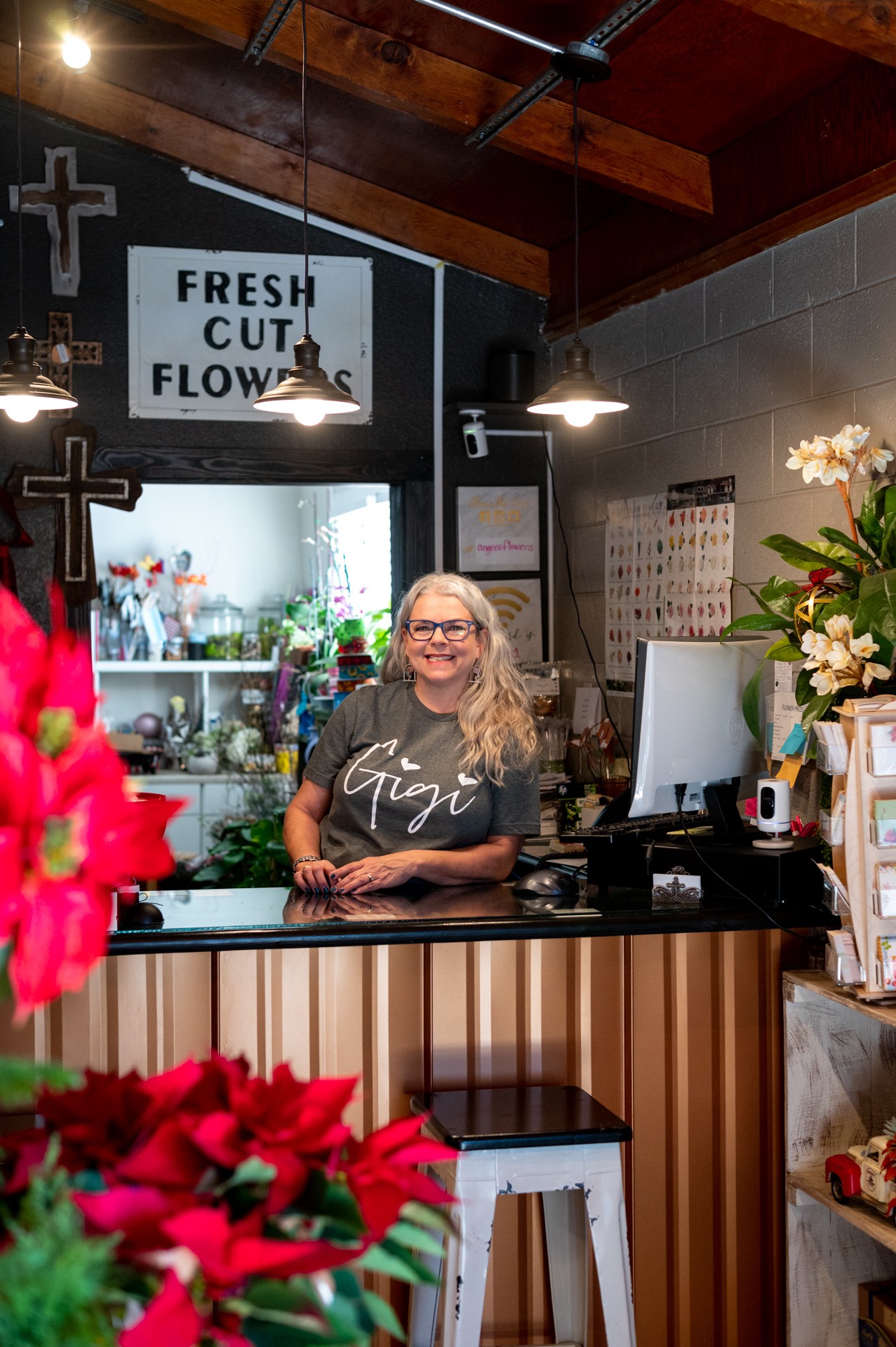
Angee Gonzales is a lifelong creative with a passion for all things botanical. She began her
floral journey at 14, learning the fundamentals in her aunt’s flower shop, and has since built
a thriving career rooted in design, color theory, and an eye for beauty in the unexpected. She
is the owner of Angee’s Flowers, a full-service flower shop established in 2019, and is currently launching The Faux Studio, a new venture offering custom faux floral and plant arrangements, as well as faux plant maintenance services. A mother of four and proud “GeeGee” to two (and a half), Angee balances artistry and entrepreneurship with humor, heart, and resilience. Read more>>
Alysha Cancino
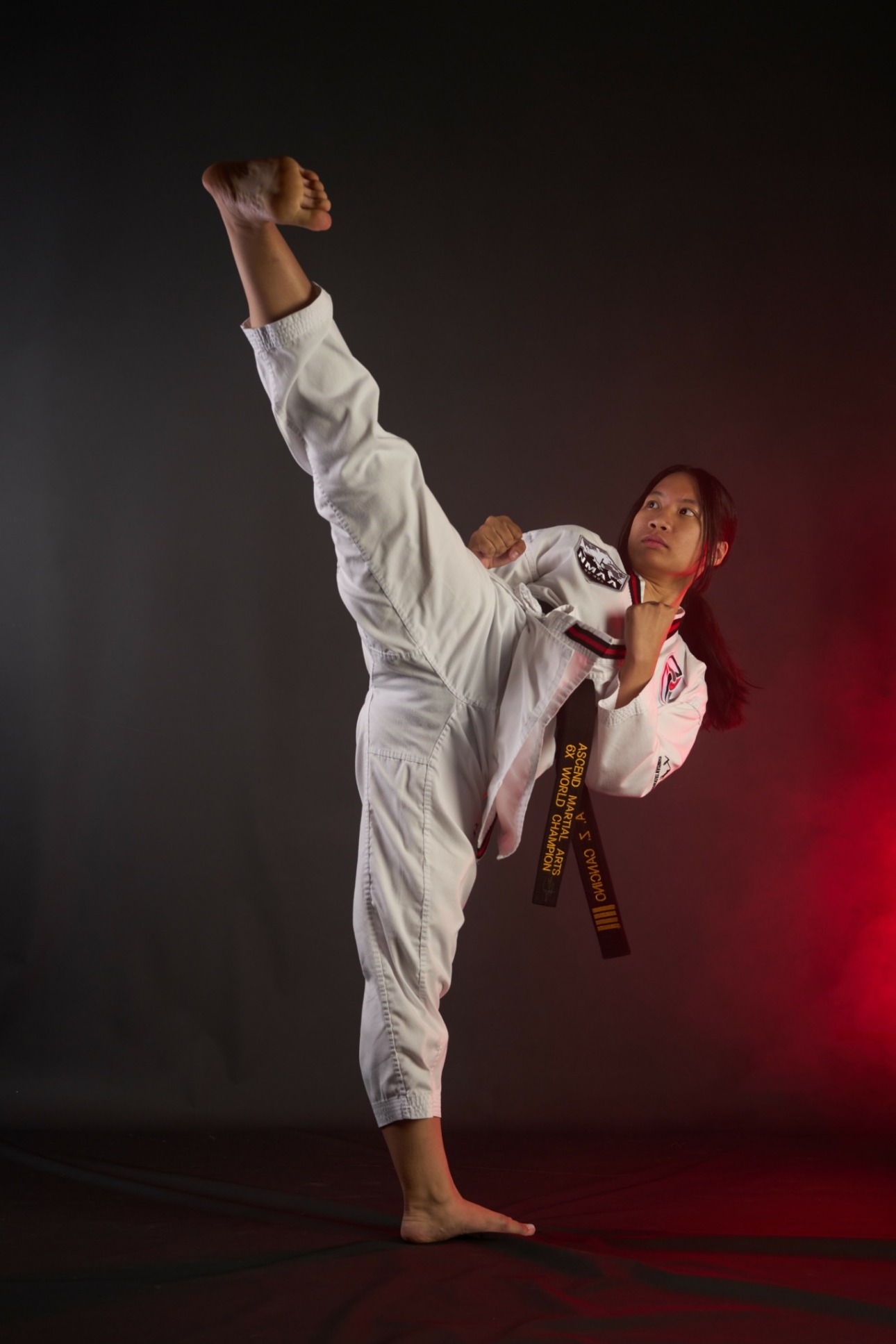
I started learning martial arts from a young age of 4. My father owned Ascend Martial Arts – formerly Cancino’s Black Belt Academy – so I was already surrounded in an environment that gives me opportunities to be my best self. Although it was a family business, my parents never pressured me to start martial arts. It was something I wanted to do on my own. The rest is history from there. Read more>>
Natalie Diaz
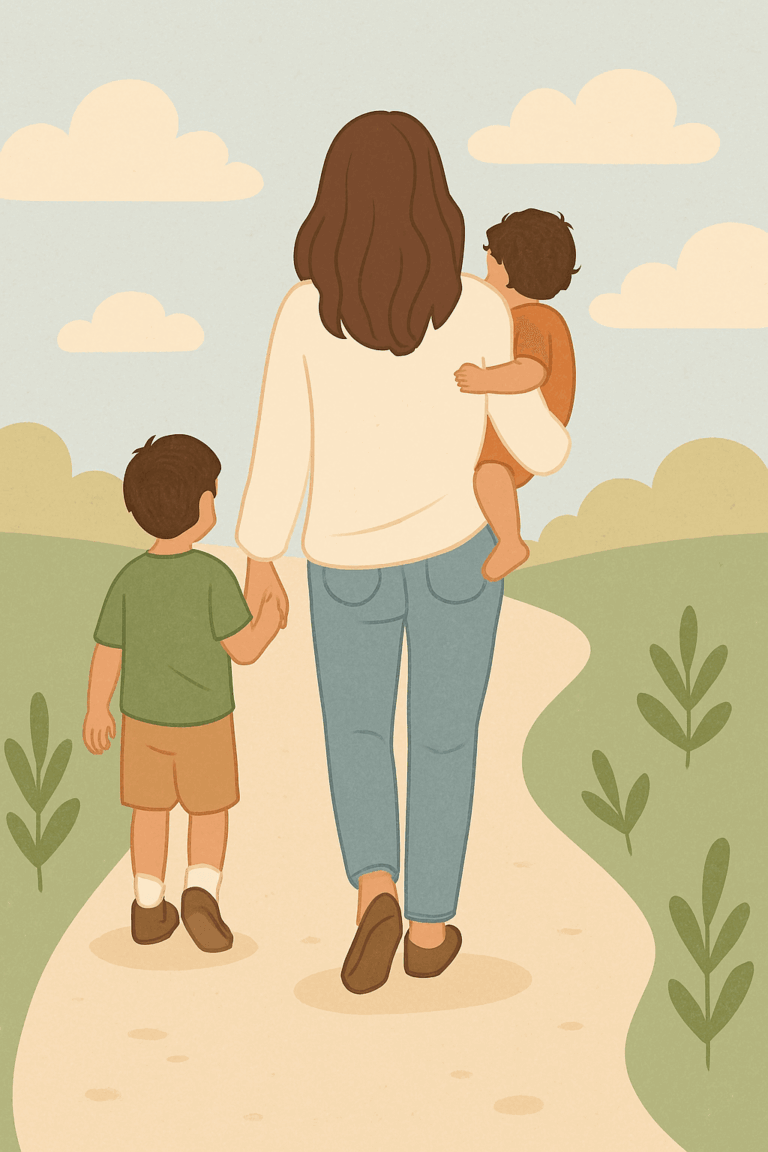
I learned through a mix of motherhood, creative instinct, and pure necessity. I’ve always had a background in design, but it wasn’t until I became a mom that I started creating tools to make learning at home feel magical, hands-on, and doable — not just for my kids, but for me too. I needed screen-free activities, sensory play setups, and printable journals that aligned with our rhythm as a family — so I started designing them myself. Read more>>
Rachel Dangerfield
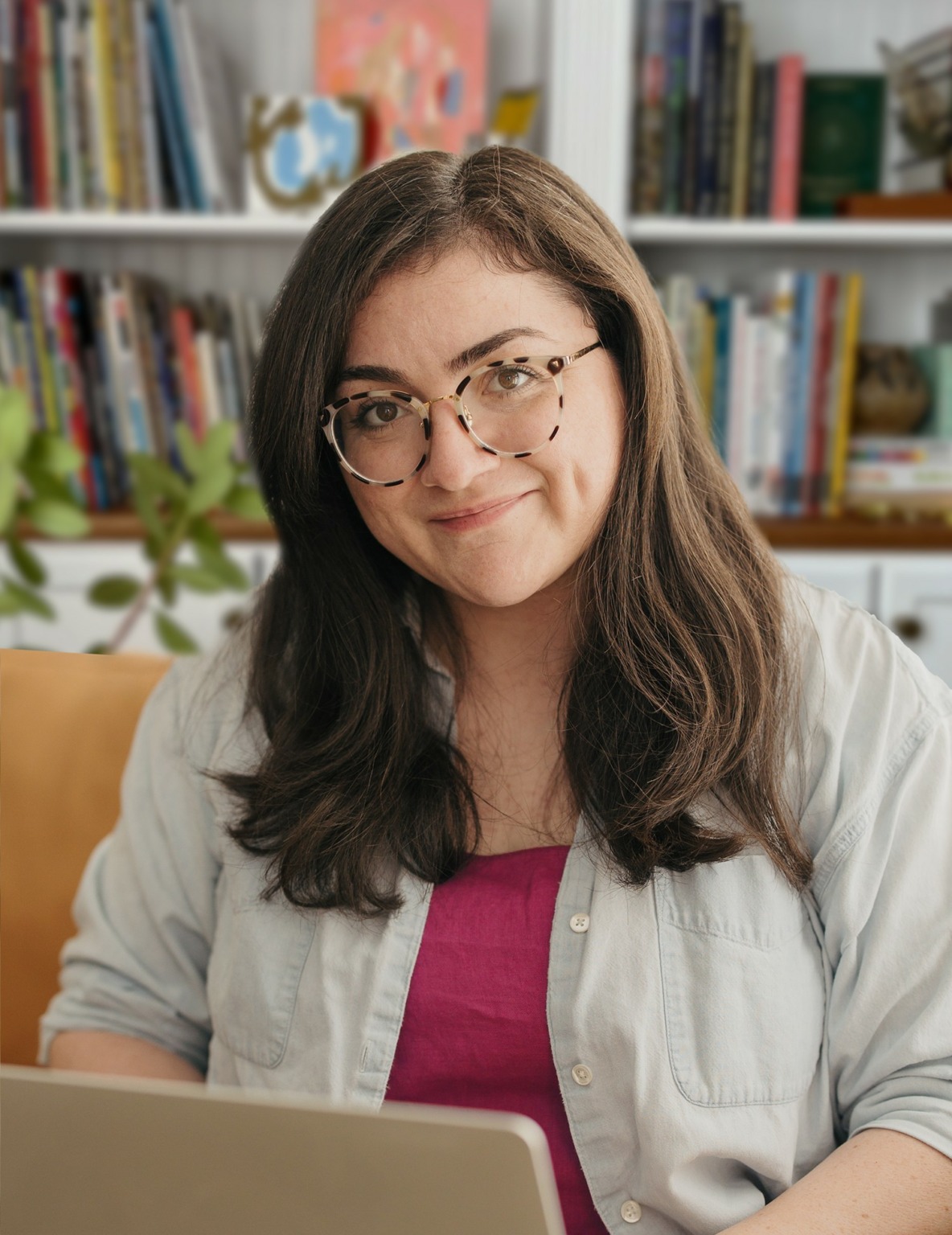
Starting Field Day Kids, my design studio for baby and kids’ brands, feels like the result of a lot of trial, error, and growth over the years. I’ve always been drawn to design that’s a little quirky and offbeat, and in the past few years, I’ve really started to lean into that style. Read more>>