

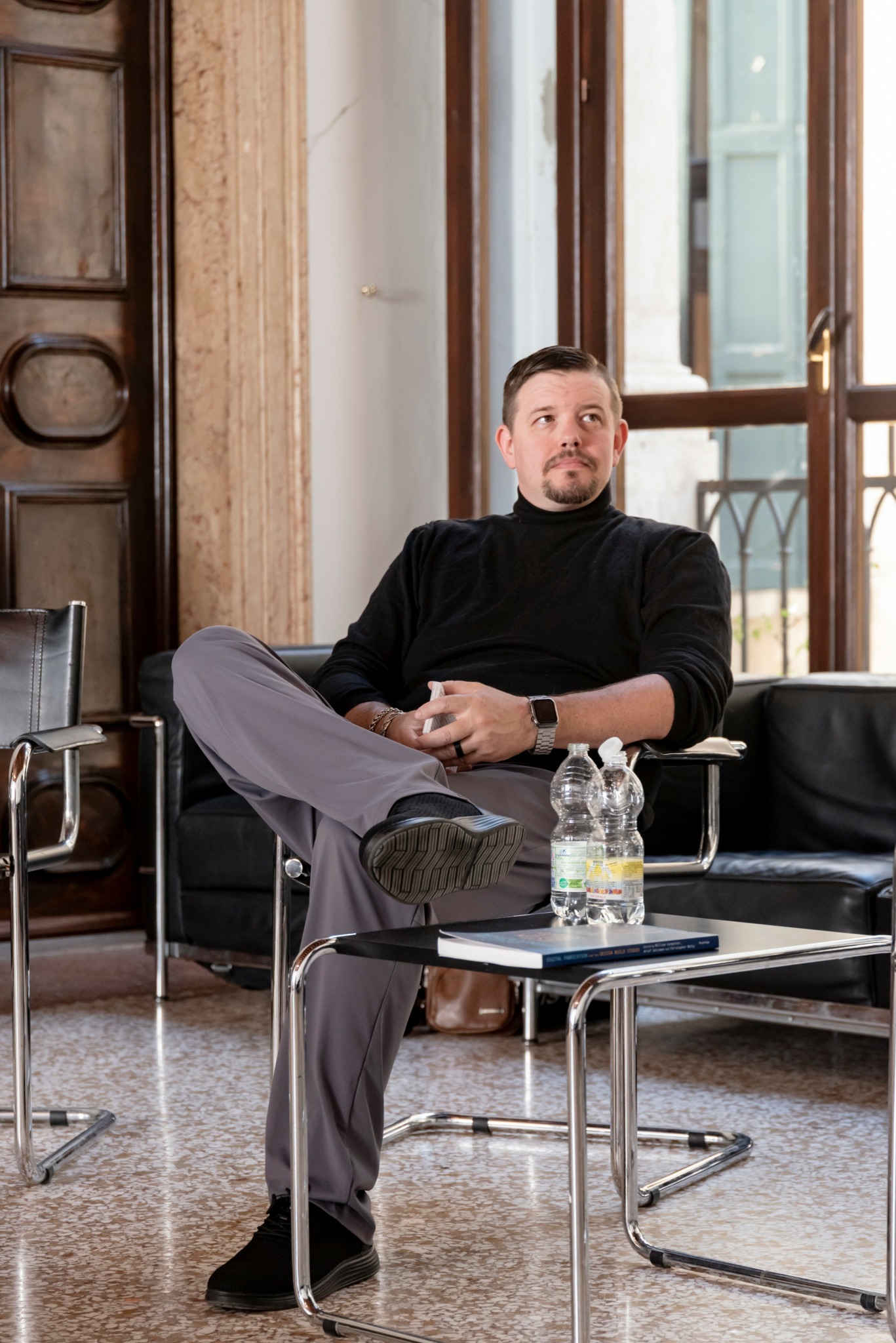

Alright – so today we’ve got the honor of introducing you to Chad Reineke. We think you’ll enjoy our conversation, we’ve shared it below.
Chad, appreciate you joining us today. Learning the craft is often a unique journey from every creative – we’d love to hear about your journey and if knowing what you know now, you would have done anything differently to speed up the learning process.
How did you learn to do what you do?
My learning came from an overlapping mix of formal education, real-world experience, mentorship, and a continual process of self-refinement. I didn’t take a linear path—before I was an architect, I was a carpenter. That hands-on beginning grounded me in the material realities of construction, which has continued to inform my design thinking to this day. I earned my Bachelor of Science in Architecture from Bowling Green State University and my Bachelor of Architecture from Southern Polytechnic (now Kennesaw State University). While those degrees gave me technical proficiency and introduced me to architectural theory, they were just the beginning.
The real education happened once I was working—learning under pressure, on deadlines, with real consequences. At firms like The Preston Partnership and Place Maker Design, I was thrown into complex projects like Alpharetta City Center, where I had to learn fast, adapt constantly, and synthesize input from clients, engineers, and contractors. Later, as BIM Manager at Meticulous and Associate Principal at Lightroom, I evolved into leadership roles that required not only technical command but the ability to mentor others, coordinate teams, and see design through from concept to construction.
I also learned by teaching. At Kennesaw State, I taught design studios and design-build courses, and that experience pushed me to articulate my design philosophy more clearly and to continually update my thinking. Collaborating with people like Dr. William Carpenter, Joseph Choma, and Chris Welty helped me refine my approach. All of this was grounded in the idea that design is not just about form-making—it’s about how space is inhabited, constructed, and experienced over time.
Knowing what you know now, what could you have done to speed up your learning process?
In hindsight, I would have invested more early on in structured mentorship. I had great mentors, but I didn’t always know how to fully tap into their knowledge. Asking better questions, seeking feedback more proactively, and understanding the value of professional networks could have accelerated my growth significantly. I also wish I had documented my work more rigorously from the beginning—both the successes and the missteps. Capturing process, reflecting on outcomes, and archiving that information would’ve made it easier to build a stronger, more coherent body of work.
Additionally, I would have embraced the business side of architecture earlier. Like many young designers, I was initially fixated on the formal and technical dimensions of the work. But understanding contracts, negotiation, project budgets, risk management, and firm operations is just as critical, especially if you aim to lead. Those are areas where learning on the fly is possible—but costly. Structured exposure early on would have saved time and stress.
Finally, I would have made more time for cross-disciplinary engagement. The most valuable insights often come from outside the field—music, philosophy, construction trades, graphic design. Much of my current research on phenomenology and architectural experience could’ve begun sooner had I given myself permission to follow those threads earlier. That said, I’ve come to believe learning is nonlinear and recursive—sometimes slowness, too, has its own value.
What skills do you think were most essential?
The most essential skill is being able to synthesize complexity—spatial, technical, cultural, and interpersonal—and communicate it clearly. That could mean explaining a construction detail to a contractor, or presenting a concept to a client, or helping a student unlock a design problem. Architecture exists in translation between disciplines, and I’ve found that my most valuable skill is being a bridge—between idea and execution, between theory and practice, between drawing and building.
Equally essential is material intelligence. My early carpentry experience gave me an intuitive sense for how things go together, which continues to ground my work. I also consider BIM proficiency a key skill—not just the software itself, but understanding how digital tools intersect with real-world building systems and how they can be used to manage complexity and reduce errors. Teaching BIM and managing digital workflows have sharpened my eye for accuracy and coordination, which are critical in practice.
But soft skills—leadership, listening, empathy—are just as vital. Whether mentoring emerging professionals, working with clients, or leading multidisciplinary teams, the ability to foster trust and collaboration is often what determines a project’s success. Teaching taught me how to read people, how to coach rather than dictate, and how to turn critique into constructive growth. Those are skills that translate directly into professional practice.
What obstacles stood in the way of learning more?
Time is always the biggest obstacle—especially in architecture, where billable hours drive the profession and deadlines compress opportunities for reflection. Early in my career, it was difficult to carve out time to study beyond the task in front of me. I’ve always been driven, but the structure of most firms doesn’t naturally allow for deep research, long-term mentorship, or interdisciplinary exploration. That’s something I’ve tried to change in leadership roles—building space for others to learn within the practice.
Institutional rigidity was another obstacle. Whether in professional settings or academia, architecture is still often siloed. Opportunities to bridge theory and practice, or to blend digital design and traditional craftsmanship, aren’t always readily available. When I started teaching, there wasn’t always a clear path to integrate my design-build ethos with institutional goals. I had to advocate for that space to exist.
Finally, credibility was something I had to earn repeatedly. Because I work across multiple domains—design, construction, education, BIM, and theory—I’ve sometimes had to fight the perception that being multidisciplinary dilutes expertise. But I’ve come to view that as a strength, not a liability. Being able to move fluidly between roles—architect, manager, educator, mentor—is precisely what allows me to build better teams, deliver better projects, and lead with clarity.
Great, appreciate you sharing that with us. Before we ask you to share more of your insights, can you take a moment to introduce yourself and how you got to where you are today to our readers.
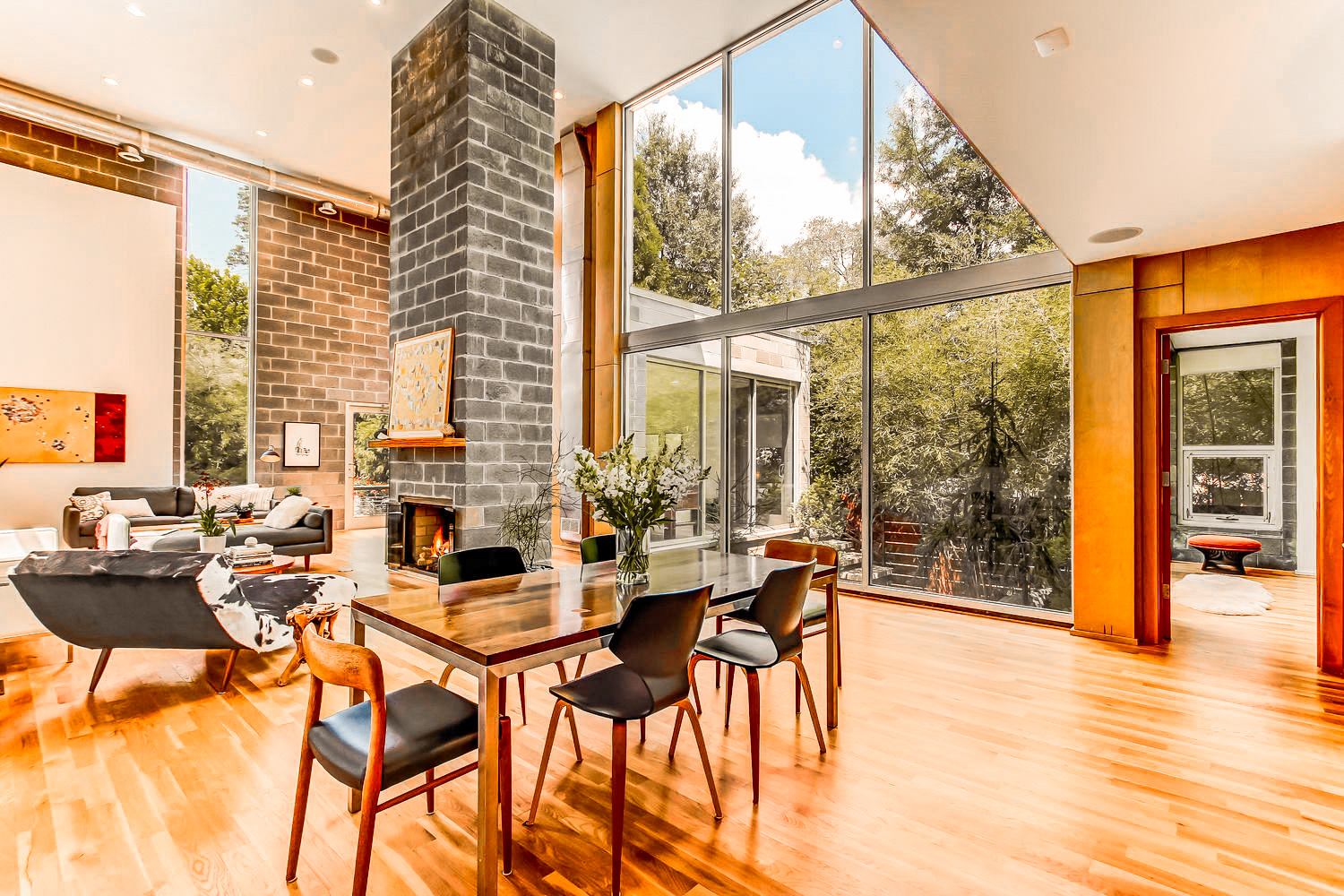
My name is Chad D. Reineke, AIA, RIBA, IIDA, NCARB, and I’m an Associate Principal at Lightroom, an architecture and design firm based in Decatur, Georgia. I’m also a nationally recognized educator, design-build advocate, and interdisciplinary artist working at the intersection of architecture, pedagogy, and phenomenology. My path into architecture has been hands-on from the beginning: I started as a carpenter, which gave me a foundational understanding of materials, construction logic, and the built environment long before I formally studied architecture.
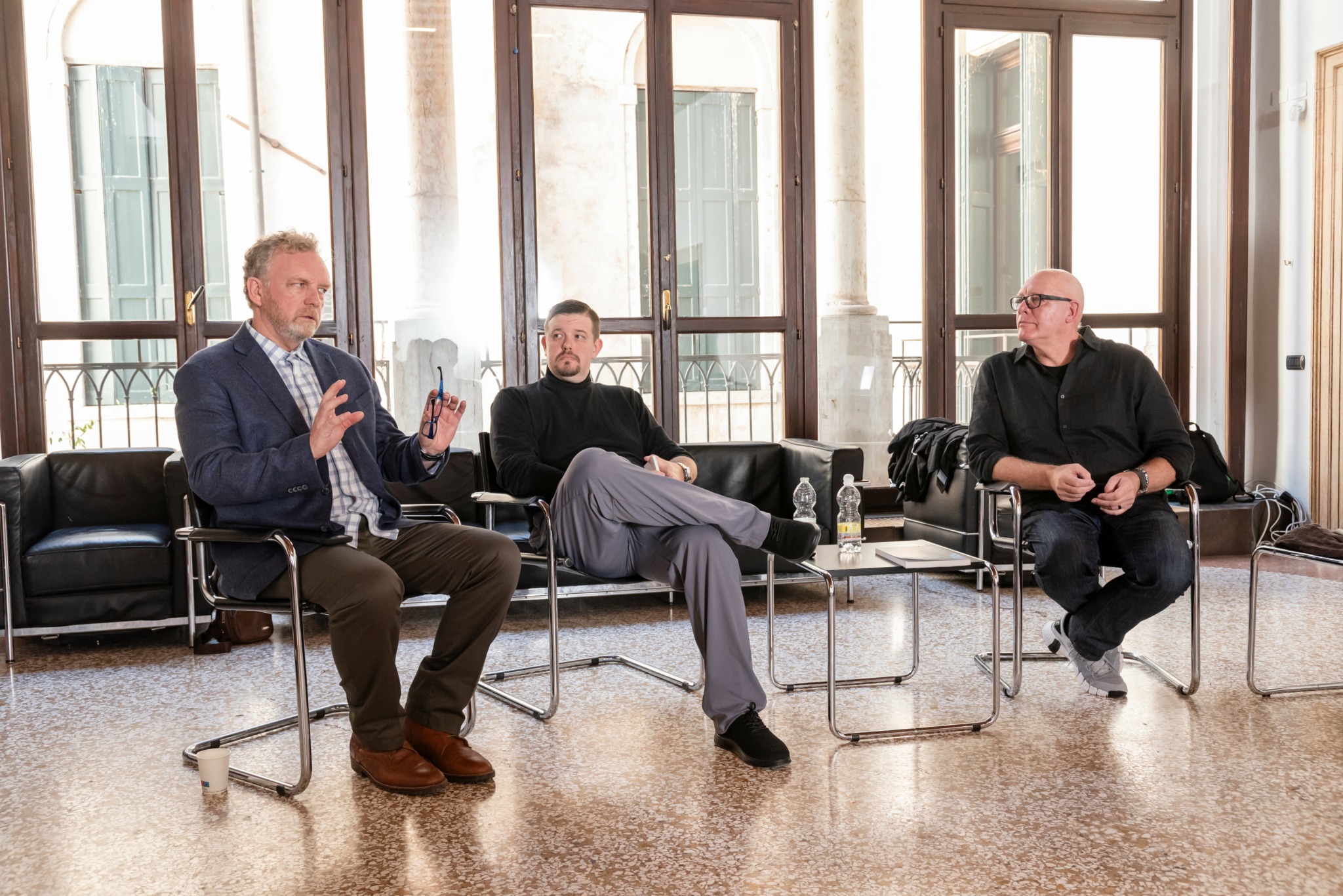
I earned degrees from Bowling Green State University and Southern Polytechnic State University (now Kennesaw State), and have spent the last two decades shaping a career that balances design excellence, technical rigor, and mentorship. I’ve led complex mixed-use projects, civic buildings, residential designs, and international exhibitions—most recently contributing to the 2025 Venice Biennale with an installation and lecture on design-build pedagogy.
At Lightroom, we provide architectural and design services that prioritize clarity, material intelligence, and contextual depth. Our work ranges from custom homes and community spaces to adaptive reuse and public installations. We also offer digital print, visualization, and BIM support services, tailored for architects, interior designers, and creatives who need technically fluent and visually compelling deliverables. Our studio is known for walking projects from concept through construction, ensuring feasibility at every stage—not just beauty on paper.
The problems we solve vary from project to project, but they almost always center around navigating complexity—whether spatial, regulatory, or logistical. We work closely with clients to translate ambitious ideas into executable, code-compliant, and experientially rich environments. What sets us apart is our multidisciplinary lens: we bring together craft and construction knowledge, academic research, and digital precision to design projects that are not only buildable, but meaningful and enduring.
Personally, I’m most proud of the way my work has created ripple effects—through mentorship, teaching, and leadership. I’ve helped shape the careers of emerging architects, built educational programs that connect design with making, and guided projects that have lasting community impact. I’ve served as BIM Manager at Meticulous Design + Architecture, where I help young designers grow into leadership roles, and I’ve mentored students from Georgia Tech, KSU, and the AIA Atlanta Mentorship Program.
If there’s one thing I want clients, collaborators, and followers to know about our work at Lightroom, it’s this: we care deeply about how things come together—aesthetically, materially, and humanly. Our projects are designed to be lived in, remembered, and reinterpreted over time. We’re not chasing trends. We’re building atmospheres that matter.
Is there a particular goal or mission driving your creative journey?
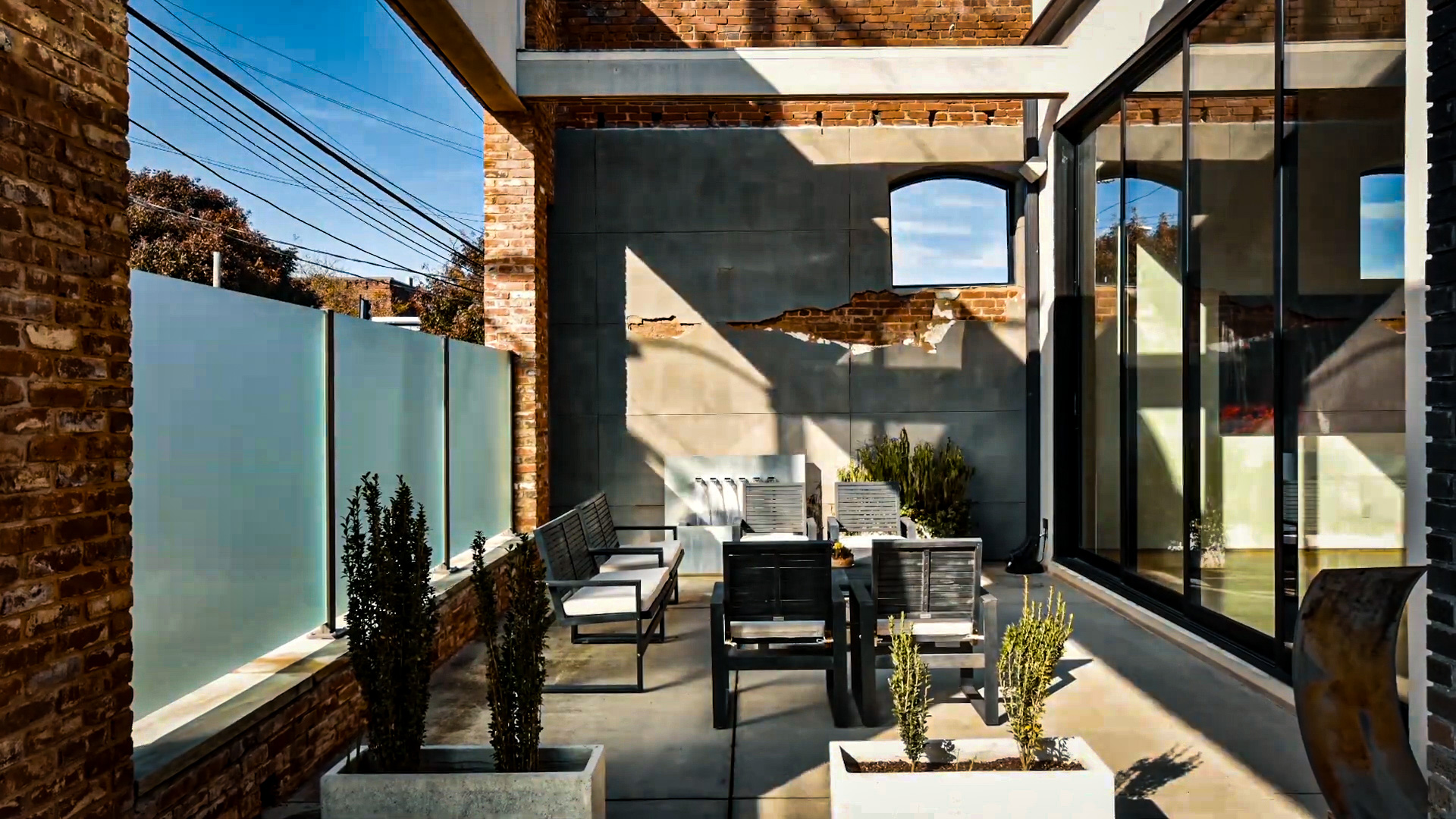
Yes, there is a clear mission that drives my creative journey: to bridge the gap between design and construction, theory and practice, and ultimately, between architecture and lived experience.
From the beginning, I’ve been committed to the idea that architecture is not just about form-making—it’s about crafting environments that are meaningful, buildable, and enduring. Whether I’m designing a home, mentoring a young architect, or lecturing at an academic institution, my goal is to make architecture more tactile, accessible, and resonant.
This mission is reflected in the design-build philosophy I’ve helped develop over the years—especially through my work at Lightroom, my leadership as BIM Manager at Meticulous, and my teaching at Kennesaw State University. I want to empower others to think through making, to see construction not as an afterthought but as an integrated part of the design process. I believe in buildings that slow people down, hold memory, and support daily rituals—spaces that quietly serve without spectacle.
In parallel, my creative research explores architecture through other disciplines—like painting, ambient music, and phenomenological theory—especially inspired by Heidegger’s Fourfold and the Italian phenomenologists. That work is driven by the same impulse: to design spaces that resonate on a deeper, more human level.
Ultimately, my mission is to leave behind a body of work—built and unbuilt, physical and conceptual—that reflects care, clarity, and coherence. Not just in the finished product, but in the process, the relationships, and the knowledge passed on.
We’d love to hear about how you met your business partner.
I first met my business partner, Dr. William Carpenter, FAIA, when I was a graduate student. He was one of my professors, and like many of his students, I quickly realized he wasn’t just teaching architecture—he was modeling an entire way of thinking and practicing. His studio was unlike anything I had experienced before. It was rigorous, interdisciplinary, and fundamentally about design as a way of understanding the world. Bill challenged us to see architecture not merely as a profession, but as a cultural and philosophical act. He demanded clarity, intention, and integrity—not just in drawings or models, but in how we thought, spoke, and made.
That formative experience shaped the trajectory of my career more than I probably realized at the time. After graduating, I kept in touch with Bill, and over the years our paths crossed often—whether through AIA events, academic reviews, or shared circles in Atlanta’s design community. I stayed close to the design-build ethos I had developed in school, integrating it into both my practice and my teaching, while Bill continued to lead as both a thinker and practitioner. As I moved deeper into roles that combined architectural design, construction knowledge, BIM leadership, and academic mentorship, we discovered we had developed a remarkably aligned approach—one that values not only what gets built, but how it gets built and how it’s experienced.
What started as a mentor-student relationship grew organically into a mutual dialogue. We began collaborating on projects and academic initiatives, supporting each other’s work and exchanging ideas about design pedagogy, architectural theory, and professional practice. Eventually, that alignment led to something more formal: I joined Lightroom, the firm Bill founded, as Associate Principal. It wasn’t just about joining a team—it was about stepping into a leadership role within a practice whose values had already shaped me. Today, I help guide the studio’s design direction, mentor staff, and extend our commitment to thoughtful, constructible, and contextually intelligent architecture.
Our partnership works because it’s rooted in a shared belief that architecture is as much about people and process as it is about form and aesthetics. Bill brings decades of experience as an educator and design theorist with international reach; I bring a grounding in construction, digital workflows, and a teaching background that mirrors my own path through the profession. Together, we represent two generations in conversation—continually learning from each other while co-leading a practice that blurs boundaries between design, teaching, making, and research.
In many ways, our partnership is a continuation of the studio culture Bill fostered when I was his student: one that emphasizes critical thinking, craft, and intellectual generosity. I’m proud that what began as a moment in a university studio has become a long-standing and evolving collaboration—one that continues to shape not just my work, but the careers of the next generation of architects we mentor through Lightroom and beyond.
Contact Info:
- Website: https://www.lightroom.tv
- Instagram: @lightroomstudio
- Facebook: https://www.facebook.com/p/Lightroom-100063582160698/
- Linkedin: https://www.linkedin.com/in/chad-reineke-aia-riba-iida-ncarb/
Image Credits
Matteo Losurdo, Lightroom Studio, LLC & AIA Georgia