

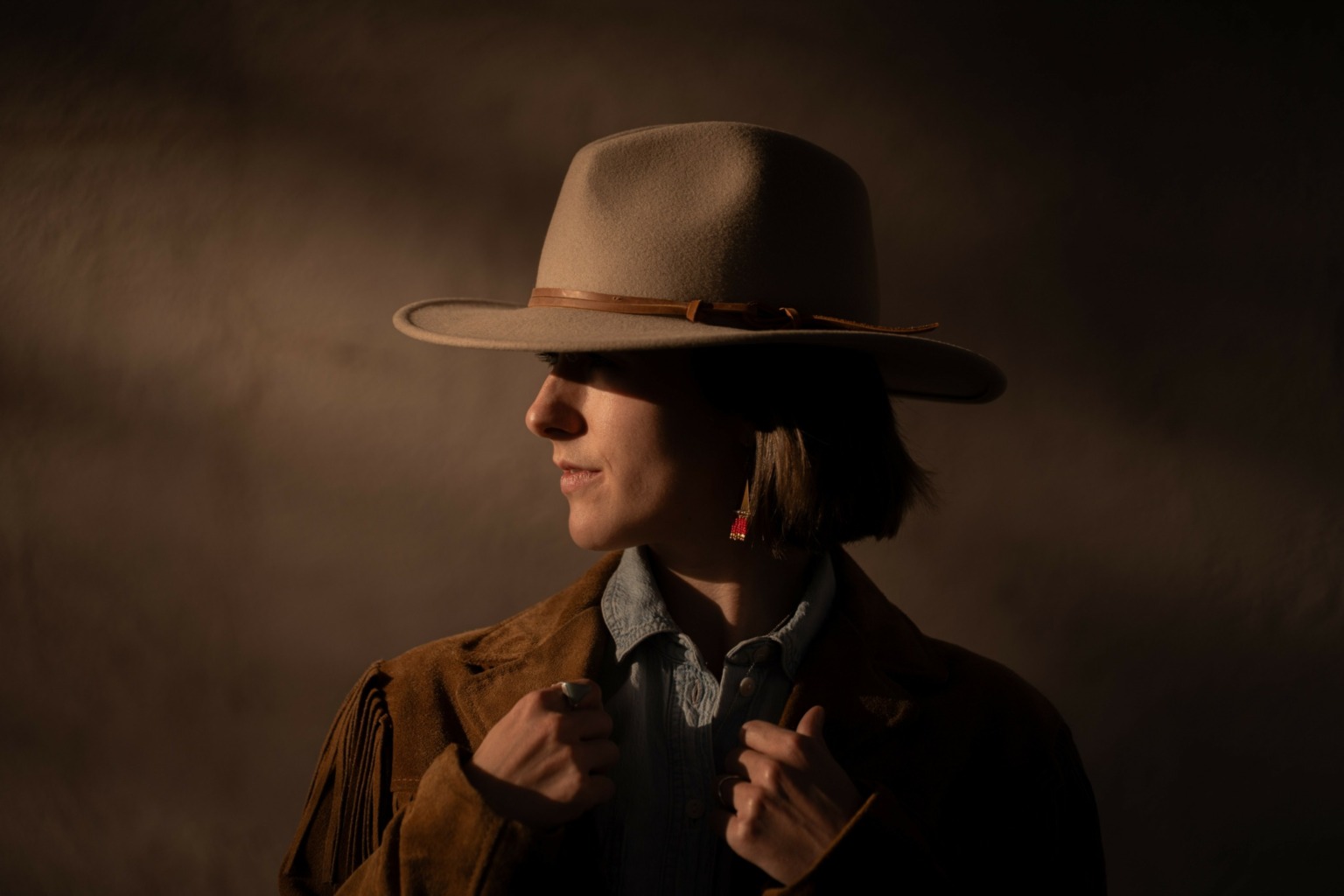

One of the most daunting aspects of pursing a creative or artistic career for many aspiring artists is not knowing how to learn the craft. So, we asked some very talented artists and creatives to talk to us about how they learned their crafts and we hope their stories will help you in your journey.
Carey Wallace
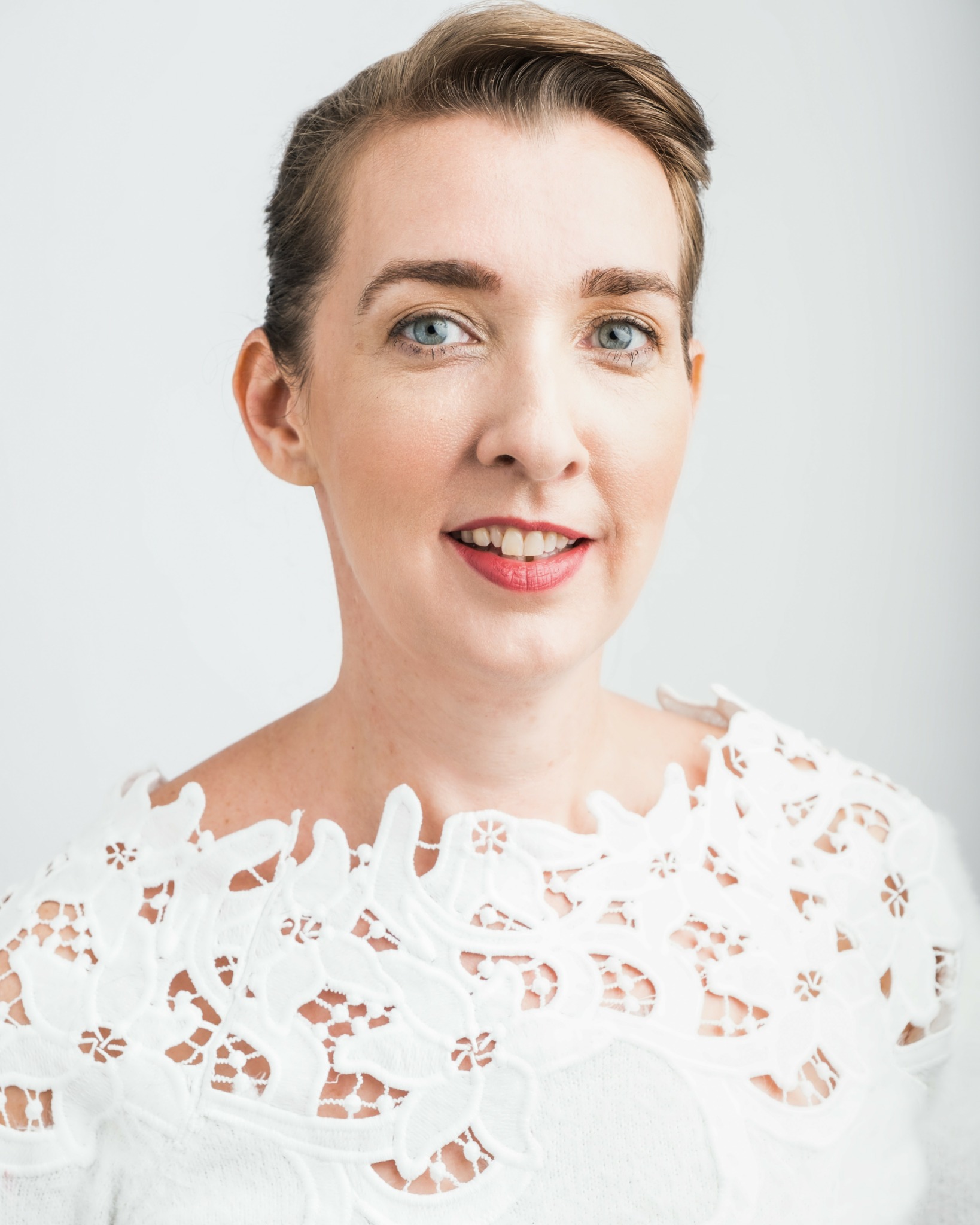
Like many of us, I know how to work. When I went to college, I formed a powerful habit: writing two hours a day. But at some point during my sophomore year, I ran into a snarl in a story that I couldn’t solve through brute will. When my writing time was done, I got up from my desk, threw myself into a chair, and stared out the window. Read more>>
Javaid
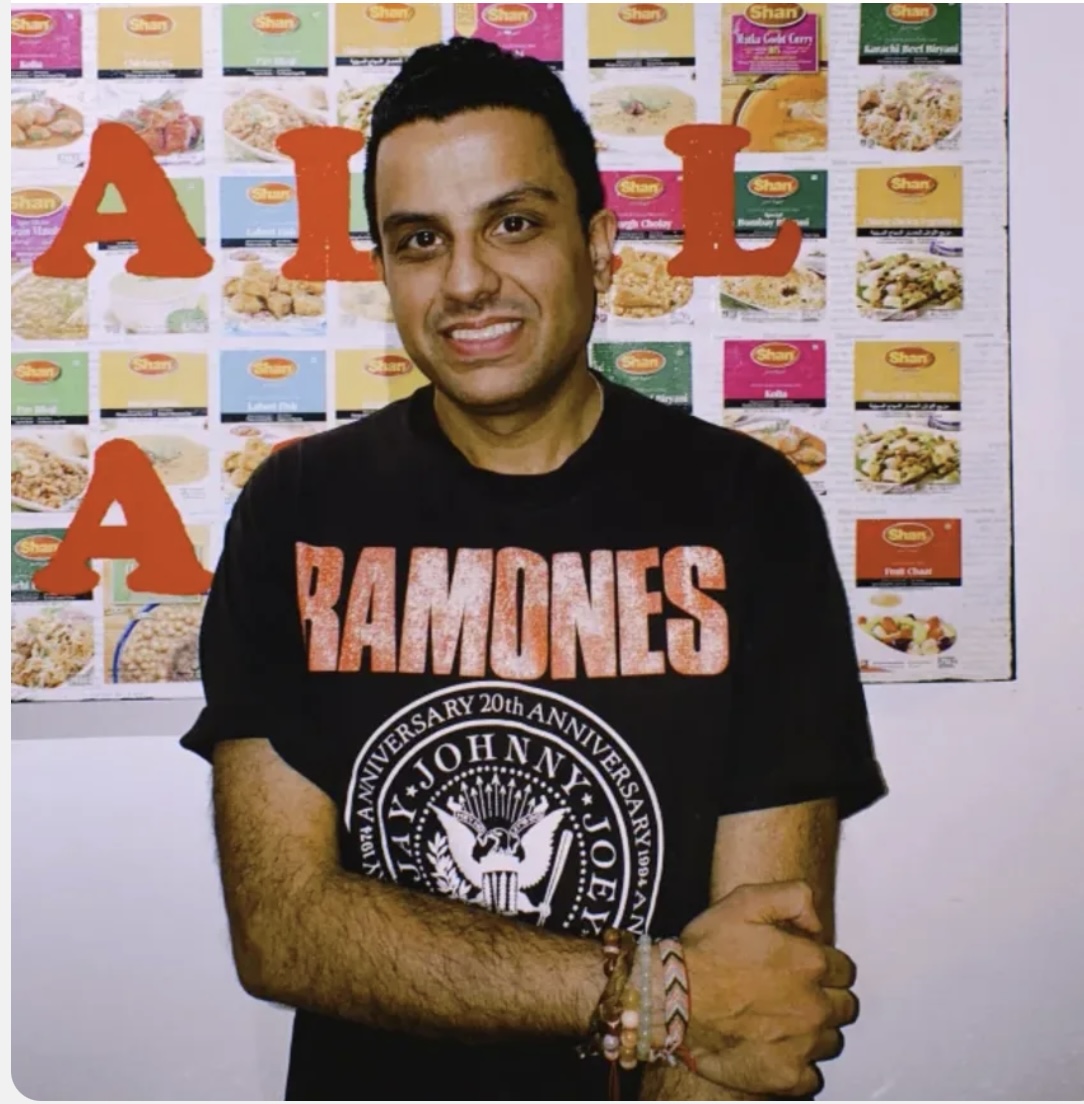
I didn’t go to art school, have any training in painting or anything. I started out as an artist by experimenting with collage, mostly because I was deathly afraid of painting. Over time I asked a lot of questions about both collage and paint, to artists, people who worked in art supply stores, anybody who would listen. Also galleries and museums became my art school, I learned a lot just by seeing how other artists did things. I then slowly started incorporating paint elements into collage until I felt more comfortable with the painting process. For me curiosity has been the most essential part of my learning process, I am always going to be a student when it comes to art and making it. Read more>>
Kianna Daye
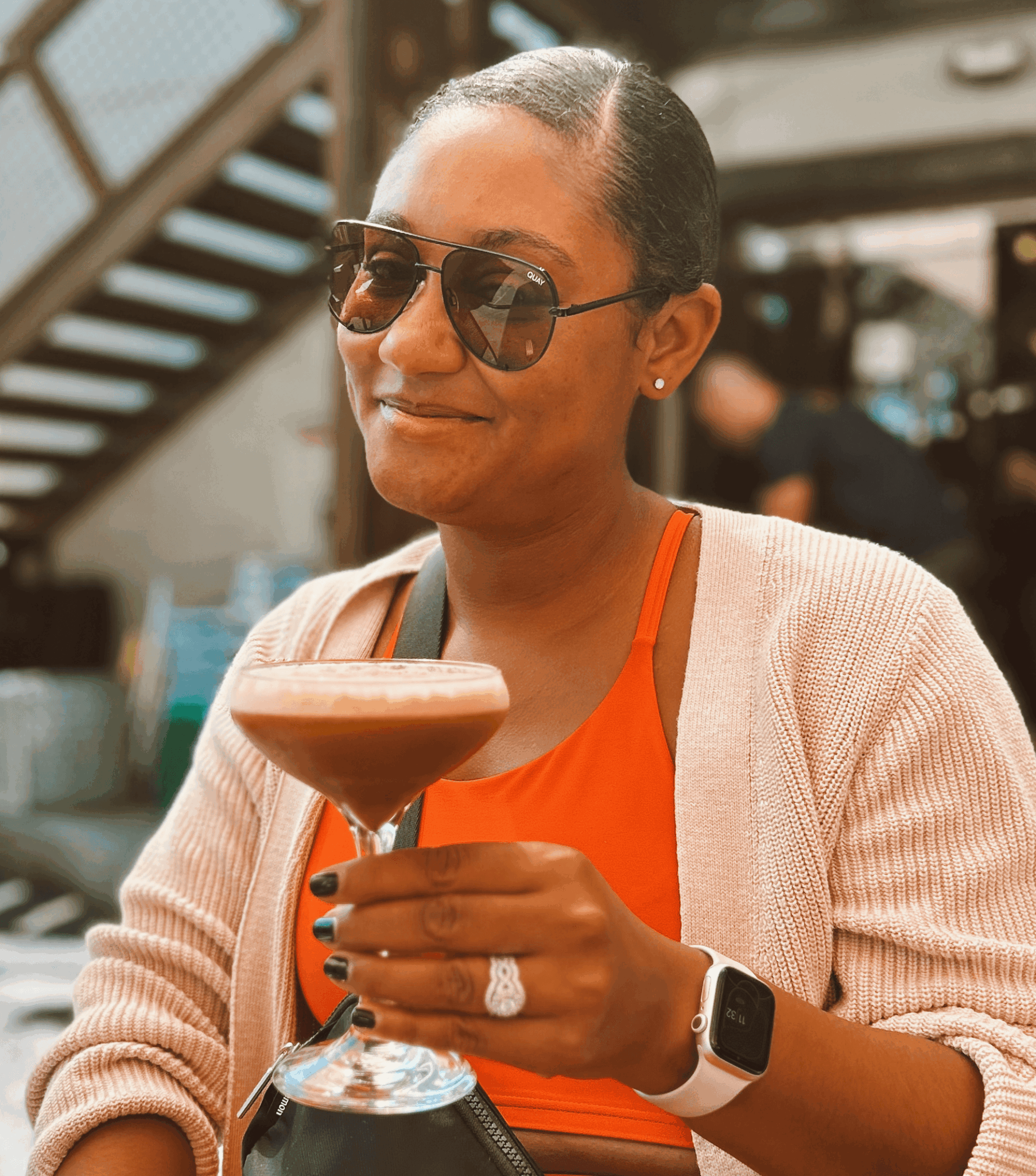
“What a journey it’s been!” I started creating content in 2017 with nothing but a hungry heart, an iPhone, and a deep love for discovering the best bites and hidden gems across North Carolina and beyond. What began as casually snapping food photos and sharing them with friends quickly turned into a passion for storytelling, connecting with local foodies, and highlighting spots that truly deserved the spotlight. Read more>>
Emily Holman
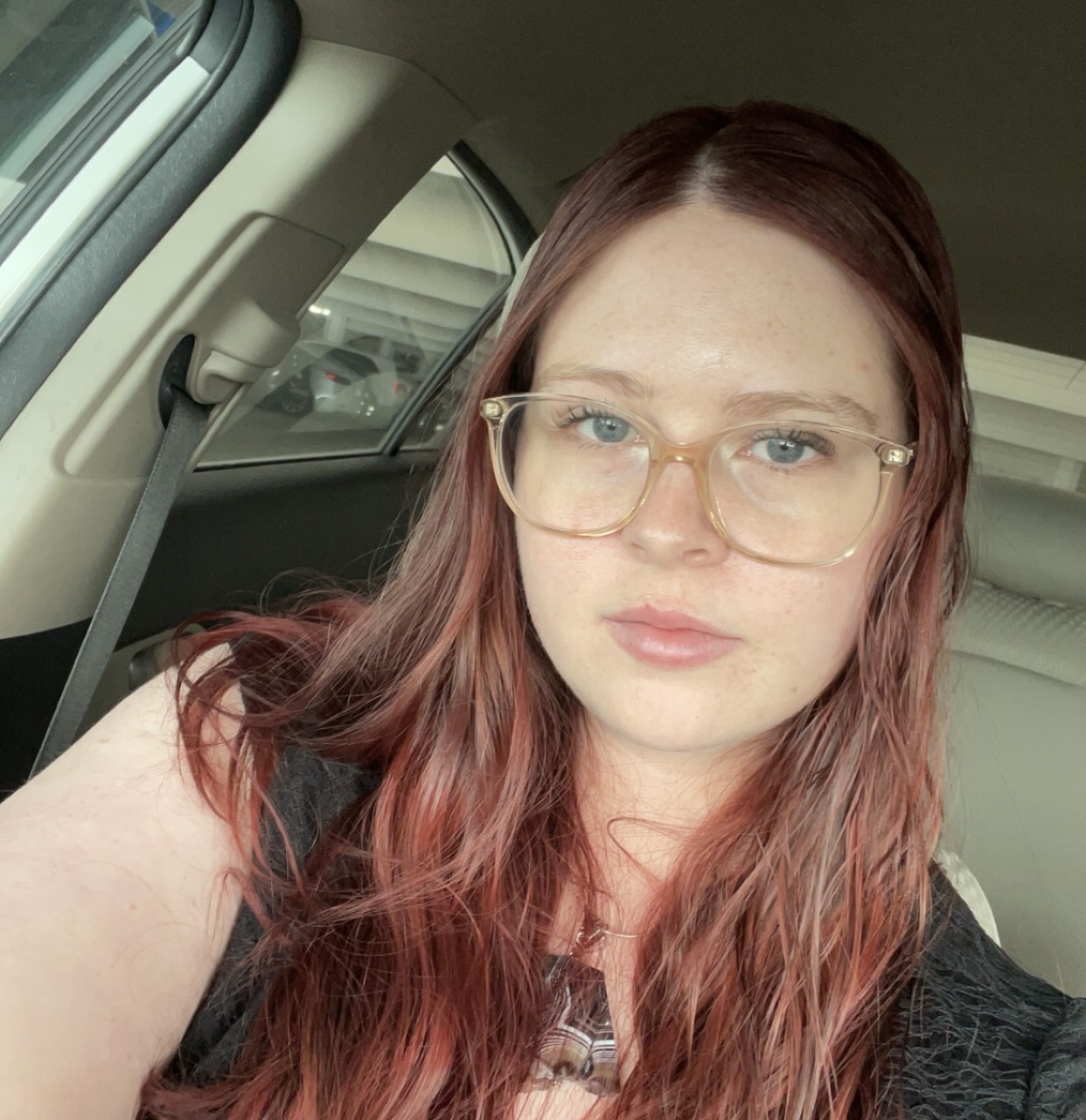
I learned writing from reading a lot, starting when I was really little and I first learned the basics of reading. I would tell stories that I made up in my head before I could even write my own name, asking adults around me to write the stories down for me if I felt that excited about it. Read more>>
Marcus Moreno
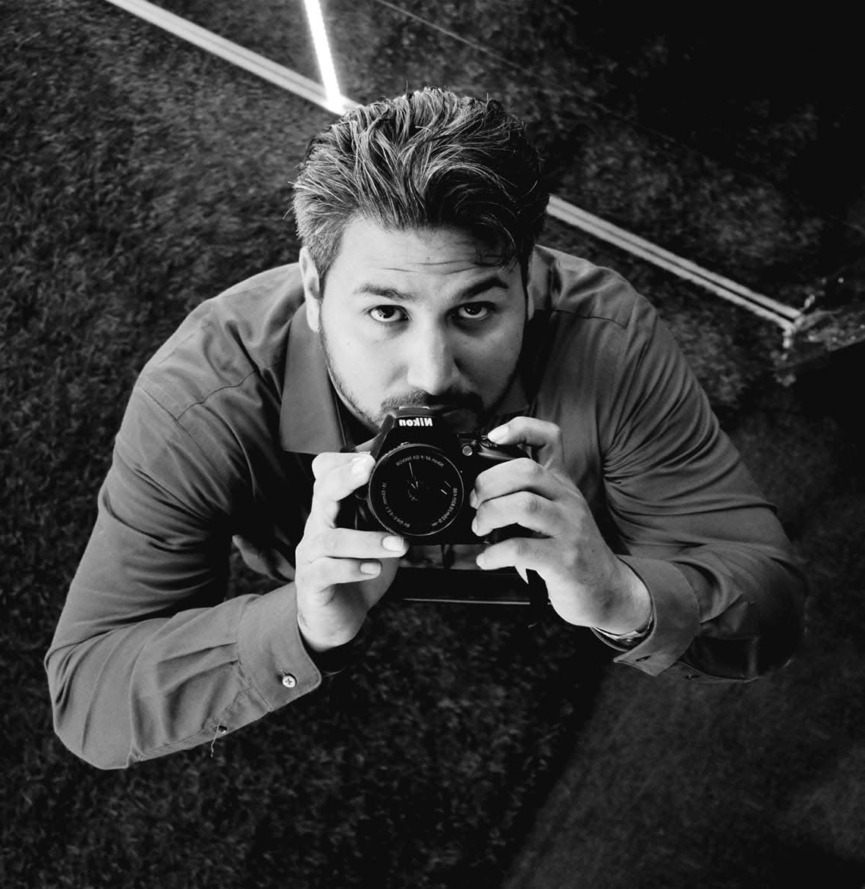
Learning photography started for me with point and shoot film cameras. There’s a different feel to the old ways. You had 12 shots. It was do or die. You patiently line up your shot and each frame was taken with focused intention. You could go through a whole roll of film and not know whether you got the shot until you took it in to have it developed and waited up to a week for the results. I fine tuned my skills with film cameras, studio lighting, and the dark room development process in High school at the turn of the century. In college I started transitioning to digital imagery. I learned digital photography, new studio skills and digital editing processes. Read more>>
Peter Schrupp
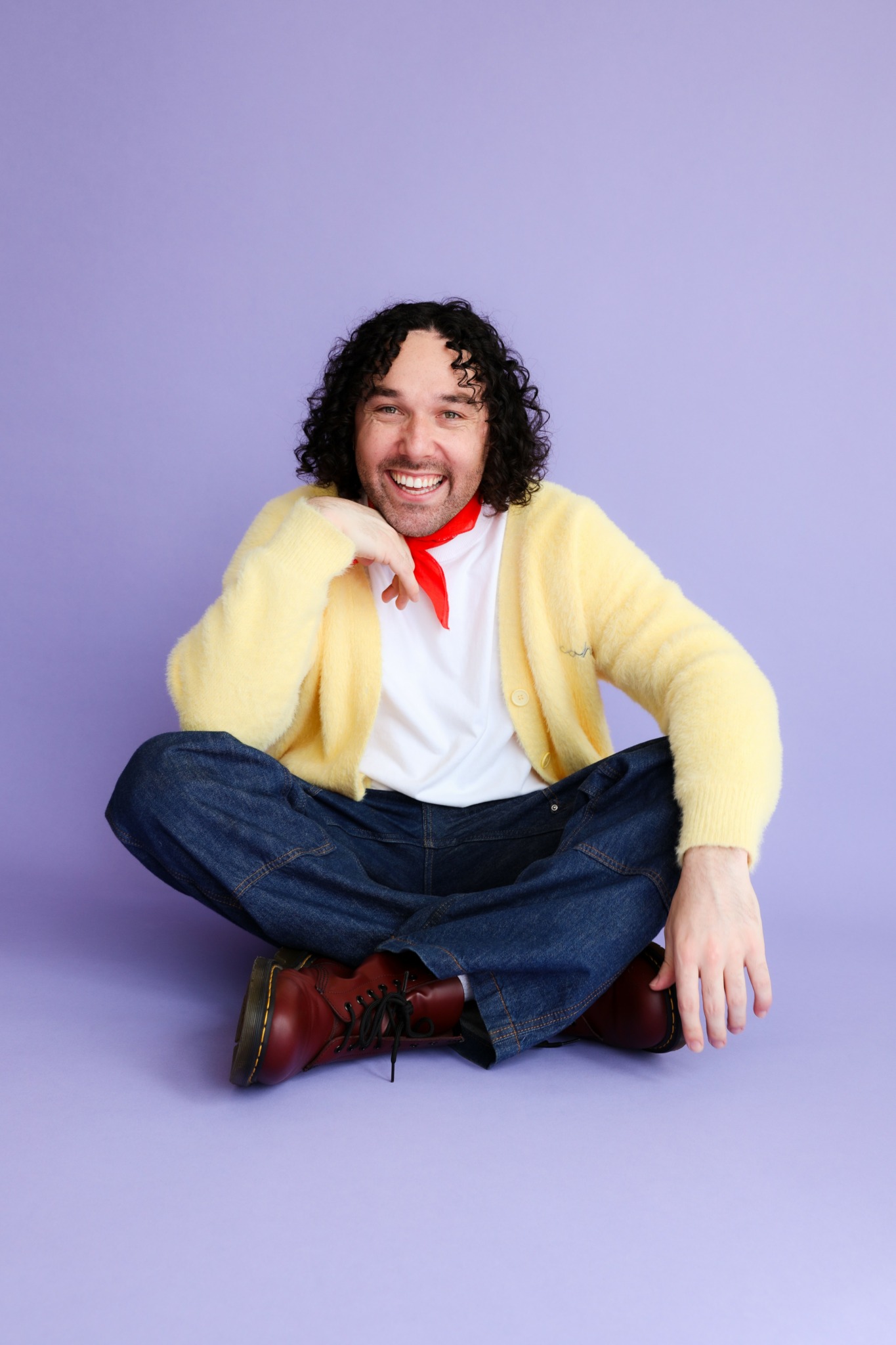
I found there was a Venn Diagram of skills that led to an unlock in my life. There’s an intersection between what I’m good at, what people would pay me to do, and what I want to do. It’s not exactly how I planned my life but it’s turned out to be the greatest vehicle for self-actualization imaginable. Read more>>
Bill Battaglia
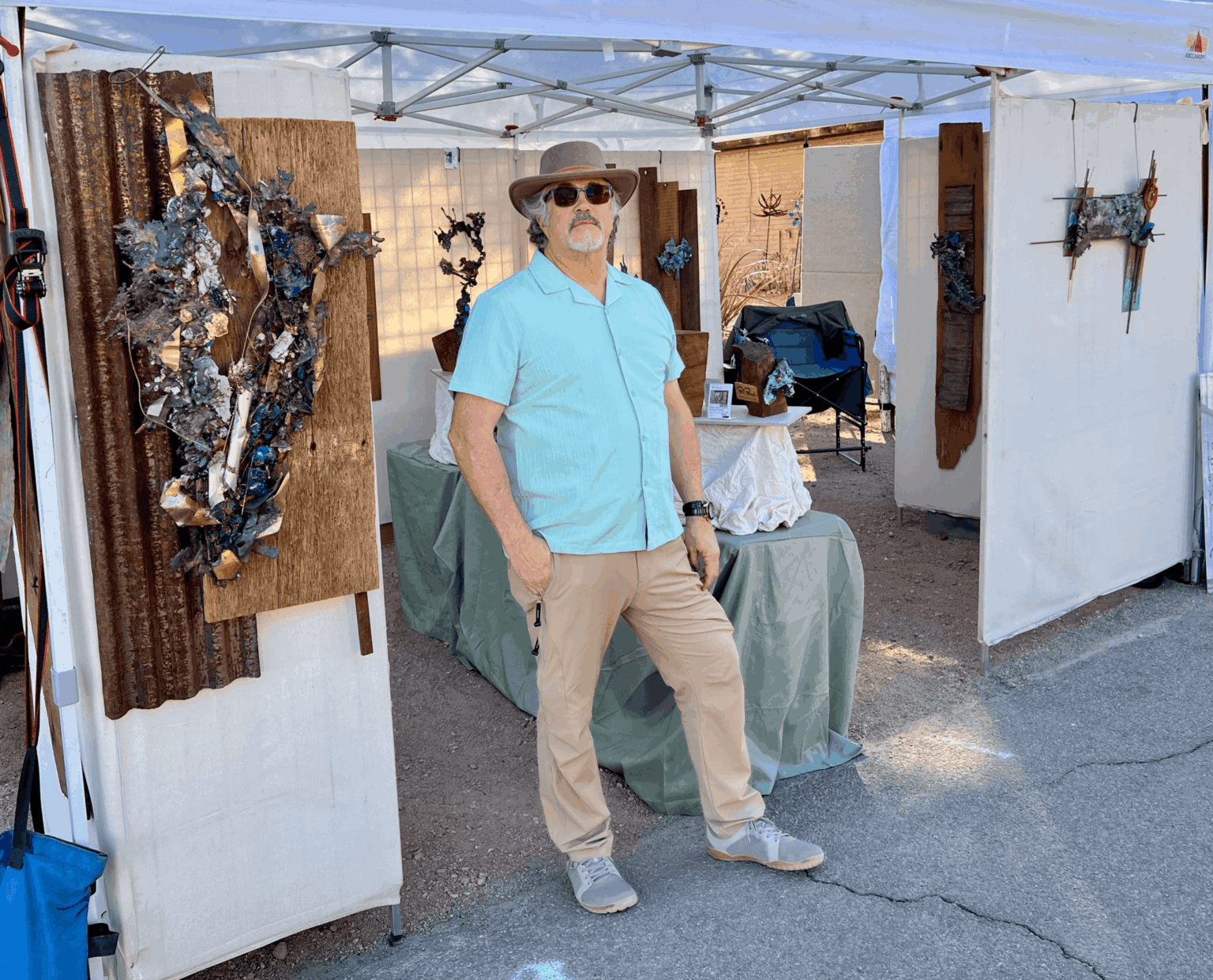
I approach my creative work with a combination of practical exploration and an intense curiosity about the materials themselves. Though I did take a lesson in glass casting, much of my knowledge comes from experience and observation. I played around with different materials, experimenting with how heat and time affected them. I focused on repurposed materials like glass, copper, brass, and wood. Theoretical notions alone will not get artists started on splash copper and glass casting; they need time spent experimenting in the studio, where they may sometimes gain inspiration from the materials. Read more>>
Rafe Van Hoy
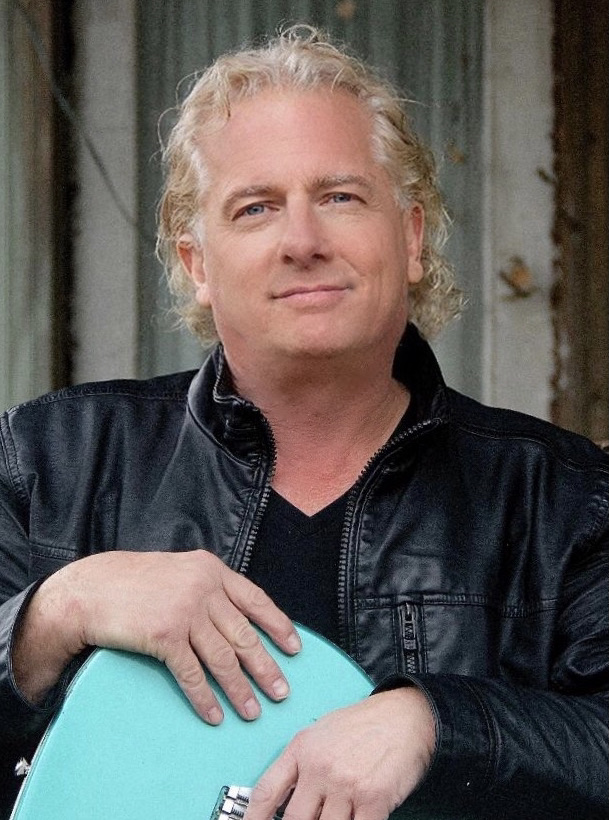
I started teaching myself guitar at age 10, totally obsessed from the beginning. Every spare moment, I was playing or studying—often with the help of educational TV shows like Laura Weber’s beginner guitar course. My dad, Roy Van Hoy, nudged me toward songwriting a few years later by handing me a complete lyric and saying, “Put some music to that.” I did—and that was the spark. From there, we started writing songs together and even bought some basic recording gear to make rough demos. Read more>>
Johnny Jay
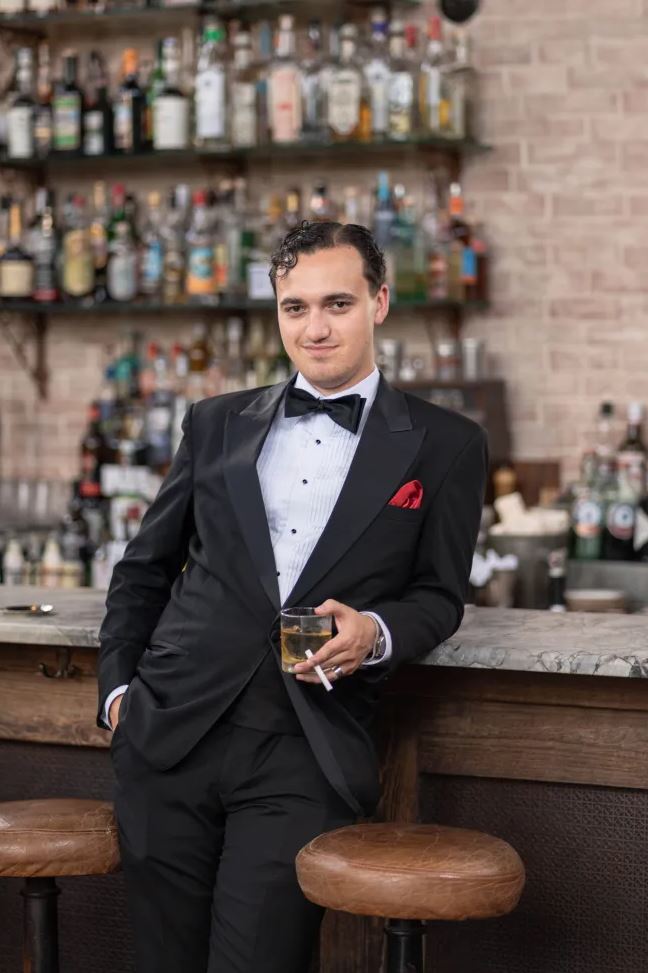
I grew up in the Bronx in New York City. I moved around a decent amount as a teenager until I found myself in Saint Augustine. While I was in New York I had the privilege of being raised by two people very well versed in music who wanted me to explore my creative outlets, whether it was music or painting, I was in classes for it. I took fencing lessons but found myself drawn to take music in school. I grew up playing trumpet with the youth orchestra at Jazz at Lincoln Center in Manhattan during the weekends. I learned the beauty and power of the orchestra there. Read more>>
Olivia Harvey
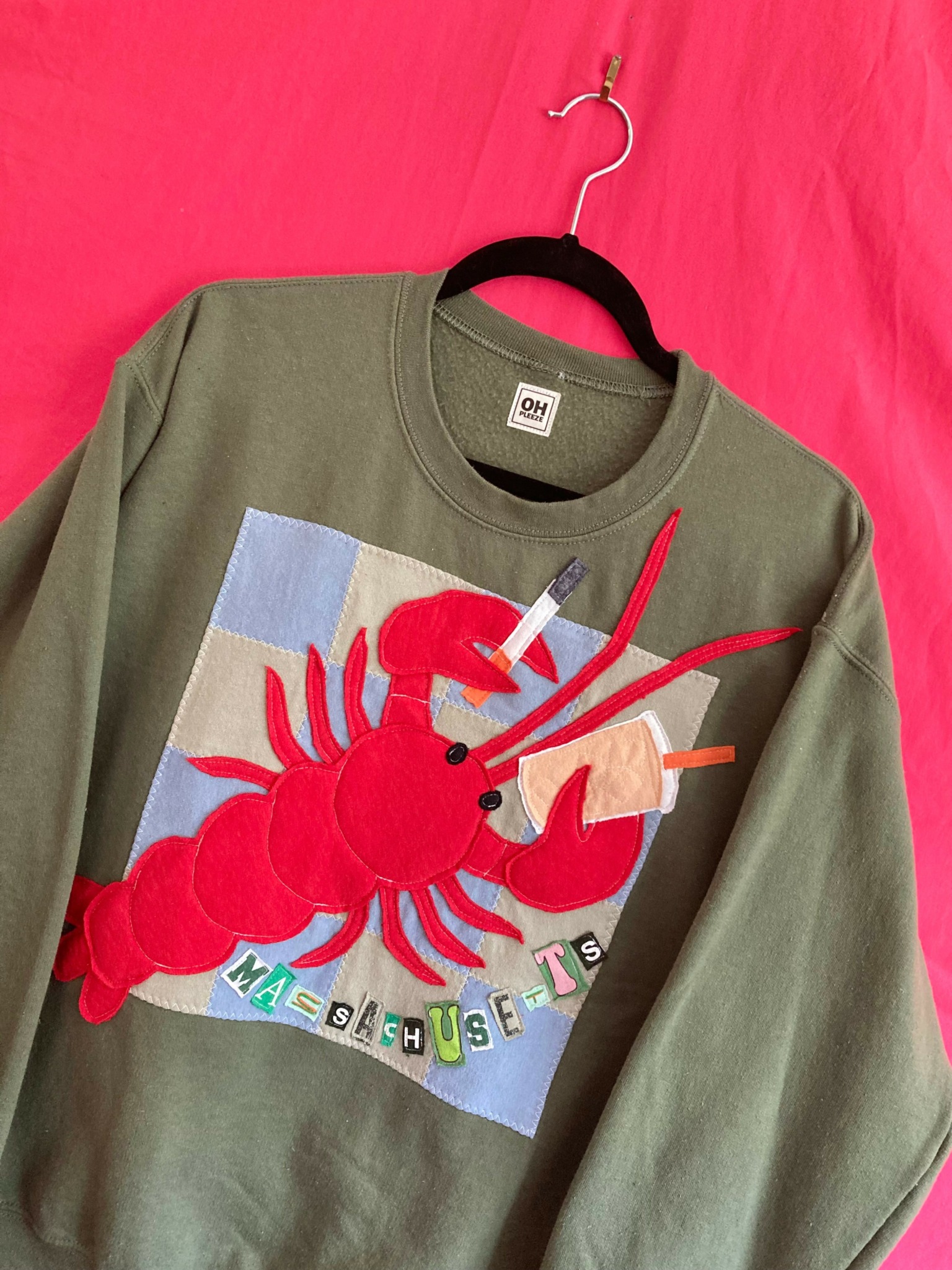
I began learning to sew when I was a kid and consistently took classes with costume designer Brooke Stanton through middle and high school. She made sewing fun, but also implored us not to cut corners. She was teaching her craft and skill rather than just the steps from start to finish, and I think that made all the difference in our learning. Being taught a skill by someone passionate about that skill immediately sets you up for success. Read more>>
Mel Olrich
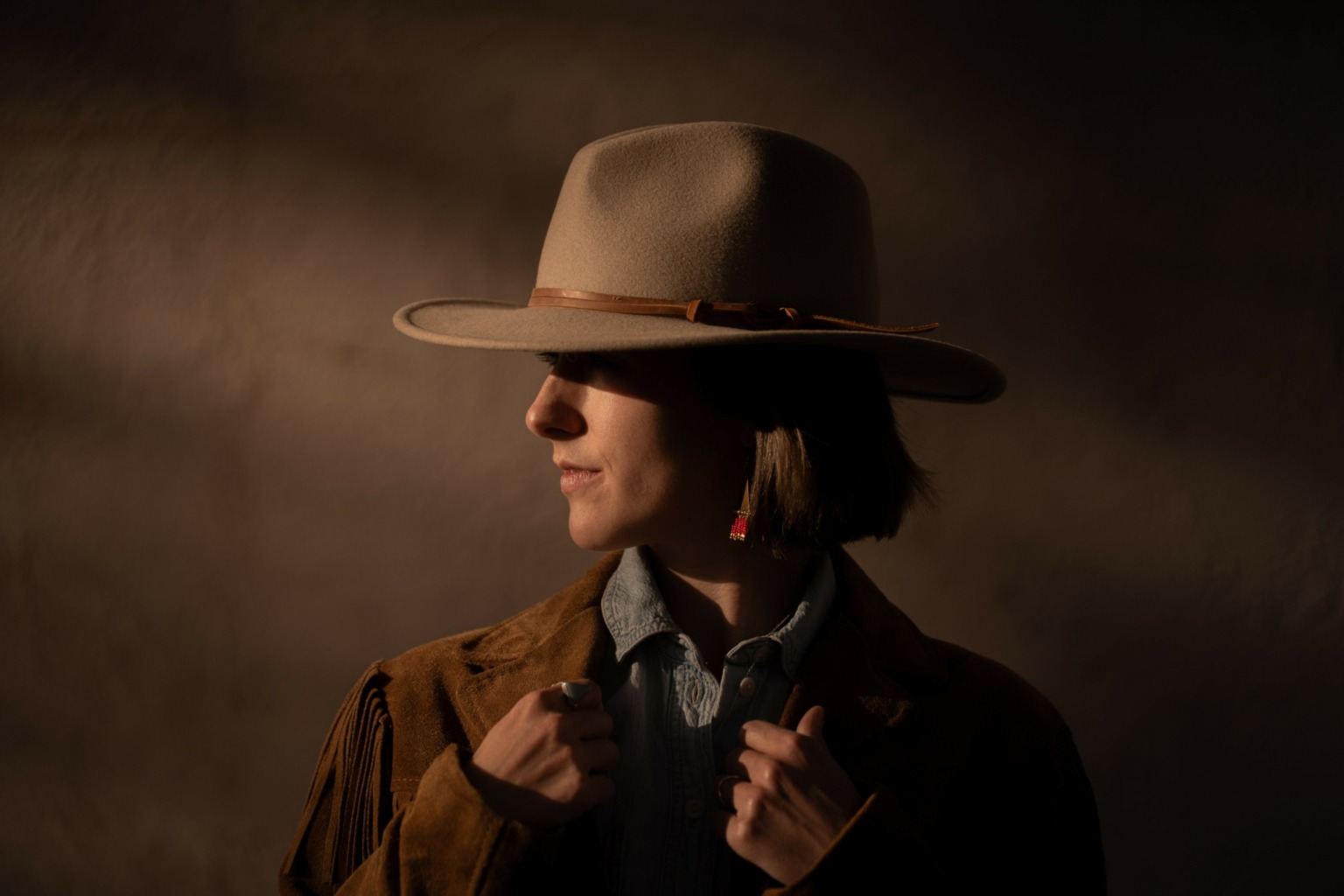
I’m primarily a self-taught artist, and my learning process has been very organic and informal—filled with trial, error, and a lot of experimentation. I took a few art classes growing up and I don’t have an art degree. It was a bit daunting to know where to begin so I started by diving in with whatever materials I had, which for me was watercolors, and just playing around with it. In all honesty, those early stages were quite frustrating! However, over time, my style and technique developed as I observed other artists, sought feedback from my community, and continuously pushed myself to try new things. I don’t believe you have to be the most innately talented artist to learn and succeed. Read more>>
Daniel Barojas
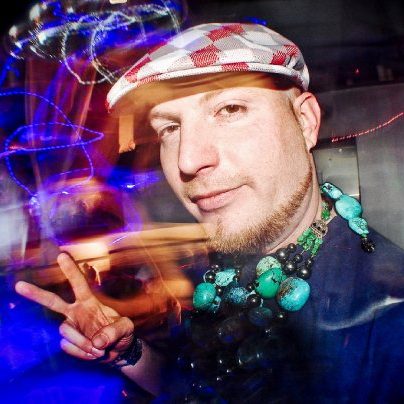
Seeking manners in which to channel your creative and artistic ideas and inspirations into reality is a lifelong pursuit. From an early age I was fascinated by how things are created, from the carpentry of a wooden stool to the painting of a masterpiece, the creation process fascinated me endlessly. Read more>>
Vintage Macaroni And Bridget Rulz
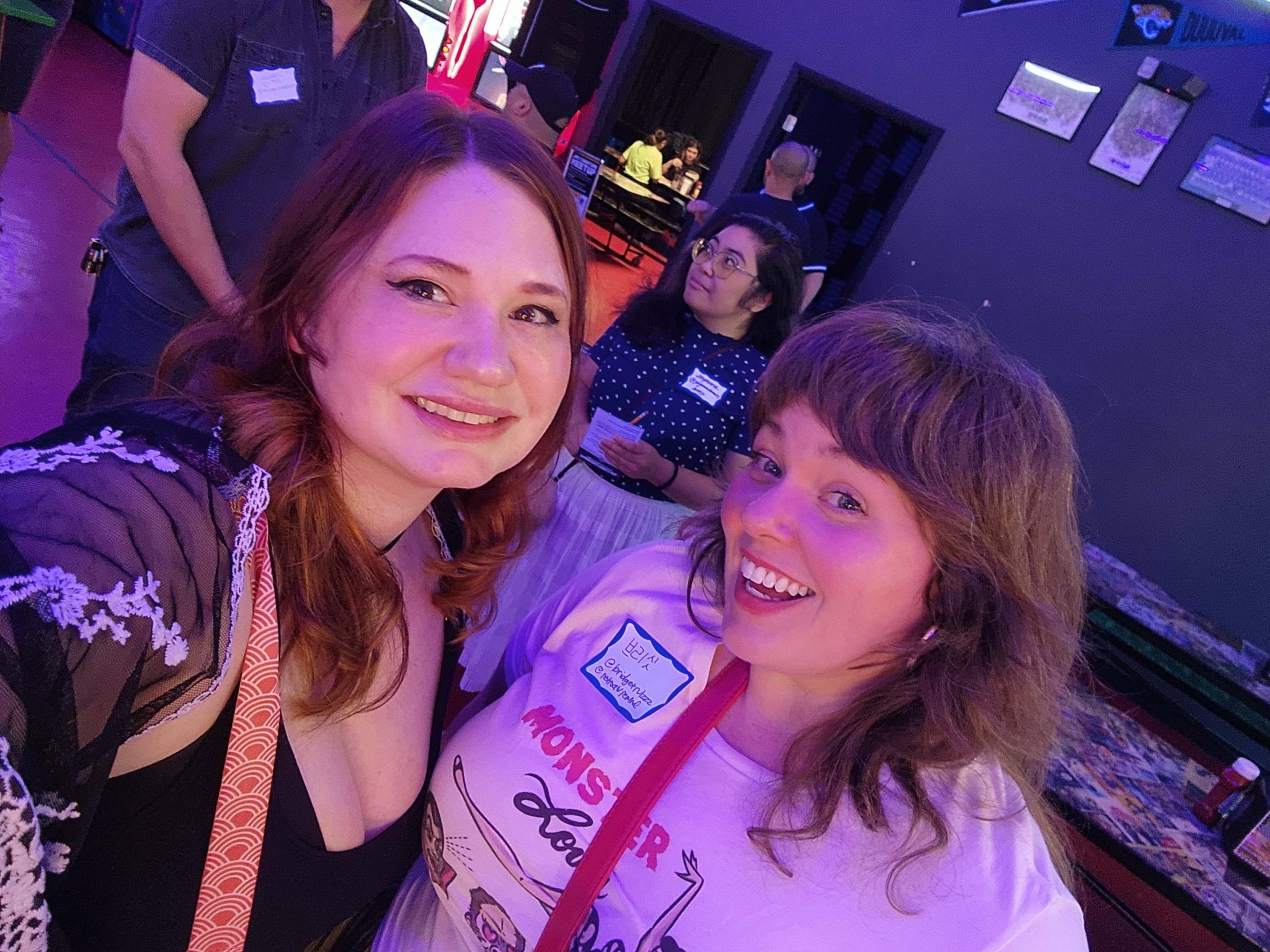
We were fortunate enough to learn about podcasting by connecting with other creators. We learned about an intro to podcasting course taught by Rita Richa at our local university. Taking a course was definitely a great way to start! Connecting with other creators also sparked candid conversations about learning and best practices. The most essential skills for podcasting are honestly organization, structure, and vision. You need to have a level of discipline to be consistent in your approach to managing and producing your content. It is not as simple as “press record”. You need to make a schedule, connect with podcast guests, create outlines for the content you want to cover, and then edit the podcast. Marketing your podcast and getting the word out about your content may be the most work and it is something we are learning more about. Read more>>
Tara Terpening
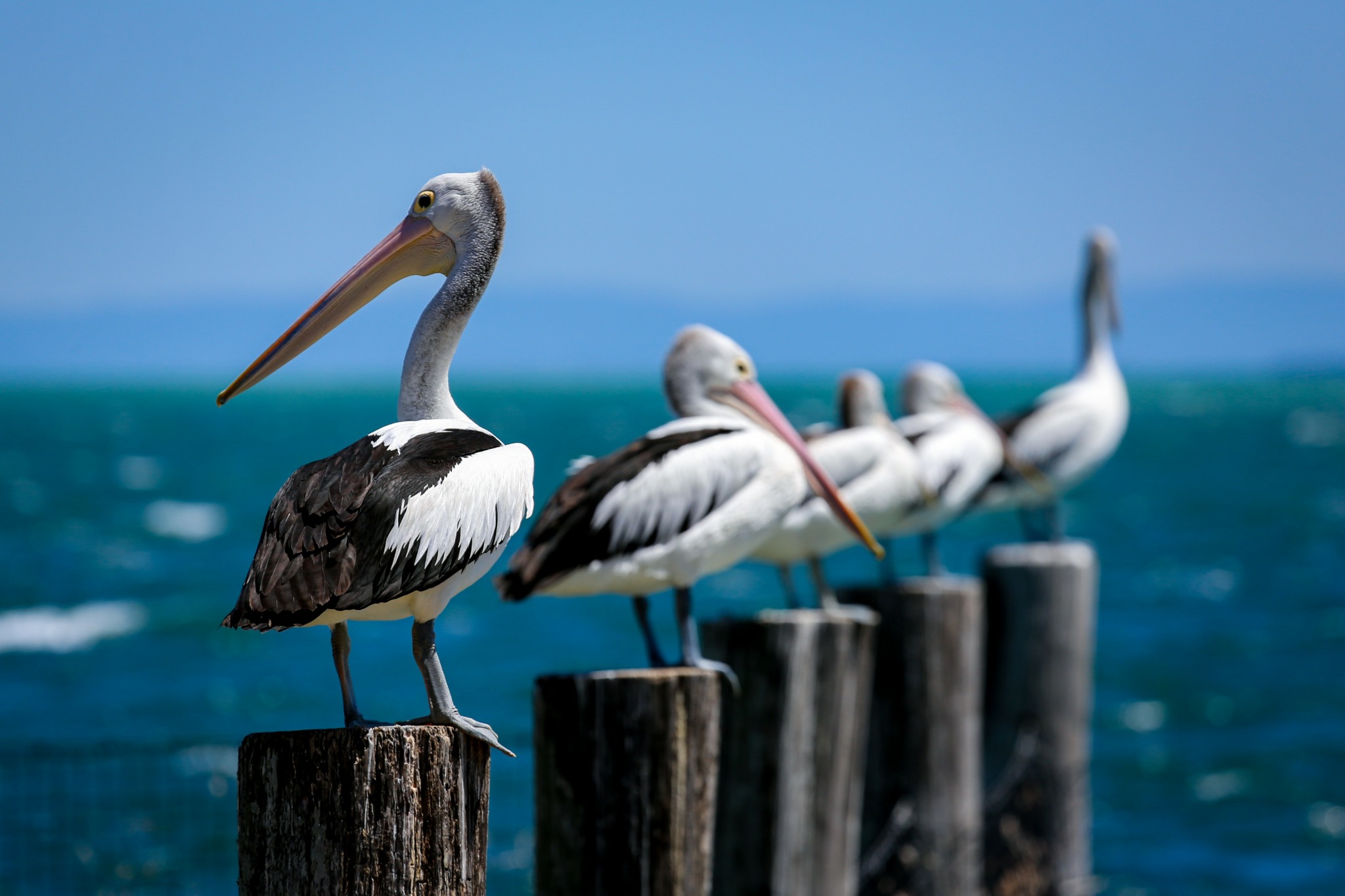
Long before I ever picked up a camera, my journey into the world of wildlife photography began with wildlife. The photography would come later, but I have held a strong love for animals and nature for as I can remember. And what really elevated my interest from a passing fondness into a passion that laid the foundation to create art and pursue a career in photography was curiosity. From books and movies, to events and classes, to firsthand experiences, I was always looking for ways to learn more about nature. Curiosity taught me to look closely and think critically, which is how I gain the understanding of my subjects that I need in order to know what I want to capture when I photograph them. Read more>>
Brandon Rogers

I’ve been making sketches since high school, editing in iMovie, experimenting constantly, and figuring things out by doing. I loved it from the start, so practicing never felt like a chore. Each video helped sharpen my instincts, and by following them, I gradually built an audience that enjoys what I do as much as I do. Read more>>
Chanelle Ellington
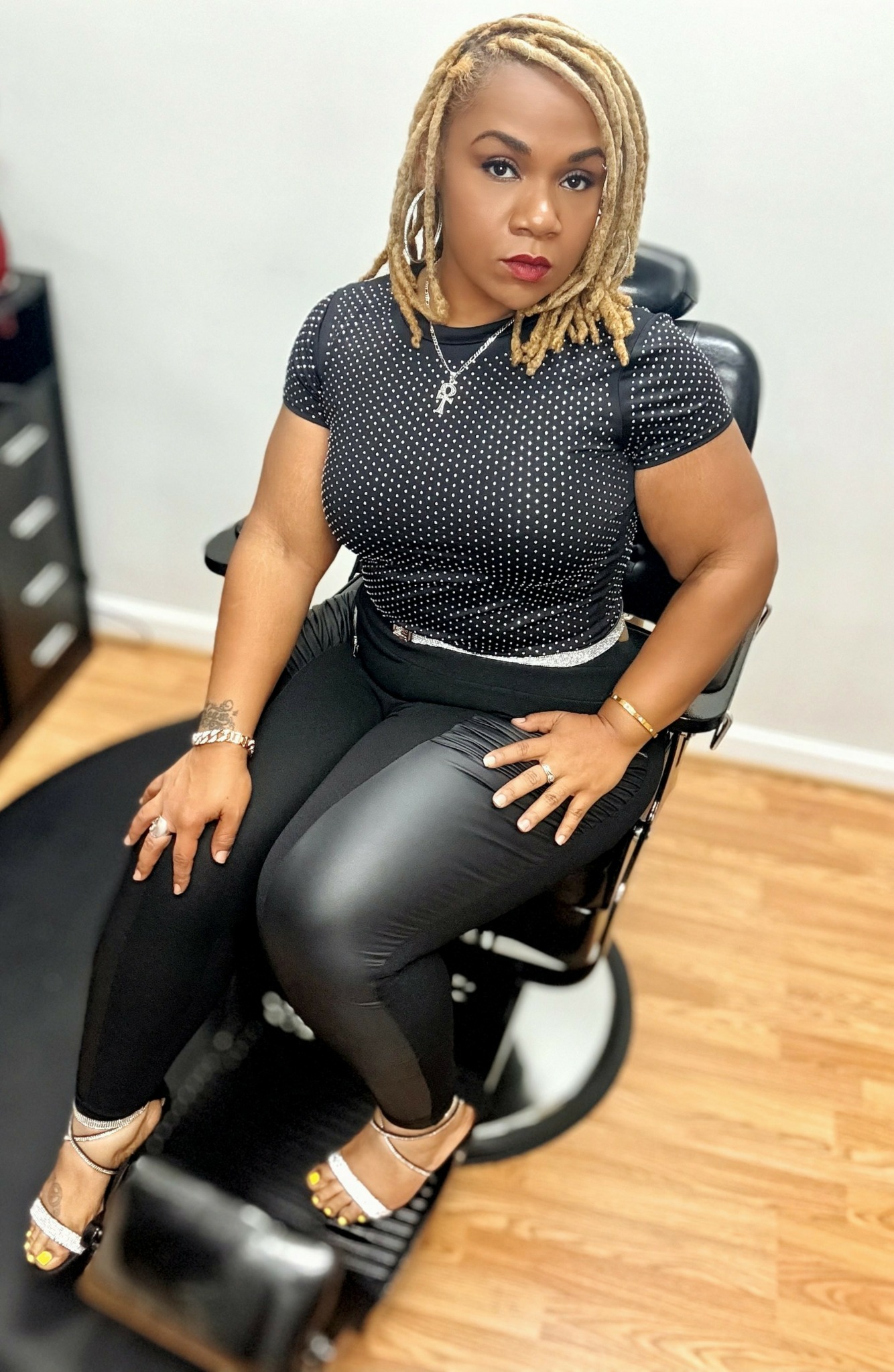
I learned how to braid at 3 years old, thanks to my big sister. Pair that with frequent trips to the hair salon with my Mom as a kid and my passion for hair had been ignited. By the age of 7, I would spend hours looking at black hair magazines and try to recreate those styles on myself. In middle school, I became the neighborhood braider and would have my friends over afterschool to do their hair. I quickly realized that being a Cosmetologist was the path I most wanted to follow in life and I volunteered to do every persons hair that would let me, just so I could learn. This continued on for many years even after I was licensed and working in the field. I would sit in a Barbershop and take notes, then go back to the neighborhood and cut hair on the porch for little to nothing, to practice what I had learned. I did the work and took all the criticism to make myself a better, well-rounded Stylist. Read more>>
Sam Valladares
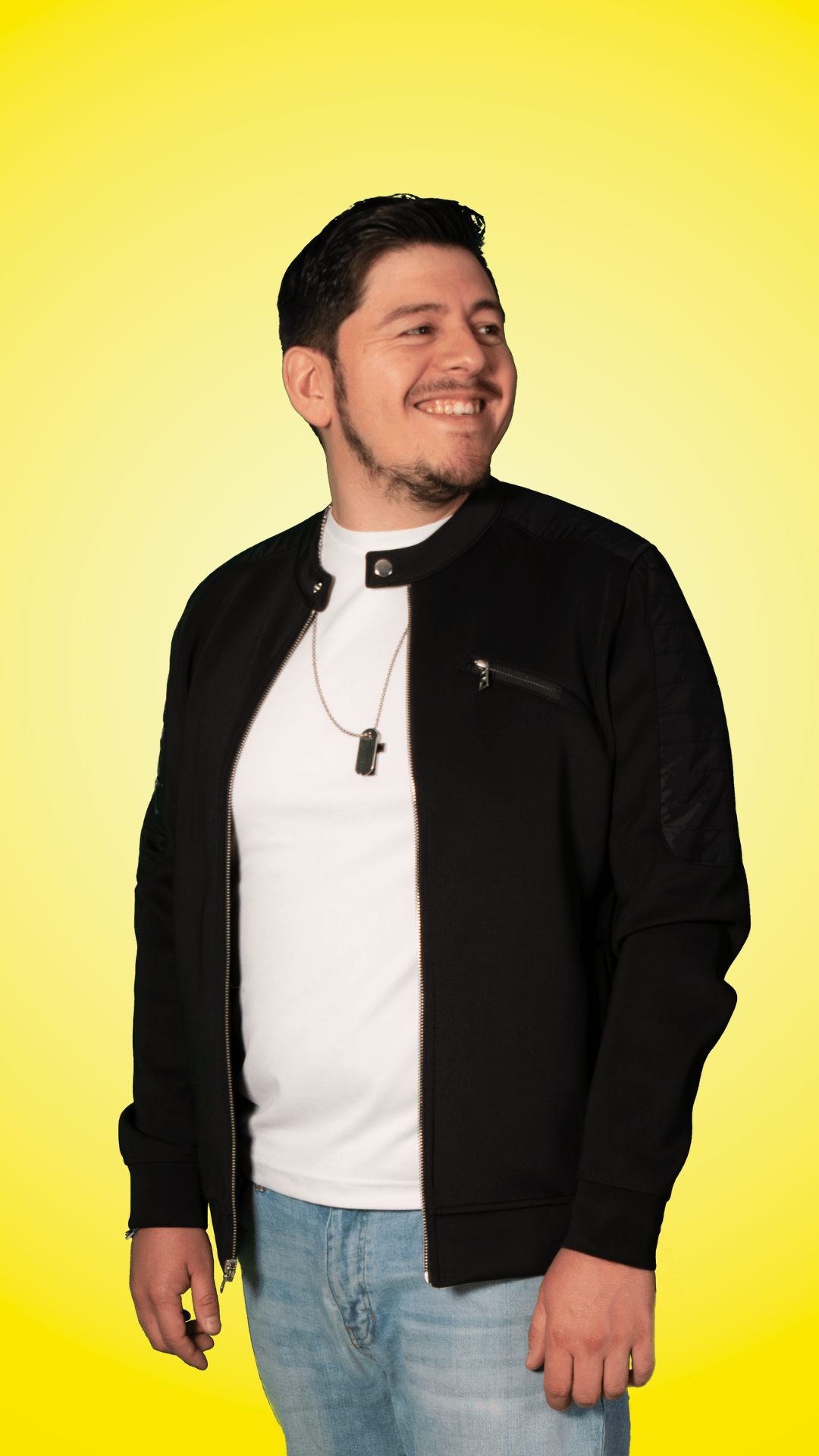
I’m a singer-songwriter now, but until I was 15-16 I had zero interest in creating anything music related. I was focused on visual arts like drawing. My interest in music and the musical learning process was a product of the troubles of the teenage years, my shyness, and my need to express myself. I had a lot of emotions and imaginations that couldn’t be captured by what I could draw and I that I felt couldn’t be communicated to people I knew, so I turned to poems I wrote in private. Read more>>
Nyahzul Blanco
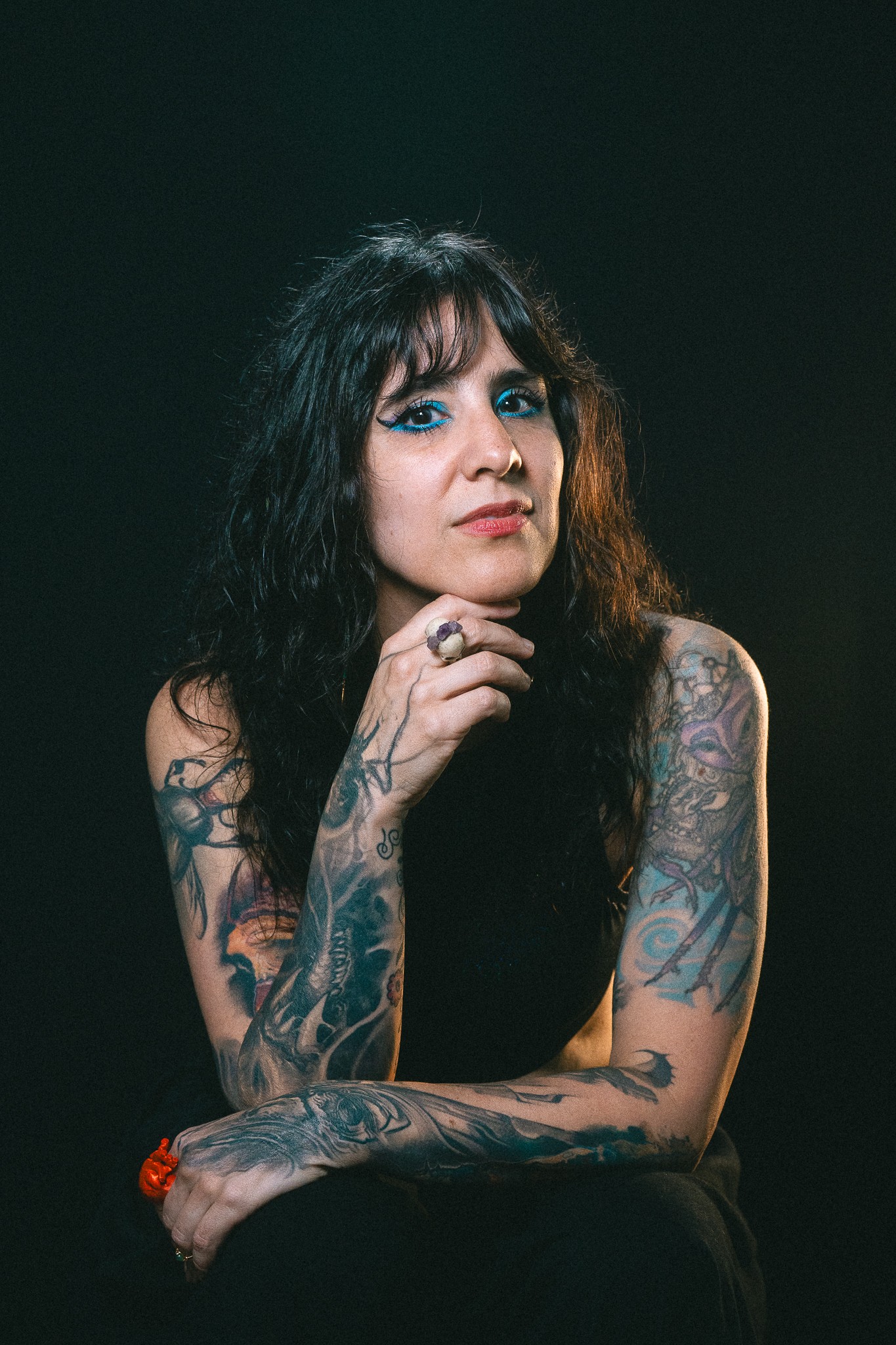
I started with a two-year apprenticeship, which really laid the groundwork for everything. Since then, I’ve kept learning through tattoo seminars, art courses, and by attending conventions. Outside of that, I spend a lot of time drawing and painting—those practices constantly feed into and improve my tattoo work. Read more>>
Kanye Tomiwa
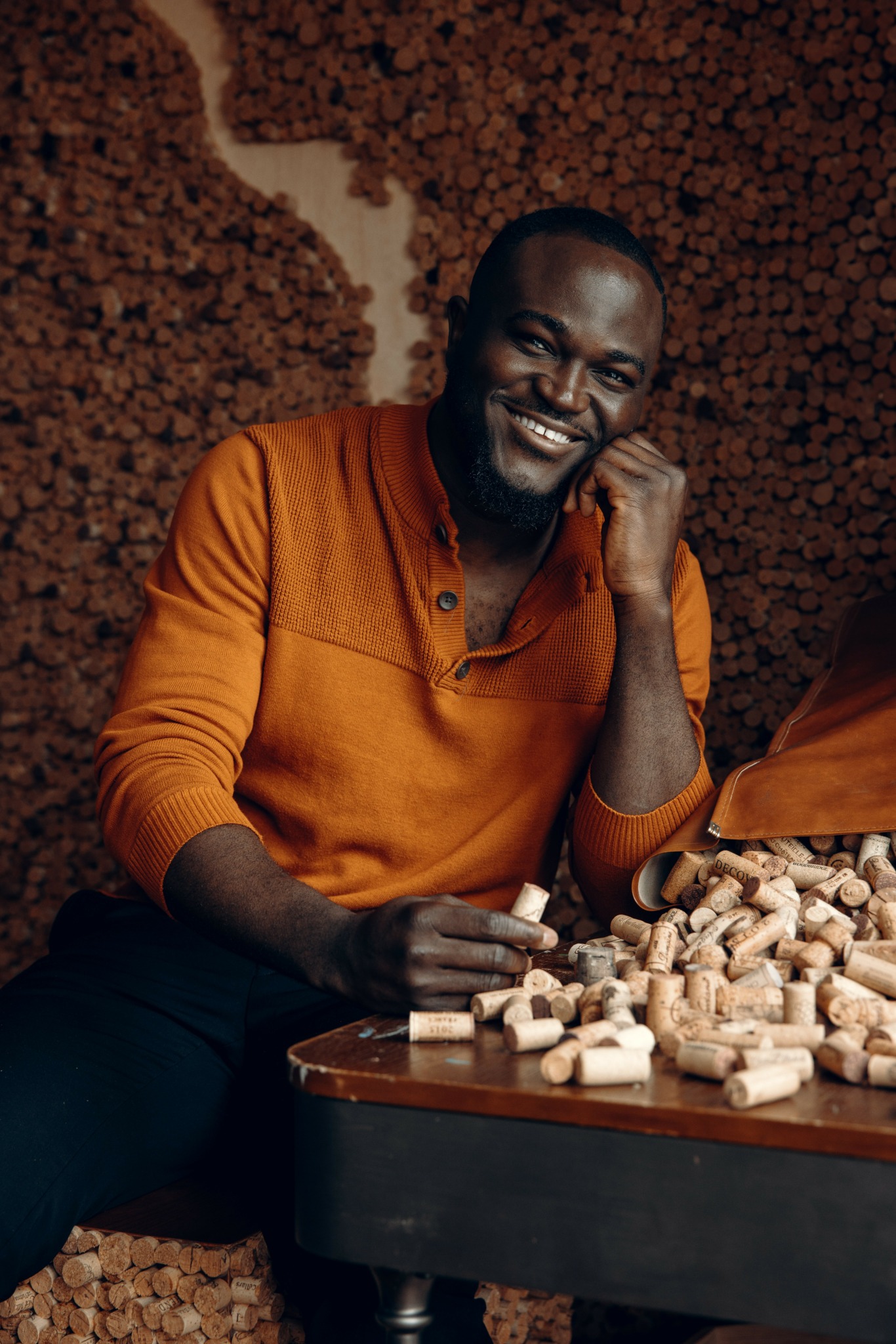
I taught myself over time. My background in architecture and design gave me a foundation for thinking in form, structure, and space, but everything else came through hands-on exploration. I started collecting wine corks and other discarded materials because I was drawn to their texture and history. Each one felt like it had a story. I didn’t have a formal guide, I just kept experimenting, combining these forgotten objects into something new. With every piece I created, I learned something. The process itself became the teacher. Read more>>
Tevelle Taylor
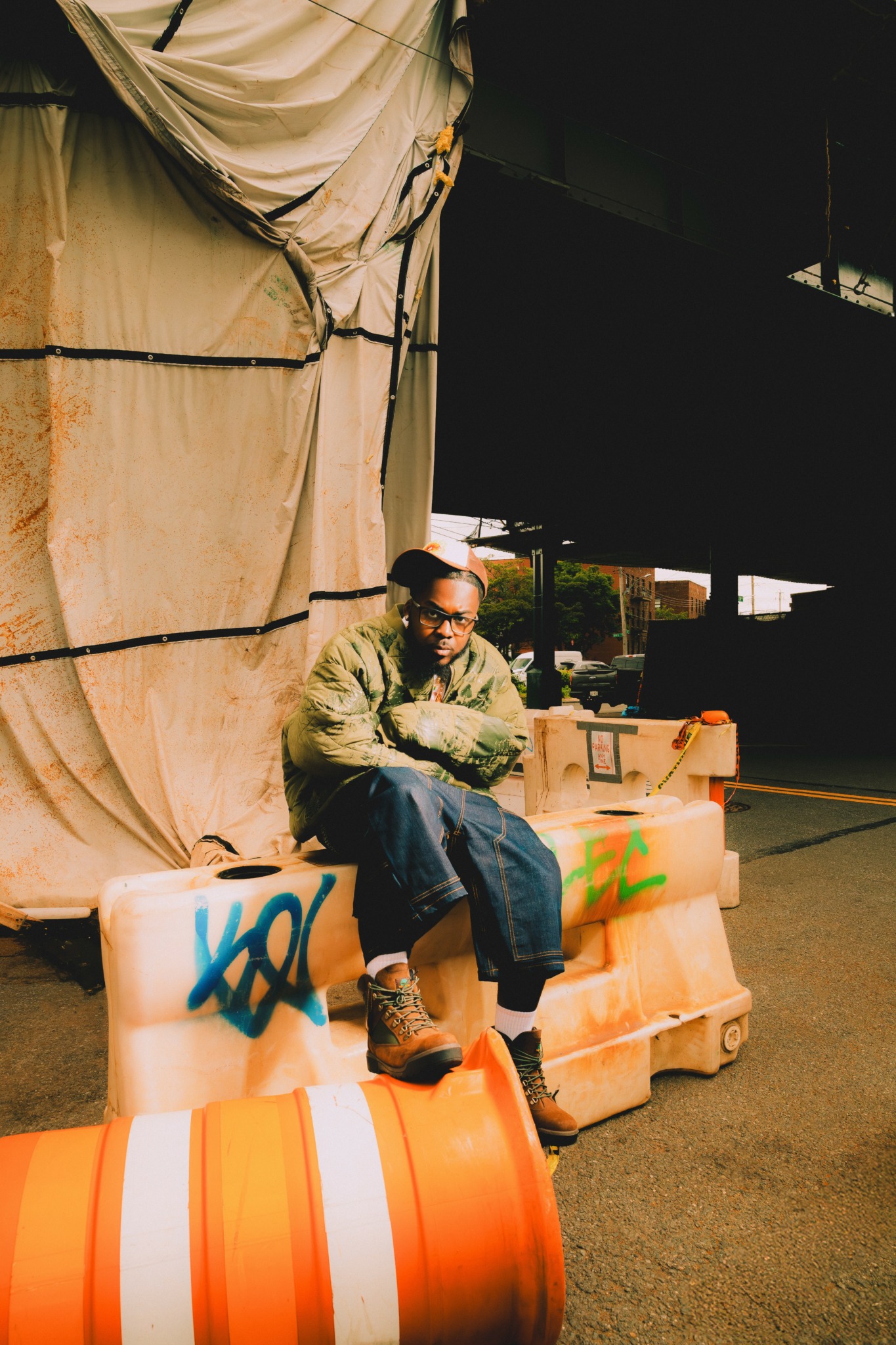
Before I ever held a camera, I was deep in research. I spent hours watching YouTube videos on lighting, camera specs, and studying the work of established photographers to figure out how they created certain shots. I wanted to be ready so that when I finally got my first camera, it was go time. I started my photography journey during the pandemic, which made it hard to immediately apply what I was learning. Since I learn best through hands-on experience, I know I would have progressed faster if I could have gone out to shoot earlier. But that didn’t stop me. Read more>>
John Davenport
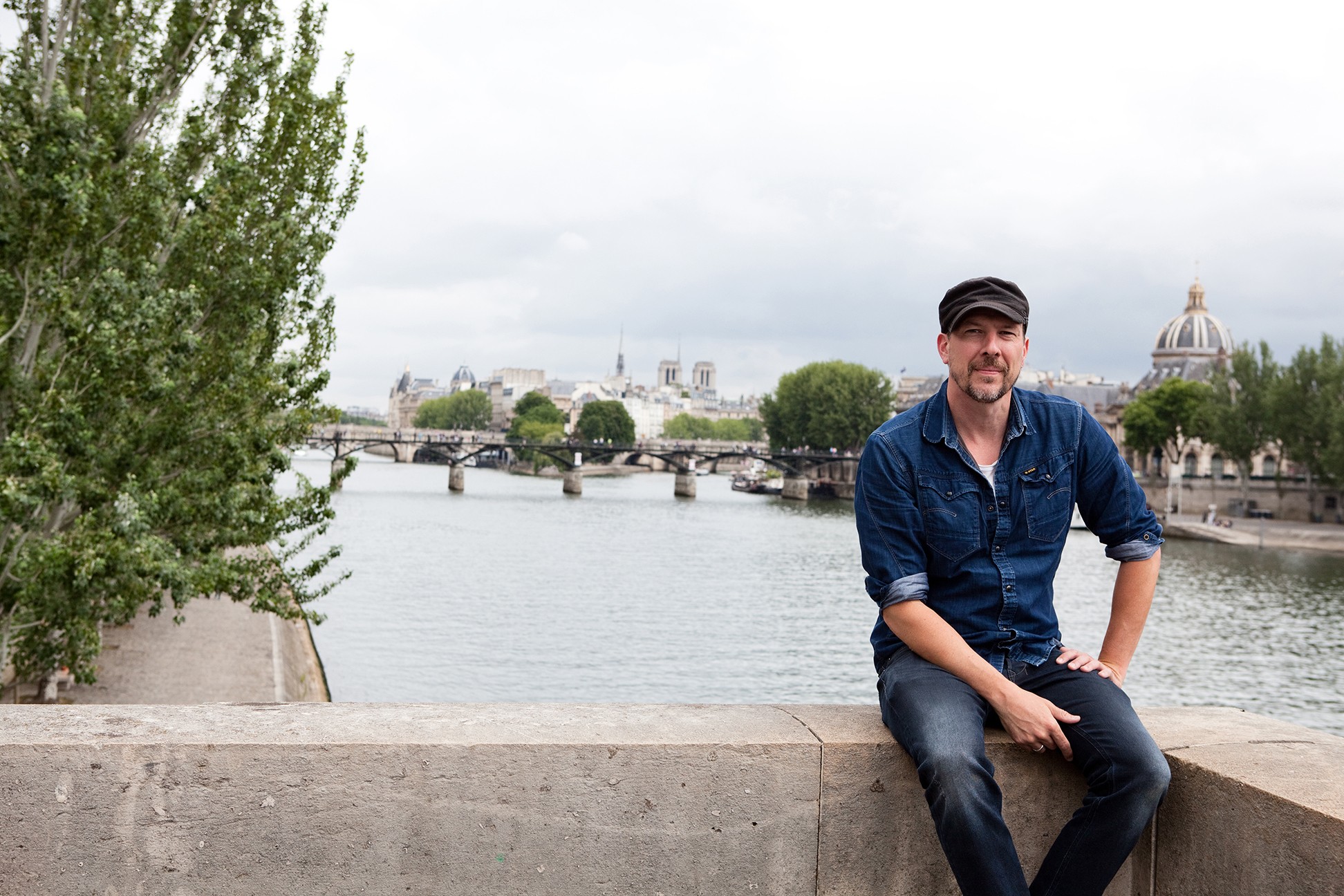
Thinking about how I learned to be a photographer is making me realize I really did take the long way around it all. I always did take photos and actually wanted to work as a photo journalist. I just really never thought it was possible to work as a creative. It just wasn’t available as a choice growing up. I think that feeling of being unable to be what I wanted to be really took me on a twisted path. Knowing what I know now about the industry and how things work I would have made my work and my creative voice more important, more of a priority, turned up the volume on my focus and intention. Once I decided to go and actually be a photographer I put everything I could into it. Read more>>
Katrina DiMiele
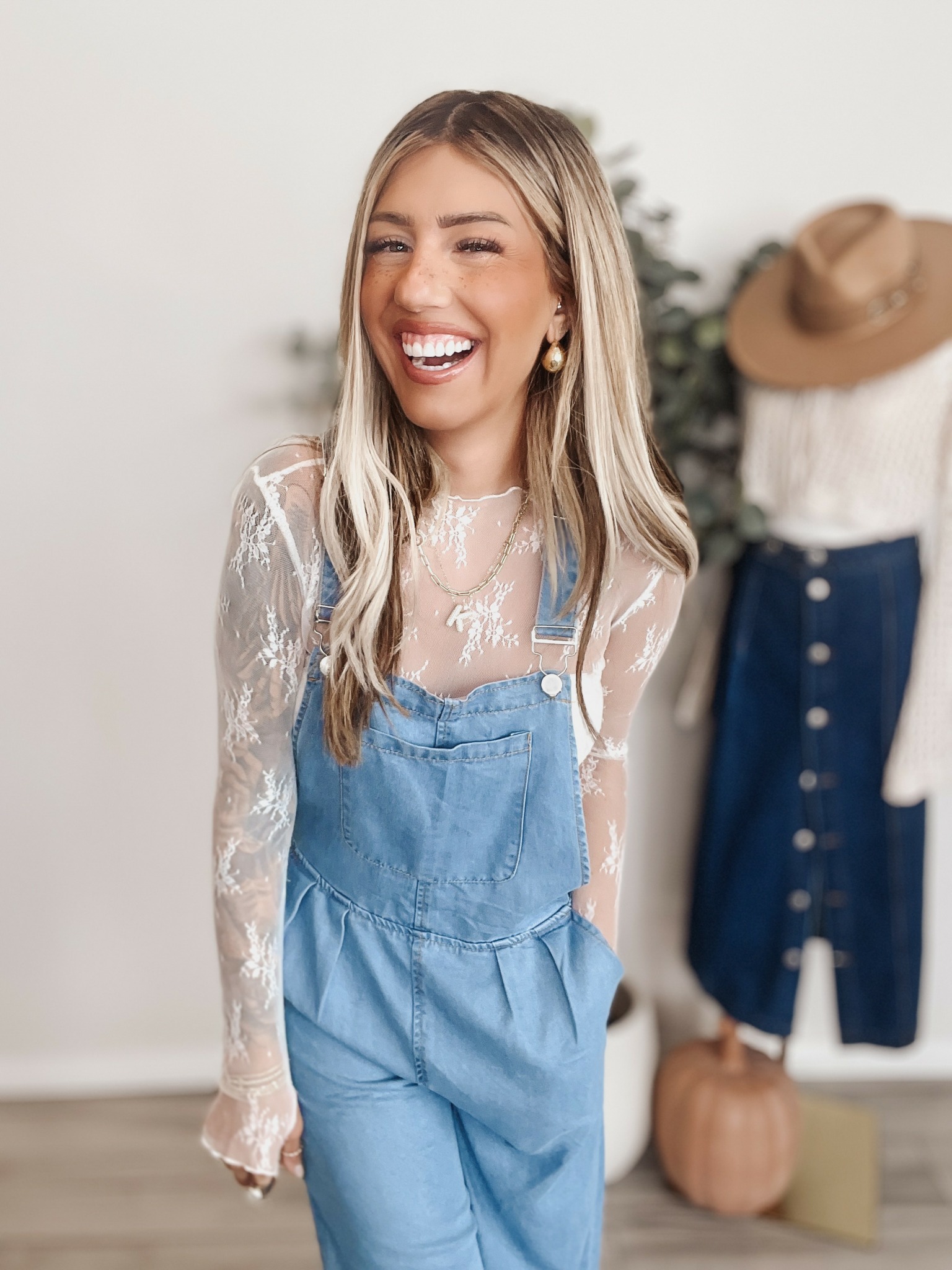
I never set out to be a live seller, it just kind of happened. I went live one day from my garage, talking about clothes I loved, and people started buying. It turned into something way bigger than I expected. For anyone who doesn’t know, live selling is going live on platforms like TikTok or Facebook and walking your audience through products in real time—think QVC meets social media, but way more personal. Read more>>
Peter Kingra-Mickelsen
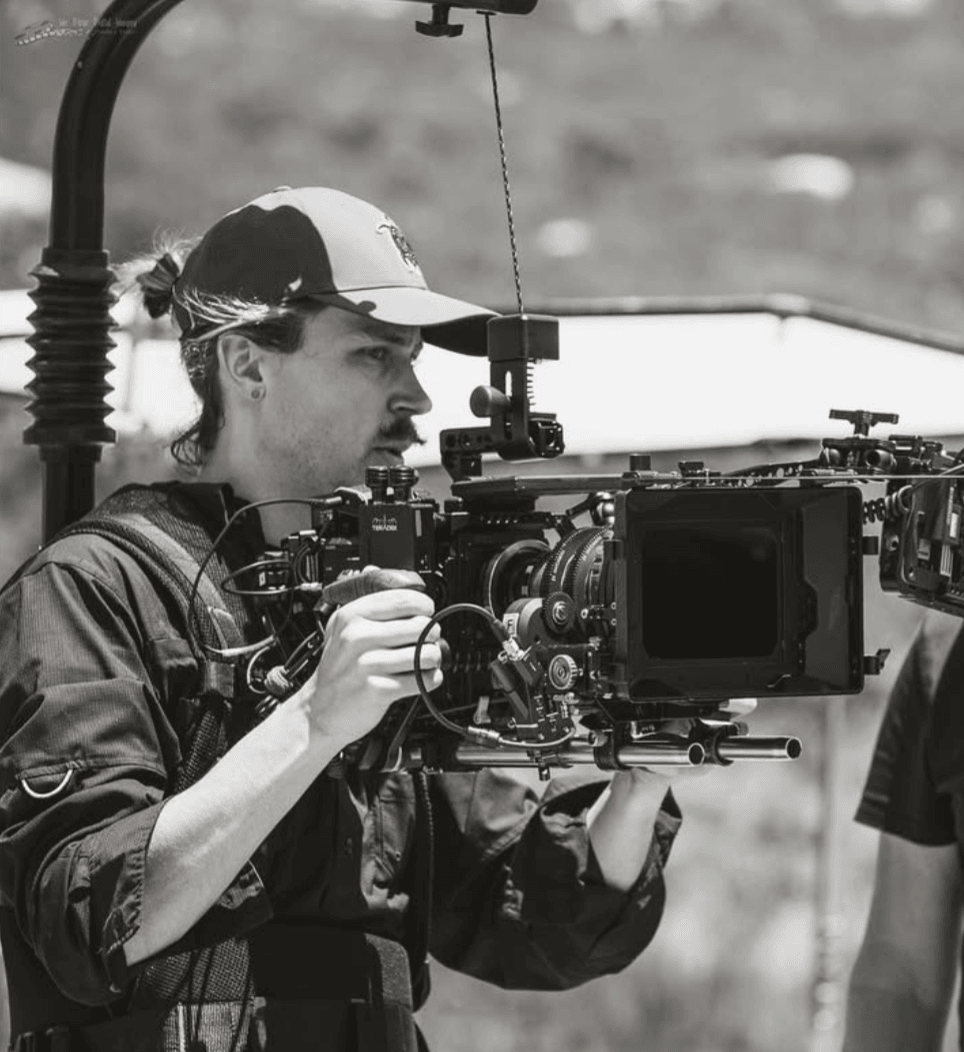
Honestly, the biggest thing was just learning by doing. I picked up the most by being on set—watching, experimenting, and figuring things out as I went. A lot of it came down to discovering my blind spots and actively working to fill them, whether through research, trial and error, or (no joke) countless YouTube tutorials. A couple of books really helped shape my understanding too: The Visual Story by Bruce Block and The Five C’s of Cinematography by Joseph V. Mascelli were both huge for me. Read more>>
Danica Redin
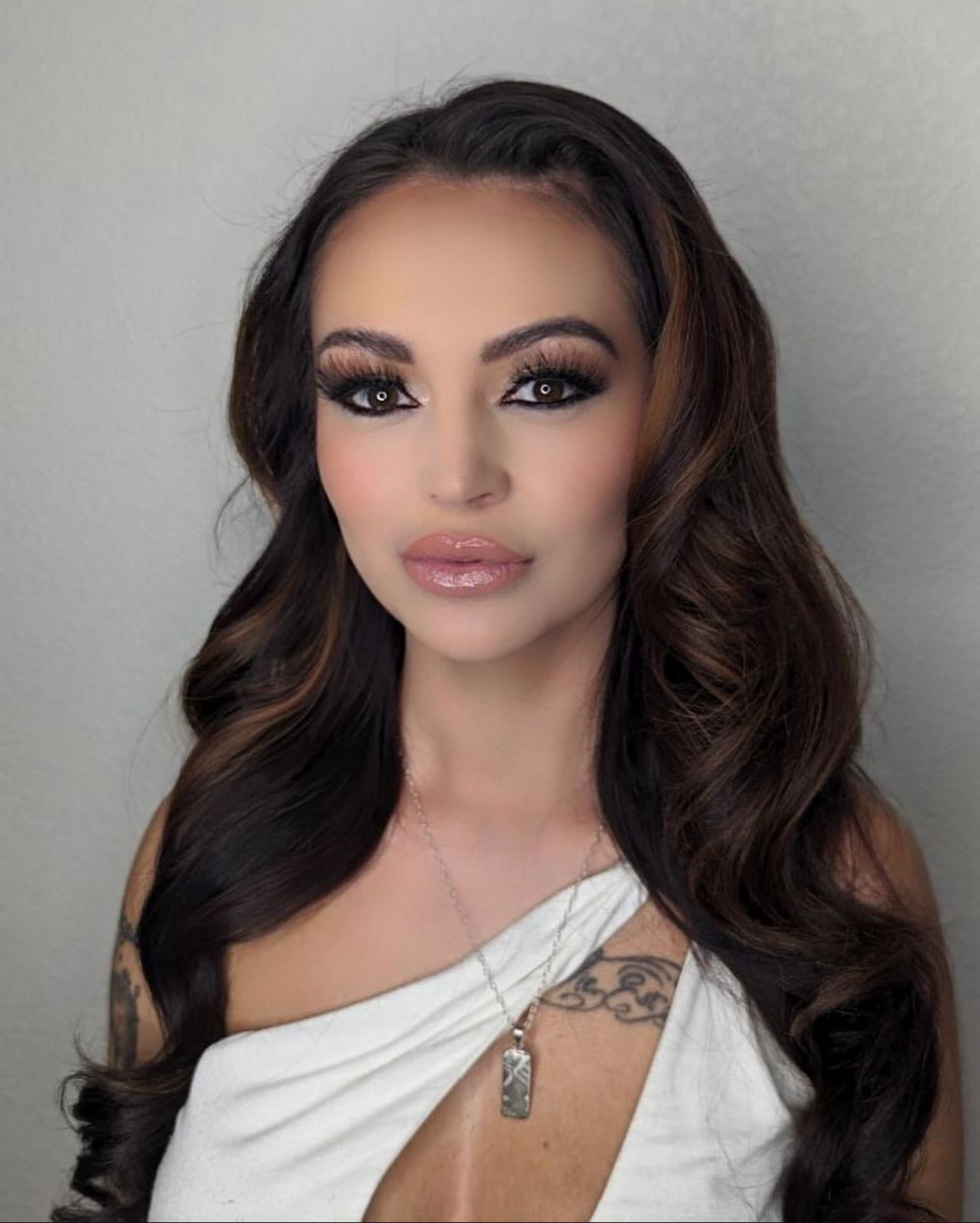
I started modeling from the age of 6 in beauty pageants so that’s kind of where my training began but and I knew I wanted to expand my creativity and become a model and an actress so I honestly started watching YouTube videos, i started to train myself in learning the craft of acting and i also would ask friends who were also in the same industry how they learned the craft and if they had any advice to help me progress in my profession. Knowing what i know now I think I could have been more involved in actual acting classes to speed up my process sooner than I did. The skills I think are most essential are learning how to make the character your own but also playing the role how the producers need you to portray the character you are playing. Read more>>
Haviland Stillwell
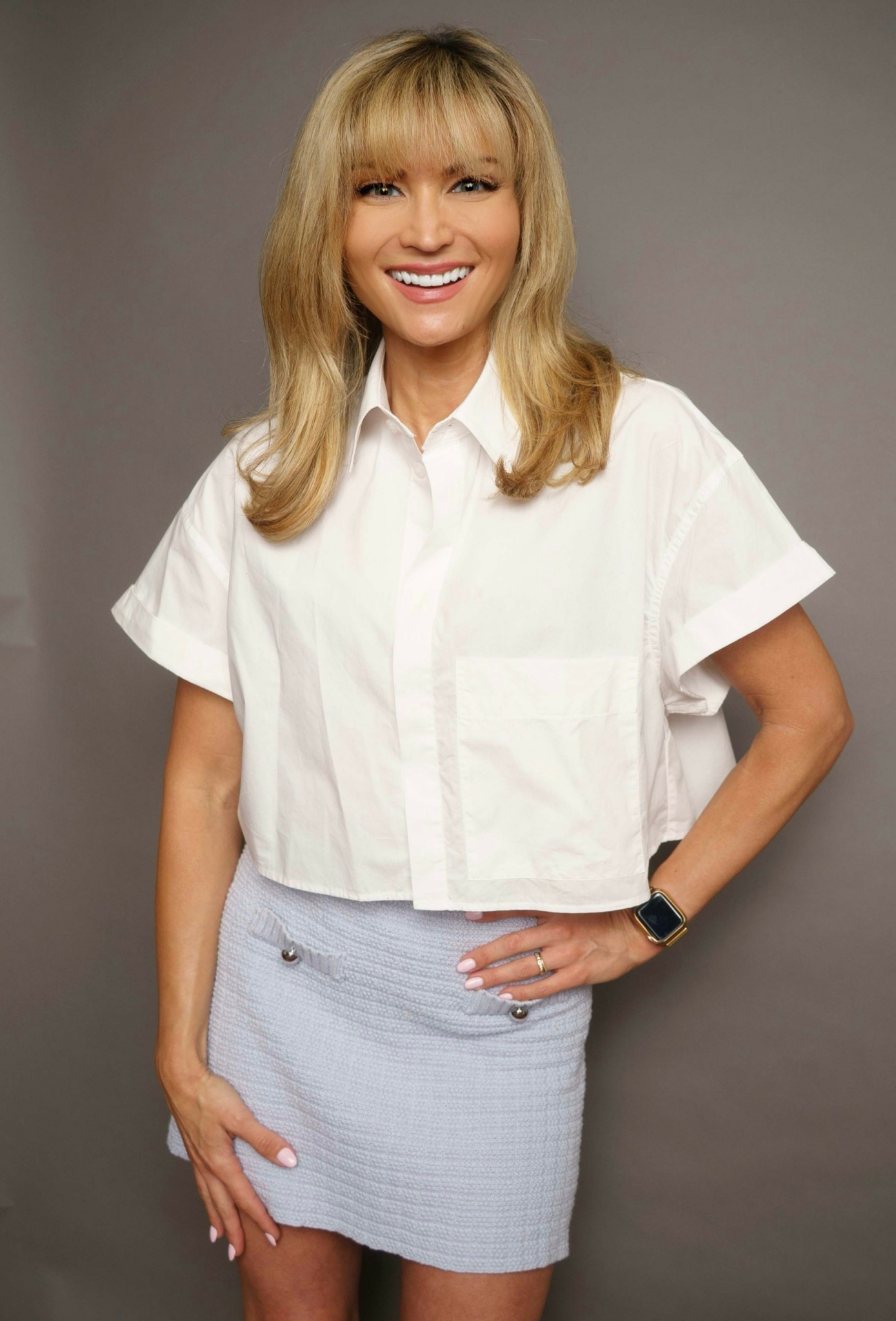
I think learning to be an artist is often about unlearning thought patterns that hold you back, and on allowing yourself to fully embrace the things that perhaps made you different from the start, and use all of those unique qualities to express yourself, to bring your perspective to a story or a character. because no one is going to see it like you see it! I have never been a conformer stylistically, but as an actress, the pressure is definitely on to look or act or be perceived a certain way — which always seems to change, based on trends and whoever is the one making decisions. Read more>>
Samueld Dunnington
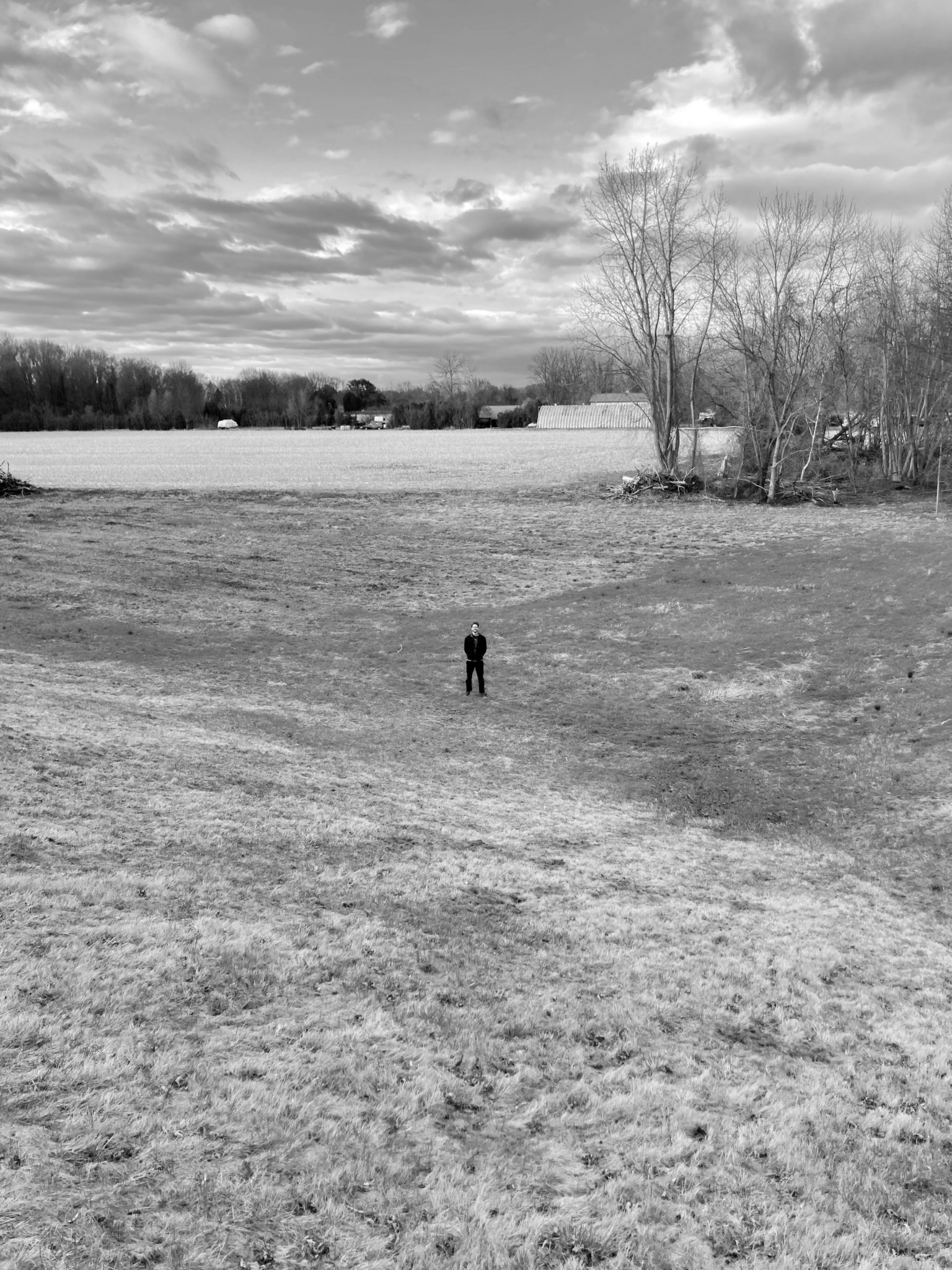
I think all dedicated writers start as dedicated readers. I read a ton as a kid, and then there was a lull in high school before I picked it back up in college. I went to a tiny college, where I got to work with a couple really terrific professors who were writers themselves, one an essayist and the other a novelist. They suggested a lot of terrific reading material to me, and they also brought a lot of amazing writers to campus. I got to meet the editor of the New York Times Book Review, for example, who reviewed one of my stories. He recommended cutting about 90% of it, but said what was left wasn’t bad. I wrote off and on through my early twenties, and then went to the MFA program at the University of Montana. Read more>>
Steve Greene
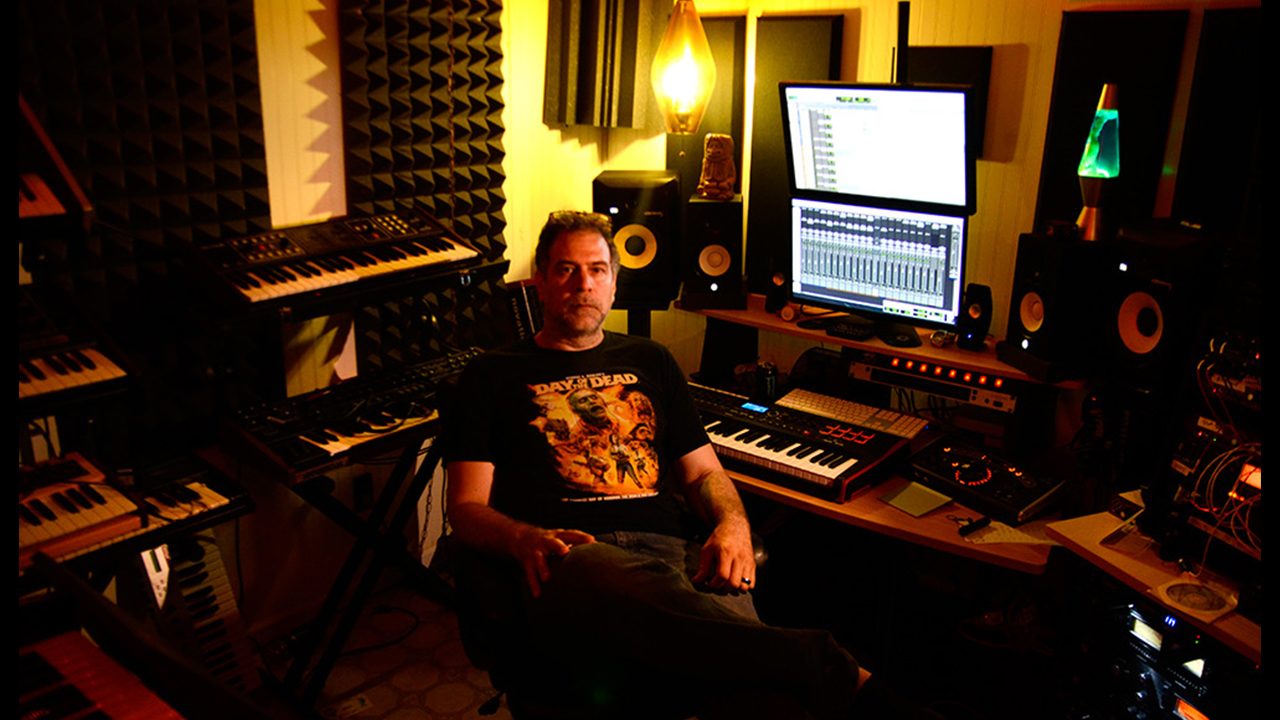
In the beginning, it would be watching other recording engineers work as my bands would record at studios. I’d be the band member sitting up at the console, with the engineer, and occasionally asking questions but always watching. The more I’d be in that environment, the more knowledge I picked up, put together in my head and started to think in that mode. Read more>>
Robert Rippberger
I learned by making things before I knew exactly how. I directed my first feature before I had any real idea what I was doing—I just knew the story mattered and that I’d figure out the rest. From there, it was a process of constantly throwing myself into the deep end—writing, producing, editing, leading crews—learning through momentum and always trying to work with those more experienced than me. Read more>>