

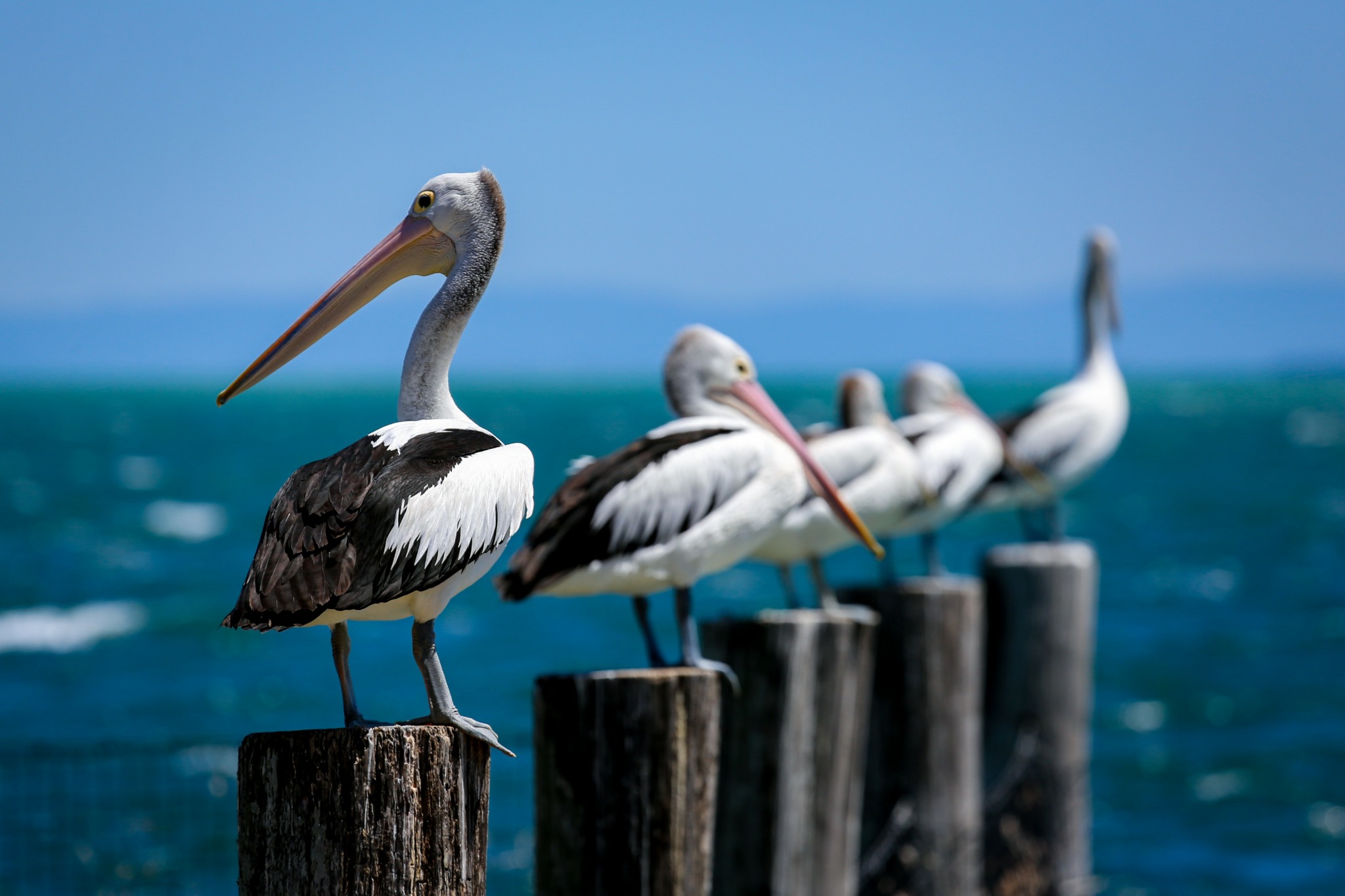

We’re excited to introduce you to the always interesting and insightful Tara Terpening. We hope you’ll enjoy our conversation with Tara below.
Hi Tara, thanks for joining us today. How did you learn to do what you do? Knowing what you know now, what could you have done to speed up your learning process? What skills do you think were most essential? What obstacles stood in the way of learning more?
Long before I ever picked up a camera, my journey into the world of wildlife photography began with wildlife. The photography would come later, but I have held a strong love for animals and nature for as I can remember. And what really elevated my interest from a passing fondness into a passion that laid the foundation to create art and pursue a career in photography was curiosity. From books and movies, to events and classes, to firsthand experiences, I was always looking for ways to learn more about nature. Curiosity taught me to look closely and think critically, which is how I gain the understanding of my subjects that I need in order to know what I want to capture when I photograph them.
Actually capturing what I want in a photograph requires more technical skills. I didn’t have any formal education on the subject. After a few years of playing around with my dad’s DSLR camera equipment, I began to go on more frequent photography outings with my dad. He was the kind of person who could teach himself just about anything, and photography was one the subjects he studied in his spare time. He passed some of the important basics on to me, helping me understand what exactly each setting did in the camera and how it would affect my photos. From there on, I began to experiment with them, learning just by seeing what worked and adjusting to improve my next shot. As I improved, each time took fewer tries to get it right.
For most of my photography career, the rest of the skills I learned were similarly gained self-teaching, experimentation, or some combination of the two. These ranged from more fundamental subjects like rules of composition and balancing on a light meter to more complicated techniques such as using lens filters, long exposures, and stitched panos. It wasn’t until I began to shift towards a more professional focus on photography that I began a few more formal trainings. I took a field class and a few online courses which helped me build a stronger conceptual foundation for my photography skills.
The skill I have struggled the most to learn, and which I still enjoy the least, is the post processing of photos. This part made the weak foundation formed by my lack of formal education most painfully apparent. Even when taking specific online courses in editing programs, I struggled to understand the various adjustments that could be made. I realized I needed to go back and really understand how cameras captured and digitized photos in order to understand what exactly the adjustments did, and I needed to understand how the image was displayed on screen and how it was printed in order to understand what adjustments I should make.
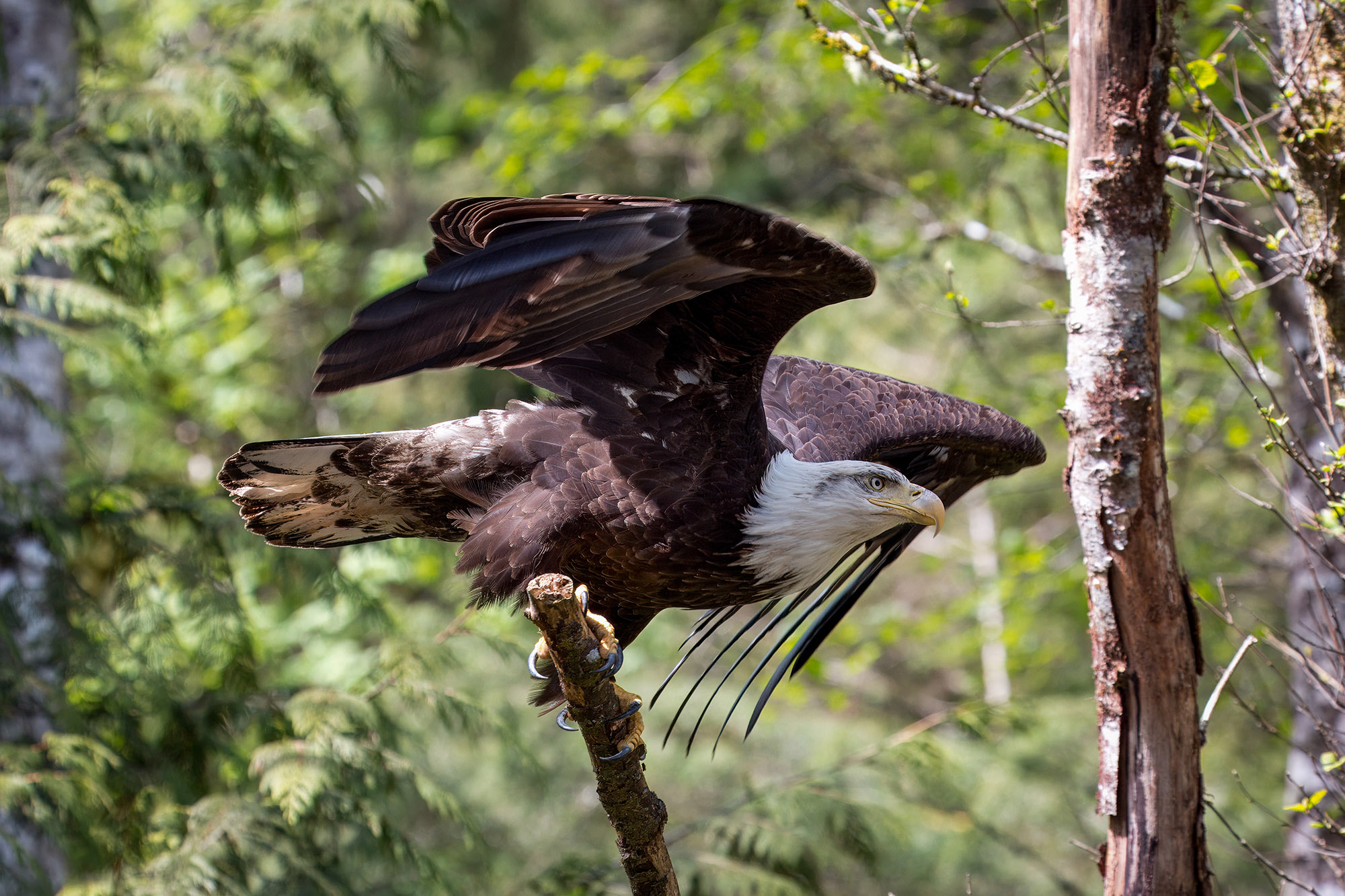
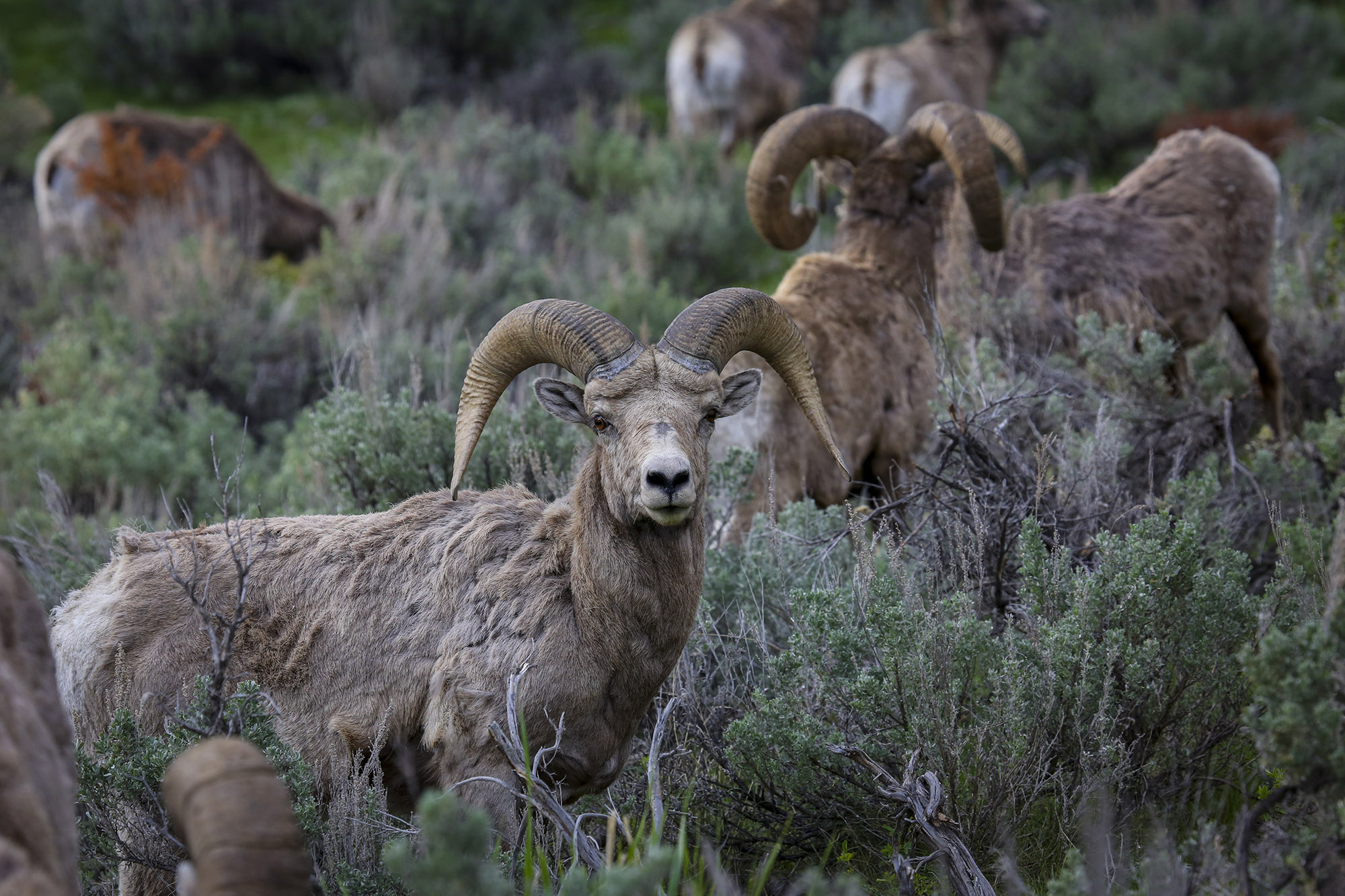
Tara, before we move on to more of these sorts of questions, can you take some time to bring our readers up to speed on you and what you do?
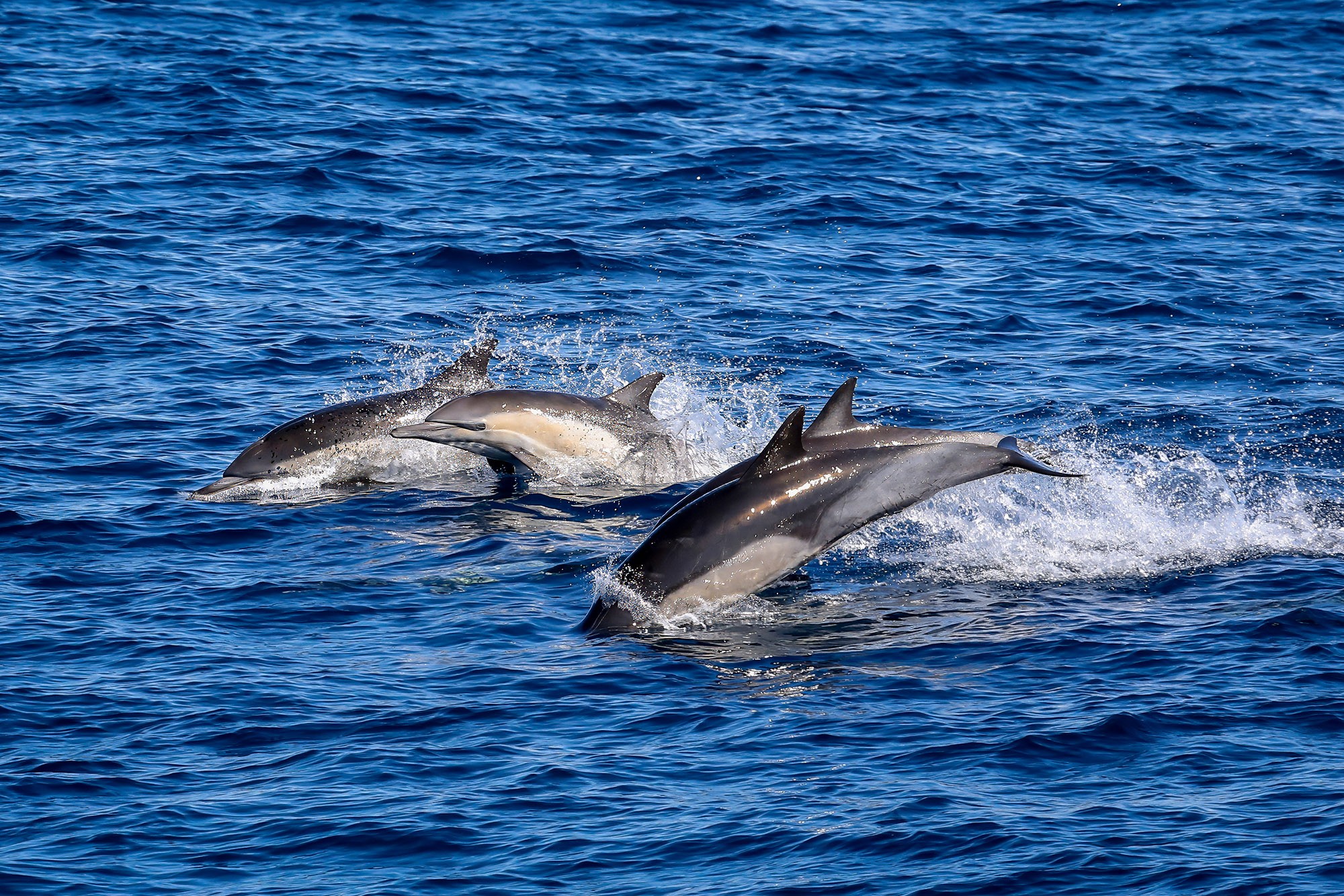
I am a marine biologist, educator, and wildlife photographer from Southern California. I started my business, Slice of Wildlife, to sell my photographs that celebrate the beauty of nature and the diversity of wildlife. My goal with every photo is to capture a little slice of life for wild animals that I get to bring home with me. I hope sharing my work with others allows them to likewise bring a slice of wildlife into their own homes and inspires them to form their own connections to nature.
I have always held a deep passion for animals and nature. For as long as I can remember, I wanted to be a marine biologist. I pursued marine biology throughout my schooling and early career, working in both research and education/outreach. Working in the field was everything I dreamed: learning, making discoveries, exploring diverse natural habitats, encountering wildlife up close, and cultivating a deeper understanding and connection to nature. Since being passionate about something has always made me want to share that passion with others, my work has also always included a lot of public outreach and education.
Wildlife photography was another way I enjoyed being in the field, though for a long time I considered it to be a hobby rather than a professional pursuit. My interest in wildlife photography began with my dad, who was also an avid wildlife enthusiast. When I was young, he acquired some high-end DSLR cameras and lenses to pursue a hobby in wildlife photography himself, and he was always more than happy to include me in his adventures. Throughout my childhood and even to this day, we would go on local nature walks and travel around the world taking photos of wild animals and their environments.
When I left for college, my dad let me take the camera equipment so I could continue pursuing wildlife photography. As a marine biologist, I spent lots of time working in the field and always had my camera with me. Not only did my career provide me with ample opportunities to enjoy my wildlife photography hobby while I worked, I actually used my photography to collect data for my work on a number of research projects.
After a few years, amidst the upheaval and uncertainty created by the global pandemic, I decided to explore a new direction in my life and career. I transitioned into focusing on my wildlife photography more professionally and established Slice of Wildlife. Rather than using my photography to complement my research, I now use my knowledge and experience as a scientist to capture photographs that tell more compelling, insightful stories. From working in education and outreach, I also have the communication skills to hold exciting and informative discussions about nature and wildlife, so I make it a priority to share in detail the story behind each photo and the subjects they depict.
Society tends to impose an artificial division between science and art, but I always felt my work as a marine biologist was enhanced by skills I honed as an artist, and my work as a photographer is enhanced by my perspective as a scientist. Science helps me to appreciate animals by understanding them, while art helps me to understand animals by appreciating them. I hope the unique overlap of the perspectives I have gained from viewing the natural world through both these lenses together gives me a more complete picture of the things that make animals and their environments so special. And I hope that each picture I take, each story I tell through Slice of Wildlife, captures a piece of this picture, a piece so rich in storied details and layers of perspectives that people of all types, backgrounds, and personalities can find within it their own connection to nature.
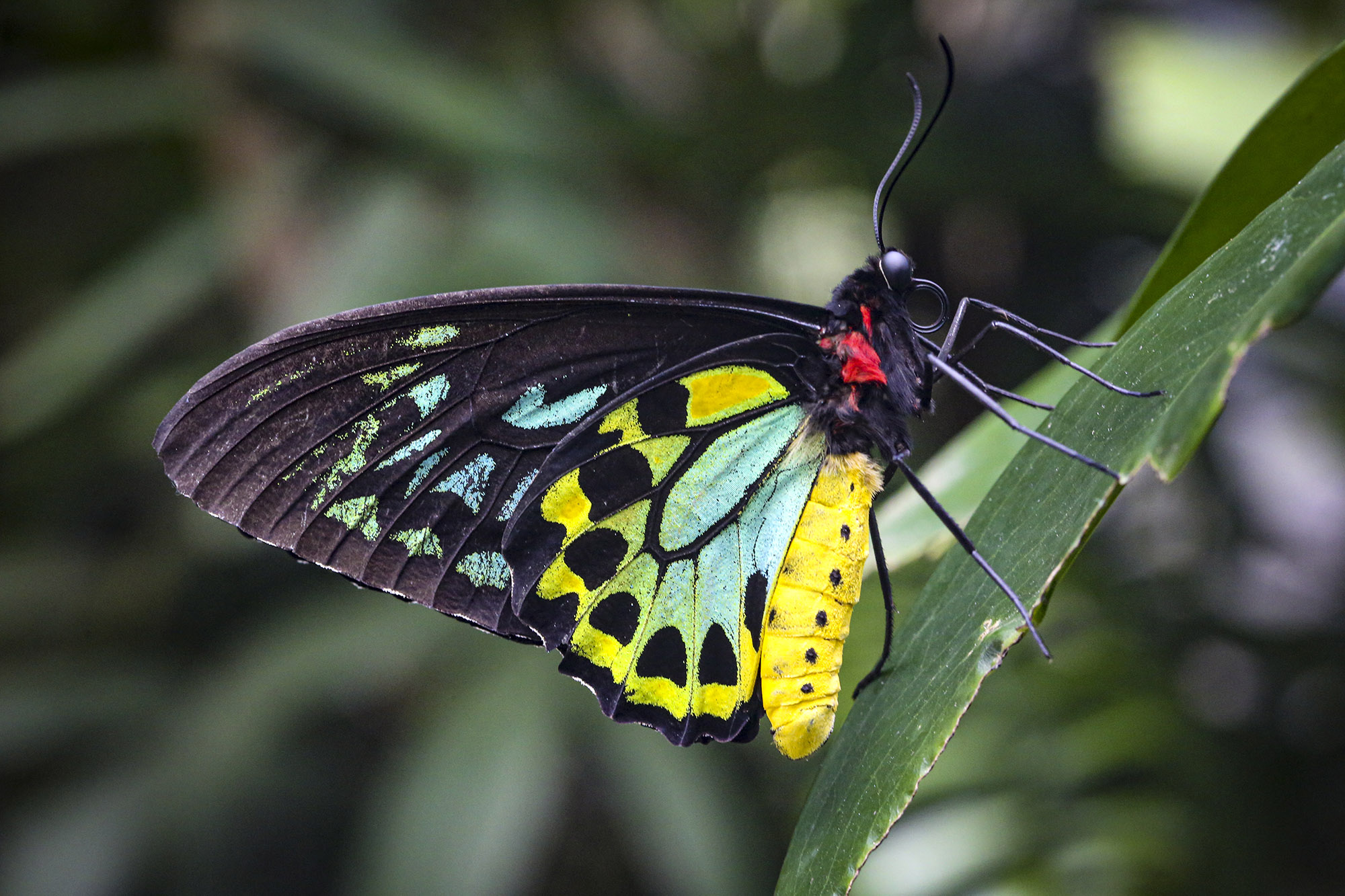
What do you think is the goal or mission that drives your creative journey?
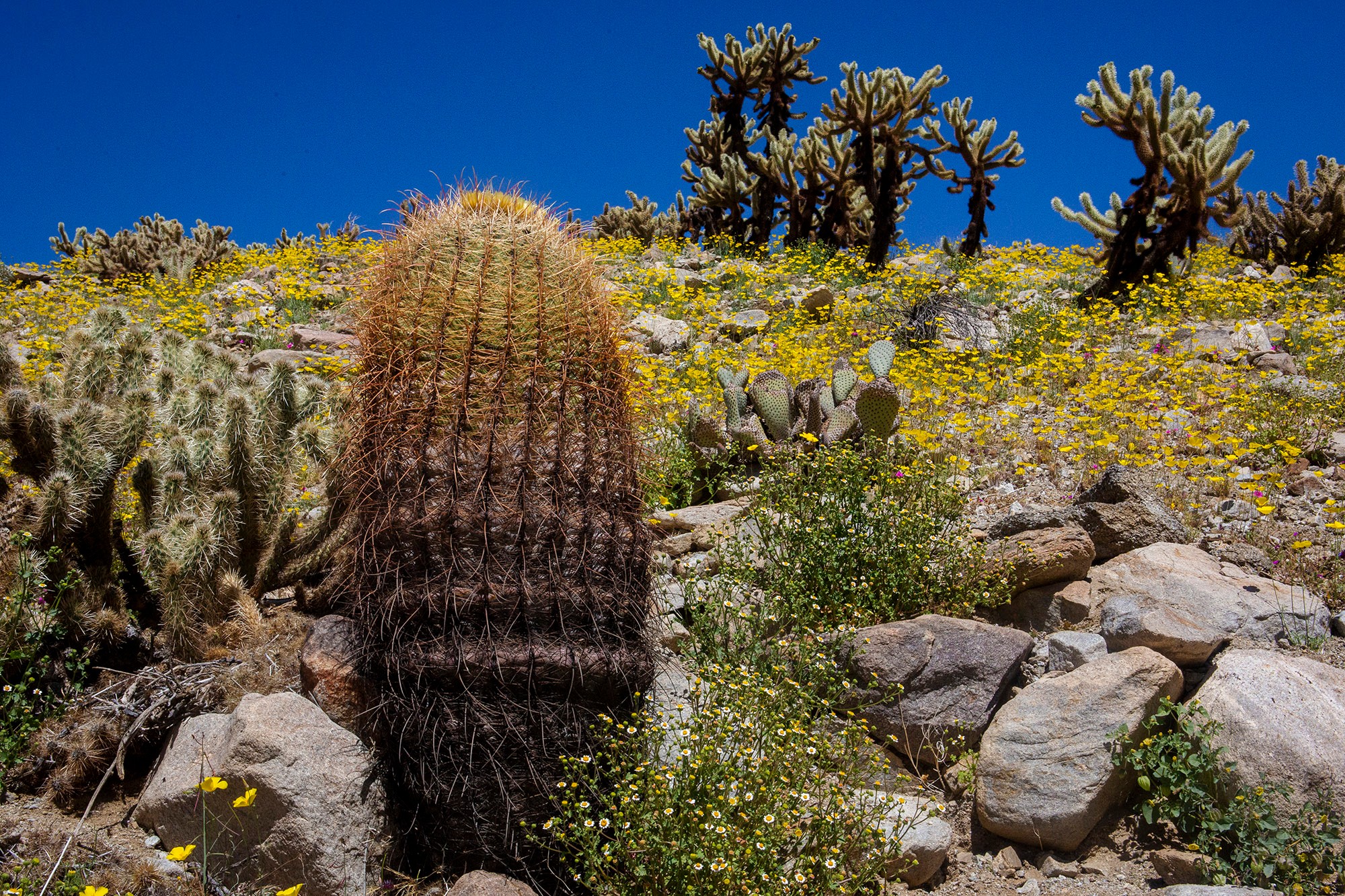
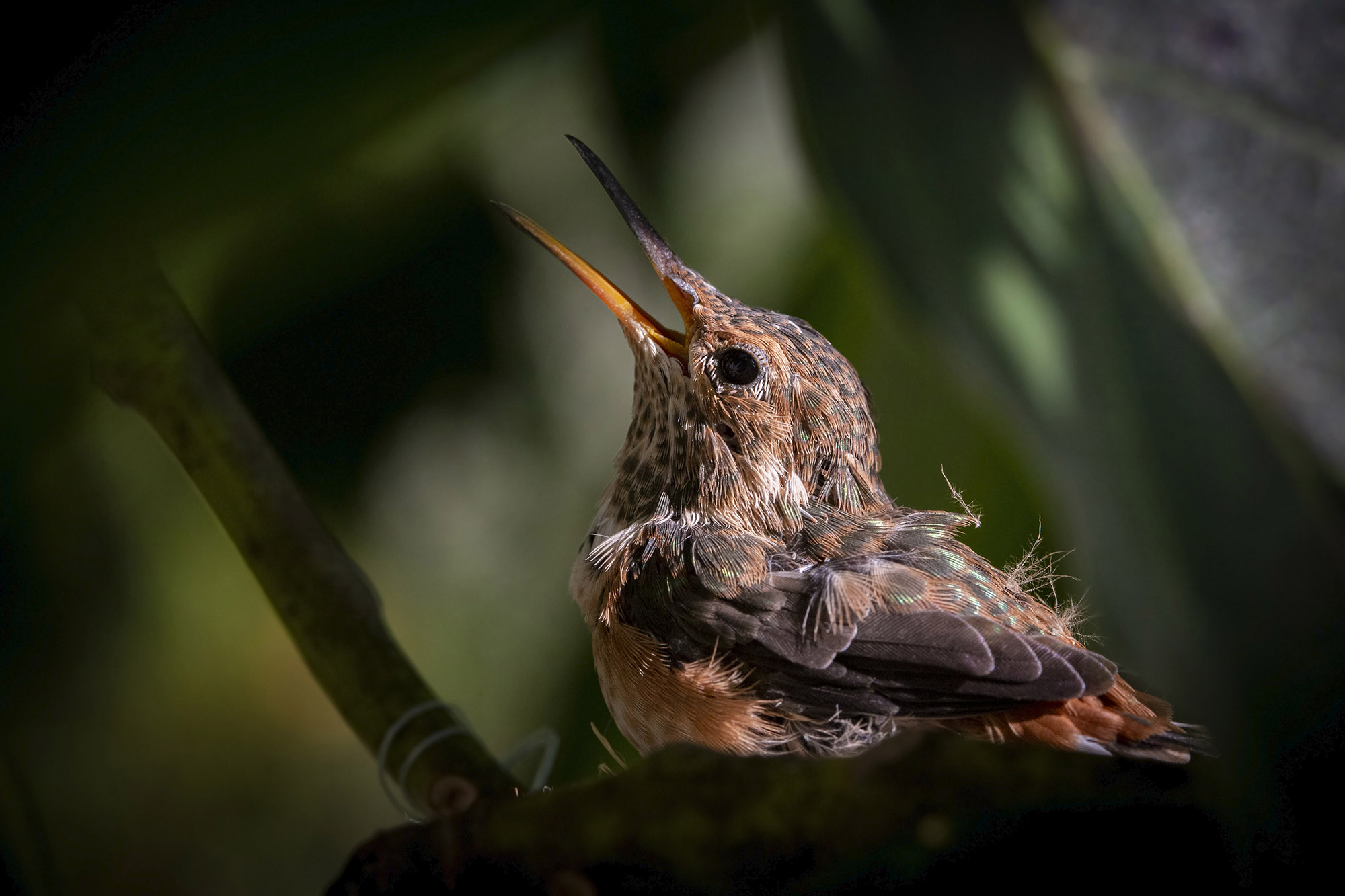
Long before I began selling my photos, wildlife photography was a way for me to seek a connection to nature and capture my experiences with wild animals in a way I could bring home with me. Photography helps me take a more thoughtful approach to viewing wildlife as I have to really consider what it was that drew me to each scene and then figure out how to capture that story in a photograph. By adjusting the framing and settings to provide the right emphasis on each element of the photo, I try to capture what I was experiencing in that moment, what was special about that encounter, and how I felt connected to the animal and/or its environment.
My goal in creating Slice of Wildlife and selling my photos is to share my passion with others. I hope looking at my photos helps others feel connected to nature, even the parts they may not have previously thought about or experienced themselves. That connection can lead to so many different things. It may help someone discover a new joy or passion. It might inspire people to form their own connections to nature. It can raise awareness for nature as a beautiful, precious resource, something that, in turn, could maybe even inspire big or small acts of conservation. If nothing else, I want people who purchase my photos feel the same joy I do at having a little slice of wildlife in their home.
What’s the most rewarding aspect of being a creative in your experience?
My favorite part of my work is not only going to so many amazing places and seeing so many incredible things in order to capture my photographs, but using my photography to take a little piece of those experiences back with me. Every time I look at one of my photos, I relive the moment when I captured it and think of the exciting adventures that led to each shot.
What makes reliving the experience even more rewarding is when I can share it with someone else. I relive the moment in even greater detail when I am describing it to another person alongside the pictures. Whether it’s a friend or family member, a potential customer, or a visitor at an arts event, I love being able to talk about my art and the story behind each shot.
Hearing others appreciate my work and stories is not only something that feels nice and boosts my confidence, but something that helps me to remain appreciative of my own lived experiences. Life, as it tends to do, hasn’t always gone exactly the way I had expected. It’s easy to get lost in your own vision of what might have been, but each photograph I take brings me back to the amazing things that really have been in my life. And a stranger’s perspective, untainted by my own comparison to how I thought things would be, is an invaluable reminder in not allowing the failures or regrets to eclipse the joy for my successes and gratitude for my experiences.
Contact Info:
- Website: https://www.sliceofwildlife.com
- Instagram: @sliceofwildlife
- Facebook: https://www.facebook.com/sliceofwildlife
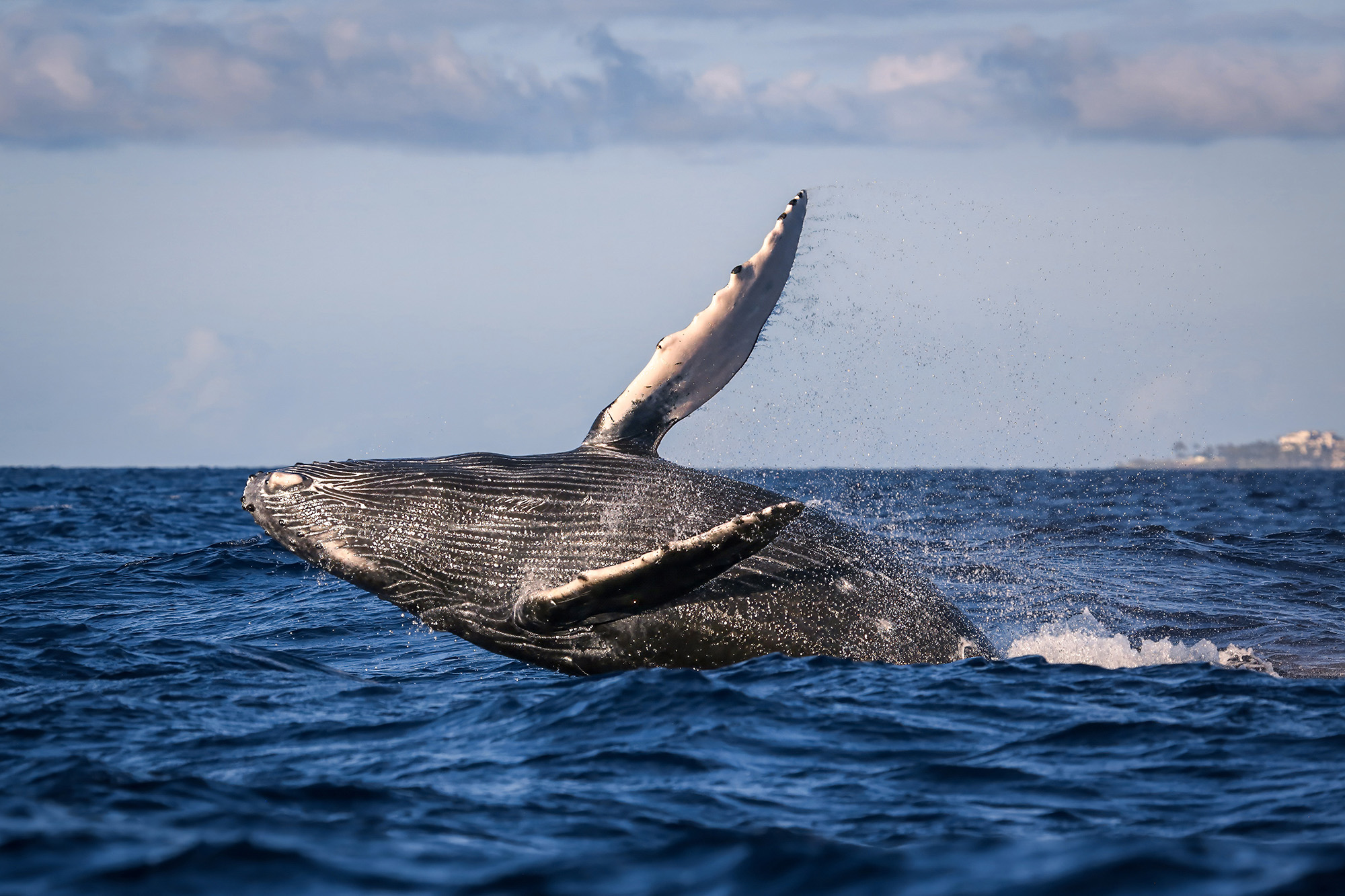
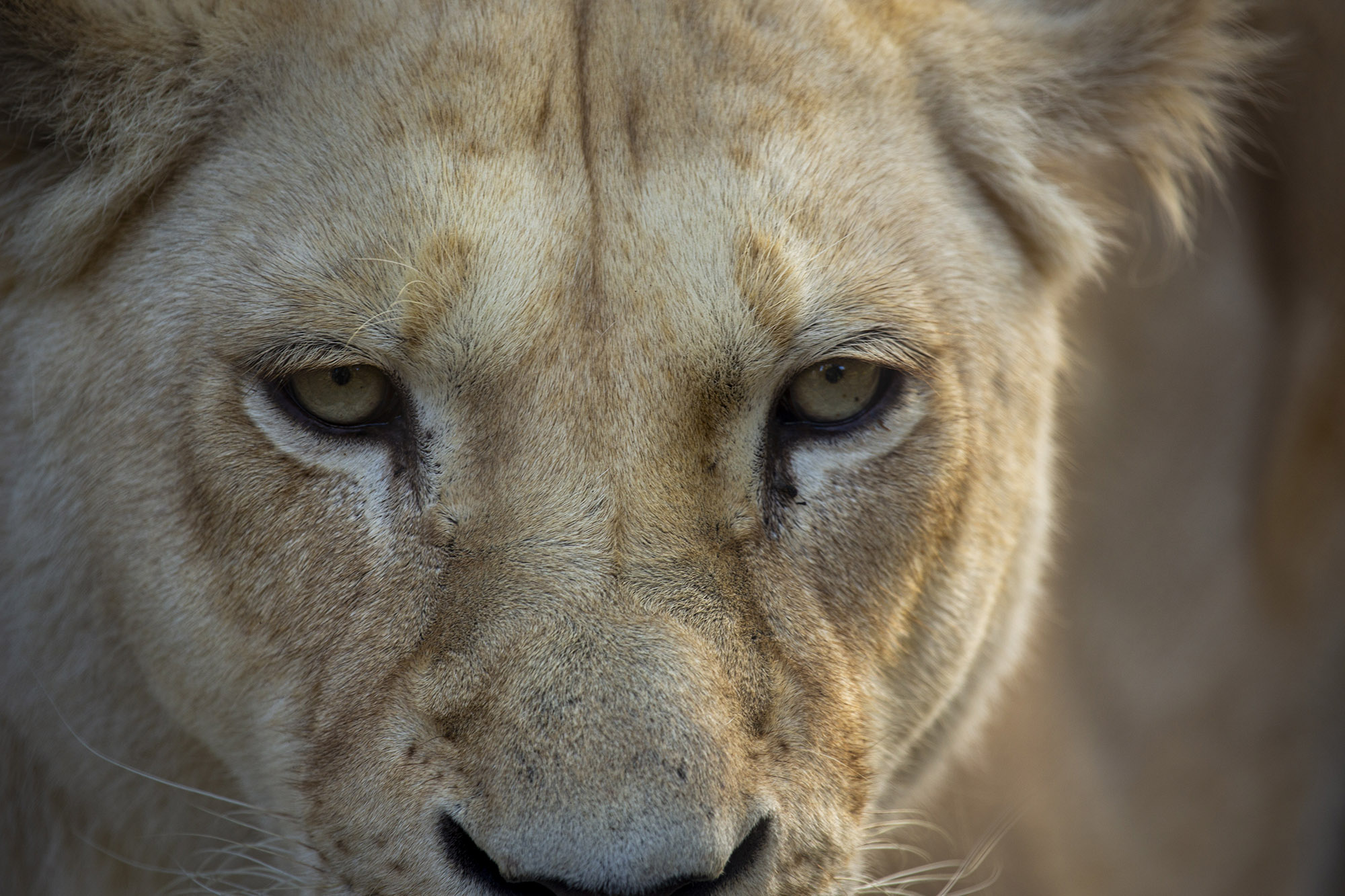
Image Credits
Tara Terpening (Slice of Wildlife)