

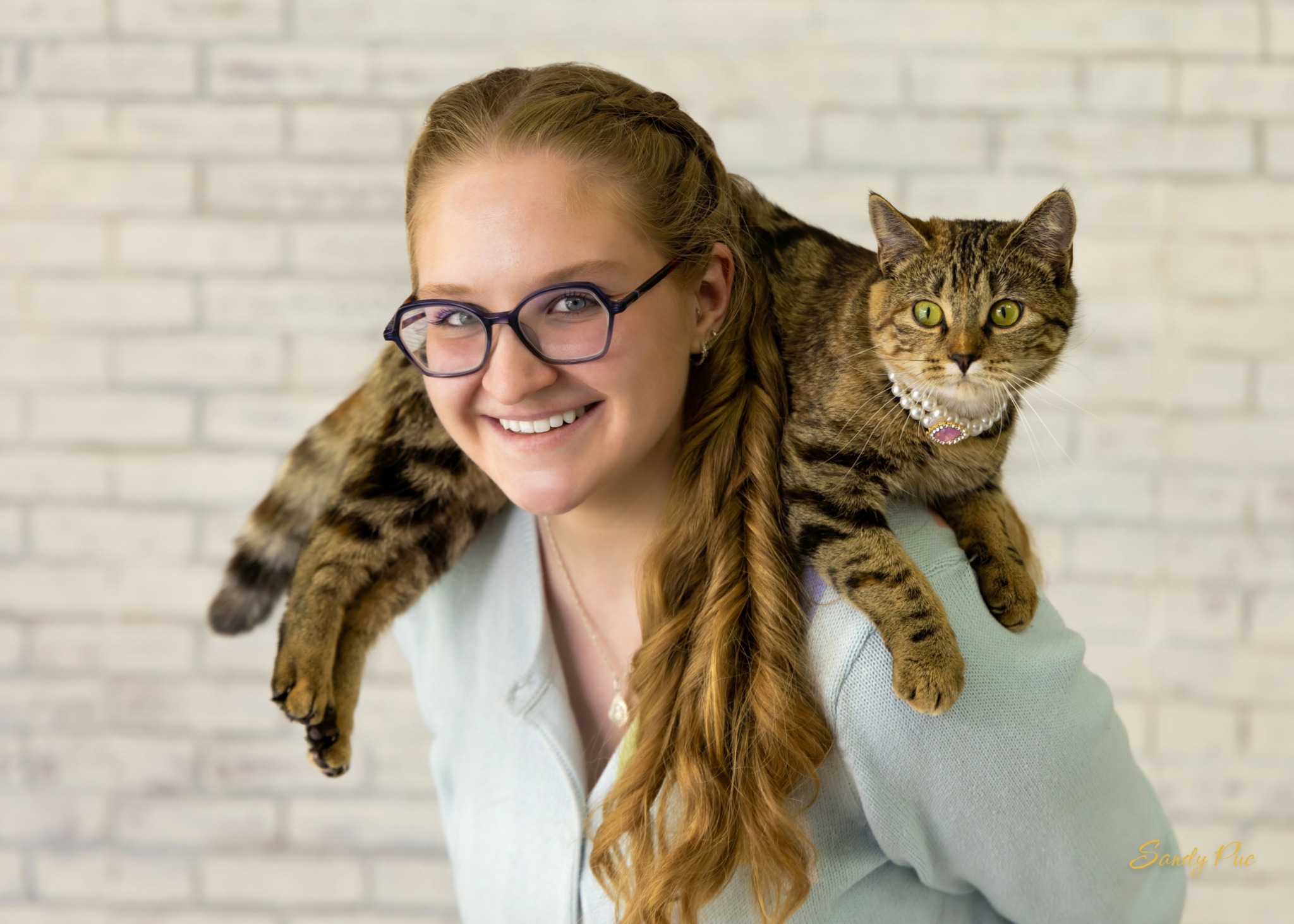

Wanting to be an artist or creative is step one. Following through means investing in learning your craft, but we’ve heard from so many aspiring artists and creatives who feel unsure about where to start and so we’re incredibly grateful to the artists and creatives who’ve agreed to share their stories of how they learned their craft.
Tyler Martin
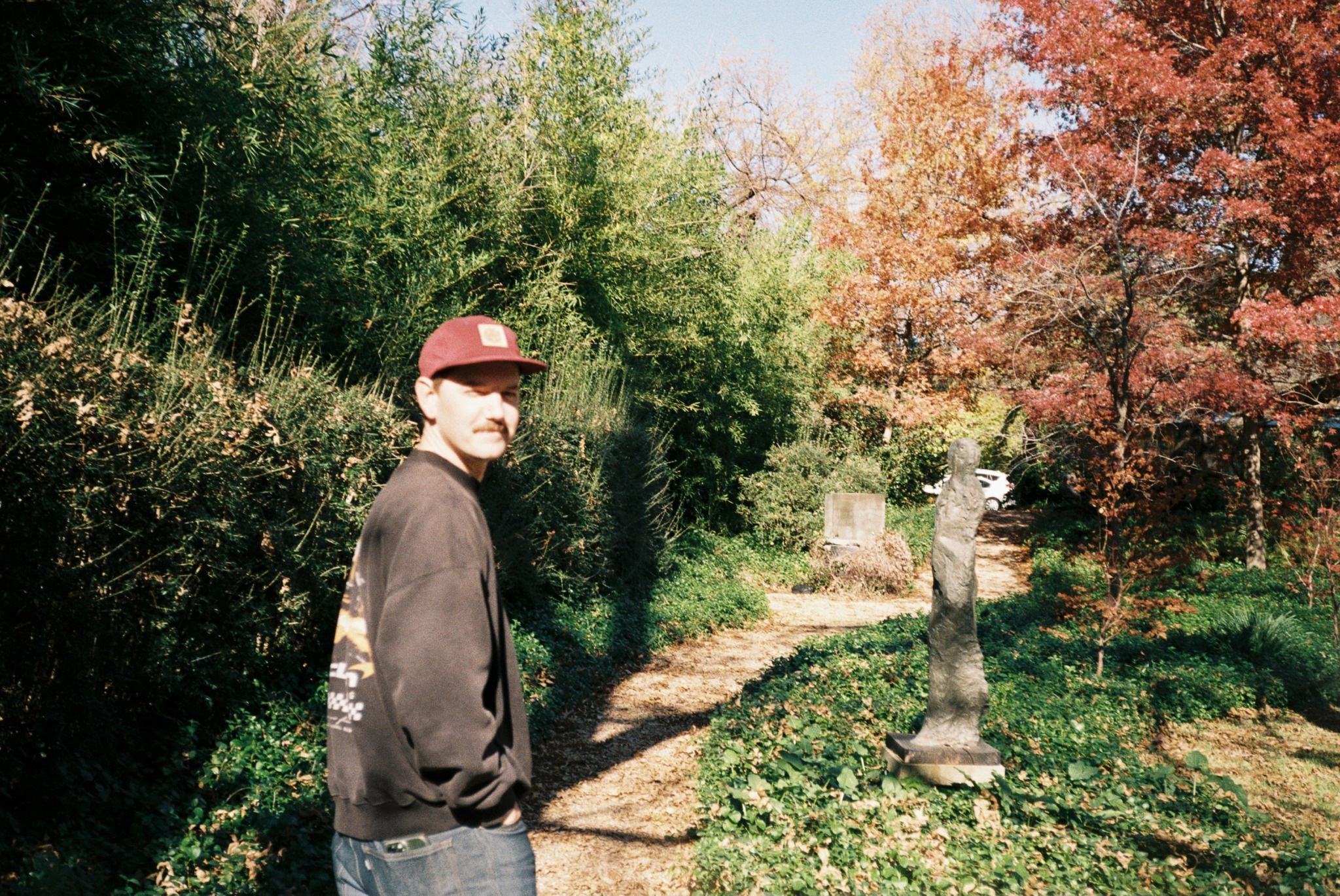
Over the last 15 years of being a studio musician, I have picked up a lot about what it means to be a producer and mix engineer. Putting those things into practice is another thing altogether though! When you are the one tasked with turning an idea into something complete, you have to not only know how to navigate all of the fine details of making a piece of music, but also the relationships and the talents of the people you’re working with. I don’t believe there is a way to expedite this part of the job. You really have to put in the hours and gain the experience of working with many different types of people, under deadlines, and face a lot of trial and error. It really is a constant learning experience. Read more>>
Pete Caren
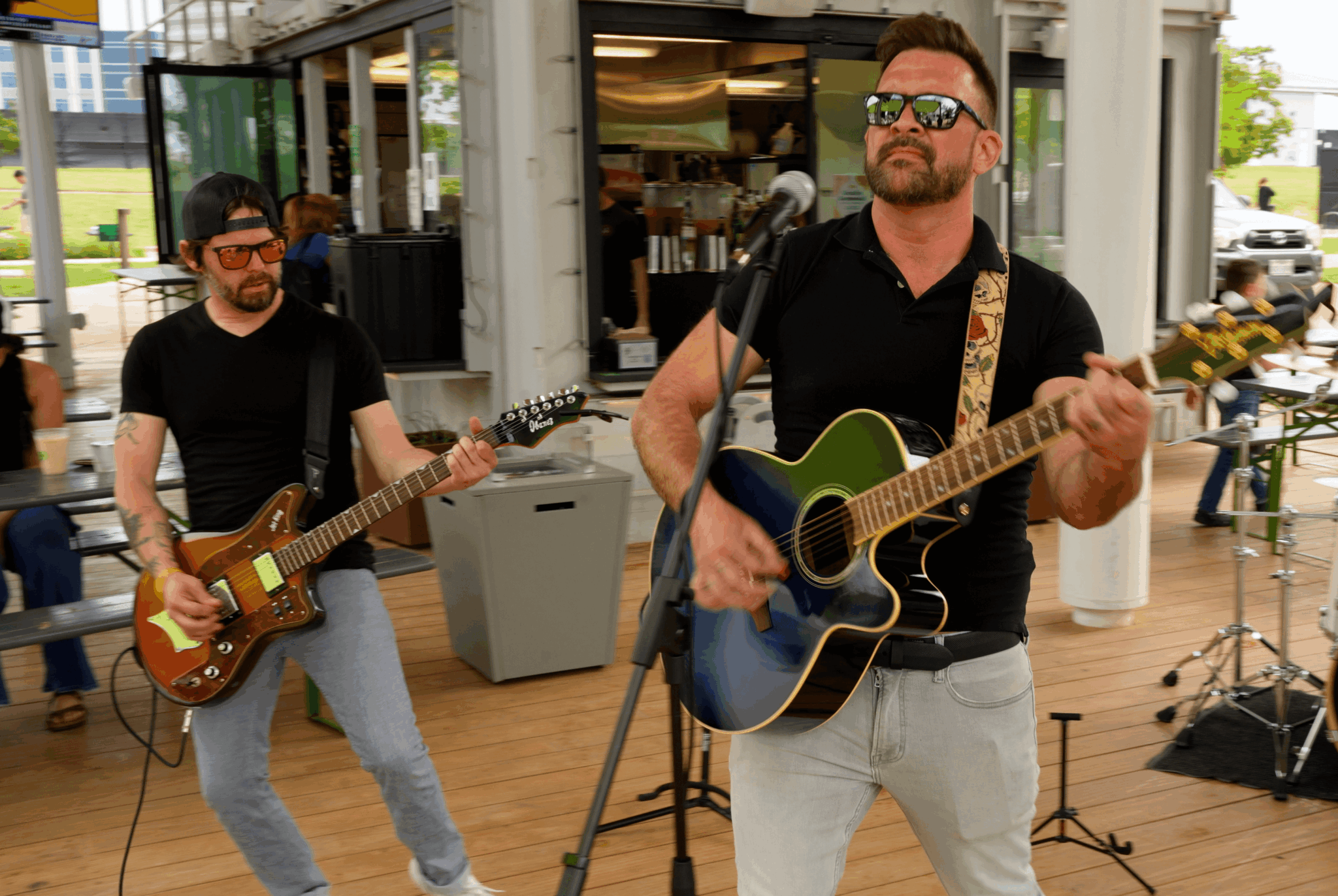
I started learning to play music at an early age. I’m still learning today and I’ll do so for the rest of my days. But to get my music in front of audiences, the skill I actually needed to hone was not making music, but “being a musician”. No one tells you the amount of business savvy you’ll need along the way. I played shows back in Detroit as a younger man, but we weren’t doing the kind of volume you see in Austin and we definitely weren’t making any kind of respectable money. Read more>>
Rachel Rabin
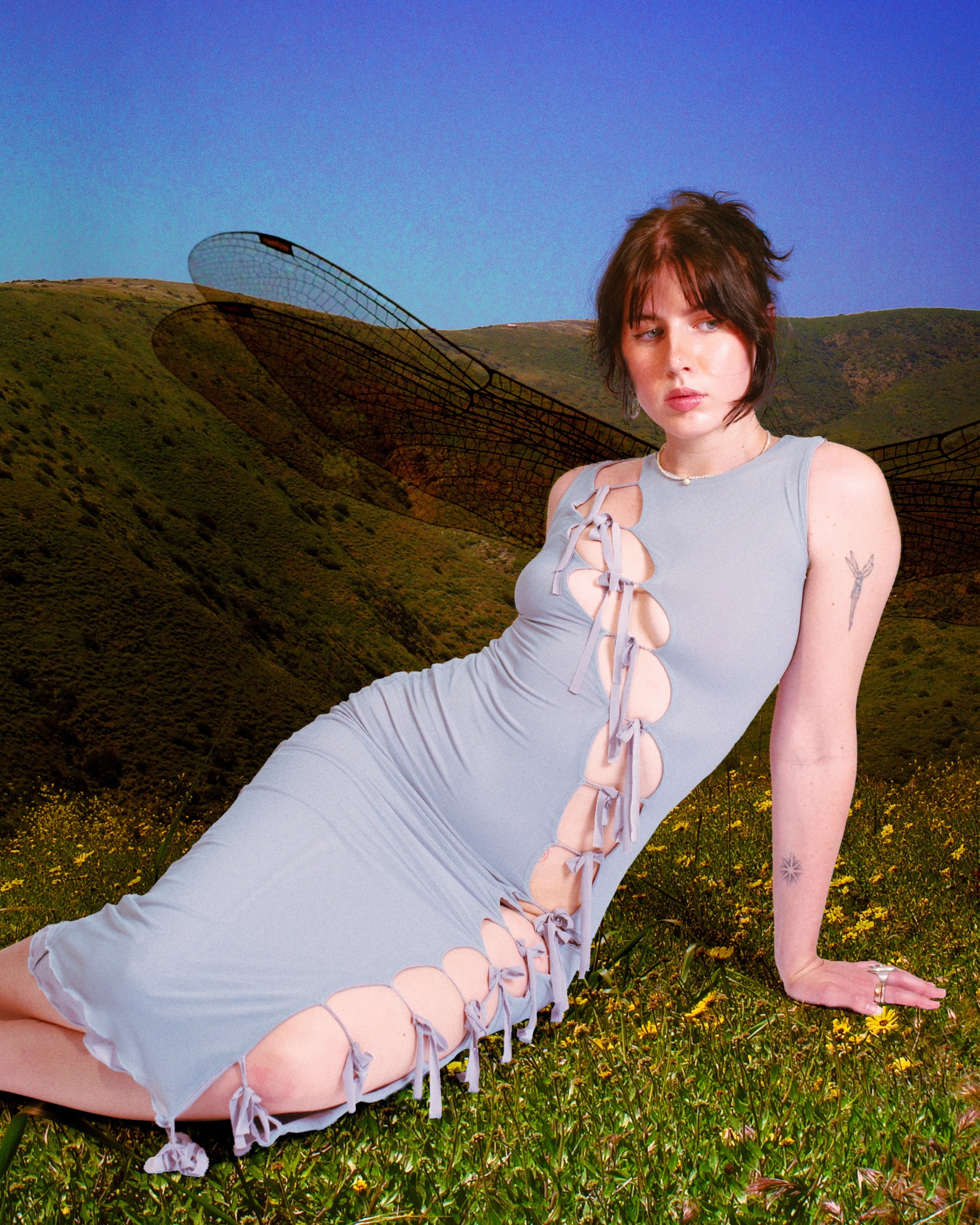
I learned by trial and error and watching other artists and trying to emulate what they were doing. There used to be a really incredible community of photographers on Flickr, and that’s where I did most of my learning. I saw what settings people used on their cameras and read about the photoshop techniques they mentioned, and then googled and learned and made a lot of really bad art to start making good art. The biggest obstacles that stood in the way of learning more was my ego. When I first started I was so hungry for knowledge and my brain was so malleable. I had no preconceived notions about how good I should be or what my art should be looking like. I was more willing to experiment and go out of my comfort zone and experience the frustration that comes with growth. Read more>>
Daniel Pico

When I was growing up outside of Chicago, I found myself always playing make-believe in some way. Whether it be with my friends inventing a storyline for us to follow as we roamed the woods on the weekends, or with my toy guns defending the perimeter of my back yard from an imagined enemy. I was just playing as kids did in those days without a screen in my hand 24 hours a day to keep me occupied, and trips to the movies were special because my father was a notorious penny pincher and waited for movies to end their first run and go to the dollar theaters, so when the rest of the world had seen Spaceballs I had to wait 10 weeks after its release to understand the schwarz jokes my friends were already repeating on the playground. Read more>>
Melanie Benyahya

I was raised in a family of artists, so my love for creation has been part of my life since I was a child. My relationship with art has been led by a need for expression and a constant search for belonging. Although my educational background is in journalism and graphic design, I love doing a lot of different things such as illustration, analog photography, collage, writing and tattooing. I started my journey as a self-taught artist – observing nature and translating it to paper and from there to skin. Because it resembles a way of drawing that I have always resonated with, fine-line tattooing has become the medium that I have connected with the most. Read more>>
Kelly Lundquist

I’ve been trying to write the same book (a memoir about my first marriage and what it taught me) for twenty years. In fact, I began drafting early forms of it only months after that marriage ended in 2003. During the time I cover in the book, I completed a BA in English, an MA in English, and I’d enrolled in a PhD program in English/Cultural Studies. During those years, I was also teaching writing and being trained as a Writing Center tutor. In the wake of my divorce, I dropped out of the PhD program. Two years later, I enrolled in an MFA in Creative Writing program (with an emphasis in Creative Nonfiction). Despite all that training, every time I sat down to attempt to write the book I had in my head about that first marriage, I struggled to get it down on paper. Read more>>
Brent Marr

Originally, I just wanted a Sleestak mask for a dumb Halloween idea. When I couldn’t find one commercially, I asked myself, how hard could it be to just make one? I watched enough of the TV show “Face Off” to know I had to make a sculpture and a mold, but little else. I had played with modeling clay as a child but really had only made childish things. I didn’t know if I could actually sculpt, but I bought some clay and an armature head and began. I was pleased enough by my work to continue making the mold and set out to learn how… through many hours of YouTube videos and some experienced help from local friends and Facebook connections, I built a mold and cast a mask in slip latex… it came out so AWESOME! From there Portland Sleestak took on a life of its own… Read more>>
Anna Brinckmann
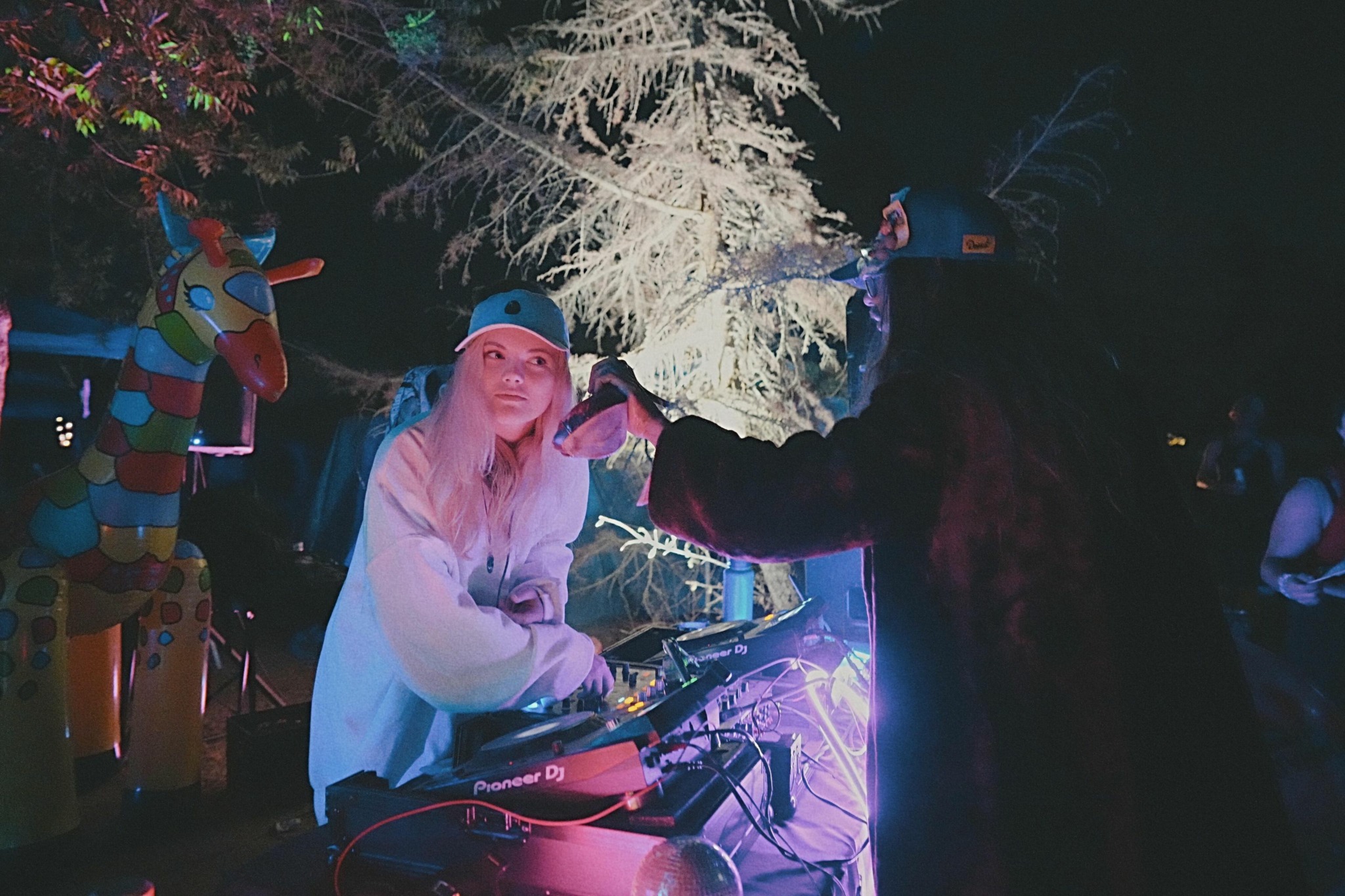
I learned how to run a record label, DJ, produce, and navigate business connections by immersing myself in the process. I am a hands-on learner, and I master crafts more quickly when I jump into them headfirst. I learned to DJ at a club with friends in San Francisco. They put me behind the decks and told me which buttons to press. With their encouragement, I DJed at my first festival just three weeks later, still hardly knowing what I was doing but somehow making it through. This method of learning has stuck with me across multiple crafts. I learn much more quickly under pressure, and hands-on learning sticks in my mind in a way that reading, listening, or writing cannot. Read more>>
Jerry Weiss
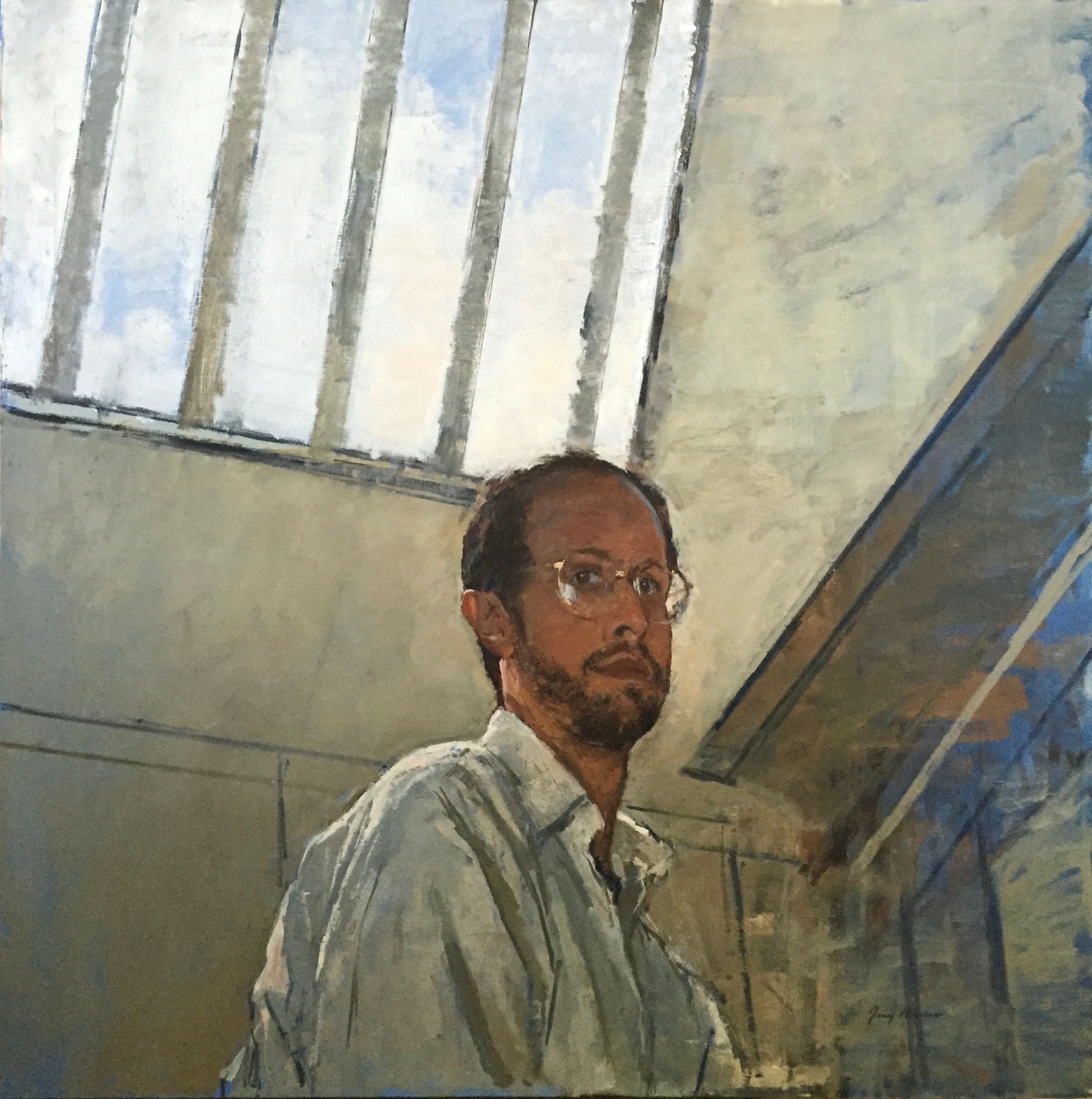
I learned about drawing from my parents, who were both artists, and from their art collection. My father instilled a belief in the imperative to draw the figure from life, and though I was shy about it at first, I began attending life class at 17 and have taught the practice for thirty years. Since 2012, I have taught figure drawing and painting at the Art Students League of New York. Read more>>
Mallory Phillips

I have recently pivoted into the Web Development career from a career in music, so I knew I had a lot to learn in Web Design and Development. I did research on the best way to learn web development skills and found numerous online resources to aid in being a self-taught developer. I learned the basics (HTML, CSS, and JavaScript) and have expanded my learning to libraries and frameworks like jQuery and React. I’m building upon these foundations every day – one thing I love about this field is the constant state of learning. I love learning new things and testing myself. Everyday I can wake up and know there is something new to learn or create. Something I realized quickly is that my studies in music prepared me more than I would have thought for this career leap. Read more>>
Masako Kamiya
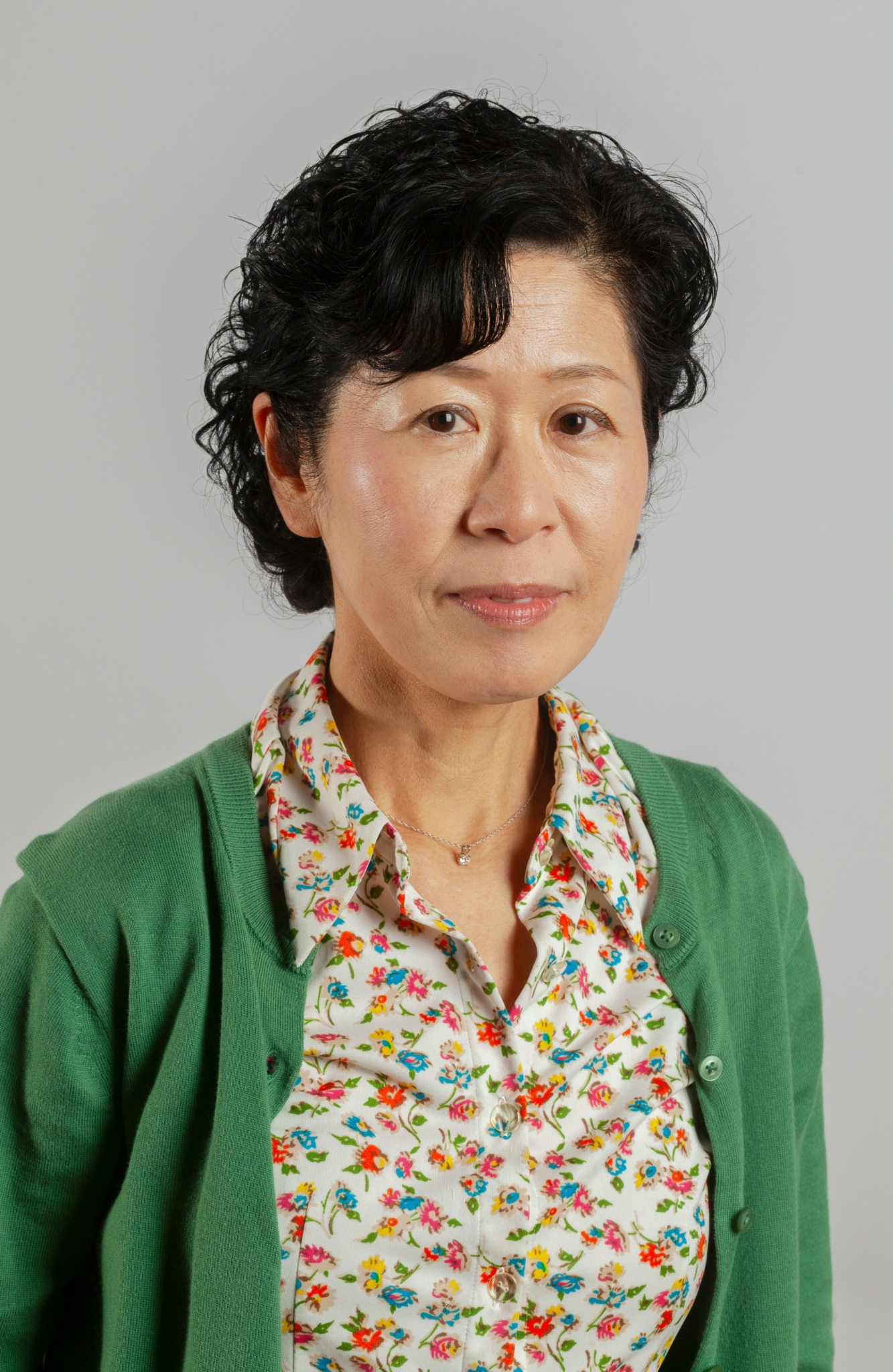
I make my paintings with gouache on watercolor paper, building up dots of paint into quarter-inch, stalactite-like columns with subtle and rich variations in layers of hued gray. From a distance, the painting presents a uniform structure of sedate colors, while at proximity, the painting’s third dimension reveals a deep ocean of densely chromatic columns that appear to sink slowly into the painting’s ground. I studied studio art for both my undergraduate and graduate schools for over six years learning drawing and painting with oil paint, watercolor, acrylic paint, and all kinds of drawing materials. The sustained and accumulative practice allowed me to investigate these media and formal ideas and gave me a sense of familiarity with the nature of these materials. I learned my habits and unlearned them by parting with creative methods I felt comfortable with so I could take chances and explore more with innovative applications, mark-making, scales, and surfaces. Read more>>
Adam Snyder

I think I’ve always had a good ear for language. I started writing short stories as a kid, and eventually got an MFA at the Iowa Writers’ Workshop, but still couldn’t quite figure out how to finish a novel. For years I thought of “The Hero’s Journey” as a model, which I do think is helpful. It wasn’t until I got what you might call the Three Act model into my head that things finally clicked. It might sound obvious, but you really do need to understand the beginning, middle, and end of your story. Earlier on, I think I was too dismissive of contemporary fiction writers. Now that understand the process better, I tend to give other writers a lot more credit. I see where I can learn from them, and get more enjoyment from reading in the process. If you’re thinking about writing a novel, rather than reinventing the wheel, I would suggest figuring out which genre is the closest, then read the heck out of other authors that you like (and maybe some you don’t think you like) in that same genre. Read more>>
Amber Desilva

I grew up in an artistic household. My mother was an artist. I loved watercolor and practiced it in my teens and early 20’s… Art was always there. I had forgotten, but a friend reminded me that when I was 19 and living in Paris, I would take my pencils and watercolors out on the Sundays and practice in parks. I got sidetracked having 4 daughters, and spent many years being a mom. I would occasionally practice with other artists such as Jennifer Perlmutter, just to keep creating. In 2020, I began to make collage cards. We were all in quarantine so it made sense. I remembered that I loved it. I deliberately avoided school or too many YouTube videos so that I could find my own voice. I tried collage, acrylic, inks, drawing, mixed media and eventually oils. After my mother passed in 2021, out of desperation really, and a subconscious urge to process her death, I began practicing daily and really focused on growing as an artist. I taught myself everything I could.About a year ago, I began working with Scott Waddell in portrait art and he has helped my craft so much. I would not change anything about my pace or how I learned. It really worked for me. I was able to first just express and grow how I wanted and then – when I had a stronger sense of my art – fine tune it with Scott and the occasional video. Most essential in all of this did not have to do with the craft itself, but my ability to show up consistently and not be too hard on myself. It has allowed me to soften towards myself. Mistakes happen and you learn from them. Read more>>
Josh Jones’s
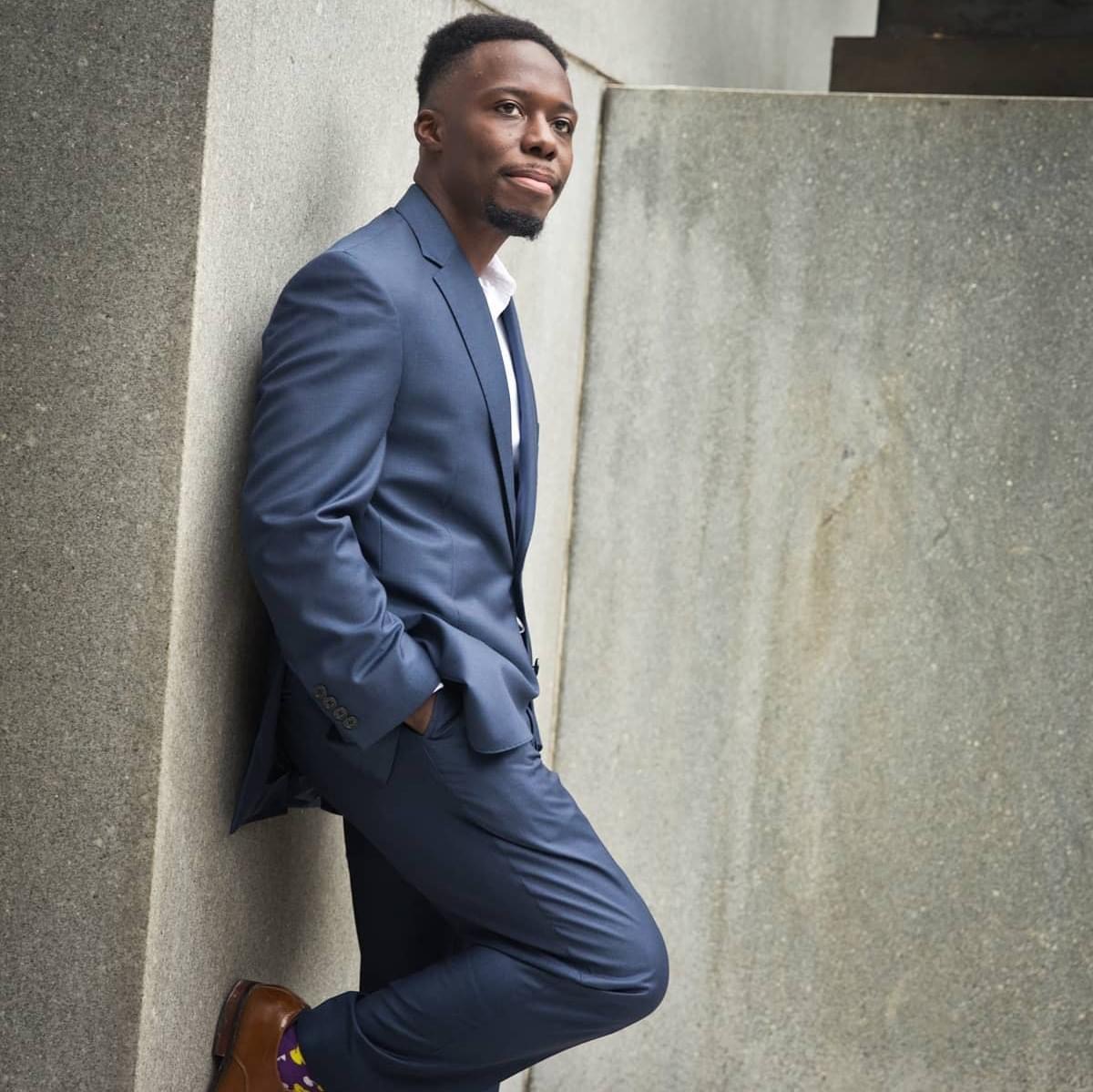
I was very fortunate to not only have private instruction at a young age, but mentors throughout my education. Through their guidance and countless hours of practice I am not only a master of my craft, but an internationally recognized educator. If I knew that the key to success was finding your voice and expressing it, I would have been able to navigate moments of imposter syndrome that hindered my growth. However, the most important skill that I gained from not having that wisdom was positive self talk. While I believe imposter syndrome was a major obstacle, there were outside factors as well, worst of which were bad actors. Read more>>
Ashlee Tan
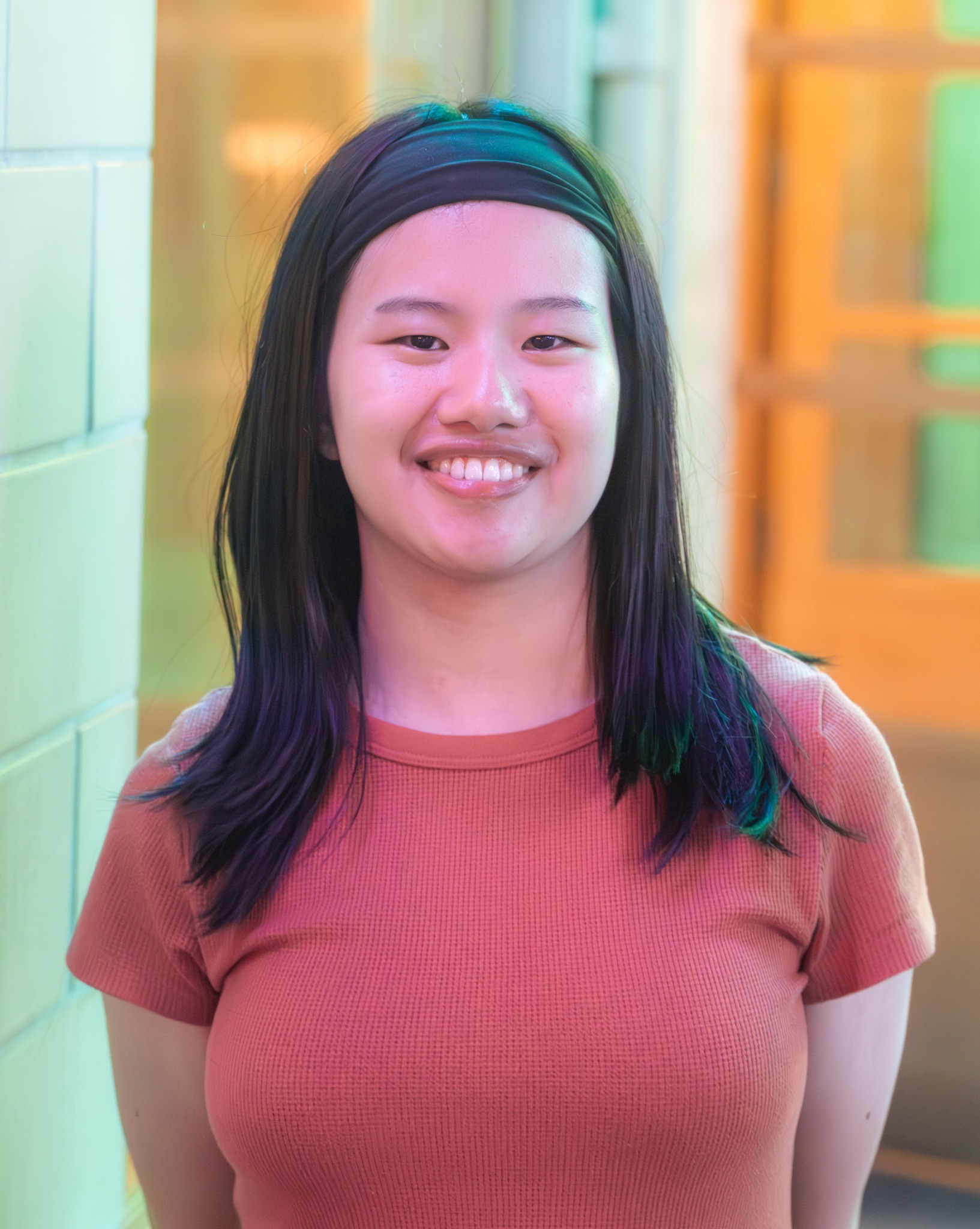
I mainly learned photography through playing around with my Dad’s camera. Growing up, my Dad would always bring his camera with him on family trips, vacations, or even for family get togethers. I’ve always had a fascination with the camera, so sometimes I would ask him if I could take some photos or play around with the camera. When he’d let me, I’d just snap away and take photos (mainly on auto mode). But I did learn from my Dad how to frame my shots. When he’d see me lining up the shot, he would always take my hands and show me how to frame the shot or subject properly. Later on, when I started sharing my Disney Parks photos on Instagram, I then dove into the world of photography even more and learned a lot by asking my favorite photographers in the Disney photography community how they got a specific shot and what their settings were and I would try it out for myself to see what worked and what didn’t. I would say that in some ways (or maybe a lot), what I know about photography and how I learned was through a lot of trial and error. However, I wouldn’t have it any other way because through the trial and error process, I was able to develop my own photography style. Read more>>
Lucile Lesueur
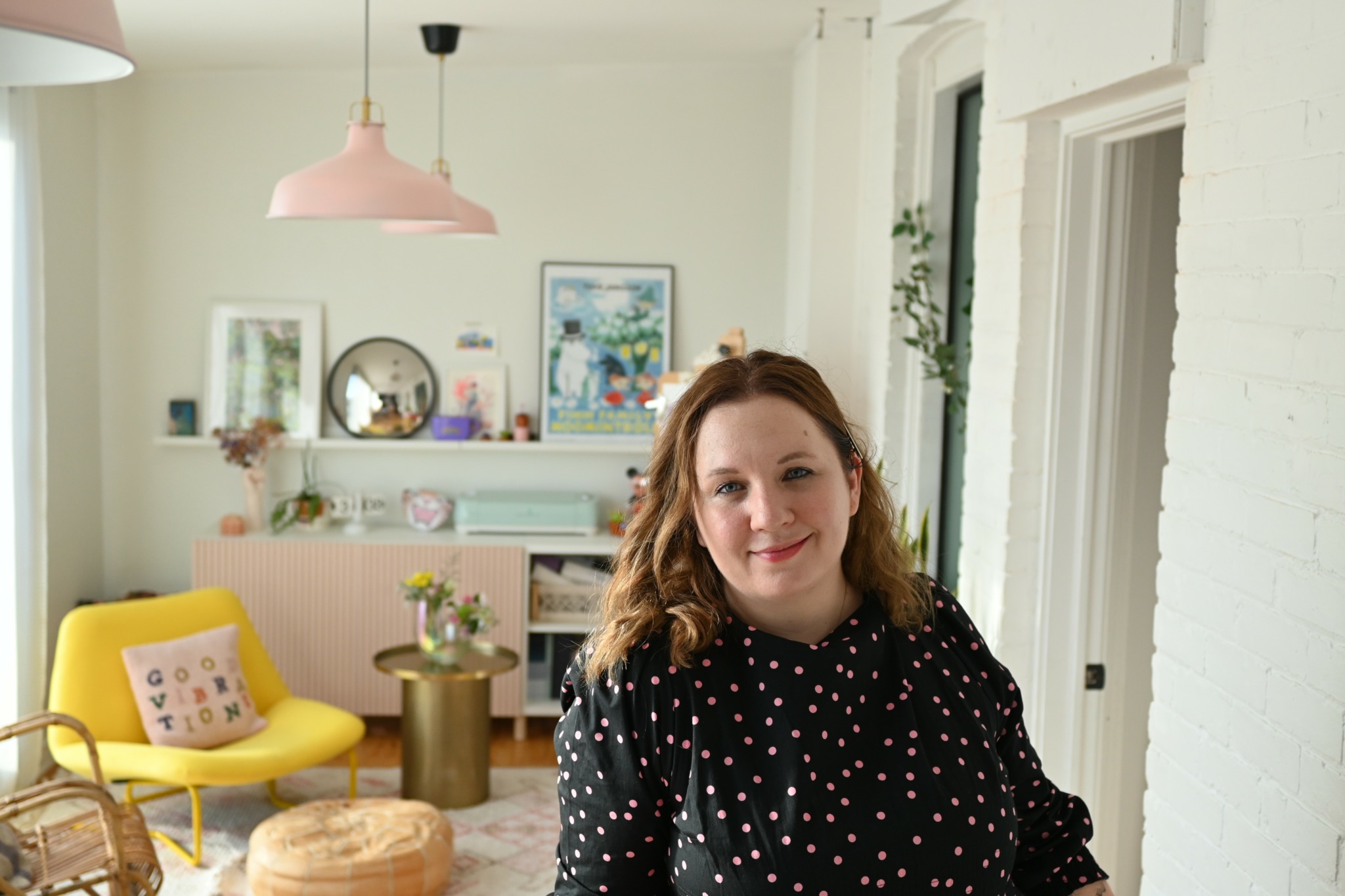
I learned the basics of design in college when I majored in Fashion Design in France and in Graphic Design in LA. However, being an “artist” seemed totally out of reach. I realise looking back now, that I was probably my own obstacle most of the time. My mind would tell me I was not good enough or did not “deserve” to do it, which can seem totally silly now. If I could go back in time, I would totally tell my younger-self that it’s important to try new mediums and that failing is not always such a bad thing. I truly think that trusting the process is key as an artist and that you grow and learn all your life. The day I understood that it was ok if my illustrations were not perfect and that practice would make the process easier, it unlocked a lot of things in my mind and in my work. Also, As a creative person, it is very important to allow time for new things like taking classes, going to new places in order to keep a creative flow, even if it is not always simple with the busy life most of us live in. Going to college taught me two qualities that I think are essential as a creative: Read more>>
Cliff Rogers

I learned to do what I do after meeting a veteran professional wrestler named Dapper Dan (Dannie Davis). Learning this craft was something I had always wanted to do from the time I was a young teenager. When I finally got the opportunity to train I was 26 years old. My head was swimming with what all might happen and might not happen. I was convinced that the training was going to be incredibly intense. However, my trainer was very subtle and down to earth. Pro wrestling is one of those things that has to be done at your own pace. In class, we would learn a few things at the time each day. I actually took to it very quickly and became one of the more advanced in the class. When I look back on my training, I was always trying to move up to the “next level” if you will. Read more>>
Jerry Hill
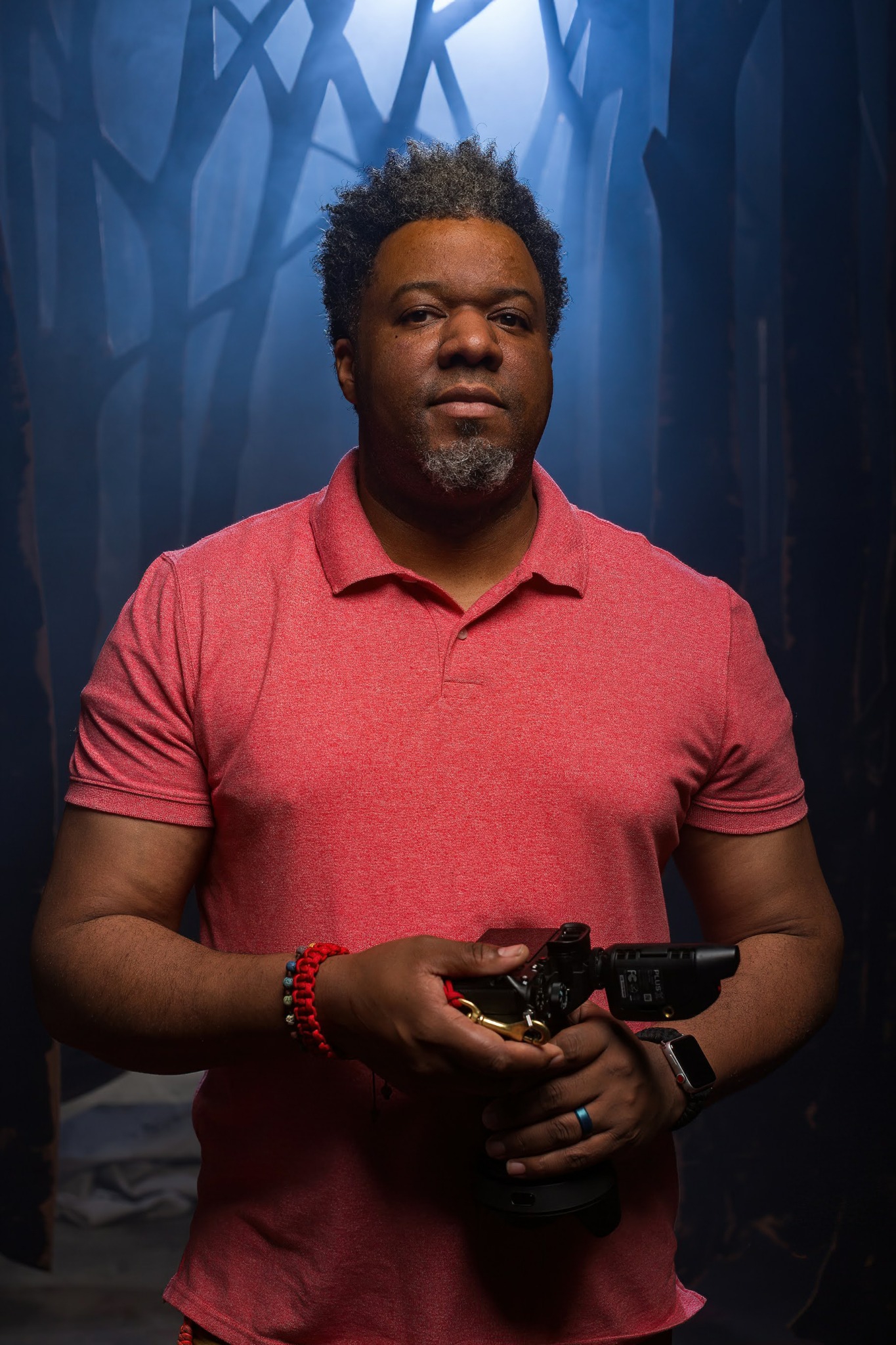
I learned to do what I do through a mix of hands-on experience, curiosity, and the drive to improve. I started tinkering with cameras and tech early on, diving deep into photography, videography, and DJing. Being self-taught, a lot of my learning came from trial and error, experimenting with different gear, lighting, and techniques over the years. Looking back, to speed up the process, I would’ve sought out mentors earlier—people who could guide me and share their experiences. Networking with pros and investing in structured education or workshops would have probably shaved off some time. I could’ve also gotten more comfortable asking for help when I hit roadblocks. Read more>>
Lance Weiss
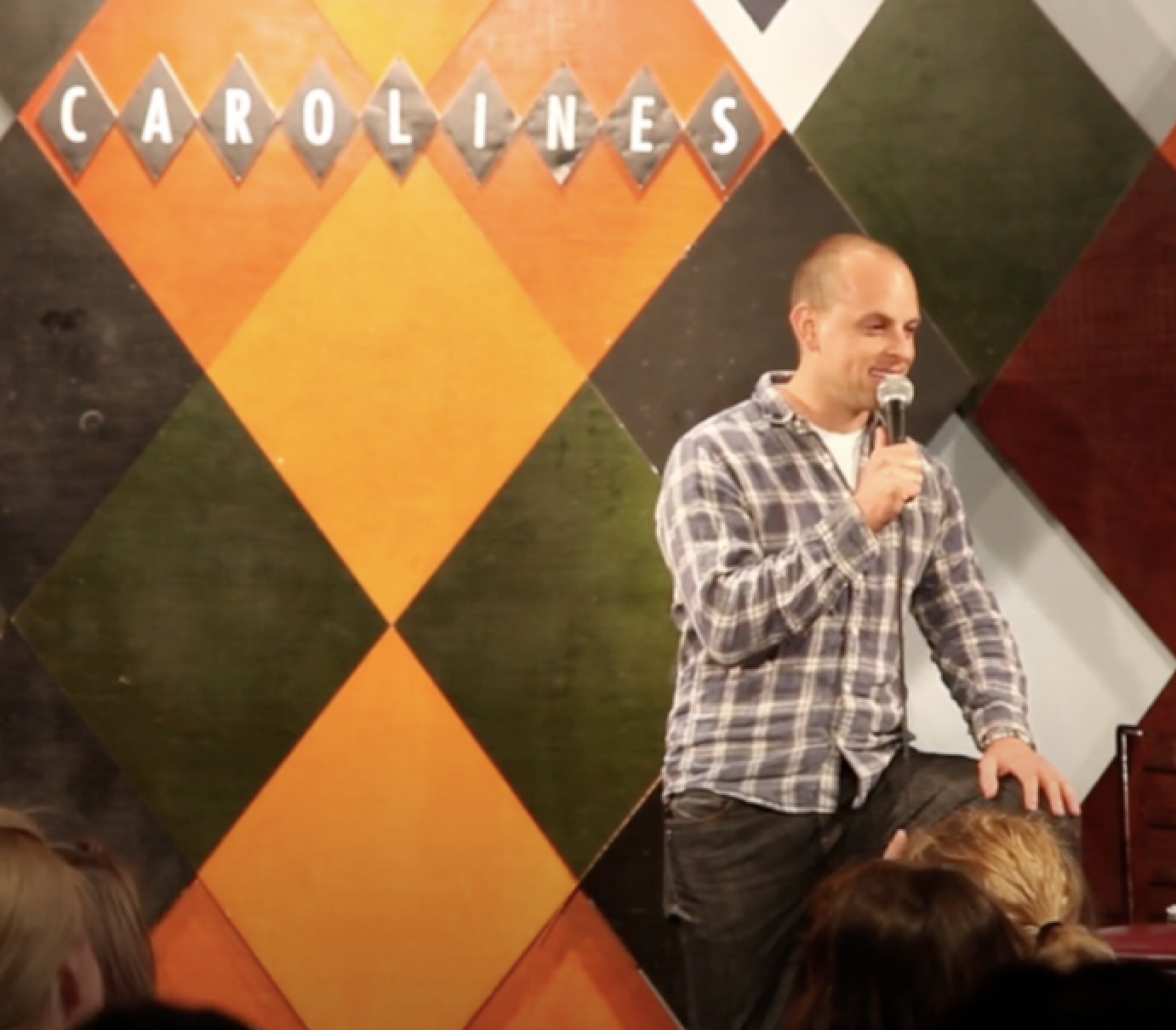
I think there’s only one real way to learn. Just start doing it, whatever it is. I read a ton of books on comedy, watched standup clips and wrote for months before I actually got onstage. Almost all of it goes out the window the second you’re onstage in front of a real crowd. Think of riding a bike. You can read about it forever, but until you get on there and start falling over and over – that’s when you really start learning how to ride! As I get older, I realize so much of life is just putting yourself in the mix. Just show up, ask questions, find who is doing what and where. Go there, and repeat. Just the more you show up, the more people recognize you, help you out, etc. You learn by just doing and also failing. You have to fail. Failure is progress. Read more>>
Carl-philipp Wengler
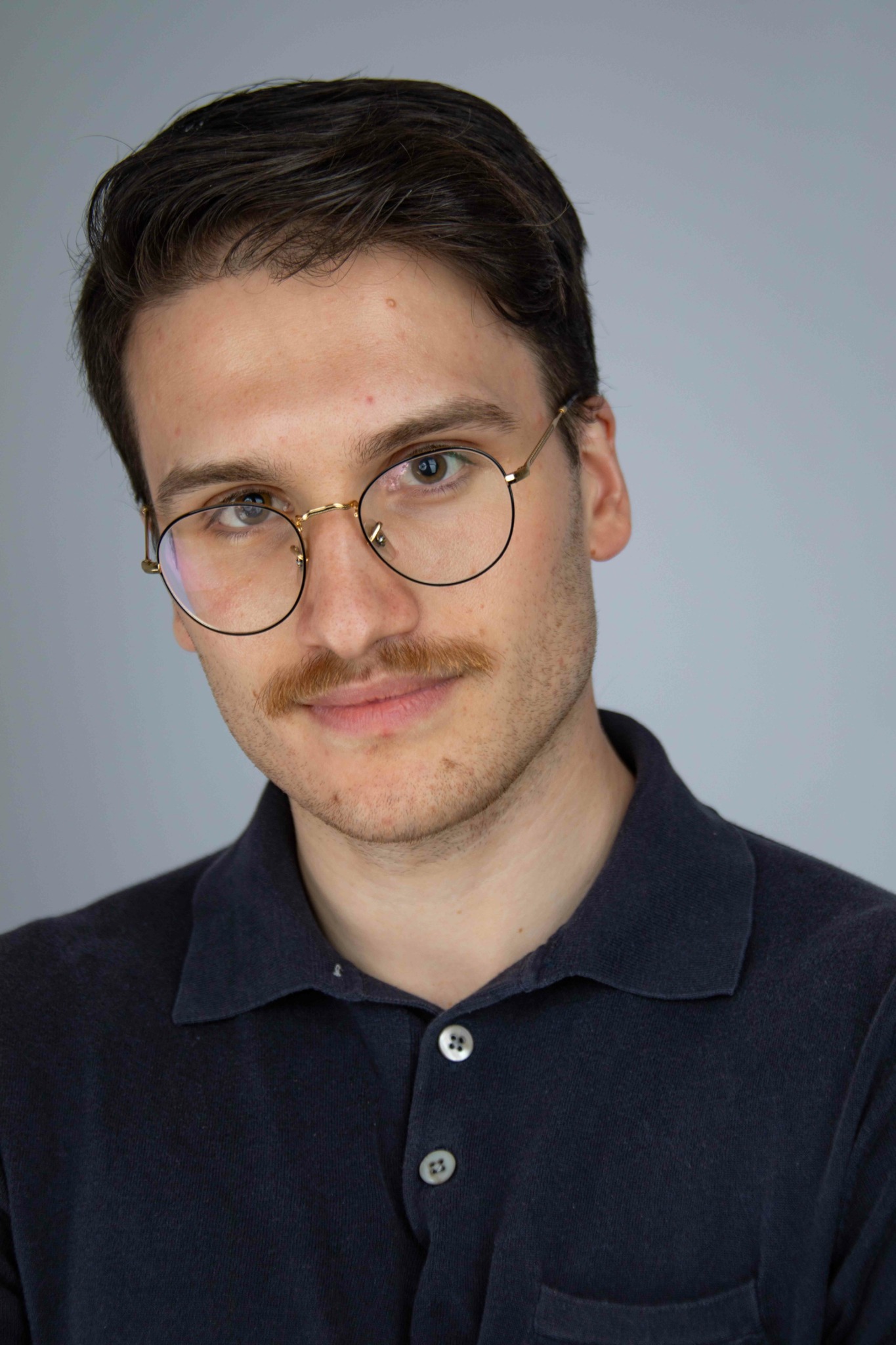
Hmmmm… Well for one, I don’t think you’re ever done learning as an actor and I believe you become better by simply living life. The more varied experiences you have to draw from, the easier it’ll be as an actor, I think. It gives you a wider range of emotions to draw from and will help you to relate to any character you need to portray or any emotion you want to bring to life. Read more>>
Austin Swegle
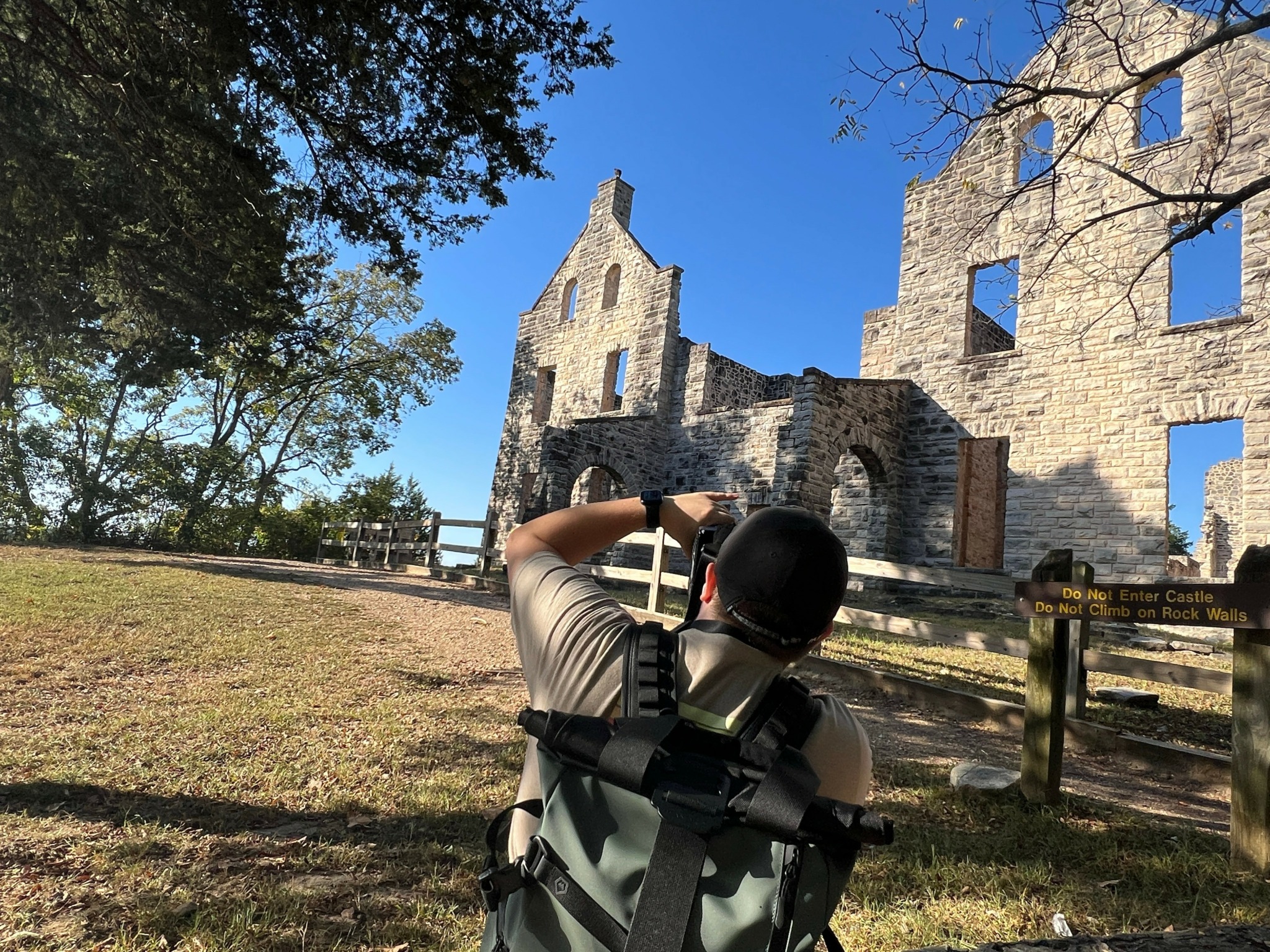
I began learning what I do at a fairly young age, at around ages 3-5. I got my interest in what I do from my mom. Knowing what I now know, I would have simply just done it more. Taken my camera everywhere I just take photos and videos and just create. I think one of the most essential skills is patience. Photography and things like it aren’t something you will perfect overnight. Many people will tell you they aren’t very good even though they have been taking photos for years. So you just have to be patient with yourself. One of the biggest obstacles for me in learning more was sometimes just the lack of confidence in myself. I would often think I wasn’t very good, so what’s the point? Read more>>
Crystal Jordan

I began my journey in acting by taking classes, which really gave me a solid foundation to work from. But just as important has been learning to trust my instincts and go with what feels right in the moment. Oh, and I can’t forget the magic of YouTube—it’s been a fantastic resource for picking up tips and techniques along the way! Knowing what I know now, I would focus on continuing to progress and remind myself that it’s okay if a particular technique or style doesn’t resonate with me. Embracing that earlier would have allowed me to explore different approaches more freely and find what truly works for me without feeling stuck or discouraged. Read more>>
Isaac.
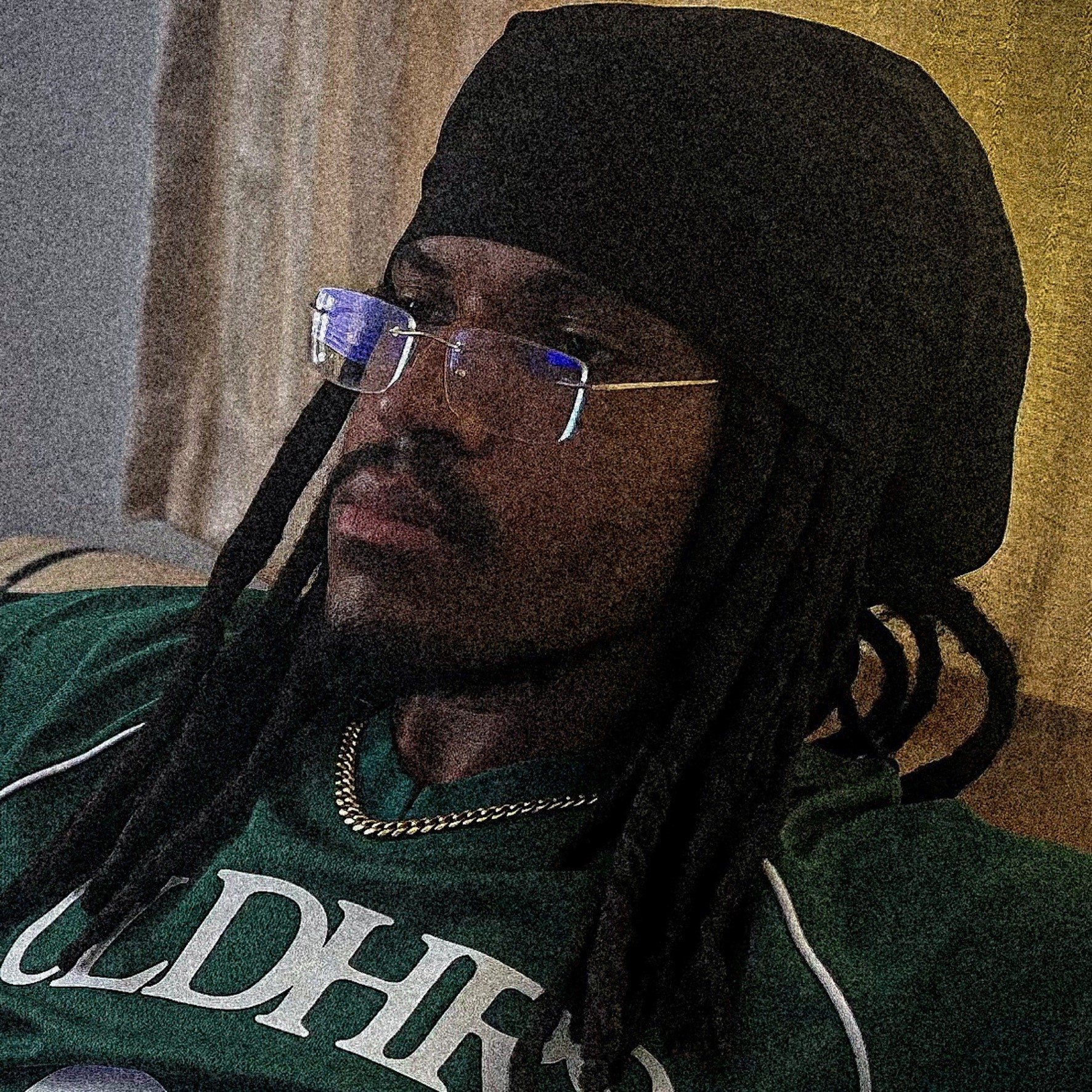
I naturally had an ability to rap, but I didn’t naturally have the ability to stay on beat & flow how I needed to make things sound smooth. I learned the structure of rapping through talking to older & more experienced rappers. I was 13 talking to rappers ranging in ages from 17 to mid 30s to gain different perspectives. If those older rappers were my tutors, my self-assigned homework was writing songs or remixes & freestyling to different beats to craft a unique feeling in what would one day become my sound. Having consistent resources to record with would’ve definitely sped up my learning process. Having more recorded thoughts could’ve increased my musical output & given me more crafted out ideas to develop. I think the most essential skills to learn were songwriting & developing melodies. Read more>>
Zuzia Kudasik
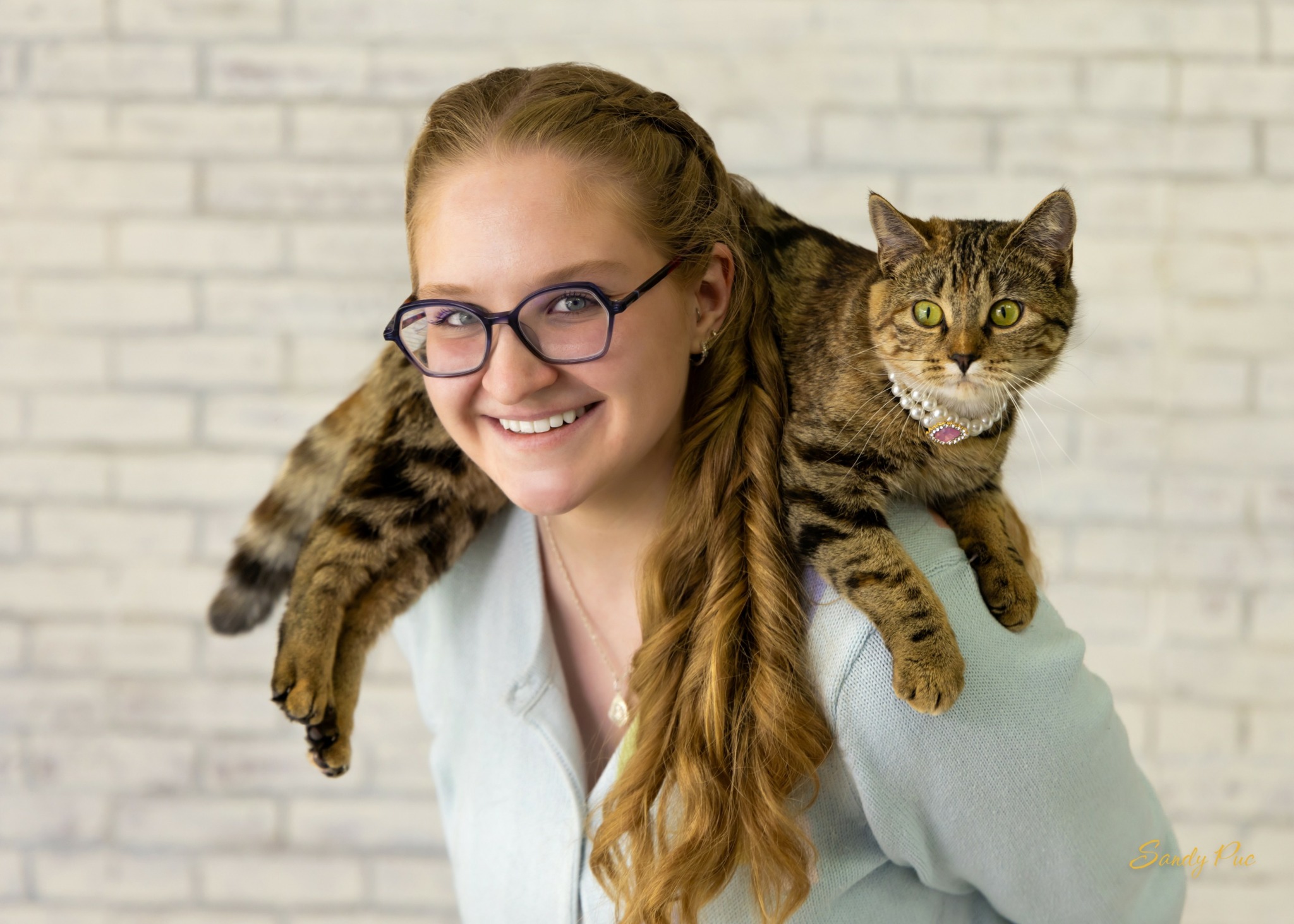
I was lucky enough to be born with an affinity for the arts and have been creating as long as possible. When it came time to go to college, I chose the field of graphic design because it was fresh and exciting. As I continued my educational journey, I also fell in love with design and the design process. If I wanted to speed up my learning, I would have taken design classes in high school rather than waiting for college. The skills within graphic design that are important to practice are the application of typography and photography. Despite going to school during the pandemic, I think that my passion for design allowed me to overcome any and all obstacles that came my way. Read more>>
Meron Mengist
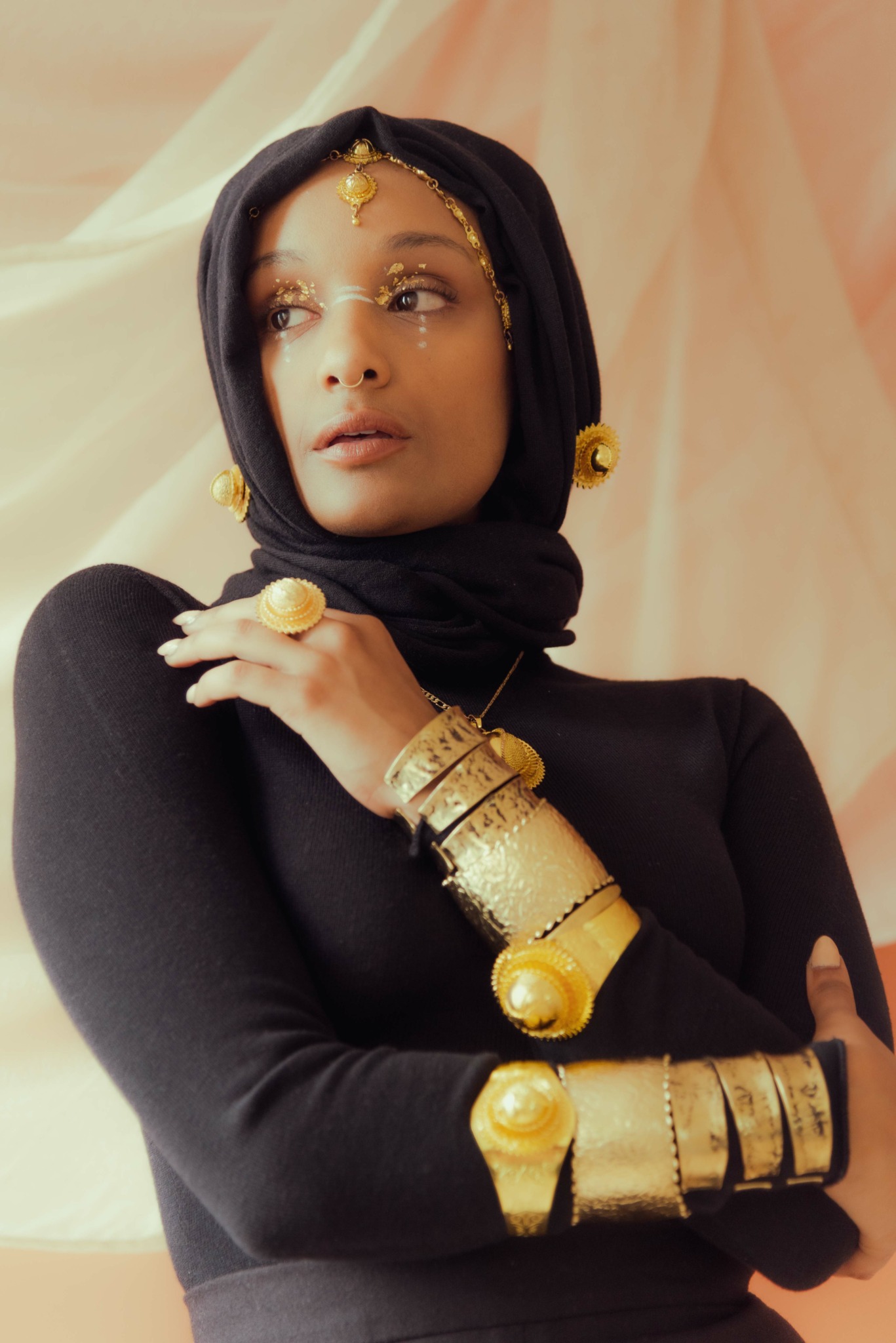
For me, the best way to learn the craft of songwriting was by actually writing songs—every day. I made it a point to write and finish a song daily. At the time, I knew enough piano and music theory to come up with chords. I would also find instrumental tracks of songs I wasn’t too familiar with and write over them. Eventually, I started meeting producers and DJs, and with each song I wrote, I could tell I was improving my craft. Read more>>