

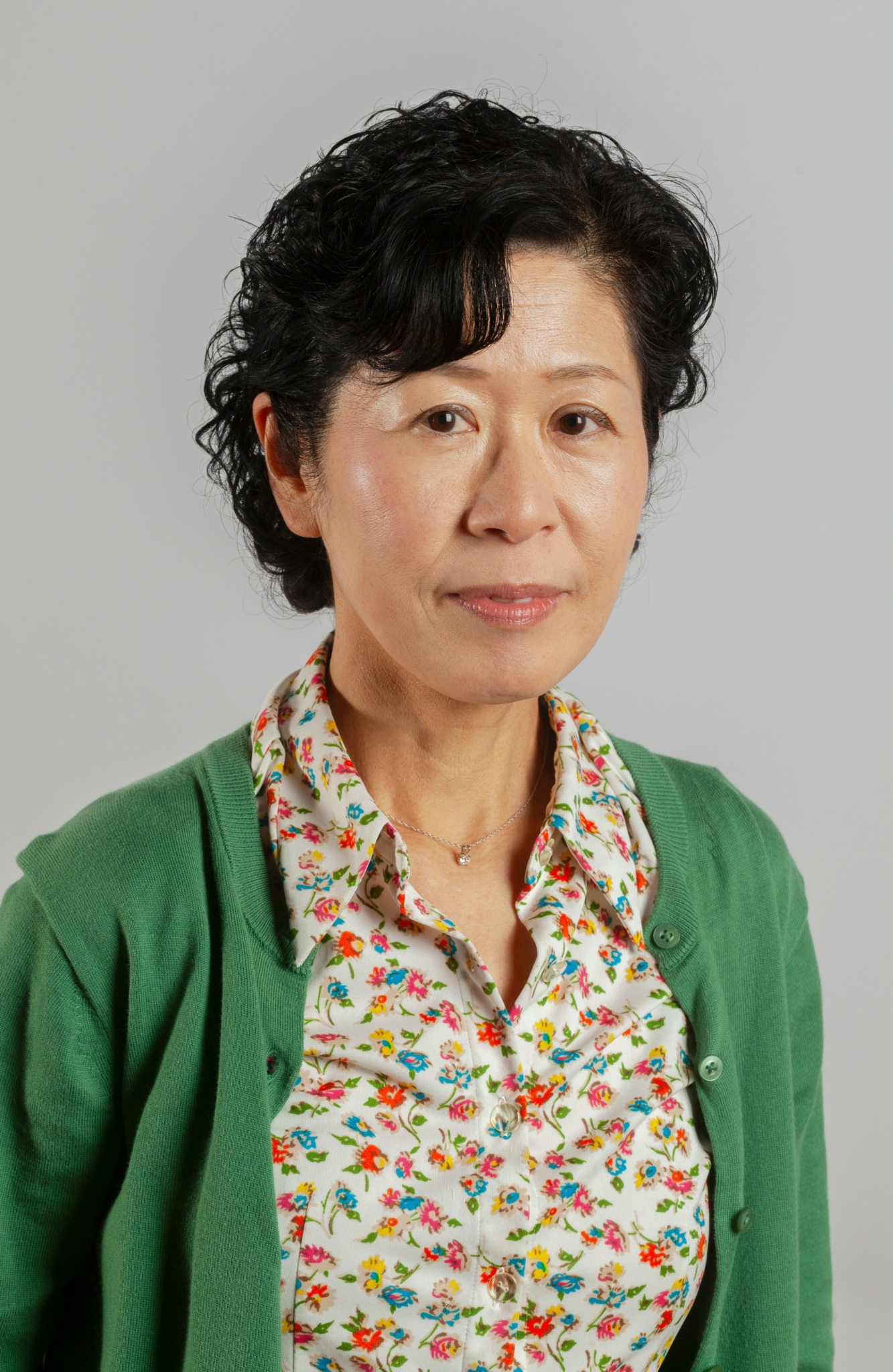

We’re excited to introduce you to the always interesting and insightful Masako Kamiya. We hope you’ll enjoy our conversation with Masako below.
Masako, thanks for taking the time to share your stories with us today Can you talk to us about how you learned to do what you do?
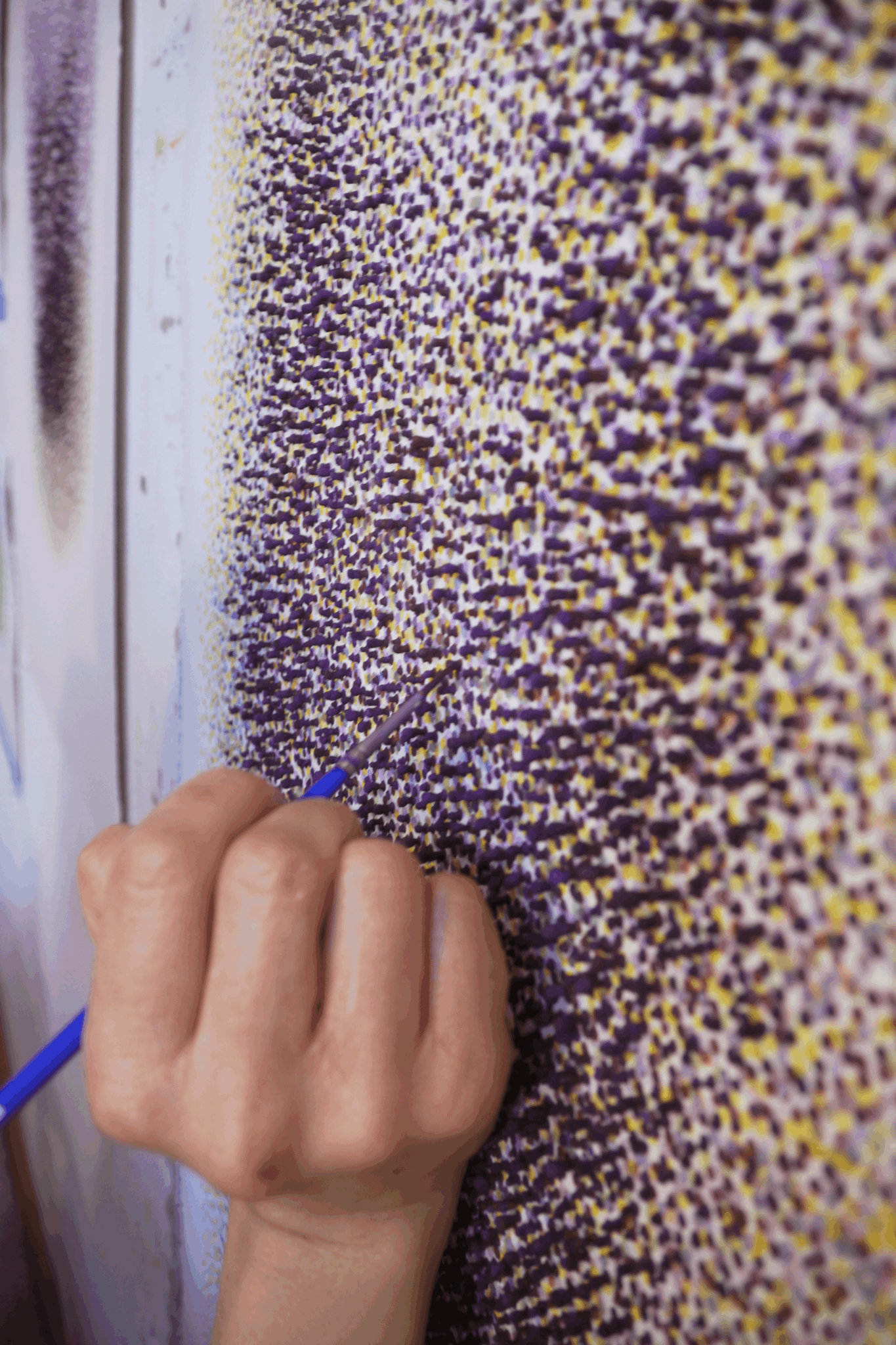
I make my paintings with gouache on watercolor paper, building up dots of paint into quarter-inch, stalactite-like columns with subtle and rich variations in layers of hued gray. From a distance, the painting presents a uniform structure of sedate colors, while at proximity, the painting’s third dimension reveals a deep ocean of densely chromatic columns that appear to sink slowly into the painting’s ground.
I studied studio art for both my undergraduate and graduate schools for over six years learning drawing and painting with oil paint, watercolor, acrylic paint, and all kinds of drawing materials. The sustained and accumulative practice allowed me to investigate these media and formal ideas and gave me a sense of familiarity with the nature of these materials. I learned my habits and unlearned them by parting with creative methods I felt comfortable with so I could take chances and explore more with innovative applications, mark-making, scales, and surfaces.
When I graduated from graduate school, one of my first jobs was as an assistant painting restorer in a private art conservation company for antique paintings made in the early twentieth century. While studying the history and physical body of Western oil and egg tempera paintings from the particular period, I learned to restore the broken and discolored surface of these paintings. I have sharpened my skills in color matching and fine detail work. I spent hours filling plaster in the lost areas of the antique painting and then found colors to match the original surface on the plaster-filled areas. The precision required for color adjustment and the mastery of miniature brushes had a significant impact on my dexterity and instilled in me a habit of possessing a firm intention for every mark-making which directly influenced my current painting application and my impulse to build painting as a three-dimensional object.
Over many years of practice, I became aware that there is no way to accelerate the process of making paintings. The more I painted, the more I knew that I could slow down and take detours in mixing, finding colors, and mark-making. My work has grown to be deliberate and more time-consuming in layering and building colors, looking and responding as it develops.
It is hard to acquire substantial studio hours as I teach full-time. I rely on my weekends and recess between the semesters to find studio time and try to develop an interconnected body of work.
As always, we appreciate you sharing your insights and we’ve got a few more questions for you, but before we get to all of that can you take a minute to introduce yourself and give our readers some of your back background and context?
I am a Japanese-born permanent U.S. resident living in greater Boston. In 1989, I first arrived as an undergraduate student. My passion has been painting and drawing since my childhood as I was always involved with mark-making and tactile play with color materials. I enrolled at Montserrat College of Art in Beverly, Massachusetts where I first received a formal education in fine arts. After earning a BFA in fine arts at Montserrat College of Art in 1997 and an MFA in 2D arts at Massachusetts College of Art in 1999, I stayed in the Boston area to pursue studio painting practice and exhibition career. I held adjunct teaching positions while holding a part-time apprenticeship position at the art conservation company in Waltham, Massachusetts. Between 1999 and 2002 during the first three years out of graduate school, I worked at Massachusetts College of Art, University of Massachusetts Lowell, Fisher College, and Montserrat College of Art teaching a wide variety of foundation, drawing, and painting courses.
As I reflect on the twenty-one years of my studio career, there have been major turning points. In 2002 my paintings were first shown by Gallery NAGA in Boston beginning of my long relationship with the gallery. Since then I have had nine solo exhibitions at the gallery. The routine solo exhibitions have widened my audience and helped me to connect with local and international art institutions and other exhibition opportunities. In 2008, my exhibit at Gallery NAGA brought another long-term relationship with Tobin Ohashi Gallery in Japan. In 2010, I had a solo exhibition at the Danforth Museum of Art in Framingham, Massachusetts which cataloged the body of work I have created since the beginning of my studio career in 2000. In 2015, an article in the Boston Home Magazine featured my painting on paper also brought some opportunity to be represented in The Last Supper Gallery in London.
In 2002 after having taught as an adjunct instructor for several years, I became a full-time instructor in the Foundation and Painting Department at Montserrat College of Art where I am employed as a full professor today. The stable teaching position has allowed me to dedicate myself to painting and professional development. I have taken advantage of a substantial amount of recess from every teaching semester, and I have been awarded three sabbatical leaves in 2009, 2015, and 2023. Such time allowance for professional development has nourished my studio work, my knowledge of creative practice, and my mind for continuing growth as a practitioner. While pursuing solo and group exhibitions, I have regularly documented my work, updated my website, and written grant applications. I am a two-time recipient of the Massachusetts Cultural Council Fellowship in Painting (2006 and 2010), the Brother Thomas Fellowship (2015), the Lillian Orlowsky & William Freed Foundation Grant (2016), the Marion & Jasper Whiting Foundation Fellowship, and the A.R.T. Fund (2017) and the Blanche Colman Award (2018). This fall is my 23rd year teaching at Montserrat College of Art. Work from this latest sabbatical will be featured in my upcoming exhibitions at Gallery NAGA in 2025/2026.
Can you share a story from your journey that illustrates your resilience?
I came to the U.S. in 1990 as an art student without my family. It took a total of nine years to get both my undergraduate and graduate degrees. Fortunately, all my family expected from me was to be independent and pursue what I most desired: to continue making art while supporting myself financially.
From 1999 to 2003, Japan was already in a deep prolonged recession. The undesirable job market and lack of opportunities in the fine arts field there forced me to stay in this county to pursue teaching positions in higher education to support my studio practice. It was the biggest challenge in my life to transition from working as a foreign citizen to becoming a legal employee, all while pursuing my art. It took six years of working with short-term visa status before I was granted permanent resident status.
I do not regret the decision I made to live in the US so long ago, and I am extremely grateful for my family’s support and patience. However, quite often I have wondered if my decision to stay in this country and not return to Japan to live and work has emotionally isolated my family. Sometimes, I struggle with guilt and with the physical separation. It is also painful personally, to see the gradual economic deterioration in Japan, grappling with a declining birth rate and expanding elderly population. On the other hand, I am grateful I have been able to support myself, sustain my creative endeavors, and grow as a painter in the life I have chosen. I recognize my resilience and accomplishments have emerged from the challenges I’ve faced and the choices I’ve made in dedicating myself to my art practice.
What do you find most rewarding about being a creative?
Painting is a constantly evolving endeavor. Because making things is a significant part of my life, I could reflect on my creative journey, and recognize growth and transition as a maker.
My painting practice applies to almost every task I have daily at home and work. Painting is about problem-solving and transforming my imagination into something solid and real. Engaging in the painting process teaches me to be patient, observant, and objective about things and situations I am facing.
It is a particularly meaningful moment when my client likes my work enough to acquire it. Buying my work is such a commitment; they are making a decision that it is important for them to now live with the particular artwork. In such moments I feel grateful as a maker and feel a connection with my clients as they respond to something compelling and convincing in my work that moves them.
Finally, the consistent engagement with painting practice allows me to be a mentor for art students. I learned almost everything from my professors and mentors about art, studio practice, and how to live and work as a creative person. I have life-long connections with some of them, and they are still my mentors, colleagues, and friends today. My goal as an instructor of art is to be able to reciprocate it to my students. Every day I wish to elaborate my knowledge and experience earned from my studio career as much as I can and pass them down to the next generation of creators with positivity and enthusiasm.
Contact Info:
- Website: https://www.masakokamiya.com
- Instagram: mka1973
- Other: https://www.gallerynaga.com/artists-list/masako-kamiya/ (Gallery NAGA, Boston, MA USA)
https://the-lastsupper.com/artists/ (The Last Supper Gallery, London UK)
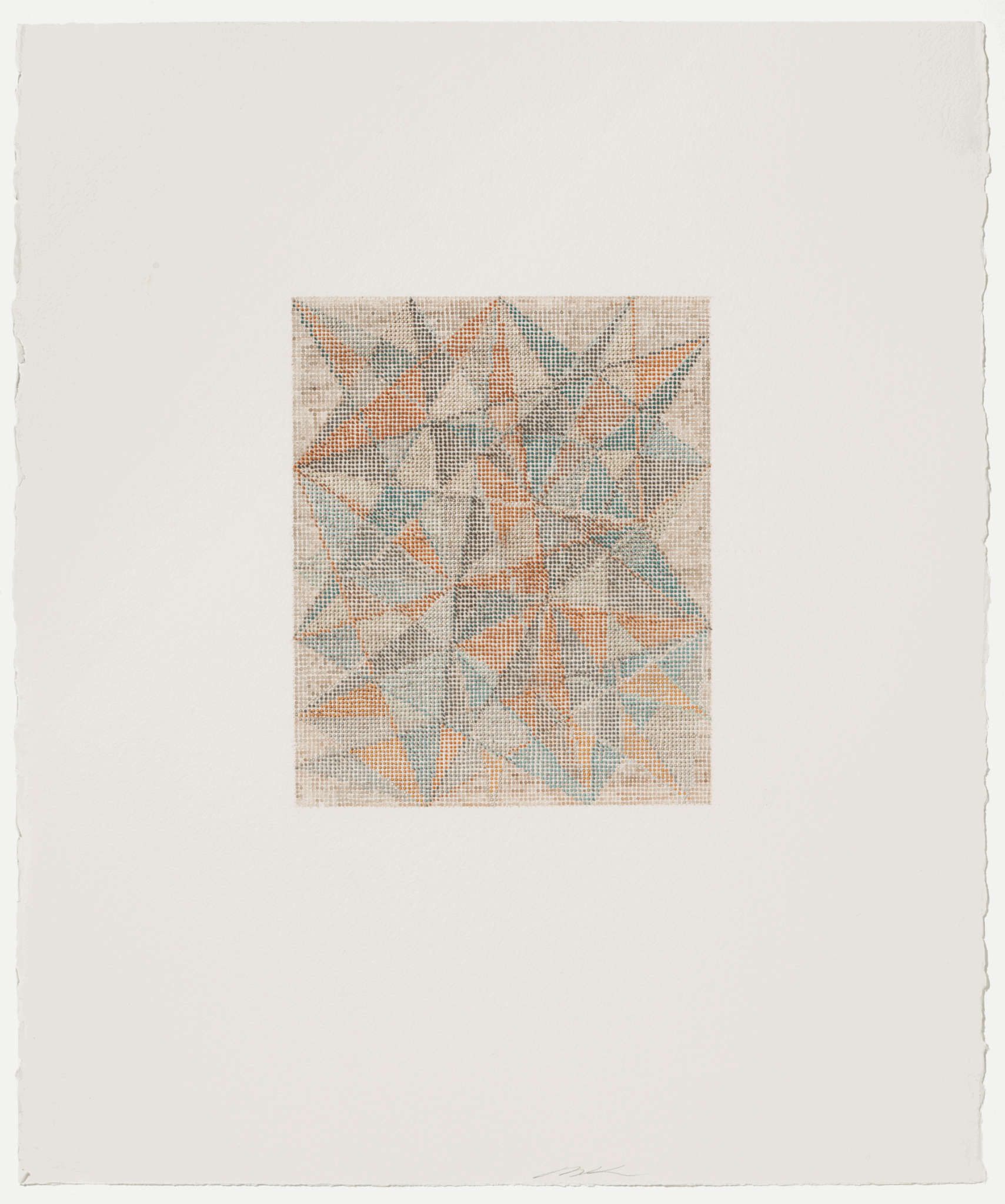
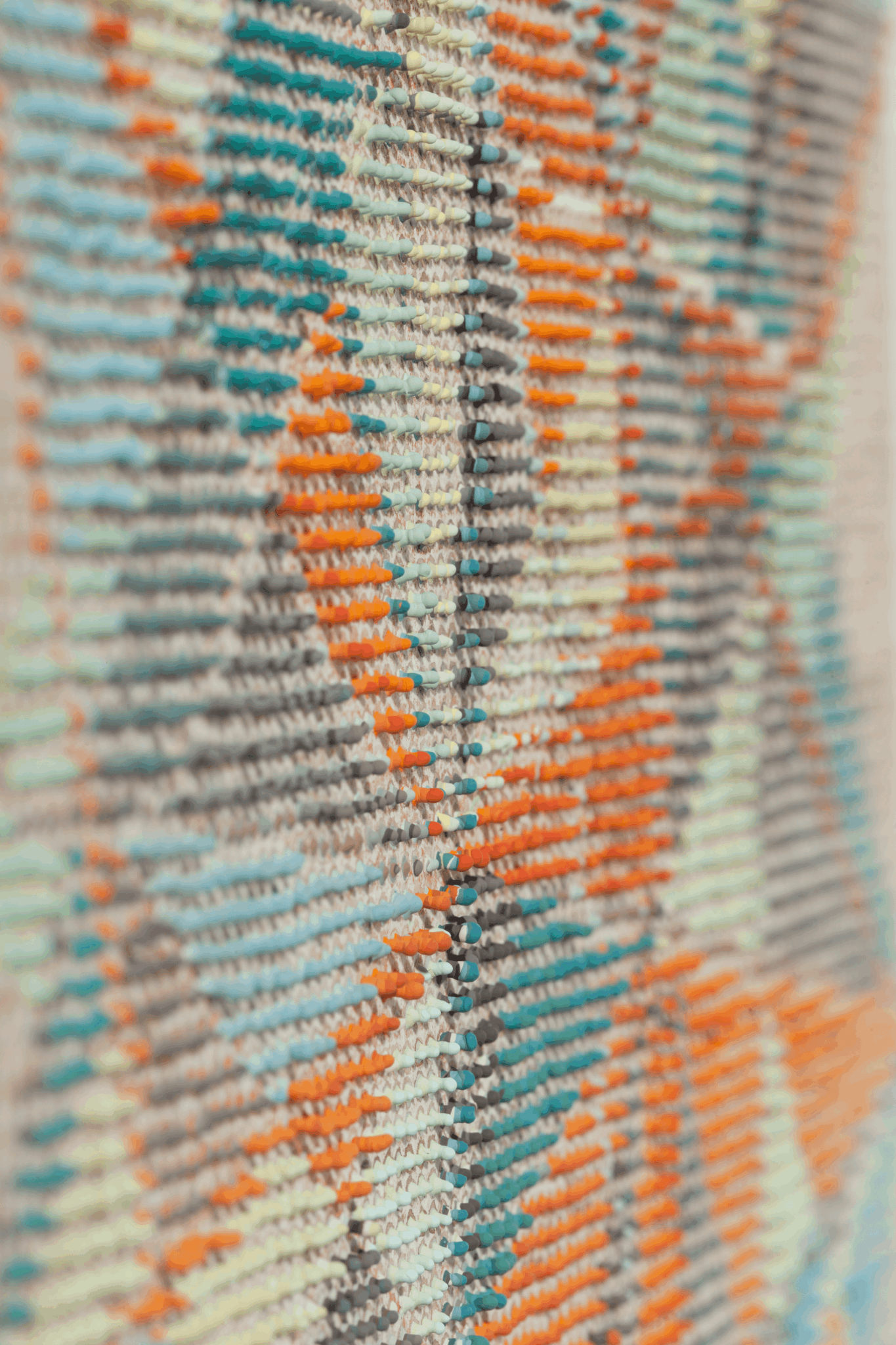
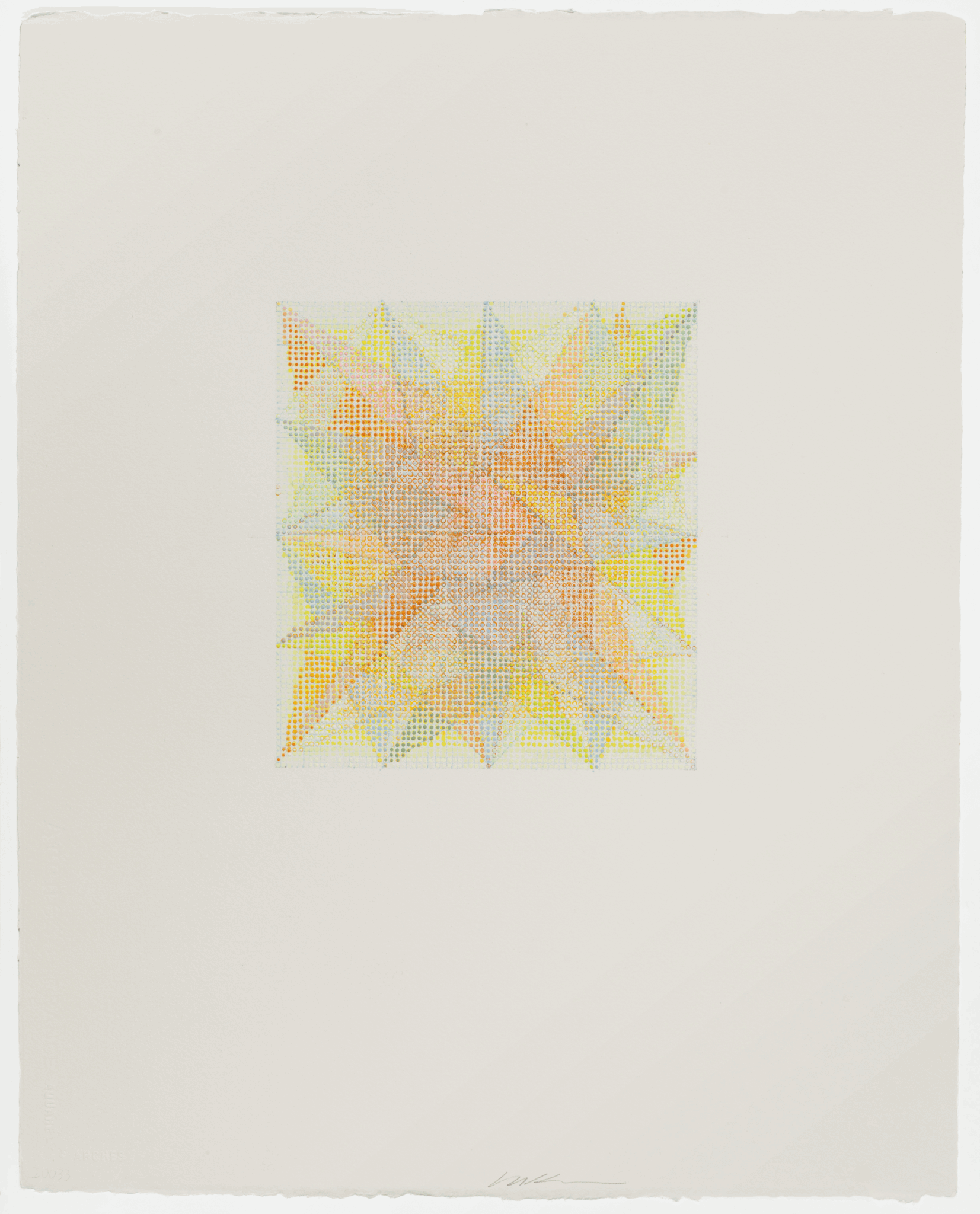

Image Credits
From the top left to the bottom right
1. Headshot, Masako Kamiya in 2024 Photo: Will Howcroft
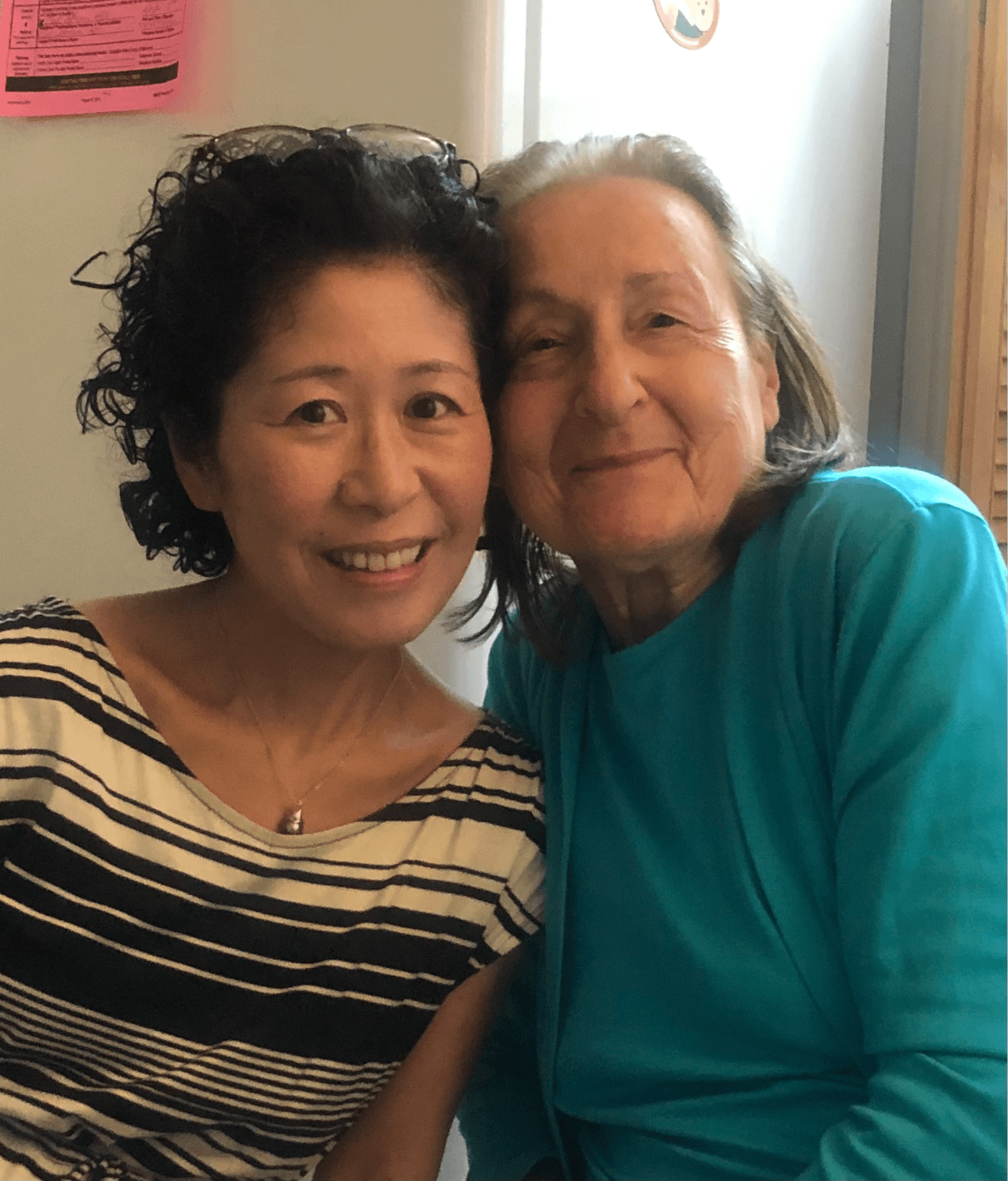
2. With my long-time mentor, the late painter Rose Olson in 2021
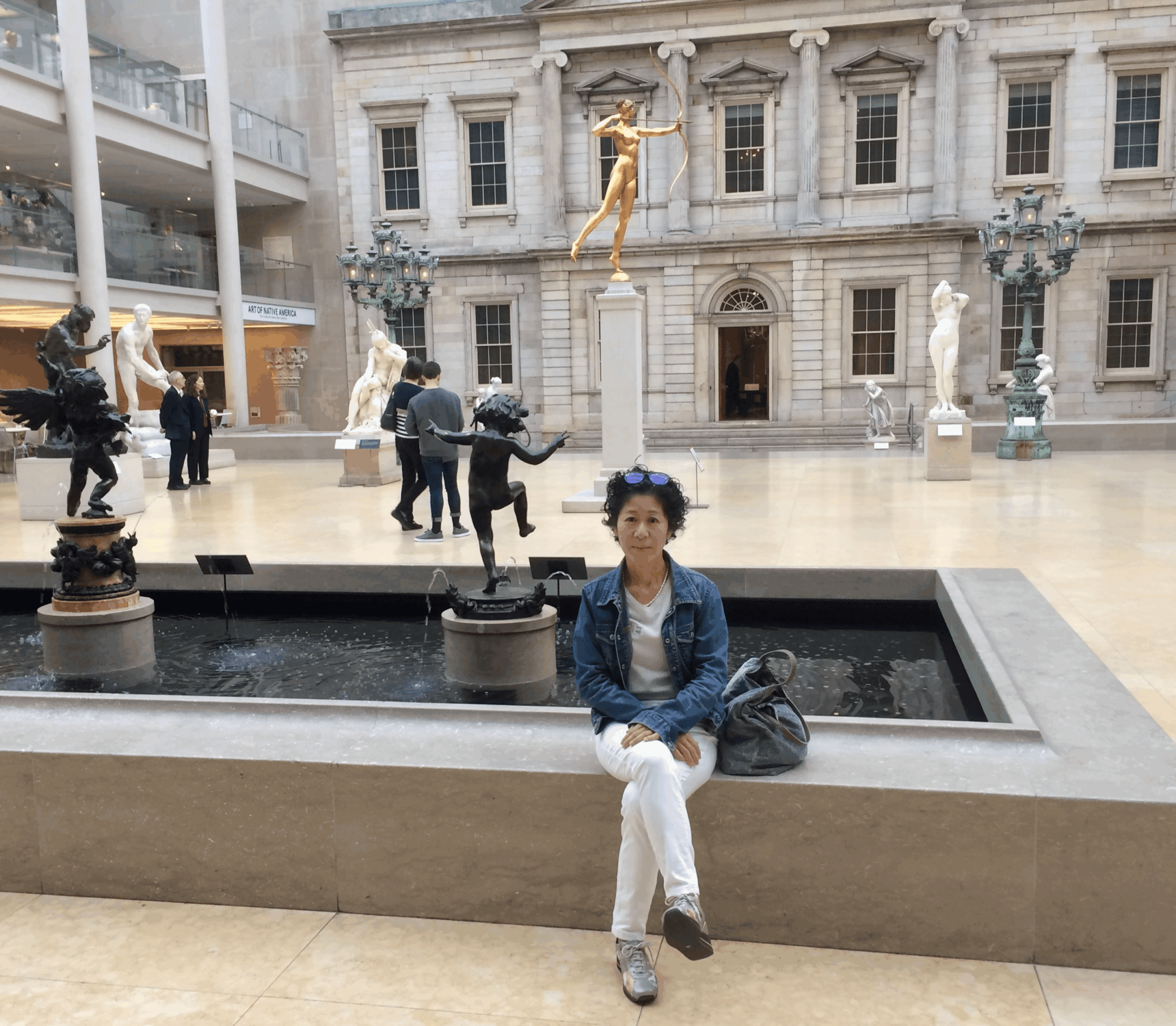
3. At the Metropolitan Museum of Art, 2020
4. At the studio in 2020 Photo: Andrea Dabrila
5. Cockatiel Walk, 2023, Gouache on paper, 27.5″x23″ Photo: Will Howcroft
6. Cockatiel Walk, 2023, Detail, Photo: Will Howcroft
7. Opal, 2022, Gouache on paper, 20″x16″ Photo: Will Howcroft
8. Opal, 2022, Detail, Photo: Will Howcroft