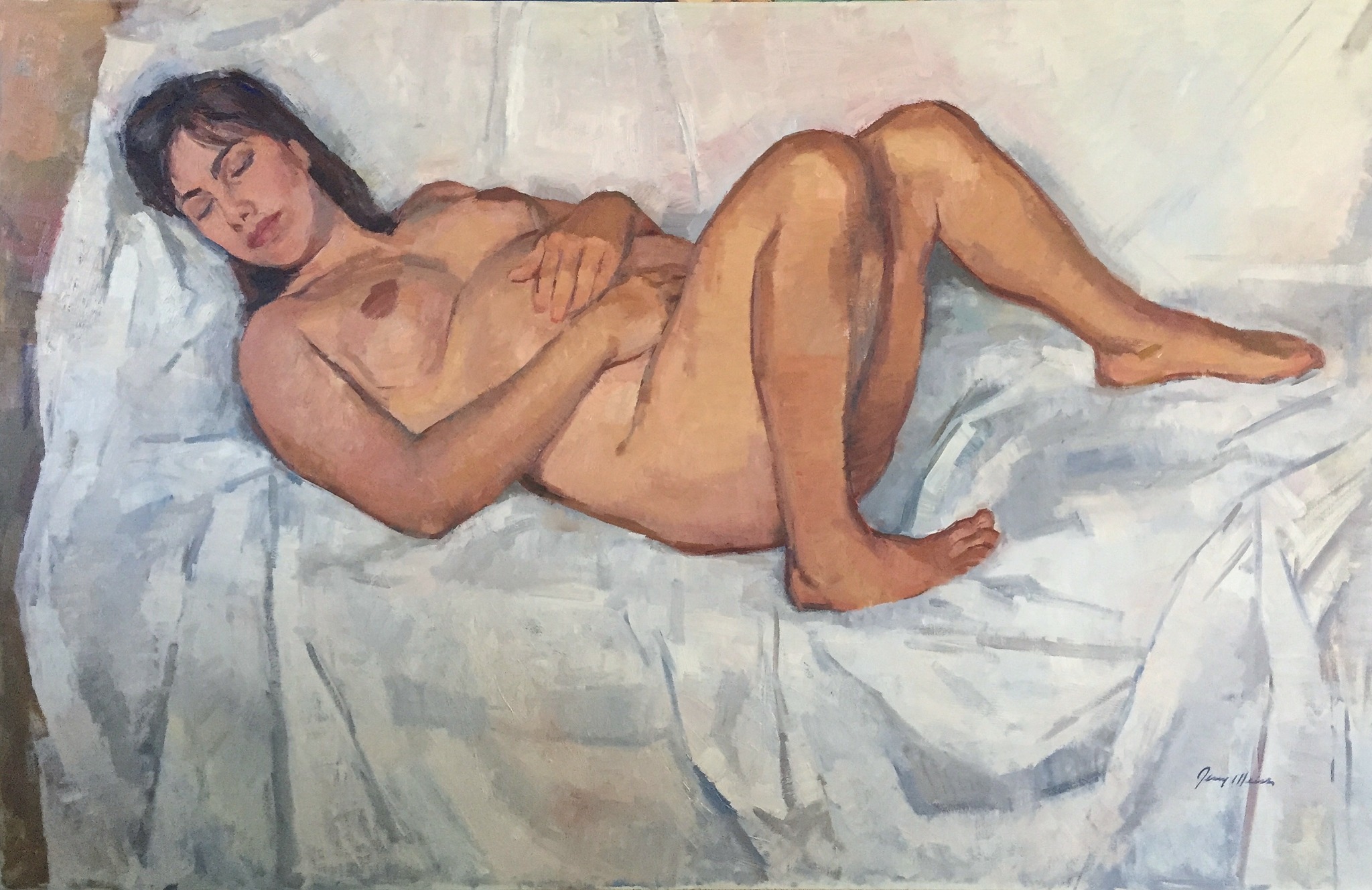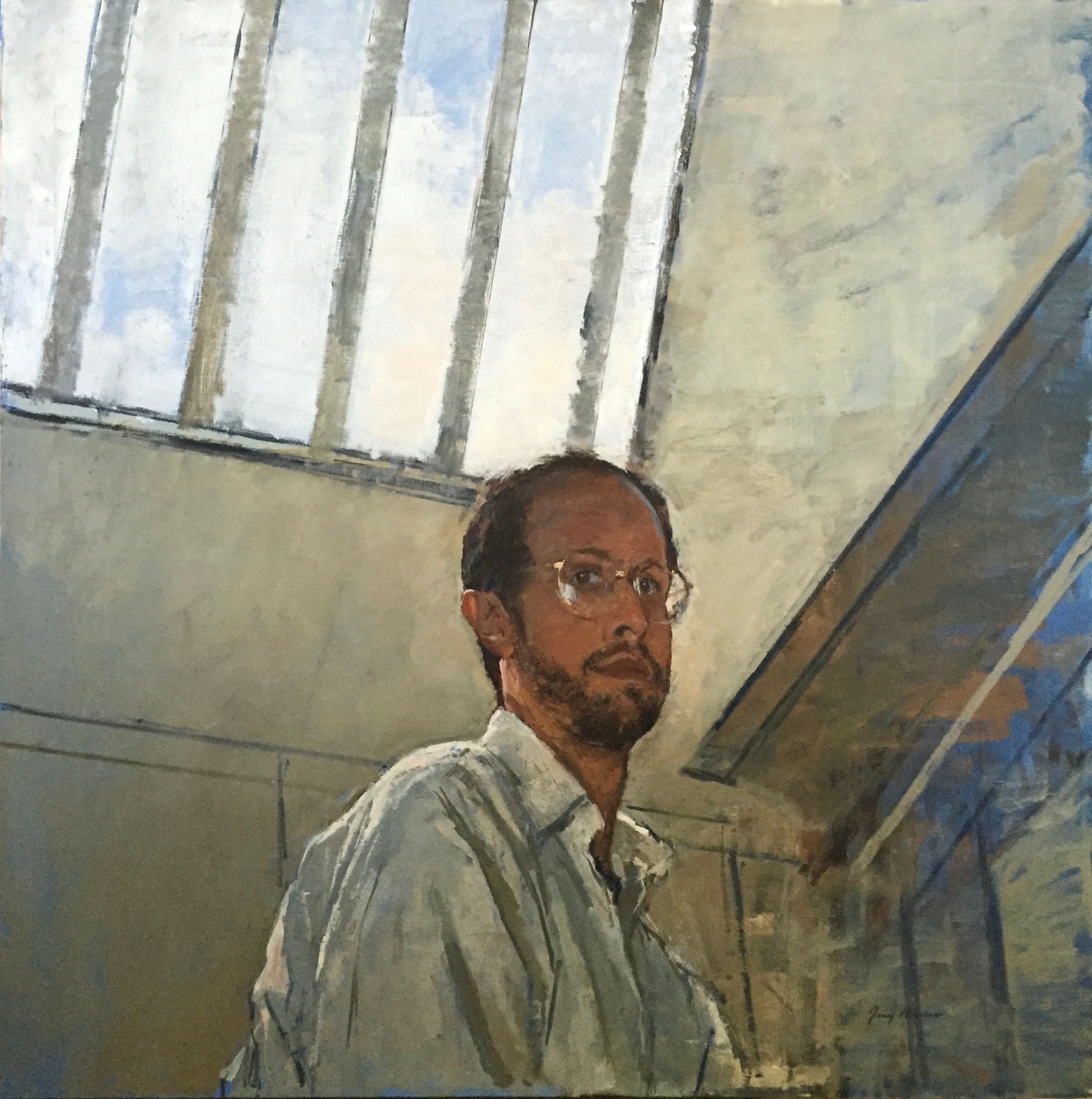

We recently connected with Jerry Weiss and have shared our conversation below.
Alright, Jerry thanks for taking the time to share your stories and insights with us today. Can you talk to us about how you learned to do what you do?
I learned about drawing from my parents, who were both artists, and from their art collection. My father instilled a belief in the imperative to draw the figure from life, and though I was shy about it at first, I began attending life class at 17 and have taught the practice for thirty years. Since 2012, I have taught figure drawing and painting at the Art Students League of New York.
Now, a lot of students look for shortcuts and hope to find them online through videos and virtual classes. But there’s no substitute for being present in the studio, observing the live model and the three-dimensional space around them, and benefiting from the proximity of other artists.
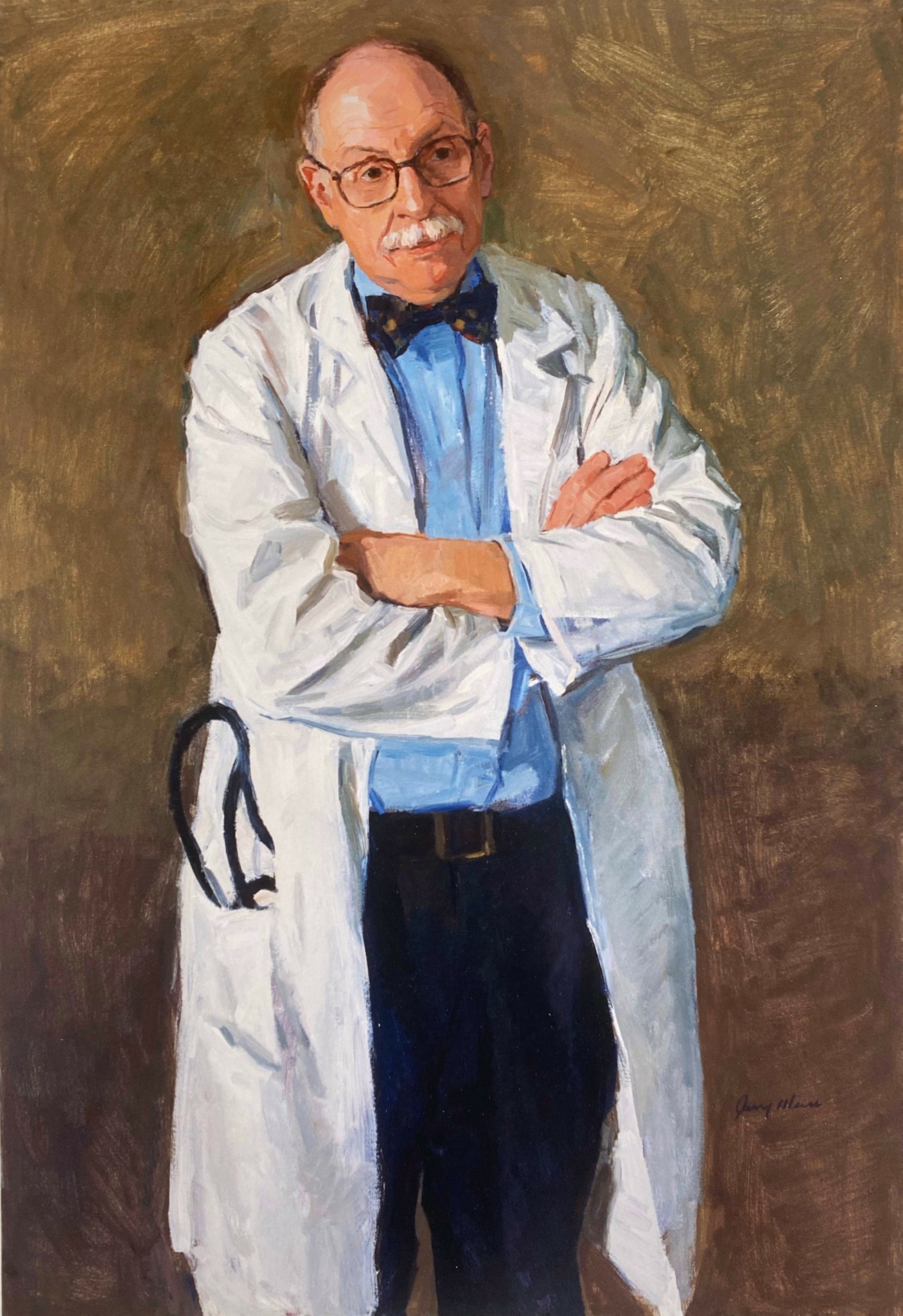
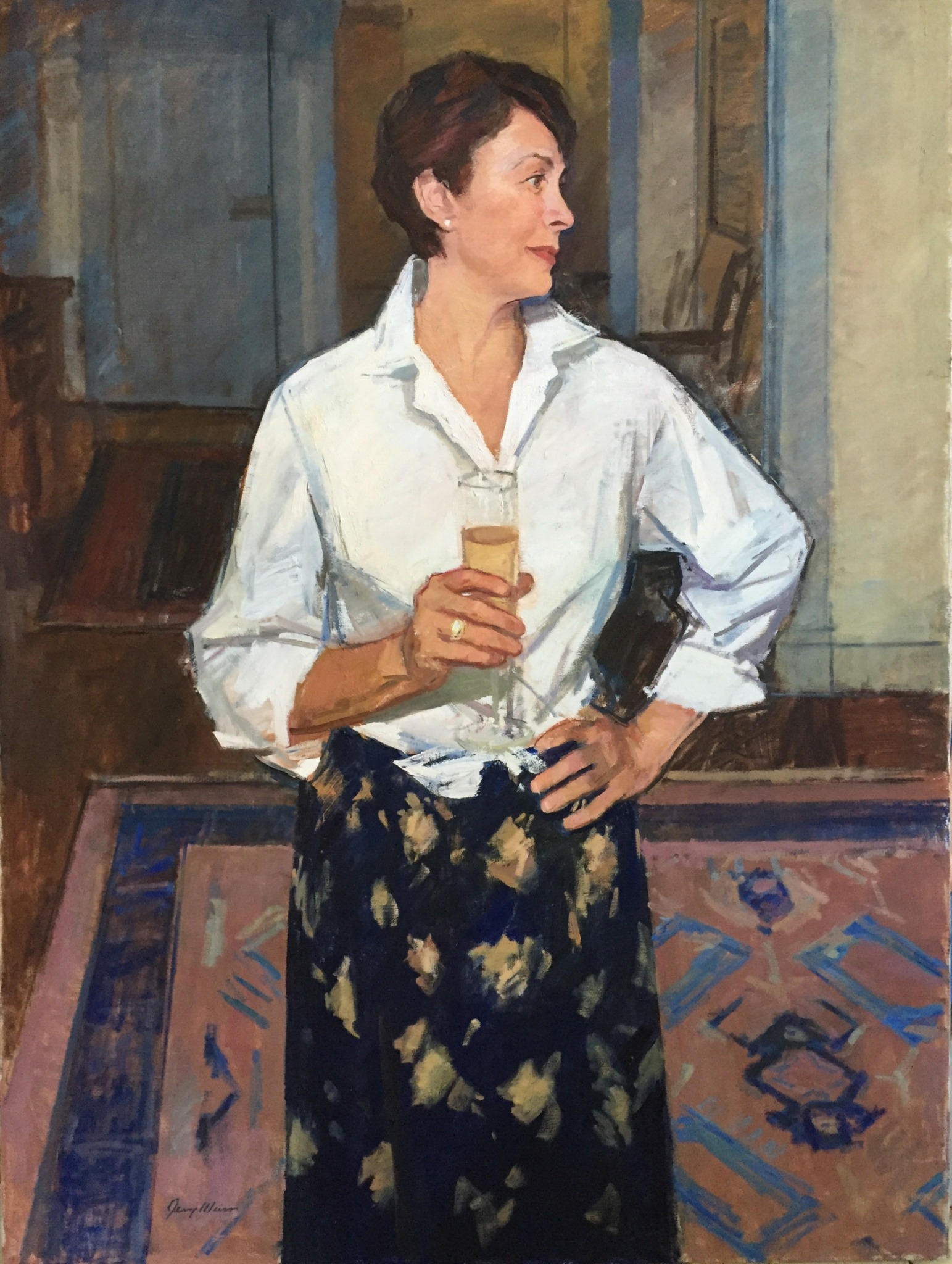
Jerry, love having you share your insights with us. Before we ask you more questions, maybe you can take a moment to introduce yourself to our readers who might have missed our earlier conversations?
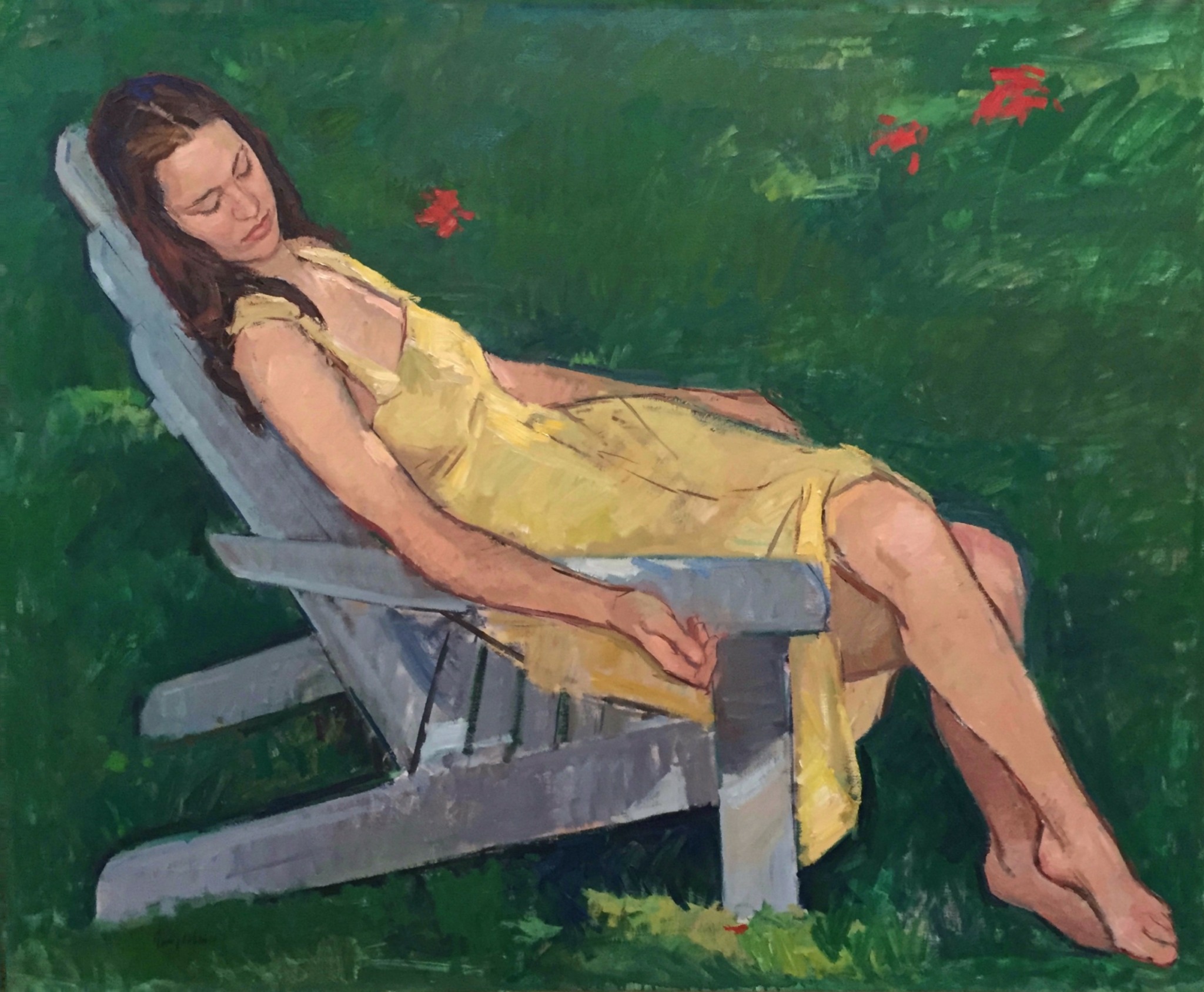
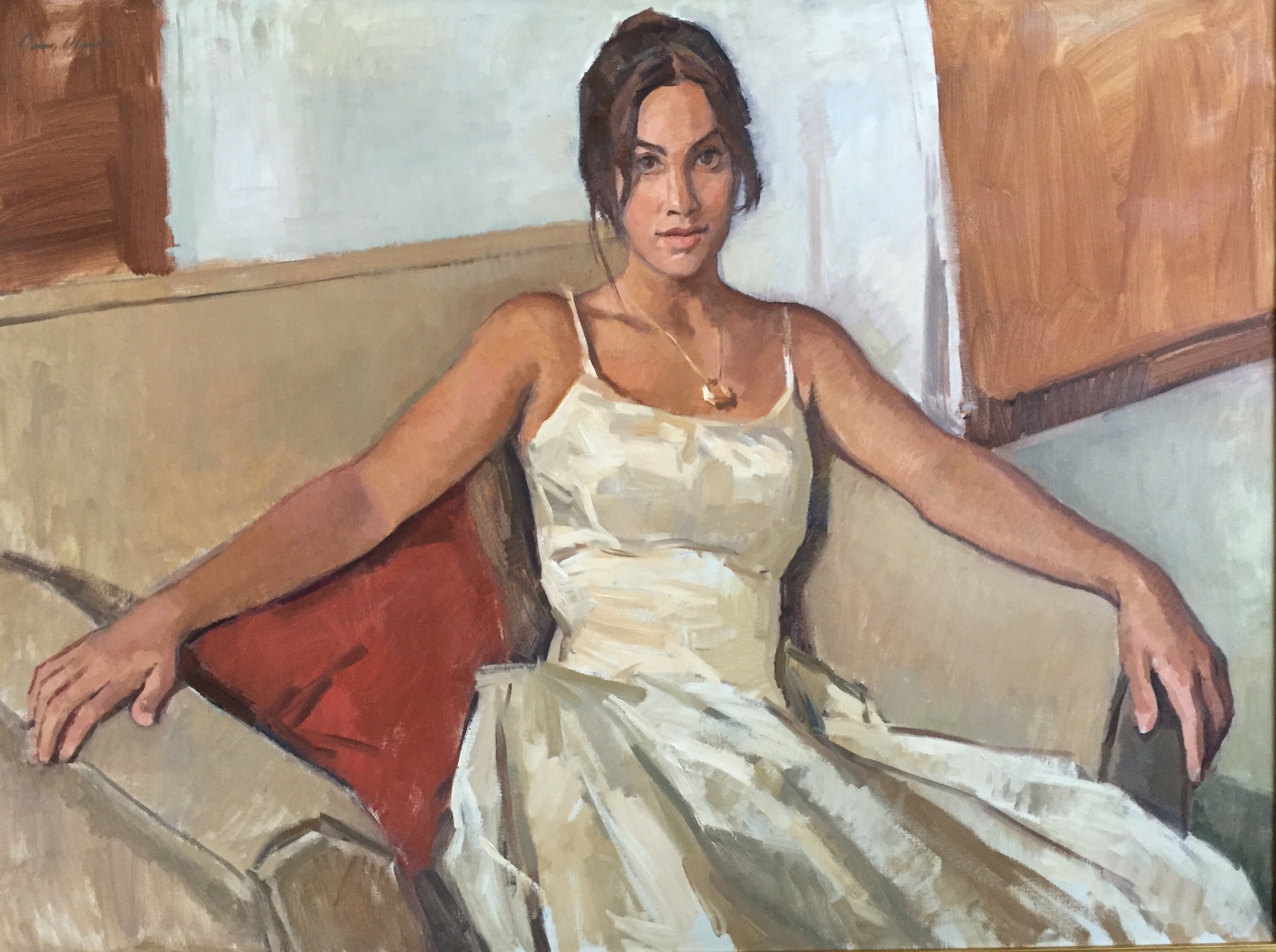
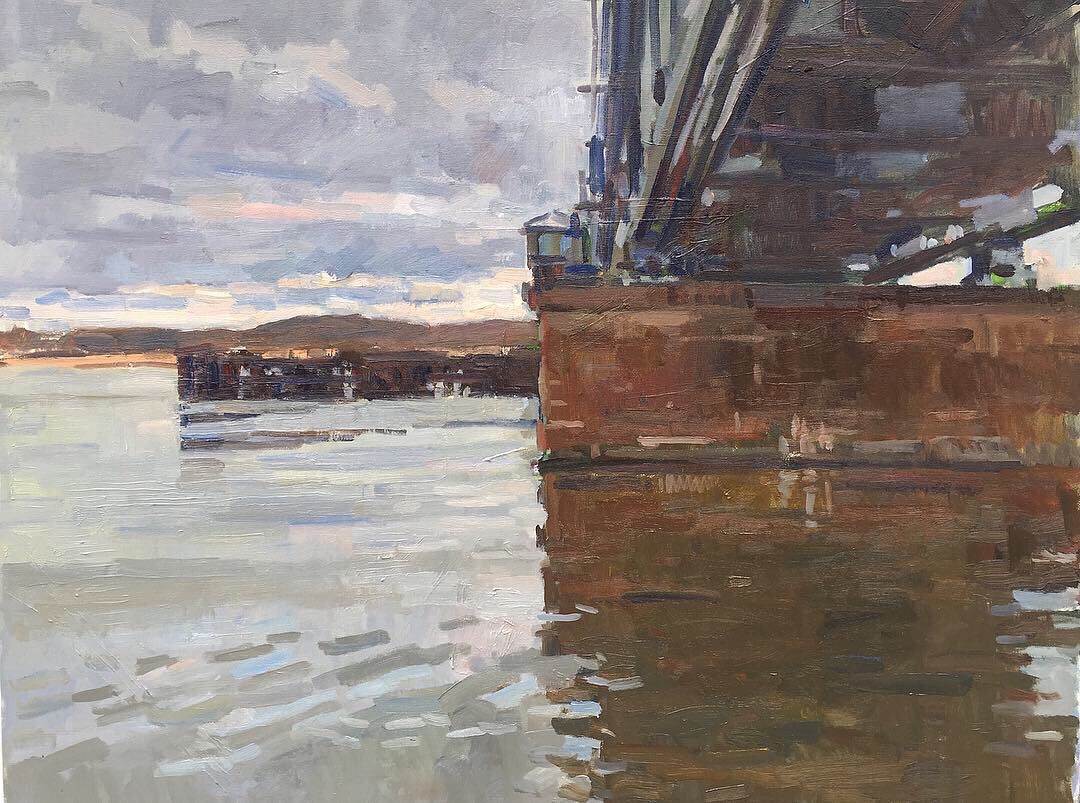
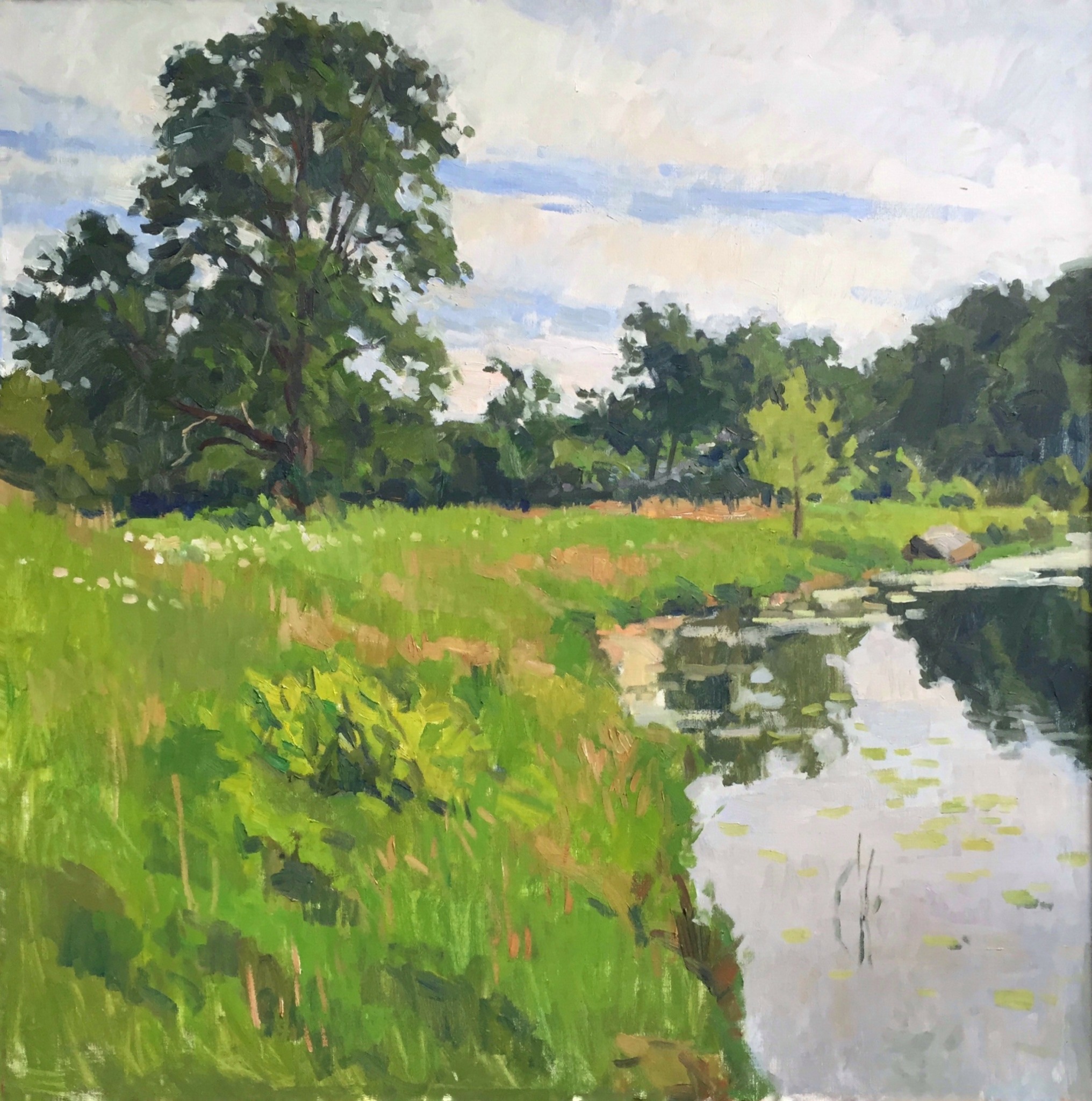
I’ve been drawing since childhood, and have spent my adult years drawing and painting people and landscapes from life. The response to light, nature, form, movement and character are all important to my practice. Primarily I work for myself, though occasionally I take on commissions. Very few artists paint portraits from life. But it makes for a more organic process, and allows for personal engagement with the subject. This is how I’ve painted federal judges and a lieutenant governor as well as friends and family. Most of the time, though, I go outside and paint the landscape or work in the studio with models of my choosing.
Our culture is increasingly interested in living and creating through virtual means, at a remove from the tangible world. I’m amazed—and appalled—to find that the simple acts of observation and interpretation, without the use of AI or other mechanisms that circumvent direct experience, amount to acts of rebellion.
Is there something you think non-creatives will struggle to understand about your journey as a creative? Maybe you can provide some insight – you never know who might benefit from the enlightenment.
There are two things that most people may not understand about the artist’s life. The first is that an immense amount of dedicated study is necessary, in the form of years of art school and self-directed education. I liken it to the study of law or medicine for intensity and focus. This calls for lifelong observation of nature as well as an interest in art history.
The second need is for solitude. Yes, the presence of colleagues and supportive individuals is vital, but so is time to work alone, process influences and information, and continually reconnect with one’s initial creative inspiration.
In your view, what can society to do to best support artists, creatives and a thriving creative ecosystem?
The culture must renew its appreciation of the arts, both at home and in school. Art, literature, dance and music are not luxuries. They are the heart of a culture. Too often curricula are driven by the market, where the arts are considered a poor career risk.
The same goes for financial support later on. Artists will struggle as long as their endeavors aren’t prioritized by society and the purchase of their work is considered discretionary. There has to be a sea change in the valuation of the arts. That starts with a proper introduction to drawing, painting, music, dance, etc in childhood.
Contact Info:
- Instagram: https://www.instagram.com/jerrynweiss/