

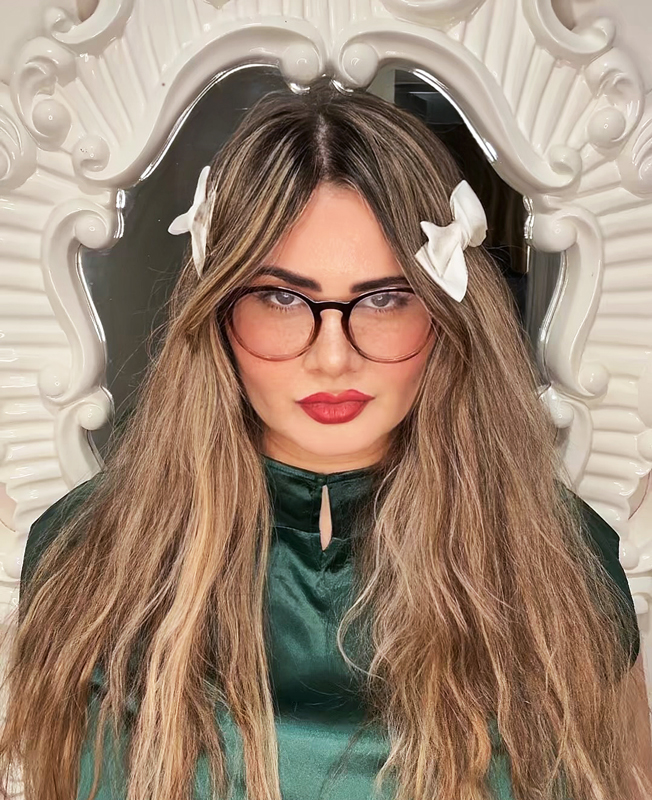

We caught up with the brilliant and insightful Yamileth Miller a few weeks ago and have shared our conversation below.
Alright, Yamileth thanks for taking the time to share your stories and insights with us today. Can you talk to us about how you learned to do what you do?
A lot of what I learned came through trial and error, experimentation, and spending time refining my editing process in Photoshop and Lightroom. Over time, I became less focused on just capturing an image and more focused on shaping mood, atmosphere, and intention.
Patience and persistence were essential. There are times when you can spend hours on a single image and still not feel fully satisfied, but that process is part of developing your eye and pushing your work further.
One thing that would have helped me learn faster would have been recording my editing sessions. I developed many of my techniques intuitively and through repetition, so having that documentation would have made it easier to track and refine my process.
One of the biggest challenges was time… balancing a business and everyday life while trying to grow creatively. That limitation forced me to be intentional with the time I did have, which ultimately helped shape my discipline and approach to the work.
Yamileth, love having you share your insights with us. Before we ask you more questions, maybe you can take a moment to introduce yourself to our readers who might have missed our earlier conversations?
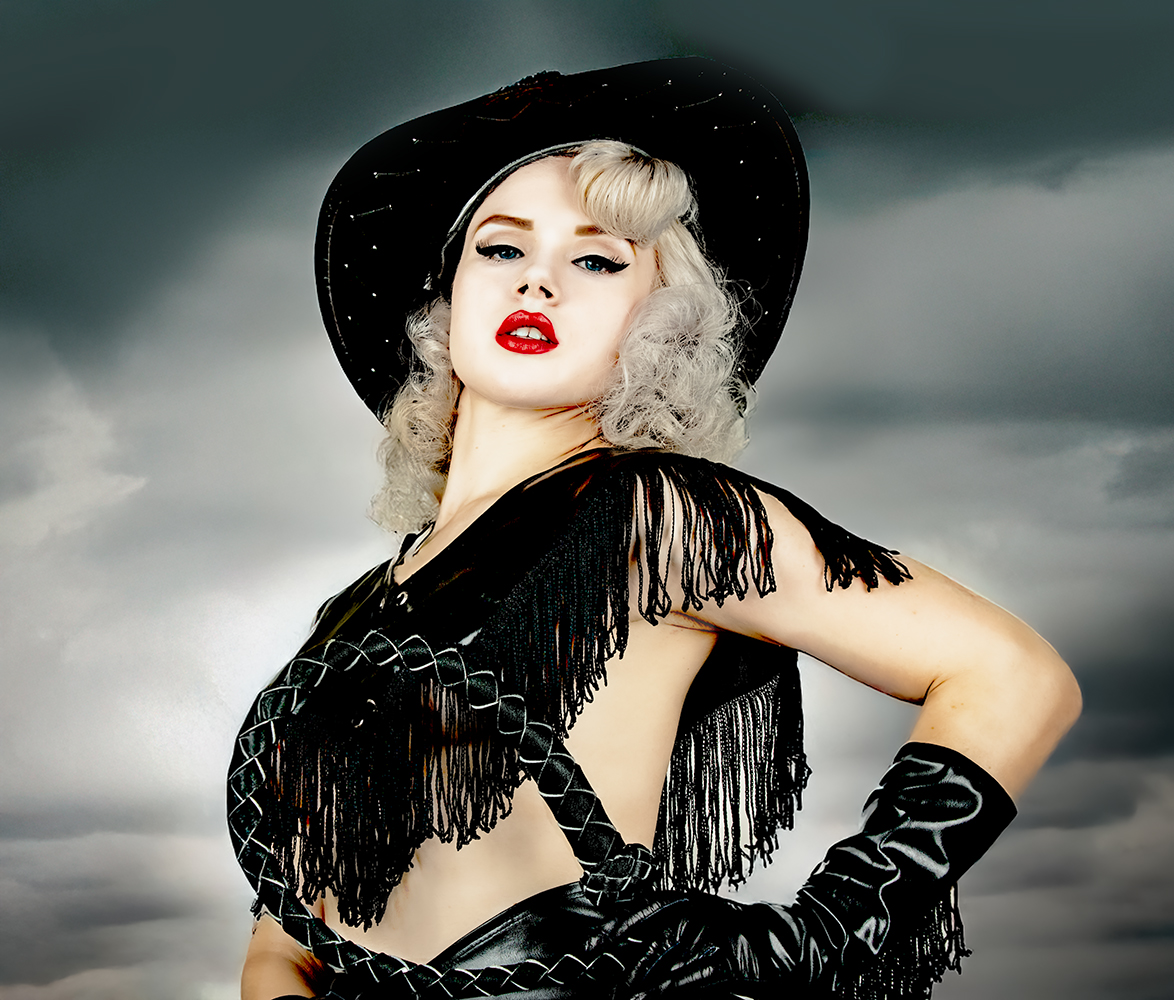
I’m a photographer and visual artist whose work blends fine art, editorial, conceptual, and cinematic photography. I originally got into photography through e-commerce. Around age 19, I started an online retail business and needed to photograph products for my website. What began as a practical need gradually turned into a creative discipline, eventually leading me from product photography into working with models and creating more stylized, mood-driven imagery.
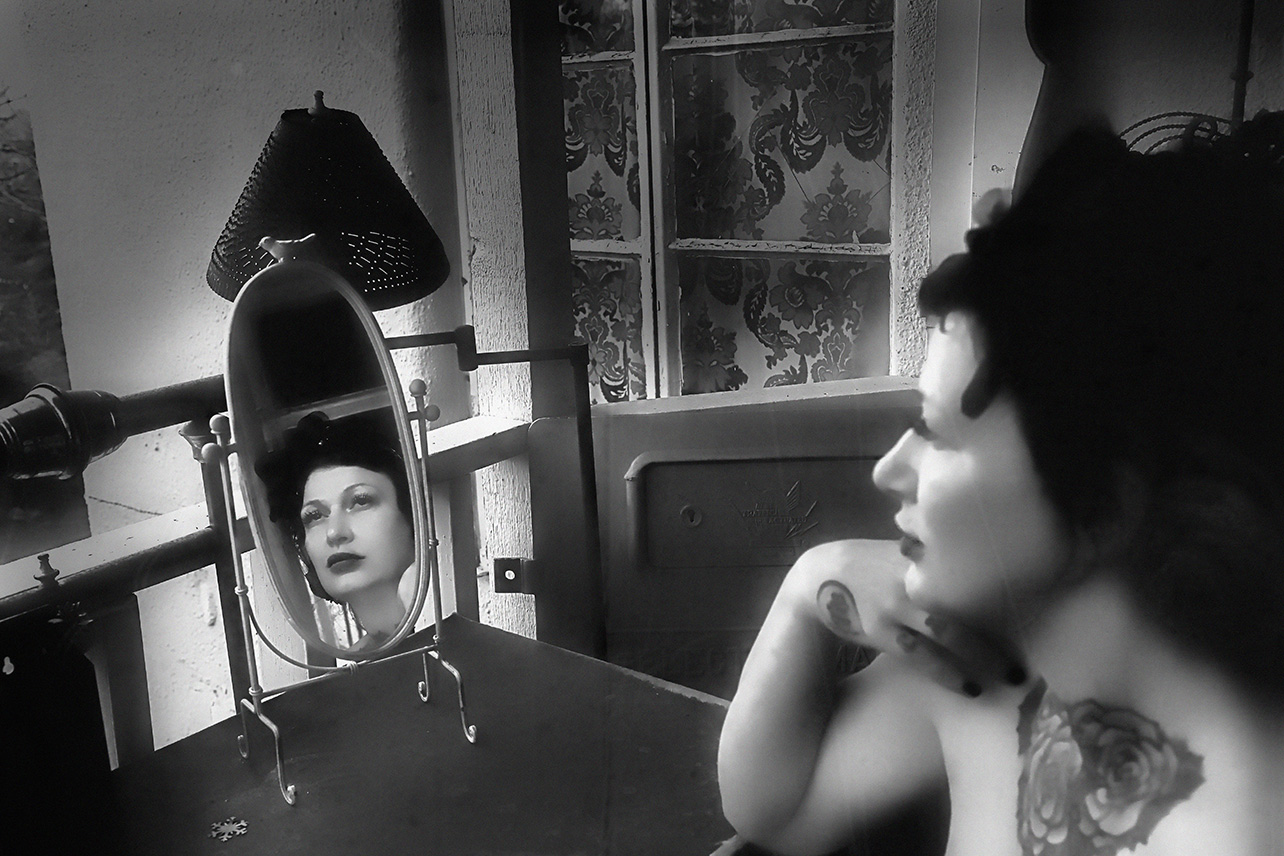
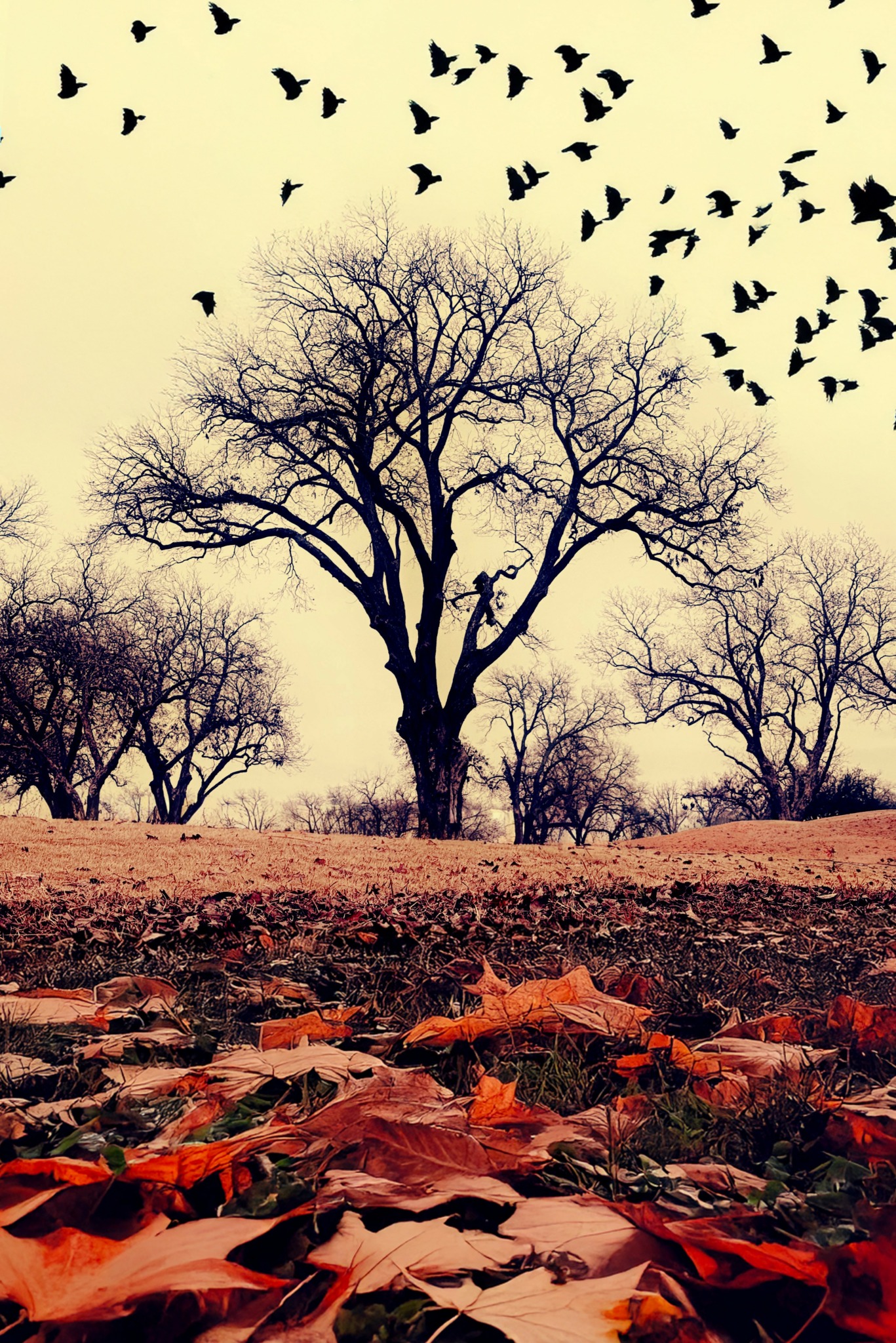
My work is not limited to one style. I create everything from portraits and conceptual images to black-and-white architectural studies and atmospheric, cinematic scenes. What ties it all together is my focus on mood, composition, and creating images that feel emotionally distinctive rather than generic. I’m especially drawn to symbolism, archetypal imagery, and hidden geometry, which often shape the mood and visual language of my work.
A large part of my process has been self-taught through experimentation and years of working with tools like Photoshop and Lightroom. I think one of the things that sets me apart is my range. I’m able to move across different visual styles while still bringing a strong sense of atmosphere and intention to the work. What I’m most proud of is building my voice through persistence, curiosity, and a willingness to keep experimenting.
Is there something you think non-creatives will struggle to understand about your journey as a creative?
One thing non-creatives often struggle to understand is how often artistic labor is undervalued, especially in personal circles. There can be an assumption that because an artist is passionate about what they do, their work is easy to give away or casually ask for. I’ve also seen this within creative communities themselves, where artists are so used to over-giving that they offer their time, skill, or work for free when it really deserves to be valued. I’ve always felt strongly that if I care about someone’s work, I want to support it properly. Appreciation matters, but real support also means respecting the labor, time, and years of experimentation behind the final result.
What’s the most rewarding aspect of being a creative in your experience?
One of the most rewarding aspects of being an artist is that creativity does not stay isolated to the work itself. It changes how you see the world and often the kinds of people you connect with. I’ve found that creative people tend to gravitate toward one another, even across different fields, and that has been really meaningful to me. There is something special about being around people who understand experimentation, vision, and the need to make something personal and expressive. For me, being creative is not just about producing images. It is also about connection, perspective, and finding meaning in the way art shapes both your work and your relationships.
Contact Info:
- Website: https://yamilethmiller.com/
- Instagram: https://www.instagram.com/yamilethmillerphotography
- Facebook: https://www.facebook.com/uturnutopia
- Youtube: https://www.youtube.com/user/uturnutopia
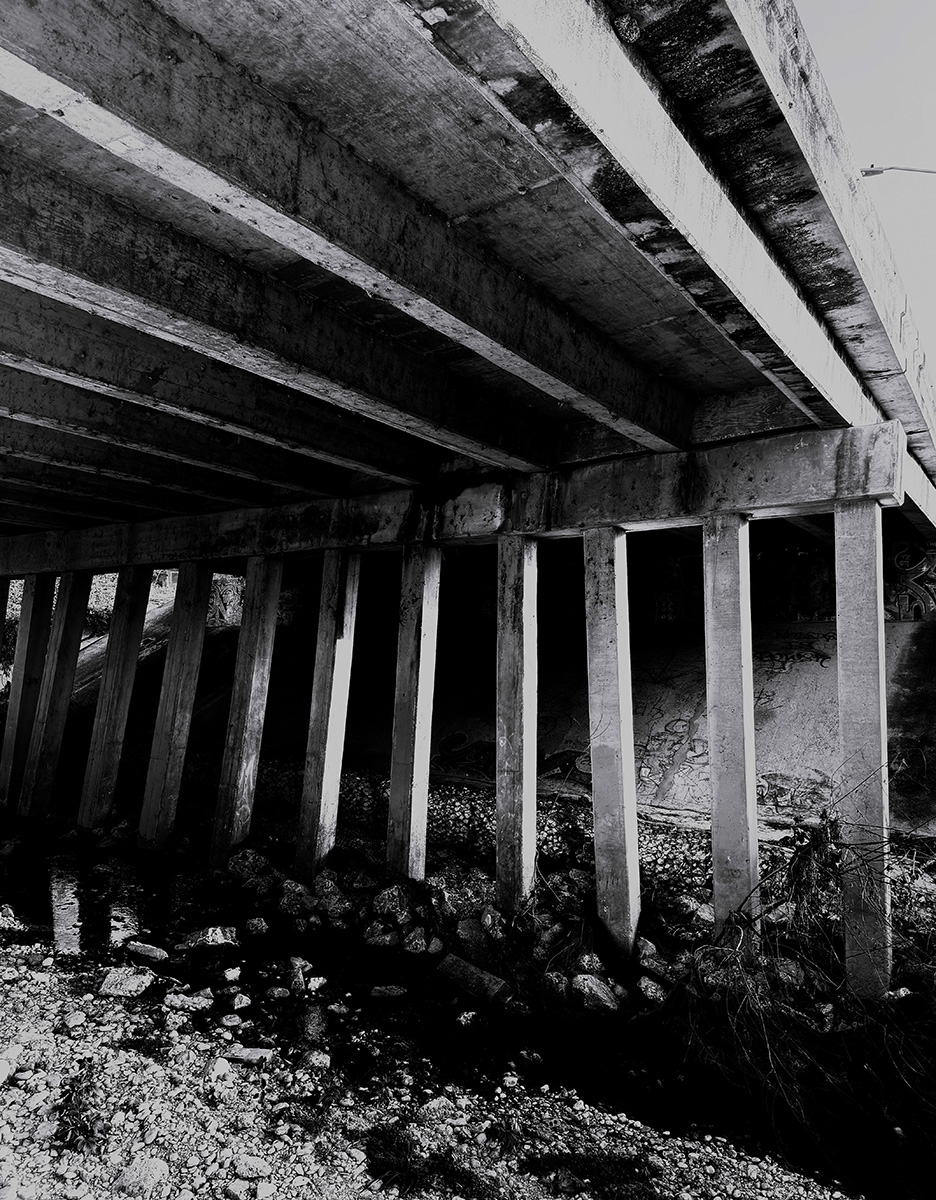
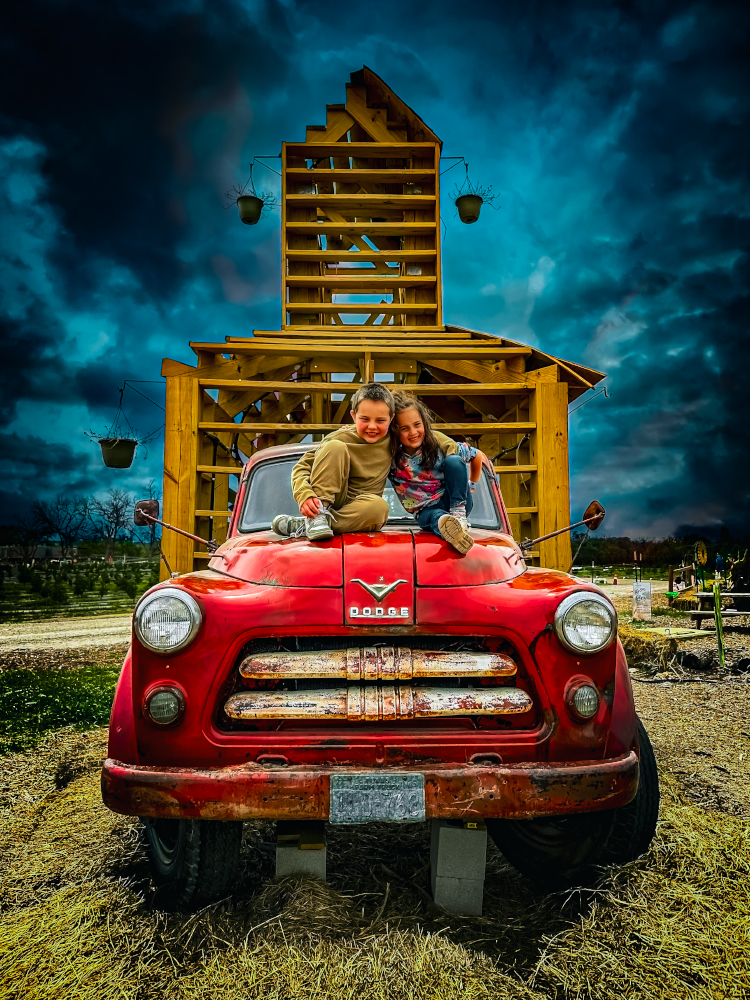
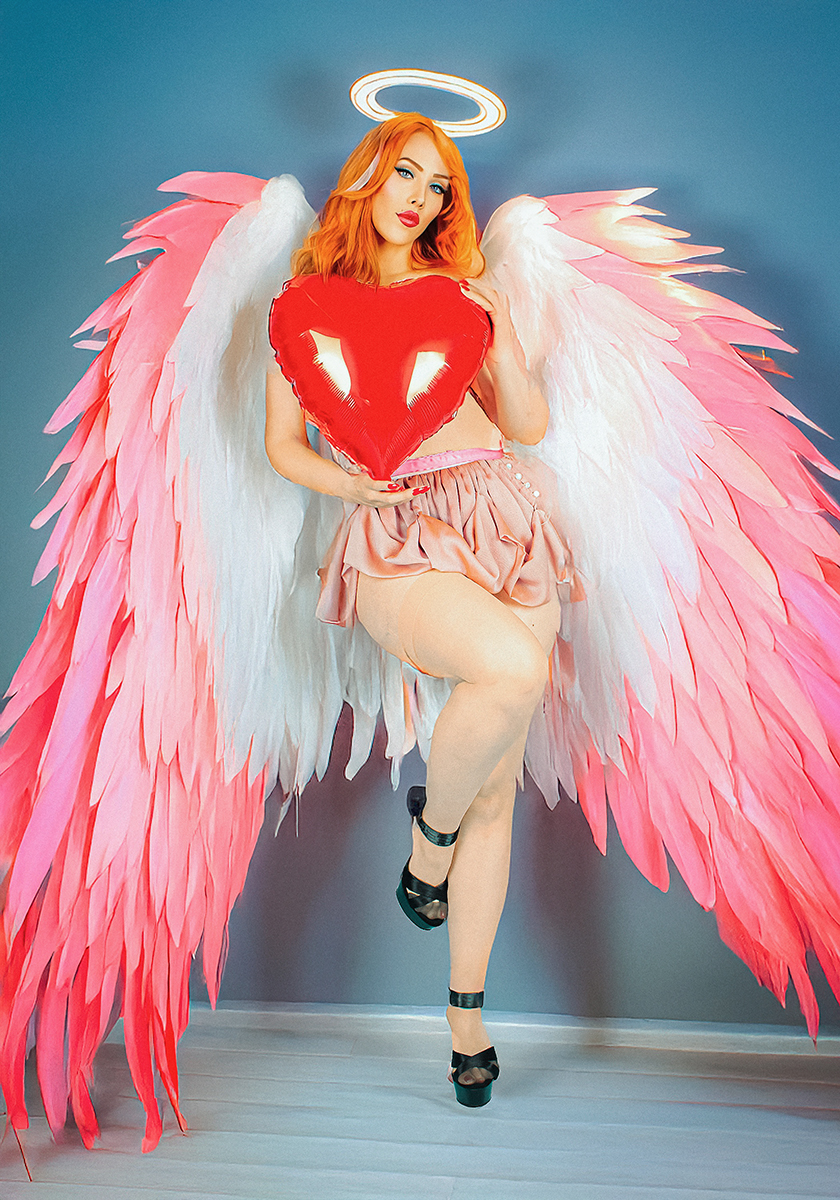
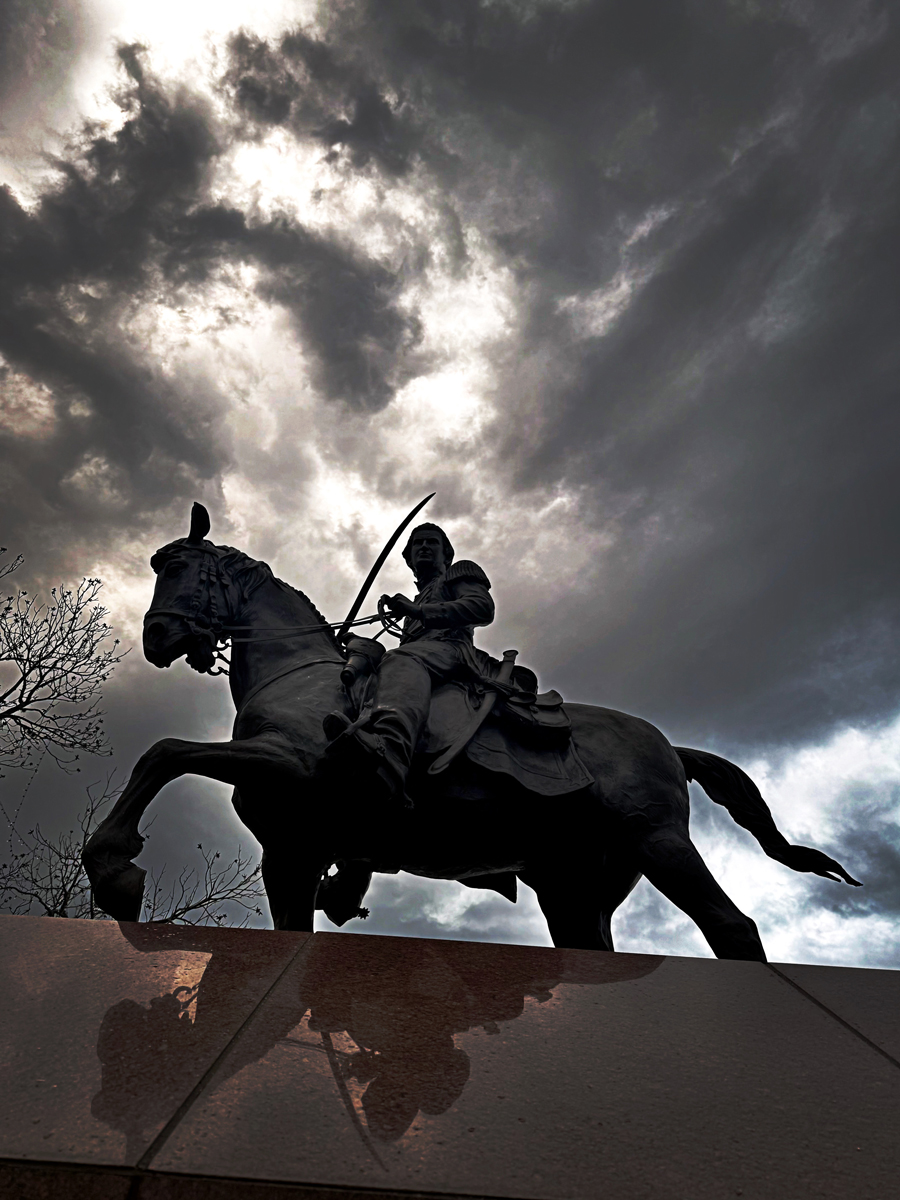
Image Credits
Miss Mosh, Scarlett River, Sweetie, Ky, and Lehua.