

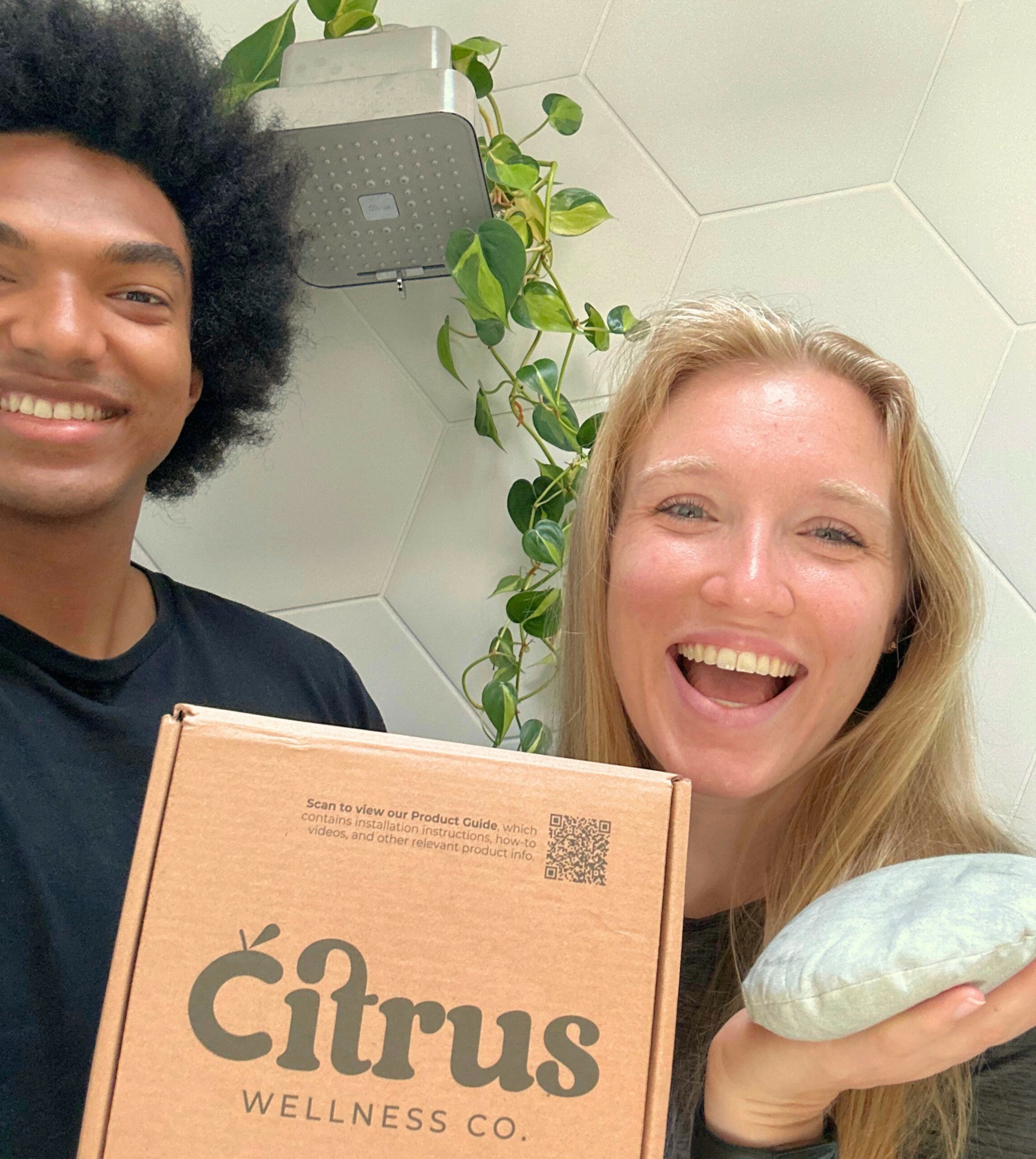

Alright – so today we’ve got the honor of introducing you to Tynan Gable. We think you’ll enjoy our conversation, we’ve shared it below.
Tynan, looking forward to hearing all of your stories today. What’s the backstory behind how you came up with the idea for your business?
The idea for Citrus Wellness Co. really started during a road trip across the U.S. We were moving through different cities and climates, and one thing that kept standing out was how dramatically different the water felt from place to place. In some places our skin felt dry immediately after showering, in others our hair felt softer or cleaner, and it made us realize something people rarely think about: most of us become so accustomed to the water we use every day that we do not notice its effects until we experience something different. That sparked a much bigger curiosity about how water quality quietly impacts daily wellness.
As we started researching, we found that filtered showerheads were becoming a fast-growing category, but the market was still surprisingly narrow. One brand had emerged as the clear leader, yet when we looked closely, we felt there were major gaps in what was being offered, especially considering the premium prices customers were already paying. A lot of products relied on basic materials, weak filtration claims, or designs that did not feel durable or thoughtfully made. We saw an opportunity to build something that treated the category more seriously, with better materials, filtration grounded in science, more transparency about what the filter is actually doing, and a product experience that felt premium from the moment you opened the box.
What made it feel worthwhile was that it sat right at the intersection of two things we care deeply about: health and wellness, and creating products with integrity. We also believed there was room for a brand that considered environmental impact from the beginning, not as an afterthought. That meant thinking about refill systems, take-back programs, and material choices just as carefully as the shower experience itself.
What excited us most was the idea that this is a product people use every single day, but once installed, it does not ask them to change their routine at all. It simply upgrades a daily habit in a way that can support skin, hair, and overall well-being in the background. That combination of everyday impact, strong market timing, and clear room for improvement is what made us feel this was something worth building.

Tynan, love having you share your insights with us. Before we ask you more questions, maybe you can take a moment to introduce yourself to our readers who might have missed our earlier conversations?
I’m Tynan Gable, and I am the co-founder of Citrus Wellness Co. alongside my partner, Miles Colon. Citrus is a wellness brand focused on improving overall wellness through simple upgrades to your daily routine. Our first product is a Vitamin C Filtered Showerhead designed to reduce common tap water contaminants and irritants while creating a more premium shower experience for skin, hair, and overall well-being.
What drew me into this space was not a traditional beauty background or plumbing background, but a growing awareness of how many aspects of health are shaped by things people interact with every day without thinking twice about them. Water is one of those things. The idea emerged during a road trip across the U.S., where we kept noticing how different water felt from city to city. In some places your hair felt softer, in others your skin felt tight or dry right after showering. It made us realize that most people adapt to whatever water they use daily and rarely question whether it may be affecting how they feel until they experience something different elsewhere.
That curiosity led us to research filtration, water chemistry, and the showerhead market itself. What we found was a category growing quickly, but still lacking depth. There were products selling at premium prices that often relied on average materials, unclear filtration claims, and designs that did not feel built to last. We saw room to create something more thoughtful, with a showerhead that felt premium, used stronger filter media, looked beautiful in a home, and was grounded in more transparency about what was actually inside.
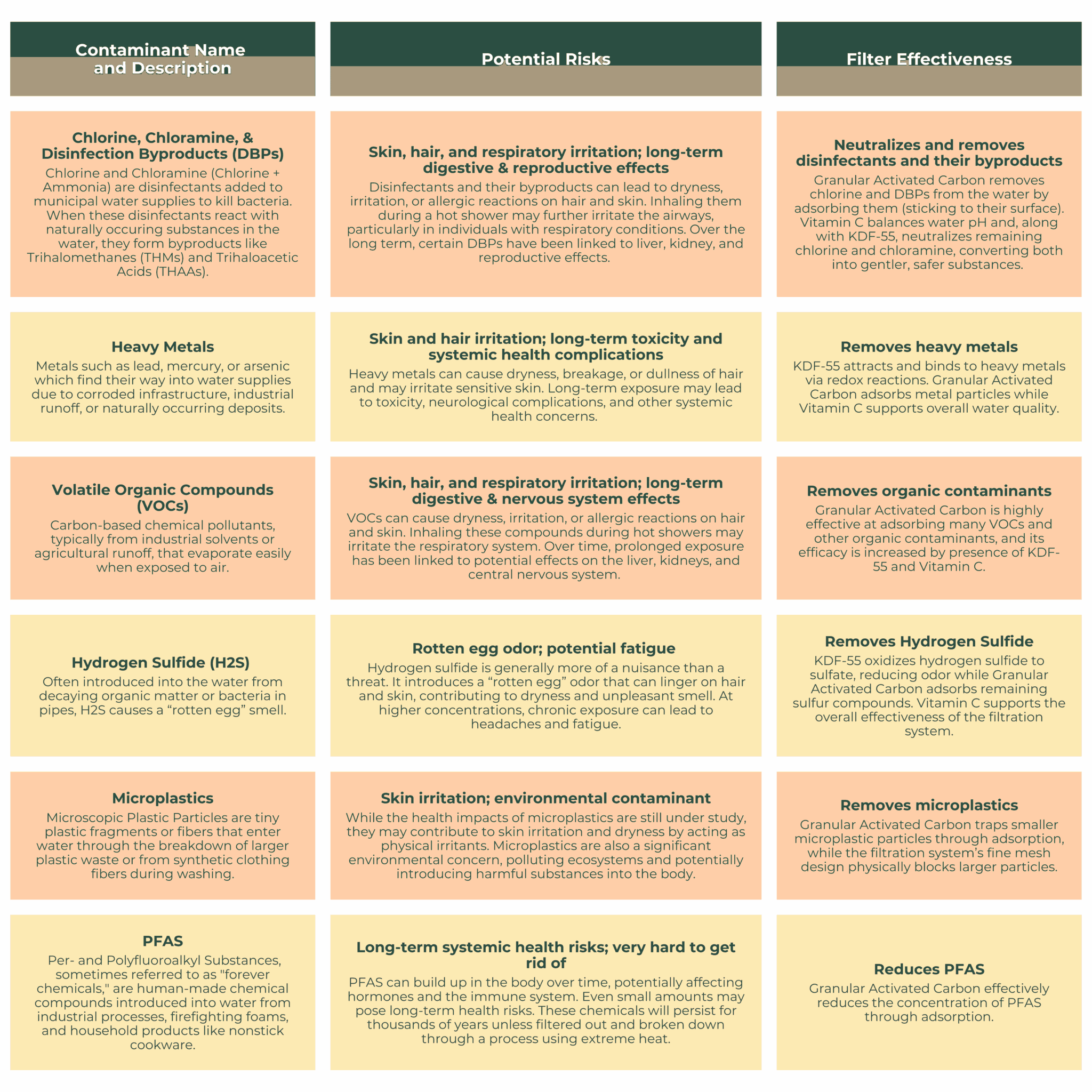
What we provide today is both a physical product and a broader wellness philosophy. Our Vitamin C Filtered Showerhead combines multiple filtration components with real Vitamin C infusion, which creates an ideal environment to support skin and hair health. Just as importantly, we designed it to feel durable and intentional, using stainless steel and offering a full-circle takeback program for used filters to keep materials and contaminants out of landfills.
The main problem we solve is that people often invest heavily in skincare, haircare, and wellness products while overlooking the water they expose themselves to every day. If the water itself is contributing to dryness, irritation, dull hair, or buildup, then even great products can only do so much. We wanted to offer something that works quietly in the background without asking people to change their habits. You install it once, and it improves something you already do every day.
What sets us apart is that we think beyond just filtration performance. We care deeply about material quality, long-term trust, and environmental responsibility. That is why we built our Full Circle Promise, a take-back program designed to recover used filter materials and keep as much waste as possible out of landfill. We wanted sustainability to be built into the business model, whereas our competitors seem to add it later as marketing language.
What I’m most proud of is that we are building this very intentionally, even at an early stage. We have taken time to understand the science, question supplier claims, test materials, and think carefully about what kind of company we want to be long-term. We are not interested in creating another trend product. We want Citrus to become a trusted wellness brand that helps people improve their daily environment in simple, meaningful ways.
The biggest thing I want people to know about our brand is that we care about the details because details shape trust. From what is inside the filter to how it arrives at your door to what happens when that filter is used up, every decision matters to us. We believe wellness products should genuinely improve daily life, feel beautiful to live with, and reflect care for both people and the planet.
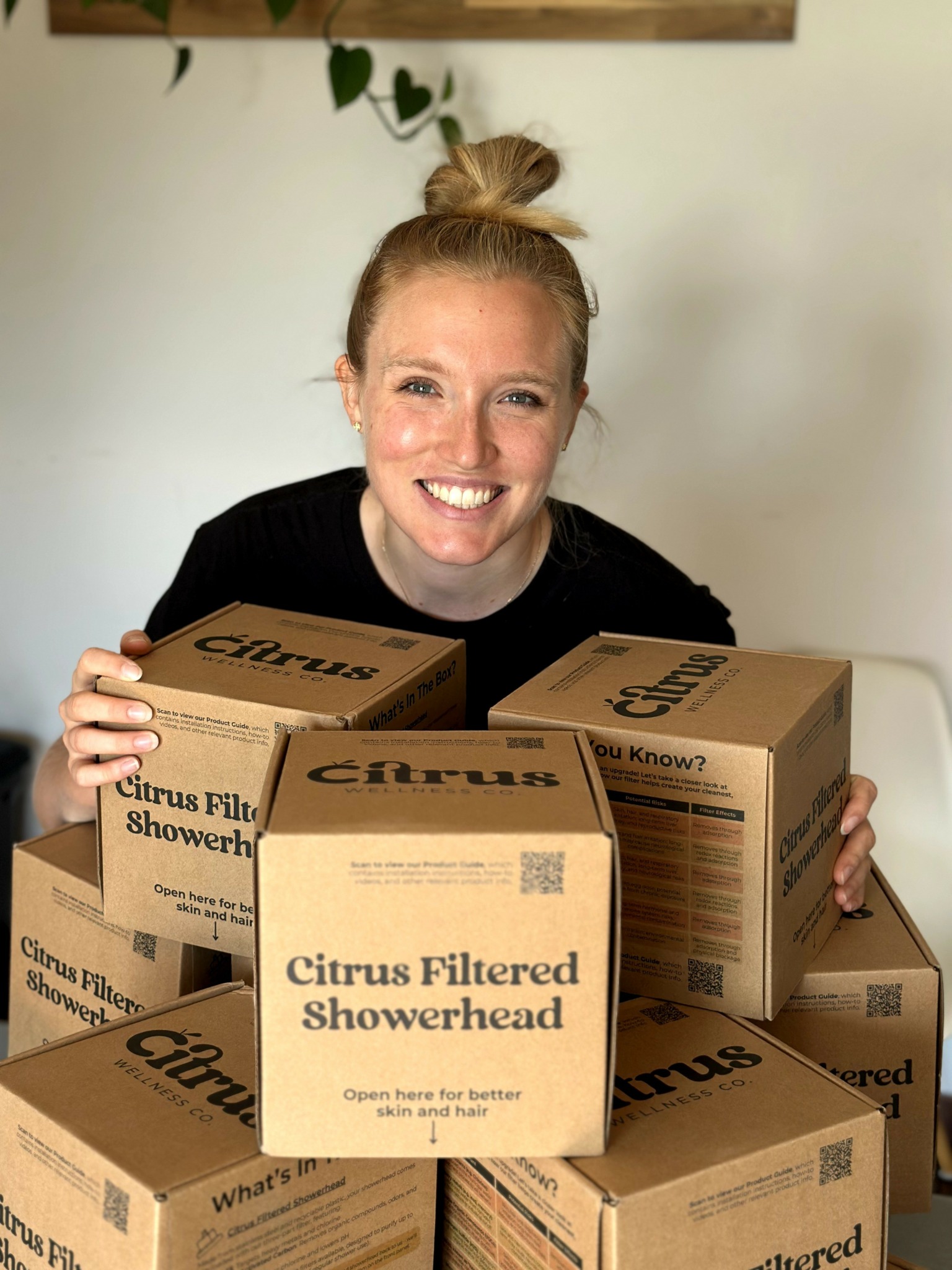
Any fun sales or marketing stories?
One of my favorite early marketing stories centers on a strategy that was a little unconventional for a young consumer product brand. Most filtered showerhead companies focus almost entirely on direct-to-consumer advertising, but early on we felt there was a strong opportunity in what I would call a B2B2C approach, getting the product into places where people could actually experience it before ever seeing an ad.
We started reaching out to small businesses that had showers as part of their customer experience: spas, contrast therapy studios, cold plunge facilities, wellness spaces, even boutique fitness concepts. At that stage we were still early, with limited resources and no big proof points, so a lot of those conversations felt uncertain. We were essentially asking businesses to trust a new brand and install a product most people had never heard of.
Our pitch was simple: we would offer the showerhead at a discounted rate if they installed it and placed a small informational sign nearby explaining what it was and why the water felt different. The idea was that if someone had a noticeably better shower, especially in a wellness-focused environment where they were already paying attention to how they felt, that experience itself could become the marketing.
What made it exciting was that it worked almost exactly the way we hoped. We began seeing purchases come in from people who had used the showerhead in one of those spaces, noticed the difference, scanned the information, and later bought one for their own home. There is something powerful about that kind of trust because the product is not being sold through claims alone, it is being sold through firsthand experience.
What I remember most is how validating it felt because at that point we were still testing so many assumptions. Paid advertising can tell you whether someone clicks, but this told us people were willing to physically experience the product, connect that experience to value, and take action later. It also reinforced something we still believe strongly: some products are best understood when people actually live with them, even briefly.
That strategy continues to matter to us because it created a form of passive, experience-based sales that feels much more organic than traditional advertising. In many ways it also shaped how we think about partnerships today, finding environments where the product naturally fits and letting people discover it in a context where wellness is already top of mind.
Learning and unlearning are both critical parts of growth – can you share a story of a time when you had to unlearn a lesson?
One lesson I had to unlearn was the idea that if you have a strong product and are working hard, things should move quickly. Early on, I assumed many parts of building a business would be fairly linear: develop the product, finalize packaging, launch, market, grow. In reality, almost every step took significantly longer than we originally expected, and usually for reasons we could not fully predict at the beginning.
A simple decision rarely stays simple. Changing one material can affect manufacturing timelines, shipping costs, packaging dimensions, sustainability goals, and even how the product is perceived when someone opens the box. A supplier conversation that seems straightforward can lead to weeks of samples, revisions, and re-testing. Even small things like refining inserts or labels often take multiple rounds because once you see something physically, you realize what still needs improvement.
At first that felt frustrating because it can create the impression that you are moving slower than planned, but over time I realized that much of that slower pace is actually where the business gets stronger. A lot of what looks like delay is really learning, pressure-testing decisions, and avoiding mistakes that would be far more costly later.
What I had to unlearn was the belief that speed alone is a sign of progress. Now I think thoughtful progress matters more, especially when you are building a product people will invite into their homes and trust as part of their daily routine. Some things simply deserve more time than you think they will.
Contact Info:
- Website: https://www.citruswellnessco.com/
- Instagram: https://www.instagram.com/citrus_wellnessco
- Facebook: https://www.facebook.com/CitrusWellnessCo/
- Linkedin: https://www.linkedin.com/company/citrus-wellnessco/
- Youtube: https://www.youtube.com/@citrus_wellnessco
- Other: TikTok: https://www.tiktok.com/@citrus_wellnessco
Pinterest: https://www.pinterest.com/citruswellnessco/
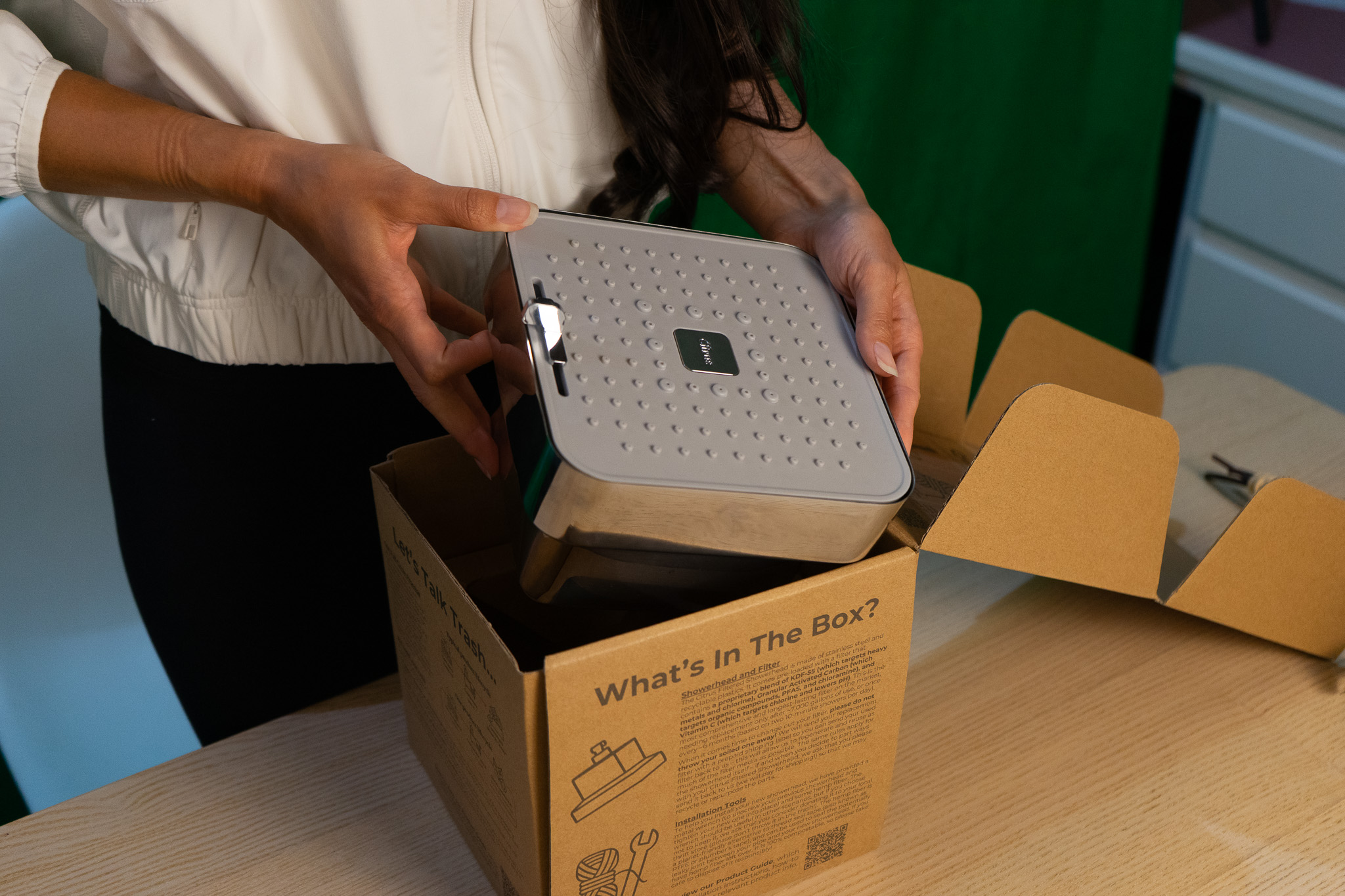
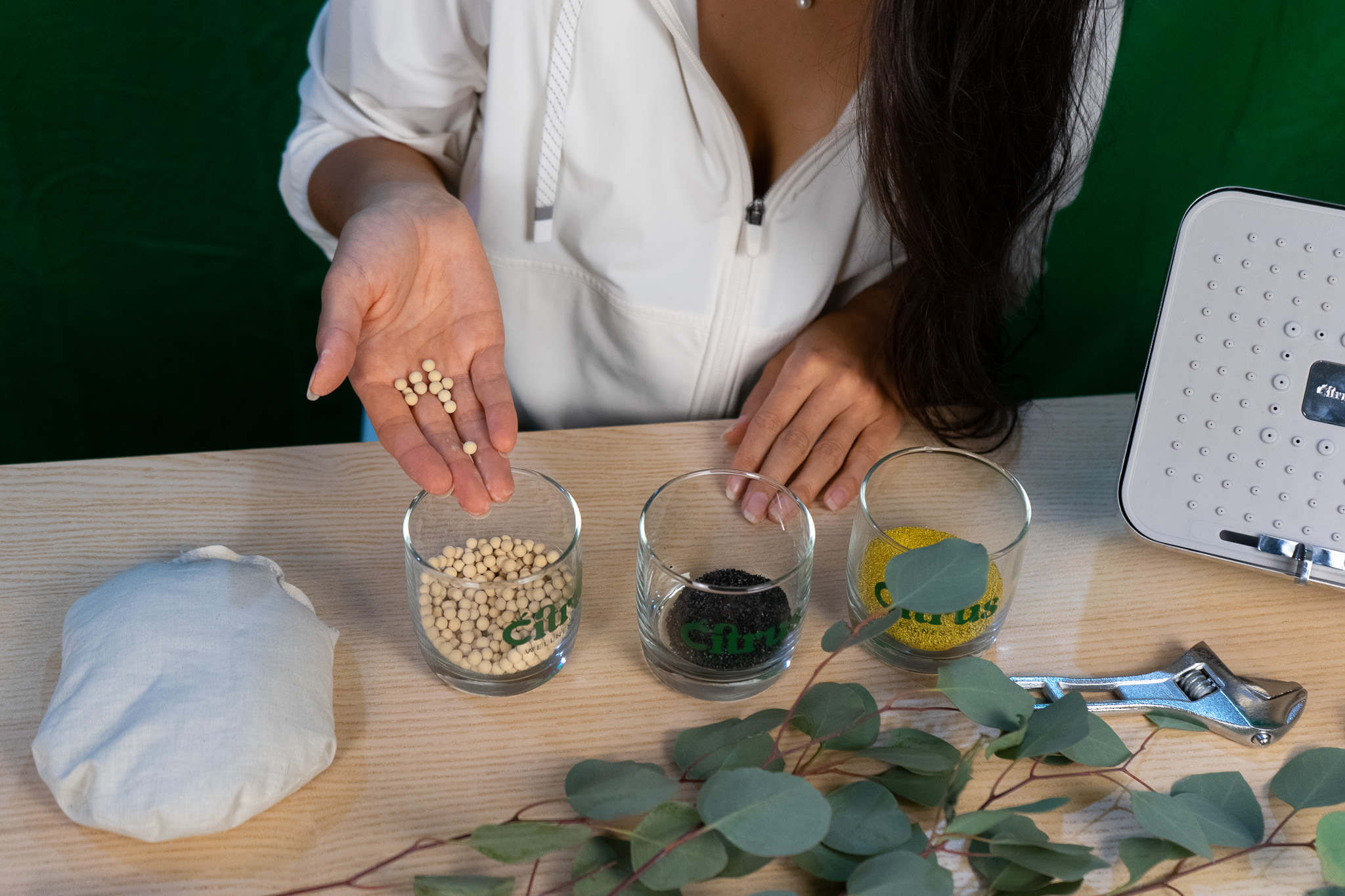
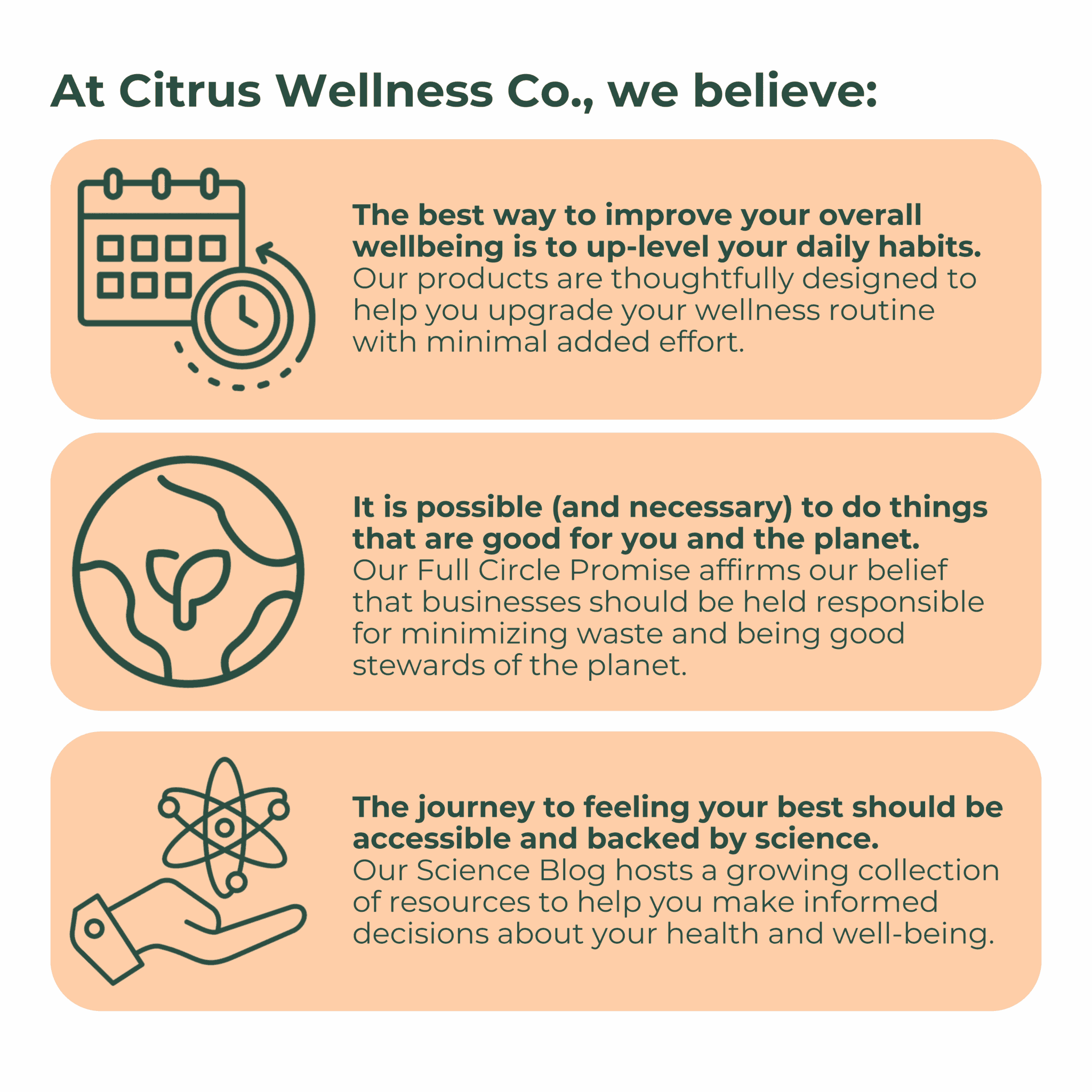
Image Credits
N/A – we took all these photos ourselves!