

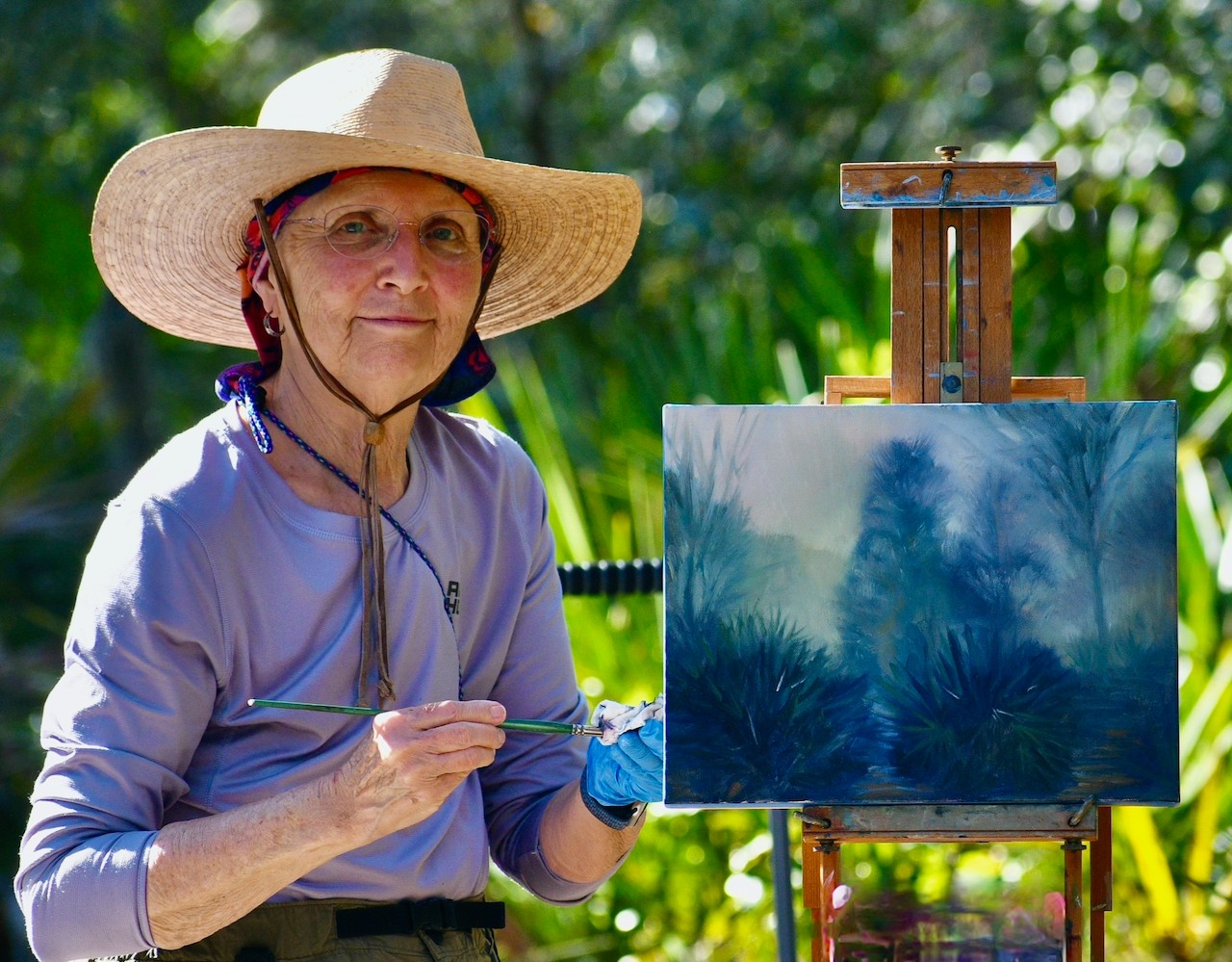

We caught up with the brilliant and insightful Elizabeth Coachman a few weeks ago and have shared our conversation below.
Elizabeth, appreciate you joining us today. If you could go back in time do you wish you had started your creative career sooner or later?
As a child, I gravitated towards both art and biology. My father encouraged my interest in the former by providing me with a variety of art supplies and a beautiful drawing table that I use still. I attended Moore College of Art in Philadelphia as an advertising art major and discovered that much 1960s graphic design work required tedious hand lettering. At age 20 I married a medical intern and lacked tuition funds to continue art school. I transferred to Rutgers University, Camden, NJ, with cheaper tuition and took art and science courses with heavy emphasis on the latter. Given my husband’s long work hours, I had almost no social life but vast time stretches to fill with studying, getting better grades than many of the pre-med students. In the early 1970s with the Vietnam War’s raging, my husband was sent to Okinawa which reverted to Japanese rule while we were there. I worked at the Army hospital’s microbiology lab for a while and also picked up art jobs including commissions and designing package inserts for pirated music. We traveled the Far East, and learned to scuba dive.
Back in the U.S., I attended Temple University Medical School to obtain an MD and moved to Florida for my residency in Pathology, probably the most visual of medical specialties. While a resident, I had two children who happily compounded my already too busy life. All the while, I continued producing small art works, primarily humorous drawings with accompanying writings for the med school year book and for friends and family.
After practicing pathology in Tampa, FL for several years, I became Lab Medical Director at the Tarpon Springs, FL hospital. While working there, I met a young artist who requested my sharing images of various human organs that could be seen through my double headed microscope. He taught at a local community art center and suggested I might enjoy taking art classes there. As my kids were getting older, I felt I could spare time to do so. The classes reignited my love for creating visual art only this time I wasn’t burdened with tiresome hand lettering.
Now in my 40s in the mid-1990s, with mortality creeping upon me, I realized my true self loved creating art far more than working in a laboratory. My husband had found a new life’s path, and I found myself single and living on one of Tarpon Springs’ bayous. I took more art classes with several different instructors.
By 1997, I met the love of my life who retired soon after we met. Six months later, I, too, retired. We traveled both in the U.S. in an RV and internationally. When home I took more art classes with an emphasis on intaglio printmaking–etching, engraving, mezzotint work. I began winning awards for my print work and was selling prints locally.
My husband was thrilled that I was becoming the person I had originally set out to be–an artist. We moved from Tarpon Springs to a small cattle ranch in hilly Hernando County, FL, and built a house where I have a painting studio, project room for framing and my own printing press in the third bay of the garage. We learned to care for about a dozen, “backyard cows.”
In 2005, we took the RV to Newfoundland, Canada, bought a summer house, and I joined St. Michael’s Printshop in St. John’s. I learned mezzotint technique and studied with a variety of international artists while creating my own intaglio work at the shop’s facility in an old sailmakers’ loft. I sold intaglio prints and landscape oil paintings at a St. John’s gallery. Sadly, we found St. John’s just too far from Florida and sold the house in 2011. Also, the gallery closed as the owner retired.
Fortunately, Tarpon Springs folks requested my creating a solo show at the town’s cultural center in 2009–a 2 month, self-curated exhibit of 88 prints, paintings and drawings, each with its own poem or story appeared as, “Fun and Other Words: the Art of Elizabeth Coachman.” I learned that my work sold in America, too!
Around 2006, a Tarpon Springs historian requested my re-enacting 19th century woman physician Mary Jane Safford, MD, who lived and worked there from 1882-1891. He was involved with the town’s 1883 Safford House restoration as a museum and needed someone to portray the woman doctor–in his mind, what better person to do that than a retired woman physician who practiced in the same town! I agreed to participate in just one, “performance,” as a museum fundraiser. Little did I know that the event would propel me into a 10 year whirlwind of 19th century woman’s history and research travel around the U.S. before my writing and publishing Mary Safford’s first comprehensive biography in the book “Mary Jane Safford, MD: Indomitable Mite” in 2017. In her will, Mary bequeathed her “portfolio of etchings and engravings”–another appreciator of intaglio prints! Safford re-enactments continued for several years as did presentations to various historical societies. Needless to say, my time for visual art work suffered.
Four days following the book launch, I had bilateral mastectomies for breast cancer. Fortunately, I required neither chemo nor radiation therapy but faced months of grueling physical therapy to regain full range of arm motion. After doing this, I was back to painting and printmaking at home.
In 2020 I had opportunity for another solo art exhibit at a friend’s, “green burial cemetery,” reception center. I had about 28 prints and paintings of which half sold despite the show’s closing a week after it started due to COVID. I used the, “lockdown time,” to establish the website elizabethcoachman.com, design a set of 6 notecards with verses on the back and do several oil paintings and prints.
Around this same time, a group of printmakers primarily from Tampa Bay area academic institutions chose starting an artists’ group called 24 Hands to exhibit together. I was surprised and flattered to be invited to join them as I truly did not fit with a group of academics. My work was more representational than abstract and often included visual puns that lacked the gravity of much of the other artists’ works. However, mine sold.
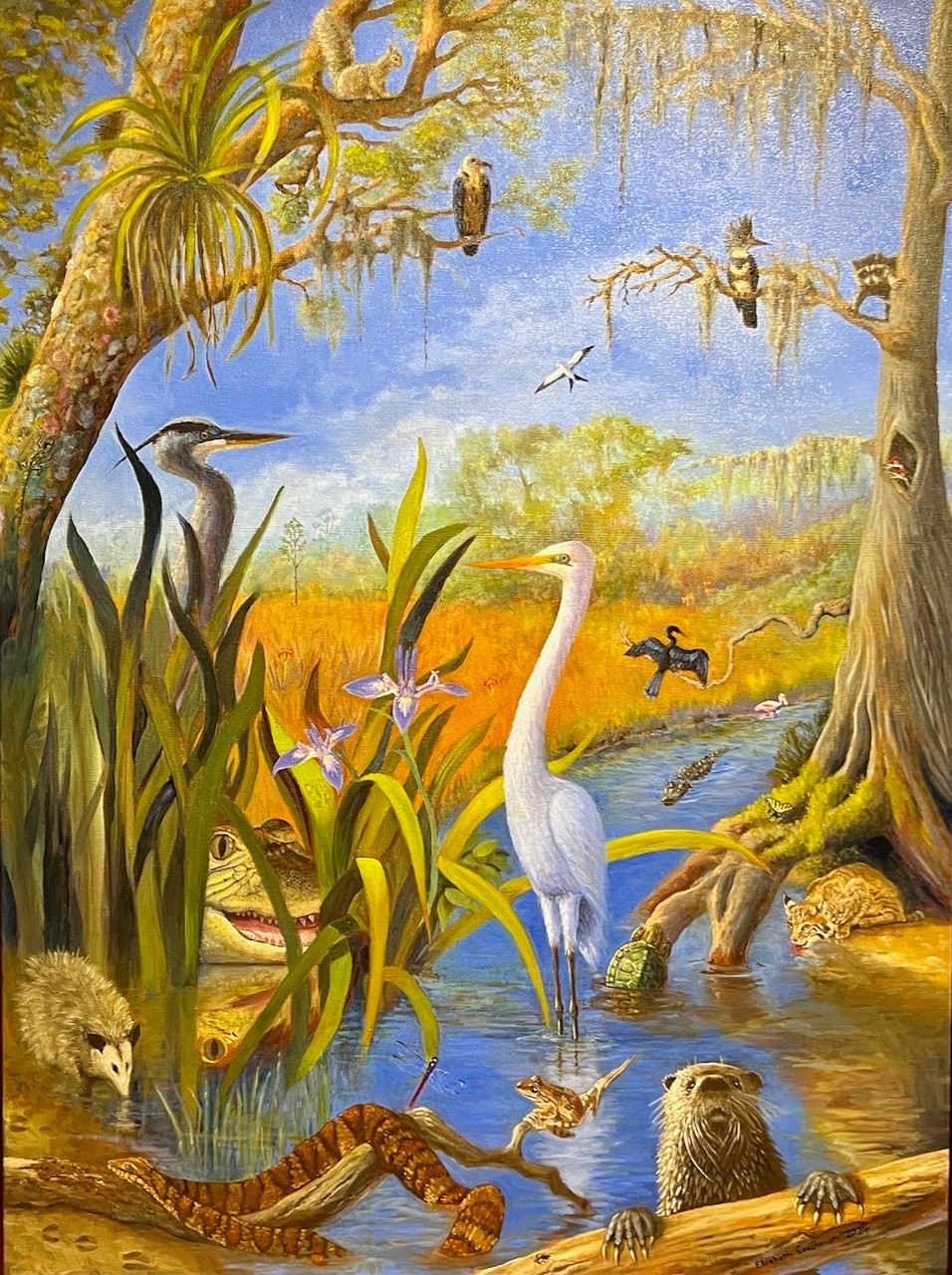
What followed between 2022 and 2026 was a series of group and solo shows at various venues including colleges, churches, libraries and a nature preserve. At the latter, I had 10 months to create 32 new works, both paintings and intaglio prints all based on experiences I’d had at the preserve.
In answer to the question’s regarding timing of starting my creative career—sometimes I do wish I had stayed in the art world. However, the sequence of events’ leading to life as I know it now had to fall in place just as it did for my current happiness. I might never have left Philadelphia, had my children, found my real love and made the various connections that led to opportunities I’ve had for exhibits and networking. My opportunity to exhibit at the Tarpon Springs Cultural Center hinged on my friendship with the town’s cultural director who served with me on a hospital committee. My becoming an author arose from my having been a female doctor in the same town as my biography’s subject. Because I made money and invested wisely as a physician, I had the opportunity to retire early from a practice I did not truly enjoy and could return to a field I did. Life’s circuitous path has led me home.
Elizabeth, love having you share your insights with us. Before we ask you more questions, maybe you can take a moment to introduce yourself to our readers who might have missed our earlier conversations?
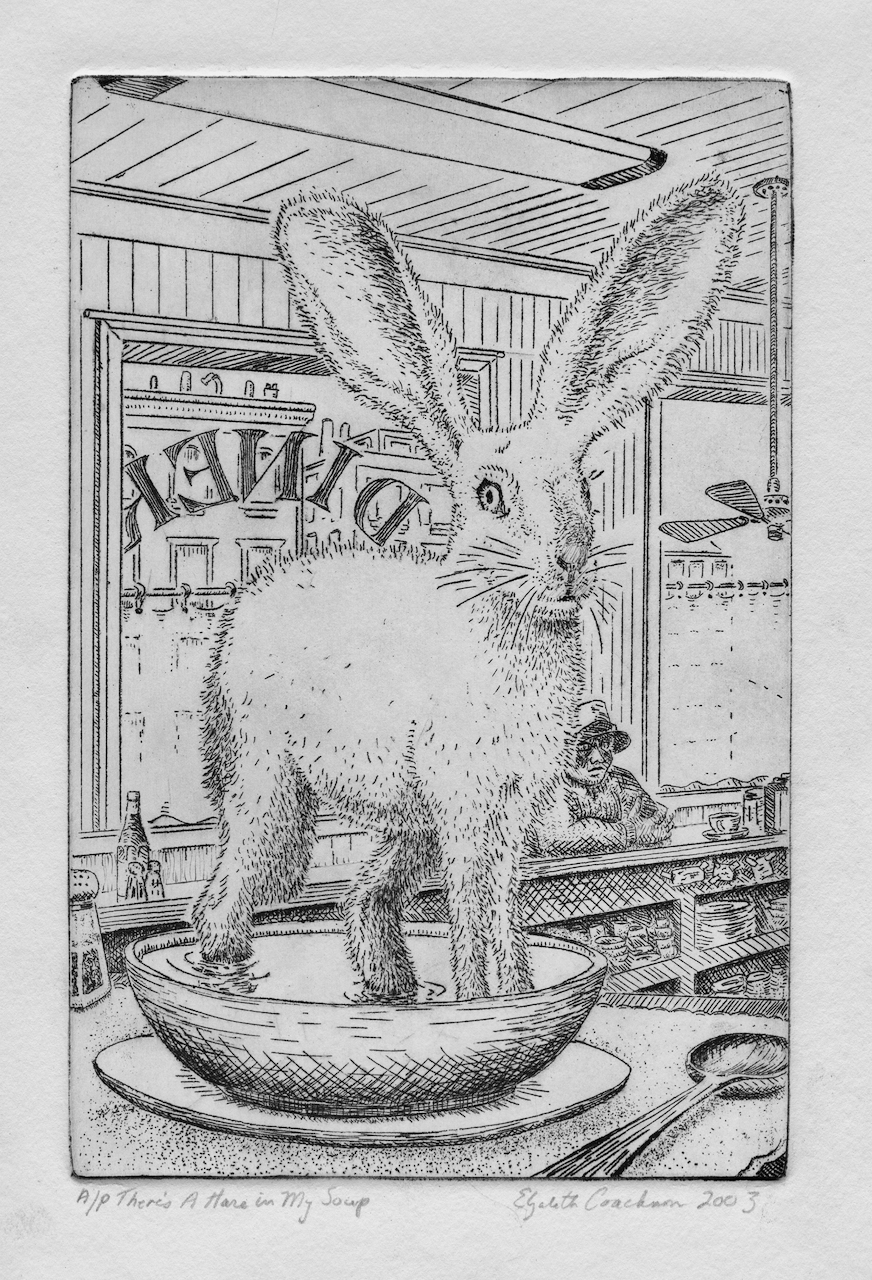
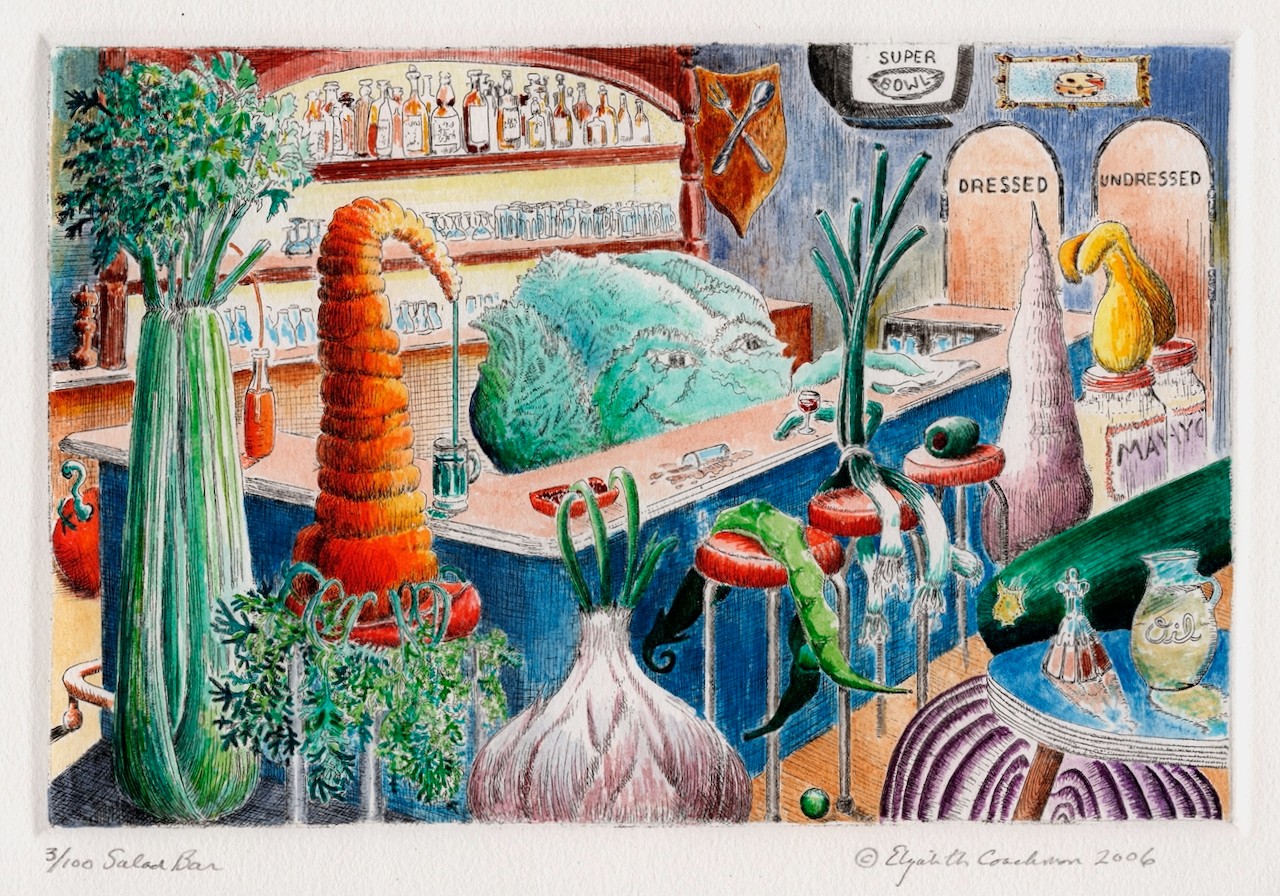
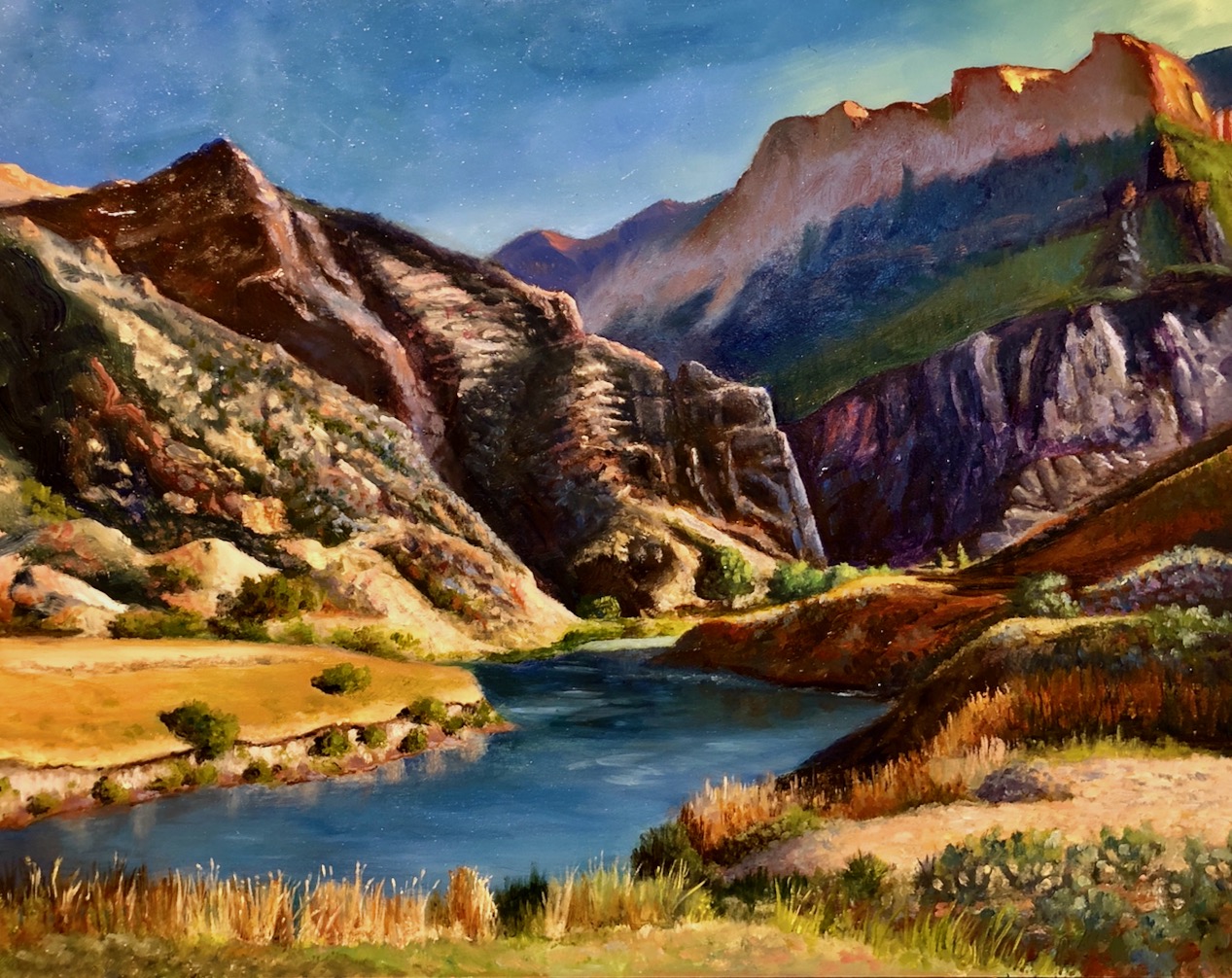
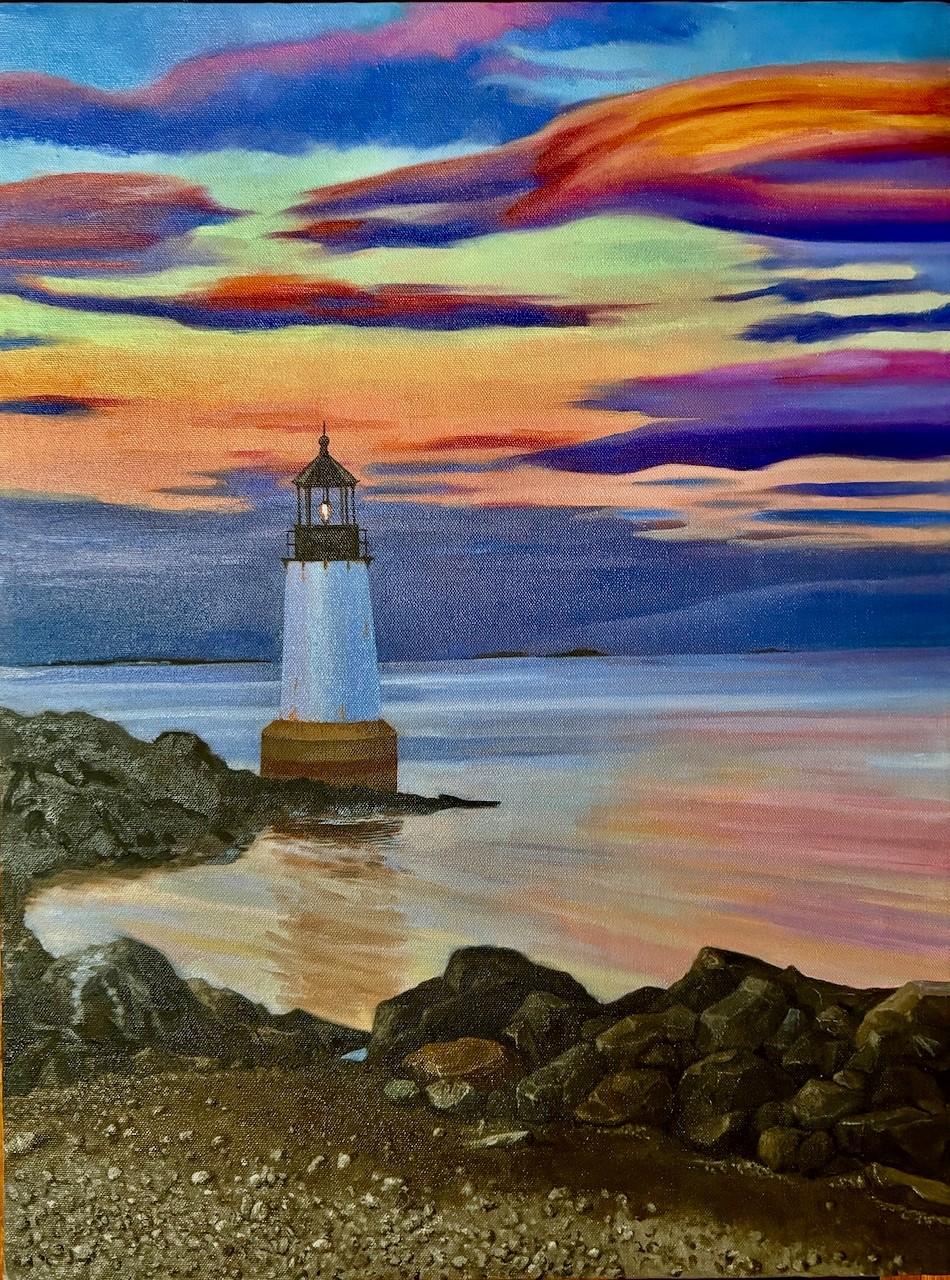
I’m an MD who retired early from my practice to return to my roots as a visual artist as well as an author. Although I had 2 1/2 years of graphic design as part of my pre-med studies, I ended up working for 20 years as a Florida pathologist. Since retiring, I’ve studied oil painting and intaglio printmaking both in Florida and in St. John’s, Newfoundland, Canada. Intaglio work involves etching, engraving and mezzotint procedures on either copper plates or polycarbonate. Much of my print work involves visual puns, plays on words, often accompanied by humorous poetry. My oil paintings are primarily landscapes but also portraits and fantasy work. I have had a series of solo exhibits of both prints and paintings that have sold well.
In my capacity as a retired physician, I became a re-enactor for an amazing 19th century woman physician in the town where I practiced. This led to my writing and publishing her biography as, “Mary Jane Safford, MD: Indomitable Mite.” She was like a 19th century Forrest Gump in that she interacted with many historical figures including U.S. Grant, Elizabeth Cady Stanton and a host of others. She traveled extensively throughout Europe, wrote prolifically, and was one of America’s first trained woman gynecologists as well as a founder of Boston University School of Medicine. She did all this and was only 4′ 4″ tall.
My visual art is available for viewing and sale on my website: elizabethcoachman.com
My book is available through Amazon in soft cover, hardback and e-Book formats.
What do you find most rewarding about being a creative?
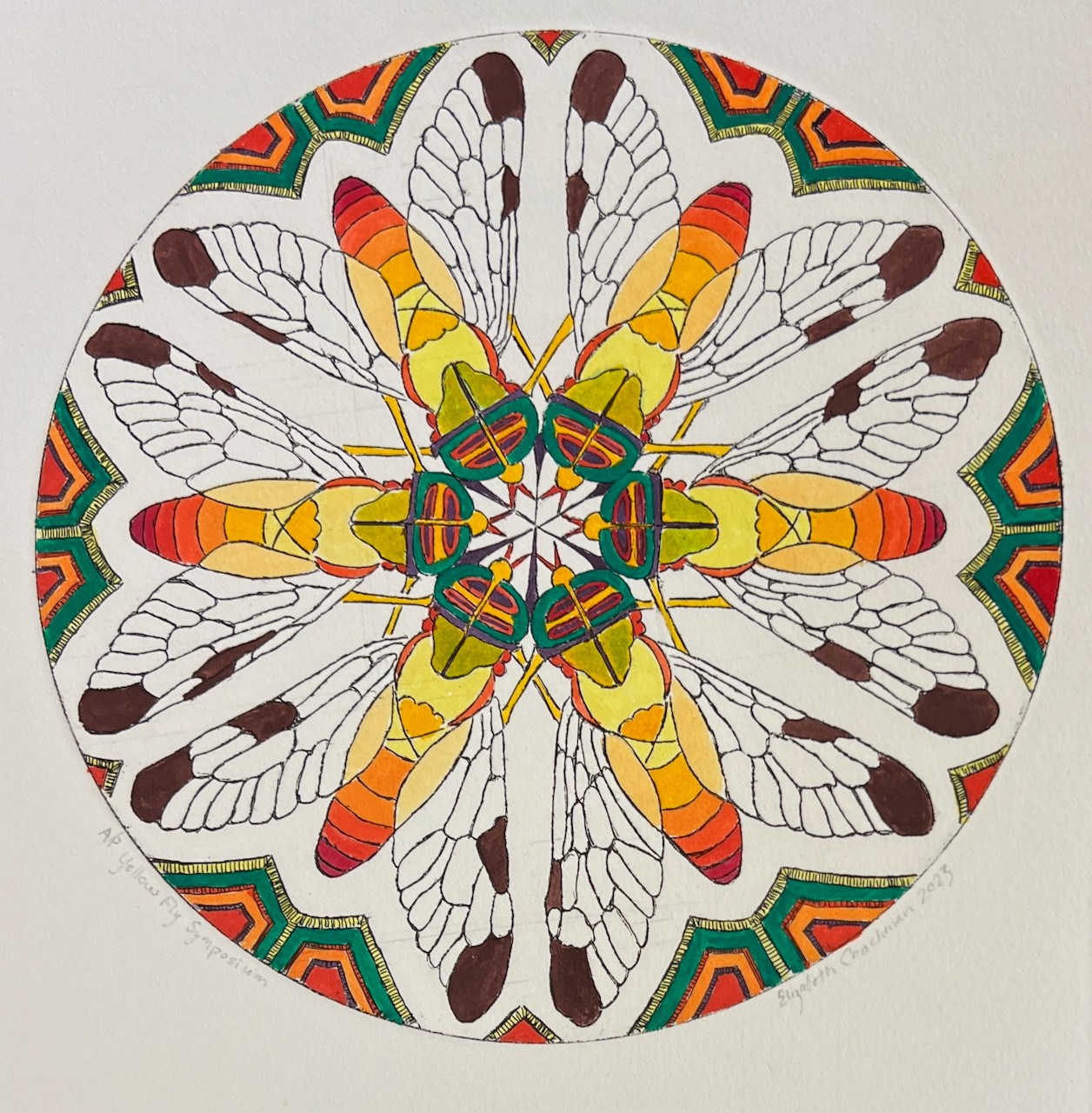
I’ve found the most rewarding aspect of being an artist is being able to share my work with people who truly appreciate it. Finding one of my prints or paintings in someone’s house or a public space and watching people enjoy viewing it gives me much pleasure. During my shows, I’ve enjoyed visitors’ laughing out loud when viewing my prints and reading accompanying humorous poetry.
Can you share a story from your journey that illustrates your resilience?
In 2001, I had recently retired from my medical practice and began spending much time creating artworks. A local boutique offered me a wall upon which I could display my intaglio prints for sale. I called my mom in Denver to share my good news but was met with garbled words. Rousing her neighbor for long distance help, I learned in the subsequent hours that she had a huge inoperable brain tumor. By that evening, I was in Denver and did not return home until over 6 months later. I lost my chance for my first exhibit but had the knowledge that I had cared for my mom at her home rather than her having to go into an institution. Although I did not have another chance to exhibit my work for several more years, eventually I received a variety of invitations to do so. By then, I had a much larger and more sophisticated set of prints to share in exhibits.
The point here is that sometimes one has to redirect but persistence in creation pays off in the end–or at least it did for me.
Contact Info:
- Website: https://elizabethcoachman.com
- Youtube: “Dr. Mary Safford-Tarpon Springs, FL 1887” “Dr. Fidelia Whitcomb and Dr. Mary Safford” “The Bayou Biddies”
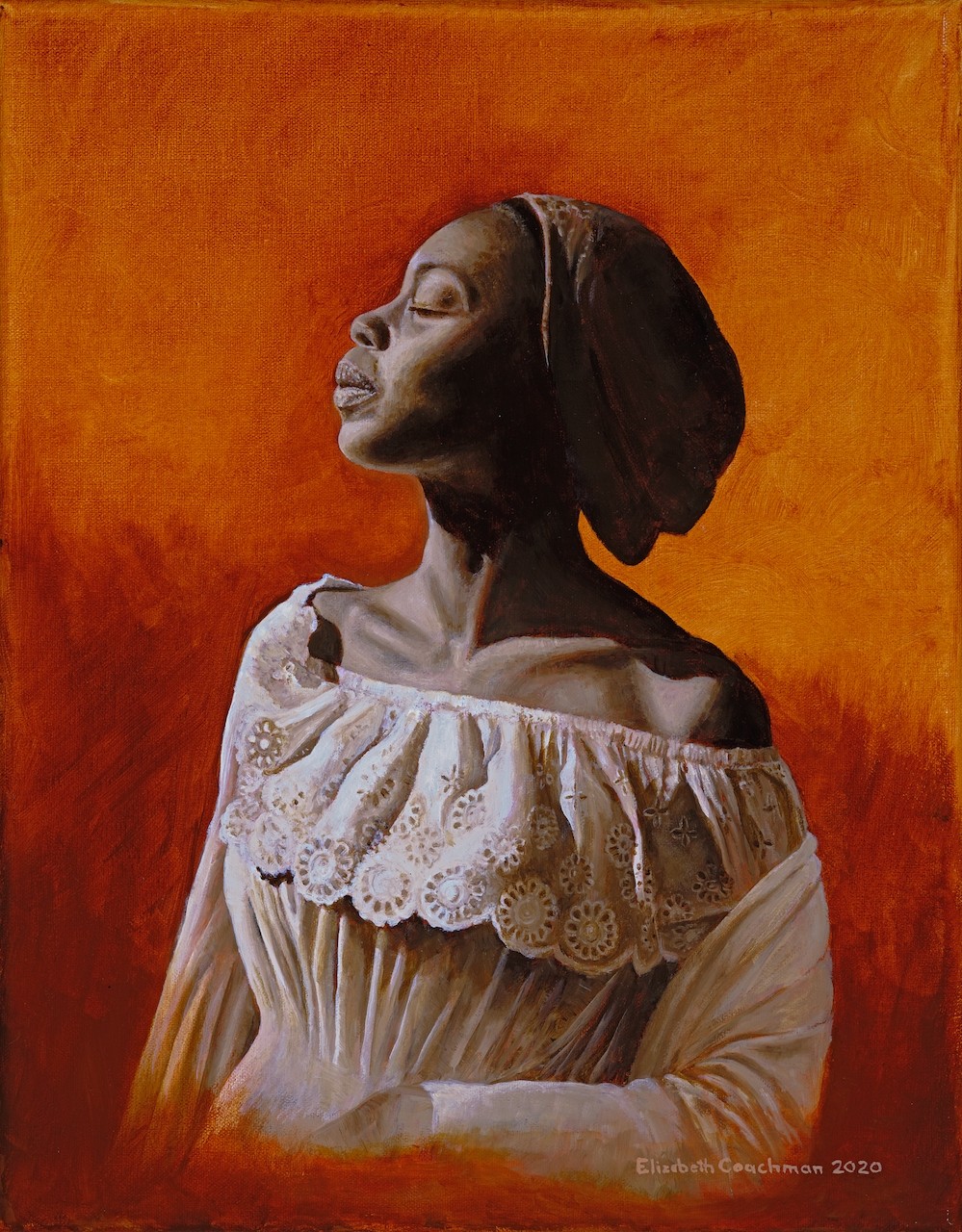
Image Credits
Michael R. Coachman