

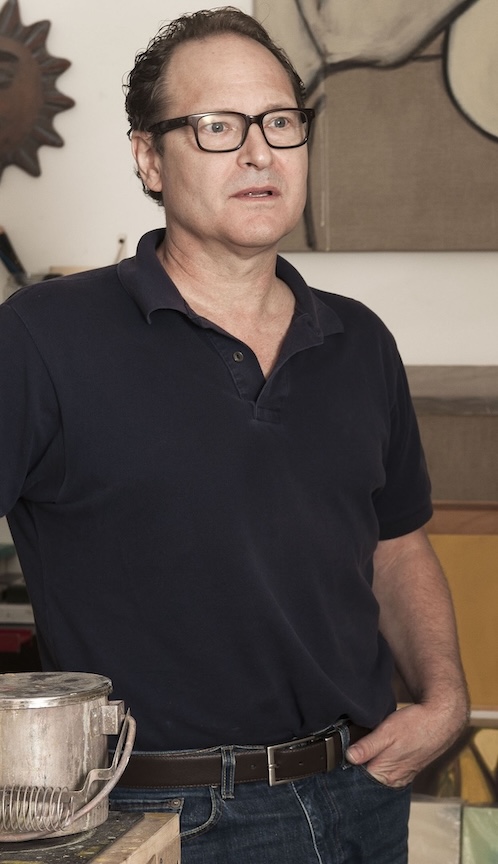

We were lucky to catch up with Jeff Schneider recently and have shared our conversation below.
Jeff, thanks for taking the time to share your stories with us today It’s always helpful to hear about times when someone’s had to take a risk – how did they think through the decision, why did they take the risk, and what ended up happening. We’d love to hear about a risk you’ve taken.
Looking back on my career I would say one of the first risks I took was after the conventional route through a BFA and MFA education, I decided to leave the relative safety of the Midwest and move to New York in 1990. However, like most who move to the city, I didn’t consider it overly risky, but more of a long wager that a formal risk and professional precarity were necessary costs for me personally to be an artist. Yet for a young unknown artist, I suppose it is already a bet against security.
Risk taking in the studio on one’s art is another challenge all together. You can think of “common” artistic risks as anything that increases uncertainty in three areas at once: in the making (will this work at all?), in reception (will anyone “get” or value this?), and in livelihood (can I afford this move?). In painting, most risks are usually those where the formal experiment, the conceptual question, and the professional stake are all entangled in a way that cannot be resolved in advance.
Post-modernism had been the defining zeitgeist for more than a decade in the art world and through most of my graduate studies I plunged headfirst into studying the 20th century writers, poets and painters that helped define the era, when I arrived in New York and began to visit galleries, museum’s and meeting other artists, I could see that invisible thread in art history weaving its way through the late 1970’s and into the 1990’s.
My wish to encounter work—historical and contemporary—was not accessible in depth anywhere else. This step into New York offered me a kind of “live” archive of precisely the kinds of painting and post-painterly practices that my work would, looking back, engage and develop from. New York was like a theatre where the realities of art‑making were all visible.
Awesome – so before we get into the rest of our questions, can you briefly introduce yourself to our readers.
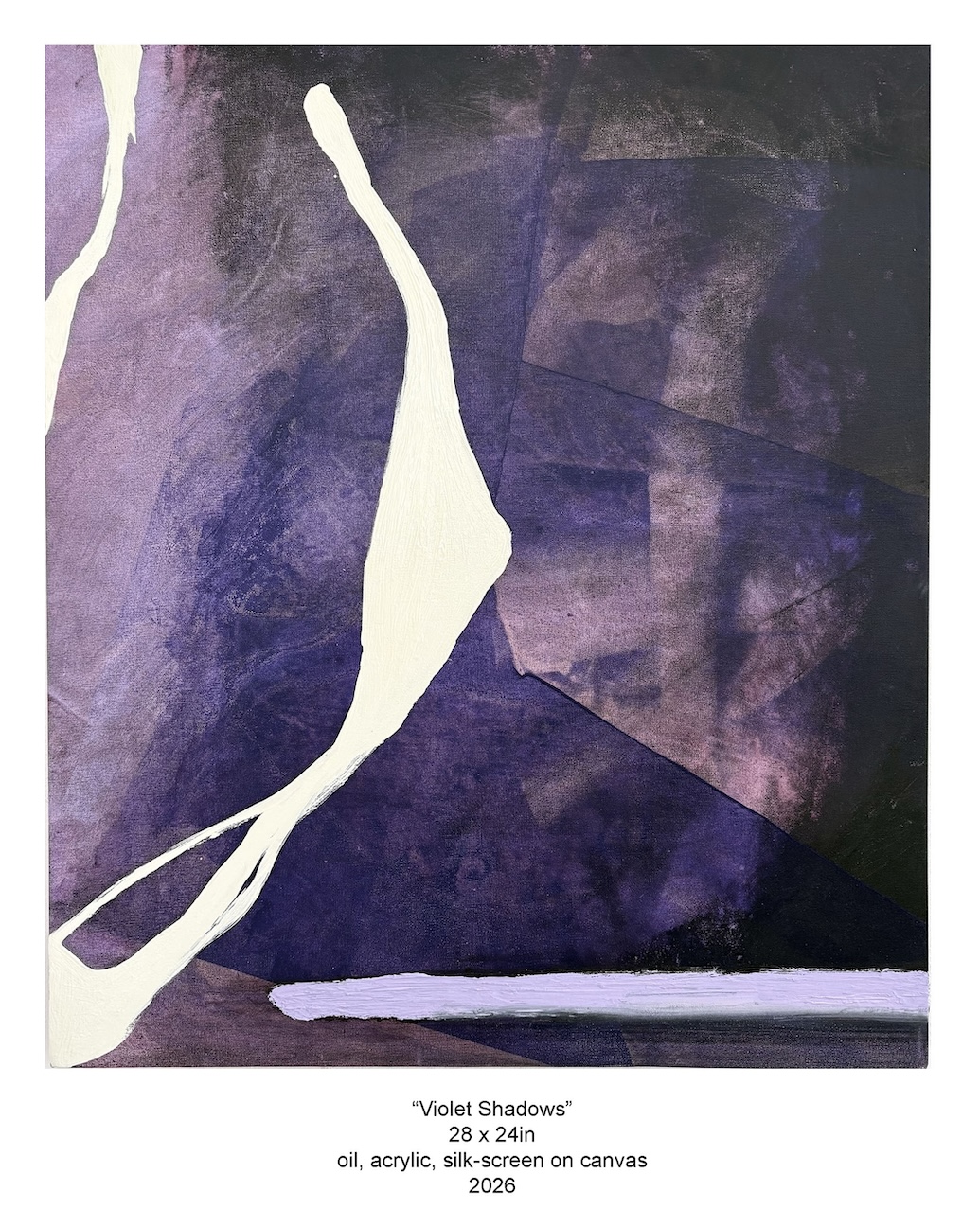
Every New Yorker has stories of their first steps into the city – exciting and intimidating all at once. Wearing many hats and juggling multiple jobs, after finding a studio in Red Hook Brooklyn, like many, I inserted myself himself into the ecosystem as a studio assistant. Embedded in New York’s painting scene of the early 1990s provided me with both a community and a way to evolve my own painting vocabulary. Among the established artists I worked with were Moira Dryer, Ron Gorchov, Dorothea Rockburne, Janet Fish, Chuck Close, and David Salle, artists whose work spans post‑minimalist abstraction, shaped canvases, geometric structures, and complex figurative painting.
Working as a studio assistant meant inconsistent pay, long hours supporting others, and constantly struggling to find time and energy for my own painting. At first, it was a matter of just staying alive without any guarantee that the networking or personal relationships would convert into shows or recognition. The opportunity is immense, but the challenge is built in- to be indispensable to established artists while not being consumed by their methods or reputations, and to translate that backstage experience into one’s own independent growth as an artist.
Another challenge is to find visibility in a field already dense with ambitious painters. But with time, group shows and later exhibitions (including abroad), I found a gradual, piecemeal emergence rather than a single breakthrough—a slow build that demanded persistence and patience.
We’d love to hear a story of resilience from your journey.
One clear story of resilience is about keeping up the practice of painting through long periods of financial and professional uncertainty. Being an artist was more of a life condition for me, rather than a career choice, so forging ahead was and is still a must. I remember a professor’s advice about completing a painting and turning it to the wall and to move onto the next.
Even when the conditions became difficult, being an artist was a non‑option for me. I guess, looking back across my story, resilience appears less as a stoic endurance and more of a continuous recommitment to the work—keeping painting central, while adapting methods and drawing on art history and community to keep going when recognition or financial stability were uncertain.
For you, what’s the most rewarding aspect of being a creative?
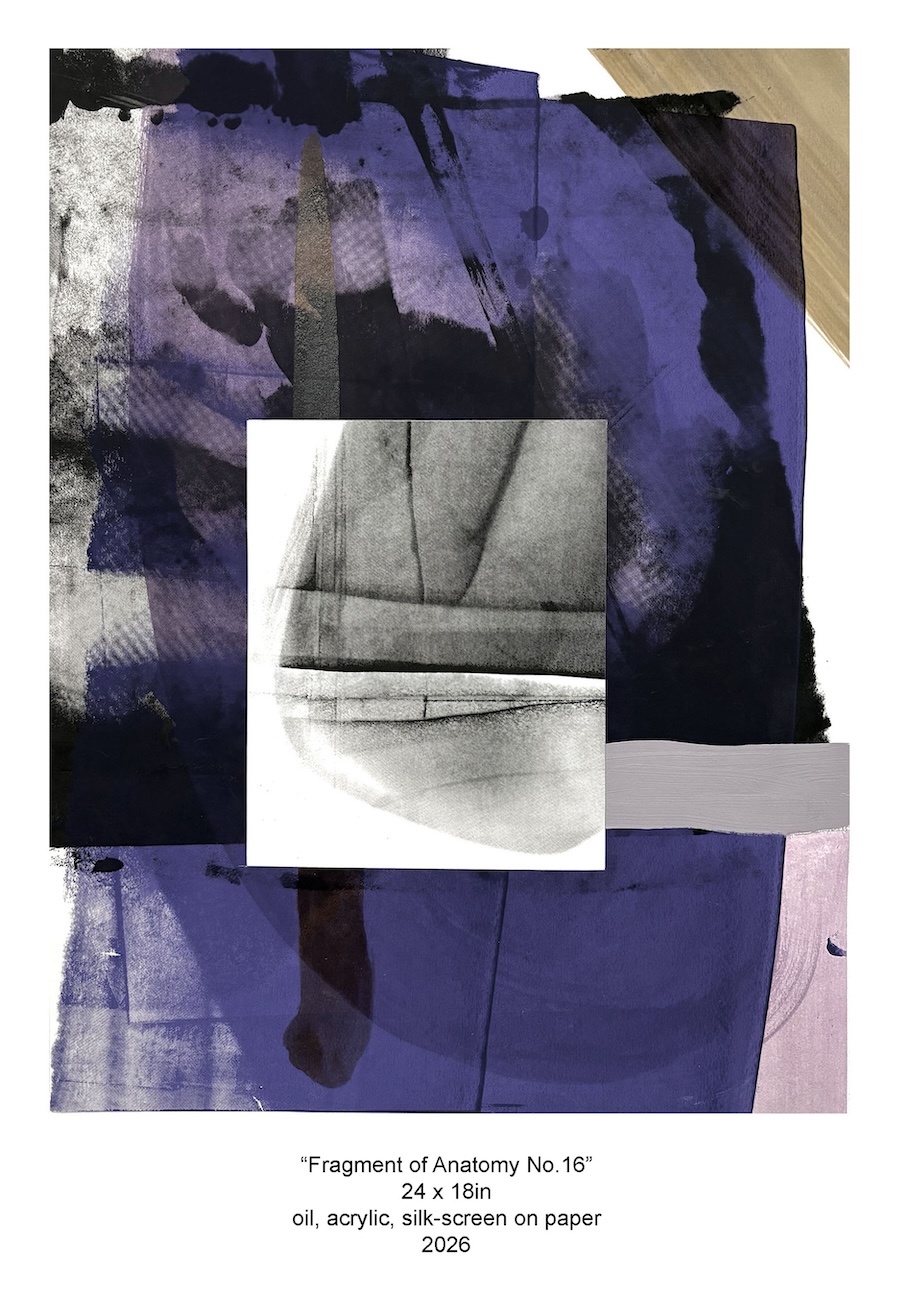
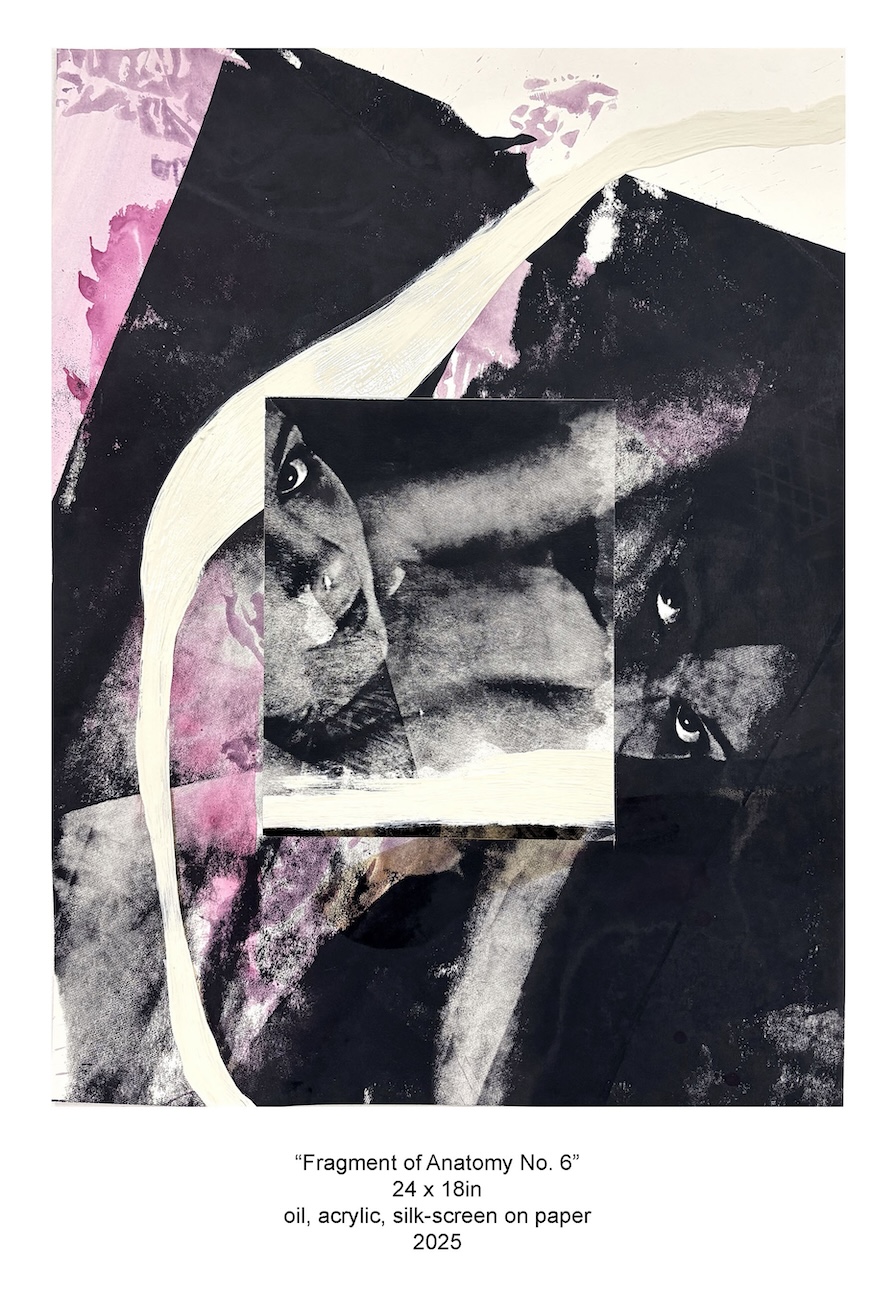
I love the process of making a work of art. For me, that begins by looking, then borrowing and finally layering all the ingredients into a conversation on the canvas. I’ve mentioned before that painting is like writing a poem where one line leads to another and then to yet another.
Through rhythm, gesture and depth, the reward for me is that painting becomes a mode of thinking in real time: each layer is a proposition, a revision, or a counter‑argument, so the finished piece is effectively a visible record of my thoughts. The process is difficult to put into words- it’s like magic.
Contact Info:
- Website: https://www.jeffschneidernyc.com
- Instagram: @jeff__schneider
- Other: https://www.oliversearsgallery.com/jeff-schneider
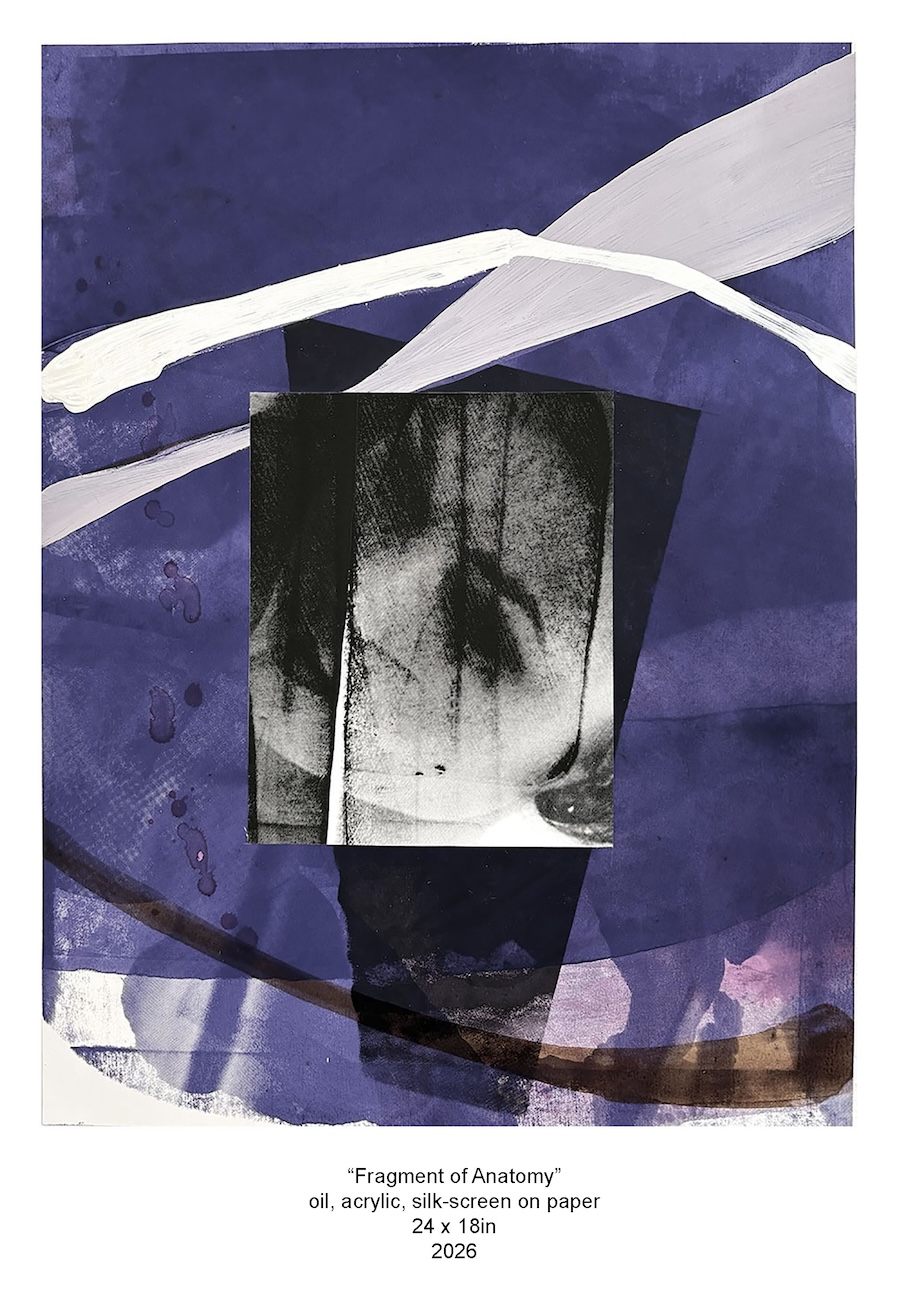
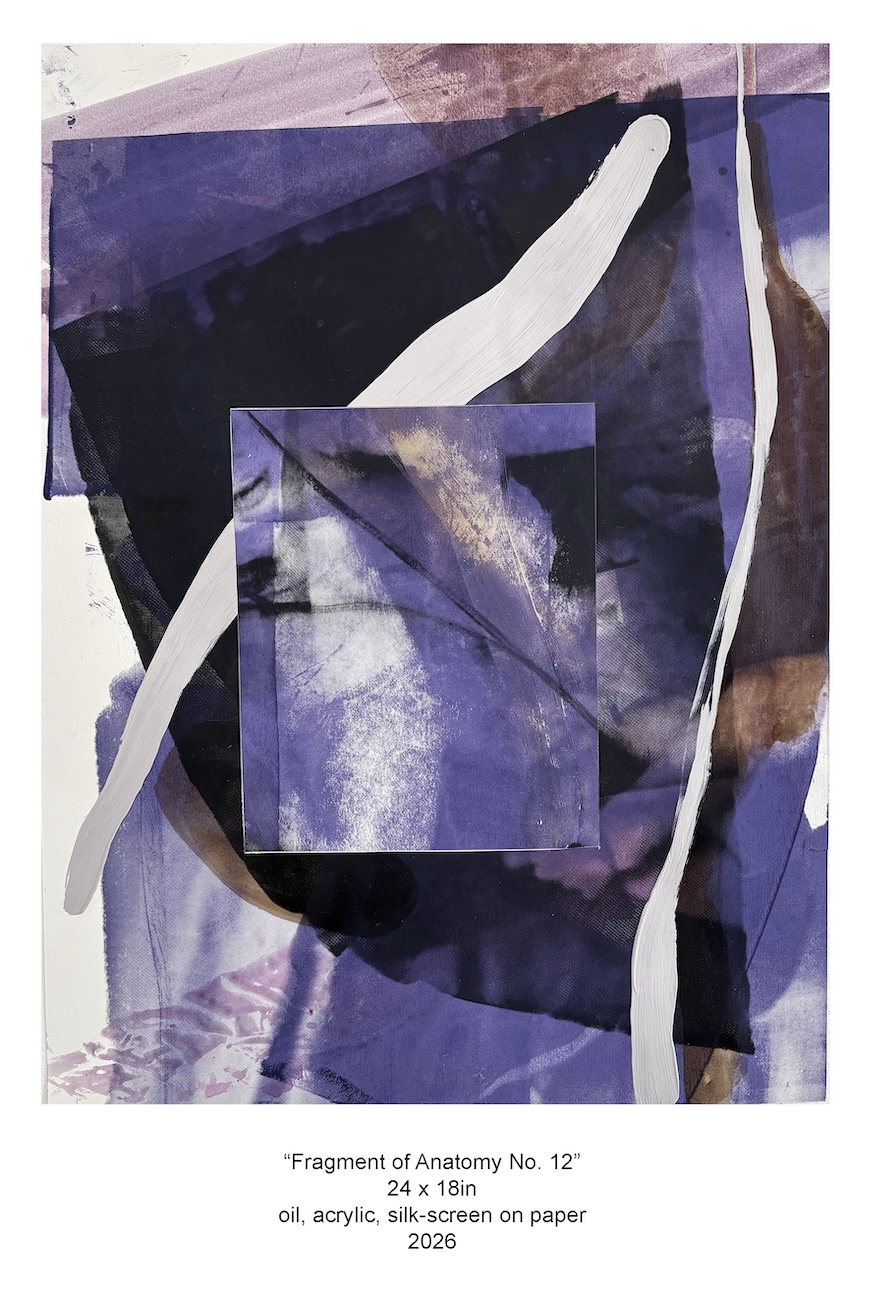
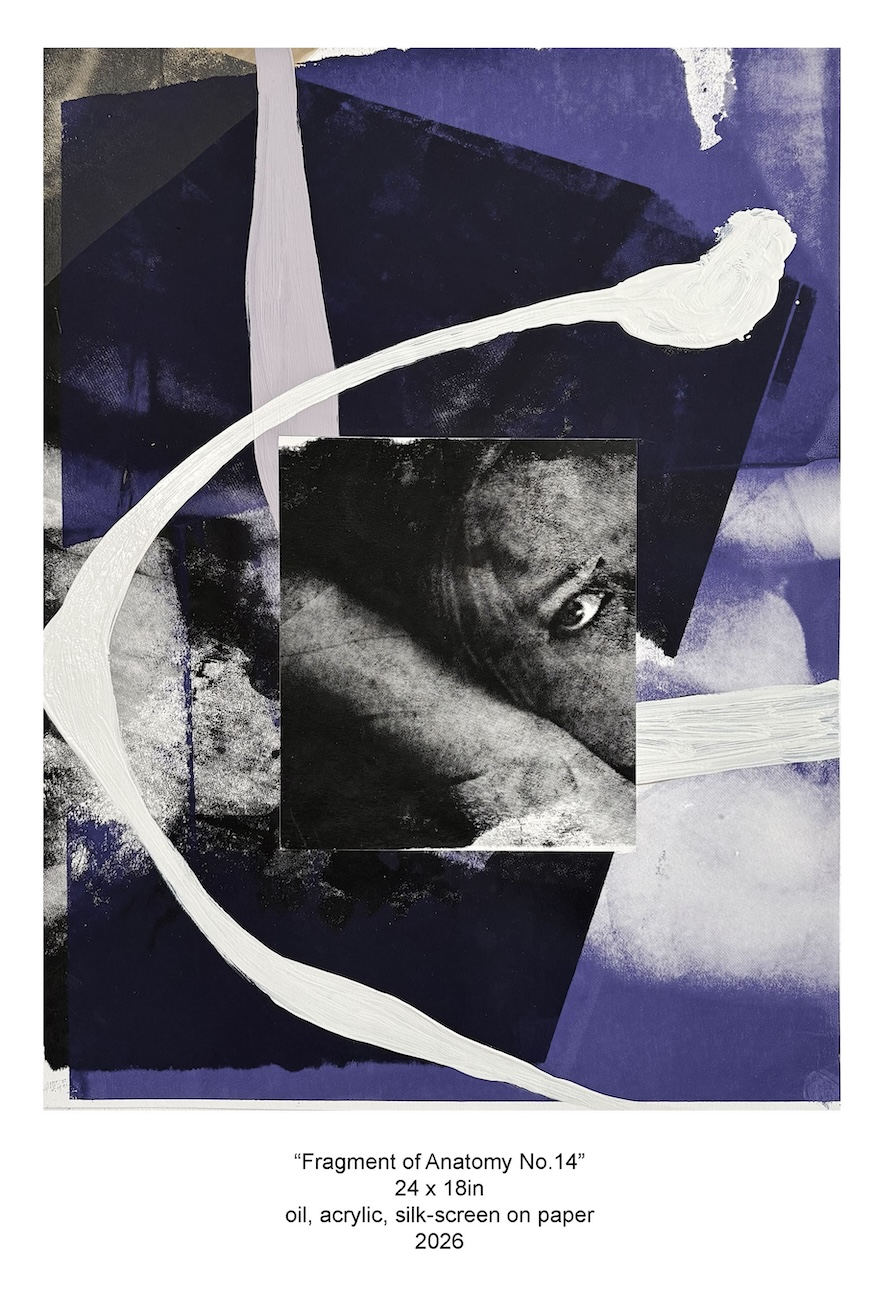
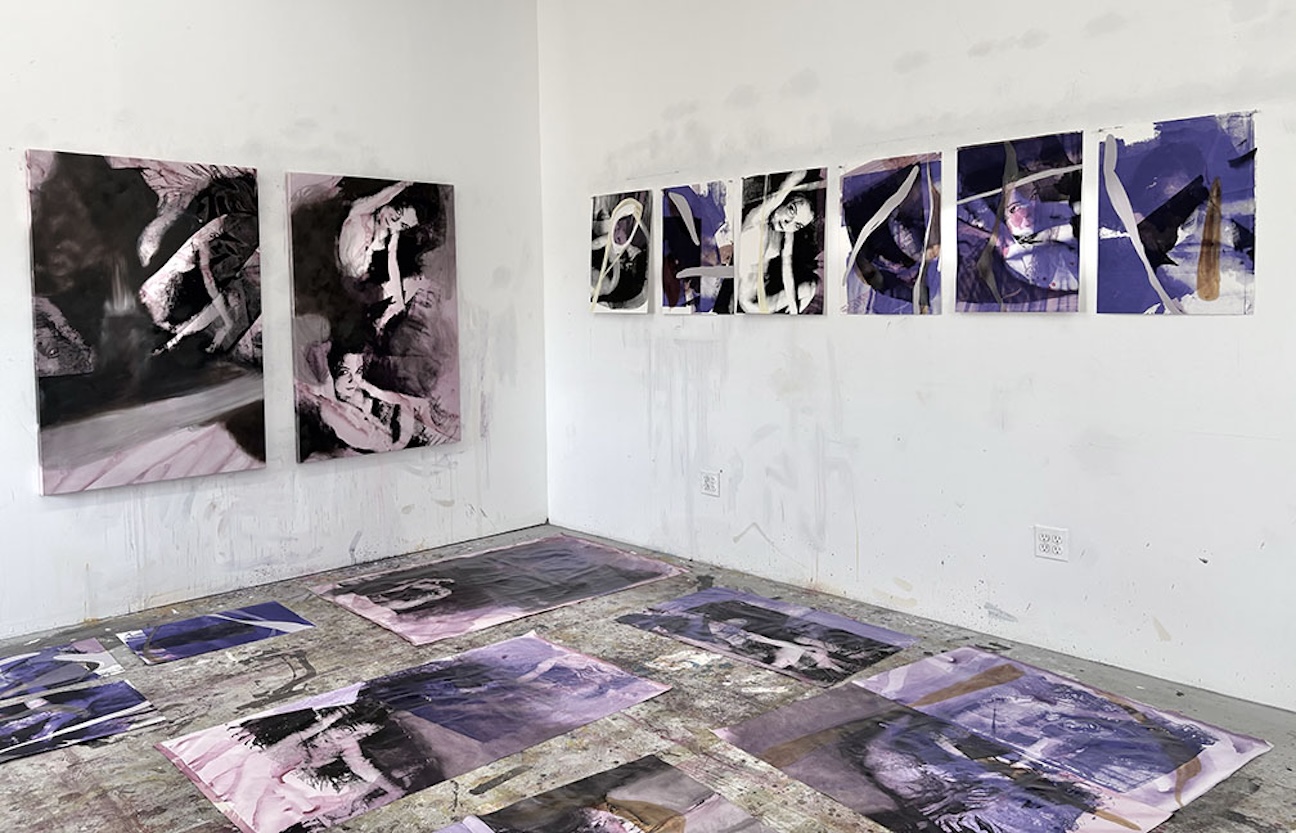
Image Credits
Stefan Schaal