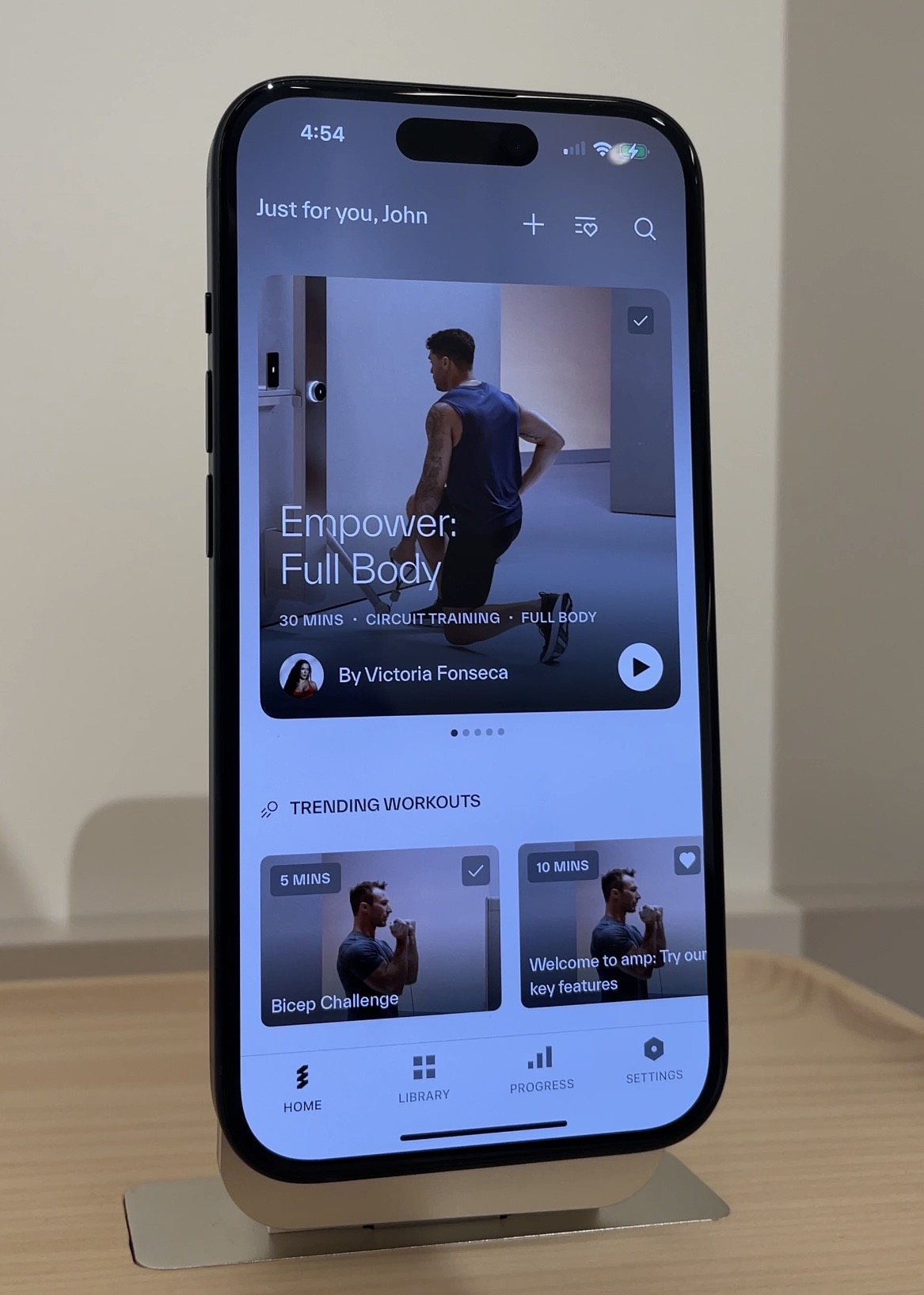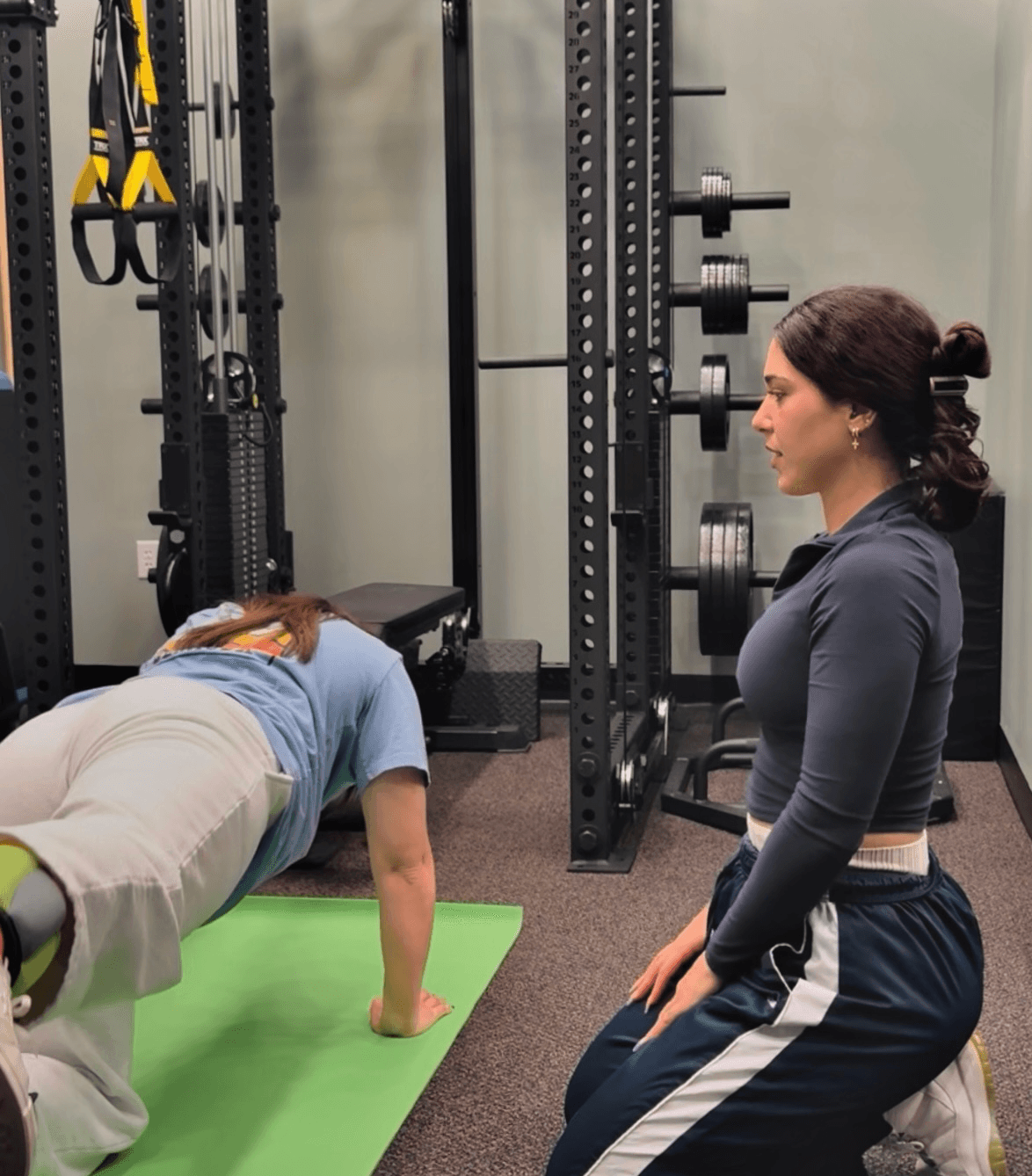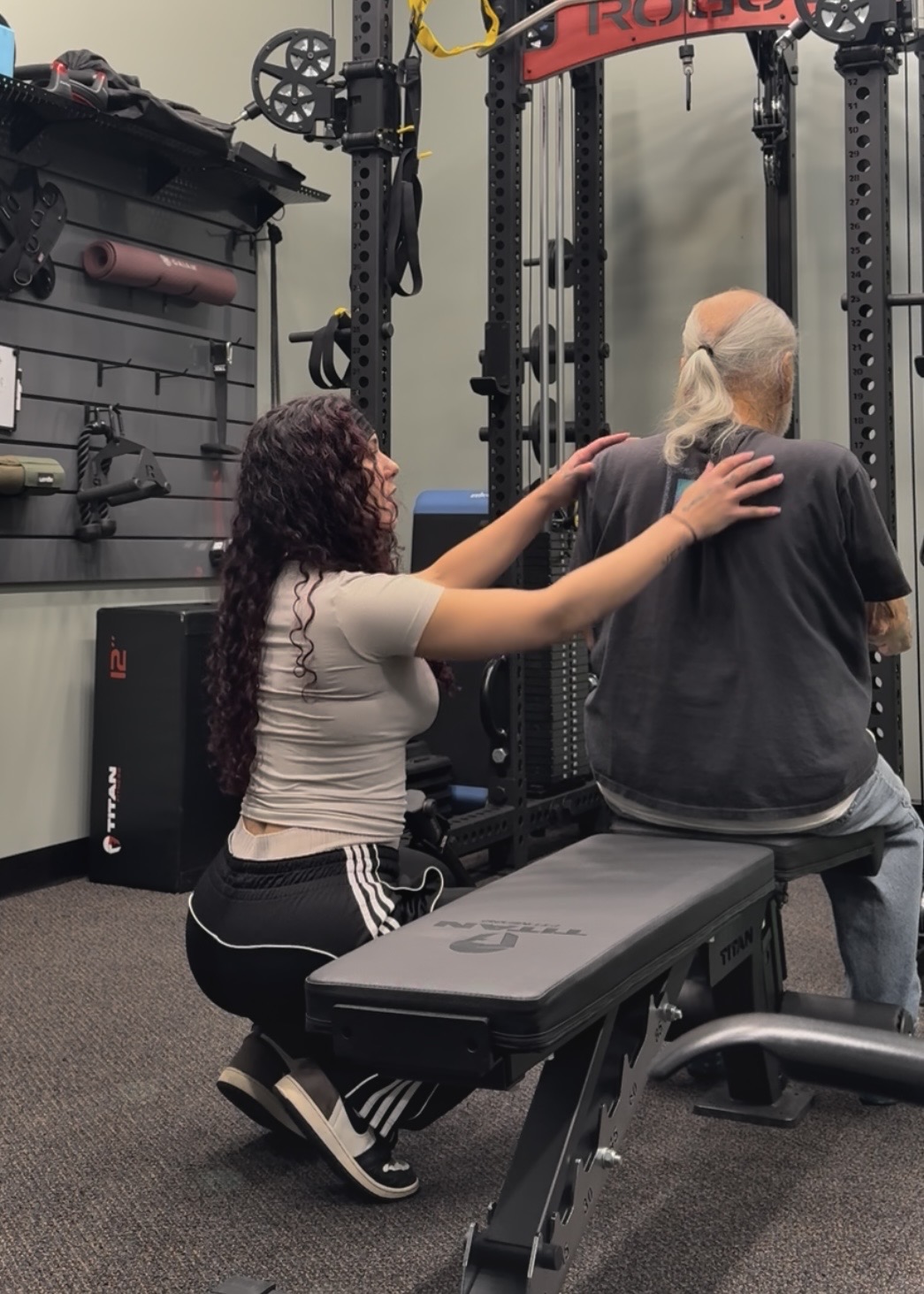

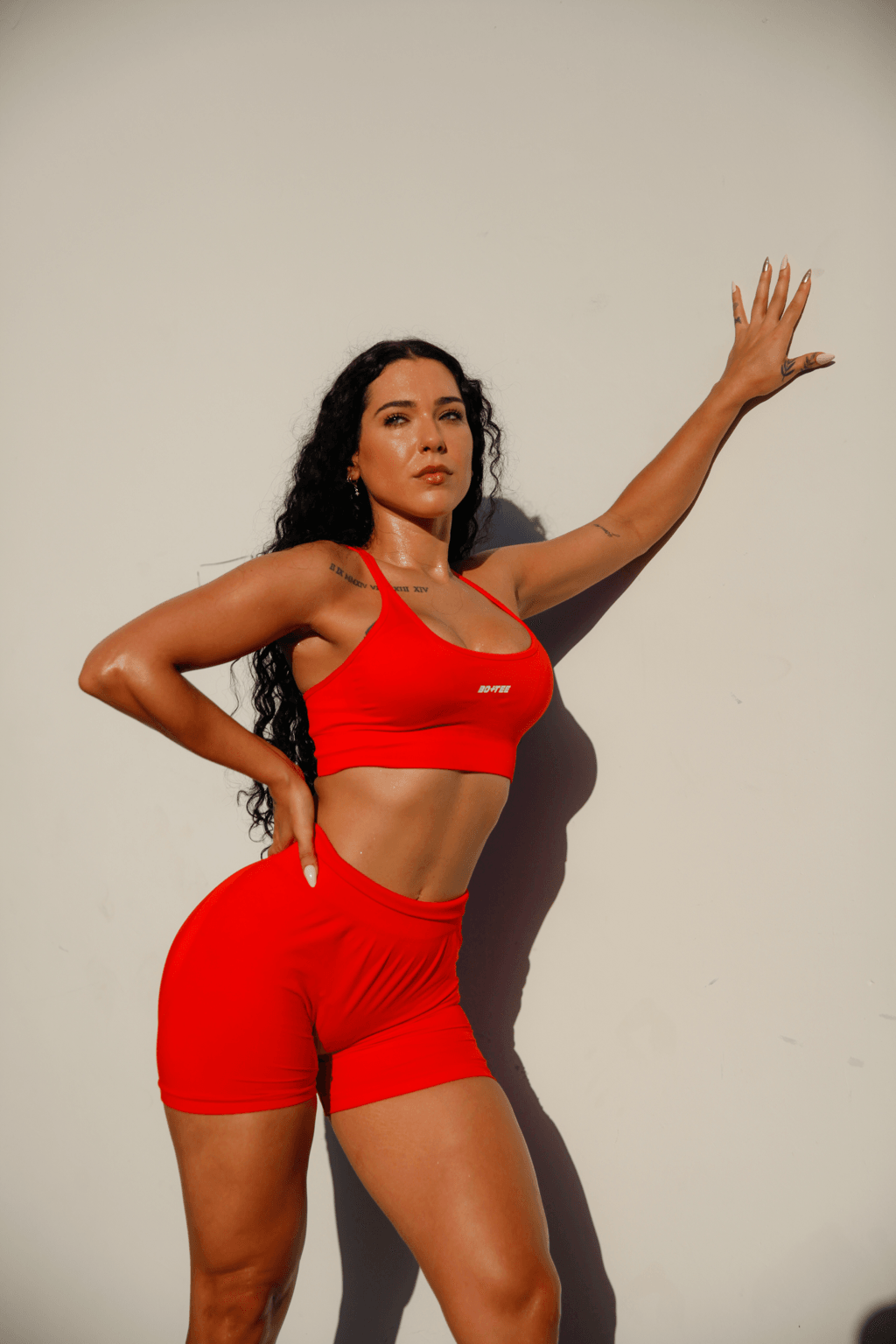
Alright – so today we’ve got the honor of introducing you to Victoria Fonseca. We think you’ll enjoy our conversation, we’ve shared it below.
Victoria, looking forward to hearing all of your stories today. Was there a defining moment in your professional career? A moment that changed the trajectory of your career?
There wasn’t one dramatic overnight shift, but there was a clear moment where everything I thought I knew about fitness started to feel incomplete.
Early in my career I did what most trainers are taught to do: focus on programming, intensity, and aesthetic outcomes. Clients were seeing results on the surface, but I kept running into the same deeper issues. Recurring pain. Movement limitations. Progress that just wouldn’t stick. Even when people were showing up consistently and doing everything right, the same patterns kept coming back. And the thing is, I wasn’t just seeing this in my clients. I was living it myself. My own body was sending the same signals: tightness that never fully let go, fatigue that didn’t match my effort, progress that felt forced rather than earned.
That pattern made me stop and ask a different question. What if the issue wasn’t effort or discipline at all? What if it was the system itself?
That question changed everything.
The clearest turning point came when I started working closely with clients dealing with chronic issues: old injuries, deep compensation patterns, structural imbalances that traditional fitness programming just wasn’t touching. I started seeing the body differently, as a connected system where strength, alignment, breathing, and regulation are always influencing each other. Strength still mattered, but only once the body was actually in a state where it could receive it.
Better programming wasn’t always the answer. A better framework was.
Once I stopped trying to force results through intensity and started looking at structure, function, and nervous system state together, everything shifted. Client outcomes improved. My coaching got sharper. My direction became clear. That moment didn’t just change how I work. It changed how I see myself. I stopped thinking like a trainer executing workouts and started thinking like a strategist rebuilding systems.
Great, appreciate you sharing that with us. Before we ask you to share more of your insights, can you take a moment to introduce yourself and how you got to where you are today to our readers.
My name is Victoria, and I’m the founder of VFIT, a holistic health and wellness brand built at the intersection of strength training, somatic movement, nervous system regulation, and structural integration. Alongside my coaching work, I’m a wellness content creator and have partnered with fitness and health brands to design programs, bringing the same education, tools, and perspective that sit at the heart of everything I do. My main intention: helping people come back home to their bodies and build real, lasting strength from that place.
I didn’t come into this industry through a perfect path. I came through lived experience. The thing that changed everything for me was realizing how much the nervous system drives the entire equation. How you move, how you feel, and how your body adapts aren’t separate conversations. They’re the same one.
Once I saw that, I couldn’t unsee it. I kept watching clients do everything right, staying consistent, following their programs, putting in the work, and still dealing with pain, compensation patterns, and results that would stall or vanish. The problem wasn’t their effort. It was the model they were working inside of.
The body doesn’t respond to isolated inputs. It responds as a whole system. Structure, movement mechanics, breathing, and nervous system state are all constantly influencing each other. When that system isn’t aligned, more intensity doesn’t create better results. It just creates better compensation.
That’s the gap my work is built to close.
I developed a methodology that brings body recomposition, corrective movement, and nervous system regulation together into one integrated system. Strength isn’t the starting point. It’s what happens when the body finally has the foundation to support it. When that’s in place, strength, aesthetics, and function stop competing and start working together.
The clients I work with online are usually coming out of cycles of frustration: chronic tightness, old injuries, postural imbalances, or years of making progress only to lose it. They’re not beginners. They’re people who have already tried to do it right. What shifts for them isn’t just what they’re doing. It’s how their body actually responds. Movement gets more efficient. Strength feels stable instead of something they’re forcing.
My goal has never been to create dependency on coaching. It’s to build enough awareness and capacity that clients understand their own body and can sustain their results long after we stop working together. What I’m most proud of is helping people finally connect the missing pieces and walk away with clarity, control, and a completely different relationship to themselves.
The body isn’t broken. It’s adaptive. But it adapts to the system you give it. VFIT exists to give it the right one.
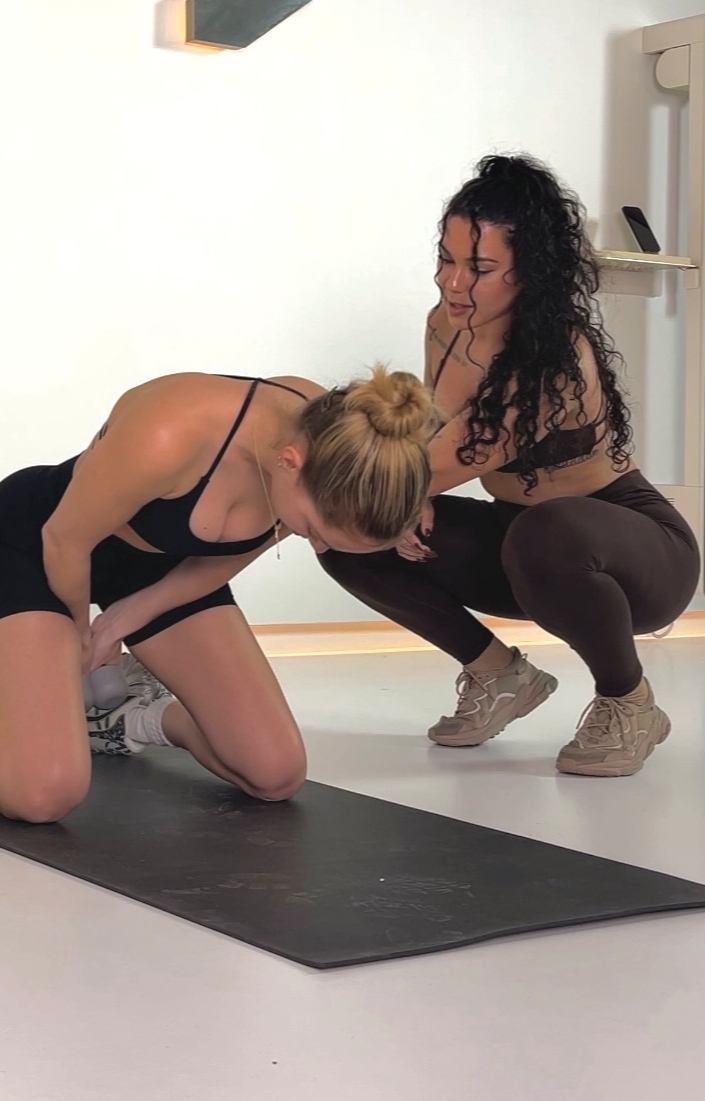
We often hear about learning lessons – but just as important is unlearning lessons. Have you ever had to unlearn a lesson?
One of the biggest things I had to unlearn was the belief that more effort always means better results.
For most of my career I was in full grind mode: training hard, pushing through discomfort, measuring progress by how much I could endure. From the outside it probably looked like discipline. But internally I was dealing with constant tightness, fatigue, and a body that never quite felt settled. I brought that same mentality into my coaching and kept watching it play out the same way.
It wasn’t a discipline problem. It was the model. The body doesn’t need to be pushed into change. It needs the capacity to receive it.
That’s really where embodiment became the center of my work. It’s not about doing less. It’s about being connected enough to actually understand what your body can tolerate, adapt to, and sustain. When I shifted from force to awareness, everything got more precise. Results became something clients could actually keep.
The lesson, when it finally landed, was simple. Intensity without alignment creates compensation. Effort without awareness creates burnout. Real progress comes from building a system the body can genuinely adapt to.
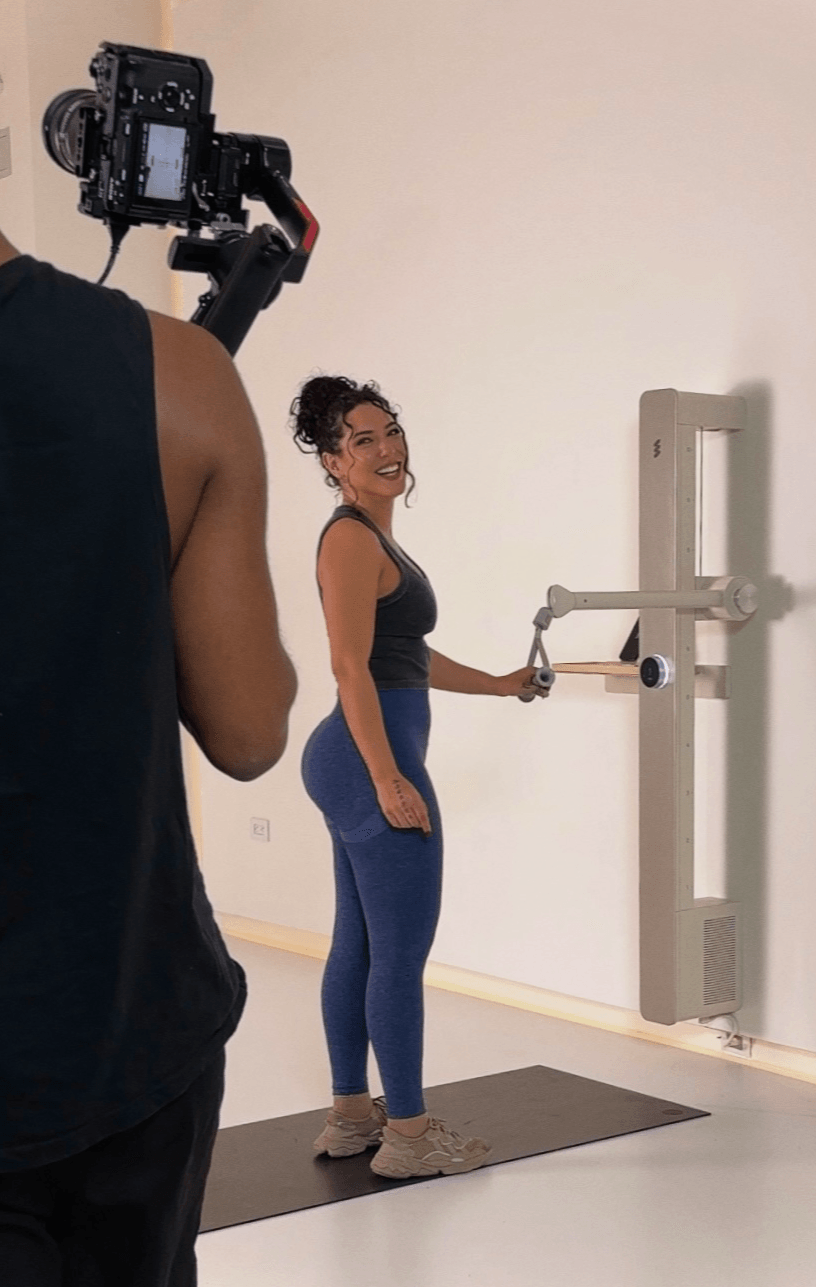
Can you tell us about a time you’ve had to pivot?
One of the biggest pivots in my life came when I moved from Miami to Connecticut. On the surface it looked like a change of scenery. In reality it was a complete shift in pace, environment, and how I related to myself.
Miami was fast, high-energy, and deeply tied to performance and external output. When I stepped out of that environment I had to confront how much of my identity had been built around constant productivity and stimulation. That included stepping away from social media entirely for almost a year. No content, no posting, no performing. Just space. And that space gave me room to slow down and start listening in a way I hadn’t before.
I wasn’t just teaching nervous system regulation and embodiment anymore. I was living it. That time away from the noise allowed me to rebuild my routines, refine my approach, and create a more intentional foundation for both my life and my business. VFIT grew from that place. Less about output. More about alignment, sustainability, and building something that actually lasts. That move didn’t just change where I lived. It changed how I work, how I coach, and what I believe progress is supposed to feel like.
Contact Info:
- Website: https://VFIT.live
- Instagram: @vfit.4
- Other: TikTok: @victoriafonseca