

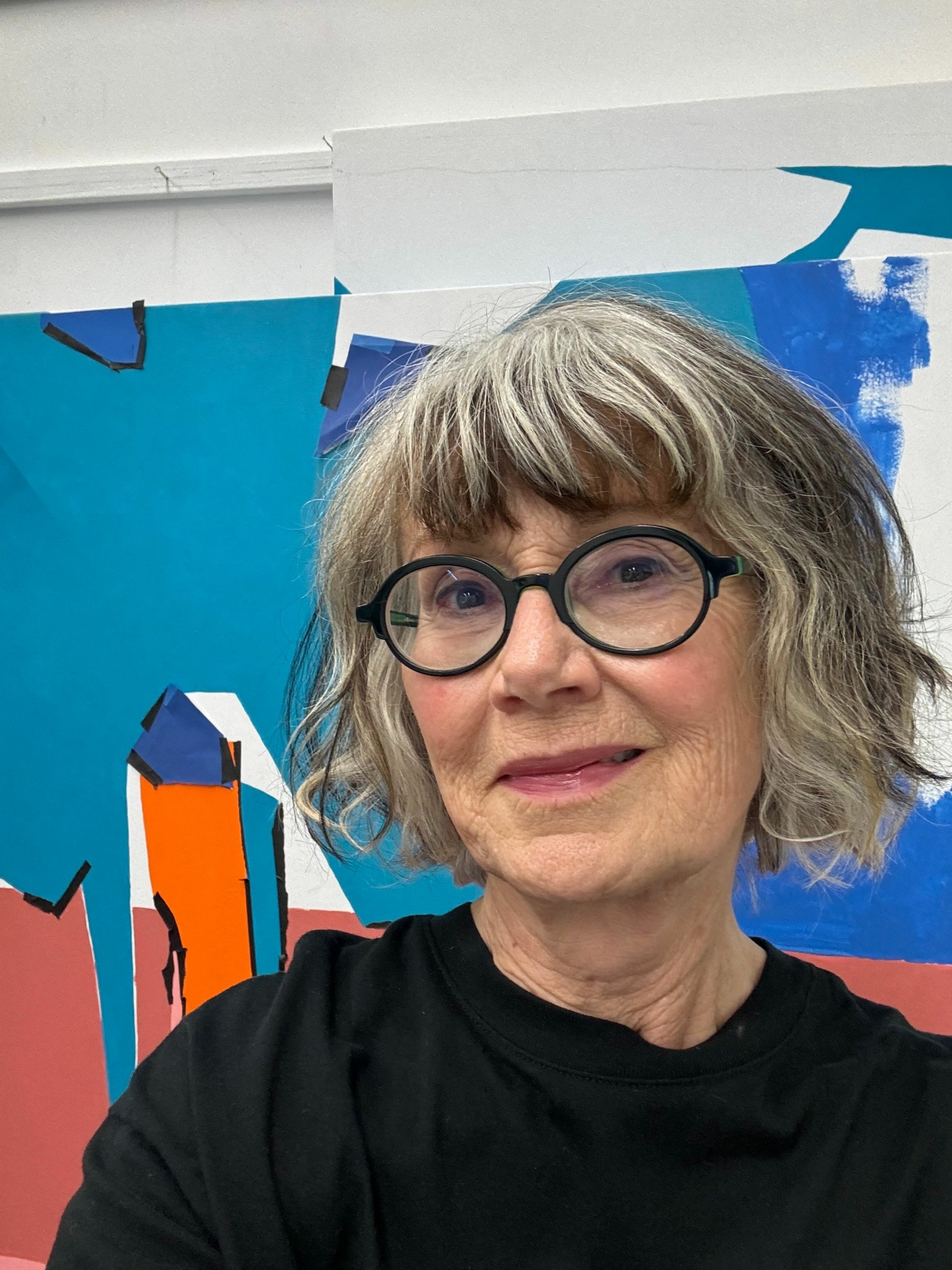

We caught up with the brilliant and insightful Jeanne Dunn a few weeks ago and have shared our conversation below.
Jeanne, thanks for taking the time to share your stories with us today It’s always helpful to hear about times when someone’s had to take a risk – how did they think through the decision, why did they take the risk, and what ended up happening. We’d love to hear about a risk you’ve taken.
To provide some backdrop: My story as a visual artist starts in childhood, between ages 6 – 10 years old.. I grew up in the countryside, far enough from town that my only friends were siblings. For my family money was scarce but my mom always made sure that I had pencil and paper. I was not talkative, in contrast to my siblings and my father, so I discovered — though I could not articulate it then — that drawing was a kind of conversation with myself. I loved the feeling that what I created on paper was a concrete thing that I made, and in a small child’s way it was fun because it lasted, and I could re-draw and change something that I’d done previously. At that early time any risks consisted of whether I’d be kept from drawing, the supply of crayons and pencils would run out, or when chores kept me from making art. While not necessarily true for every artist, for me making art is a solitary endeavor even now, and my studio is a place where I can hear myself. Risk-taking is a natural part of carving out a challenging and satisfying career, and it’s present every time I make a change in the way I do my work.
Since both innovation and technical mastery are constants for a visual artist, my daily process in the studio includes responding to what evolves in front of me in the moment on canvas.
There was a time when it felt risky to declare oneself as an artist. It took a while for me to realize without a doubt that translating ideas into painted images on a surface is my language, and is an integral part of my identity moving through the world.
Awesome – so before we get into the rest of our questions, can you briefly introduce yourself to our readers.
About you , your Art/Creative Works, Inspirations, Focus/ Mission, etc.
How did I get into my discipline? Provide as much detail as you feel relevant as this is one of the core questions where the reader will get to know about your brand/organization/etc.
Getting into my discipline has been a long, start-stop-start journey. Upon graduating from high
school I was awarded a four-year college scholarship to study art and art education. The degree program not only prepared me to engage in a range of art disciplines I wanted to learn, but also to apply them in teaching art classes for middle school children. I subsequently taught in two states, Wisconsin and California, and I took post-graduate painting courses at night. I loved both teaching and painting.
I then interrupted being an educator by enrolling in graduate school for a Master’s degree in
Painting. Once I completed the M.A., I started exhibiting and selling my work. That momentum slowed however when my husband and I started having a family. There was no time to properly develop an artwork from start to finish. So I then began doing freelance work for authors who needed illustrations for their books and articles. I also worked for a framing business because money was tight. I kept up my skills by sketching my family and still life objects around the house. As my children grew, I could again consider part-time teaching, now at community colleges and universities. Opportunities to exhibit followed. Several years later my husband and I made the major decision to sell our house and move to Los Angeles. There, I established my practice in a building with other artists, finding a supportive community where each studio neighbor’s story is inspiring. It’s a climate of exploration and experimentation that allows room for exciting ideas to surface.
What type of (products do you provide?
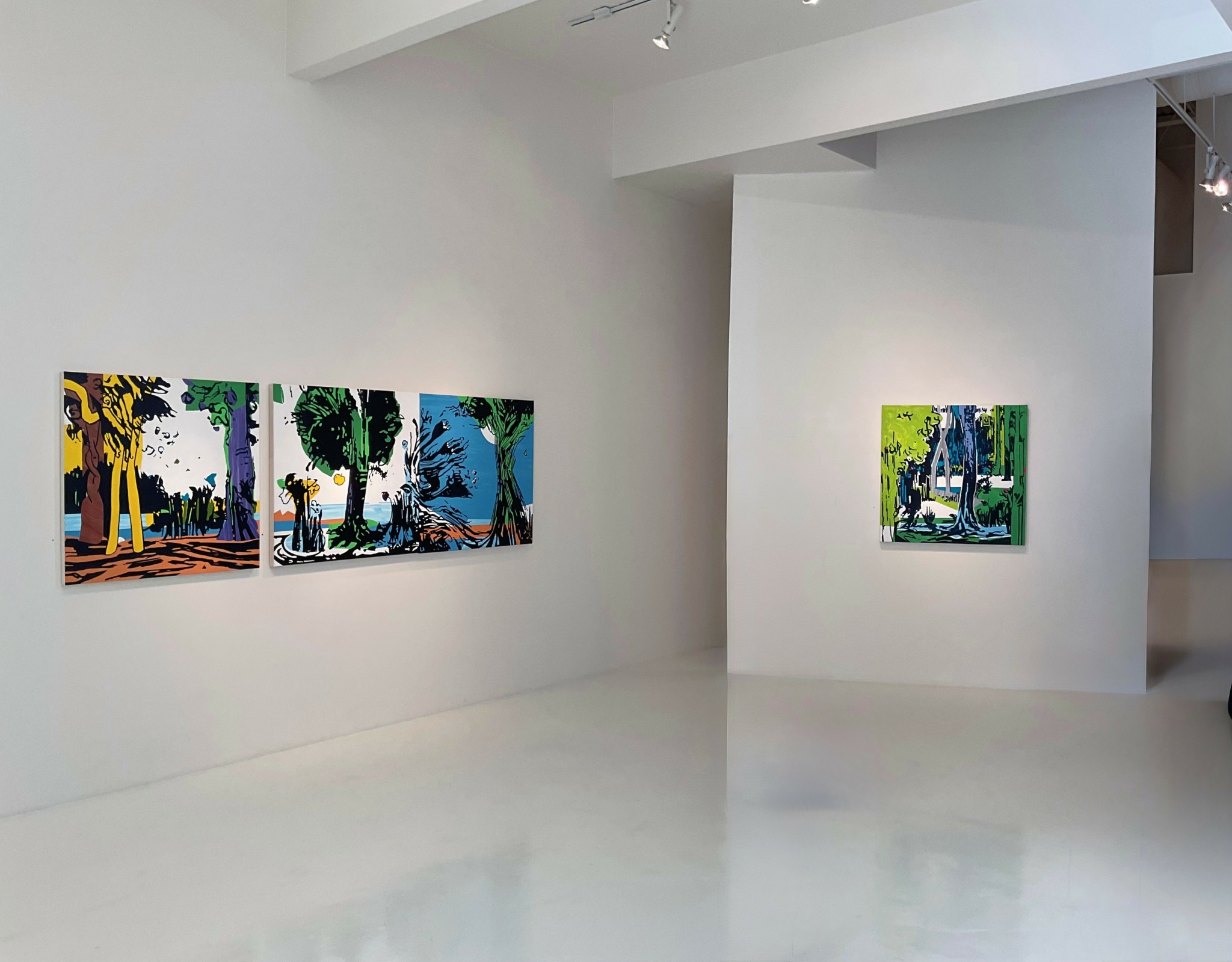
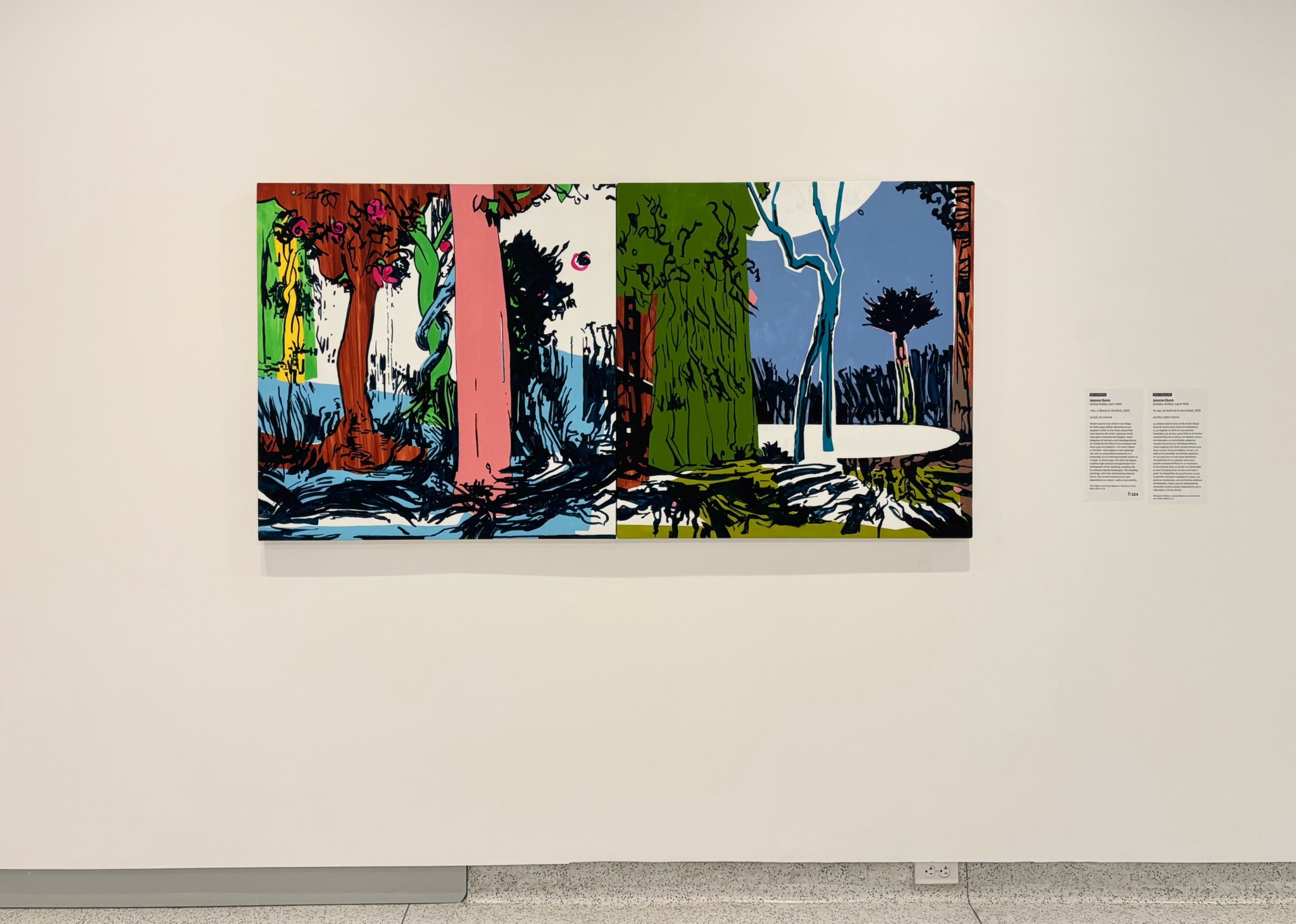
I create paintings on canvas, handmade prints on paper, collages, and drawings.
What problems do you solve or what sets you apart from others?
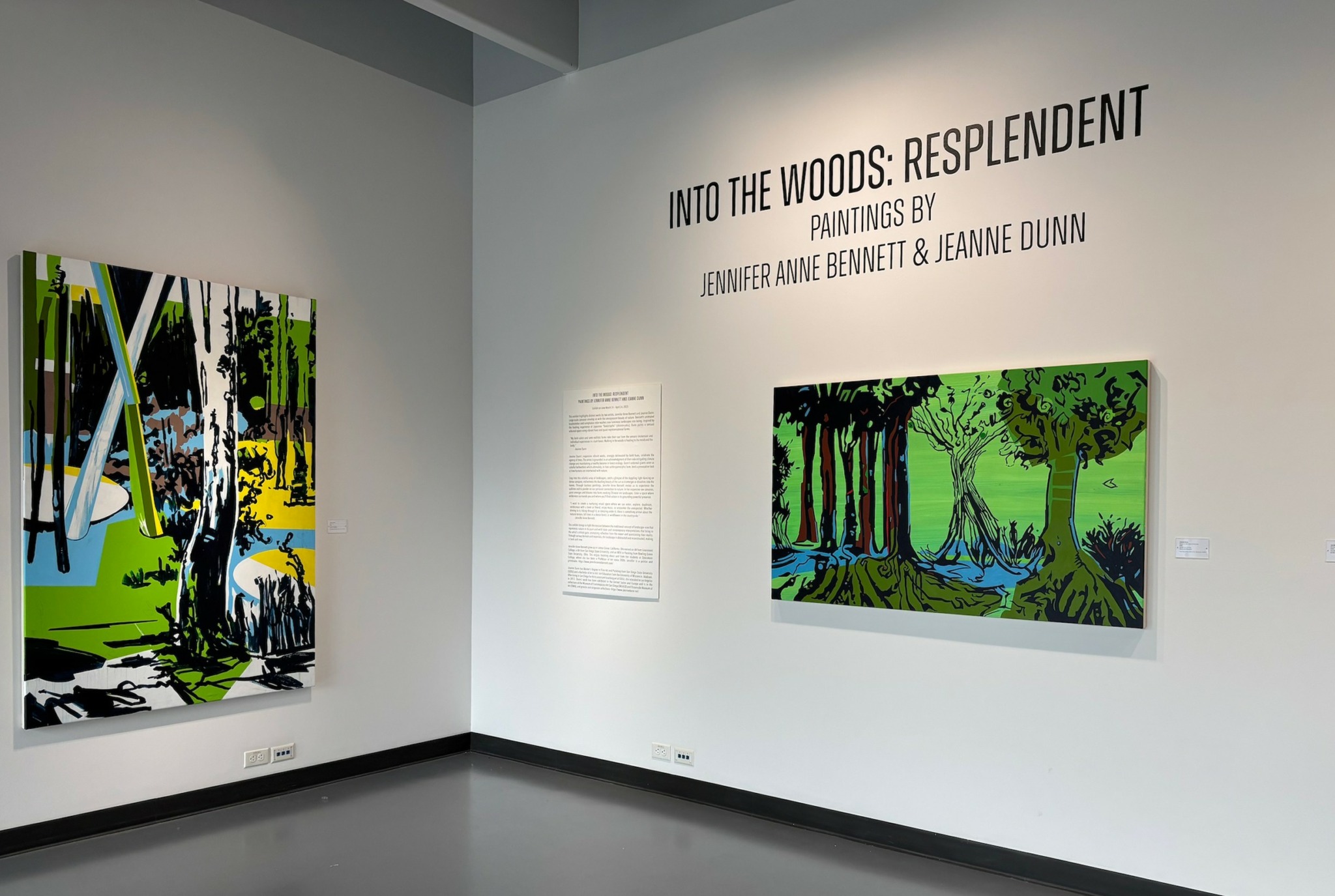
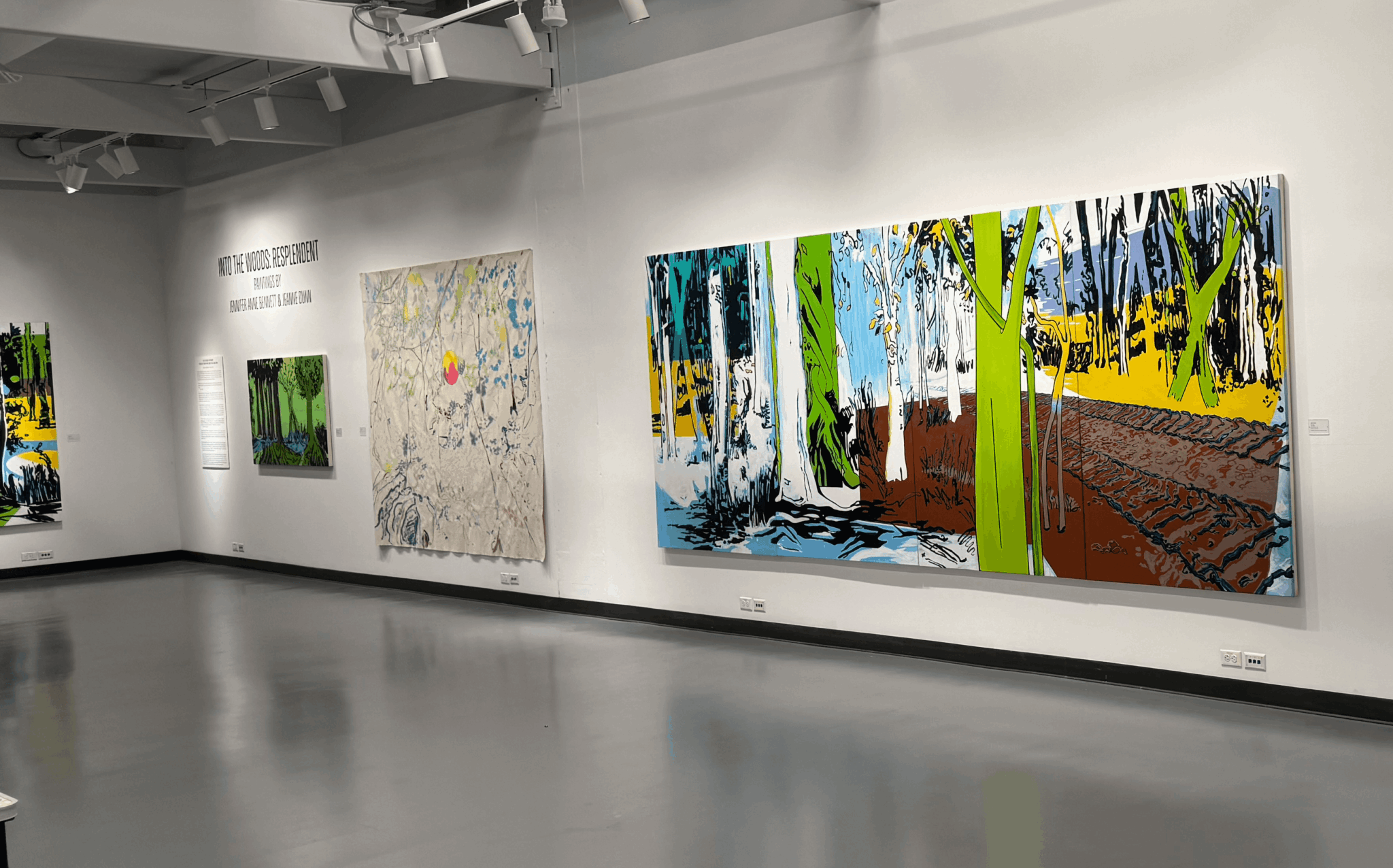
Since my paintings use dynamic imagery in order to subvert common notions about Nature,
problem-solving is the fabric of my studio practice. Like many artists, my work is about making
something that’s invisible become visible. I‘m fascinated by numerous aspects of trees which, in
addition to their multifarious beauty, are “connected” underground by elements hidden from
the eye. So how does one portray in a painting this extraordinary, beneficial, mutual, vibrant
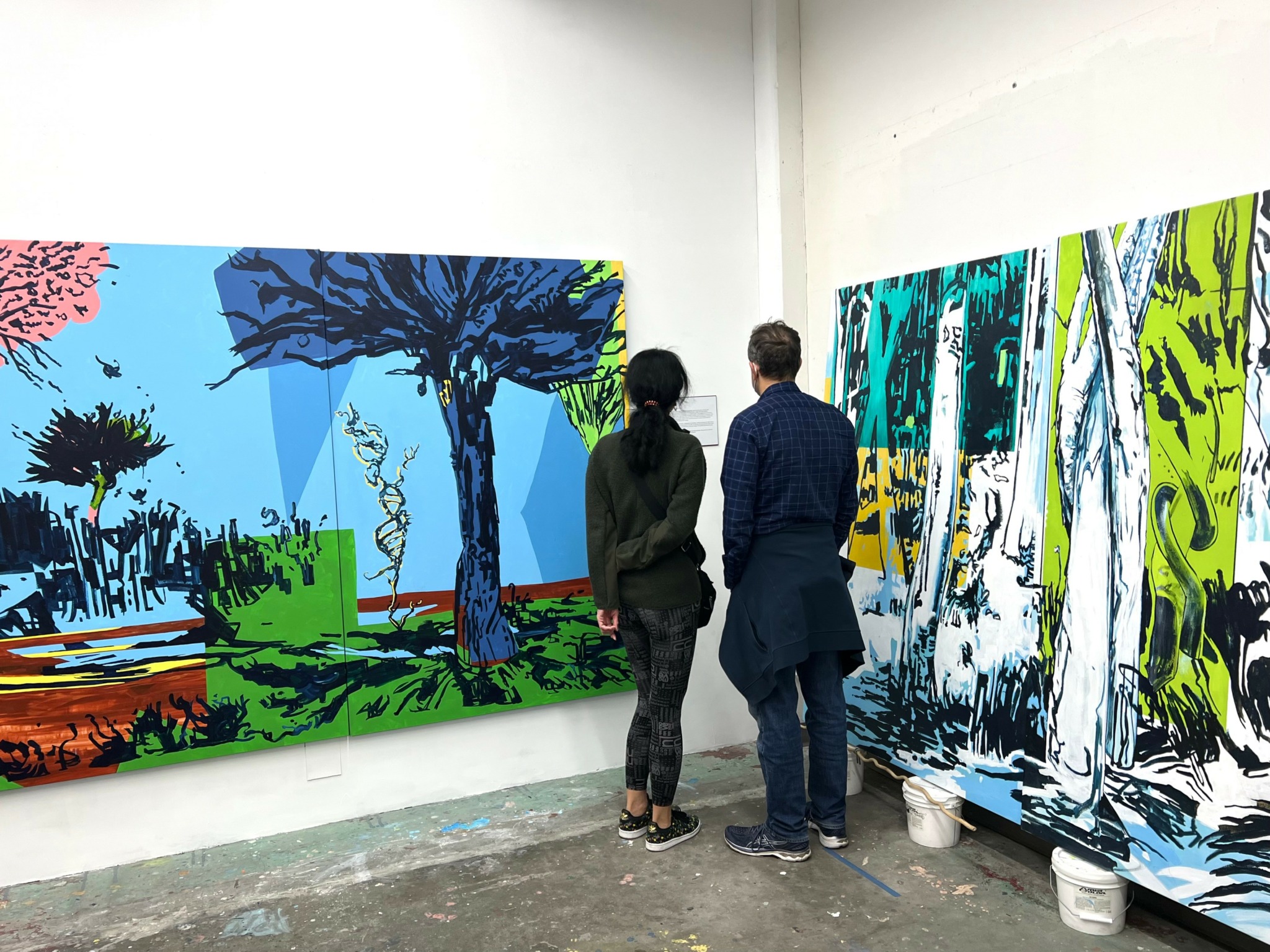
exchange? My approach relies on semi-abstraction and bold color to dramatize connection.
My smartphone camera is my sketchbook, allowing me to record what I observe from unusual
vantage points. I paint from these photos and then photograph the resulting paintings.
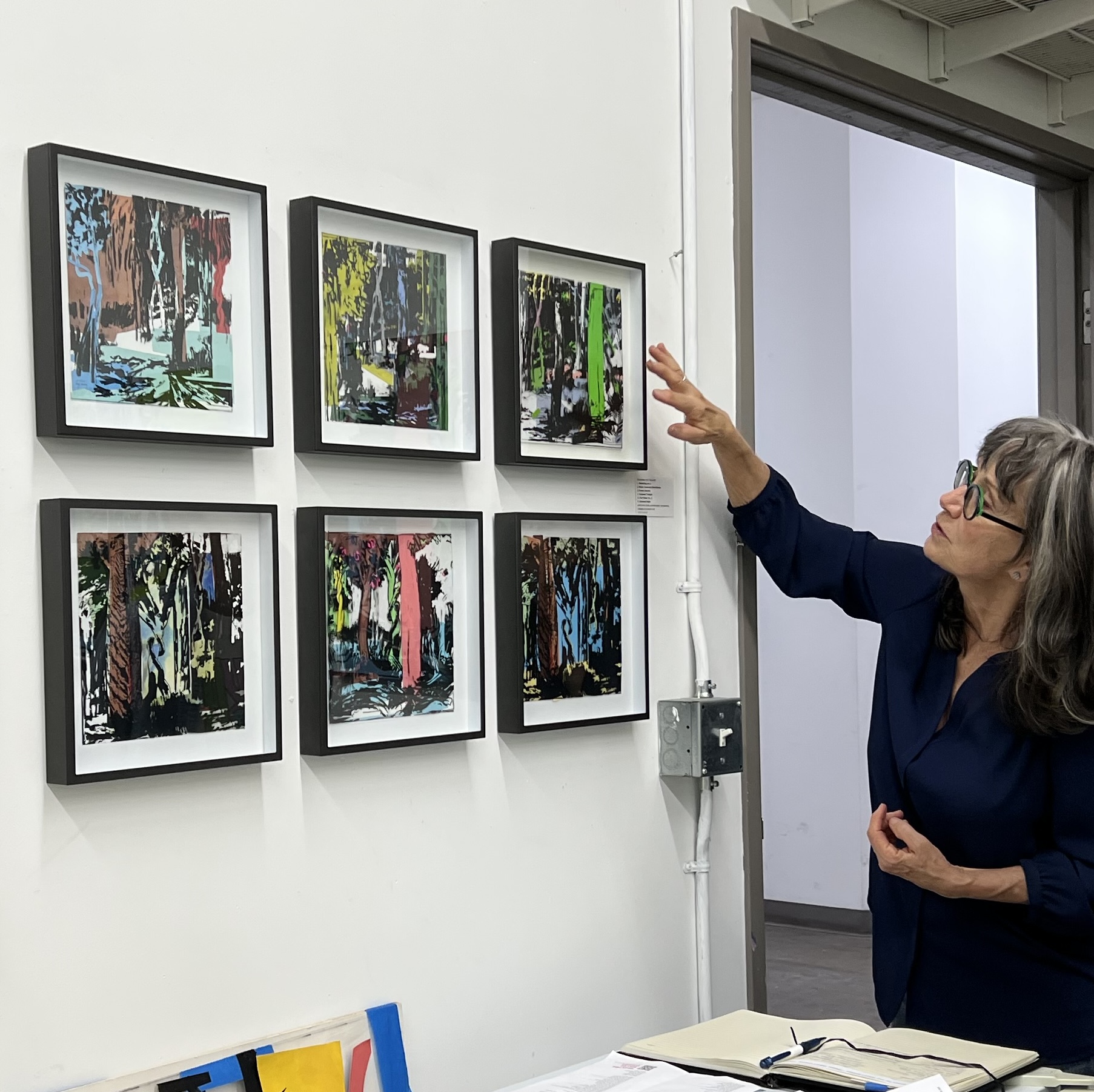
Selecting emblematic parts, I simplify them in black and white, then create a clear transparency. By carefully positioning colored papers beneath it, the concept I originally saw in the tree’s suggestive alignment attains concrete form as collage on paper. The finished collage in turn becomes the study for a much larger painting, in which new elements are added. The steps from idea to collage to completed painting are derived from a succession of choices or distinct problems solved.
What are you most proud of and what do you want potential buyers/followers/fans to know about you/your brand/ your work/ etc.
I’m most proud that my work has progressed to a place where it conveys meaning for art
lovers, supporters of the arts, and collectors of contemporary painting. My paintings have joined museum permanent collections, and a respected Southern California gallery has invited me to join its roster of artists after having had a successful solo exhibition. As an artist who tried for a long time to find her own visual language, there’s nothing better than discovering there are people I’ve never met who resonate with my paintings.
Is there something you think non-creatives will struggle to understand about your journey as a creative?
It may help to understand an artist’s journey by saying that no path is typical. You do not start making artwork, accumulate a critical number of works, and go become a success. Much trial and error is involved in the presence of continuously shifting popular notions of what’s new and what context is present. And although mentors may emerge in art school, they traditionally provide no roadmap to students whose expectations and fortitude are vastly different from one other.
It took me some years to know in my core that I have ideas of my own worth sharing. I know that this isn’t uncommon, whether you identify as an artist or engage in another kind of daily work. Now that decades have passed since starting this journey, there’s an objectiveness emerging that I didn’t have access to in the early days.
Two personal stories come to mind, one from the distant past and the other more recently. I was a college art student in San Diego in the 70’s. On a particular Saturday I drove to Los Angeles to explore the cluster of thriving galleries located on north La Cienega Blvd. I walked into an interesting and serious-looking gallery just as a young man, obviously an energetic and hopeful young artist, was setting his armful of canvases in a row in front of the entrance desk. He proudly said, “What do you think of my paintings?” The famous gallerist Irving Blum was behind the desk. He rose to his feet, took one sweeping look at the guy and his works and yelled, “Get that junk out of my gallery! Obviously shocked and visibly shaken, the young man grabbed his work and departed. Unfortunately, he didn’t have a clue as to what is involved in approaching a gallery for representation, and certainly not a famous and nationally prominent one. Without proper forethought and preparation, a self-promoting artist invites searing defeat.
The second more recent story revolves around a conversation I had with an acquaintance at a friend’s party. Her father had owned a gallery that specialized in art of the Southwest. She asked me, then new to the city, whether I was having any success with my work. My reply was that I’d really like to find representation in a gallery showing contemporary art. She said, “Well, why don’t you put your art out in one of these lawn shows, there are plenty of them around!” To be sure, I support casual outdoor exhibitions of art; however here she made the assumption that one venue is the same as another. The distinction is that, ideally, a gallery affiliation helps establish quality, dependability, and a sustaining future for gallery and artist. And the artist must understand the risks the gallery takes when inviting an artist to have an exhibition – what if nothing sells to pay the month’s rent?
It’s hard for others to understand that no matter how much special training you have, you don’t just go and be an artist, the way you learn accounting, or law, or writing code, though of course those occupations demand creativity too. I think the struggle your question poses is tangled up with the assumption that if you’re an artist you’re automatically an expert. It may be a struggle to understand how making art is most often a start-stop-start pursuit with inevitable hitches and side-ways journeys, and why would a person put up with the practice, when there may be no monetary reward, at least not for a long time. Many practicing artists have other jobs, not because they aren’t wonderfully good at their medium, but because it takes them time to clarify and hone their distinctive visual language. When that clarity appears, then it requires a new journey into how that artistic expression of shape, color, texture, and form can operate in a variety of different mediums and what is revealed about the nature of how we see and experience a concept. Then multiple iterations become an exhibition. And then it’s pure joy to learn that someone seeing your work appreciates its language enough to want to own it.
Learning and unlearning are both critical parts of growth – can you share a story of a time when you had to unlearn a lesson?
This question brings a smile because I had so much to unlearn!
I was a child in the era when a Hollywood movie star could be “discovered” while sitting at a lunch counter or bussing dishes at a hamburger joint. Talent scouts would not be approached by the talent; they would magically find you!
The avoidance of self-promotion still hovered years later when I went to graduate school. My respected painting professor didn’t send images of his remarkable work to any galleries, even though he had proximity to Los Angeles and the burgeoning art scene. He believed the galleries would discover his paintings even though he had no exhibitions where that might be possible.
Unfortunately, the people I hung out with at the time attached social demerit to women perceived as being ambitious. So parroting artist friends around me, I thought that “if my work was good enough, it would be recognized as such.” Gradually over many experiences I learned much later through conversations, anecdotes, zoom meetings and others’ examples that you’ll never know how good a piece is until you take the risk of allowing it to be seen by a variety of audiences. And for that to happen you have to find multiple means of getting it out where people can see it and judge for themselves. I am still learning how to promote my work, approach curators, critics, and interested parties, and employ media of all kinds to say, “This exists, this is new, do you want to comment?”
Contact Info:
- Website: https://jeannedunn.net
- Instagram: @jeannedunnart
- Facebook: /jeanne.dunn.5
- Linkedin: Jeanne Dunn Studio
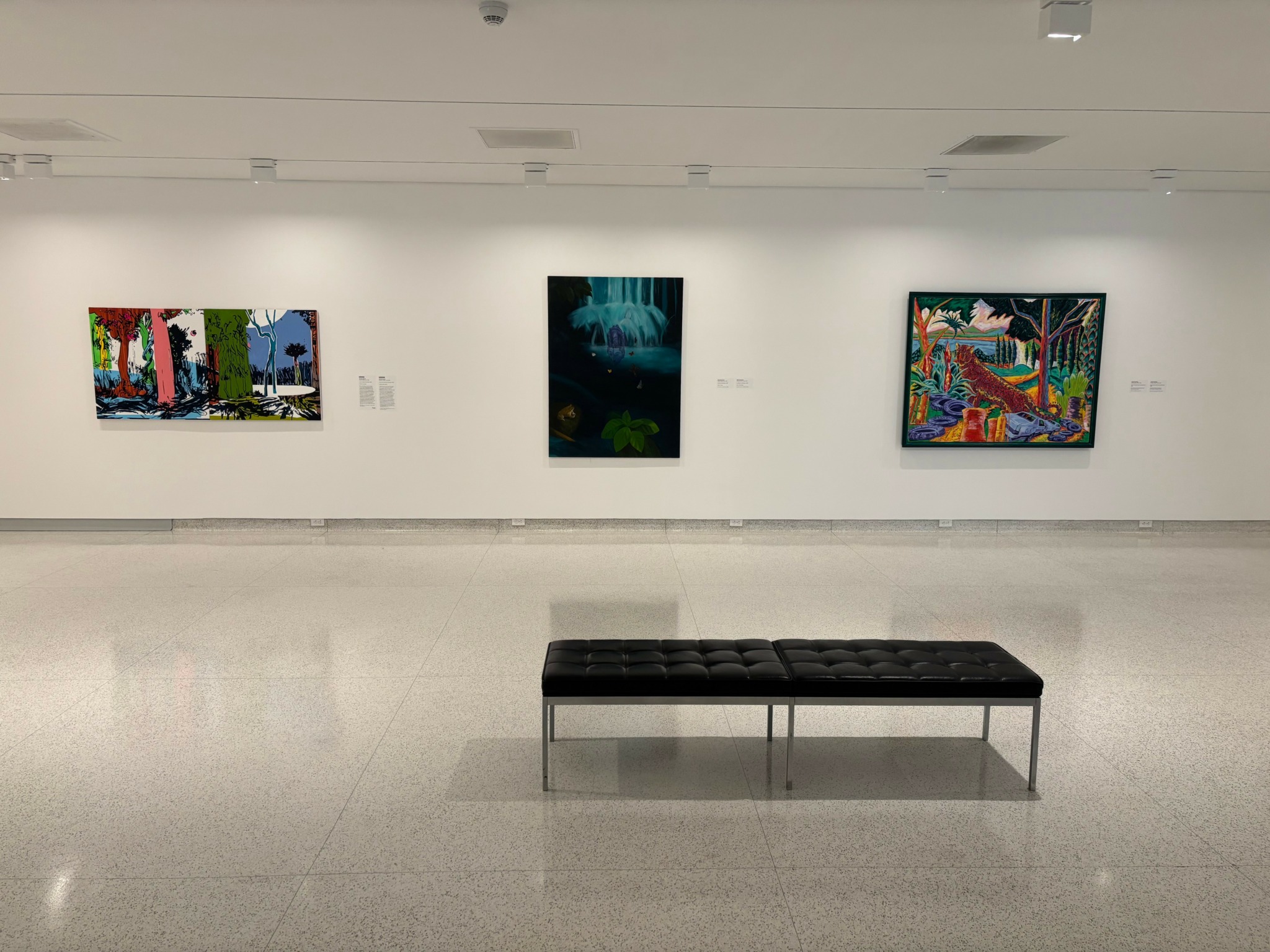
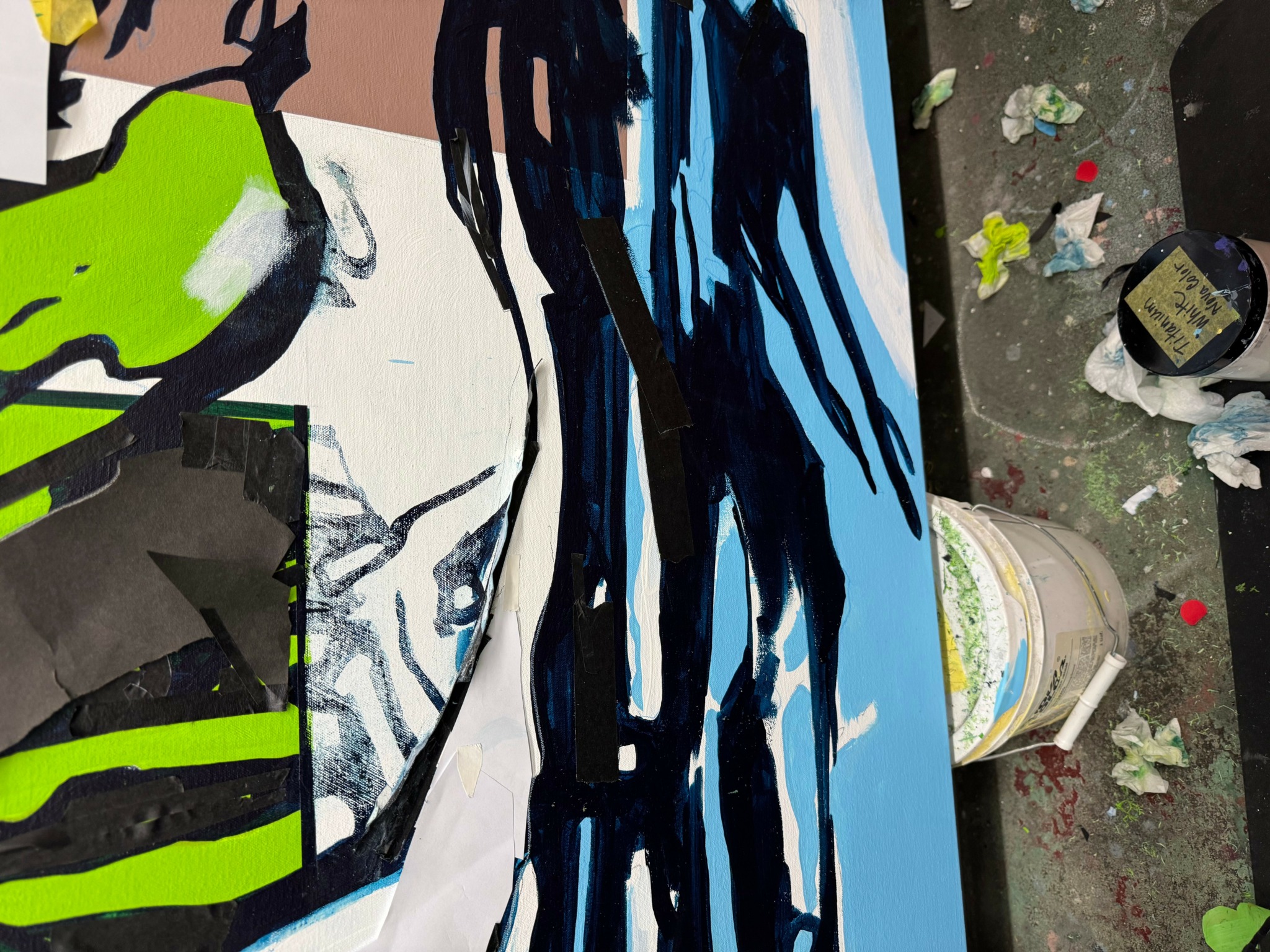
Image Credits
Erubiel Ramos
Jeanne Dunn
Nobuyo Takahashi
Jenny Armer