

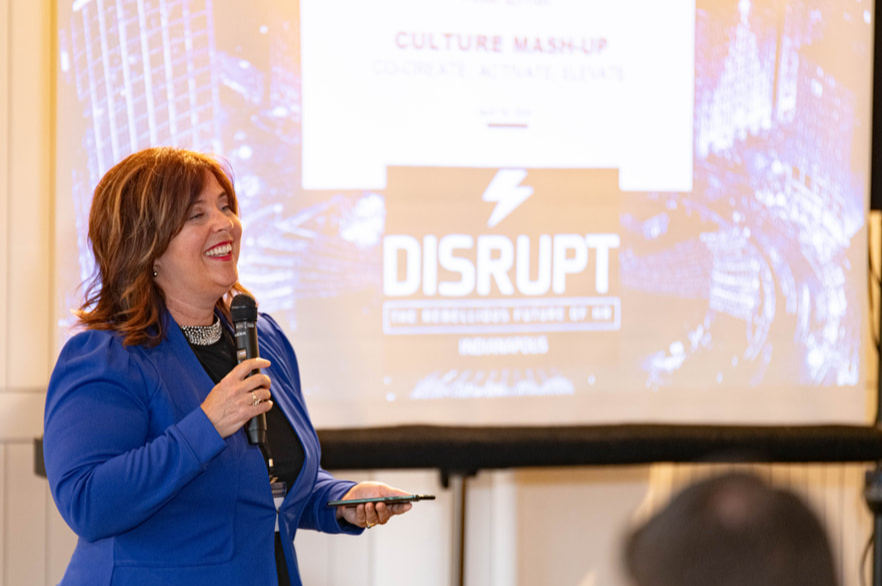

We were lucky to catch up with Rita Ernst recently and have shared our conversation below.
Alright, Rita thanks for taking the time to share your stories and insights with us today. Can you recount a time when the advice you provided to a client was really spot on?
In 2020, I was a featured recurring guest on a call-in radio show/podcast. The owner of a small, specialty construction company called the show. He described the stress, overwhelm, and burnout his team faced. As essential workers, they were still traveling thousands of miles from home to complete projects and facing the daily struggles of finding restaurants, hotels, and rest stops. Since sending everyone home in the early days of the pandemic, the owner had brought back only a skeleton crew because he was uncertain about his cash flow and ability to make payroll, so he spent most of his time on the job working alongside his crew. He could see the team’s morale and energy fading, and he was feeling the burnout himself. As the leader, he knew he needed to pull everyone together and “rally the troops,” but he just couldn’t find the time, energy, or insight into what to do. He was looking for help.
He hired me to help him plan and facilitate the team meeting. The outcomes were straightforward. The team had fallen into a self-perpetuating pattern that was costing the firm significant margin losses.
1) The shop where all the tools and materials needed for jobs were stored was a mess. No one took the time to put things away at the end of the day.
2) At the start of each day, as the crews were loading their trucks for the first job of the day, the messy shop slowed down their ability to find the things they needed.
3) This caused them to arrive at the job site late and too frequently without everything they needed to complete the job.
4) Someone would have to return to the shop to get the missing tools, or run to the nearest building supply place and pay full retail cost for a tool.
5) The time lost from arriving late and having to leave the site to source missing materials put the team behind schedule.
6) The company had to pay overtime to the workers or miss the deadline for the project, both options cutting into the profit built into the bid for the job.
7) Being behind schedule, the workers felt rushed all the time. Where once they had enjoyment, now they only felt stress. Trying to minimize overtime costs, they returned to the shop at the end of the day, quickly threw everything in the door without returning items to their proper places, and clocked out for the day.
For the front office staff who were bidding on jobs and tracking project deadlines for customers, the impact of this vicious cycle on the bottom line was clear: increased labor and material costs and a reduced reputation in the local market due to missed deadlines.
While the team was gathered for this half-day meeting, we had to identify and commit to behavior changes that would break this cycle.
The best advice I gave the owner as we prepared for this meeting was that they don’t need the traditional locker-room motivational speech from the football coach at halftime when you’re losing. Instead, they need to hear your story about how you started and built this business. You need to remind them why this matters to you and how important they are to the shared legacy you’re building.
During the first segment of the meeting, he talked for almost thirty minutes, telling his story and the history of the business. It was compelling. He shared that he drove four states away to work and slept in his truck because he couldn’t afford a hotel. He talked about the pride he felt when he finally had enough money to buy higher-quality tools for the team. Reminding them of his hard work, sacrifices, and moments of pride also spotlighted the core values he’d embedded into the company. There were tears and many nods of appreciation.
As he finished and I stepped into my facilitation role, I guided the group through an exercise in which they named the values they heard during his story, decided which were most critical for the future, identified key behaviors to live those values daily, and made individual and collective commitments to adopt those behaviors.
When I checked in with him two weeks after the meeting, he shared that when the team reported to work on Monday, they were fully committed. They took more care loading and unloading their trucks. The shop was being restored to the proper standard, and the team was using the on-site lockers he’d purchased for jobs lasting 30 days or more.
Within 30 days, the team completed their daily assignments ahead of schedule, allowing them to address punchlist items on older jobs. Plus, labor and material costs were back within the project bid projections. The business was no longer losing profit margins on its jobs.
My advice worked because it reminded the team who they used to be in an inviting way rather than a judgmental one. They reconnected with their meaningful experiences and actively contributed to repairing the team’s culture. Our session invited them to be owners in creating the work experience they wanted and they stepped up without hesitation.
Rita, love having you share your insights with us. Before we ask you more questions, maybe you can take a moment to introduce yourself to our readers who might have missed our earlier conversations?
I am Rita Ernst, and at my core, I am a seeker of human potential and an organizational psychologist who has spent over 25 years helping teams transform how they lead, connect, and perform. I am the founder of Ignite Your Extraordinary, the author of Show Up Positive, and the host of the podcast The Story I’m Telling Myself. My work sits at the intersection of social science, learning theory, and deep psychological insight into human behavior.
How I Entered the Industry
My journey began with a deep-seated love for psychology, which led me to earn two degrees in the field. After a successful corporate career working for Fortune 200 companies in manufacturing, pharmaceuticals, insurance, and retail, I made a pivotal shift in 2005 to prioritize my family while continuing to provide independent consulting to nonprofits and local businesses. In 2008, I founded my own practice, which expanded my reach as an author and podcast host. I also served as an adjunct professor of Psychology and Organizational Behavior, a role in which I honed my passion for demystifying the “why” behind behavior and for communicating psychological concepts in ways that are understandable and translate into action.
The Problems I Solve
I help leaders and high-achievers uncover their unreliable internal narratives—the self-imposed scripts that lead to burnout, miscommunication, and self-limiting beliefs that keep them from having the life they want. Organizations often come to me when they are stuck in the “Death March” of apathy, characterized by rising absenteeism, quality issues, and high turnover. I solve the problem of toxic culture not by trying to “fix” people, but by showing them how to uncover and rewrite the story they tell themselves, unlocking their ability to change their relationships and their results. Stories are how humans make sense of the world and decide how to navigate it. Shaping that narrative from the inside out is the only way to accelerate and sustain change.
What I Provide
I deliver a comprehensive ecosystem of mindset and leadership tools:
• Creative Works: My book, Show Up Positive, is a practical playbook for culture change, complemented by my #ShowUpPositive Spark card decks used by teams globally to facilitate better meetings and faster results.
• Digital Platforms: My podcast helps listeners identify the internal stories that hold them back and learn to tell new, empowering ones. We explore five themes: Rewriting Self-Limiting Narratives, Authentic Leadership & Management, Conquering Imposter Syndrome, Workplace Culture & Belonging, and Navigating Fear & Resilience.
• Strategic Services: I provide executive coaching, custom-designed workshops, and keynote speaking that deliver transformational results in 90 days or less.
What Sets Me Apart
While most consultants focus on systems, I am the “Mindset Mechanic”. What distinguishes my work is its focus on the “Human Operating System”—the dynamic interplay of thoughts, feelings, and actions that underlie everyone’s experience and navigation of the world. This human operating system runs scripts called internal narratives, often unconsciously, creating the perfect alignment for the results you get. The secret to all change and to the pursuit of well-being for individuals or teams is to uncover, challenge, and rewrite these scripts. By starting with the mindset work, I accelerate the path to improved results.
My Proudest Achievements
My proudest achievement is the global impact of my podcast, “The Story I’m Telling Myself,” which has become the definitive platform for my work as a “Mindset Mechanic”. While I have spent over 25 years transforming corporate cultures, this podcast allows me to get to the very heart of human potential: the internal narrative.
I find immense fulfillment in helping high-achievers release the self-imposed scripts—such as the “indispensability myth,” perfectionism, or the “ego trap”—that lead to burnout and unfulfillment. There is nothing more rewarding than extending the reach of my work and message around the globe, providing a permission slip to choose peace and purpose. The podcast serves as a catalyst for individuals and teams to finally become the architects of their own extraordinary lives and workplace cultures.
“The Story I’m Telling Myself” launched in 2025. I hosted 37 episodes in the first season with guests from across the globe. The show was awarded top honors from Spotify for Most Shared Episodes, Top Fan Fave, and Top Talked About Show. We are currently in Season 2. Each week, we record the podcast as a live event streamed on LinkedIn, Facebook, and YouTube on Tuesdays at 11:30 a.m. New York time, then it’s released to the podcast platforms on Thursdays. We love having listeners engage in the conversation with us during the live event. This year, I’ve created a bonus asset for the show: an episode-specific self-reflection guide with questions based on the show content and guest insights to help listeners go deeper and integrate the concepts discussed into their lives.
What I Want You to Know
The most important thing for potential clients and followers to understand is that you are not a victim of your circumstances; your internal script drives your results. Culture change doesn’t happen from the top down—it happens one mindset shift at a time. Whether you are a CEO or an individual contributor, I want to give you the permission slip to rewrite the story you are telling yourself so you can step into your full potential.
We’d love to hear the story of how you built up your social media audience?
Building my social media presence is not about chasing vanity metrics, but rather about constructing a purpose-driven ecosystem rooted in adding value, consistency, and human connection.
1) I committed to posting regularly with the release of my first book in 2022, “Show Up Positive”. I began the #ShowUpPositive movement, a rallying cry for those tired of toxic work environments, starting with my weekly “Sparks” email and “Monday Minute” vlogs.
2) I focused on one platform, LinkedIn, where I built relationships and community by actively engaging on the posts of others.
3) I added brief video clips where I shared actionable tips.
4) I hired a PR firm to identify podcast and feature article opportunities that significantly increased my digital reach.
5) I started my YouTube channel.
6) I launched my podcast, building a community with my guests and recording episodes live, inviting listeners to be active participants in the show.
For those just starting to build their social media presence, I offer these “Mindset Mechanic” principles for sustainable growth:
• Take Back Your Power and Use Your Agency: Do not wait for an invitation or for others to change first; building an audience requires you to use your personal agency to create the energy and impact you want to see, regardless of current circumstances.
• Master “Relationship Math”: Human biology is prewired to fixate on negative events, meaning one “unfriendly” digital exchange can outweigh many positives. Prioritize reciprocating and making positive deposits by engaging with others in the same ways you’d like them to engage with your content.
• Trust Your Worth. Be clear and consistent in your messaging strategy. Choose the space you want to own and do it by offering value.
• Fire Your “Unreliable Narrator”: New creators are often trapped by an inner critic that uses fear and imposter syndrome to build a “cage” around their potential. To break free, practice “Name, Claim, and Tame”: name the negative feeling, claim accountability for the story you tell yourself, and tame your actions through generative curiosity.
• Focus on the “Next Right Thing”: Instead of obsessing over a multipoint strategic plan, focus on the next right thing. This removes the overwhelming pressure of the end goal and allows you to experience “flow,” where your daily actions naturally become the habits that drive your long-term success.
What’s a lesson you had to unlearn and what’s the backstory?
I began my career in the corporate world, where my expertise was highly valued. Sharing what I knew was an important way to open doors and add value. When I became an entrepreneur, I thought people had to understand and value what I knew to close deals. I was very focused on my outbound message—what I needed to say to prove my expertise. The story I told myself was that convincing them of my knowledge, skills, and abilities would land me the job, just like it did with an employer.
For a while, this worked well because I had warm introductions from people recommending me or I was hired by people who had worked with me already and held me in high esteem. However, when I tried to expand my client base beyond these connections, I hit a wall.
I started a personal development journey to improve my skills. What I learned was that my is unreliable narrator was giving me bad advice. Rather than connecting through the solution, I needed to flip the approach and connect by demonstrating my understanding of their problem and the outcomes that mattered to them.
This led me to build on my training skills and pivot them into professional speaking. Now I put myself in front of professional groups where I add value by demonstrating my understanding the their challenges or well as offering practical and immediately implementable solutions.
Contact Info:
- Website: https://www.igniteextraordinary.com/
- Instagram: https://www.instagram.com/igniteextraordinary/
- Facebook: https://www.facebook.com/igniteextraordinary/
- Linkedin: https://www.linkedin.com/in/rita-ernst-positivity-influencer/
- Youtube: https://www.youtube.com/@igniteextraordinary
- Other: https://www.talkadot.com/s/ritaernst, https://ignite-extraordinary.kit.com/profile


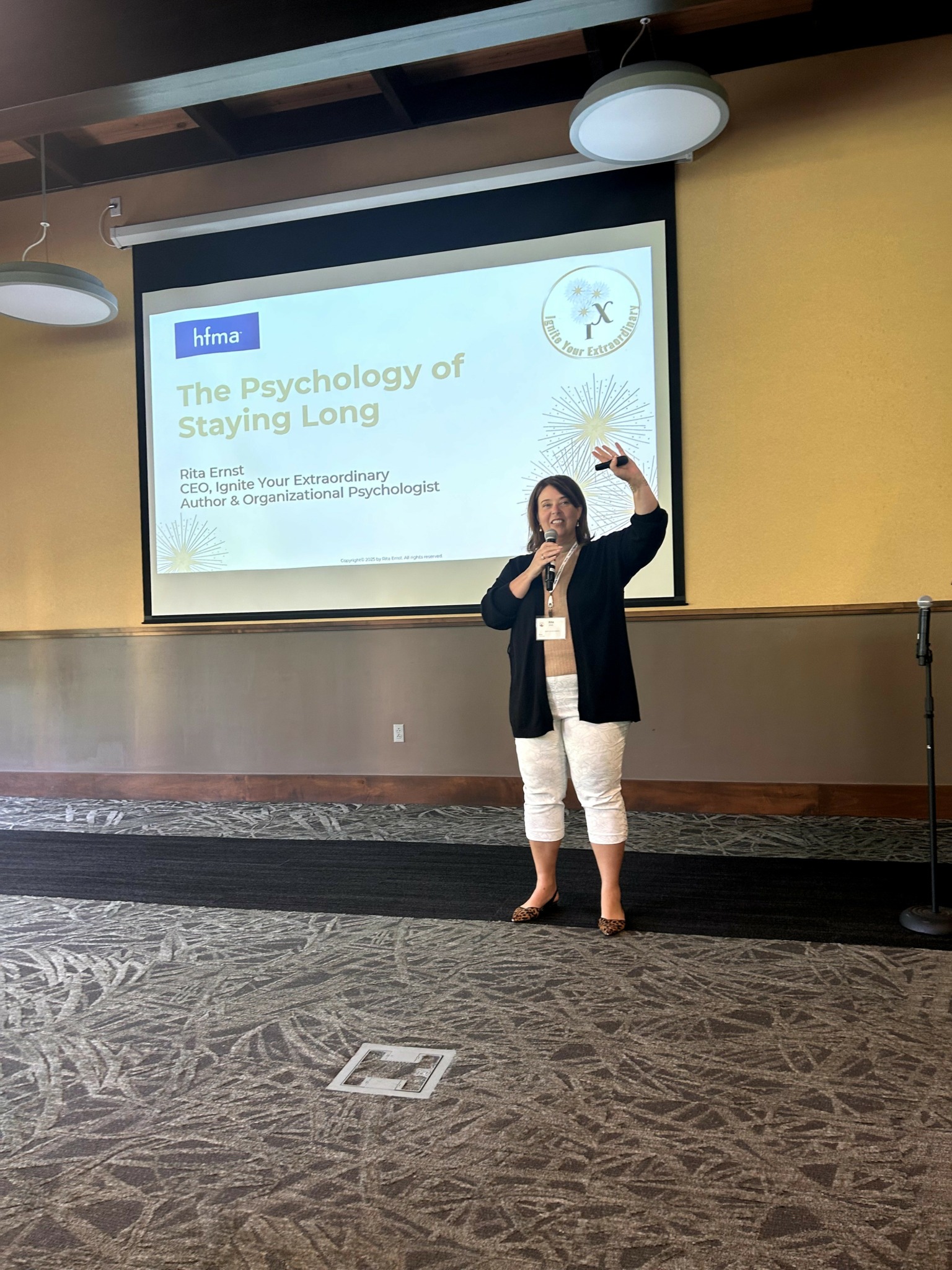
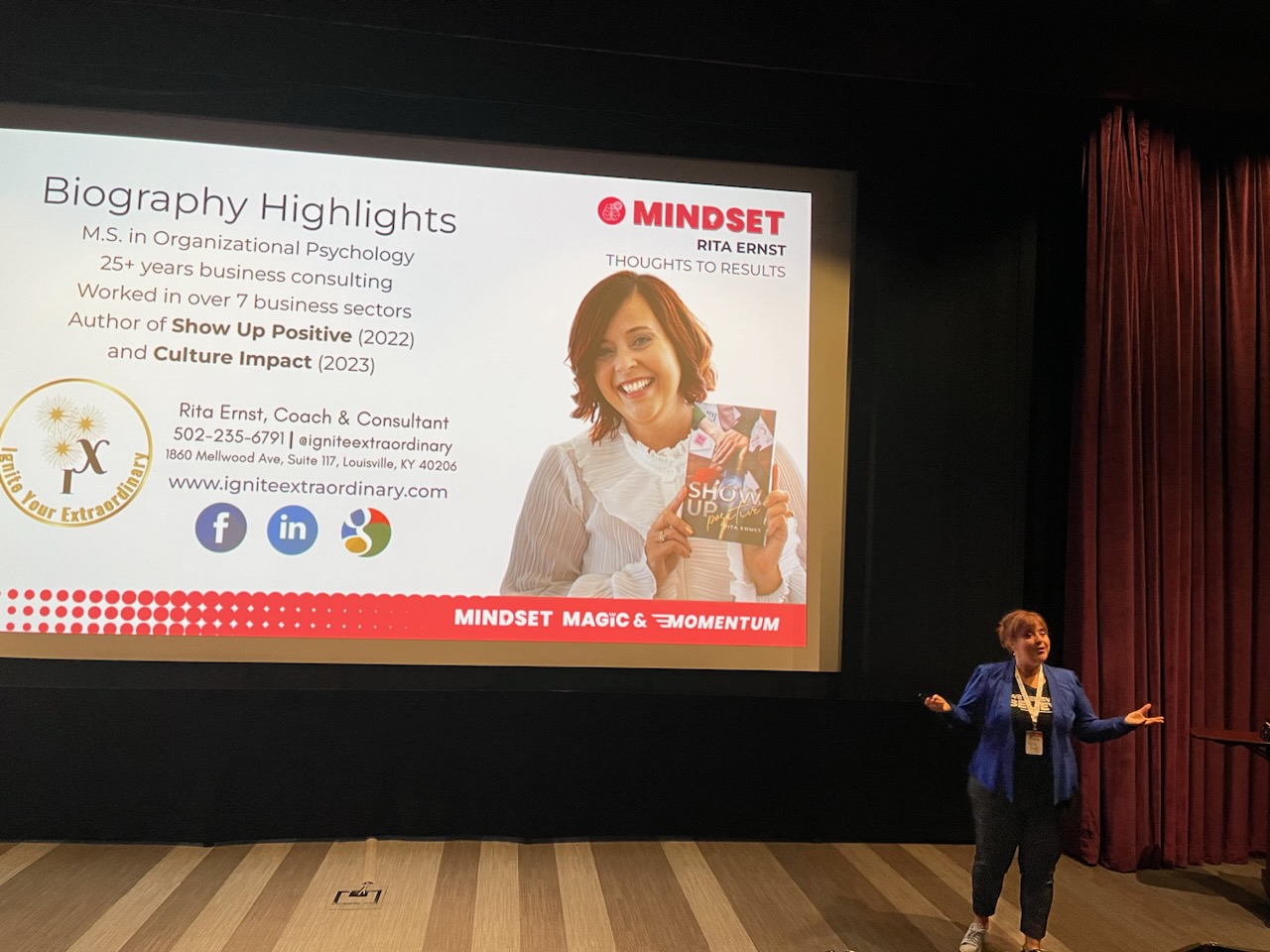

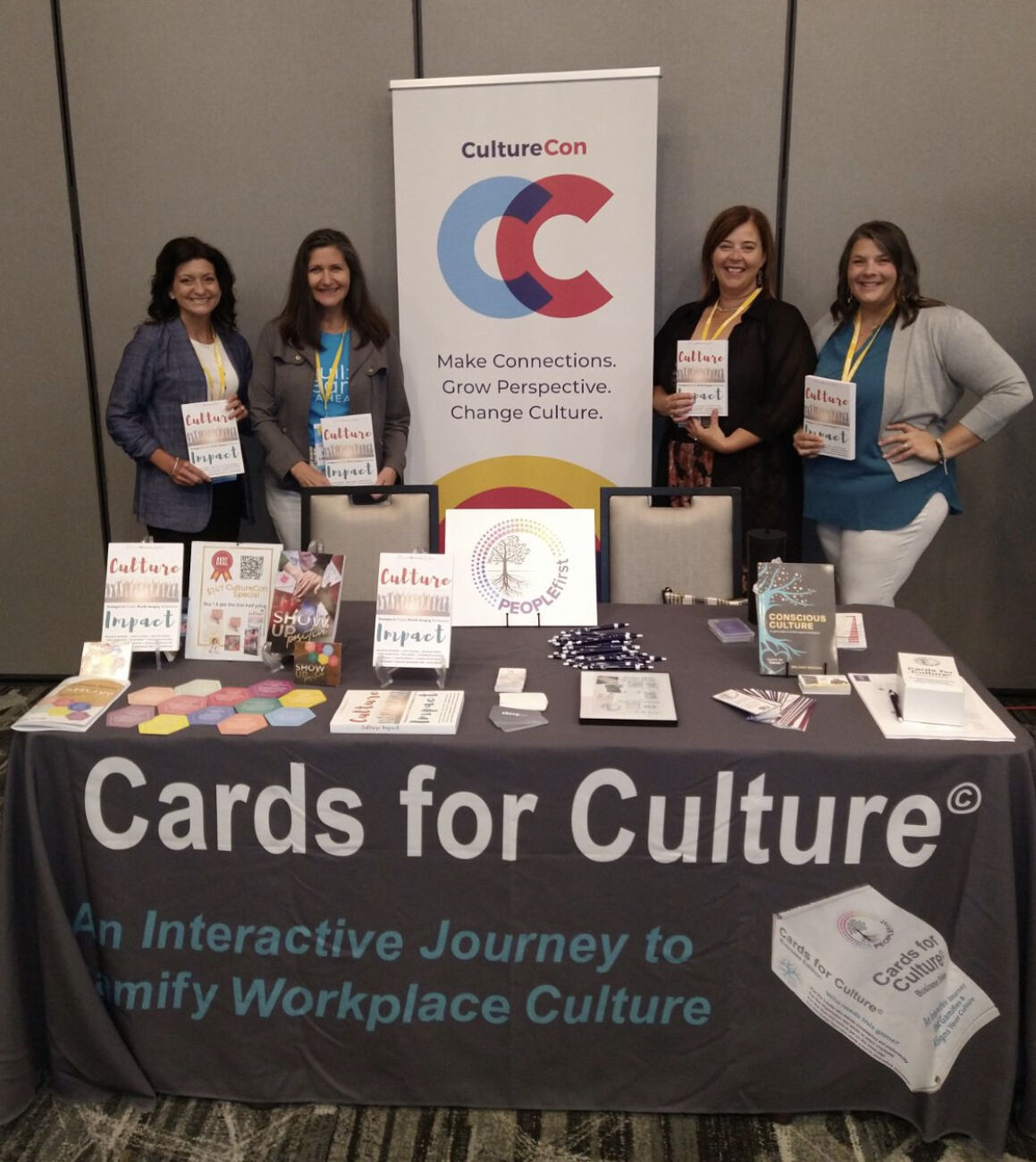
Image Credits
Willow Tree Imaging