



We caught up with the brilliant and insightful Rhea Daniels a few weeks ago and have shared our conversation below.
Rhea, thanks for taking the time to share your stories with us today We’d love to have you retell us the story behind how you came up with the idea for your business, I think our audience would really enjoy hearing the backstory.
Papierdoll Factory® began long before it had a name.
I was raised in a military family, which meant my childhood unfolded across borders. Every few years the landscape shifted — new languages, new marketplaces, new interpretations of beauty. I learned early that adornment is cultural language. In one place, gold is quiet and deliberate. In another, it announces lineage. Jewelry was never just aesthetic — it was context.
Years later, while traveling and engaging directly with artisans, I found myself standing in workshops where pieces were being shaped by hand — metals poured, stones set, patterns repeated from memory. The craftsmanship was extraordinary. The visibility was not.
The disconnect struck me.
These were objects rich with heritage, yet once they entered mainstream markets, their origins were often flattened or stripped of narrative. Meanwhile, consumers were growing fatigued by mass production and disposability. They wanted meaning. They wanted material that carried story.
I realized the opportunity wasn’t to start “another jewelry brand.”
It was to build a disciplined bridge.
A house that curated globally with intention. A structure that honored artisans without reducing them to marketing language. A platform where adornment could retain its geography.
The logic was clear: there was space for a brand that treated craftsmanship with both reverence and modern clarity.
What excited me most was the idea that jewelry could restore dimensionality — that a woman could wear something that held history and still feel entirely contemporary.
Papierdoll Factory became that commitment.
Not to trends.
Not to volume.
But to cultural continuity, executed with discipline.
Awesome – so before we get into the rest of our questions, can you briefly introduce yourself to our readers.
I’m Rhea Daniels — Founder and Chief Visionary Officer of Papierdoll Factory®, a global statement jewelry house rooted in cultural fluency and intentional adornment.
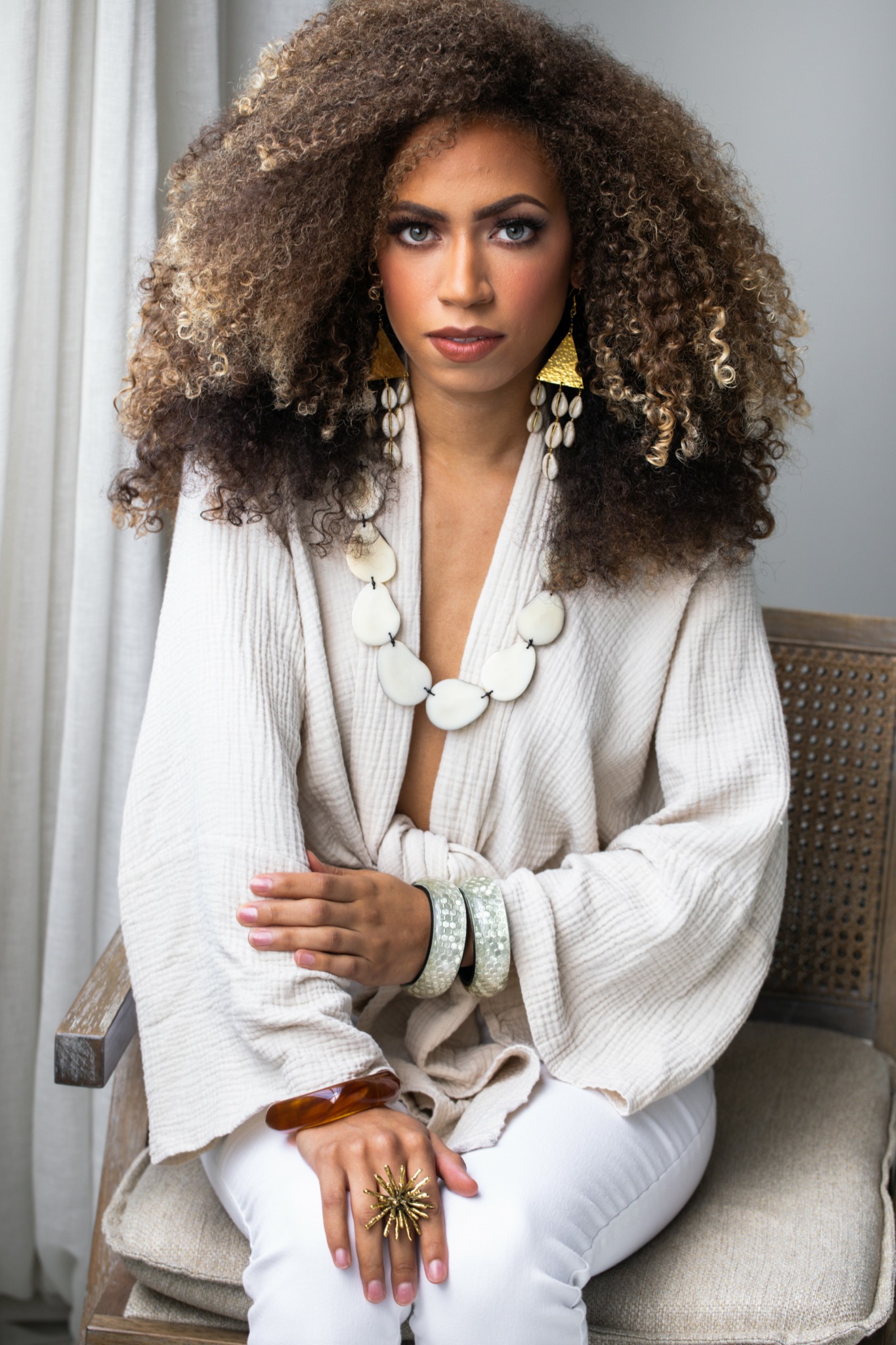
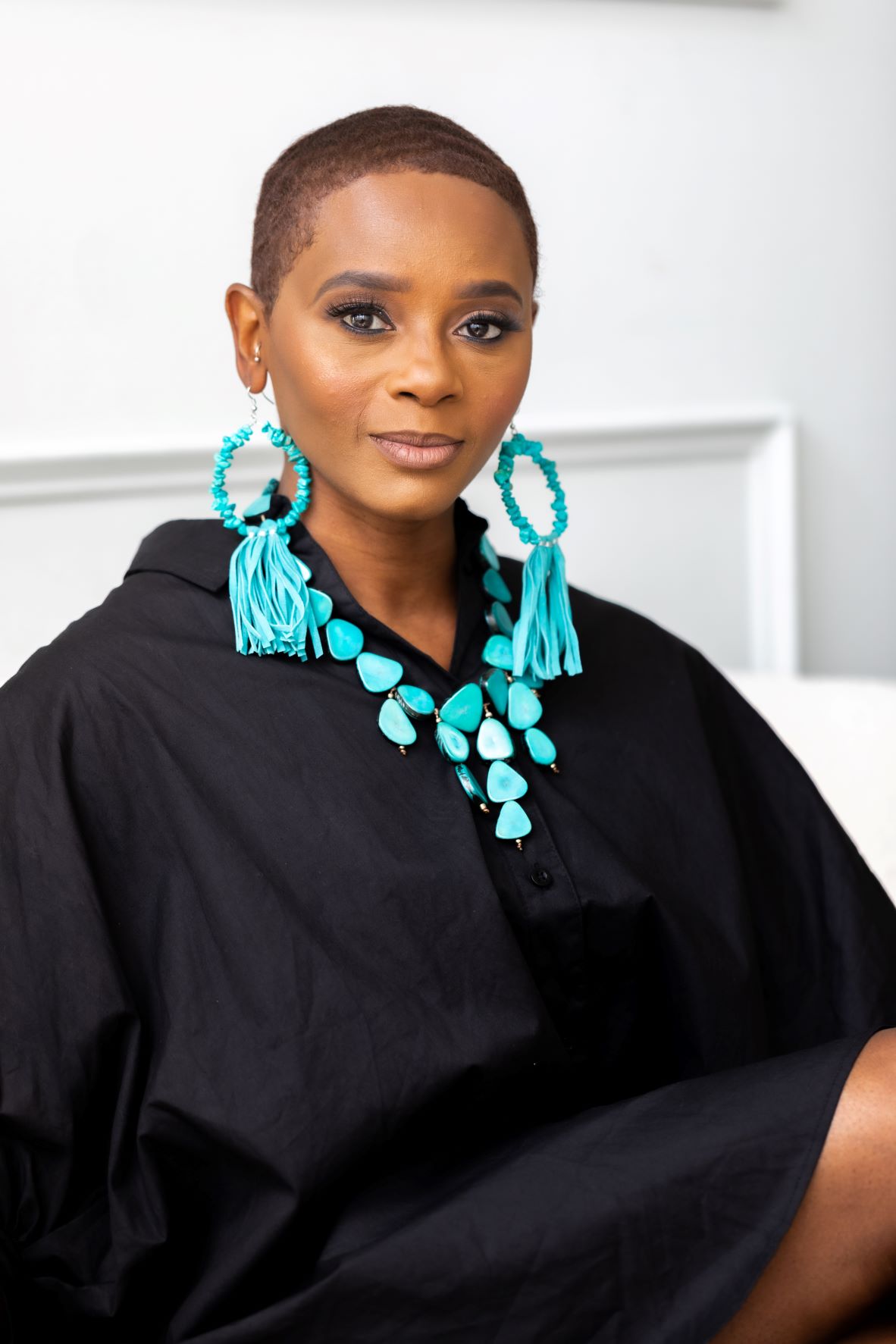
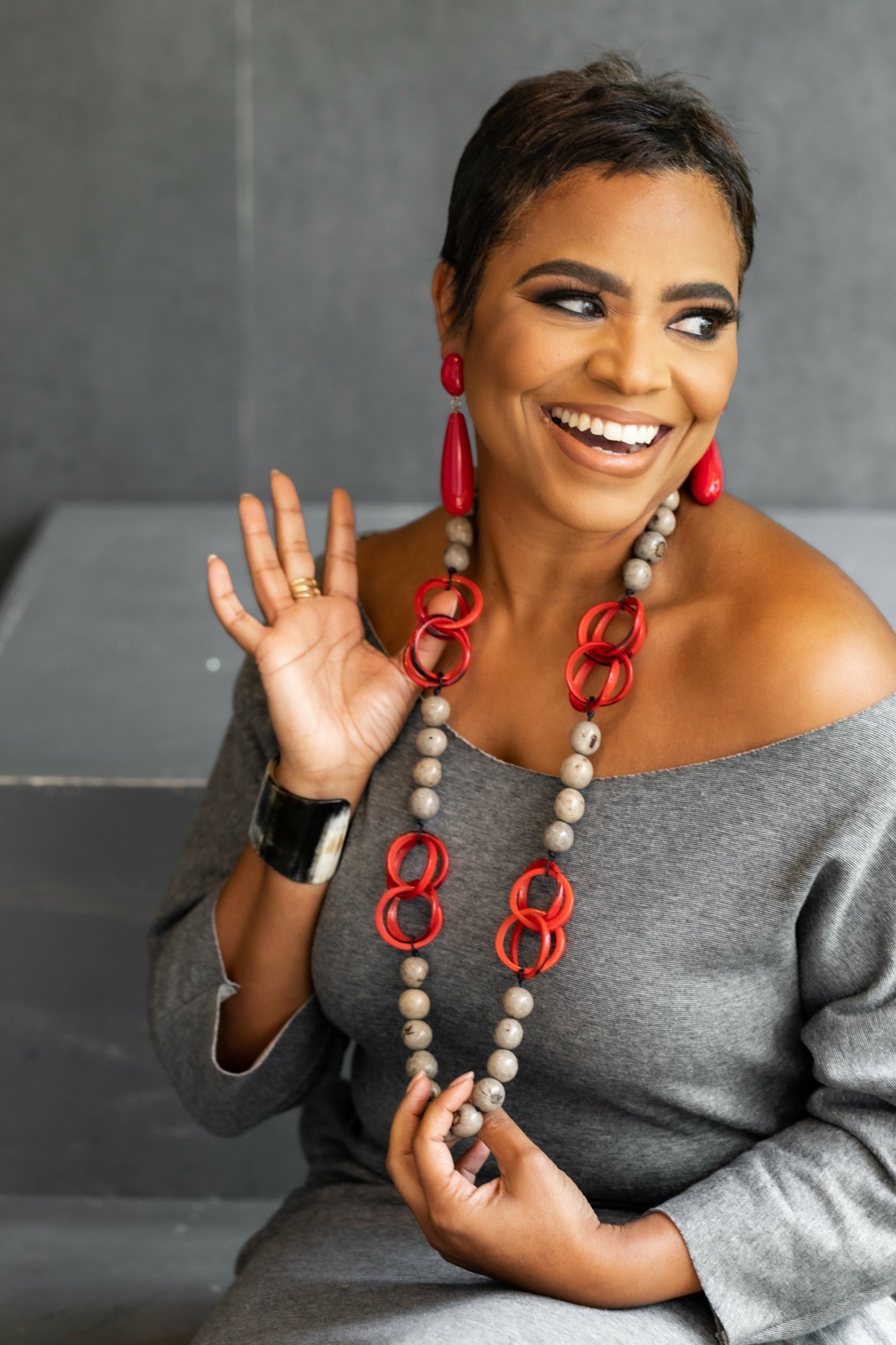
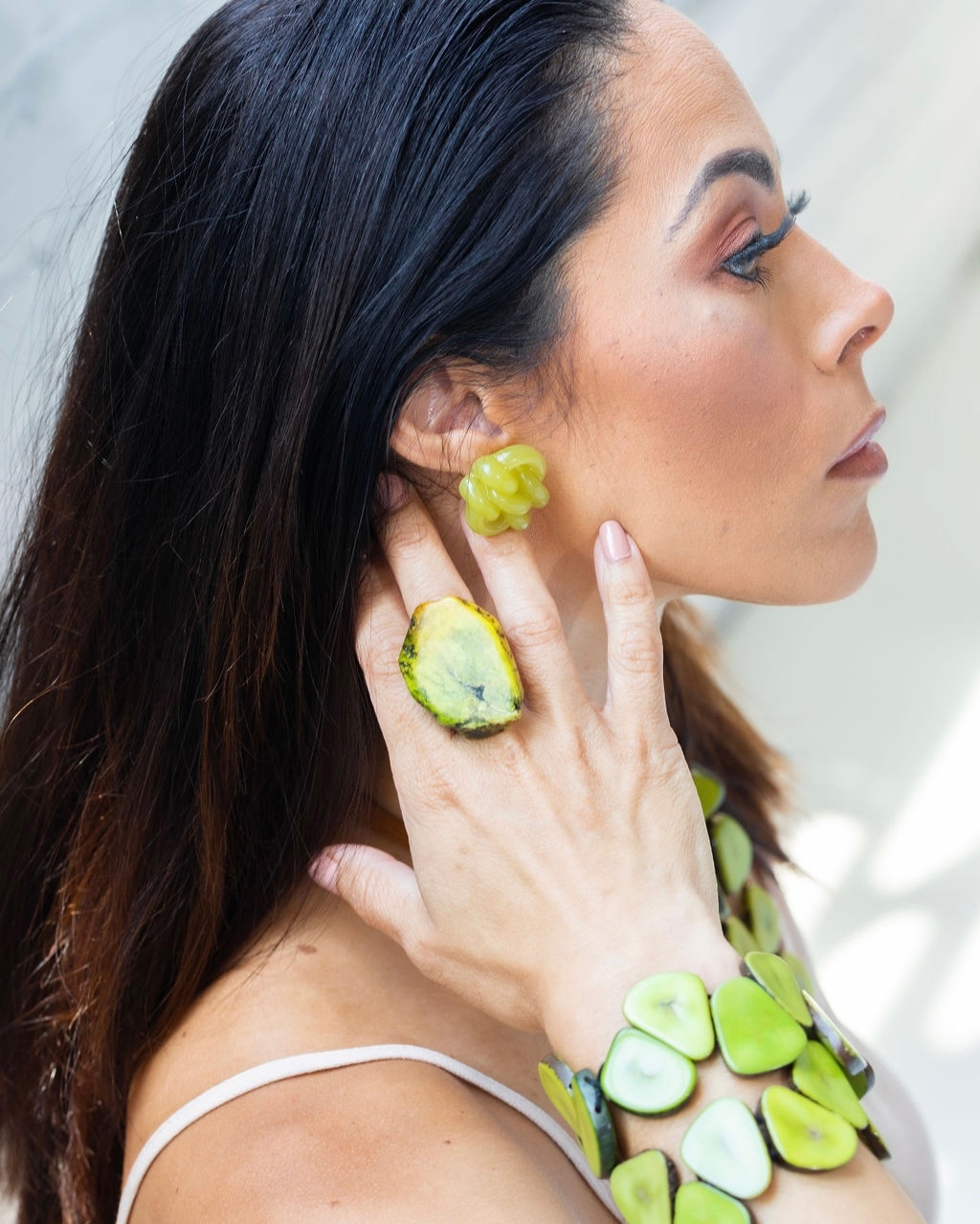
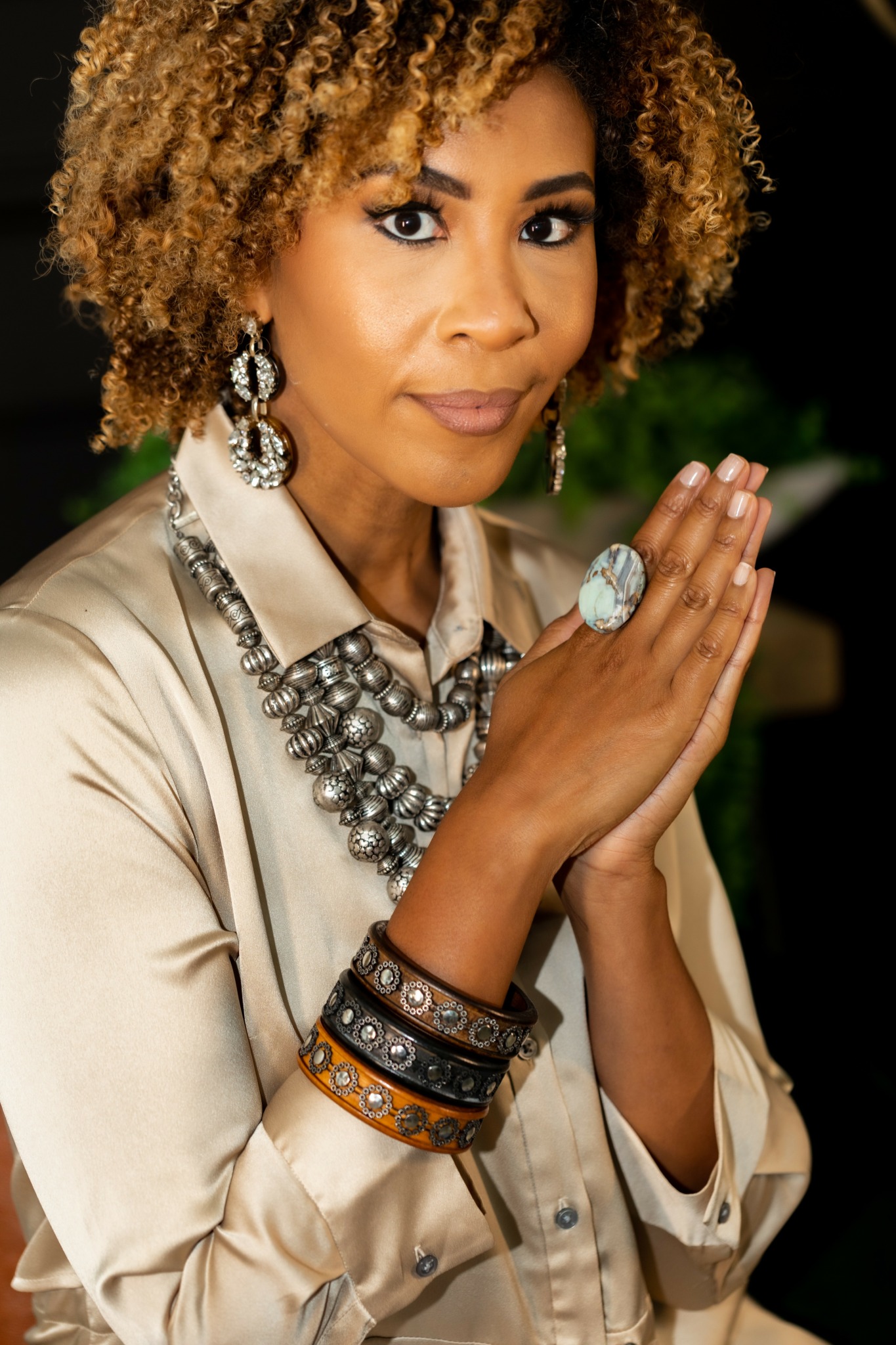
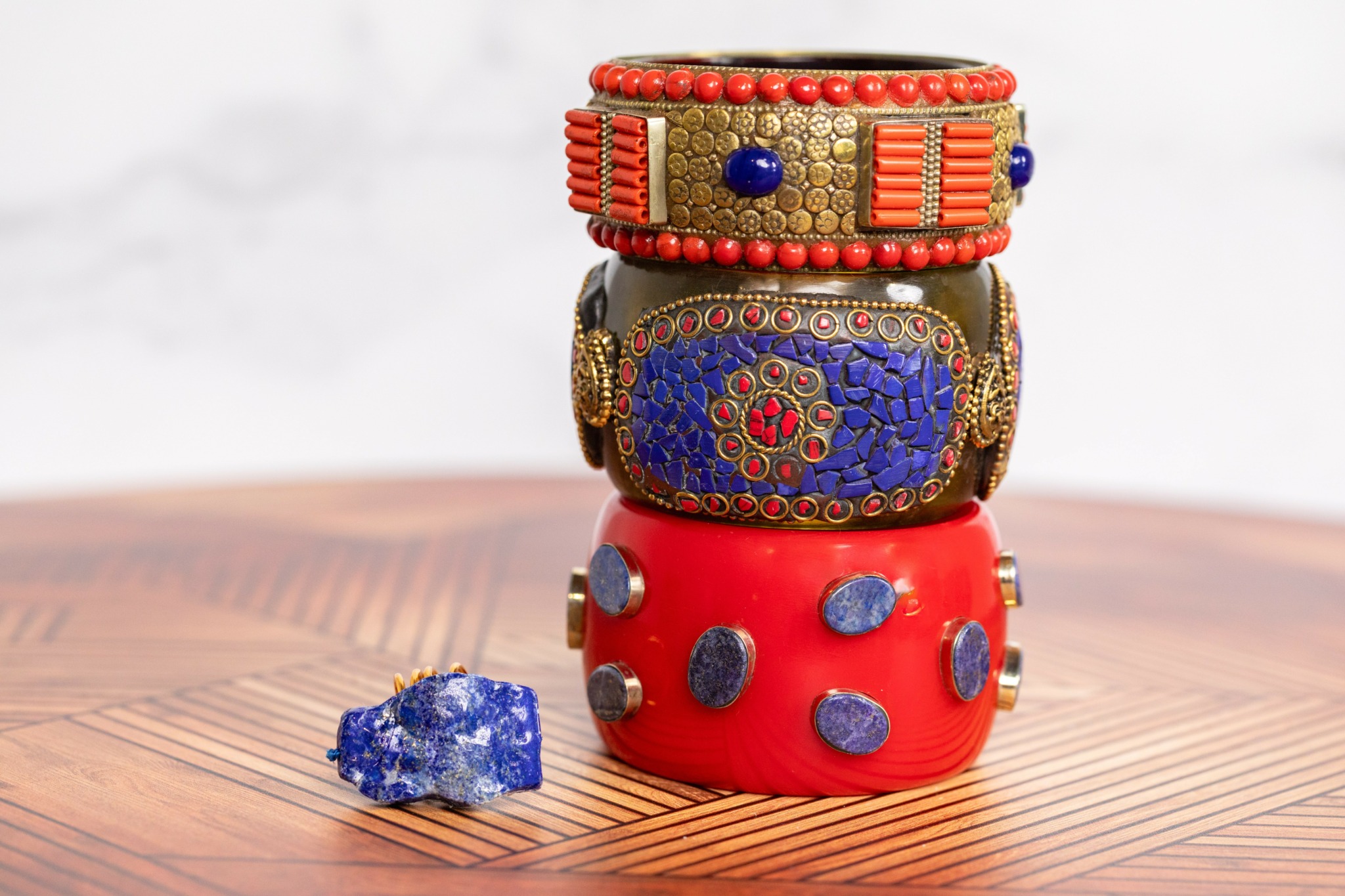
Papierdoll is not a trend-driven accessories brand. It is a curated house that sources artisan-crafted statement jewelry and handbags from across continents — sculptural metals, carved bone, lapis, woven elements — pieces that carry geography within them.
I built my professional foundation in large-scale corporate and federal environments, where structure, clarity, and long-term thinking were essential. That discipline now informs how I operate creatively. Every collection is selected with rigor. Every partnership is intentional. We prioritize provenance, limited production, and cultural respect.
The problem we address is invisibility.
Extraordinary artisans across the globe often remain unnamed in a market that profits from their influence. At the same time, culturally conscious consumers are searching for more than aesthetics — they want meaning, material intelligence, and story.
Papierdoll Factory bridges that gap.
What sets us apart is dual fluency: we honor craftsmanship with reverence while building a disciplined, scalable business prepared for institutional alignment and thoughtful expansion.
What I am most proud of is that we expand visibility in two directions — for the artisan whose work deserves recognition and for the wearer who wants her adornment to feel intentional, not incidental.
Papierdoll Factory isn’t about decoration.
It’s about authorship.
Style belongs to all of us.
How do you keep your team’s morale high?
High morale isn’t created with pep talks. It’s created with clarity.
I’ve learned that most team tension doesn’t come from personality clashes — it comes from ambiguity. When people don’t know what “good” looks like, they start guessing. And guessing is exhausting.
The first thing I build isn’t culture — it’s structure.
Clear roles. Clear standards. Clear decision rights. I document processes early — not because I love paperwork, but because I respect people’s time. When systems are written down, your team isn’t decoding chaos. They’re executing with confidence.
The second thing? Hire grown adults.
I build what I call a “dream team” — not a group of agreeable people, but experts. People who are sharp in their lane. People who challenge assumptions. People who don’t need micromanaging. And once they’re in the room, I listen. Really listen.
Morale rises when people feel trusted.
It also rises when leadership is steady. You don’t have to be perfect — but you do have to be honest, dependable, and consistent. Teams can handle hard seasons. What they can’t handle is unpredictability.
And finally, constructive friction is healthy. I encourage debate. Respectful disagreement sharpens execution. Silence erodes it.
In my experience, morale isn’t about making everyone comfortable.
It’s about creating an environment where capable people can do their best work without unnecessary friction.
Structure gives them freedom.
Trust gives them confidence.
Clarity gives them momentum.
That’s the difference.
Can you tell us about what’s worked well for you in terms of growing your clientele?
The most effective strategy has been disciplined recalibration — knowing when to expand, and knowing when to narrow.
In the early days, growth was tactile. I stood behind tables at pop-ups watching hands hover over pieces. I paid attention to hesitation. Scale intimidated some customers. Story reassured them. When I explained where a piece came from, who made it, what the material meant — shoulders relaxed. Credit cards followed.
That observation changed everything.
I realized we weren’t just selling jewelry. We were translating cultural context. Once I began integrating that translation into our digital presence — showing proportion, movement, materiality, origin — conversion shifted. Education reduced friction.
Another turning point came when I confronted something founders rarely admit: I was offering too much. Too many options. Too broad an assortment. It looked abundant. It felt unfocused. When I tightened the curation — fewer SKUs, stronger point of view — sales improved. Clarity created confidence.
But the real inflection point was structural.
Relying solely on direct-to-consumer traffic made revenue emotional. Strong months felt euphoric. Slow months felt personal. That volatility wasn’t sustainable. So I pivoted deliberately — developing wholesale conversations, institutional partnerships, and alternative revenue streams alongside DTC.
That recalibration stabilized the foundation.
If I had to distill the strategy, it would be this:
Observe behavior in real time.
Translate insight into narrative.
Curate with restraint.
Diversify your revenue architecture.
Growth isn’t a straight line. It’s a series of intelligent pivots — each one narrowing the gap between what you offer and what your audience is ready to receive.
The power isn’t in doing more.
It’s in refining better.
Contact Info:
- Website: https://www.papierdollfactory.com
- Instagram: https://www.instagram.com/papierdollfactory/
- Facebook: https://www.facebook.com/papierdoll38/

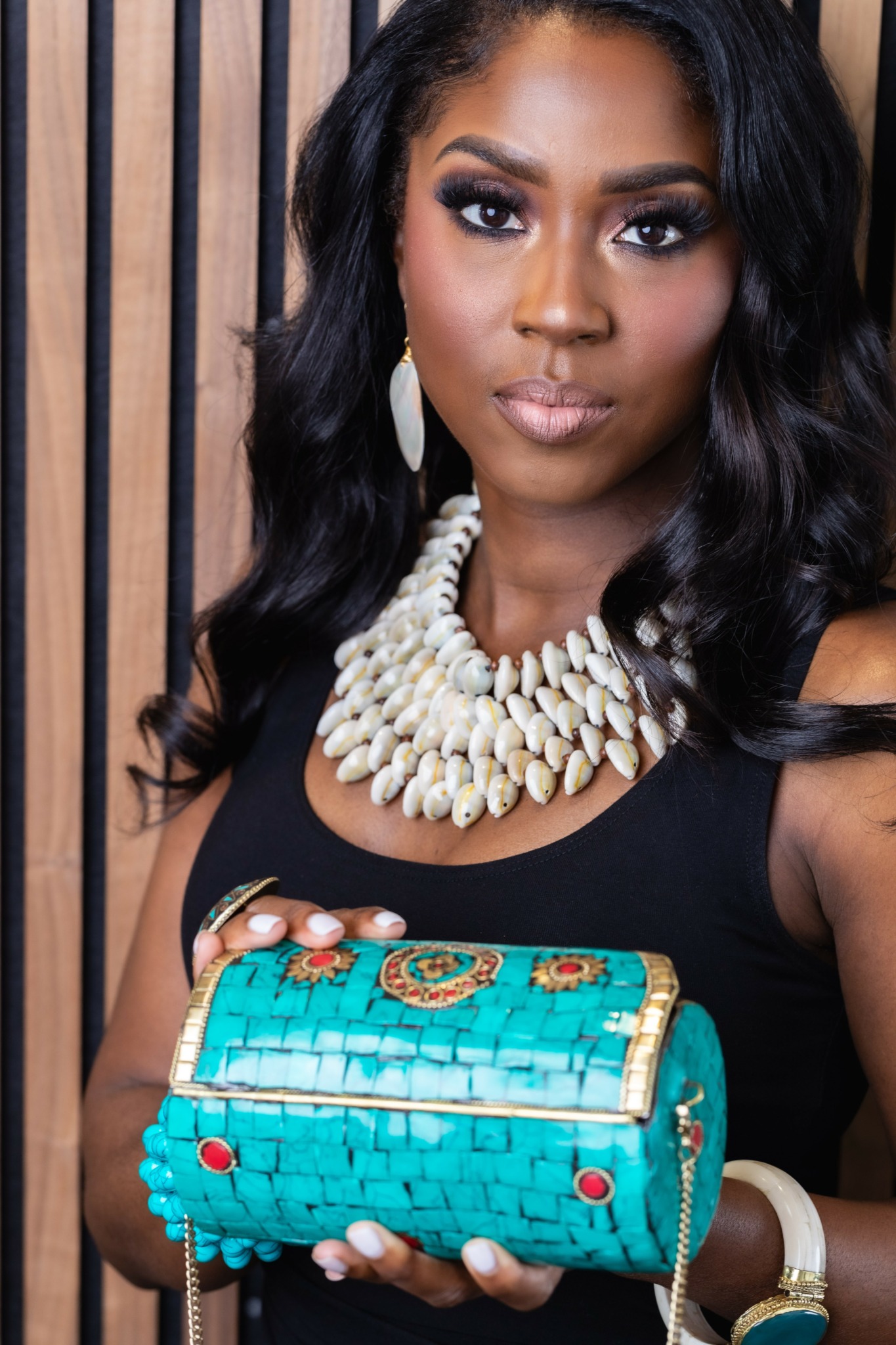
Image Credits
Photographer: Angela Wingard IG: BrandBinge.co
Makeup Artist: J’na Carter IG: Nurse_Slay_mua