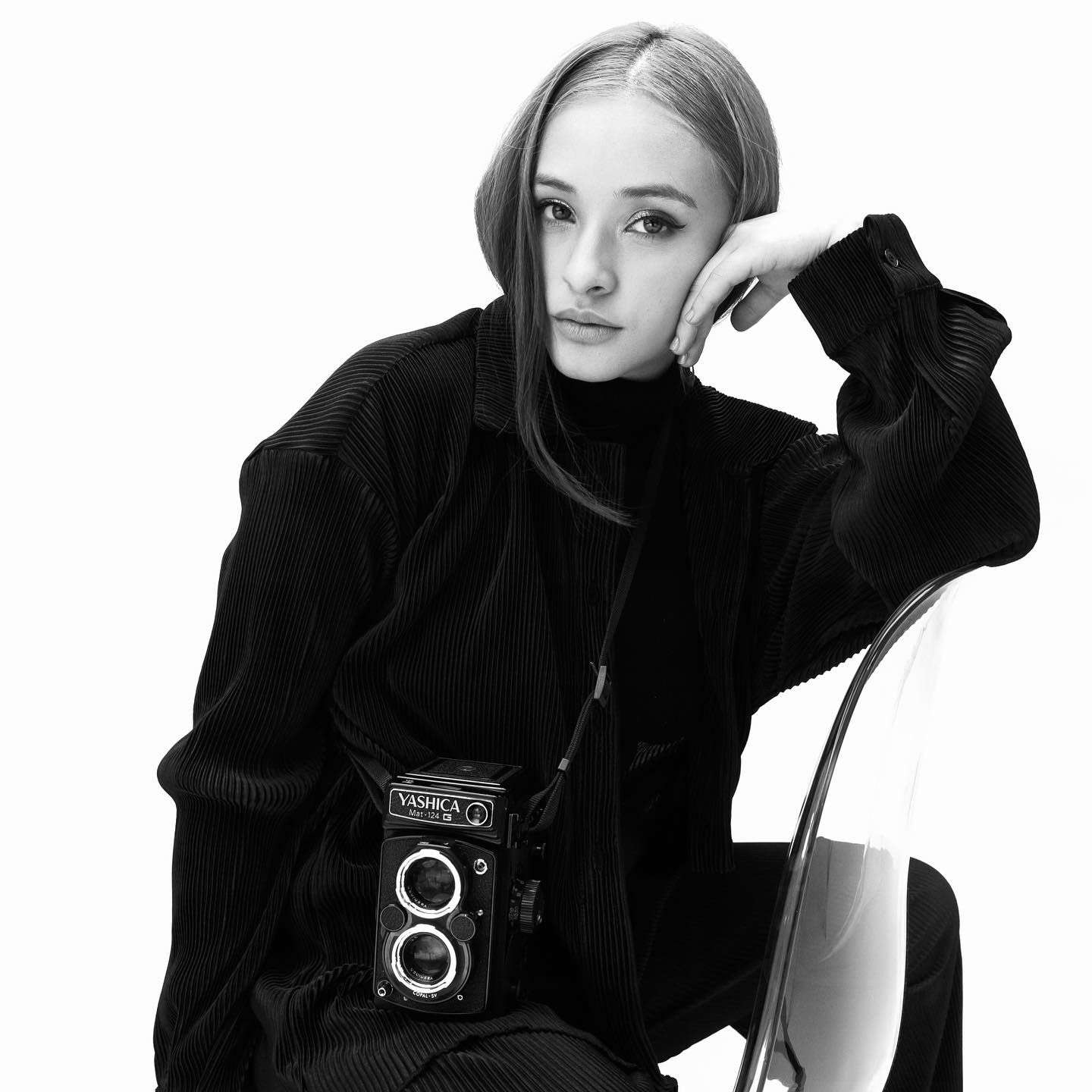

We caught up with the brilliant and insightful Natalia Peralta a few weeks ago and have shared our conversation below.
Natalia, thanks for joining us, excited to have you contributing your stories and insights. How did you learn to do what you do? Knowing what you know now, what could you have done to speed up your learning process? What skills do you think were most essential? What obstacles stood in the way of learning more?
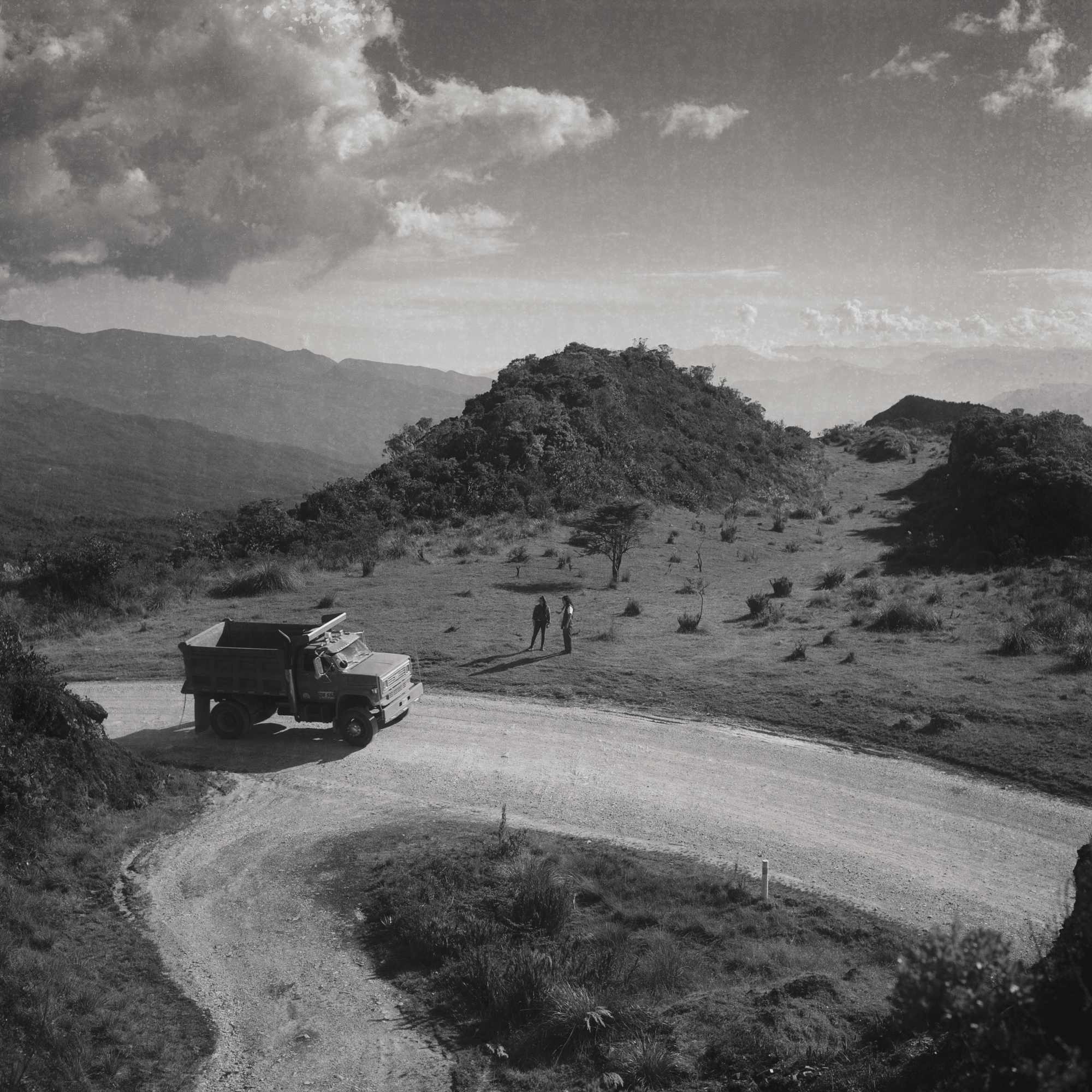
I actually went to film school and studied cinema for five years. Photography and writing, more specifically, came to me as a kind of detour. The film environment can be very oppressive and dependent on collective work, large investments and at some point I think I found in those two crafts the independence I needed and also the silence I was looking for. They are two crafts that don’t require much, that involve a lot of time alone and very personal work, and I think that after stepping away for a moment from the radar of cinema as an industry, I needed that.
My father is a photographer and has been my whole life. I have memories from a very young age of assisting him on his jobs, of having cameras at home capturing my life, of seeing a lot of footage of myself on televisions recorded by him and I think the practice of collecting and preserving became embedded in my memory. I believe that the things you eventually arrive at carry a strange mixture of destiny and predisposition. Over the years, I’ve found that my inclination toward photography and writing has a lot to do with the grounding I find in silent processes. Unlike cinema, photography presents itself as mute and writing does too. They offer a certain intense stillness so that whoever encounters them can fill them with themselves. I think I like the feeling of offering the same thing that these crafts offer to me.
I believe in taking photographs or write, the most essential thing is attention – the ability to cultivate focused attention on specific things in the world, not being afraid to take your time, to linger, to pay attention. The things that “call my eye or my mind” usually appear as sensations of warmth in my stomach or as certain pressures in my chest. It’s as if you can see through those things and their aura or spirit becomes present to you. You have to consciously allow yourself to go to that place without any prejudice — to take photographs of people, flowers, buildings, your grandmother in the kitchen, a collection of spoons — not denying yourself access to that depth in anything. That attention if you allow it with time becomes a devotion to some things and you build a personal relationship with the object, people, situation, etc.
For writing, I think it’s a bit different in the sense that the effort is more sustained over time. In my case, it requires the freedom not to judge what comes into the writing, to be very generous at the beginning with what I give, and then, at another moment, to also find the rigor to eliminate, to find better ways of saying things, to dig into the words or into time itself.


Natalia, love having you share your insights with us. Before we ask you more questions, maybe you can take a moment to introduce yourself to our readers who might have missed our earlier conversations?
I don’t see my craft as a product, but what I’ve always felt I can offer to those who are interested in my work is, on one hand, problems because I’m a somewhat complicated photographer but also depth and questions like an oracle. I have very particular tastes when it comes to images, the mediums I work with, and time. I like being able to take my time, to have a real creative process where, depending on the project — whether it’s an album cover or a portrait — we can find ways of thinking that are less fast and less purely effective.
I think effectiveness can take away the possibility of a more personal process, one where you have to research images, explore references, and dig into your own understanding of what you like or don’t like, and why.

Is there a particular goal or mission driving your creative journey?
That what I do helps both myself and others reassess more precisely what to observe and why it is important to observe carefully — and, in some way, not let a vivid imagination fade.


Are there any resources you wish you knew about earlier in your creative journey?
Sometimes patience is not thrilling. It’s important to find contentment and the capacity to do without excitement, to delay gratification, to hold on to what may feel boring or bland in what we do, to show up day after day to do what calls us, even when it isn’t glamorous or grand, but rather an almost existential exercise to keep on going with life
Contact Info:
- Instagram: https://www.instagram.com/maria____natalia/