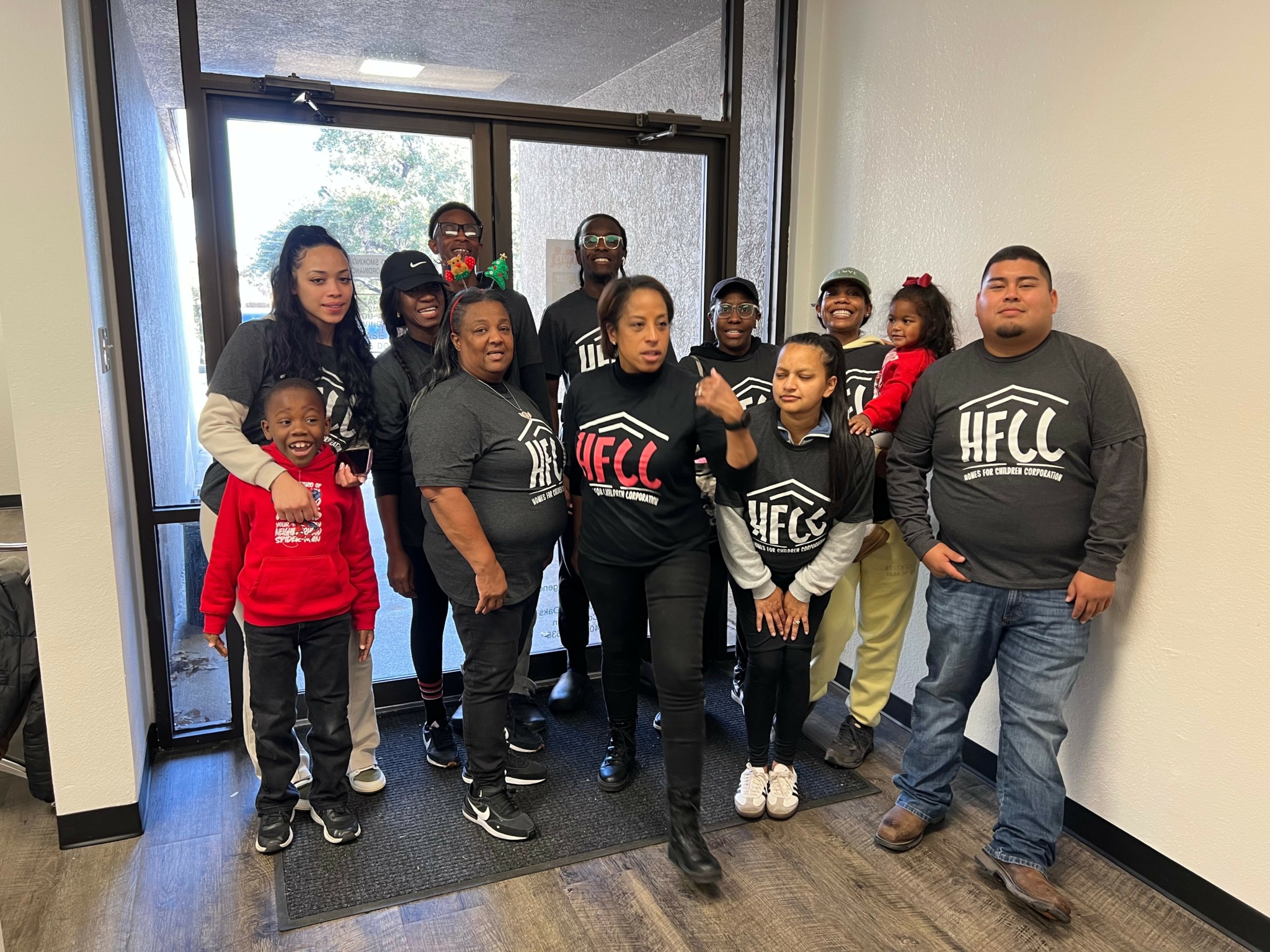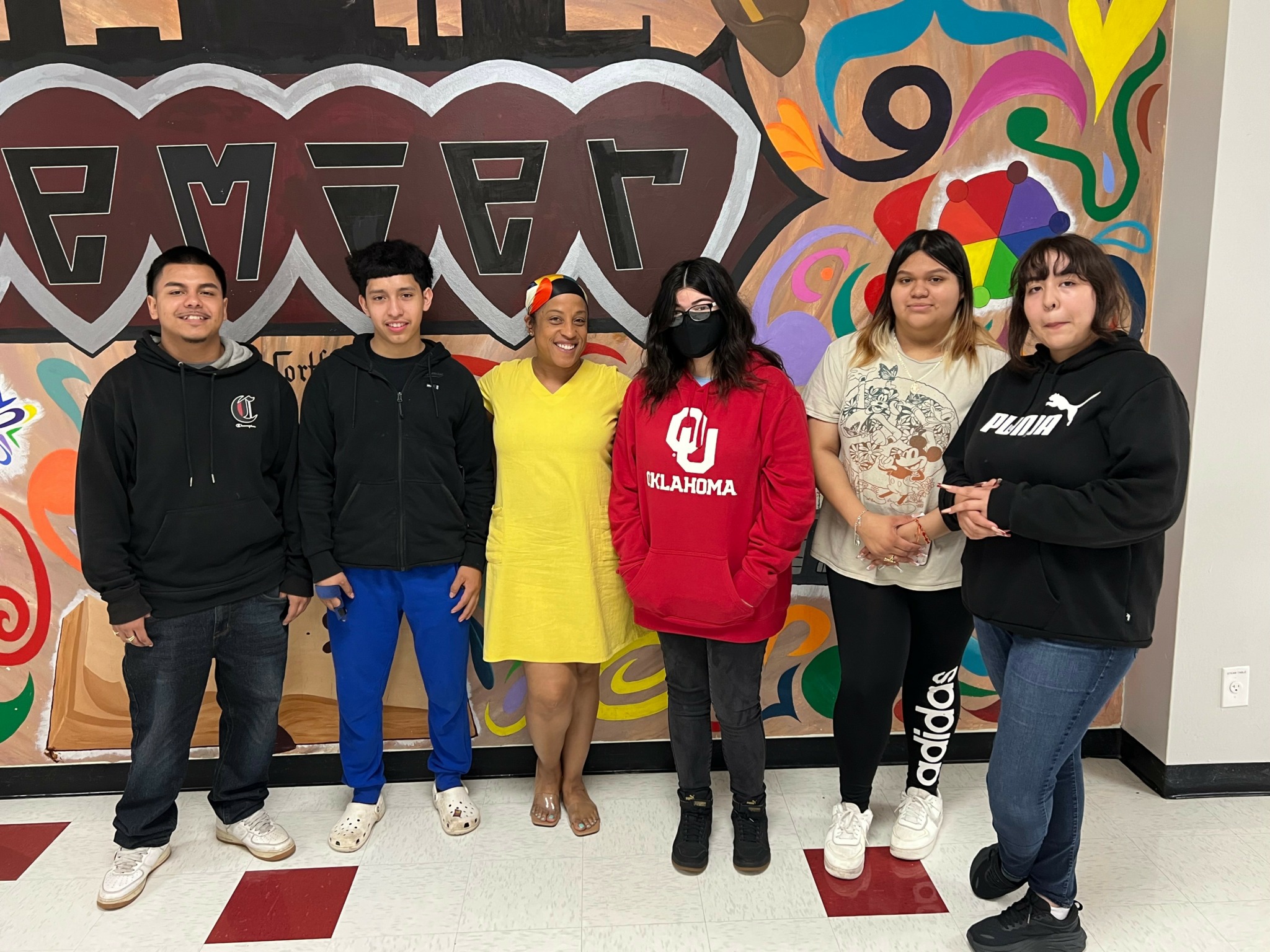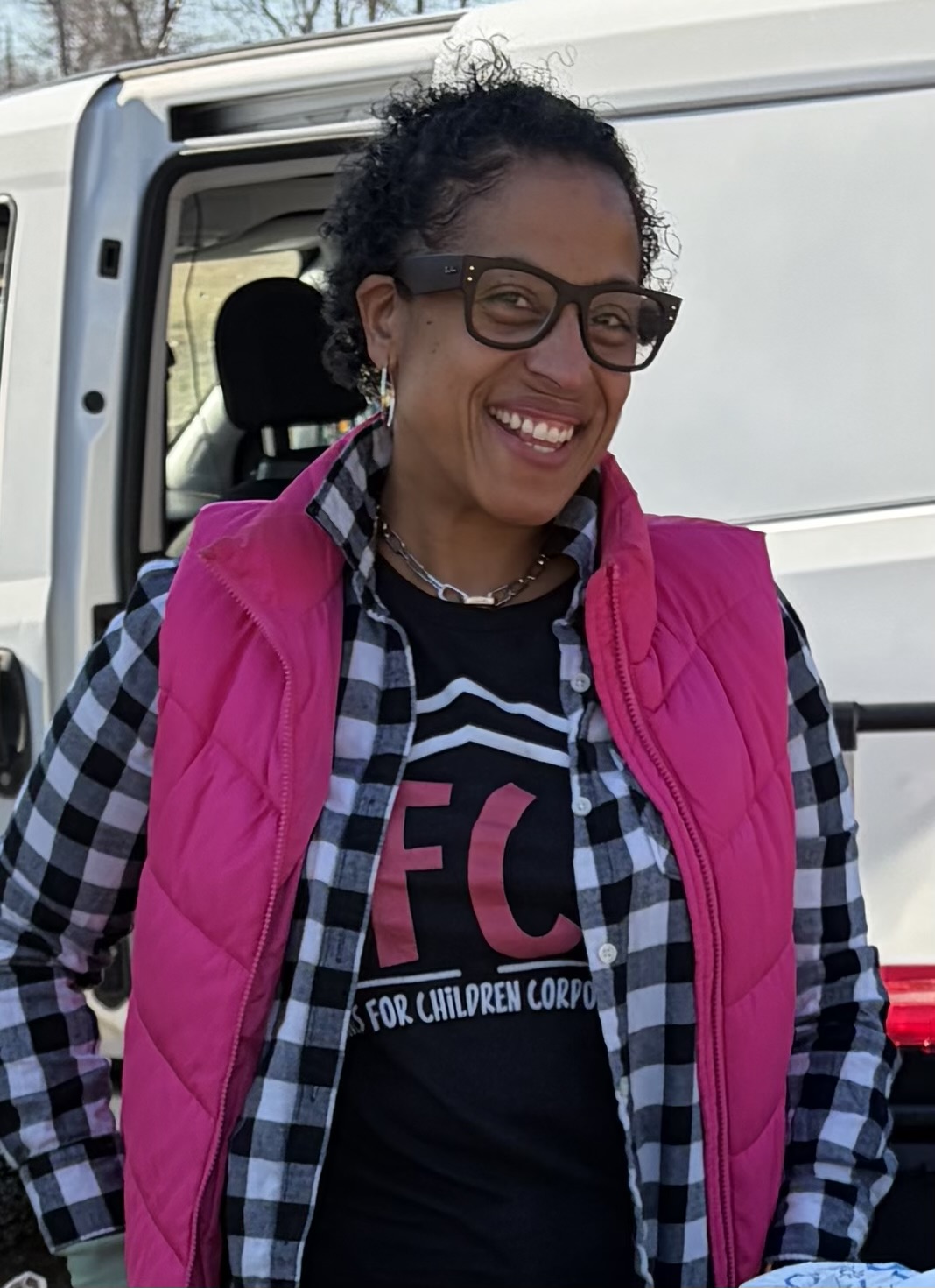

We caught up with the brilliant and insightful Kristen Vincent a few weeks ago and have shared our conversation below.
Hi Kristen , thanks for joining us today. How did you scale up? What were the strategies, tactics, meaningful moments, twists/turns, obstacles, mistakes along the way? The world needs to hear more realistic, actionable stories about this critical part of the business building journey. Tell us your scaling up story – bring us along so we can understand what it was like making the decisions you had, implementing the strategies/tactics etc.
A lot of people see Homes for Children Corporation today and think the impact happened overnight, but that’s not the full story. We started small, with a simple vision to support children and families in need and a deep commitment to show up, even when resources were limited. In the beginning, we were still learning—how to reach families, how to structure programs, and how to build trust within the community.
As more families, schools, and partners connected with us, we realized we had to be intentional about how we served. We expanded our programs, created meaningful incentives for students, and built initiatives that truly met the needs of the community. That’s when our reach began to grow, and more people started to take notice and share our work.
One major turning point was being invited into more schools and community spaces and seeing the direct impact of our programs, students improving, families feeling supported, and communities becoming stronger. Those opportunities didn’t just happen; they came from consistently showing up, building relationships, and delivering real results.
It hasn’t always been easy. There were times when funding was uncertain, resources were stretched, and things didn’t go as planned. But we stayed committed. Every challenge taught us something new and helped us grow stronger and more focused.
As we’ve grown, we’ve continued to expand our programs and find creative ways to serve,whether through incentives for students, support for families, or partnerships that extend our reach. Each step has helped us build something bigger than we imagined.
What we’ve learned is that real impact doesn’t happen overnight. It takes consistency, resilience, and a willingness to keep going, even when it’s hard. We’re still growing, still learning, and incredibly proud of how far Homes for Children Corporation has come, and even more excited about where we’re going.
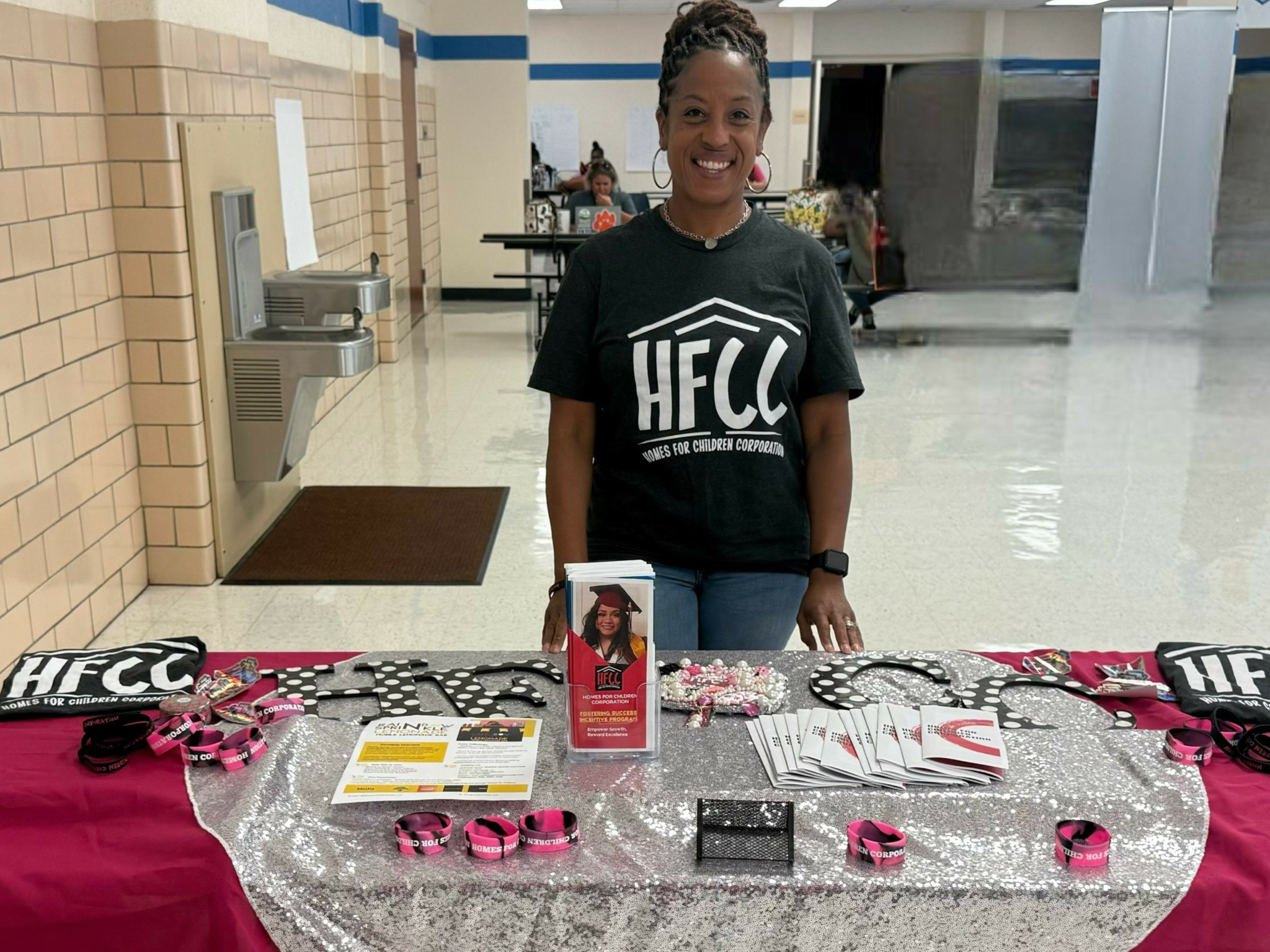
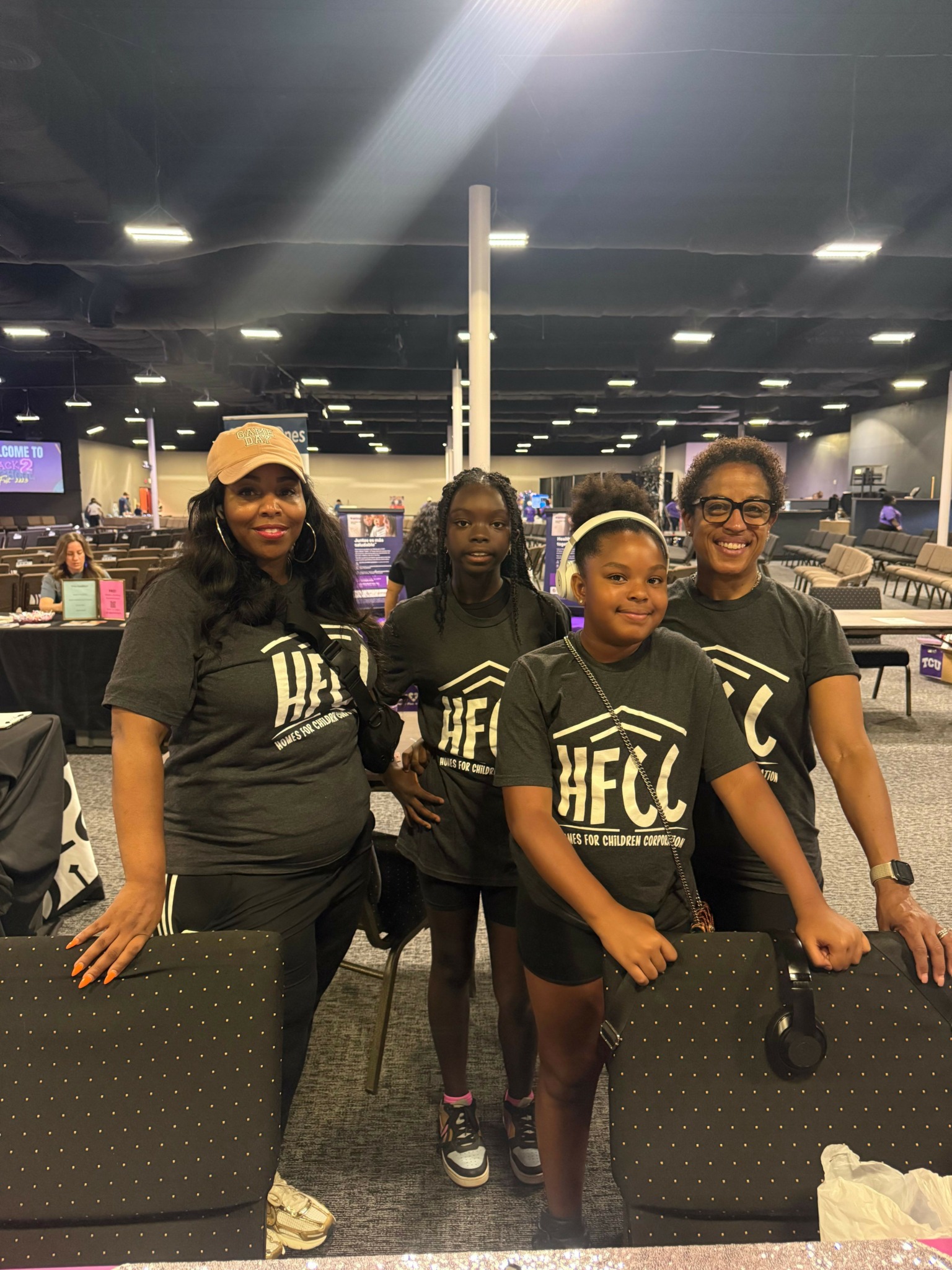
Kristen , before we move on to more of these sorts of questions, can you take some time to bring our readers up to speed on you and what you do?
I’m Kristen Vincent, Founder and Executive Director of Homes for Children Corporation, and my work sits at the intersection of purpose, community impact, and transformation.
My journey into this work didn’t start as a business, it started as a calling. Over 20 years ago, I saw firsthand the gaps that exist for youth who are often overlooked, students struggling in school, families facing instability, and young people aging out of foster care with little to no support. What began as a desire to “help” quickly evolved into building structured, sustainable programs that don’t just address symptoms, but change outcomes.
Today, Homes for Children is not just a nonprofit, it’s a movement.
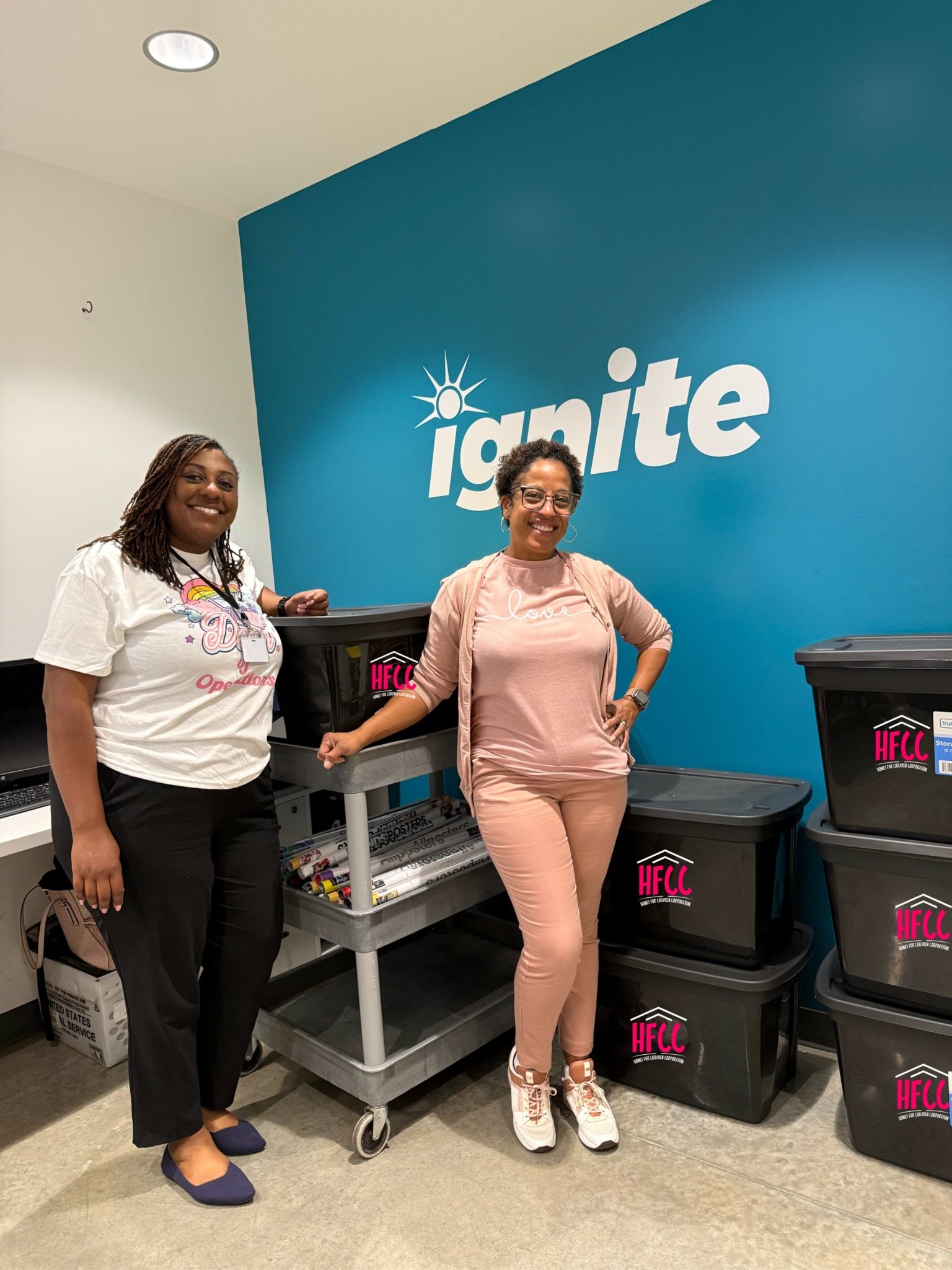
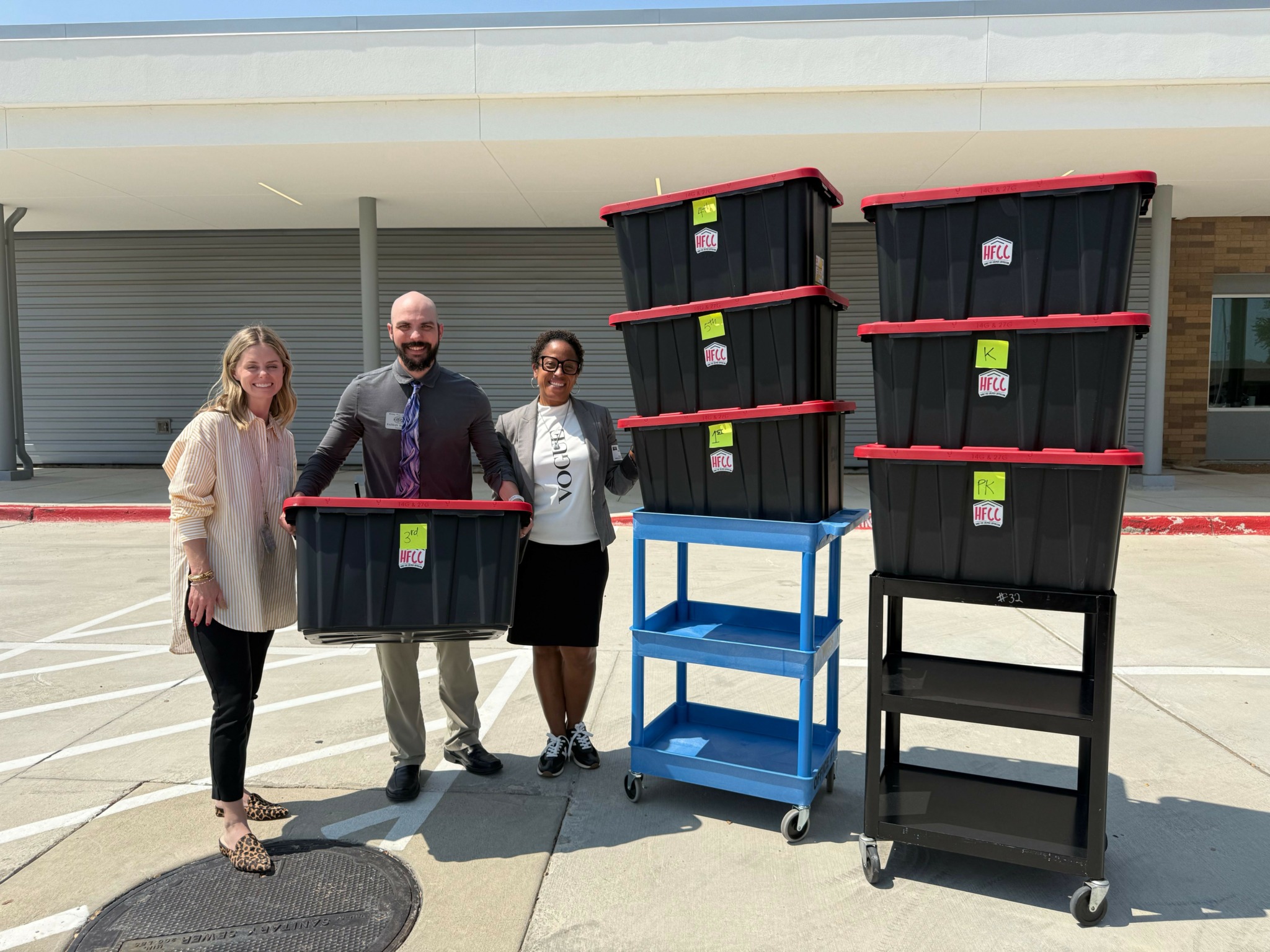
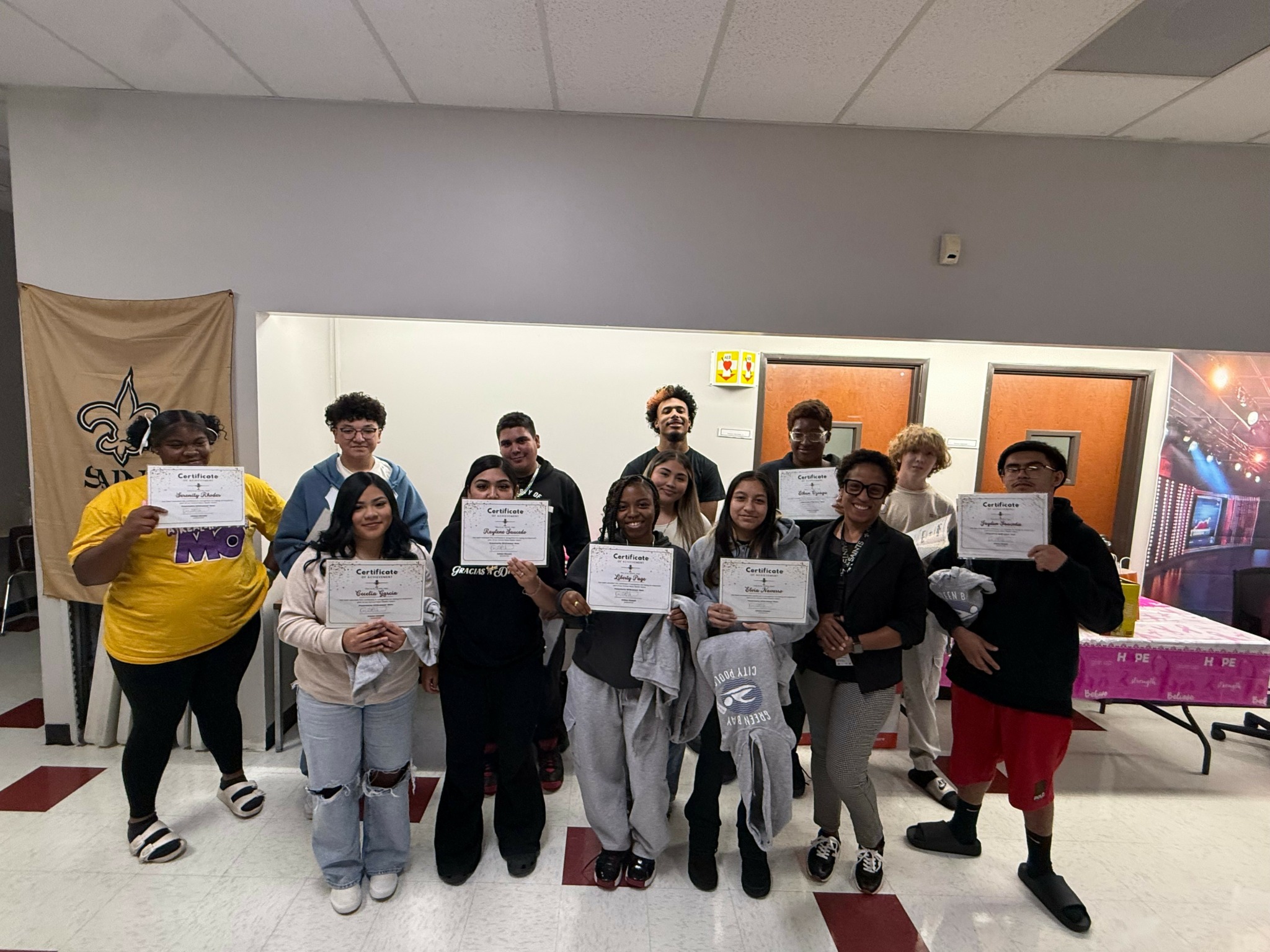
We provide programs that directly impact youth and families in real, measurable ways. Through our Fostering Success Incentive Program, we partner with schools to reward students for academic achievement, improved behavior, and consistent attendance. These aren’t small rewards, we’re talking about meaningful, high-value incentives that shift mindsets and motivate students to show up and perform. Because when students see that their effort is recognized, everything changes.
Through our Fostering Stability Initiative, we provide rental assistance, furniture, and essential household items to aged-out foster youth and families in crisis, helping them move from survival mode into stability. We also operate the Full Suite Resale Shop, where every purchase directly funds these programs. It’s a full-circle model: community support in, community impact out.
What sets us apart is simple, we don’t operate from theory, we operate from results.
We’ve served thousands of students and families, and we’ve seen firsthand how the right incentive, the right support, and the right timing can completely redirect someone’s life. We’re intentional about everything we do, from how we partner with schools, to how we design our programs, to how we engage our community.
I also bring a unique lens to this work. With a background in physics, an MBA, and as an advanced certified nonprofit professional, I approach social impact both strategically and systematically. I believe you can have heart and structure. Passion and performance. Purpose and precision.
What I’m most proud of isn’t just the numbers, it’s the stories.
It’s the student who went from failing to thriving because someone believed in them. It’s the young adult who moved into their first fully furnished apartment after aging out of foster care. It’s the teacher who feels supported and re-energized because they’re no longer pouring from an empty cup.
Those moments, that transformation, is what drives everything.
For anyone discovering us for the first time, I want you to know this: we are deeply committed to doing the work that matters, even when it’s not easy or visible. We believe in dignity, consistency, and giving people not just resources, but real opportunities to succeed.
And whether you’re a potential partner, donor, supporter, or someone looking to create impact in your own way, there is space for you in this mission.
Because at the end of the day, we’re not just changing individual lives, we’re strengthening entire communities.
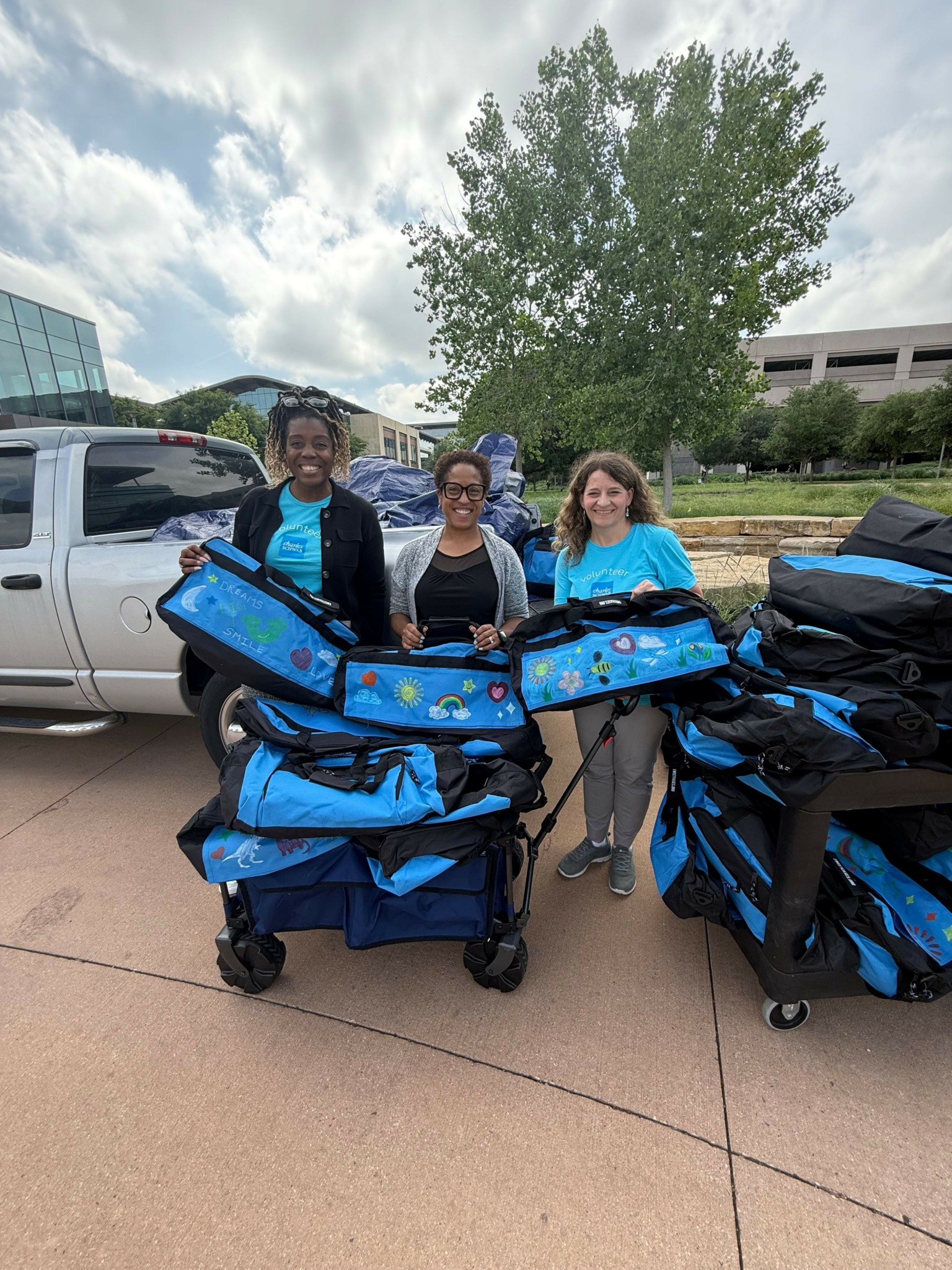
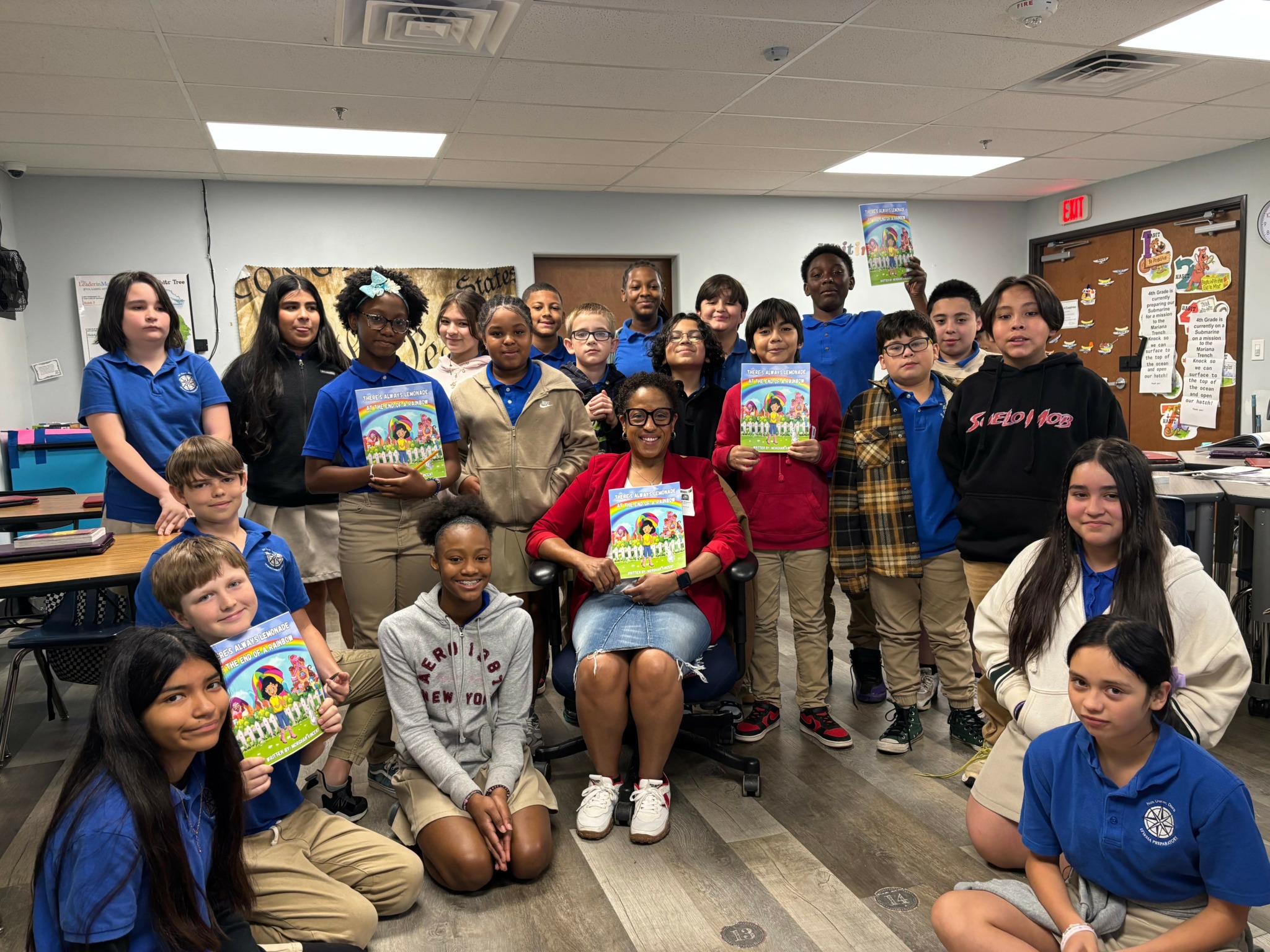
Can you share a story from your journey that illustrates your resilience?
Resilience, for me, wasn’t built in a moment, it was built in seasons where I had every reason to stop, but chose not to.
I remember a time when everything felt like it was working against the mission. We were trying to expand our programs, serve more students, and respond to real needs in the community, but resources were tight. Funding wasn’t consistent, partnerships weren’t fully developed yet, and the demand for help was growing faster than our capacity.
At the same time, I was still showing up, coordinating programs, securing donations, working with schools, and making sure students didn’t feel the weight of what was happening behind the scenes.
There was one particular moment that stands out.
We had students who were expecting incentives, students who had worked hard, improved their grades, showed up consistently, and were counting on that recognition. And I remember looking at what we had available and realizing it wasn’t enough.
I had a choice in that moment:
Scale back… or step up.
And stepping up meant getting creative, making calls, pulling from relationships, leveraging every resource I had, and in some cases, personally bridging the gap to make sure those students didn’t walk away disappointed.
Because for them, it wasn’t just about an item.
It was about being seen.
It was about “I did the work, and it mattered.”
That moment reinforced something in me:
You don’t build impact when it’s convenient.
You build it when it’s hard.
And that season taught me how to lead under pressure, how to move with limited resources, and how to stay committed even when there’s no applause, no spotlight, and no guarantee.
Today, when people see the growth, the partnerships, the number of students and families we’ve served, they see the outcome.
But resilience lives in the unseen moments.
The early mornings.
The hard decisions.
The sacrifices.
The faith you hold onto when things don’t look like they’re working.
And if I’m being honest, that’s where the real foundation of Homes for Children was built.
Not just on vision…
…but on the decision to keep going anyway.
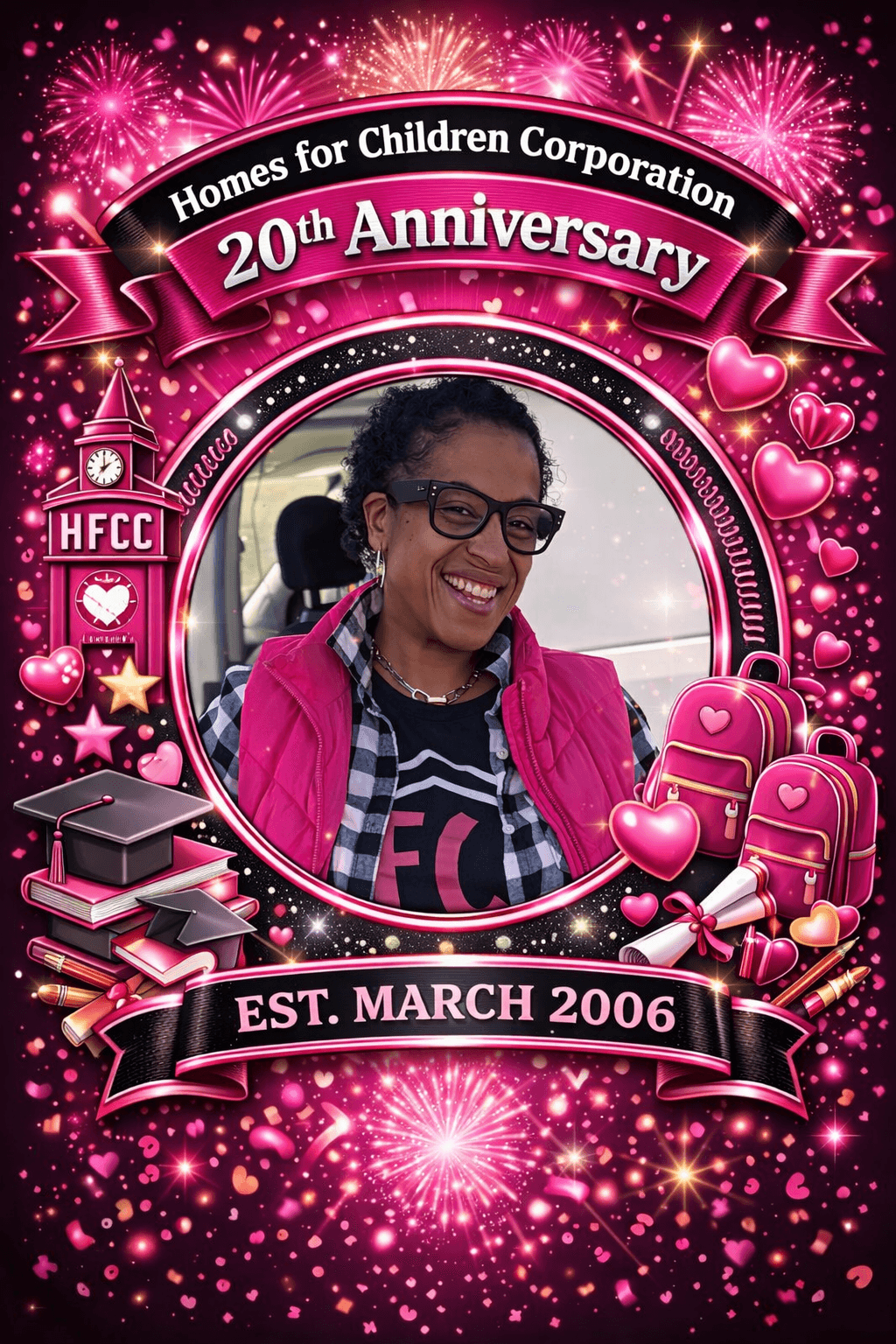
Do you have multiple revenue streams – if so, can you talk to us about those streams and how your developed them?
Yes, Homes for Children Corporation operates with multiple, intentionally designed revenue streams that make our model both sustainable and scalable. We are not dependent on a single source of funding; instead, we’ve built a diversified ecosystem that allows us to continue serving youth and families consistently, even as funding landscapes shift. One of our primary earned revenue streams is our Full Suite Resale Shop, where donated items such as clothing, furniture, and home goods are sold, and every purchase directly supports our programs. In addition, we offer CPR training and certification classes for individuals, schools, and organizations, creating income while also equipping the community with lifesaving skills and strengthening partnerships.
Our Fostering Success Incentive Program, while a core initiative, also functions as a sponsored impact model supported by corporate sponsors, donors, and school partnerships who are drawn to its proven outcomes in improving student attendance, behavior, and academic performance. Similarly, our Fostering Stability Initiative is funded through a combination of grants, individual giving, and in-kind donations, allowing us to provide rental assistance, furniture, and essential items to aged-out foster youth and families in crisis. We also generate revenue through fundraising events and campaigns, such as our Bingo & Brunch fundraiser, which bring in support through sponsorships, ticket sales, vendor participation, and on-site donations while increasing community visibility and engagement.
In addition to these established streams, we are building innovative funding models like our Hope Fund, which allows individuals and organizations to create named impact funds aligned with specific areas of interest, and our monthly giving program, which provides consistent, predictable support. What sets us apart is our ability to combine earned income, sponsored programming, grants, and community-driven funding into one cohesive system. This approach keeps us agile, resilient, and focused on impact. At the core of it all, every dollar, whether it comes from a resale purchase, a CPR class, a sponsor, or a donor, is reinvested into our mission of creating stability, opportunity, and success for the youth and families we serve.
Contact Info:
- Website: https://www.thehomesforchildren.org
- Instagram: https://www.instagram.com/hfcc06
- Facebook: https://Www.facebook.com/hfcc06
- Linkedin: https://www.linkedin.com/Homesforchildrencorpiration