

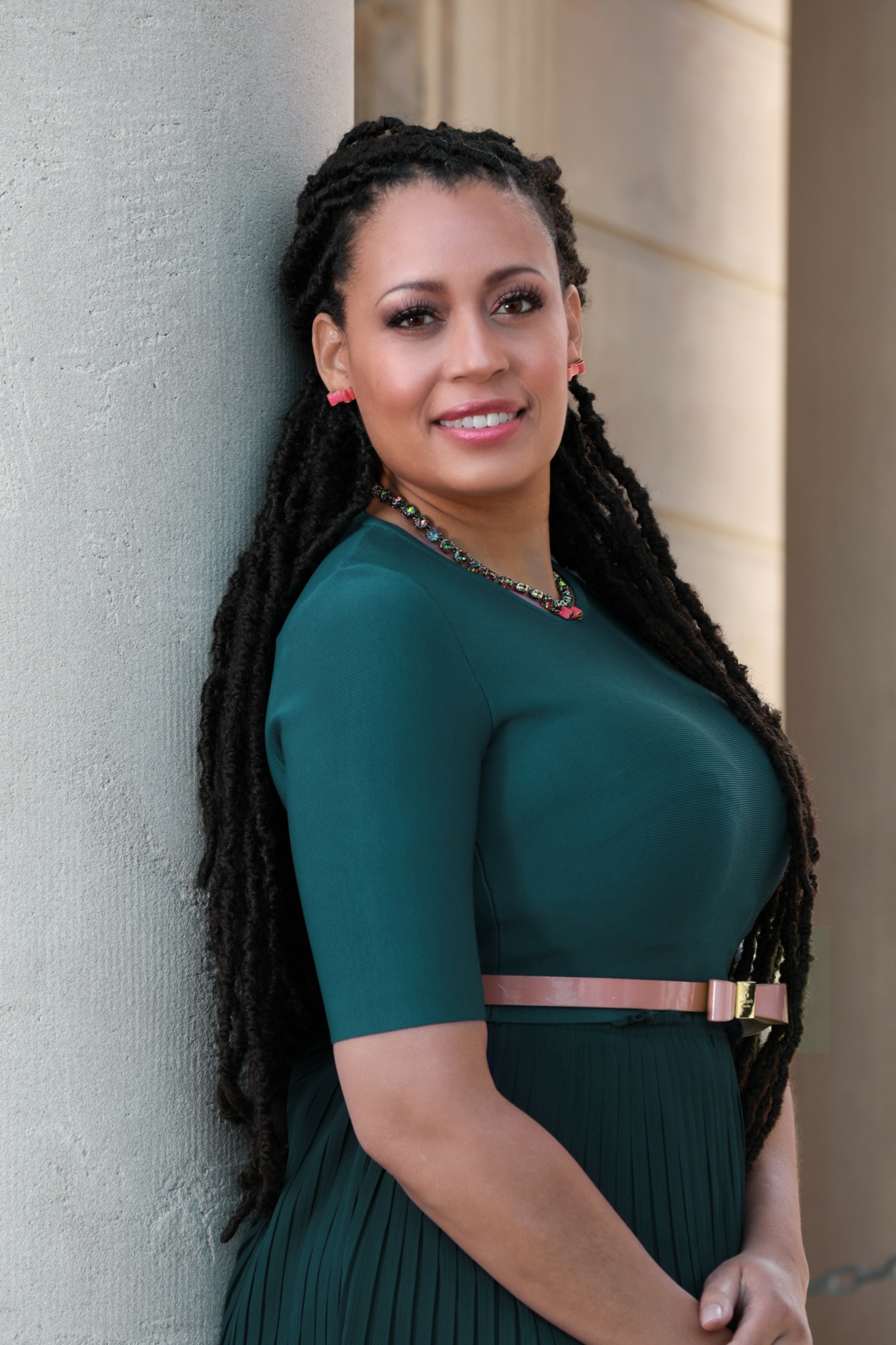

Alright – so today we’ve got the honor of introducing you to Ashley Asberry. We think you’ll enjoy our conversation, we’ve shared it below.
Ashley, looking forward to hearing all of your stories today. Was there a moment in your career that meaningfully altered your trajectory? If so, we’d love to hear the backstory.
There was more than one moment. But there is one that split my life cleanly into before and after.
To understand it, you need the backstory.
I was nine years into a critical care nursing career and at the peak of what most people would have called success. I was earning 250K a year as a travel nurse moving where I wanted, working in some of the most high-acuity environments in the country, doing the kind of work that demands everything from you and rewards you with the knowledge that you showed up when it mattered most. On paper, I had made it.
What was not on paper: I had not taken a real day off in longer than I could remember. I was working shift after shift in a grinding cycle that left no room for recovery. I had confused income with stability, busyness with purpose, and forward motion with actually being okay. I was managing everyone else’s emergencies while quietly drowning in my own. And I had become so skilled at holding things together professionally that I had completely lost the ability to notice how far apart I was falling personally.
Then came the shift that ended it.
It was 3 a.m., deep into a 10-shift grind with no real rest between. I fell asleep standing up. Mid-chart. At the nurses’ station. And when I jolted awake disoriented, humiliated, and suddenly unable to pretend anymore… I broke. Not quietly. Not privately. Right there at the station. Full panic attack. Ugly crying. The kind of crying that has nothing elegant about it and everything honest.
I was a veteran critical care nurse. I had run hour-long codes on 20-year-olds and walked out to tell their parents their child was gone. I had held things most humans never have to hold. But that night I could not hold one more thing including myself.
I quit. Not as a strategy. Not with a plan. I just stopped.
What followed was the worst chapter of my life: months of depression, sleeping in my brother’s car in Southern California, 700K in debt, feeding myself and my gas tank with quarters, completely alone with no lifeline and no road map out. I was not on sabbatical. I was not “taking time to find myself.” I was in genuine freefall financially, emotionally, physically.
And that is the context you need for the moment that actually changed everything.
One morning, after sleeping in that car, I walked into a 7-Eleven. I used the bathroom. And I made the mistake of looking in the mirror.
I don’t know exactly how long I stood there. I know it was long enough to stop performing for myself. Long enough to get past the voice that said “you’re fine, you’re strong, you’ll figure it out”, and reach the quieter, more honest voice underneath it.
And that voice said something I had been refusing to hear for years:
The system was broken. And only I could save myself.
Not my hospital. Not my agency. Not a colleague, a mentor, a partner, or the nursing profession at large. Me. I was the only one who was going to climb out of this and I was the only one who could.
I want to be honest about what that moment felt like, because people tend to romanticize turning points. It did not feel like empowerment. It did not feel like a breakthrough. It felt like grief. Like finally accepting a diagnosis you had been fighting. Like the specific exhaustion of no longer being able to pretend.
But grief, it turns out, can be the cleanest kind of beginning.
That moment in a 7-Eleven bathroom with fluorescent lights and no audience was the most defining moment of my professional career. Not because of what I decided in those few minutes, but because of what I finally stopped deciding. I stopped deciding that the system would eventually recognize my value. I stopped deciding that working harder would eventually produce something other than more exhaustion. I stopped deciding that I was the problem and simultaneously stopped deciding that someone else was going to fix it.
What replaced all of that was a single, terrifying, clarifying commitment: I will save myself.
The climb that followed took seven years. A 460 credit score. Bankruptcy and foreclosure circling like vultures. Going back to nursing not because I was healed but because I had to start somewhere. Actually going to therapy. Not booking appointments, not thinking about it, actually going and actually applying what I learned. Learning financial literacy from scratch. Rebuilding every relationship in my life with intention. Making myself invaluable, but this time to myself first.
And then, somewhere in the middle of that climb, I started listening to other nurses. On Reddit at 2 a.m. In bathroom-stall texts. In car-cry voice notes and supply-closet confessions. And I heard my story in their voices, over and over and over again.
That is when the second defining moment arrived… quieter than the first, but just as consequential.
I realized that what I had built through my own restoration was not just a personal survival story. It was a framework. A pathway. A proof of concept that nurses could come back from the edge with more power, not less if they had the right tools, the right language, and the right community around them.
Stronger Nurse was born from that realization.
Not from inspiration. Not from a business plan. From the bone-deep certainty that what almost destroyed me and what is actively destroying thousands of nurses right now is not inevitable. It is the predictable outcome of a system that was never designed to protect the people doing its most essential work. And if the system was not going to build what nurses needed, then I was.
The lessons I carry from both of those moments:
The first is that breaking is not the same as failing. I had spent my entire career believing that strength meant not breaking. What I know now is that breaking is often the body’s most intelligent response to an unsustainable situation. The question is not whether you break. It is what you decide to do in the wreckage.
The second is that clarity lives on the other side of honesty. The 7-Eleven mirror moment only became a turning point because I finally stopped lying to myself. Most of us are not waiting for more information or better circumstances. We are waiting for the courage to acknowledge what we already know.
The third is that your lowest moment contains your most important credential. Not because suffering is a qualification, but because the people you are most called to serve are often living inside the version of your story you most want to forget. I did not build Stronger Nurse in spite of hitting rock bottom. I built it because of it. Because I know that terrain, I know how dark it gets, and I know there is a way through.
If you are reading this in the middle of your own defining moment (whether you recognize it as one yet or not) I want you to know: the clarity you are looking for is not somewhere ahead of you. It is waiting for you to get honest enough to hear it.
That bathroom mirror did not show me something new.
It showed me something I already knew.
And it changed everything.
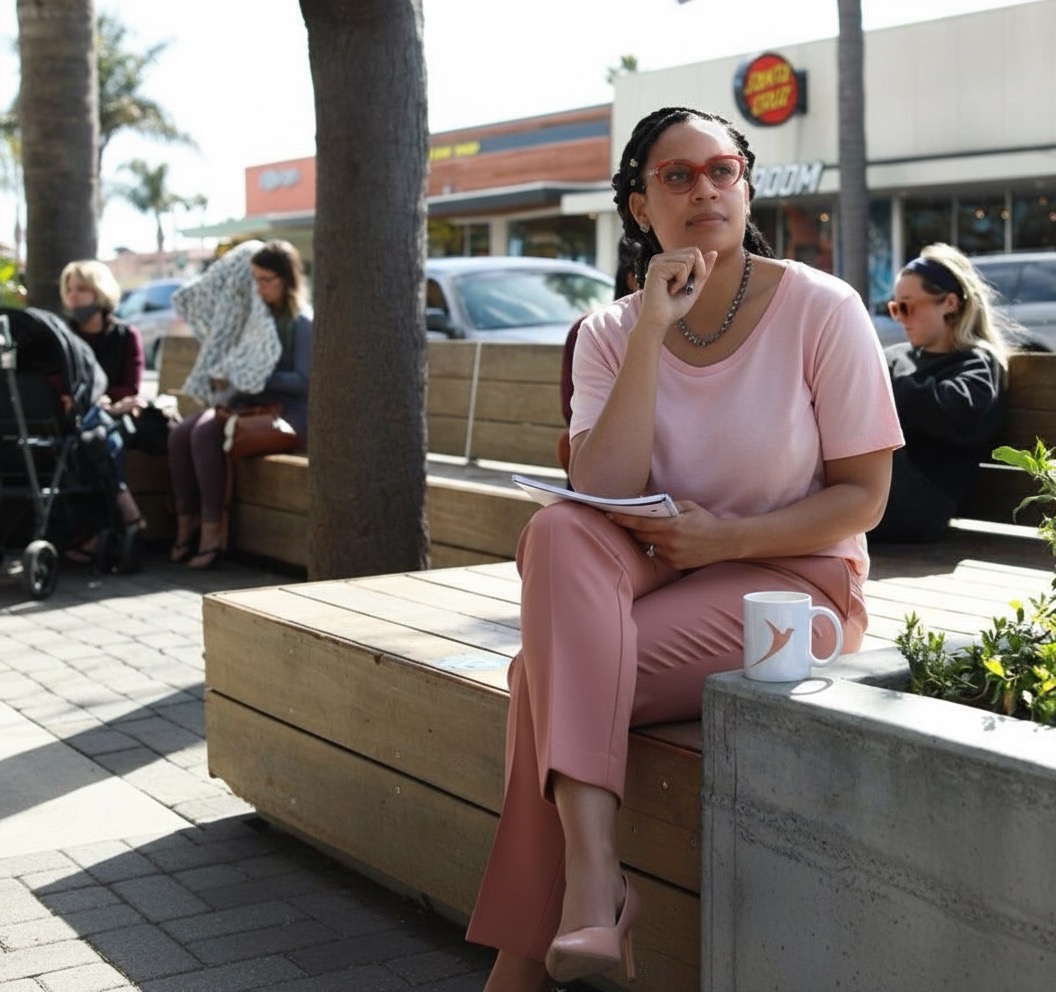
Ashley, before we move on to more of these sorts of questions, can you take some time to bring our readers up to speed on you and what you do?
I came into nursing the way most of us do with a calling to serve, a stethoscope I was unreasonably proud of, and the quiet belief that passion would be enough to sustain me. Sixteen years later, I know that passion without protection is just a slower way to burn.
I am a critical care nurse. That means I have spent the better part of two decades in the highest-acuity environments in healthcare running codes, managing the unsurvivable, making split-second decisions that determine whether someone goes home to their family or doesn’t. It is work that demands everything from you and gives back in ways that are profound and invisible at the same time. I chose it because I am someone who runs toward the hardest thing in the room. I still believe in it. I am also honest about what it costs.
My entry into the work I do now was not planned. It was excavated from the wreckage of my own career. At the peak of a 250K‑a‑year travel nursing career, I collapsed. I fell asleep standing up at the nurses’ station at 3 a.m. and broke in a way I could no longer hide or outwork. What followed was the hardest chapter of my life: months of depression, sleeping in my brother’s car in Southern California, 700K in debt, completely alone, feeding myself and my gas tank with quarters. I returned to nursing with a 460 credit score and bankruptcy and foreclosure breathing down my neck.
That experience became my greatest credential. Not because suffering qualifies you, but because rebuilding from the ruins taught me everything the nursing system deliberately withholds from its own workforce: that money is leverage, boundaries are clinical skills, financial security is a form of protection, and your time is the only currency that cannot be replaced.
I call my journey Reclaim, Root, and Rise and it is the architecture of everything I now build for other nurses.
What I Do and What I’ve Built
I am the founder of Stronger Nurse— a transformational educational ecosystem and community that exists at the intersection of emotional healing, career strategy, financial literacy, and systemic advocacy for nurses. Inside that ecosystem, I have built four distinct bodies of work:
Jet Set Nurse is a strategic travel nursing career program for nurses who are ready to use the travel market intentionally. Not just for income, but for financial freedom, career expansion, and genuine life design. Travel nursing changed my financial trajectory. Jet Set Nurse exists to teach nurses how to work it strategically so it changes theirs through understanding contracts, tax implications, housing stipends, agency negotiations, and how to build long-term wealth from short-term assignments.
Stronger Nurse Academy is the career development hub at the heart of the ecosystem. This is the education nursing school never offered: how to navigate toxic workplaces without losing your license or your mind, how to negotiate your worth, how to set boundaries that stick, how to recognize moral injury and interrupt the Silent Sacrifice Cycle before it destroys you, and how to design a career trajectory that actually aligns with your body, your values, and the life you want to live. This is not a CEU program. It is a transformation program that happens to build professional skills.
SAFE Nurse Academy is the program that stops rooms cold when I describe it because it should not exist as a gap, and yet it does. SAFE Nurse Academy is the only nurse-specific cybersecurity program on the market. Healthcare is the most targeted industry for cyberattacks globally, and nurses are on the front lines of digital patient data every single shift documenting, accessing, transmitting, and managing information that is extraordinarily sensitive and extraordinarily vulnerable. Yet no one is training nurses for this. Not nursing schools. Not hospitals. Not professional associations. SAFE Nurse Academy changes that, equipping nurses with the knowledge to protect patients, protect their licenses, protect their institutions, and become indispensable contributors to healthcare’s digital security infrastructure.
And anchoring all of it is Stronger Nurse Stronger World, our nonprofit arm, and the work I consider most sacred. Because not every nurse who is breaking has the financial resources to invest in themselves, and I refuse to let access be the reason someone doesn’t make it back. Stronger Nurse Stronger World exists to ensure that the most vulnerable nurses— those in crisis, those without means, those who are one bad shift away from leaving the profession entirely—still have a clear pathway to healing, education, and community. Our mission is both simple and non-negotiable: a stronger nurse makes a stronger world. When nurses are whole, patients are safer, teams are healthier, and communities are stronger. The nonprofit is how we make sure that transformation is never reserved only for those who can afford it.
The Problems I Solve
Most of what I do comes down to one root problem: nurses are being systematically underprepared for the real conditions of their careers and systemically stripped of the power they need to sustain them.
Nursing school teaches pharmacology and pathophysiology. It does not teach nurses how to handle a charge nurse who is actively bullying them, how to negotiate a contract, how to build a financial foundation that gives them the freedom to leave an unsafe assignment, how to recognize that what they’re feeling is moral injury and not personal weakness, or how to protect themselves and their patients in an increasingly digital and vulnerable healthcare environment.
The result is predictable and well-documented: nurses burning out in their first two years, staying in toxic jobs because they can’t afford to leave, leaving the profession entirely and taking irreplaceable clinical expertise with them, or quietly disappearing into depression and isolation while the system moves on without noticing.
I solve for all of that, not with motivational content, not with “resilience tips,” but with real tools, real frameworks, real financial and career strategy, and a community that treats nurses as whole humans and capable agents rather than units of labor to be managed.
What Sets Me Apart
Honestly? The fact that I have lived every inch of what I teach. There is no shortage of nursing content creators, wellness advocates, career coaches, or professional development platforms in this industry. What is rare—genuinely rare—is someone who has been at the absolute bottom of this profession, lost everything, rebuilt from a 460 credit score and 700K in debt, returned to the bedside, stayed in critical care, and built a multi-dimensional ecosystem that addresses the full complexity of what nurses are actually facing.
I am not speaking from theory. I am not speaking from a comfortable remove. I know what it feels like to fall asleep standing up at 3 a.m. I know what it feels like to sleep in your car with quarters for food. I know what it feels like to walk back into a hospital when every instinct is screaming that you can’t. And I know, because I have lived it, that you can come back from the edge with more power, not less.
Beyond the story, what sets Stronger Nurse apart structurally is that it is the only space I know of that holds all four dimensions of what nurses need simultaneously: emotional healing, professional development, financial literacy, and digital safety. Most spaces pick one. Stronger Nurse holds all of them because nurses are whole humans, and whole humans don’t compartmentalize their crises.
I am also fiercely and deliberately nurse-first, system-agnostic, and system-critical. Stronger Nurse is not funded by hospitals, affiliated with associations that have institutional interests to protect, or beholden to any employer. That independence means I can tell the truth about unsafe staffing, about moral injury, about the financial exploitation of travel nurses, about the cybersecurity crisis happening on every floor right now without watering it down to make anyone comfortable.
What I Am Most Proud Of
Not the programs. Not the platform. Not the revenue or the reach.
What I am most proud of is the moment a nurse tells me she finally said no. That she left the unit that was destroying her. That she negotiated her first contract and got what she asked for. That she went to therapy and applied what she learned. That she built her first emergency fund and walked into her next shift knowing she had options.
Those moments are what I excavated my story to build. Every piece of this ecosystem exists to make more of them possible.
What I Want People to Know
I am human first, nurse second. I still have chronic back stiffness from sixteen years of 12-hour shifts. I still have a dark sense of humor and an unreasonable love for jalapeño cheddar chicharrones. I spent three months paid in Hong Kong eating ramen and pistachio pastries every single day and I regret nothing. I watch Rick and Morty and Futurama when I need to be reminded that the absurdity of life is survivable and occasionally hilarious. I spend afternoons swimming in pool-sized ball pits at immersive art museums because I am a grown woman who finally gave herself permission to play. I dream of Costa Rica, Ghana, and a three-year world cruise, because I have learned that time is the only real currency.
I tell you all of this because I want you to know exactly who you are dealing with before you decide to trust me with anything.
I am not a polished brand. I am a person who broke, rebuilt, and decided the rebuild was worth sharing. I believe a stranger is just a friend I haven’t met yet. I will listen to your whole story. And I genuinely believe that the nurse who is reading this right now—the one who is exhausted, ashamed, trapped, or quietly wondering if they matter—is exactly who all of this was built for.
You are not crazy. You are not disposable. You are not alone.
Stronger Nurse is currently by invitation—a deliberate choice to keep the container intimate, safe, and deeply intentional. If you recognize yourself in any part of this story, the door exists.
The next chapter is returning you to yourself.
The only question left is: are you ready to belong to you?
Training and knowledge matter of course, but beyond that what do you think matters most in terms of succeeding in your field?
Honestly? The thing nobody puts on a resume but everyone who lasts in this field eventually figures out. The willingness to be honest about what is actually happening to you.
Not resilience. Not grit. Not “passion for the profession.” Those things matter, but they are everywhere. Every nurse who walks through nursing school graduation has them. And yet we are hemorrhaging nurses at a rate that should alarm every single person who has ever needed emergency care in the middle of the night because passion alone is not a sustainable fuel source when the conditions around you are actively toxic.
What I have found, both in my own story and in listening to hundreds of nurses across every system and specialty, is that the nurses who truly succeed not just survive, but build careers and lives that actually work share a handful of qualities that have nothing to do with clinical knowledge and everything to do with how they relate to themselves, to others, and to the systems they operate inside.
Self-Honesty: The Foundation of Everything
The most important non-technical skill in nursing and in building anything meaningful is the ability to look at yourself clearly without flinching and without performing. I spent years being dishonest with myself. I called exhaustion dedication. I called isolation focus. I called fear professionalism. And the system rewarded every single one of those reframes because a nurse who doesn’t complain, doesn’t ask for help, and doesn’t have needs is a system’s dream employee.
The nurses I watch thrive are the ones who develop an almost clinical relationship with their own interior world. They can name what they are feeling. They can trace it to its source. They can distinguish between “I am tired today” and “I have not been okay for six months.” They intervene on themselves early. The same way they would intervene on a patient whose numbers were trending in the wrong direction before the alarm ever went off. Self-honesty is not navel-gazing. It is the earliest and most effective form of burnout prevention I know of. And it is something you have to practice deliberately, because the culture of nursing will actively train it out of you if you let it.
Boundaries as a Practice, Not a Concept
Every nurse has heard the word “boundaries.” Most have heard it in a context that felt either obvious or impossible either “just say no” advice that ignores the real consequences of saying no in hierarchical healthcare environments, or theoretical wellness content that has never actually stood at a nurses’ station at hour eleven with two admission orders and no tech.
What separates the nurses who sustain long careers from the ones who collapse is not whether they know what a boundary is. It is whether they have practiced saying it out loud, in real conditions, with real stakes.
Boundaries in nursing are not personality traits. They are skills. They require rehearsal. They require language. They require the financial and relational infrastructure to back them up because a boundary you cannot afford to enforce is not a boundary. It is a wish.
I teach nurses actual language for actual situations: the unsafe assignment, the abusive patient, the charge nurse who makes everything harder, the administrator who treats your license like a liability management tool. Not because scripts replace judgment but because in high-stress, high-stakes moments, your brain needs rehearsed language to reach for. The time to figure out what you’re going to say is not when you’re already in the situation.
Community: Real, Reciprocal, and Chosen Intentionally
Nursing is one of the loneliest professions on earth which is deeply ironic given that it is practiced inside institutions full of people. But shift work fractures relationships. Trauma bonds people in ways that can be powerful and also unhealthy. The culture of “we don’t talk about it” isolates people inside their own suffering. And the competitiveness that gets baked into nursing education and clinical environments can make genuine vulnerability feel professionally dangerous.
The nurses who succeed long-term have figured out how to build and maintain real community with people who tell them the truth, who are doing their own work, who do not require them to perform strength they do not have, and who will show up at 2 a.m. not to commiserate but to help them find a way through. This is not about having the most connections or the widest network. It is about having the right people. A small, intentional circle of relationships that restore more than they deplete.
I rebuilt my circle from scratch during my restoration, and it changed everything. Not because the new people were more impressive but because they were more honest. They did not let me hide. They did not reward my overgiving. They reflected back to me a version of myself that was worth protecting and that made it possible to start protecting her.
Adaptability With a Spine
Healthcare changes constantly. Systems change. Roles evolve. Technology reshapes what nursing looks like on the floor and increasingly, off it. The nurses who build enduring, meaningful careers are the ones who can move with those changes without losing the core of who they are and what they stand for.
That is a harder balance than it sounds. Adaptability without a spine becomes compliance as in going along with whatever the system demands because resistance feels too costly. A spine without adaptability becomes rigidity by being so committed to how things should be that you cannot navigate how things actually are.
The sweet spot is what I think of as principled flexibility: the ability to change your strategy without changing your values, to move inside a broken system without becoming complicit in it, and to evolve your career without abandoning the reason you chose this work in the first place.
That requires knowing—specifically and non-negotiably—what you will and will not do. What conditions you will accept and which ones violate something too fundamental to negotiate. Most nurses have never been asked to define those lines explicitly. The ones who have are almost always the ones who last.
The Through Line
Looking at all four of these together, what I see is a common root:
The nurses who succeed treat themselves with the same seriousness they bring to their patients.
They assess themselves honestly. They intervene early. They protect their resources. They advocate loudly. They build teams. They know their limits and they document them metaphorically speaking.
We are trained to do all of these things for other people with extraordinary skill and extraordinary commitment. The shift that changes everything is learning to turn that same clinical intelligence inward and deciding, without apology, that you are also worth the effort.
That decision is not made once. It is made every shift, every boundary conversation, every time you choose rest over one more hour of overtime, every time you ask for help instead of pretending you don’t need it.
But once you make it the first time—really make it, in the bone-deep way that sticks—everything else becomes possible.
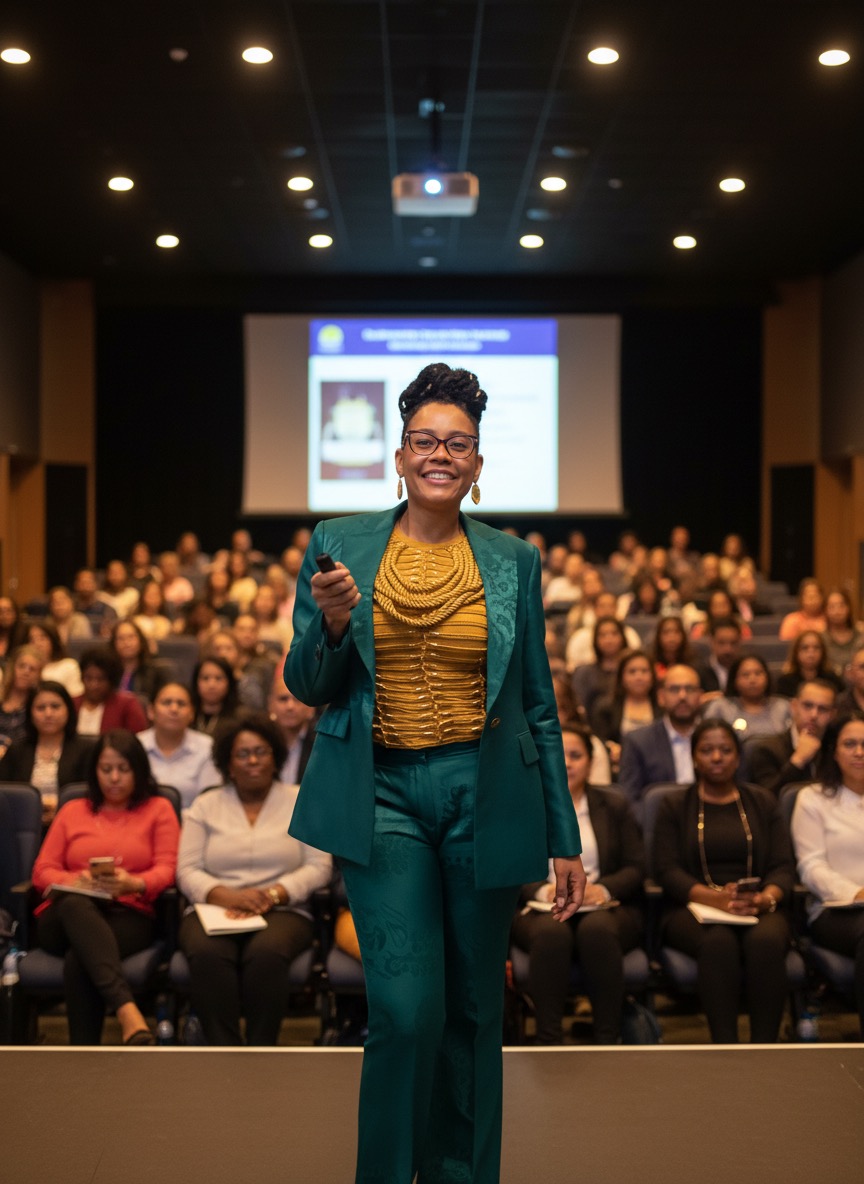
We’d love to hear a story of resilience from your journey.
I want to tell you about the moment I became Unhackable and how a hacker unintentionally gave me my greatest professional breakthrough.
It was December 2025. I had just begun a full rebrand of my nursing business with new imaging, new logos, new slogan, everything aligned for a $200 ad launch. On December 1st, I received two or three unsolicited password reset emails. I updated my password, added two-factor authentication, and believed I had handled it.
I had not handled it. I had confirmed I was worth pursuing.
What I did not know was that an attacker had been watching me for over a week by monitoring my Facebook Business Ad Manager activity, my rebrand content schedule, my posting times, and my exhaustion level based on activity patterns. They waited for the right moment. Not a random one.
On the night of December 7th, exhausted and working inside Ad Manager to update my EIN, bank account, and business information for the launch, I glanced at Meta’s blue check verification page and decided against it. Minutes later—minutes—a direct message arrived from a woman: “Click this to verify and sign up for your blue check.”
The phishing message worked because it mirrored my own thought from four minutes earlier. I was tired. I clicked. I filled out the form. The moment I hit submit, I knew.
By 6:47 AM on December 8th, my account had been permanently disabled. Not locked—permanently deleted. A hacker had submitted a false ID in my name and posted child exploitation content under my brand. No appeal process. No human to speak to. Final. 13,430 followers. Seven years of community building. Gone.
I want to be precise about what made this devastating: my entire business infrastructure ran through that platform. My travel nursing community. My course sales. My brand partnerships. My income. And the violation of having someone post that content under my name—under my face—was a kind of harm that is difficult to articulate to anyone who has not experienced it.
The first 24 hours were grief. The kind that feels like standing in a room where all the furniture has been rearranged and you keep walking into walls in the dark.
The next 24 hours were a choice.
By hour 48, I made a decision: I was not just going to rebuild my accounts. I was going to rebuild my mind. I was going to engineer systems so secure that this could never happen again—not to me, not to any nurse I had the reach to teach.
So that’s what I did. While managing the aftermath of the hack—the financial disruption, the community loss, the psychological whiplash of feeling violated and exposed—I spent hundreds of hours reverse-engineering cybersecurity protection systems. I studied behavioral psychology frameworks. I researched how healthcare workers specifically are targeted, exploited, and left unprotected not by accident, but by systemic neglect.
What I found stopped me cold.
Healthcare is the number one target for hackers, with the cost of a single American healthcare breach climbing to $10.22 million. There has been a massive surge in phishing attacks targeting healthcare versus other industries. The majority of nurses use personal devices for work-related communication and no one is training them for what that means. Protected health information is worth far more than a stolen credit card on the dark web. And 60% of successful breaches involve human error— social engineering, password theft—not technical failure.
This was not a niche problem. This was a crisis hiding in plain sight.
And there was not a single cybersecurity program on the market built specifically for nurses.
I did not have a cybersecurity certification. I want to be clear about that, because I believe in honest authority. What I had was something arguably more valuable in this context: I was a nurse who had been hacked, who understood exactly how decision fatigue at hour eleven of a twelve-hour shift makes you click a link you know you shouldn’t, who understood HIPAA liability from the inside, and who knew how to translate complex technical concepts into the plain English that actually changes behavior in the real world.
I became a peer, not an expert lecturing from a distance. I became a nurse who got hacked and refused to let it happen again.
The result was SAFE Nurse Academy—the only nurse-specific cybersecurity and HIPAA compliance program on the market, built around a framework I call Digital PPE. The same way you wouldn’t enter a patient’s room without gloves, you shouldn’t enter the digital world without protection.
The program is structured around the SAFE framework: Security, Accountability, Freedom, and Empowerment. Three core courses—CYBER SAFE: Layer Up, which builds the security foundation; CLICK SAFE: Triage the Threat, which trains threat detection and the Sacred Pause before every click; and HIPAA SAFE: Post Confidently, which gives nurses the tools to share their expertise online without fear of violations—plus a recovery course for nurses who have already been compromised. Built from lived experience, designed specifically for the way nurses actually think, work, and live.
And then I did something that no other nurse educator in this space has done: I submitted the entire curriculum for independent technical review by Kratos Core LLC, a cybersecurity firm staffed by professionals in the defense industrial base with over 60 years of collective experience and Department of Defense-level credentials. Their team validated every protocol in the curriculum, scored it across five dimensions—technical accuracy, audience calibration, threat currency, completeness, and behavioral architecture—and confirmed it as a technically sound initiative tailored to protect healthcare workers from the evolving digital risks of 2026.
What the hacker took from me in December 2025 was a platform.
What I built in its place was a movement.
That is the pattern I keep returning to in my life: the thing that was designed to diminish me becomes the foundation of something larger than what existed before. The breakdown at the nurses’ station became Stronger Nurse. The hack became SAFE Nurse Academy. The losses, over and over, have become the curriculum.
I think that is what resilience actually looks like—not the absence of being knocked down, but the refusal to let the floor be your final destination. Every time I have hit the ground, I have gotten up asking the same question: What does this make possible that didn’t exist before?
The answer, every single time, has been worth the fall.
Contact Info:
- Website: https://strongernurse.com
- Linkedin: https://linkedin.com/in/ashley-asberry
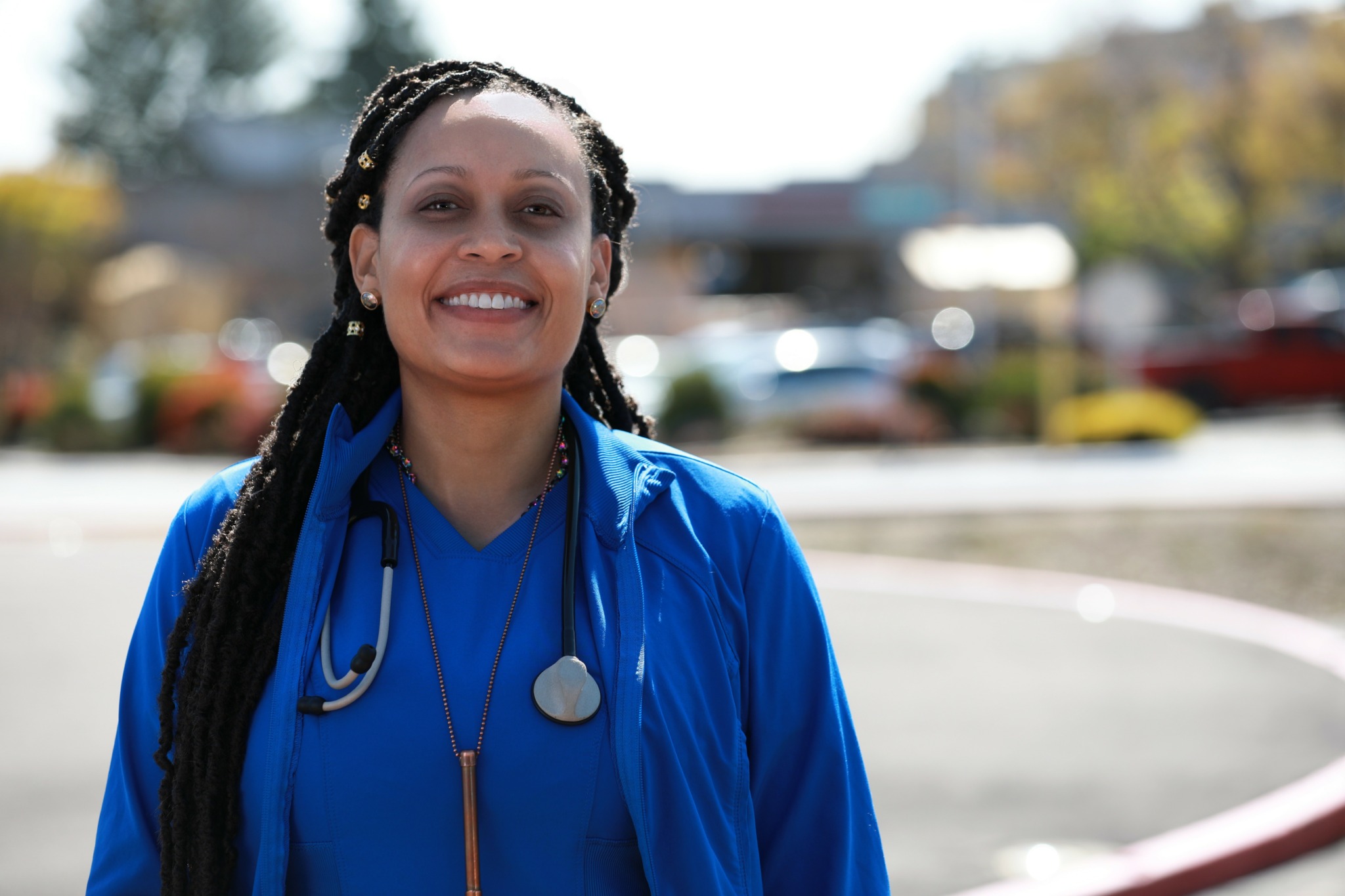
Image Credits
Taylor Boone- The Brand Alchemist