
We recently connected with Nancy Turner and have shared our conversation below.
Nancy, thanks for taking the time to share your stories with us today Risk taking is something we’re really interested in and we’d love to hear the story of a risk you’ve taken.
When I founded This Old Horse, there was absolutely no logical reason it should have worked.
I didn’t have a wealthy benefactor. I didn’t have a large facility. I didn’t have a blueprint for scaling an equine nonprofit. What I had were aging horses who needed somewhere safe to land — and a conviction that “no horse left behind” shouldn’t just be a slogan.
At the time, I was stepping into something that felt bigger than my resources, bigger than my résumé, and certainly bigger than my bank account. Rescue is expensive. Senior horses are expensive. Medically fragile horses are very expensive. And I chose to focus on exactly those horses.
People quietly (and sometimes not so quietly) suggested it wasn’t sustainable. That you can’t build an organization around the horses no one else wants. That there isn’t a funding model for the oldest, the broken, the complicated.
They were right — on paper.
But I believed two things very deeply: first, that horses who had given their best years deserved reverence at the end of their lives; and second, that if we told their stories honestly, people would respond.
So I took the risk.
I signed leases before I knew how I’d cover them. I said yes to horses before I knew where the next donation would come from. I built one relationship at a time — with veterinarians, farriers, volunteers, donors, adopters. I asked for help. A lot.
There were nights I lay awake doing math that didn’t quite add up. There were moments when I wondered if loving the horses was enough to hold the whole thing together.
But something remarkable happened.
People showed up.
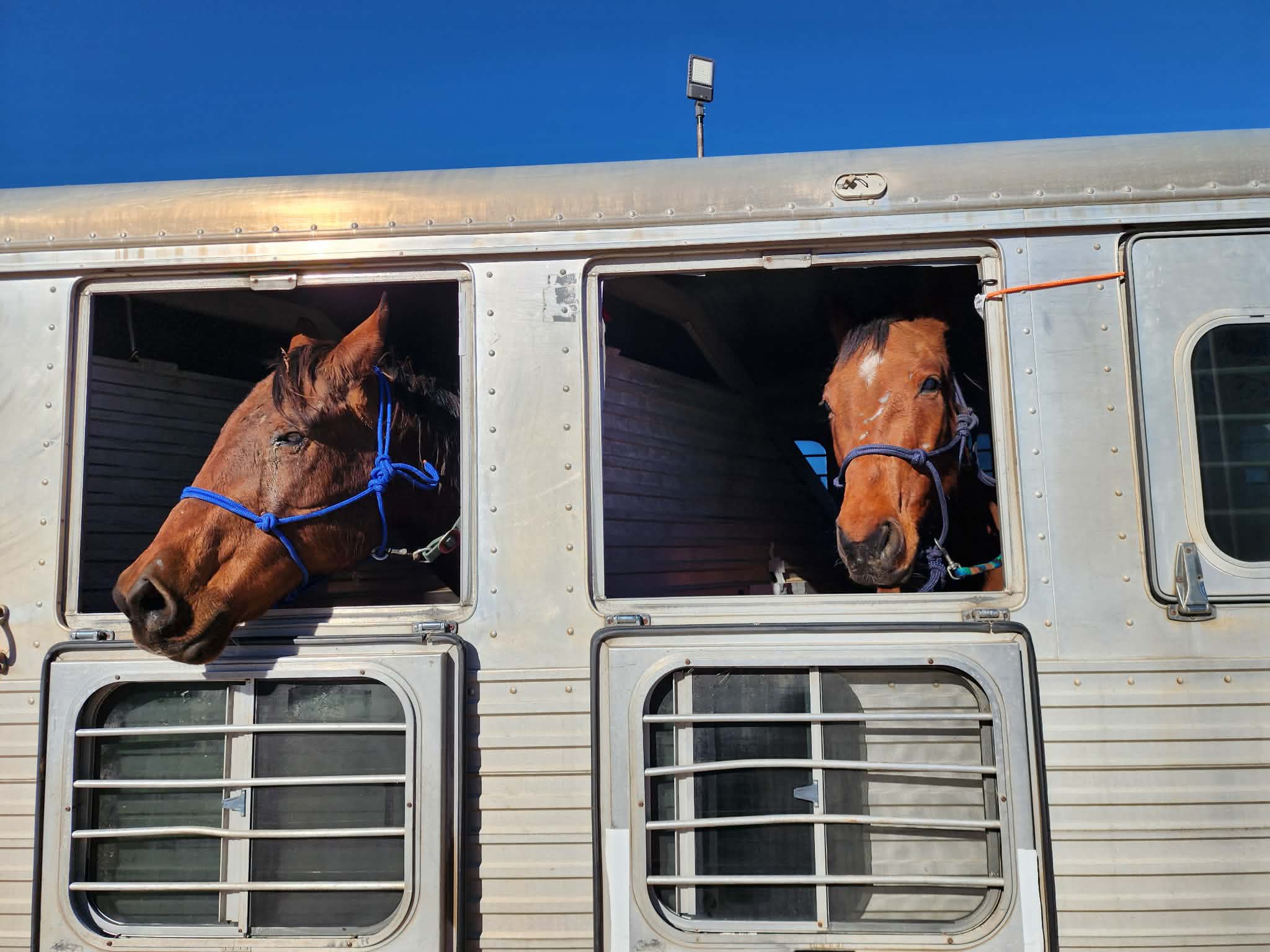
They showed up because they saw that this wasn’t about saving horses as a concept. It was about this mare. That gelding. The blind Haflinger. The retired broodmare. The 27-year-old Thoroughbred who had given everything to the sport.
One horse at a time, the impossible started to look sustainable.
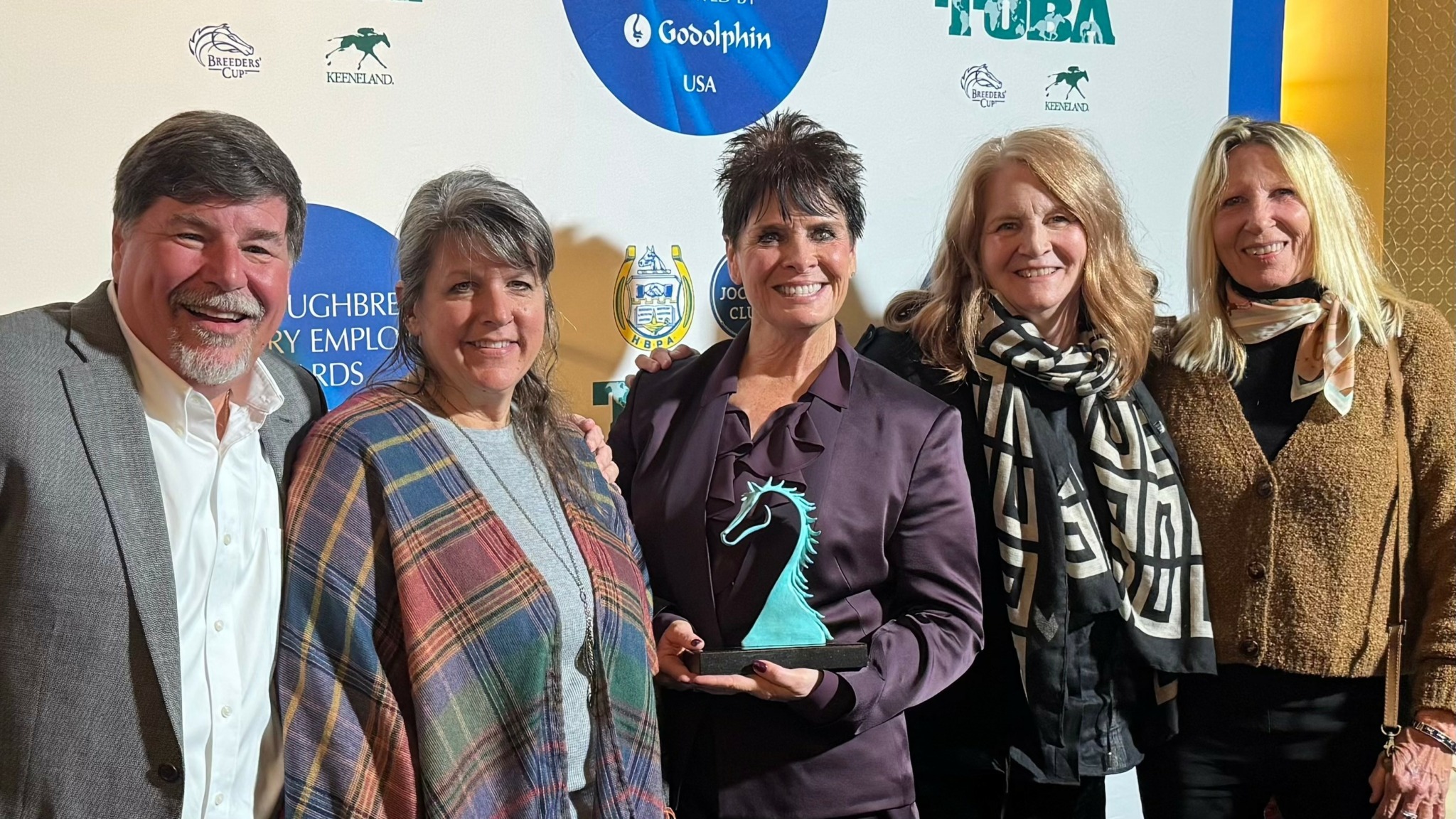
Today, This Old Horse has helped hundreds of horses transition from racing, breeding, neglect, and abandonment into safety. We operate across multiple facilities. We’ve built programs around retraining, sanctuary, equine-assisted learning. We’ve been recognized by the racing industry itself.
And yet, at its core, the risk remains the same: choosing compassion over caution.
The truth is, founding This Old Horse wasn’t a calculated business move. It was a moral one. It was betting that reverence still matters in a world that moves fast and discards easily.
It shouldn’t have worked.
But love is good. And sometimes, that’s enough to build something enduring.
Great, appreciate you sharing that with us. Before we ask you to share more of your insights, can you take a moment to introduce yourself and how you got to where you are today to our readers.
I didn’t set out to build an equine nonprofit. I set out to make sure one horse was safe.
That instinct — that no horse who had given their body and heart to humans should be discarded when they were no longer convenient — became This Old Horse.
Founded in 2012, This Old Horse focuses on rescue, rehabilitation, retraining, and dignified retirement for aging, injured, special-needs, and retired horses — particularly racehorses and broodmares. We provide structured intake, quarantine and biosecurity protocols, veterinary and farrier coordination, nutritional rehabilitation, retraining, adoption placement, and sanctuary when needed. Some horses move into second careers. Some remain with us for life. All are treated as individuals with history and worth.
We solve both practical and philosophical problems.
Practically, we provide a responsible pathway for horses who might otherwise fall through the cracks — especially older and medically fragile horses who are expensive and harder to place. Philosophically, we challenge the idea that usefulness equals worth.
What sets us apart is that compassion here is paired with operational discipline. We invest in biosecurity, documentation, individualized care plans, and consistent standards across multiple facilities. This isn’t rescue as spectacle. It’s stewardship.
I’m most proud of the horses who’ve come full circle — the retired racehorse who returns to the same track in a new discipline, strong and joyful — and of the community that shows up to make that possible.
If there’s one thing I want people to understand about our brand, it’s this: love is not naïve.
Love is structured. Love is accountable. Love is sustainable.
And when done well, love is good.
We’d love to hear a story of resilience from your journey.
There was a moment when I almost quit.
Her name was Pippi.
When she arrived, she was so close to death it was hard to comprehend how she was still standing. Starved. Neglected. Hollowed out by time and indifference. And still — I believed we could get her back.
We built her back carefully. Measured refeeding. Veterinary oversight. Soft bedding. Quiet routines. And slowly, she began to change.
There was a clarity returning to her gaze. A steadiness. The kind of look that says, I’m still here.
For a while, it felt like we were winning.
The next morning she was down.
I knelt beside her in the stall, weeping, begging her to try. She looked at me so calmly. No panic. No fear. Just a softness I will never forget. She was not afraid.
I was.
I remember looking at her and asking myself a question that felt almost unbearable: Do I want this more than she does?
Because sometimes in rescue, we are fighting for life with everything we have — and we have to be honest about whether the horse is still fighting too.
We let her go.
Afterward, I sat in the barn and thought, this is too sad. I wondered if I was naïve to believe we could undo that kind of damage. I wondered if hope had crossed into hubris.
Resilience isn’t tested when the horse recovers. It’s tested when you give everything — skill, structure, love — and still have to say goodbye.
What kept me from quitting was looking down the aisle at the other horses. They were eating. Breathing. Waiting. They still needed someone to believe in them. Not blindly. Not recklessly. But bravely.
Pippi taught me that love does not mean we control the ending. Sometimes love means knowing when to stop fighting for them — and start protecting them from more struggle.
Resilience, for me, has been learning to hold hope with humility. To grieve without closing off. To unlock the barn door the next morning even when my hands are shaking.
Love is good.
Even when it asks everything of you.
What do you think helped you build your reputation within your market?
I believe our reputation has been built on steadiness, transparency, and a conscious decision not to lead with judgment.
When a horse comes to us, we don’t spend energy criticizing the circumstances that led them here. Every situation has context — economic pressure, injury, inexperience, shifting life events. Blame doesn’t help the horse. Solutions do. From the beginning, we made it clear that we are partners, not prosecutors.
That mindset has allowed us to build strong relationships with industry partners, breeders, trainers, owners, and adopters. People know they can call us before a situation becomes a crisis. They know they won’t be shamed — they’ll be met with a plan. Over time, that has built trust across sectors that don’t always communicate well with one another.
Operationally, we’ve paired that collaborative tone with disciplined standards: structured intake protocols, veterinary oversight, biosecurity measures, detailed documentation, and thoughtful placement pathways. We focus on doing the work well and consistently.
We also communicate honestly — about costs, setbacks, limitations, and outcomes. That transparency reinforces credibility.
In this space, reputation isn’t built by being the loudest voice. It’s built by being reliable, solution-oriented, and respectful — even when emotions are high.
We’ve chosen to be a bridge.
And over time, that has made people willing to walk across it with us.
Contact Info:
- Website: https://www.thisoldhorse.org
- Instagram: thisoldhorse
- Facebook: https://www.facebook.com/ThisOldHorse/