

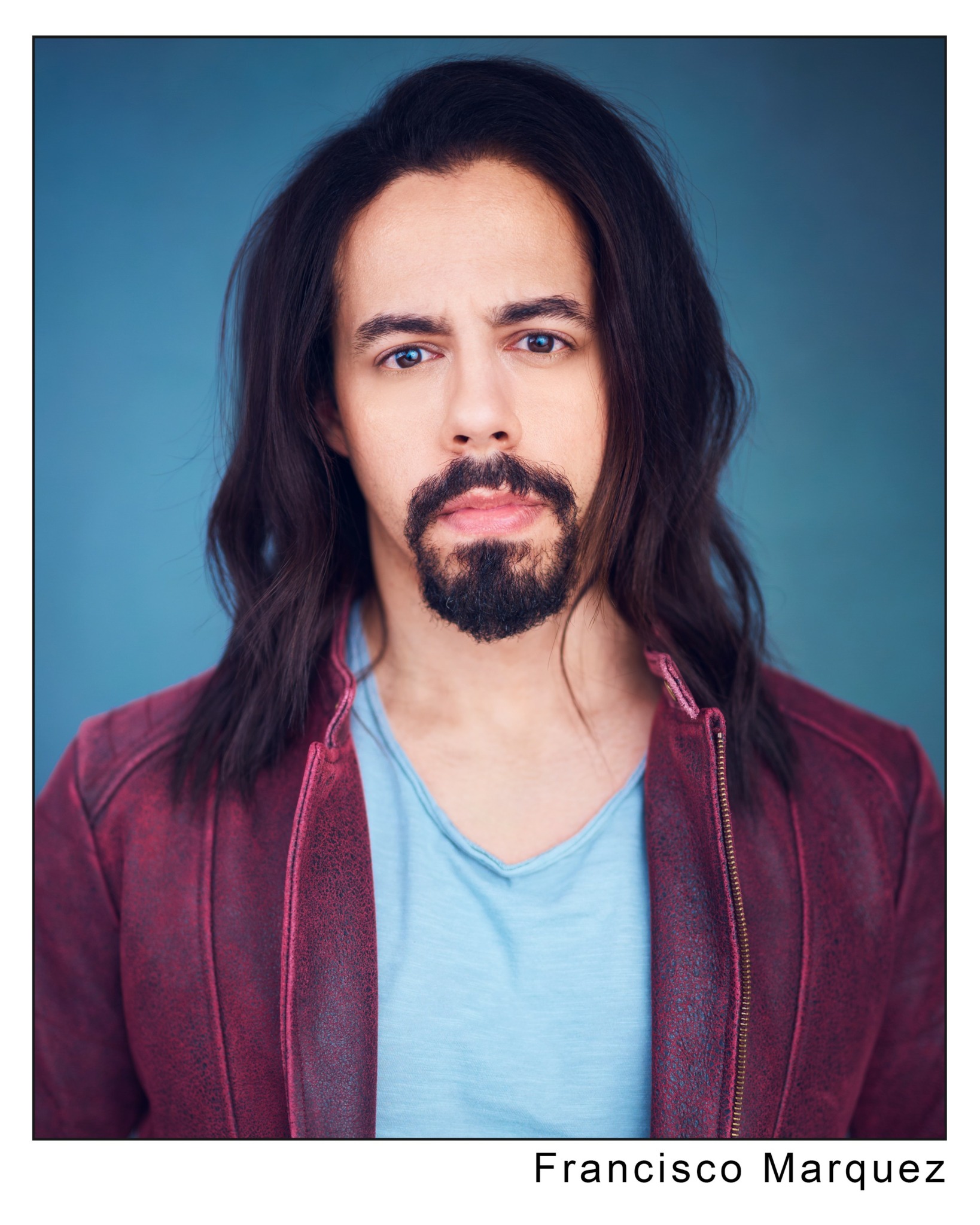

We recently connected with Francisco Marquez and have shared our conversation below.
Hi Francisco , thanks for joining us today. What’s been the most meaningful project you’ve worked on?
Honestly, the most meaningful project I’ve worked on isn’t a film — it’s something I built for myself called Off Script.
Two Sins was a turning point. Playing Liam forced me to explore projection — the parts of ourselves we split off to survive. That role didn’t end when the cameras stopped. It stayed with me.
What I started realizing is that acting isn’t just about booking work. It’s about surviving the space between the work. The identity shifts. The rejection. The financial pressure. The constant reinvention.
Nobody really teaches you how to handle that.
So I started building a framework for myself — something that kept me grounded while everything else felt unstable. That turned into a philosophy, then a book, then eventually an app.
I built it during a period that wasn’t glamorous. I was balancing creative ambition with real-world pressure. So it wasn’t theoretical — it was practical.
That’s why it’s meaningful.
It represents a shift from waiting for opportunity… to building internal structure. From just performing roles… to understanding the psychology behind why we perform at all.
That evolution means more to me than any single credit.
At a certain point I stopped chasing roles… and started building the system that could survive them. And I think I was only able to do that because I was finally in the right place — creatively and personally — to make it happen.
Awesome – so before we get into the rest of our questions, can you briefly introduce yourself to our readers.
I got into this industry the same way a lot of people do — through fascination first.
I was always drawn to characters… to transformation… to the idea that you could step into someone else’s skin and understand the world from a completely different emotional lens. Acting felt like one of the few places where intensity, contradiction, and vulnerability were actually useful instead of something you had to hide.
Over time, it stopped being a hobby and became something deeper — almost like a psychological excavation. I wasn’t just playing roles anymore… I was learning how to live inside them— And how they lived inside me.
Most of my work has lived in that space — emotionally driven, character-heavy storytelling. I tend to gravitate toward roles that are volatile, fractured, or morally complex. People who are trying to hold themselves together while everything underneath is unraveling.
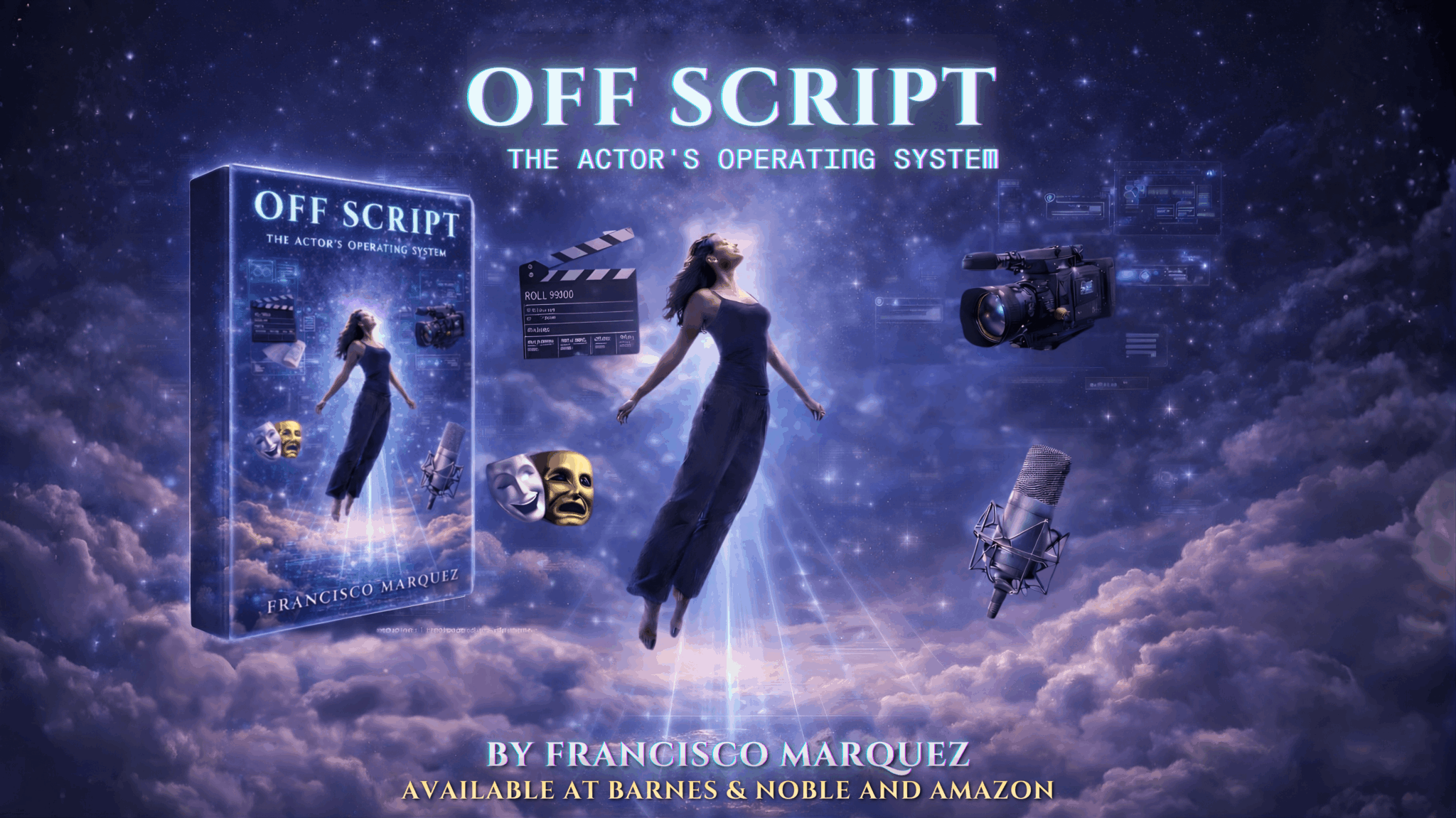
Outside of acting, that same instinct to build and explore led me into producing, voice work, writing — and more recently creating my book and platform Off Script: The Actor’s Operating System.
That project came out of necessity more than ambition. I started the work during a dark period of my life.
I realized a lot of actors — myself included — were trying to survive an industry without any real psychological infrastructure. We’re taught how to perform… but not how to endure. Not how to process rejection, identity bleed, burnout, or creative isolation. How to manage the mental framework during the lonely periods.
So I built something I wish existed when I started — a framework for the inner life of the artist, not just the external career.
That’s probably the through-line in everything I do:
Whether it’s a film performance, a voice role, or the book — I’m interested in the internal architecture of people. What drives them. What breaks them. What rebuilds them.
If there’s anything I’m proud of, it’s that I’ve never approached the craft superficially. I’ve always been willing to go inward, even when it’s uncomfortable — because that’s where the truth usually lives.
And I think audiences can feel the difference when something comes from that place versus when it’s just performed on the surface. You can’t fake that.
Is there mission driving your creative journey?
I think my mission has evolved over time.
Early on, it was simpler — I just wanted to act. I was fascinated by transformation… by the idea that you could step into someone else’s psychology and live there for a while. That alone felt powerful to me. I loved losing myself in it.
But the longer I stayed in the industry, the more I realized the work isn’t just external — it’s internal too.
There’s the craft of performance… and then there’s the craft of endurance.
Rejection. Identity bleed. Creative burnout. Long periods of silence where you’re questioning your worth, your trajectory, your sanity a little bit. That psychological side of the journey isn’t talked about enough — but it’s where most artists either fracture or evolve.
So my mission started shifting from just performing characters… to understanding the internal architecture behind the people who play them.
That’s what eventually led me to create my book and platform, Off Script: The Actor’s Operating System.
It came out of a period where I realized a lot of us were trying to survive this industry without any mental framework — no system for processing the emotional weight that comes with the craft. The day to day stuff for an actor.
We’re taught how to act… but not how to endure being an actor.
So the mission now is twofold:
To continue exploring psychologically complex characters in my performances…
and to build tools, frameworks, and conversations that help other creatives sustain themselves mentally while doing the work they love.
Because longevity in this industry isn’t just about talent — it’s about psychological infrastructure.
And that’s the part I’m most interested in building now.
Are there any resources you wish you knew about earlier in your creative journey?
Honestly, the biggest resource I wish existed earlier wasn’t technical — it was psychological.
There are endless classes that teach you how to access emotion… how to hit marks… how to break down a script.
But almost nothing prepares you for what this work does to your identity over time.
No one talks about rejection at scale — or what it does to your confidence when you’re repeatedly putting your inner life on display and hearing “no.”
No one teaches you how to decompress after emotionally heavy roles… or how to separate your own psychology from the characters you inhabit.
And almost no one explains how to survive the long quiet stretches — the months, sometimes years, when momentum slows and you’re left alone wondering if you’re still on the right path.
I once went three and a half years without a single audition.
What I needed back then wasn’t another acting class.
I needed frameworks for resilience.
Mental conditioning.
Creative endurance.
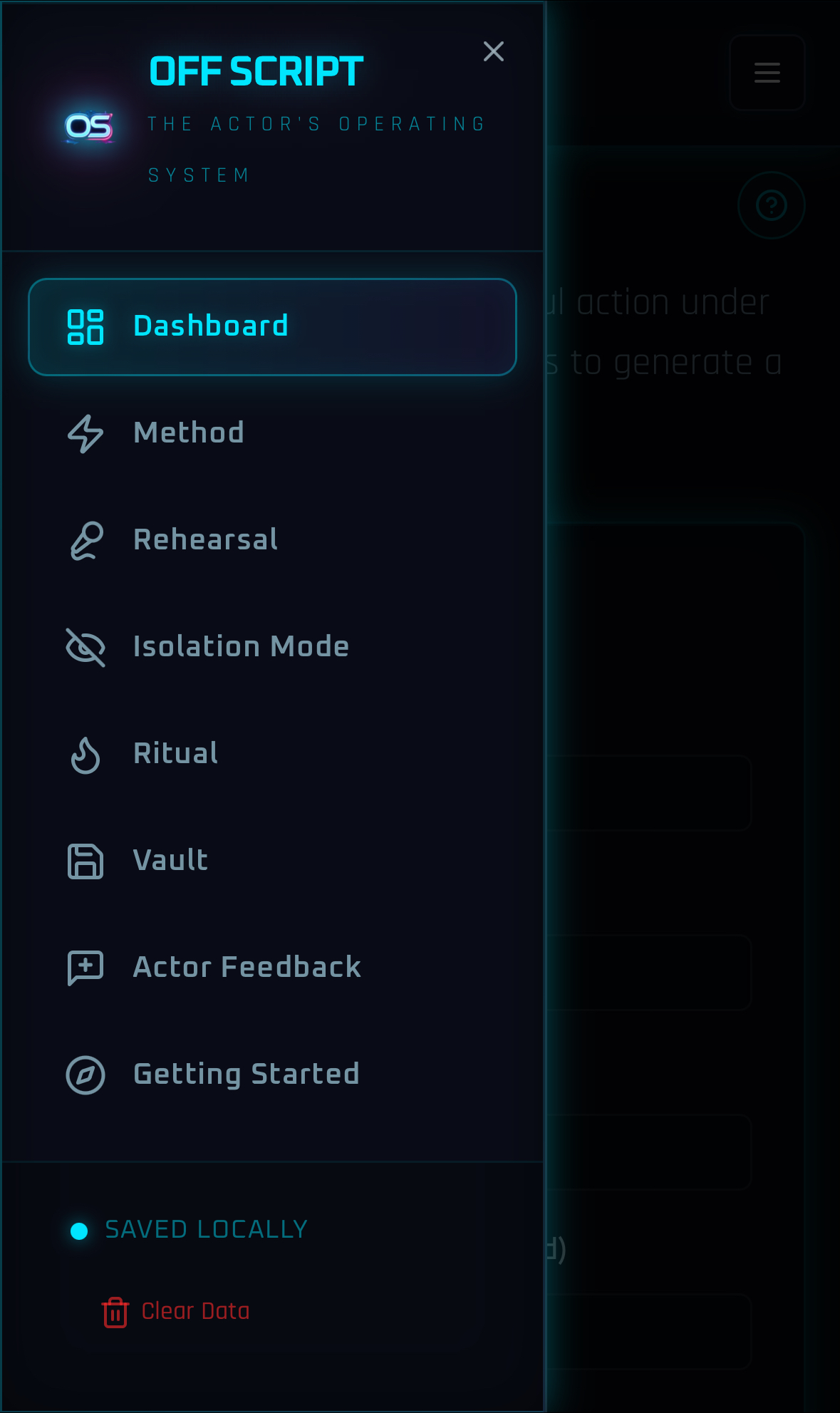
That realization is what led me to build Off Script.
I wanted to create the resource I wish I had — something focused not just on external career mechanics, but on the internal life of the artist.
Because most careers in this industry don’t end from lack of talent.
They end from psychological burnout long before people reach their ceiling.
If there’s one resource I wish I had earlier, it’s this:
Protecting your mental framework is just as important as sharpening your craft.
And maybe the irony is — if I had it sooner, I never would’ve built it.
Sometimes the absence is what forces you to become the thing you needed most.
Contact Info:
- Website: https://www.franciscomarquez.actor
- Other: IMDb:
https://www.imdb.com/name/nm4100263OFF SCRIPT™ Platform:
https://offscriptactor.comOFF SCRIPT™ : The Actor’s Operating System (Book):
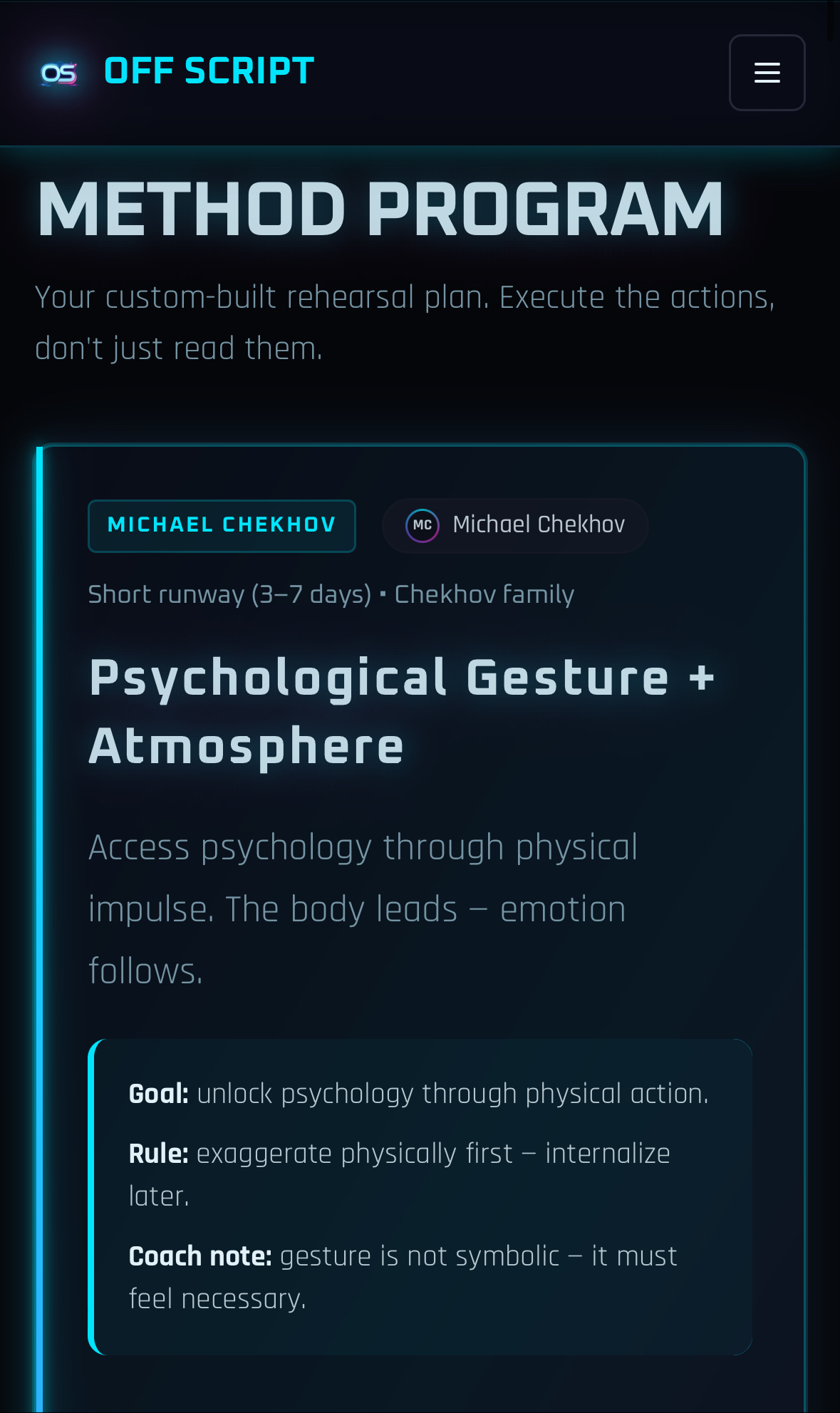
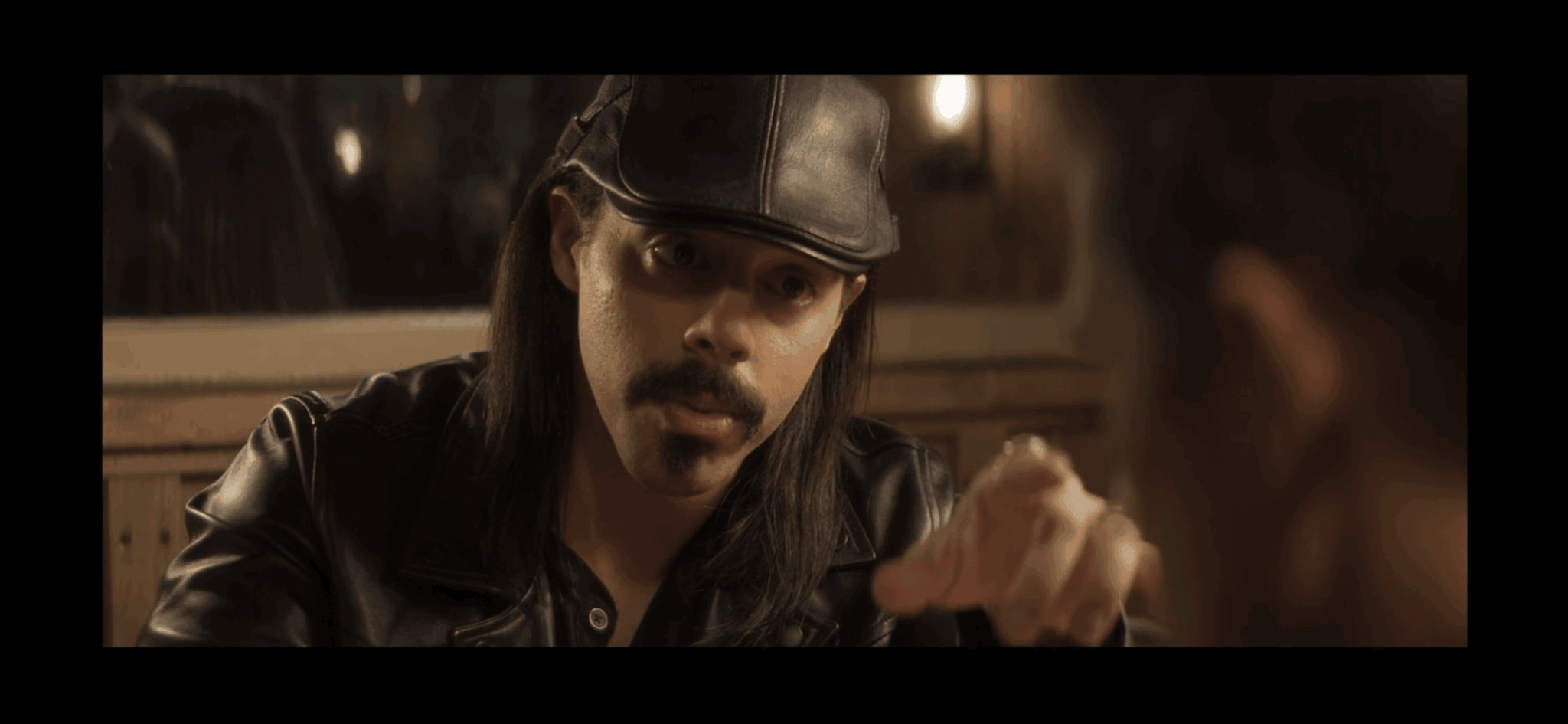
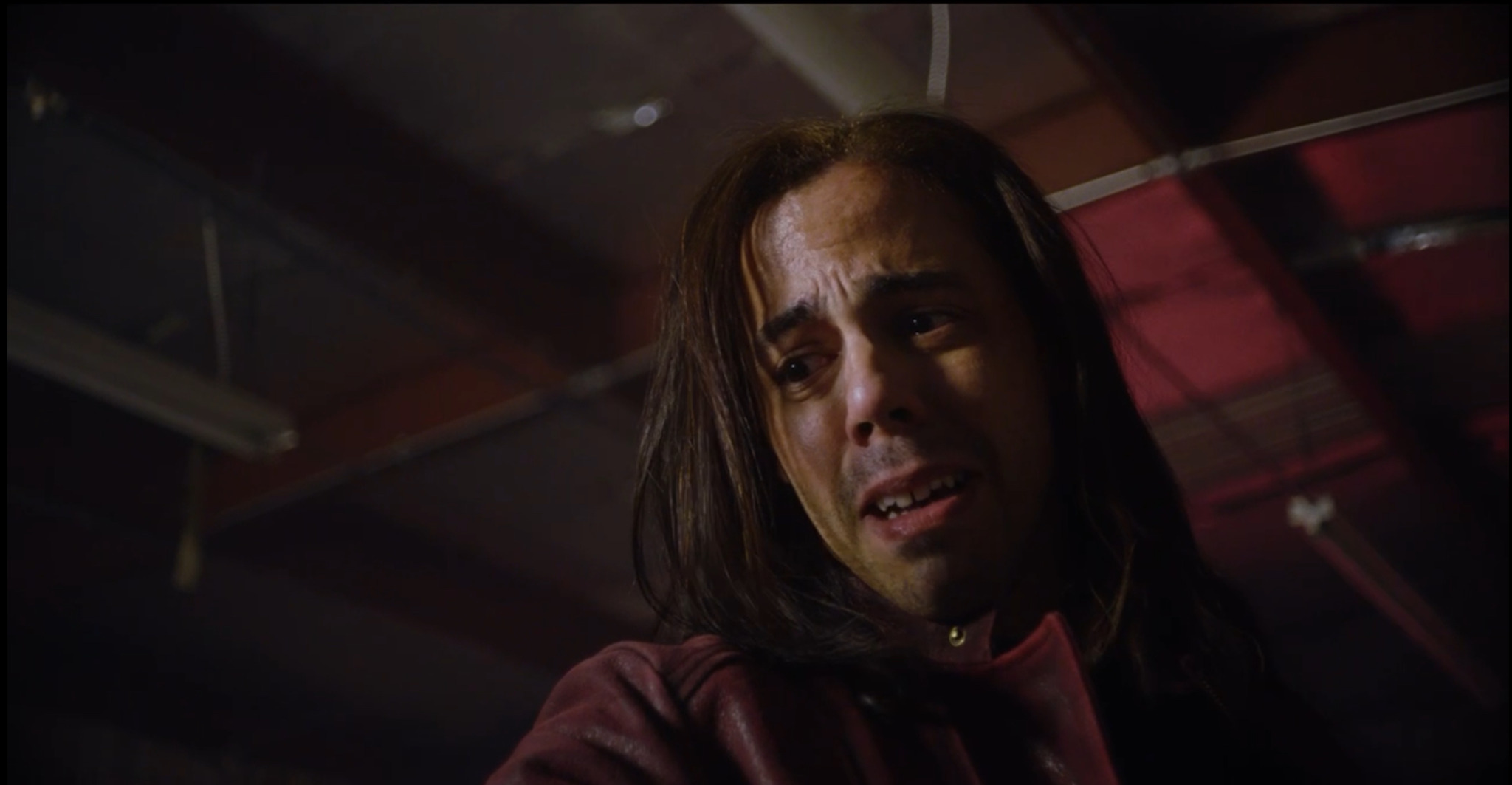
Image Credits
Anthony Grassetti
Takaya Kawasaki