

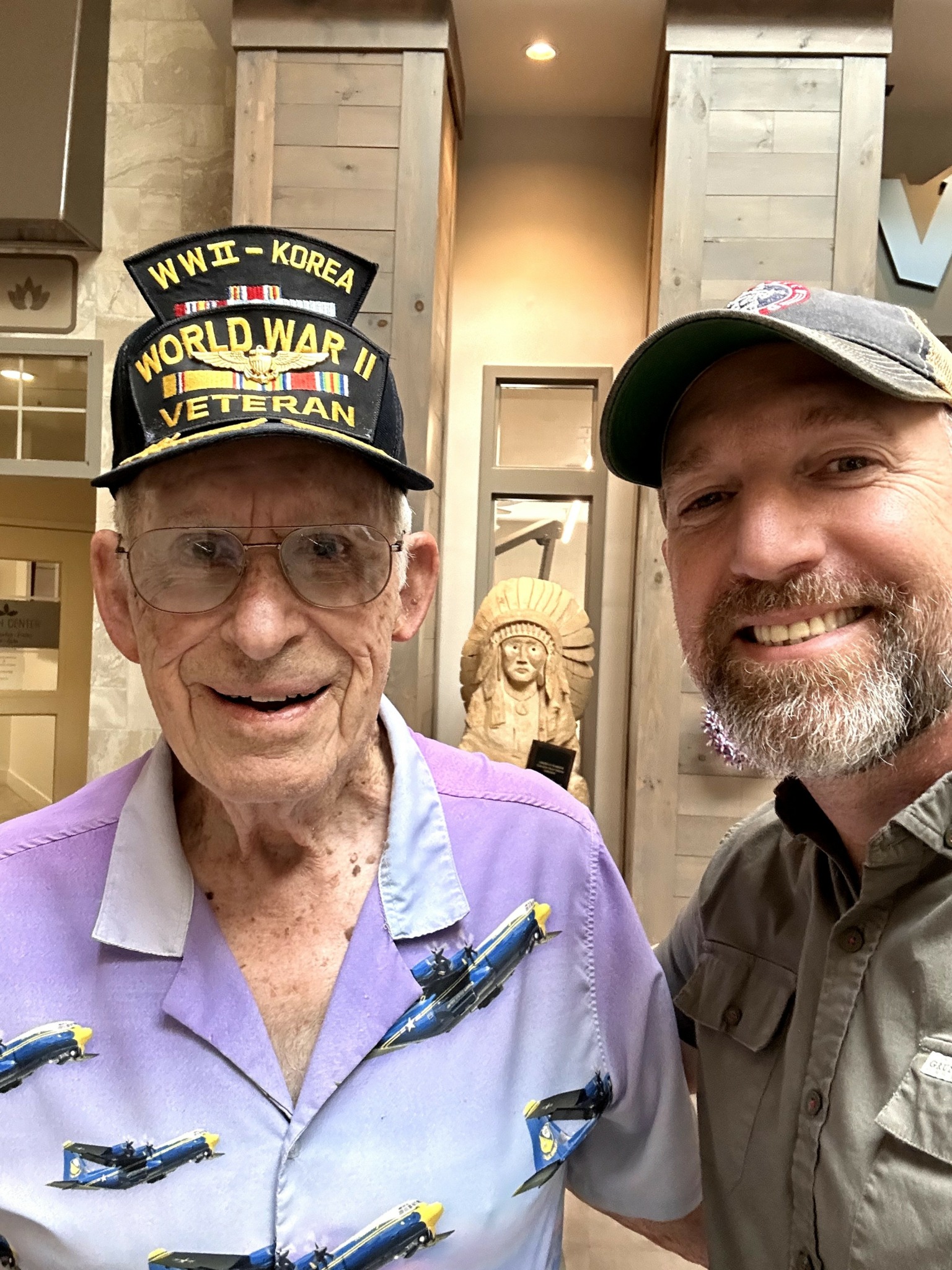

We were lucky to catch up with Mike Byer recently and have shared our conversation below.
Alright, Mike thanks for taking the time to share your stories and insights with us today. Often outsiders look at a successful business and think it became a success overnight. Even media and especially movies love to gloss over nitty, gritty details that went into that middle phase of your business – after you started but before you got to where you are today. In our experience, overnight success is usually the result of years of hard work laying the foundation for success, but unfortunately, it’s exactly this part of the story that most of the media ignores. Can you talk to us about your scaling up story – what are some of the nitty, gritty details folks should know about?
From my perspective as Executive Director of Operation Song, the idea of “overnight success” could not be further from the truth. What people see today, thousands of songs written with veterans across the country, strong corporate partners, and national visibility, is the result of years of disciplined work, experimentation, and a lot of lessons learned the hard way.
The Early Foundation
Operation Song was founded by Grammy-nominated songwriter Bob Regan with a simple idea: pair professional songwriters with veterans so they could turn their stories into songs. The concept was powerful from the beginning, but powerful ideas alone do not scale organizations.
When I came into the role of Executive Director, the mission was clear, but the structure needed to grow. We had to move from a passionate project to a durable national nonprofit.
Scaling the Mission
Several strategies allowed us to scale responsibly:
1. Systematizing the Program Model
We refined a repeatable process for songwriting sessions, retreats, and virtual sessions. The key was ensuring that every veteran experience felt personal while still allowing the program to operate nationally.
2. Building a Network of Professional Songwriters
The quality of the songs matters. We focused on recruiting respected Nashville songwriters who understood both storytelling and the responsibility of working with veterans. That network became the backbone of the program.
3. Creating Measurable Impact
Nonprofits grow when donors clearly understand the impact. In our case, the impact is tangible: a veteran’s story becomes a permanent song. That clarity helped us communicate value to partners and donors.
4. Strategic Partnerships
Scaling required partners who believed in the mission. Corporate partners, veteran organizations, and music industry leaders helped expand our reach and credibility. Those partnerships did not happen overnight; they came from years of relationship building.
Obstacles and Hard Lessons
Growth also came with challenges.
Funding instability was one of the earliest obstacles. Passion does not pay for travel, recording, or songwriter stipends. We had to build sustainable funding models while protecting the integrity of the program.
Operational growth was another challenge. Expanding into multiple states required governance, advisory boards, and local leadership. Without structure, growth becomes chaos.
Message discipline also mattered. We learned that the story must stay focused on the veterans, not the organization. The song is the outcome, but the veteran’s story is the mission.
The Turning Points
A few moments accelerated our growth.
The realization that every song is both a healing experience and a historical record.
The expansion beyond Nashville to a national footprint.
The development of corporate partnership programs that allow businesses to directly sponsor songs for veterans.
These shifts helped transform Operation Song from a small initiative into a national organization.
Where We Are Today
Today Operation Song has helped veterans and military families write more than 2,700 original songs. Each one preserves a real story of service.
Our current mission reflects that growth. As the nation approaches its 250th anniversary, we have set a goal to write 250 songs for 250 years of American service. Every one of those songs represents a veteran whose story might otherwise go untold.
The Real Scaling Story
The reality behind growth is rarely glamorous. It is years of:
refining programs
building trust with partners
solving financial challenges
learning from mistakes
and staying relentlessly focused on the mission
Scaling Operation Song was never about growing the organization for its own sake. It was about making sure that more veterans had the opportunity to tell their stories.
And if we do our job right, the organization will continue to grow, one veteran, one story, and one song at a time.
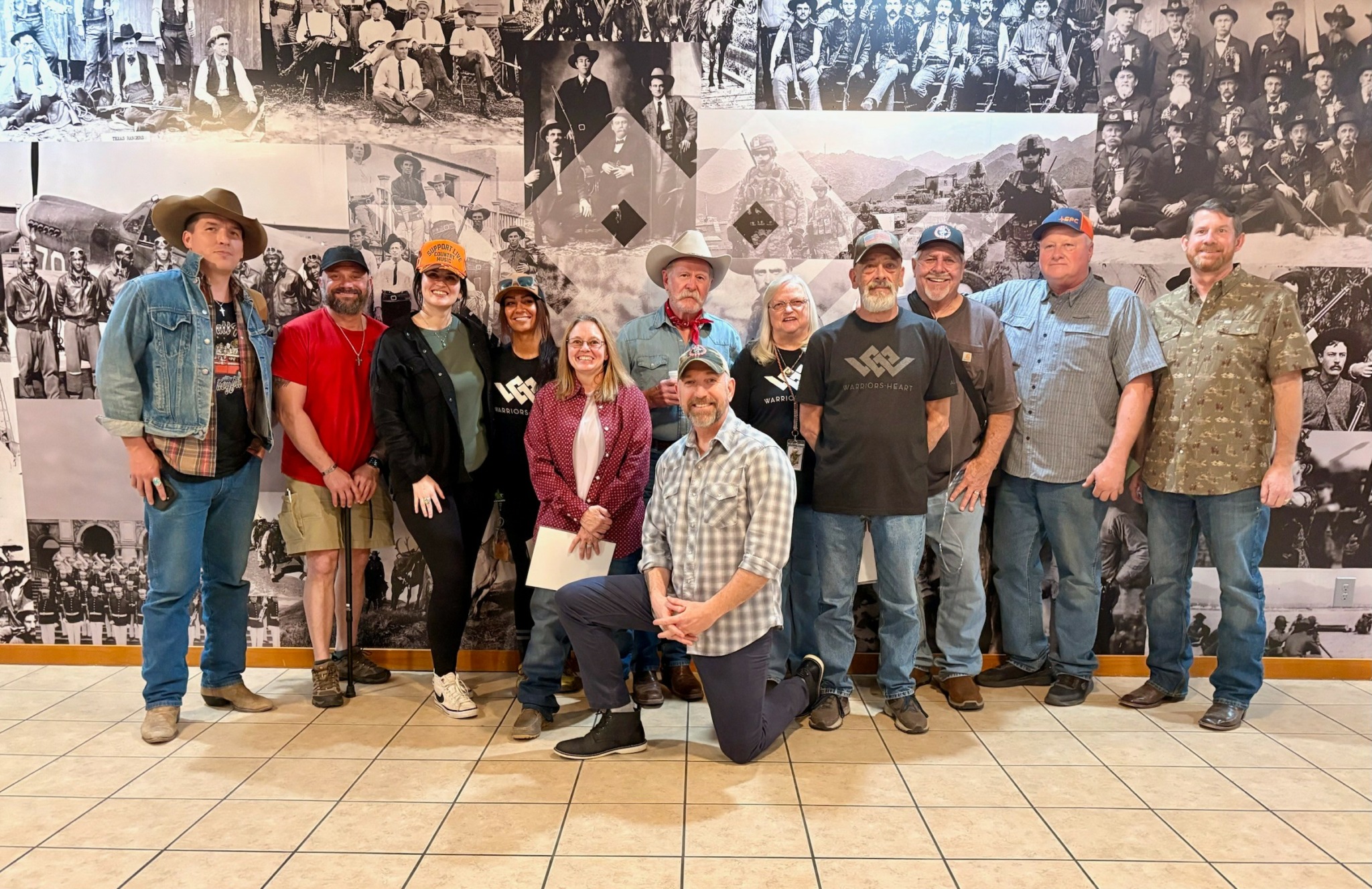
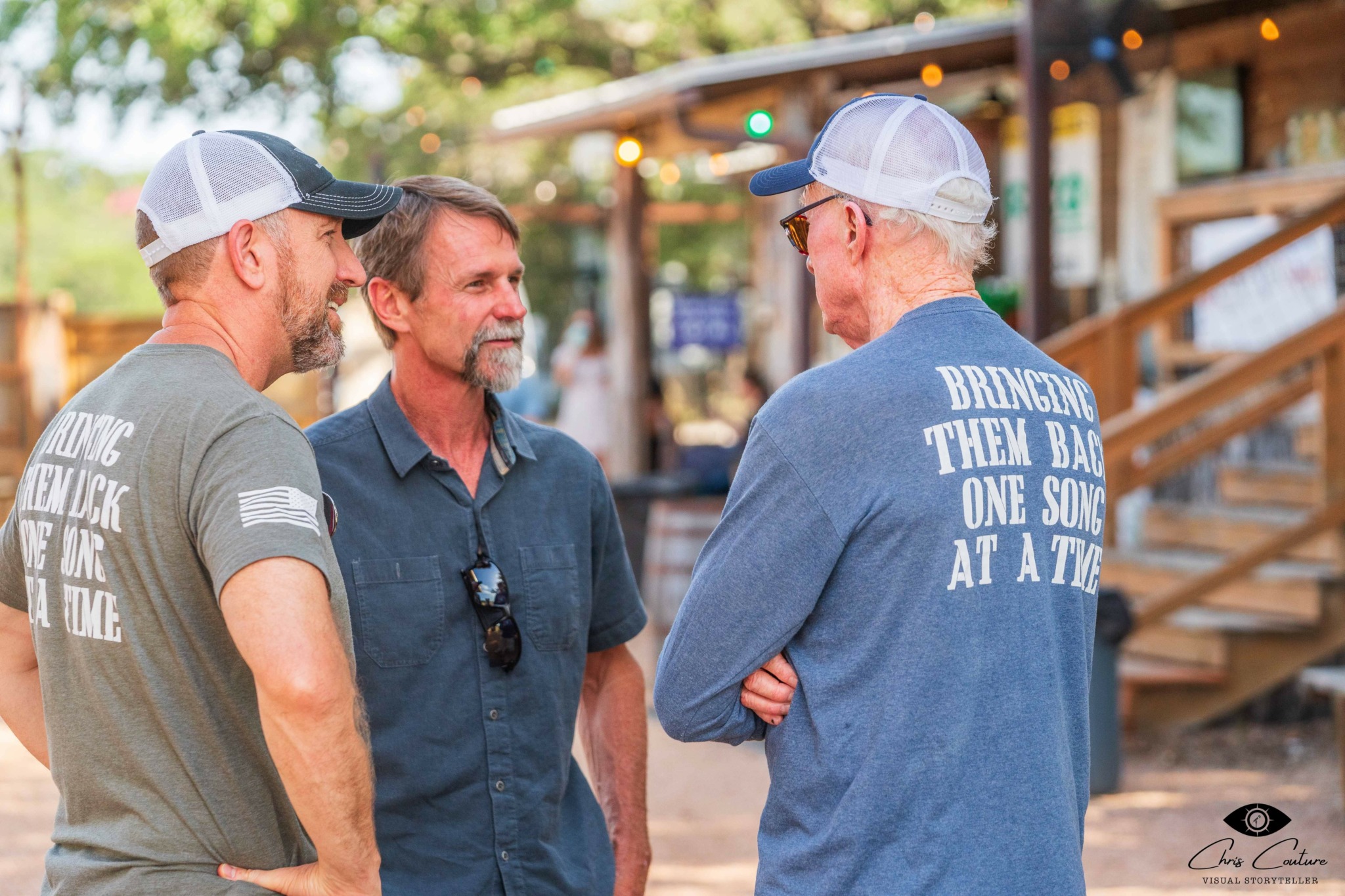
Mike, love having you share your insights with us. Before we ask you more questions, maybe you can take a moment to introduce yourself to our readers who might have missed our earlier conversations?
I’m the Executive Director of Operation Song, a national nonprofit that helps veterans, active-duty service members, and military families turn their experiences into original songs. Our mission is simple: preserve the stories of those who served and help bring them back, one song at a time.
Before stepping into this role, I spent much of my life in uniform. I served in both the Air Force and the Army, eventually retiring as a First Sergeant after deployments to Iraq and Afghanistan. Like many veterans, I carried the experiences of service quietly. Military culture often teaches you to push forward and not dwell on what you’ve been through.
My connection to Operation Song started long before I became Executive Director.
I attended one of the organization’s early retreats in Nashville as a veteran participant. During that retreat I sat down with two incredible Nashville songwriters, Travis Meadows and Marc Beeson, and we wrote a song about a very personal moment in my life. I was retiring from the Army at the same time my son was preparing to join the military.
That moment of transition, one generation stepping away from service while another stepped into it, carried a lot of emotion. Writing that song forced me to talk about things I had never really put into words before.
What struck me most was how different the experience was from what many people think of as “healing.” It wasn’t clinical. It wasn’t structured therapy. It was simply a conversation that became a song. But through that process, I realized how powerful music could be as an alternative way for veterans to process their experiences.
That retreat changed my perspective on music and storytelling.
At the time I was also a songwriter and musician myself, so I understood the creative side of the process. But seeing how it affected the veterans in the room was something entirely different. I watched people who had carried their stories for years suddenly find a voice.
That experience stayed with me.
When the opportunity came to help lead the organization, I already understood the impact firsthand because I had lived it. I had sat in the chair as the veteran telling the story.
Operation Song was founded by Grammy-nominated songwriter Bob Regan, who had the vision to bring professional songwriters together with veterans to create songs based on their real experiences. What started as a small idea has grown into a national program.
Today, Operation Song facilitates songwriting sessions across the country and virtually, pairing veterans with professional songwriters from Nashville’s world-class songwriting community. Together they create songs that capture real experiences from military life and service. Those songs are recorded and preserved so the stories are never lost.
To date, Operation Song has helped veterans and military families write more than 2,700 original songs.
What sets Operation Song apart is the authenticity of the process. These songs are not symbolic or generalized. They are real stories told in the veteran’s own words, shaped into music with the help of professional songwriters. In many ways, they become living historical records of service.
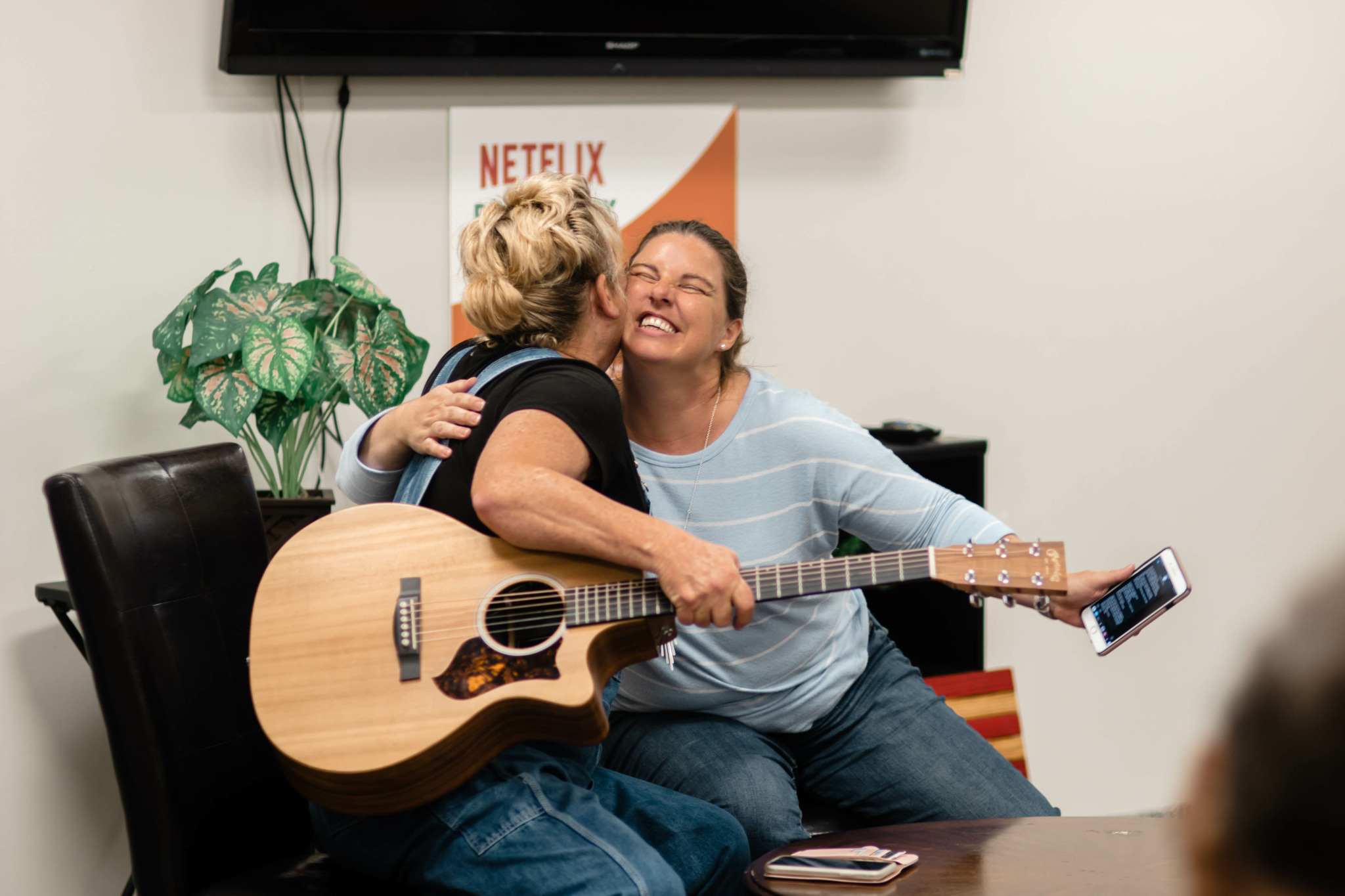
The thing I’m most proud of is watching veterans realize their story matters. Many walk into a session believing their experience isn’t important enough to share. By the end of the day, they’re often standing in front of a room performing a song about their life, sometimes for the first time.
As our country approaches its 250th anniversary, Operation Song is on a mission to write 250 songs honoring 250 years of service to our nation. Each song will represent a real veteran and a real story preserved through music.
For me, this mission is deeply personal. I didn’t come to Operation Song as an executive looking for a cause. I came as a veteran who sat down to tell his story and watched it turn into a song. That experience showed me that music can open doors for veterans that many of us didn’t even realize were closed.
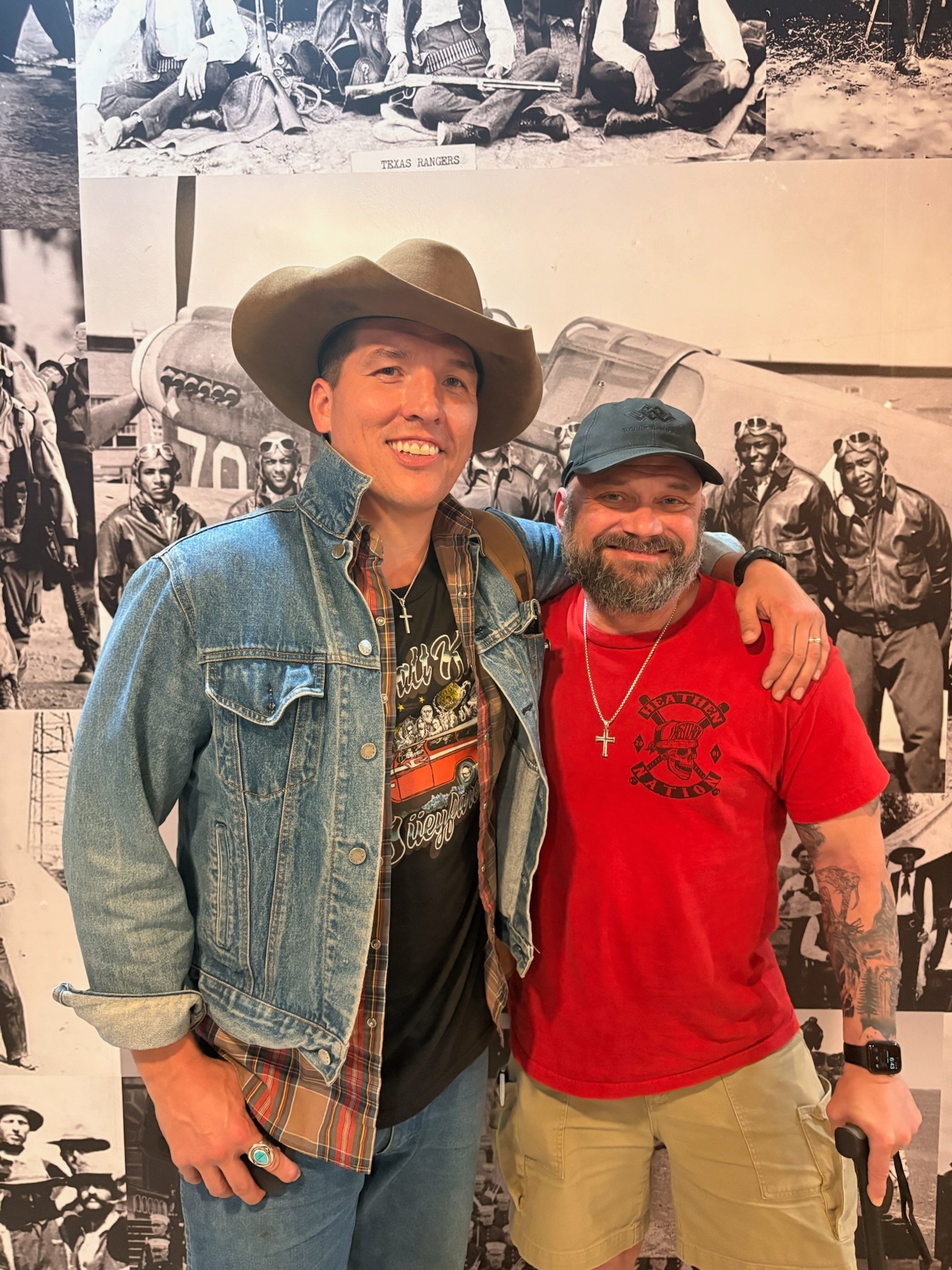
Do you have any insights you can share related to maintaining high team morale?
My leadership approach today is heavily shaped by what I learned during my time in the Army. I served as a First Sergeant, and that role teaches you very quickly that leadership is not about authority. It is about responsibility.
When you lead soldiers, you are responsible for far more than their performance at work. You have to understand who they are as people. You need to know their strengths, their struggles, what is happening in their families, and what pressures they are carrying outside of the uniform. If you do not know those things, you cannot lead them effectively.
The reason that level of involvement matters in the military is simple. You are asking those individuals to trust you with their lives. You are asking them to stand beside you in situations where failure has real consequences. In the Army, second place does not mean you tried hard and learned a lesson. Second place means someone has been seriously hurt or killed.
That reality shapes how you lead.
The most important lesson I carried with me from the Army is that people will follow leaders who genuinely care about them. Not leaders who say they care, but leaders who consistently demonstrate it through their actions. When soldiers know you are invested in their well-being, they will move mountains for you.
I carry that same philosophy into my role as Executive Director of Operation Song.
Just like in the military, the position I hold is not for my benefit. Rank and leadership authority are tools meant to serve the people you lead. My job is to remove obstacles, create opportunities, and make sure the team has what they need to succeed.
In our organization that responsibility extends beyond just staff. I have to lead and support a wide ecosystem that includes our songwriters, volunteers, corporate partners, advisory boards, donors, and most importantly the veterans and families we serve.
That is a significant responsibility, and it requires the same leadership fundamentals I relied on in the Army.
A few principles that guide how I manage teams and maintain morale
1. Know your people beyond their job description
People want to be seen as individuals, not just roles. Taking the time to understand what motivates someone, what challenges they are facing, and what they care about builds trust that cannot be manufactured later.
2. Mission clarity matters
In the Army, every soldier understands the mission. The same applies in a nonprofit. When people clearly understand why the work matters, morale improves because their effort has purpose.
3. Standards must be consistent
Compassion does not mean lowering standards. In fact, the opposite is true. When expectations are clear and applied consistently, people feel secure in the structure of the organization.
4. Leaders absorb pressure so their teams can perform
One of the most important roles of leadership is shielding the team from unnecessary chaos. Leaders take the pressure, process it, and present a clear path forward.
5. Recognition is critical
In the Army we celebrate accomplishments because they reinforce the behaviors and values that keep units strong. The same applies in any organization. Recognizing contributions builds pride and ownership.
Applying those lessons to Operation Song
At Operation Song the mission is deeply personal for many of us. We are not simply running programs. We are helping veterans and their families tell stories that will preserve their legacy for future generations.
Because of that, leadership has to be grounded in empathy and respect. Many of the people we work with carry heavy experiences. The environment we create has to reflect trust and authenticity.
The Army taught me that leadership is not about being the most visible person in the room. It is about creating an environment where everyone else can succeed.
If the staff, songwriters, volunteers, and partners around me feel valued, supported, and connected to the mission, morale takes care of itself. And when morale is strong, organizations can accomplish far more than they ever imagined.
How do you keep in touch with clients and foster brand loyalty?
At Operation Song, staying connected with the people who support our mission is not something we treat as a marketing exercise. It is about building a community around the veterans and families we serve. Loyalty grows when people feel like they are genuinely part of the mission.
One of the most effective ways we maintain those connections is by creating multiple ways for people to stay involved long after their first interaction with Operation Song.
Operation Song Army
The Operation Song Army is made up of supporters who actively stand behind the mission. These individuals help fund the songwriting sessions that allow veterans and military families to tell their stories.
Members receive regular mission updates, invitations to events, and behind-the-scenes insight into the songwriting process. More importantly, they see the direct result of their support. When a supporter knows that their contribution helped create a specific song for a specific veteran, that connection becomes personal and lasting.
Operation Song Alumni
Every veteran who writes a song with us becomes part of the Operation Song Alumni network.
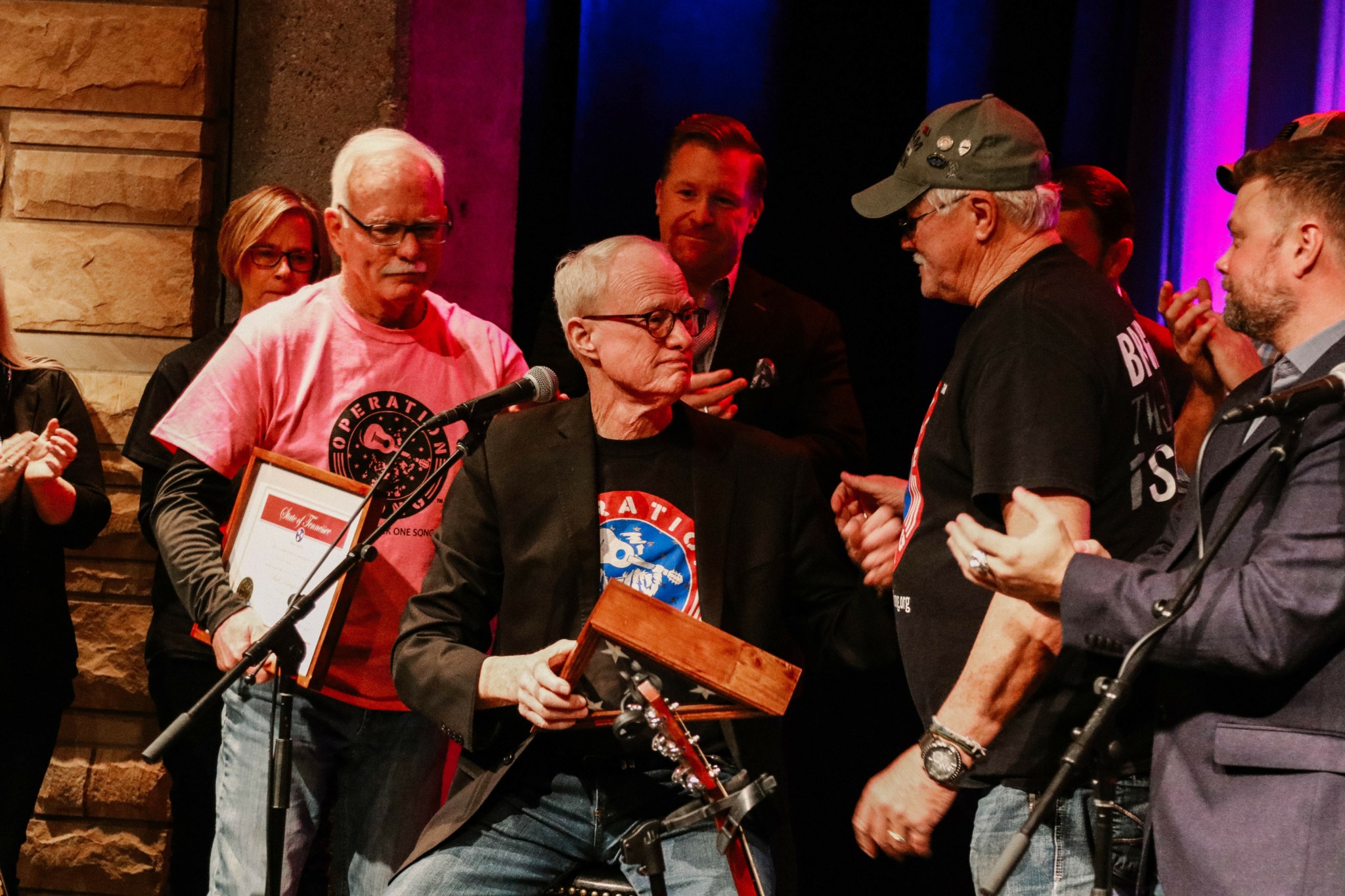
Many of these veterans stay connected to the organization for years. They return to perform their songs at events, participate in retreats, mentor other veterans entering the program, and help spread the mission within their communities.
The alumni program also allows veterans to stay connected to each other. That shared experience of turning their story into a song creates a bond that continues well beyond the original songwriting session.
Veteran Volunteers
Another powerful aspect of our community is how many veterans choose to stay involved as volunteers. Some assist with events, some help coordinate local sessions, and others simply help introduce fellow veterans to the program.
That peer-to-peer connection is incredibly important. Veterans tend to trust other veterans, and when someone shares their personal experience with Operation Song, it carries far more credibility than any marketing message ever could.
Patriot Partner Program
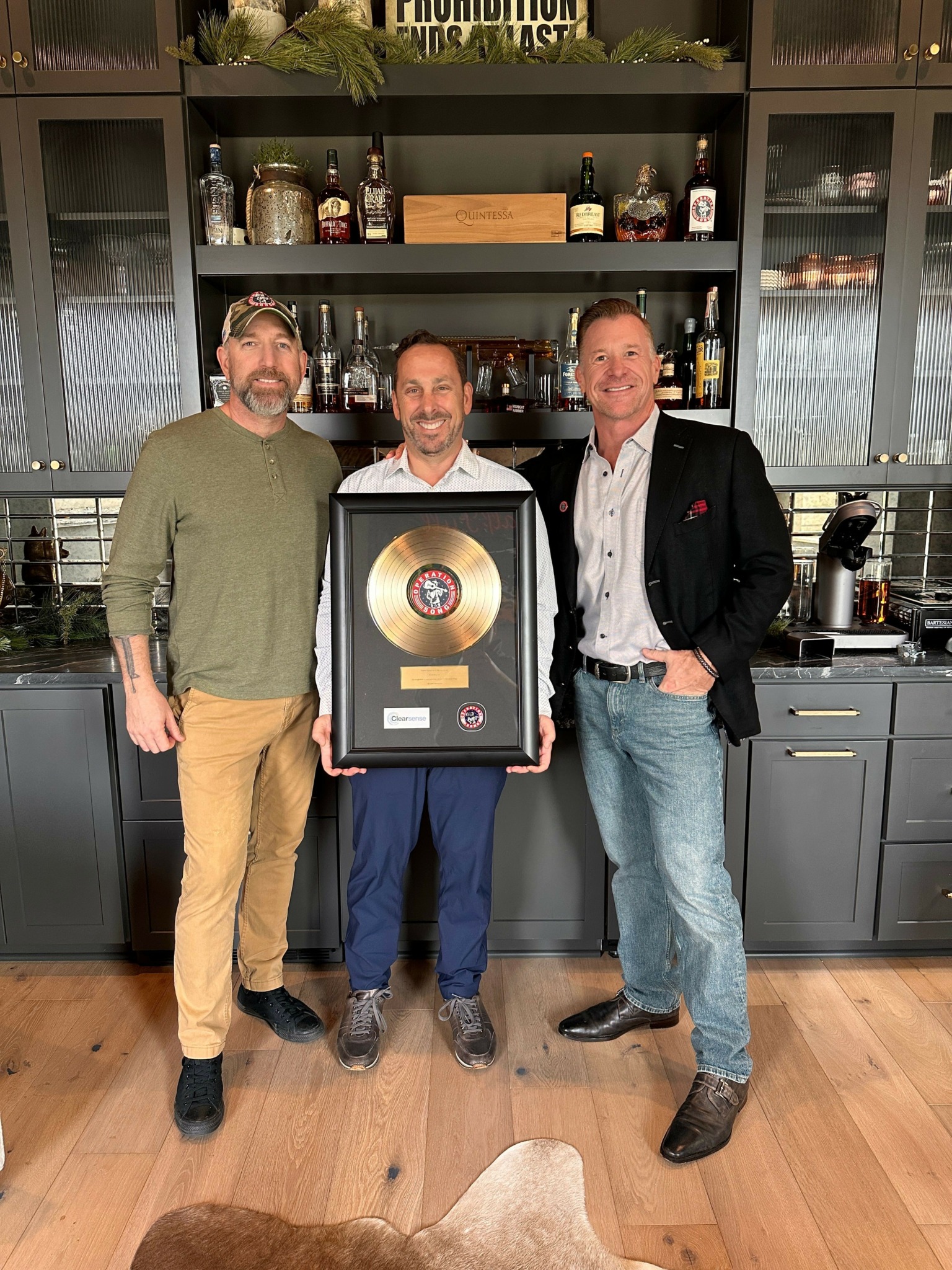
Our Patriot Partner Program is another key piece of how we foster long-term loyalty, particularly with corporate supporters.
This program invites companies to stand alongside Operation Song in a meaningful way by helping fund songwriting sessions and supporting veterans through their stories. In return, these companies become part of a national mission that honors service and preserves history through music.
Corporate involvement brings several advantages. It allows businesses to align their brand with a respected national nonprofit serving the veteran community. It also provides employees, clients, and partners an opportunity to participate in something meaningful. Many of our Patriot Partners attend songwriting events, host veterans at corporate gatherings, or even participate in sessions that bring veterans and employees together through storytelling and music.
For many companies, the program becomes a point of pride within their organization.
Consistent Communication and Shared Ownership
We also prioritize consistent communication with our supporters, partners, and volunteers through mission updates, event invitations, and reports that clearly show the impact of their involvement.
Ultimately, loyalty comes from shared ownership of the mission.
When someone joins the Operation Song Army, becomes a Patriot Partner, volunteers, or writes a song with us, they are not just supporting an organization. They are helping preserve the story of a veteran and ensuring that story is never lost.
That sense of purpose is what keeps people connected to Operation Song for the long term.
Contact Info:
- Website: https://www.operationsong.org
- Instagram: @operationsong
- Facebook: https://facebook.com/operationsong
- Linkedin: https://linkedin.com/company/operation-song
- Youtube: https://www.youtube.com/@OperationSong
- Other: Bandcamp: https://operationsong1.bandcamp.com
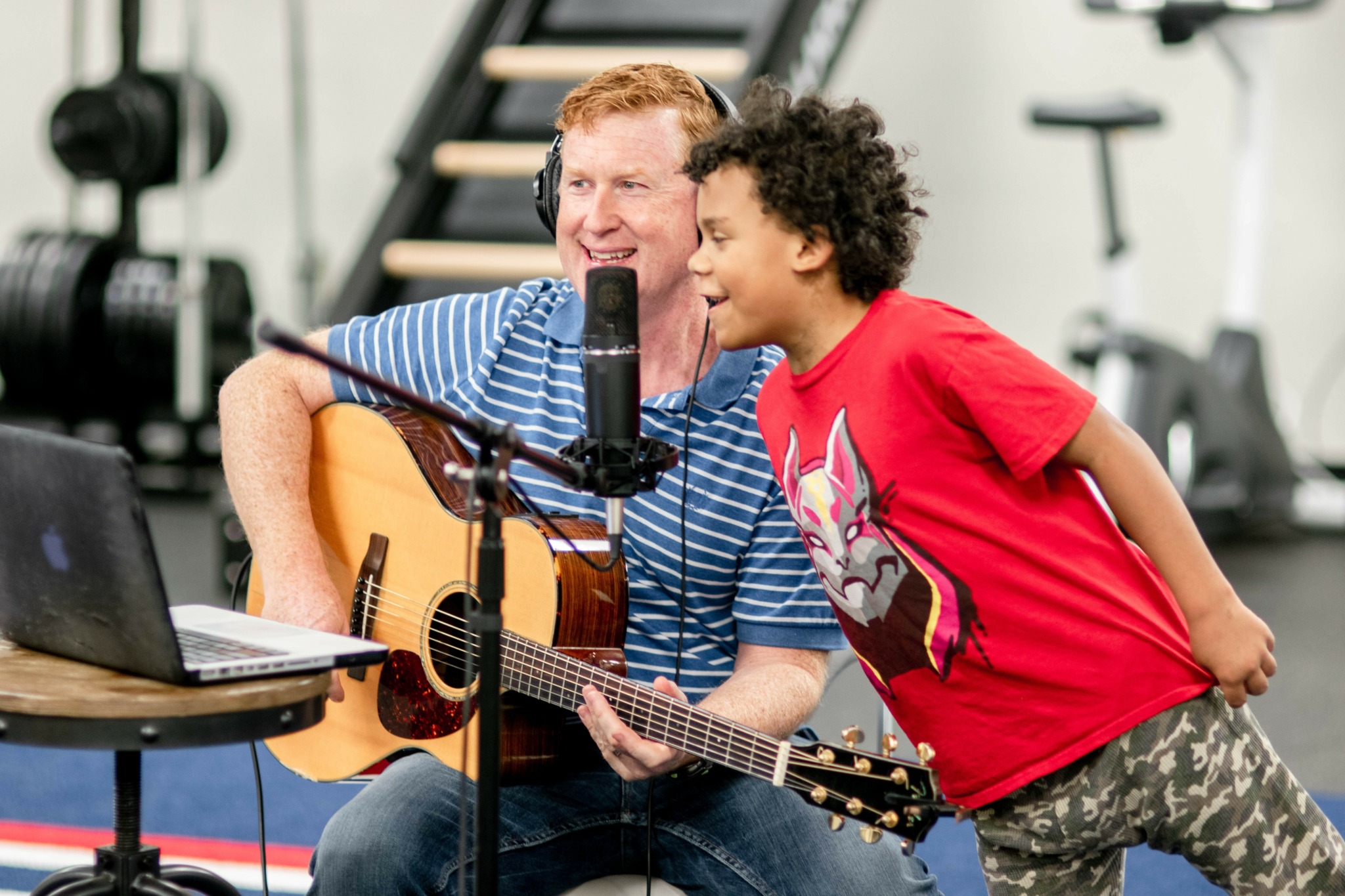
Image Credits
Miranda Byer Photography