

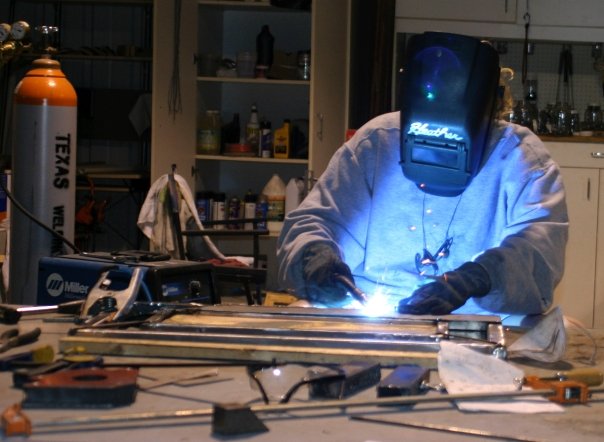

Alright – so today we’ve got the honor of introducing you to Heather Harris. We think you’ll enjoy our conversation, we’ve shared it below.
Heather, looking forward to hearing all of your stories today. One of the toughest things about progressing in your creative career is that there are almost always unexpected problems that come up – problems that you often can’t read about in advance, can’t prepare for, etc. Have you had such and experience and if so, can you tell us the story of one of those unexpected problems you’ve encountered?
One of the most unexpected—and honestly, one of the grossest—problems I’ve faced in my creative journey happened during a spring Pecan Street Festival in downtown Austin. I had a table covered in a black velvet cloth. At some point during the night between show times, a homeless person stayed in my tent and, unfortunately, urinated on one of the velvet covers. The liquid wicked through the fabric, soaking the entire tablecloth, and the tent quickly filled with a strong, unpleasant smell. When I arrived at my booth the next morning, I was shocked, frustrated, and honestly a little panicked. I worried not only about the ruined cover but also about the impression my booth would leave on visitors.
Thankfully, luck was on my side. I was set up next to an essential oil booth, and the owners graciously let me borrow sprays to help mask the smell while I finished the show. I also had to improvise quickly to protect my artwork and keep the tent presentable for attendees. It wasn’t a perfect fix, but it allowed me to salvage the day and keep interacting with collectors. That experience taught me the value of creative problem-solving, quick thinking, and preparation for the unexpected—all things that come up often in the life of an exhibiting artist.
The following fall, when I returned to the festival, I decided to hire someone to watch over my tent throughout overnight. Not only did it prevent any repeat incidents, but he even helped me break down the booth afterward. What started as a shocking and frustrating situation ultimately became a learning opportunity and a reminder that resilience and adaptability are just as important as artistic skill in a creative career.
As always, we appreciate you sharing your insights and we’ve got a few more questions for you, but before we get to all of that can you take a minute to introduce yourself and give our readers some of your back background and context?
I’m a mixed-media artist based in Central Texas whose work blends photography, digital imaging/manipulation, painting, and welded metal to create dimensional pieces that explore connection—between images, materials, memories, and experiences. My path into art wasn’t a straight line, but rather a series of moments that slowly pulled me toward the creative life I lead today.
Although I loved drawing and building things as a child, I originally pursued science and earned a Bachelor of Science in Chemistry from the University of Texas before becoming a middle school science teacher. Along the way, a few pivotal experiences helped shape my artistic direction. When I was living in Arizona at age 21, I was given an acrylic paint set that sparked my first serious exploration of painting. Later, after moving to Austin, I received a Canon Rebel camera that awakened my love of photography.
Another turning point came during a trip to Monterrey, Mexico in 1996, when I visited an industrial dance club filled with oil-drum chairs and heavy metal cables surrounding the dance floor. I was fascinated by the raw beauty of the materials, and that moment ignited my love for metal as an artistic medium. During my first year of teaching, I enrolled in an art welding class, beginning a process of experimentation that eventually led me to combine photography, digital imaging, painting, and welded steel into a single piece.
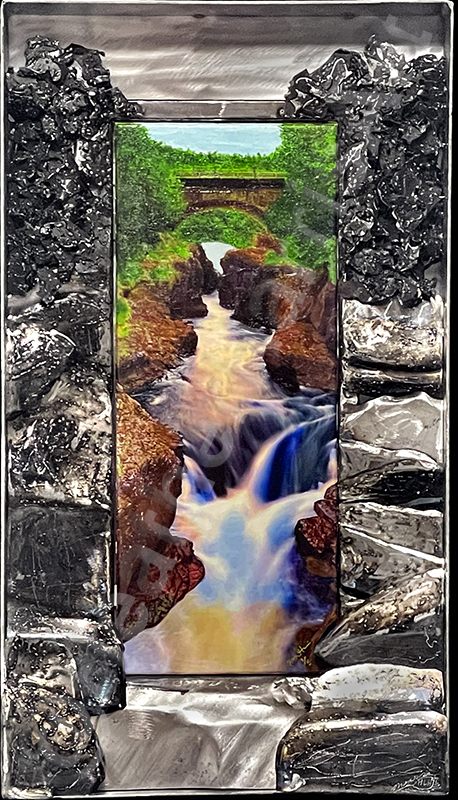
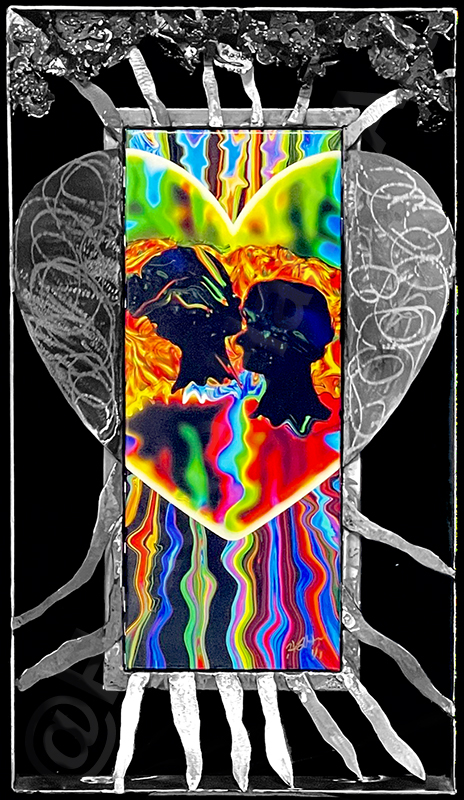
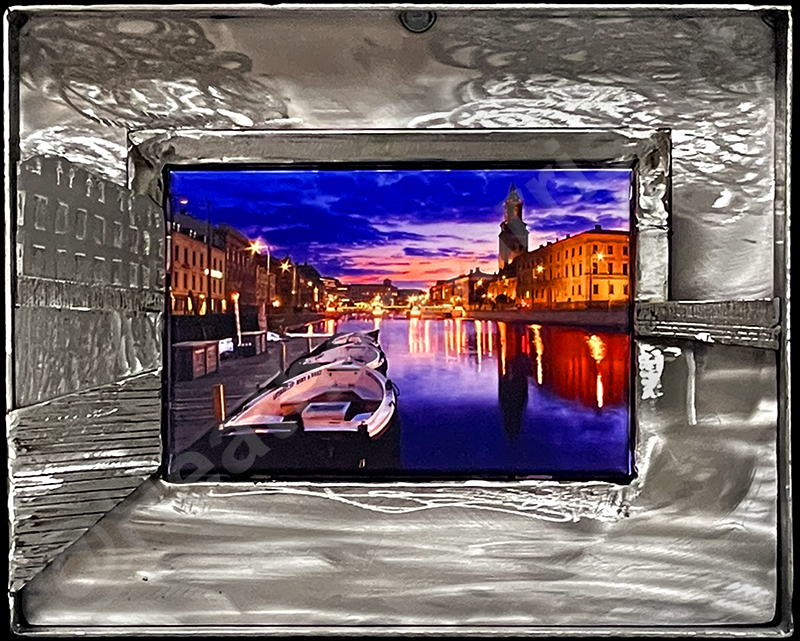
Today, that fusion of mediums defines my work. Each piece typically begins with an original photograph, which I digitally manipulate to create two related images: one that represents the original moment and another that interprets it in a new way, and sometimes, the images are enhanced with paint. Each image is then integrated into hand-welded steel frames that extend the visual story beyond the canvas. . The metal becomes part of the artwork itself, creating texture, depth, and movement that pushes the image into three-dimensional space.
What truly sets my work apart is that no one else in the world is creating art in exactly this way—combining photography, painting, and welded steel into a unified visual language. I’m most proud of developing a style that is entirely my own.
At the heart of my work is the idea of connection—connecting mediums, connecting moments in time, and connecting people through shared experiences. Whether viewers encounter my work in a gallery, at an art festival, or through a large installation project, my hope is that the pieces invite them to pause, look closer, and discover new layers each time they engage with them.
Is there a particular goal or mission driving your creative journey?
A core mission driving my creative journey is the desire to explore and express connection—between people, places, experiences, and mediums. My work is built around the idea that moments in life are rarely isolated; they are linked through memory, movement, and shared experience. Through my art, I try to capture those connections and present them in ways that invite viewers to slow down and reflect.
One way I pursue this mission is by combining multiple disciplines—photography, digital manipulation, painting, and welded metal—into a single piece. Each medium contributes something different: photography captures a moment in time, digital manipulation allows me to create a second story for the original moment in time, painting adds interpretation and emotion, and metal introduces structure, texture, and physical presence. By bringing these together, I create layered works that encourage viewers to look more closely and discover relationships within the piece.
Large-scale projects also play an important role in my artistic goals. For example, NuestroCamino, created with my sister, documents our 500-mile pilgrimage along El Camino de Santiago through 70 paired artworks that visually map the journey. Projects like this allow me to explore not only personal experiences but also the shared stories that connect us as human beings.
Ultimately, my goal is to continue pushing the boundaries of my own creative language while creating work that feels authentic and meaningful. I’m committed to developing art that is truly original—work that hasn’t been made before—and using it as a way to spark curiosity, conversation, and connection.
What do you think helped you build your reputation within your market?
I believe my reputation has grown from a combination of originality, persistence, and direct connection with people who experience the work in person.
First and foremost, the work itself is very distinctive. I combine photography, acrylic painting, and hand-welded steel frames in a way that extends the imagery beyond the canvas. Because of that, people often stop in front of my booth or exhibition and say things like, “I’ve never seen anything like this before.” Developing a visual language that is truly my own has helped my work stand out in a crowded art market.
Another major factor has been my long commitment to the art festival circuit. Since the 2006, I’ve shown my work at many festivals and exhibitions, sometimes doing dozens of shows in a single year. These events allowed me to meet collectors face-to-face, explain my process, and build relationships over time. Many people who own my work today first encountered it at a festival and then followed my journey for years.
Consistency has also played a big role. I’ve spent decades continuing to refine my techniques, experiment with new ideas, and push my work further through projects and series. Whether it’s individual pieces or projects like NuestroCamino, I try to create work that is thoughtful, technically strong, and meaningful.
Finally, I think my background as a teacher influences how I interact with people. I genuinely enjoy explaining how the work is made and inviting viewers into the creative process. I especially love when young girls see my work and realize that women can weld, use tools, and create with materials that aren’t traditionally associated with them. That openness helps people feel connected not just to the artwork, but also to the story behind it.
Over time, those elements—unique work, years of showing up, strong relationships with collectors, and a willingness to share the process—have helped build my reputation within the art community and among those who collect my work.
Contact Info:
- Website: https://HeatherHarrisArt.com
- Instagram: @heatherloreleiharris
- Facebook: https://www.facebook.com/heatherharrisart
- Linkedin: https://www.linkedin.com/in/heather-lorelei-harris-a9a6725/
- Youtube: https://www.youtube.com/@HeatherHarrisArt
- Other: https://www.threads.net/@heatherloreleiharris https://bsky.app/profile/heatherharrisart.bsky.social
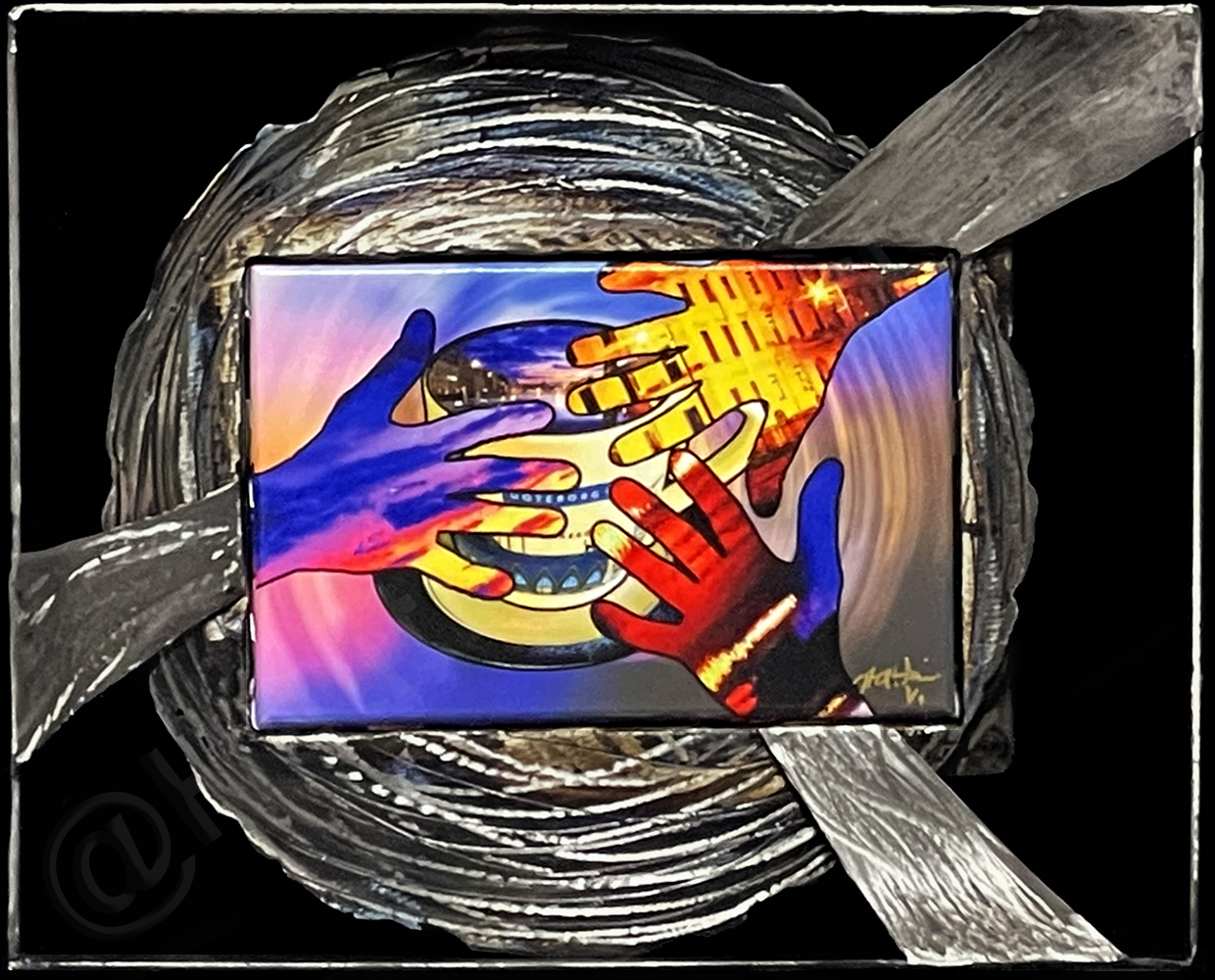
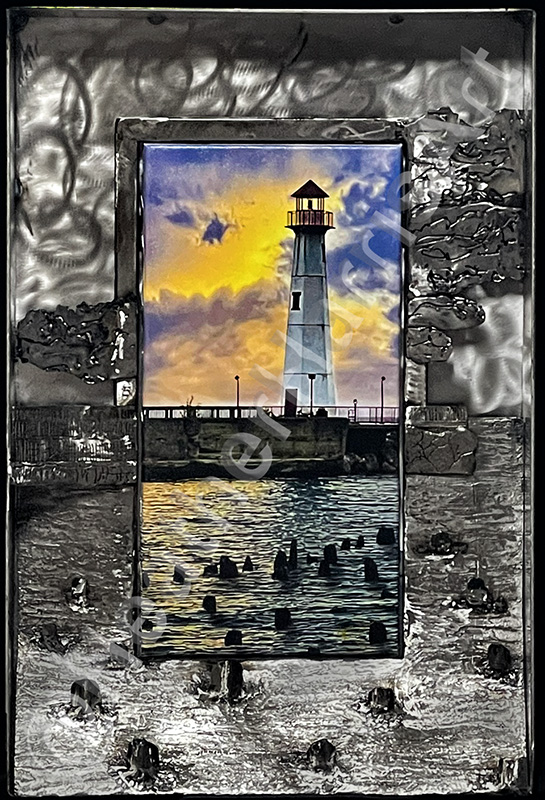
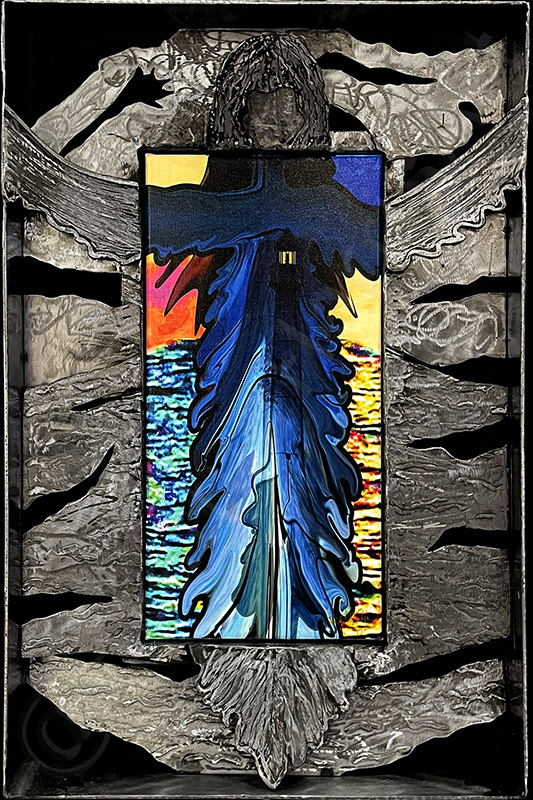
Image Credits
@heatherharrisart