

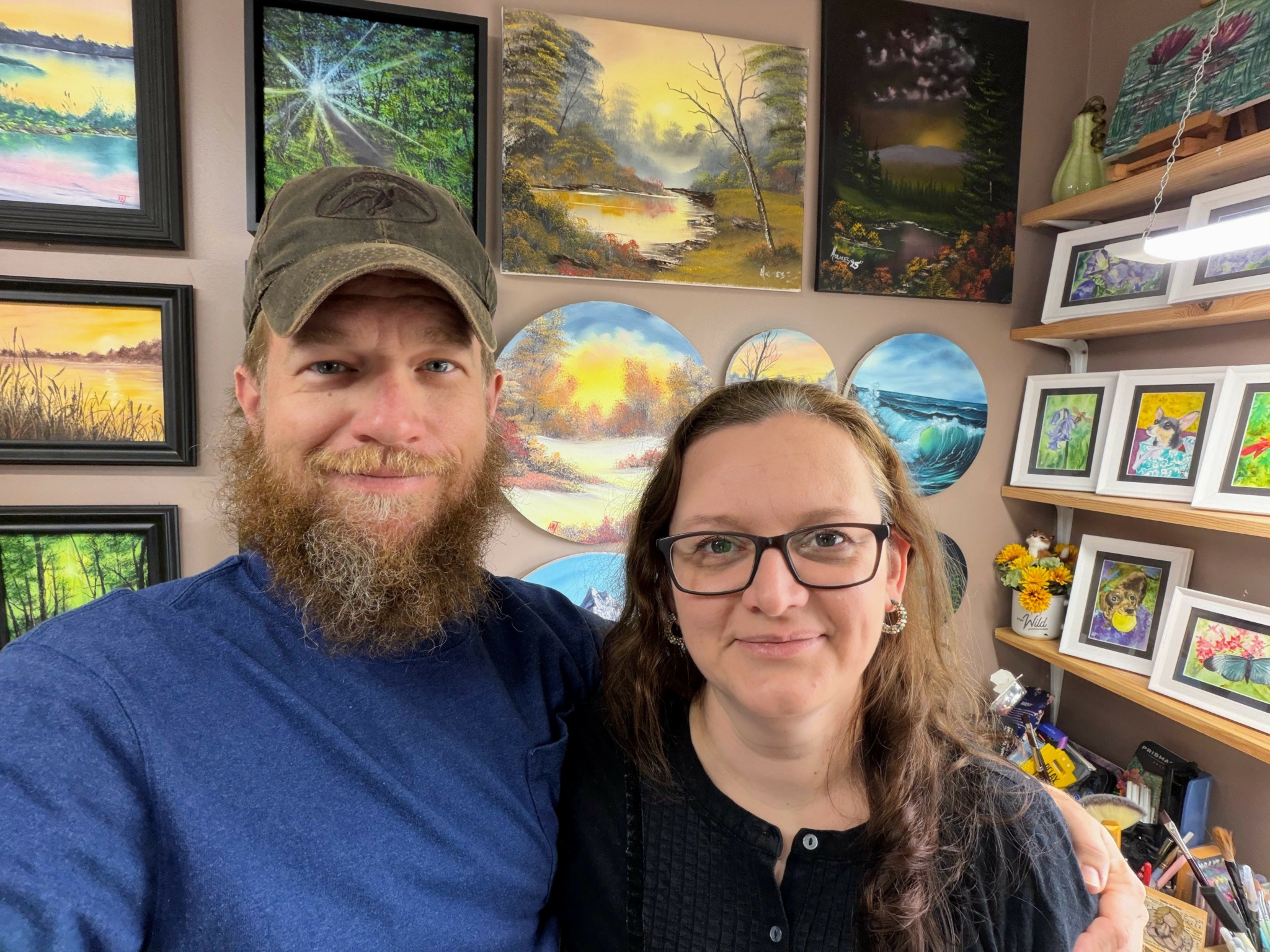

Alright – so today we’ve got the honor of introducing you to Anna & Chris Holmes. We think you’ll enjoy our conversation, we’ve shared it below.
Anna & Chris, thanks for joining us, excited to have you contributing your stories and insights. Can you open up about a risk you’ve taken – what it was like taking that risk, why you took the risk and how it turned out?
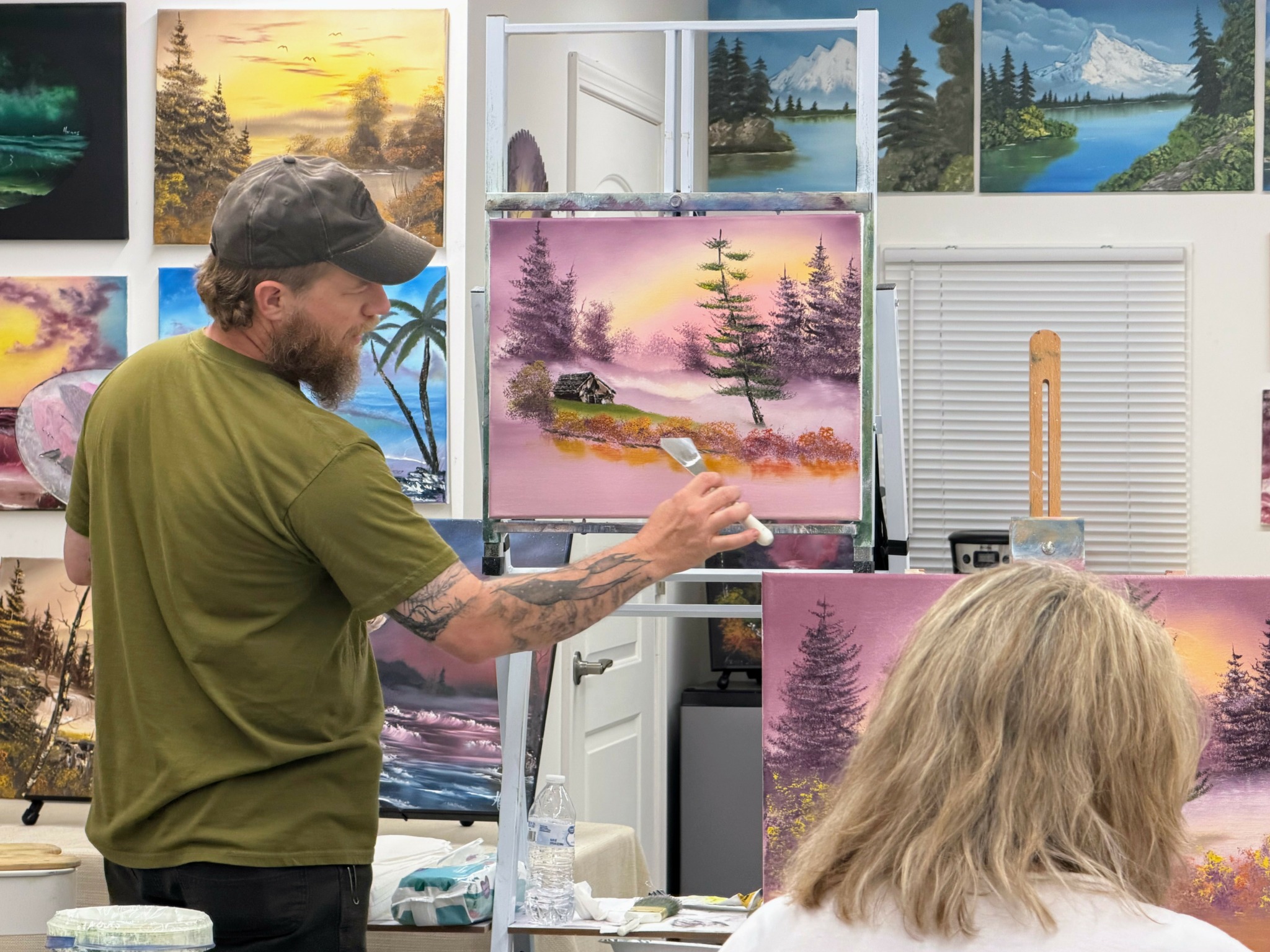
One of the biggest risks we took was starting to teach painting classes and investing in our own studio space before we had any guarantee it would work.
At the time, that felt huge. We had to spend money on the space, supplies, and advertising while wondering if anyone would actually show up. Along with that came a lot of imposter syndrome—questioning whether we were good enough to teach and whether building a creative business was realistic, or if going back to a regular job would be the safer choice.
The good news is that people did show up, and three years in, the classes have become a meaningful part of what we do. The doubt still pops up sometimes, but now we have proof that taking the risk was worth it. It helped us build something that feels far more fulfilling than the “safe” option ever would have.
Awesome – so before we get into the rest of our questions, can you briefly introduce yourself to our readers.
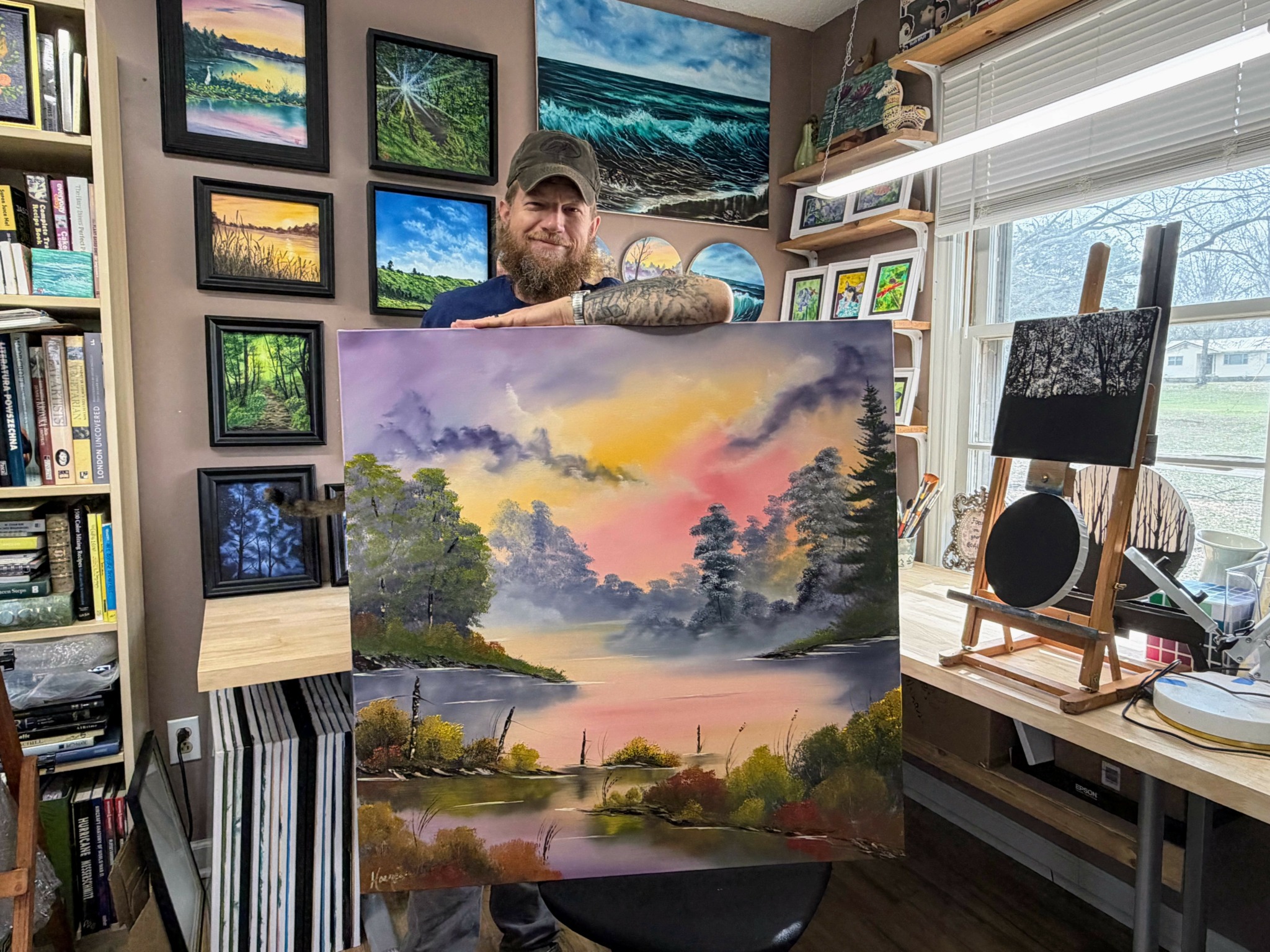
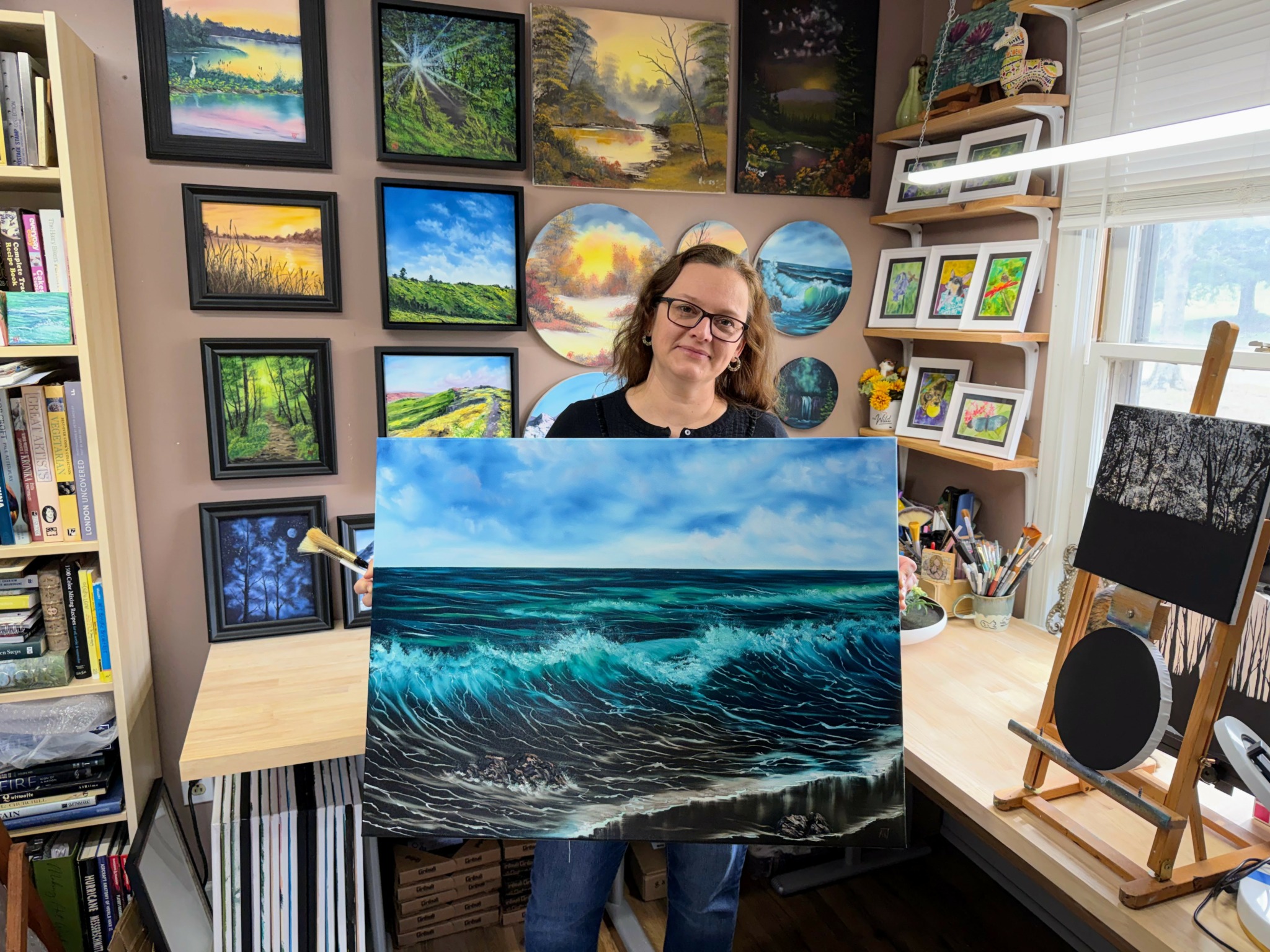
We’re Anna and Chris Holmes, the husband-and-wife team behind Serenity in Color. We create peaceful landscape and seascape art inspired by nature, light, and the kinds of quiet moments people don’t get enough of. Alongside our original paintings and fine art prints, we also teach in-person painting classes in our studio in Henderson Tennessee, where we help beginners create their own landscapes in a relaxed, encouraging environment.
Our path into this work grew out of a shared love of painting and a desire to build a life around something meaningful. Over time, that grew from simply creating art into teaching, selling our work, and building a business that helps other people experience the same sense of calm and joy that painting has given us.
What sets our work apart is that we’re not just selling something to fill a blank wall. We want our art to bring a feeling into a space — peace, warmth, stillness, and a chance to breathe. The same goes for our classes. We’re not trying to create a high-pressure art experience. We want people to feel welcome, capable, and surprised by what they can create.
We’re most proud of building something that feels true to who we are. Whether someone collects one of our paintings, hangs one of our prints in their home, or walks into class saying “I can’t paint” and leaves proud of what they made, that means a lot to us. We want people to know that Serenity in Color is about more than art — it’s about creating moments of calm, connection, and encouragement in a world that often feels far too busy.
Have any books or other resources had a big impact on you?
Yes — a few resources have had a real impact on how we think about both business and creativity.
Simon Sinek’s books and videos on leadership have influenced the way we think about purpose, communication, and building something with a strong “why” behind it. Marie Forleo’s videos have also been really helpful from the business-owner side, especially when it comes to mindset, momentum, and actually getting started instead of waiting until everything feels perfect. Amy Porterfield’s podcast has been a great resource for marketing, particularly in understanding how to grow a business strategically and communicate clearly.
From the creative side, Julia Cameron’s The Artist’s Way has been especially meaningful. That book has been incredibly helpful in navigating burnout, creative doubt, and the emotional side of being an artist while also trying to build a business. Altogether, these resources have helped shape our vision for what our business could become, where to begin, and how to keep going even when things feel uncertain.
How can we best help foster a strong, supportive environment for artists and creatives?
In our view, one of the best ways society can support artists and creatives is by valuing creative work as real work. People often admire art, music, writing, and handmade work, but there can still be a mindset that creative work is somehow less serious than other professions. A thriving creative ecosystem starts with recognizing that artists are not just making “nice extras” — they are contributing beauty, meaning, connection, and culture.
Support also looks like action. Buy from artists when you can. Share their work. Attend local shows, classes, and events. Encourage schools and communities to keep the arts visible and accessible. Creative ecosystems grow when artists have both encouragement and real opportunities to earn, teach, exhibit, and keep developing their work.
I also think it is important to support the human side of being creative. A lot of artists are balancing the actual making of the work with marketing, admin, teaching, and trying not to burn out in the process. The more we create spaces where artists are respected, fairly paid, and given room to grow, the healthier the whole creative community becomes.
At the heart of it, supporting artists means understanding that creativity is not a luxury. It is part of what makes life richer, more connected, and more human.
Contact Info:
- Website: https://serenityincolor.com/
- Instagram: https://www.instagram.com/serenityincolorart/
- Facebook: https://www.facebook.com/profile.php?id=100095710025157
- Youtube: https://www.youtube.com/@SerenityinColor-lt9be
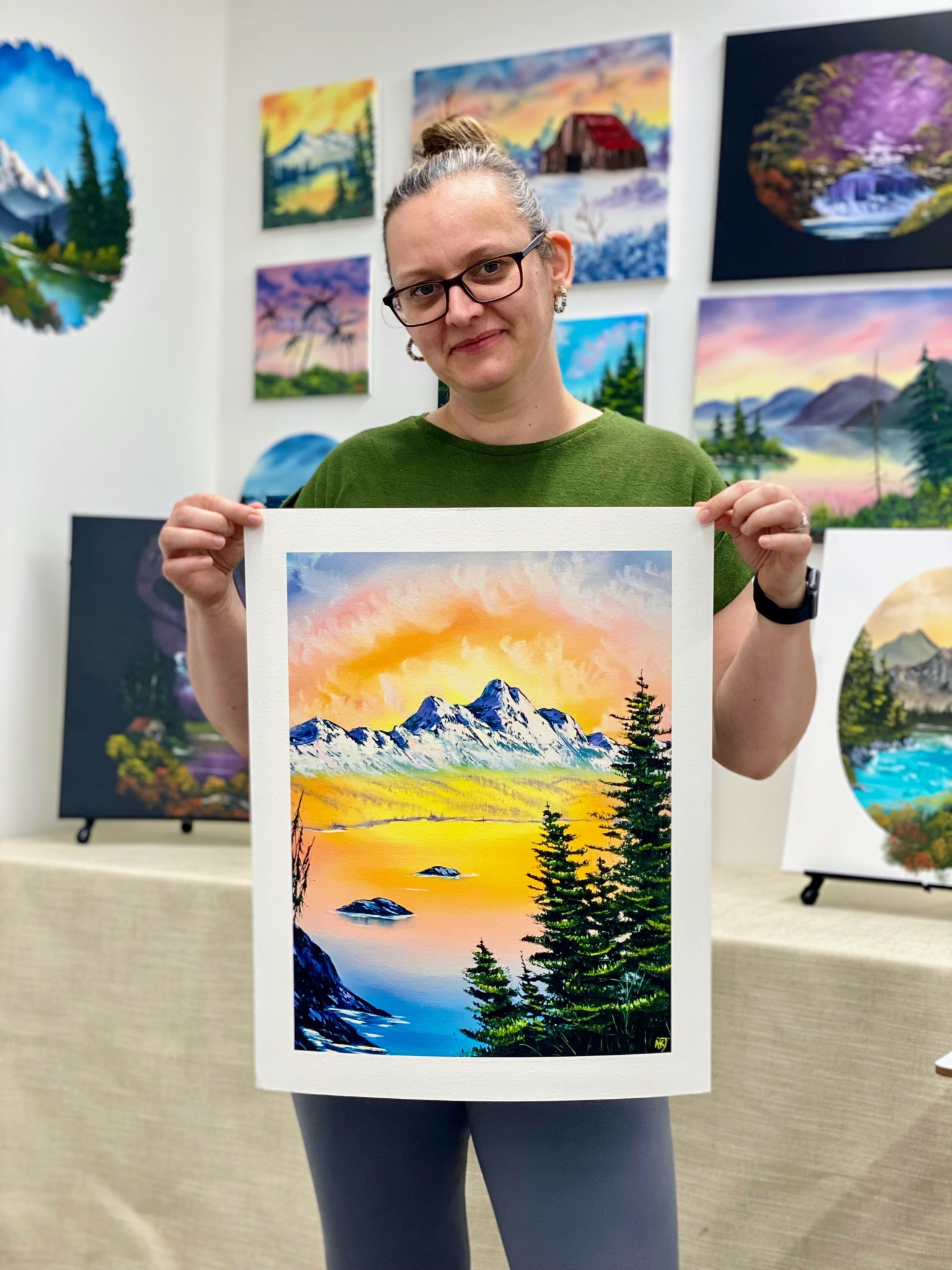
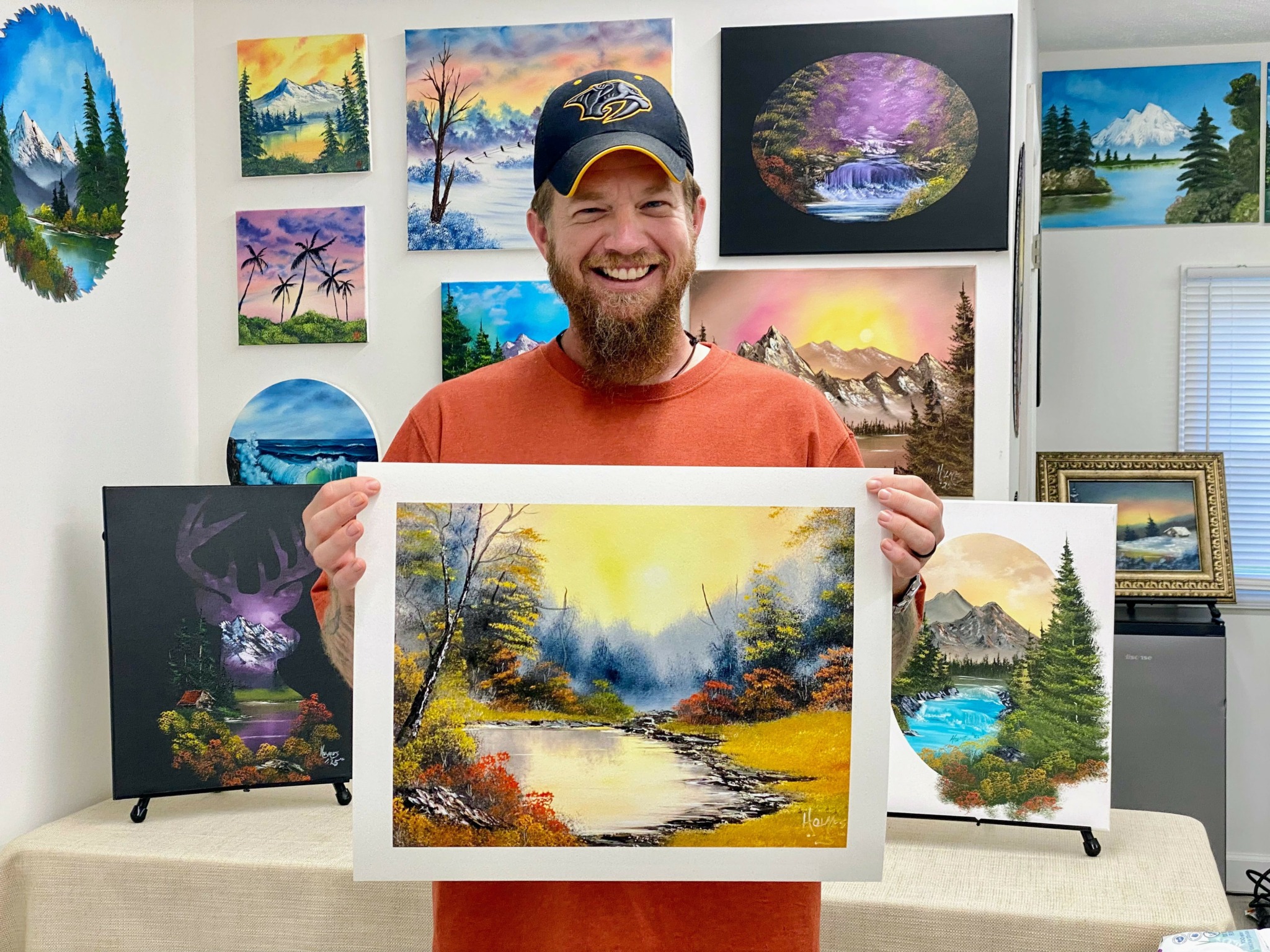
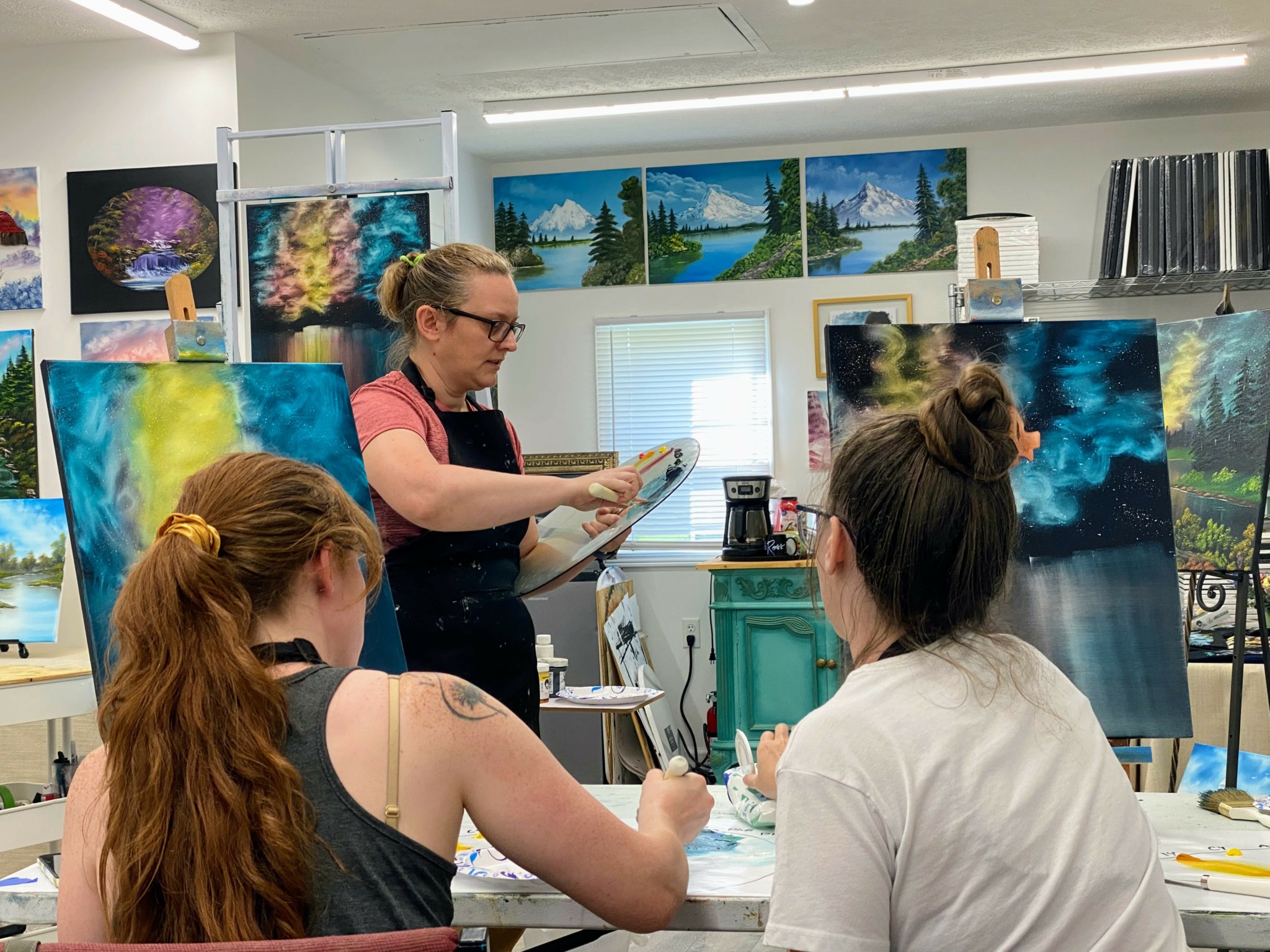
Image Credits
Anna & Chris Holmes