

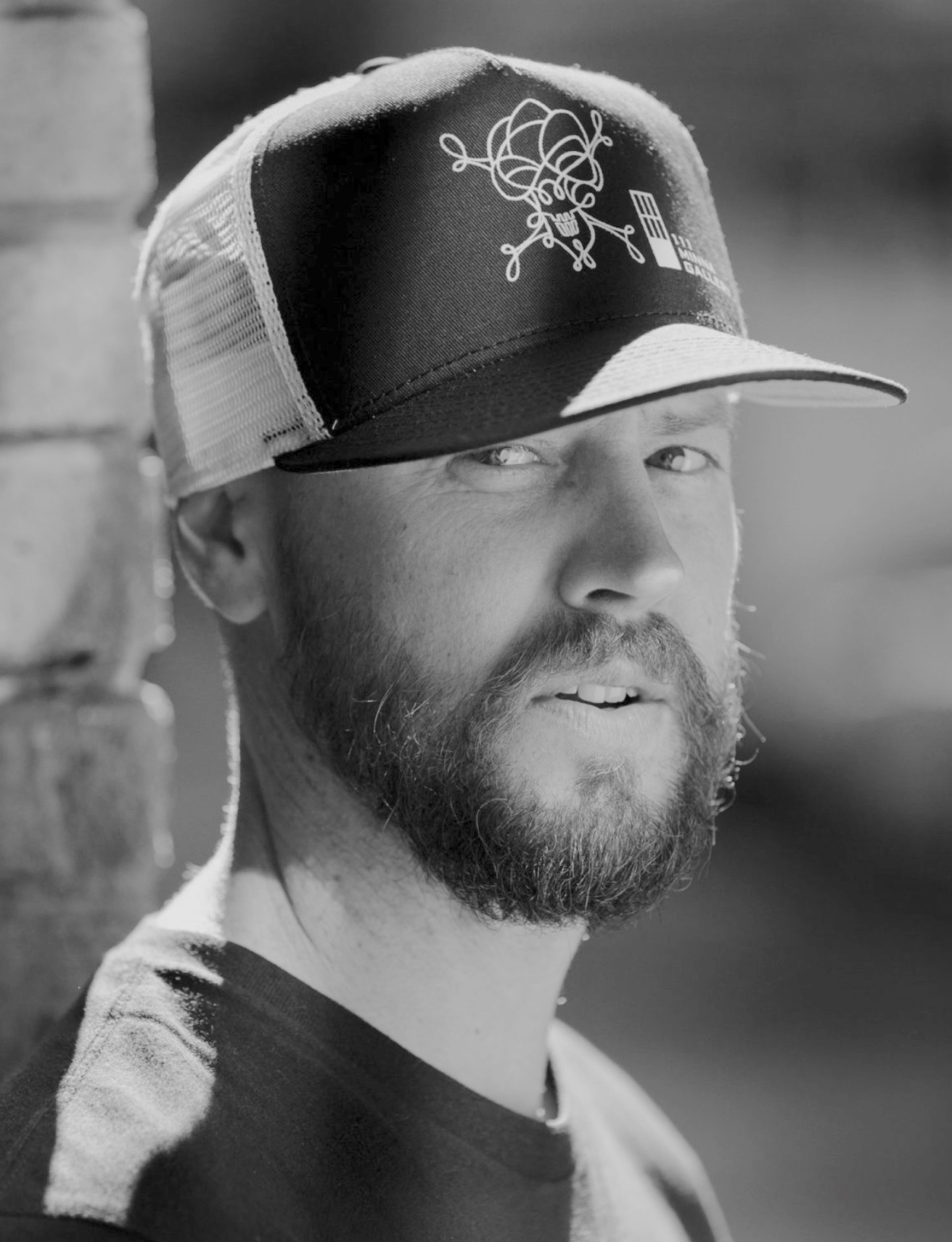

Alright – so today we’ve got the honor of introducing you to Micah LeBrun. We think you’ll enjoy our conversation, we’ve shared it below.
Micah, thanks for joining us, excited to have you contributing your stories and insights. When did you first know you wanted to pursue a creative/artistic path professionally?
“From a very young age, my artwork earned recognition from both my peers and teachers. Two teachers in particular, Mr. and Mrs. Hardy—who taught several of my middle school classes—consistently encouraged me to pursue art after graduation. When I was in seventh grade, they retired to open a private tutoring business and hired me to design their logo. I recall being paid $150 and drawing the design while in detention; in hindsight, it was a remarkably efficient use of my time. Shortly thereafter, the school commissioned me to create the graphics for the new gymnasium’s center court. With all signs pointing toward my calling, everything clicked. By the age of 16, I began seriously pursuing art as a career, intentionally refining my work to develop a style that felt uniquely my own.”
Micah, before we move on to more of these sorts of questions, can you take some time to bring our readers up to speed on you and what you do?
If I were to identify the origins of my craft, it would be my childhood in Palm Springs. Growing up in a household without a television, I turned to art to cure boredom. As the son of a preacher in a religious household, I spent countless hours daydreaming in church; these long periods of isolated thought kept my imagination primed, feeding directly into my early creative process. From K-12, I attended a small private school that offered no art classes, meaning my early experimentation was entirely trial and error.
Until I was seventeen, I primarily used novice mediums like markers and pastels. That changed when a teacher gifted me an instructional book and a set of oil paints—a gesture that altered my life. Being dyslexic, I have always learned in an abstract way. So, when I approached this first painting, I ignored the book’s instructions, looked at a photo of a moody beach scene, and simply painted it. A few hours later, I had nailed it, perfectly replicating the image except for two small white birds I added to the sky. I was hooked.
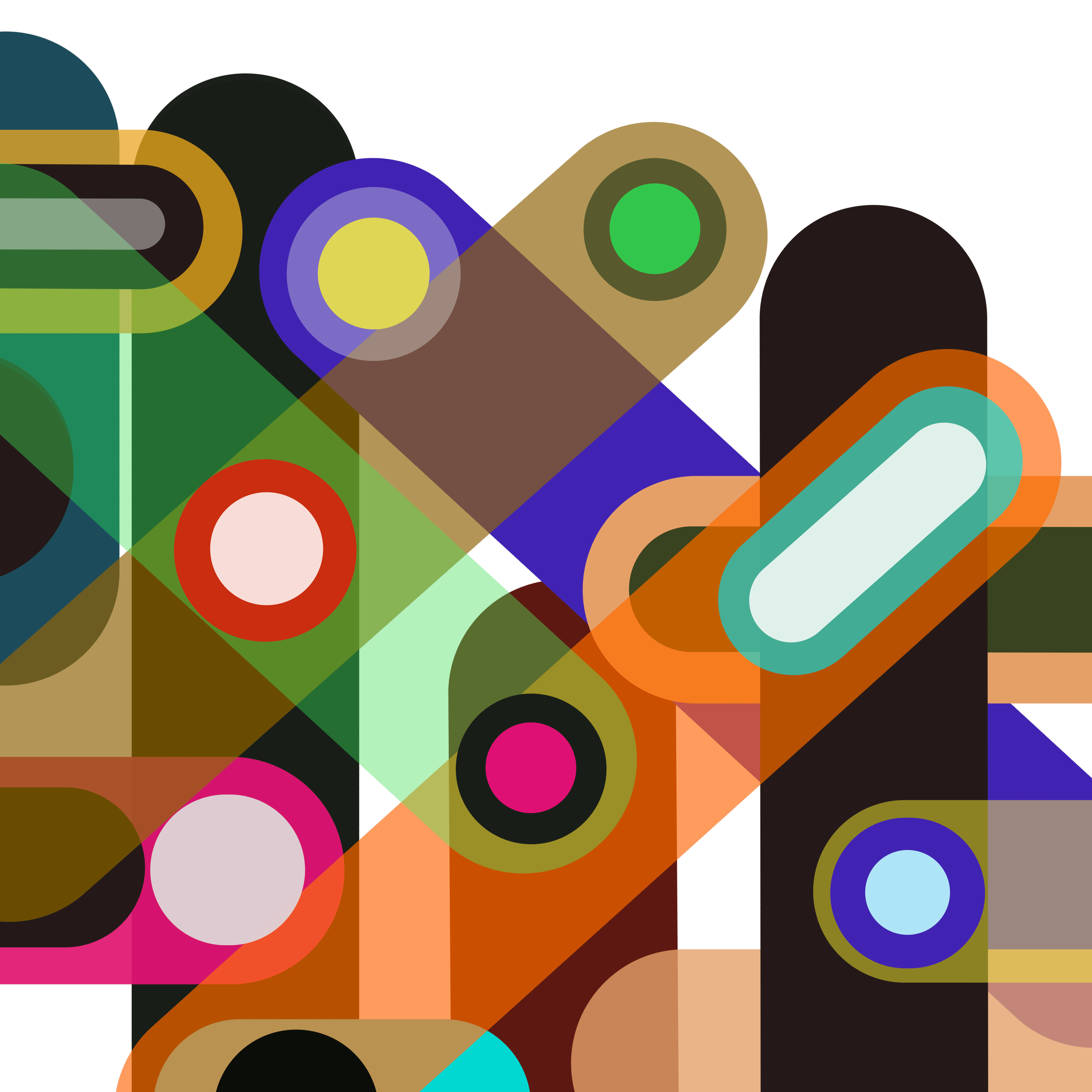
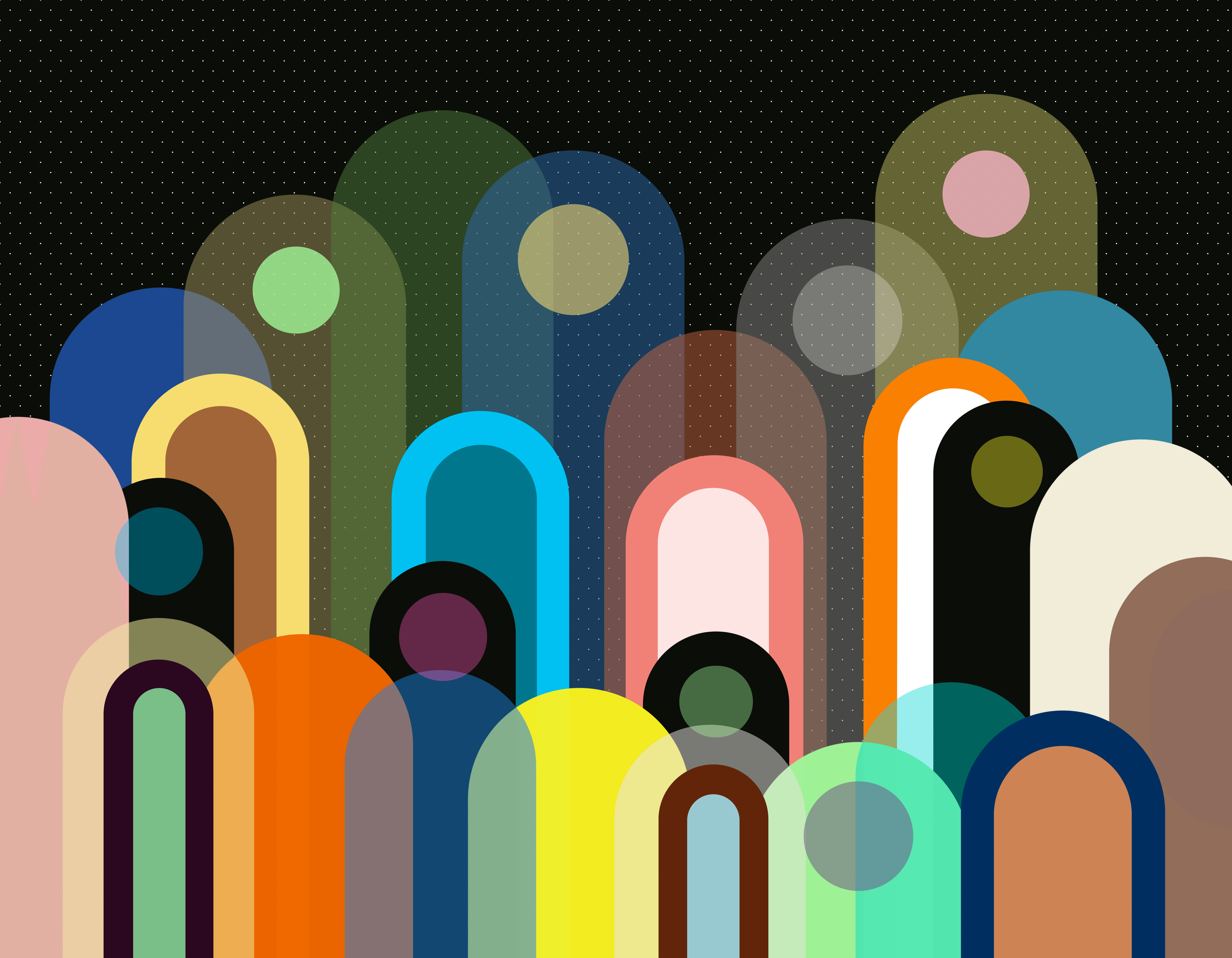
Nearly a year later, I completed my second painting on a 5×7-foot canvas. The freedom of upscaling sparked a fervor, and I began painting in all my spare time. Craving exposure, I rented a studio in a collective building; within months, I nearly sold out my first show. This momentum allowed me to build a portfolio that earned me a scholarship to the Academy of Art in San Francisco. Based on the strength of my work, the Dean even waived several required courses—an incredible start to my formal education.
However, I am inherently driven. After moving to San Francisco, I quickly immersed myself in the city, meeting artists, gallerists, and nightlife creatives. Opportunities began to compound. I was soon painting murals, performing live art alongside famous DJs, and booking multiple shows. I realized I was already living the life I thought I needed art school to obtain. One day, I simply walked out of a drawing class and never looked back, leaving behind my first sculpture in a locker.
Parallel to my personal career, I spent the following years mastering the fine art framing industry. This led to a position as a frame designer for a major commercial gallery, where I designed frames for museum-grade masterworks. Over time, I redefined the gallery’s visual aesthetic, curated exhibition layouts, and co-managed the installation team, gaining ‘insider’ knowledge of the high-end art world.
In my personal practice, I set my sights on the city’s most prominent venue, 111 Minna Gallery. After my first solo show there in 2005, I joined their annual roster, holding yearly exhibitions through 2009. In 2010, I accepted the role of Curator and ran their art program for a decade. That experience was challenging and eye-opening, adding immense depth to my understanding of mediums, processes, and the diverse personalities of artists. It eventually led me to launch my own company as an independent curator, offering creative coaching, portfolio reviews, and consulting for private dealers.
Throughout my journey, I am most proud of the reputation I have built. I am direct and serious about my work without taking myself too seriously, and I strive to ensure that those who work with me have an exceptional professional experience.
We often hear about learning lessons – but just as important is unlearning lessons. Have you ever had to unlearn a lesson?
For a long time, I felt tasked with embedding deep meaning into my work—something that addressed the social, cultural, or political dynamics of the moment. However, as I have matured, I have recognized that my creative process is actually a respite from the brutalities of reality. While some might view this as selfish or shortsighted, I have made peace with it.
This is not to say that I never create with intention; rather, I believe there is inherent value in creating something simply because it is beautiful to look at or live with. It is just cool. Whether you like it, love it, or hate it, art remains open to interpretation. For me, the most beneficial aspect of art is the process of creation itself. The end result is nearly irrelevant, which is why I have always been able to sell my work—I am rarely attached to the final product.
In your view, what can society to do to best support artists, creatives and a thriving creative ecosystem?
To address the sociological aspect of this question, I believe we must call upon governments and institutions to support humanity as a whole, rather than simply isolating artists or creatives as a special class. Humanity is inherently creative; if the average person were granted even a modest increase in resources and, more importantly, free time, it would go a long way toward building a thriving creative ecosystem.
We saw this realized globally during the early months of the pandemic. While that period was devastating for many, those who maintained financial stability or received government assistance often leaned into creative pursuits they previously lacked the time for. Our current economies and rigid schedules prevent many of us from being expressive. If Mondays were suddenly designated as a “we have your back and will pay you for it” day, I would bet that a significant portion of the population would use that time creatively.
A mentally resilient and supported populace creates the ideal landscape for creativity to be both expressed and appreciated. Most artists I know are not “full-time” in the sense that their art provides total financial support; rather, they are full-time because they sacrifice nearly all of their free time to create while working traditional jobs. They say time is money, and it’s true. Time is the most valuable asset a human can possess, yet for most, their time is not truly their own.
Contact Info:
- Website: https://micahlebrun.com
- Instagram: @micahlebrun
- Linkedin: @micahlebrun
Image Credits
Photo of artist by Daniel Kokin