

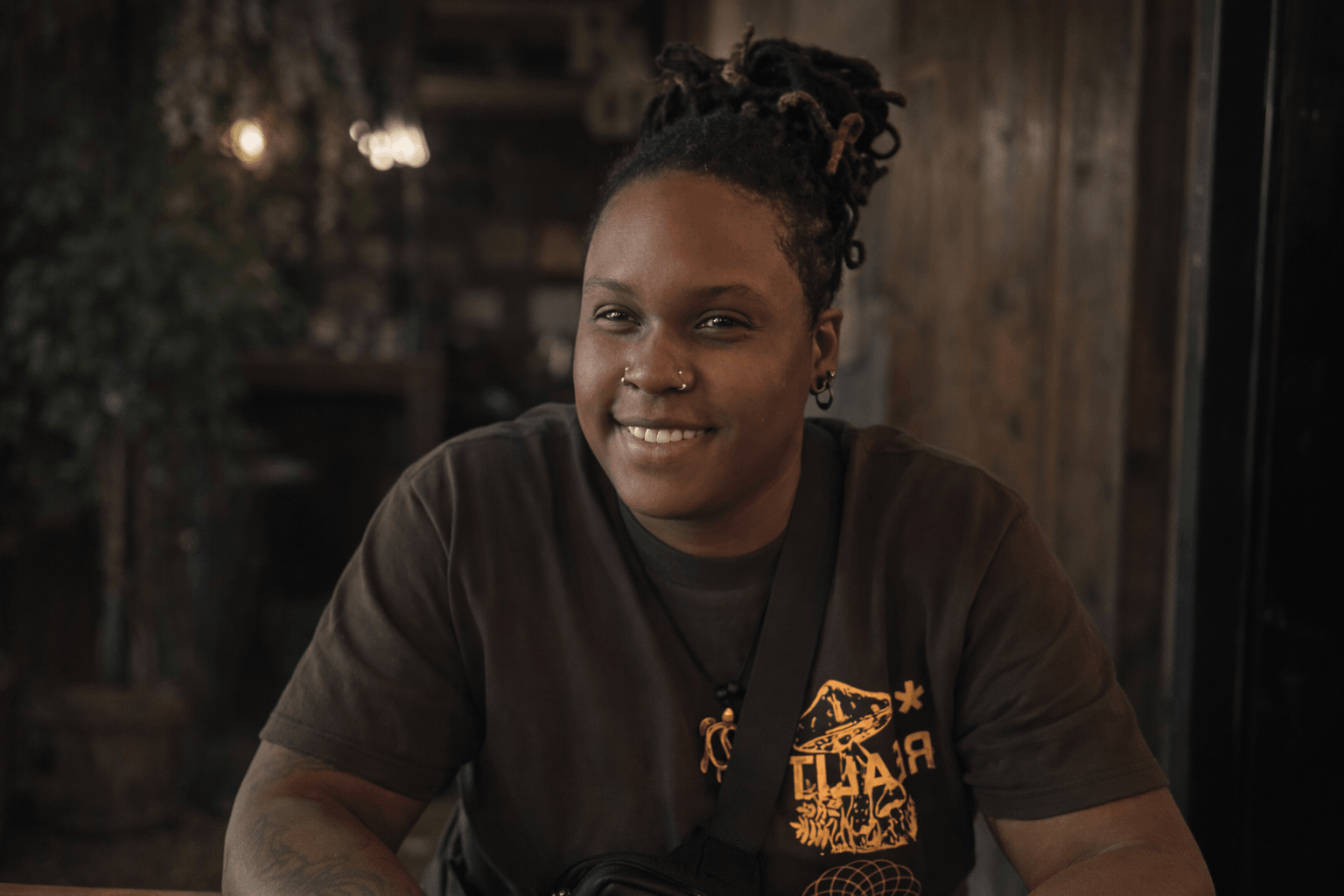

Alright – so today we’ve got the honor of introducing you to Dr. L Winley (Winley K.), PsyD. We think you’ll enjoy our conversation, we’ve shared it below.
Dr. L, thanks for joining us, excited to have you contributing your stories and insights. Was there a moment in your career that meaningfully altered your trajectory? If so, we’d love to hear the backstory.
There was a defining moment for me, though it didn’t arrive as a single dramatic event. It arrived as a pattern I could no longer ignore.
Early in my training and early career, I was doing everything “right”, working hard, meeting expectations, following established models of clinical excellence. And across settings, I kept noticing the same thing: people would come into care already braced for harm. They weren’t resistant to change; they were protecting themselves from being misunderstood, diminished, or managed rather than engaged.
The defining moment came when I realized that the clinical tools I had been taught, while evidence-based and well-intentioned, were often being used in ways that bypassed dignity, power awareness, and nervous-system safety. I saw how quickly conversations could shut people down when curiosity was replaced with correction, or when efficiency replaced attunement.
At some point, I had to decide whether I would keep adapting myself to fit systems that normalized that dynamic or whether I would take responsibility for building something different.
That decision changed the trajectory of my career.
Instead of asking, “How do I get people to comply with insights or change?” I began asking, “What conditions actually make growth possible?” That question shaped the framework and approach I use today, one grounded in dignity, power consciousness, and future-oriented connection.
The lesson I carry forward is this: growth doesn’t happen because someone is told the right thing at the right time. It happens when people feel safe enough to stay present, respected enough to stay engaged, and empowered enough to imagine themselves beyond the moment they’re in.
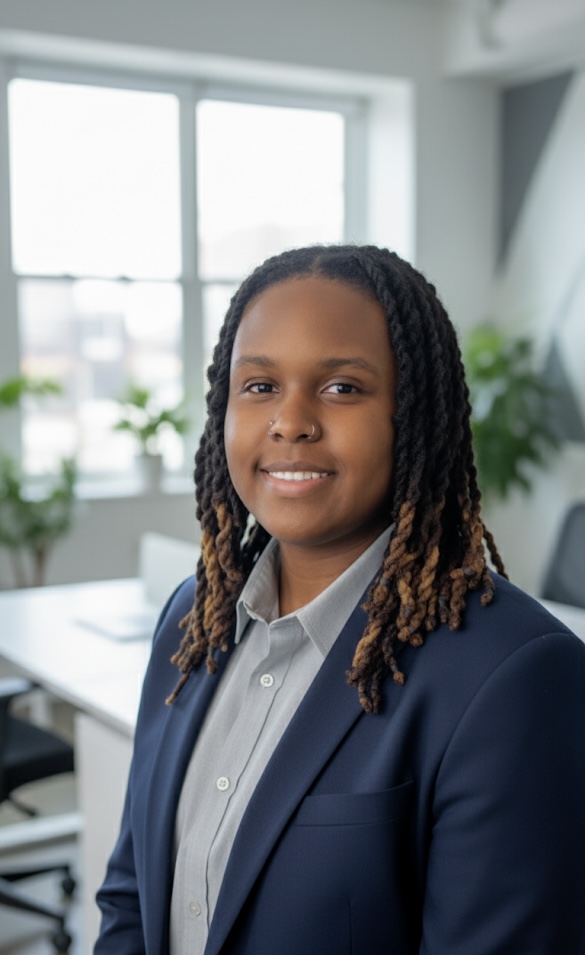
Awesome – so before we get into the rest of our questions, can you briefly introduce yourself to our readers.
I’m a Black, genderqueer, masculine-presenting licensed clinical psychologist and the founder of WaterYourFire Wellness Collective, a virtual practice serving adults across multiple states. My work sits at the intersection of psychological assessment, therapy, and systems-level reflection, particularly around how power, identity, and nervous system safety shape people’s ability to grow, connect, and make meaningful change.
I came into psychology because I was deeply interested in how people make sense of themselves and their experiences, especially in environments that were not built with them in mind. As a Black, genderqueer clinician moving through training and professional spaces that often rely on unspoken norms about who is seen as credible, neutral, or “appropriate,” it became clear that many people aren’t struggling because they lack insight, motivation, or resilience. They’re struggling because they’ve been navigating systems (clinical, educational, relational, or professional) that repeatedly ask them to contort, minimize, or over-explain themselves just to be understood.
At WaterYourFire Wellness Collective, I provide comprehensive psychological assessment, therapy, and consultation for adults, with a particular focus on identity-honoring, dignity-centered care. This includes diagnostic evaluations, treatment planning, and ongoing therapeutic work that attends not only to symptoms, but to context. Including how race, gender, neurodiversity, trauma history, and power dynamics shape a person’s internal and relational world.
One of the core problems I support clients with is the sense that they’ve been “doing everything right” and still feel stuck, misunderstood, or exhausted by the effort of navigating systems that weren’t designed to hold them well. Rather than pathologizing that experience, my work helps people understand what’s actually happening (internally and externally) and support them in building clearer self-understanding, stronger boundaries, and more sustainable ways of relating to themselves and others.
What most sets my work apart is the framework I developed called Growth-Promoting Conversations™. This framework centers dignity as non-negotiable and emphasizes nervous-system awareness, power consciousness, identity honoring, and future-oriented connection. It’s used across my clinical work, psychoeducation, writing, and teaching. It reflects a belief that growth doesn’t come from pressure or correction; it comes from conditions that allow people to stay present, engaged, and intact.
What I’m most proud of is that my work consistently supports people in feeling less alone in experiences they’ve often been taught to internalize as personal failure. Whether through assessment, therapy, or education, my goal is to help people leave with language for themselves, clarity about their needs, and a stronger sense of agency moving forward.
The main thing I want people to know about my work is this: it is careful, intentional, and deeply human. I’m not interested in quick fixes or performative insights. I’m interested in helping people build lives, relationships, and systems that they don’t have to recover from.
If you could go back, would you choose the same profession, specialty, etc.?
For a long time, my answer was no.
Early in my career, there were moments where the personal cost of training and professional expectations felt too high, especially in spaces where credibility and “professionalism” were often defined through assimilation, self-erasure, and endurance. During that period, it was hard to imagine a path where psychology could hold both integrity and humanity.
Now, my answer is yes, but with far more discernment and much stronger boundaries.
I would still choose psychology, and I would still choose work that centers dignity, identity, and nervous system safety. What I would not choose again is the belief that suffering is a prerequisite for competence or that ethical care requires personal depletion. Over time, I learned that sustainability, clarity, and self-trust are not in opposition to excellence; they are what make it possible.
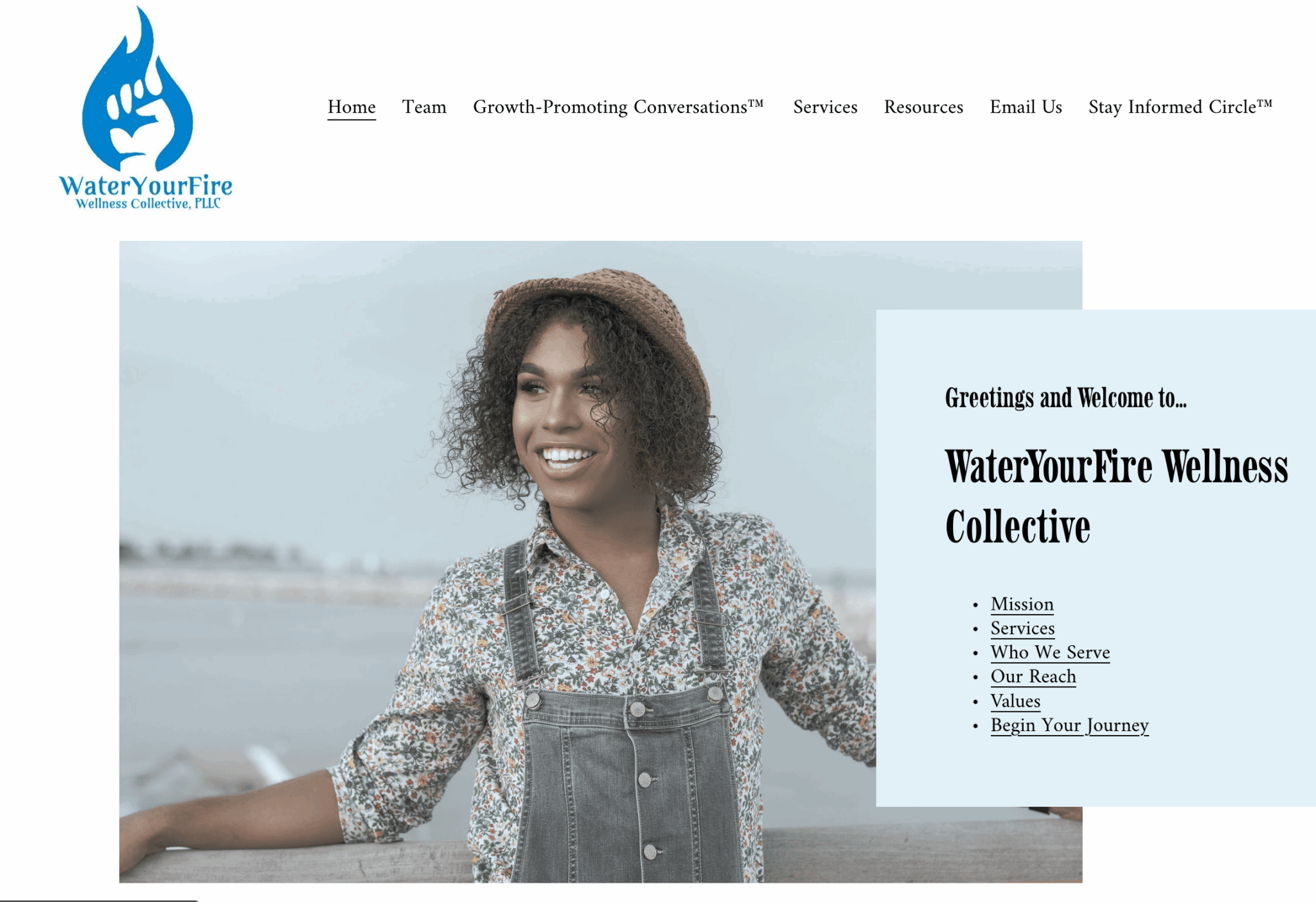
Any advice for growing your clientele? What’s been most effective for you?
Building slowly and with intention.
Rather than prioritizing volume, visibility hacks, or constant availability, the most effective strategy has been consistency, showing up with clarity about who the work is for, how it’s practiced, and what it does not require from clients to be worthy of care. The practice has grown primarily through trust-based referrals, aligned relationships, and clear communication about boundaries and expectations.
People tend to find this work when they’re ready for care that doesn’t rush them, flatten their identities, or ask them to perform wellness. In this context, growth has been less about expansion and more about fit. That approach has allowed the work to remain sustainable, relational, and grounded. Both for the clients and for the practice itself.
Contact Info:
- Website: https://WaterYourFireWC.com
- Linkedin: https://www.linkedin.com/in/l-winley-013a4a41/
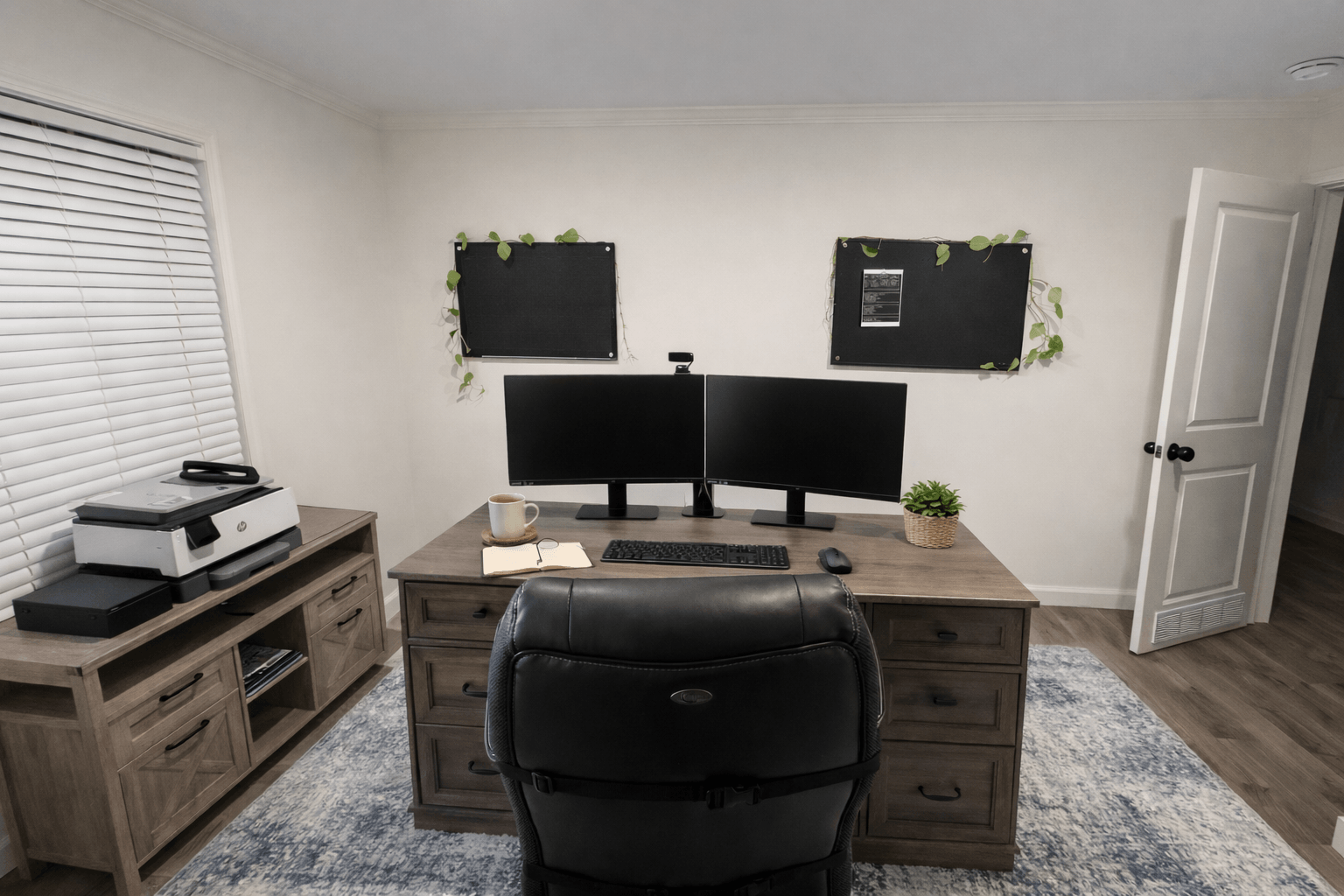
Image Credits
Photo 1 (Brown Shirt)- Courtesy of Tovannai Kelly-Winley
Photo 2 (Headshot)- Courtesy of Tovannai Kelly-Winley
Photo 3 (Website Screenshot)- Image Courtesy of WaterYourFire Wellness Collective, PLLC
Photo 4 (The Framework)- Graphic © Growth-Promoting Conversations™ / WaterYourFire Wellness Collective, PLLC
Photo 5 (My office)- Courtesy of Dr. L Winley