



Alright – so today we’ve got the honor of introducing you to Matthew Penick. We think you’ll enjoy our conversation, we’ve shared it below.
Hi Matthew, thanks for joining us today. Let’s jump back to the first dollar you earned as a creative? What can you share with us about how it happened?
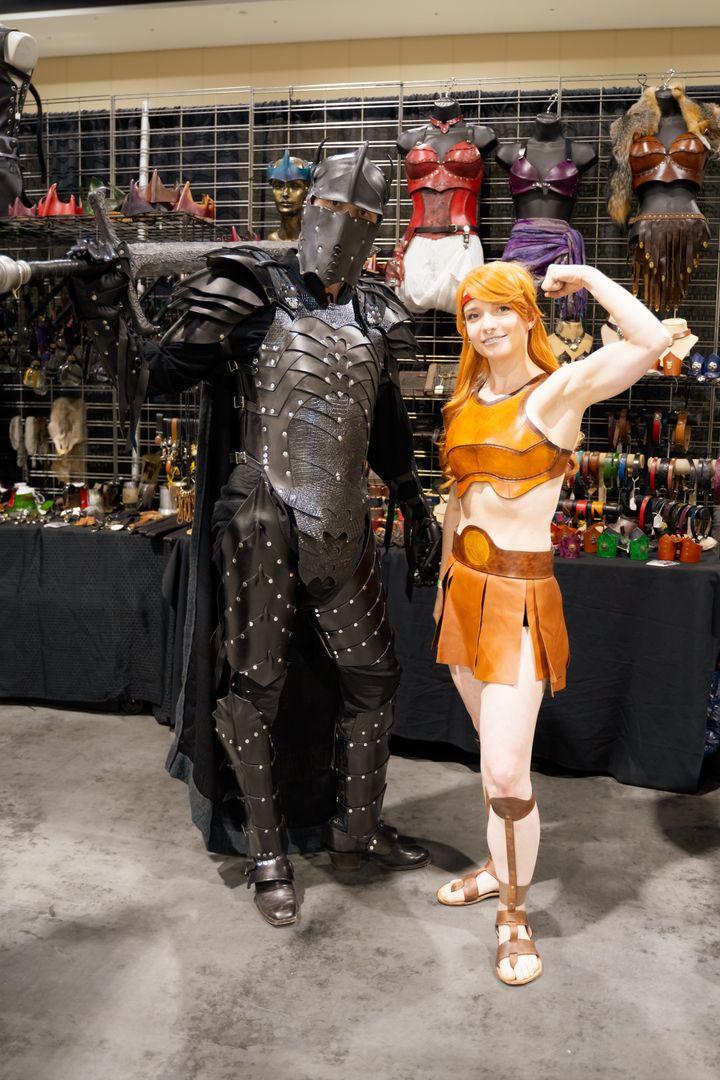
The first indicator I had that I might be able to make a career in art and design came from me wearing a costume I had made for myself. My friends and I always dressed up in costumes to go to the Carolina Renaissance Festival, and this particular year, I had gone all out and made myself a suit of leather armor.
I had only just learned how to work with leather a couple months earlier, and this was my first project with it. But when I wore it in to another leatherworker’s booth, he asked me if I took commissions or wanted to sell some of my work out of his booth. I can still picture the look on his face when he asked me where I got my armor from and I told him “I made it.” I seriously had to talk shop with him to convince him.
I, of course, had no other works at the time, but still agreed to sell consignment with him. I made my first commissioned piece that year and was selling consignment out of his booth the next year.
For a college kid making minimum wage, it felt like a ton of money. But really, seeing people get excited about the things I made got me hooked more than anything.
Matthew, love having you share your insights with us. Before we ask you more questions, maybe you can take a moment to introduce yourself to our readers who might have missed our earlier conversations?
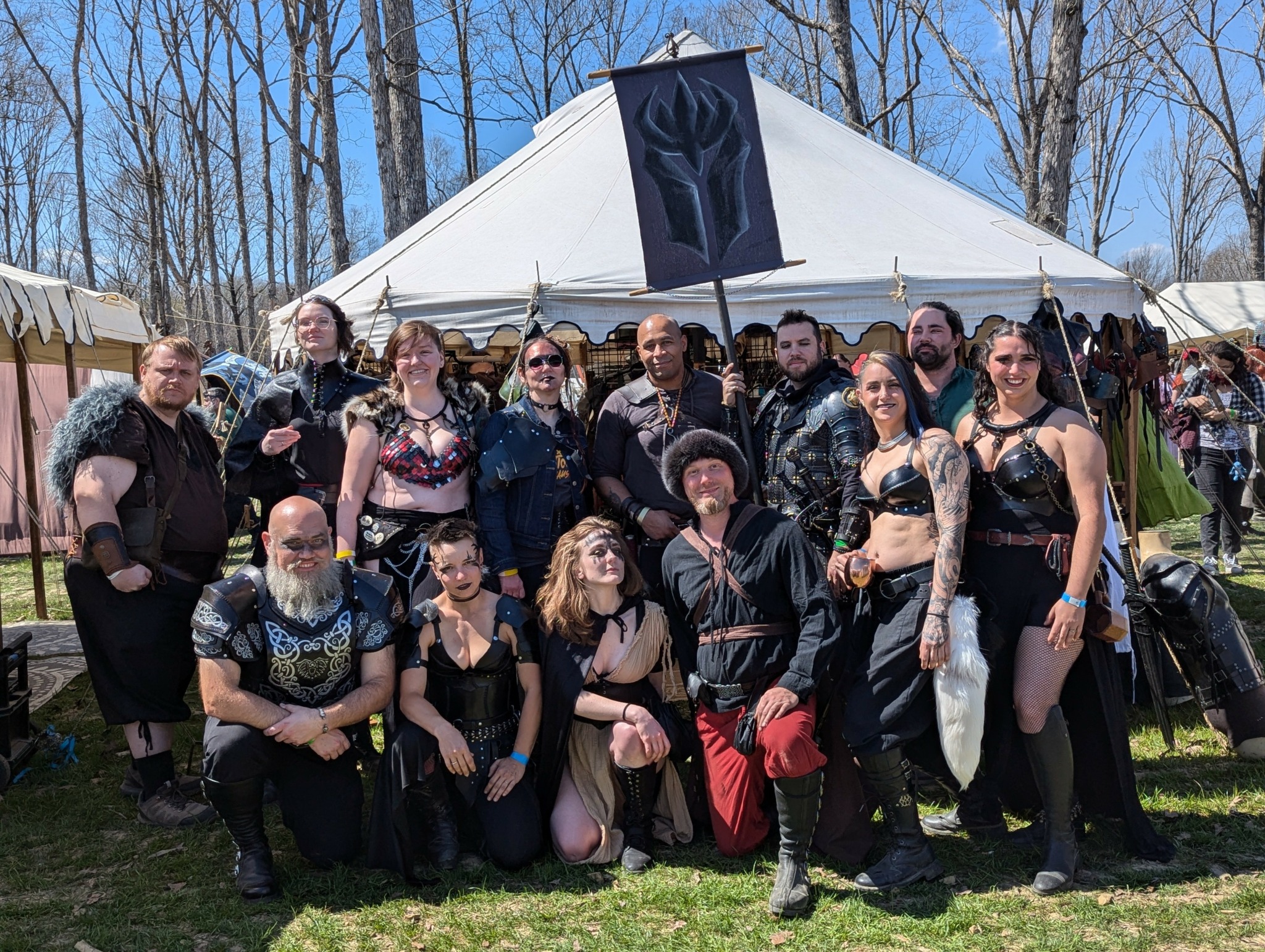
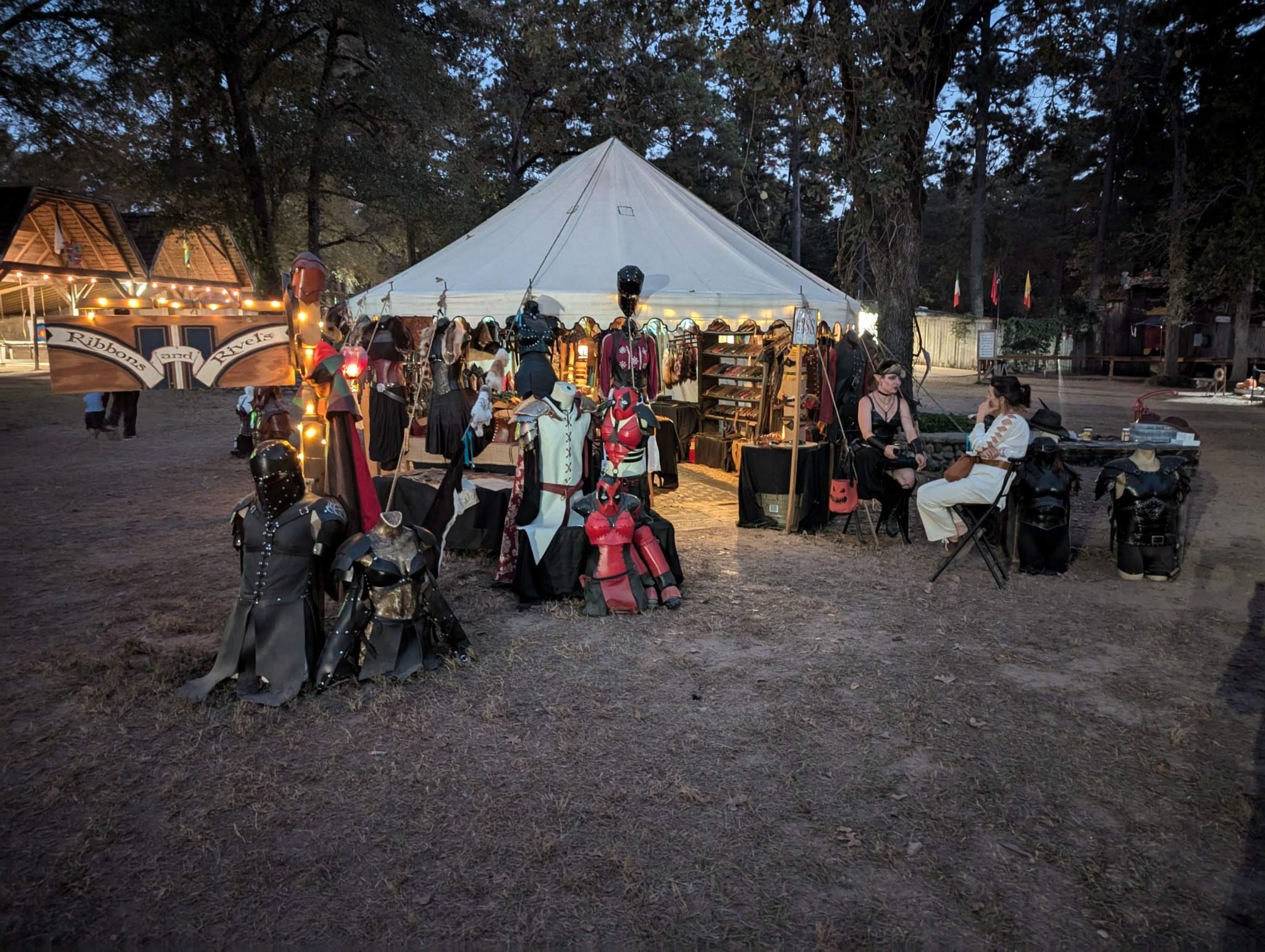
My name is Matthew Penick and I generally call myself a theatrical designer for lack of a well defined job descriptor. I own the design company Ribbons and Rivets and we spend the entire year playing dress up and helping others do the same.
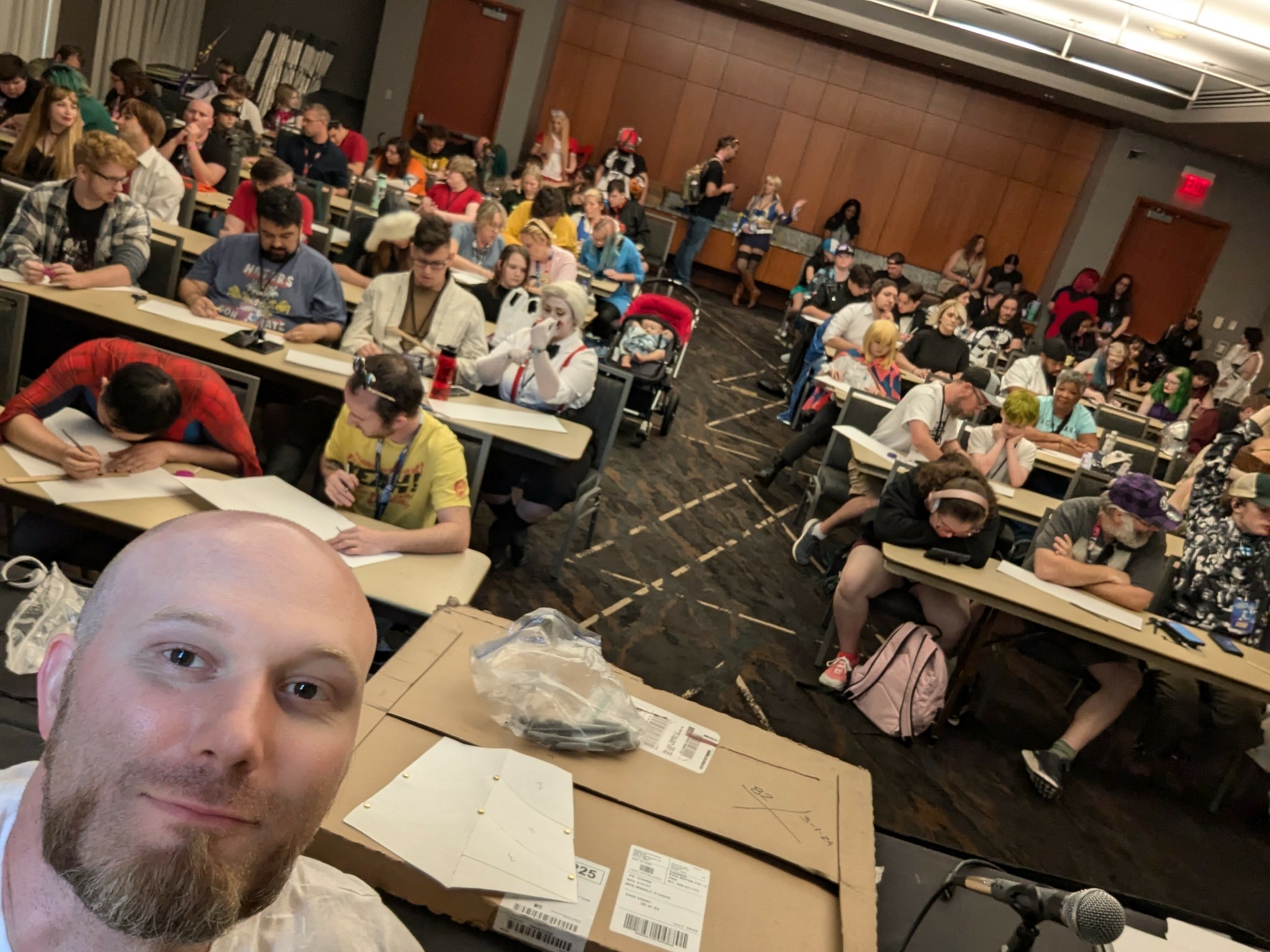
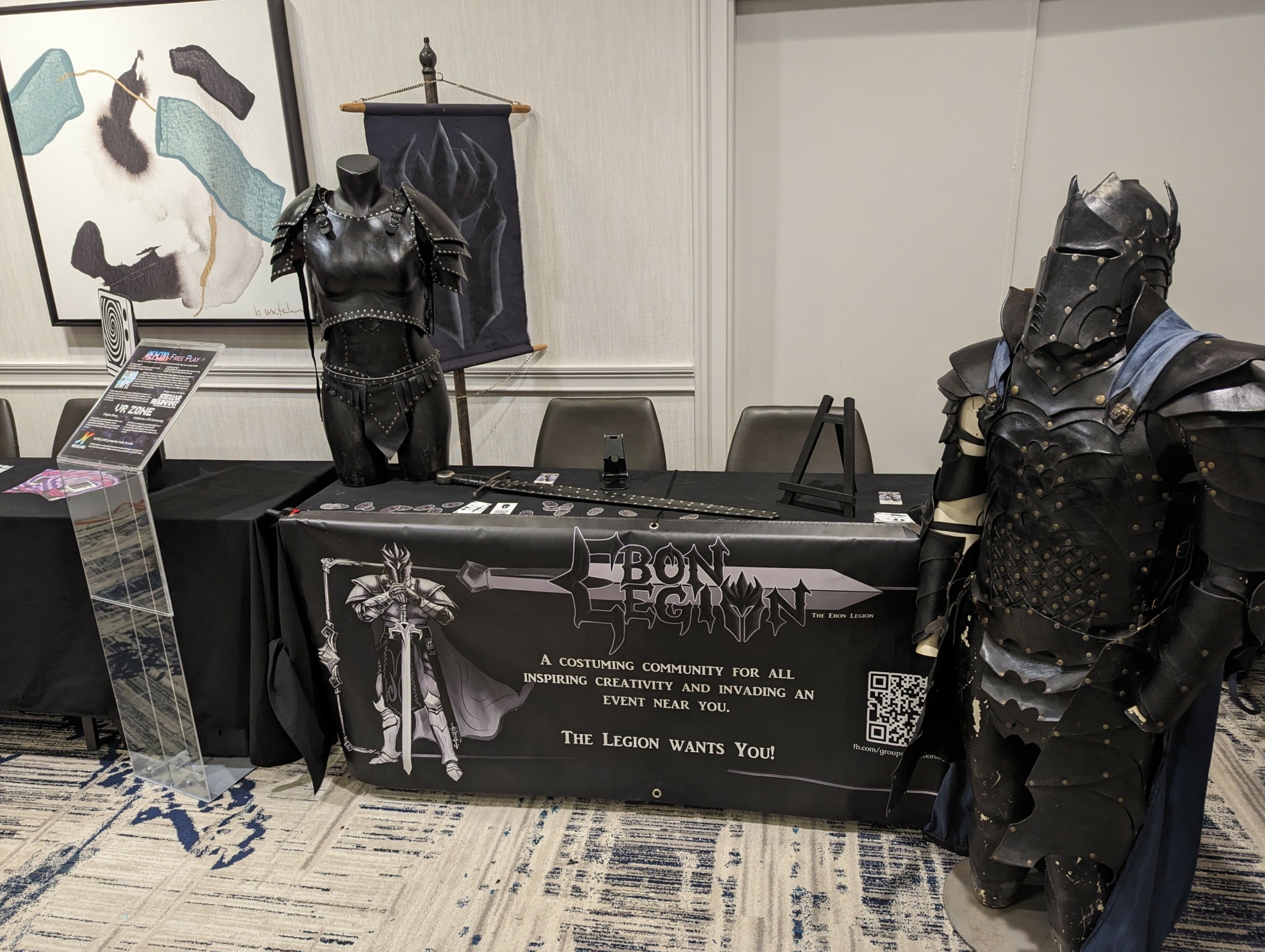
I make costumes, props, scenery, buildings, and anything else that goes in to making an other worldly setting or feeling. You can generally find us at Renaissance Festivals, comicons, art shows, and of course online as well.
I got in to the industry because people started asking me to do for them what I was already doing for myself. Whenever Renaissance Festivals would be in season, I would create a character and then build all of the costuming and props required for me to go to the festival as that character. I did it with friends to start with, but as time went on, friends of friends, and then professionals took notice and the creation of my company was required to keep up.
The first piece I made that really stood out was my leather armor suit. Apparently, not many people knew how to work with leather, so while I could work with other mediums, most of my commissions and popular products were all leather. So leatherwork pretty quickly became the company’s specialty.
In a world where cheap imports, outsourcing, and machine made mass production has become the norm, our brand stands out. All of our products are hand made by us in North Carolina. Even all of our patterns are made by our artists.
We are known for our quality, attention to detail and for the fact that each piece we make includes all of the finishing techniques that are so often abandoned for faster turn around times. We also have a lot of leather products that are water molded, meaning they are forced into a shape while wet and, once they dry, they have that shape permanently. Not many companies bother to water mold much anymore. It’s time consuming, requires a lot of physical application, and takes a much higher skill level to pattern considering you are taking a 2D material and making it 3D.
Our costumes especially have sleek form fitted designs because the water molding in them allow the pieces to follow body contours very closely. Standing side by side with someone in similar products, ours generally look better fitted and less bulky than the others.
Our favorite thing among our staff is to watch someone walk into our shop at a Renaissance Festival wearing blue jeans and a t-shirt. Then, watch them leave dressed head to toe as a battle hardened warrior or elegant damsel. We love knowing that we helped someone look and feel awesome and that we put just a little more joy out into the world.
Let’s talk about resilience next – do you have a story you can share with us?
Creating a costuming company isn’t hard, but paying your bills with it is. There aren’t many spaces in this industry for full time work, so everyone that is wanting to take their costuming hobby and make it a career are competing for very few slots.
It took over a decade of working two jobs to grow the client base and convince the larger shows that my company was a big enough deal to be allowed to sell at them.
That is over a decade of working 60-80 hour weeks more often than not.
The more successful the company became, the more time it required. What finally convinced me to give up the financial security of my factory job was when I got accepted to vend at the Carolina Renaissance festival for a season. I jumped at the unexpected opportunity, but soon realized I hadn’t built up the product inventory to keep my booth stocked for the 7 weekends I was going to be there. It was then that I learned that 104 hours is the most a person can work in a week while still eating decently, getting a full night’s sleep, and still showering a reasonable amount. We kept that schedule up for the whole run of the show and had a fully stocked booth every weekend.
About two months later I became a full time costumer.

Looking back, are there any resources you wish you knew about earlier in your creative journey?
When I first started learning leatherwork, YouTube wasn’t a thing. You could find some books on it, but for the most part, I learned by sitting down and doing: making mistakes and improving.
These days, for whatever you want to learn, there is someone willing to pour out everything they know for a few likes and subscribes. Some of this information would have been considered trade secrets back in the day. Someone would have had to do 10 years of grunt work for an artisan as an apprentice before they would receive the secrets of their master’s process.
What took me 10 years of trial and error to learn could be picked up in probably 10 weeks today on YouTube. Really makes me wish it had been available when I was first learning.
Contact Info:
- Website: https://www.ribbonsandrivets.com
- Instagram: Ribbons.rivets
- Facebook: https://facebook.com/Ribbons.Rivets/
- Youtube: https://youtube.com/@ribbonsandrivets
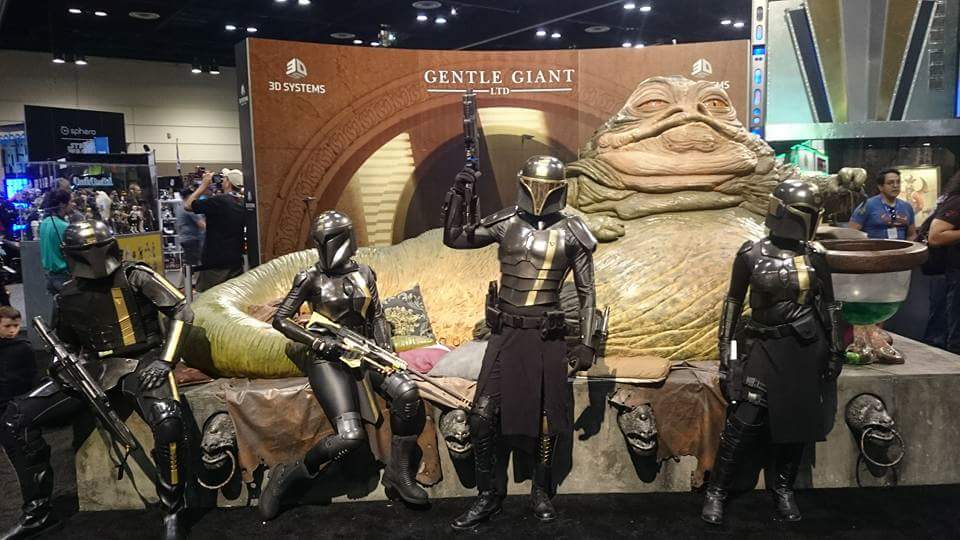
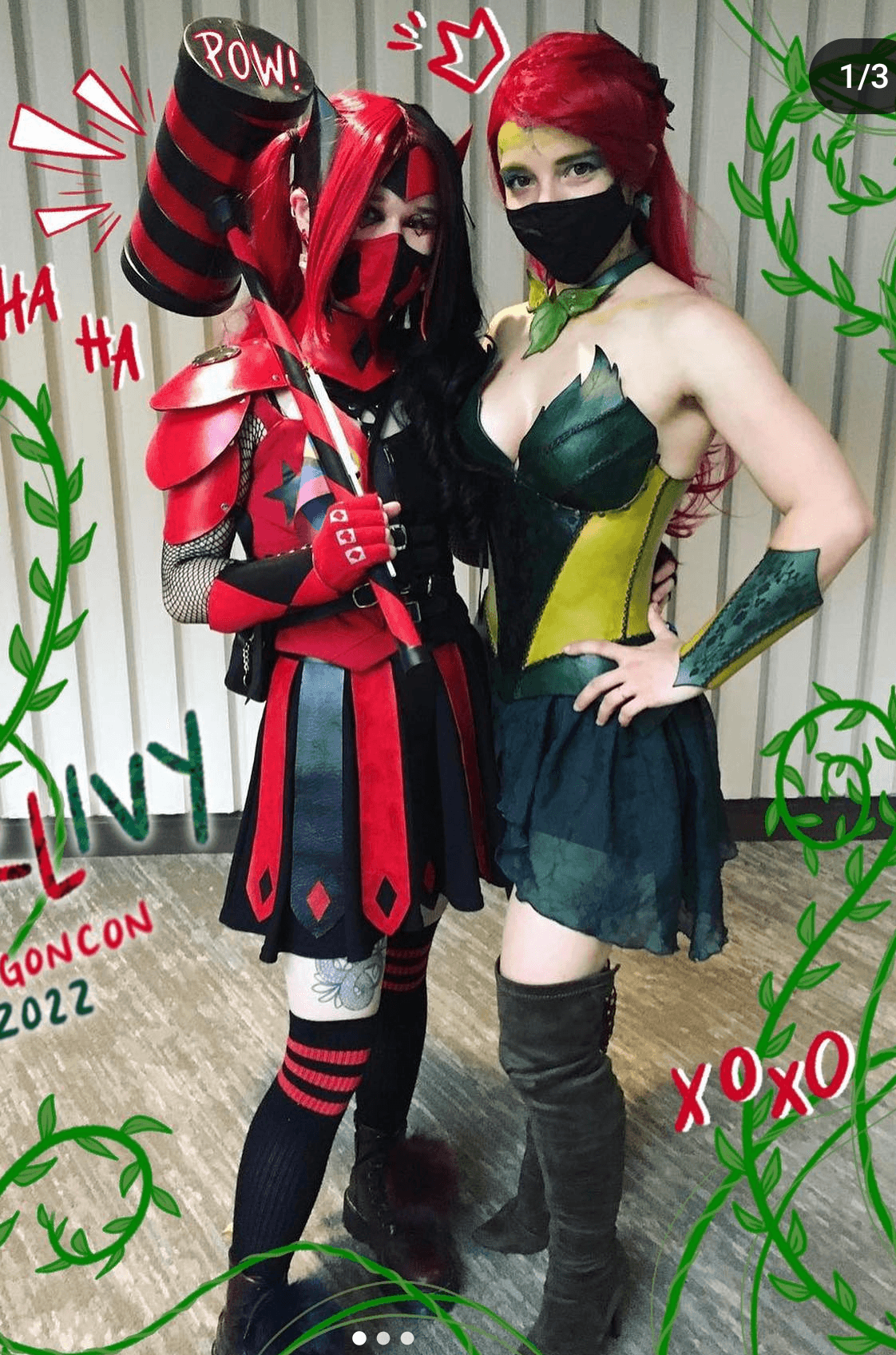
Image Credits
Paul Cory