

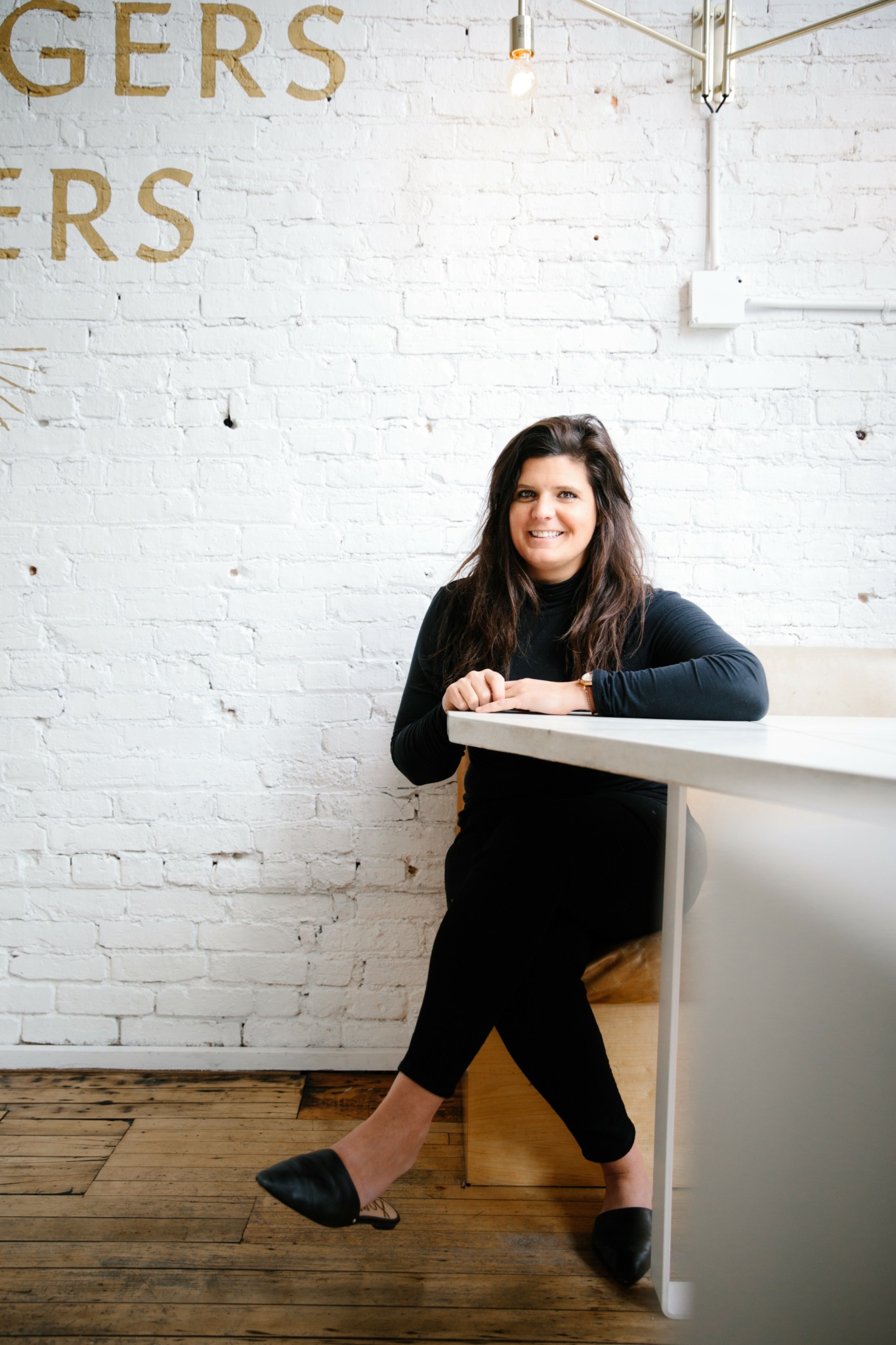

We caught up with the brilliant and insightful Lyndsay Edmonds a few weeks ago and have shared our conversation below.
Lyndsay, thanks for joining us, excited to have you contributing your stories and insights. What was it like going from idea to execution? Can you share some of the backstory and some of the major steps or milestones?
I didn’t begin with a master plan or a perfectly formed business idea. I started with a feeling — a sense that something was possible — and a willingness to learn as I went.
The earliest ideas came from noticing potential in places others tended to overlook. I’ve always been drawn to older buildings and underused spaces — places with good bones but no clear direction. I don’t see that as a special talent so much as a curiosity: walking into a space and wondering what it could feel like, how people might experience it, and what role it could play in a community. That curiosity became the starting point.
Travel helped shape that perspective in a meaningful way. Spending time in different places, especially in Europe, showed me how naturally hospitality, food, and beverage fit into everyday life. Cafés and bars aren’t treated as novelties; they’re part of the rhythm of a neighborhood. They’re gathering places, touchpoints, and constants. That idea stayed with me and quietly influenced what I wanted to build.
The work that followed wasn’t glamorous. It was a lot of listening, research, and asking basic questions: Is this allowed? What zoning applies? What does it take to make something safe, legal, and sustainable? I spent time learning things that often sit behind the scenes — permits, use restrictions, building basics, and how money actually moves through a business. I didn’t fully understand them at first, but I felt it was important to keep learning rather than skipping over those details.
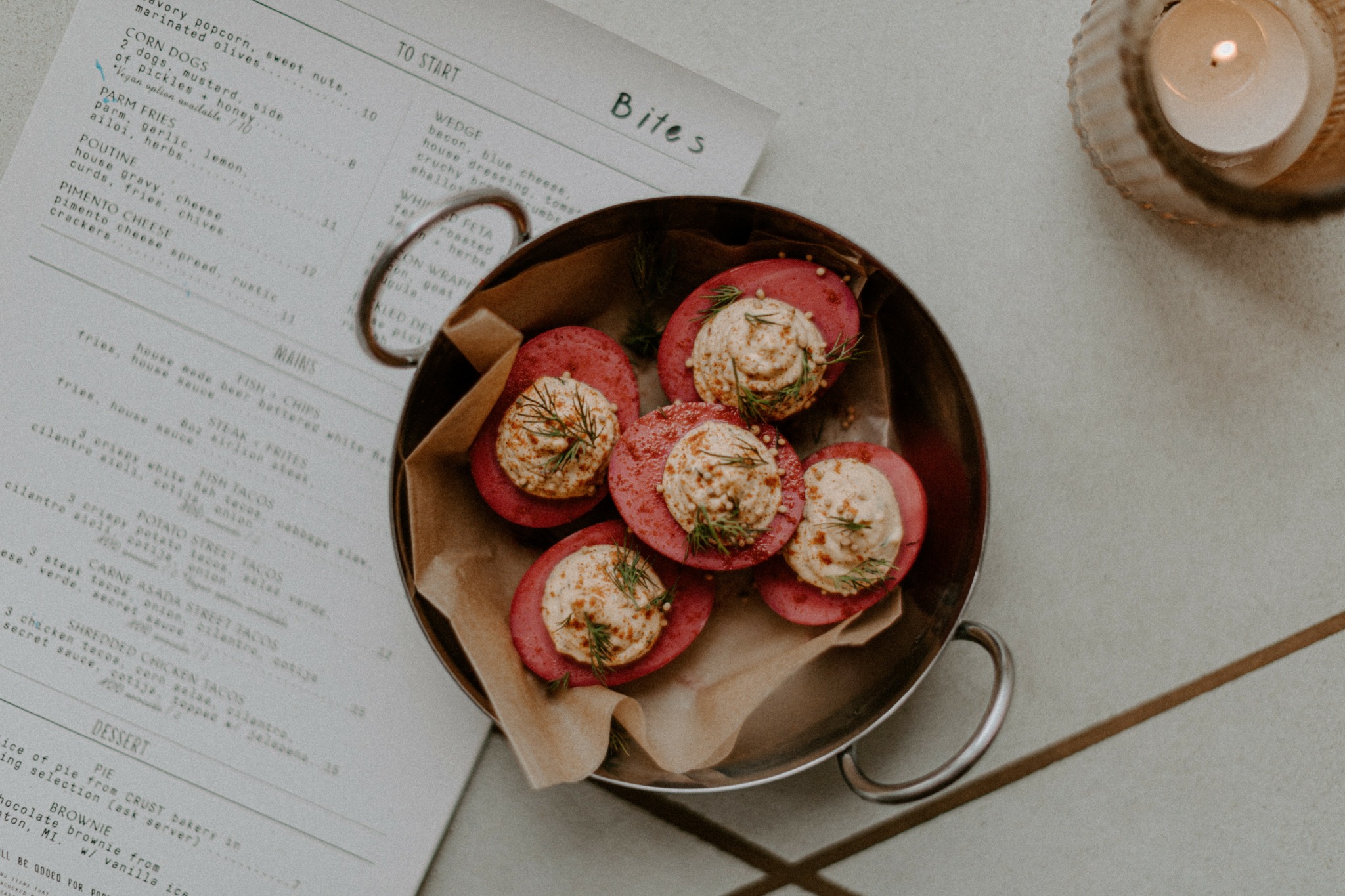
Fourteen years ago, I opened Harless + Hugh Coffee as a morning and daytime space focused on coffee and brunch. My goal was simple: to create a place that felt warm, familiar, and easy to return to. In the early months, much of my attention went to the feel of the space — how it welcomed people, how long they wanted to stay — alongside how guests were treated and how staff felt coming to work. I cared deeply about consistency and sincerity, and I tried to be thoughtful about every product we offered.
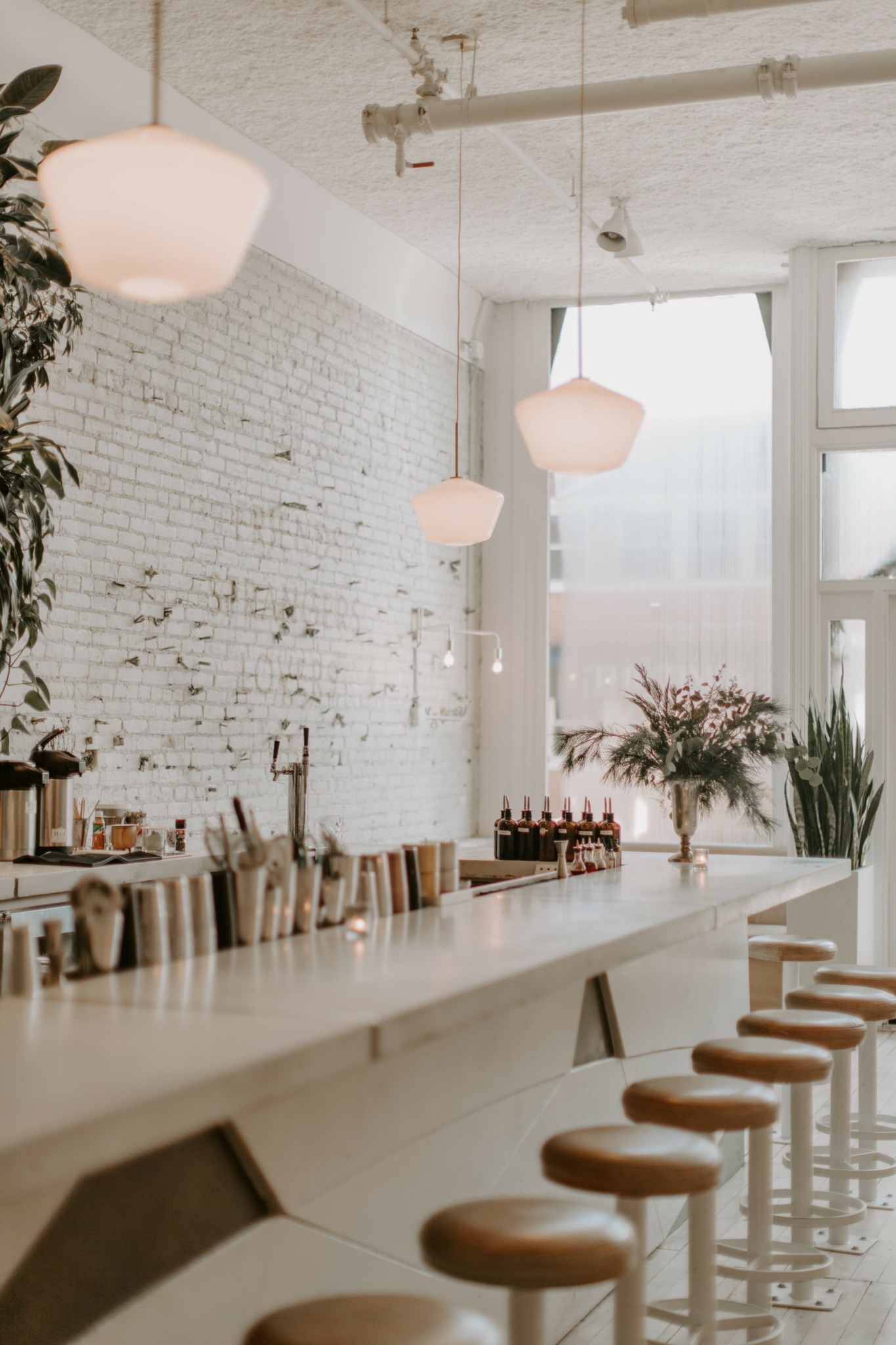
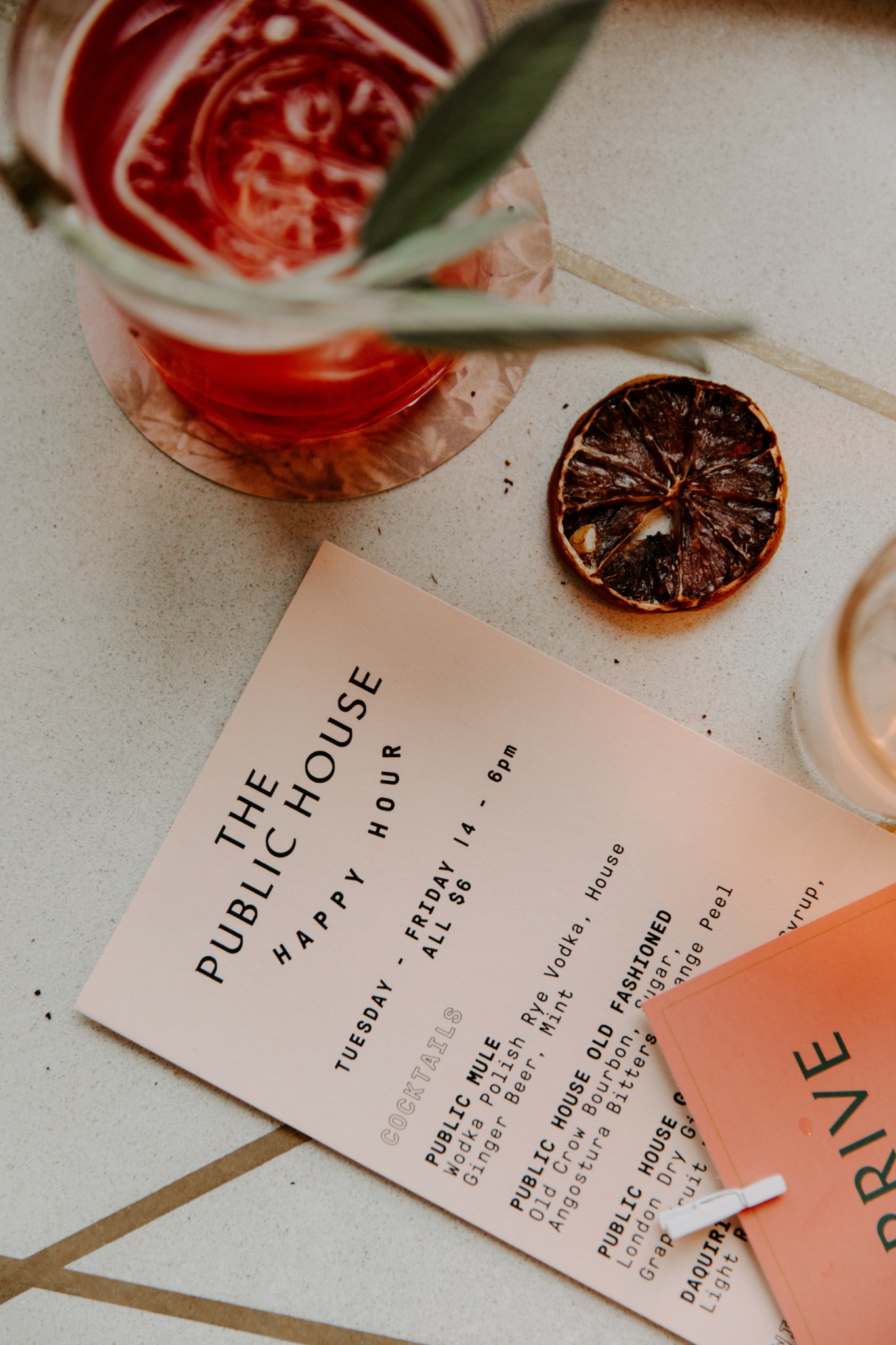
Nine years ago, I expanded into evenings with The Public House, carrying that same approach into a different time of day — a place for craft cocktails, dinner, and slower moments. A year ago, I opened Neighbors Natural Wine, which has its own energy and intention: a more European-inspired space centered on natural wine, design, and discovery, meant to feel inviting rather than intimidating.
None of this happened all at once. It unfolded in layers, through a lot of trial, adjustment, and learning. What mattered to me was that the pieces worked together — the space, the service, the product, and the overall feeling. I’ve come to believe that people notice when care is taken, even if they can’t always articulate why. Thoughtful design, genuine hospitality, and honest offerings tend to speak for themselves.
Nearly seven years ago, that same mindset extended into residential hospitality with Stay Harless Hugh, applying similar care to short-term rentals. That path has naturally led me to where I am now: working toward the development of a boutique hotel that brings those experiences together in one place.
What helped me move forward each time wasn’t fearlessness or certainty. It was persistence and a willingness to stay engaged when things became difficult. I tried to be careful rather than reckless, and when something didn’t work, I adjusted. Challenges around staffing, financing, construction, or timing were never simple, but I learned not to treat them as endpoints — just part of the process.
Looking back, it doesn’t feel like one bold leap so much as a series of small, intentional steps. Showing up consistently, staying curious, and caring deeply about the outcome made the difference. I’ve learned that when you’re willing to do the work and stay open to learning, ideas have a way of becoming real.
Awesome – so before we get into the rest of our questions, can you briefly introduce yourself to our readers.
I’m an entrepreneur working at the intersection of hospitality, design, and place-making. At the core of everything I do is a deep belief that spaces matter — how they feel, how people are treated within them, and how thoughtfully curated food, drink, and design can shape everyday life.
I didn’t come to this industry through a traditional path. I’ve always been drawn to old buildings, overlooked spaces, and places with good bones but no clear direction. I have a natural instinct for walking into a space and seeing what it could be — not just aesthetically, but emotionally and experientially. That instinct, paired with a strong work ethic and a willingness to learn by doing, is what led me into hospitality.
Travel played a major role in shaping my approach. Spending time abroad — especially in Europe — changed the way I thought about cafés, bars, and gathering spaces. Hospitality there isn’t transactional; it’s woven into daily life. Coffee shops are extensions of living rooms. Wine bars feel like cultural salons. Design, food, and conversation coexist naturally. I brought that perspective home with me and began building businesses rooted in that same philosophy.
I opened Harless + Hugh Coffee fourteen years ago as a morning and daytime space focused on coffee and brunch — a place that feels warm, familiar, and welcoming. From there, the brand grew organically. Harless + Hugh Public House, opened nine years ago, expanded that experience into the evening with craft cocktails and dinner, offering a slower, more intimate nighttime hospitality environment. Most recently, Neighbors Natural Wine was created as a European-inspired wine bar and bottle shop — a space that feels more like an artist’s atelier than a traditional bar, centered on natural wines, thoughtful design, and discovery.
Nearly seven years ago, my work expanded into residential hospitality with Stay Harless Hugh — short-term rentals designed with the same care, warmth, and attention to experience as our public-facing spaces. That evolution is now leading toward the development of a boutique hotel, bringing together everything I’ve learned across hospitality, design, and operations.
What sets my work apart is that I don’t see hospitality as just service — I see it as stewardship. I care deeply about how spaces function, how people feel in them, and how they age over time. I’m involved in everything from concept development and design to operations, staffing philosophy, and guest experience. I believe space, service, product, and energy all work together, and people immediately feel when intention is present.
The problems I solve aren’t always obvious ones. I help bring clarity to spaces that feel underutilized or overlooked. I create environments where people want to linger, return, and feel connected — whether that’s over coffee in the morning, cocktails at night, a glass of natural wine, or a stay in a thoughtfully designed home. For partners, collaborators, and guests, I offer places that feel authentic, grounded, and human.
What I’m most proud of isn’t just growth or longevity — it’s consistency. Fourteen years in, people still trust our spaces. Staff stay. Guests return. The work evolves, but the values don’t. I’m proud that each project builds on the last and that none of them feel disconnected from the larger story.
The main thing I want people to know about me and my brand is that everything is built with intention and care. I’m deeply passionate, deeply invested, and unwilling to build things that don’t feel honest. I don’t chase trends — I focus on creating places that feel timeless, lived-in, and meaningful. If people walk into one of my spaces and feel comfortable, inspired, and welcomed, then I’ve done my job.
Can you open up about a time when you had a really close call with the business?
Yes — and this is one of the defining chapters of my career.
One of the most difficult and formative periods I’ve experienced as a business owner was a six-year lawsuit with the residential condominium association above my space, centered around sound transmission and ceiling construction. It began almost immediately after I opened.
I was a new business owner, operating below residential condos, dealing with an association that had significant financial resources, legal representation, and very little interest in compromise. From the start, the approach was aggressive. There was pressure, constant legal correspondence, and a very clear attempt to overwhelm me financially and emotionally — to push me until I folded or went away. At times it felt less about sound and more about power.
Those years included some of the closest calls I’ve ever had as a business owner.
Legal fees stacked up. Construction costs were ongoing. There were moments where payroll timing was tight, where I had to decide what could wait and what absolutely could not. I learned very quickly how exposed a small business can be when it’s forced into prolonged litigation — especially against an entity that can afford to drag things out indefinitely.
What made it especially challenging was that I wasn’t avoiding responsibility. I took the issue seriously. Over the course of those six years, I installed multiple ceiling systems, investing again and again in soundproofing solutions — not because I was legally required to at every stage, but because I genuinely wanted to do the right thing. Each solution required capital, coordination, downtime, and patience. And still, the goalposts kept moving.
There were moments when it felt endless. Moments where the stress was overwhelming. Moments where I questioned whether it was worth it. But I refused to be pushed out of a space I believed in and had poured everything into. I stayed focused, stayed compliant, stayed professional — even when the treatment from the association was anything but.
Ultimately, I prevailed. The work was done. The space was proven compliant. And the business endured.
Looking back, that period fundamentally changed how I operate. It taught me resilience in a way nothing else could. It taught me how to manage cash flow under extreme pressure, how to stay steady when external forces are trying to destabilize you, and how to keep showing up for your staff and your customers even when things are incredibly hard behind the scenes.
Most importantly, it reinforced something I already believed: if you care deeply enough and refuse to quit, you can outlast situations designed to break you.
I don’t romanticize that time — it was brutal. But I’m proud of it. The business survived not because it was easy, but because I stayed. And that experience still informs how I make decisions, how I assess risk, and how seriously I take protecting the long-term health of everything I build.
Are there any books, videos, essays or other resources that have significantly impacted your management and entrepreneurial thinking and philosophy?
One book that has had a lasting impact on my thinking is Setting the Table by Danny Meyer. It articulated something I already believed instinctively but hadn’t yet put into words — that hospitality isn’t just service, it’s a philosophy. The idea of enlightened hospitality, of taking care of people in the right order, deeply resonated with me and validated the way I had been building my businesses from the inside out.
Beyond books, I’m constantly inspired by other people’s stories in hospitality. I regularly read memoirs, essays, and interviews from people in the industry — chefs, hoteliers, restaurateurs, designers — because I find endless value in understanding how others navigate pressure, creativity, leadership, and longevity. Hospitality is such a human industry, and I’m endlessly intrigued by how different people approach it, especially through moments of adversity or reinvention.
I also learn by being in hospitality, not just reading about it. Visiting hotels is a huge source of inspiration for me. I pay attention to the smallest details — how you’re greeted, how spaces transition from public to private, how lighting, scent, sound, and pacing affect how you feel. I’m especially drawn to hotel brands that understand restraint, warmth, and timelessness rather than flash. Seeing hospitality executed well, in real time, teaches me more than any abstract framework ever could.
Travel has been equally influential. Experiencing hospitality in different cultures — particularly in Europe — shaped how I think about cafés, wine bars, and gathering spaces as extensions of daily life rather than destinations reserved for special occasions. That perspective continues to inform how I design spaces and experiences at home.
What ties all of these influences together is a shared thread: intention. Whether it’s a book, a person’s story, or a hotel experience, I’m drawn to work that’s thoughtful, human, and deeply considered. I don’t look for rigid rules or formulas — I look for perspective, inspiration, and reminders of why this work matters.
Those inputs constantly shape how I manage, how I lead, and how I build. They keep me curious, grounded, and inspired — and they remind me that hospitality, at its best, is about care, presence, and creating places people want to return to.
Contact Info:
- Website: www.harlessandhugh.com. wwww.thepublichousebaycity,com. www, neighborsbaycity.com
- Instagram: harlessandhughcoffee thepublichousebaycity neighborsbaycity stayharlesshugh
- Other: Personal instagram :Lyndsay.edmonds
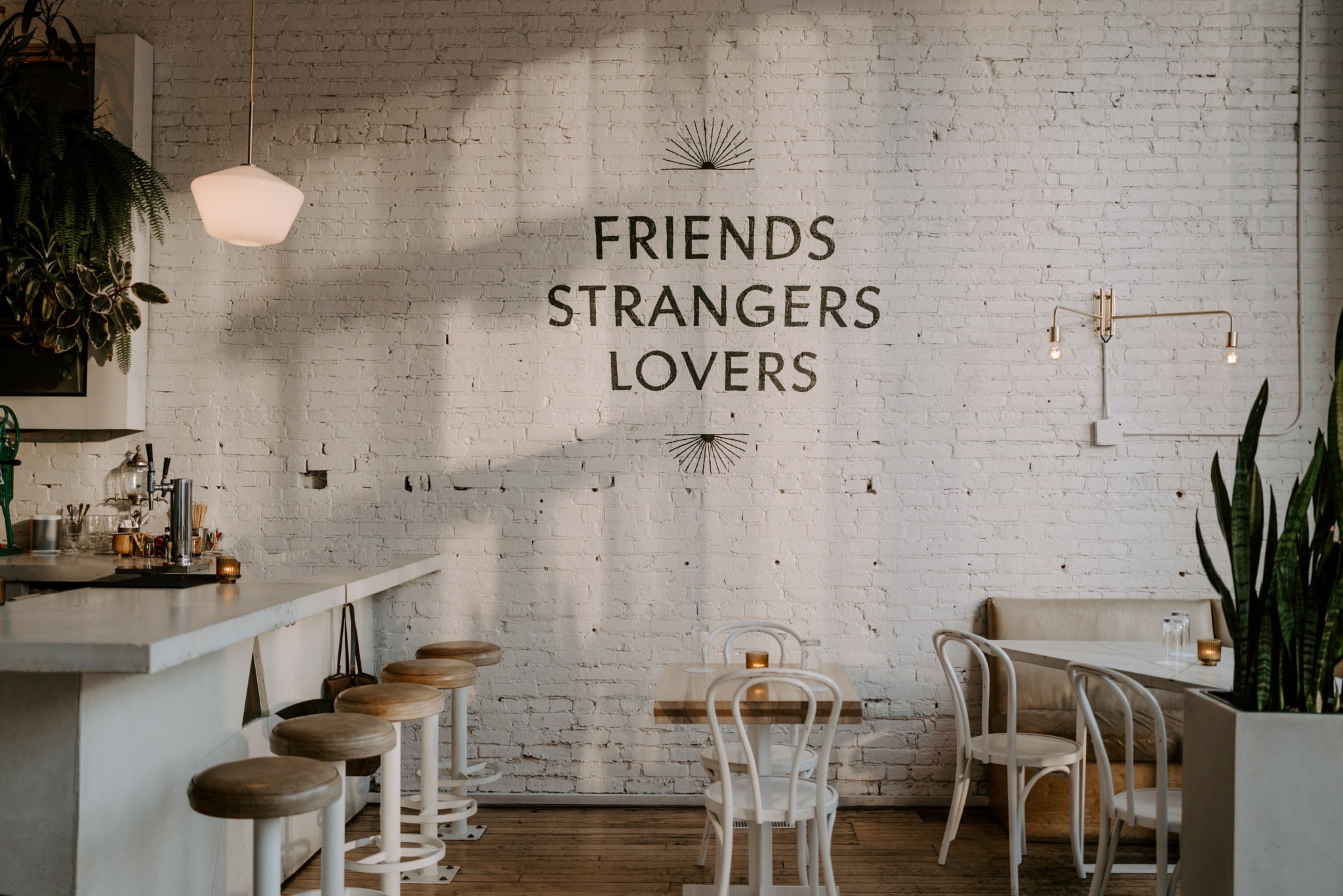
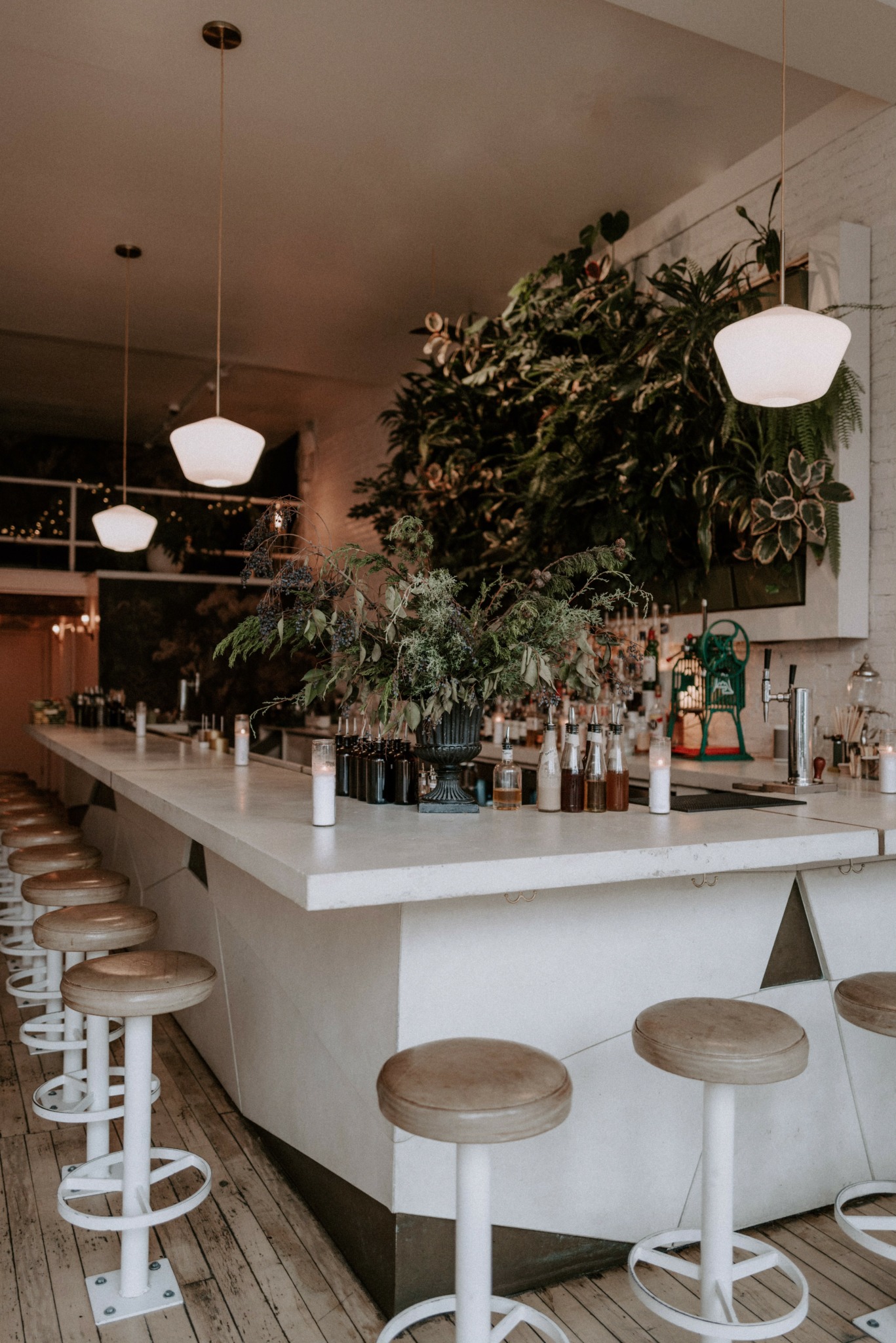
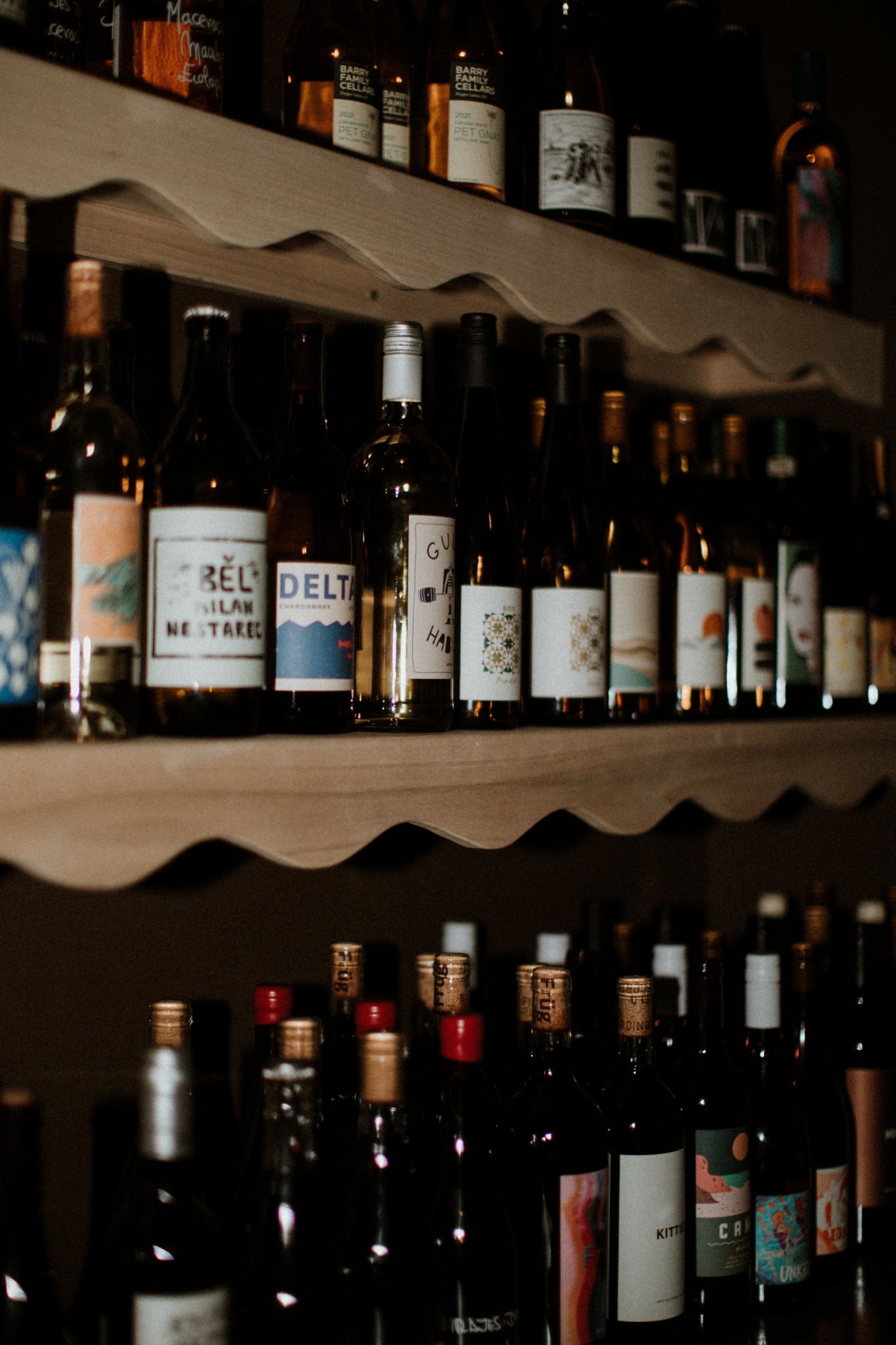
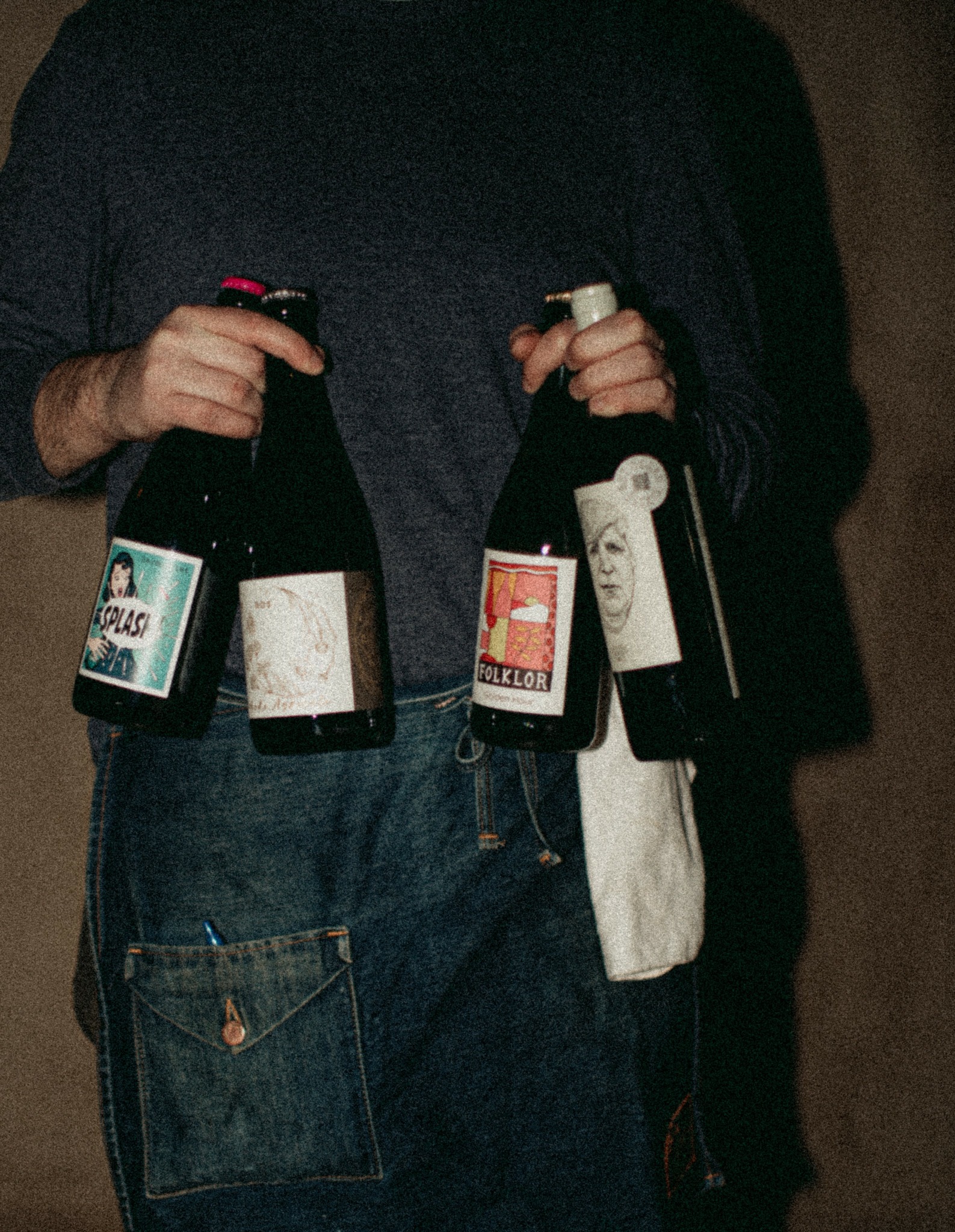
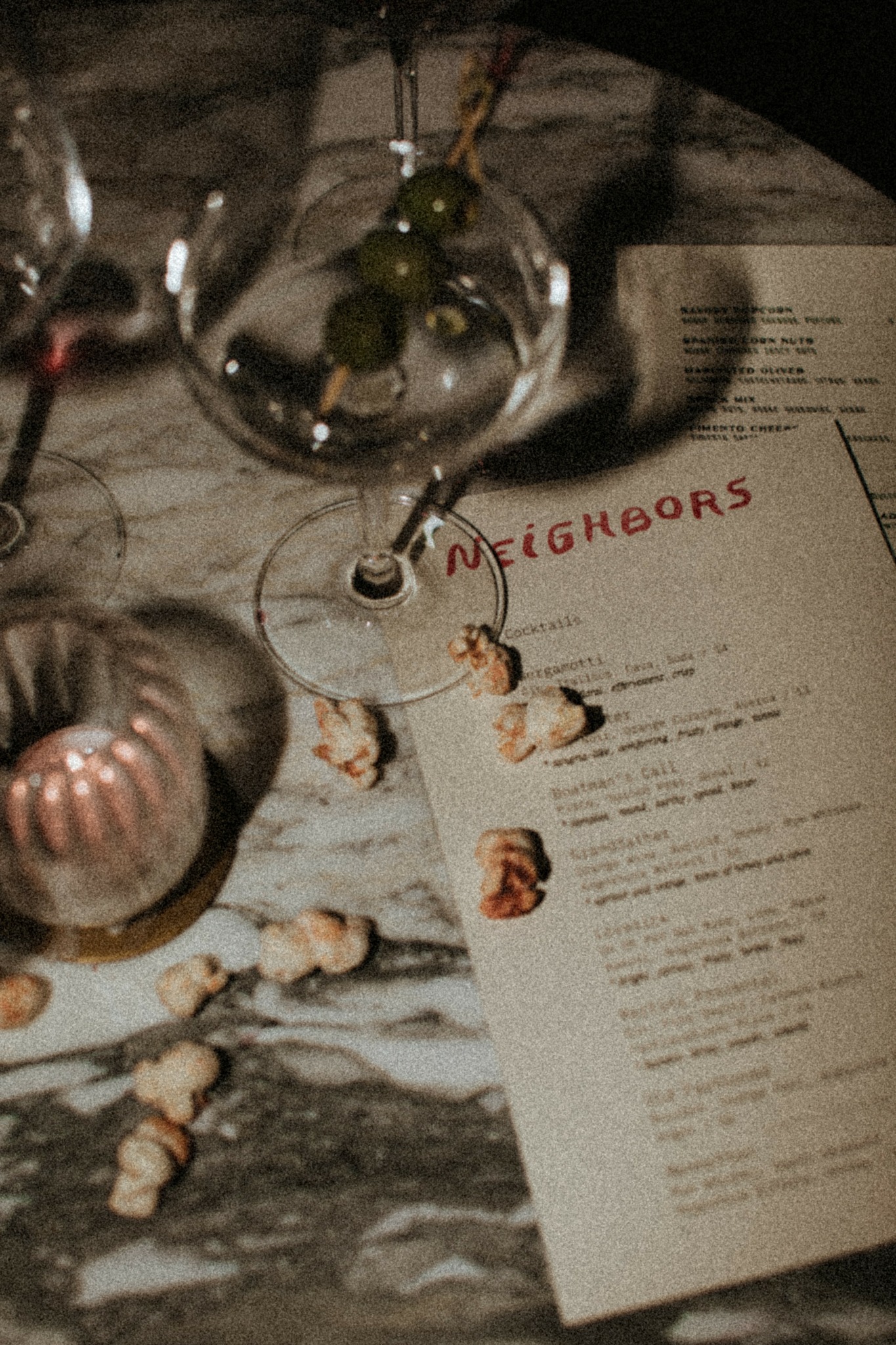
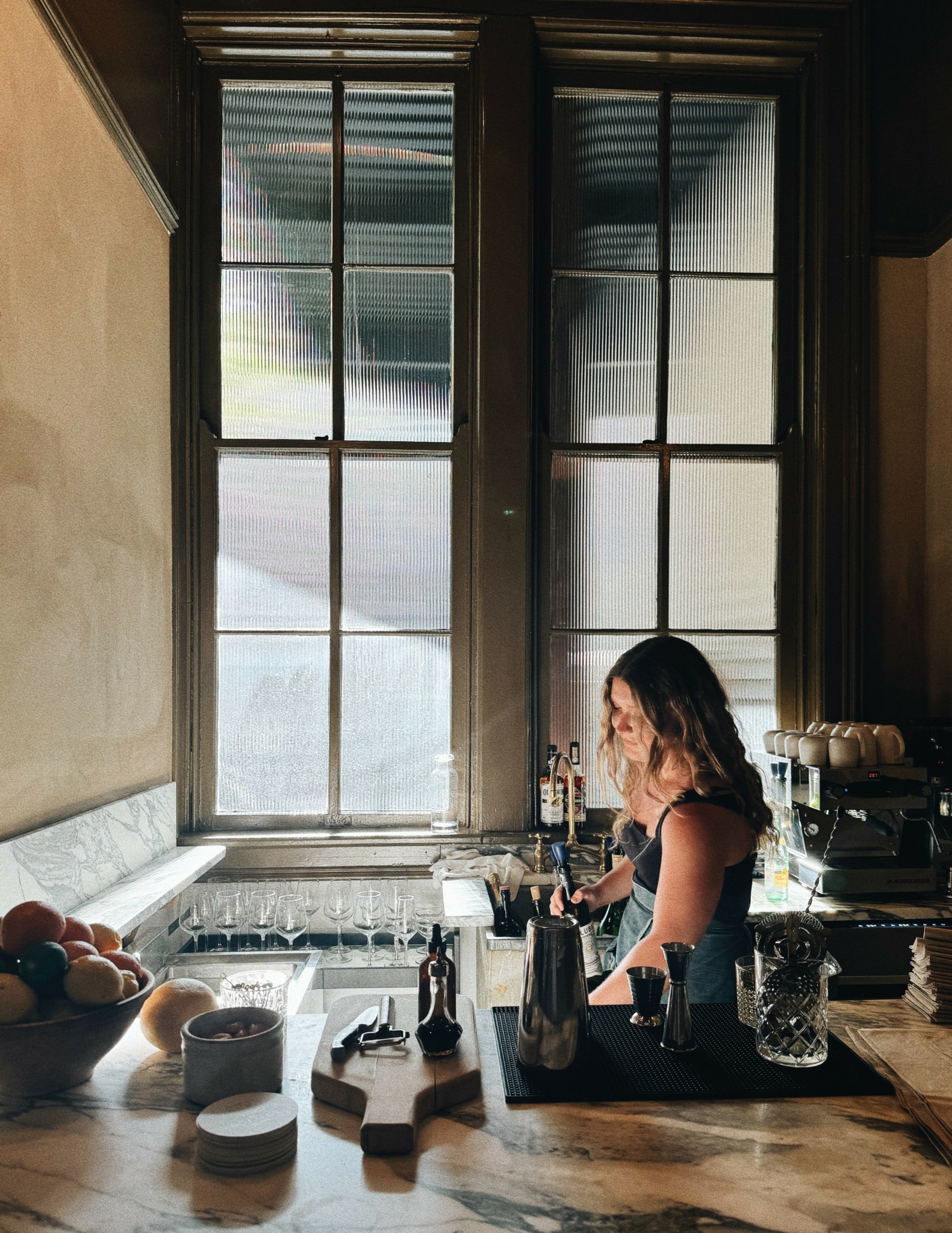
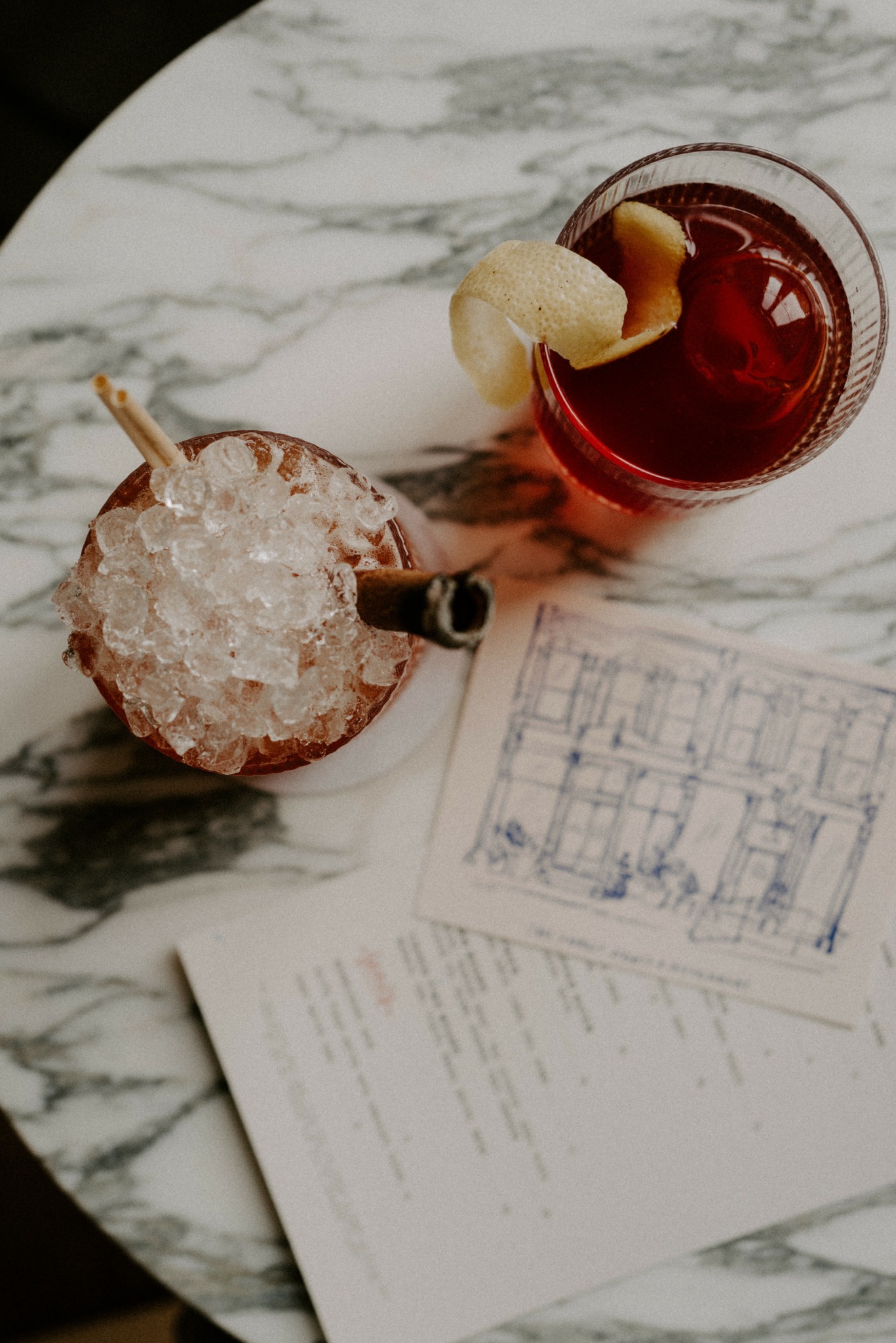
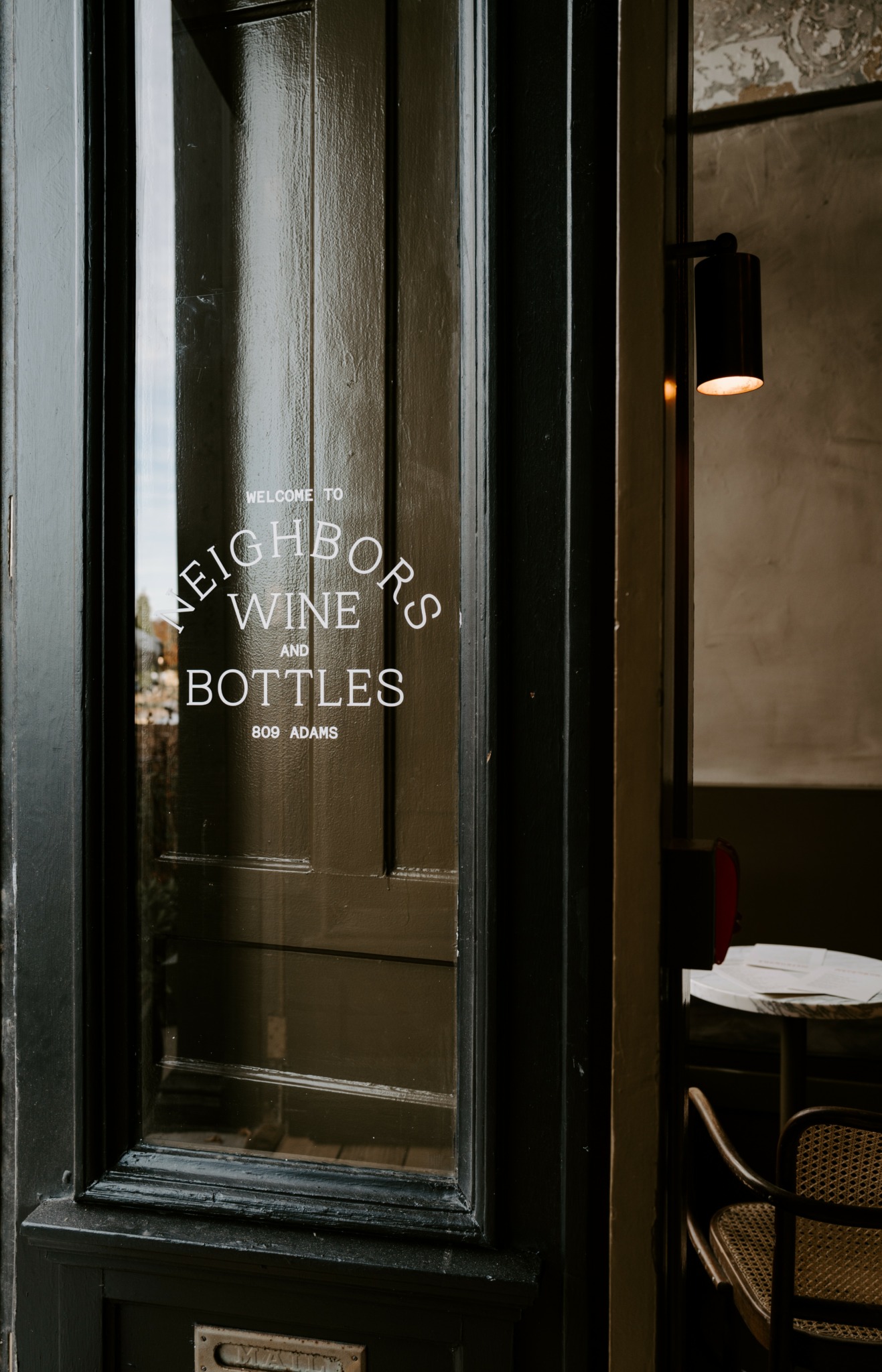
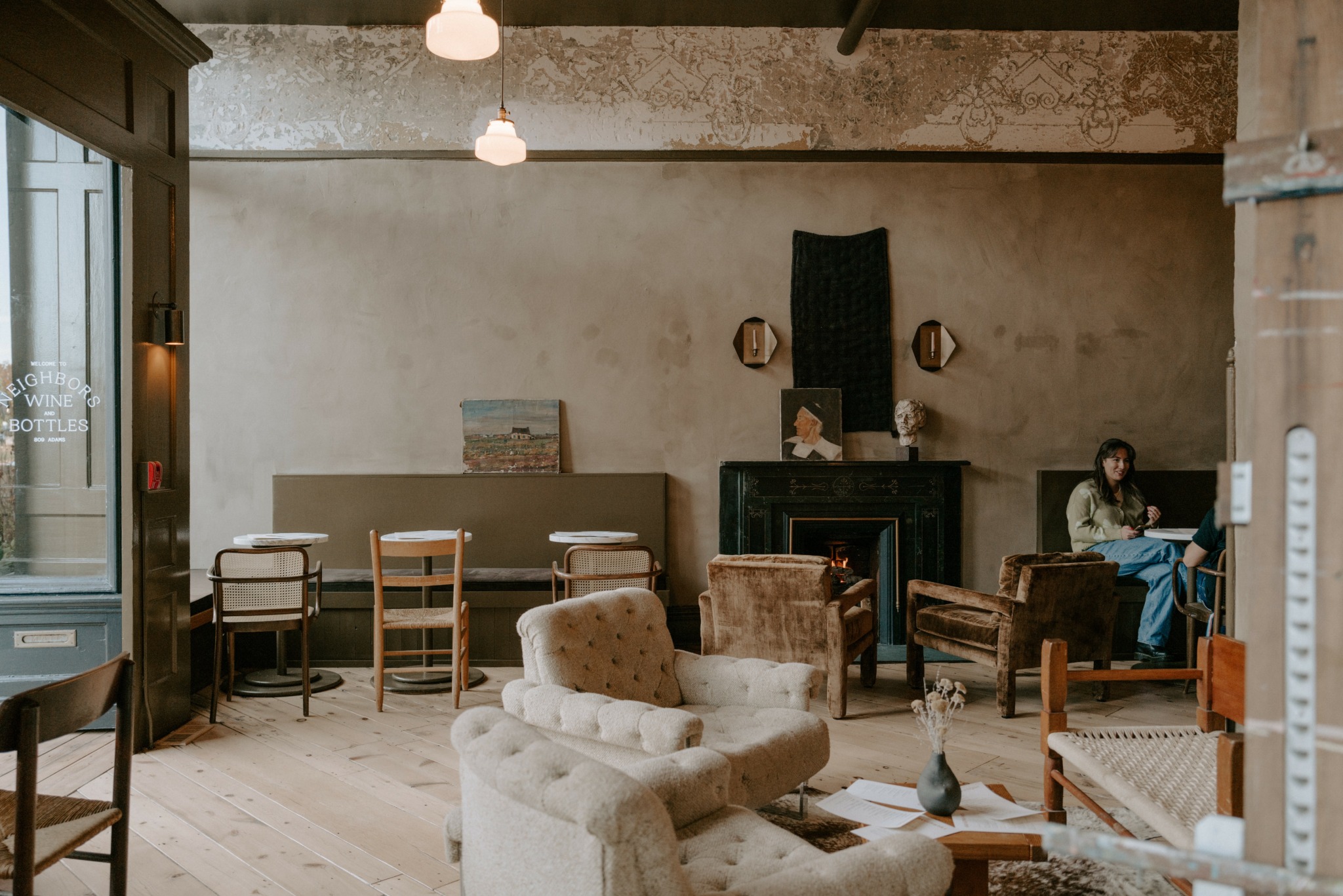
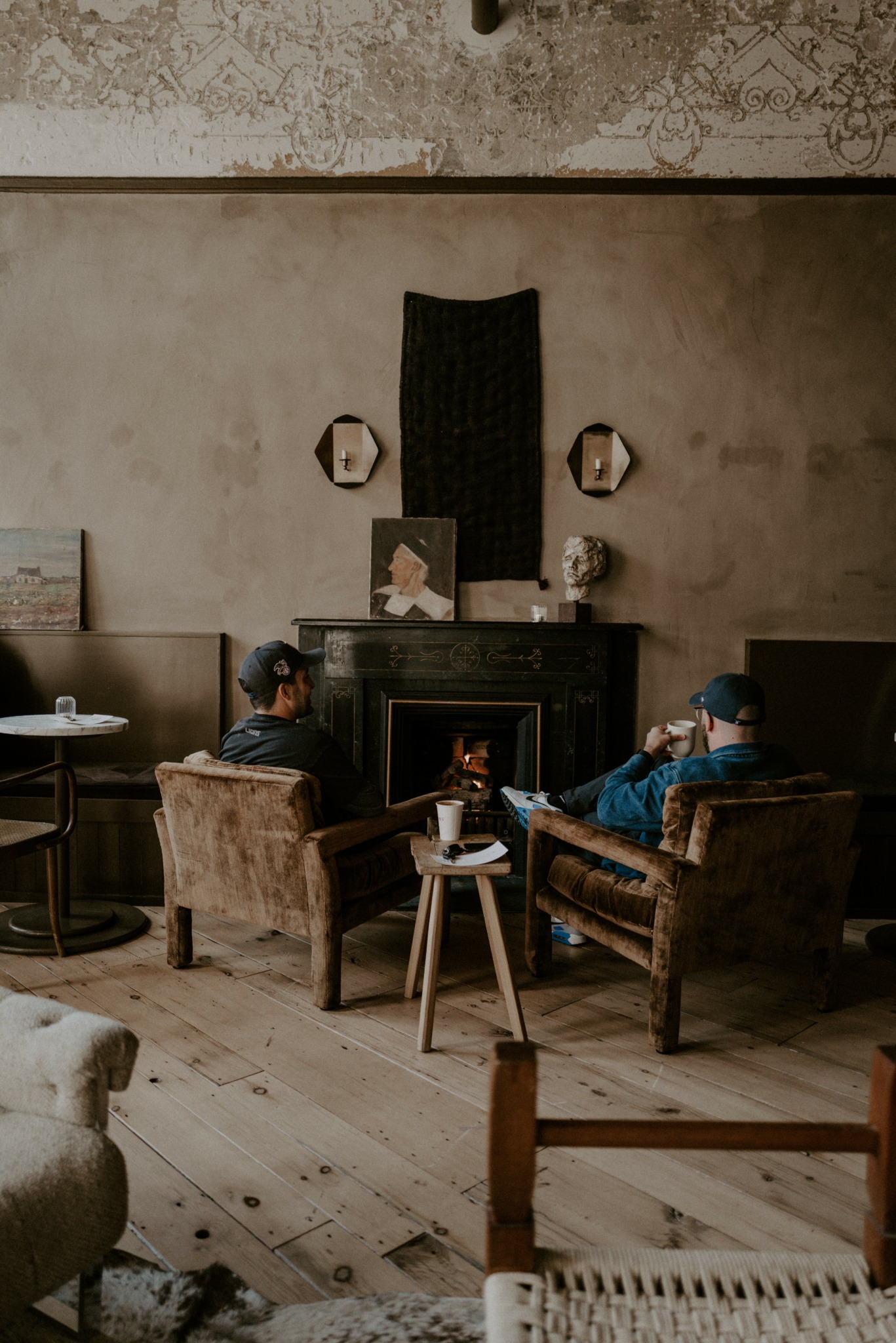
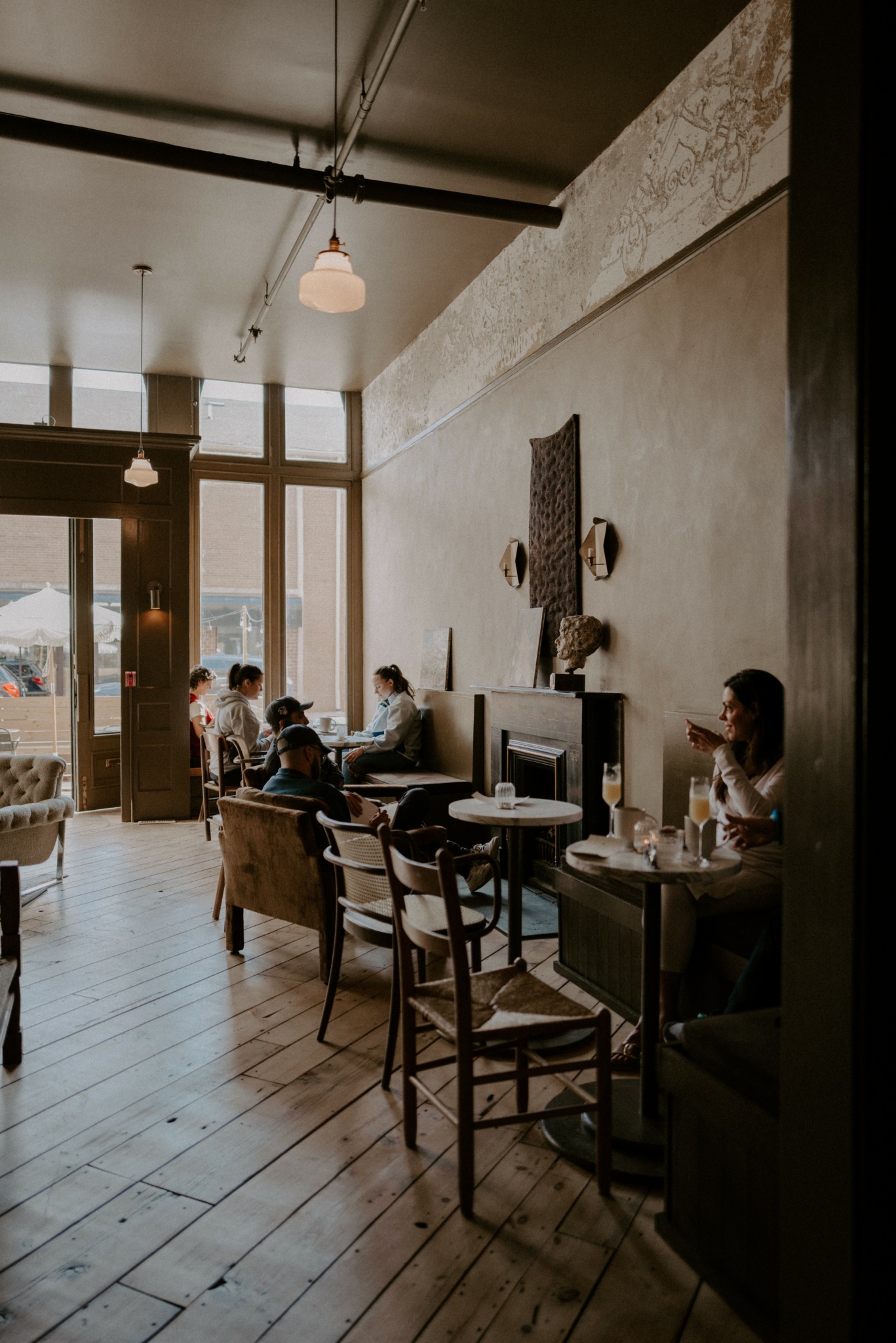
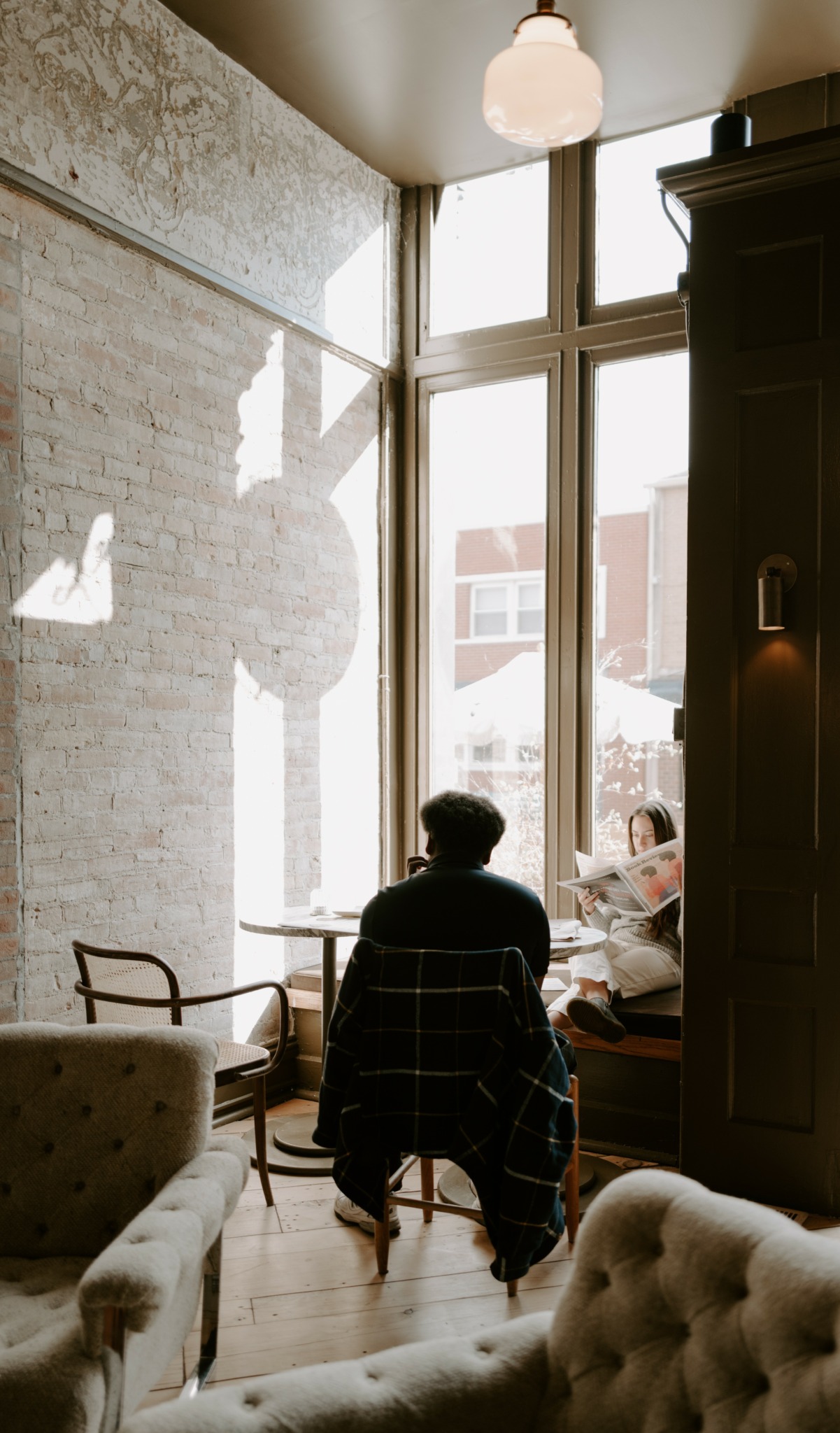
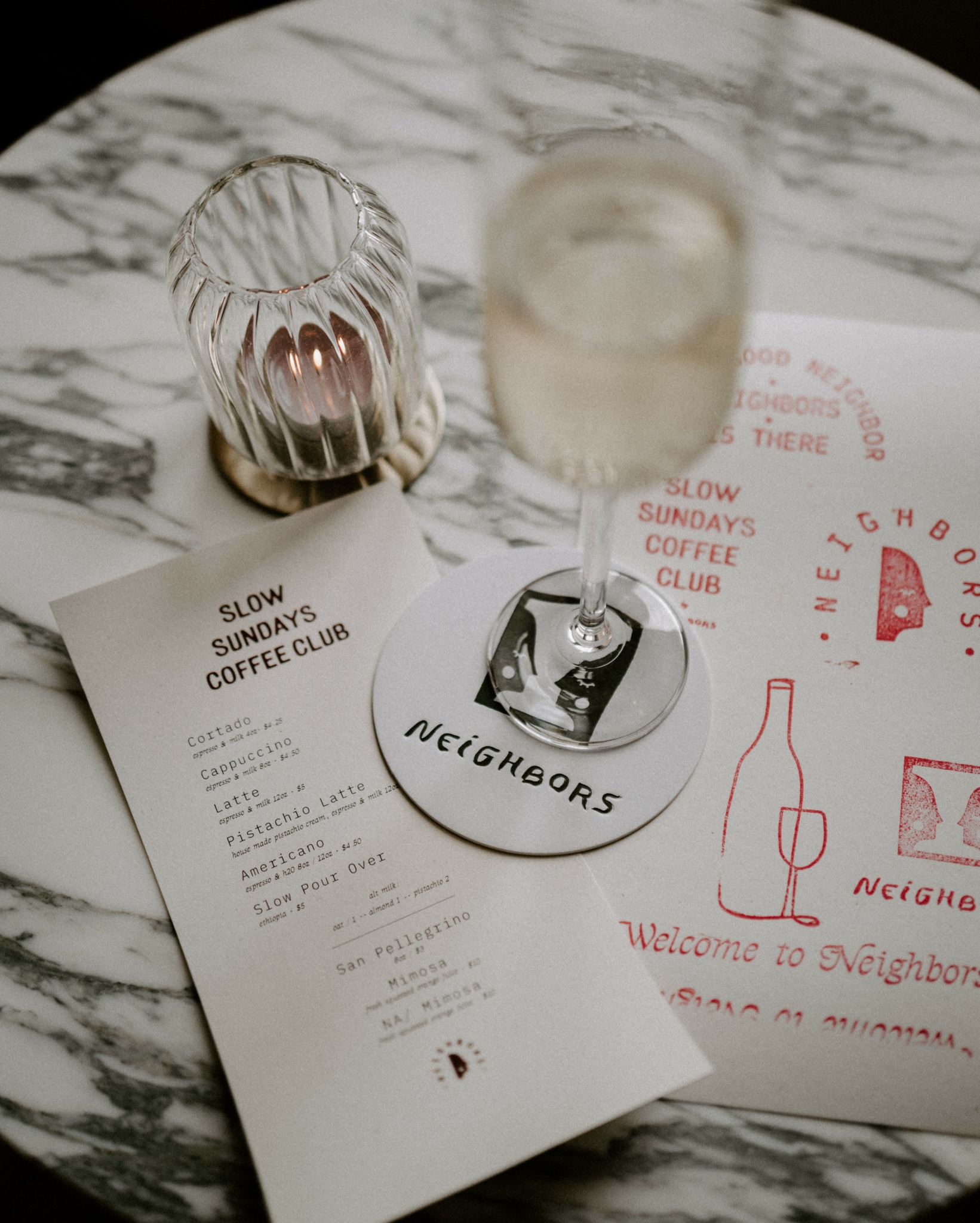
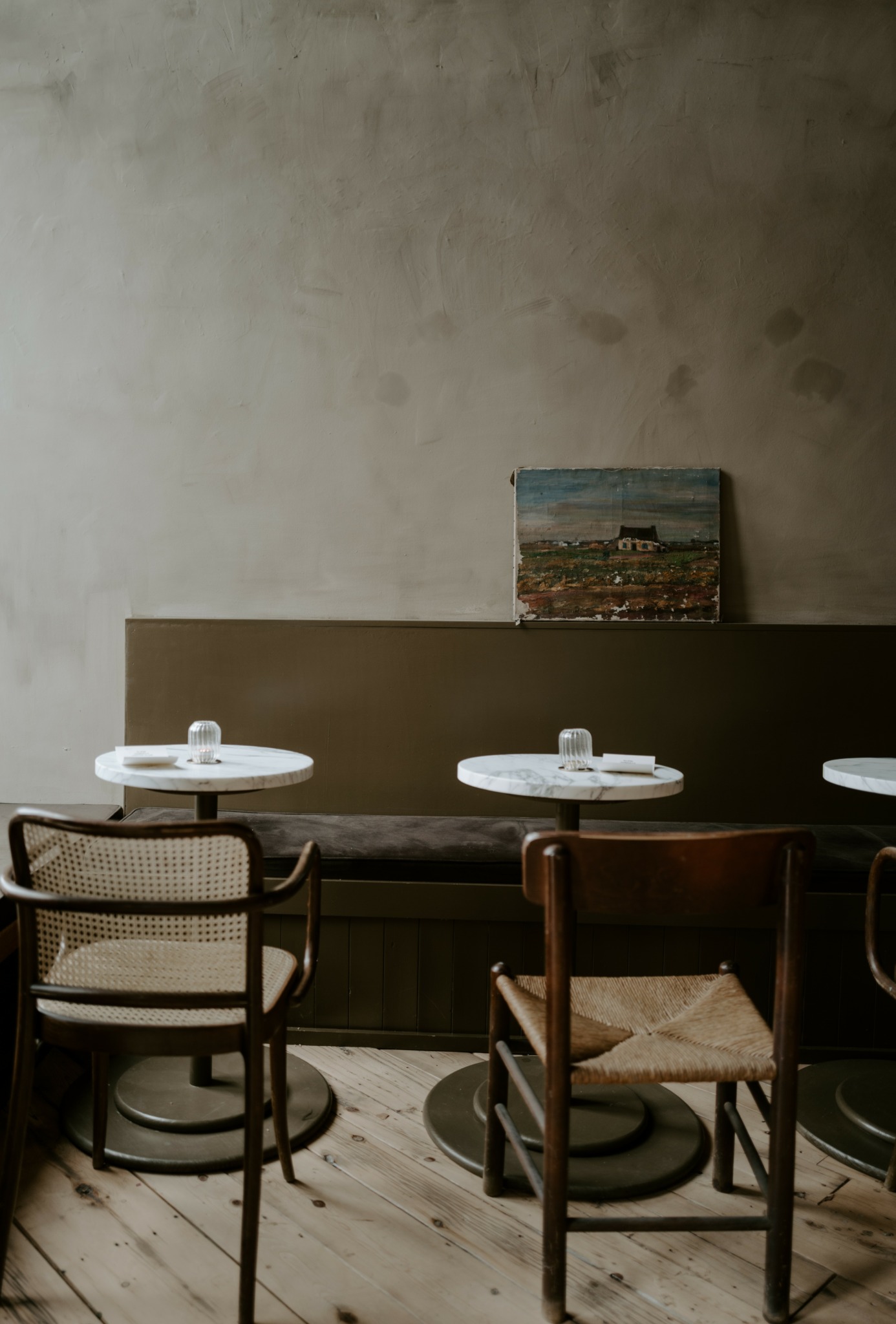
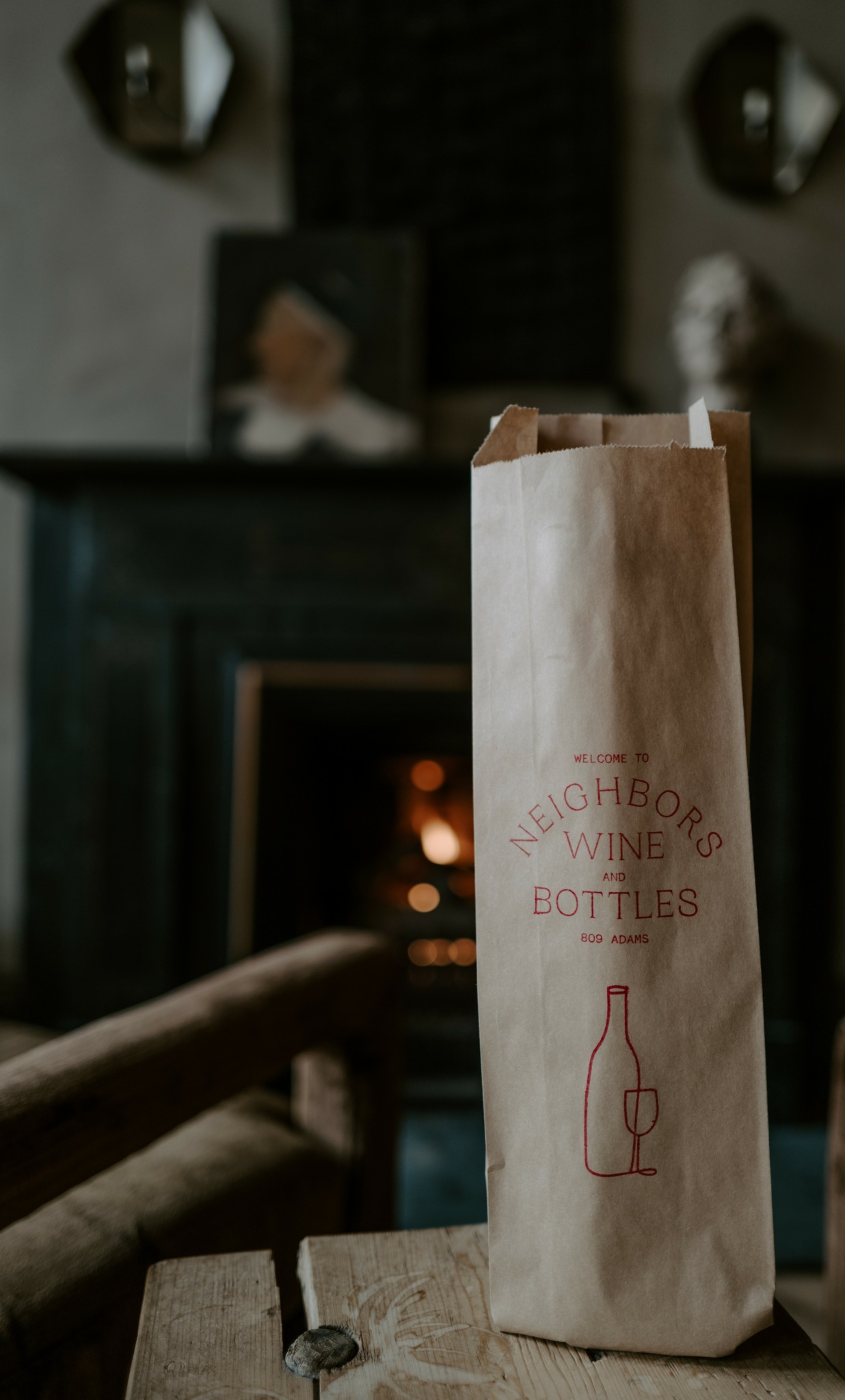
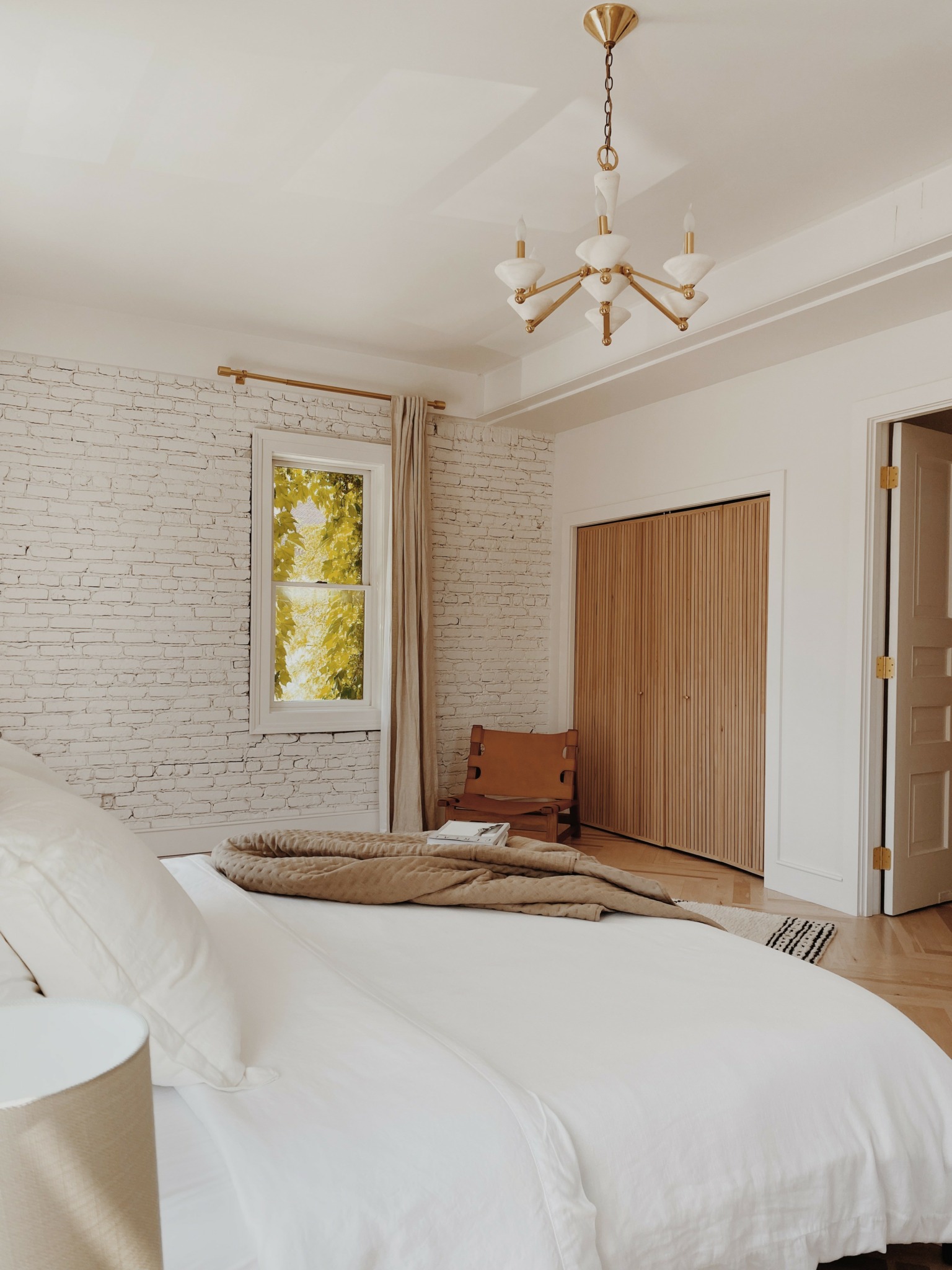
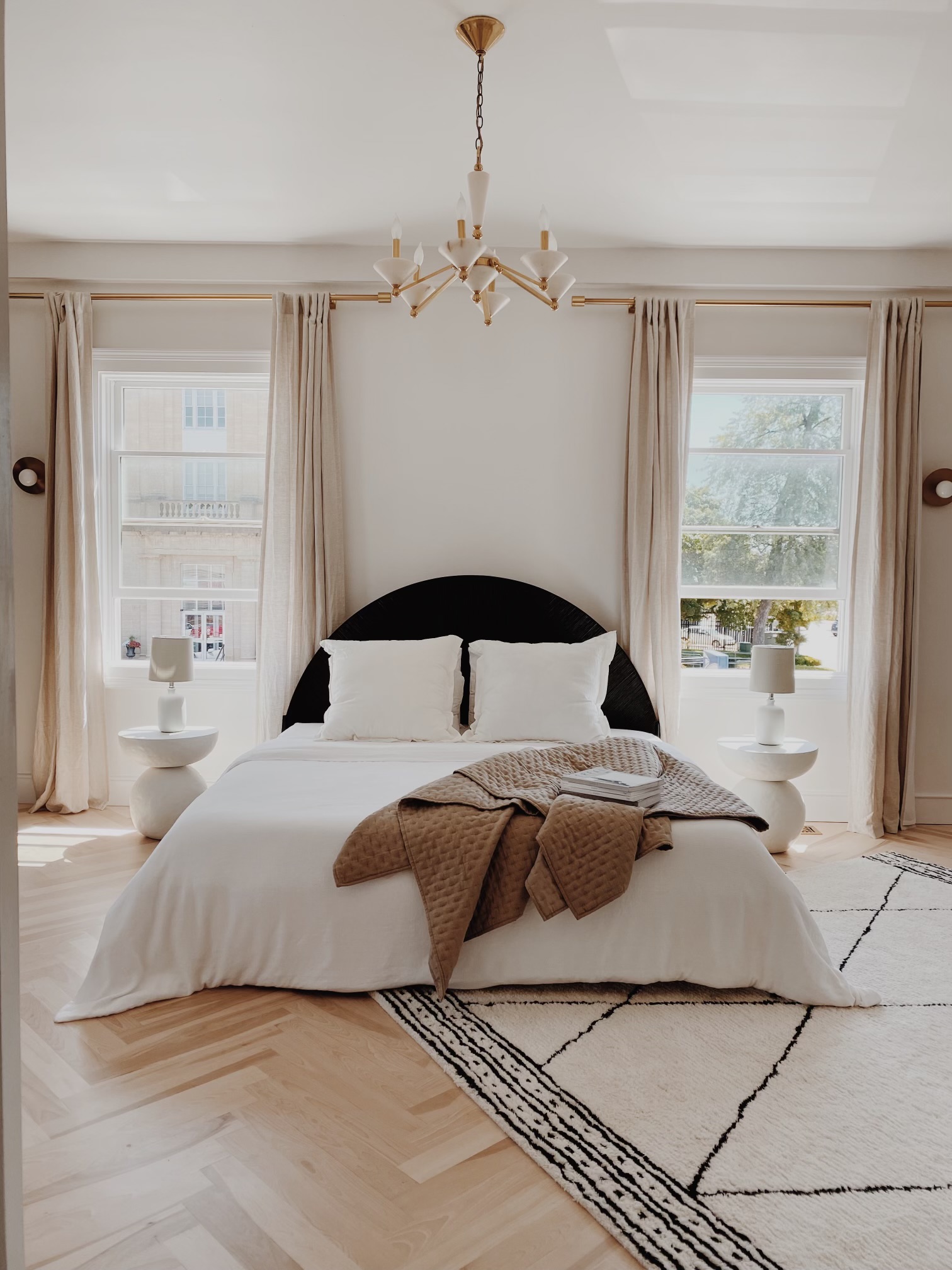
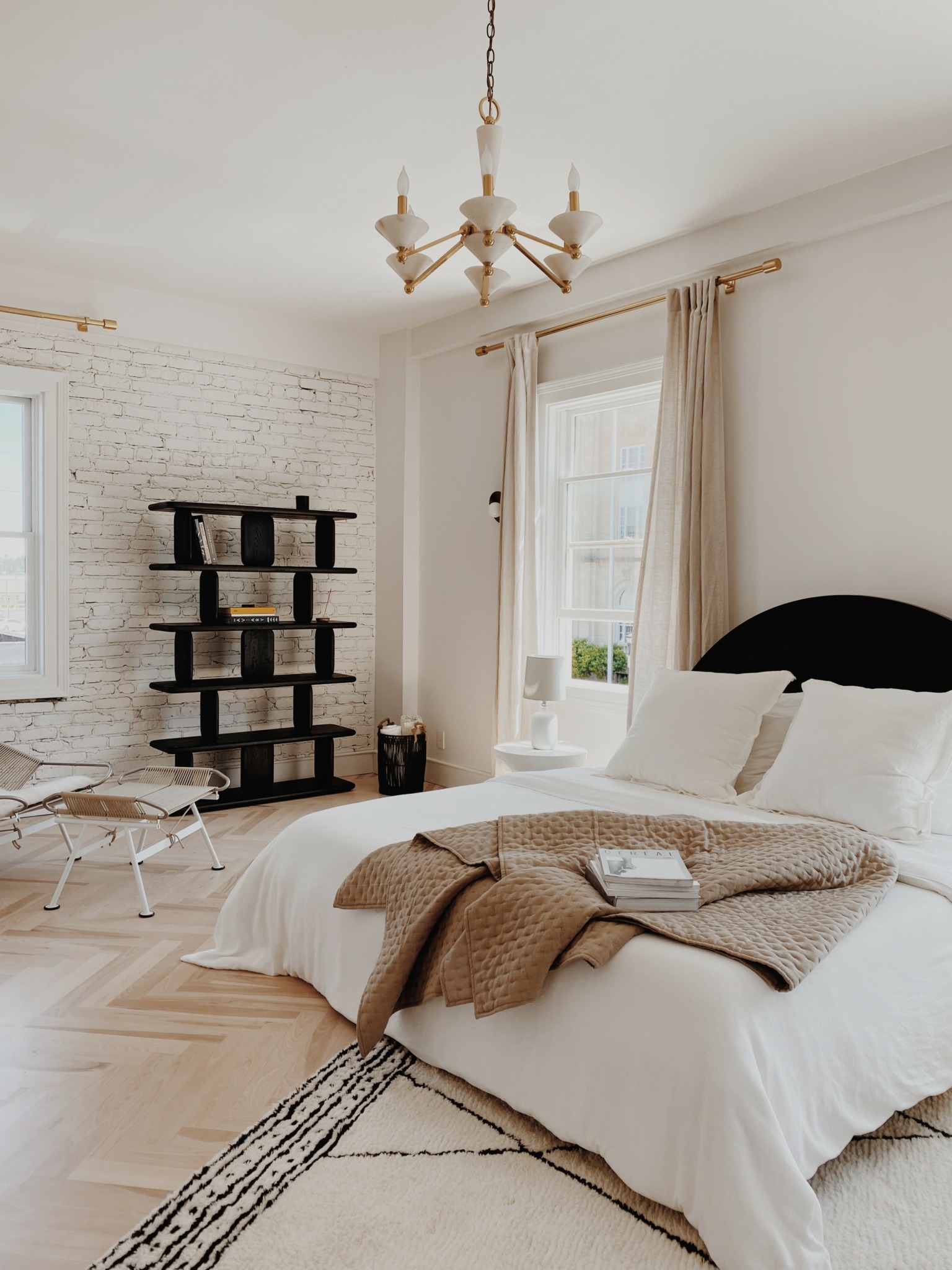
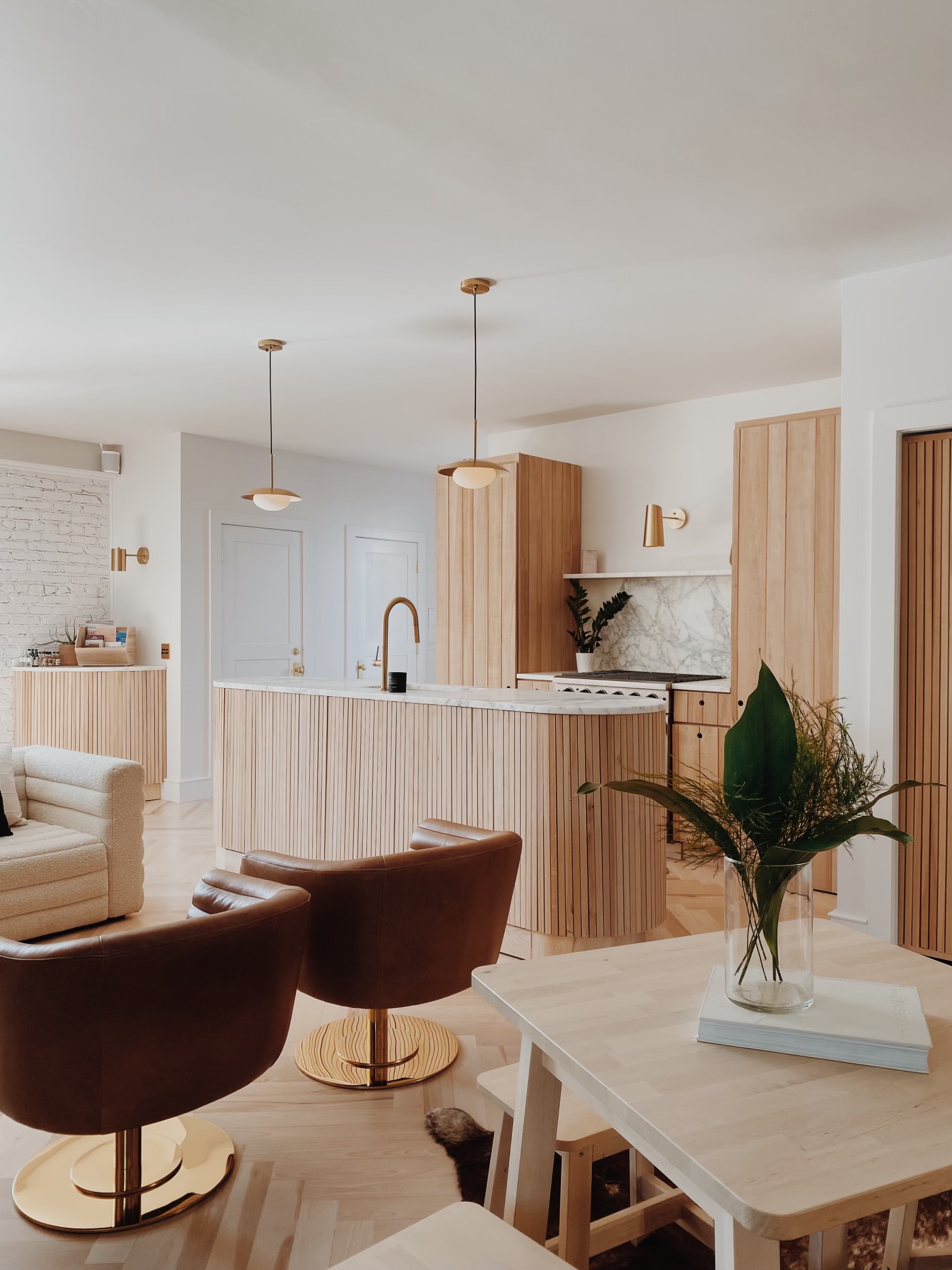
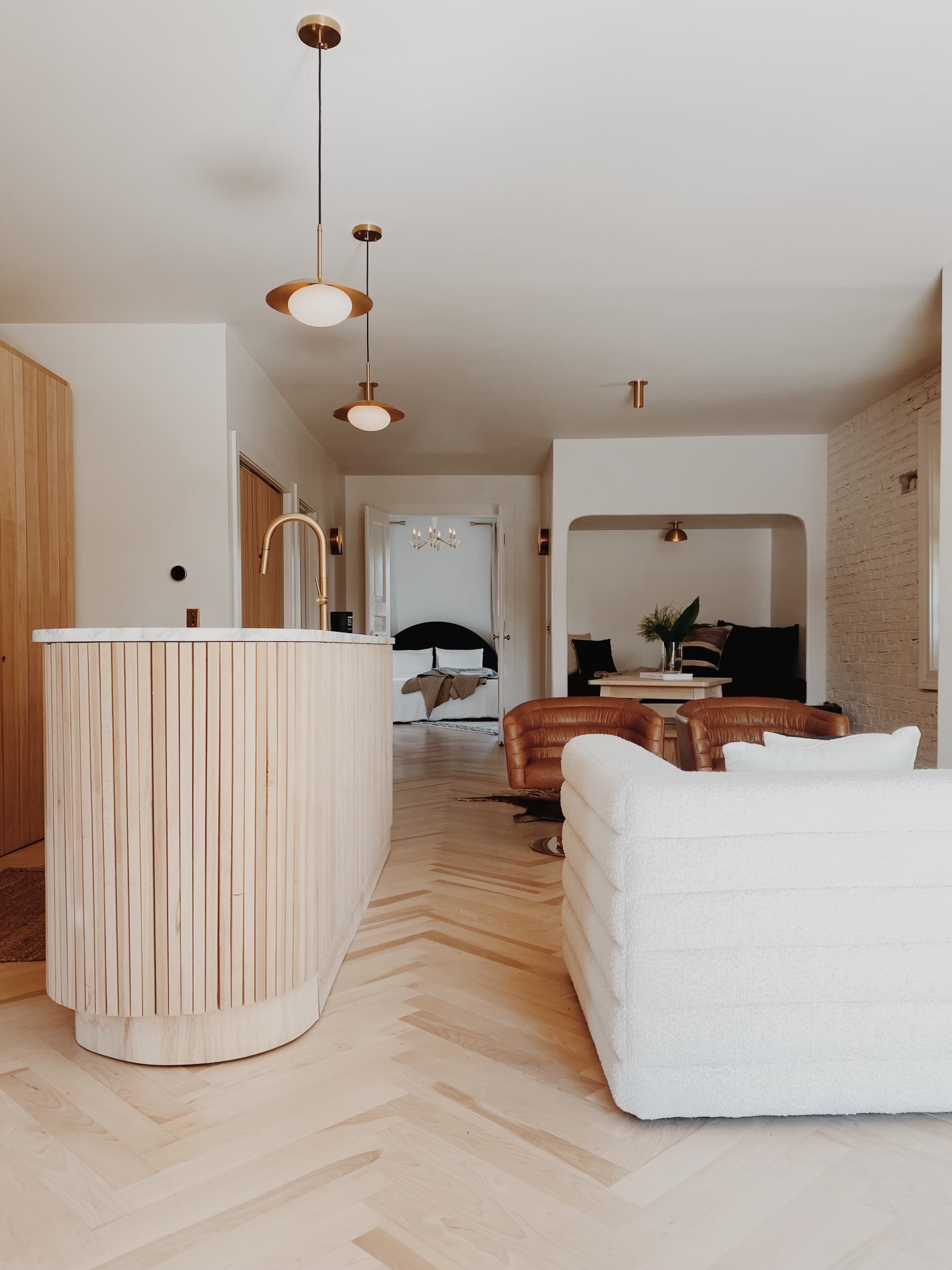
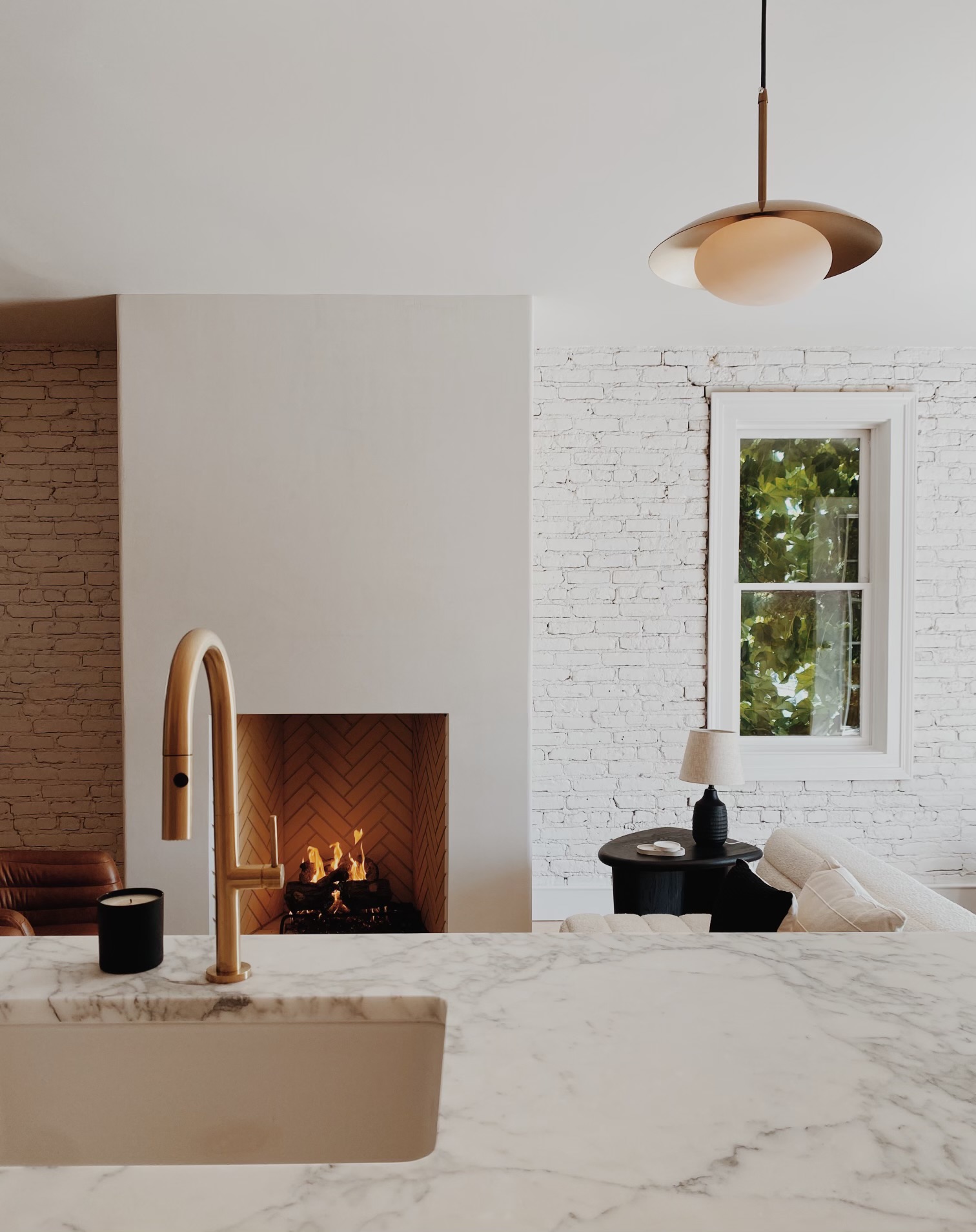
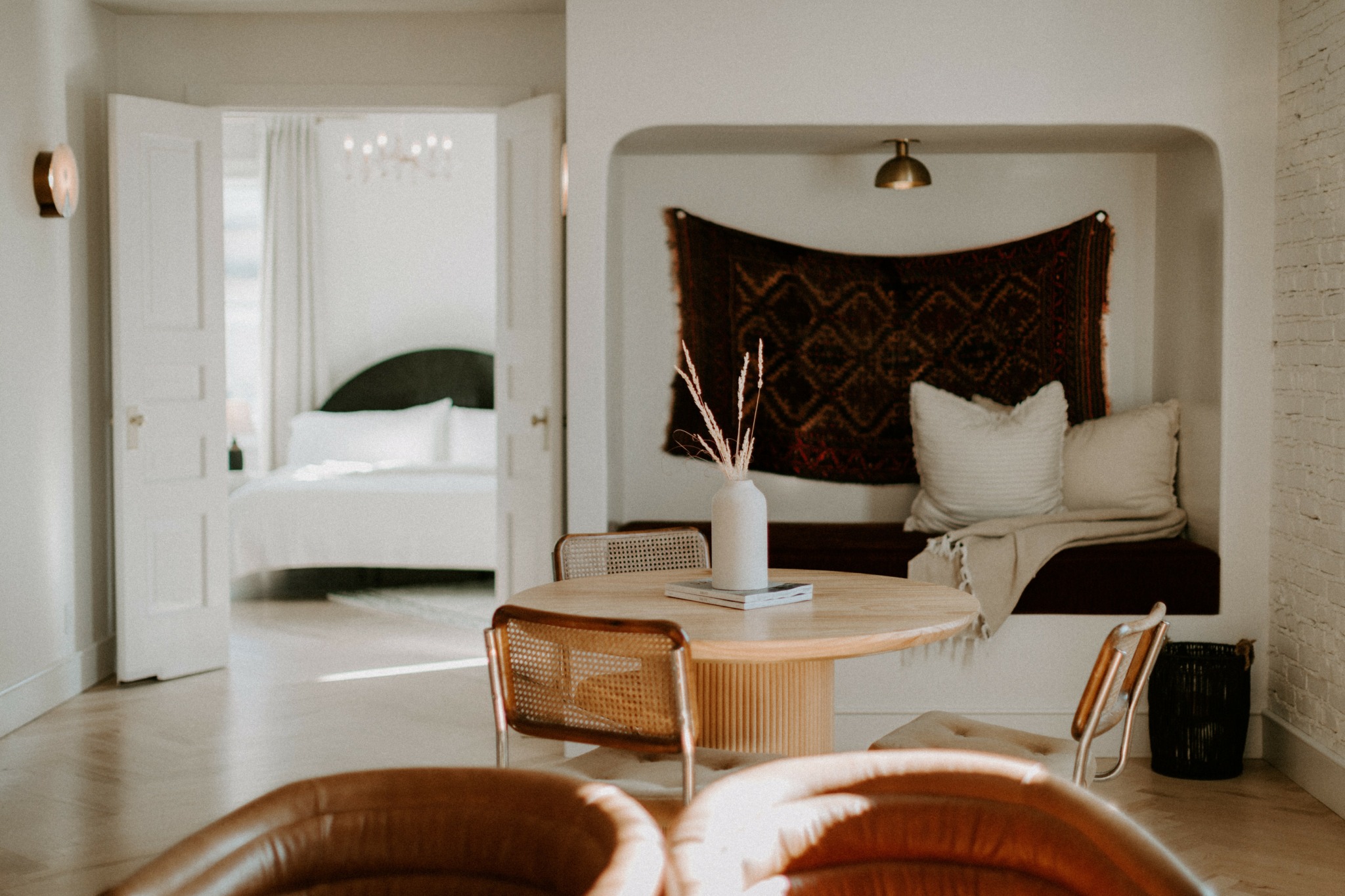
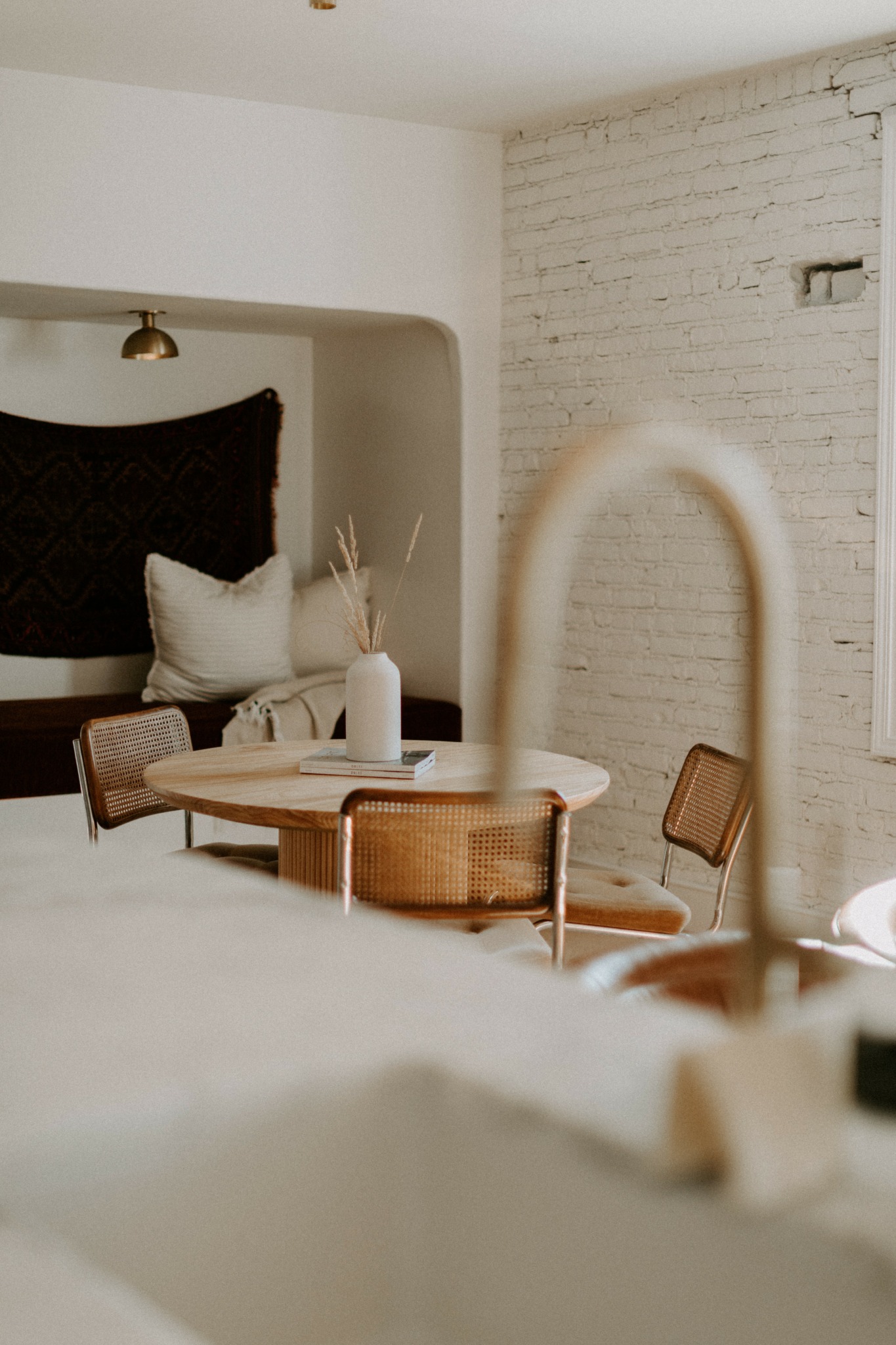
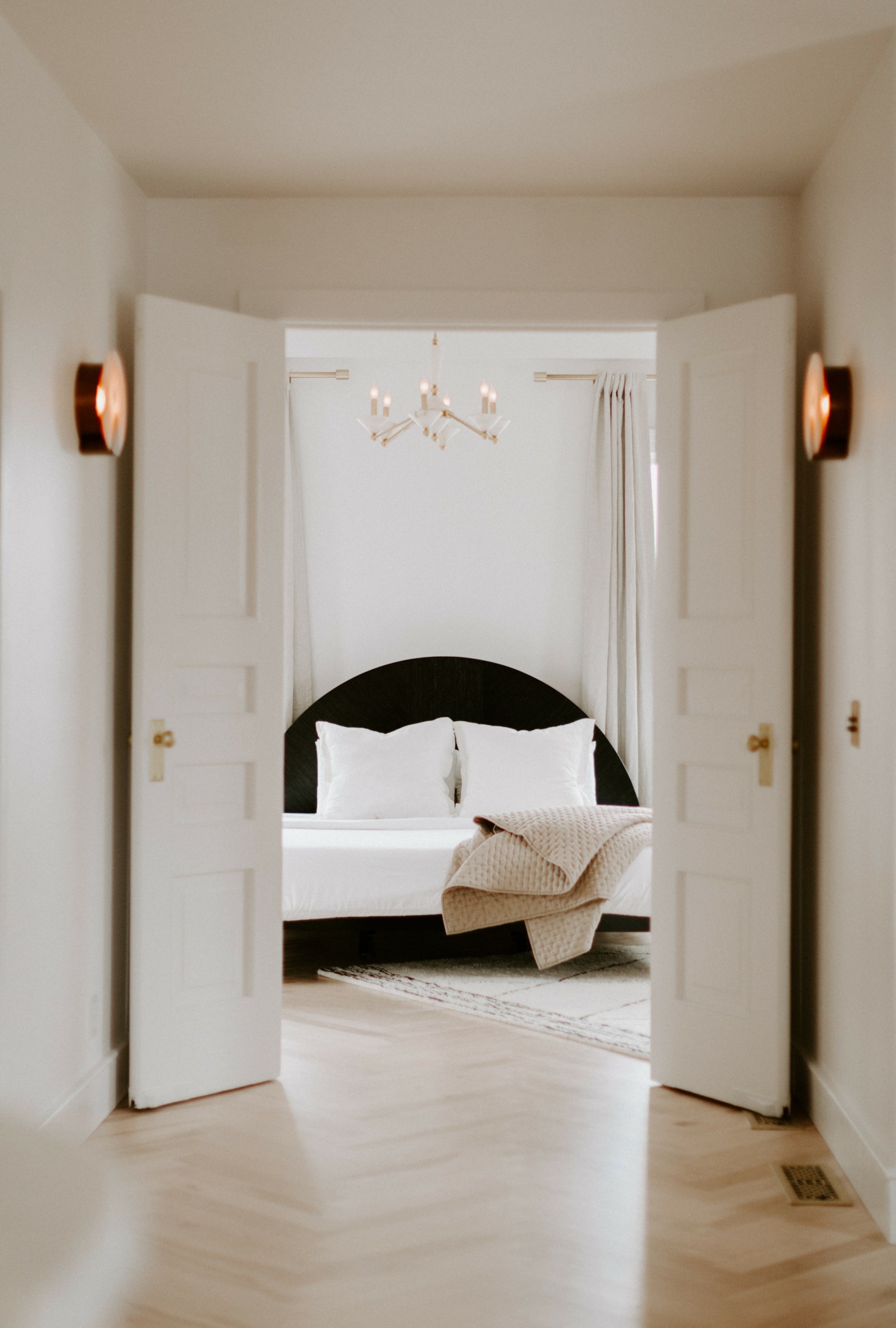
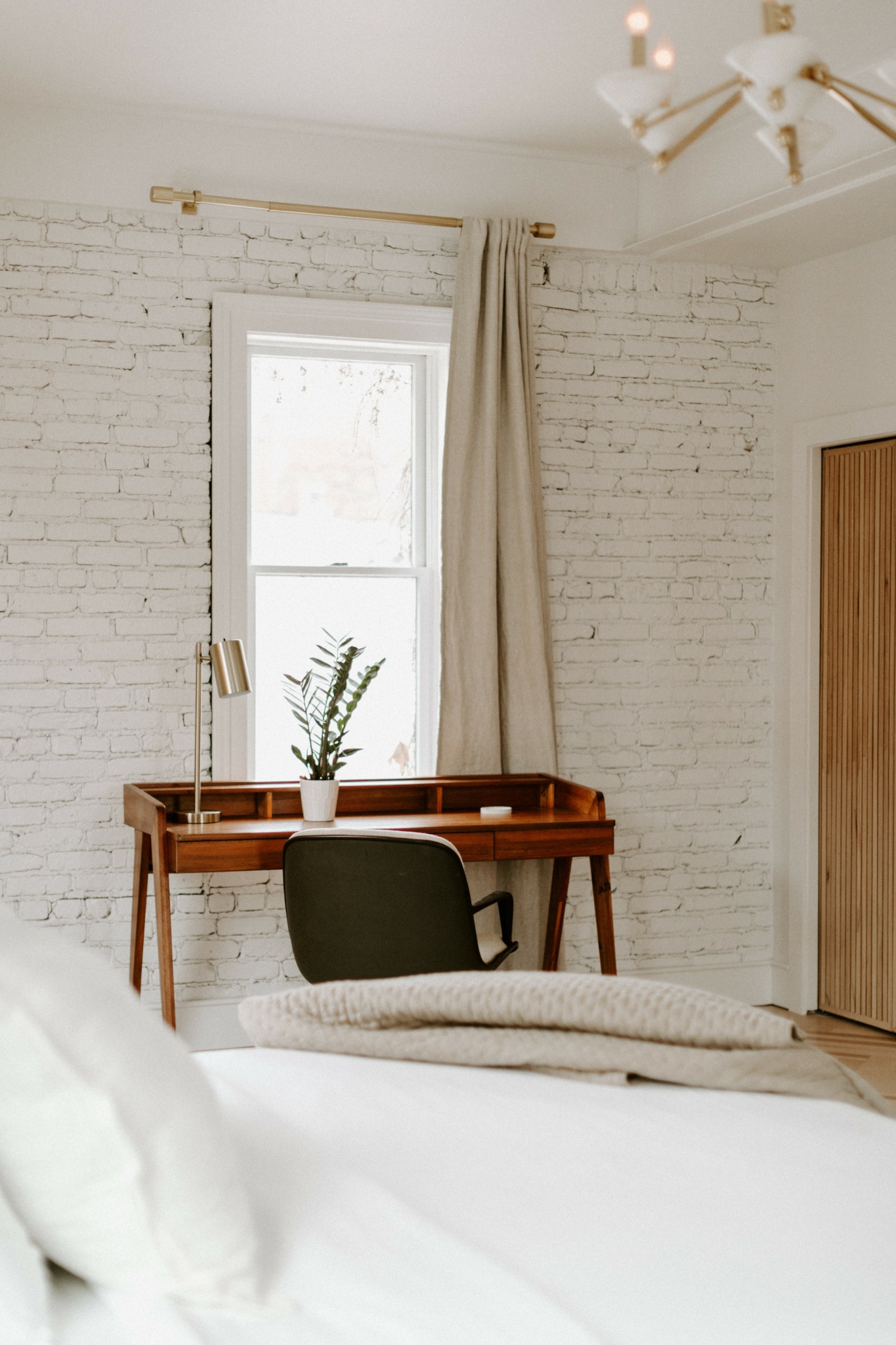
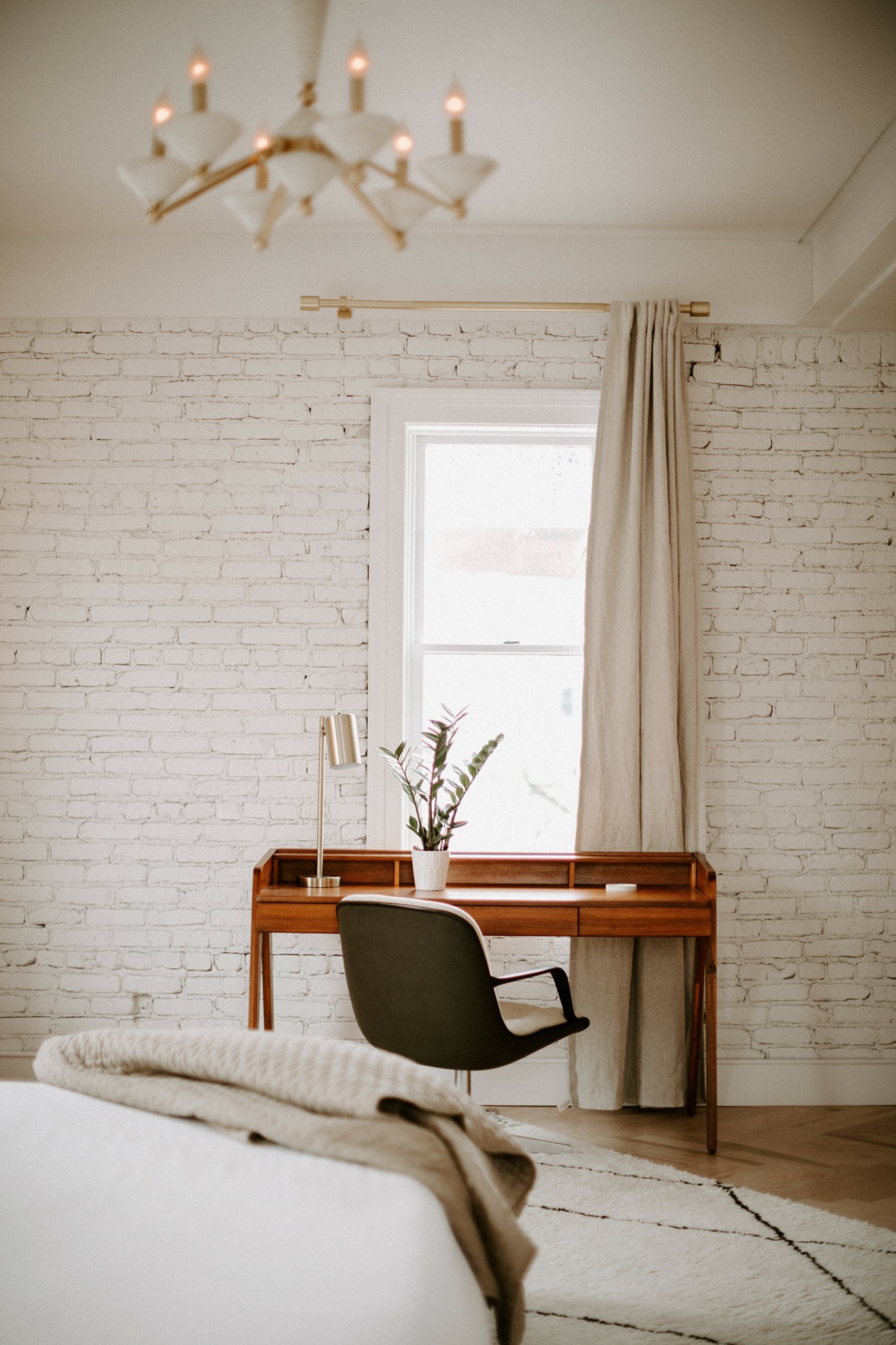
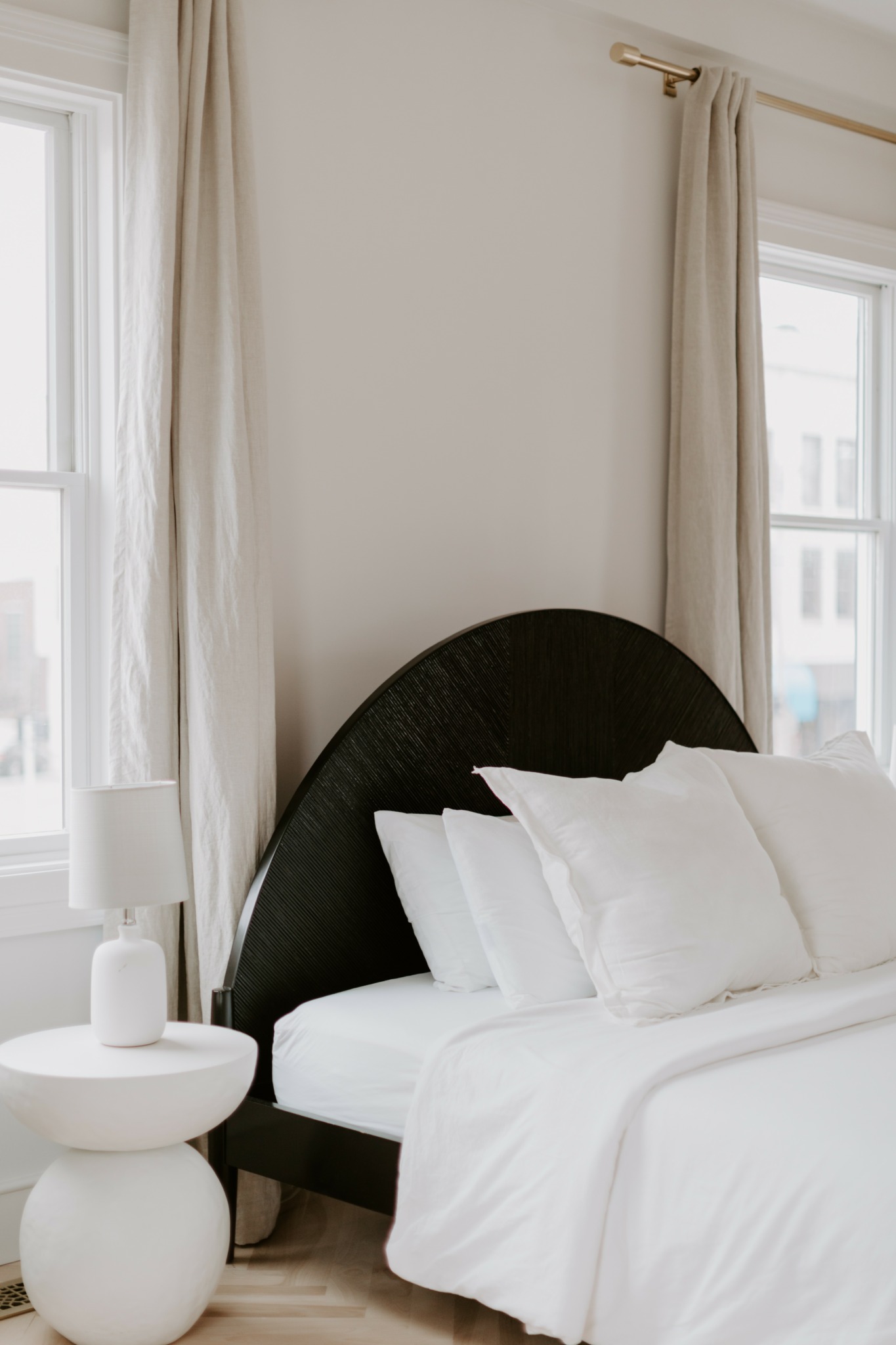
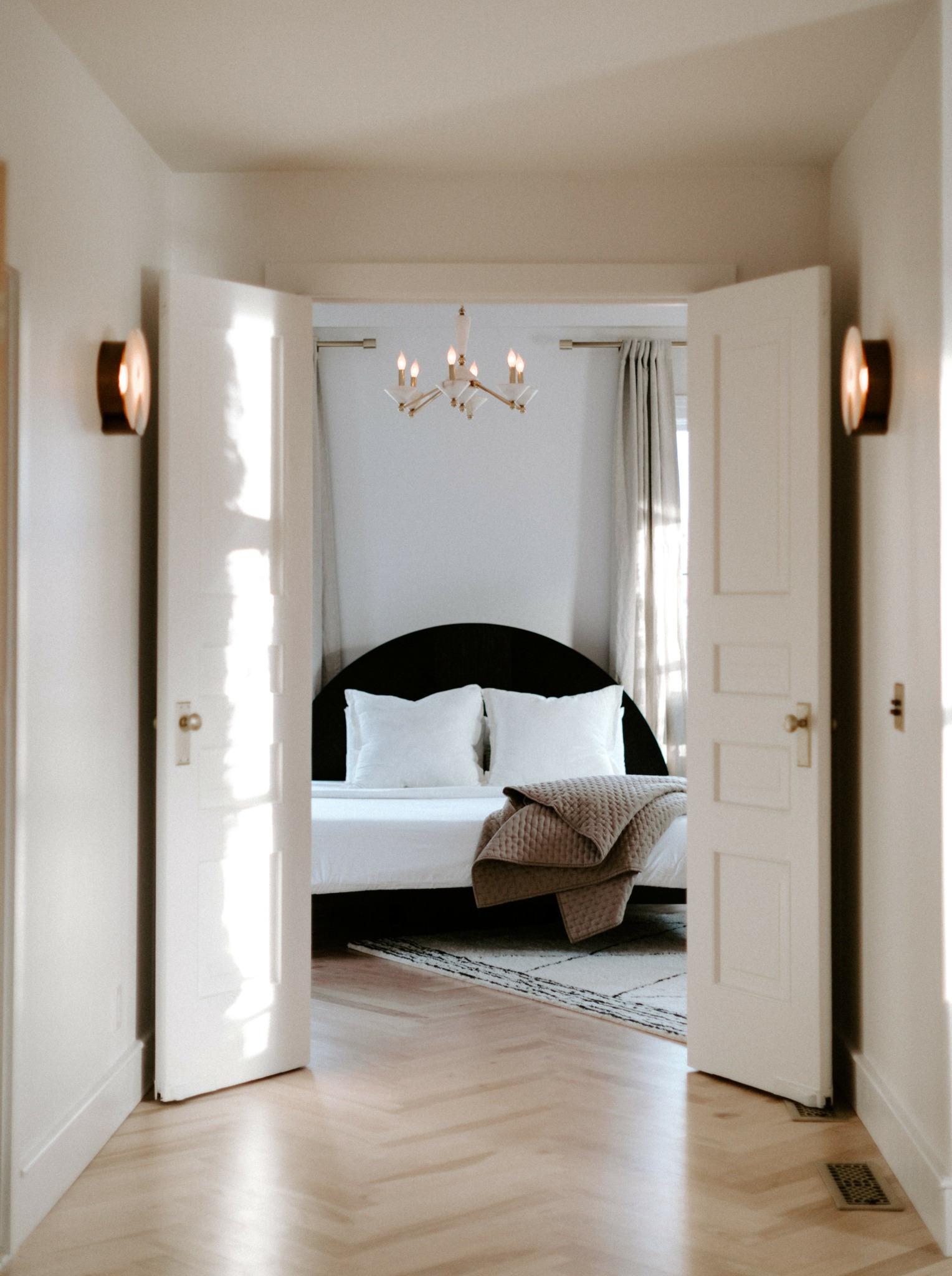
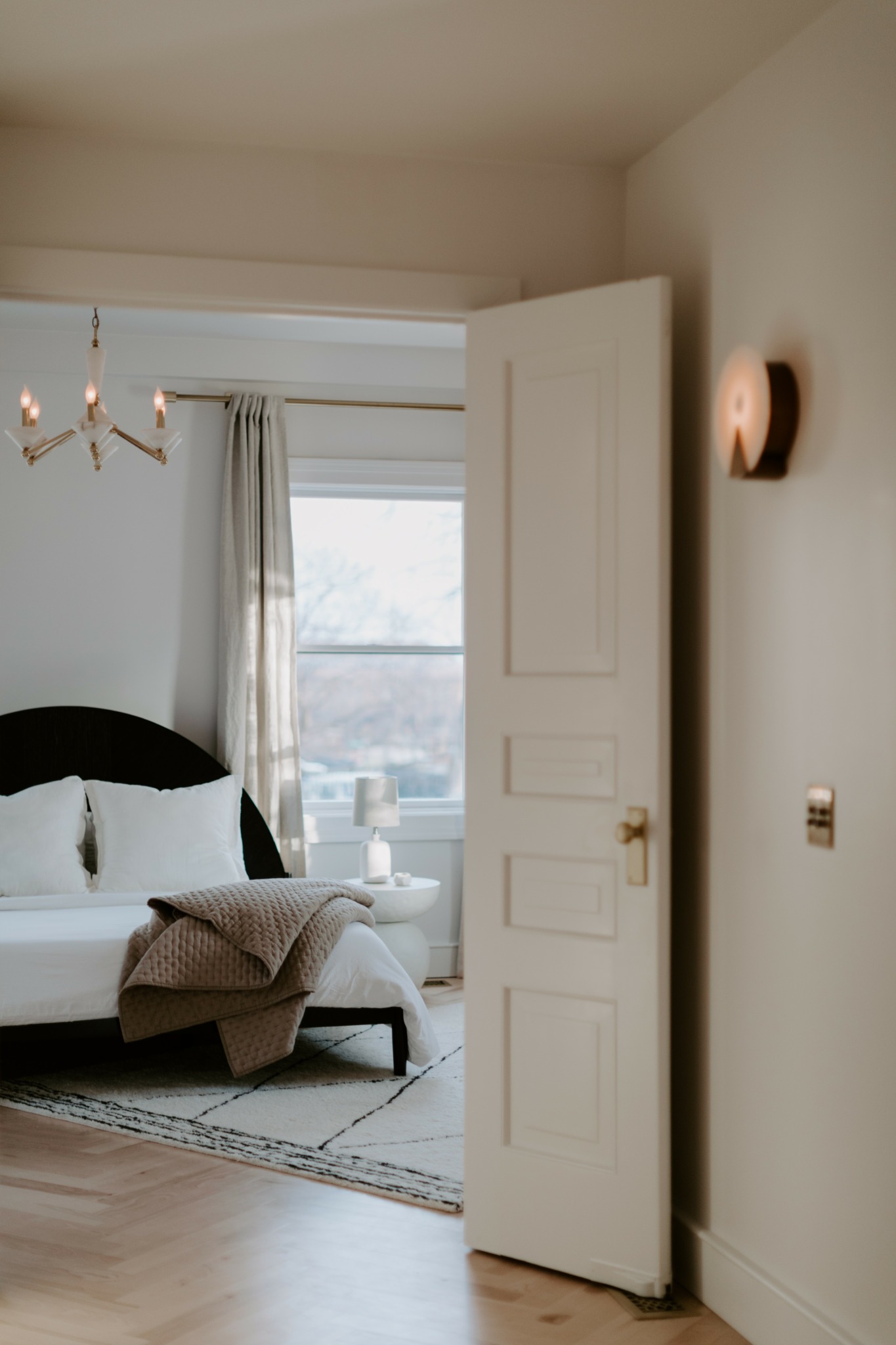
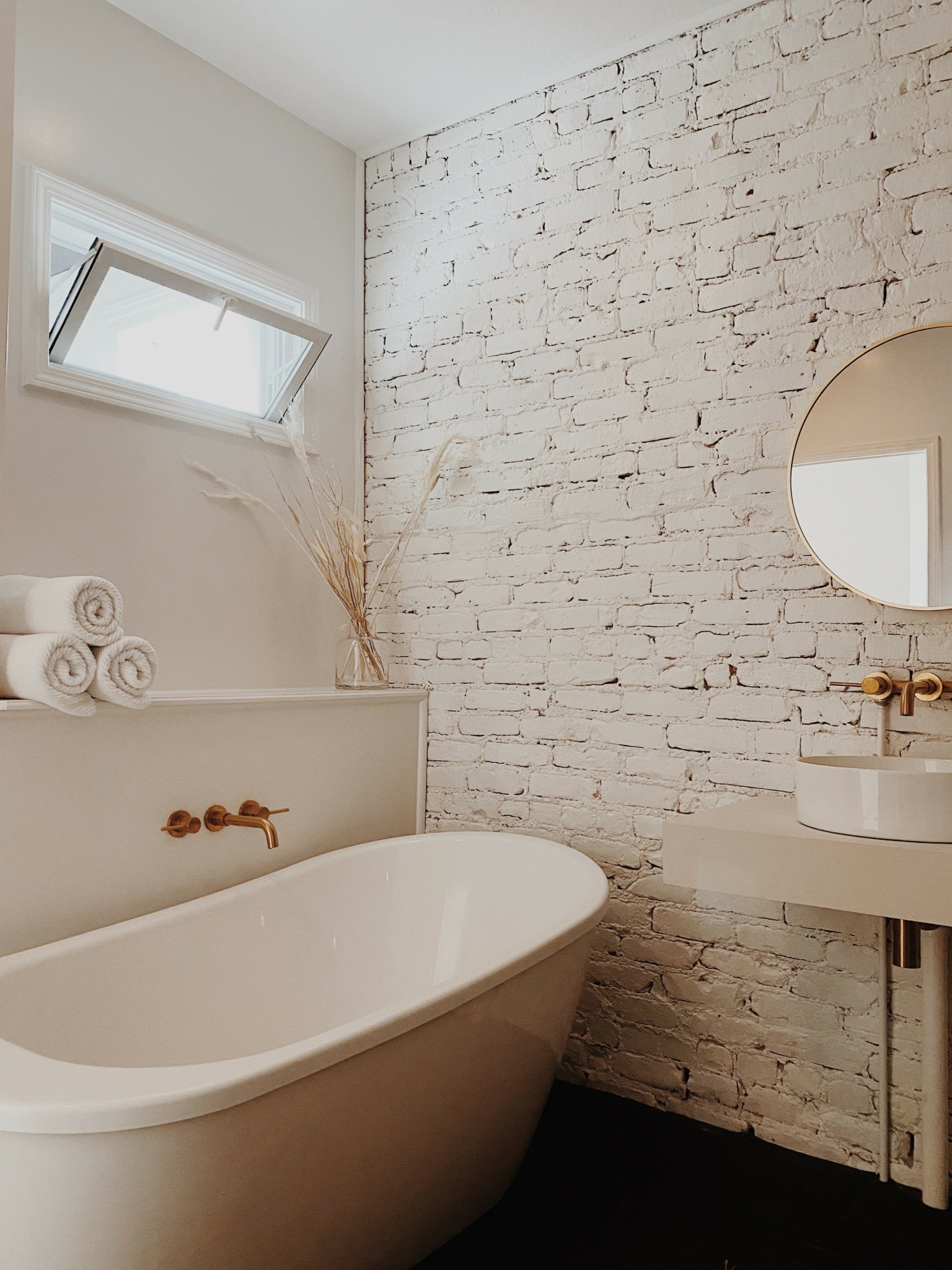
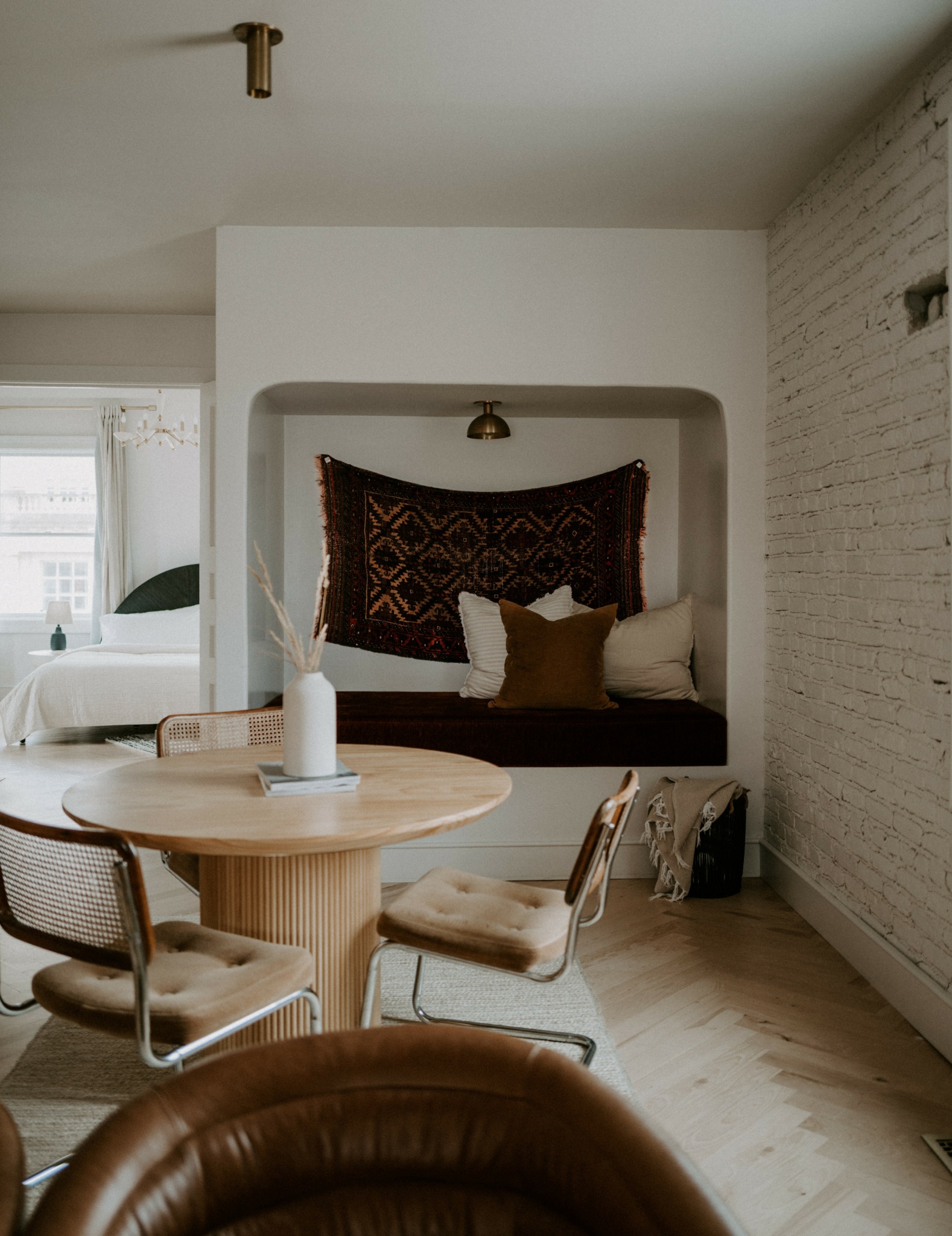
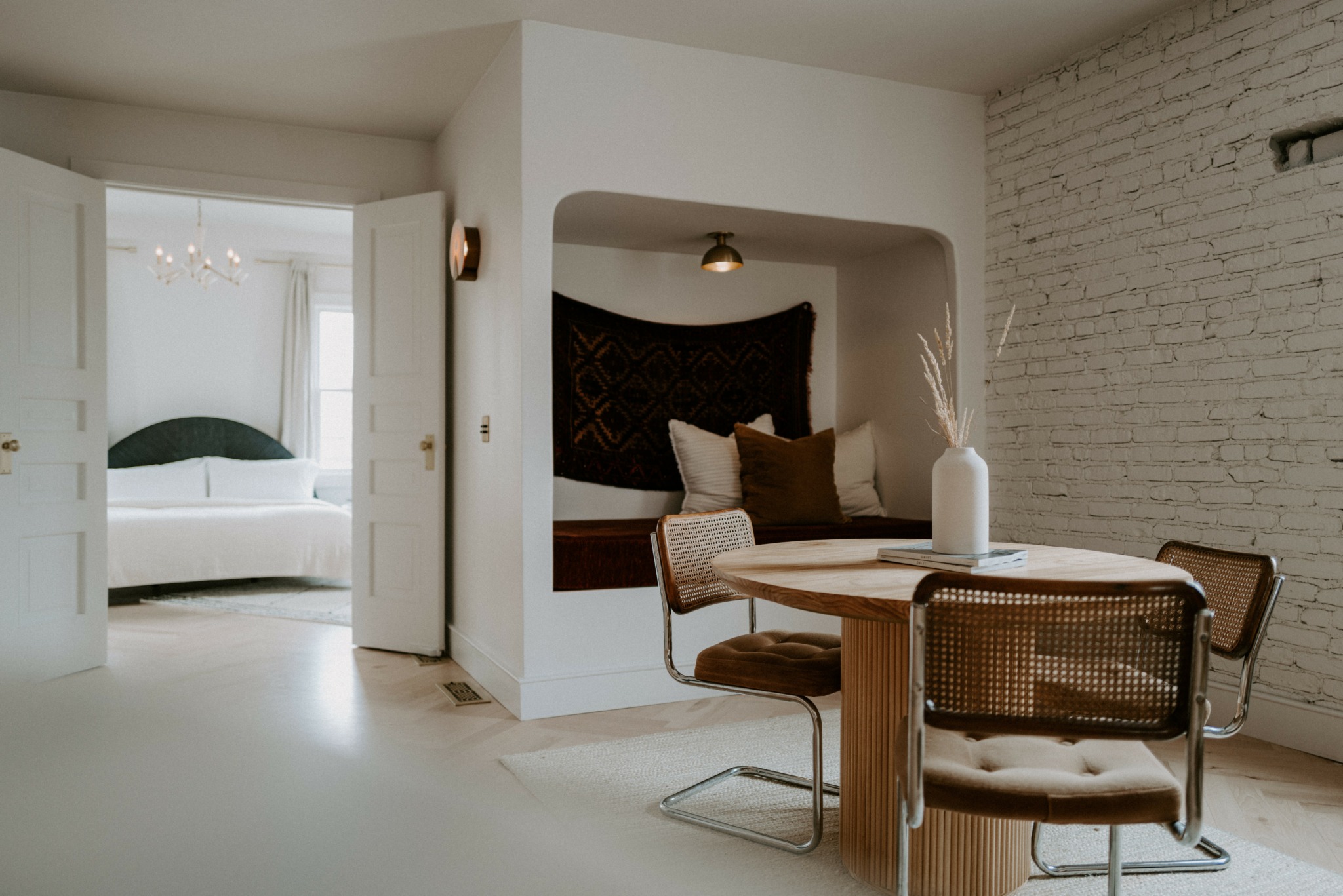
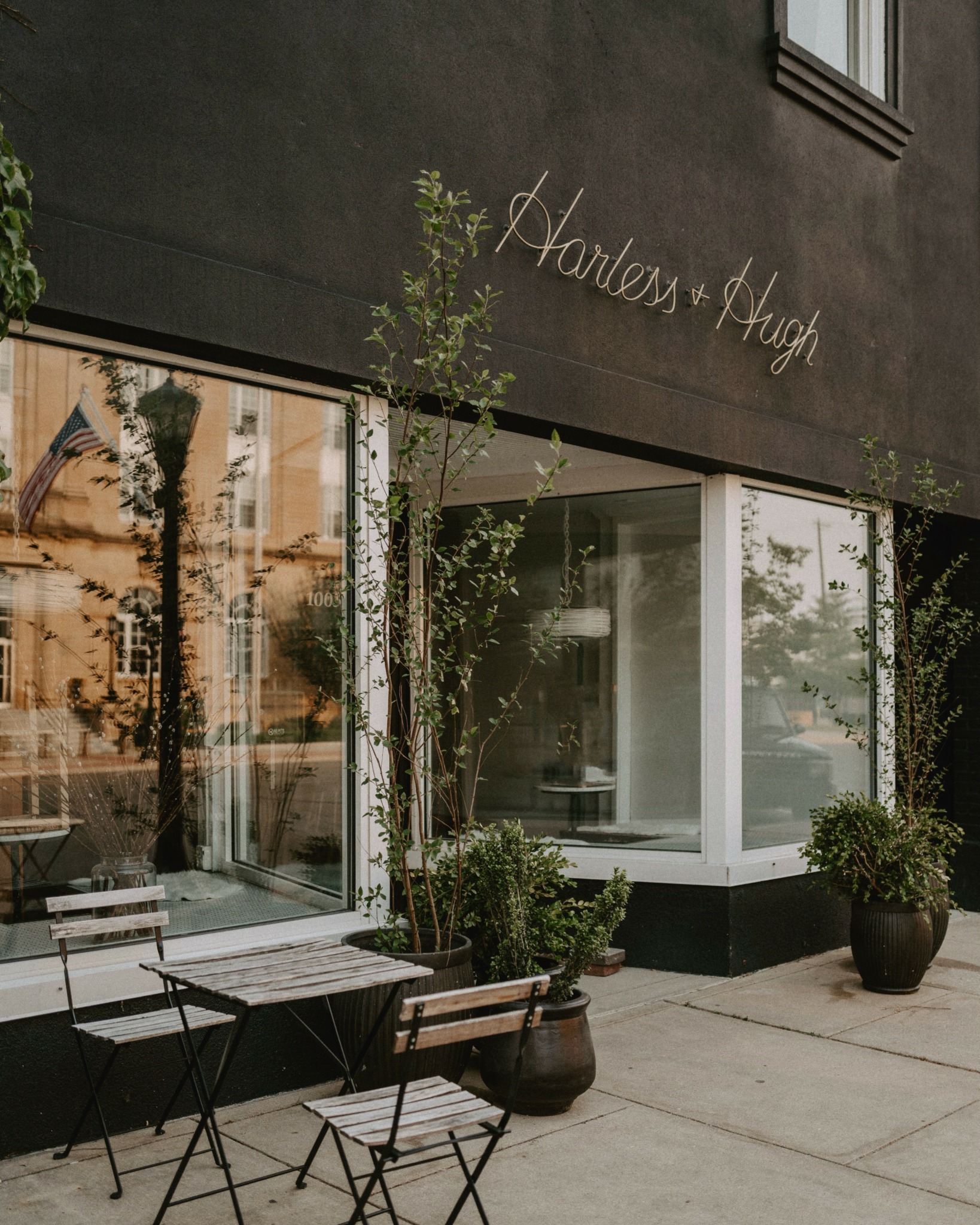
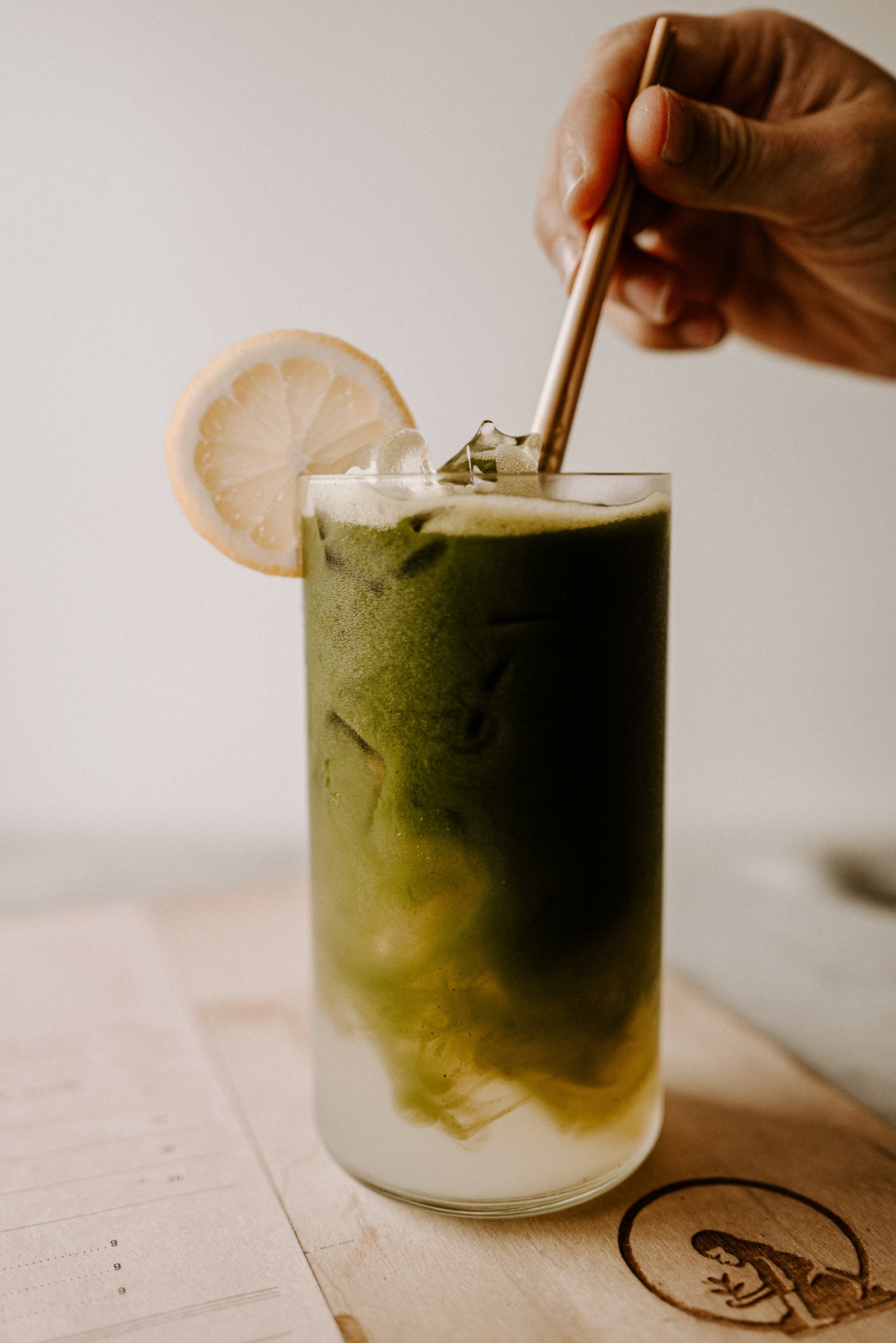


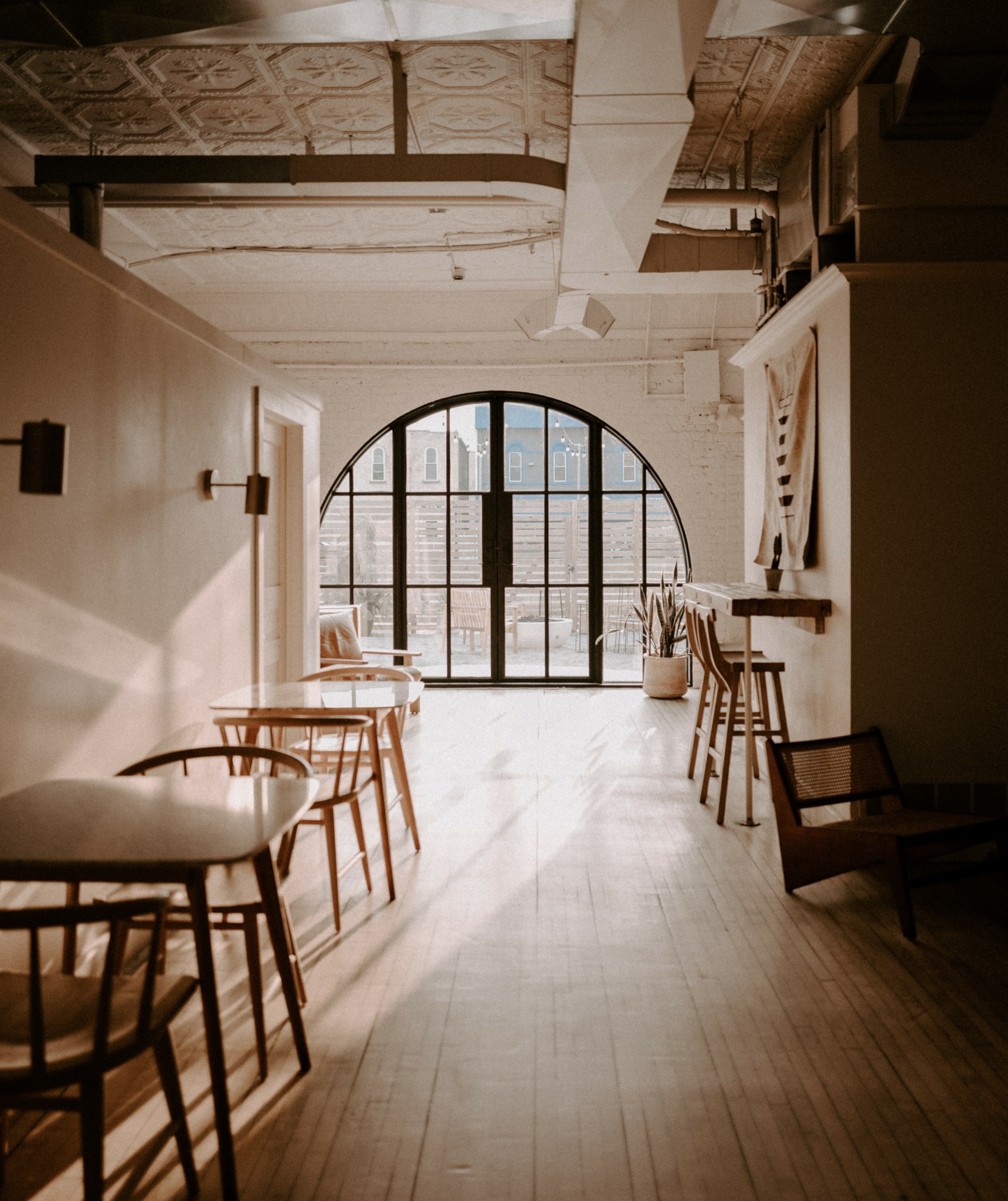

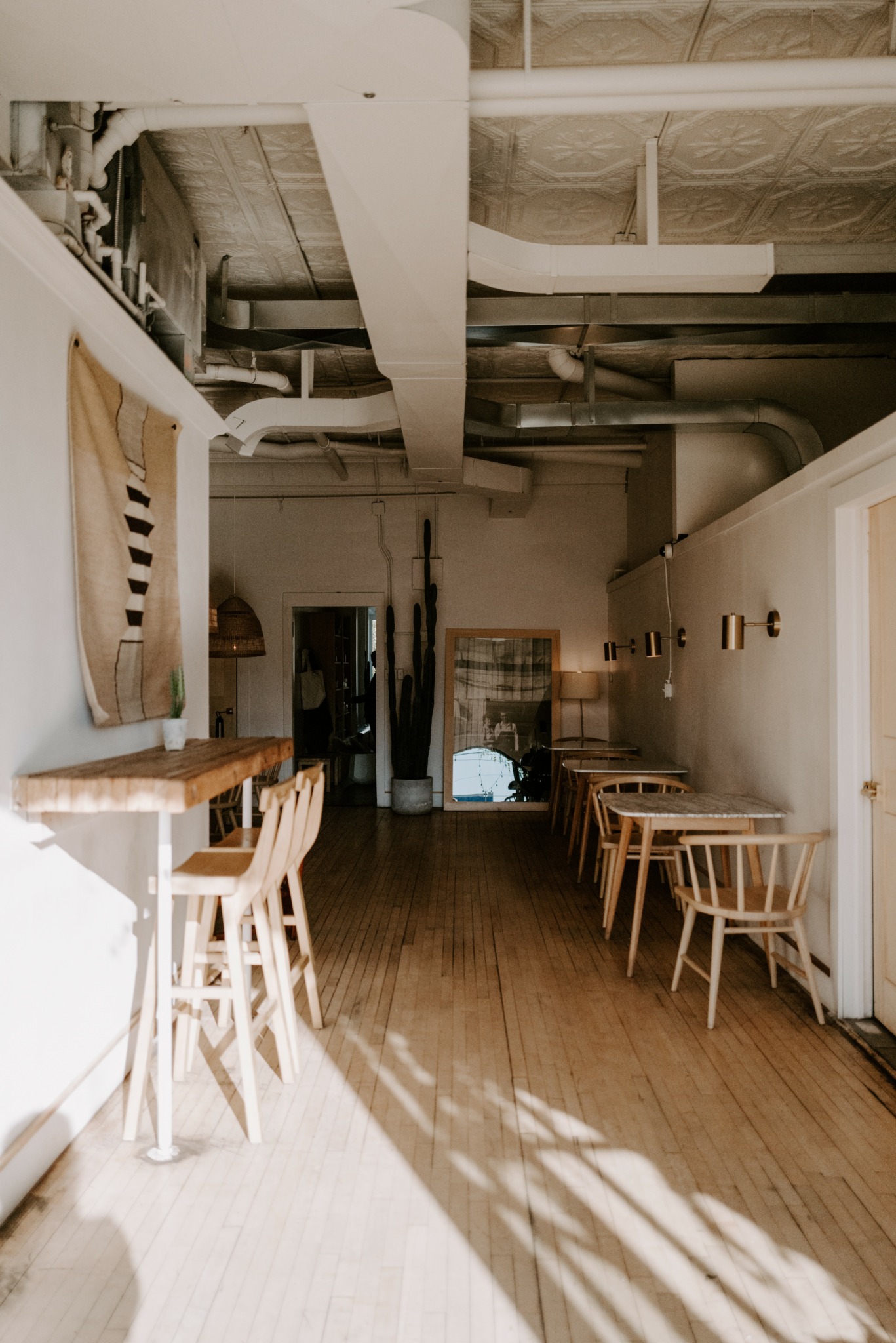
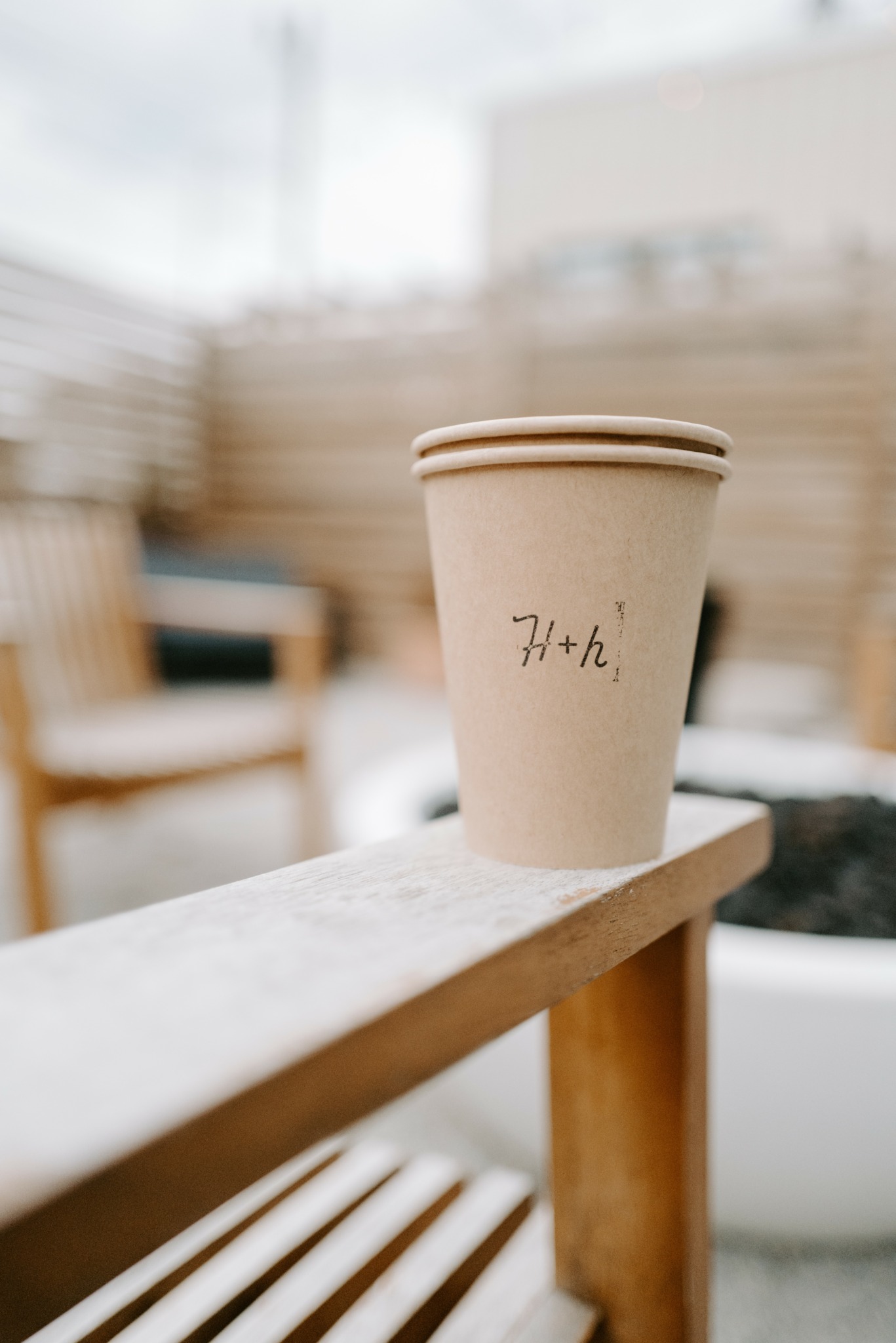
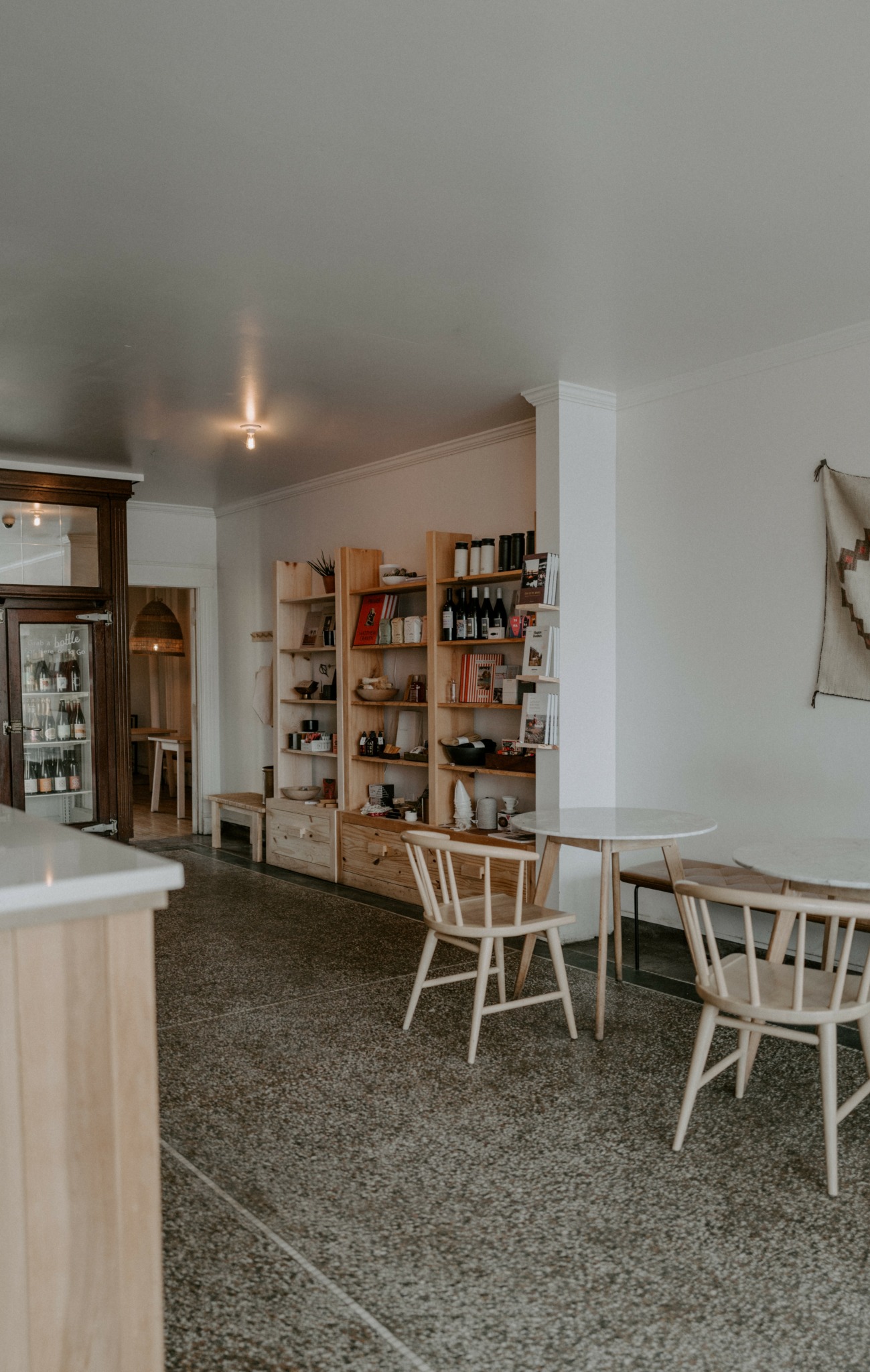
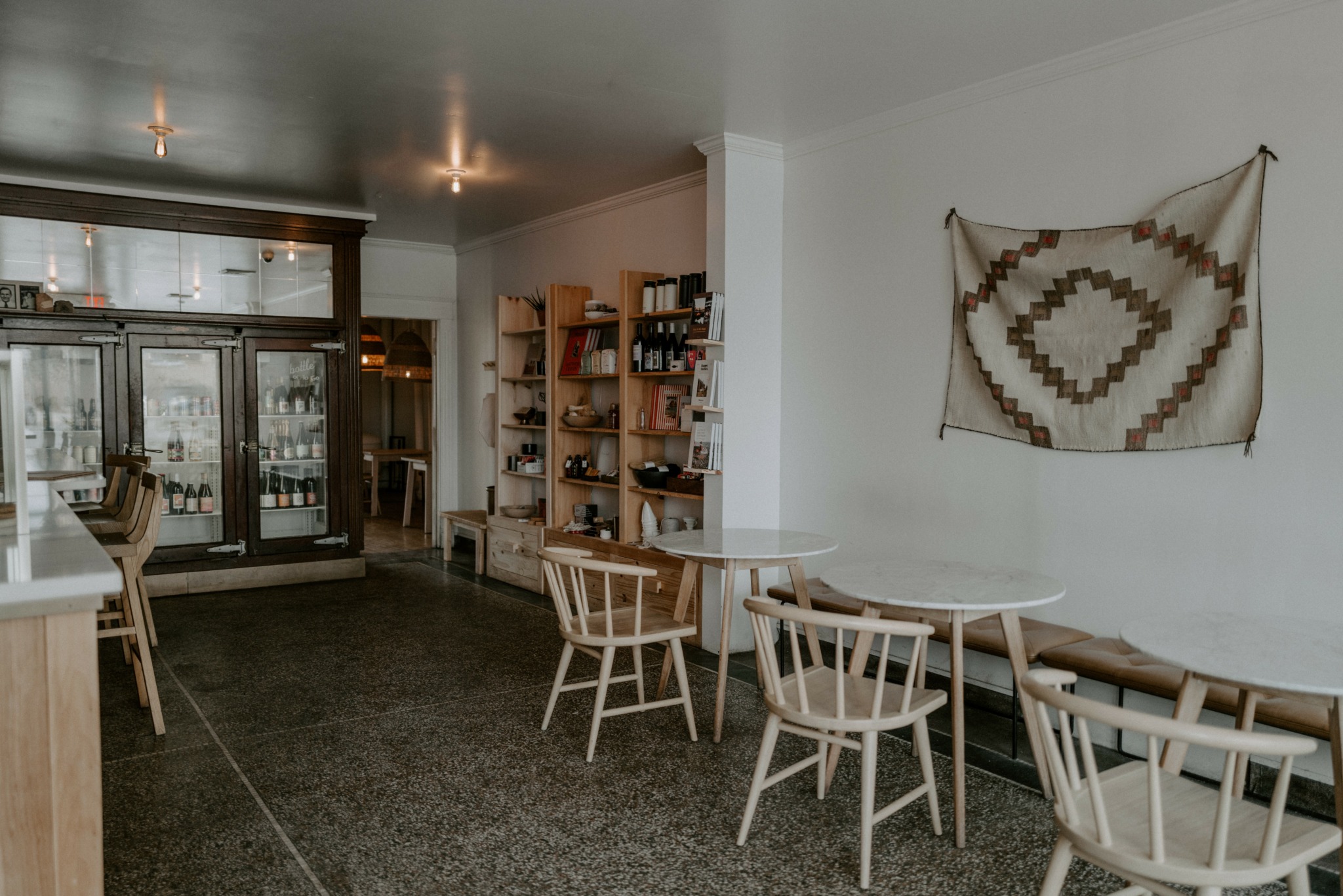
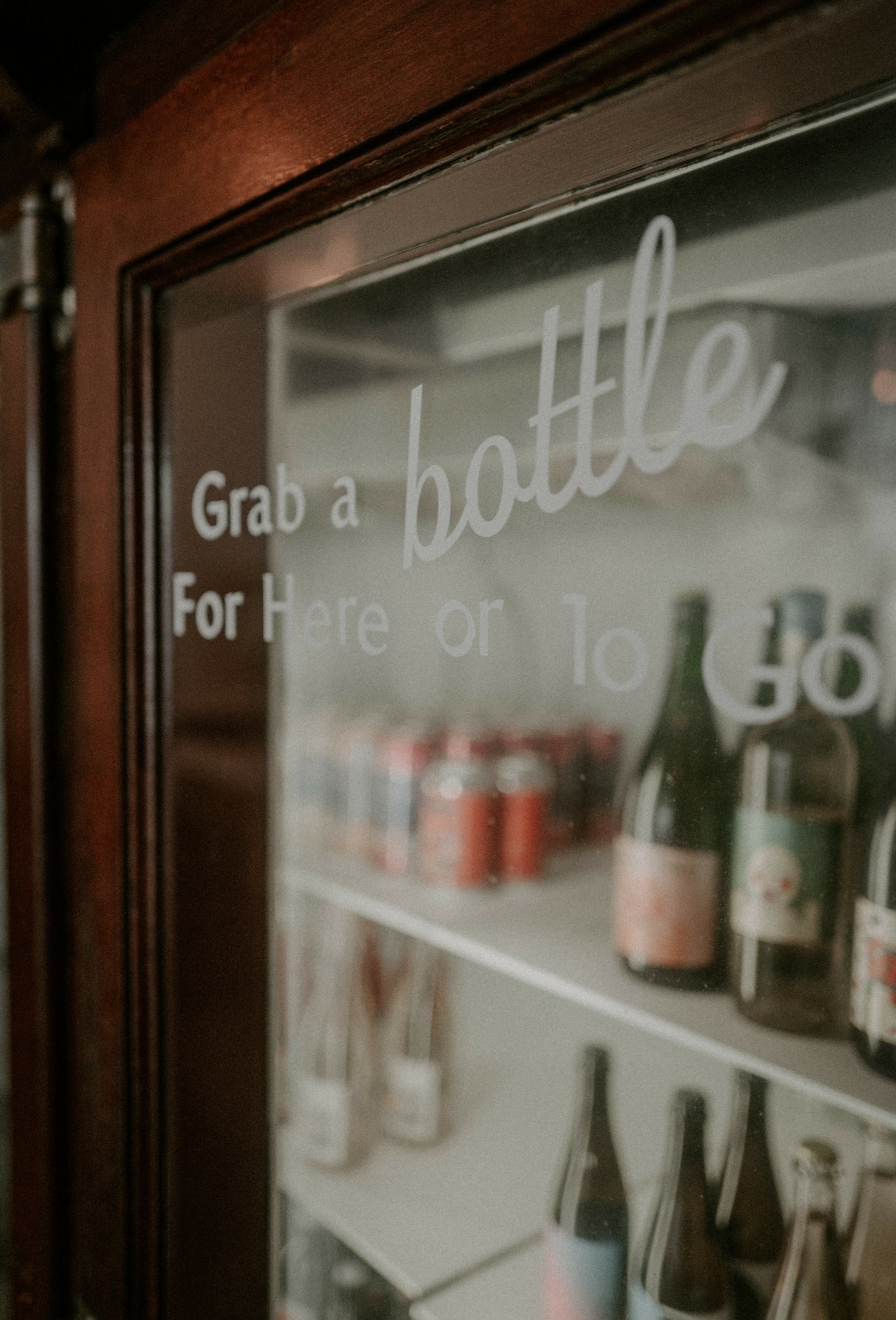
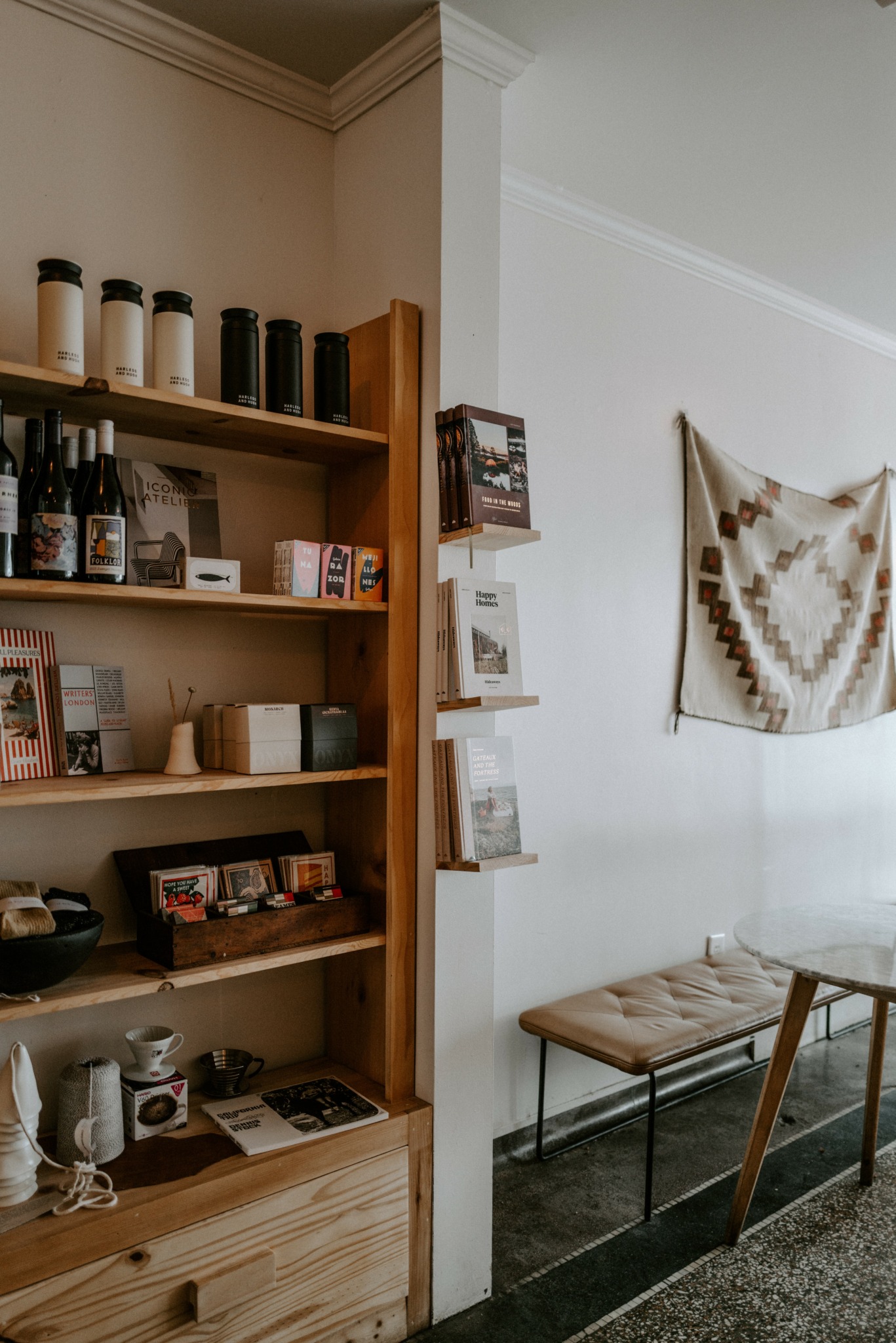
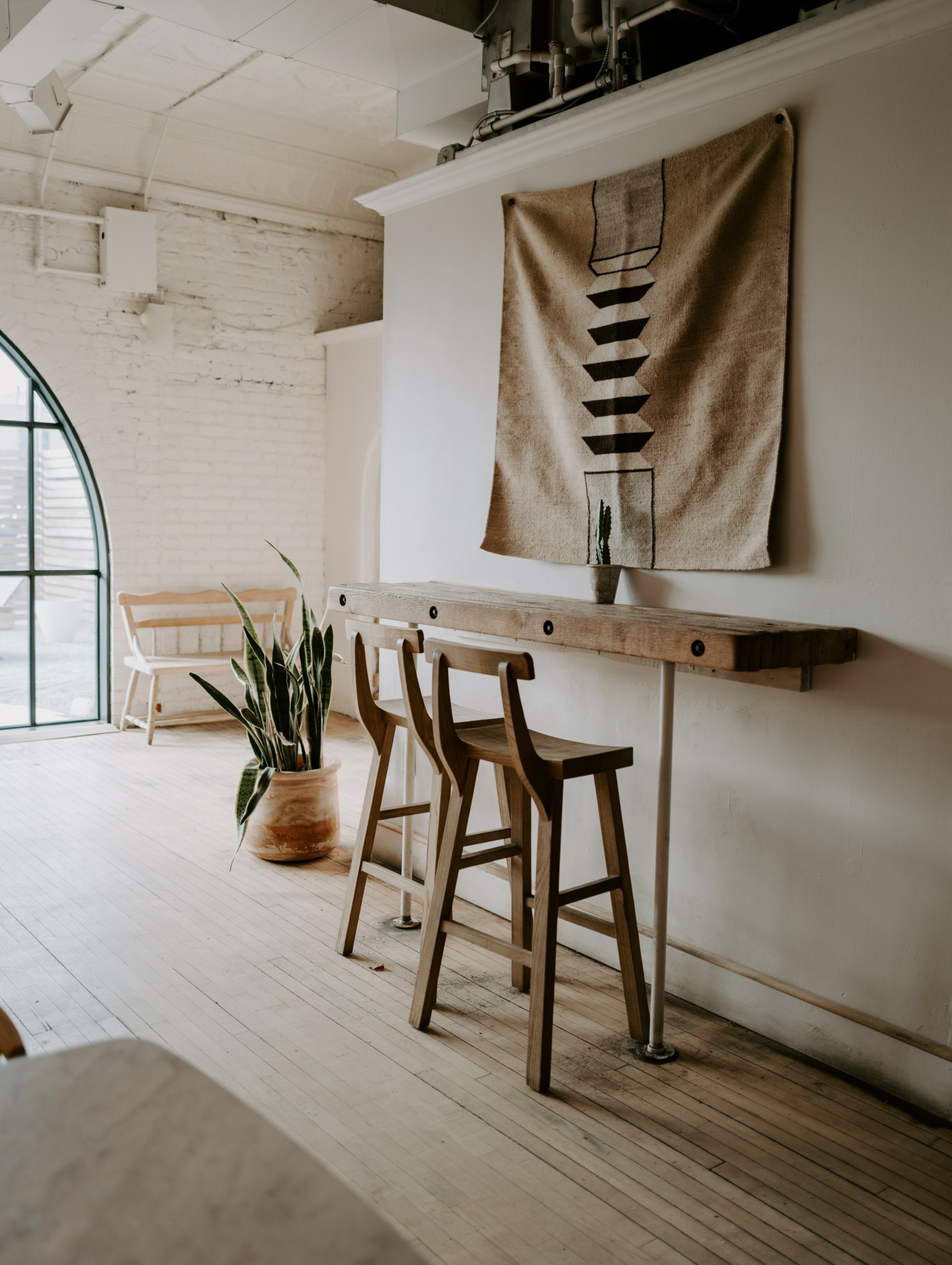
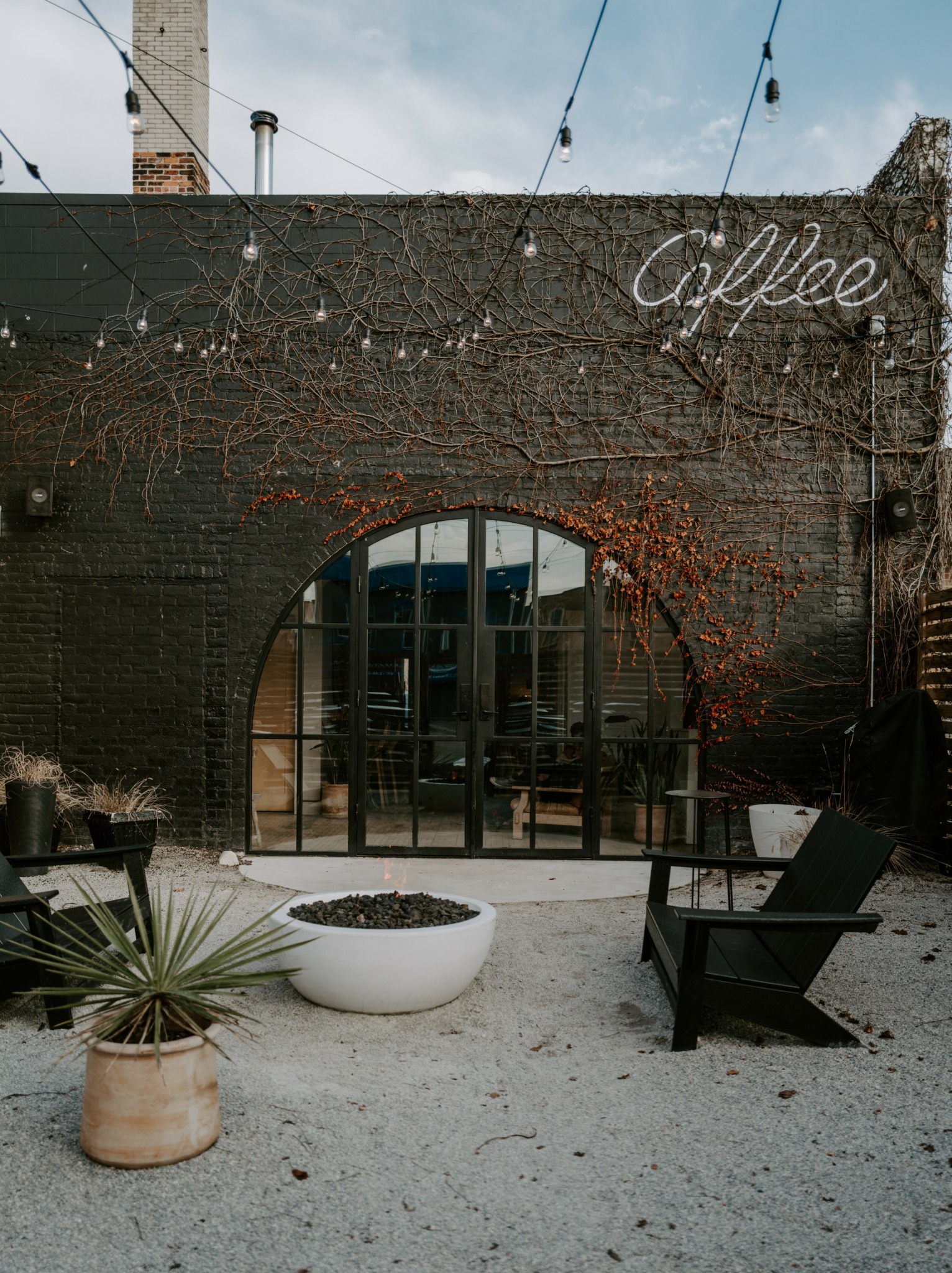
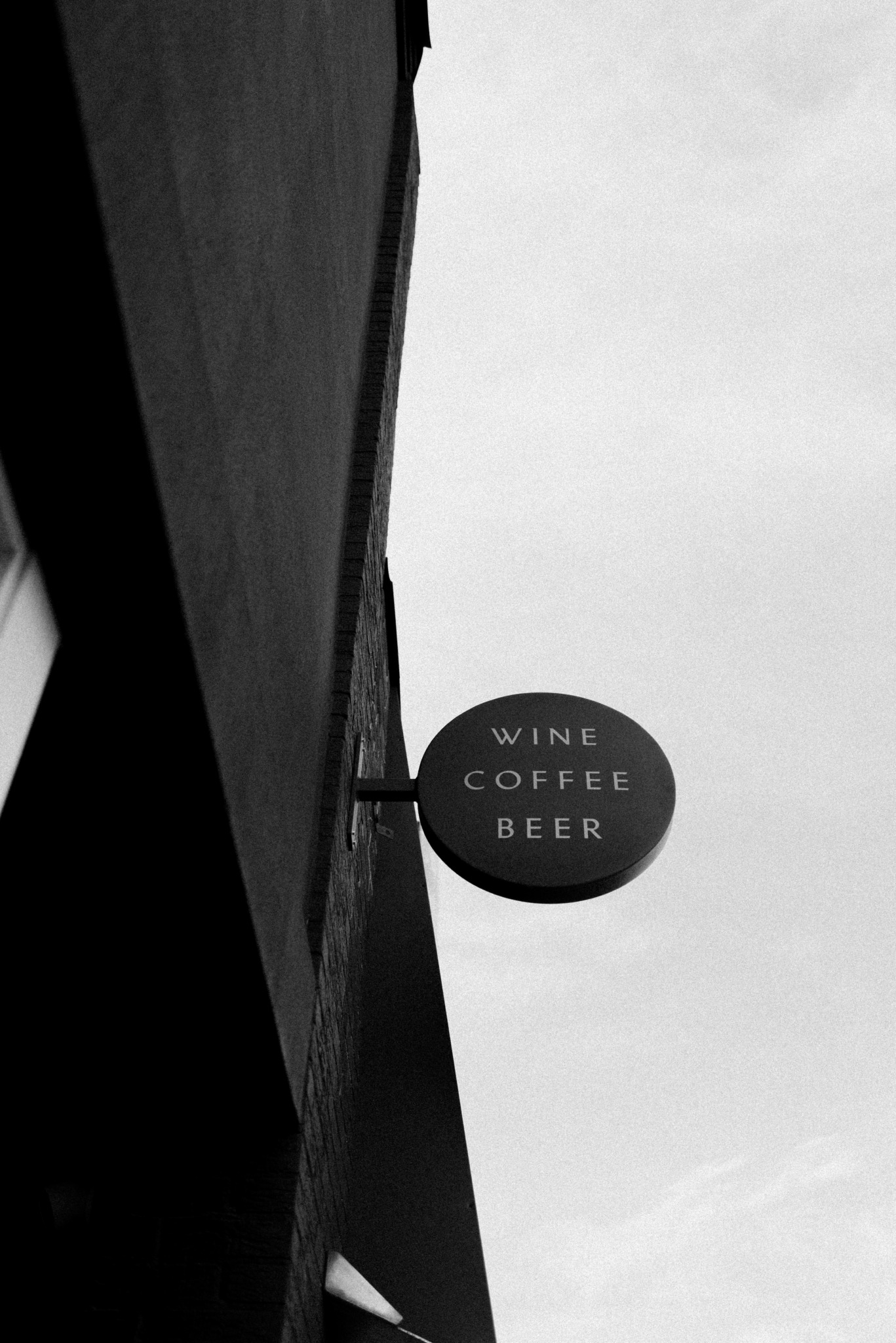
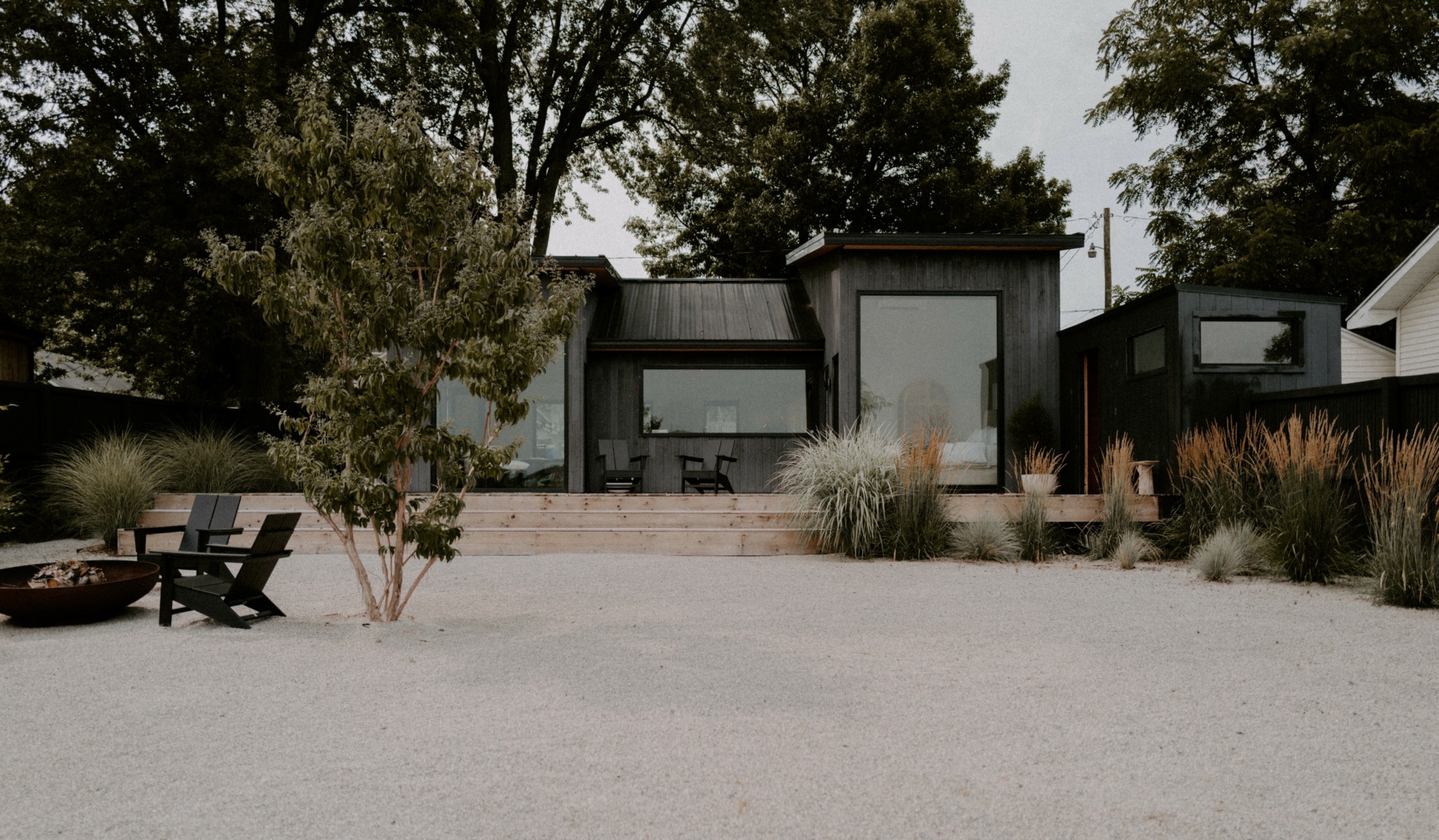
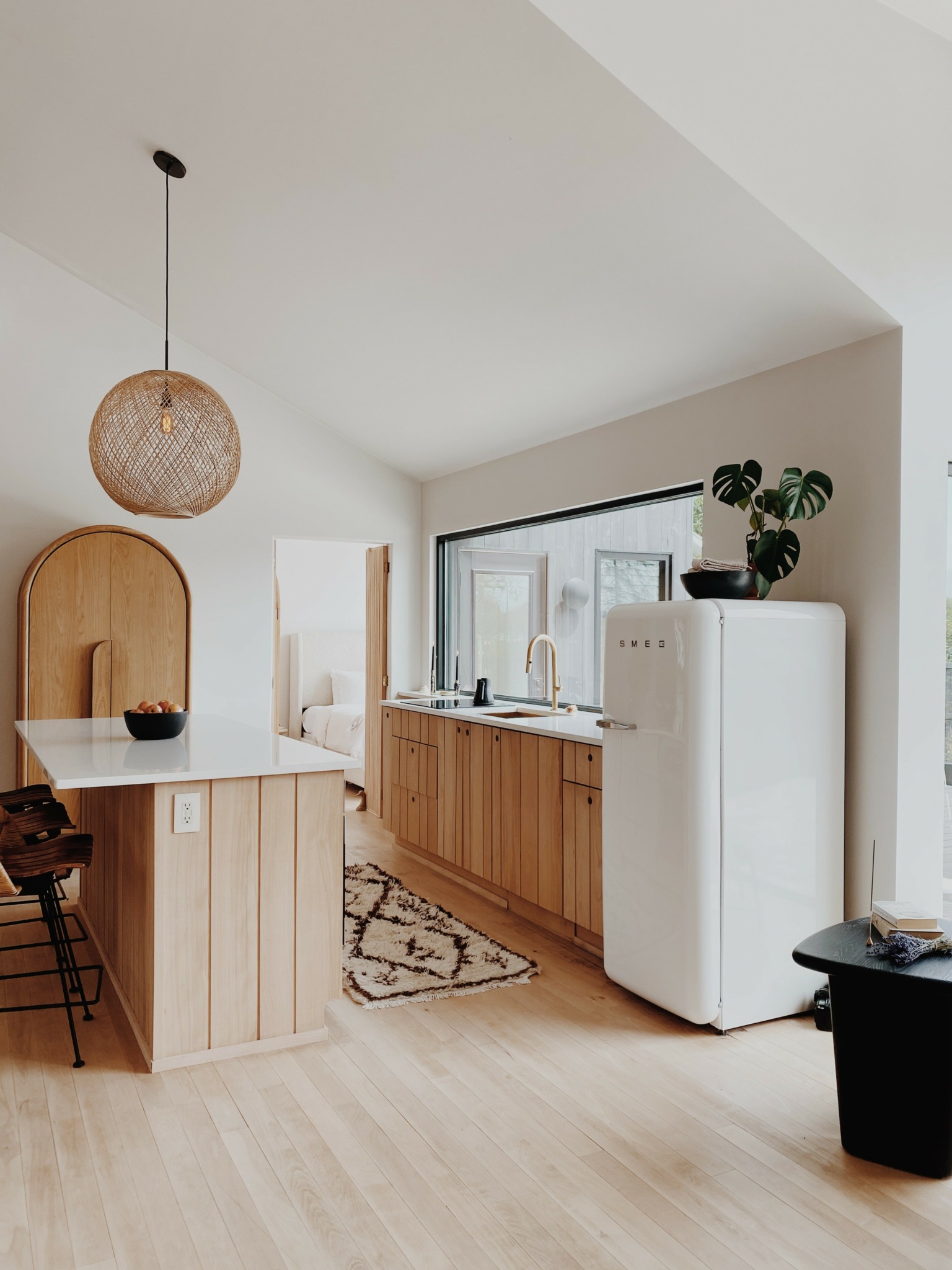
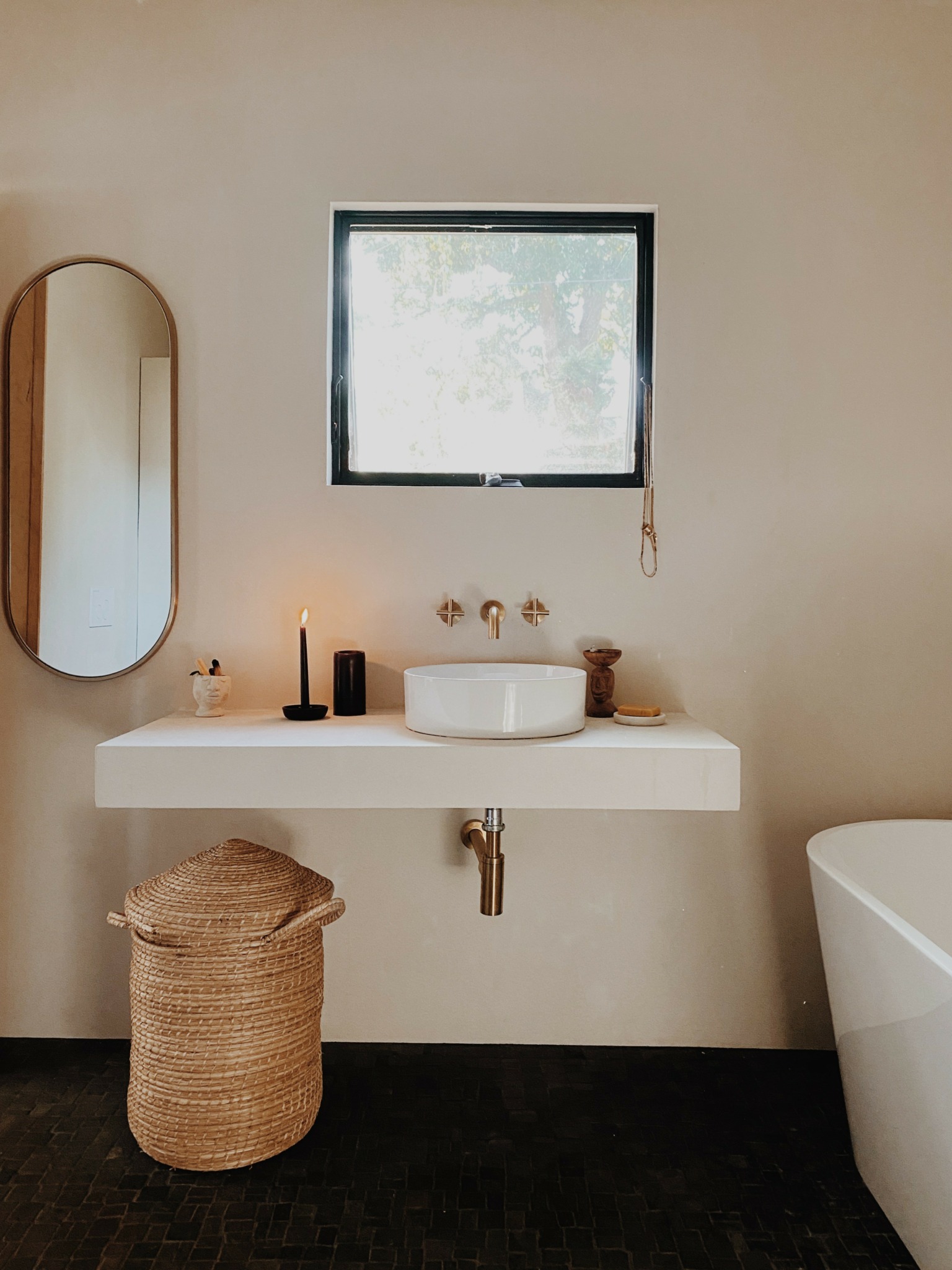
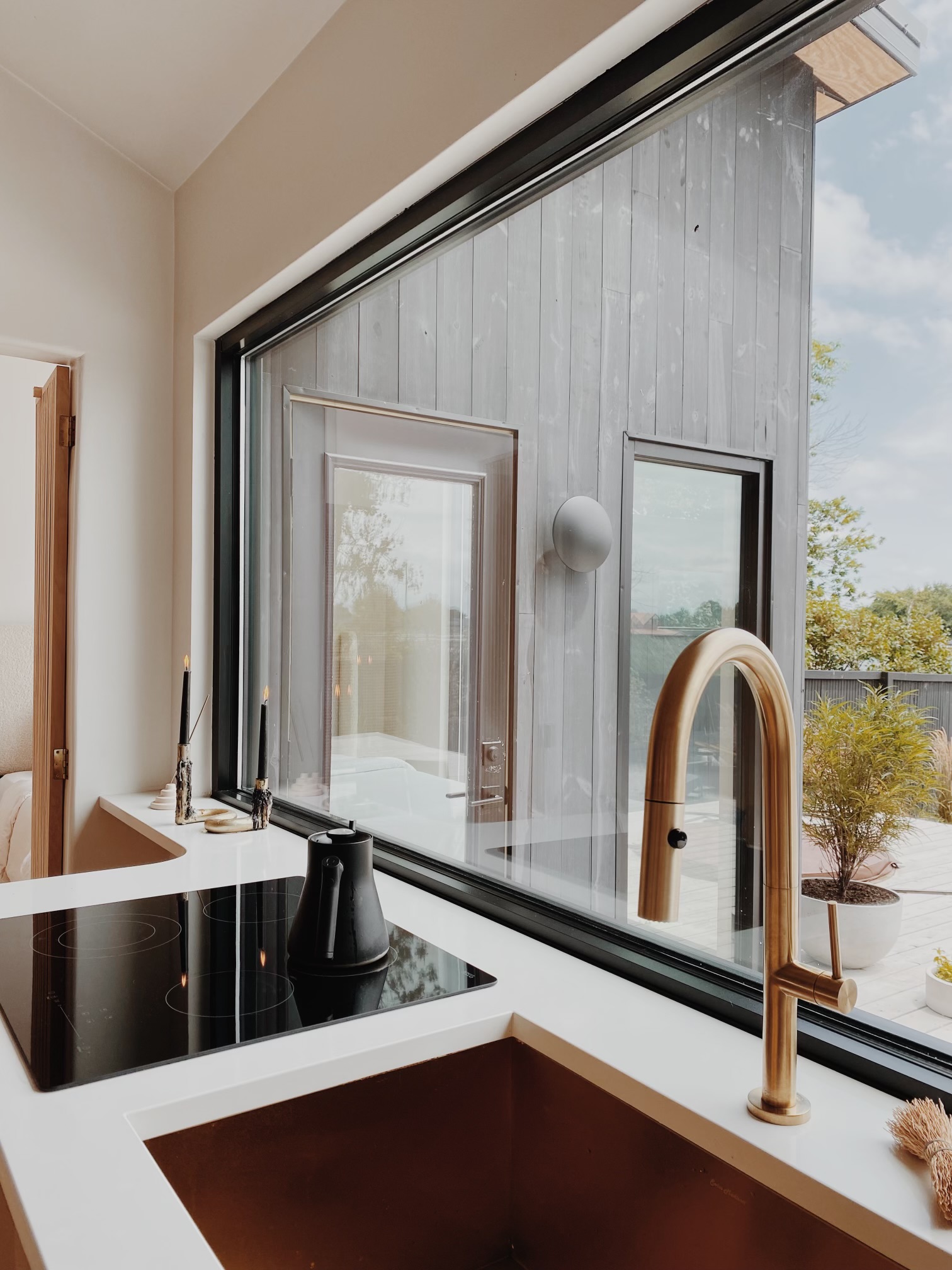
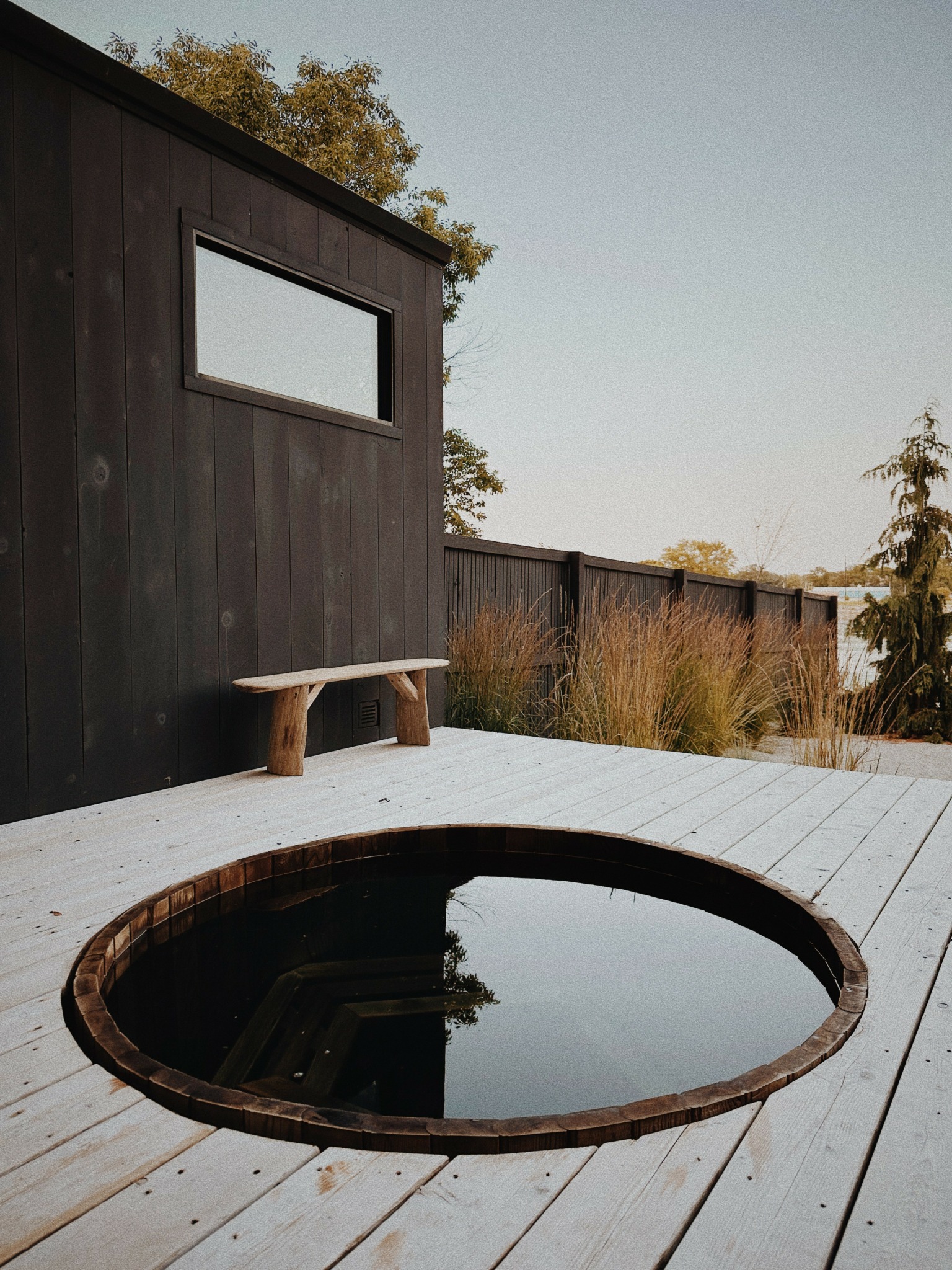
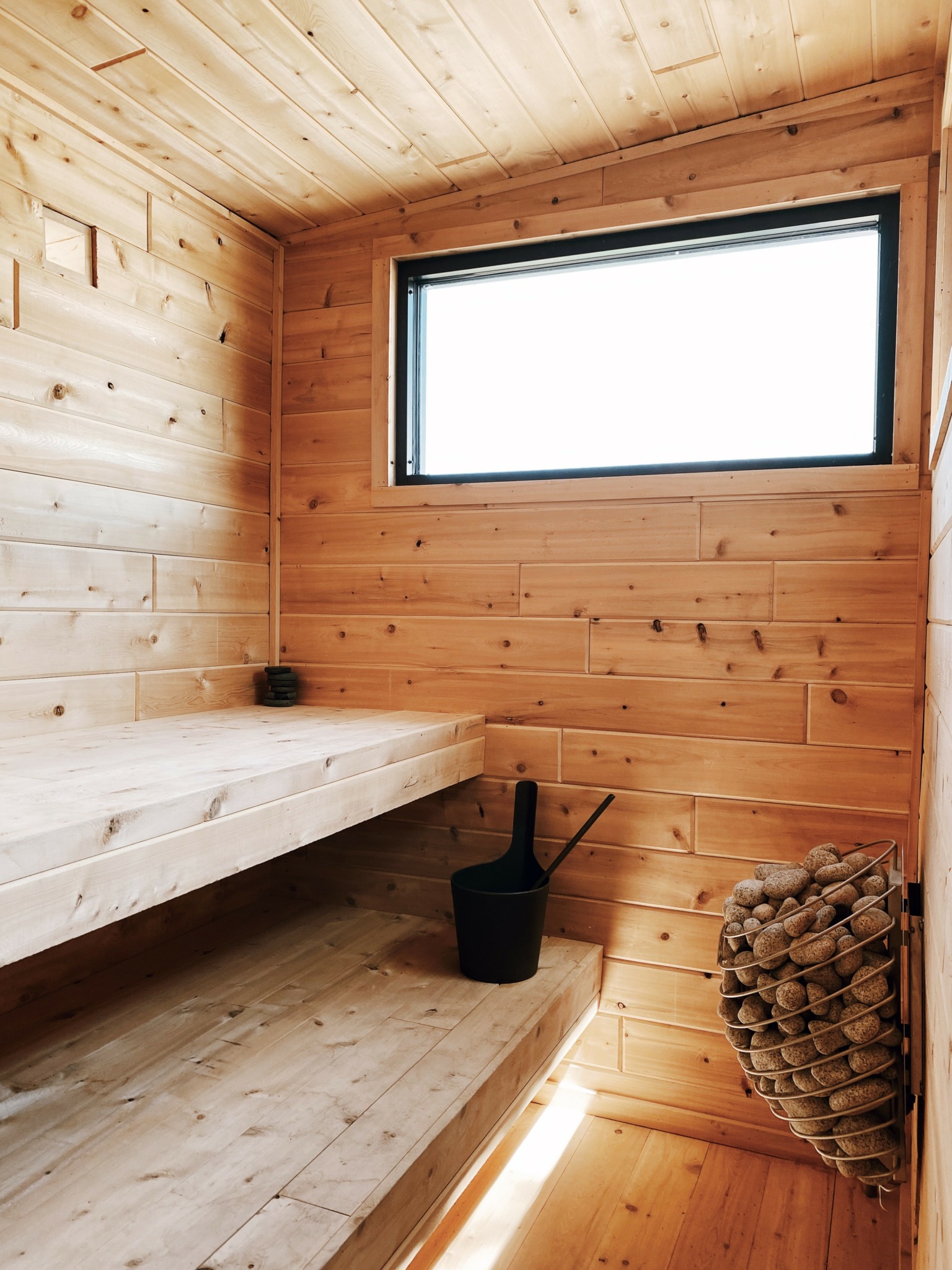
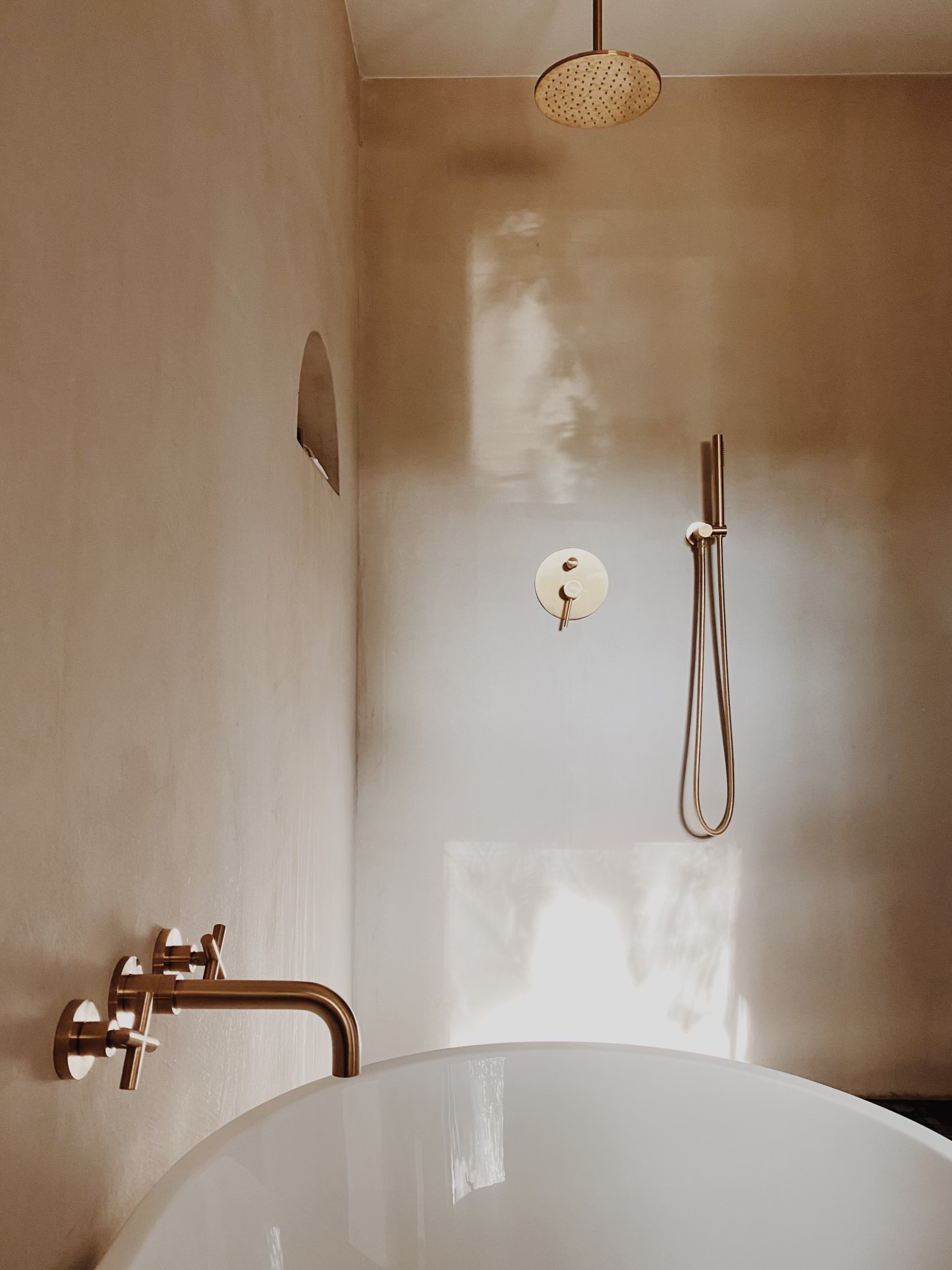
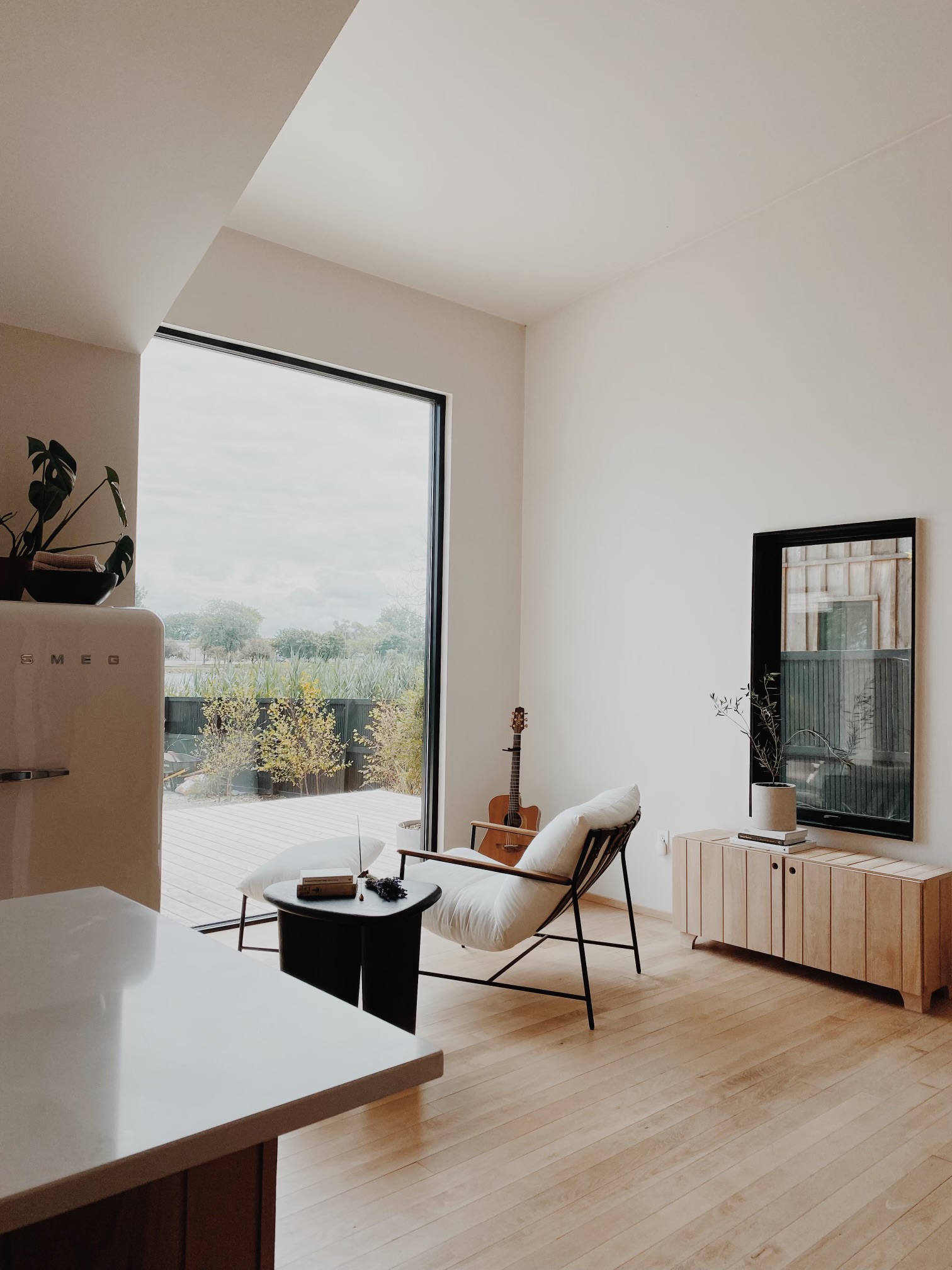
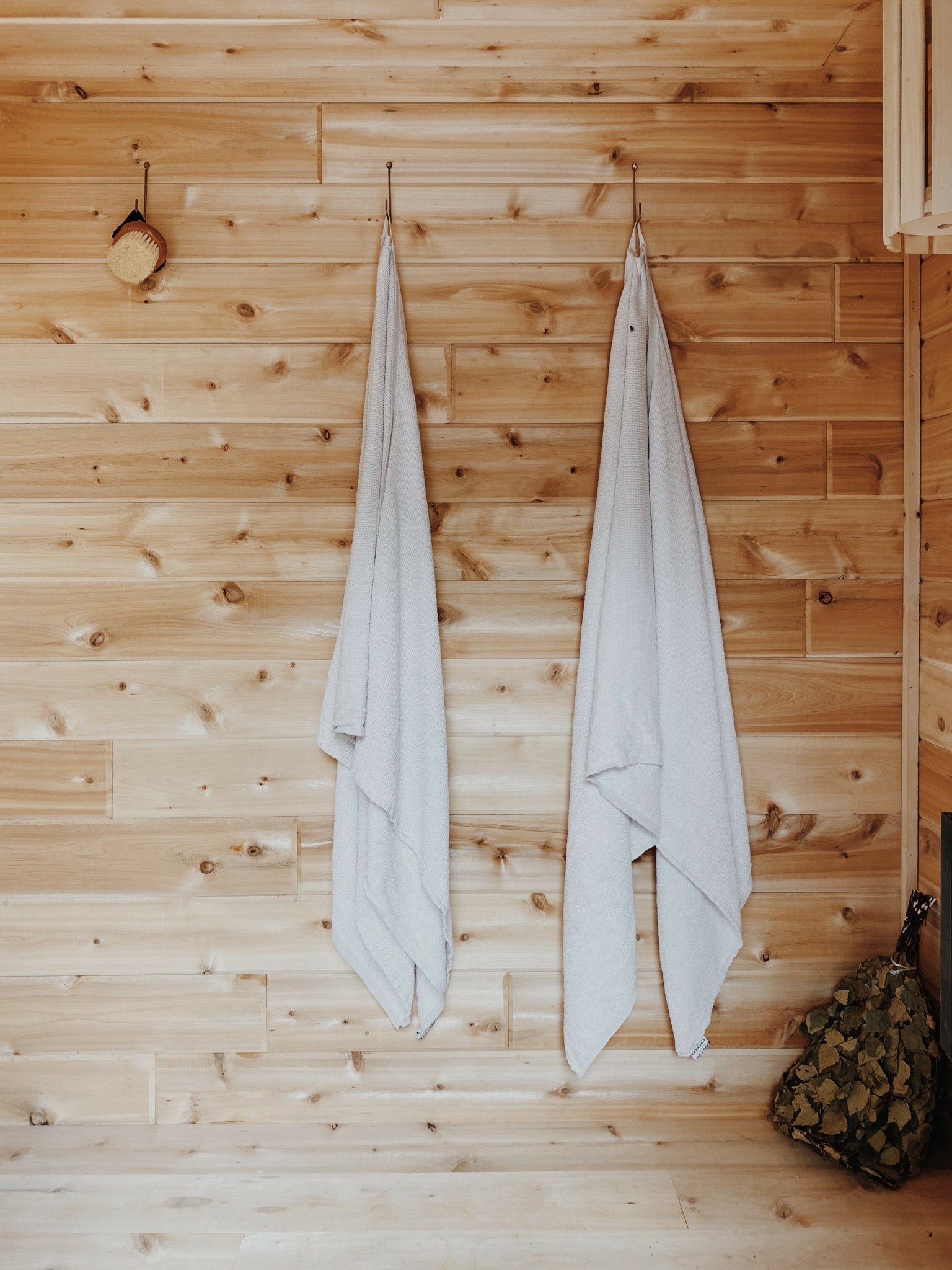
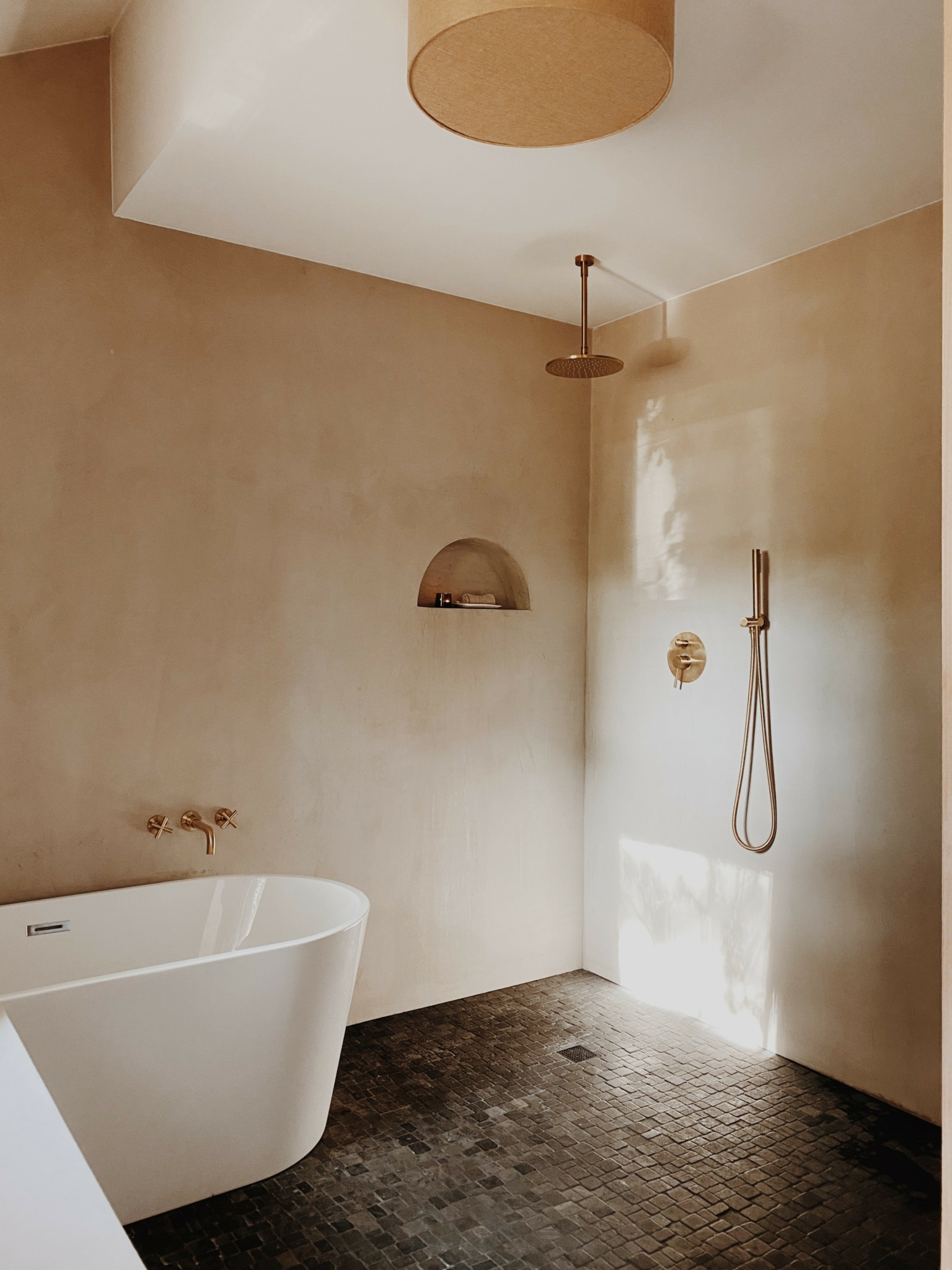
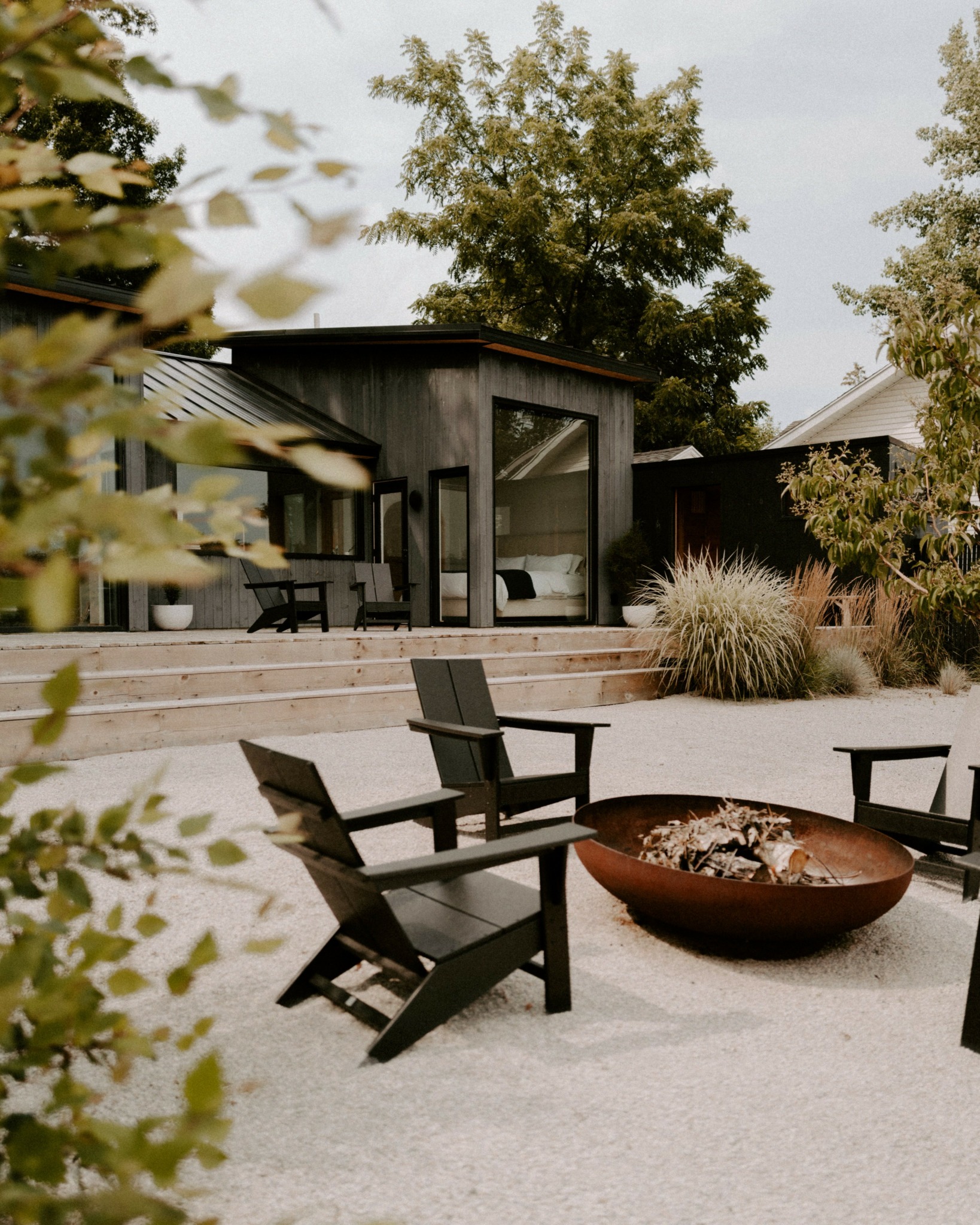
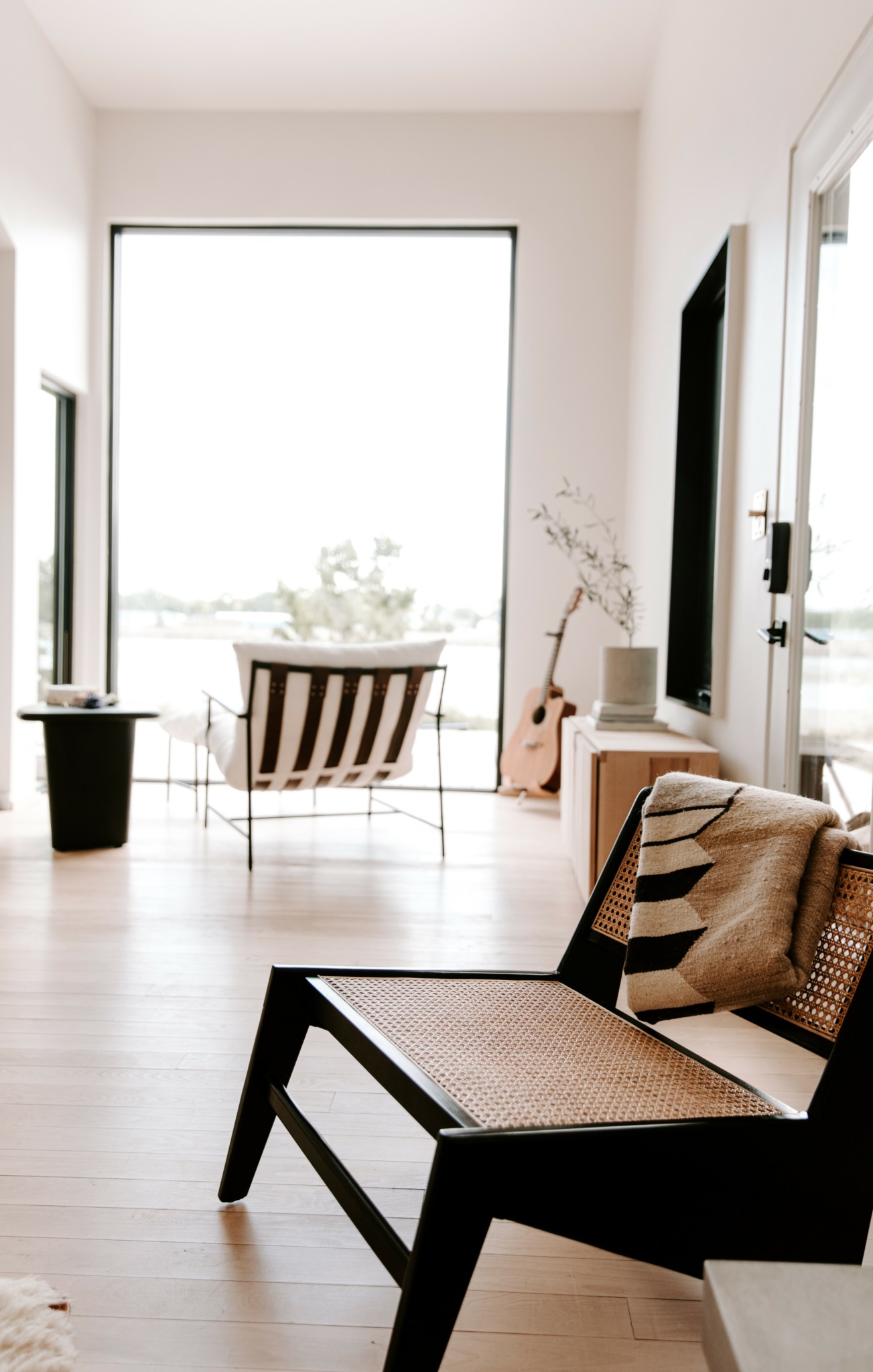
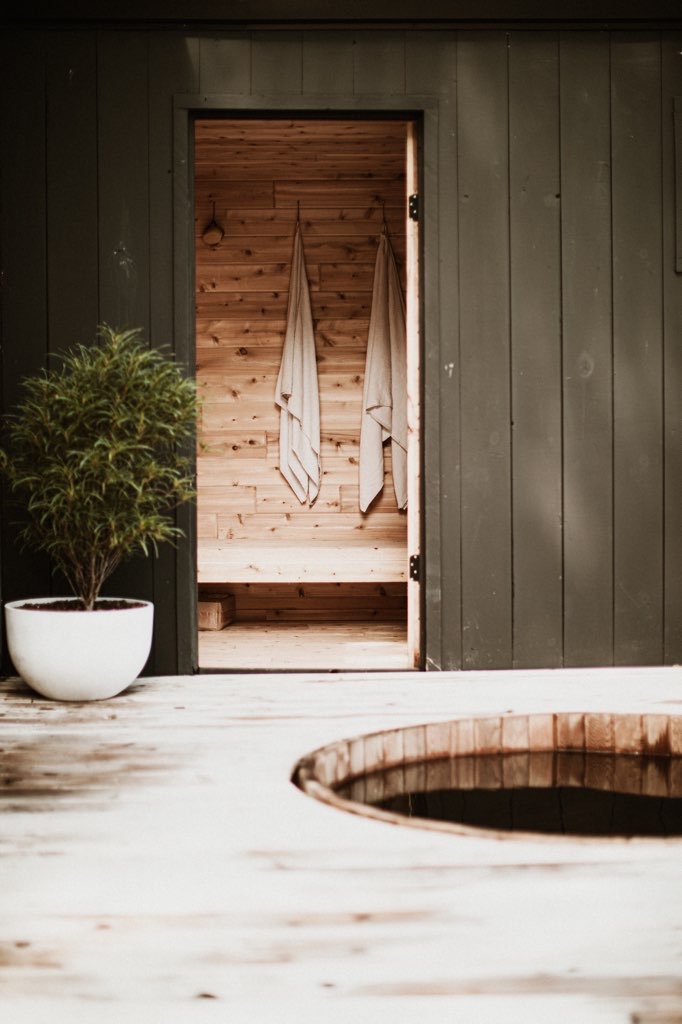
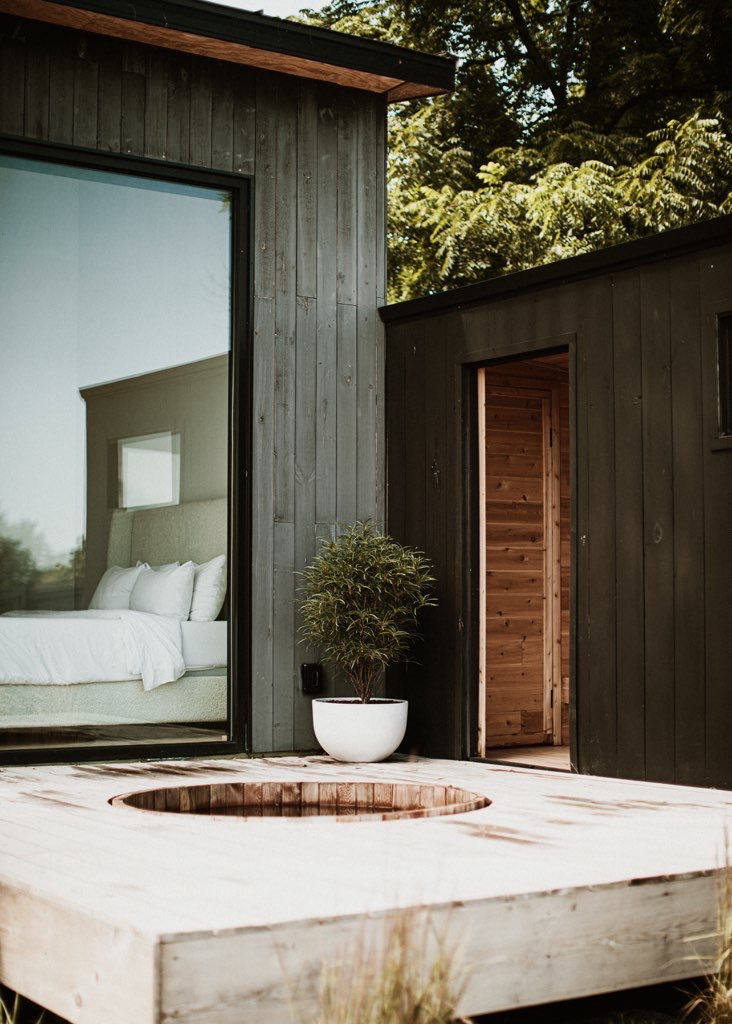
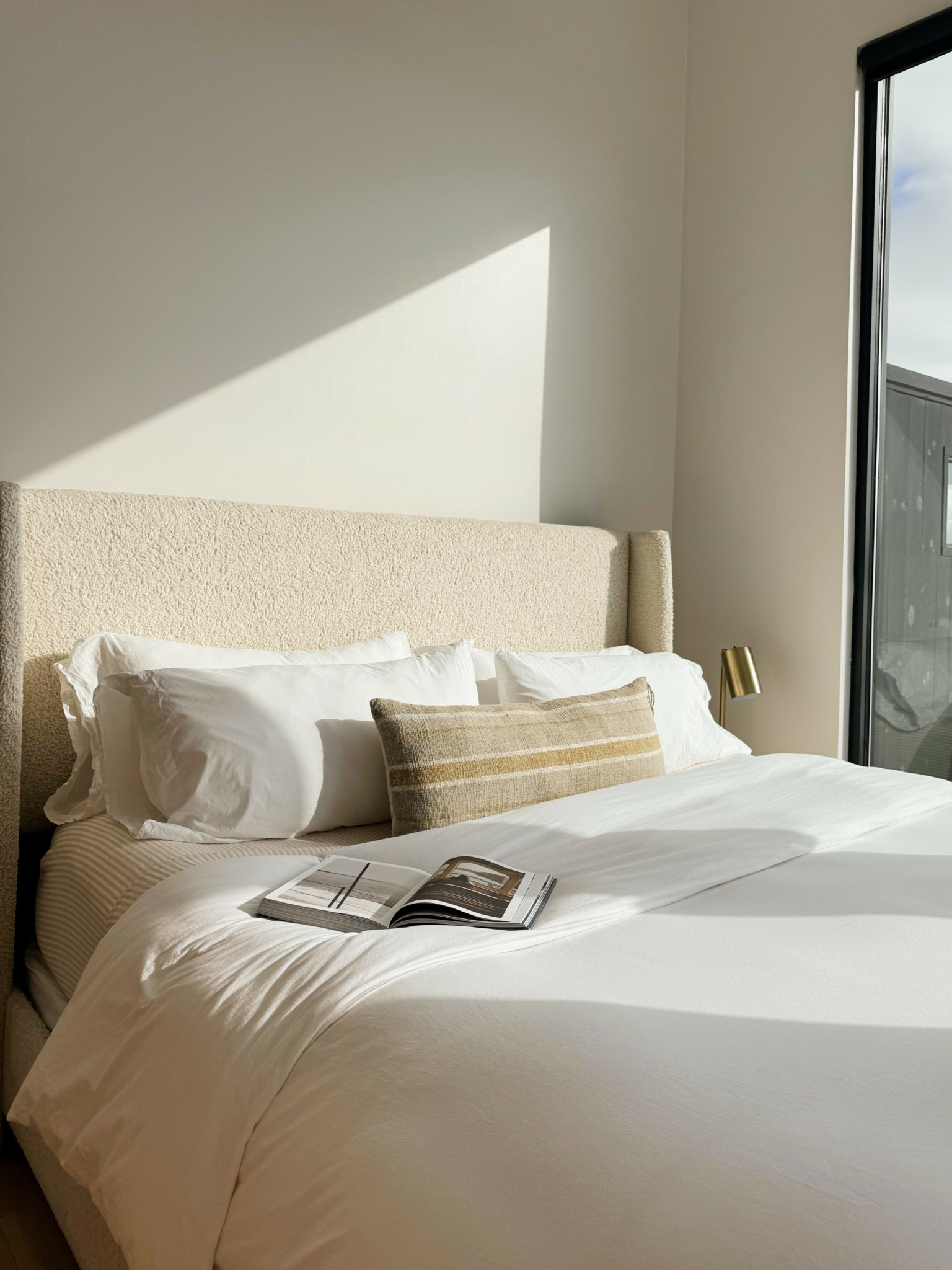
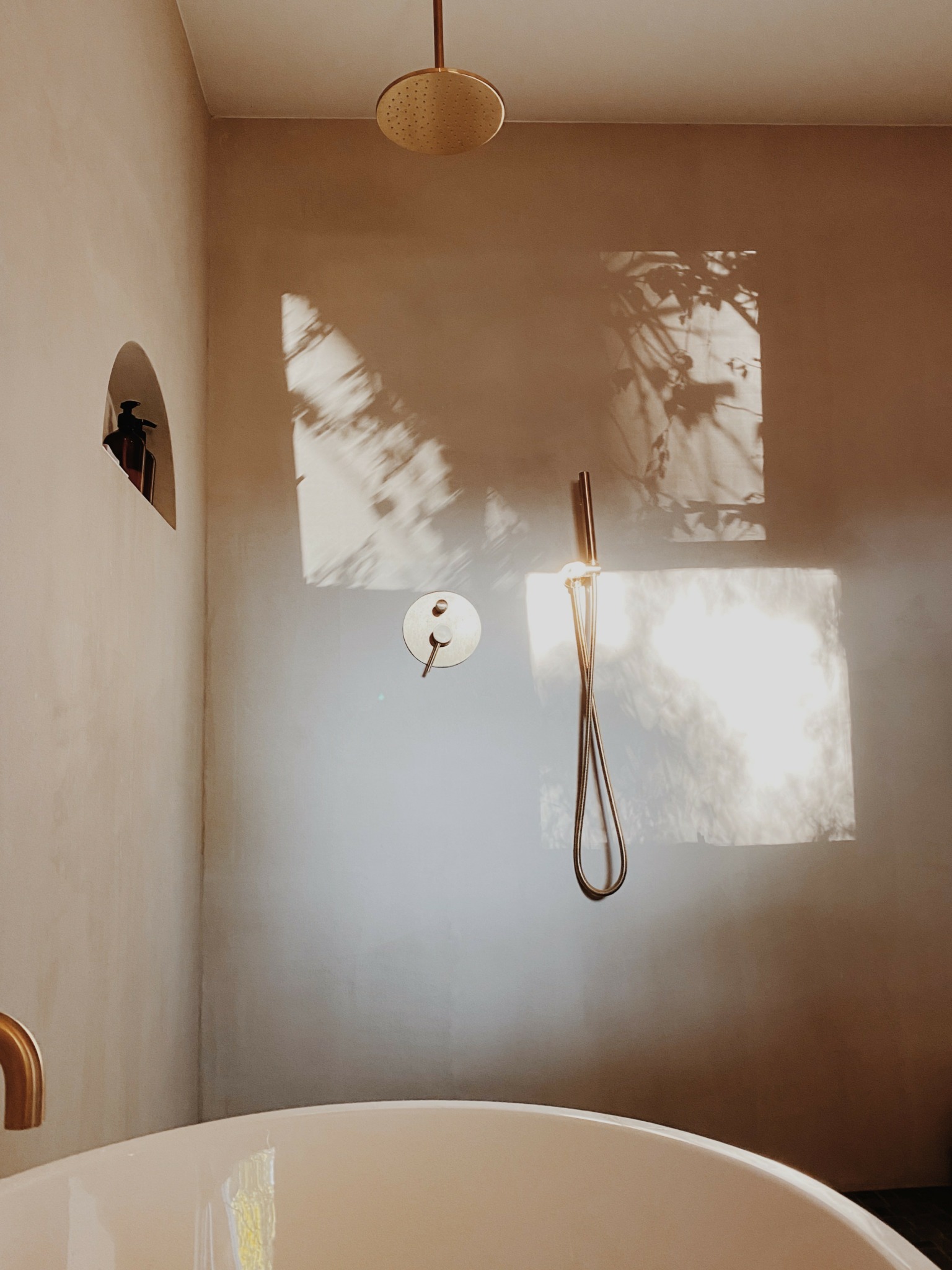
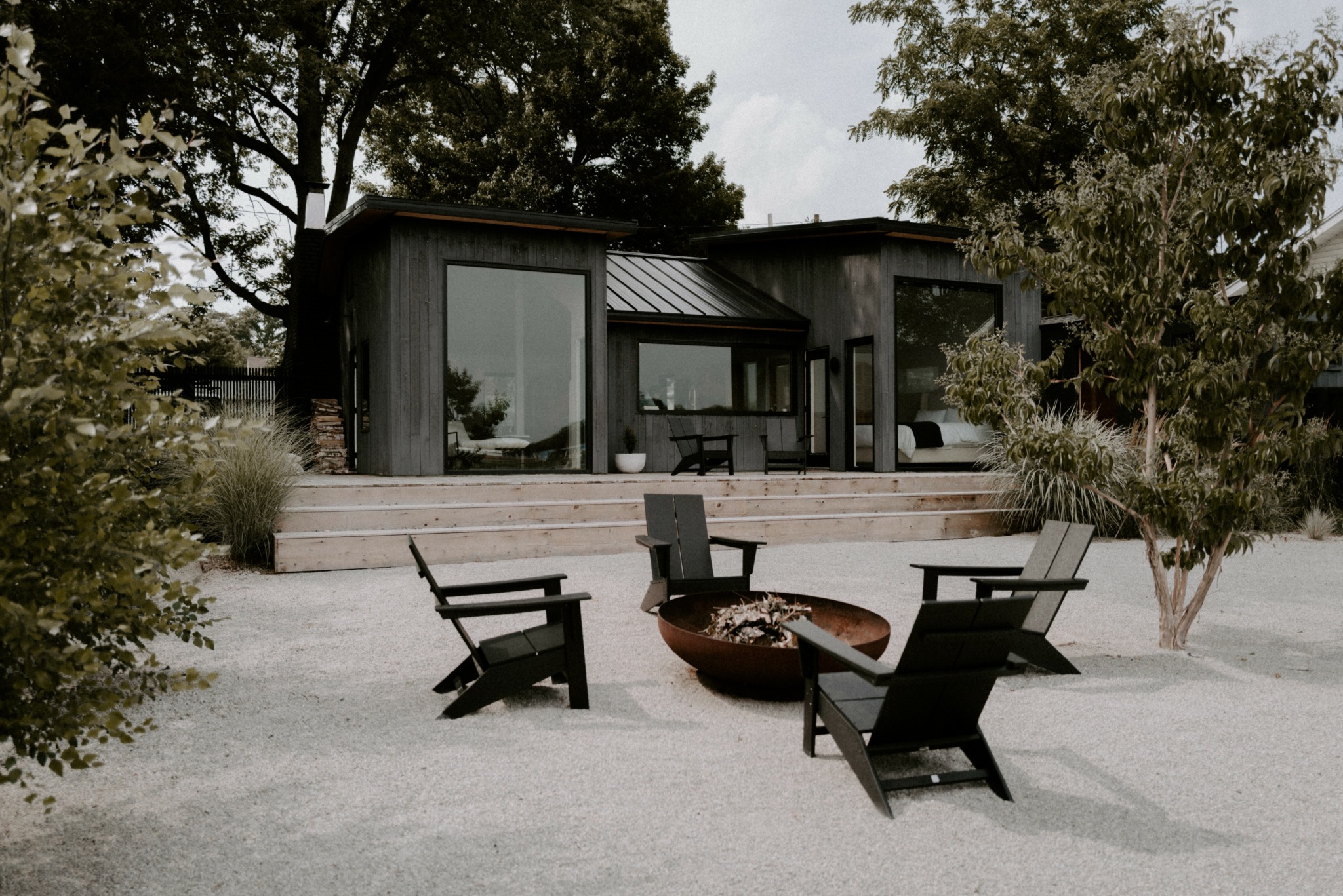
Image Credits
Julia Ross Photography