

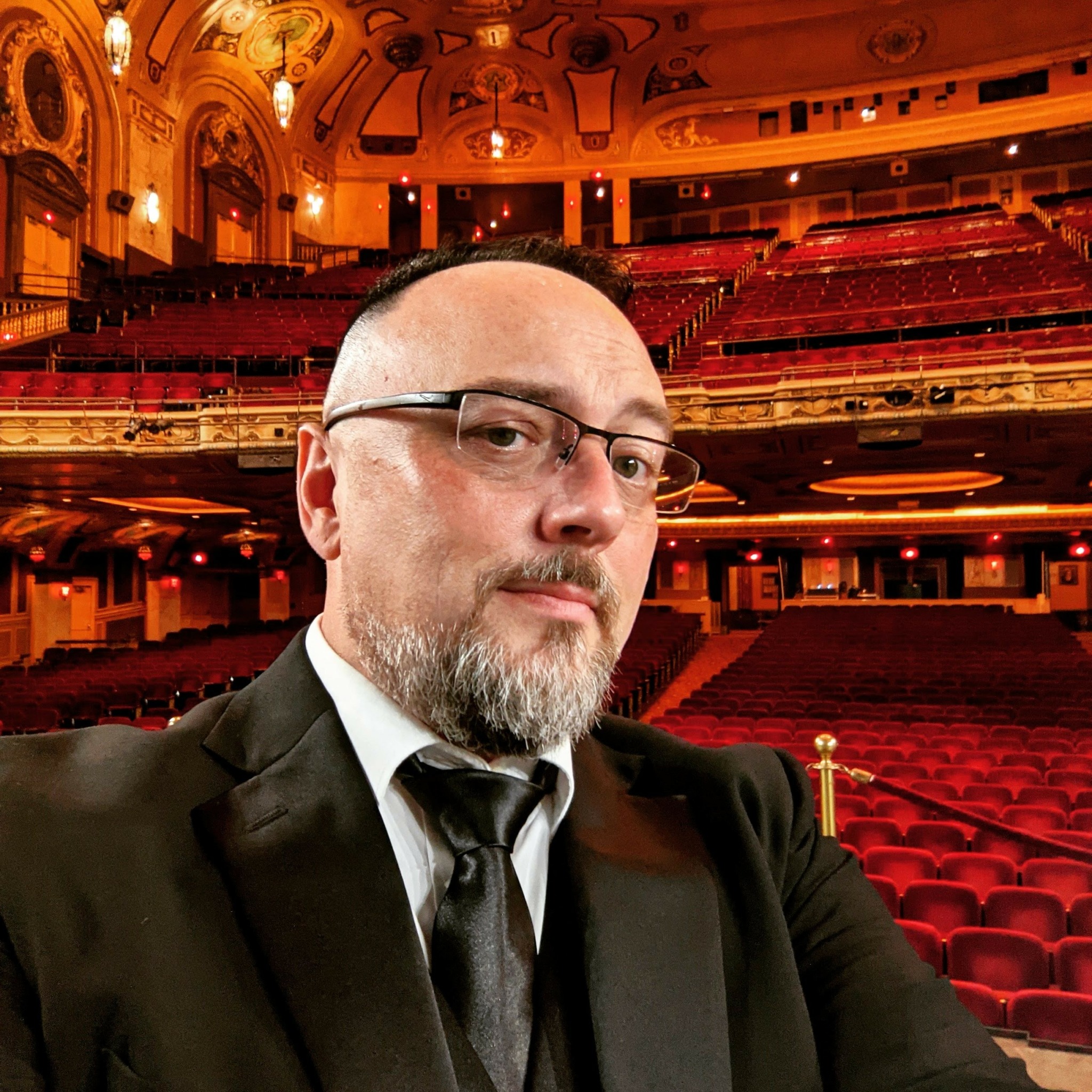

We were lucky to catch up with Jim Connors (JC) recently and have shared our conversation below.
Jim, thanks for joining us, excited to have you contributing your stories and insights. Risking taking is a huge part of most people’s story but too often society overlooks those risks and only focuses on where you are today. Can you talk to us about a risk you’ve taken – it could be a big risk or a small one – but walk us through the backstory.
The biggest risk I ever took was simple to say and hard to live.
I bet on a daily show with no funding, then doubled the workload by building free, open curriculum into every episode.
This started in Buffalo, New York, in a plain setup. A mic, a screen full of notes, and a calendar that did not care how tired I was. I did not have investors. I did not have contracts. I did not have a big distribution deal waiting for me. If I wanted the show to exist, I had to build it one day at a time.
At first, daily sounded like a good goal. Then real life kicked in. One episode is fun. Ten episodes still feels exciting. Then you hit that week where everything is stacked against you. The research takes longer. The edit fights you. Your voice is tired. The day is already full.
That is where the risk actually lives.
Because the question becomes brutal and honest.
Am I really going to publish anyway, even when it is inconvenient, even when nobody is paying for it, and even when there is no safety net?
I said yes.
At the time of this writing, that “yes” has been repeated for 1,577 straight days, and counting. That number is not a brag. It is the price tag of daily work.
Then a second risk showed up and changed the whole mission.
A Marine Corps brother of mine told me something about his daughter. She was a barrel racer. If you have ever seen it up close, you know it is not just riding. It is speed, control, and nerve, pushing into 3 tight turns where a small mistake costs real time. That story hit me hard, because it made me ask a different question.
What happens after you listen?
If this show is really about learning, the story cannot just end when the audio ends. It needs to be usable. Teach ready. Something a teacher can drop into class. Something a parent can use at the kitchen table. Something a student can follow without needing permission or a budget.
That was the moment I committed to Open Curriculum.
From that point forward, every episode got infused with free curriculum aligned to U.S. and U.K. standards. That meant I was not just writing, recording, and editing anymore. Now I was also building the learning layer, vocabulary support, learning goals, questions, activities, and standards alignment. Every day. Still no staff. Still no funding. Just me deciding the work would be stronger if it could be taught.
Episode #1235, “Three Turns to Freedom,” grew out of that pivot and it was made in honor of that Marine brother’s daughter and the world she lived in. That episode went on to win a Gold Hermes Creative Award, and that meant a lot because it validated the risk behind the model.
Then came a moment that still does not feel real when I say it out loud.
Episode #1355, “Malcolm Jamal Warner,” was created from a personal place. Another Marine Corps brother and his wife had a deep connection to Malcolm. I made the episode to honor Malcolm’s life and to send care and respect to my friend and his family during a hard time. I kept it factual. I kept it humane. I treated the details like they mattered, because they do.
That episode went on to win at the 57th NAACP Image Awards for Outstanding Podcast, Scripted/Limited Series/Short Form.
So how did the risk turn out?
No money forced me to get resourceful. No contracts forced me to get disciplined. No big broadcast distribution forced me to build an RSS first model and earn attention the hard way.
But the biggest part of the outcome is you.
These achievements reflect my dedication to meaningful, accurate storytelling and the listeners whose curiosity and support keep guiding the growth of the series.
Recognitions include:
57th NAACP Image Awards Winner, Outstanding Podcast, Scripted/Limited Series/Short Form, Podcast Episode #1355, “Malcolm Jamal Warner”
ASTRA Podcast Award Finalist, Best Science Podcast, Hollywood Creative Alliance
Communicator Award of Excellence, Series, Educational
Bronze Telly Award, Series, Education & Discovery
Gold MarCom Award, Video/Audio, Podcast, Educational Series
Gold Muse Creative Award, Audio, Podcast
Gold Davey Award, Podcast Series, Educational
Gold Hermes Creative Award, Podcast Episode #1235, “Three Turns to Freedom”
Gold AVA Digital Award, Podcast Series
Gold AVA Digital Award, Podcast Episode #1344, “The SnackWrap Guy of Hendersonville,” Podcast, Education
Gold NYX Award, Audio & Podcasts, Education
Gold Viddy Award, Creativity, Script Writing
Gold dotCOMM Award, Podcast Series, Education
Gold Smithy Award, Photography, Video & Sound, Podcast/Podcast Audio
Silver W3 Award, General Series, Educational & Instructional
Communicator Award of Distinction, Series, Educational, Co Host, HR Lady Wendy Sellers Podcast
Silver Vega Digital Award, Podcast Campaign, Education
Silver NY Digital Award, Audio & Podcasts, Education
Summit Digital Media Award, Leader Award, Education, “Interesting Things with JC”
And I need to say this part out loud too.
Doing this daily, with curriculum, with fact checking, with editing, with everything that goes into it, is hard to sustain with zero funding forever. I am proud of what has been built, but I am also actively looking for funders, grants, sponsors, or partners who want to help keep this going and grow it the right way.
It would also be a game changer to land a contract or distribution deal that brings “Interesting Things with JC” to terrestrial radio or satellite radio on a daily schedule. The show already has the proof. Now it needs the backing to scale without cutting corners.
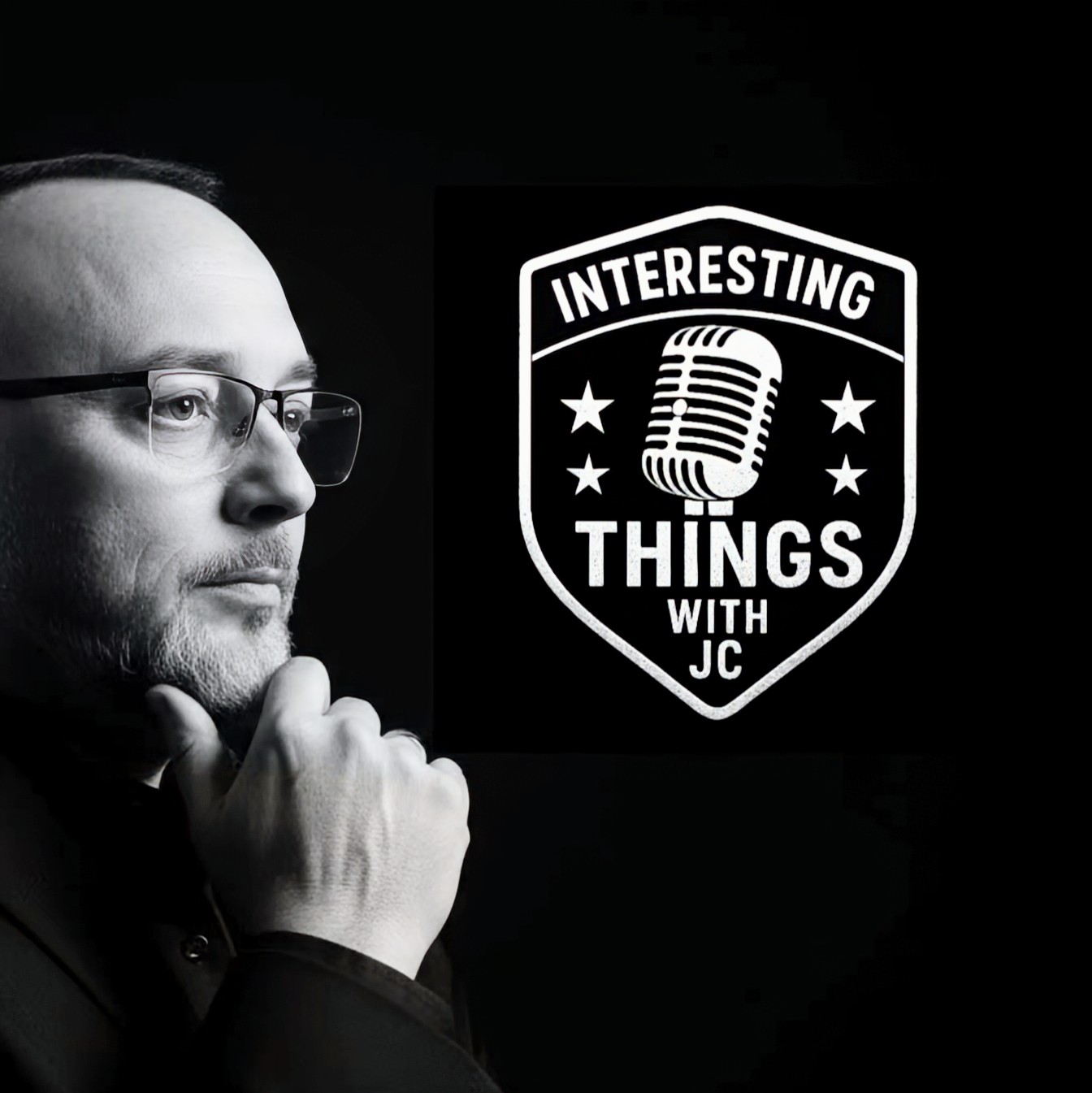
Great, appreciate you sharing that with us. Before we ask you to share more of your insights, can you take a moment to introduce yourself and how you got to where you are today to our readers.
I’m JC, Jim Connors. I grew up around this craft. My dad was “JC” on the radio, and I learned early what good audio sounds like and why a story has to move. I also learned the unglamorous part: showing up, doing the prep, and getting it right even when nobody’s watching. Later, the U.S. Marine Corps reinforced that same discipline, precision, and respect for the job.
Professionally, I’ve spent years in media, production, and educational broadcasting, including leadership work connected to public media and lifelong learning. That background is a big reason I build what I build now: tight, broadcast-quality microlearning that’s short enough to fit real life, but still deep enough to matter.
Today I produce Interesting Things with JC, a daily microlearning series. The part that makes it different is this: with every episode, I also create open curriculum so the story becomes teachable. Teachers, homeschoolers, parents, and lifelong learners can listen to an episode, play it in class, and then use the curriculum resources to teach the topic. There’s no paywall. The materials live on the episode page at JimConnors.net, ready to use.
I’ve done this with zero outside funding, and at the time of this writing I’ve published 1,577 straight days, and counting. I’m proud of the consistency and proud that the work holds up under outside scrutiny. Selected recognition includes a 57th NAACP Image Award win for Outstanding Podcast, Scripted/Limited Series/Short Form tied to Episode #1355, “Malcolm Jamal Warner,” a Gold Hermes Creative Award for Episode #1235, “Three Turns to Freedom,” a Summit Digital Media Award in the Leader Award, Education category for Interesting Things with JC, and the 2026 AVA Digital Awards Gold for Episode #1344, “The SnackWrap Guy of Hendersonville.” That AVA honor means a lot to me because it shines a light on Donoven Darshawn Rice and what he set in motion. That story was never about me. I just told it as it unfolded and gave it a platform, because his heart and persistence were worth documenting.
If you’re new to my work, here’s what I want you to know: I’m trying to build something accurate, respectful, and genuinely useful, not just something to scroll past. And to keep this going daily at this level, and scale it without cutting corners, I’m actively looking for grants, underwriting, sponsors, and distribution partners, including the right deal to bring Interesting Things with JC to terrestrial or satellite radio on a daily schedule. Everything is at JimConnors.net.
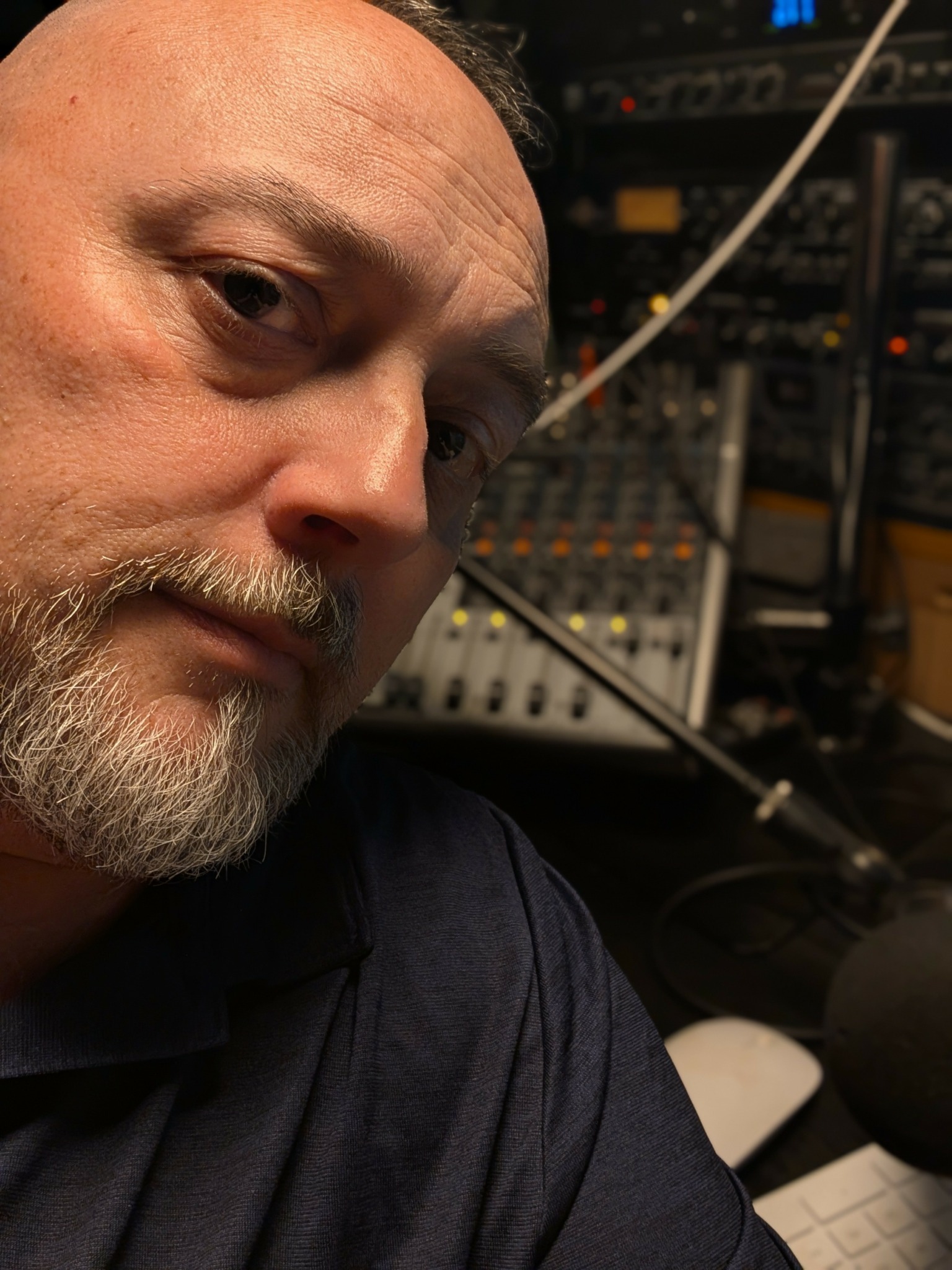
Can you share one of your favorite marketing or sales stories?
One of my favorite marketing stories is actually a loss, and it taught me more than any win ever has.
I decided to go after the Clio Awards.
From the outside, that sounds like a clean, confident move. Inside my world, it was a heavy lift with real stakes. I’m an independent creator. No agency. No big budget. No corporate team. It’s just me building a daily microlearning show and trying to carry it up into rooms where the biggest brands on earth live.
The first step was realizing this wasn’t “submit a link and hope.” It’s building a full case. A real campaign story. So I went into production mode.
I pulled metrics. Hard numbers. Not vibes. I dug through platform dashboards, watch time, retention, reach, and engagement. And that’s where I had a moment I won’t forget. I started seeing the scale more clearly. Millions of listeners and viewers moving through the work within a year. Not because someone handed me distribution, but because people shared it, saved it, and came back for more.
That part felt like rocket fuel. It made the late nights feel justified.
Then came the panel building. If you’ve never built award panels, it’s not glamorous. It’s meticulous. It’s organizing assets, picking the right clips, tightening the story, matching categories, writing descriptions that fit character limits, and making sure every claim is defensible. It’s screenshots, timestamps, clean links, and making the work look as professional as it actually is. I remember thinking, “This is marketing, but it’s also a kind of storytelling about the storytelling.”
And the whole time, the daily show did not stop. That was the tricky part. I was building submissions like a campaign manager, while also publishing new episodes like nothing extra was happening.
When it was finally in, I felt two things at once. Pride, because I’d done the work the right way. And dread, because I knew what I was walking into.
It felt like David showing up with a sling, and the valley was packed with 10,000 Goliaths. Big agencies. Household brands. Teams of people whose full time job is awards strategy and packaging.
And in the end, we didn’t place.
That stung, I won’t sugarcoat it. Not because I need a trophy to feel valid, but because I knew how much care and effort went into the build. There’s a specific kind of disappointment when you do everything you can do, and it still isn’t enough.
But here’s what I took from it, and this is why it’s one of my favorite stories.
It taught me where the ceiling is when you stay solo.
My talents can take the work a long way. The proof is the daily output, the audience growth, and the recognition the series has earned elsewhere. But that Clio attempt made something obvious: some parts of this business are not just about talent. They’re about partnerships, positioning, and having the right people in your corner who live inside that world.
So the marketing lesson wasn’t “try harder.”
It was “build smarter.”
It was understanding that if I want to compete in certain arenas consistently, I need partners, grant support, underwriting, distribution allies, and maybe an agency relationship that can help package and place the work at the level where those awards live.
I’m glad I took that swing. It clarified what the work can do on its own, and what it could do with the right backing. And even though we didn’t place, it wasn’t a failure. It was a real world measurement of what it takes to fight above your weight class, and it gave me a clearer map of the next step.
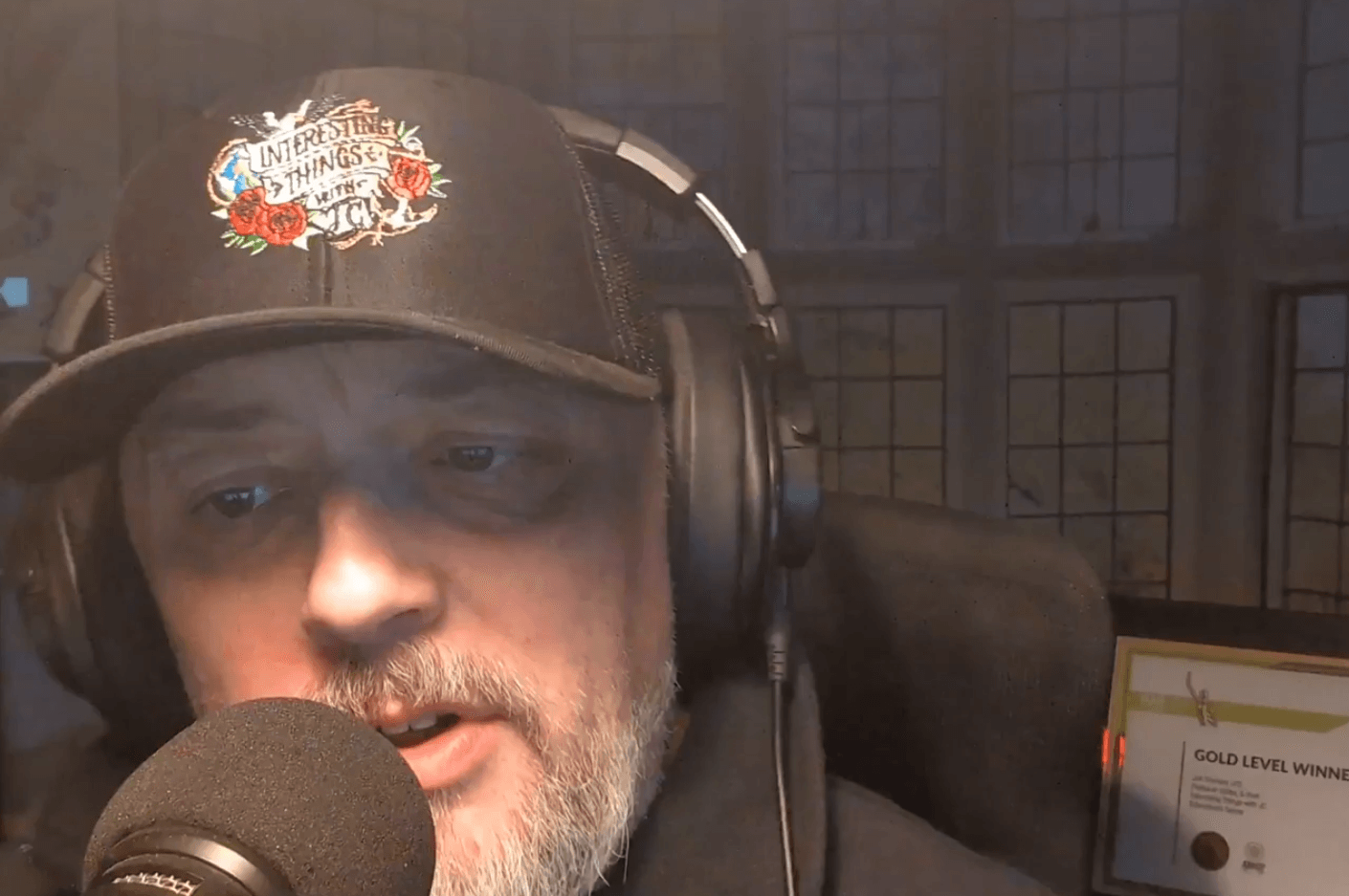
How did you build your audience on social media?
Building my audience on social media has been almost entirely organic, and it has been a long road.
I didn’t have a big launch. I didn’t have billboards. I didn’t run TV spots or radio campaigns. I’ve done a few paid pushes on TikTok, but outside of that, it’s been real people finding the work, sharing it, and coming back because they liked how it made them feel, like they learned something without getting talked down to.
In the beginning, it was simple and honestly a little lonely. I’d post an episode, then watch it sit there. A few views. A couple likes. No fireworks. But I kept going, because the whole idea of the show is consistency. One short story a day. Clean audio. A hook that gets you in fast. A payoff that makes it worth your time.
The audience started to build when I stopped treating social like a billboard and started treating it like a neighborhood.
I replied to comments like there was a person on the other side, because there was. I asked people what they were curious about. I paid attention to the topics that made people say, “Wait, I didn’t know that.” I learned quickly that you don’t need everyone. You need your people. The ones who like learning, like history, like hidden details, and like the deeper story behind something familiar.
And here’s the part I love most. A lot of these listeners don’t just watch. They contribute. They suggest episode ideas. They send me stories. They tell their friends. They tag people who would love a topic. Then I take that energy and turn it into new episodes, and the cycle keeps going. It’s not me broadcasting at strangers. It’s a community that helps steer what gets made.
Some of those connections have even turned into real friendships, which still surprises me in the best way.
If you’re just starting to build a social media presence, here’s what I’d tell you in plain terms.
Pick a lane and stay in it. Make it easy for people to understand what you do.
Show up consistently. The algorithm changes, but consistency is still the closest thing to a cheat code.
Talk to people. Reply. Thank them. Ask what they want to hear next. The comments are not an interruption. They are the job.
Keep the content tight. If you can’t hook attention fast, you lose the scroll. Get to the point early, then earn the rest.
Make sharing easy. People share what makes them look smart, helpful, or entertained. Give them a clean reason to pass it along.
And most of all, don’t fake it. People can feel when you’re posting for clout. The only thing that lasts is trust.
That’s how my audience grew. One post at a time, one conversation at a time, one person deciding to come back tomorrow. And I mean it when I say this, I’m grateful for every single one of them.
Contact Info:
- Website: https://jimconnors.net/
- Instagram: https://www.instagram.com/talktojc
- Facebook: https://www.facebook.com/talk2jc
- Linkedin: https://www.linkedin.com/in/jimconnors/
- Twitter: https://x.com/talktoJC
- Youtube: https://www.youtube.com/@interestingthingswithjc
- Other: Interesting Things with JC – LIBRARY
https://jimconnors.net/library
Image Credits
Jim Connors LLC